The Unspoken Rules of Neighborhood Life in the 1960s
The front porch meant something different then. It wasn’t just a place to put your welcome mat or stack packages from online orders that hadn’t been invented yet.
It was where Mrs. Henderson would wave at you every morning on your way to school, where the Johnsons sat after dinner discussing the day’s events, and where everyone understood that certain things simply didn’t need to be said out loud. The 1960s neighborhood operated on an intricate web of unspoken agreements that somehow kept everything running smoothly, from who could borrow sugar to how loud was too loud on a Sunday morning.
The Front Yard Standard
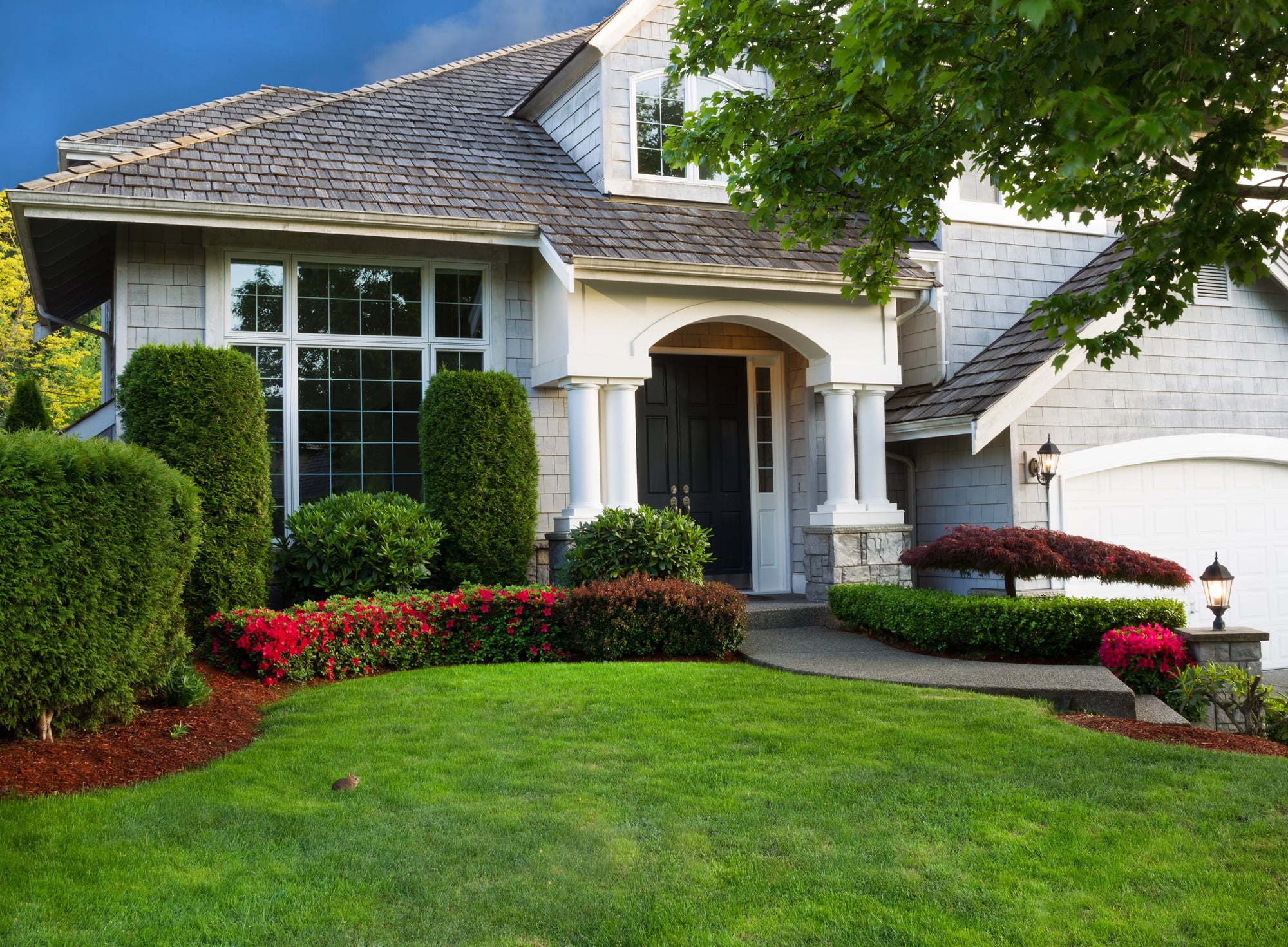
Your lawn reflected your character. Period.
Brown spots meant you’d given up. Dandelions suggested poor judgment.
The neighborhood noticed both. Most families spent Saturday mornings pushing manual mowers across their small kingdoms.
The sound became part of the weekend rhythm, along with the distant hum of someone’s father cursing at his carburetor.
The Borrowing Protocol

Nobody knocked on doors to ask for elaborate favors, but (and this distinction mattered more than anyone openly acknowledged) a cup of sugar or a few eggs created a different kind of social contract altogether — one that required reciprocal generosity within a reasonable timeframe, though what constituted “reasonable” varied dramatically depending on whether you were the borrower or the lender. The exchange itself followed an almost ceremonial pattern: you’d mention running short of something while chatting over the fence, the neighbor would insist you take what you needed, you’d protest briefly to show you weren’t presumptuous, then accept with genuine gratitude.
And the unspoken part? You’d return more than you borrowed, whether that meant a full bag of sugar for the cup you’d taken or a dozen eggs for the three you’d needed for Sunday pancakes.
The system worked because everyone understood that asking meant you’d genuinely run out, not that you were too lazy to go to the store. So neighbors gave freely, knowing the courtesy would return when they needed it most.
The Dinner Hour Sanctuary
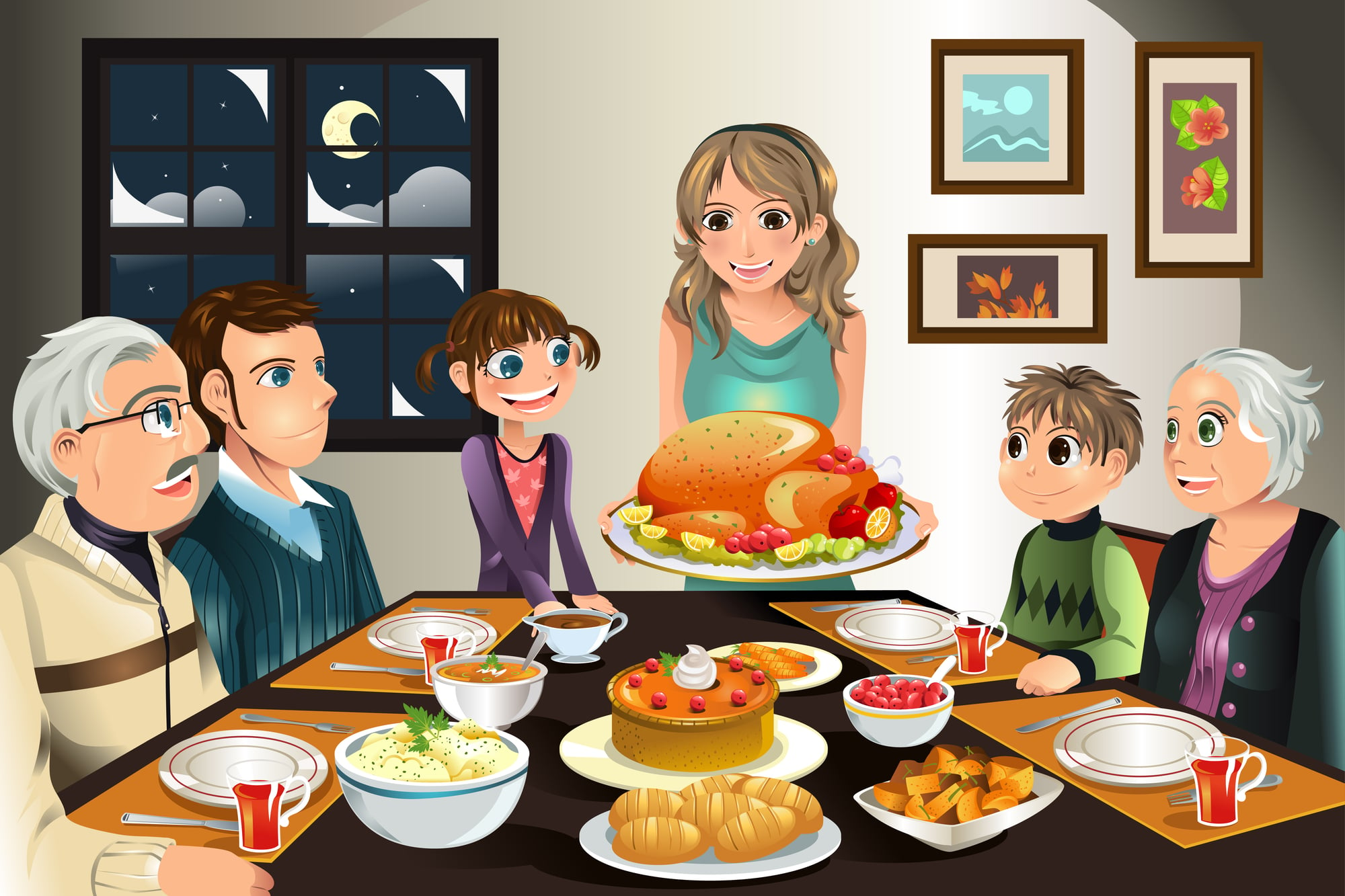
Between five and seven in the evening, the neighborhood held its breath. Phone calls waited.
Children playing outside lowered their voices without being told. Even the dogs seemed to understand that families needed this pocket of time to gather around their dining room tables without the rest of the world intruding.
There was something almost sacred about the way porch lights would flicker on one by one as families finished eating. Like small signals that the evening was ready to begin, that the day’s more serious business of connection had been properly attended to first.
The Children Surveillance Network

Kids belonged to the whole block. Mrs. Patterson down the street had every right to correct your son for riding his bicycle on her sidewalk, and parents backed her up automatically.
The system meant freedom for children and security for parents. Eight-year-olds could disappear for hours, knowing that a dozen pairs of adult eyes were casually tracking their movements.
Misbehavior got reported before dinner. Everyone understood their role.
The Proper Fence Protocol

Good fences required good manners to work properly, which meant (despite Robert Frost’s famous assertion about neighbors) that the real art lay not in building barriers but in recognizing that every shared property line represented a delicate negotiation between privacy and community that could either foster decades of peaceful coexistence or create the kind of festering resentment that made checking the mail an uncomfortable experience. When the Hendersons decided to replace their chain link with a six-foot privacy fence, the Kramers next door felt obligated to discuss the potential impact on their rose garden before construction began — not because any law required it, but because skipping that conversation would have branded them as the kind of neighbors who acted without consideration.
And when Mr. Henderson offered to install the fence six inches inside his actual property line to avoid any boundary disputes, everyone understood this as the gesture that would determine whether their relationship remained cordial for the next twenty years. The height, style, and placement of every fence carried meaning.
Privacy fences suggested either antisocial tendencies or something to hide. But a friendly split-rail fence meant you valued boundaries without rejecting community entirely.
The Sunday Morning Quiet Hours
Sunday mornings before ten demanded whispered conversations and postponed lawn care. Church bells marked time for everyone, whether they attended services or not.
Even teenagers understood this boundary instinctively. The boy next door might have spent Saturday night working on his motorcycle engine, but Sunday morning meant reading comic books on the front steps instead.
The respect felt automatic, built into the rhythm of the week itself.
The Driveway Hierarchy
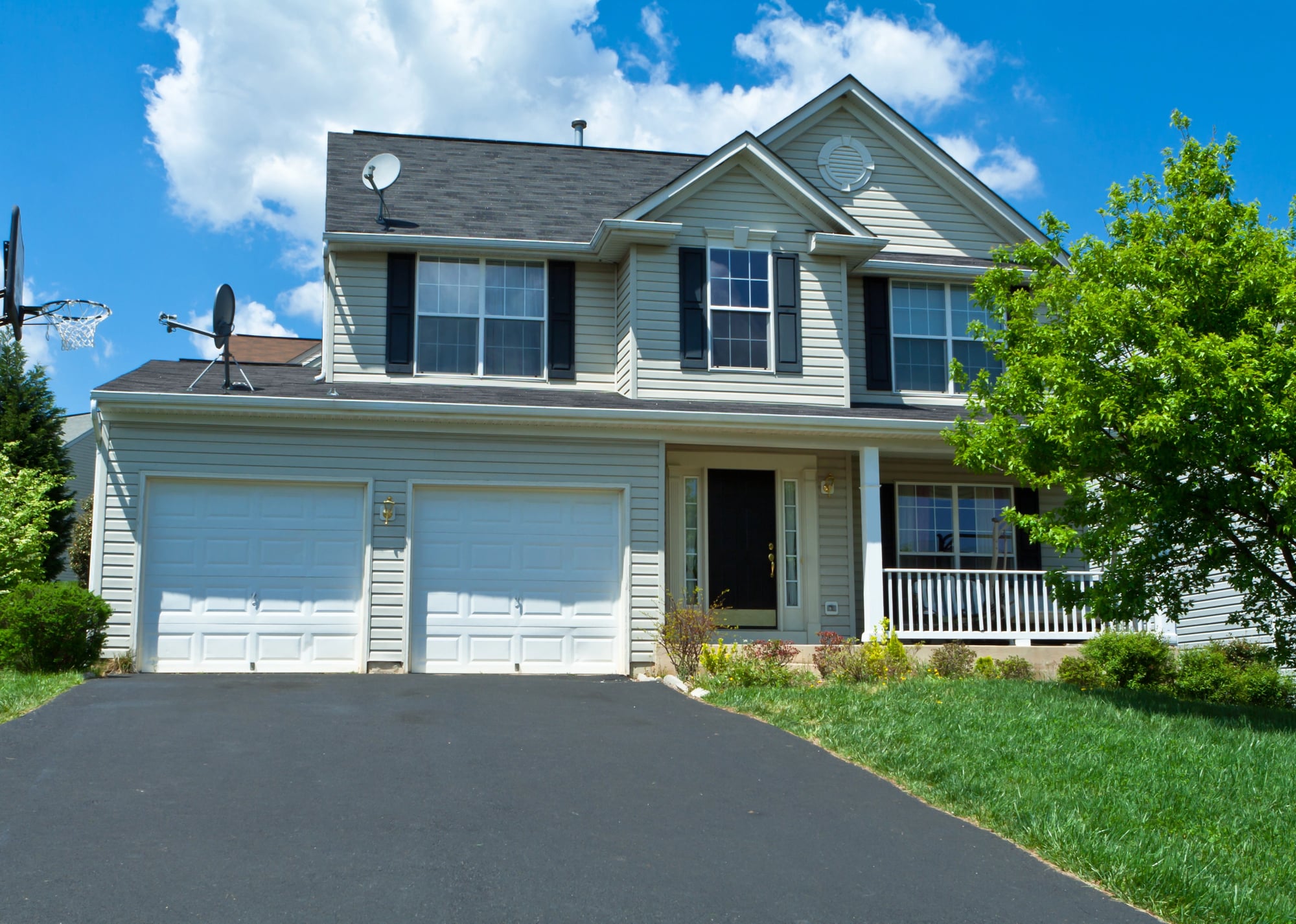
Driveways told stories more plainly than anyone wanted to acknowledge. The family with the pristine Buick parked precisely in the center sent a different message than the household where three cars crowded together with oil stains mapping their usual spots underneath.
But here’s what mattered more than the cars themselves: how people used their driveways as informal gathering spaces. Summer evenings would find fathers standing around open hoods, discussing carburetors and baseball standings while children drew chalk hopscotch squares on the concrete nearby.
The driveway became neutral territory where neighbors could interact without the formality of actual visits.
The Screen Door Policy
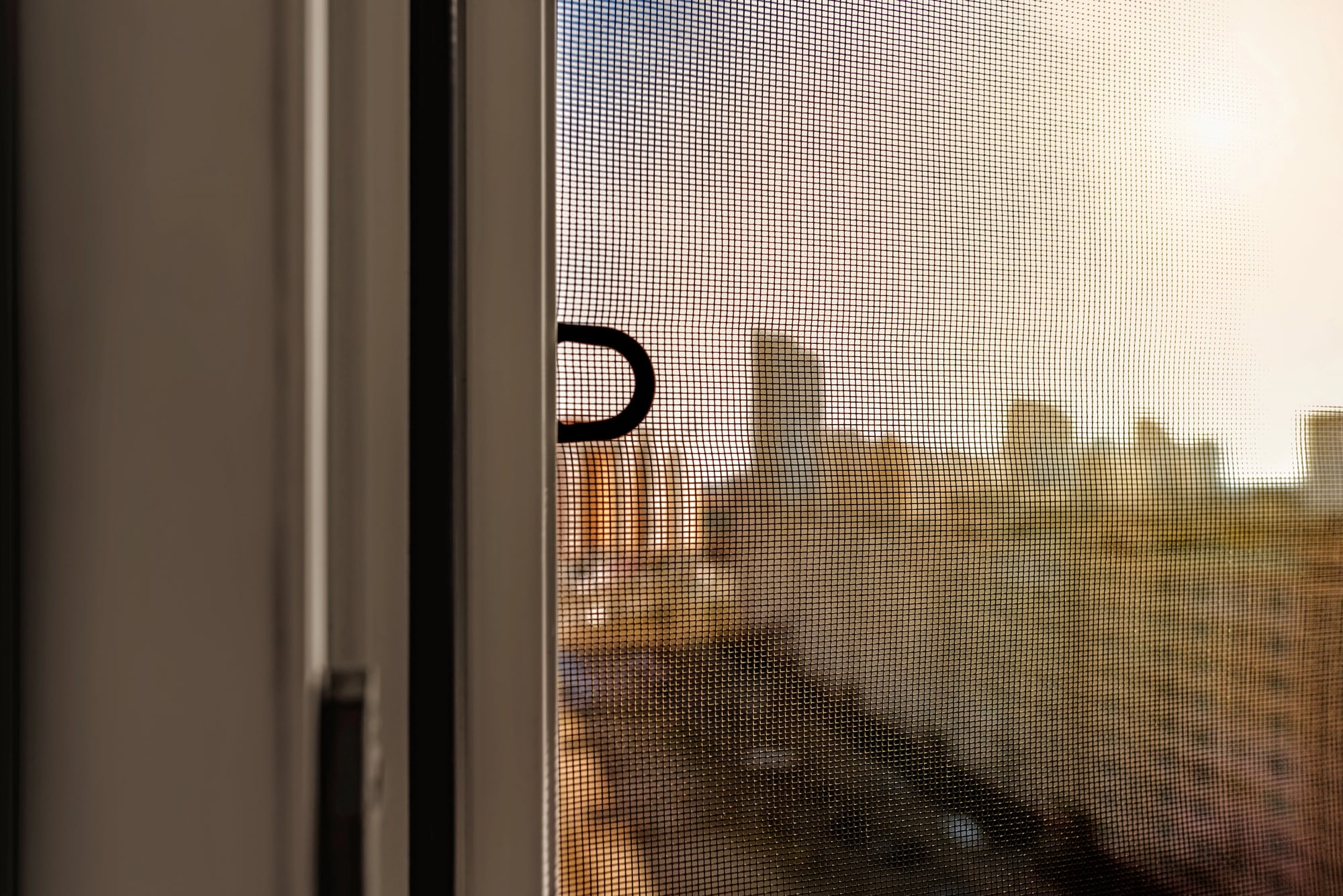
Screen doors stayed unlocked until bedtime. The barrier was psychological, not practical.
Friends could call through the mesh, but strangers knocked on the frame and waited for permission. Children learned to distinguish between houses where they could announce themselves cheerfully and homes that required more formal approaches.
The signals were subtle but unmistakable. Some screen doors invited easy interaction; others suggested you should state your business quickly.
The Shared Tool Economy

Power tools circulated through neighborhoods like library books, though (and this created its own form of unspoken social pressure) borrowing someone’s prized circular saw or hedge trimmer meant accepting responsibility not just for its safe return, but for maintaining the kind of reputation that made future borrowing possible without awkward negotiations. Mr. Johnson’s electric drill might spend more time in other garages than his own, but everyone who borrowed it understood that returning it cleaner than they’d found it wasn’t optional politeness — it was the price of admission to a network that could save you hundreds of dollars in tool purchases you’d only need twice a year.
And when the Kowalskis bought the neighborhood’s first electric hedge trimmer, the unwritten rule required them to offer its use to immediate neighbors before anyone had to swallow their pride and ask directly. The system worked on trust and reciprocity.
Nobody kept formal tallies, but everyone remembered who returned tools promptly and who required gentle reminders.
The Weather Report Ritual
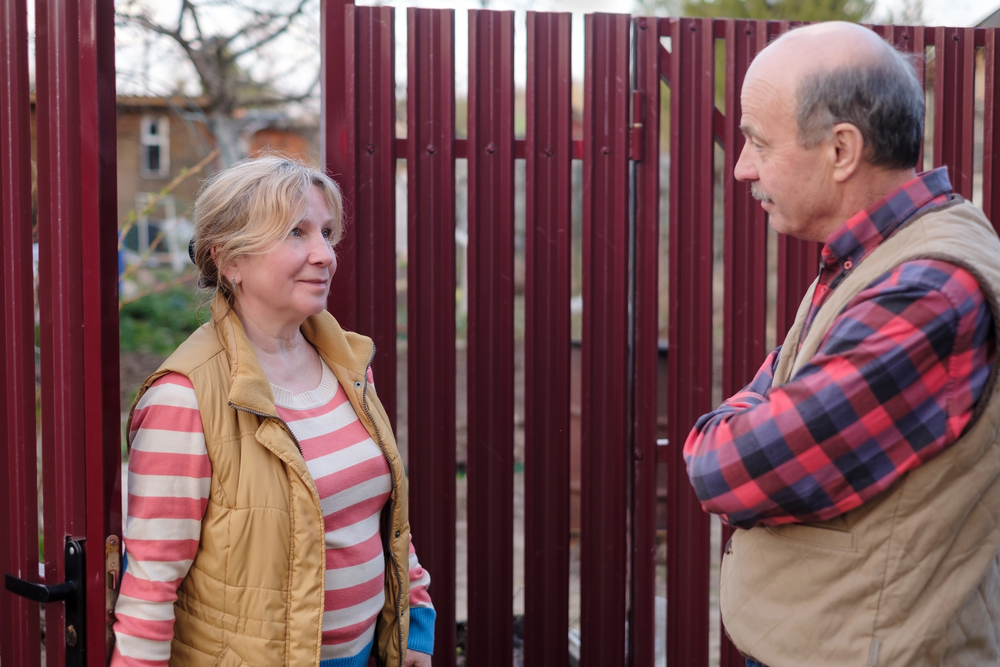
Discussing weather wasn’t small talk — it was reconnaissance. Mrs. Chen mentioning that rain was expected Tuesday meant you should plan your garden work accordingly and warn neighbors who’d left laundry on the line.
The predictions often proved wrong, but sharing them created a sense of collective preparation. Everyone faced the same storms together, literally and otherwise.
The Window Light Code

Kitchen windows told the whole story of a household’s evening routine. Lights on late suggested someone was baking for tomorrow’s church social or helping children with homework that had been forgotten until after dinner.
But bedroom windows required more careful interpretation. The family whose second-floor lights stayed on past midnight might be dealing with a sick child or an important phone call from relatives in California.
Neighbors noticed without mentioning, ready to offer help if needed but respectful enough not to pry directly.
The Sidewalk Maintenance Standard
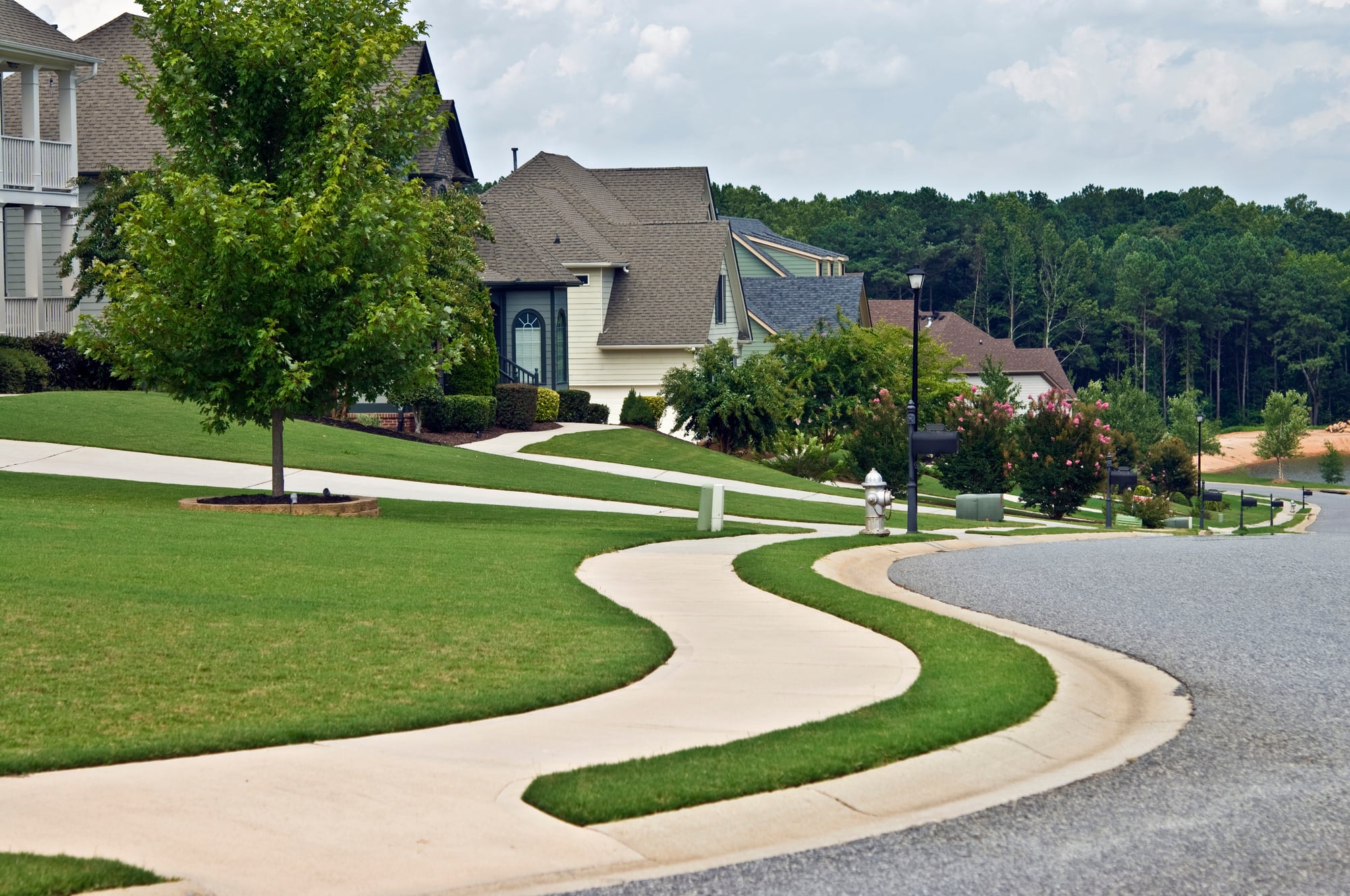
Everyone shoveled their section of sidewalk after snowstorms, but the unspoken rule extended far beyond simple property lines. If Mrs. Anderson couldn’t manage the heavy lifting anymore, someone else’s husband would quietly clear her walkway before heading to work.
The same principle applied to autumn leaves and spring debris. Neighborhoods that functioned well took care of their weakest members without making a production of the assistance.
Help appeared anonymously, preserving dignity while getting necessary work done.
The Garbage Day Choreography
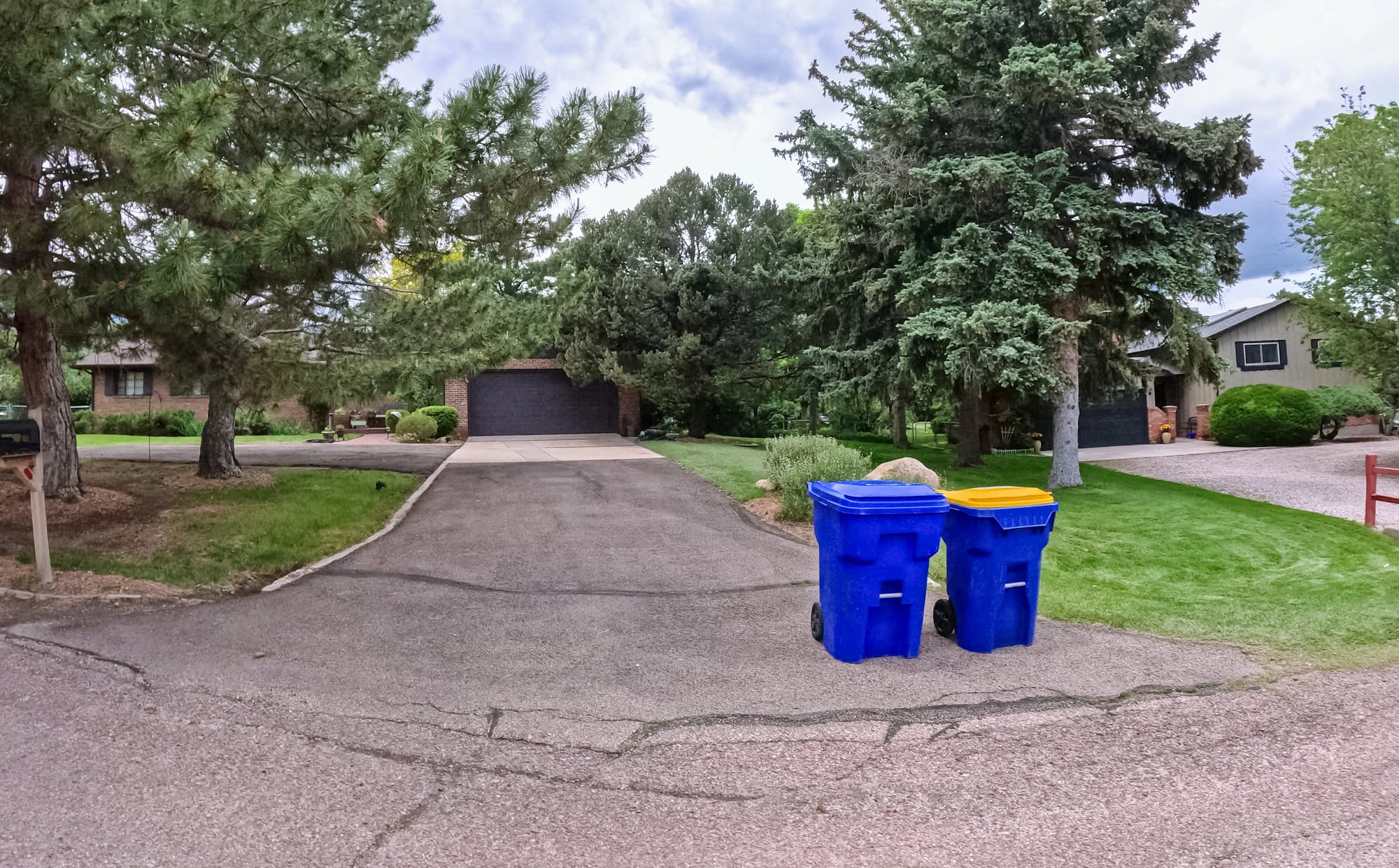
Trash cans appeared Tuesday evening and disappeared Wednesday afternoon with the precision of a well-rehearsed dance, though (and this detail separated considerate neighbors from those who’d eventually find themselves excluded from block parties and borrowed lawn mower privileges) the timing of both placement and retrieval carried social weight that newcomers learned only through careful observation or gentle correction from established residents. Setting cans out too early suggested either poor planning or disregard for neighborhood aesthetics.
Leaving them at the curb too long after pickup marked you as someone who didn’t quite understand how shared spaces worked best when everyone contributed to their upkeep. And the sight of Mr. Patterson wheeling his elderly neighbor’s empty can back to her garage every Wednesday afternoon — without ever mentioning it or expecting thanks — represented the kind of quiet consideration that held communities together more effectively than any formal organization could have managed.
But the real choreography happened on collection day itself, when the entire neighborhood would listen for the rumble of the garbage truck and time their morning routines accordingly. Nobody wanted to miss the pickup, but nobody wanted to chase their cans down the street either.
The Party Invitation Protocol

Block parties required unanimous participation to succeed. Holdout families created awkward dynamics that everyone felt but nobody addressed directly.
The smart approach involved informal polling weeks beforehand. Casual conversations over back fences would reveal whether the Hendersons were planning a vacation that weekend or if the new family with the baby might prefer a quieter gathering.
Success meant reading social cues accurately and adjusting plans to include everyone comfortably.
The Emergency Response Network
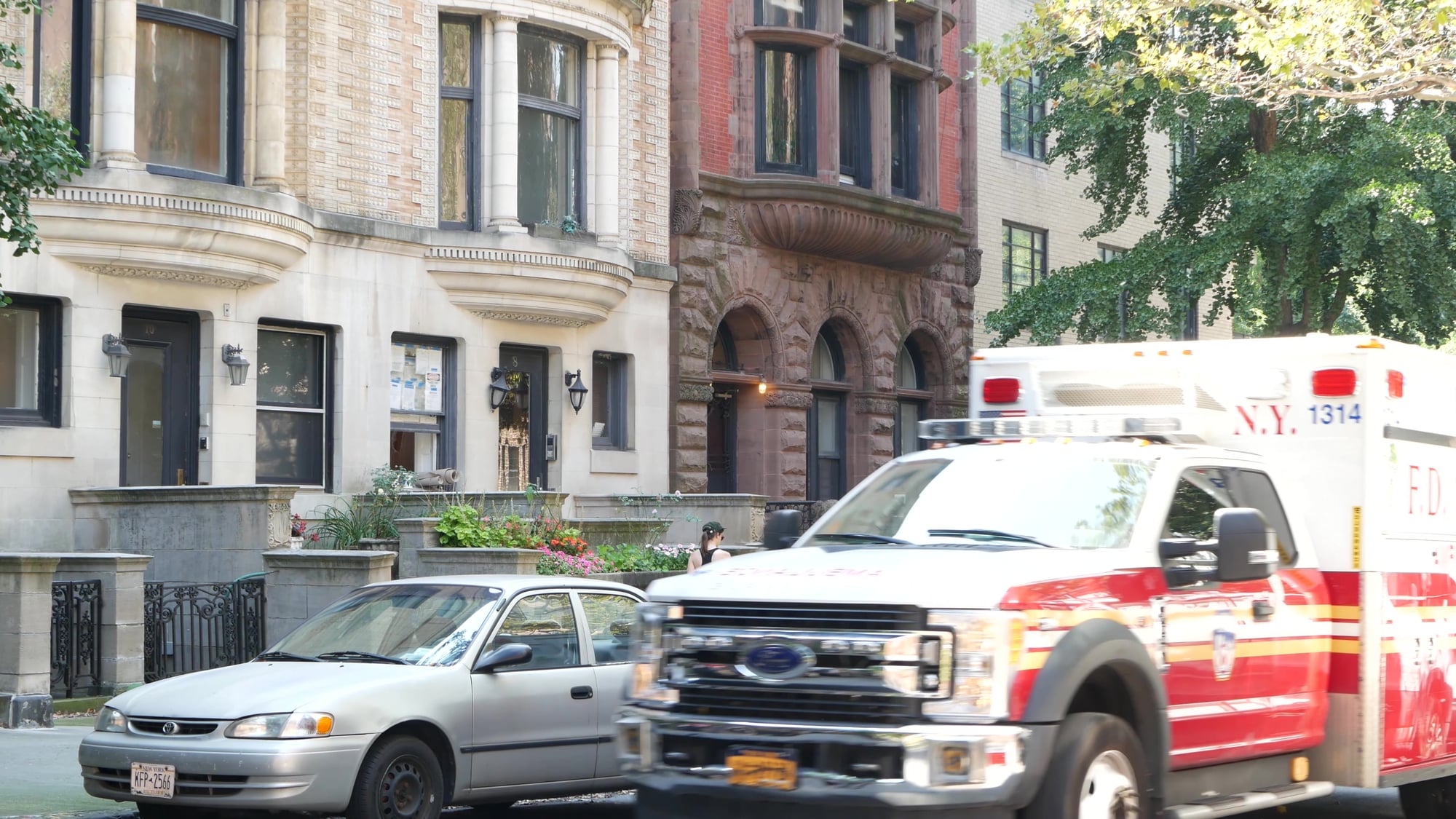
When ambulances appeared on the block, neighbors gathered quietly on their front porches — close enough to help if needed, far enough away to respect privacy. Information traveled through meaningful glances and subtle gestures rather than obvious gossip.
The same principle guided responses to house fires, police visits, or any other crisis that brought official vehicles to residential streets. Community concern expressed itself through presence without intrusion, ready assistance without presumption.
The Seasonal Decoration Calendar

Holiday decorations followed an unspoken schedule that balanced enthusiasm with restraint. Halloween pumpkins appeared after October 15th but disappeared before November 5th.
Christmas lights went up the weekend after Thanksgiving and came down before Valentine’s Day. Families who decorated too early or left displays up too long found themselves gently excluded from the neighborhood’s visual harmony.
Not through any formal complaint, but through the subtle social pressure that comes from being obviously out of step with community rhythm.
The After-Dark Etiquette
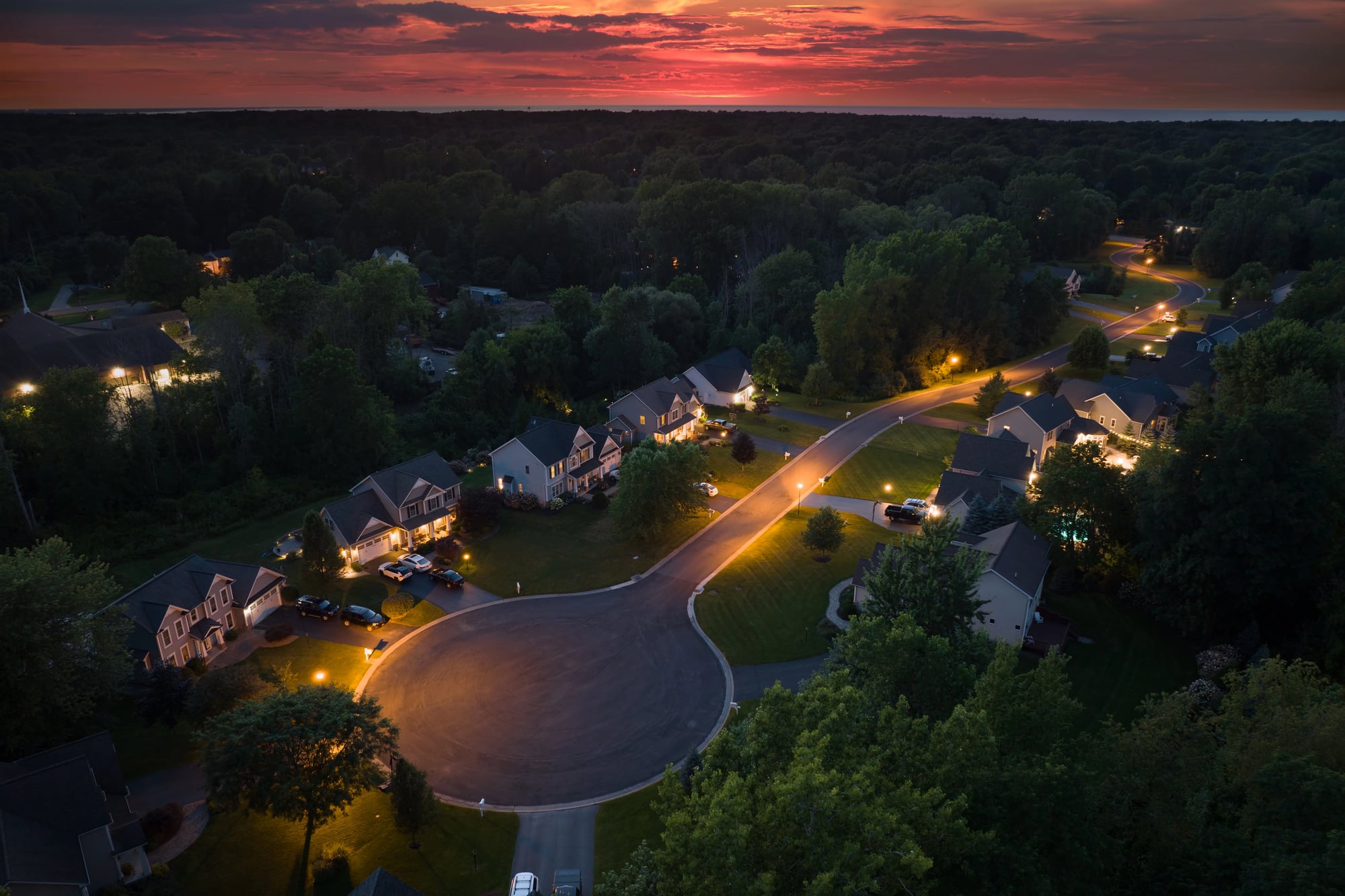
Evening activities required different consideration than daytime noise. Lawn mowing stopped at sunset regardless of how much work remained unfinished.
Teenagers understood that basketball practice moved to daylight hours, and even friendly conversations across back fences dropped to lower volumes after eight o’clock. The boundary wasn’t enforced through complaints but through collective understanding that nighttime belonged to families winding down from their days.
Violating that peace marked you as someone who didn’t quite grasp how neighborhood life worked best.
The Art of Knowing When to Wave

Not every encounter required acknowledgment, but missing the moments that did created lasting awkwardness. The mail carrier earned a daily wave.
The teenager delivering newspapers deserved at least a smile. Neighbors working in their yards expected friendly recognition, while the same people hurrying to their cars with briefcases might prefer to remain undisturbed.
Reading these social cues correctly separated newcomers who’d integrate smoothly from those who’d remain perpetual outsiders despite living on the same street for decades.
Where Good Neighbors Are Made
These weren’t rules anyone learned from handbooks or homeowners’ associations — they were the natural evolution of people figuring out how to live peacefully in close proximity. The 1960s neighborhood worked because everyone understood that small courtesies prevented large conflicts, that paying attention to others created the kind of community where children grew up safely and adults could rely on help when they needed it most.
Those unspoken agreements didn’t disappear because they were outdated; they faded because we stopped believing that how we treated our immediate neighbors mattered as much as what happened in the wider world beyond our front doors.
More from Go2Tutors!

- The Romanov Crown Jewels and Their Tragic Fate
- 13 Historical Mysteries That Science Still Can’t Solve
- Famous Hoaxes That Fooled the World for Years
- 15 Child Stars with Tragic Adult Lives
- 16 Famous Jewelry Pieces in History
Like Go2Tutors’s content? Follow us on MSN.