30 Unwritten Social Rules That Differ Wildly Depending on Which Country You’re In
What counts as polite conversation in one country can be considered pushy or cold in another. A gesture of respect in Japan might register as avoidance in Brazil. These invisible boundaries exist in every culture, and crossing them—often unknowingly—can create real friction, even when no offense is intended. Understanding how deeply etiquette rules vary reveals something startling: there is almost no behavior so universal that it doesn’t flip meaning somewhere else on the map.
The rules that govern daily interactions are rarely written down, which makes them even more treacherous for anyone moving between cultures. What matters most is recognizing that these aren’t arbitrary quirks—they reflect deeper values about hierarchy, time, space, and respect that shape entire societies.
Arriving Late in Latin America Is Expected; In Germany It’s an Insult

In Mexico, Brazil, and Argentina, social events routinely begin 20 to 30 minutes after the stated time—locals call this “Latin time,” and showing up exactly on time often means finding an empty room. In Germany, Switzerland, and Japan, punctuality is treated as a measure of respect for other people’s time, and arriving even five minutes late can mark you as unreliable or dismissive.
Eye Contact Signals Honesty in the West but Disrespect in Many Asian and African Cultures

Direct eye contact in the United States and Northern Europe indicates confidence and trustworthiness. In Japan, Vietnam, Thailand, and parts of Sub-Saharan Africa, prolonged eye contact—especially with authority figures—reads as aggressive or insubordinate, and many people instinctively look away as a sign of deference.
Slurping Noodles Is Rude Everywhere Except Japan, Where It’s Complimentary

In Japan, audibly slurping noodles shows the cook you’re enjoying the meal and helps cool the food for easier eating. Attempting the same in Italy, South Korea, or France will earn you disapproving stares, as it’s considered poor table manners and a sign of greed.
Cappuccino After Noon Marks You as a Tourist in Italy

Italians consume milk-based coffee drinks only in the morning—typically before 11 a.m. Ordering a cappuccino after lunch signals to locals that you don’t understand basic Italian culture, and many coffee shops will serve it but with visible reluctance or mild judgment.
Using Your Left Hand for Eating or Greeting Offends in the Middle East, India, and Parts of Africa

Across the Arab world, India, and much of Sub-Saharan Africa, the left hand is historically associated with bathroom hygiene and is considered unclean for food, greeting, or gift-giving. Using it for these actions is deeply offensive, even if the person is left-handed, and locals expect right-hand adaptation.
Cutting Potatoes With a Knife Is Considered Bad Manners in Germany
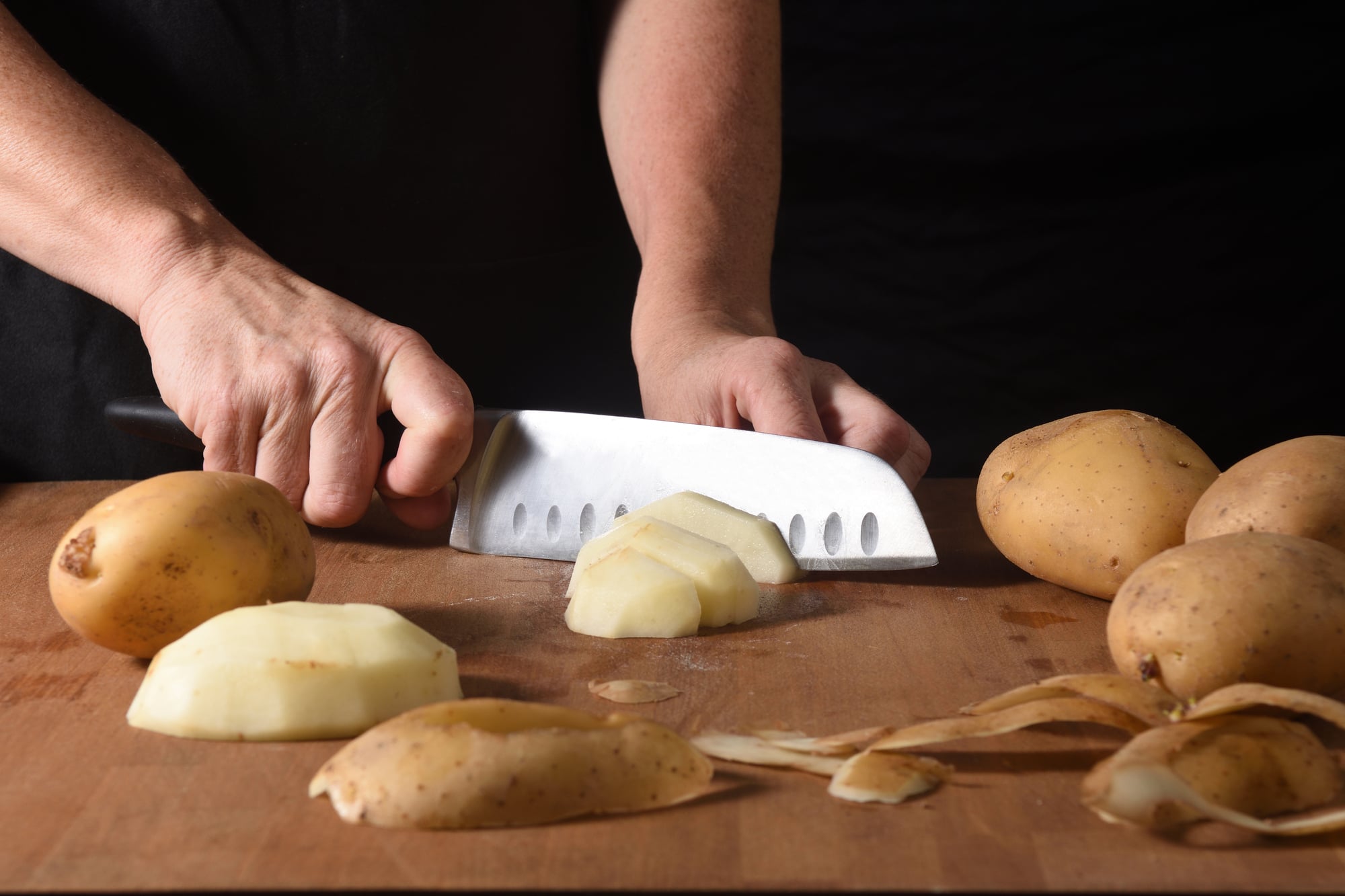
German dining etiquette dictates that potatoes should be cut with the edge of a fork, not a knife. Wielding a knife signals that the food is tough or poorly cooked, which is an insult to the host—even if the potato is difficult to cut.
Removing Your Shoes Indoors Is Mandatory in Japan, Many Arab Countries, and Scandinavia but Unnecessary in the US

In Japan, Scandinavian countries, and many households across the Middle East, keeping shoes on indoors is unhygienic and disrespectful to the host. In the United States, removing shoes is optional and varies by household, leading to awkward moments when cultural expectations collide.
Talking Loudly in Public Transport Is Normal in Italy and Spain but Frowned Upon in Scandinavian Countries

Italians and Spaniards engage in animated conversation on buses and trains without concern for volume, viewing it as natural social interaction. In Sweden, Norway, and Finland, speaking above a whisper in public transit is seen as inconsiderate and attention-seeking, and quiet is the unspoken rule.
Tipping 15-20 Percent Is Expected in the US but Considered Insulting in Japan and Parts of Europe

American servers depend on tips as income, and tipping 15-20 percent is customary. In Japan, tipping is offensive and implies the customer thinks the employee’s salary is inadequate. In much of Europe, service charges are included in the bill, and additional tips are unnecessary.
Asking How Someone Is Doing Requires a Genuine Answer in Australia but Works as a Greeting in the US

When an American asks “How are you?” while walking past, they don’t expect a real answer—it’s ritual greeting language. Australians treat the question as sincere and will often stop to actually tell you how they’re doing, expecting reciprocal interest in return.
The Thumbs-Up Gesture Means Approval in Most Western Countries but Insults in Afghanistan, Iran, and Parts of West Africa

A thumbs-up conveys agreement or encouragement across North America and Western Europe. In Afghanistan, Iran, and several West African nations, it’s an obscene gesture equivalent to flipping someone off, and using it can provoke genuine anger.
Compliments Should Be Deflected, Not Accepted, in Japan and China

In Japan and China, accepting a compliment directly (“Thank you, I’m proud of it”) seems arrogant. The culturally correct response is to dismiss it modestly (“Oh, it’s nothing special”) or redirect it to someone else, showing humility rather than pride.
Flushing Toilet Paper Is Required in Singapore but Prohibited in Thailand and Much of Latin America

Singapore fines people for not flushing toilet paper, treating it as a hygiene standard. In Thailand, Mexico, and many parts of Southeast Asia and South America, the plumbing cannot handle paper, and depositing it in the trash is the correct practice—flushing causes blockages.
Business Cards Should Be Presented and Received With Both Hands in Japan but Can Be Handed Over Casually in the US

In Japan, presenting or receiving a business card with two hands and a slight bow shows respect and formality. In the United States, handing a card with one hand while making eye contact is standard, and the Japanese approach reads as overly formal or awkward.
Asking Personal Questions on First Meeting Is Welcomed in the US but Considered Intrusive in the UK

Americans often ask newcomers about their job, family, or background as friendly small talk. British people view such questions as invasive and prefer to build rapport gradually through less personal topics, finding direct personal inquiry uncomfortable.
Pointing at People or Objects With Your Index Finger Is Rude in Many Asian and Middle Eastern Countries

In Thailand, Japan, and several Arab nations, pointing at someone or something with your index finger is considered disrespectful or accusatory. The proper gesture is to point with an open hand or gesture gently with all fingers together.
Leaving Food on Your Plate Shows You’re Full in China but Signals Waste in the US
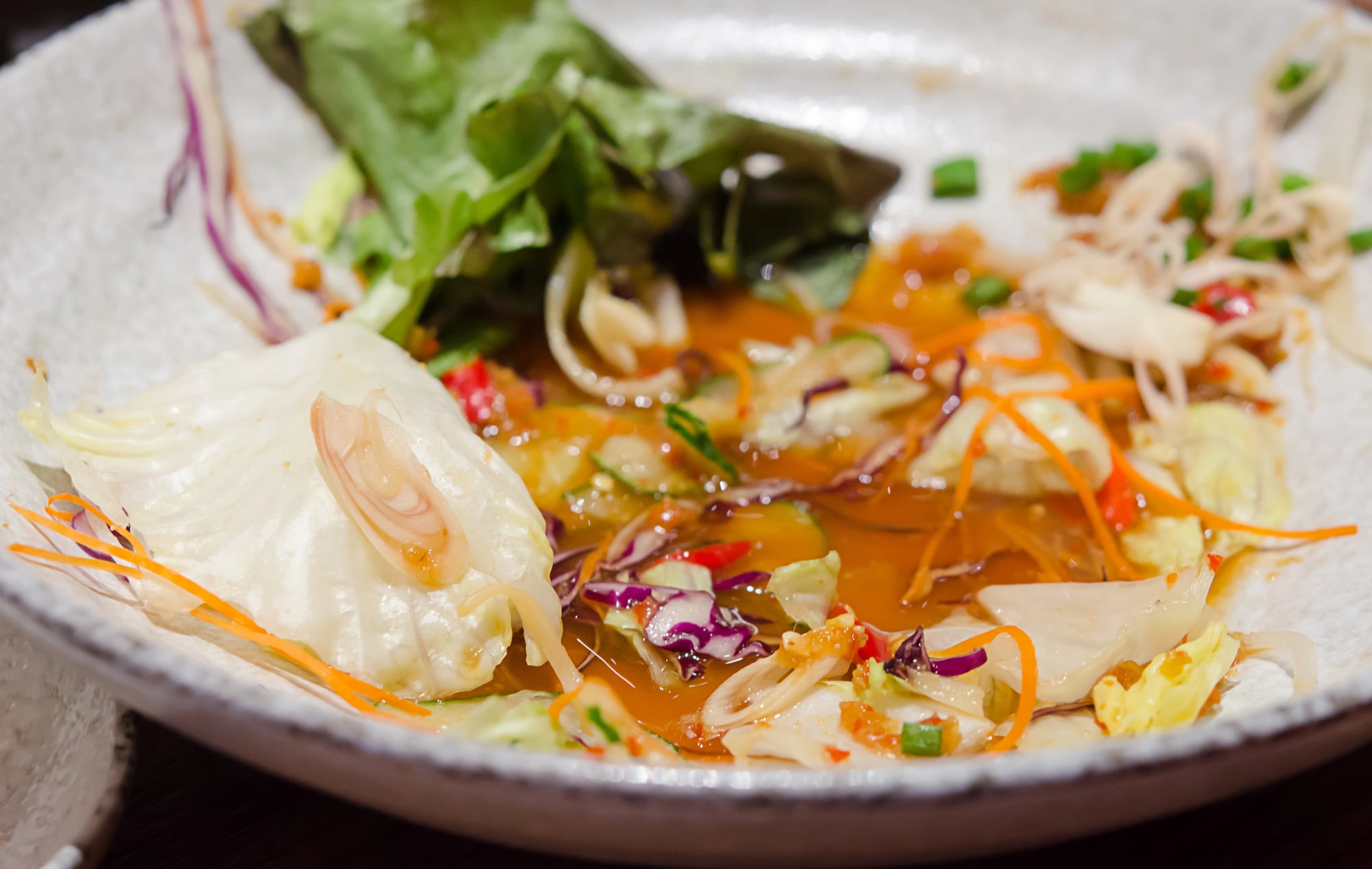
Chinese diners leave a small amount of food to indicate they’ve eaten their fill and are satisfied. In the United States, a clean plate is expected as a sign of appreciation and respect for the meal, and leaving food looks wasteful or critical of the cooking.
Discussing Money, Salary, or Prices in Detail Is Taboo in Polite British and Australian Conversation

In the UK and Australia, asking how much someone paid for something or discussing salary figures is considered extremely rude and invasive. Americans, by contrast, discuss these topics with greater openness, and the British reticence reads as evasive to US ears.
Whistling in Public Is Socially Acceptable in Many European Countries but Inappropriate in India and Japan
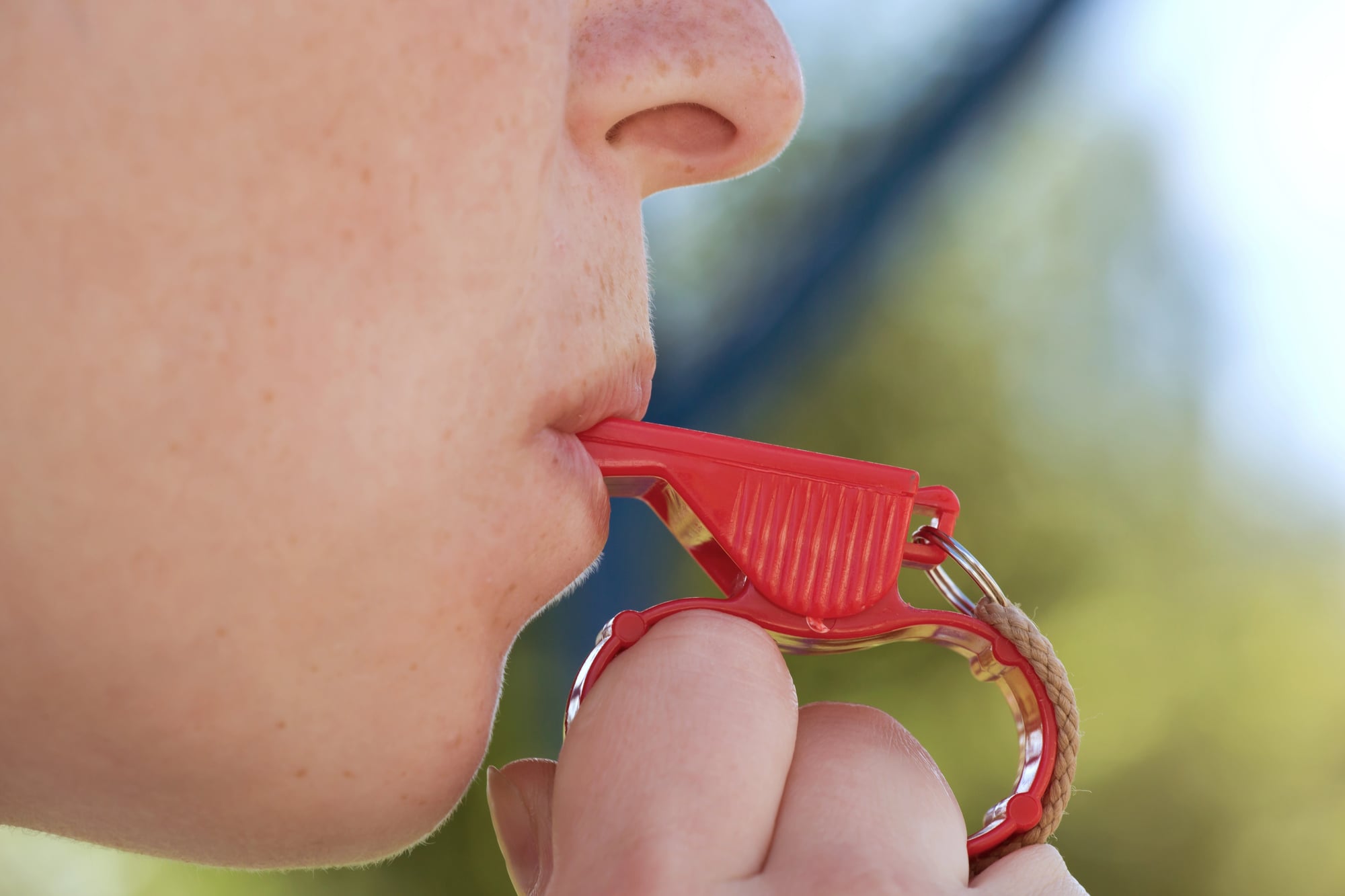
Germans, Swedes, and Italians commonly whistle in public without embarrassment or judgment. In India and Japan, public whistling is seen as attention-seeking or disruptive, and doing so marks you as lacking self-awareness.
A Firm Handshake Signals Confidence in the US and Northern Europe but Seems Aggressive in Many Asian Countries

American business culture values a strong handshake as a sign of confidence and trustworthiness. In Japan, India, and parts of Southeast Asia, a gentler handshake is the norm, and gripping hard feels uncomfortable or threatening.
Making a Toast by Clinking Glasses While Saying Cheers Is European Custom; In Japan, Saying Kanpai Without Clinking Is Proper

Europeans clink glasses and make eye contact while toasting, and the glass-touching is essential to the ritual. In Japan, the equivalent toast is “Kanpai,” spoken while raising glasses—clinking is also a normal part of the tradition and expected at celebrations and social gatherings.
Discussing Death, Illness, or Misfortune in Casual Conversation Upsets People in Many Western Countries but Is Normal in Some Eastern European and Latin American Contexts

People from Greece, Poland, or Argentina may openly discuss serious topics like cancer, death, or family tragedy in everyday conversation without viewing it as morbid. Americans and Northern Europeans often redirect such topics, considering them too heavy for casual chat.
Staying Late at a Dinner Party Signals You’re Having a Good Time in the US but Means You’re Overstaying Your Welcome in Germany and Switzerland

In America, lingering after dinner and moving to the living room for drinks is standard hospitality. In Germany and Switzerland, guests are expected to leave within an hour or two of the meal ending, and staying significantly longer suggests the host wants the evening to end.
Refusing Food or Drink Is Polite in Western Contexts but Can Offend Hosts in the Middle East, India, and Southeast Asia

In the US and UK, saying “No thank you, I’m full” is accepted gracefully. In Arab countries, India, Thailand, and Indonesia, refusing food—especially multiple times—insults the host’s generosity and suggests their cooking isn’t good enough. Accepting and eating at least some food is expected.
Public Displays of Affection Between Adults Are Acceptable in Mediterranean and Latin American Countries but Frowned Upon in East Asia

Couples kissing or hugging openly in Italy, Greece, Brazil, or Mexico attracts no attention. In Japan, South Korea, and China, public physical affection is considered inappropriate and reserved for private settings, and seeing it makes many locals deeply uncomfortable.
Asking About Someone’s Age, Weight, or Marital Status Is Friendly Interest in Many Cultures but Considered Rude in the United States

In many Middle Eastern, Asian, and Latin American countries, asking a woman her age or marital status is standard conversation. Americans view these questions as invasive and potentially offensive, and asking them suggests poor social awareness.
Bringing a Dish to a Potluck Should Be Homemade in the US but Can Be Store-Bought Without Comment in Many European Countries

American potluck culture often expects homemade contributions, and showing up with store-bought food may draw low-key criticism. In much of France, Germany, and Scandinavia, bringing quality prepared food from a shop is perfectly acceptable and requires no apology.
Making Noise While Eating or Drinking Soup Is Impolite Everywhere Except Korea, Where It’s Encouraged

Quietly eating and drinking is the standard everywhere, except South Korea, where making audible sounds while consuming soup or noodles signals enjoyment and is considered normal. In the US and Europe, the same behavior marks you as having poor manners.
The Color White Is Associated With Mourning and Death in East Asia; Red Is Unlucky in Some Asian Contexts

Wearing white to an event in Japan or China can offend, as it’s the color of funeral garments. Giving a clock as a gift in China is taboo because the word for clock sounds like the word for death. These color and object associations have no meaning in Western contexts but carry serious weight locally.
Walking Between Two People in Conversation Without Saying Excuse Me Is Acceptable in Crowded Mediterranean Cities but Requires an Apology in Northern Europe and North America

In Italy, Spain, and Greece, weaving through crowded spaces is practical necessity, and people don’t expect formal acknowledgment. In the US, UK, and Scandinavian countries, even briefly cutting through a conversation warrants a verbal apology or gesture of acknowledgment.
When Etiquette Divides Rather Than Unites
These rules exist because they encode what each society values most—whether that’s time, hierarchy, modesty, generosity, or directness. They aren’t wrong or right; they’re calibrated to different social priorities. The problem arises when travelers or expats assume their home culture’s rules are universal and judge others for not following them.
Recognizing that your way isn’t the default is the beginning of genuine respect for other cultures.
What makes these rules particularly tricky is that they’re invisible to locals—most people follow them without conscious thought and assume everyone else does too. The foreigner who doesn’t know them seems thoughtless or rude, even when they’re simply operating under different assumptions. Building awareness before traveling or relocating transforms these potential missteps into opportunities to show actual respect rather than just performing courtesy.
More from Go2Tutors!

- The Romanov Crown Jewels and Their Tragic Fate
- 13 Historical Mysteries That Science Still Can’t Solve
- Famous Hoaxes That Fooled the World for Years
- 15 Child Stars with Tragic Adult Lives
- 16 Famous Jewelry Pieces in History
Like Go2Tutors’s content? Follow us on MSN.