28 Christmas Traditions Families No Longer Keep
Every family’s Christmas has a set of rules nobody wrote down. The tree goes in a certain corner, a certain dish appears on a certain plate, and one relative always tells the same story.
Most of those rules feel permanent until one year they quietly stop. Some of the traditions below disappeared because of safety concerns, some because technology made them unnecessary, and some simply because nobody had the time anymore.
Each one was once standard in millions of American homes.
Draping Lead Tinsel One Strand at a Time
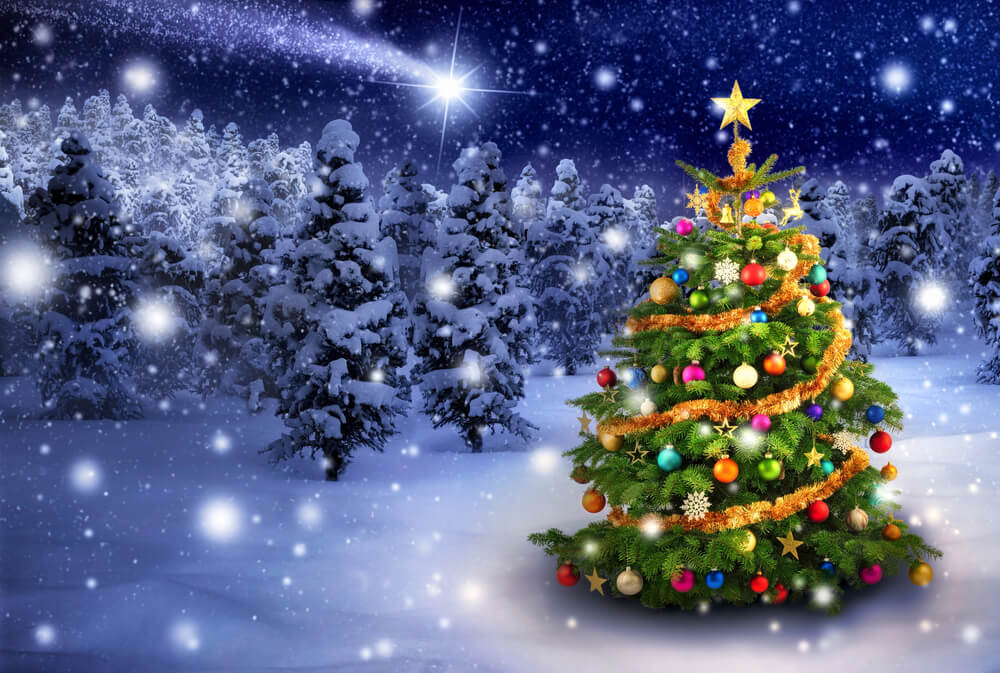
Tinsel icicles were once hung strand by strand, and the careful families made the kids do it one piece at a time rather than throwing clumps. Much of the tinsel of the 1950s and 1960s was made from lead foil, which hung straight and heavy and caught the light beautifully.
Health concerns about lead led manufacturers to phase it out in the early 1970s, and the plastic replacements never draped the same way. Many families also saved the tinsel after Christmas, pulling it off the tree and wrapping it around cardboard for the following year.
Aluminum Trees Under a Rotating Color Wheel
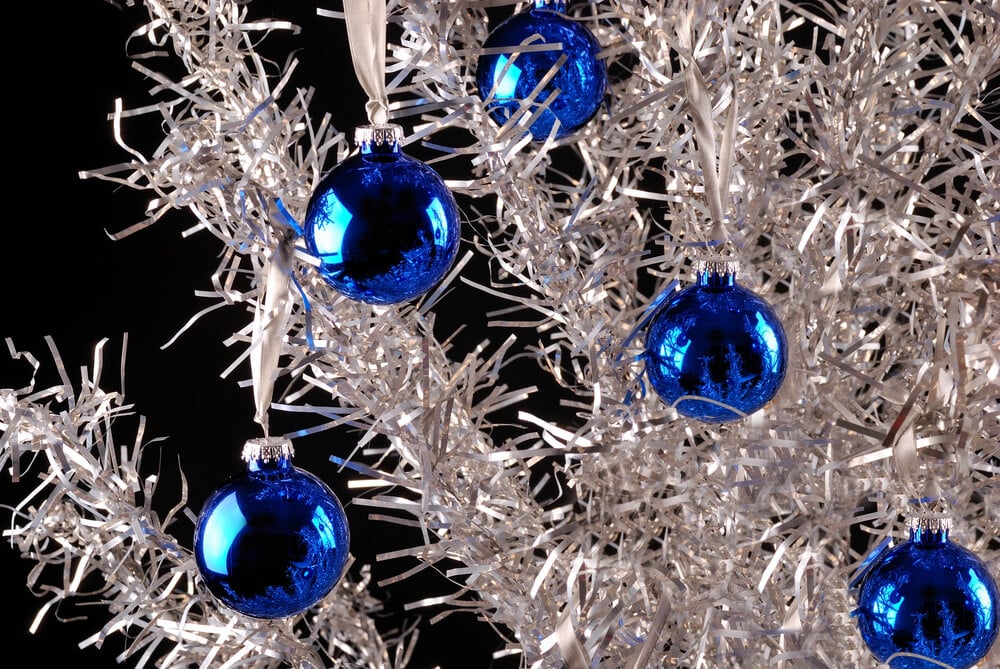
The Aluminum Specialty Company of Manitowoc, Wisconsin, began making its Evergleam aluminum trees in 1959, and silver trees became a space-age fixture of American living rooms. Because stringing electric lights on a metal tree was a shock hazard, the tree was lit by a rotating color wheel on the floor, bathing it in red, blue, green, and amber.
The trend faded after 1965, when A Charlie Brown Christmas mocked the shiny trees as a symbol of commercialism. Surviving Evergleam trees in their original boxes now draw strong interest from midcentury collectors.
Bubble Lights Waiting to Warm Up
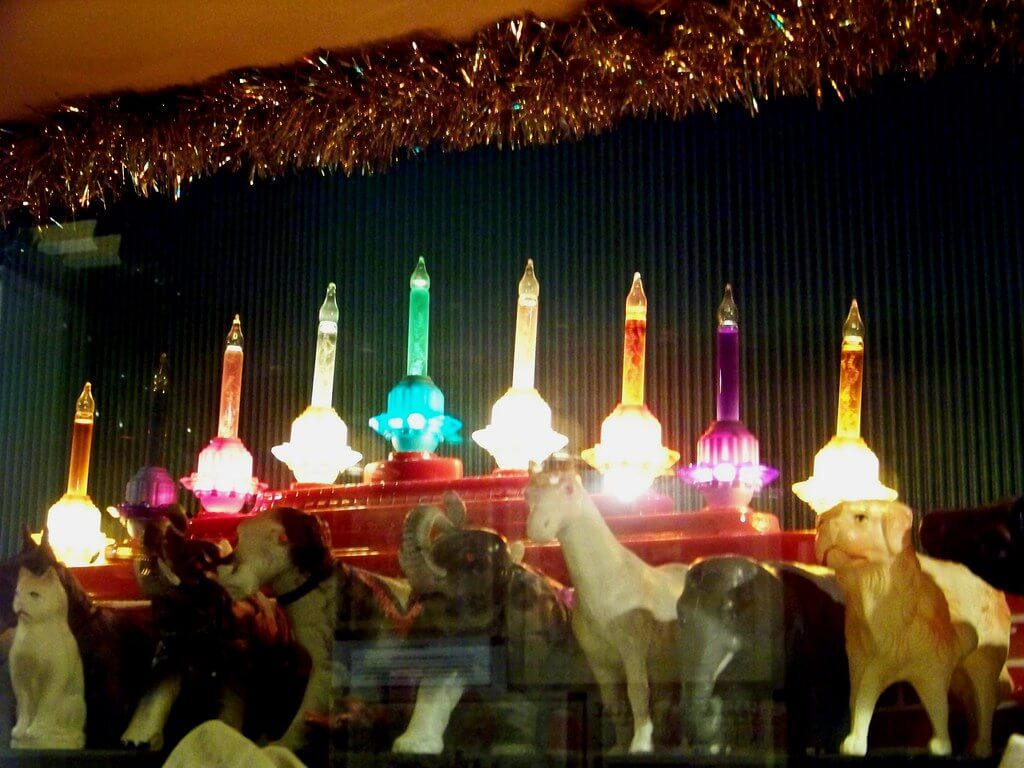
NOMA Electric introduced bubble lights in 1946, and they became a postwar favorite on American trees. Each light held a glass tube of liquid with a low boiling point, and the heat from the bulb below made it bubble continuously.
Kids spent the first half hour after plugging in the tree watching to see which lights would begin bubbling first, and a few always needed a gentle tap. Bubble lights never fully vanished, but they are now a nostalgic specialty item rather than the standard decoration they once were.
Flocking the Tree at Home
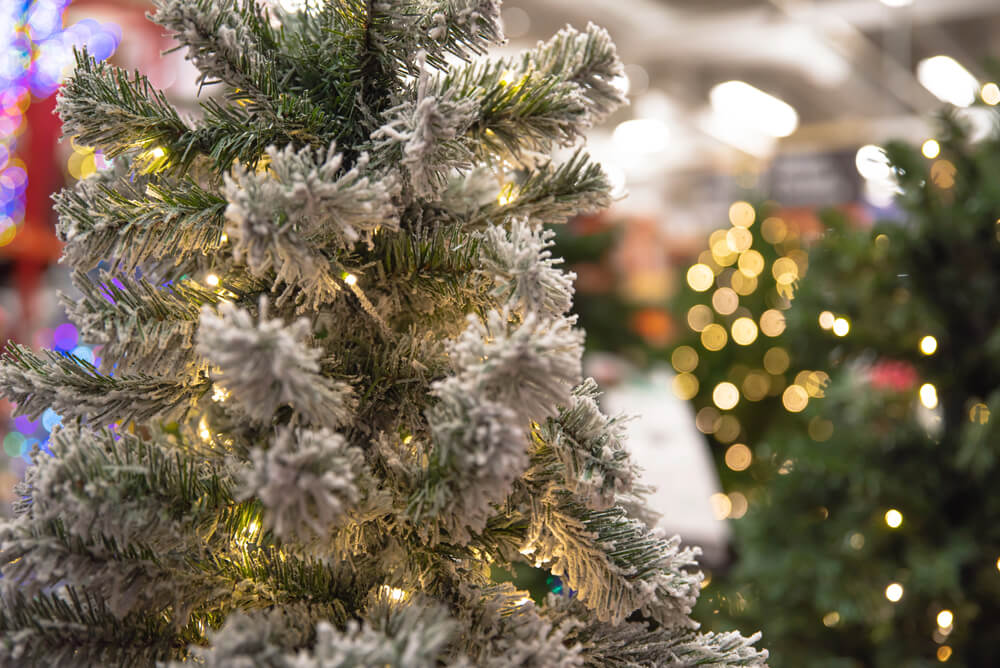
Flocked trees looked like they had been dusted by a snowstorm, and in the 1950s and 1960s many families did the job themselves. Home flocking kits and spray cans let a parent coat the branches in white fibers, often outside on the porch or in the garage.
The results ranged from a delicate frosting to a heavy white crust, and the stuff shed onto carpets for months. Today flocked trees are usually bought that way from a lot or a store, and home flocking has become a rare and messy exception.
Circling Toys in the Sears Wish Book
Sears published its first dedicated Christmas catalog in 1933, and the Wish Book became the most thumbed-through book in many households. Kids went page by page with a pen, circling toys and writing their initials beside the ones they wanted most, and siblings fought over who got it first.
The catalog arrived in the fall and marked the true beginning of the season. Sears ended its big general catalog in 1993, and while versions of the Wish Book have returned in later years, a thick printed toy catalog is no longer the event it was.
Downtown Store Windows and Santa’s Workshop
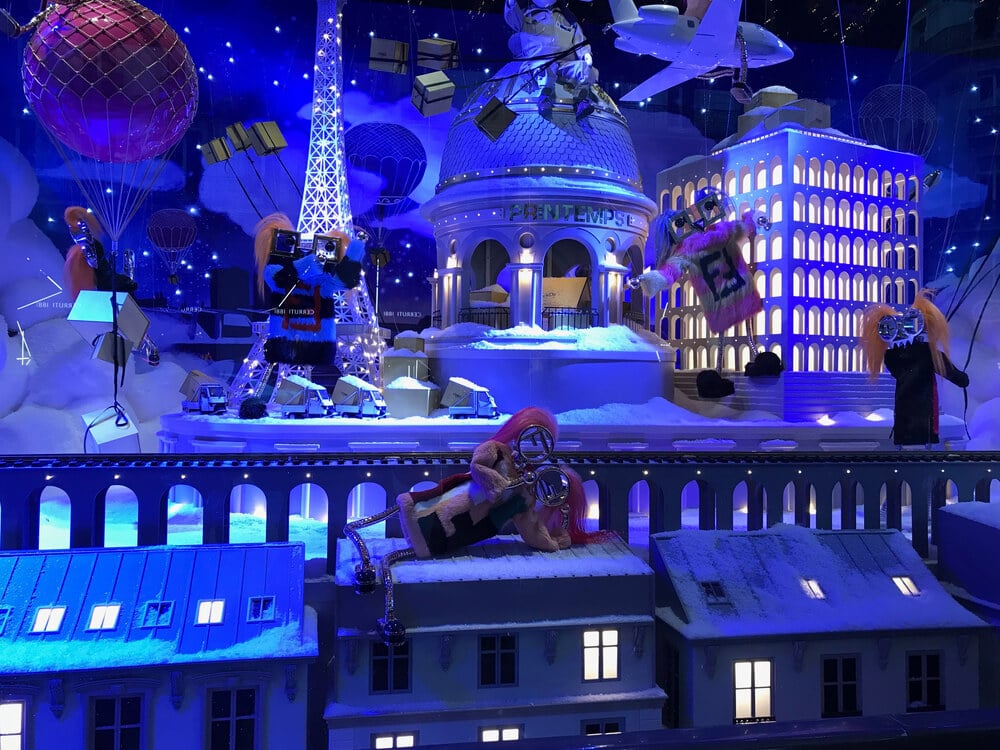
Visiting a big downtown department store was a holiday pilgrimage for families in cities across the country. Stores like Macy’s in New York, Marshall Field’s in Chicago, and Hudson’s in Detroit built elaborate animated window displays and in-store Santa lands with trains, elves, and long lines.
Families dressed up for the trip, ate lunch at the store restaurant, and ended with a photo on Santa’s lap. As shoppers moved to suburban malls and many of those flagship stores closed or changed names, the day-long downtown outing faded for most families.
Waiting a Full Year for Rudolph on TV
Rankin and Bass’s stop-motion Rudolph the Red-Nosed Reindeer first aired on NBC in December 1964, and for decades it could be seen only when a network chose to broadcast it. Families checked TV Guide, planned the evening around it, and gathered in front of the one television in the house.
Missing the broadcast meant waiting another year. Home video and later streaming ended the scarcity, and the special now plays on demand, which made it easier to watch and far less of an occasion.
The same was true for Frosty the Snowman and How the Grinch Stole Christmas.
Christmas Records From the Tire Store
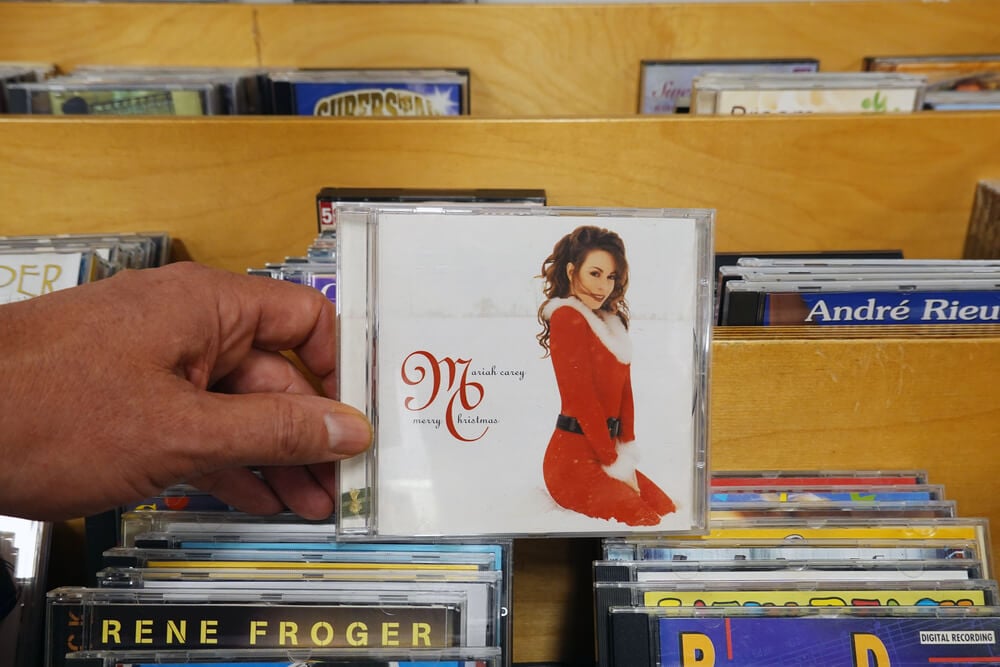
In 1961, Goodyear began selling Christmas albums through its tire dealers, produced with Columbia Records and featuring major stars of the era, and Firestone ran its own long series of holiday records. Customers could pick one up for about a dollar with a purchase, and the albums became a fixture of family record collections.
Every year brought a new volume, played on the living room console while the tree went up. Thrift stores still carry stacks of them, and the familiar covers sit alongside Mitch Miller and Bing Crosby in countless attics.
Christmas Club Savings Accounts

Christmas Club accounts let families deposit a small fixed amount every week so they would have cash for presents by December. The idea is often credited to the Carlisle Trust Company in Pennsylvania around 1909, and banks across the country adopted it.
Depositors carried coupon books or passbooks, and the money was paid out in November, often as a check that arrived just in time for shopping. The accounts paid little or no interest, and credit cards and budgeting apps have replaced them for most households, though some banks and credit unions still offer them.
Caroling Door to Door
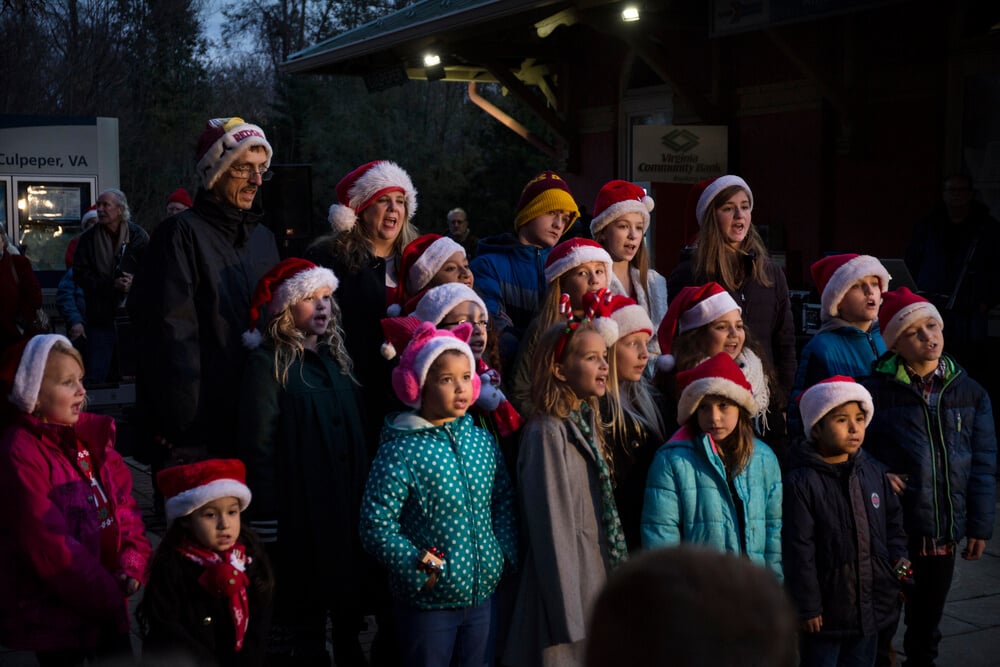
Groups of neighbors, church members, and school classes once walked the streets on winter evenings singing carols at front doors. Hosts were expected to listen on the porch and sometimes invite the singers in for cocoa or cider.
Carolers carried songsheets or relied on memory for the first verse of every song and mumbled the rest. Changing neighborhood habits, busier schedules, and the awkwardness of knocking on strangers’ doors have made the practice rare, though some churches and small towns keep it going.
A good group could cover a dozen houses in an evening and return home hoarse and half frozen.
Stringing Popcorn and Cranberry Garlands
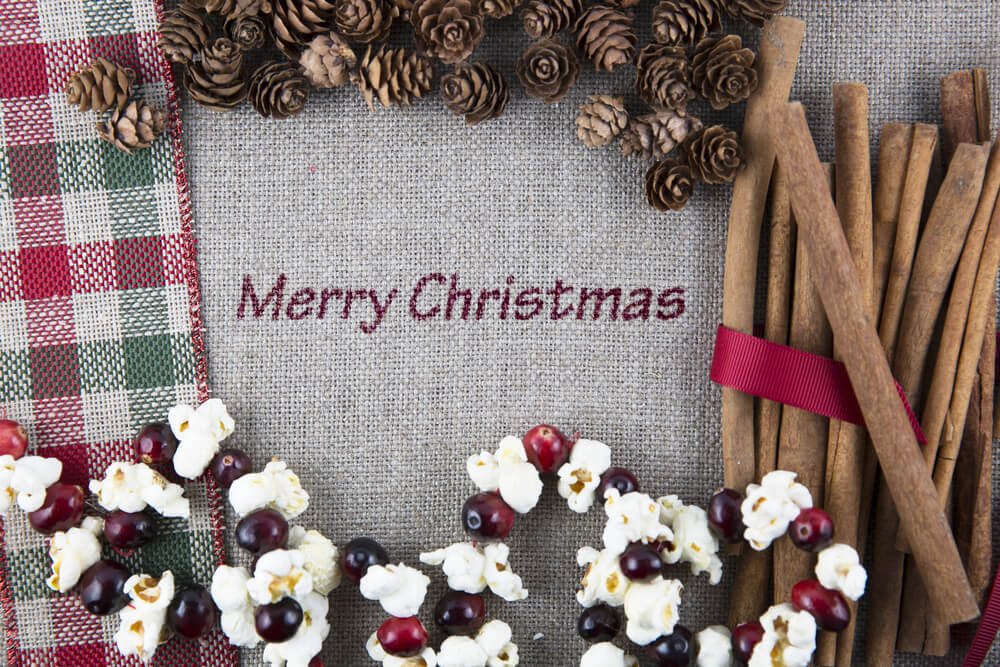
Before plastic garlands were cheap, families made their own by threading popcorn and fresh cranberries on long strands with a needle. The job took hours, usually at the kitchen table, and involved eating nearly as much popcorn as made it onto the string.
Stale popcorn threaded better than fresh, a trick passed down by grandmothers. The garlands looped around the tree and were sometimes hung outside afterward for the birds.
Today the craft is mostly an occasional project rather than the standard way to decorate.
Taping Cards Around the Doorframe
Christmas cards arrived by the dozen in December, and families displayed them by taping them around doorframes, stringing them on ribbon across a wall, or standing them on the mantel. The number of cards was an unspoken measure of a family’s social reach.
Kids were often tasked with reading the return addresses and keeping track of who needed a card sent back. With fewer cards mailed each year, the doorframe display has shrunk to a few photo cards on the refrigerator in many homes.
The oldest relatives often kept a written list of every card received so they could return the favor exactly.
Mailing a Typed Family Newsletter
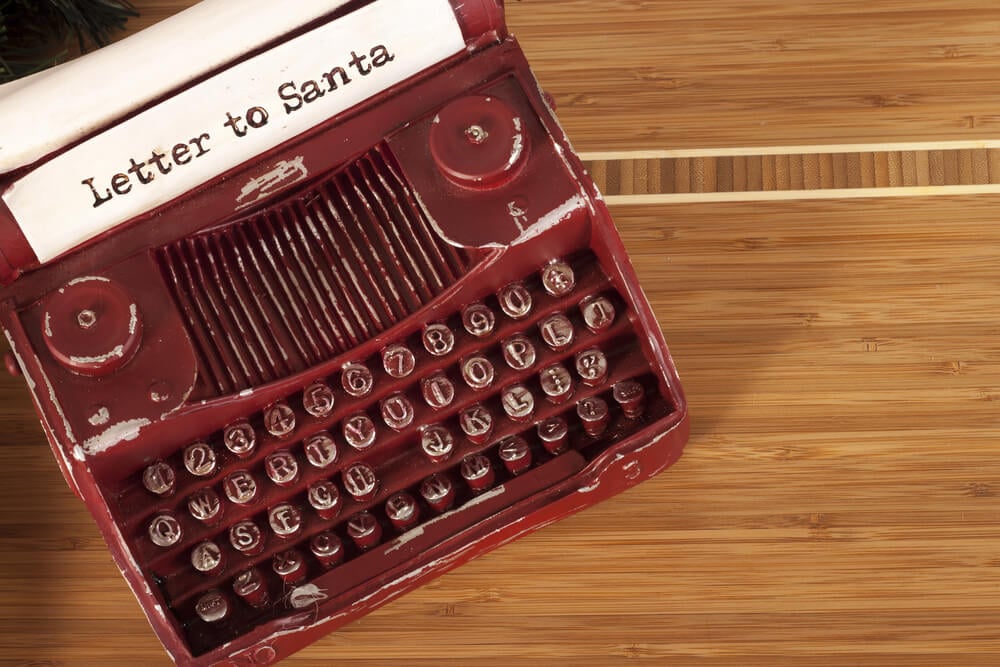
The annual Christmas letter, typed or photocopied and tucked into cards, summarized a family’s year in cheerful detail. Readers learned about promotions, honor rolls, vacations, and new cars, sometimes in more detail than anyone had requested.
The format became a target of gentle mockery for its relentlessly upbeat tone. Social media now delivers those updates all year long, which has made the printed letter far less common, though some families still send one out of habit.
Some writers added a photo on the back or composed the entire letter in the voice of the family dog, which was considered the height of wit in certain suburbs.
Passing Around the Fruitcake
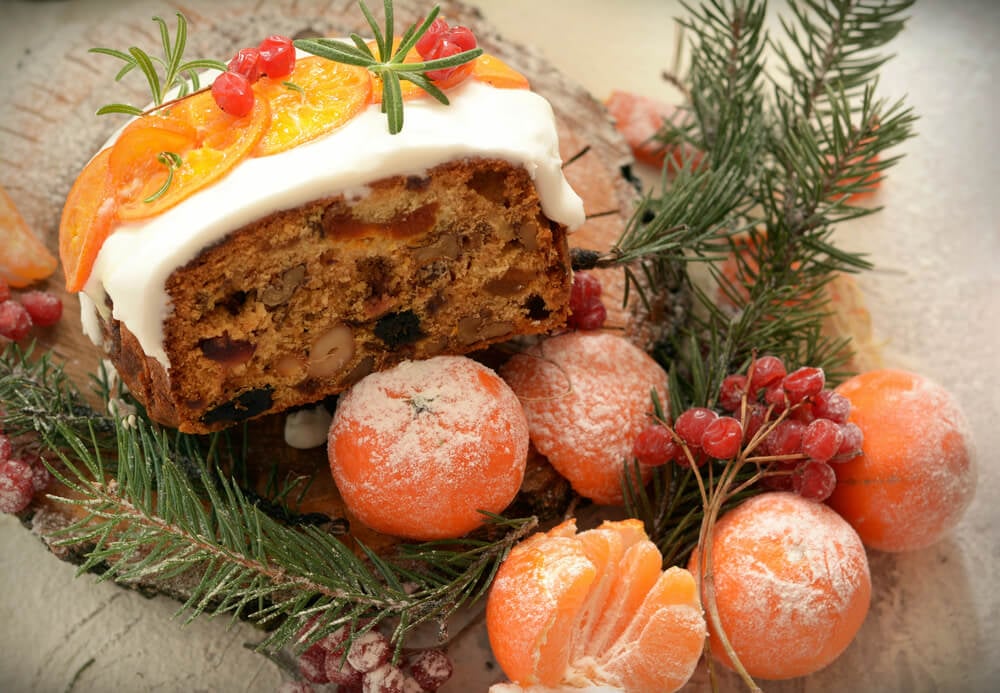
Fruitcake was once a standard gift, dense with candied fruit and nuts and often soaked in brandy or rum. Mail-order bakeries like Collin Street Bakery of Corsicana, Texas, founded in 1896, shipped tins of it around the country and the world.
Its reputation took a beating over the years, and Johnny Carson famously joked that there was only one fruitcake in the world, passed from family to family. Some fruitcakes really did circulate as regifts, and many younger families simply stopped buying them.
The cakes kept for months, which only fed the jokes.
Mincemeat Pie Made the Old Way
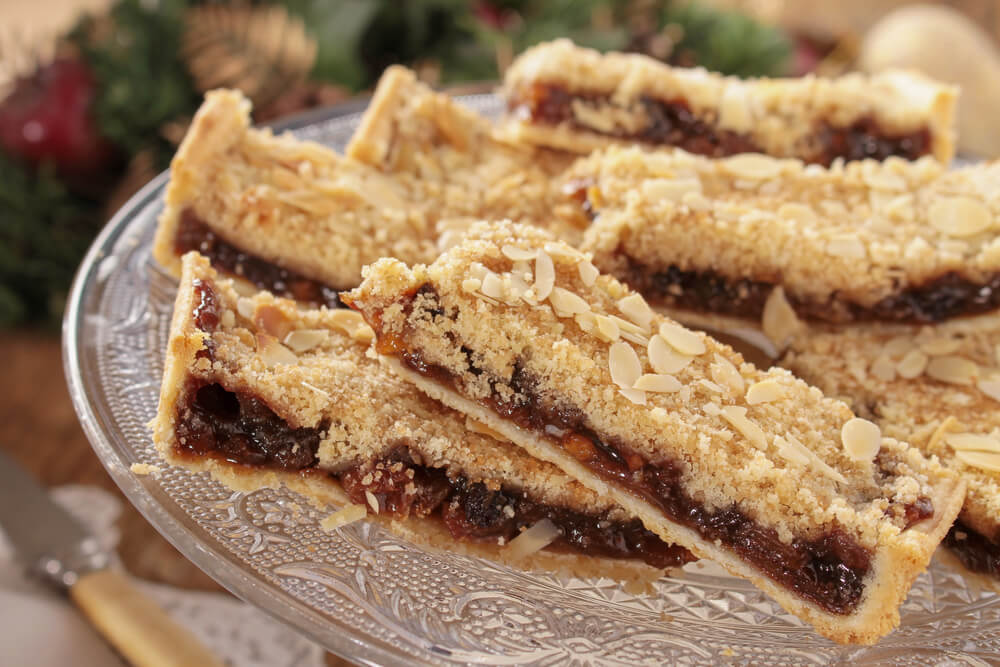
Mincemeat pie was a holiday staple for generations, and older recipes really did include chopped beef or venison along with suet, dried fruit, spices, and brandy. Many cooks relied on None Such condensed mincemeat, sold in a compressed brick that was crumbled and simmered before baking.
The rich, spiced filling was an acquired taste, and younger generations increasingly declined it in favor of pumpkin or pecan. Mincemeat still exists in jars, usually without the meat, but it now appears on relatively few Christmas tables.
The pie was often served warm with hard sauce or a slice of sharp cheddar.
Oranges and Nuts in the Stocking
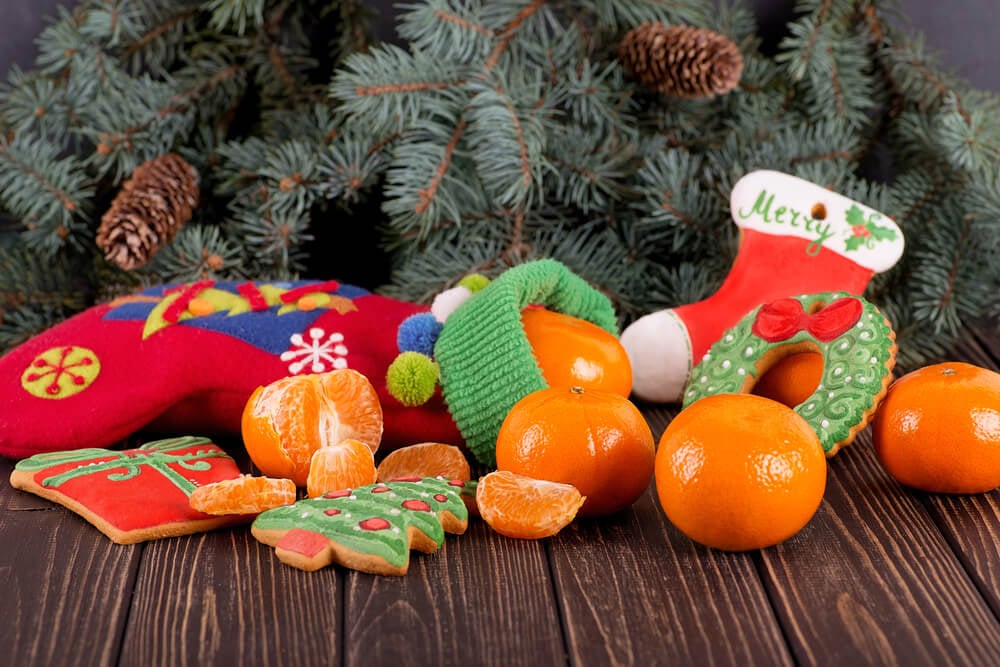
An orange at the bottom of the stocking was a treat in the Depression era, when fresh citrus in winter was a luxury for many families. Walnuts, pecans, and hard candy filled the rest, and some families kept the orange tradition going long after oranges became cheap.
The custom is sometimes linked to the legend of Saint Nicholas tossing gold to poor families. Many kids who grew up with the practice later recalled the orange with surprising fondness.
Modern stockings are more likely to hold small electronics, gift cards, or candy bars.
Dishes of Ribbon Candy
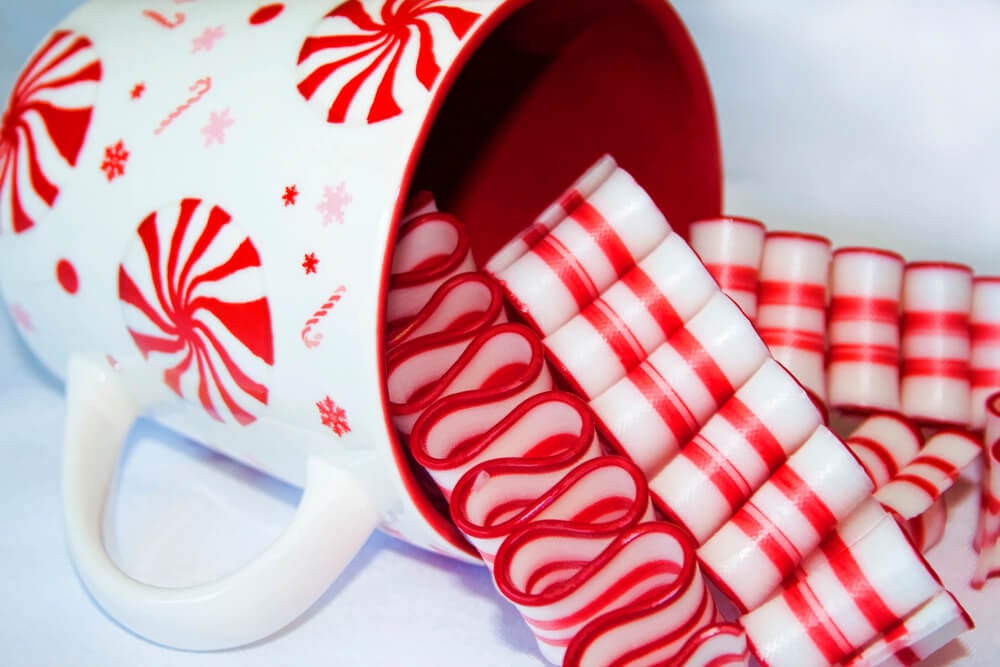
Ribbon candy, thin strips of hard sugar folded back and forth into ruffled shapes, sat in cut glass dishes on coffee tables every December. The candy was pretty, brittle, and often stuck together in a single clump by the end of the season.
Grandparents’ houses seemed to have an endless supply. The flavors ranged from peppermint to clove to anise, which some kids avoided entirely.
Ribbon candy is still made by a handful of candy companies, but the glass dish on the coffee table has largely disappeared.
Ceramic Christmas Trees From Hobby Class
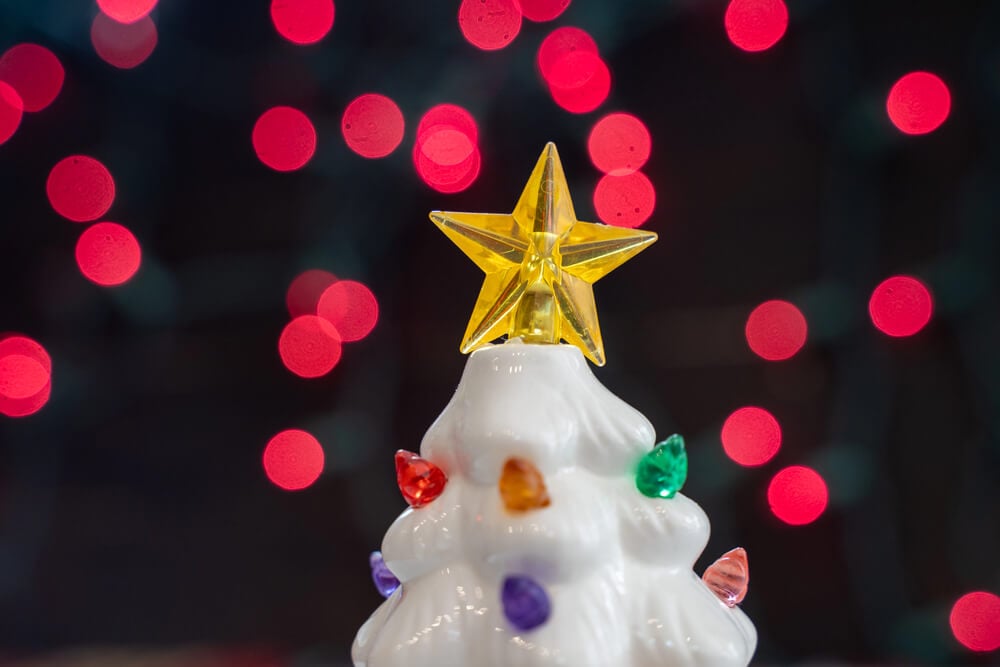
Ceramic Christmas trees were a fixture of the 1960s and 1970s, often made in community ceramics classes from molds sold to hobby studios. The painted green trees had small holders for plastic pegs in different colors, and a bulb inside lit them from within.
Many were made by mothers and grandmothers and given as gifts, and they sat on end tables and kitchen counters every December. Ceramics classes declined, and the trees vanished from most homes until a wave of nostalgia brought reproductions back to stores.
Ironing Last Year’s Wrapping Paper

In households shaped by the Depression and wartime rationing, wrapping paper was too valuable to throw away. Gifts were opened slowly and carefully to preserve the paper, which was then folded and stored, and some grandmothers ironed out the creases before reusing it.
Bows were saved in a box and returned the next year. Cheap paper, gift bags, and a faster pace ended the habit for most families, although interest in reducing waste has brought reusable wrapping back in a different form.
Some families reused the same sheets for so long that relatives recognized their own paper coming back to them.
Passing the Phone for a Long-Distance Call

Long-distance calls were expensive for much of the twentieth century, so a holiday call to distant relatives was a planned event. The family gathered around the phone, often waiting for lower evening or holiday rates, and passed the receiver from person to person.
Each child got a minute or two to say thanks for a present while a parent watched the clock. Unlimited calling and video chats made the ritual unnecessary, and the tension of a timed call is now hard to explain to anyone younger.
Slide Shows of Christmases Past
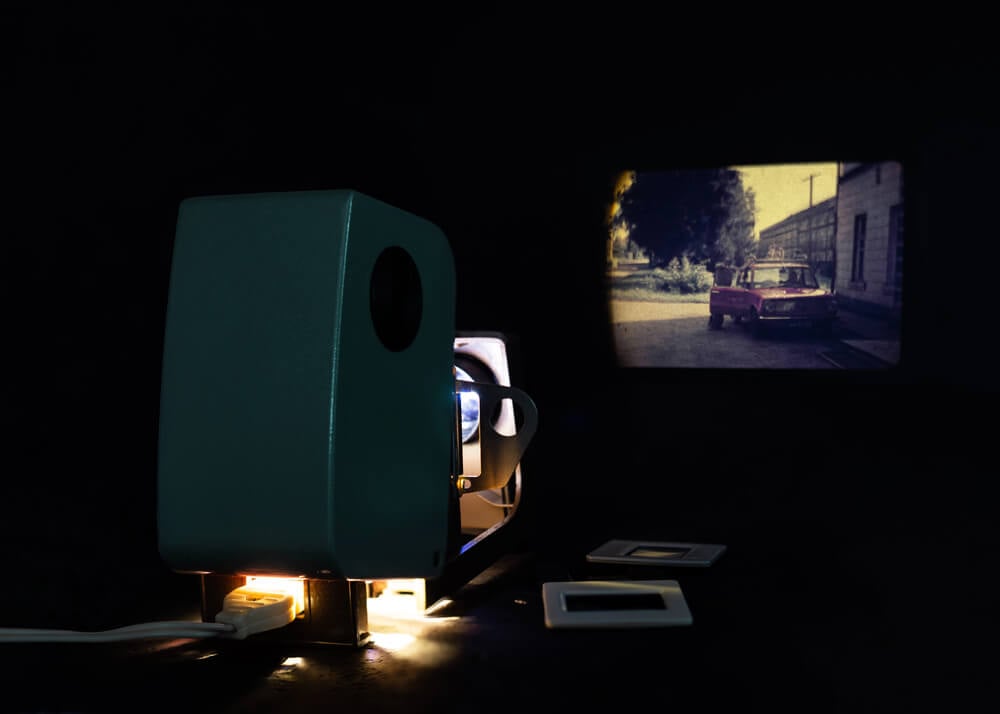
Kodak’s Carousel slide projector arrived in the early 1960s, and holiday gatherings often ended with the lights dimmed and a screen set up in the living room. Relatives sat through carousels of vacation photos, birthday parties, and previous Christmases, with a family member narrating every slide.
Upside-down slides and the occasional jammed tray were part of the entertainment. Digital photos and phones replaced the ritual, and many of those slides now sit in boxes waiting to be scanned.
The projector fan hummed through the entire show, and someone always fell asleep before the end of the second tray.
Big C9 Bulbs Along the Eaves
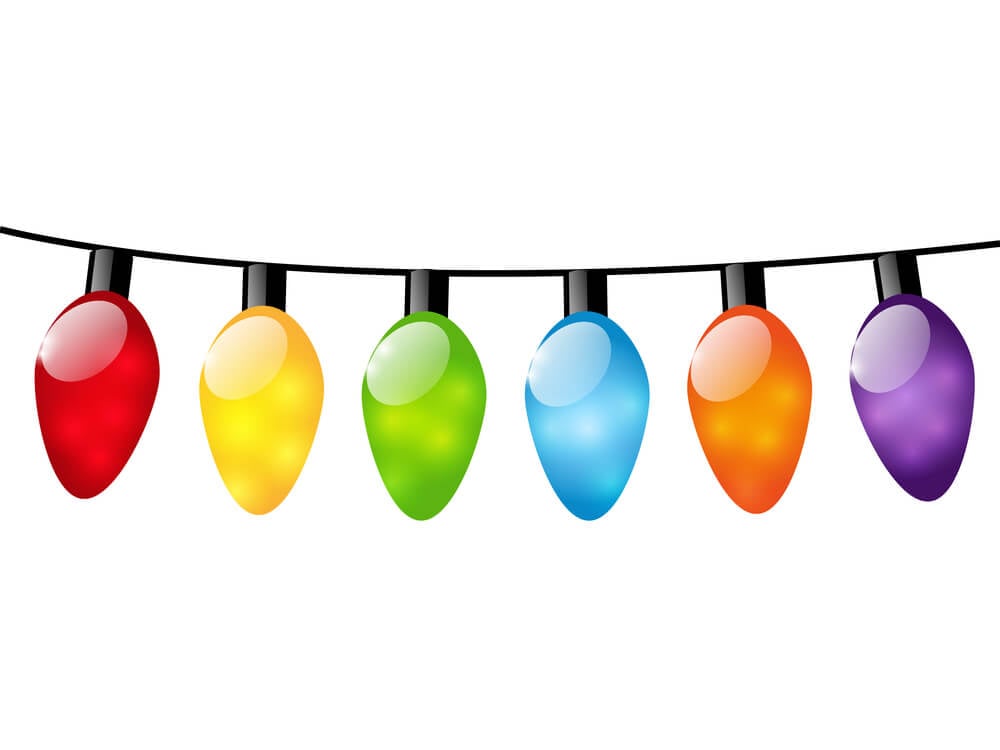
Before mini lights took over, outdoor Christmas lighting meant large C9 bulbs in painted glass, strung along the roofline and around the front door. The bulbs got hot, burned out often, and had to be tested one by one when a strand went dark.
Hanging them was a weekend project that required a ladder, a lot of patience, and at least one argument. Energy-efficient LED lights replaced them in most neighborhoods, although retro-style C9 LEDs have become popular with families who miss the look.
Neighbors quietly competed over whose roofline was straightest.
Waiting Until Christmas Eve to Trim the Tree
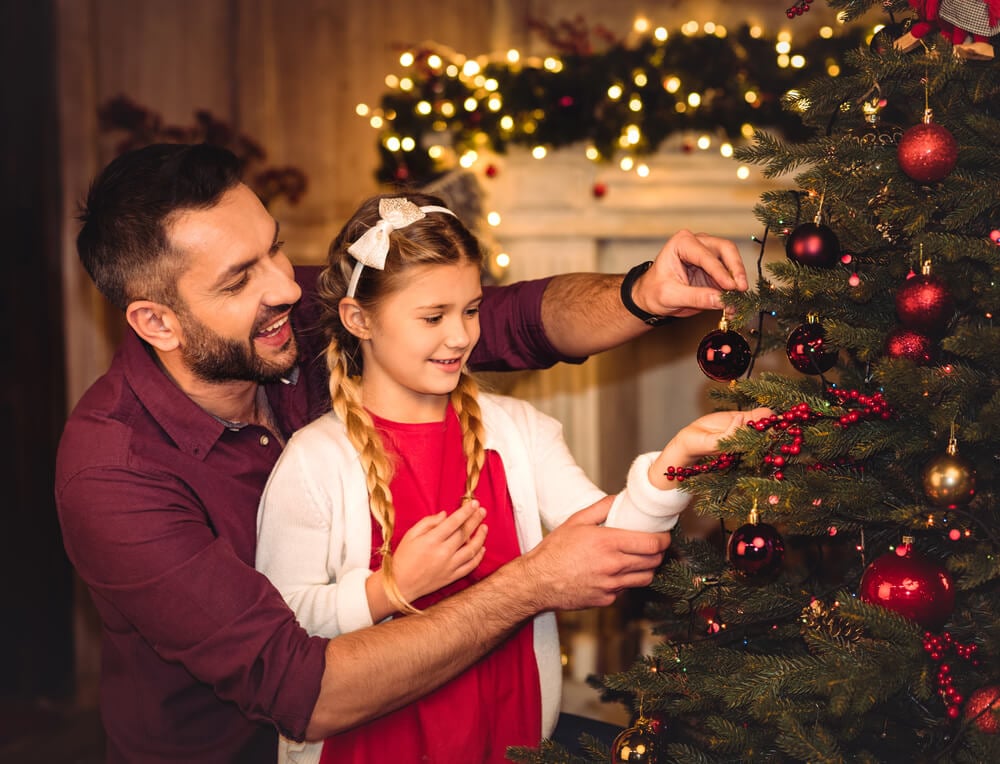
In many families, especially those with German or other European roots, the tree went up and was decorated on Christmas Eve, often after the children were in bed. Kids woke up to find it fully decorated with presents underneath, which made the morning feel even more magical.
The tree then stayed up until Epiphany on January 6. Modern families usually put the tree up right after Thanksgiving and take it down soon after New Year’s, which has made the old schedule nearly unheard of.
Parents who kept the custom often stayed up until well past midnight.
Homemade Eggnog With Raw Eggs

Eggnog was once made from scratch with raw eggs, cream, sugar, nutmeg, and a healthy pour of bourbon, rum, or brandy. George Washington’s recipe, still widely circulated, called for a generous mix of spirits.
Families made big batches in punch bowls for holiday open houses. Concerns about raw eggs and the convenience of cartons at the grocery store moved most households to store-bought versions, and the homemade punch bowl is now an occasional indulgence rather than a yearly ritual.
Serious hosts aged their batches for days or even weeks in the refrigerator, insisting the alcohol mellowed the flavor.
Paper Chain Countdowns
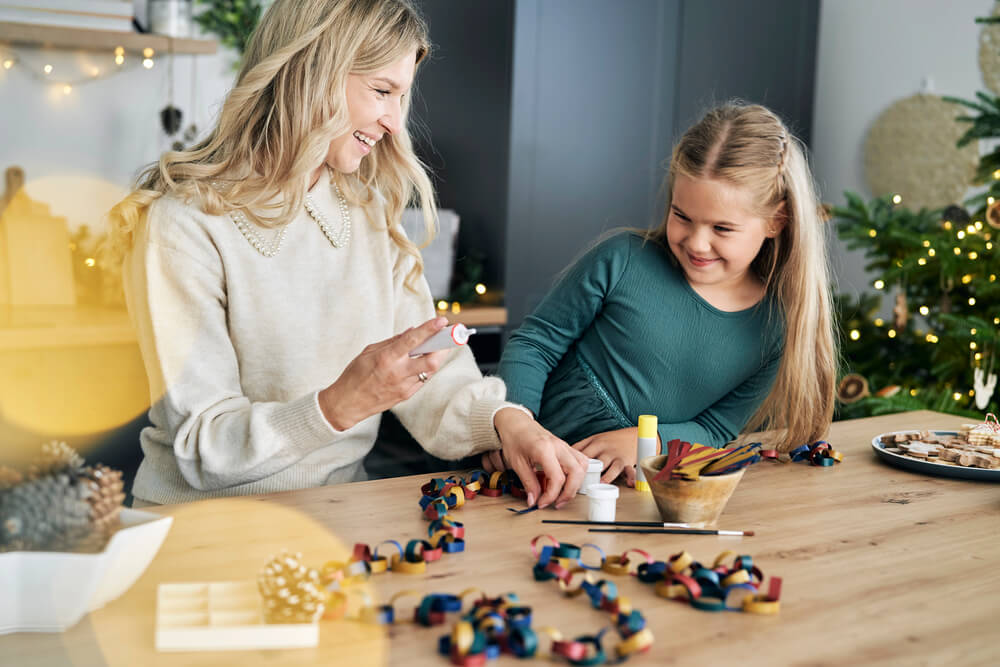
Paper chain countdowns were made from strips of construction paper, looped and glued or stapled into a chain with one link for each day until Christmas. Kids tore off a link every morning and watched the chain shrink.
The chains often hung in classrooms as well as at home. Advent calendars with chocolate and toys behind each door have largely taken their place, and the simple paper chain now survives mostly as a craft project for young kids.
Arguments over whose turn it was to tear off the link were a daily fixture in houses with more than one child.
Bathrobe Shepherds in the Christmas Pageant
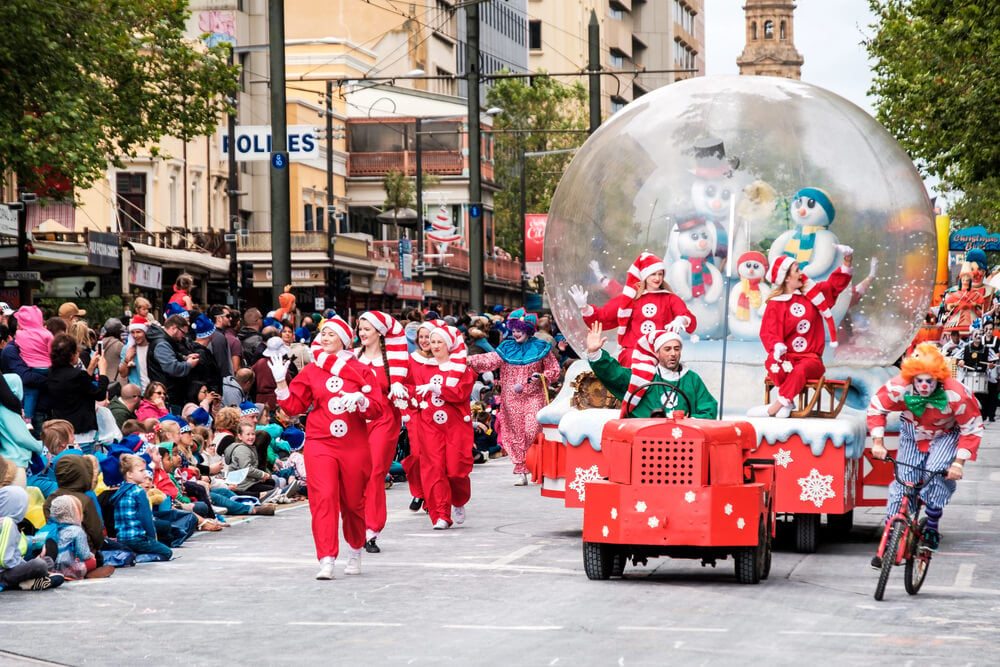
Church and school Christmas pageants once featured kids in bathrobes with dish towels tied around their heads as shepherds, girls in white sheets and tinsel halos as angels, and a doll in a manger. Parents filled the pews with cameras, and the performance was usually charmingly chaotic.
A Charlie Brown Christmas captured the spirit of it in 1965. Many public schools replaced religious pageants with general winter concerts, and some churches have trimmed the tradition, though it remains strong in others.
A forgotten line or a wandering sheep was treated as part of the charm.
Watching the Yule Log on TV
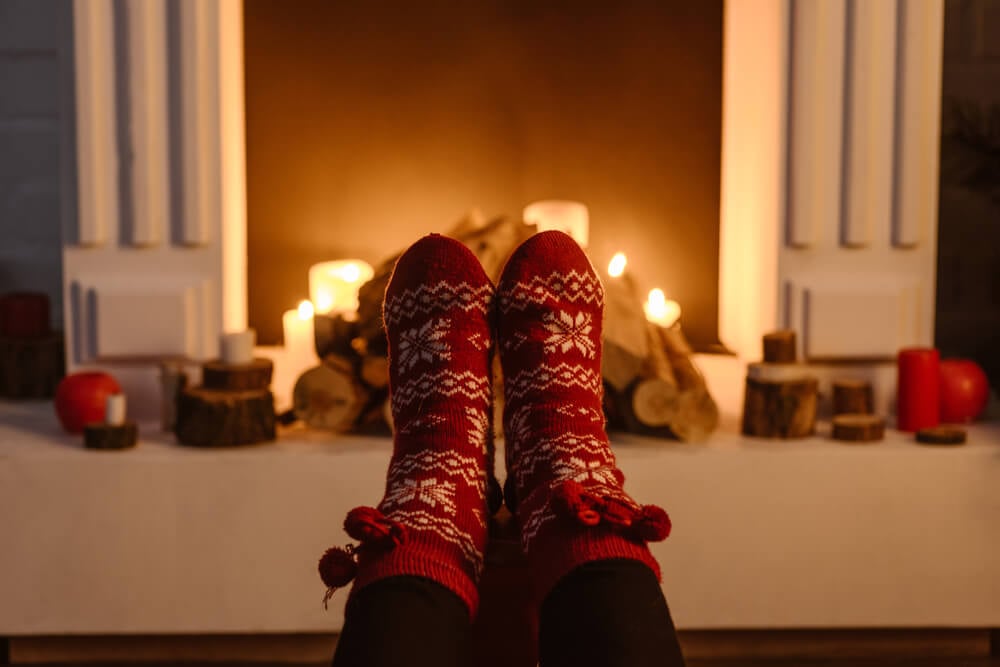
WPIX in New York began broadcasting a burning Yule log on Christmas Eve in 1966, so apartment dwellers without fireplaces could enjoy the look of one. The loop of crackling logs played for hours with Christmas music in the background, and families left it on while they opened presents or ate dinner.
The station pulled it in 1990 and then revived it in 2001 after viewers asked for its return. Streaming fireplace videos are now everywhere, which made the old broadcast less special than it once was.
Redeeming S and H Green Stamps for Gifts

Sperry and Hutchinson Green Stamps were handed out at grocery stores and gas stations in the 1950s and 1960s, and families pasted them into booklets that could be redeemed for merchandise. The company’s catalog offered toys, appliances, and household goods, and many Christmas presents came from those redemption centers.
Kids spent evenings licking stamps and filling pages. The stamp craze faded in the 1970s and 1980s, and loyalty points on apps have replaced them, though without the sticky tongue.
At their peak, the company reportedly printed more stamps each year than the Postal Service.
Tinsel, Memory, and What Families Let Go

Most of these traditions did not end in a single decision. They slipped away one year at a time, replaced by something faster, safer, or easier.
The cranberry garland gave way to a store-bought strand, and the long-distance call gave way to a video chat. Some losses are easy to accept, like lead tinsel and scalding bulbs.
Others left a gap that families still notice, especially the ones that required everyone to be in the same room at the same time. That shared attention may be the real tradition behind all the others.
More from Go2Tutors!

- The Romanov Crown Jewels and Their Tragic Fate
- 13 Historical Mysteries That Science Still Can’t Solve
- Famous Hoaxes That Fooled the World for Years
- 15 Child Stars with Tragic Adult Lives
- 16 Famous Jewelry Pieces in History
Like Go2Tutors’s content? Follow us on MSN.



