Collectible Items Nobody Wanted Originally
Strolling around old-school shops these days, prices jump out at you like they’re playing tricks. Stuff folks used to ditch or hand off without a thought now sells for big bucks.
It creeps up slow – then bam – it’s worth something real. The things didn’t alter one bit; just the way we look at ‘em did.
Comic Books From the Golden Age

Kids back in the ’30s and ’40s flipped through comics, yet tossed them aside soon after. Most parents saw these as trash – low-cost fun that messed up kids’ heads.
When Superman popped up for the first time in Action Comics #1, it cost a dime in 1938. Only a handful made it past decades of wear, but today they fetch huge cash.
Most folks burned old comics for firewood or tossed them into recycle bins. Back then, the thought of saving such throwaway reads felt totally ridiculous.
Early Video Game Cartridges

Atari 2600 games filled bargain bins at yard sales throughout the 1990s. People practically begged you to take them off their hands.
The graphics looked terrible compared to newer systems, and most households wanted the space back. You could fill a shopping bag with cartridges for five dollars.
Now certain titles fetch thousands. The game industry crash of 1983 convinced everyone that video games were a passing fad, which made the survivors that much more rare.
Vintage Concert Posters

Psychedelic rock posters from the 1960s got stapled to telephone poles and wheat-pasted on walls. They advertised shows at the Fillmore and other venues.
After the concert ended, the posters came down or got covered by newer ones. Most ended up torn, faded, or thrown away.
The artists who created them made maybe fifty dollars per design. Original prints by artists like Wes Wilson and Victor Moscoso now command five figures.
The posters were advertisements, nothing more. Saving them seemed as odd as collecting junk mail.
Beanie Babies Made After the Craze
During the peak of Beanie Baby mania in the late 1990s, people thought every single one would become valuable. They bought duplicates, kept tags pristine, and stored them in protective cases.
But the market crashed hard. The older, retired Beanies from before the craze—the ones kids actually played with—those became the valuable ones.
The mass-produced later editions that everyone hoarded became worthless. This created a strange inversion where the “junk” versions kids destroyed are now worth money, while the carefully preserved ones gather dust.
Depression Glass

During the Great Depression, companies gave away colored glass dishes as promotions. You got a free piece with your purchase of oats or flour, or at the movie theater on dish night.
Families used them daily because they owned nothing better. The glass was cheap, prone to chipping, and came in garish colors.
Most pieces broke or got tossed when families could finally afford better dishes. The durability was poor by design.
Now collectors pay premium prices for complete sets of these giveaway dishes that were never meant to last.
Original Apple Computers

The Apple I sold as a kit in 1976. You had to assemble it yourself and add your own case, keyboard, and monitor.
Only about 200 units were made, and most people who bought them eventually upgraded or threw them away. They were outdated within a year.
Working examples have sold at auction for hundreds of thousands of dollars. At the time of release, they represented nothing special—just another hobbyist computer kit competing with dozens of others.
The winner of the personal computer race wasn’t obvious yet.
Mid-Century Modern Furniture

In the 1970s and 1980s, people couldn’t get rid of their parents’ old furniture fast enough. Those clean-lined chairs and angular sofas looked dated.
Everyone wanted plush, overstuffed furniture with busy patterns. Original Eames chairs and Saarinen tables went to thrift stores or got left on curbs.
The furniture was well-made but stylistically out of fashion. Today, the same pieces sell for thousands.
The industrial materials like molded plywood and fiberglass seemed cheap at the time, not innovative.
Classic Lunch Boxes

Metal lunch boxes from the 1950s through 1970s took a beating. Kids dropped them, dented them, scratched them, and eventually outgrew them.
Parents threw them out without a second thought. They cost a couple dollars and served a purely functional purpose.
Now mint-condition examples of certain characters or shows sell for hundreds or thousands. The lunch box itself mattered less than the thermos that came with it, which usually broke first and got replaced.
Complete sets with working thermoses are exceptionally rare.
Vintage Board Games

Board games from the mid-20th century ended up in basements and attics after kids lost interest. Missing pieces made them worthless.
The boxes got damaged, the boards creased, the cards bent. Thrift stores had piles of incomplete games that nobody wanted.
Complete sets of certain vintage games now command high prices, especially lesser-known titles that didn’t sell well originally. The games that flopped commercially often had smaller print runs, which makes them rarer now.
Success and collectibility don’t always align.
Old Advertising Signs

Porcelain and tin signs advertising products hung in stores, gas stations, and diners. When businesses updated their branding or went out of business, the signs got tossed or left to rust.
They served one purpose: advertising. After that purpose ended, they had no value.
Collectors now pay thousands for authentic vintage signs. The weathering and rust that would have made them worthless as advertisements add character and authenticity now.
A pristine sign raises more suspicion than a weathered one.
First Edition Harry Potter Books

The first print run of “Harry Potter and Philosopher’s Stone” in 1997 was only 500 copies. Most went to libraries, where they got read to death by enthusiastic kids.
Nobody knew the series would become a phenomenon. The books were meant to be read, not preserved.
First editions with dust jackets in good condition now sell for tens of thousands. The later books in the series had massive print runs because publishers knew they would sell.
This makes the first book disproportionately rare and valuable.
Vintage Fast Food Toys
Happy Meal toys and similar premiums ended up in landfills by the millions. Kids played with them for a day or two, then they broke or got lost.
Parents threw them away during room cleaning sessions. The toys were made as cheaply as possible and designed for short-term appeal.
Certain sets or characters now sell for surprising amounts online. The toys that survived are rare specifically because nobody thought they mattered.
Keeping every toy from every meal would have seemed like hoarding.
Old Cameras and Photography Equipment

When digital photography emerged, people dumped their film cameras at yard sales for pennies. The equipment worked fine but seemed obsolete.
Professional photographers upgraded and sold their old gear cheap. Medium format cameras that cost thousands new went for fifty dollars.
Now there’s a film photography revival, and prices have rebounded. The cameras that seemed like paperweights in 2005 are desirable tools again.
Technology sometimes circles back after enough time passes.
Vintage Sports Cards Before the Boom
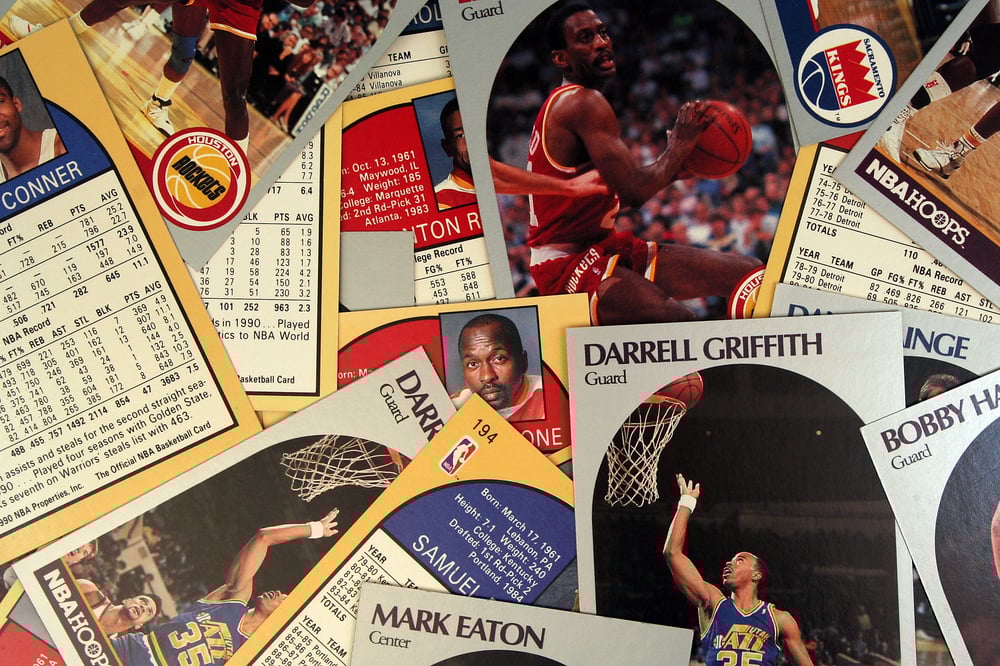
Back in the day, before the ’80s craze hit, kids used baseball cards to clip onto bike wheels – spinning them like mini engines. Instead of saving them, they’d toss them into games at recess, wearing them down on purpose.
These weren’t meant to last – they were playthings, not treasures. You’d grab one from a pack with cheap gum inside, just five cents.
Sometimes, a rare Mickey Mantle debut card ended up taped to a handlebar, doing laps around the block. When hobbies faded, moms and dads would ditch whole shoeboxes full without thinking twice.
The idea of keeping them in plastic showed up later. Old cards made it by chance – never on purpose.
When Trash Becomes Treasure

The cycle shows up everywhere. At first, things feel cheap, useful, or out of style.
Years go by. Old reasons disappear.
Others find them, notice something new – maybe memory, skill, history, or rarity. It’s not the items that change.
It’s us – what we choose to care about. The next batch of valuable stuff might already be hiding in your closet or garage – sitting there, seeming useless.
But you haven’t noticed it… not just yet.
More from Go2Tutors!

- The Romanov Crown Jewels and Their Tragic Fate
- 13 Historical Mysteries That Science Still Can’t Solve
- Famous Hoaxes That Fooled the World for Years
- 15 Child Stars with Tragic Adult Lives
- 16 Famous Jewelry Pieces in History
Like Go2Tutors’s content? Follow us on MSN.