32 Zoos and Sanctuaries That Changed How the World Thinks About Wildlife
For much of history, zoos were places where animals existed for human amusement, kept in conditions that bore little resemblance to their native habitats. The fundamental idea—that an animal belonged behind glass or concrete for entertainment—remained largely unquestioned.
Then a shift occurred, quietly at first, then with gathering momentum. A handful of institutions began asking different questions: not just how to keep animals alive in captivity, but how to breed endangered species for reintroduction, conduct scientific research on reproduction and behavior, and use their platforms to convince the public that wildlife deserved protection rather than collection.
These zoos and sanctuaries became laboratories for species survival, teaching facilities that transformed conservation from an afterthought into a core mission.
What follows is an account of 32 institutions that reshaped the relationship between humans and wildlife. Some are vast facilities with international reach.
Others are smaller sanctuaries focused on regional species. Collectively, they demonstrate how the modern zoo—properly designed and ethically operated—can function as a genuine conservation organization, not merely a display facility.
San Diego Zoo Wildlife Alliance
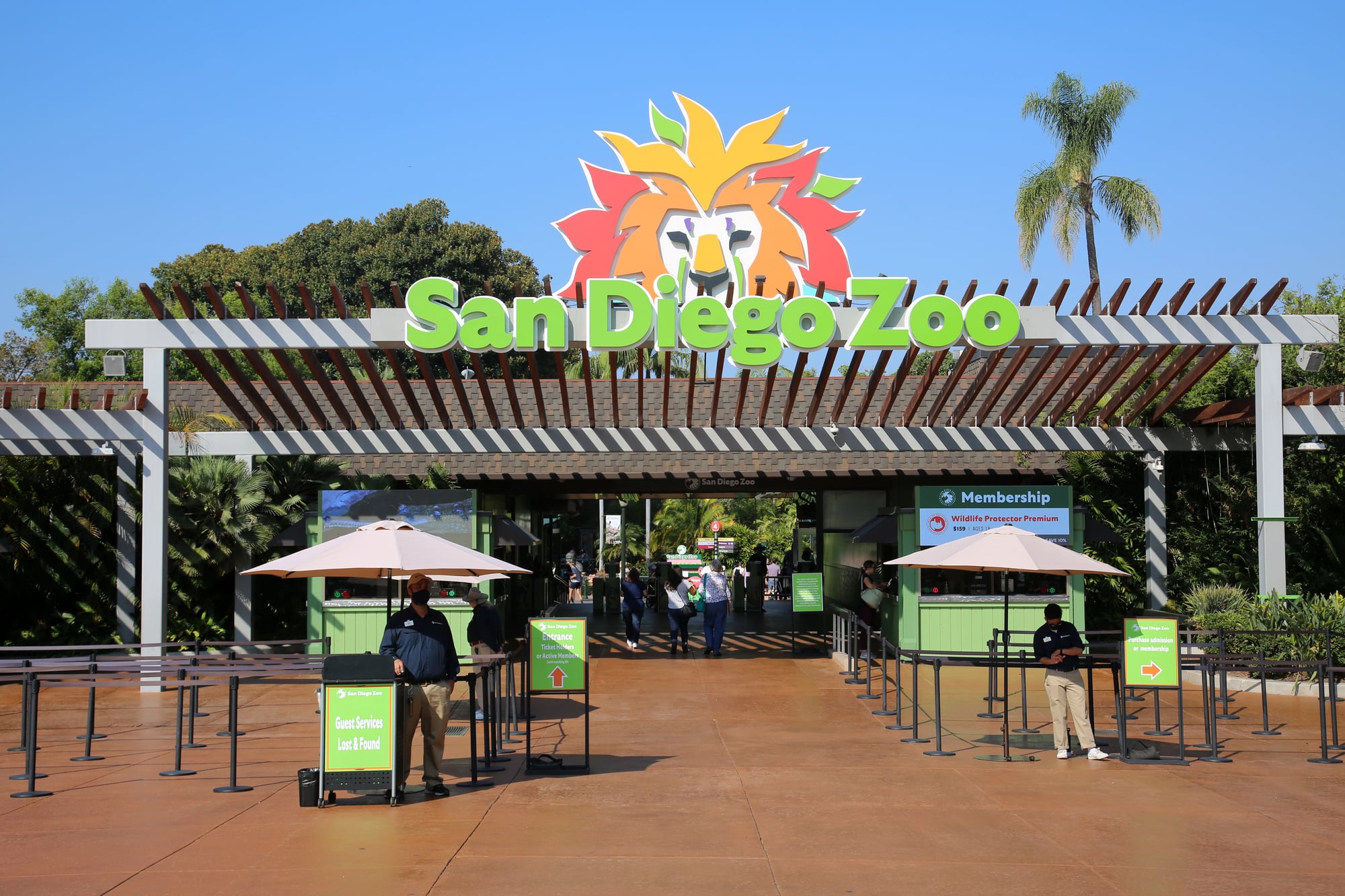
The San Diego Zoo operates two facilities—the urban zoo and the Safari Park—that together form one of the world’s largest species recovery engines. The organization has reintroduced more than 44 endangered species to their native habitats and operates breeding programs for species from California condors to Arabian oryx.
The Frozen Zoo, established in 1975, stores genetic material from hundreds of threatened species, providing biological insurance that allows future generations of conservationists to restore genetic diversity to recovering populations.
Smithsonian’s National Zoo and Conservation Biology Institute
Located on over 3,200 acres in the foothills of Virginia, the Smithsonian’s conservation facility operates behind the scenes, closed to the public but essential to species recovery worldwide. The Center for Species Survival breeds more than 20 rare species including black-footed ferrets, Przewalski’s horses, and Guam kingfishers.
The institute established crucial recovery methods in the 1980s that laid the foundation for modern species recovery programs, prioritizing genetic diversity while managing captive populations for long-term survival.
Brookfield Zoo Chicago
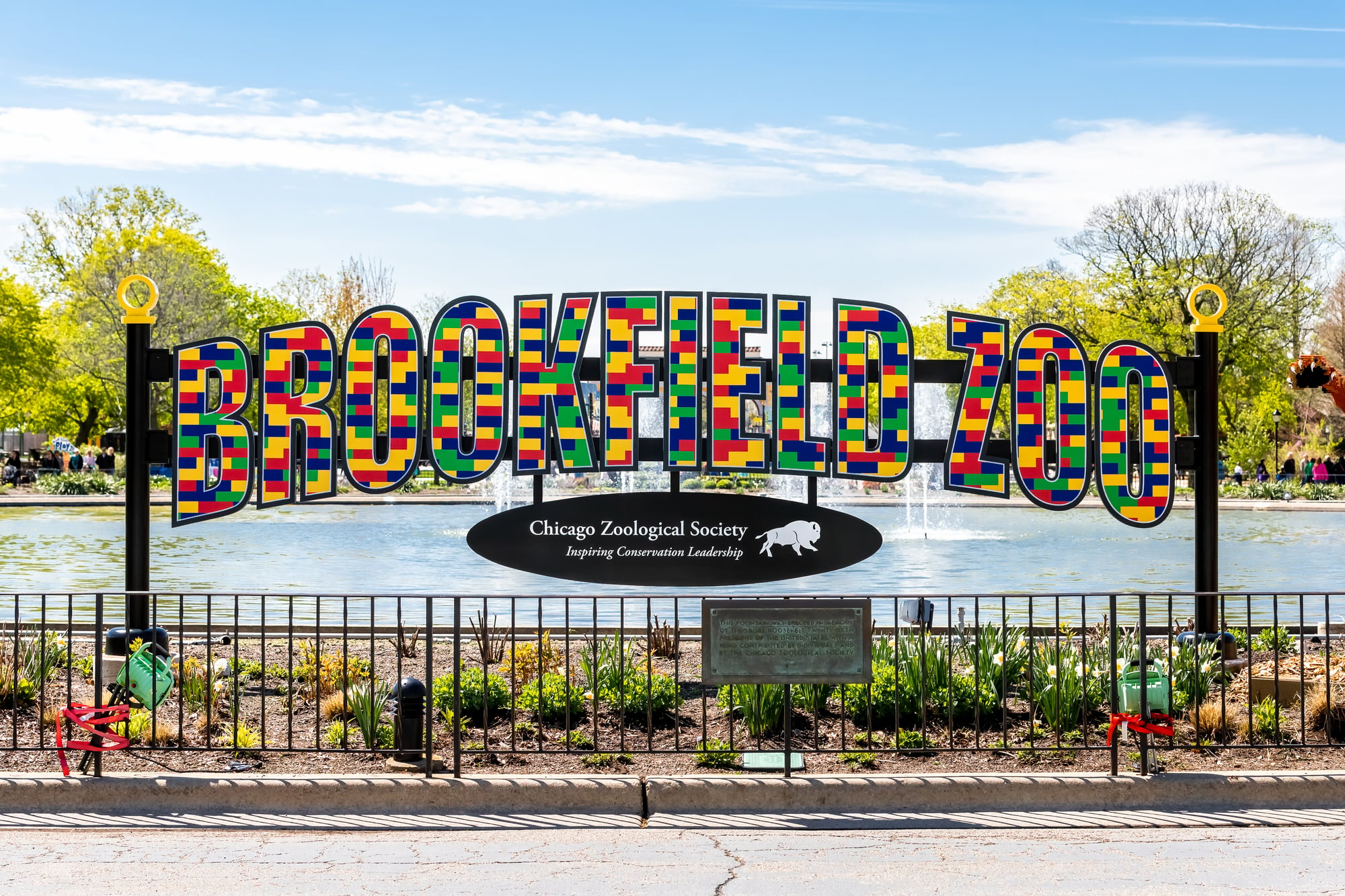
Brookfield Zoo pioneered the Species Survival Plan system that allows over 100 North American zoos to coordinate breeding efforts as a single network. The zoo participates in programs ranging from Puerto Rican crested toads—the first amphibian species to have an SSP program—to Blanding’s turtles facing near-total nest failure in the wild.
Each program follows science-based protocols designed to maintain genetic diversity and prepare animals for eventual reintroduction.
Whipsnade Zoo
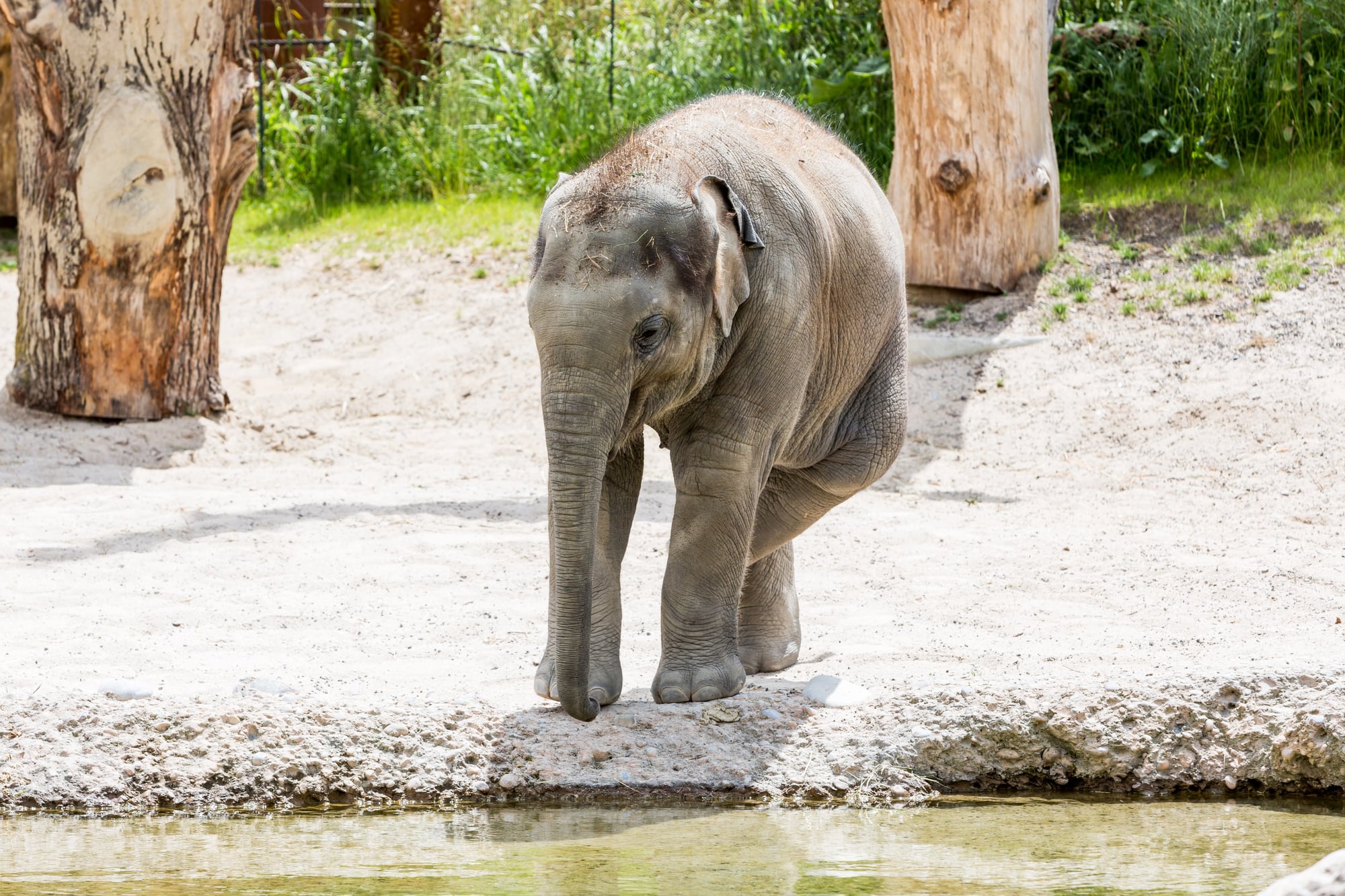
Europe’s largest zoo by land area, Whipsnade Zoo operates the UK’s most significant conservation breeding program. The facility has been breeding scimitar-horned oryx for over 30 years, and animals from Whipsnade’s herd were transferred to Abu Dhabi to form a “world herd” that produced the first known wild-born scimitar-horned oryx in over 20 years.
The zoo’s 600 acres allow for large herds and naturalistic breeding that would be impossible in traditional urban facilities.
Marwell Zoo
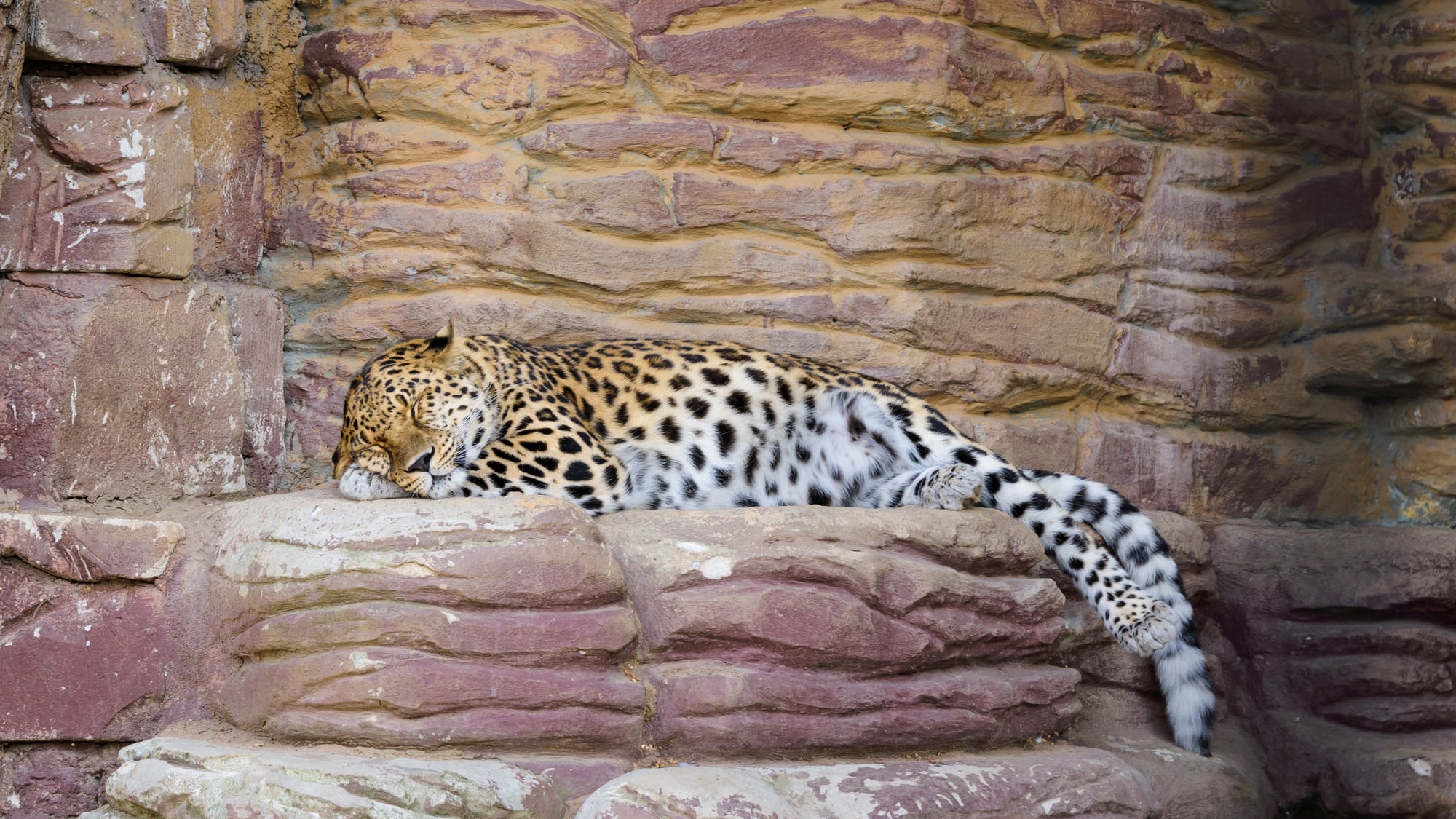
Located near Winchester, England, Marwell Zoo has participated in Arabian oryx recovery since 1972, when the zoo donated the first group of oryx to a Tunisian reintroduction program. The facility has managed breeding programs for multiple oryx species and continues to coordinate international reintroduction efforts.
Marwell’s longevity in species recovery demonstrates how decade-long institutional commitment can drive measurable conservation results.
Los Angeles Zoo
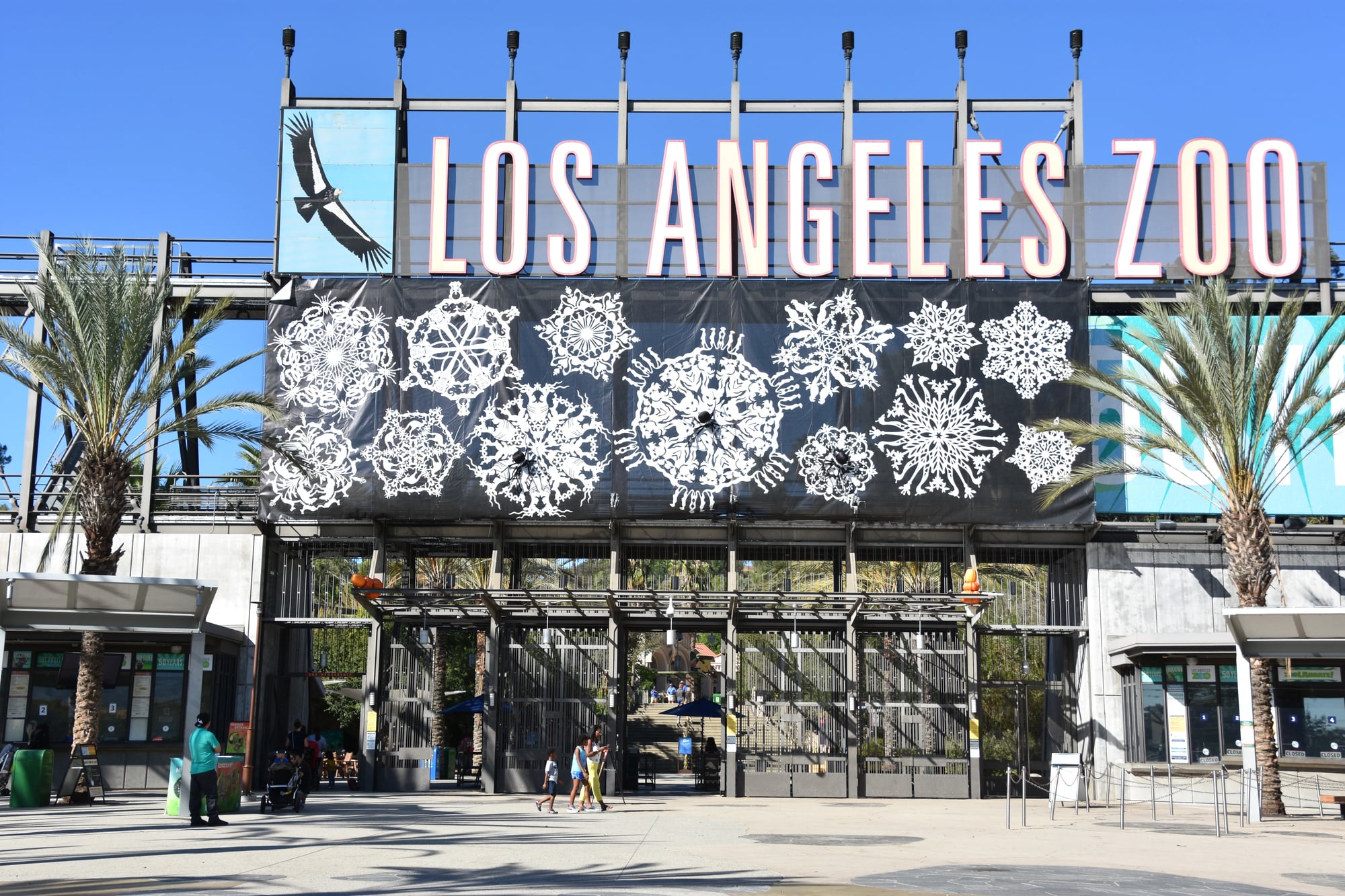
The LA Zoo houses one of the largest California condor breeding programs, incubating and hand-raising chicks that would never survive in the wild without human intervention. Every California condor soaring over the southwestern United States today carries genes passed through the zoo’s breeding programs.
The facility developed techniques for gender determination and non-invasive health monitoring that are now used worldwide.
Phoenix Zoo
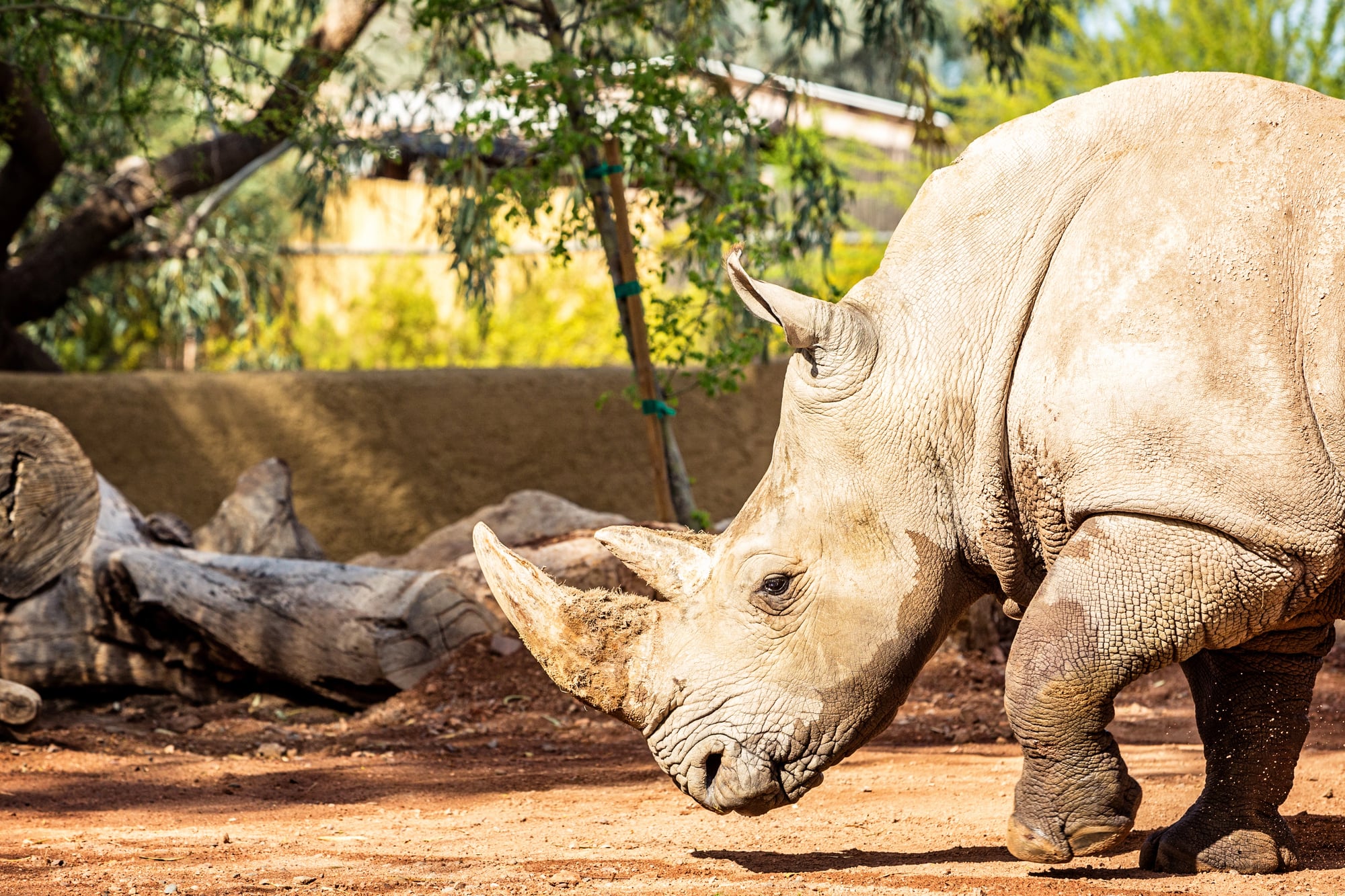
Phoenix Zoo holds the distinction of housing the first “world herd” of Arabian oryx that formed the basis for Operation Oryx. The zoo received nine oryx in the 1960s and bred them so successfully that their descendants have been released into protected reserves across four Middle Eastern countries.
The program established protocols for captive breeding and international coordination that influenced countless subsequent species recovery efforts.
Henry Doorly Zoo and Aquarium
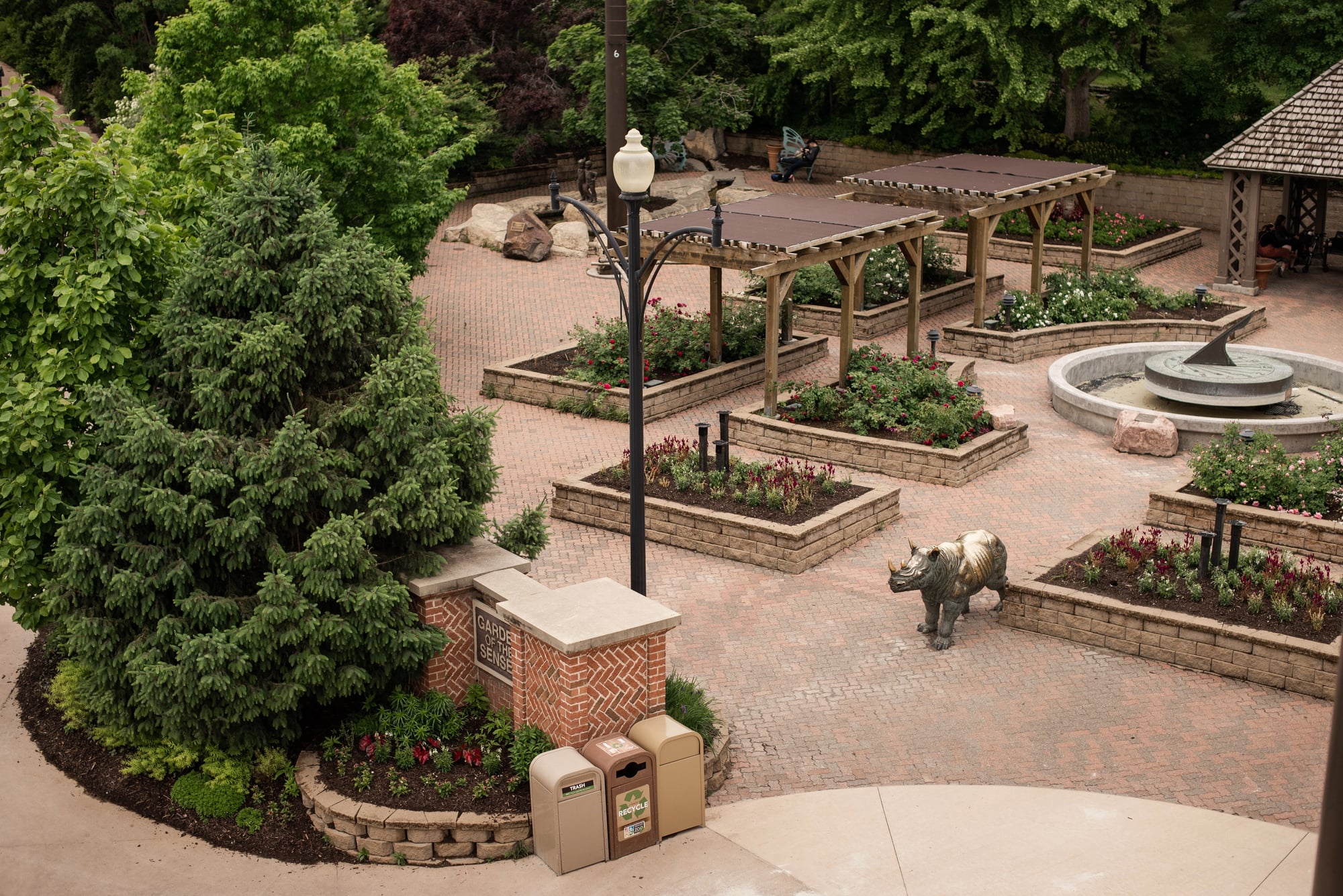
The Omaha-based zoo is renowned for its research on endangered species reproduction, particularly its work with species that breed poorly in captivity. The facility has made advances in artificial reproduction technology and has contributed to recovery programs for species ranging from whooping cranes to Arabian oryx.
The zoo’s commitment to behind-the-scenes research has generated knowledge applicable across institutions worldwide.
International Crane Foundation
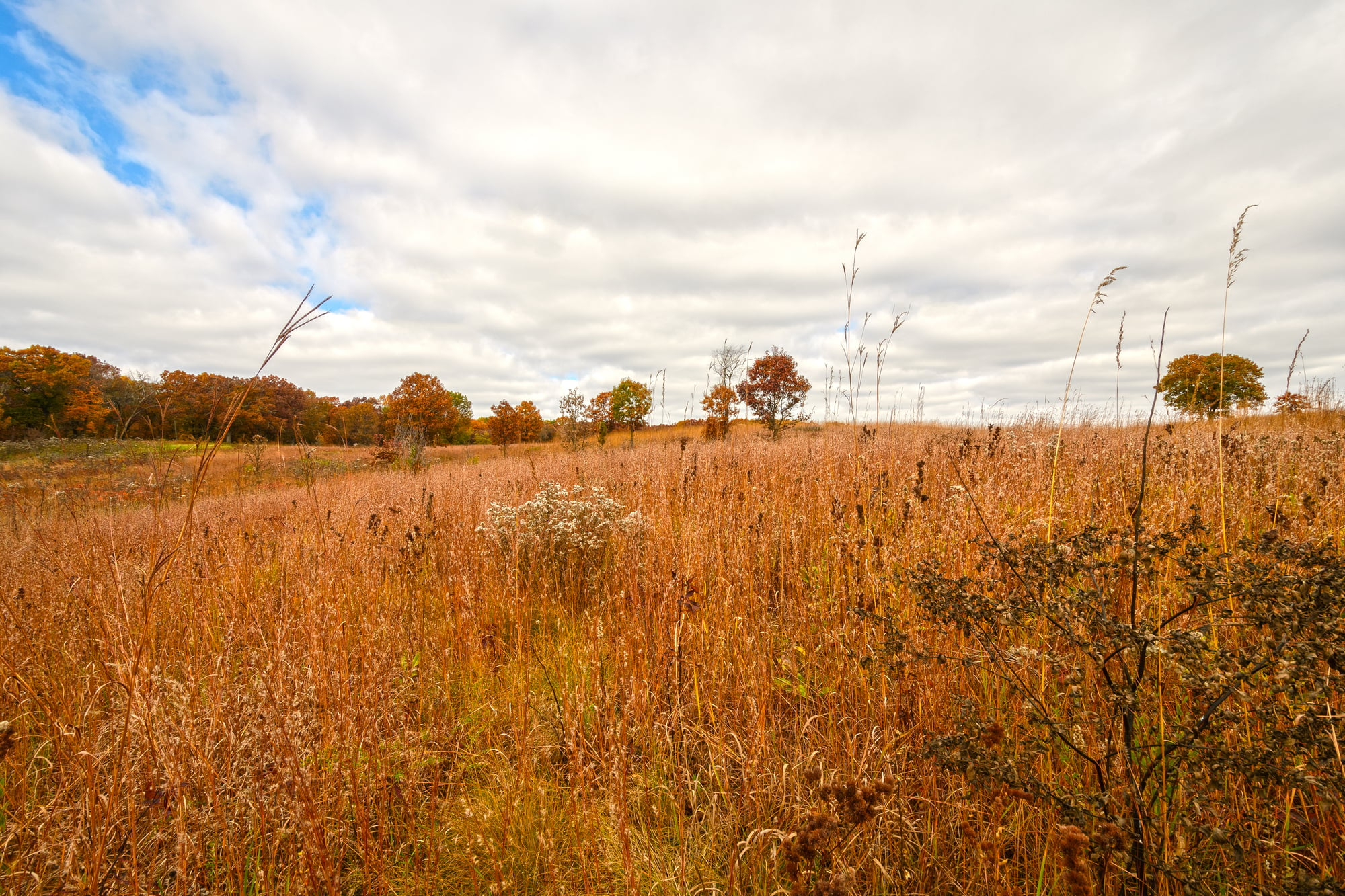
Dedicated exclusively to cranes, this Wisconsin-based organization operates a captive breeding program for whooping cranes that has produced hundreds of birds for reintroduction. The foundation pioneered innovative techniques for hand-rearing chicks and teaching migration routes using ultralight aircraft.
The program has been essential to establishing new wild populations in Wisconsin, Louisiana, and Florida.
Peregrine Fund
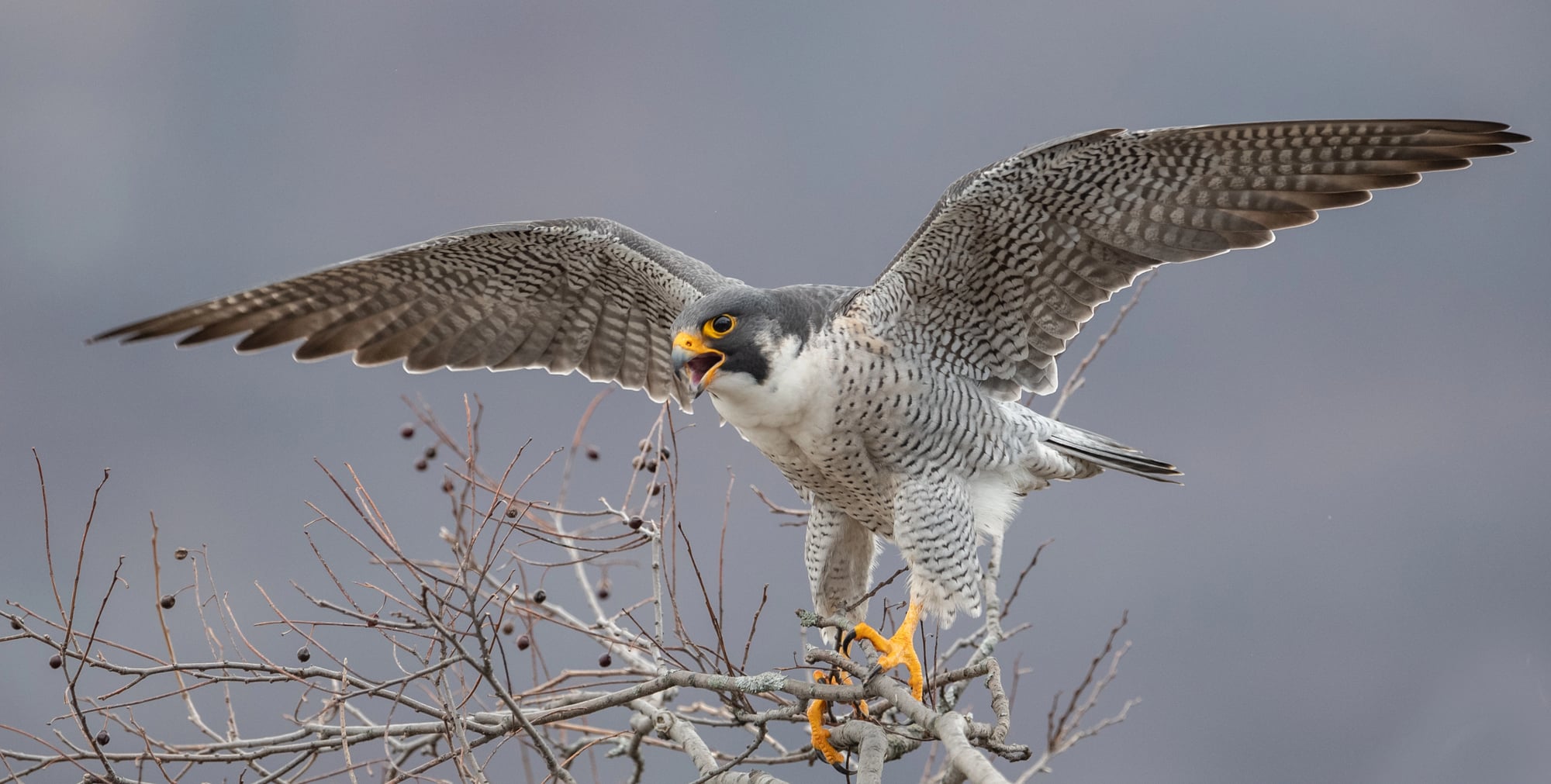
Though primarily focused on raptors, the Peregrine Fund’s breeding and reintroduction programs have been transformative for multiple species. The organization pioneered many of the techniques now used worldwide for falcon recovery, including captive breeding methods and techniques for reintroducing birds in urban environments where they now nest on skyscrapers.
Point Defiance Zoo and Aquarium
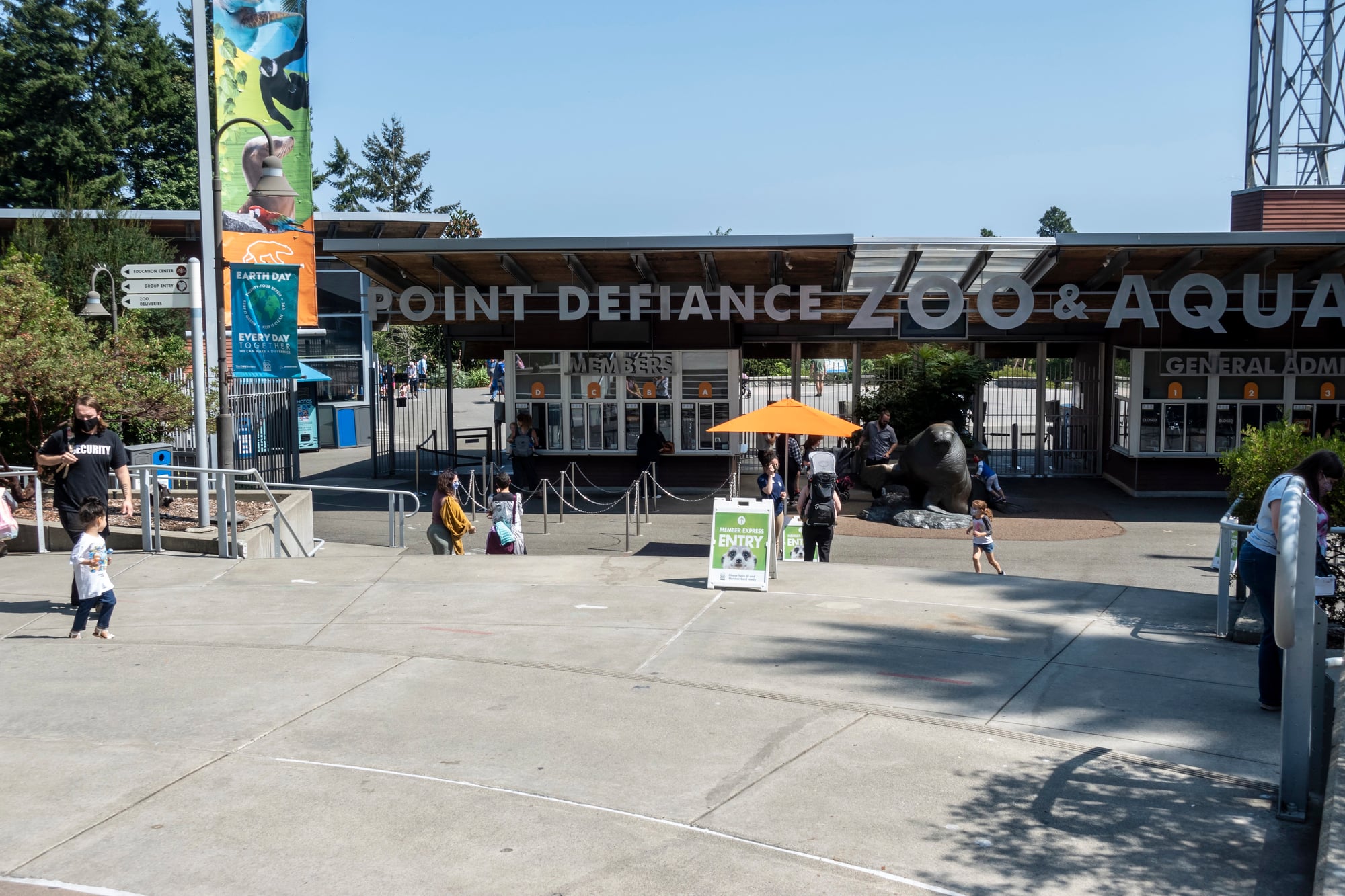
This Tacoma facility operates an innovative red wolf breeding program and participates in multiple endangered species initiatives. The zoo has successfully reintroduced bred animals to the wild and contributes to Species Survival Plans for numerous species.
The facility demonstrates how mid-sized zoos can make significant conservation contributions through focused specialization.
Audubon Zoo New Orleans
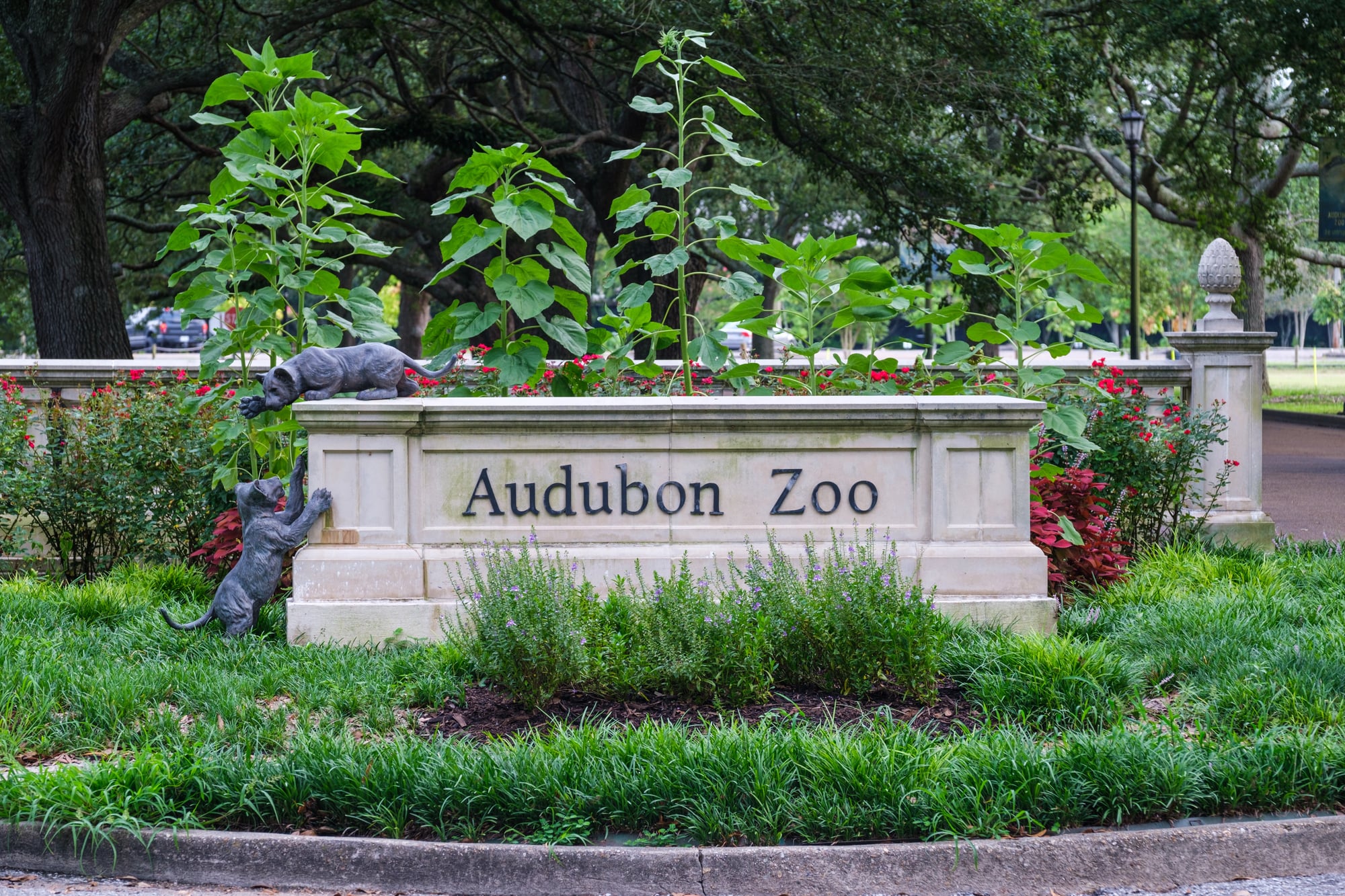
The New Orleans zoo’s role in species recovery became prominent through its participation in Louisiana’s whooping crane reintroduction program. The zoo has contributed captive-bred birds to reintroduction efforts and conducts research on factors affecting reintroduction success.
The facility represents the growing trend of urban zoos transitioning from display-focused institutions to conservation-active organizations.
Edinburgh Zoo
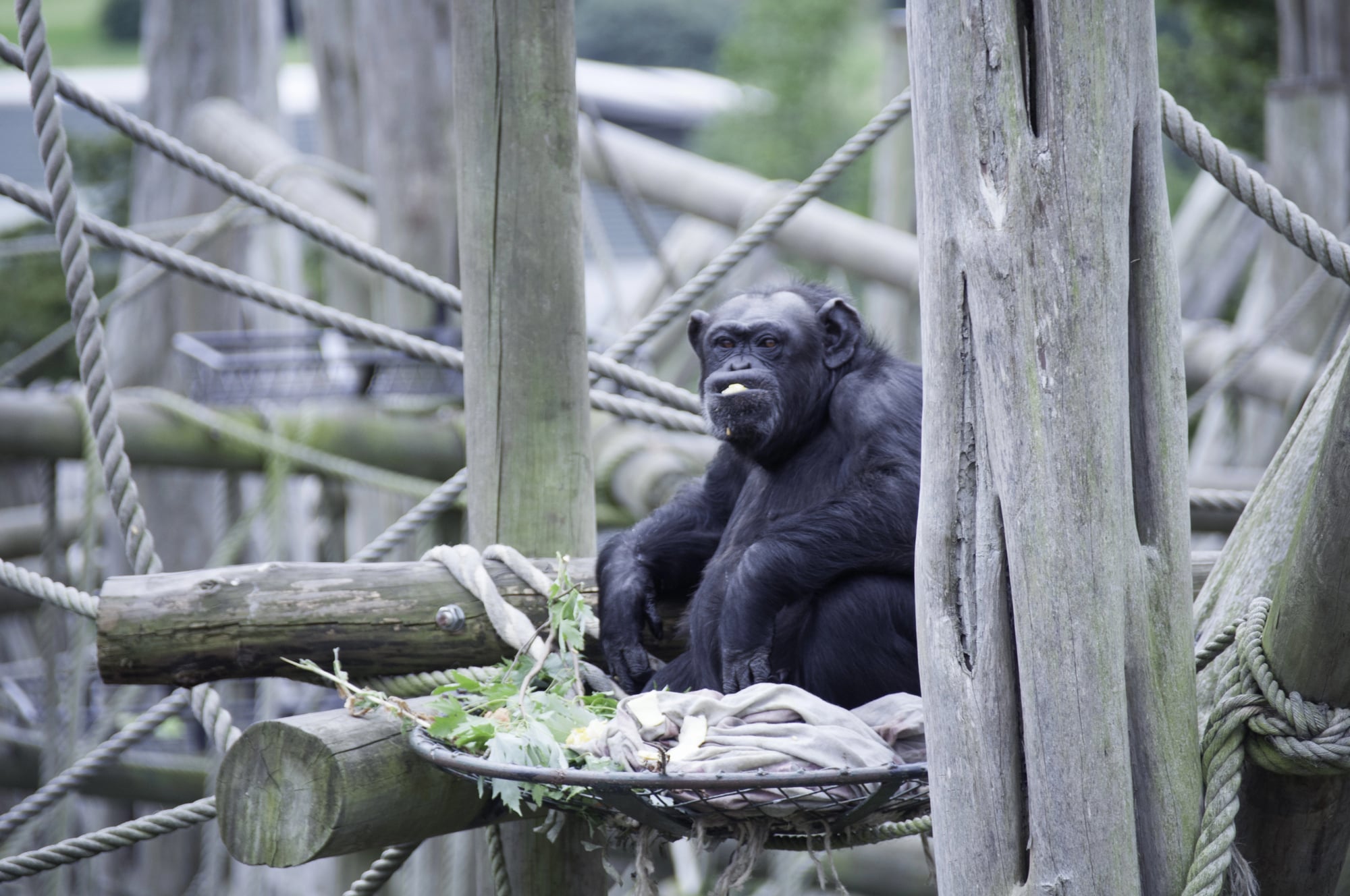
Established in 1913, Edinburgh Zoo has been a participant in international conservation breeding programs for decades. The zoo donated scimitar-horned oryx to early reintroduction attempts and continues to participate in European Endangered Species Programs.
The facility’s longevity demonstrates how historic institutions have evolved to embrace conservation as a core function.
Chester Zoo
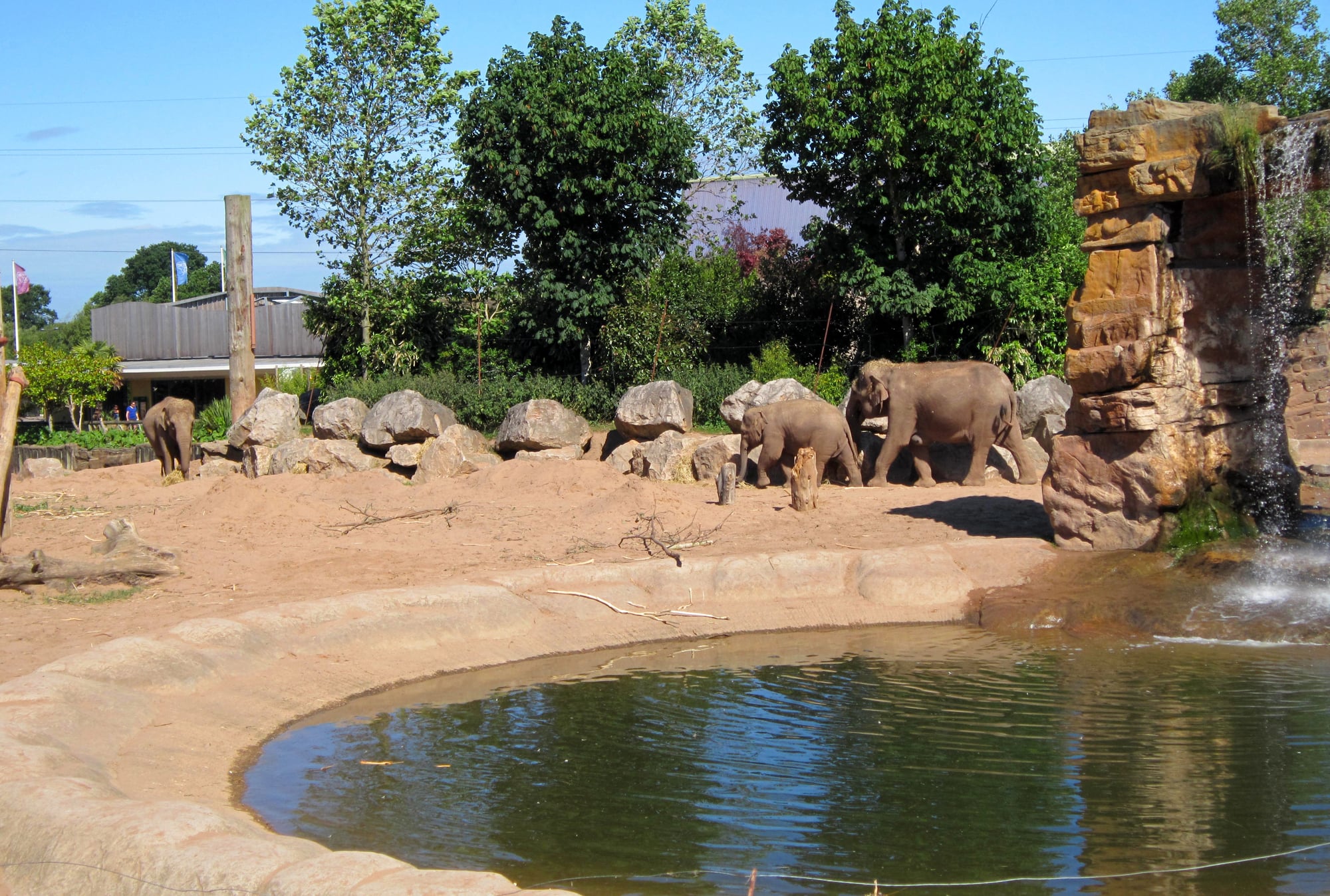
Europe’s most visited zoo has positioned conservation as central to its mission, with ambitious breeding and reintroduction programs for species ranging from Sumatran rhinos to red pandas. The zoo operates research facilities studying reproduction in difficult-to-breed species and contributes expertise to international recovery efforts.
Marwell Wildlife
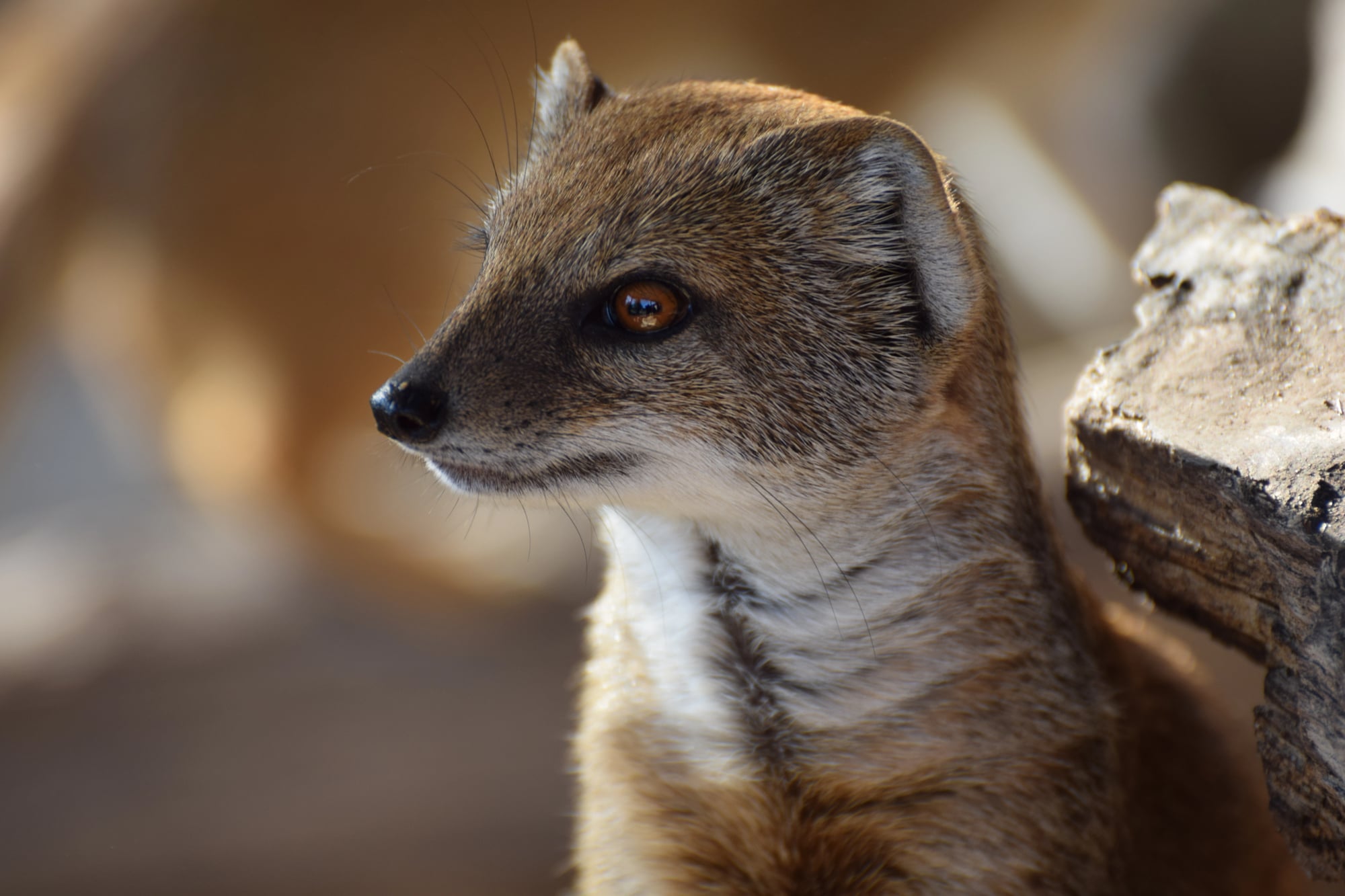
A British organization operating multiple breeding centers and sanctuaries focused on African conservation, Marwell has been instrumental in Arabian oryx recovery and coordinates breeding programs for multiple African antelope species. The organization’s model of combining captive breeding with field conservation work demonstrates integration of ex situ and in situ strategies.
The Wilds
Located in Ohio, The Wilds operates large naturalistic enclosures and participates in Species Survival Plans for numerous species. The facility’s emphasis on spacious, complex habitats has advanced understanding of how captive environments affect animal welfare and breeding success.
The organization serves as a research center for conservation breeding methodology.
Al Ain Zoo
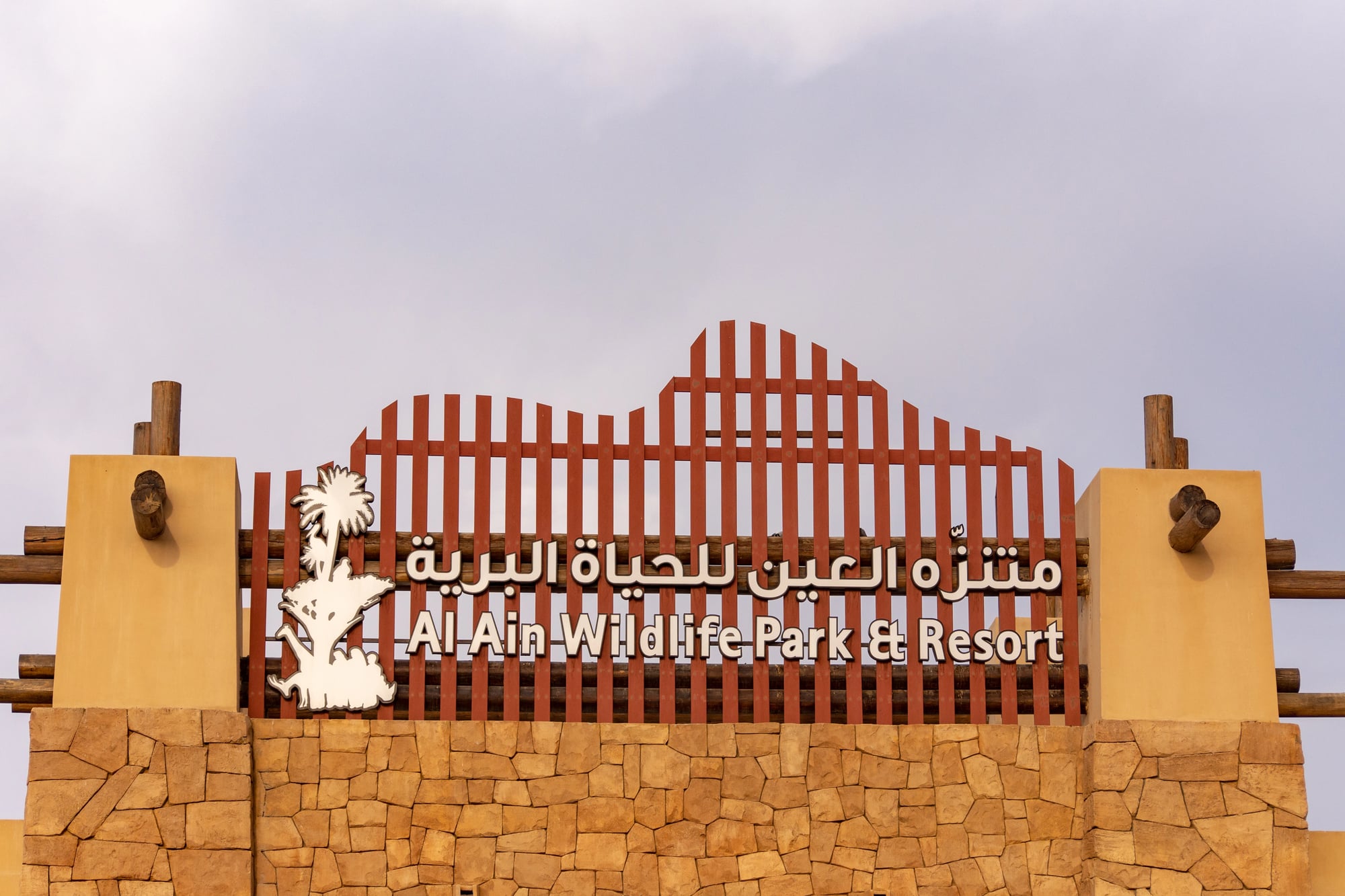
Home to significant populations of Arabian oryx and other Arabian species, Al Ain Zoo in the United Arab Emirates played a central role in maintaining the “world herd” of oryx that forms the foundation for reintroduction efforts. The zoo’s work demonstrates how facilities in species’ native regions can be essential to recovery programs.
Environment Agency Abu Dhabi Breeding Centers
While not traditional zoos, EAD’s breeding centers have become central to recovery of Saharan species. The organization established the oryx world herd and coordinates reintroduction of critically endangered antelope species.
The facilities represent a model where government environmental agencies operate specialized breeding programs distinct from public zoos.
Disney’s Animal Kingdom Conservation Station
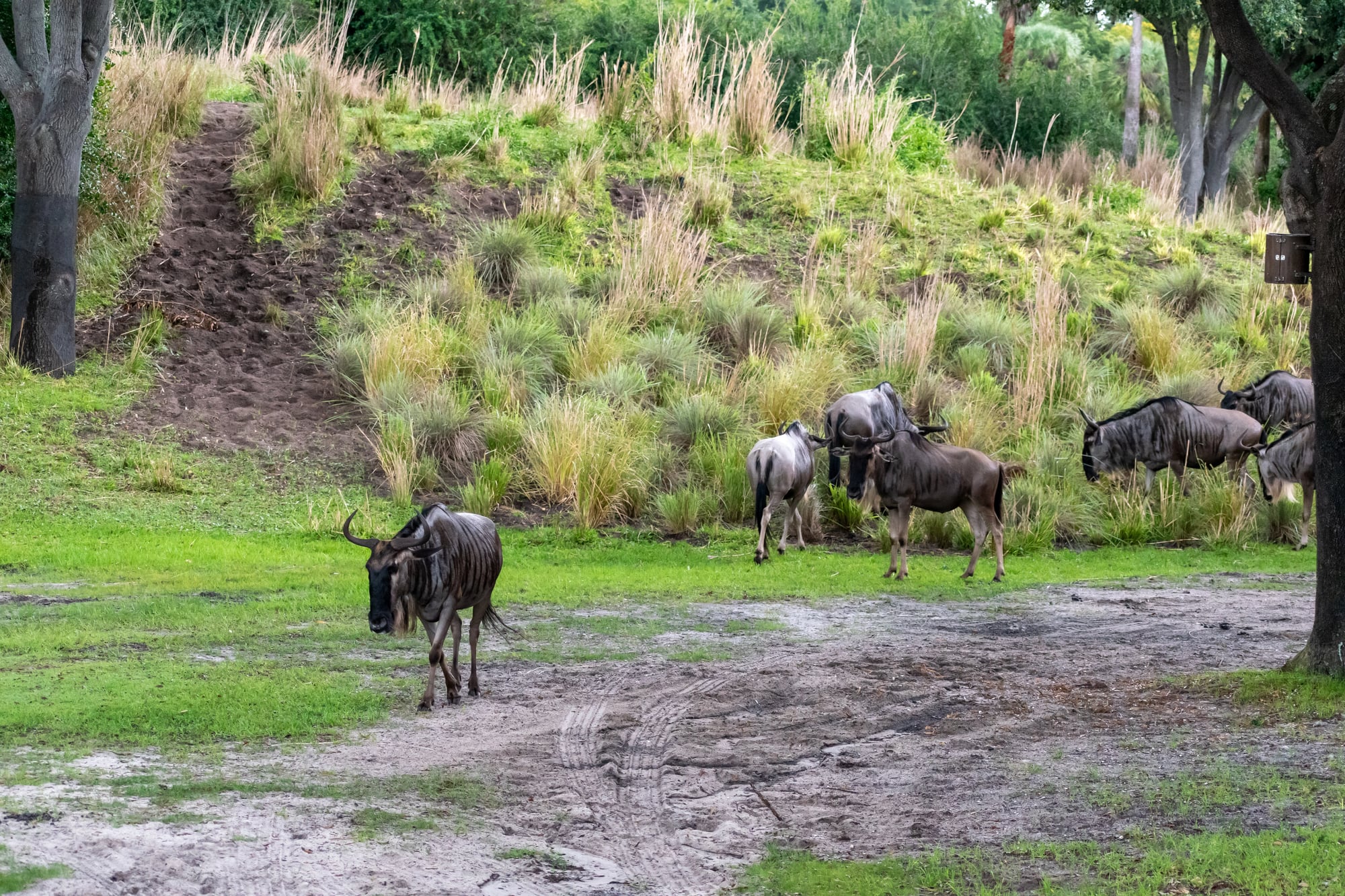
Disney’s theme park facilities include hidden research centers where the company conducts conservation breeding and studies animal behavior. The organization has contributed to endangered species programs and uses its vast visitor base to promote conservation education.
The facility demonstrates how commercial enterprises can integrate serious conservation work into entertainment venues.
Columbus Zoo
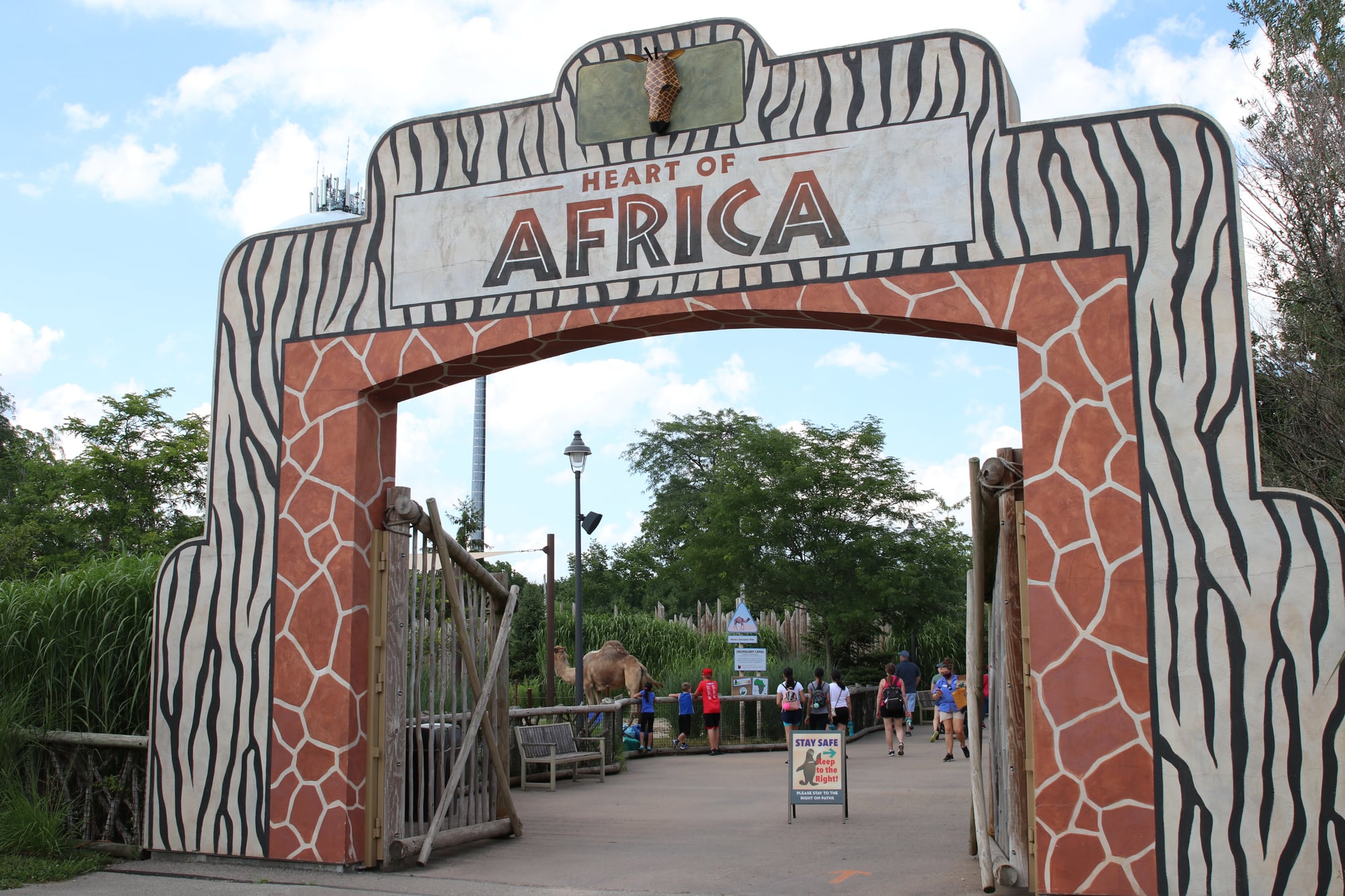
One of North America’s oldest zoos, Columbus has recently elevated its conservation mission. The facility participates in multiple Species Survival Plans and operates breeding programs for threatened species.
The zoo’s transformation illustrates how historic institutions are embracing conservation as essential rather than supplementary to their mission.
Rosamond Gifford Zoo
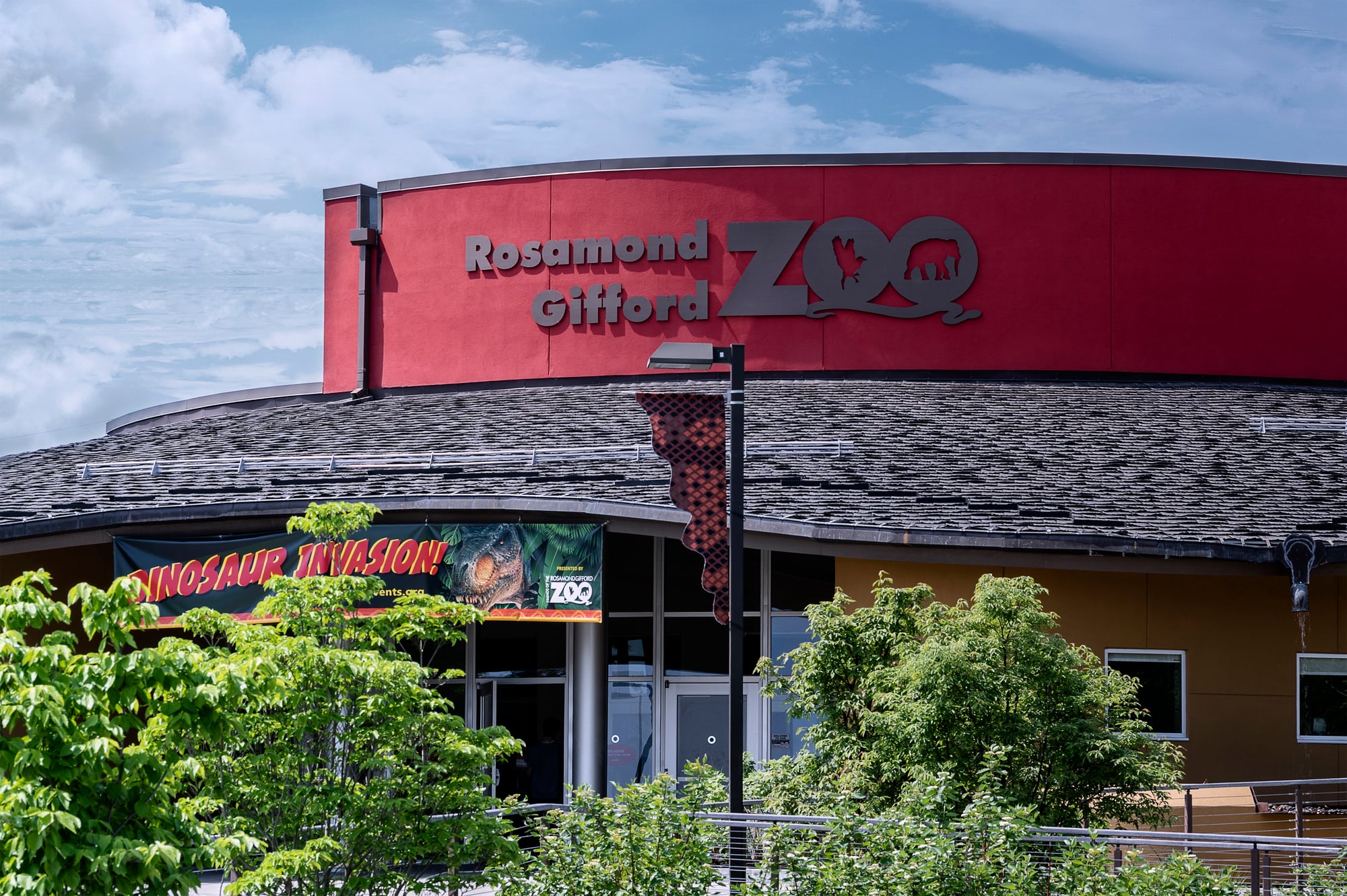
Operating in Syracuse, this mid-sized zoo punches above its weight in conservation contributions through specialized programs for reptiles and amphibians. The facility participates in multiple species recovery efforts and has developed expertise in captive breeding of difficult species.
The zoo represents how institutions of any size can make meaningful conservation impact through focused specialization.
Lincoln Park Zoo
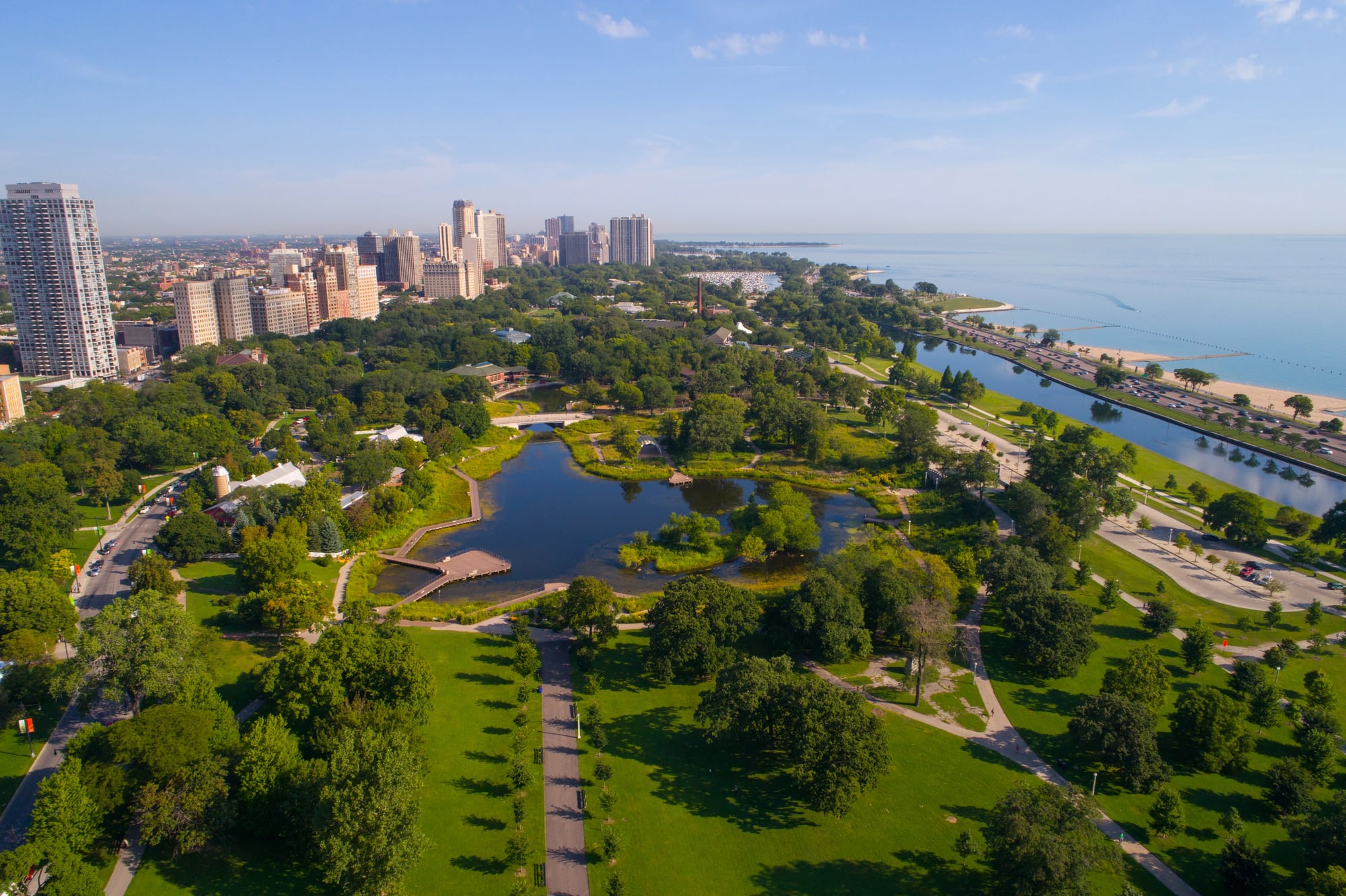
Chicago’s Lincoln Park Zoo operates a center for species survival and participates in breeding programs for multiple endangered species. The zoo conducts field conservation work in Africa and Asia, demonstrating how urban zoos can maintain both in situ and ex situ conservation programs simultaneously.
Maryland Zoo
Home to significant breeding programs for Asian species, the Maryland Zoo participates in international conservation efforts and conducts research on captive animal reproduction. The facility has made contributions to programs for species ranging from red pandas to Amur leopards.
Bronx Zoo Wildlife Conservation Society
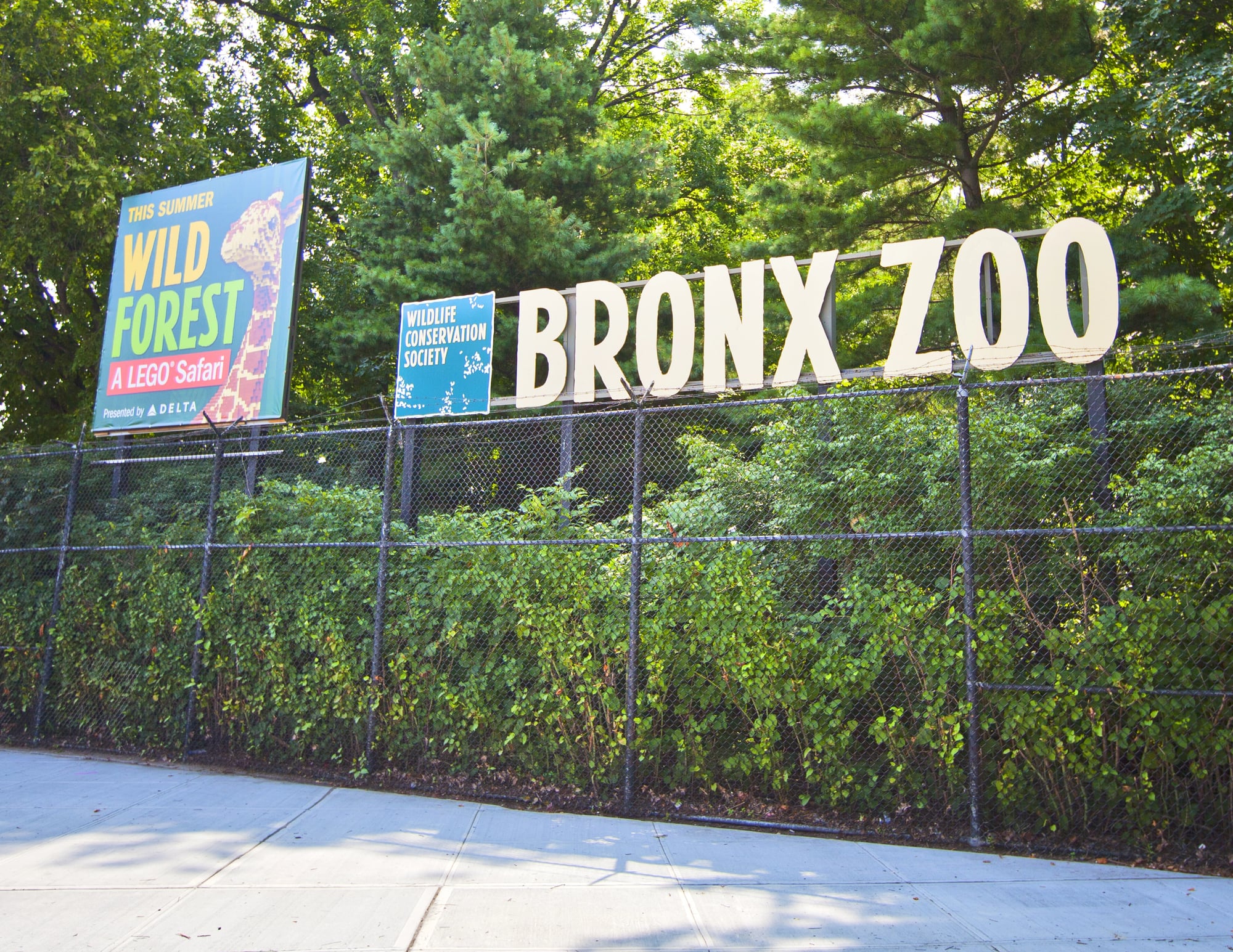
One of the largest conservation organizations globally, the Bronx Zoo operates field programs across multiple continents while maintaining captive breeding programs. The organization’s model of integrating zoo-based animal care with field research and community conservation work has influenced institutions worldwide.
The Wildlife Conservation Society operates multiple satellite facilities and maintains breeding programs for numerous endangered species.
Houston Zoo
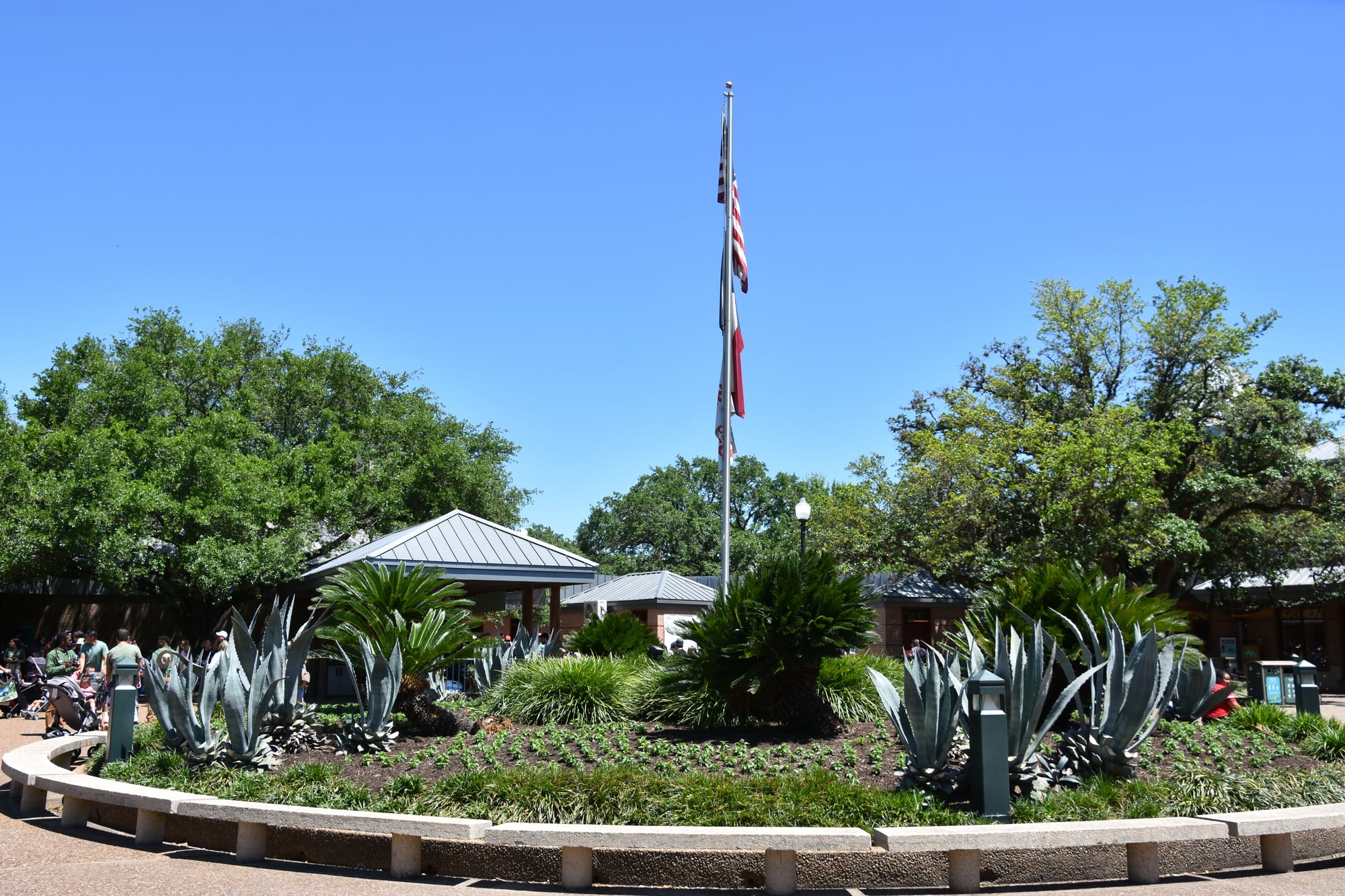
Operating one of the largest collections of animals in North America, Houston Zoo participates in Species Survival Plans and conducts field conservation work. The zoo’s size and resources have enabled significant contributions to recovery programs for multiple species.
The facility demonstrates how large urban institutions can maintain both public education and serious conservation work.
Honolulu Zoo and Sanctuaries
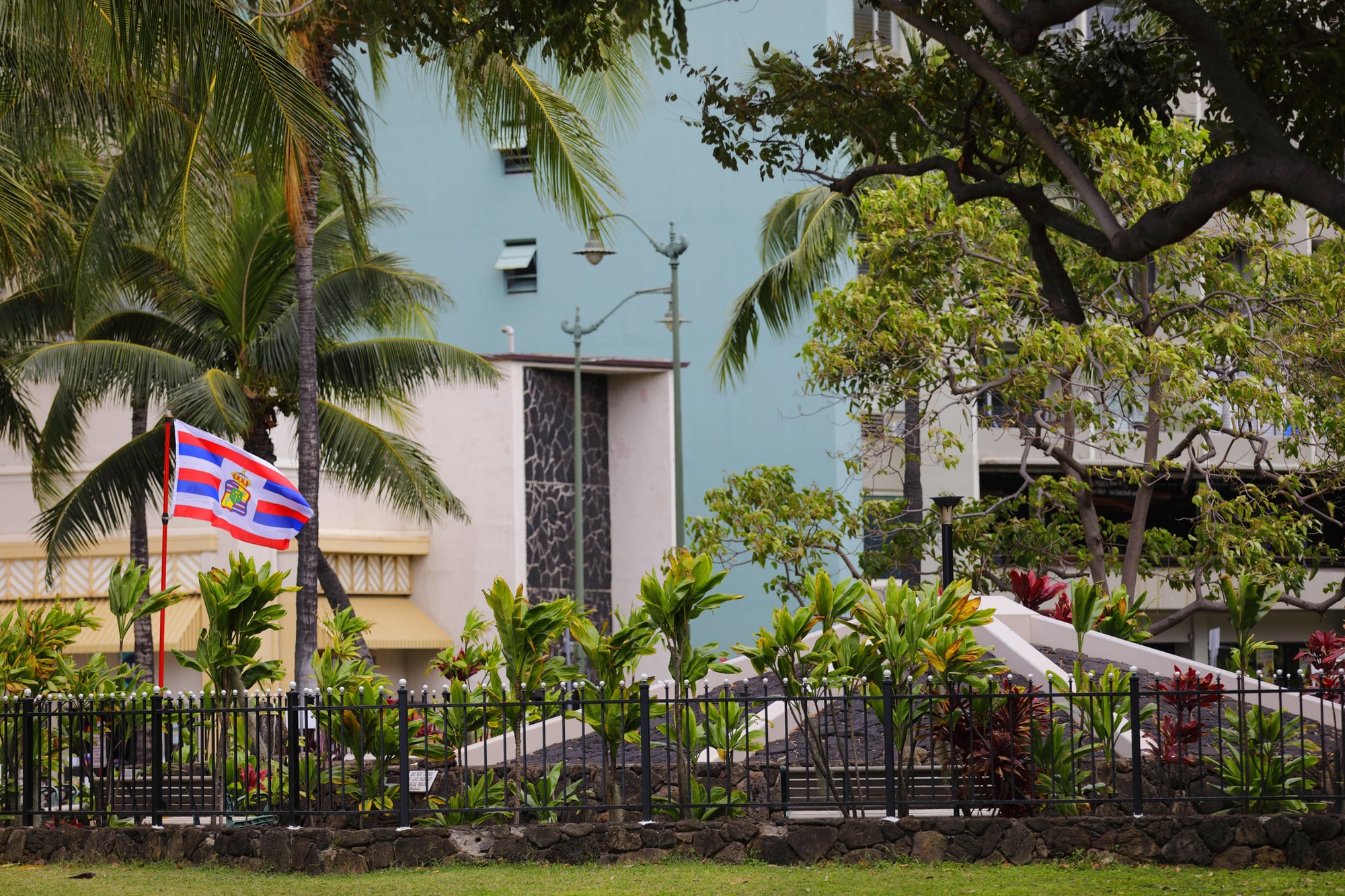
Hawaiian zoos and sanctuaries have been crucial to recovery efforts for island-endemic birds and other species. Facilities participate in Hawaiian Endangered Species programs and conduct essential captive breeding of species like Hawaiian crows.
The institutions represent how island ecosystems often require specialized facilities for species recovery.
Newquay Zoo
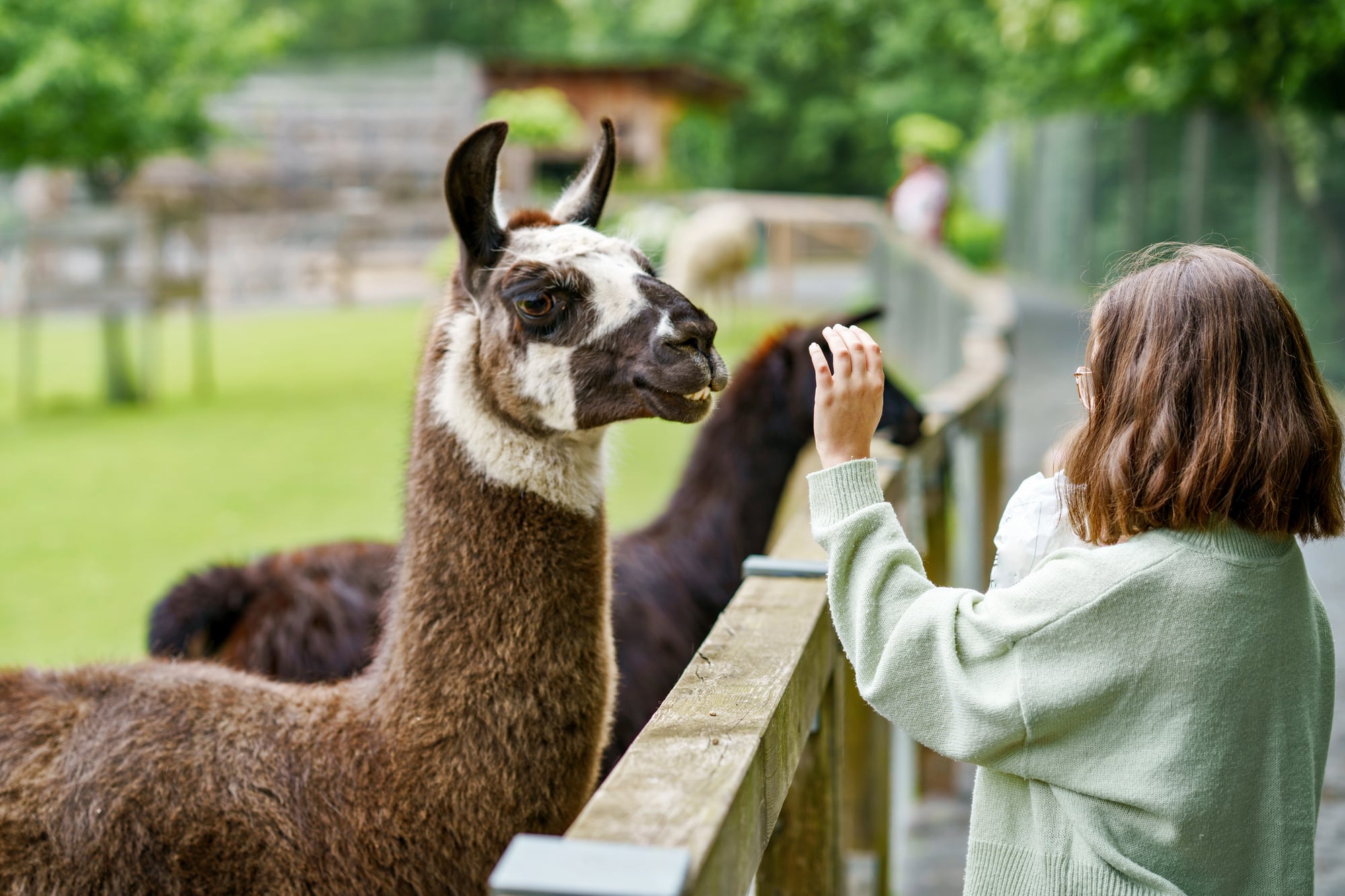
Operating in Cornwall, Newquay Zoo has developed expertise in reptile and amphibian conservation. The facility has contributed to recovery programs for European species and participates in European Endangered Species Programs.
The zoo’s smaller size demonstrates how regional institutions can support conservation objectives.
Paignton Zoo
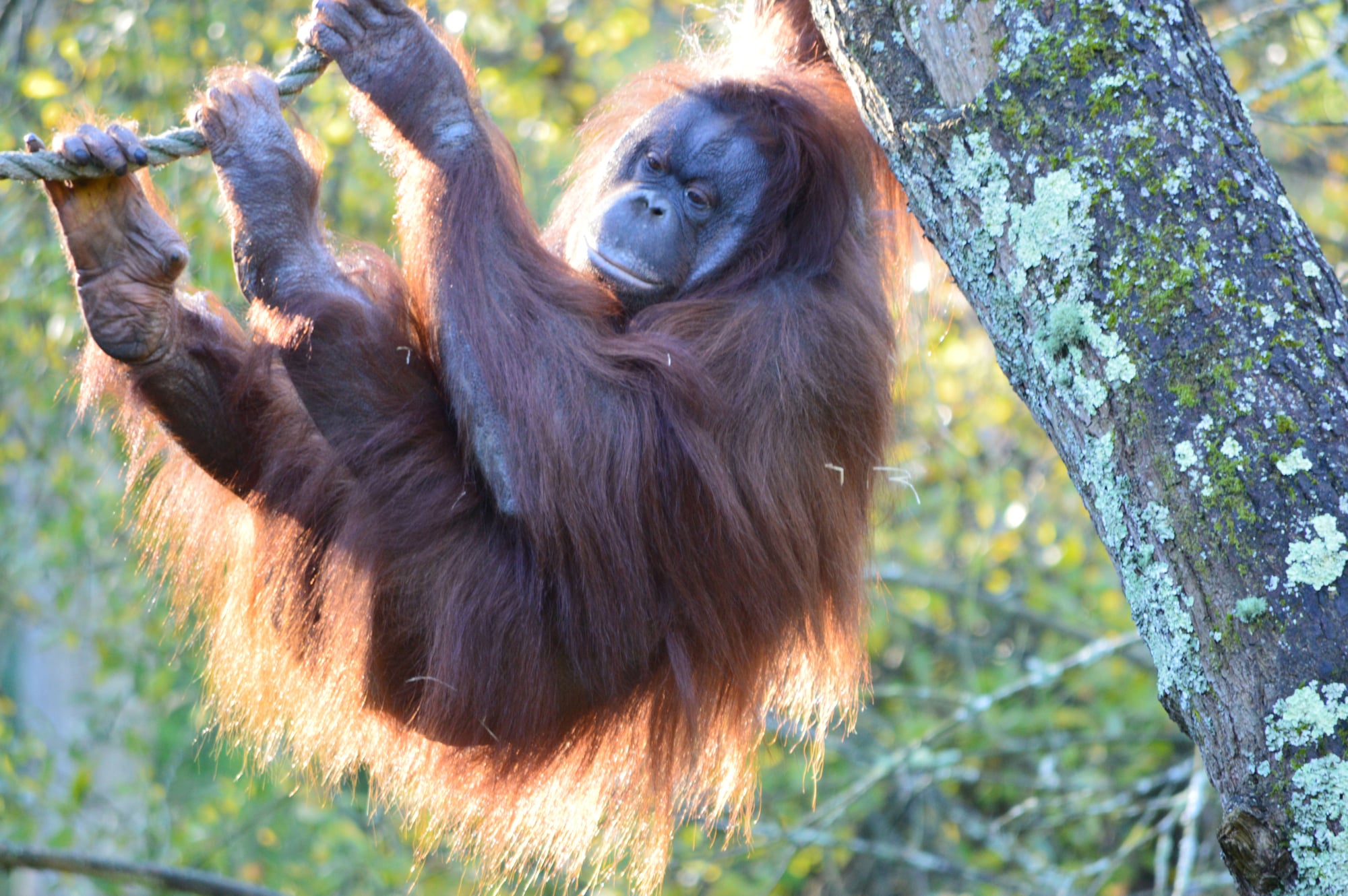
Another UK facility participating in European Endangered Species Programs, Paignton Zoo has contributed to recovery efforts for multiple species. The zoo operates research facilities and conducts field conservation work alongside captive breeding.
The facility represents how British zoos have embraced international conservation coordination.
Paradise Wildlife Park
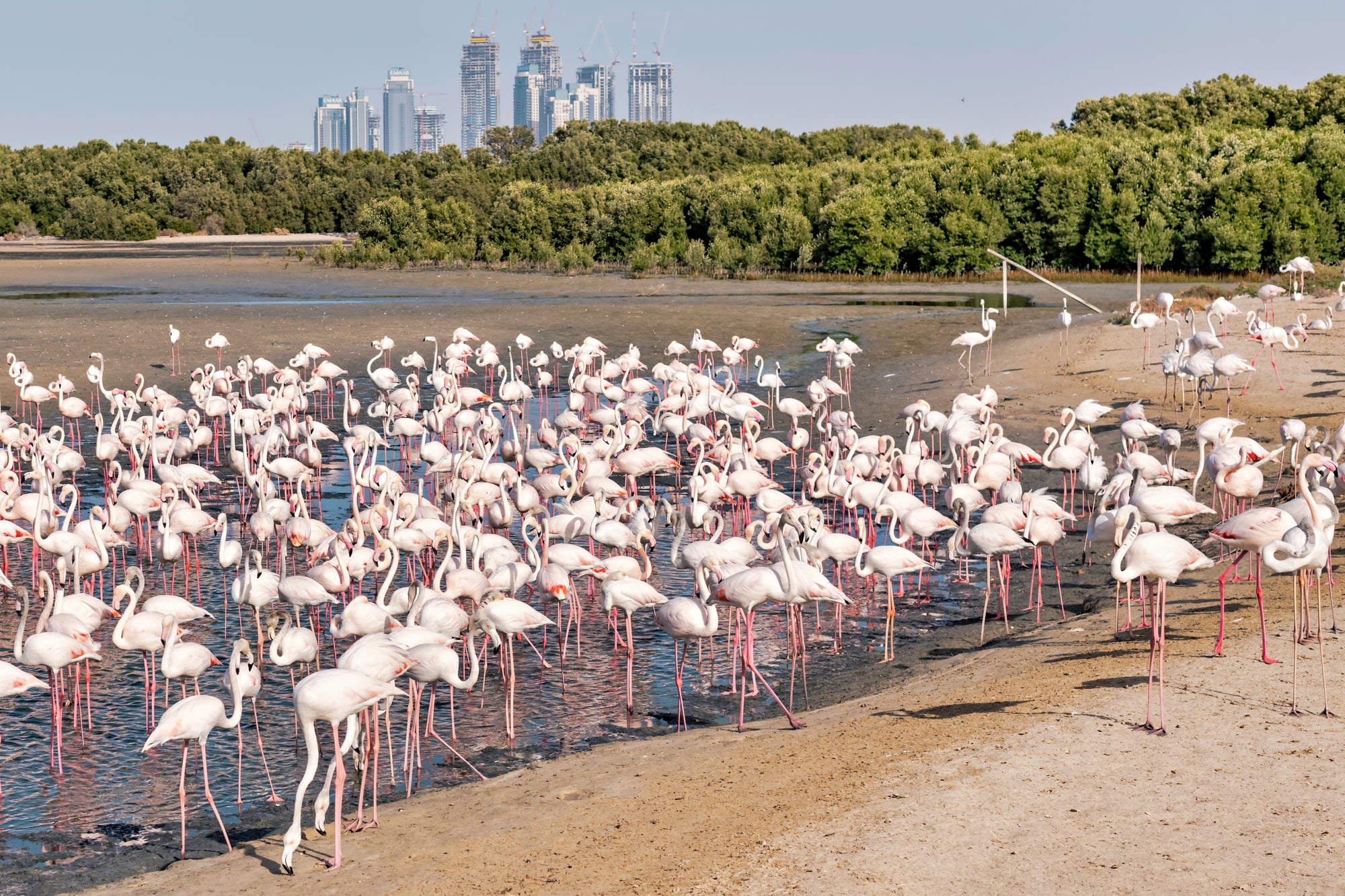
Operating a species recovery center in the UK, this facility participates in breeding and reintroduction programs for multiple species. The organization focuses on animals threatened in their native habitats and coordinates with international partners on recovery efforts.
The facility demonstrates the diversity of institutional models supporting species conservation.
Howletts Wild Animal Park
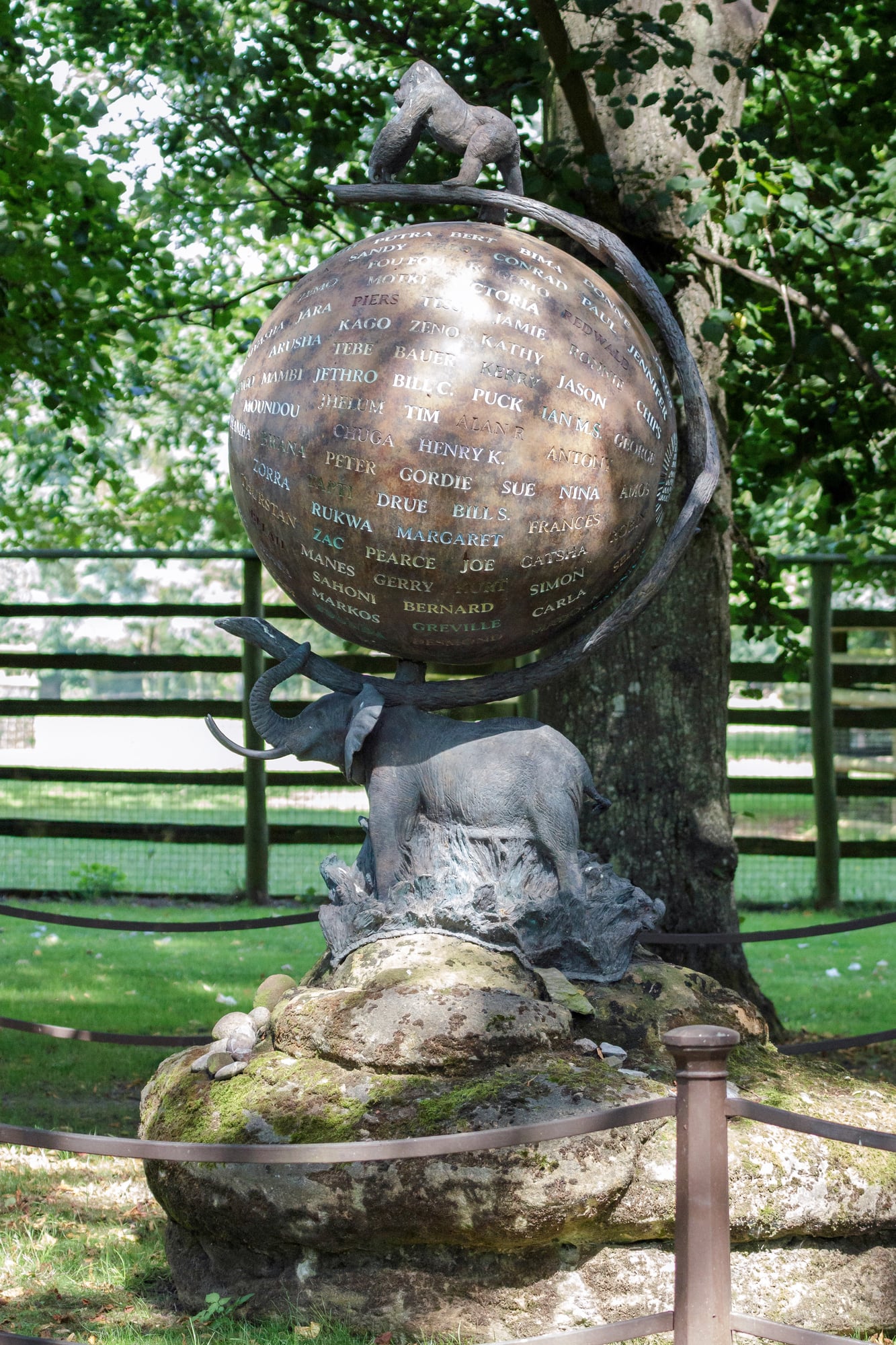
Established by zookeeper John Aspinall, Howletts has become one of Europe’s largest contributors to gorilla conservation breeding. The facility maintains one of the largest captive gorilla populations in the world and has supplied animals to field conservation programs.
The park’s gorilla work demonstrates how institutions can develop deep expertise in particular species.
Port Lympne Reserve
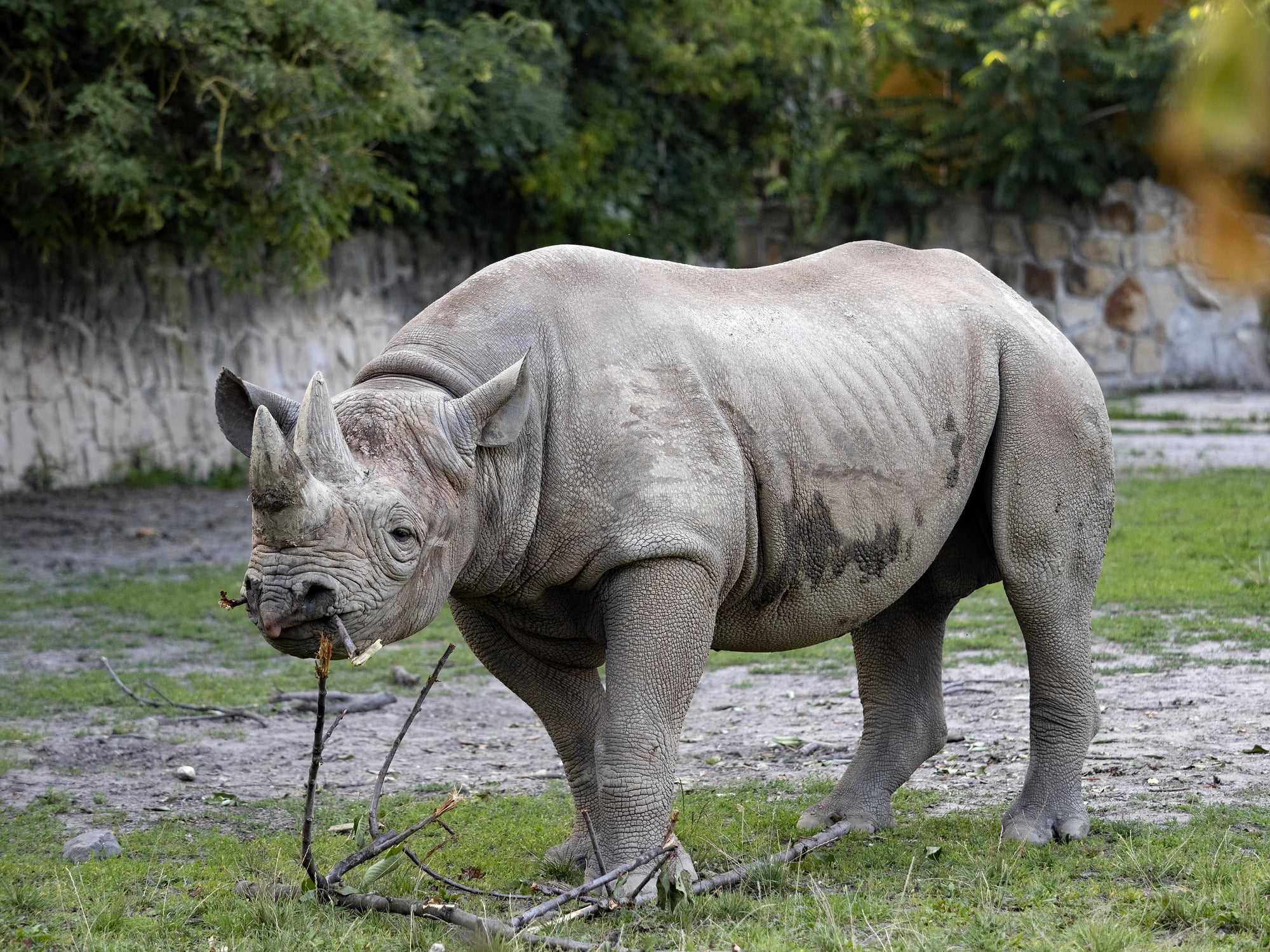
Port Lympne operates sophisticated captive breeding programs for African species, particularly antelope. The facility has been instrumental in developing breeding protocols for difficult species and has supplied animals to reintroduction programs.
The reserve represents how European facilities have become part of integrated continental conservation networks.
ZSL London Zoo
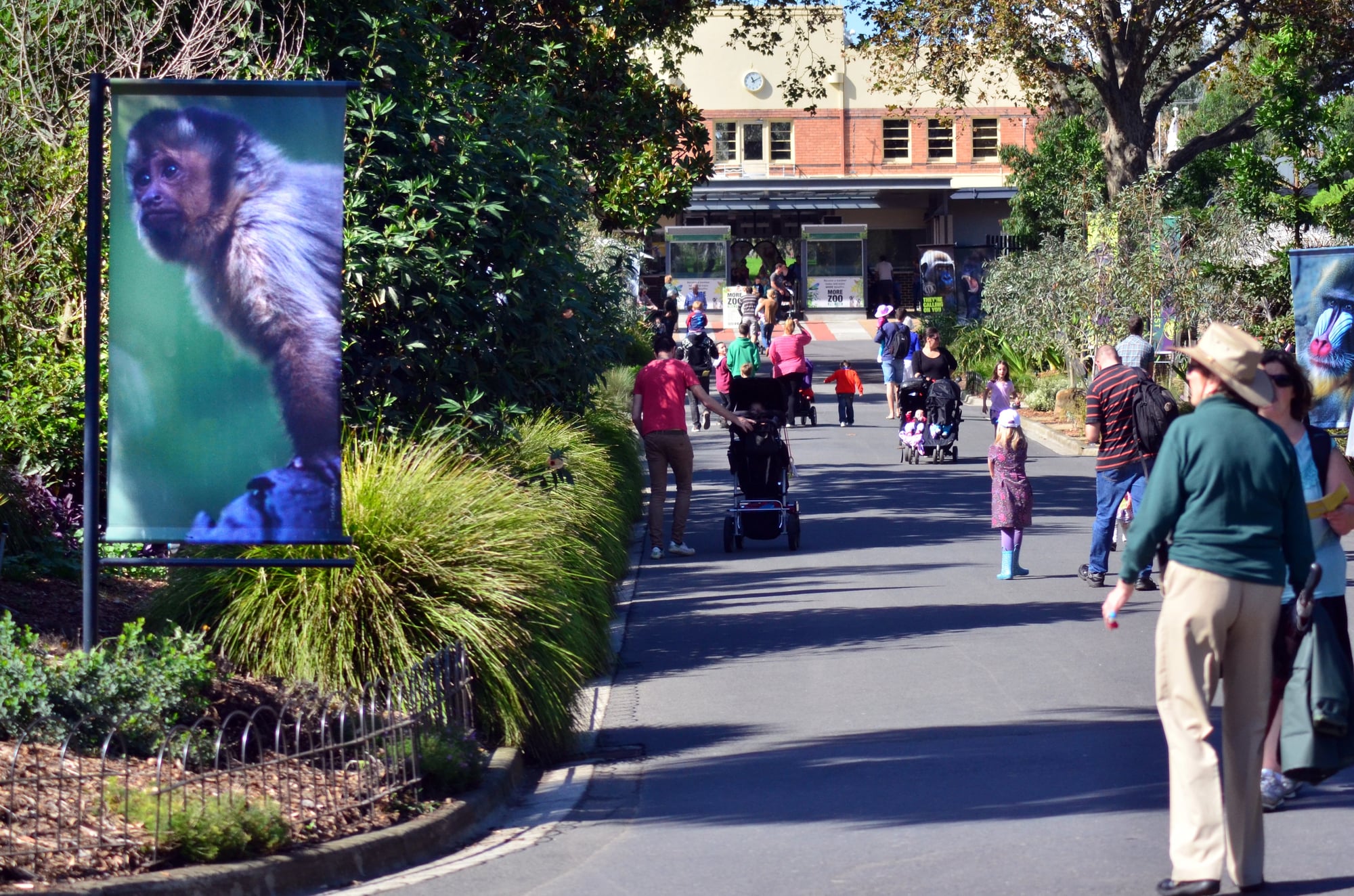
One of the world’s oldest zoos, ZSL London has transformed itself into a research and conservation center. The facility operates research programs studying endangered species reproduction and contributes genetic diversity to recovery programs.
The zoo’s evolution from Victorian menagerie to conservation center illustrates the broader transformation of the zoological field.
From Captivity to Conservation
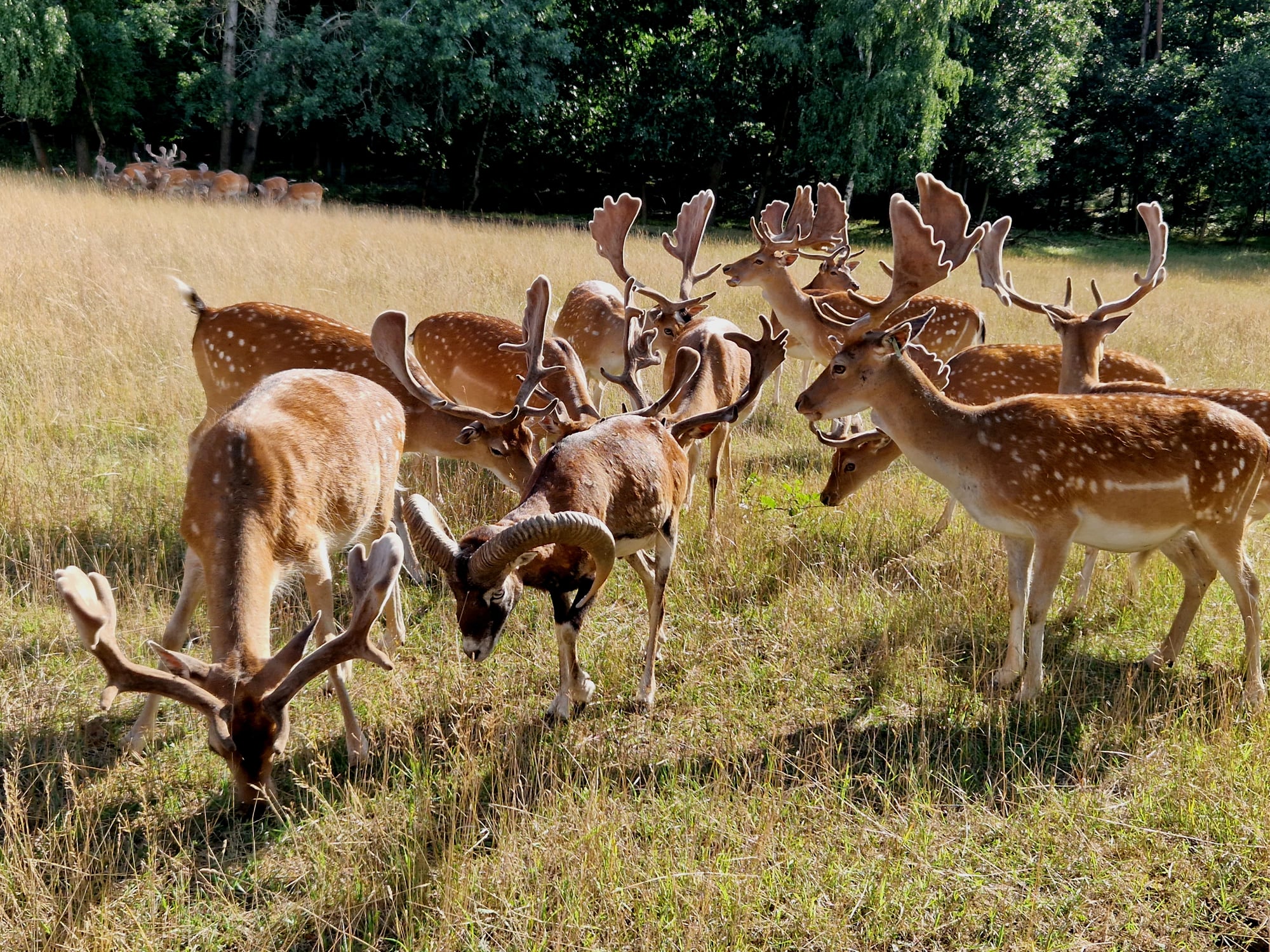
These 32 institutions exist at different scales, operate under different models, and focus on different species. What unites them is a shift in fundamental purpose: from viewing captive animals as ends in themselves to viewing them as tools for species and ecosystem recovery.
The change required developing new technologies, new research methodologies, and new ethical frameworks. It required institutions to accept that success meant animals no longer lived in their facilities—that the goal was to make zoos unnecessary by restoring wild populations.
These organizations changed not just how people see animals in captivity, but how conservation itself is conducted. They proved that captive breeding could save species, that zoos could generate scientific knowledge, and that the public would support conservation if they understood what was at stake.
In doing so, they changed the trajectory of species recovery worldwide.
More from Go2Tutors!

- The Romanov Crown Jewels and Their Tragic Fate
- 13 Historical Mysteries That Science Still Can’t Solve
- Famous Hoaxes That Fooled the World for Years
- 15 Child Stars with Tragic Adult Lives
- 16 Famous Jewelry Pieces in History
Like Go2Tutors’s content? Follow us on MSN.