Things About Growing Up in a Small Town That Big-City Kids Missed Out On
The small town experience of childhood carries its own particular magic—a constellation of freedoms, limitations, and social dynamics that urban childhoods simply cannot replicate. Kids raised in metropolitan areas have access to museums, diverse cultures, and endless entertainment options, yet they forfeit something essential about growing up small.
The freedom to roam unsupervised through a known landscape, the particular comfort of universal recognition, the simplified social structure where the same thirty people cycle through your life for eighteen years—these create a developmental experience fundamentally different from urban childhood. Small towns shaped generations of Americans, yet their particular advantages have grown increasingly invisible as urban and suburban living became normalized.
Understanding what small town kids had reveals something about what the broader childhood experience has lost.
The Absolute Freedom to Roam Without Adult Supervision or Worry

Small town children possessed a freedom to move through their landscape unsupervised that would terrify modern urban parents. Kids could leave home after breakfast and stay out until dinner time, moving through fields, woods, and creek beds without adults tracking their location. The low crime rates and general community awareness meant parents could let children explore independently, knowing that if something went wrong, someone would know them and help. This freedom to roam created self-reliance, navigational confidence, and a sense of environmental mastery that supervised, structured childhoods rarely develop.
Everyone Knew Your Full Name and Family History

In small towns, anonymity was impossible. Adults weren’t just strangers; they were Mrs. Johnson from the library or Mr. Peterson from the hardware store, and they knew exactly who your parents were and what your family did.
This total social transparency meant behavior was constantly observed and reported back home, creating both accountability and a sense of living within a tight web of community oversight. Getting in trouble wasn’t just a parental issue; it was a community matter handled by multiple adults who felt entitled to comment on your behavior.
Your School Housed All Grades in One Building With Everyone You’d Ever Know

Small town schools typically educated every child in the district under one roof, meaning kids from kindergarten through twelfth grade occupied the same hallways. High schoolers knew every elementary student by name and sight, creating a continuity and stability in social structure that larger schools fragmented into isolated year groups. The same teachers taught generations of families, creating accumulated knowledge about student abilities and family patterns that larger schools with their high turnover rates could never match.
Friday Night Football Was an Actual Community Event, Not Just a Game

In small towns, high school football wasn’t entertainment; it was the social center of the week. Virtually the entire community attended the Friday night game, whether they had a connection to the school or not. Families packed into bleachers, local businesses advertised, and the social hierarchy of the entire town played out on the field. Missing the game meant genuine social exclusion and being unable to participate in Monday morning conversations that constituted the entire social discourse of the community.
You Knew Every Single Classmate’s Background and Family Drama

Classes of fewer than 200 students meant total familiarity with peers’ personal information. Everyone knew whose parents were divorced, which families drank, what their dad did for work, and which kids got free lunch. This eliminated privacy but also eliminated the pretense that characterized larger schools. Social masks were harder to maintain when people had complete knowledge of your circumstances. Friendships and enmities sometimes lasted entire lifespans because they began in third grade and had nowhere to go since peers never left.
The Same Stores, Same Restaurants, and Same Events Cycled Year After Year
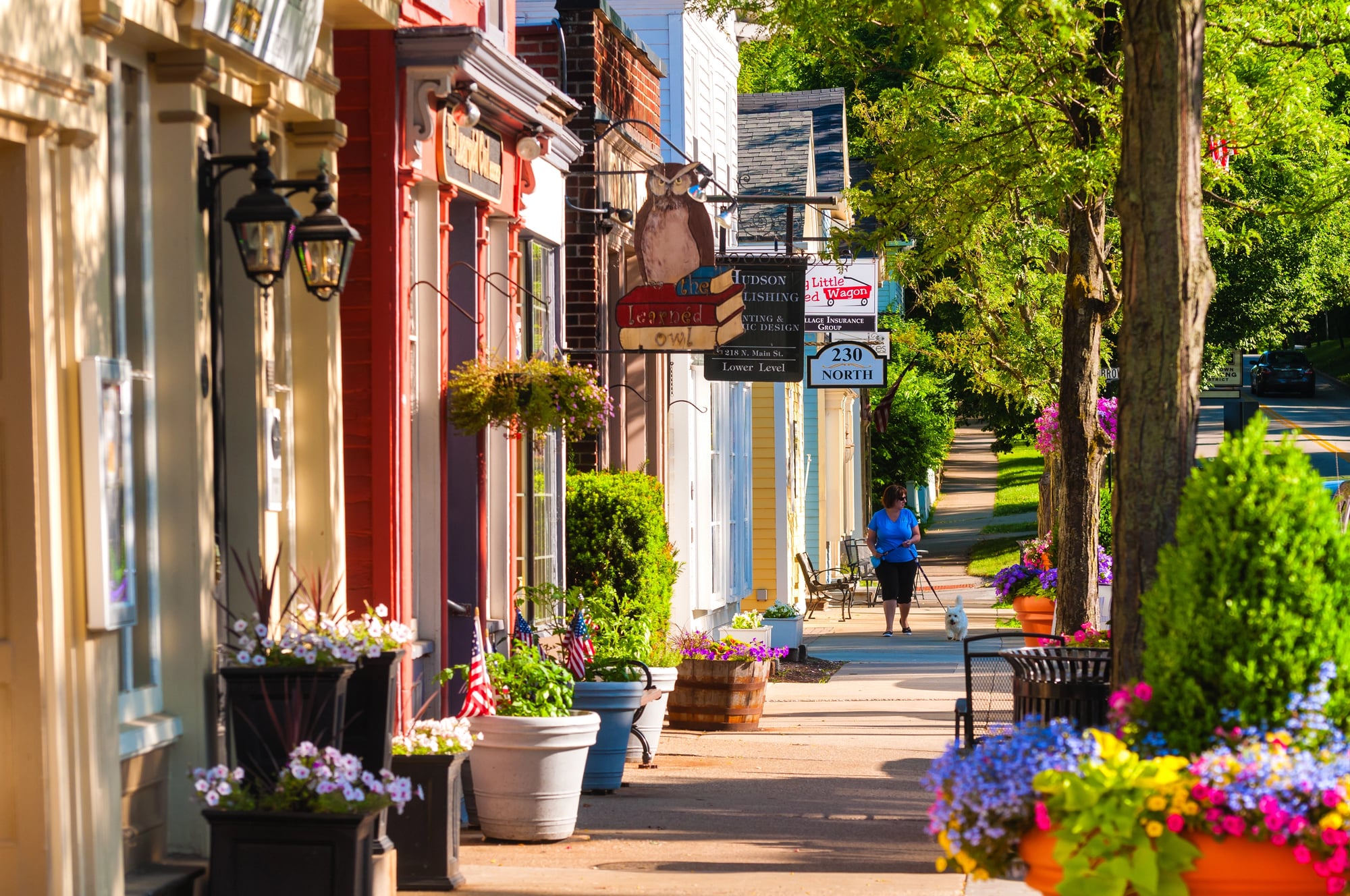
Small towns offered limited commercial variety but consistency that bred comfort. The same diner, the same movie theater (if they had one), the same restaurants meant limited options but deep familiarity. Annual events—the county fair, the Christmas parade, the Fourth of July festival—followed identical patterns every year, creating traditions and expectations that structured the calendar and created a sense of temporal rhythm that modern abundance lacks.
You Could Walk Everywhere, and Walking Was Actually How You Got Around

Before driving age, kids could genuinely walk to school, to friends’ houses, and to downtown activities. Small towns were physically navigable on foot, and walking was standard transportation rather than the eccentric choice it became in spread-out suburbs. This created fundamental comfort with independent navigation and physical autonomy before driving became available. Kids understood their town’s geography intimately through repeated walking routes, which created a sense of mastery and belonging to place.
Your Parents Encountered Yours Constantly, Creating Accountability Across Families

Parents socialized with each other through work, church, and civic organizations, meaning they discussed their children’s behavior regularly. A report of misbehavior filtered through the adult network to parents before the child arrived home, eliminating the possibility of deception or selective reporting. This multi-adult accountability meant misconduct was immediately known and addressed not by one set of parents but by an entire community consensus.
The Social Hierarchy Was Completely Transparent and Rarely Changed

Everyone knew exactly where they stood socially—the popular kids were transparently popular, the misfits were transparently excluded, the rich kids and poor kids were obvious to everyone. There was no escaping your social position because the community was too small and too stable to allow reinvention. However, this also meant knowing exactly what to expect socially and where you fit. The transparency, while restrictive, eliminated the exhausting performativity of trying to navigate unclear social positions with constantly shifting peer groups.
There Was No Escape From People Who Bullied or Disliked You

Unlike city kids who could change schools or find different friend groups, small town kids were trapped with the same social predators for their entire school careers. Bullies couldn’t be avoided because they inhabited the same small space. This created both genuine hardship for targeted kids and an inadvertent mechanism for conflict resolution—bullying had to either stop or be endured because there was no genuine escape, which sometimes led to eventual reconciliation or understanding.
Working in Family or Neighborhood Businesses Was Normal Childhood Employment

Rural and small town kids frequently worked for family businesses or neighborhood employers starting in elementary school. This meant early exposure to labor, responsibility, and economic reality. Kids understood business operations, customer service, and work accountability through direct participation rather than abstraction. Early work experience was normal and created practical skills and employment track records by high school.
Significant Others Were Serious Because Dating Happened in a Context of Public Knowledge

Small town dating was inherently public. Every couple was known and observed, making casual dating nearly impossible because someone always knew each other’s families.
This created incentive for relationships to be relatively serious or brief, but it also meant dating happened with community awareness and sometimes community approval or disapproval that served as a social brake on purely physical or recreational relationships.
You Knew Exactly What Jobs Were Available and What Education Was Necessary

Small towns offered limited employment diversity, making career options transparently clear. There were teachers, farmers, factory workers, store owners, and maybe a few professionals. Kids saw exactly what their parents’ careers entailed and understood what education requirements existed for each path.
This eliminated some confusion about career direction but also meant leaving town often seemed necessary for advancement, creating a push toward geographic mobility that urban kids experienced less acutely.
Summer Stretched Endlessly Without Organized Activities Filling Every Moment

Extended summers without structured camps, programs, or scheduled entertainment meant genuine unstructured time. Kids created their own activities through unsupervised play that required negotiation, imagination, and independent problem-solving.
Boredom was a real experience kids had to manage themselves rather than a parental problem to solve with enrollment in summer programs. This forced independent entertainment created different cognitive skills than structured activity schedules.
You Had Actual Knowledge of Multiple Generations of Your Town’s History

Small towns maintained continuity of memory that larger places fragmented through constant demographic turnover. Older residents maintained and shared stories about the town’s past, schools operated continuously with long-serving teachers who had taught parents and grandparents, and physical landmarks remained in place with accumulated meaning.
Kids absorbed historical awareness of their place through regular exposure to stories rather than formal study.
Success in Small Town Life Didn’t Require Large Amounts of Money
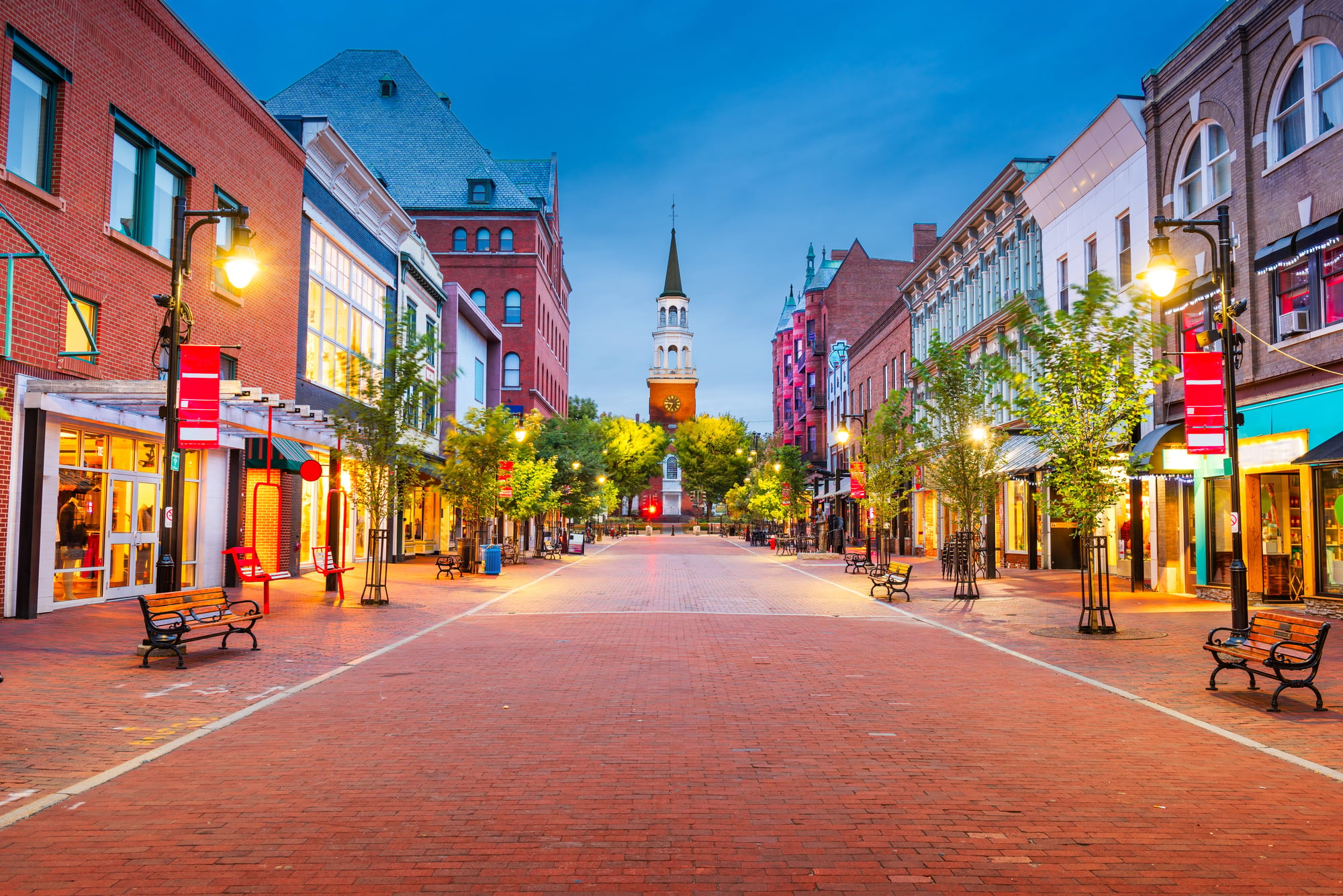
Unlike suburban childhoods that increasingly required financial resources for activities and signaling social status, small town childhoods could be fully lived on minimal resources. Free entertainment meant creek exploration, school events, community activities, and visiting friends’ properties.
Economic inequality was visible and real, but social participation didn’t absolutely require financial resources to the extent it did in suburbs where virtually every activity cost money.
Your Childhood Friends Were Statistically Likely to Become Your Neighbors as Adults

Small towns experienced significant out-migration of young people seeking education and opportunity, but many returned as adults, meaning childhood friends became neighbors, coworkers, and lifelong community members. The possibility of lifelong continuous relationships with people you’d known since childhood created different social patterns than transient urban populations.
Relationships carried different weight knowing they might span a lifetime.
The Gap Between Wealth and Poverty Was Immediately Visible and Impossible to Ignore

Unlike segregated suburban neighborhoods that masked class differences, small towns mixed housing and exposed class disparities directly. Kids visited poor classmates’ homes and wealthy classmates’ homes, creating direct awareness of economic inequality and concrete understanding of how people lived differently.
This visibility prevented the abstraction of poverty and wealth into statistics, creating empathy or hardship awareness that segregated childhoods obscured.
Creating Your Own Entertainment Rather Than Consuming Entertainment Was Standard

Before constant digital entertainment, small town kids created their own activities through unsupervised play, clubs, performances, and improvisation. This forced creative and social problem-solving that media-intensive childhoods reduced.
Theater, music, sports, and social activities happened through community participation rather than professional consumption, creating actual engagement rather than passive reception.
The Unmistakable Loss of Small Town Childhood Permanence
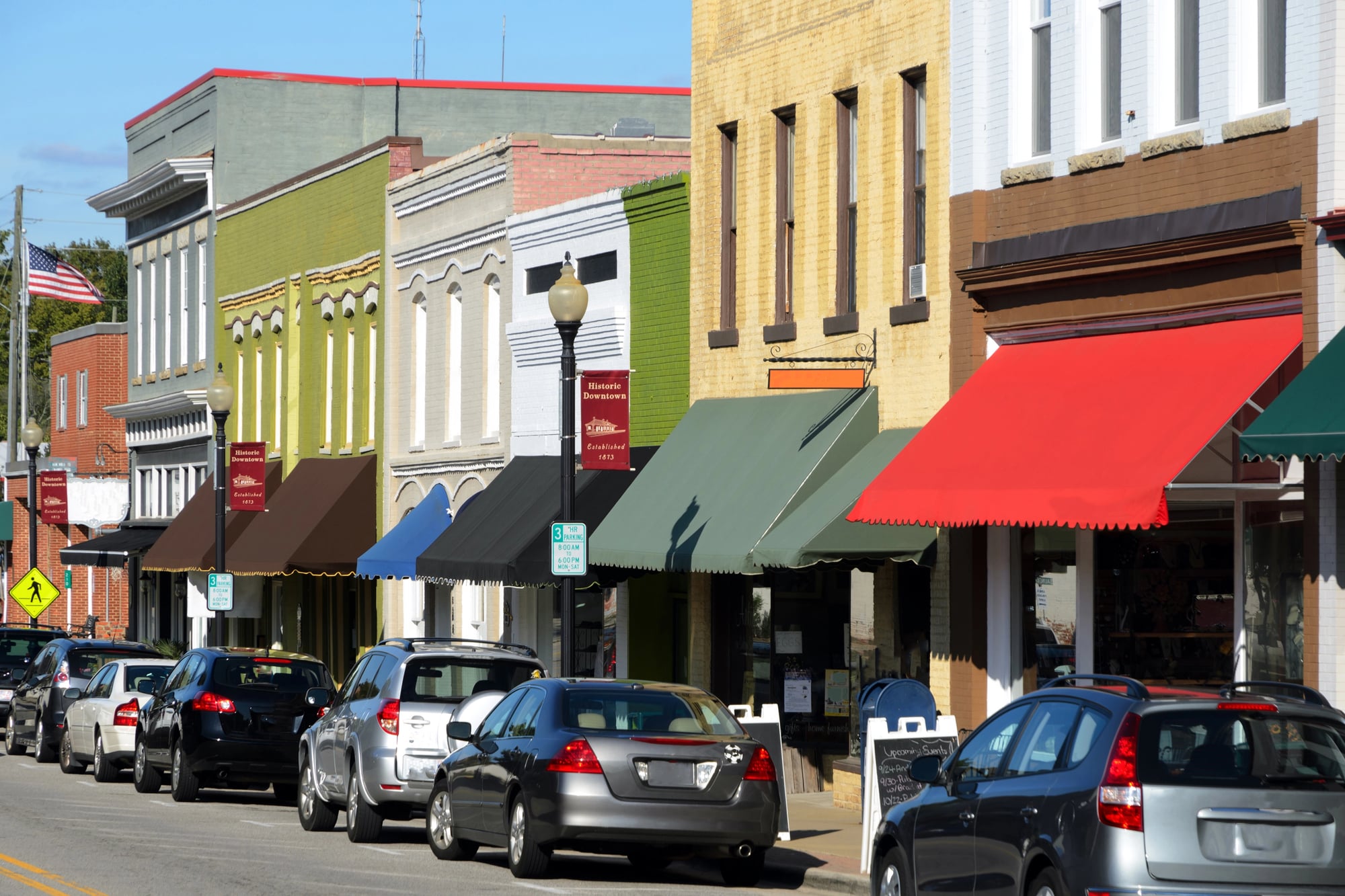
The particular mixture of freedom, community accountability, geographic stability, and limited options that characterized small town childhoods has become increasingly rare as small towns declined and population concentrated in metropolitan areas. What small town children gained—independence, community integration, transparent social structures, physical mastery of place—represented a different developmental pathway than metropolitan childhood’s access to diversity, specialized opportunities, and individual anonymity.
Neither experience is objectively superior, but the small town variety has become nearly extinct for contemporary children, representing a lost form of childhood experience.
More from Go2Tutors!

- The Romanov Crown Jewels and Their Tragic Fate
- 13 Historical Mysteries That Science Still Can’t Solve
- Famous Hoaxes That Fooled the World for Years
- 15 Child Stars with Tragic Adult Lives
- 16 Famous Jewelry Pieces in History
Like Go2Tutors’s content? Follow us on MSN.