26 Islands Off Limits to Outsiders
An island promises something a mainland never does. It has an edge.
You can sail around it, name it, and imagine owning it. Holiday brochures have sold that fantasy for a century.
A few islands refuse to play along. People defend some of them with arrows.
Snakes, anthrax, and unexploded bombs guard others. Several are closed for the gentlest reason there is, which is that a rare bird needs somewhere to nest without boots nearby.
You’re not getting onto any of them, and the reasons are better than the beaches.
1. North Sentinel Island, India
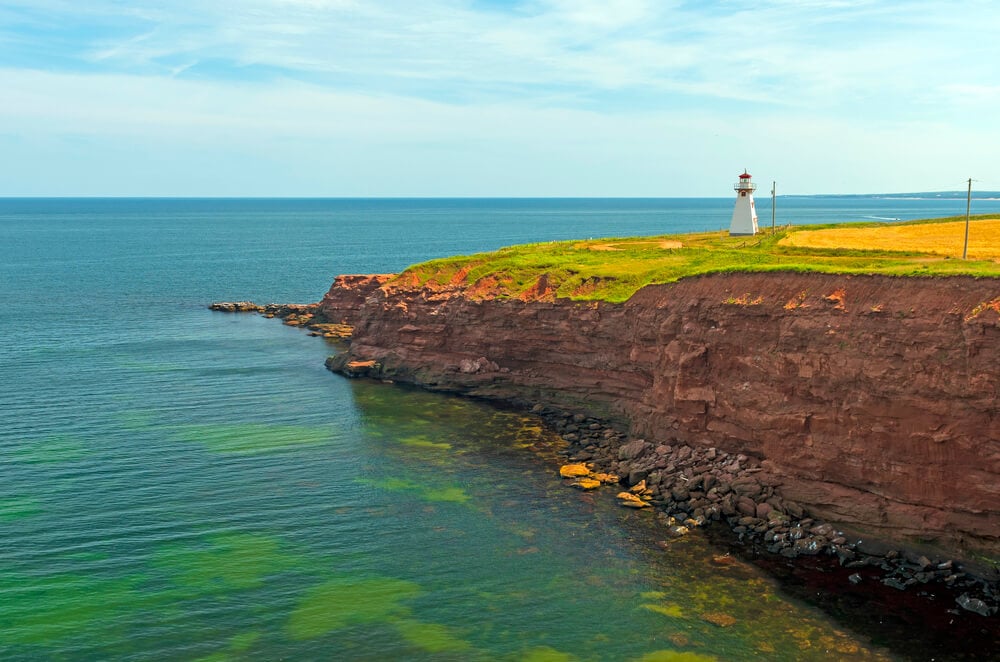
The Sentinelese have lived on this forested island in the Andaman chain for tens of thousands of years, and they’ve made their wishes clear to every visitor. They fire arrows at helicopters.
In 2006 they killed two fishermen who drifted ashore, and in 2018 they killed an American missionary who paid a boat crew to drop him off. India bans any approach within five nautical miles, as much to protect the islanders as the intruders.
A common cold carries risks for a people with no immunity to outside disease. The government’s policy now is simple.
Leave them alone.
2. Niihau, Hawaii
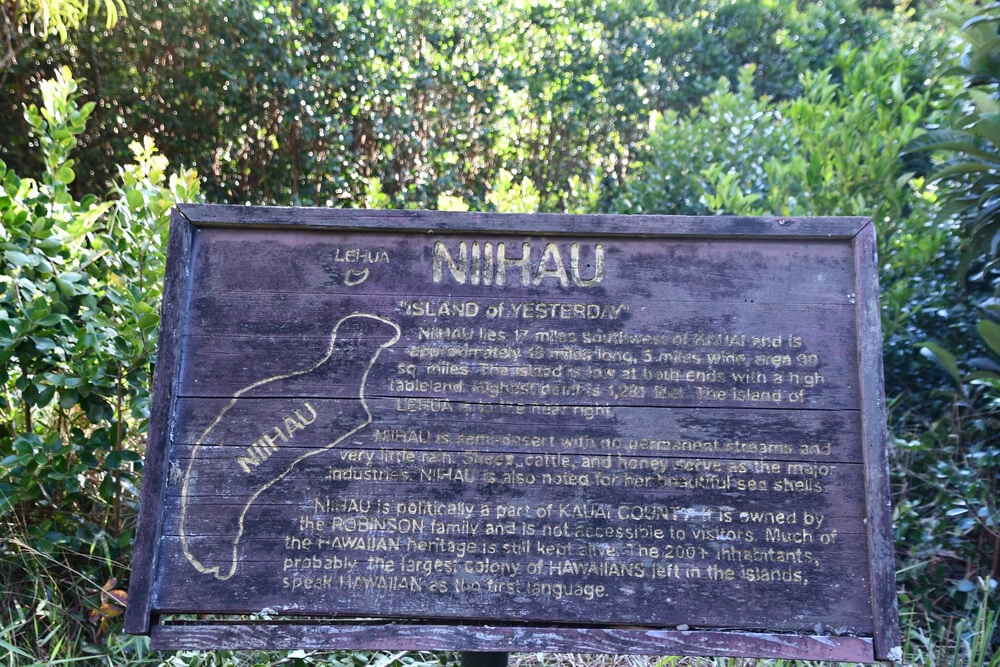
Elizabeth Sinclair bought this island from the Hawaiian king in 1864 for 10,000 dollars in gold. Her descendants, the Robinson family, still own it.
They closed it to outsiders more than a century ago to protect the residents’ way of life, and it’s one of the last places where people speak Hawaiian as their daily language. You visit by personal invitation from a resident or the family.
The owners run helicopter trips that land on an empty beach well away from the village, and that’s as near as strangers get.
3. Ilha da Queimada Grande, Brazil
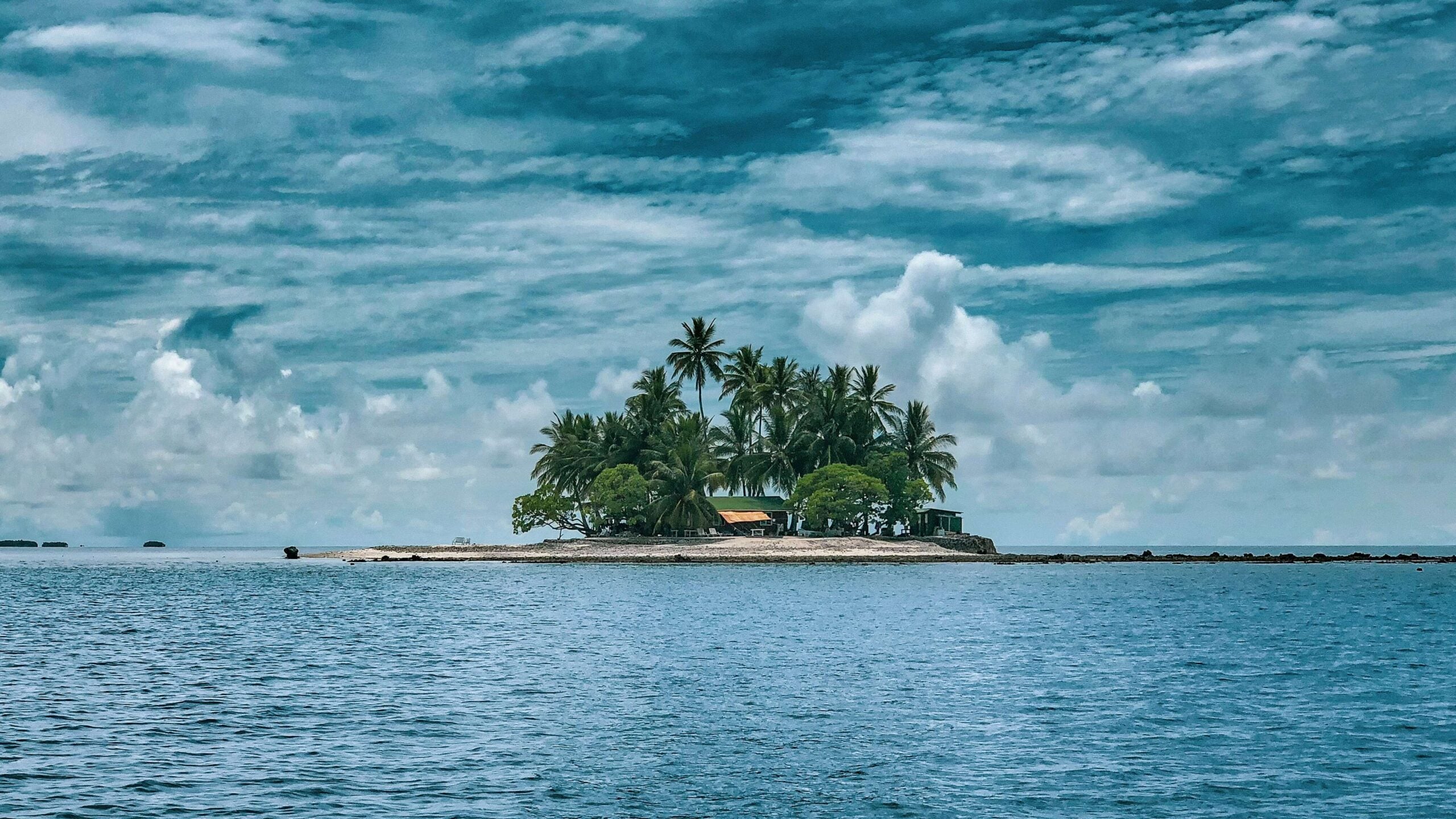
Snake Island sits about 33 kilometres off the São Paulo coast and hosts a few thousand golden lancehead vipers, found nowhere else on earth. Rising seas cut the island off around 11,000 years ago.
With no ground prey, the snakes took to the trees and evolved a fast-acting venom to drop migrating birds before they flew off. The Brazilian Navy bars everyone but vetted researchers, who must bring a doctor.
The lighthouse has been automated since the 1920s. Nobody was keen on the keeper’s job.
4. Surtsey, Iceland
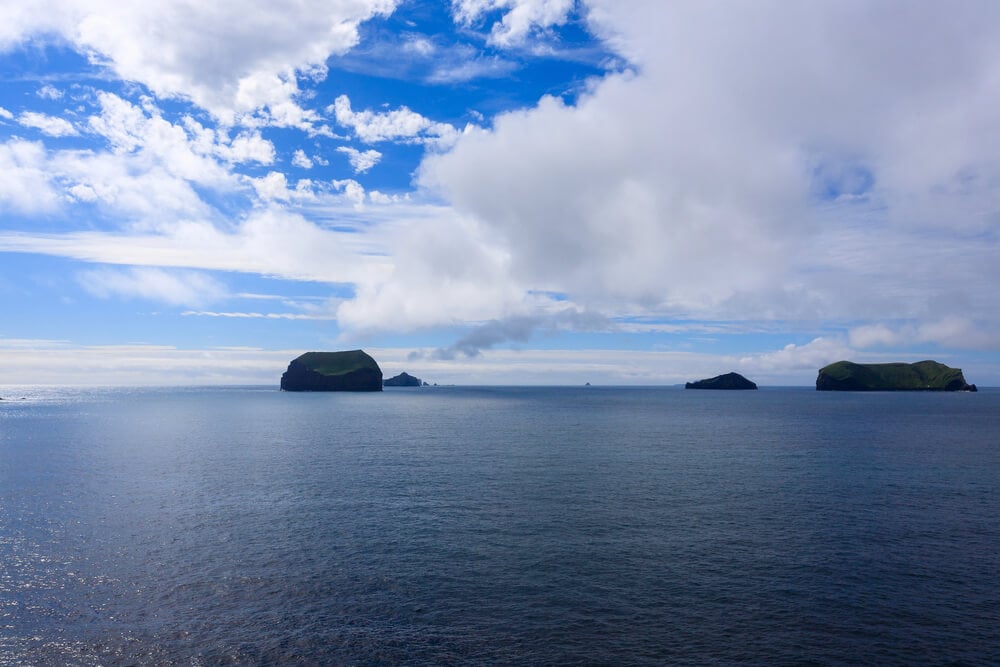
In November 1963, a fishing crew saw smoke rising from the open sea south of Iceland. It was an island being born.
The eruption ran for three and a half years, and scientists declared the new land a laboratory from day one. They wanted to watch life colonise bare rock with no human help.
Only a few researchers land each year, and they check their pockets and boots for seeds first. One year a tomato plant sprouted where a visitor had answered nature’s call.
Scientists pulled it out at once.
5. Okinoshima, Japan
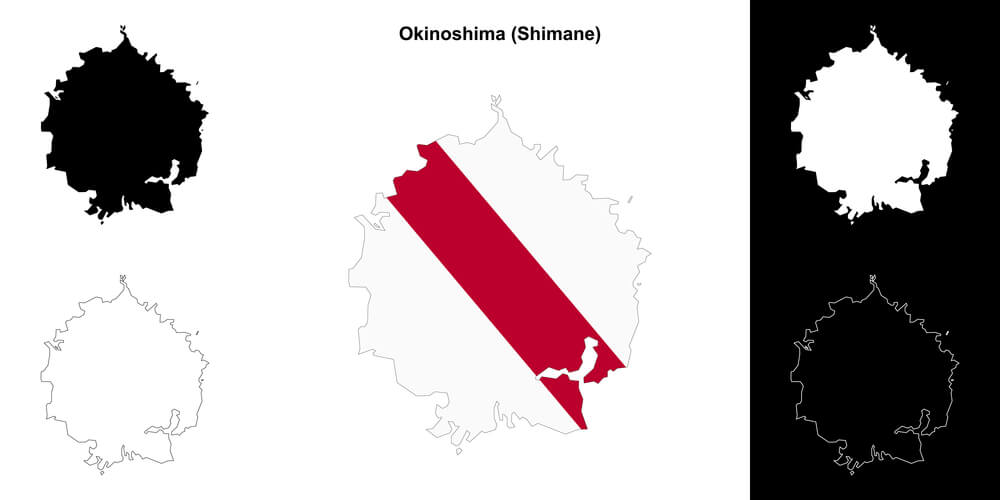
This small island between Japan and Korea is a Shinto shrine in its entirety. For centuries, sailors left offerings there for safe passage, and around 80,000 of them survive, from gold rings to Persian glass.
Priests from the Munakata shrine take turns living there alone. Women have never been allowed.
Until recently, 200 men could visit on a single day each May after bathing in the sea to purify themselves. When the island gained World Heritage status in 2017, the shrine ended even that.
Now it’s priests only.
6. Heard Island and McDonald Islands, Australia
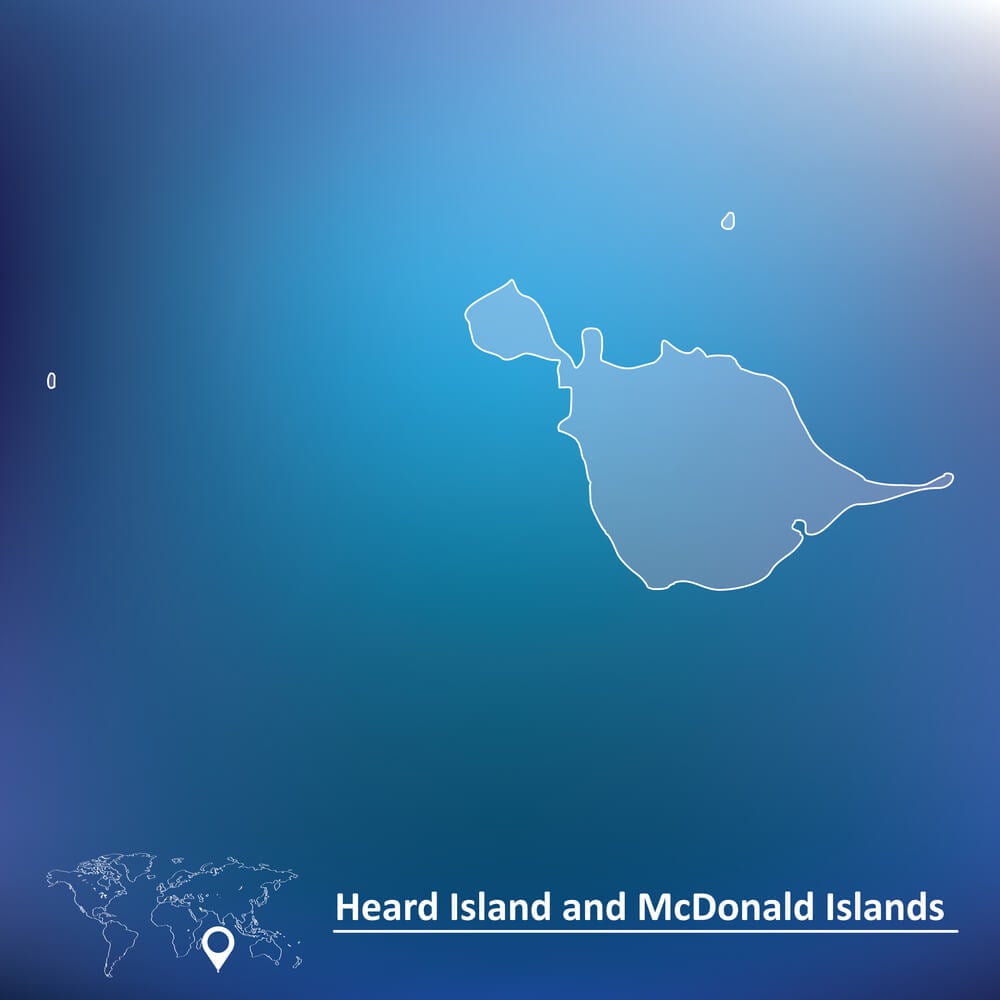
These lie 4,100 kilometres southwest of Perth, about as far from anywhere as Australian territory gets. Heard Island carries an active volcano higher than any mountain on the Australian mainland.
No introduced plants or animals have taken hold, which is almost unheard of for an island. Landing requires a permit, a serious ship, and two weeks of rough sailing each way.
Years pass between visits.
7. North Brother Island, New York
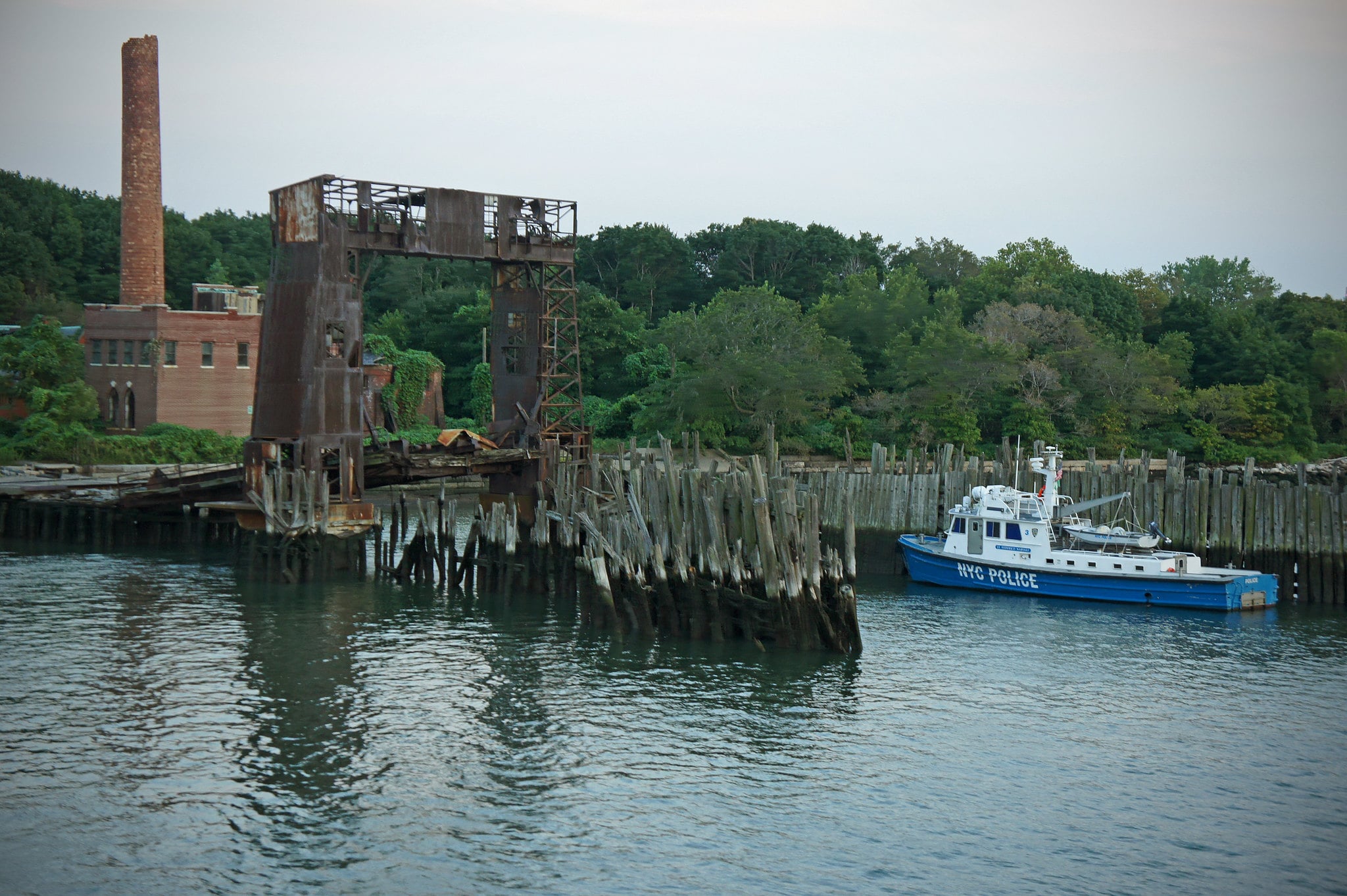
This one sits in the East River, in sight of the Bronx, and eight million New Yorkers can’t set foot on it. The city built a quarantine hospital here in 1885.
Mary Mallon, known to history as Typhoid Mary, spent more than two decades confined on the island and died there in 1938. The hospital closed in 1963.
Trees have since pushed through the ward floors, and the island is now a protected nesting site for herons. The parks department grants access to a few researchers a year, and only outside nesting season.
8. Poveglia, Italy
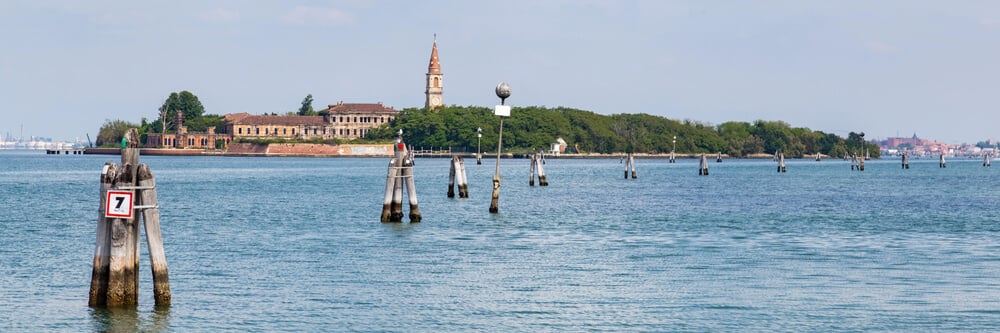
A short boat ride from the Venice Lido, Poveglia served as a quarantine station for plague ships and later housed a hospital that closed in 1968. Tour guides love to call it the most haunted island in the world.
The Italian state calls it unsafe and off limits. In 2014 the government tried to auction a 99-year lease to raise money.
A local businessman bid just over half a million euros, and the state rejected the offer as too low. The buildings keep crumbling behind their scaffolding, and boatmen still refuse to land you there.
9. Diego Garcia, Chagos Archipelago
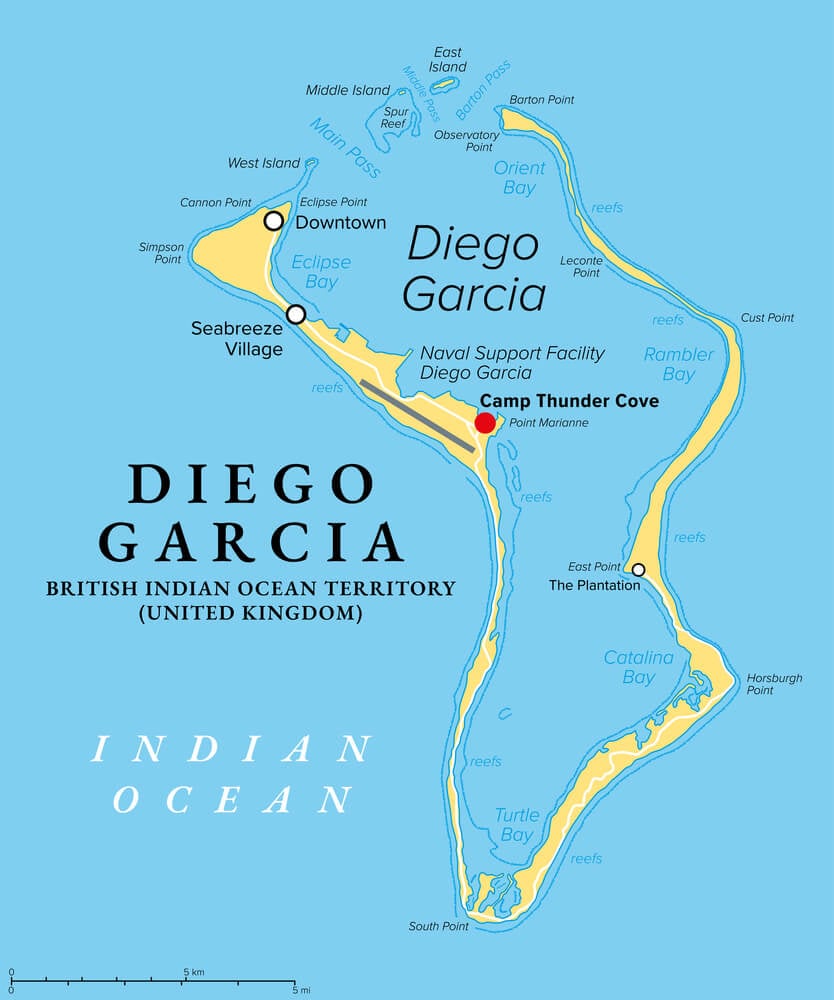
Between 1968 and 1973, Britain removed the entire Chagossian population, around 1,500 people, to make way for an American military base. Officials described the islanders in memos as a few “Man Fridays.”
The base grew into one of the most important airfields America has. A 2025 treaty to hand sovereignty of the archipelago to Mauritius stalled in 2026 when Washington withdrew its support.
Either way, the base stays. Nobody lands at Diego Garcia without military clearance, and the people born there are still trying to get home.
10. Gruinard Island, Scotland
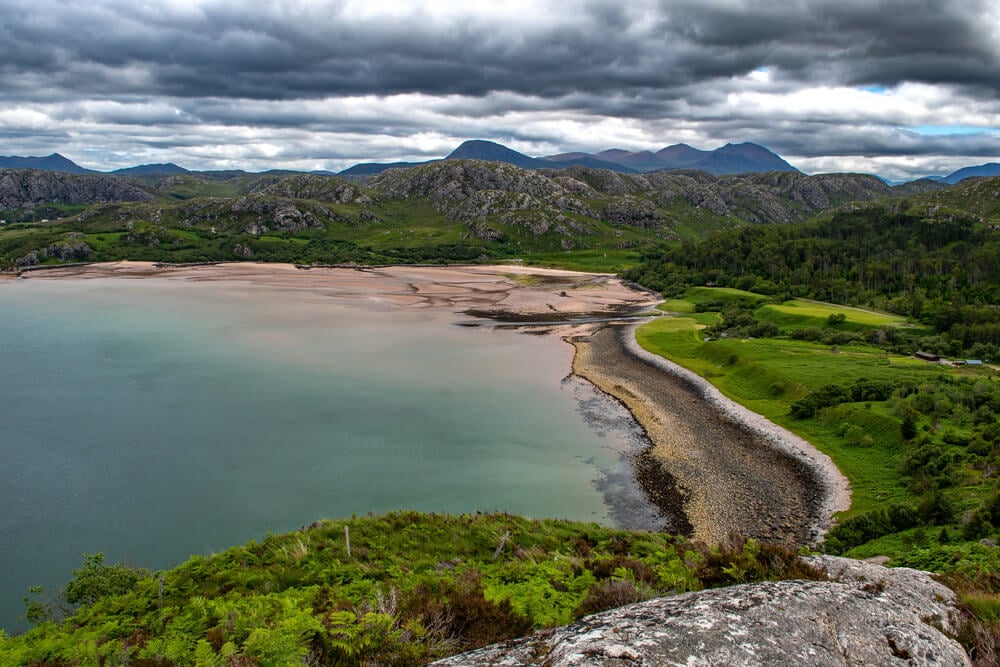
In 1942, British scientists tethered sheep on this small Highland island and exploded anthrax bombs upwind of them. The sheep died within days.
The spores stayed in the soil for decades, and Gruinard went onto maps as a place of no landing. Decontamination finally began in 1986.
Workers soaked the ground with 280 tonnes of formaldehyde diluted in seawater. A junior minister visited in 1990 to declare it safe, and the government sold it back to the original owners’ heirs for 500 pounds.
It was off limits for 48 years, which makes it the cautionary tale on this list.
11. Marion and Prince Edward Islands, South Africa
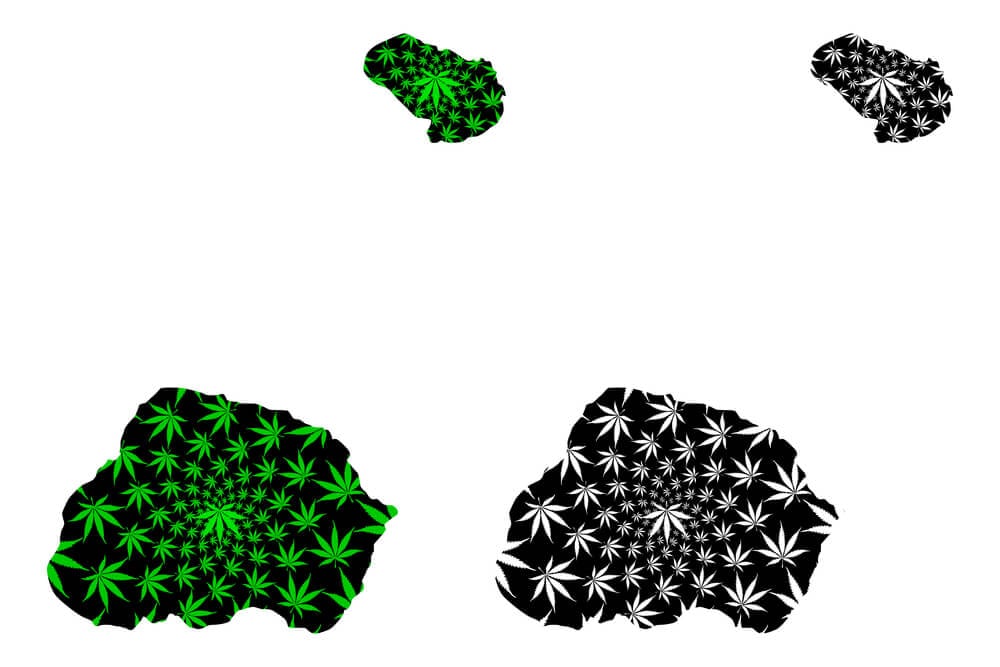
South Africa owns two sub-Antarctic islands, and most South Africans couldn’t point to them on a map. They lie roughly 1,800 kilometres southeast of Gqeberha in some of the roughest ocean on the planet.
The navy annexed them quietly over the summer of 1947 and 1948. Both are special nature reserves, the strictest category in South African law.
The only people allowed are the research and weather teams who sail down on the SA Agulhas II and stay for a year. Prince Edward Island is stricter still, with visits limited to a few days every several years.
Tourism has never been permitted, and no amount of rands changes that.
12. Dyer Island, South Africa
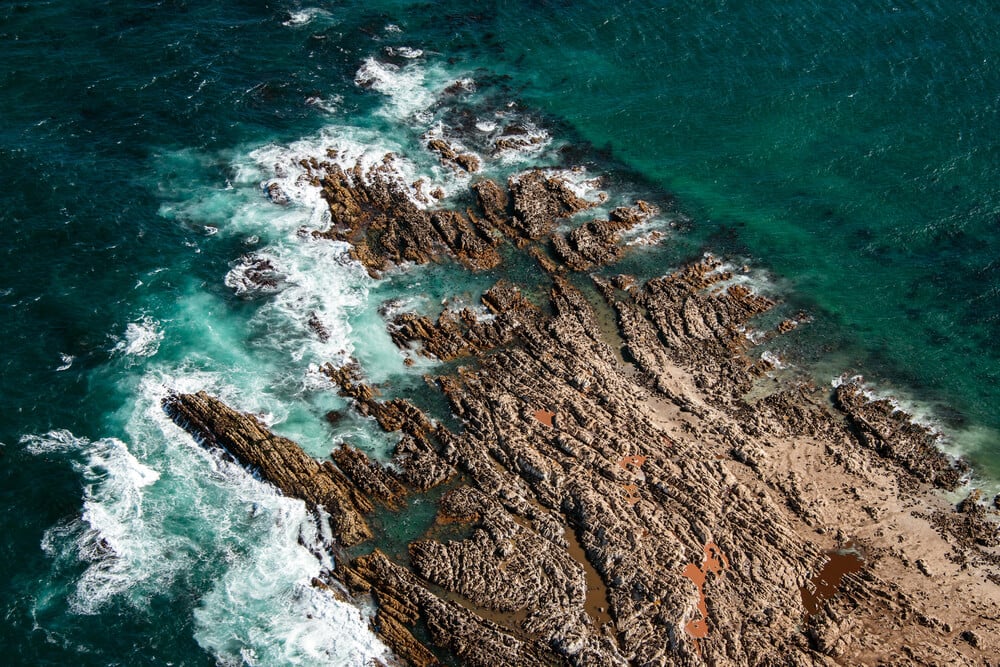
You’ve probably seen this one without knowing it. Dyer Island sits eight kilometres off Gansbaai, and the shark-cage boats work the channel beside it, known as Shark Alley.
The island itself belongs to African penguins, cormorants, and other seabirds. Geyser Rock next door holds tens of thousands of Cape fur seals.
CapeNature manages it as a closed reserve, and only conservation staff land. With the African penguin now critically endangered, that rule matters more every year.
13. Gough Island, South Atlantic
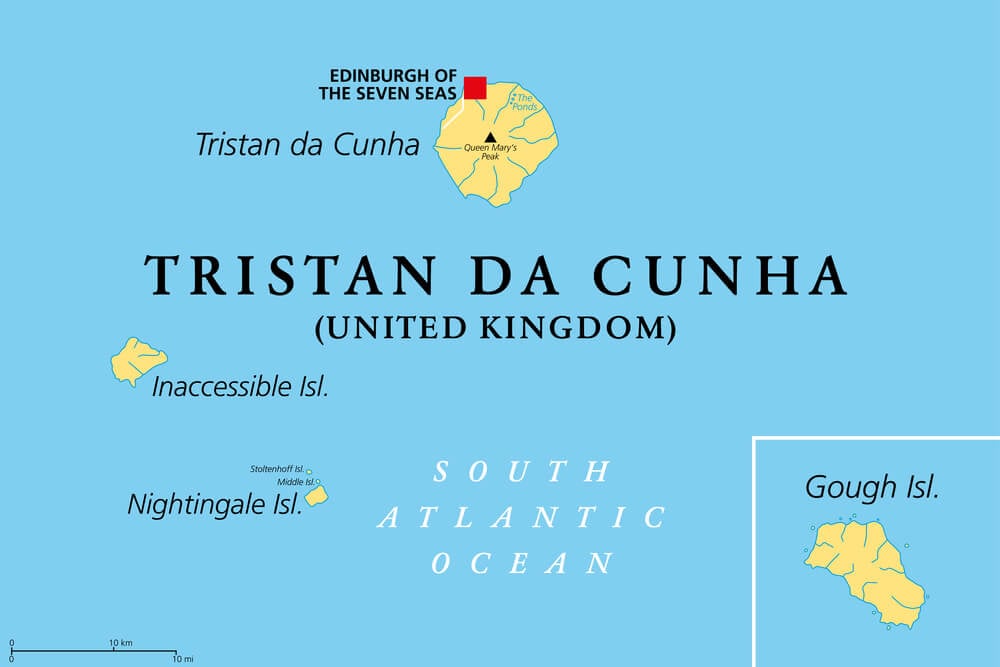
Gough belongs to Britain as part of Tristan da Cunha, but the only people living on it are South African. The country has run a weather station there since 1956, and a small team rotates in every September.
The island hosts millions of seabirds, among them almost the entire world population of the Tristan albatross. Landing is forbidden to everyone else.
The main threat arrived long ago by ship: house mice, which have grown oversized and learned to eat albatross chicks alive. An eradication attempt in 2021 fell short, and the work continues.
14. Bouvet Island, Norway
Bouvet is the most remote island on earth. The nearest land is Antarctica, 1,700 kilometres south, and the nearest inhabited place is Tristan da Cunha, further away still.
Glaciers cover more than 90 percent of it, and cliffs of ice and rock ring the coast. Norway declared it a nature reserve in 1971.
Permits are rare, landing spots rarer. In 1964 a visiting party found an abandoned lifeboat in a lagoon with no trace of who brought it, and nobody has ever explained it.
15. Vozrozhdeniya, Aral Sea
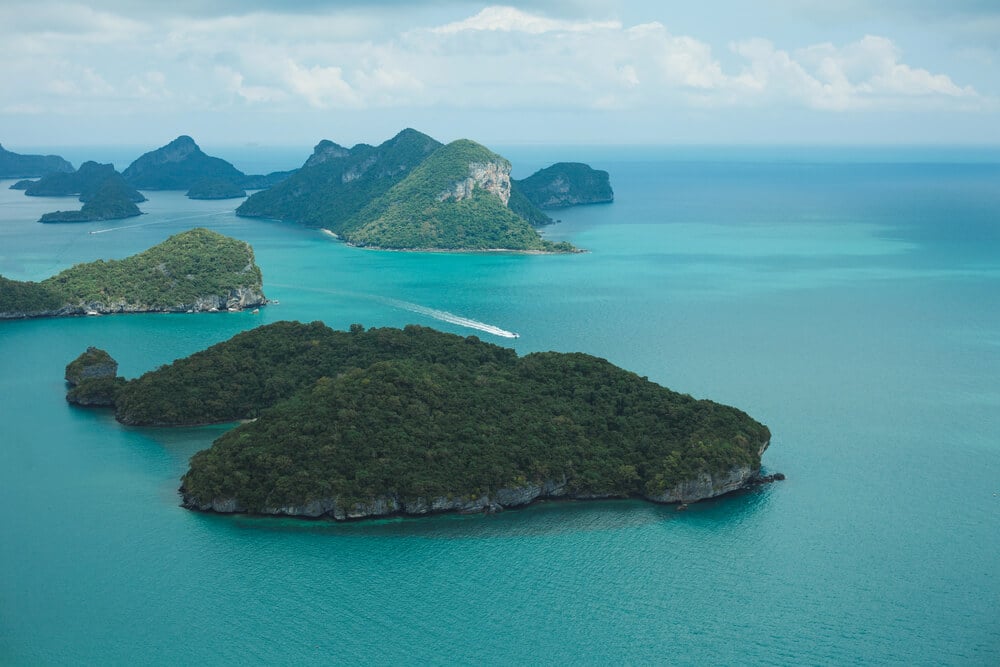
The name means “Rebirth.” The Soviet Union ran an open-air biological weapons test site on this island from the 1950s, working with anthrax, plague, and smallpox.
In 1988, staff buried tonnes of anthrax spores there in a hurry. The site’s workers left in 1992 and took little with them.
As the Aral Sea shrank, the island joined the mainland around 2001. An American-funded team helped neutralise the anthrax pits a year later.
The ghost town of Kantubek still stands, and both Uzbekistan and Kazakhstan keep people away.
16. Plum Island, New York
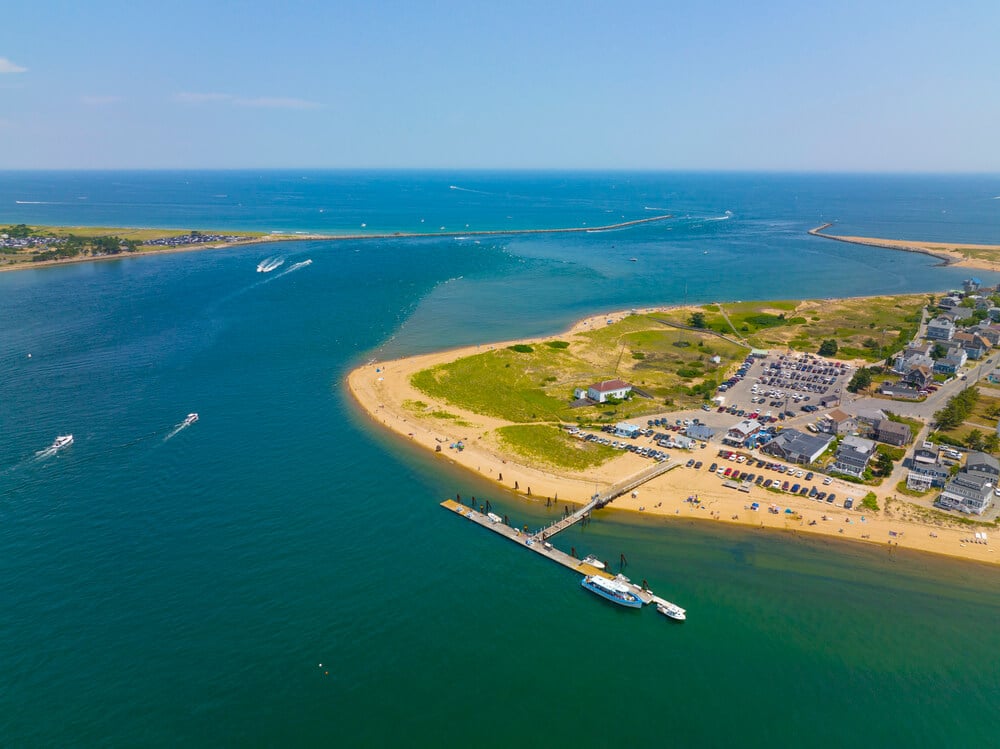
Since 1954, America has studied foot-and-mouth disease and other livestock plagues on this island off the tip of Long Island. The logic was simple.
Put the lab where a leak blows out to sea. Ferries carry cleared staff only, and everything leaving the lab goes through decontamination.
The work is moving to a new facility in Kansas. Congress has blocked a sale of the island to developers, so its future looks more like a wildlife refuge than a golf estate.
For now, the gate stays shut.
17. The Farallon Islands, California
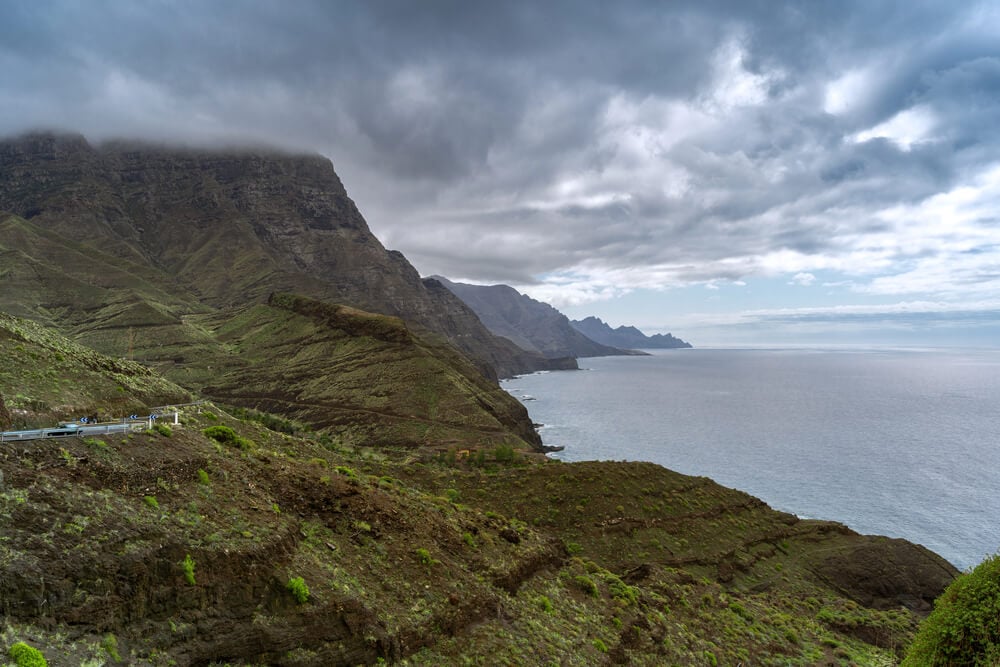
On a clear day you can see these jagged rocks from San Francisco, 43 kilometres out. They hold the largest seabird colony in the United States outside Alaska and Hawaii, and great white sharks patrol the waters every autumn.
Gold Rush egg collectors once stripped the colonies to feed the city, and rival companies fought an armed “Egg War” there in 1863. A few biologists live on the main island in an old lighthouse keeper’s house.
Everyone else watches from a boat.
18. Navassa Island, Caribbean
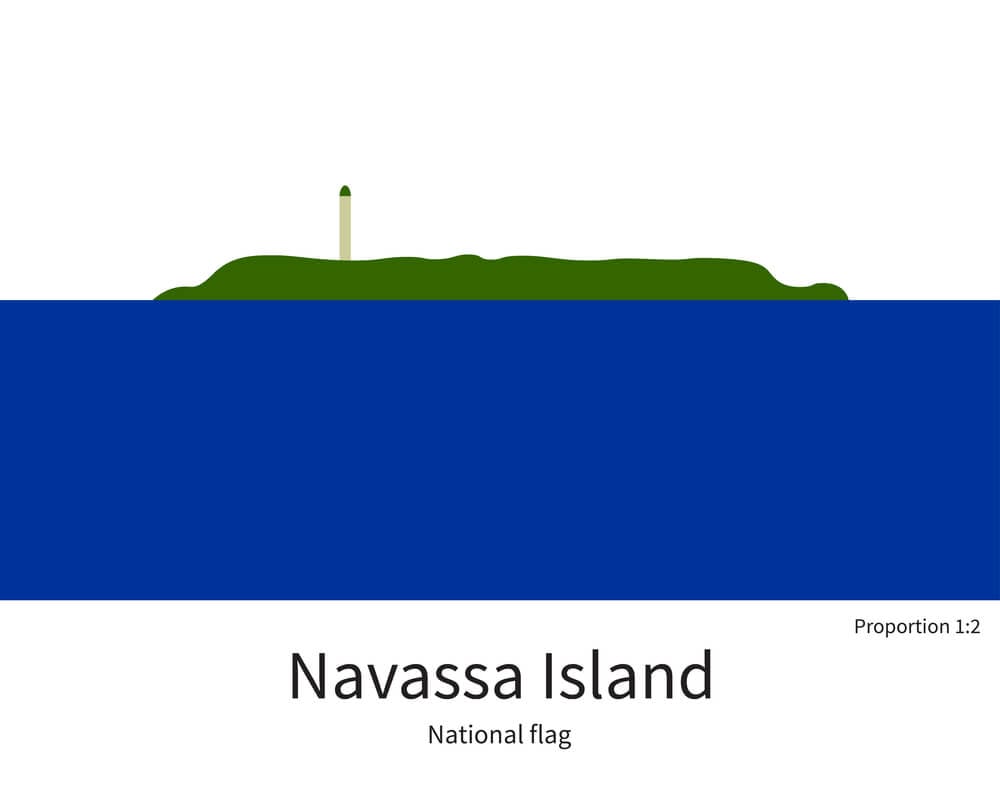
This uninhabited lump of limestone lies between Haiti and Jamaica. America claimed it in 1857 for its bird droppings, a valuable fertiliser, and Haiti has disputed the claim ever since.
Guano miners rioted against brutal conditions there in 1889 and killed five supervisors. Today it’s a wildlife refuge closed to the public.
Steep cliffs surround it, and there’s no beach to land on anyway.
19. Johnston Atoll, Pacific
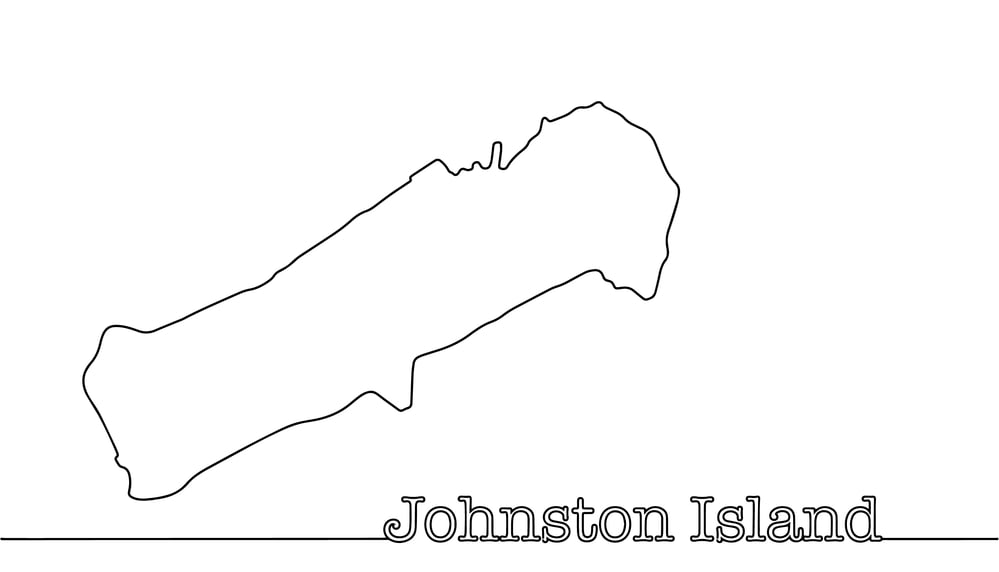
Few places have been used harder. America launched nuclear test rockets from here in 1962, and one exploded on the pad and scattered plutonium across the island.
Later the military stored Agent Orange on it, then built a plant to burn chemical weapons. The plant finished its work in 2000.
The base closed in 2004. It’s now a wildlife refuge with a sealed landfill of radioactive soil, and landing takes a federal permit that tourists don’t get.
20. Kahoolawe, Hawaii
After Pearl Harbor, the US military took this island and bombed it for almost fifty years. In 1965 the Navy detonated 500 tonnes of TNT on its shore to simulate a nuclear blast.
Hawaiian activists occupied it in the seventies, and two of them disappeared at sea during the protests. The bombing stopped in 1990.
A cleanup costing hundreds of millions of dollars cleared most of the surface but only a small share of the ground at depth. Access today comes through volunteer restoration trips and Hawaiian cultural practice.
No hotels, ever, by law.
21. The Nicobar Islands, India
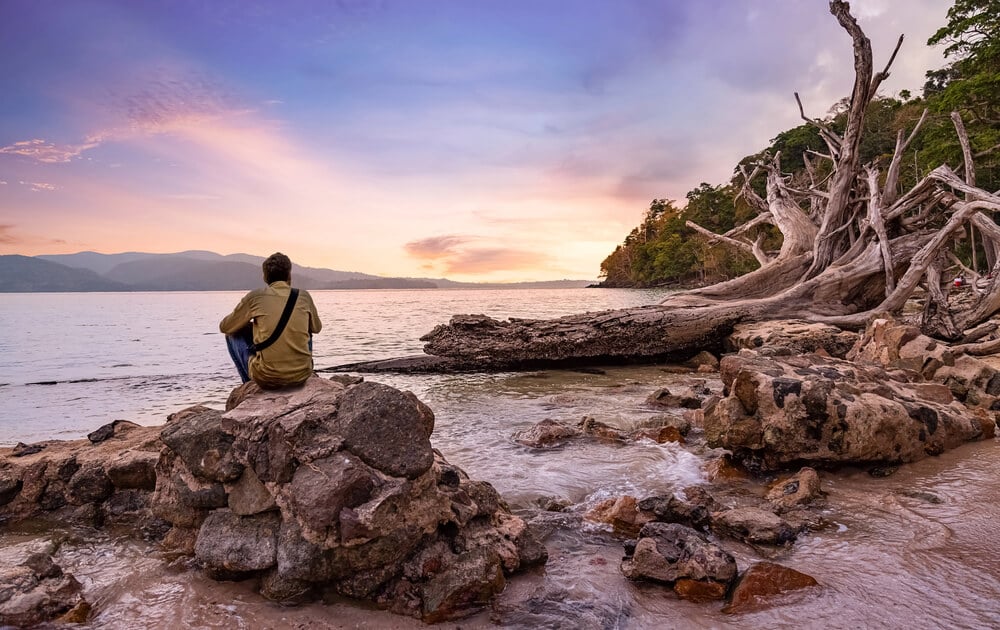
India administers the Nicobars as a tribal reserve. Foreigners can’t get permits at all, and Indian citizens need special permission.
The islands are home to the Nicobarese and to the Shompen, a small forest people who avoid contact. The 2004 tsunami hit the chain hard.
The restrictions stayed exactly where they were, and the government turned away most outside aid workers too.
22. The Snares, New Zealand
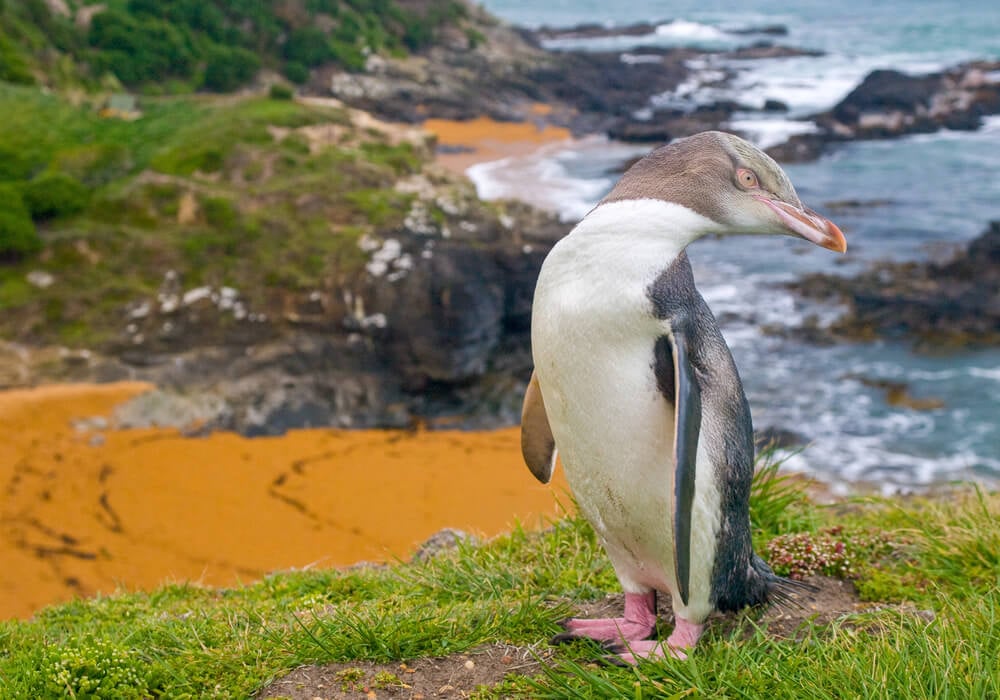
These small islands 200 kilometres south of the South Island have never had a rat, cat, mouse, or any other introduced mammal. That’s close to unique.
Millions of sooty shearwaters nest in burrows so dense that the ground collapses under a careless foot, and the Snares crested penguin breeds nowhere else. New Zealand prohibits landing without a research permit.
Cruise passengers view the penguins from inflatable boats offshore, and one escaped rat from a visiting ship would undo the lot.
23. Morgan Island, South Carolina
Locals call it Monkey Island. In 1979, around 1,400 rhesus monkeys were moved here from a research colony in Puerto Rico after escapees there caused problems.
The population has since grown to several thousand, living wild among the oaks and marsh. The state owns the island, and a federal health agency owns the monkeys.
Landing is illegal. Kayakers paddle past to watch them on the beach at low tide.
24. Riems, Germany
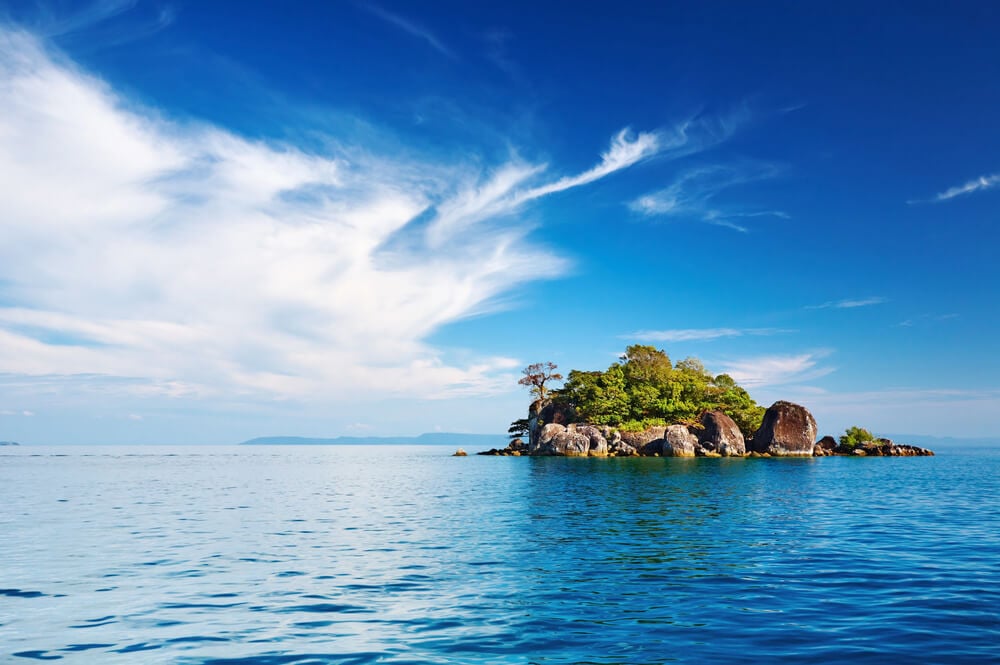
Friedrich Loeffler, the man who proved that a virus causes foot-and-mouth disease, set up a laboratory on this Baltic island in 1910. He picked an island for the same reason as Plum Island’s founders.
It’s the oldest virus research institute in the world, and it still handles some of the most dangerous animal diseases known. A causeway links it to the mainland, and a guarded gate stops you at the end of it.
25. Iwo To, Japan
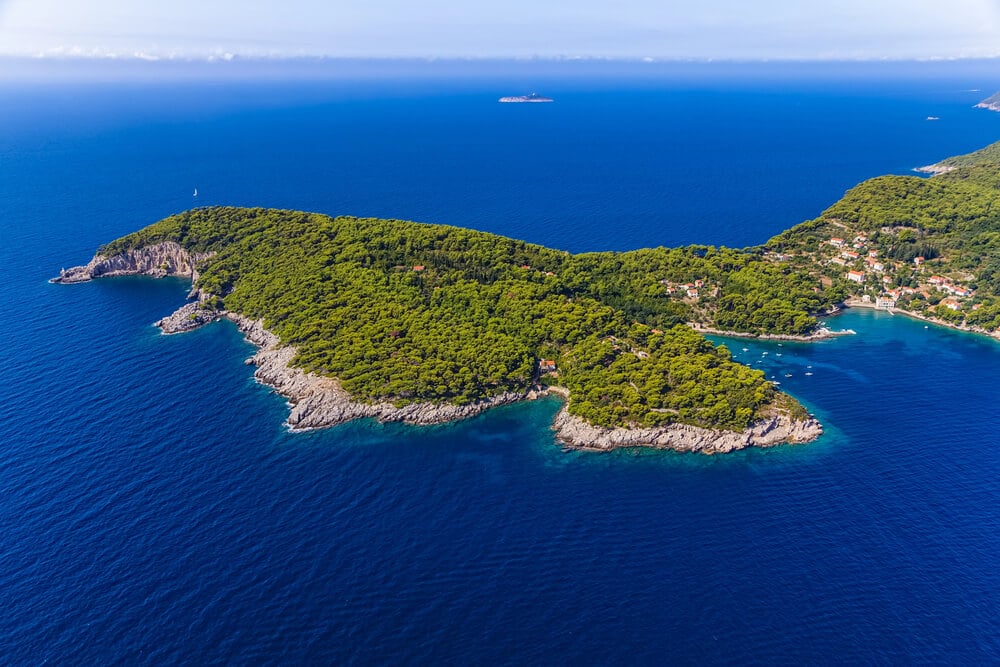
You know it as Iwo Jima. Japan evacuated its civilian residents in 1944, before the battle that killed more than 20,000 Japanese and nearly 7,000 American troops.
The residents never returned. The island is a military base today, and thousands of Japanese soldiers still lie unrecovered in its tunnels.
Civilians come ashore once a year for a joint memorial service, flown in and out the same day. Former islanders and their descendants get brief visits to tend graves.
No one stays the night.
26. Midway Atoll, Pacific
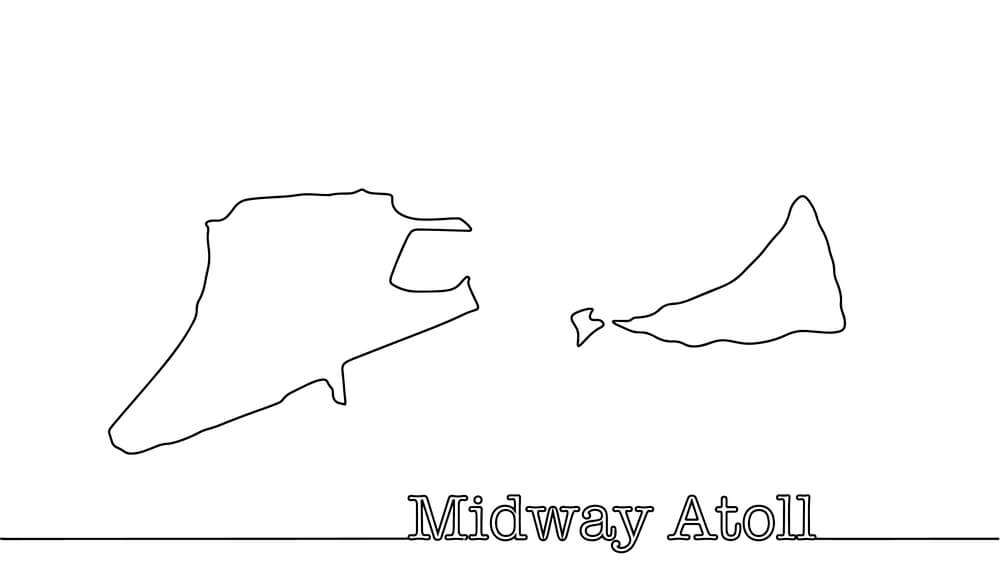
The battle fought here in June 1942 turned the Pacific war. Today Midway hosts the world’s largest albatross colony, well over a million birds.
One of them, a Laysan albatross named Wisdom, was banded in 1956 and is the oldest known wild bird on earth. A small visitor programme ran until 2012, when budget cuts ended it.
Only refuge staff and contractors land now. The runway stays open for emergencies, and a Boeing 747 with a cracked windscreen used it in 2011.
The Tide Line
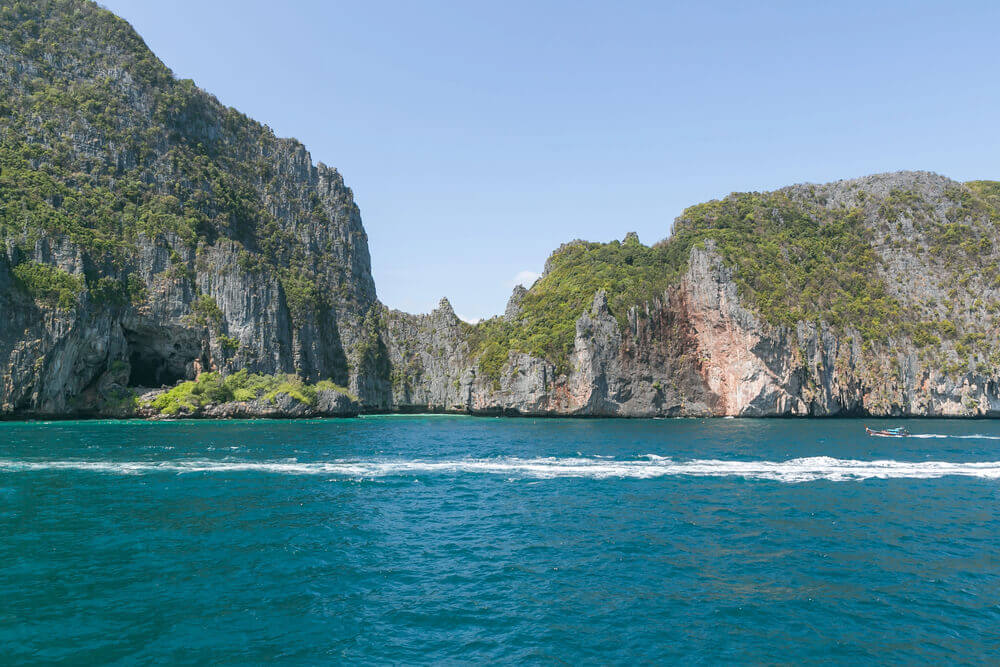
If you want the feeling without breaking the law, go to Gansbaai, take a boat past Dyer Island, and look across the water at a place that isn’t yours. It costs less than a flight and teaches the same lesson.
Every one of these islands draws a line at the high-water mark and means it. On the far side, snakes hunt in trees, albatrosses raise chicks, and a people who never asked to be discovered carry on undiscovered.
There’s some comfort in knowing that a few places on the map still belong to themselves.
More from Go2Tutors!

- The Romanov Crown Jewels and Their Tragic Fate
- 13 Historical Mysteries That Science Still Can’t Solve
- Famous Hoaxes That Fooled the World for Years
- 15 Child Stars with Tragic Adult Lives
- 16 Famous Jewelry Pieces in History
Like Go2Tutors’s content? Follow us on MSN.