26 Appliances Kitchens Used to Have That Modern Homes Got Rid Of Entirely
Mid-twentieth-century kitchens represented completely different assumptions about cooking, food preservation, and kitchen labor than contemporary houses reflect. Appliances once considered essential have vanished from kitchens entirely, replaced by consolidated functions, newer technologies, or the simple realization that they were never actually necessary.
These disappeared appliances tell the story of changing lifestyles, shifting demographics of who performs kitchen labor, and technological advancement that made specialized single-function tools obsolete. Some vanished because better replacements emerged; others disappeared because the behaviors they supported—daily churning of butter, hand-crank food processing, surface cooking on multiple burners—themselves became anachronistic.
Walking through a 1950s kitchen would reveal an array of equipment that modern households have systematically eliminated, streamlined, or consigned to specialty storage in basements where nostalgic collectors maintain them.
Bread Box Storage Systems
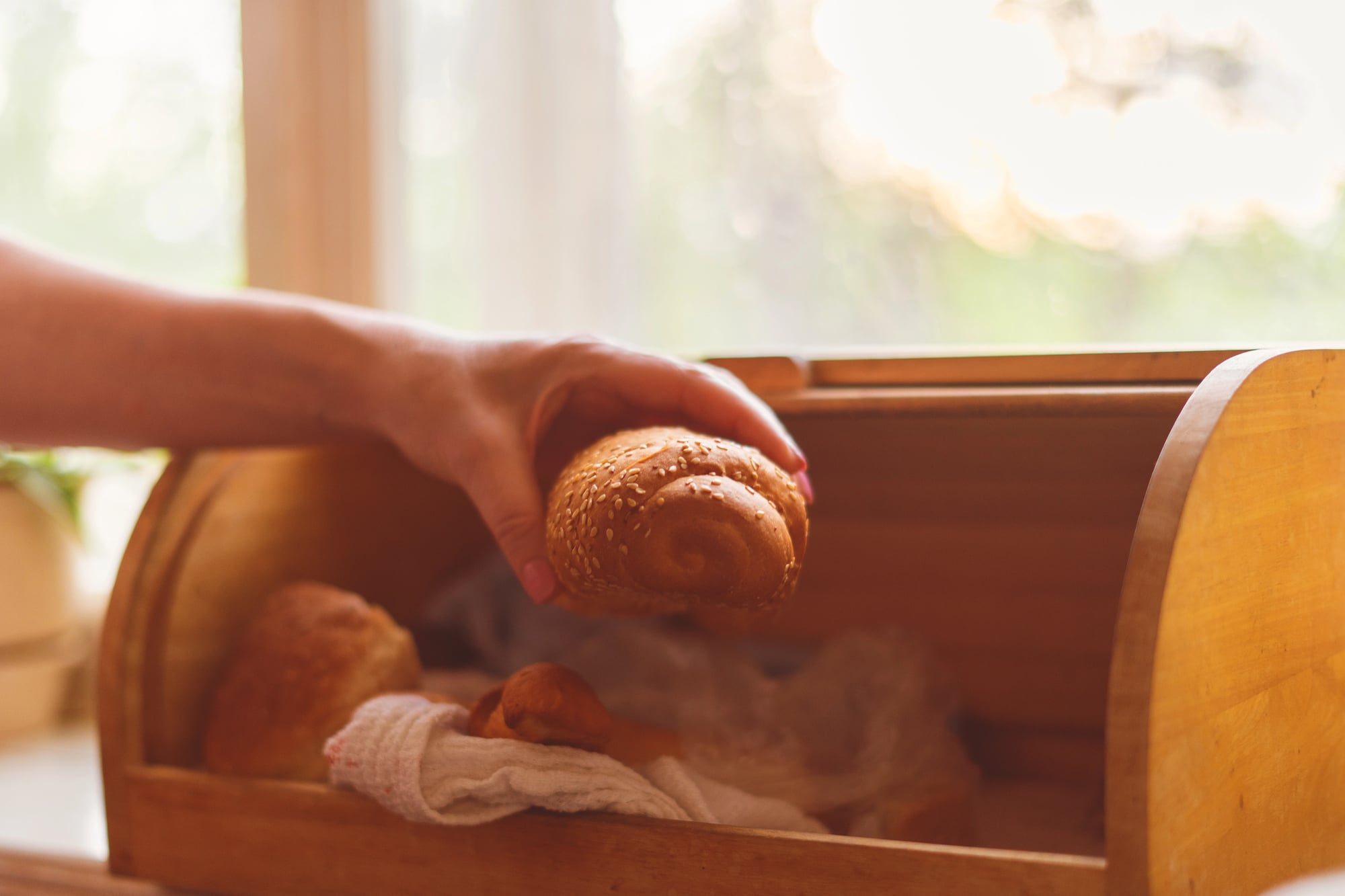
These countertop boxes kept bread fresh and accessible without requiring refrigeration, made irrelevant by plastic bag storage and the refrigerator evolution. Modern kitchens dedicated to minimalism have entirely eliminated dedicated bread storage.
Separate Butter Churns
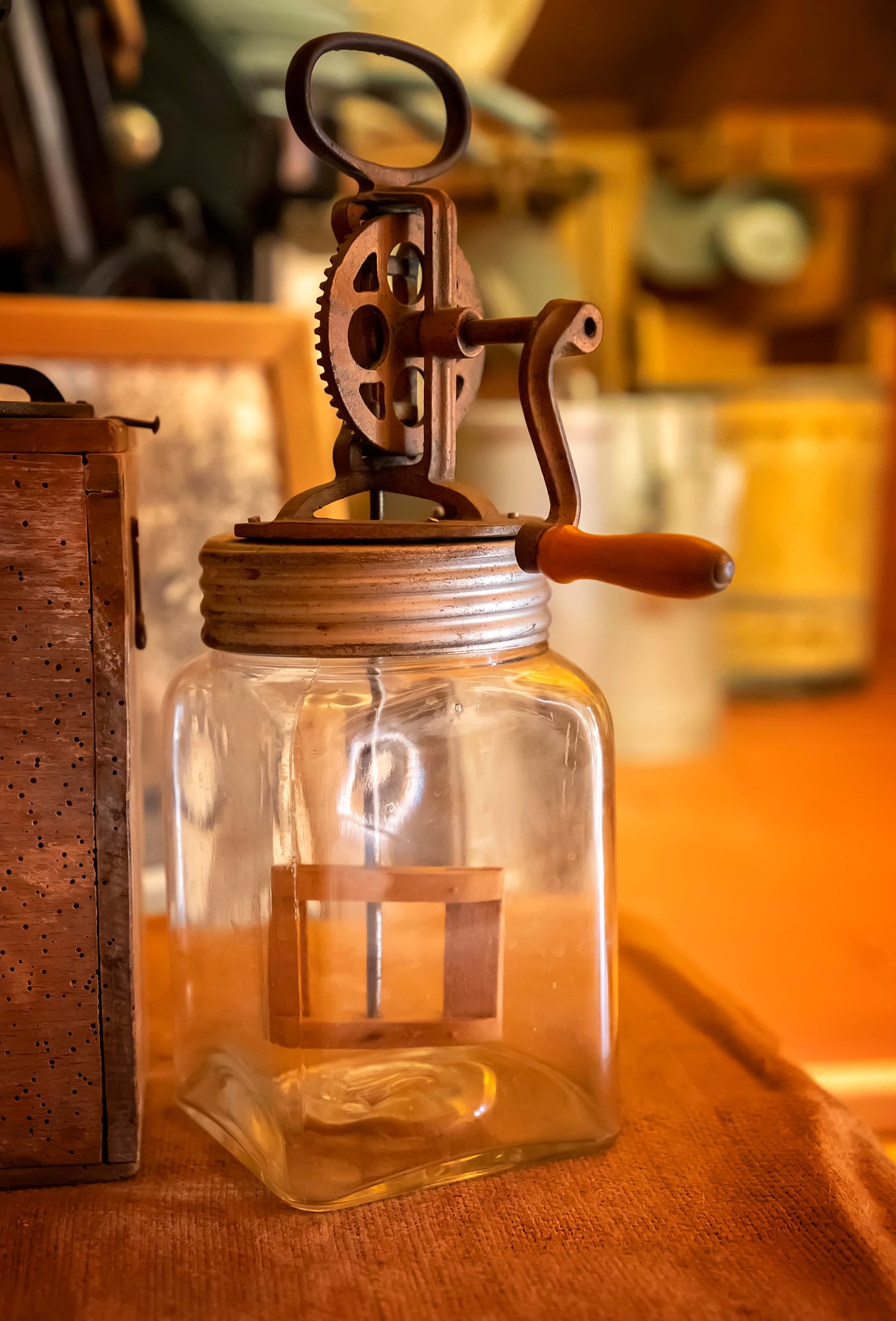
Hand-crank or electric churns once occupied kitchens when making butter from cream was standard practice. Commercially available butter eliminated the necessity for in-home butter production entirely.
Icebox Remnants and Related Cooling Systems
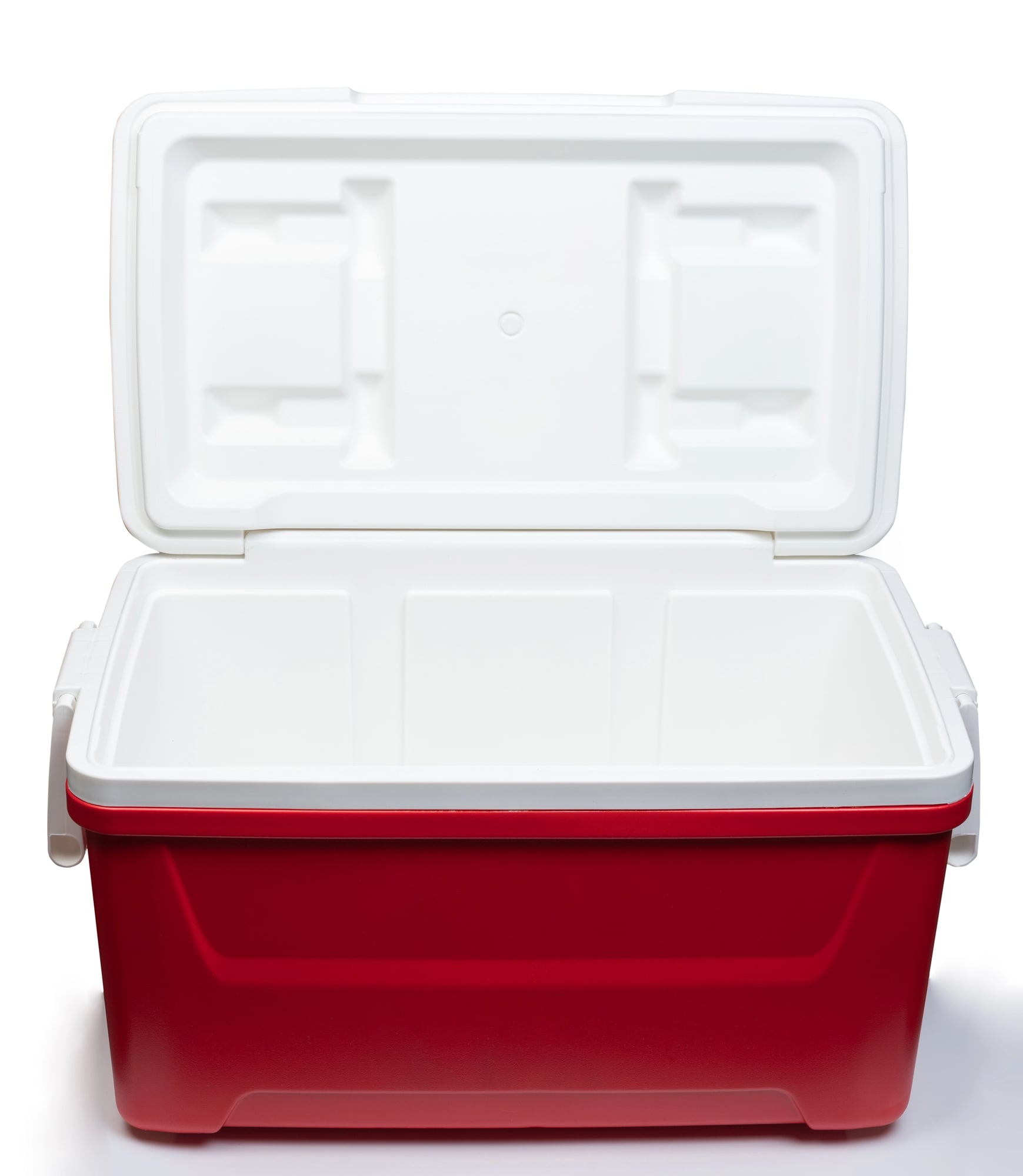
Before electric refrigeration became standard, kitchens maintained ice-delivered cooling systems requiring regular ice replenishment. Complete electrical refrigeration replaced these entirely.
Separate Egg Cookers
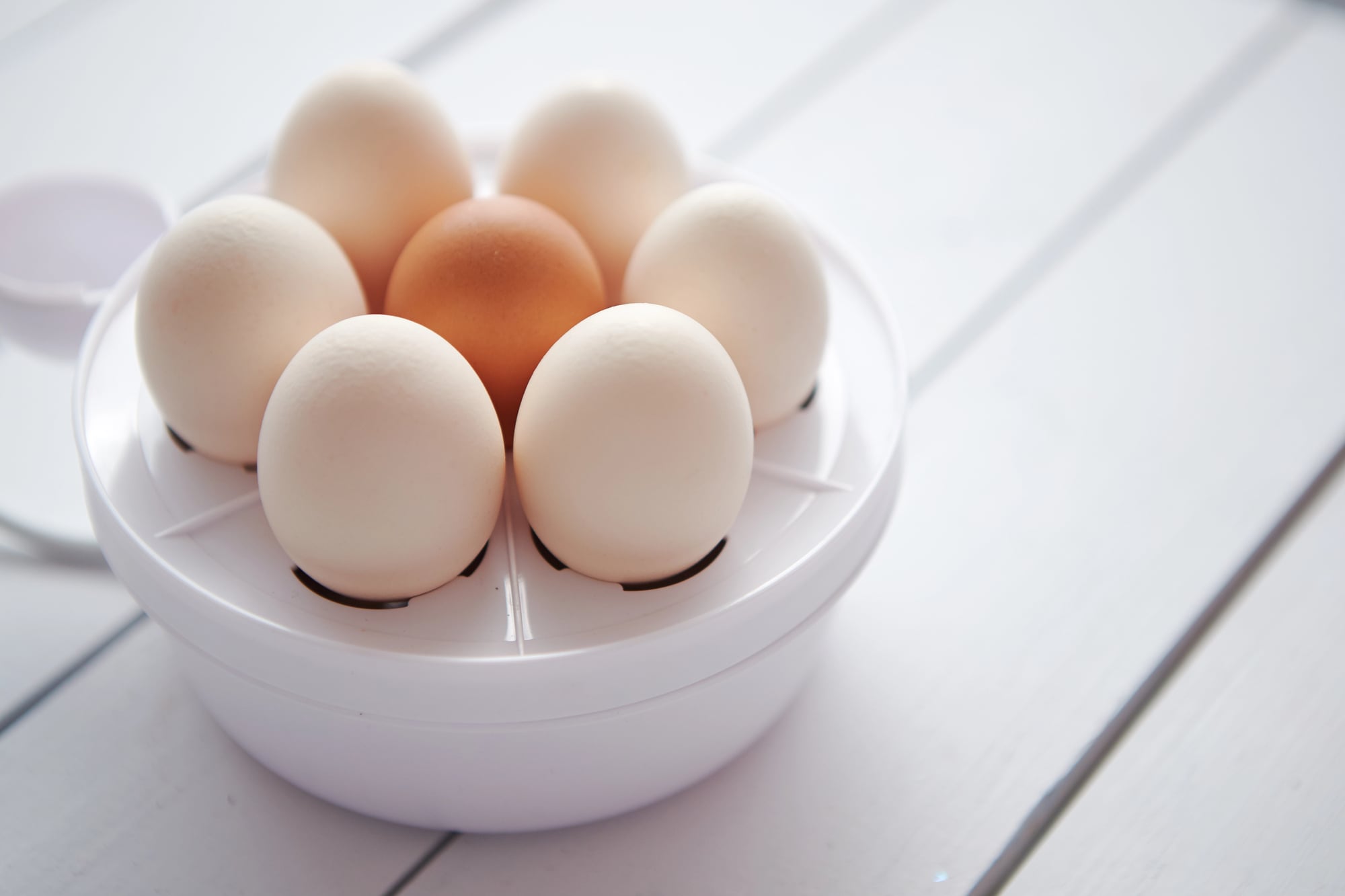
Specialized appliances designed specifically for boiling eggs at precise temperatures have vanished despite their singular efficiency. Pots accomplish the same function with minimal additional effort.
Toast-O-Lators and Dedicated Toast Ovens
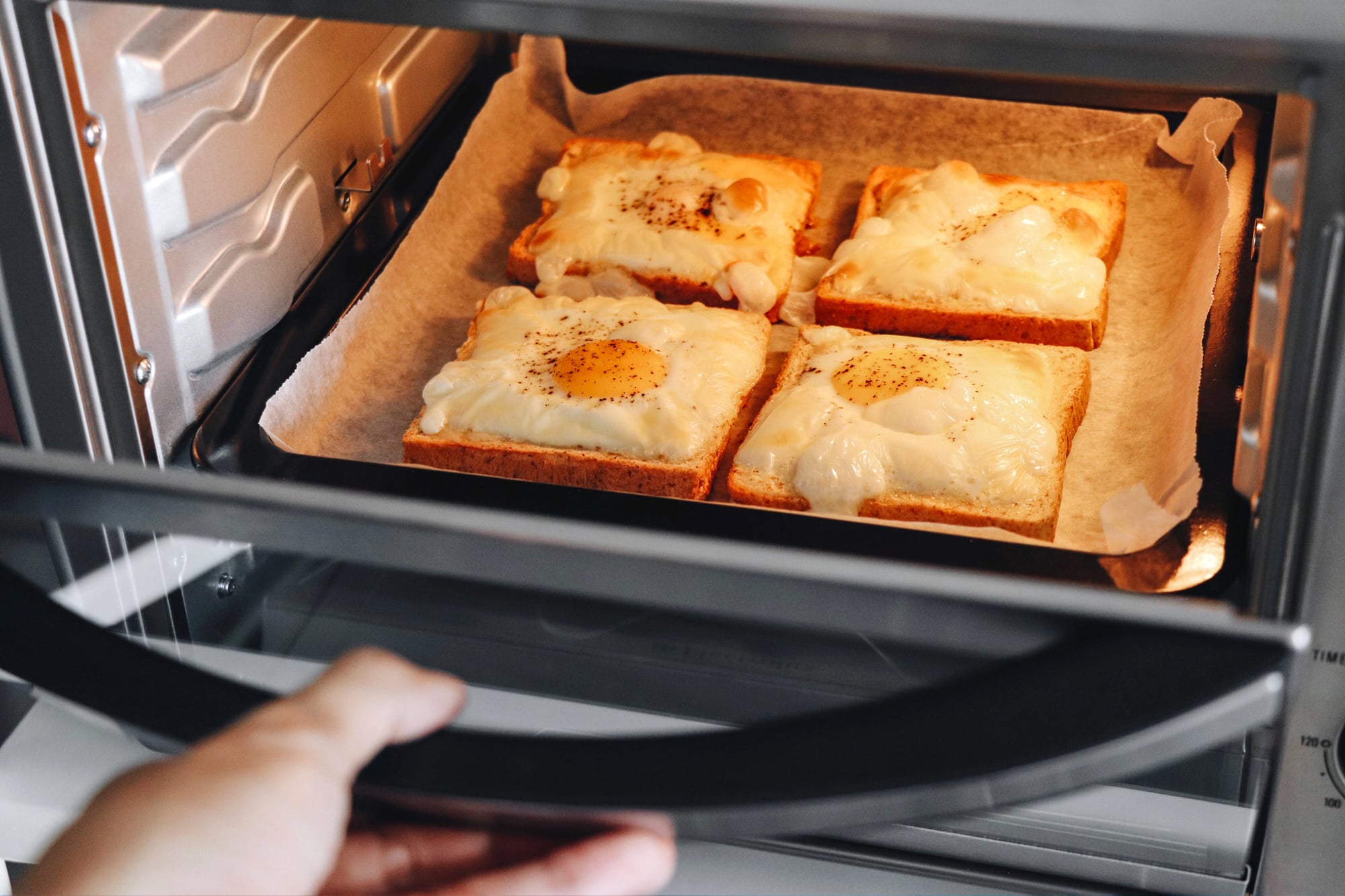
Before pop-up toasters became standard, separate toast preparation appliances occupied counter space. Their single function made them expendable once multi-function toaster technology emerged.
Waffle Irons (Stationary Counter-Mounted Versions)
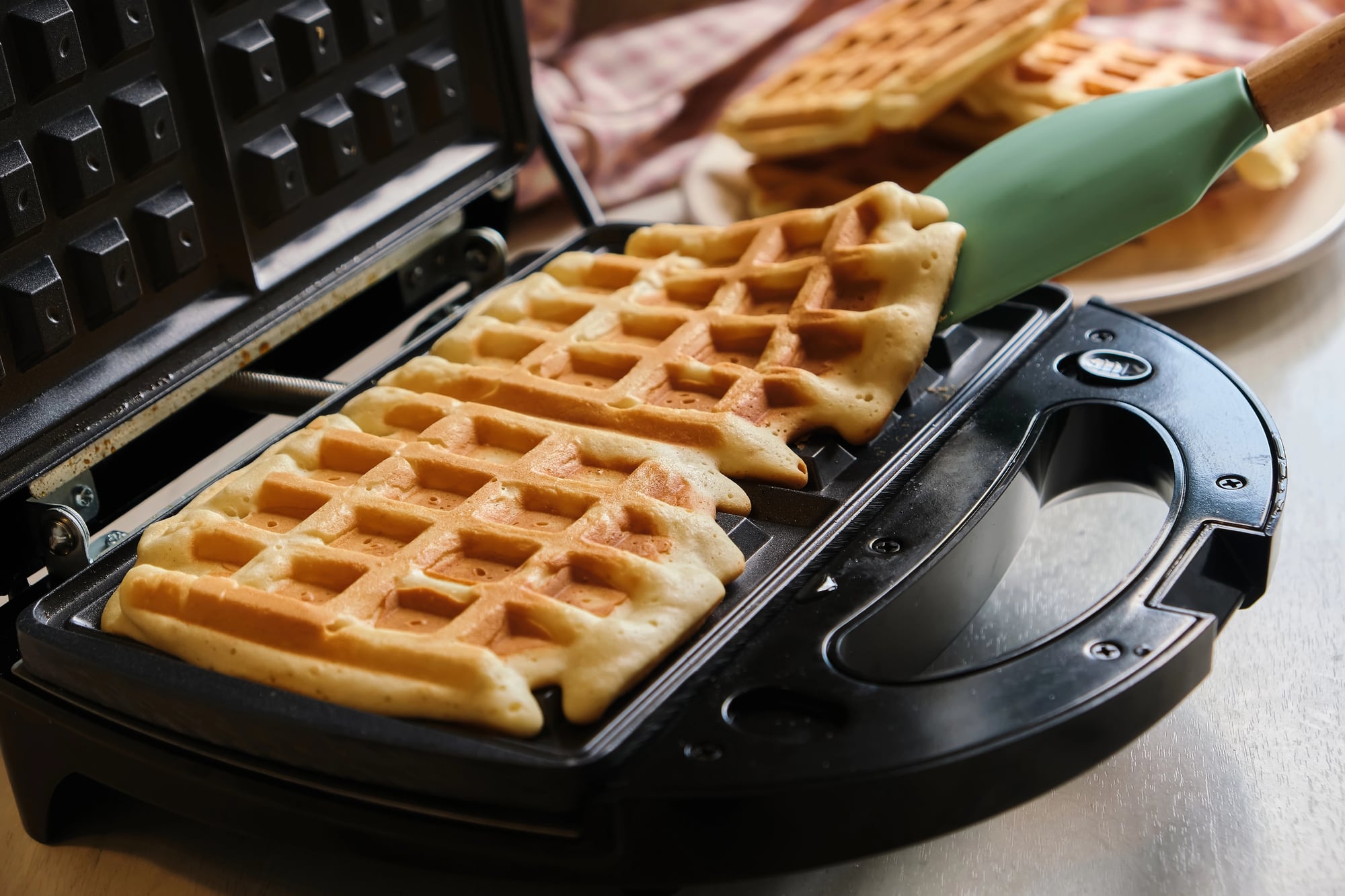
Heavy, permanently-mounted waffle-making equipment disappeared when portable units became standard and waffle consumption decreased from near-daily to occasional special occasion treats.
Coffee Percolators (The Stovetop Variety)

These hissing metal pots once represented standard coffee-making before automatic drip coffee makers and later pod systems eliminated the need for active monitoring during brewing.
Meat Slicers
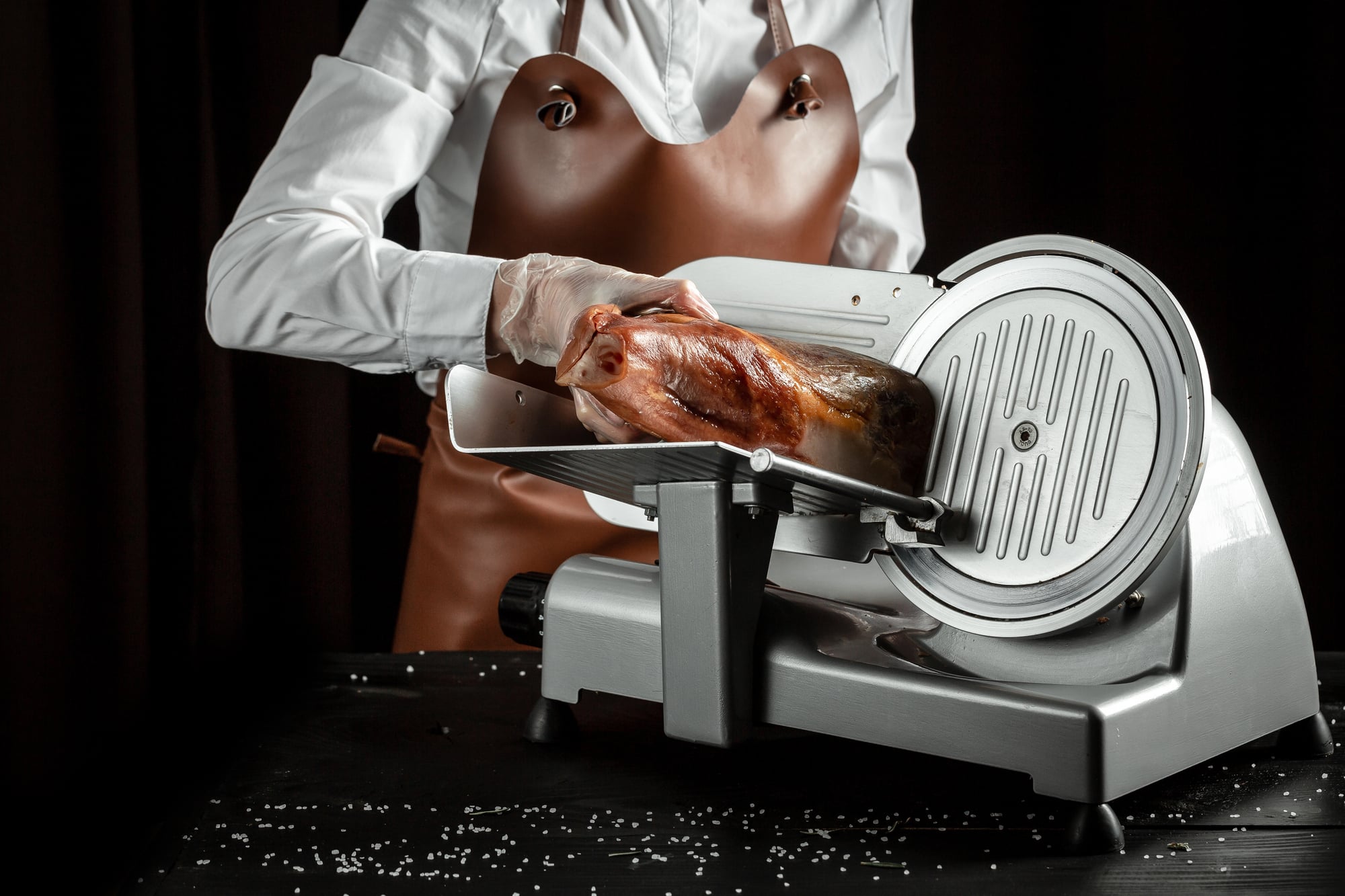
Home meat slicers occupied kitchen counter space for lunch meat and roast slicing before pre-sliced deli meat became universally available and kitchen space became premium.
Rotisseries (Built-in Counter Models)
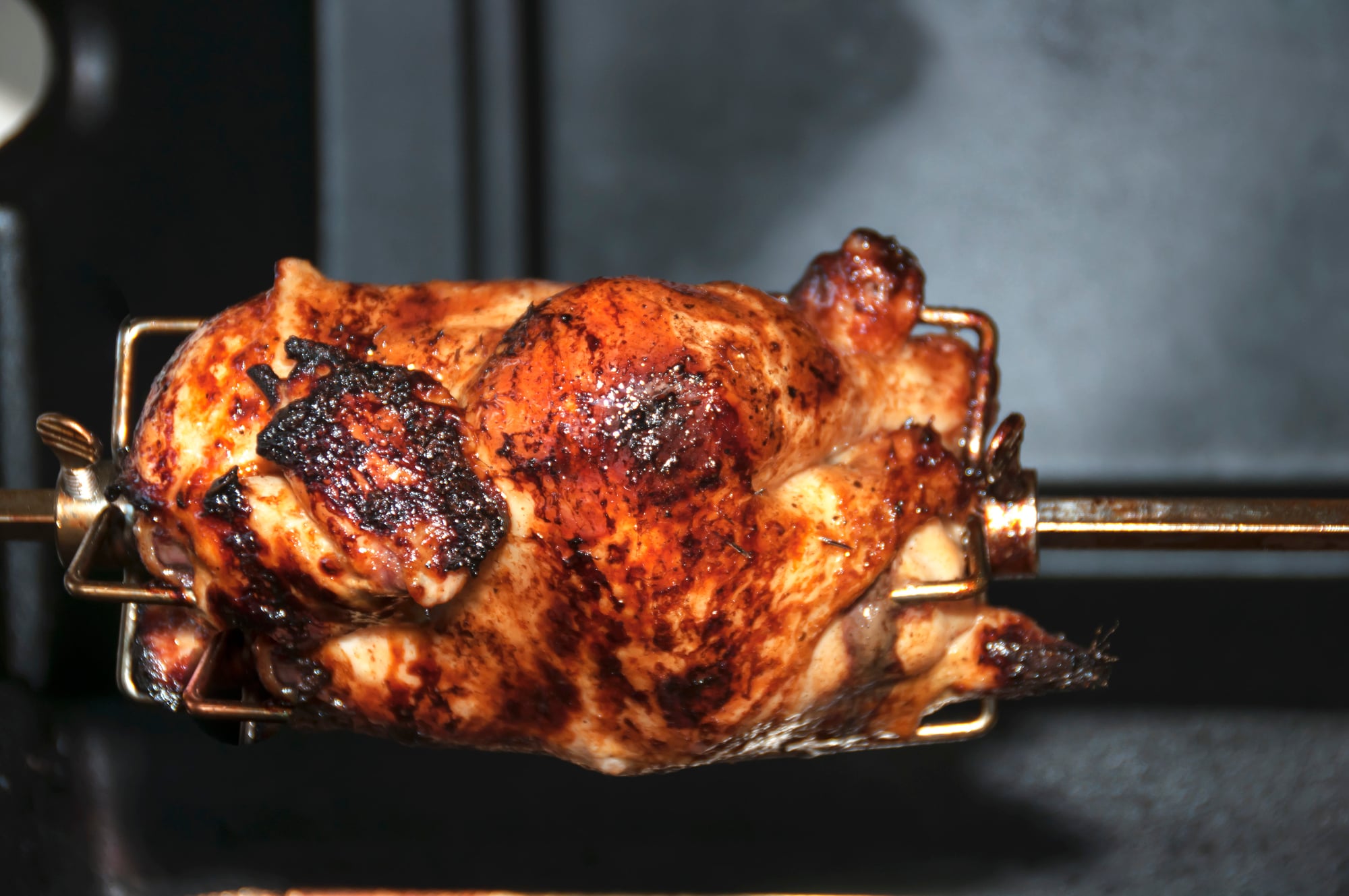
Countertop rotisseries created a particular form of cooking that has become rare, replaced by oven-based alternatives and decreased interest in that cooking method.
Griddles and Separate Cooktop Units
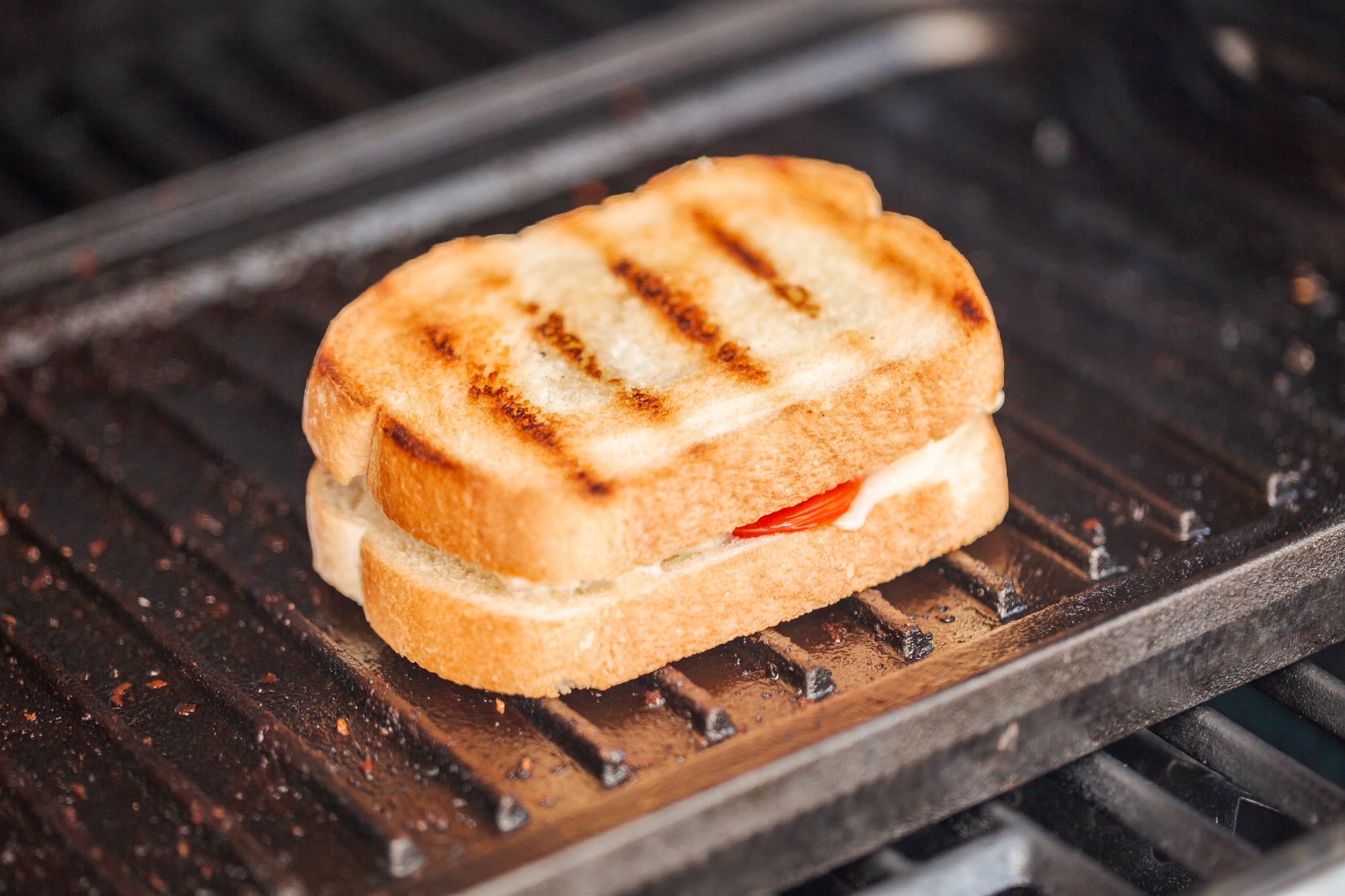
Before modern range integration, dedicated griddle units occupied stove space. Contemporary stovetops incorporated griddle functionality or eliminated the method from regular cooking practice.
Separate Deep Fryers
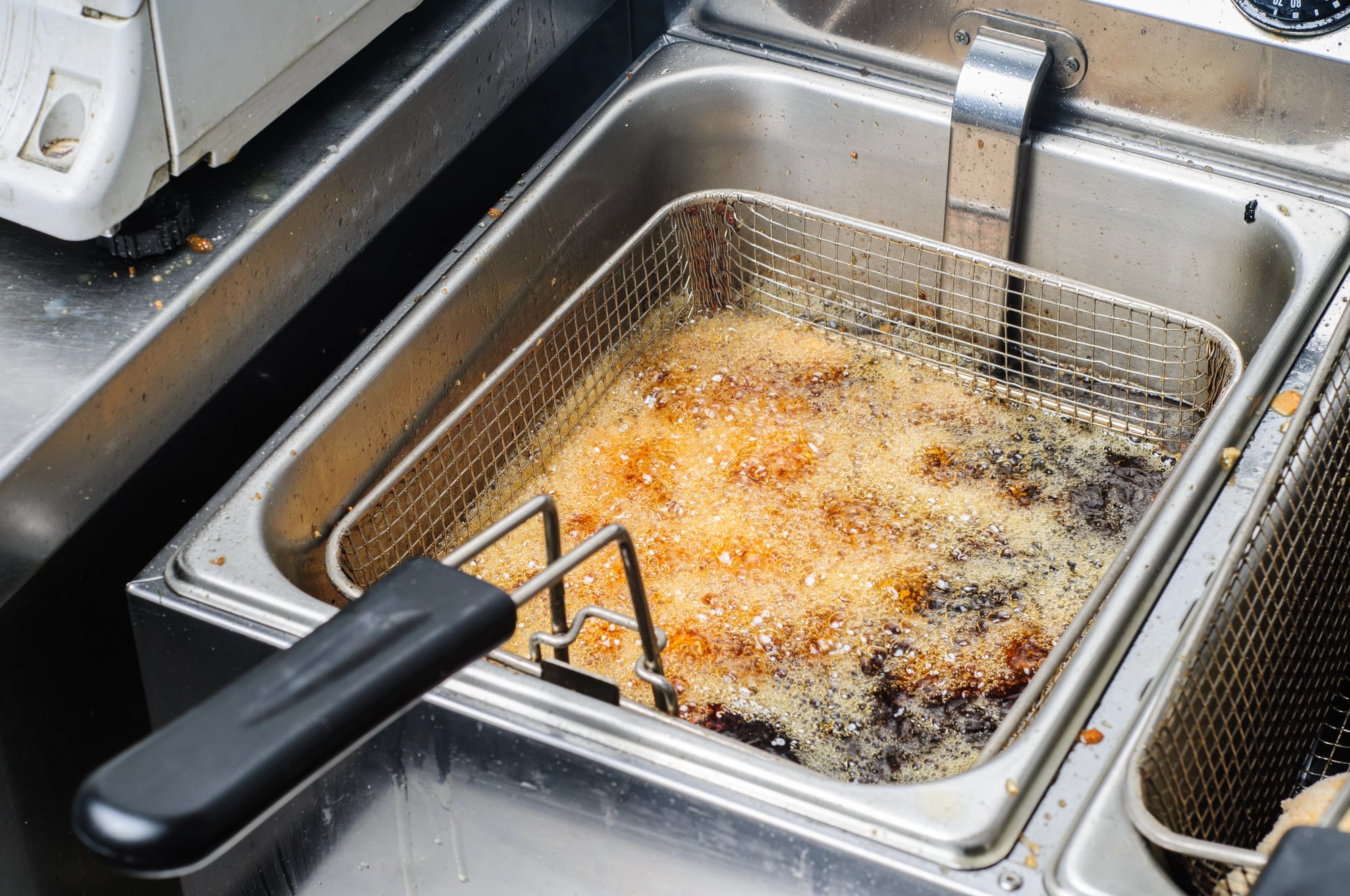
Before counter-mounted deep fat fryers, kitchen frying required elaborate setups. Contemporary homes abandoned deep-frying as standard cooking technique, eliminating the equipment requirement.
Food Mills and Manual Food Processors
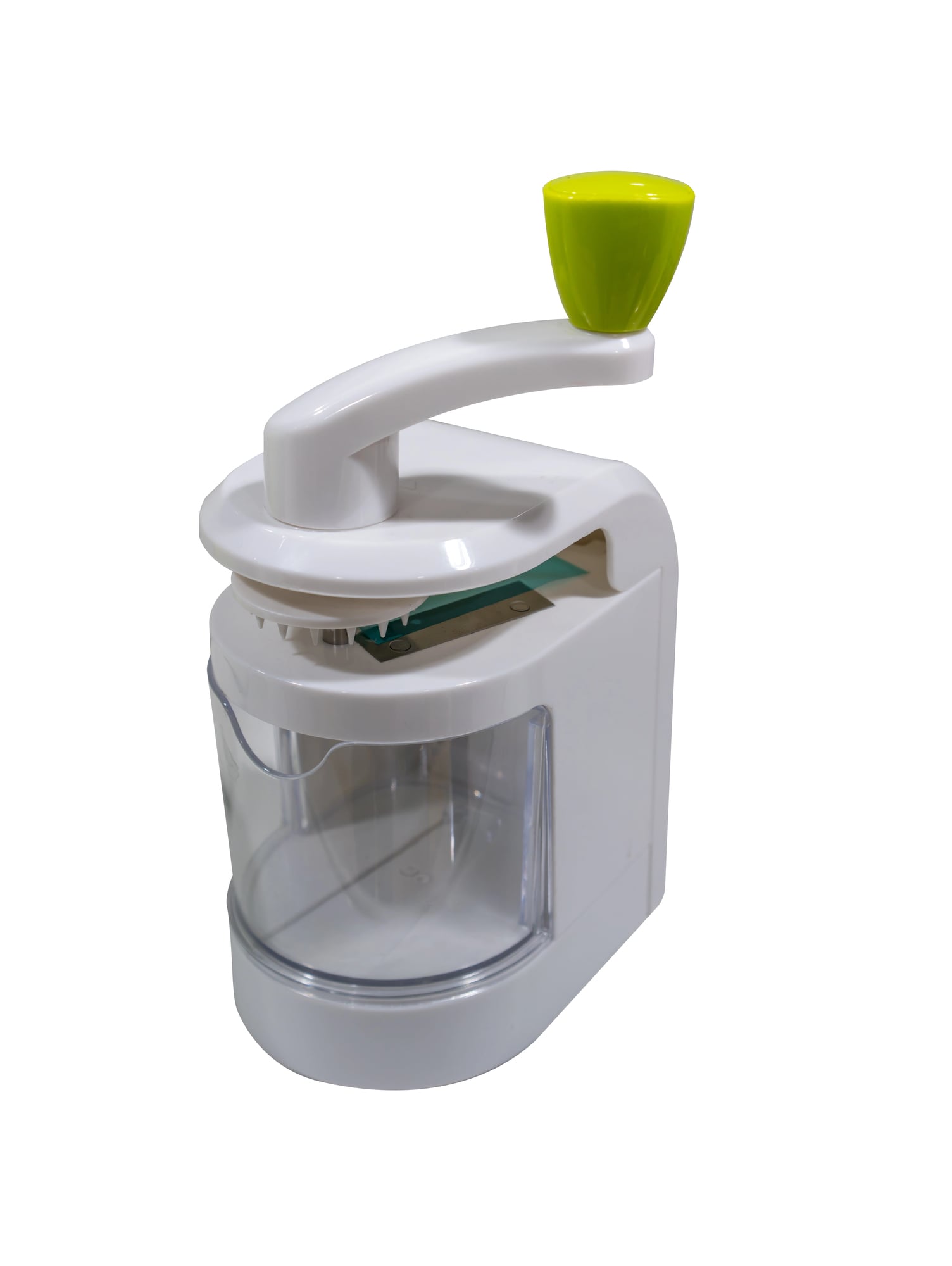
These hand-crank devices processed food before electric food processors made the labor automatic. Modern electrical versions replaced manual labor entirely, rendering the original equipment obsolete.
Dishwashing Drainage Racks
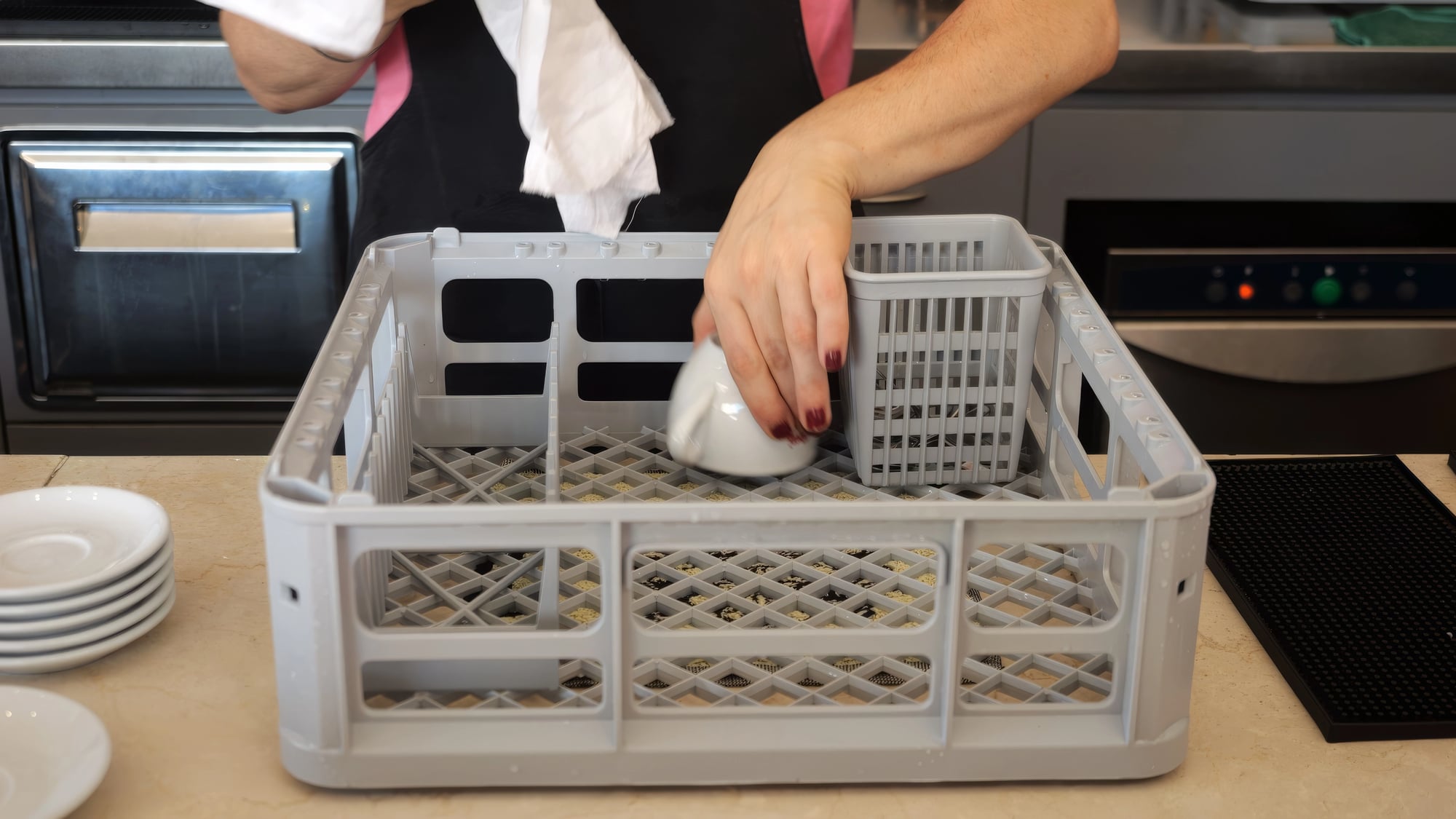
Separate, elaborate dish drying and drainage systems disappeared when dishwashers became standard and counter-space minimalism became valued over passive air-drying infrastructure.
Can Openers (Mounted Wall Versions)
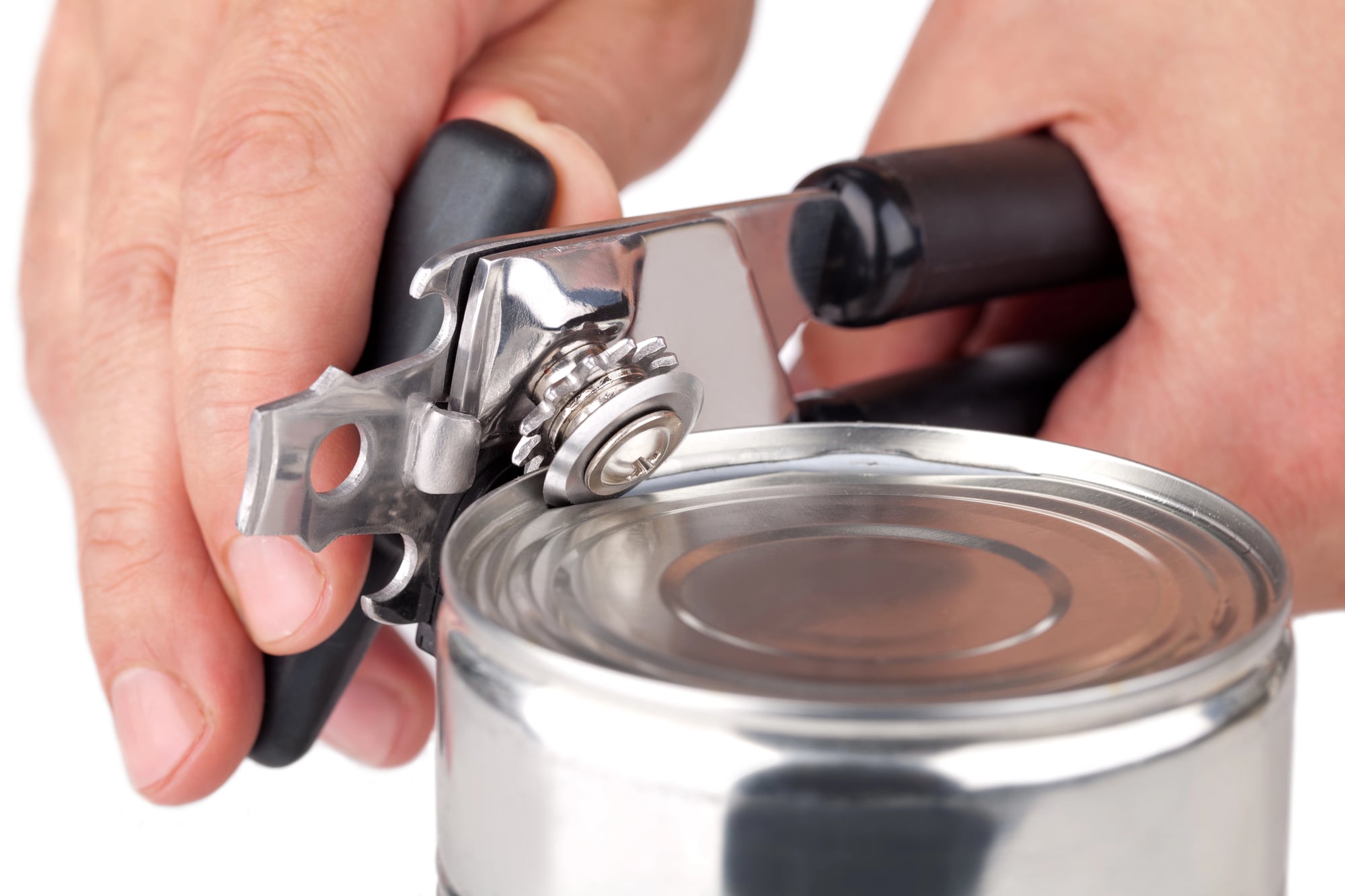
Heavy, mounted to kitchen walls, these motorized can openers vanished when hand-held electric versions emerged and counter space became premium.
Milk Bottle Warmers
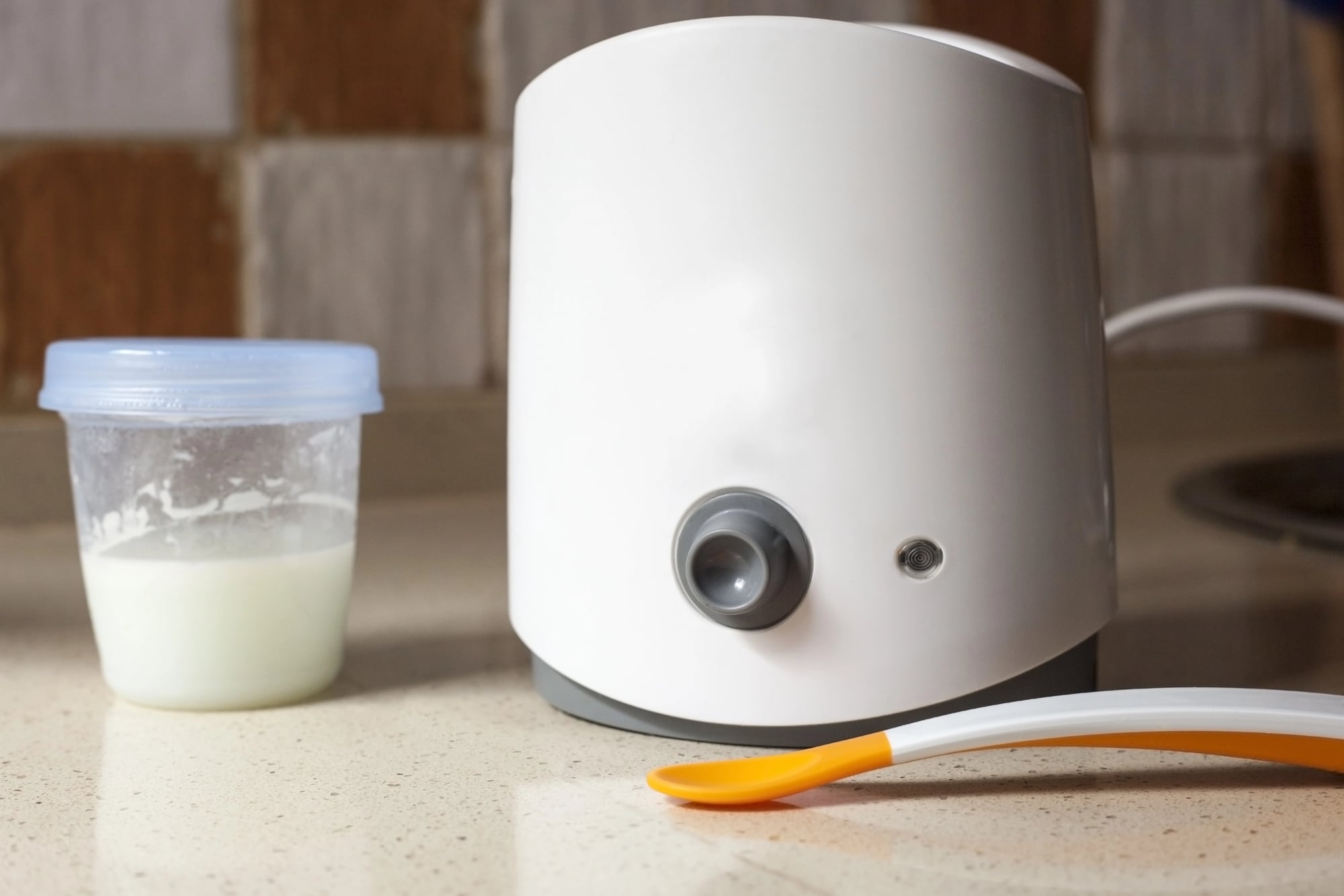
Devices specifically designed to warm milk bottles disappeared when formula and refrigerated feeding became less common and alternative warming methods sufficed.
Separate Warming Drawers
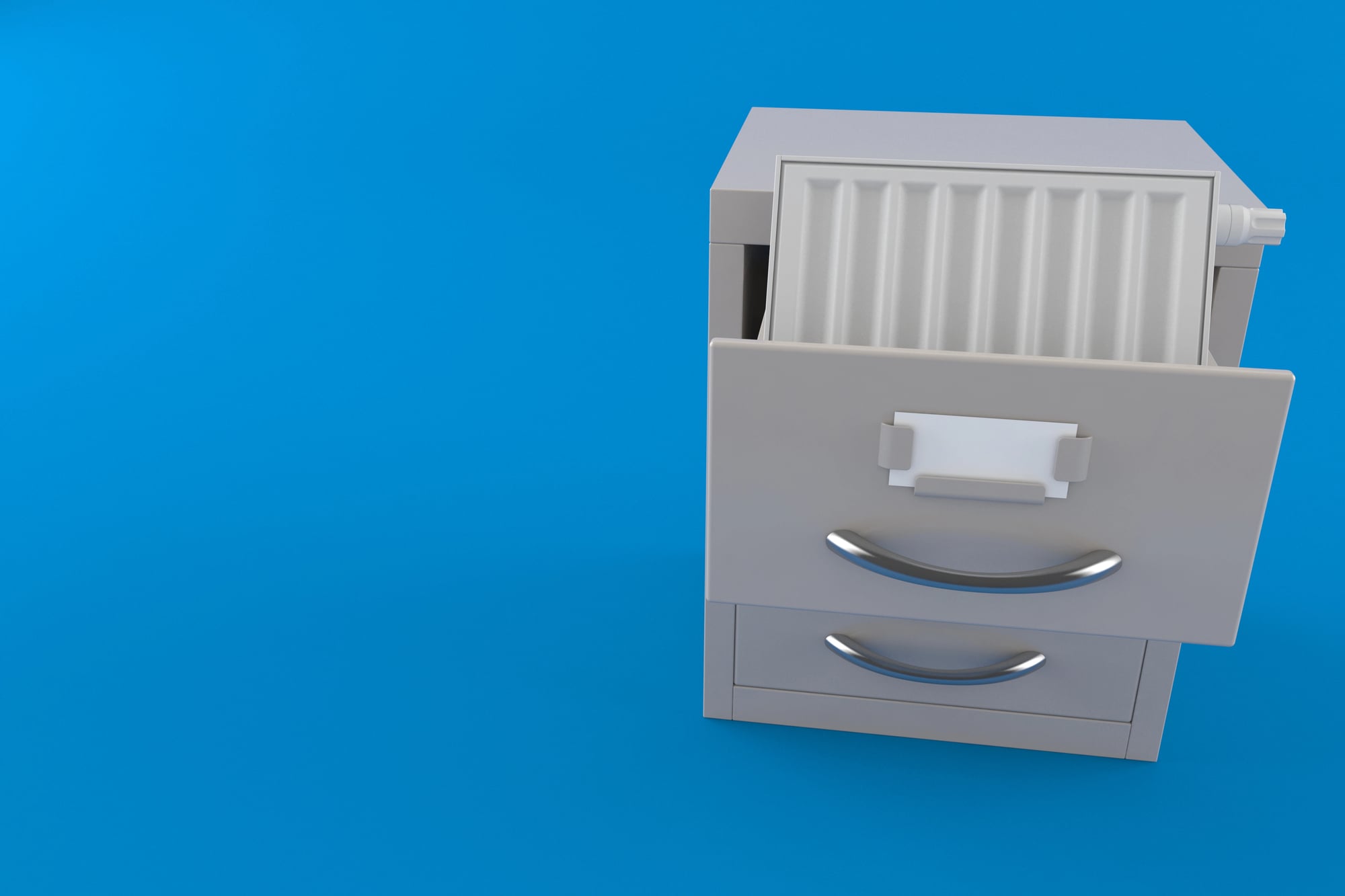
Dedicated warming drawers in stoves kept foods at serving temperature before modern kitchens redesigned appliance organization and eliminated this specialized compartment.
Lazy Susans (Motorized Versions)
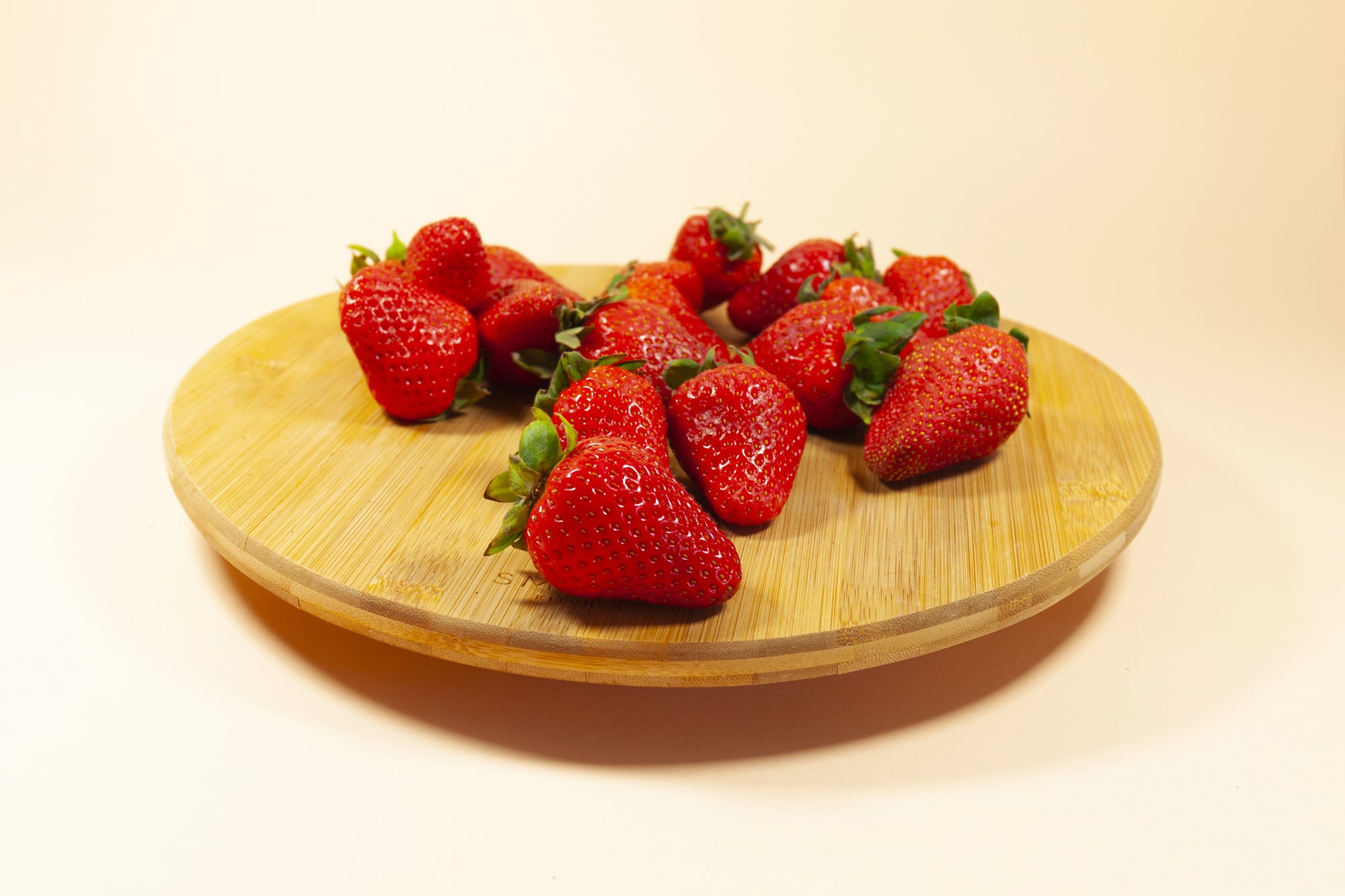
Electric rotating serving platters seemed revolutionary before people realized manual rotation accomplished the same function and eliminated the electrical waste.
Meat Grinders (Motorized Counter Units)
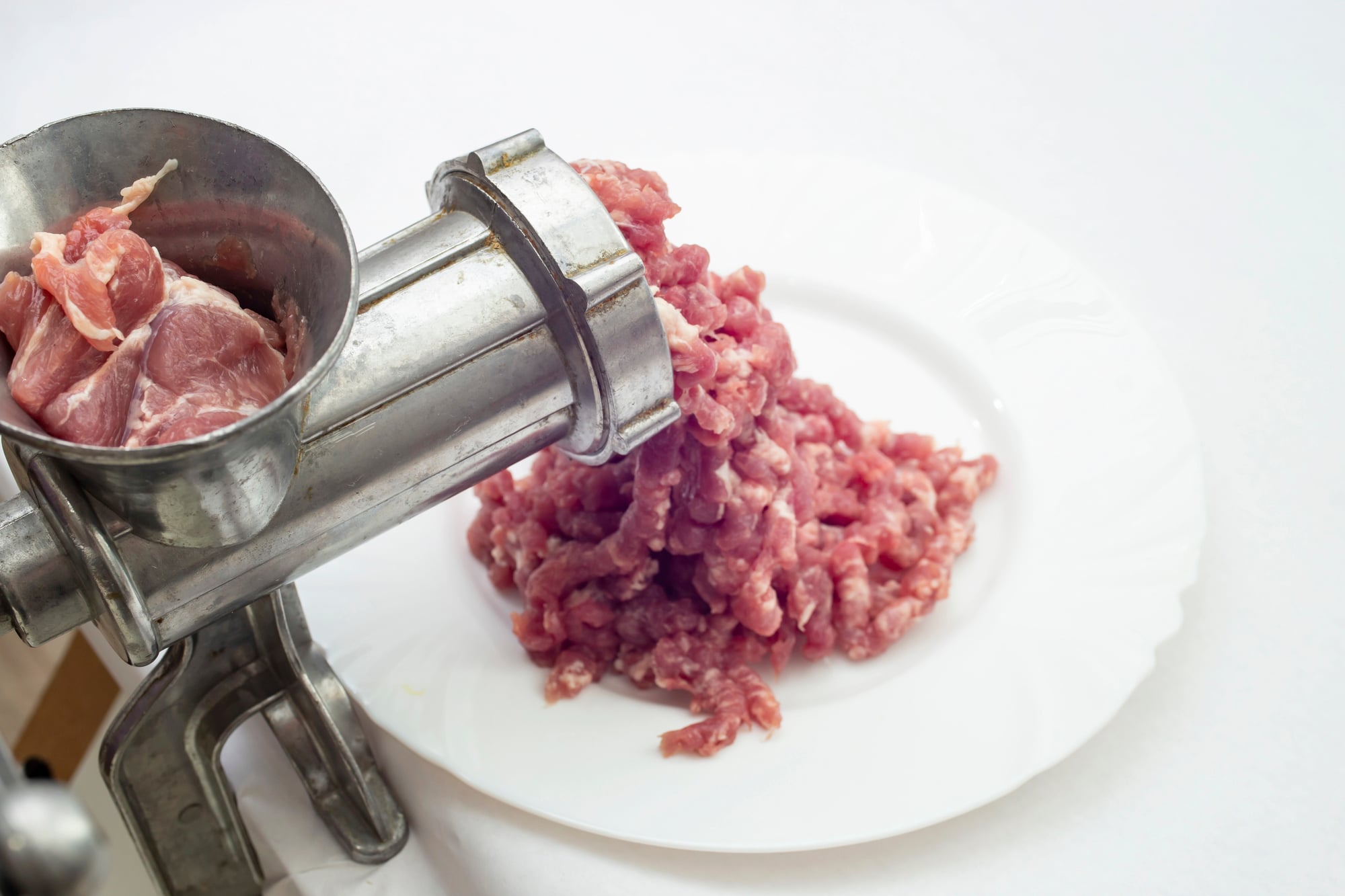
Before pre-ground meat availability, home meat grinding was standard. Dedicated appliances disappeared when retail meat processing eliminated the home necessity.
Pasta Makers (Motorized Counter Models)
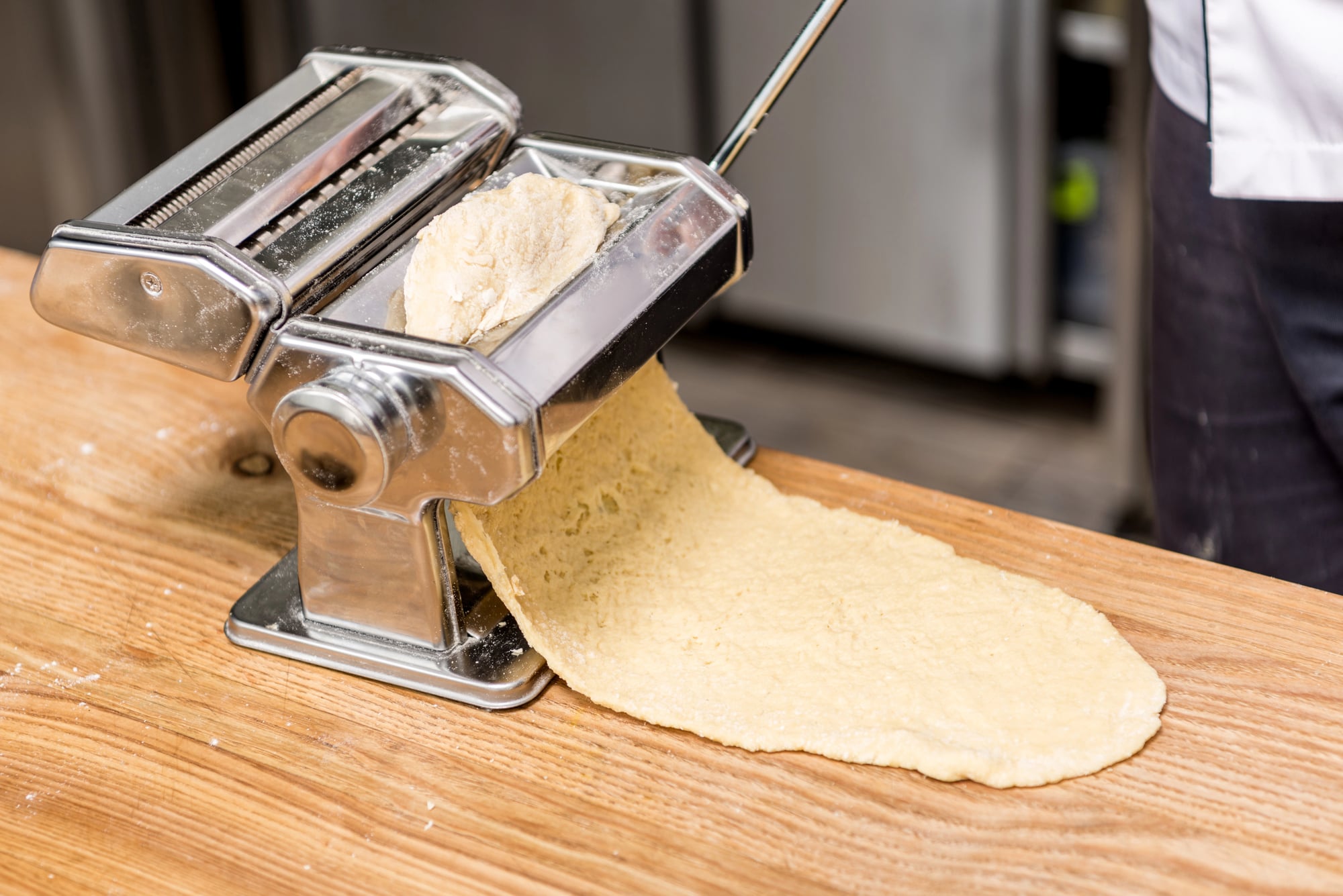
Before manual pasta makers and fresh pasta availability, motorized pasta-making machines occupied counter space. Most contemporary kitchens consider pasta an occasional project requiring borrowed or temporary equipment.
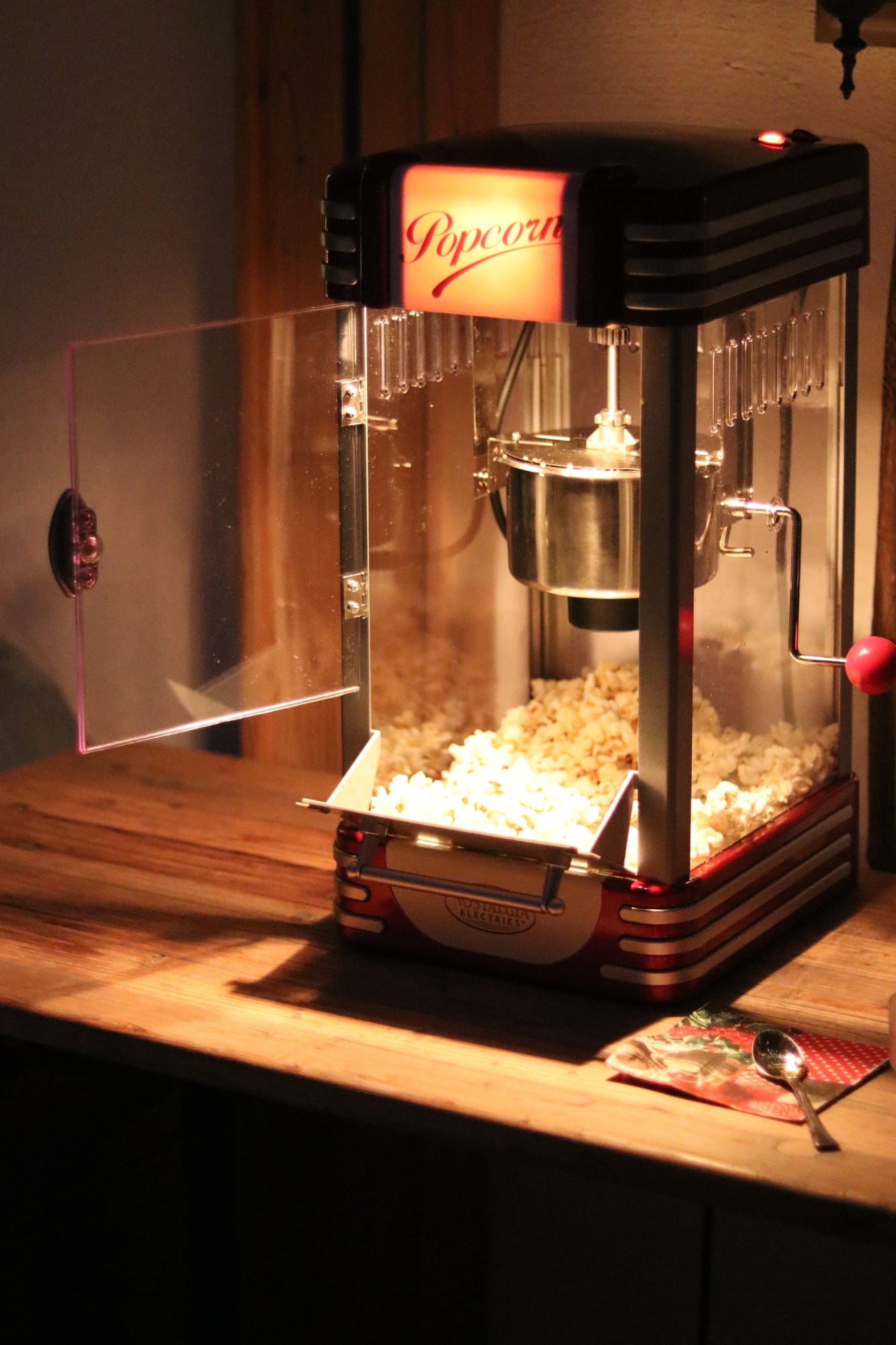
Popcorn Machines (Countertop Versions)

While some enthusiasts maintain these, the transition to microwave popcorn eliminated the necessity for dedicated equipment and the elaborate cleanup they required.
Corn Poppers

Enclosed electric corn popping devices designed specifically for corn on the cob have vanished as the cooking method became rare and equipment requirements remained substantial.
Electric Iced Tea Makers

Dedicated appliances for brewing cold tea have mostly disappeared despite ongoing tea consumption, replaced by brewing in regular makers then chilling in refrigerators.
Humidity Controlled Vegetable Storage Bins
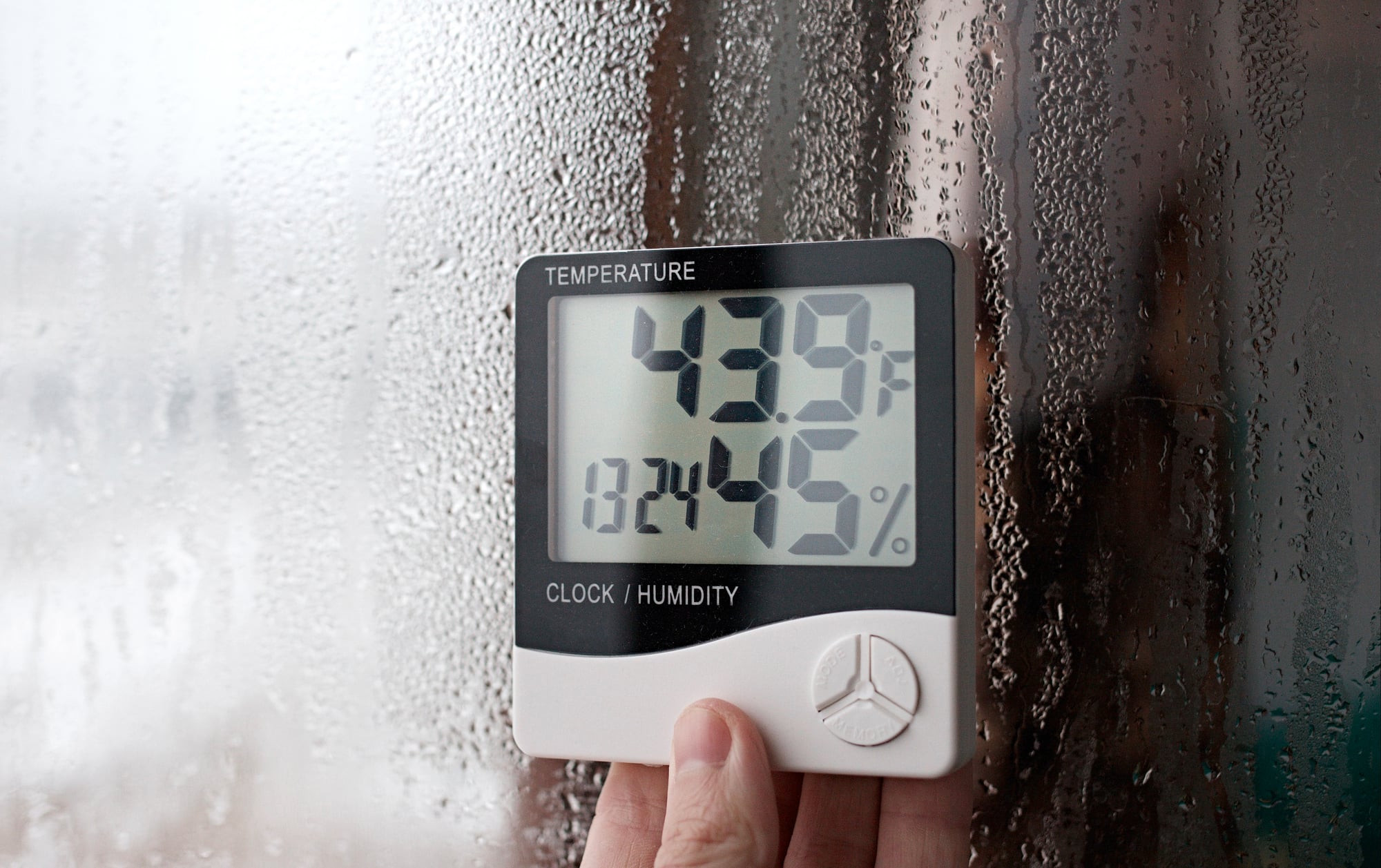
Built-in, specialized humidity-controlled storage has been replaced by modern refrigerator vegetable drawers that accomplish similar functions integrated into existing equipment.
Spice Racks with Built-in Grinding Mills
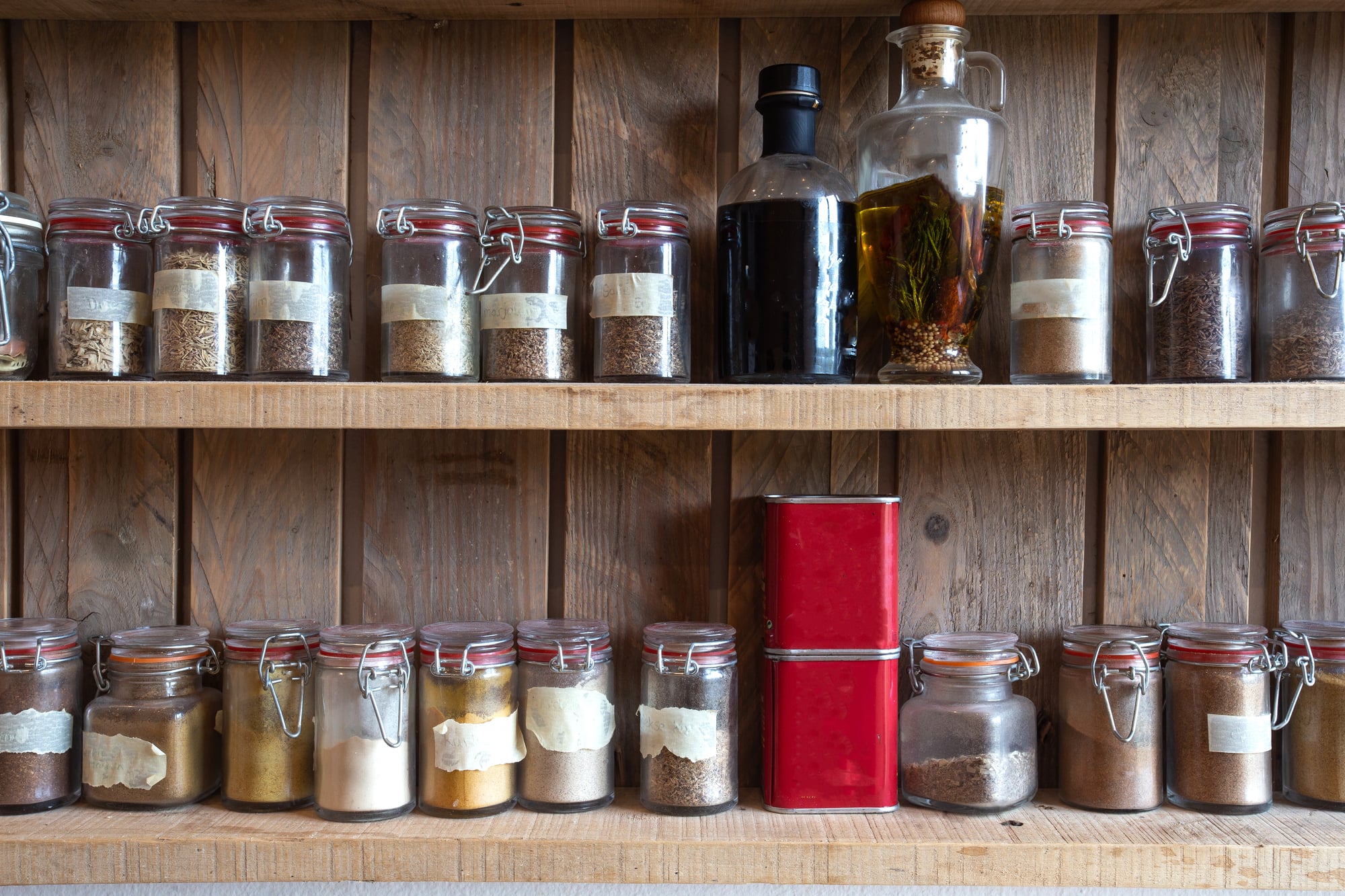
Elaborate mounted systems combining storage with built-in spice mills have given way to purchasing pre-ground spices or using portable electric grinders.
Separate Thermometers for Oven
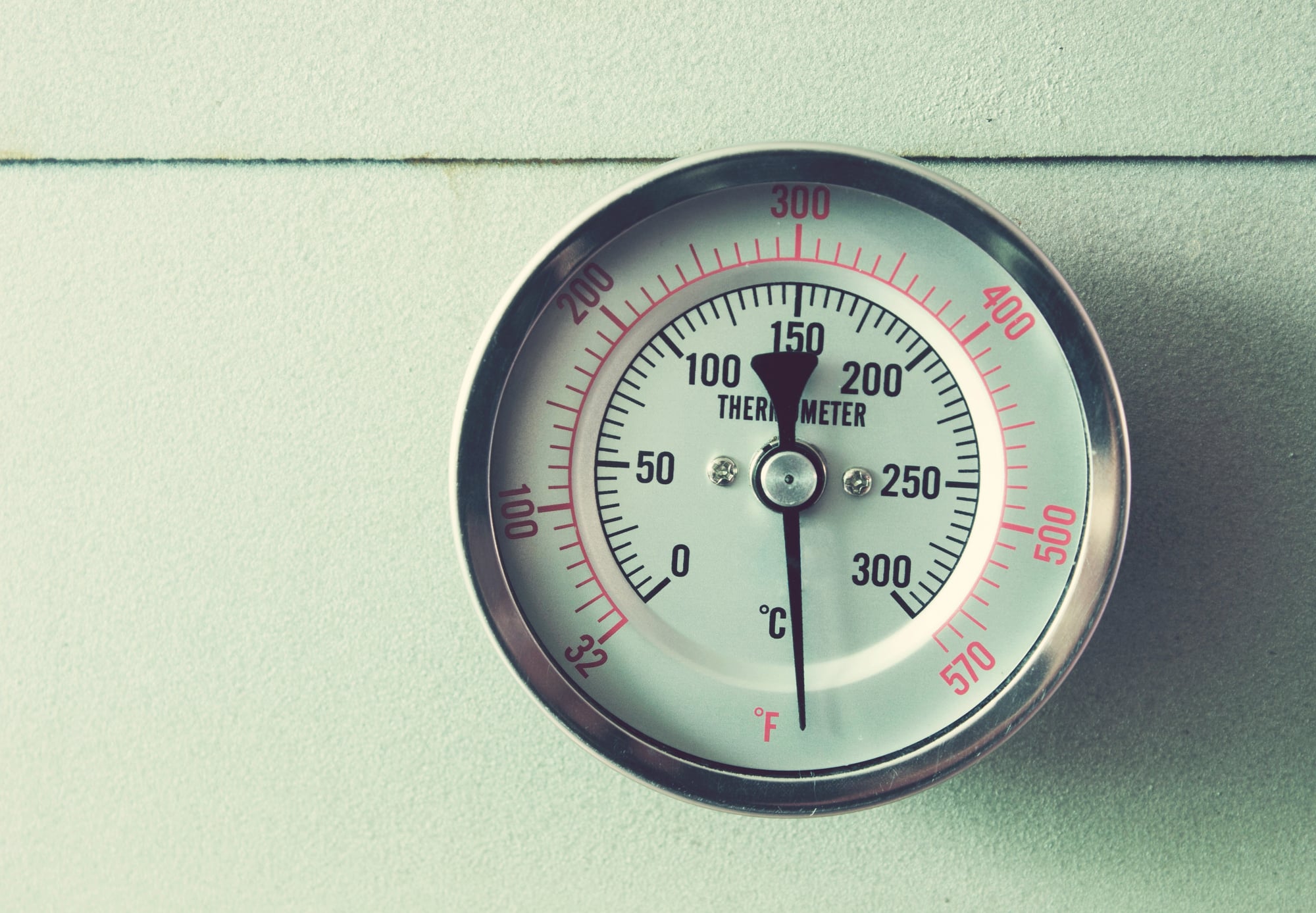
Hanging thermometers monitoring oven temperature accuracy vanished when built-in thermometers became standard equipment on all ovens.
Candle Warmers
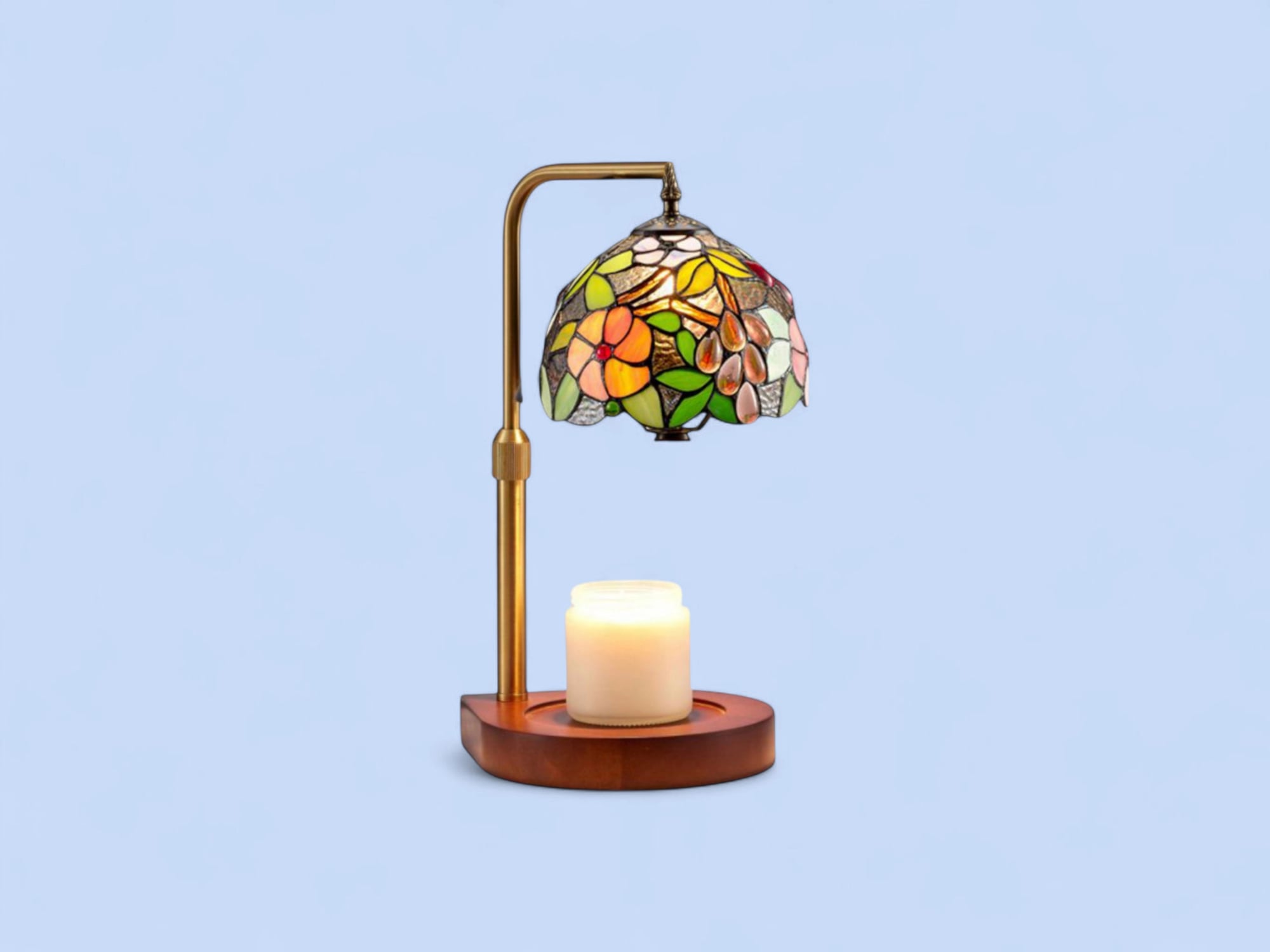
Before essential oil diffusers and modern heating elements, separate candle-warming appliances occupied counter space. Contemporary homes consider them mostly decorative or unnecessary.
The Infrastructure of Twentieth-Century Labor
These appliances represent the kitchen as a specialized workspace requiring dedicated equipment for specific tasks that contemporary kitchens accomplish through multifunctional tools, eliminated practices, or simple acceptance that specialty functions don’t require permanent kitchen infrastructure.
The evolution from specialized equipment to consolidated multifunctional appliances reflects changing assumptions about kitchen labor, food production timelines, and how much space homeowners should dedicate to food preparation. Modern kitchens tell their own story—one of efficiency, compact living, and the assumption that most cooking will be occasional rather than constant production process requiring a complete workshop of specialized equipment.
More from Go2Tutors!

- The Romanov Crown Jewels and Their Tragic Fate
- 13 Historical Mysteries That Science Still Can’t Solve
- Famous Hoaxes That Fooled the World for Years
- 15 Child Stars with Tragic Adult Lives
- 16 Famous Jewelry Pieces in History
Like Go2Tutors’s content? Follow us on MSN.