31 Record Sleeves Worth More Than the Record
For a certain kind of collector, the vinyl inside the sleeve is almost beside the point. What drives value is the packaging itself, a printing error, a withdrawn design, a limited promotional run, or a production gimmick that made a particular pressing genuinely different from every copy that came after it.
None of the categories below depend on the music being rare. A common album in an uncommon sleeve can outsell a rare album in a standard one, because what collectors are really paying for is a specific, documented moment in a printing run that can never be exactly repeated.
Withdrawn Original Cover Art
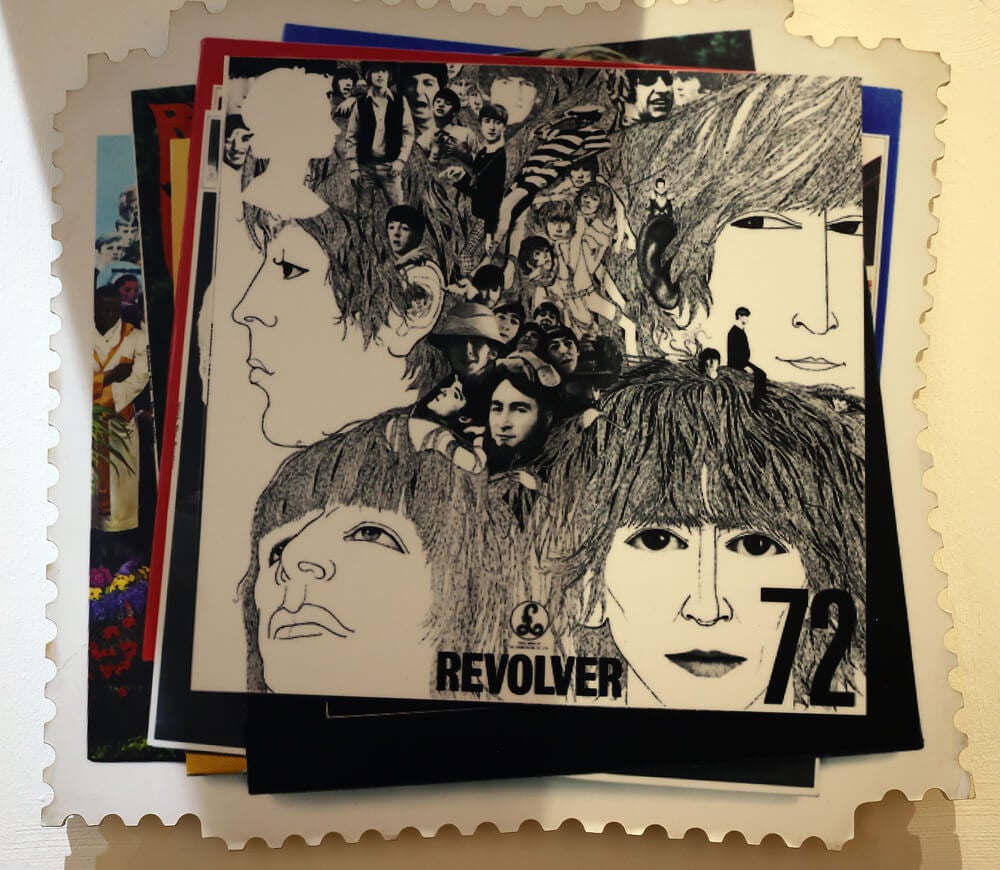
Some sleeves were pulled from release almost immediately after distribution began, whether due to public objection, a legal dispute, or a label’s late change of heart, and the small number that made it into stores before the recall became instant rarities. The Beatles’ original 1966 cover for “Yesterday and Today,” later pasted over with a tamer replacement image, remains one of the most cited examples of this phenomenon in the broader collecting world; copies where the pasted-over layer has been carefully removed to reveal the original underneath are valued differently, and often lower, than copies where the original was never covered at all.
Gatefold Sleeves With Unreleased Artwork
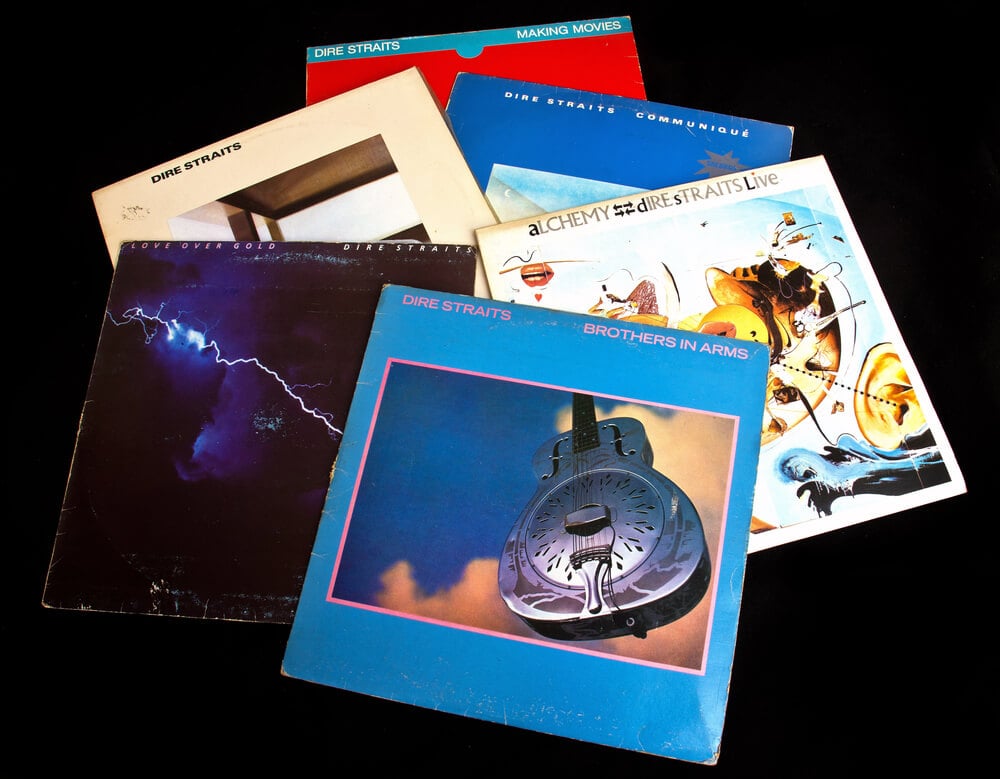
A gatefold sleeve that opens to reveal interior artwork different from what appeared in later pressings represents a specific printing window that a label often changed for cost or licensing reasons. Collectors compare interior panels closely against documented later pressings to confirm which version they are holding; the fold itself is also a wear point, and gatefolds with sharp, undamaged hinges are valued considerably higher than ones with worn or split seams.
Promotional Stamped Sleeves
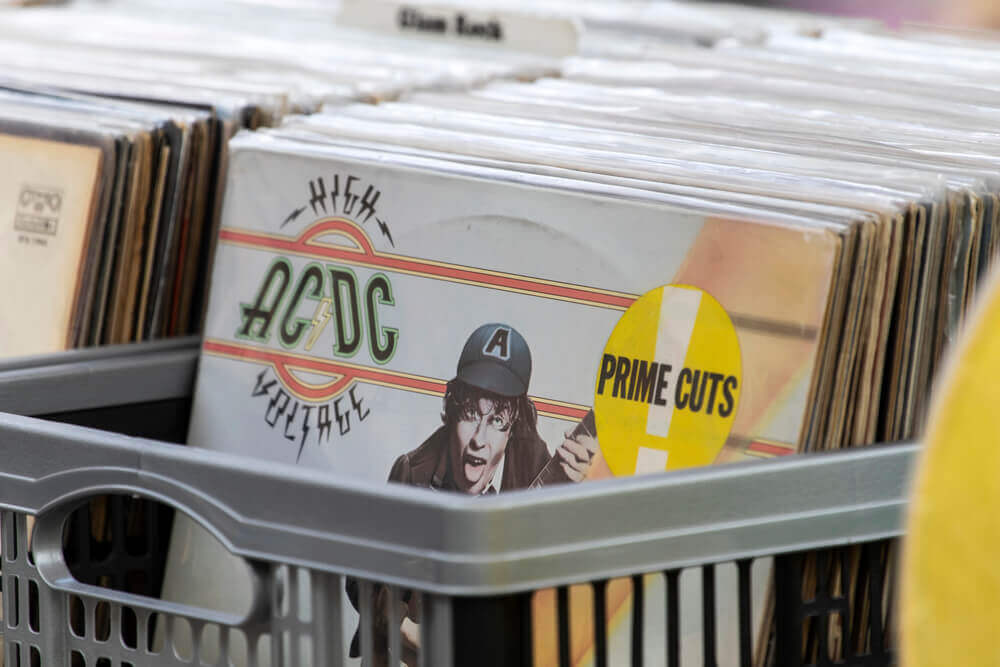
Marked “Not for Sale” or “Promotional Copy Only,” these sleeves were distributed to radio stations and press outlets ahead of a public release and were never meant to reach the retail market in large numbers. Because promotional runs were typically far smaller than the commercial pressing that followed, surviving examples in clean condition are disproportionately scarce; the stamp itself, rather than being seen as a flaw, is the primary source of the sleeve’s added value.
Blank Test Pressing Sleeves
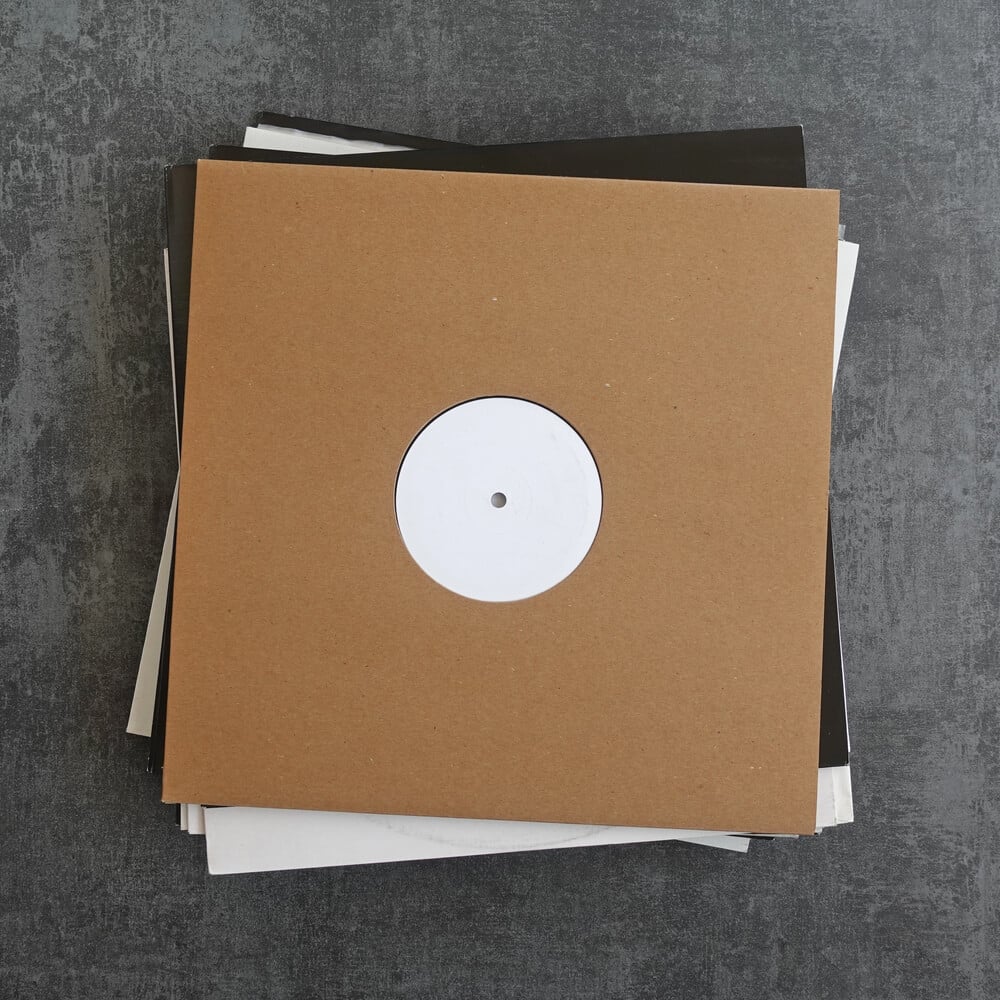
Plain white or unbranded sleeves used to package test pressings, the earliest playable copies made before a final commercial run, are collected specifically because they represent a version of the record that existed before the public release was finalized. A rubber-stamped catalog number or handwritten date on the sleeve is a key detail collectors use to confirm authenticity; these sleeves are almost never found with matching printed artwork, since the artwork had typically not been finalized at that stage of production.
Die-Cut Sleeves
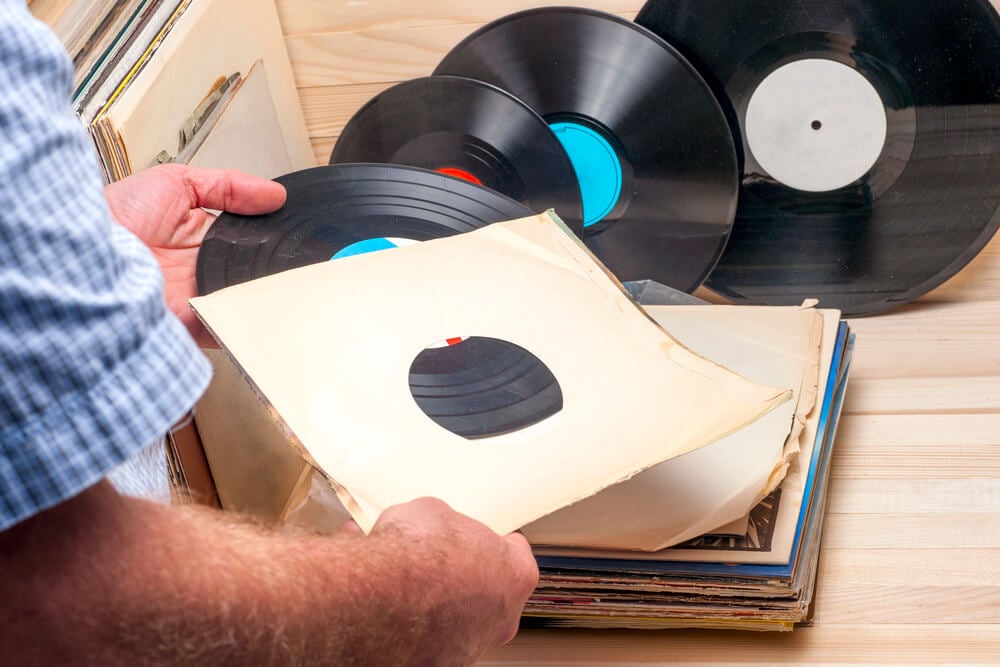
Featuring a shape cut directly into the front cover to reveal a portion of the inner sleeve or record label beneath, die-cut designs were more expensive to produce than a standard flat-printed cover and were often reserved for a limited initial pressing before being replaced with a cheaper standard design. The precision of the cut edge is a detail collectors examine closely, since later reproductions sometimes fail to match the exact dimensions of the original; sleeves where the die-cut shape lines up perfectly with the artwork underneath are considered the strongest examples.
Working Zipper Sleeves
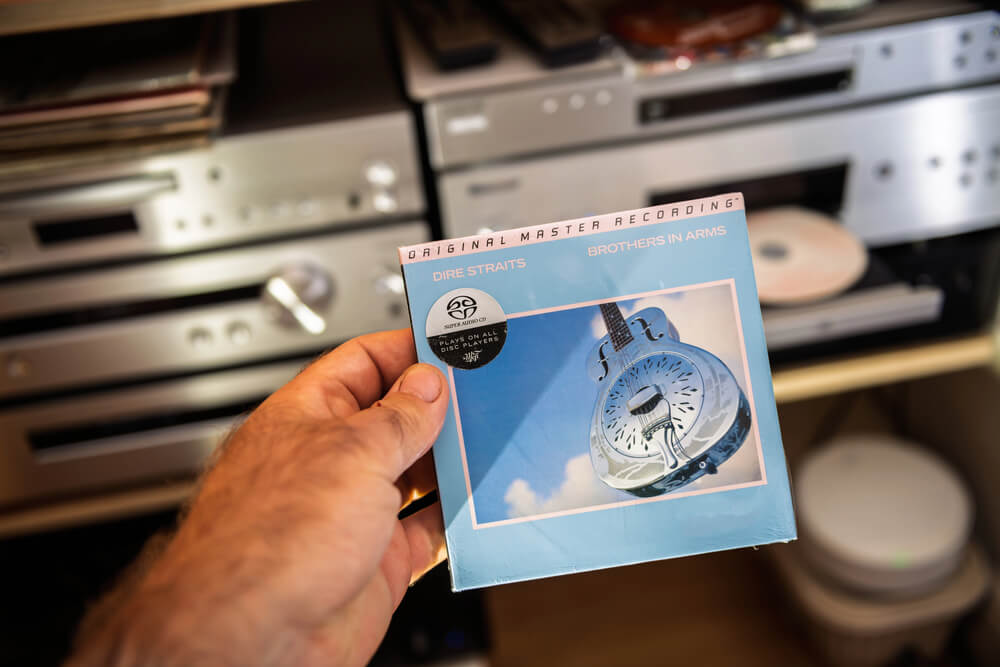
Featuring an actual functional metal zipper stitched into the cover design, most famously used on the Rolling Stones’ “Sticky Fingers,” this style of packaging was notoriously expensive and prone to damaging the vinyl inside during shipping, which led to its discontinuation after a relatively short production run. Sleeves with a zipper that still slides smoothly, rather than one that has rusted or jammed, command a significant premium; the design’s impracticality is precisely what makes surviving, functional examples so sought after today.
Lenticular Cover Sleeves
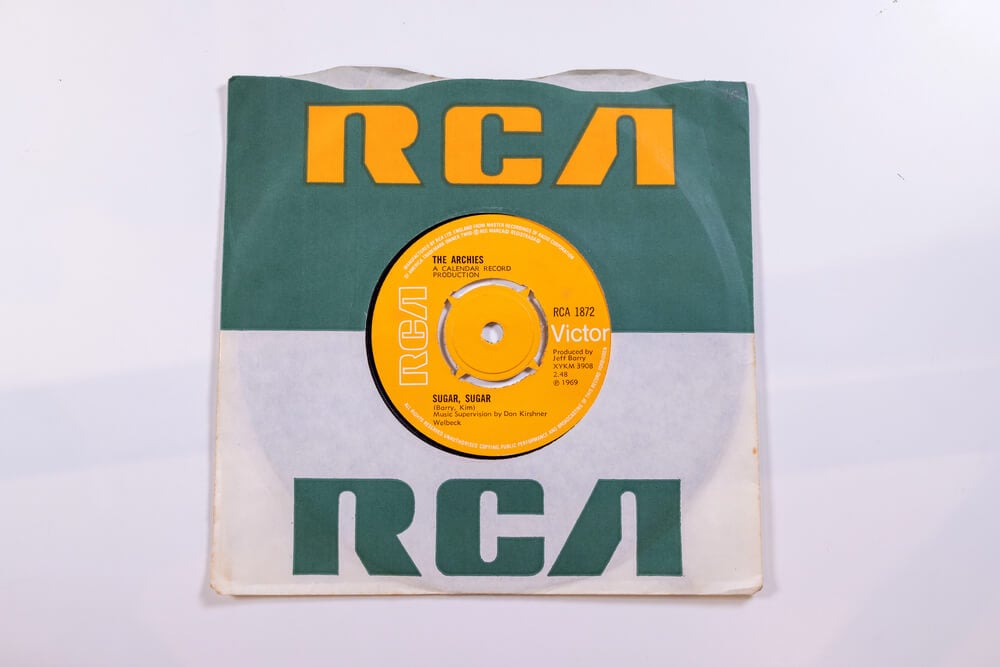
Using a ridged plastic overlay that shifts between two or more images depending on the viewing angle, lenticular sleeves were a novelty technique used sparingly due to cost. The lenticular surface scratches easily, and collectors specifically look for examples where the ridged plastic remains clear and undamaged; because the effect depends entirely on an intact surface, even minor wear can significantly reduce a sleeve’s value.
Glow-in-the-Dark Print Sleeves
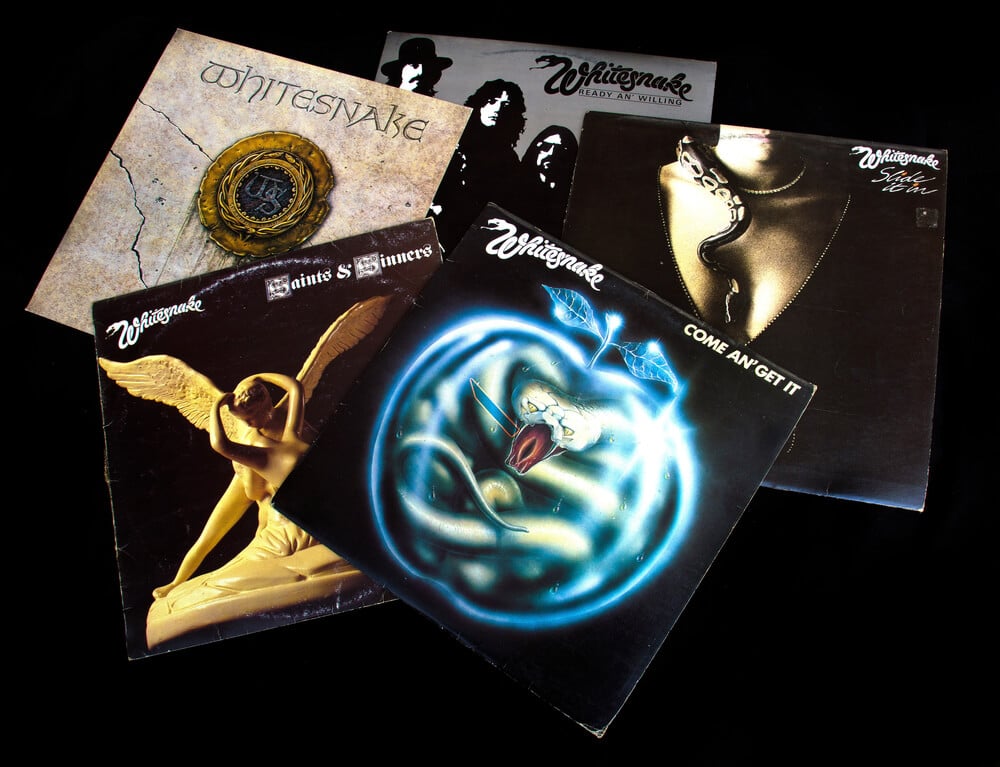
Printed with an ink that absorbs light and emits a faint glow in darkness, this novelty technique was used on a small number of releases as a marketing gimmick tied to a record’s theme or genre. The glow effect fades with repeated light exposure over decades, meaning sleeves that still glow noticeably are considerably rarer than ones where the effect has faded to nothing; storage conditions matter enormously for this category, since sleeves kept out of direct light retain the effect far better.
Scratch-and-Sniff Sleeves
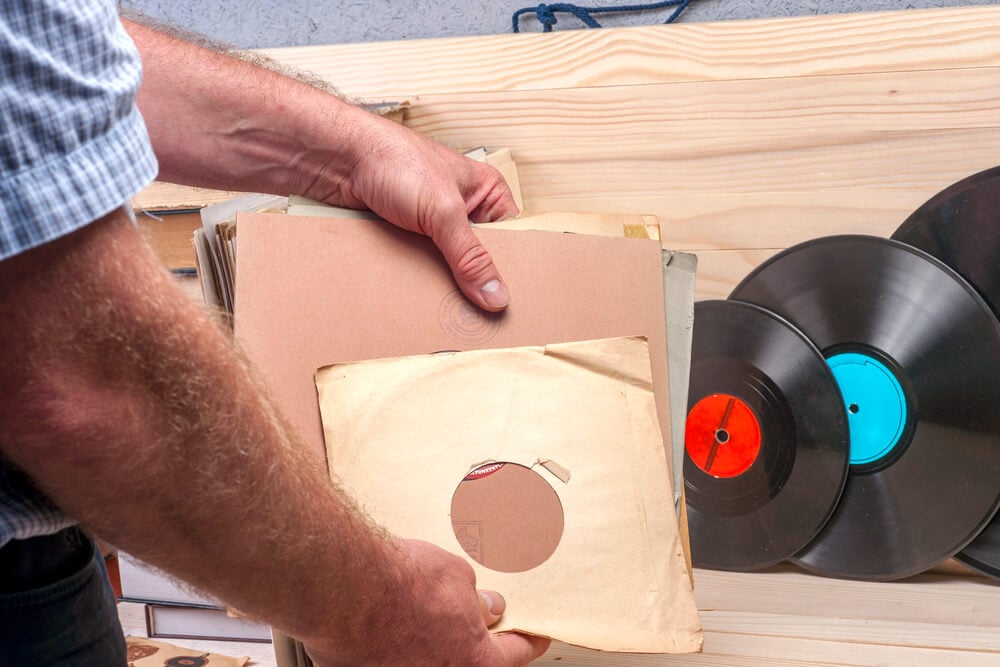
A small number of releases experimented with scented ink patches embedded directly into the cover art, tied thematically to the record’s content. Because the scent degrades over time regardless of how the sleeve is stored, examples that retain any detectable smell decades later are considered a genuine rarity within this already narrow category; collectors specifically seeking scented sleeves often describe testing the scent as part of authenticating a purchase.
Pop-Up Sleeves
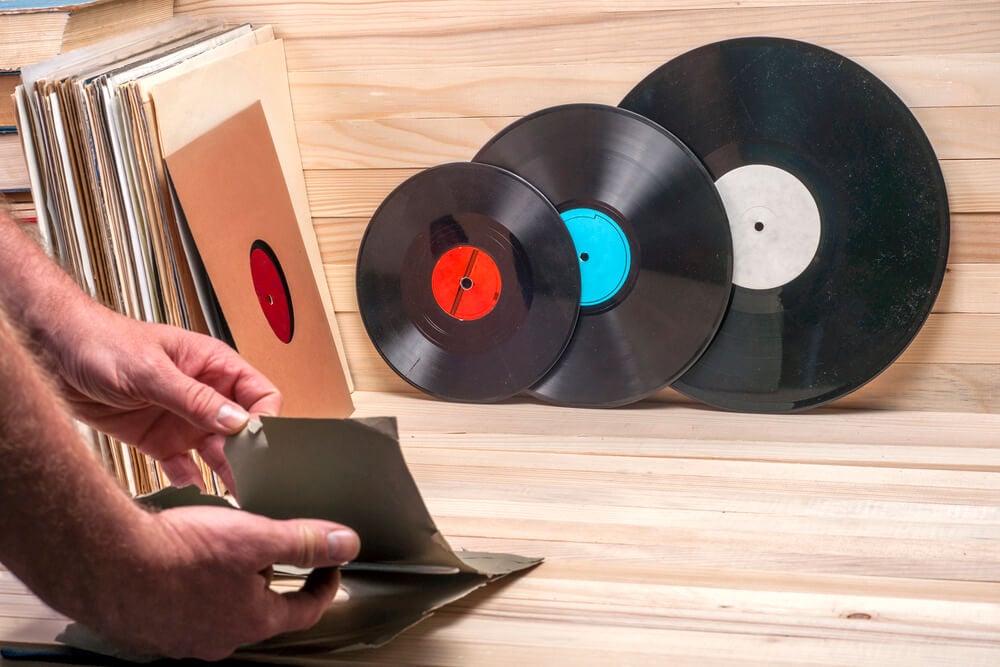
Featuring a three-dimensional paper element that rises when the cover is opened, pop-up sleeves required significantly more complex printing and assembly than a standard flat cover. The delicate paper mechanism is prone to tearing or collapsing with repeated handling, making fully intact examples considerably harder to find than the flat covers of the same release; these sleeves are generally stored upright and handled minimally by collectors specifically to preserve the mechanism.
Country-Specific Alternate Covers
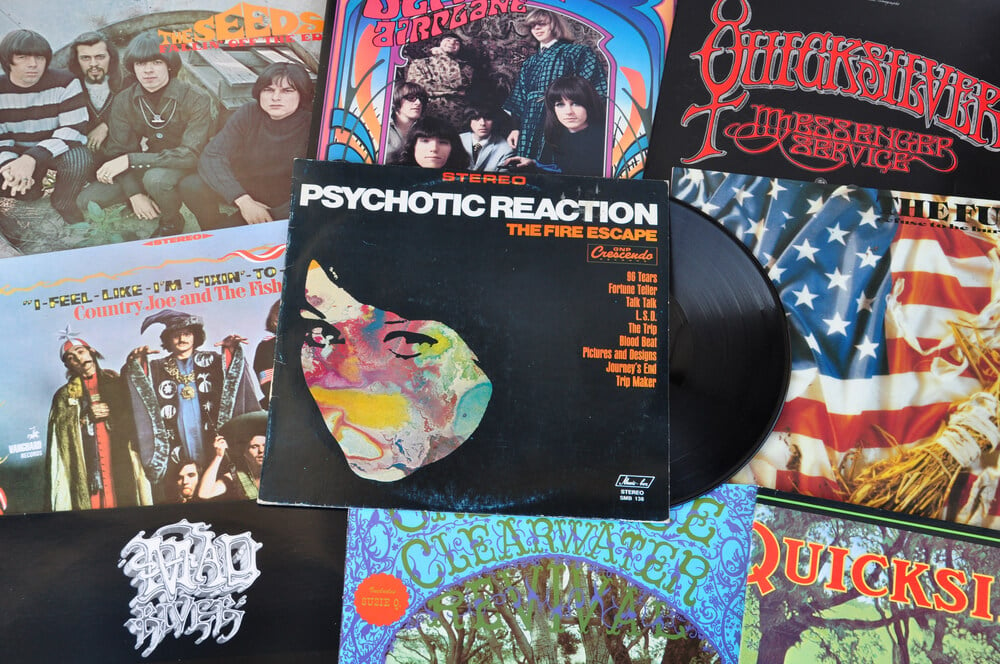
A single album was frequently released with entirely different cover art in different countries, driven by differing cultural sensitivities, marketing strategies, or licensing arrangements with local distributors. Collectors focused on a specific artist often seek out every regional variant as a complete set; import sleeves from smaller pressing regions are typically rarer and more valuable than the cover used in the artist’s home market.
Censored Sticker-Over Sleeves

Where a label applied an opaque sticker directly over original artwork considered too intriguing for certain markets, collectors specifically distinguish between examples where the sticker remains intact and undisturbed and examples where it has been peeled back or removed entirely. An intact original sticker, rather than the artwork underneath, is often the primary source of the sleeve’s collectible value; careful removal of the sticker to reveal the artwork beneath is a practice some collectors avoid entirely, since it permanently changes the sleeve’s documented state.
Misprinted Artist Name Sleeves
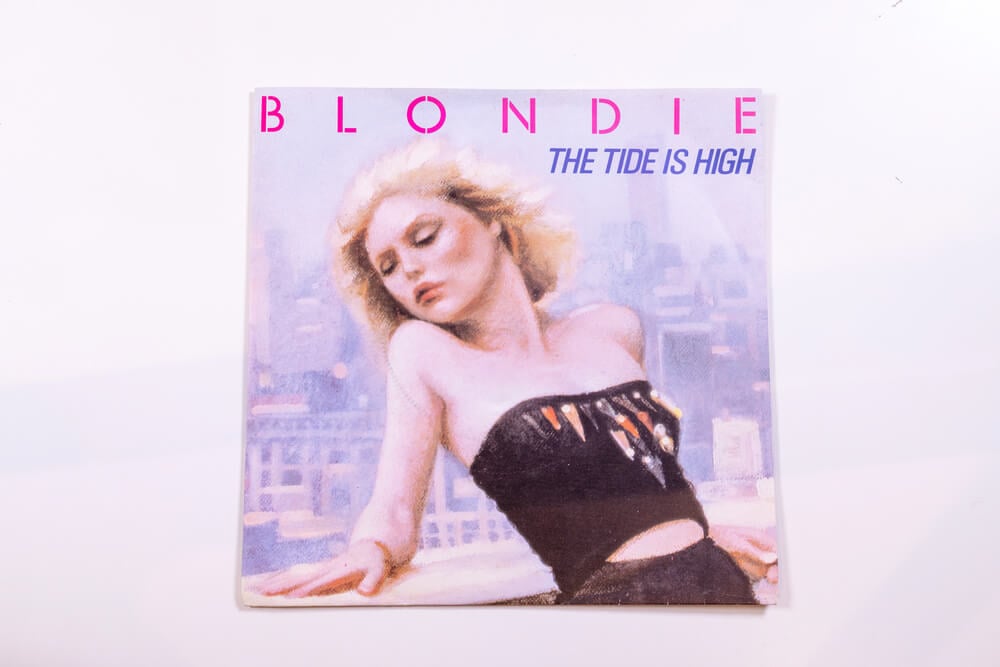
A misspelled artist name, an incorrect album title, or a swapped track listing printed by mistake during a production run represents a genuine, limited error before quality control caught the mistake. Because these errors were typically corrected quickly once identified, surviving misprinted copies are inherently limited to whatever portion of the run had already shipped or been printed; collectors specifically documenting pressing variations treat these misprints as a distinct sub-category worth tracking separately from the corrected version.
Mismatched Insert Sleeves
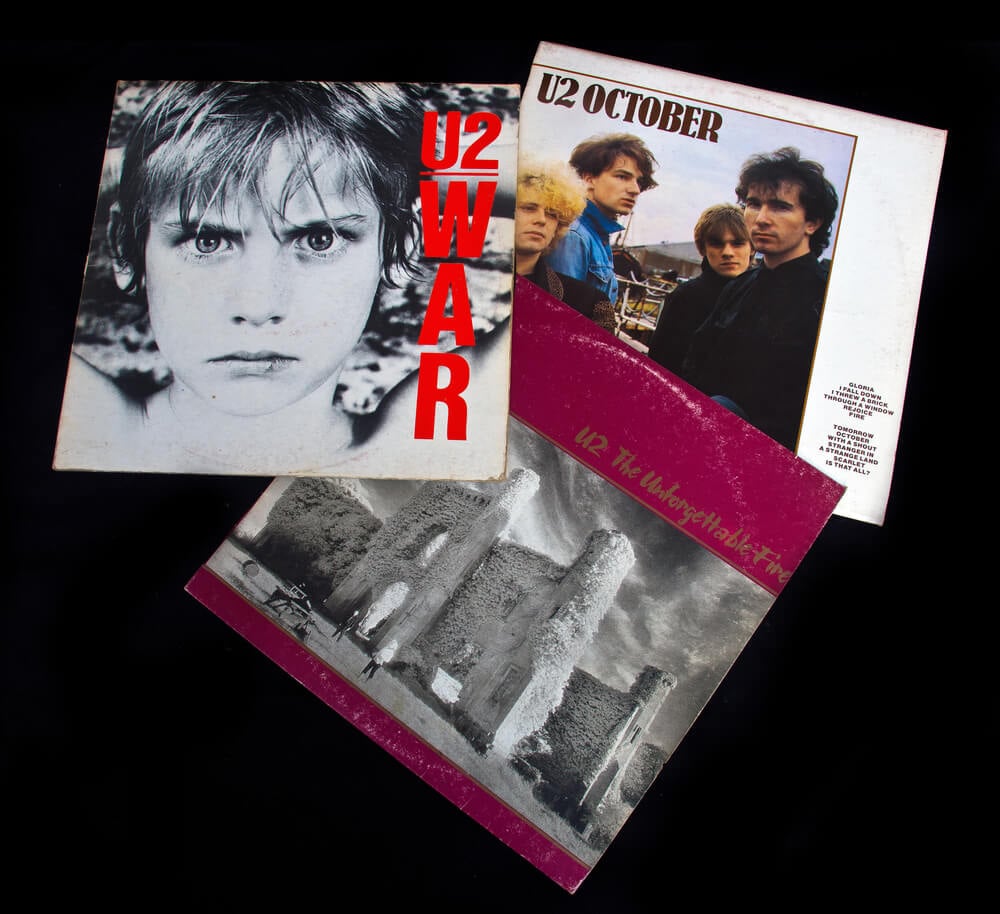
Occurring when a printing facility accidentally paired the correct outer sleeve with an insert, lyric sheet, or poster intended for a different release entirely, mismatched insert sleeves are a documented but uncommon production error. Because the mismatch typically involved two different releases from the same label or pressing plant, collectors sometimes seek both the sleeve and the correctly matched original insert as a documented pair; authentication generally requires cross-referencing printing codes between the two mismatched pieces.
Hand-Signed Sleeves With Certificates
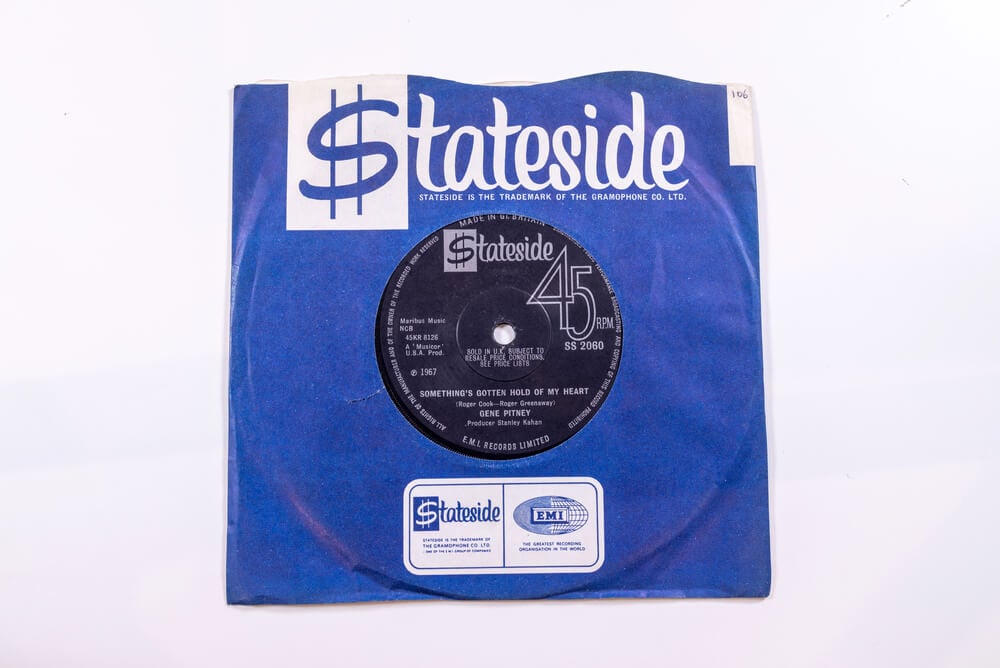
A sleeve signed directly by an artist, ideally accompanied by a certificate of authenticity from a recognized authentication service, derives its value almost entirely from the signature rather than the pressing itself. Collectors specifically distinguish between signatures obtained in person and those added later through a mail-order or bulk signing event, with the former generally commanding higher prices; fading ink and sleeve condition around the signature are both closely evaluated before a sale.
Corner-Clipped Promotional Sleeves

A small corner clipped or notched from the cover was a common method labels used to mark promotional copies as ineligible for standard retail resale. Rather than lowering value the way damage typically would, an original clipped corner on an early promotional sleeve is often treated as a mark of authenticity confirming its promotional origin; collectors specifically seeking promotional pressings look for this detail as supporting evidence alongside any printed “Not for Sale” text.
Picture Disc Window Sleeves
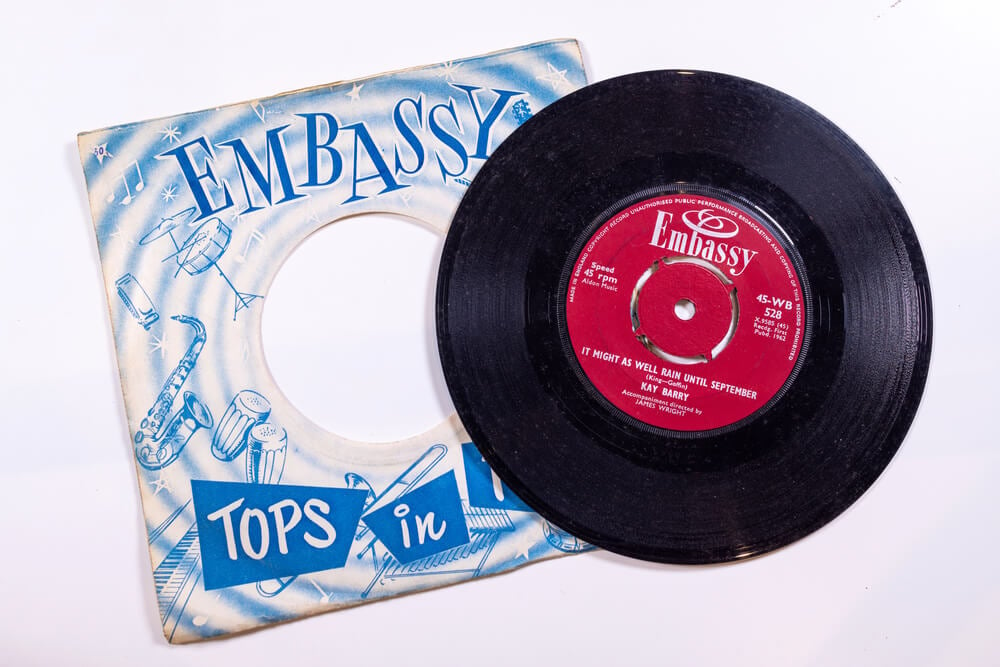
Designed with a die-cut window allowing the printed image on the vinyl itself to show through the front cover, picture disc sleeves depend on precise alignment between the cut window and the disc’s printed design. Misaligned windows, where the printed image on the record does not center correctly within the cut opening, are considered a production flaw that collectors specifically seek out as a documented variant; the clarity of the plastic window itself, free of scratches or clouding, significantly affects overall value.
Boxed Set Slipcases
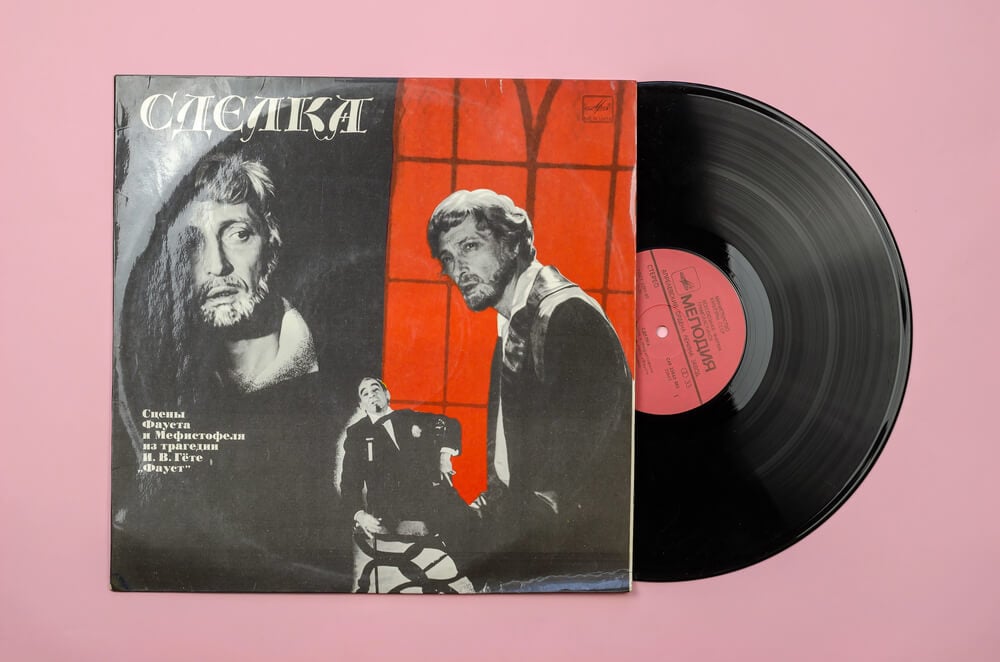
An outer cardboard slipcase designed to house a multi-record set added a layer of packaging beyond the individual sleeves inside, and slipcases were often more prone to shelf wear and corner damage than the records they protected. Sets that retain a sharp, undamaged slipcase alongside undamaged individual sleeves are valued considerably higher than sets where only the records survived in good condition; collectors specifically note that slipcases were frequently discarded by original owners, making complete surviving examples scarcer than the records themselves.
Alternate Export Title Sleeves
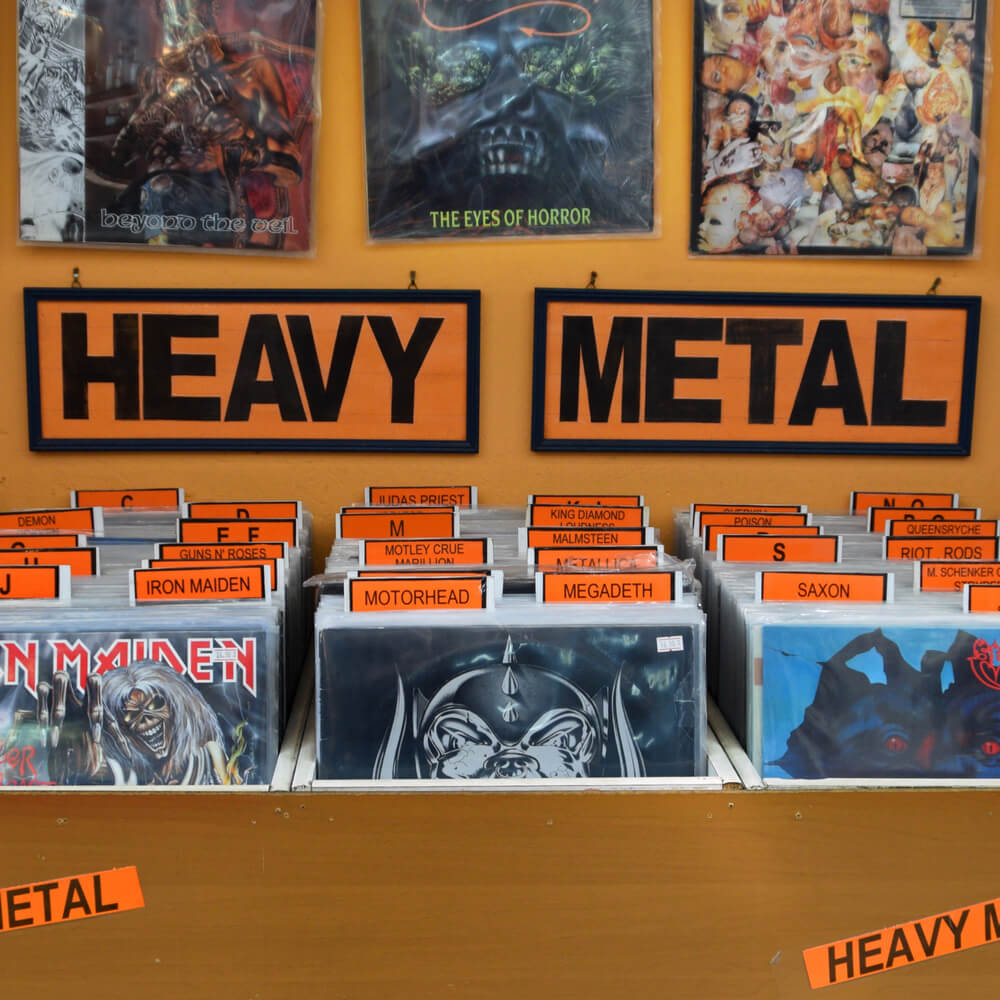
Released under a different title for export markets, sometimes due to a naming conflict with another artist or product in that country, these sleeves feature different cover text despite containing identical music to the domestic release. Collectors focused on complete regional documentation for a specific artist often prioritize these title variants highly; confirming authenticity typically requires cross-referencing the specific export market’s catalog numbering system.
Half-Speed Mastered Audiophile Sleeves
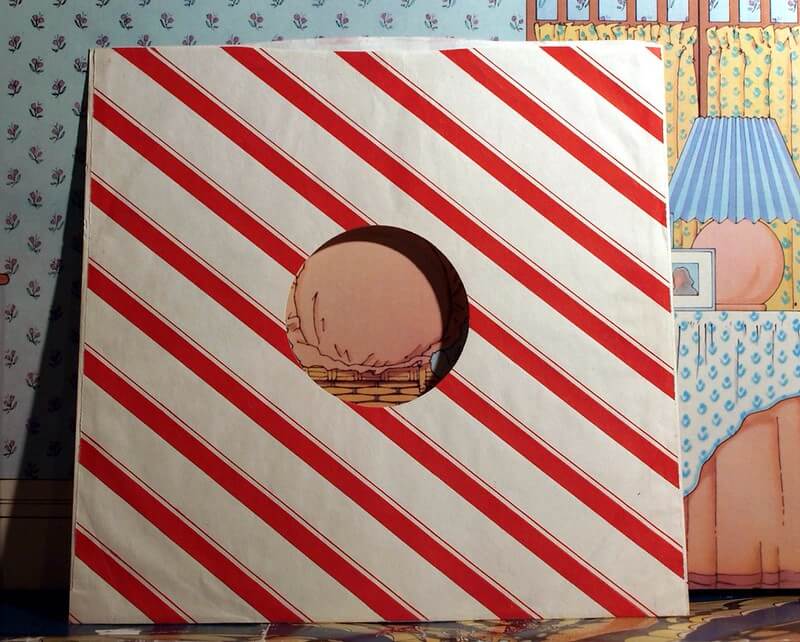
Marketed specifically toward audiophiles and typically featuring a distinct foil sticker or printed banner denoting the half-speed mastering process, these sleeves represent a specific, often limited pressing run distinct from the standard commercial release. The foil sticker itself is a wear point, and sleeves with a fully intact, unpeeled sticker are valued higher than those where it has been removed or damaged; these runs were often numbered, adding a further layer of documented scarcity.
Numbered Colored Vinyl Sleeves

Bundled with a colored vinyl pressing rather than standard black, these sleeves frequently included a printed or stamped number indicating the pressing’s place within a limited run. Collectors specifically track low numbers within a run as more desirable than higher ones, despite the music and sleeve artwork being otherwise identical; the printed number’s clarity and placement are examined closely to rule out later reproductions.
Fold-Out Poster Sleeves
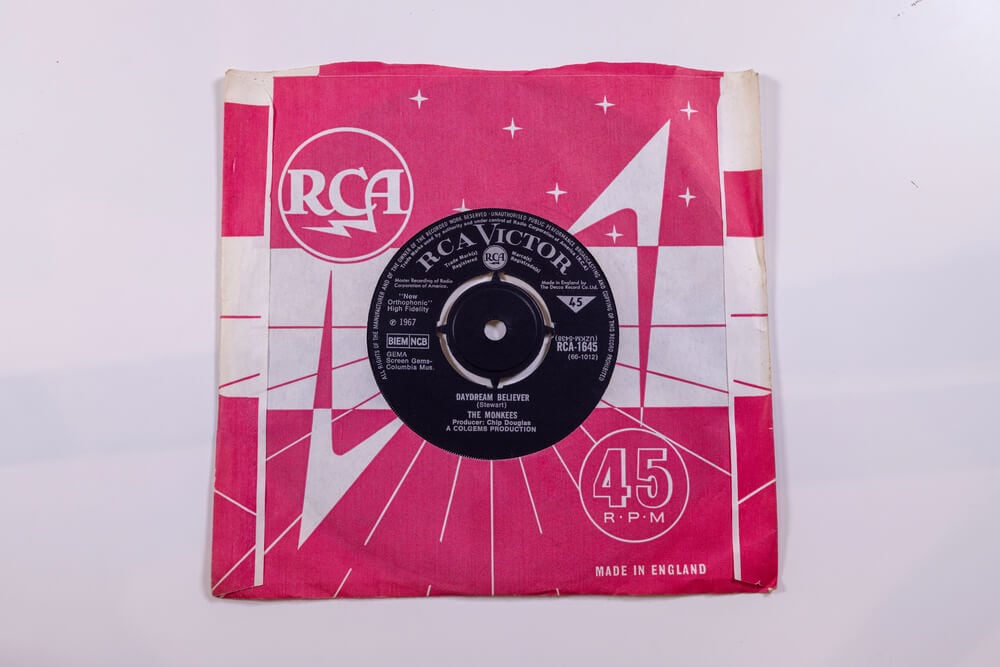
Designed to unfold into a large poster rather than opening as a standard gatefold, these sleeves required significantly more delicate handling to avoid creasing at the fold lines. Because most original owners folded and unfolded the poster repeatedly, examples with crisp, undamaged fold lines are considerably rarer than ones showing visible wear; some collectors store these sleeves flat specifically to prevent further stress on the existing folds.
Ultraviolet-Reactive Ink Sleeves
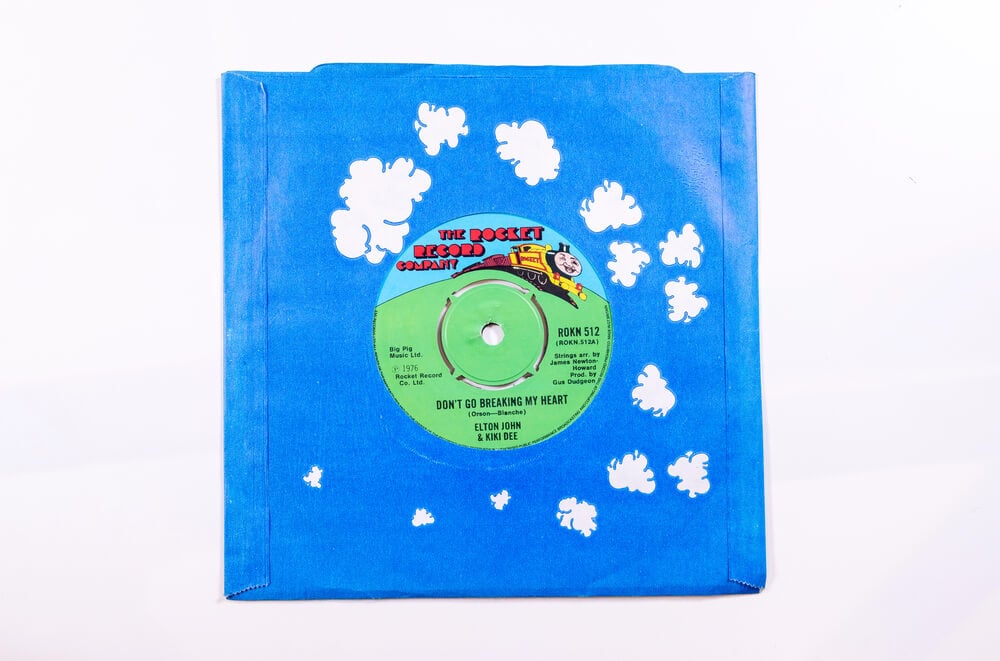
Printed with ink that reveals a hidden design or additional color only under ultraviolet light, this technique was used sparingly as a novelty feature tied to a record’s visual theme. Because the effect is invisible under normal lighting, many surviving copies were handled for decades without owners realizing the feature existed at all; collectors specifically verify this feature using a UV light source before confirming a sleeve’s authenticity.
Metallic Foil-Stamped Sleeves
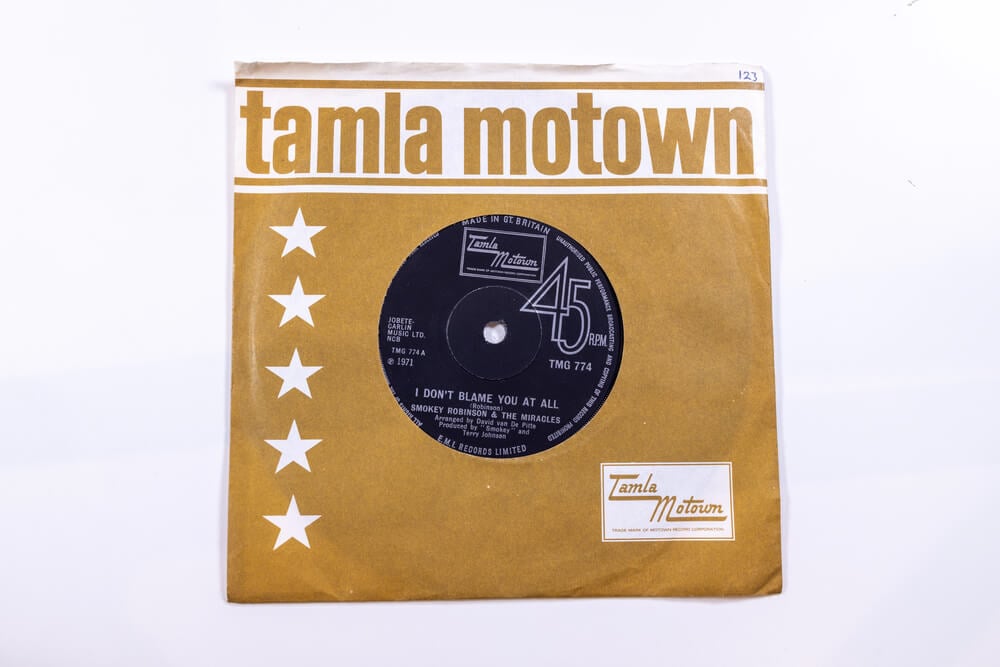
Featuring lettering or design elements stamped in gold, silver, or other metallic foil rather than standard ink, these sleeves were more expensive to produce and often reserved for a limited initial pressing. Foil stamping is prone to flaking and dulling with age and handling, making sleeves with bright, unflaked foil considerably more valuable than worn examples; the contrast between foil and standard print elements is a detail closely examined when authenticating a sleeve.
Reversed Mirror-Print Error Sleeves
A rare production error in which the cover artwork was printed as a mirror image of the intended design, reversed sleeves typically represent an extremely limited portion of a run caught quickly by quality control. Because so few examples typically escaped before correction, documented reversed-print sleeves are considered among the more significant pressing errors within the broader collecting hobby; authentication generally requires comparing the reversed print against a verified standard copy to confirm the error is genuine rather than a later alteration.
Advance White-Label Sleeves
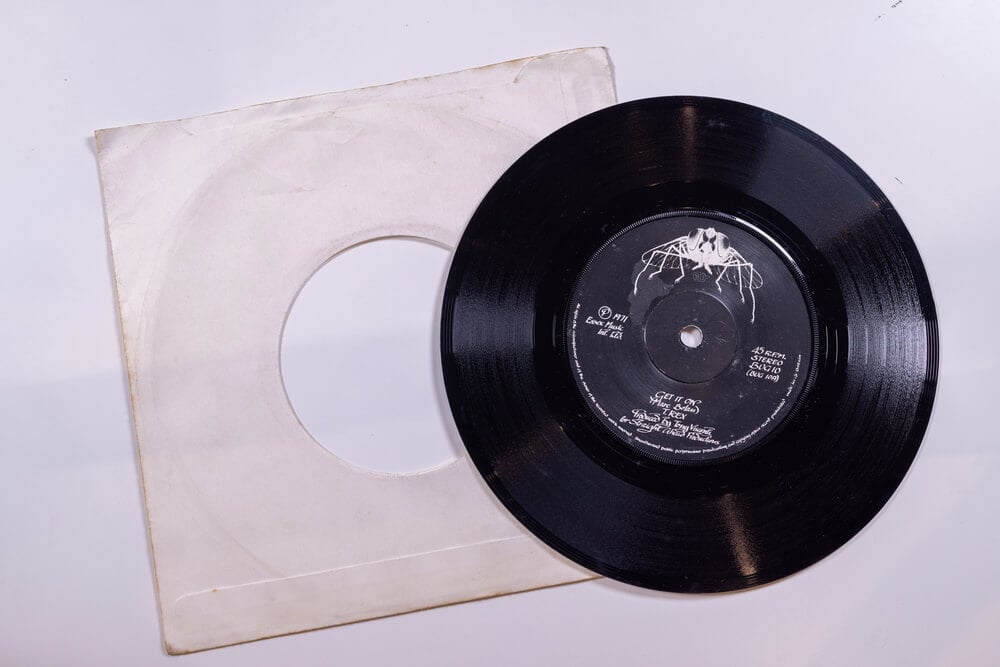
Distributed ahead of a commercial release with a plain white label sleeve rather than final artwork, advance sleeves represent an early stage of a record’s production before final packaging was approved. Handwritten or typed information on the sleeve, such as a release date or catalog number, is a key detail collectors examine when authenticating these early copies; because these sleeves were never intended for retail sale, surviving examples in strong condition are inherently limited.
Anniversary Reissue Sleeves
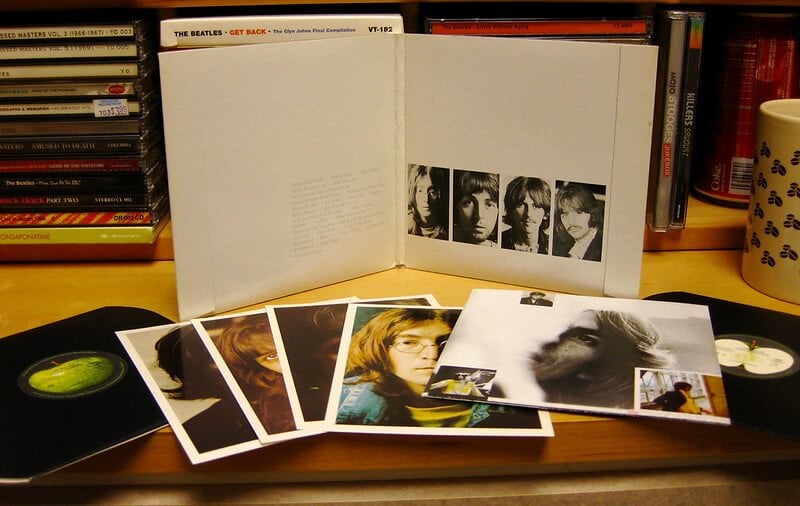
Released to mark a significant anniversary of an original album, these sleeves frequently feature alternate photography, updated liner notes, or a different layout than the original packaging, making them a distinct collectible category rather than a simple reprint. Limited anniversary runs, particularly those including a numbered certificate or additional insert, tend to hold value better than standard reissues without such extras; collectors specifically distinguish between anniversary editions still sealed in original shrink wrap and those that have been opened.
Rejected Cover Art Sleeves
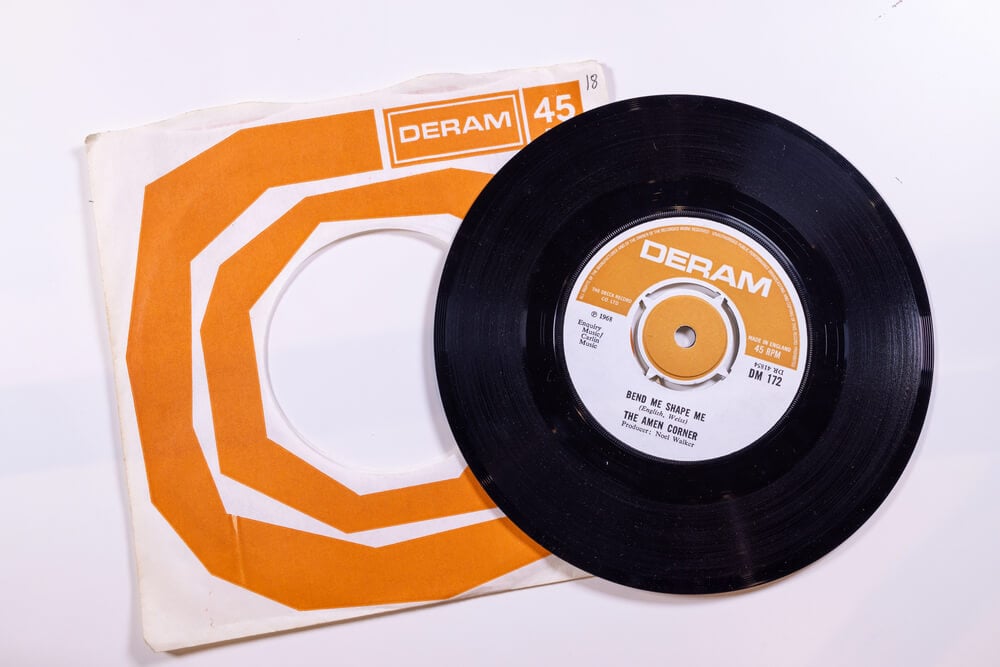
Occasionally, an alternate cover design created but ultimately rejected by a label before release later surfaces in extremely limited quantities, whether through an early promotional run or a leaked printing proof. Because these designs were never intended for wide distribution, documented examples are treated as significant rarities within a specific artist’s collecting community; provenance and documentation are especially important for this category, given the higher risk of later reproductions being misrepresented as originals.
Hand-Numbered Limited Edition Sleeves
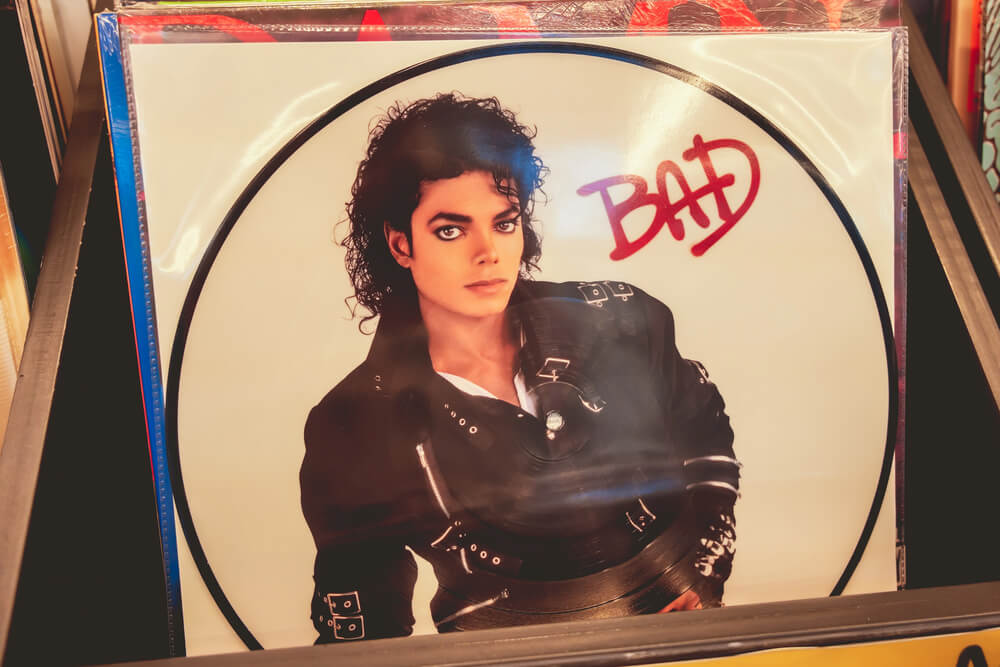
Featuring a number handwritten or stamped directly onto the sleeve indicating its place within a limited production run, these sleeves derive value from both the documented scarcity of the run and the specific number assigned. As with numbered colored vinyl, lower numbers within a run are generally considered more desirable, particularly numbers with personal significance to a specific buyer; the clarity and placement of the handwritten number are closely scrutinized to confirm it was applied during original production rather than added later.
Shrink-Wrapped Sealed Sleeves With Original Hype Stickers
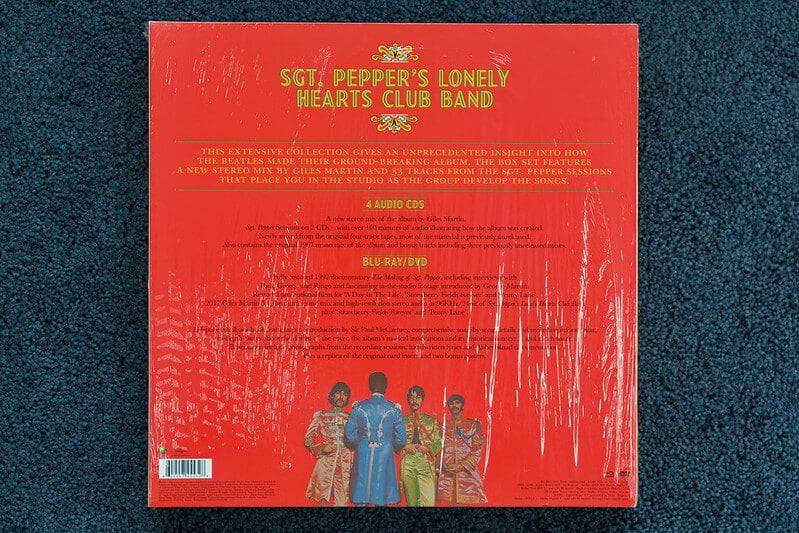
A sleeve still sealed in its original shrink wrap, complete with a promotional hype sticker listing featured tracks or chart achievements, represents a copy that has never been opened or played. The hype sticker itself, printed specifically for a limited promotional window around the original release, is often more difficult to source in good condition than the sealed record underneath; collectors specifically weigh the tension between preserving a sealed sleeve’s value and the impossibility of confirming the vinyl’s condition without opening it.
Textured Embossed Cover Sleeves
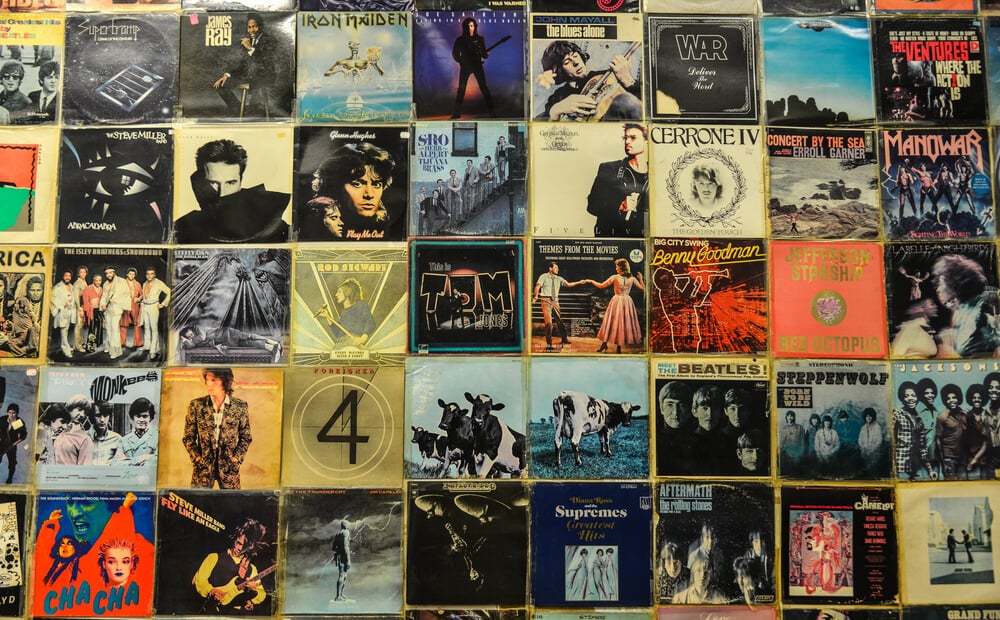
Featuring raised, embossed lettering or imagery pressed directly into thick cover stock, textured sleeves required a more involved printing process than a standard flat cover. Repeated handling gradually flattens the embossed texture, meaning sleeves that retain sharp, well-defined raised detail are valued considerably higher than worn examples; this technique was often reserved for a limited initial pressing before later runs reverted to a flat, cheaper cover.
Paper as Provenance
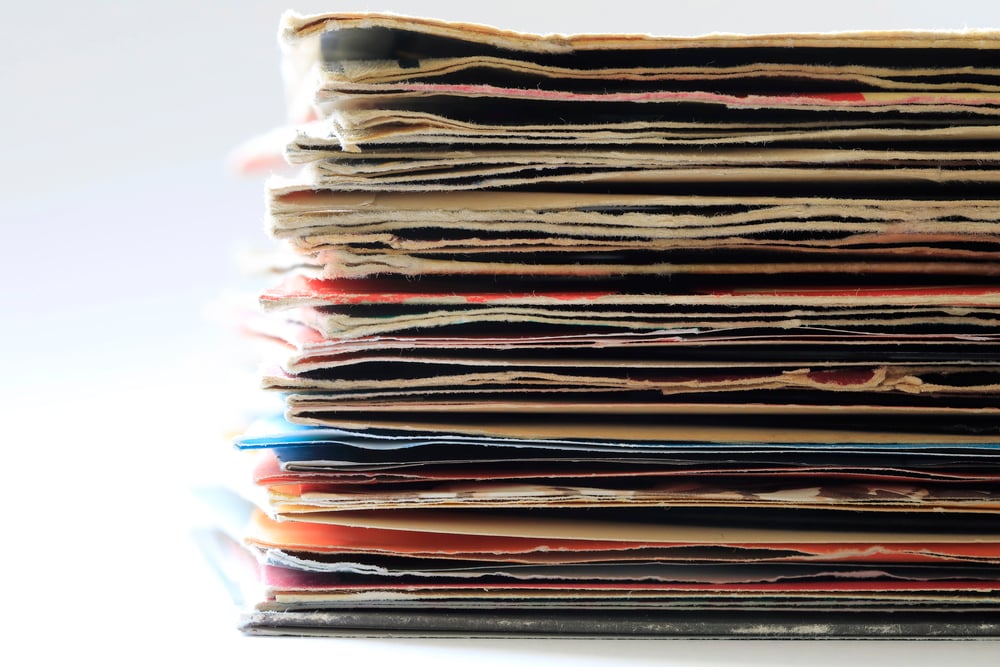
What connects every sleeve on this list is that the value has almost nothing to do with sound quality and everything to do with documentation. A misprint, a withdrawn design, or a promotional stamp is evidence of a specific, narrow moment in a production run, one that a label typically tried to correct or phase out as quickly as possible.
That is the paradox collectors have learned to appreciate. The very qualities that made a sleeve a liability to a label, a mistake, an expensive gimmick, a design too intriguing for wide release, are exactly what make it valuable decades later. The record inside may be common. The paper around it rarely is.
More from Go2Tutors!

- The Romanov Crown Jewels and Their Tragic Fate
- 13 Historical Mysteries That Science Still Can’t Solve
- Famous Hoaxes That Fooled the World for Years
- 15 Child Stars with Tragic Adult Lives
- 16 Famous Jewelry Pieces in History
Like Go2Tutors’s content? Follow us on MSN.



