Iconic Stadiums That Changed Sports History
Some buildings do more than host events. They shape how we experience sports, how athletes perform, and how entire communities come together. The right venue at the right time can push a sport forward in ways no rule change or new technology ever could.
Think about the places where records fell, where crowds changed the outcome of games just by showing up, where architects took risks that paid off for decades. These aren’t just big buildings with seats. They’re the spaces where sports grew up.
Yankee Stadium: Where Baseball Became Theater
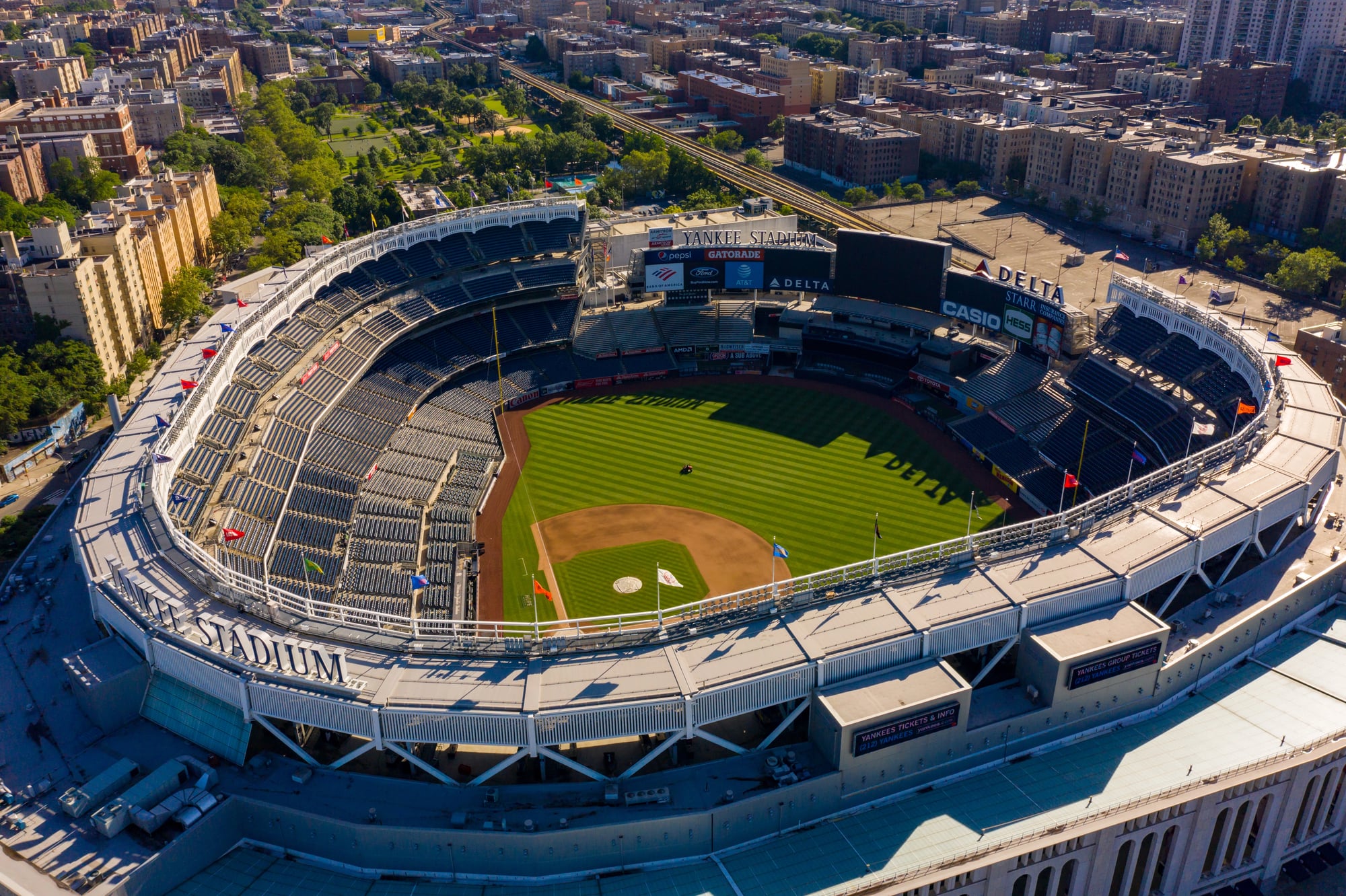
When Yankee Stadium opened in 1923, it held more people than any baseball park before it. The three-tiered design put 58,000 fans in one space, and suddenly baseball felt bigger than a neighborhood pastime.
The short right field porch changed how teams built their rosters. Left-handed power hitters became more valuable overnight. The stadium didn’t just host games—it influenced how the game was played.
Babe Ruth hit the first home run there on opening day, and that short porch helped him become the player everyone remembers.
The Colosseum: Sports as Spectacle
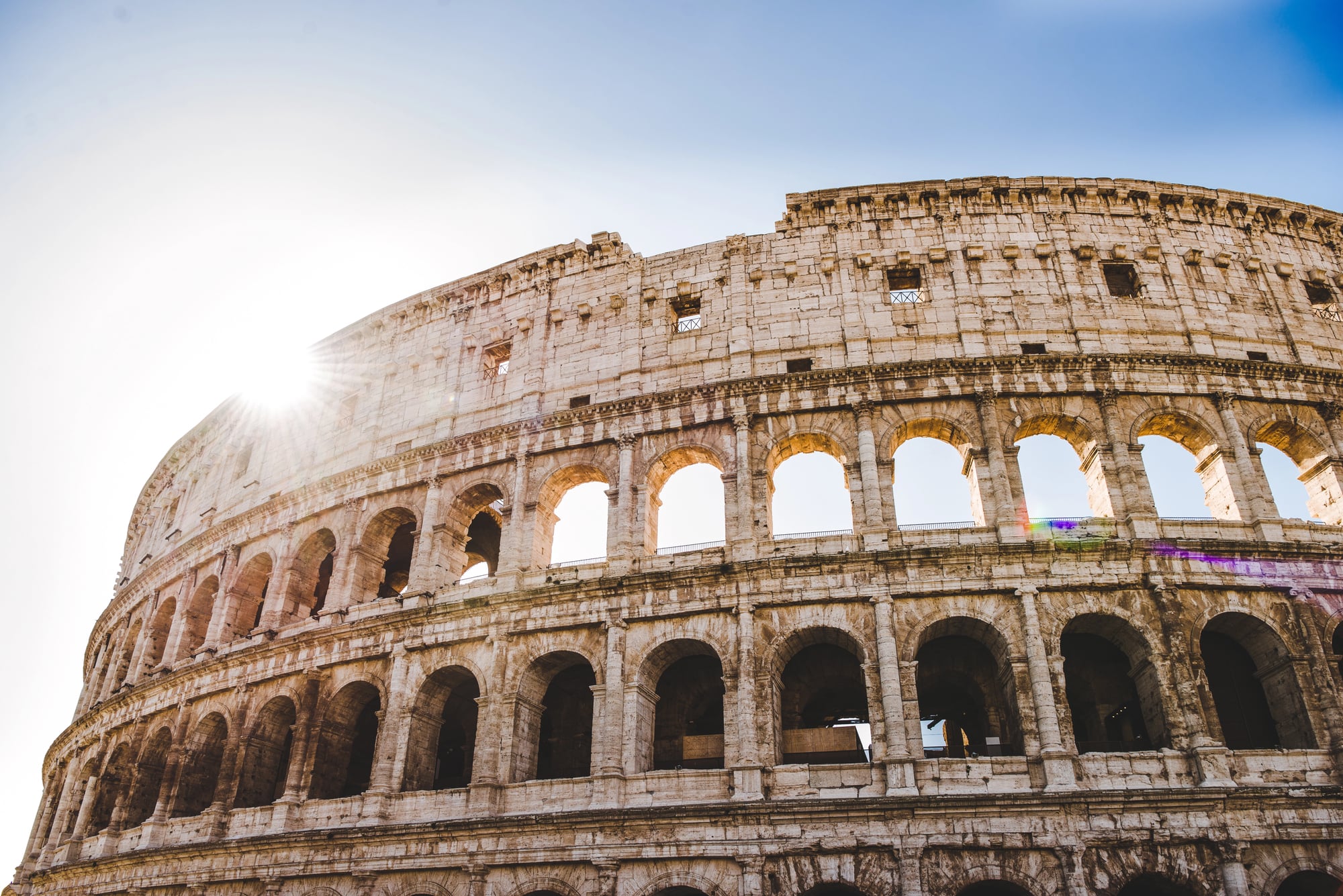
Ancient Rome figured out stadium design 2,000 years ago. The Colosseum seated 50,000 people and gave everyone a decent view.
That might not sound impressive until you realize most modern stadiums still follow the same basic shape.The Romans understood crowd management, acoustics, and how to create an experience that kept people coming back.
The underground passages, the retractable awning, the way the seats were arranged by social class—these weren’t accidents. They were deliberate design choices that later architects would study and copy.
Wembley: The Template for Modern Arenas

The original Wembley Stadium opened in 1923 for the British Empire Exhibition. Nobody planned for it to become the spiritual home of English soccer. It just happened that way because the design worked so well.
The twin towers became instantly recognizable. The capacity of 127,000 for the 1923 FA Cup Final showed what was possible when you built big.
But more than size, Wembley proved that a stadium could become part of a nation’s identity. When England won the World Cup there in 1966, the venue was as much a character in the story as any player.
The Astrodome: When Weather Stopped Mattering

Houston’s Astrodome opened in 1965 as the first fully enclosed, air-conditioned stadium. People called it the Eighth Wonder of the World, and for once the hype made sense.
You could play baseball in July without worrying about rain delays or heat exhaustion.The domed design created problems nobody anticipated.
Natural grass died under the roof, which led to the invention of AstroTurf. That artificial surface changed how athletes played and how their bodies held up over a season.
Not all the changes were positive, but the Astrodome proved that indoor sports could work on a massive scale.
Camp Nou: When Bigger Actually Meant Better
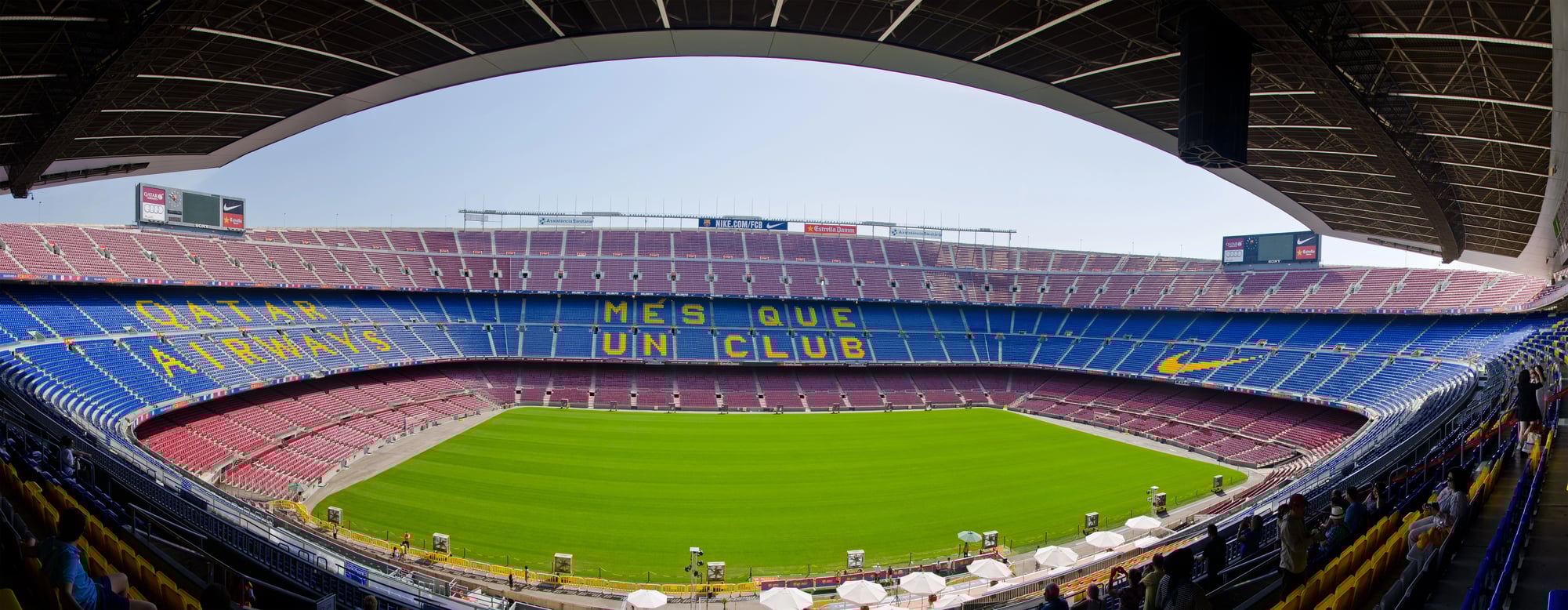
Barcelona’s Camp Nou opened in 1957 with a capacity of 93,000. Today it holds nearly 100,000 fans. The size isn’t just about bragging rights. The atmosphere during big matches creates an advantage that players and coaches openly acknowledge.
The steep stands put fans on top of the action. The noise funnels down onto the field in a way that flat stadiums can’t match.
Camp Nou showed that if you’re going to build big, you need to think about acoustics and atmosphere, not just seat count.
Wimbledon Centre Court: Tradition as Innovation
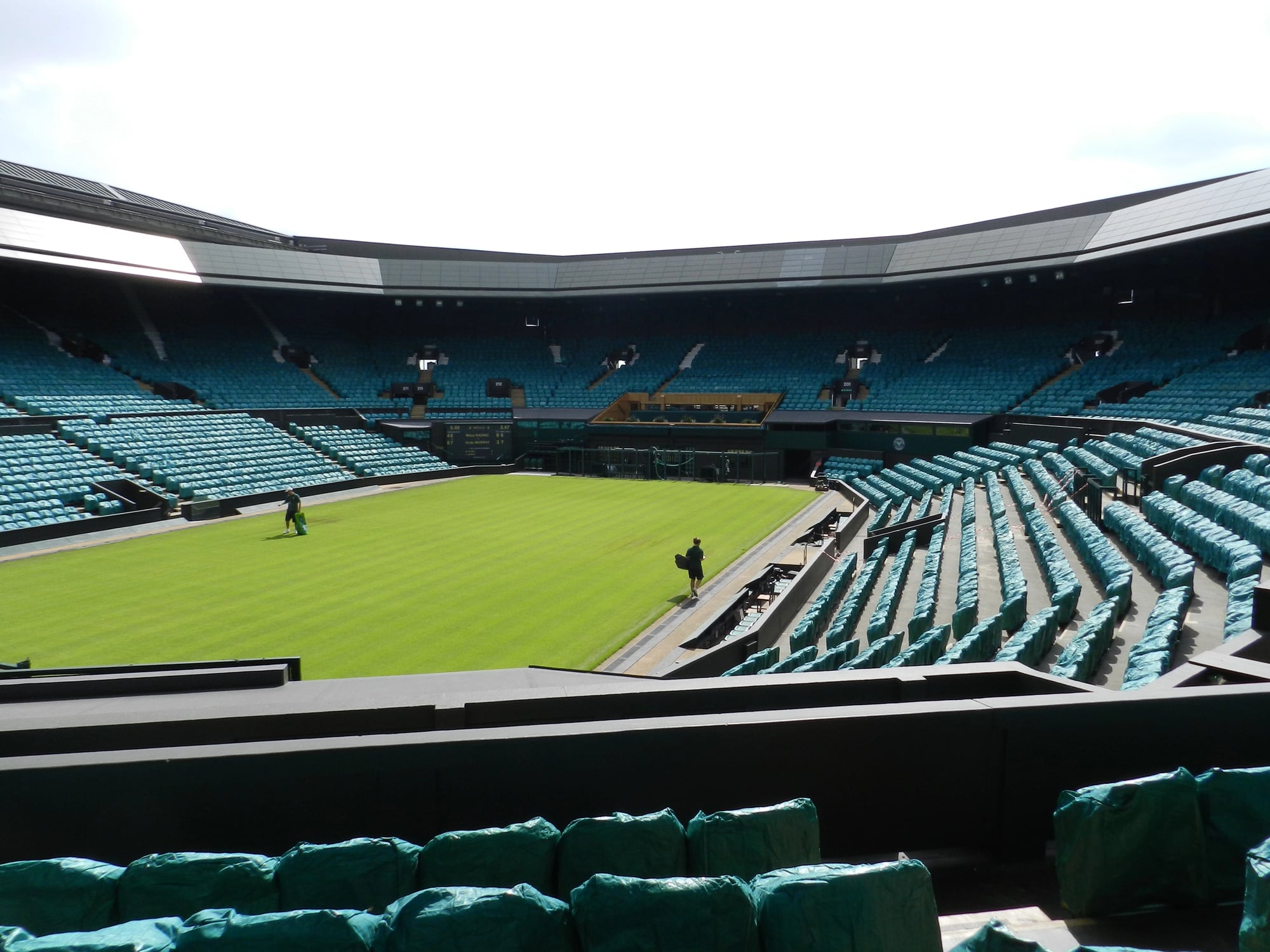
Centre Court at Wimbledon opened in 1922, and for decades it stayed mostly the same. Then in 2009, they added a retractable roof.
That single change preserved tradition while solving the tournament’s biggest problem—English weather.The roof closes in under 10 minutes. Play continues in natural light.
Rain delays no longer control the schedule. Wimbledon proved you could modernize a historic venue without losing what made it special.
The careful approach showed that innovation doesn’t always mean starting from scratch.
Los Angeles Memorial Coliseum: Olympics as Catalyst

The Coliseum hosted the Olympics in 1932 and again in 1984. Between those games, it became the home for multiple teams and hosted everything from political rallies to religious gatherings. The Olympics pushed stadium design forward twice in the same building.
For the 1984 Games, organizers proved you could host the Olympics without building a dozen new venues. They renovated what existed and used temporary facilities for the rest.
That practical approach changed how cities bid for the Games. Not every Olympic venue needs to be permanent.
Melbourne Cricket Ground: The Scale of Devotion
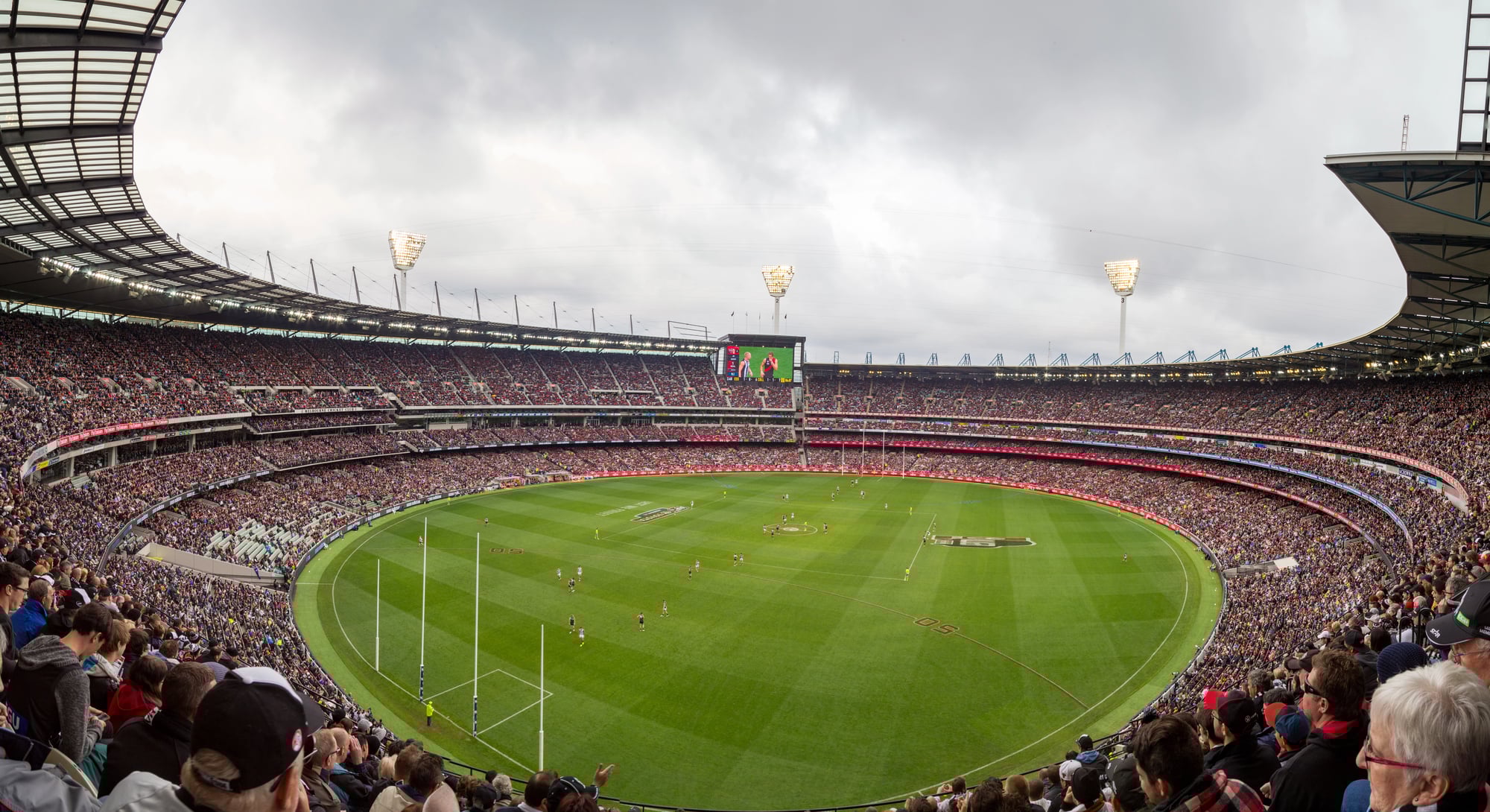
The MCG holds over 100,000 people for cricket and Australian rules football. It’s been the center of Melbourne’s sports culture since 1853.
The building grew with the city, expanding and improving through the decades without losing its character.The ground proved that sports venues could remain relevant for more than a century if you maintain them properly.
The light towers added in 1985 enabled night games, which opened up new time slots and reached new audiences. Smart upgrades kept the MCG from becoming a museum.
Bird’s Nest: Architecture as Statement

Beijing’s National Stadium for the 2008 Olympics looked like nothing that came before it. The steel lattice structure created a building that worked as both stadium and sculpture.
The design took risks that most Olympic committees would have rejected.The Bird’s Nest showed that stadium architecture could be art.
Not every city needs or wants that approach, but Beijing proved it was possible. The building put modern Chinese design on a global stage and challenged other cities to think harder about what their venues could represent.
AT&T Stadium: Entertainment Complex as Venue

When J. Jones built AT&T Stadium in Arlington, Texas, he didn’t just make a bigger football stadium. He created a space where 100,000 people could watch a game on video screens the size of buildings while sitting in climate-controlled comfort.
The retractable roof, the massive HD video board, the standing room areas—these weren’t standard features in 2009. Now they’re expected in new stadiums. AT&T Stadium proved that fans would pay for experiences that went beyond watching the game itself.
Maracanã: When a Stadium Defines a Nation
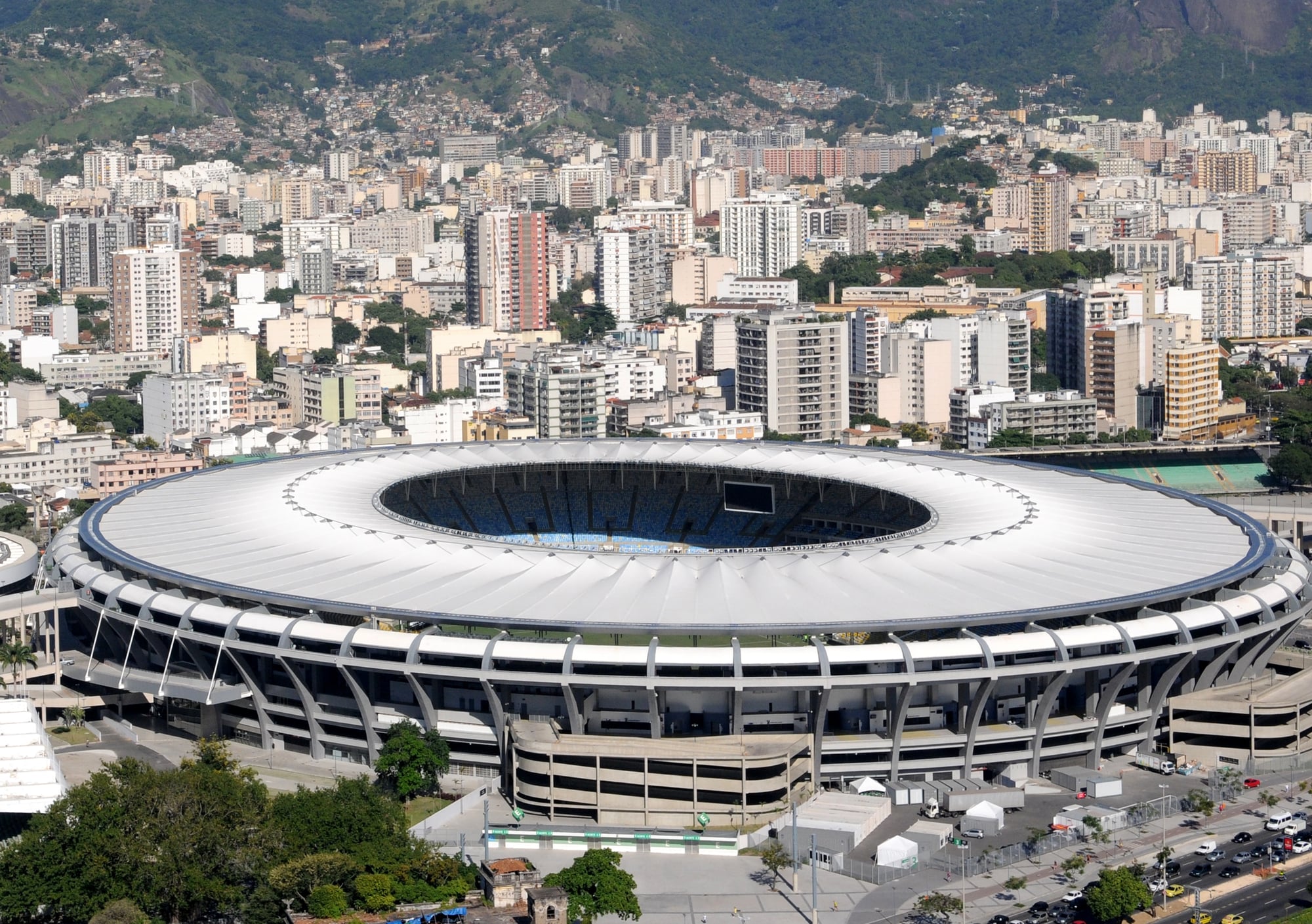
Brazil’s Maracanã opened in 1950 for the World Cup. On July 16 of that year, nearly 200,000 people packed the stadium to watch Brazil lose to Uruguay in the final. That loss became part of Brazilian identity, and the Maracanã became the place where the country processes its relationship with soccer.
The stadium hosted two World Cup finals—in 1950 and 2014. It saw Pelé’s 1,000th career goal. The Olympics came in 2016.
Through all the renovations and changes, the Maracanã remained the symbol of Brazilian soccer culture. Some venues earn their importance.
Others have it thrust upon them by a single devastating moment.
Fenway Park: When Old Becomes Advantage

Fenway began play back in 1912, which gives it the title of oldest stadium across Major League Baseball. Over on the left-field side sits the Green Monster, along with a manually updated scoreboard and strange corners that seem out of place.
None of these elements came from careful planning. Instead, tight city blocks shaped how the park turned out.Fenway’s quirks slowly shaped its character. Because of how it’s built, squads adapt their game just by playing here.
Rivals often trip up dealing with the odd layout. Old stadiums can survive without wrecking orbs if they still serve a purpose. Flaws, now and then, give charm where none seemed possible.
Design And Memory

Fans breathe life into every match, while players deliver what becomes legend. Still, it is the ground beneath them that sometimes lifts everything higher. A stage matters when timing aligns.
Lifeless arenas stay silent in memory; the right one hums long after lights fade.Starting right matters more than looking good later.
Spaces built with clear intent pull folks in without trying. Because of them, moments stick around longer than walls do. What lacks meaning tends to fade faster than paint.
More from Go2Tutors!

- The Romanov Crown Jewels and Their Tragic Fate
- 13 Historical Mysteries That Science Still Can’t Solve
- Famous Hoaxes That Fooled the World for Years
- 15 Child Stars with Tragic Adult Lives
- 16 Famous Jewelry Pieces in History
Like Go2Tutors’s content? Follow us on MSN.



