25 Products Banned by Governments Long Before the Public Heard Why
Governments have banned thousands of products over the decades, often after years of public use exposed their dangers. The lag between scientific discovery of harm and government restriction reveals how profit, regulatory capture, and public ignorance protect dangerous products far longer than safety would demand.
Many items sold openly today in one country remain banned in another, evidence that regulations follow politics more than science. These products were once considered safe, normal, even beneficial.
Families purchased them without hesitation. Workers handled them daily.
Children played with toys containing them. Then scientists published evidence of toxicity, carcinogenicity, or neurological damage.
And governments—if they acted at all—took years to restrict what they had permitted for decades. The lag between harm and action tells the story of whose interests matter in regulatory decisions.
Lead-Based Paint in Residential Homes

For decades, lead paint offered vivid colors and durability that made it irresistible to manufacturers despite growing evidence of neurological damage in children. Scientists understood lead’s toxicity since the 1800s, yet the U.S. permitted its use in residential paint until 1978.
By then, millions of children had already suffered cognitive damage and behavioral disorders from lead dust. The paint industry fought restrictions aggressively, and regulatory agencies moved slowly despite accumulating evidence.
Today, over 500,000 American children still carry elevated lead levels in their blood from older homes, a public health crisis that began with a banned product most people remember using without concern.
Mercury in Thermometers
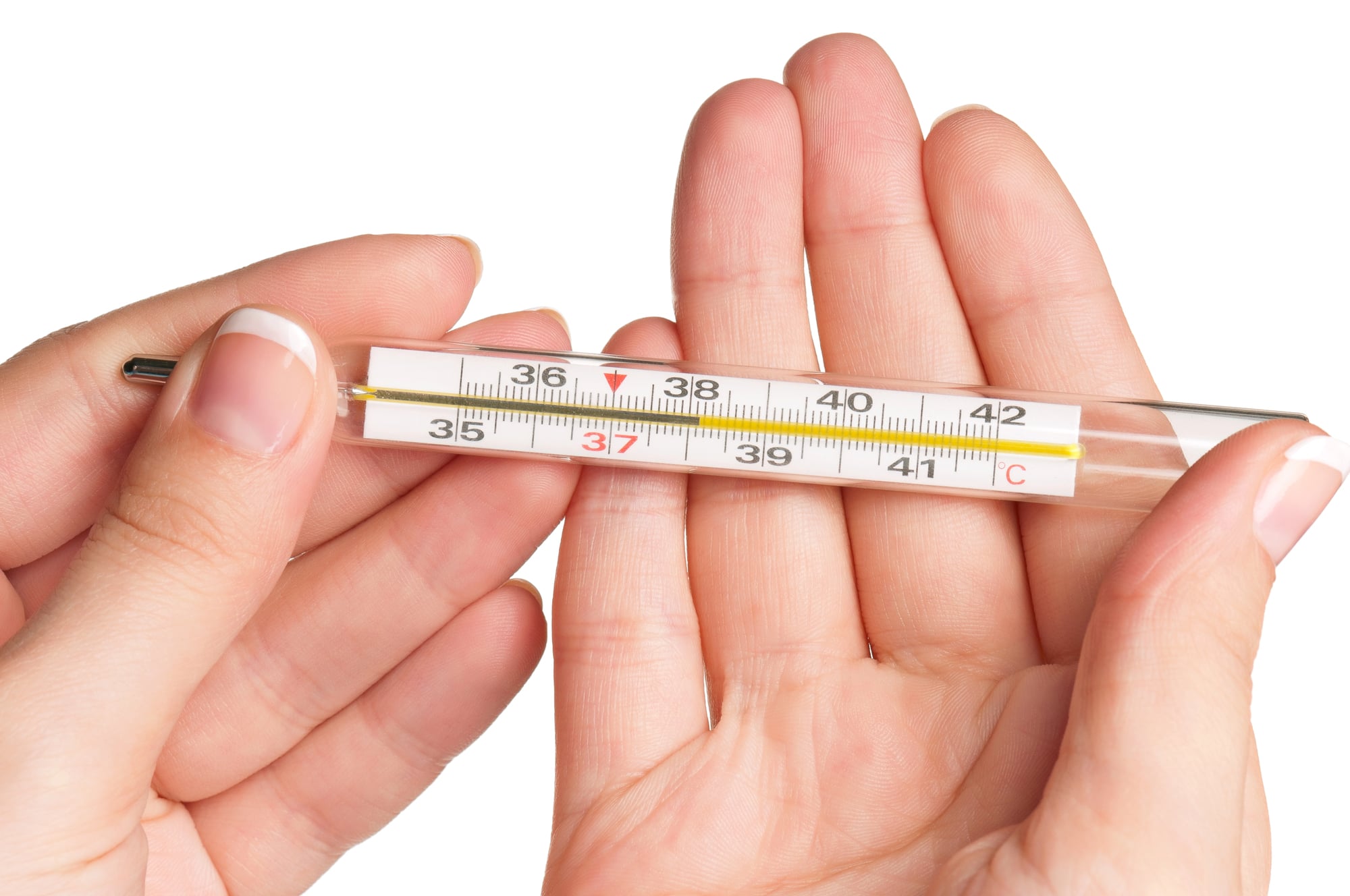
Mercury thermometers were ubiquitous in every medicine cabinet, a trusted tool for measuring fever that presented no apparent danger until a thermometer broke and revealed a deadly neurotoxin spilling across the floor. Mercury’s neurological effects were well documented, yet thermometers remained standard medical equipment well into the 2000s.
Many states banned them before the federal government acted, and mercury thermometers persisted in hospitals and schools even after alternatives became widely available. The technology to replace them existed for decades before regulation forced manufacturers and institutions to switch.
Mrs. Winslow’s Soothing Syrup and Narcotic Teething Powders
Parents desperate to calm teething infants relied on products like Mrs. Winslow’s Soothing Syrup, which contained morphine, and countless teething powders spiked with mercury and other narcotics. The products worked—morphine does soothe pain—but it also created addiction and poisoned children.
Deaths from these products were documented throughout the 1800s, yet most states did not ban them until the 1930s. For generations, American parents gave their babies potent narcotics without knowing it, trusting brands that had earned their place in medicine cabinets through advertising and convention rather than safety.
Asbestos in Building Materials

Asbestos’s fireproofing properties made it invaluable for construction, insulation, and countless other applications. Manufacturers knew by the early 1900s that asbestos exposure caused lung disease, yet the industry suppressed evidence and the government permitted widespread use.
Building codes mandated asbestos-containing materials, and workers applied it without protective equipment for decades. Meaningful restrictions didn’t arrive until the 1970s, after millions had been exposed.
Today, asbestos remains legal in the United States in many applications, a banned substance that wasn’t fully banned.
Phthalates in Children’s Toys and Plastic Products
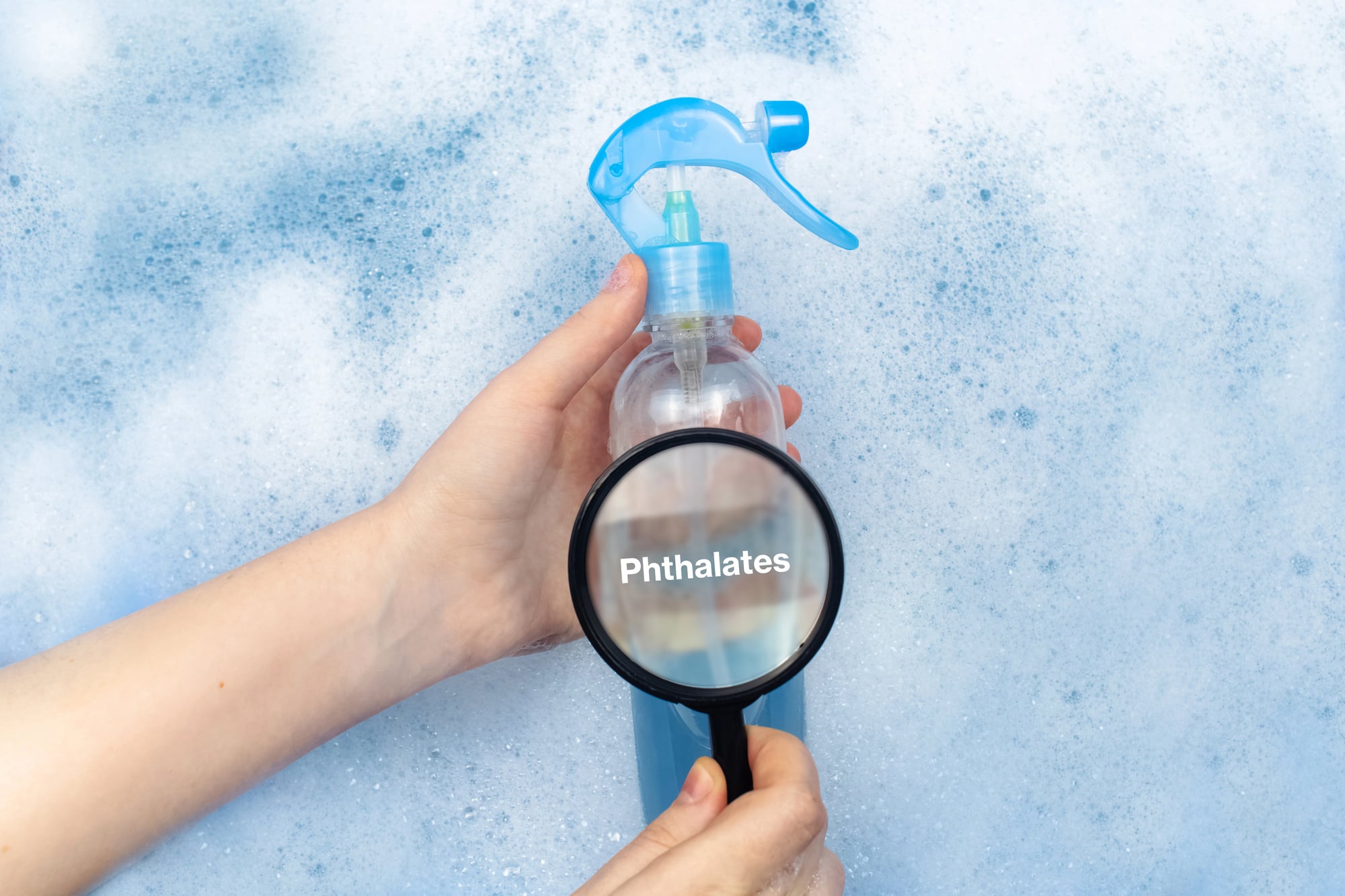
Soft plastic toys that generations of children chewed on and carried in their mouths contained phthalates, chemicals added to make plastic flexible and attractive. These compounds disrupt endocrine systems and mimic hormones.
Europe banned them from children’s products in the 1990s, yet the U.S. permitted their use for nearly a decade longer despite mounting evidence of harm. Millions of American children were exposed to hormone-disrupting chemicals in toys marketed as safe, with government permission and manufacturer indifference.
Lead in Toy Paint and Decorative Finishes

Even after lead paint was restricted in residential homes, manufacturers imported toys painted with lead-based coatings from countries without equivalent restrictions. Children mouthed these toys, ingesting lead dust that damaged developing brains.
A 2008 law finally capped lead content in children’s products, yet the exposure had already occurred in millions of children. Toys from major manufacturers were discovered to contain dangerous lead levels years into known restrictions, suggesting either deliberate defiance or negligent quality control tolerated by regulators.
Para-Aminobenzoic Acid in Sunscreen
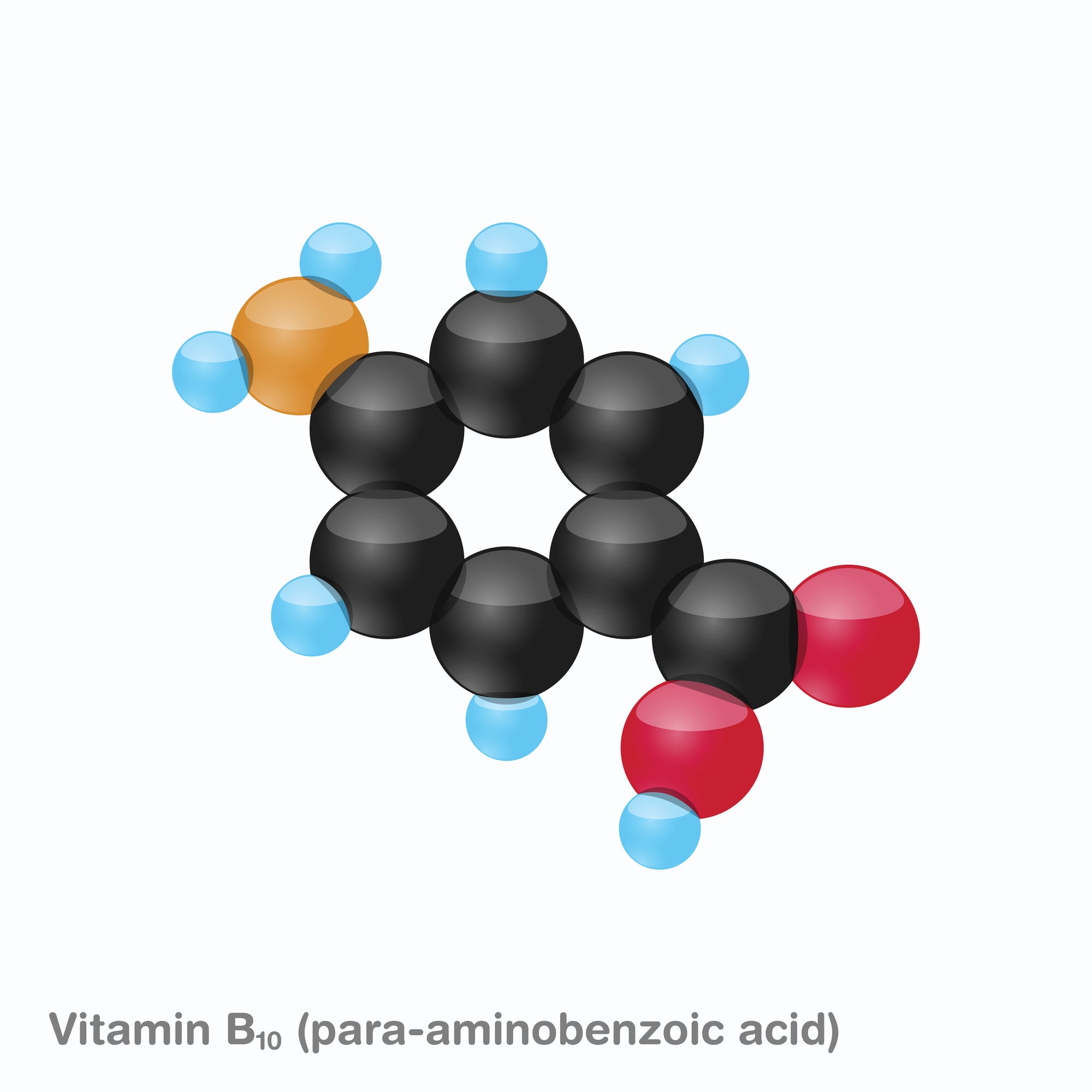
PABA, the ultraviolet-blocking ingredient in most sunscreens through the 1980s and beyond, offered protection from sunburn without initially revealing its allergenic potential and photosensitivity risks. The chemical remained in widespread use despite growing evidence of adverse reactions, gradually phased out only as alternative UV filters became available.
The slow transition left generations relying on sunscreen that sometimes caused the very photosensitivity reactions users hoped to prevent.
Teflon and PTFE in Non-Stick Cookware

Polytetrafluoroethylene, marketed as Teflon, revolutionized cookware by making pans non-stick and convenient. Yet Teflon releases toxic fumes when overheated, fumes that cause polymer fume fever and potential long-term respiratory damage.
Manufacturers knew this property for decades before warning labels appeared. Consumers continued overheating their cookware without knowing it was releasing neurotoxins into their kitchens, convinced by advertising that a banned substance—or rather, a never-properly-regulated substance—was a sign of modern convenience.
Coal-Tar Based Dyes in Cosmetics

Coal-tar dyes, popular throughout the 20th century for creating vibrant colors in cosmetics, were later found to cause cancer. The FDA permitted their sale as long as warning labels were included, creating a legal fiction of informed choice where women applied carcinogenic dyes to their faces and lips daily.
The specific dyes were banned or heavily restricted in many countries while remaining available elsewhere, suggesting that regulation followed politics and lobbying rather than toxicology.
Radium Products for Health and Beauty
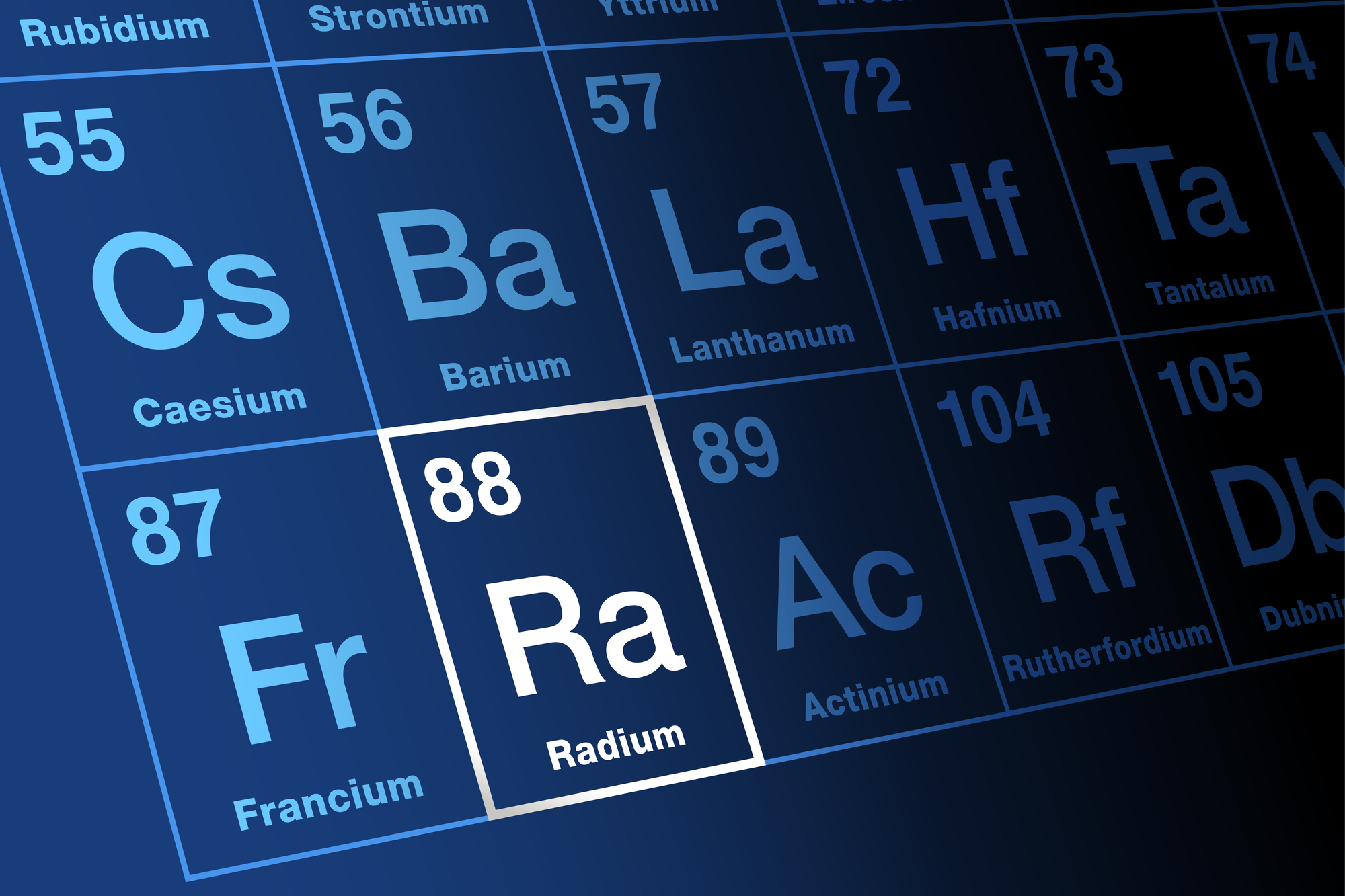
In the early 20th century, manufacturers capitalized on radiation’s mysterious appeal by adding radium to cosmetics, health tonics, and beauty products. Radium supposedly offered renewed vigor and youthful appearance, never mind its carcinogenicity.
Women applied radium-laced face cream and bathed in radium-enriched water, believing they were investing in their health. It took decades for regulators to recognize that radiation exposure was not therapeutic but deadly, by which time countless people had suffered radiation sickness and cancer.
DDT Pesticide in Household Products
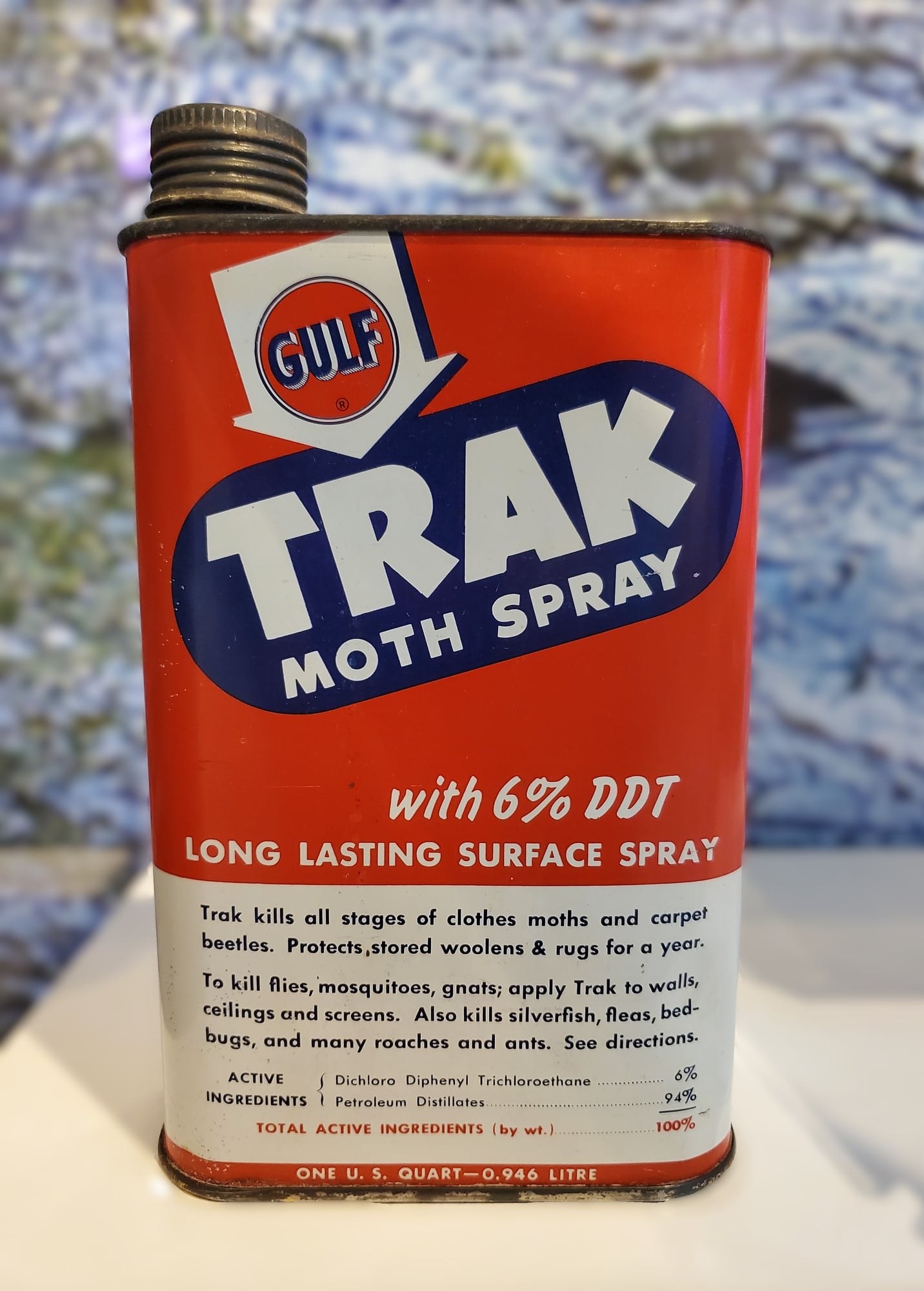
DDT’s effectiveness against mosquitoes and agricultural pests made it a pesticide industry flagship, used not just in farming but in household sprays and children’s playgrounds. The chemical persisted in the environment and accumulated in human tissues, eventually linked to cancer and reproductive harm.
Despite scientific warnings in the 1960s, the U.S. did not ban DDT until 1972. For over a decade after the evidence became clear, regulatory indifference allowed continued exposure across America.
Many developing nations continued using DDT long after developed countries restricted it, suggesting that the timing of bans depended on political power rather than toxicology.
Diethylene Glycol in Medications
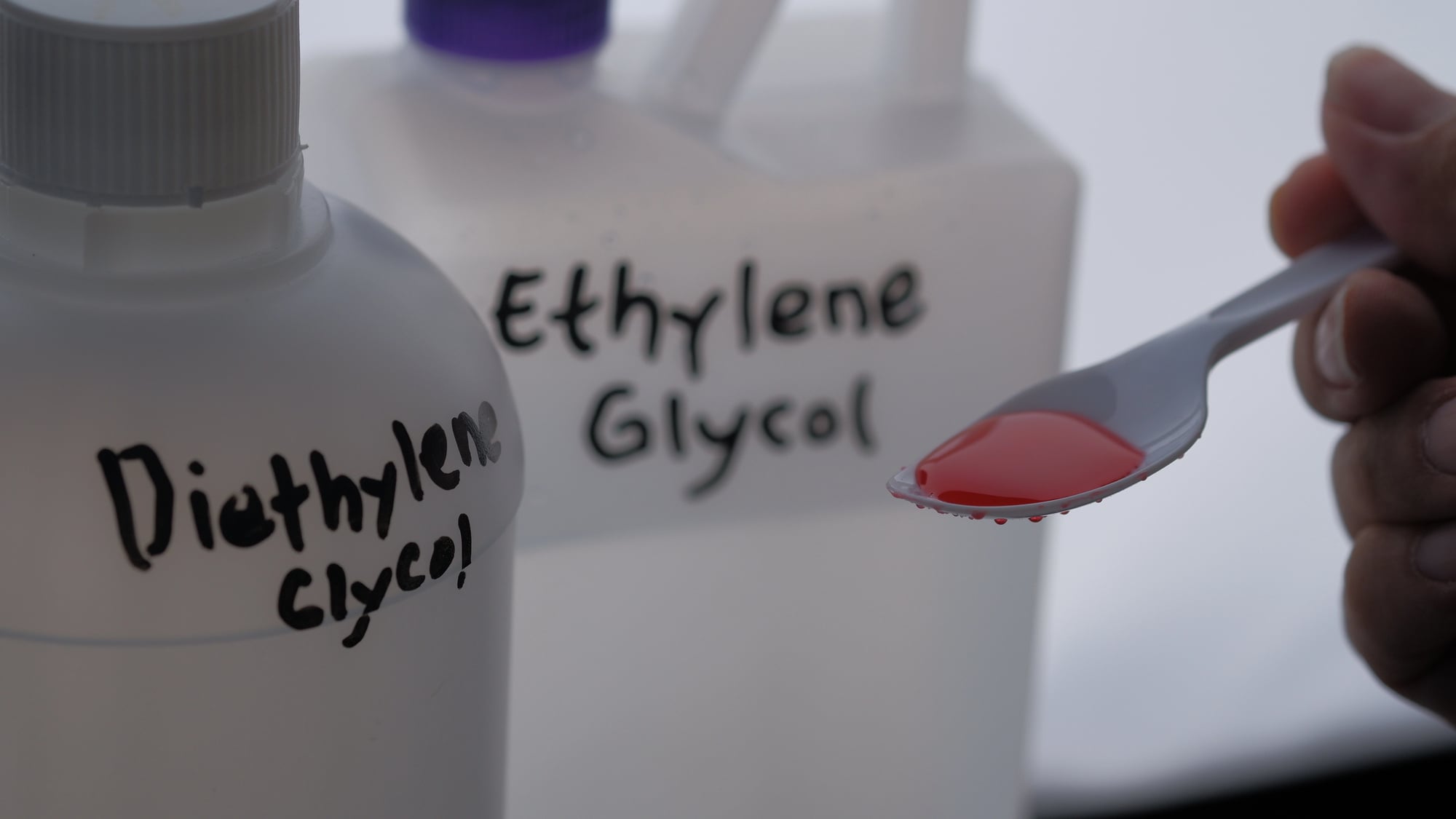
Diethylene glycol, a toxic industrial solvent, was sometimes used as a liquid base in medications because it was inexpensive and mixed easily with active ingredients. Doctors prescribed elixirs containing this poison as freely as any other tonic, unaware of the ingredient or its effects.
When poisoning deaths eventually traced back to the solvent, the FDA responded with regulations that seemed shockingly slow given the lethality of the compound.
BPA in Plastic Baby Bottles

Bisphenol A leached from polycarbonate plastic baby bottles into infant formula, exposing developing babies to an endocrine disruptor during their most sensitive developmental period. Scientists identified the problem and evidence of harm accumulated, yet manufacturers and regulators moved slowly.
Major retailers didn’t voluntarily remove BPA bottles until public pressure became unbearable in the 2000s, decades after the chemical’s dangers were known. Millions of babies had been exposed before government or industry took action.
Formaldehyde in Building Materials and Furniture
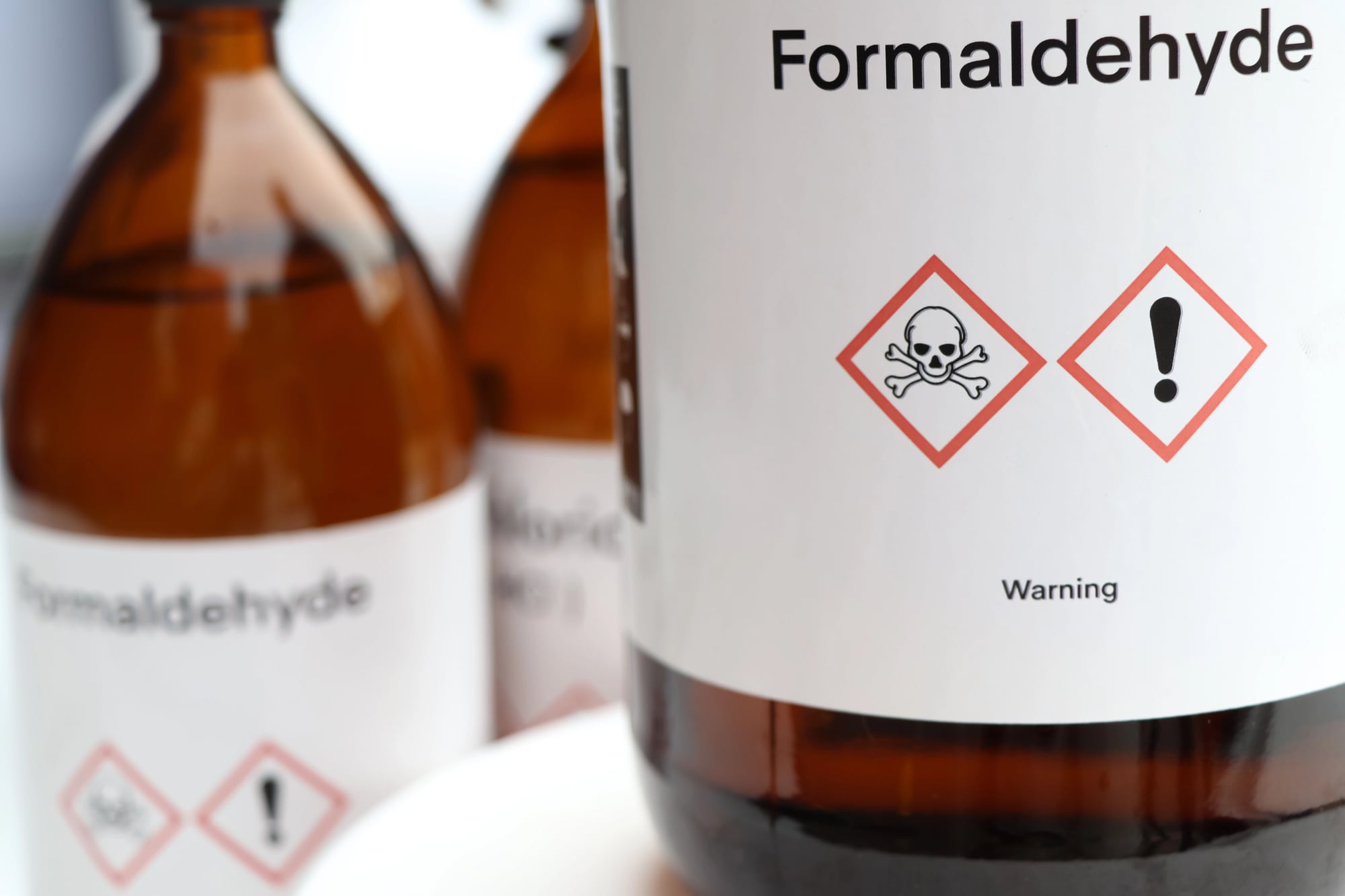
Formaldehyde, used in insulation, plywood, and particle board to improve fire resistance and durability, released toxic vapors into homes for years. The cancer risk and respiratory effects were documented long before regulations arrived.
Homes built with formaldehyde-containing materials exposed families to a carcinogen for decades, with “off-gassing” a problem that manufacturers denied or minimized until regulatory scrutiny became unavoidable.
Benzene in Gasoline and Industrial Solvents

Benzene’s proven carcinogenicity and damage to bone marrow did not stop its widespread use in gasoline and industrial applications for years after the science was clear. Workers and consumers were exposed to a known leukemia risk through inadequate ventilation and poor protective equipment.
Regulations eventually restricted benzene use, yet not before establishing a pattern of acceptable harm to workers and the environment.
Hexane in Shoe Adhesives and Industrial Glues
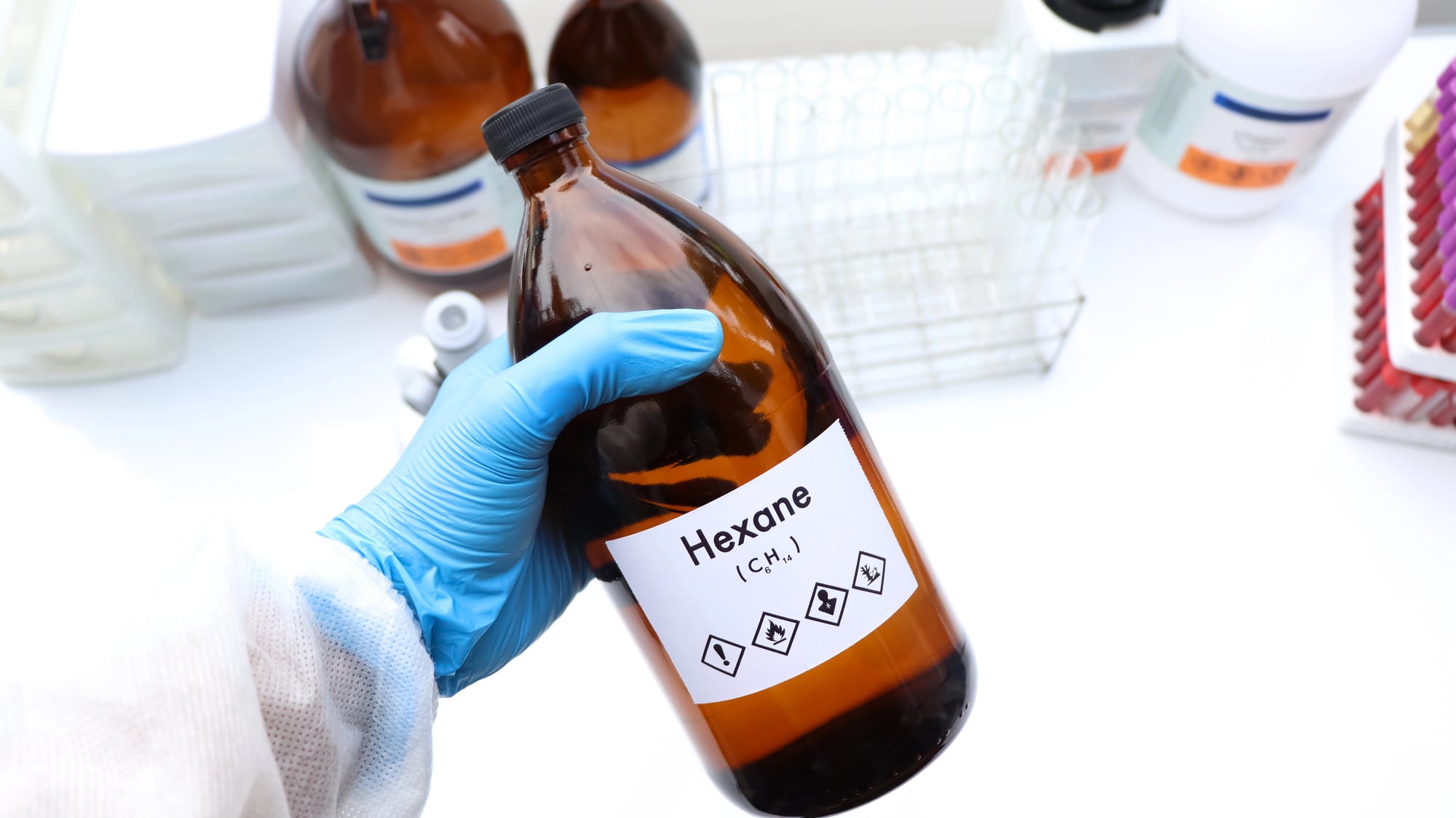
n-Hexane, widely used in shoe manufacturing to dissolve and apply adhesives, caused severe neurological damage in workers exposed to its fumes. The chemical’s neurotoxicity was documented, yet factories continued using it without proper ventilation because it was cheap and effective.
Regulatory action came slowly, long after workers had suffered permanent nerve damage.
Vinyl Chloride in PVC Plastics

Vinyl chloride, used to manufacture PVC plastic, caused angiosarcoma (a rare liver cancer) in workers exposed to high concentrations. The connection between the chemical and cancer was documented, yet regulations lagged dangerously behind the evidence.
Factory workers continued inhaling carcinogenic fumes while waiting for government protection that took years to implement.
Polybrominated Diphenyl Ethers (PBDEs) in Flame Retardants
PBDEs were added to furniture, carpet, and bedding to improve fire resistance, and these chemicals accumulated in human tissue and breast milk. Their endocrine-disrupting effects and persistence in the environment were documented before meaningful restrictions arrived.
Consumers purchased furniture laden with flame retardants, believing they were protecting their families while actually increasing exposure to toxins that would persist in their bodies for years.
Atrazine in Agricultural Herbicides

This widely used herbicide was found to cause reproductive harm and endocrine disruption, effects documented well before regulatory agencies limited its use. Atrazine washed into groundwater and drinking supplies, exposing communities to an herbicide known to cause developmental problems, yet restrictions came slowly and incompletely.
Agricultural lobbying proved more persuasive than toxicology in determining when and how severely use could be restricted.
Acrylamide in Non-Stick Cookware Coating

Acrylamide, used in non-stick cookware coatings, was a probable human carcinogen well-documented in scientific literature before regulations appeared. Consumers continued buying convenient non-stick cookware, unaware that the very property making it convenient involved exposure to a cancer-causing chemical.
Trans Fats in Processed Foods
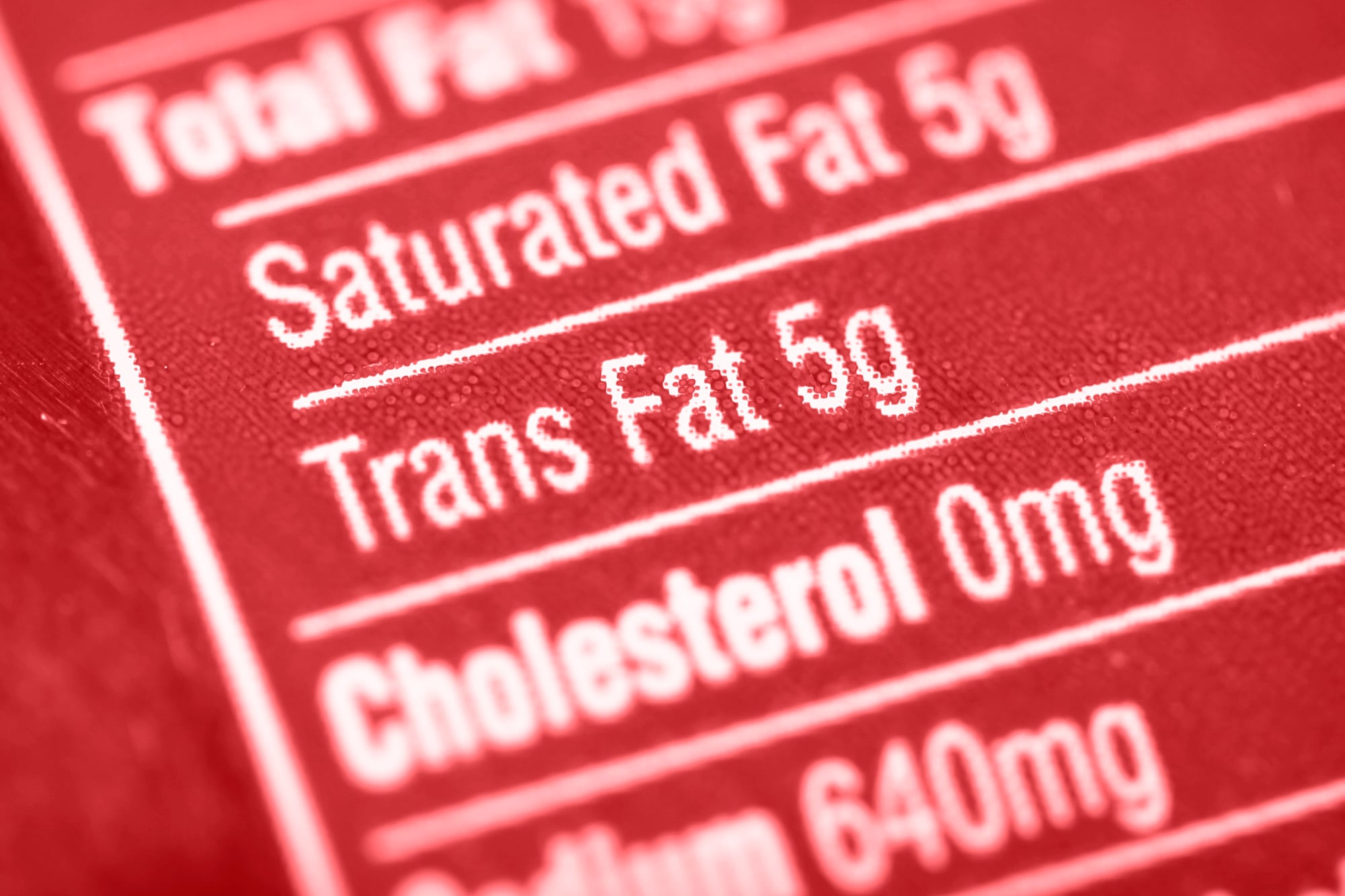
Partially hydrogenated oils created trans fats that increased heart disease risk, a danger documented for decades before government restrictions appeared. Food manufacturers had cheaper alternatives available yet continued using trans fats because regulations moved slowly.
Millions consumed trans fats throughout their lives, increasing their heart disease risk, while regulatory agencies permitted a known dangerous ingredient long after the science was settled.
Hexavalent Chromium in Industrial Applications
Hexavalent chromium causes lung cancer and other serious health effects, a fact known to occupational health experts for decades. Yet the chemical remained in widespread industrial use without adequate protective equipment or environmental controls.
Workers breathed carcinogenic dust while waiting for regulatory agencies to act.
Flame-Retardant Chemicals in Children’s Sleepwear

Chemicals added to children’s pajamas to meet flammability standards caused skin irritation and potential systemic effects. Manufacturers added these substances not because they were proven safe but because regulations required fire resistance without specifying the method.
Parents burned these chemicals into their children’s skin nightly, trusting that government safety standards meant the chemicals were actually safe.
Arsenic in Treated Wood

Chromated copper arsenate was the primary wood preservative for decades, used in decks, playground equipment, and outdoor furniture. The arsenic leached into soil and groundwater.
Children played on arseniccontaminated playgrounds. Homeowners built decks coated with arsenic that weathered into dust.
The chemical’s toxicity was never hidden, yet regulations arrived slowly because treated wood offered convenient preservation, and regulatory agencies moved slowly to restrict a profitable product.
Glyphosate Herbicide in Agricultural Products

Despite decades of evidence linking glyphosate to cancer, regulatory agencies worldwide have permitted and even encouraged its use as a supposedly safe herbicide. The chemical accumulated in crops and drinking water.
Farmers were exposed chronically to a probable carcinogen. Residues appeared in commercial food products.
Government regulations lagged far behind scientific evidence of harm, with regulatory decisions shaped more by industry lobbying than by independent toxicology.
Historical Patterns of Regulatory Failure

The history of banned products reveals consistent patterns: manufacturers identify profitable chemicals or processes; scientists eventually document harm; regulatory agencies respond years or decades later; and populations suffer exposure during the lag. Profit, industry influence, and political reluctance to regulate create systematic delays between known dangers and government action.
Products banned in one country often remain legal in others, demonstrating that safety standards follow regulatory politics rather than scientific consensus. The pattern persists today with chemicals known to be dangerous yet still permitted because no government has moved to ban them.
More from Go2Tutors!

- The Romanov Crown Jewels and Their Tragic Fate
- 13 Historical Mysteries That Science Still Can’t Solve
- Famous Hoaxes That Fooled the World for Years
- 15 Child Stars with Tragic Adult Lives
- 16 Famous Jewelry Pieces in History
Like Go2Tutors’s content? Follow us on MSN.