25 Books Once Banned in American Schools
When communities attempt to control which stories young people can read, they often inadvertently draw attention to the very books they sought to suppress. America’s history of book banning in schools reveals shifting values, moral panics, and recurring battles over who gets to decide what’s appropriate for young minds.
From dystopian novels to graphic memoirs, these books survived challenges and remain vital parts of school curricula today.
Gender Queer
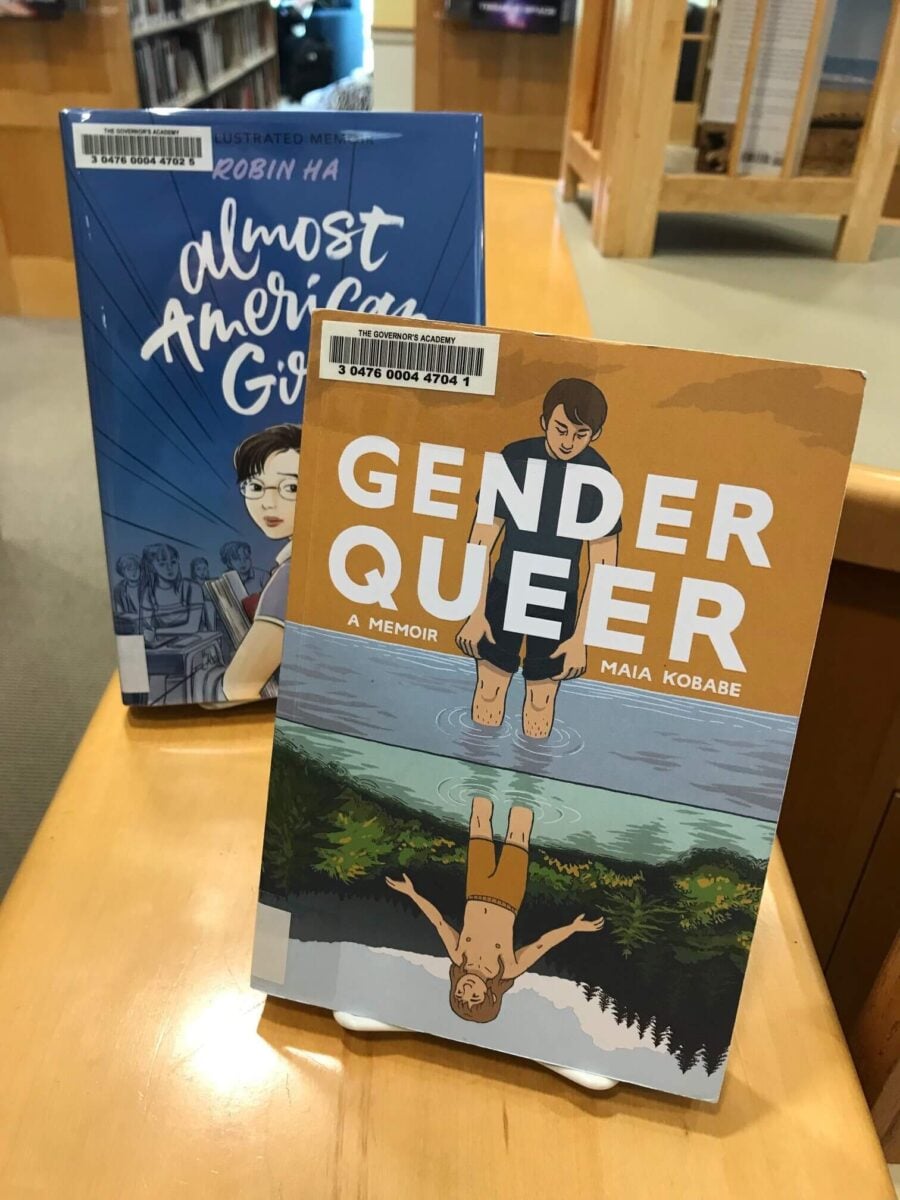
Maia Kobabe’s “Gender Queer” explores gender identity from a personal memoir perspective and exists as both a written work and graphic novel, leading to many challenges based on LGBTQ+ and explicit themes. The book became the American Library Association’s most-removed title from library shelves in 2021 and 2022, challenged in multiple states including Idaho and California.
1984
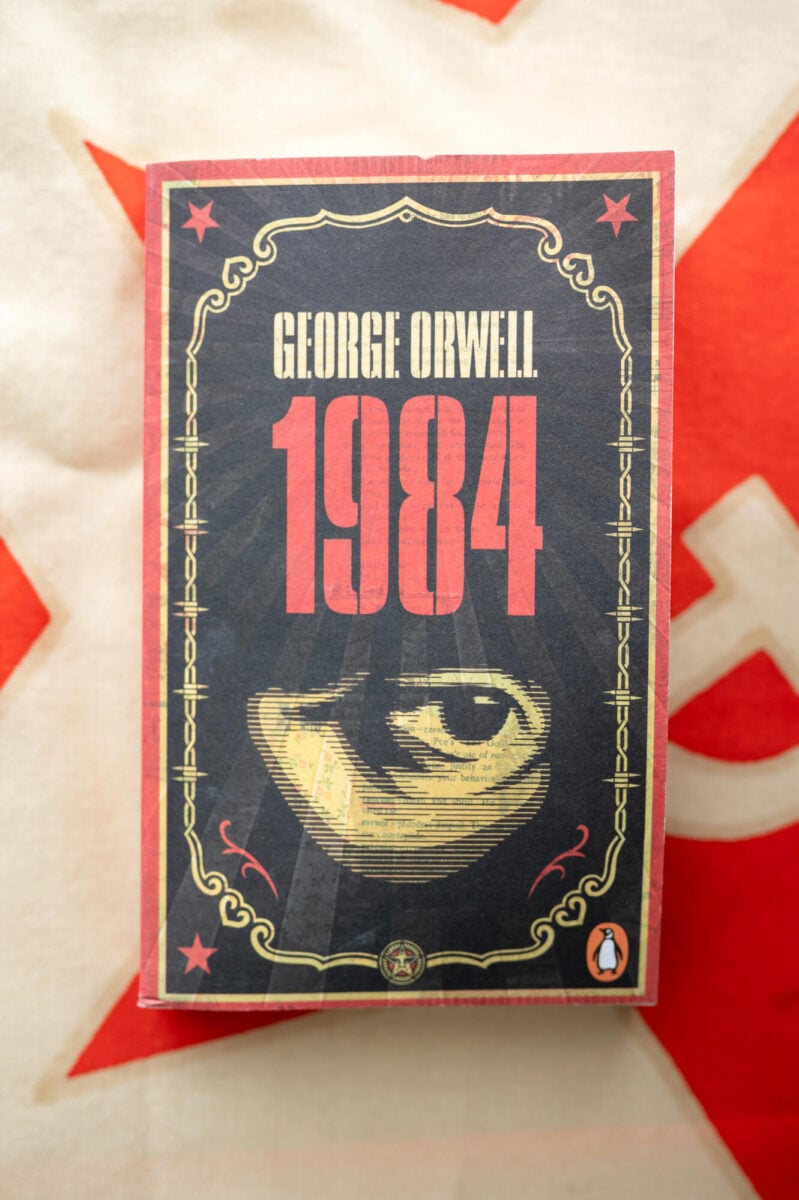
Published in 1949, George Orwell’s novel is set in a dystopian future under totalitarian control by the Thought Police, and has been banned for intimate content and anti-government themes. The novel emerged as one of the most challenged books across multiple school districts for its political messaging and unflinching examination of totalitarianism.
Fahrenheit 451
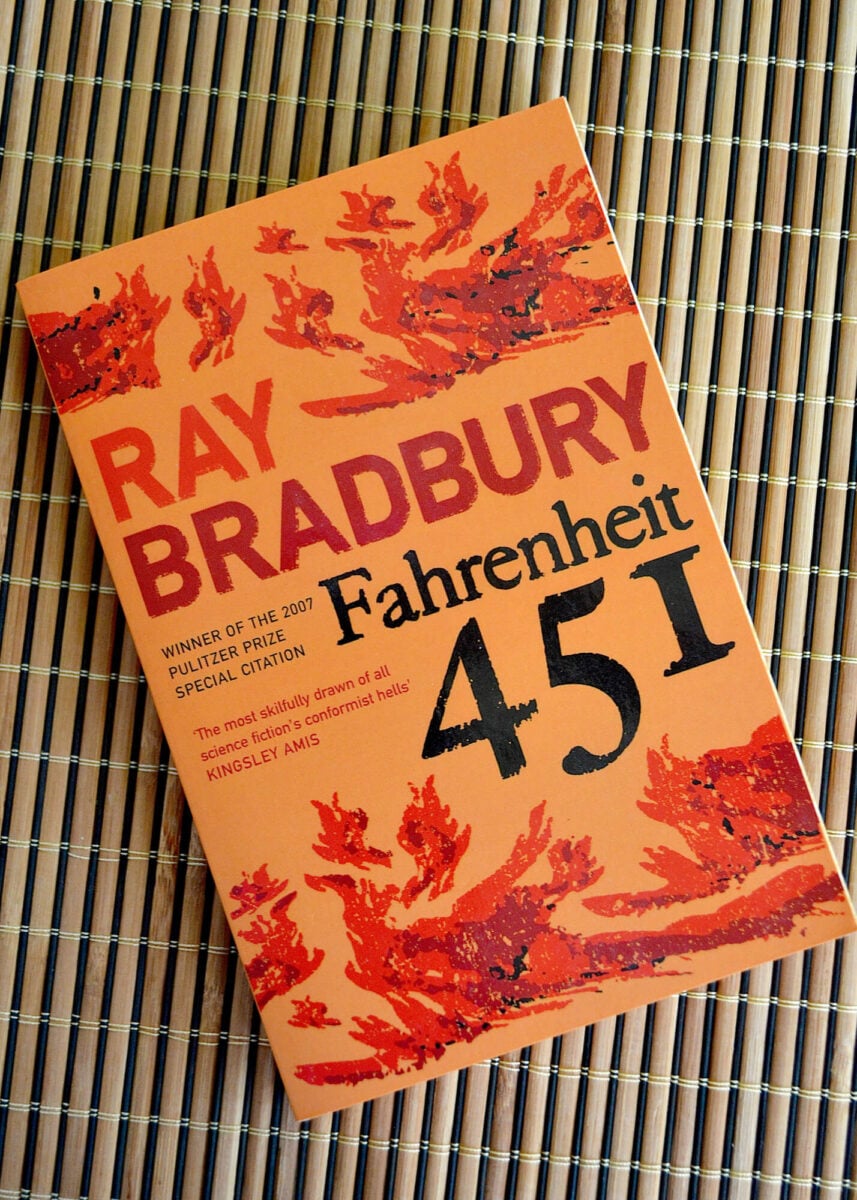
Ray Bradbury’s novel about burning books has been banned and redacted several times, restricted at American colleges globally, and criticized for profane language and topics including political dissent. The irony of banning a book about censorship resonates with educators who view it as essential reading on intellectual freedom.
The Handmaid’s Tale
Margaret Atwood’s 1985 novel is one of the most-shelved banned books on record, challenged repeatedly for its depiction of reproductive control, violence, and anti-religious themes. The dystopian narrative about enforced reproductive roles continues sparking challenges as these themes remain culturally contentious.
To Kill a Mockingbird
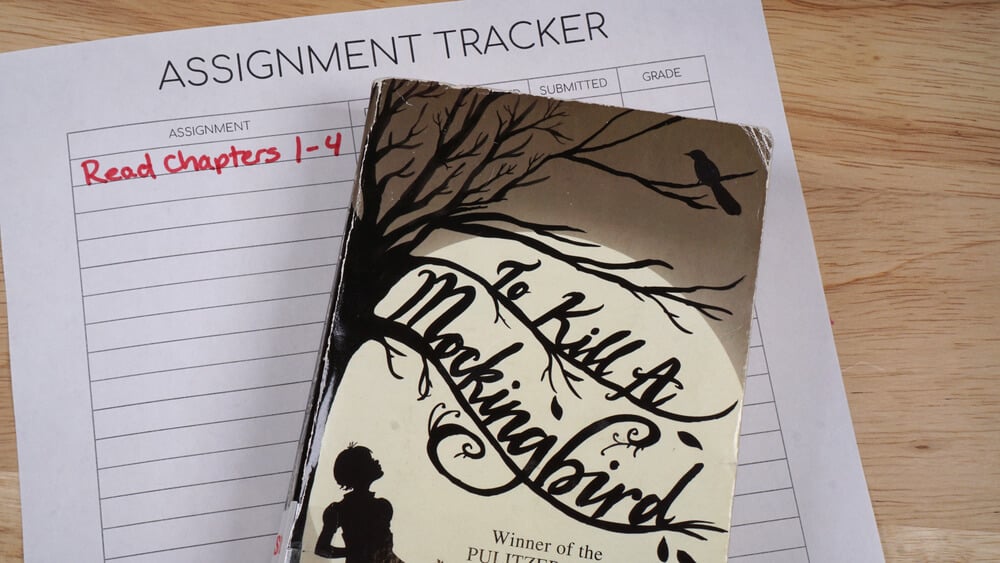
Harper Lee’s coming-of-age story told from the perspective of young Scout Finch, growing up in Alabama during the Great Depression, has faced consistent challenges for its use of racial slurs and examination of racism. In 2020, the novel was banned from Burbank, California, schools over parents’ complaints about racist language, despite its status as a literary classic.
A Clockwork Orange
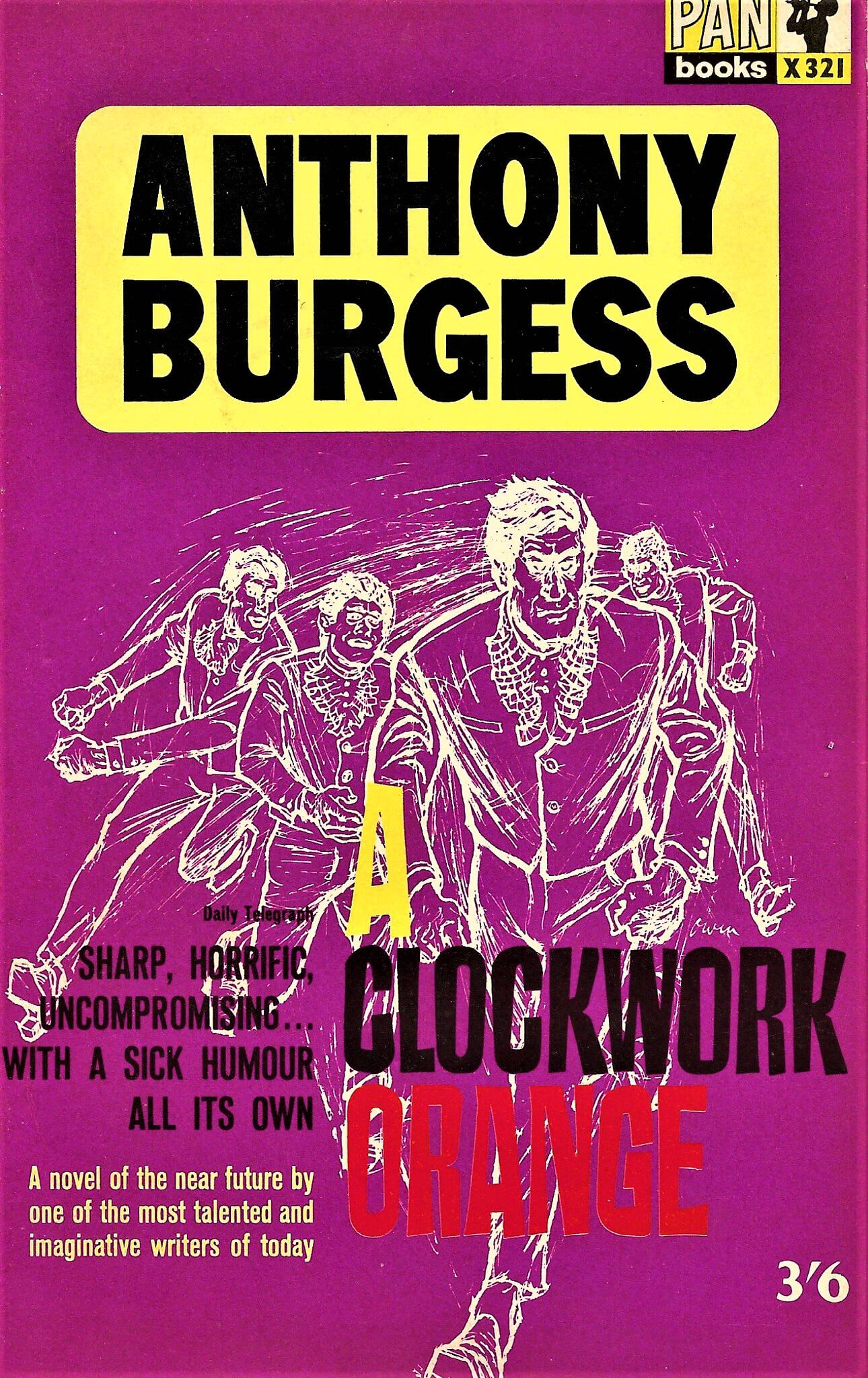
Anthony Burgess’ influential dystopian satire depicts a world where teen protagonist Alex creates mayhem before undergoing aversion therapy to curb his violent tendencies, and has been targeted for graphic violence. The novel explores state punishment and personal agency in ways that disturbed conservative parents and educators.
The Catcher in the Rye
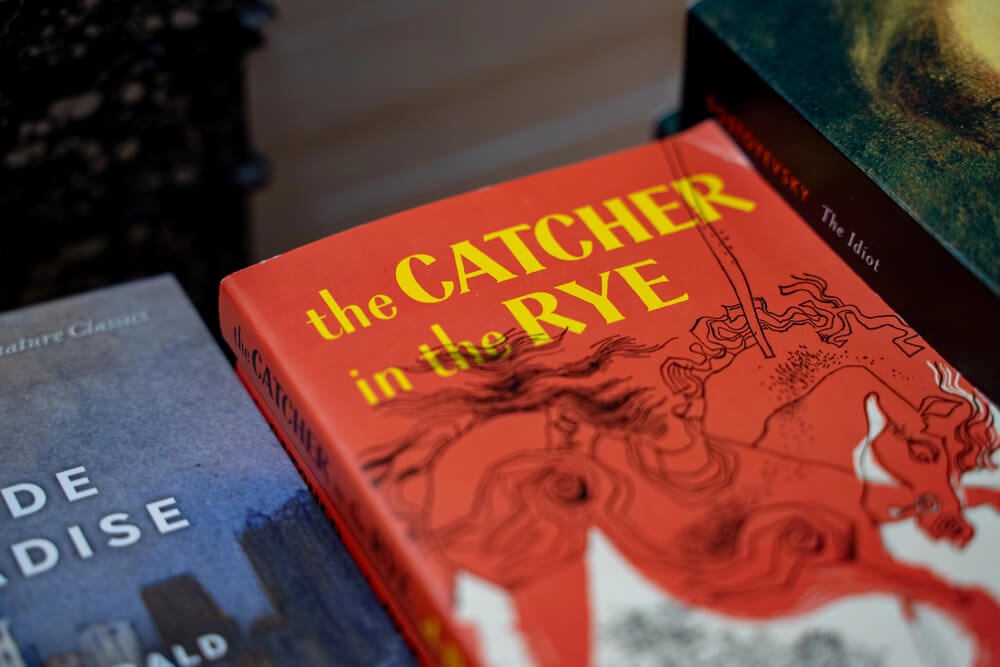
J.D. Salinger’s coming-of-age narrative has been challenged consistently for profanity, intimate references, and its cynical tone toward authority and society. Schools across multiple decades attempted removal due to its perceived negative influence on adolescent readers.
All Boys Aren’t Blue
This young adult memoir by George M. Johnson explores Black queer identity through interconnected essays and has faced challenges for LGBTQ+ content and discussions of intimate experiences. The work became one of the frequently banned contemporary youth titles in school districts nationwide.
Last Night at the Telegraph Club
Malinda Lo’s young-adult historical novel about love and duty in 1950s San Francisco was banned in 19 school districts in the 2024-25 school year, despite winning a National Book Award and Stonewall Book Award. The novel’s inclusion of lesbian romance in historical context proved controversial in conservative school districts.
A Court of Mist and Fury
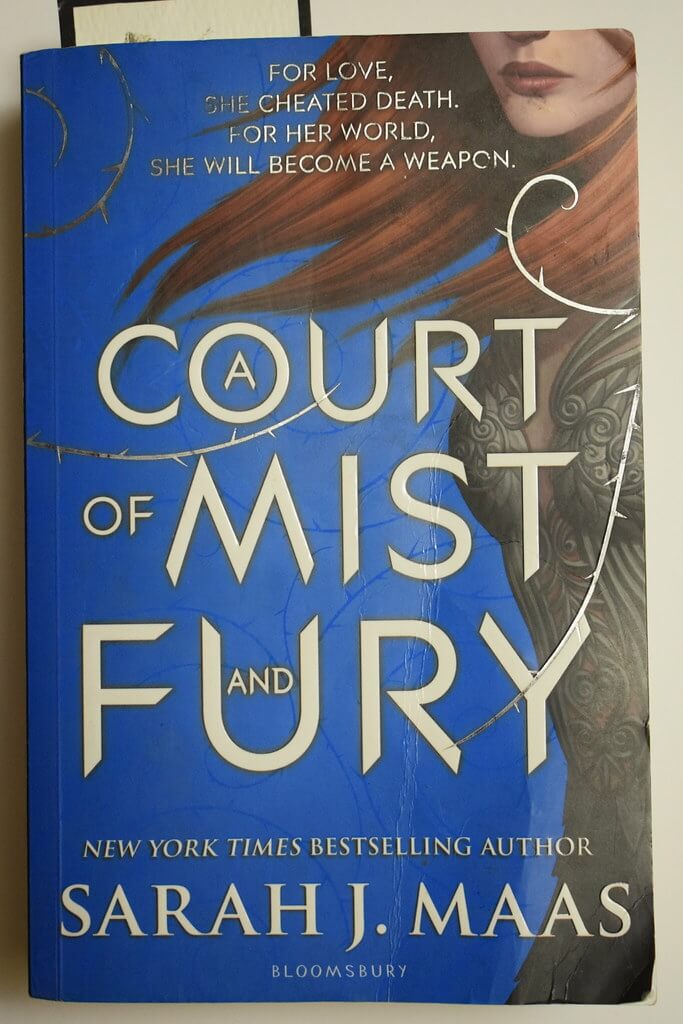
Sarah J. Maas’ bestselling romantasy novel was banned in 18 districts in the 2024-25 school year as the second book in the “A Court of Thorns and Roses” series. The series consistently appears on challenge lists for mature intimate content and relationships.
Crank
Ellen Hopkins’ 2004 young-adult novel was banned in 17 school districts in the 2024-25 school year, with the novel’s unflinching portrayal of methamphetamine addiction through a parent’s discovery of their daughter’s drug use remaining controversial. Schools prioritizing clean narratives about youth found the subject matter objectionable.
The Bluest Eye
Toni Morrison’s work has appeared on most-challenged lists repeatedly, exploring racism and trauma through the eyes of a young African American girl. The novel has been challenged for its treatment of violence, racism, and dark thematic content essential to Morrison’s examination of societal harm.
Animal Farm
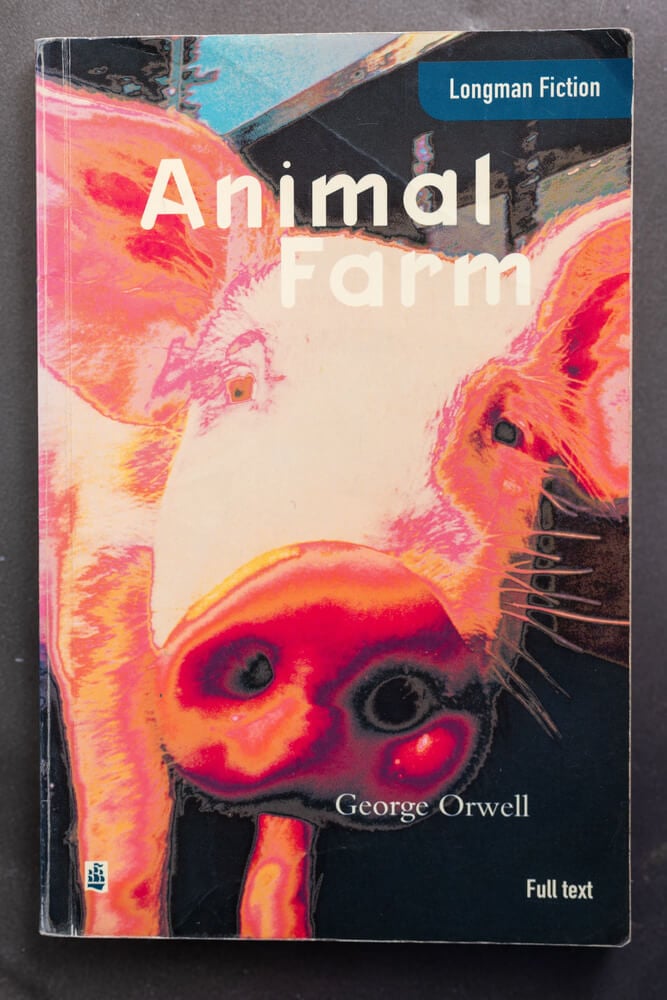
George Orwell’s satirical allegory of the Russian Revolution has been challenged historically for anti-government messaging and Cold War anxieties. More recently, political content has been viewed as problematic ideological material by conservative parents.
The Perks of Being a Wallflower
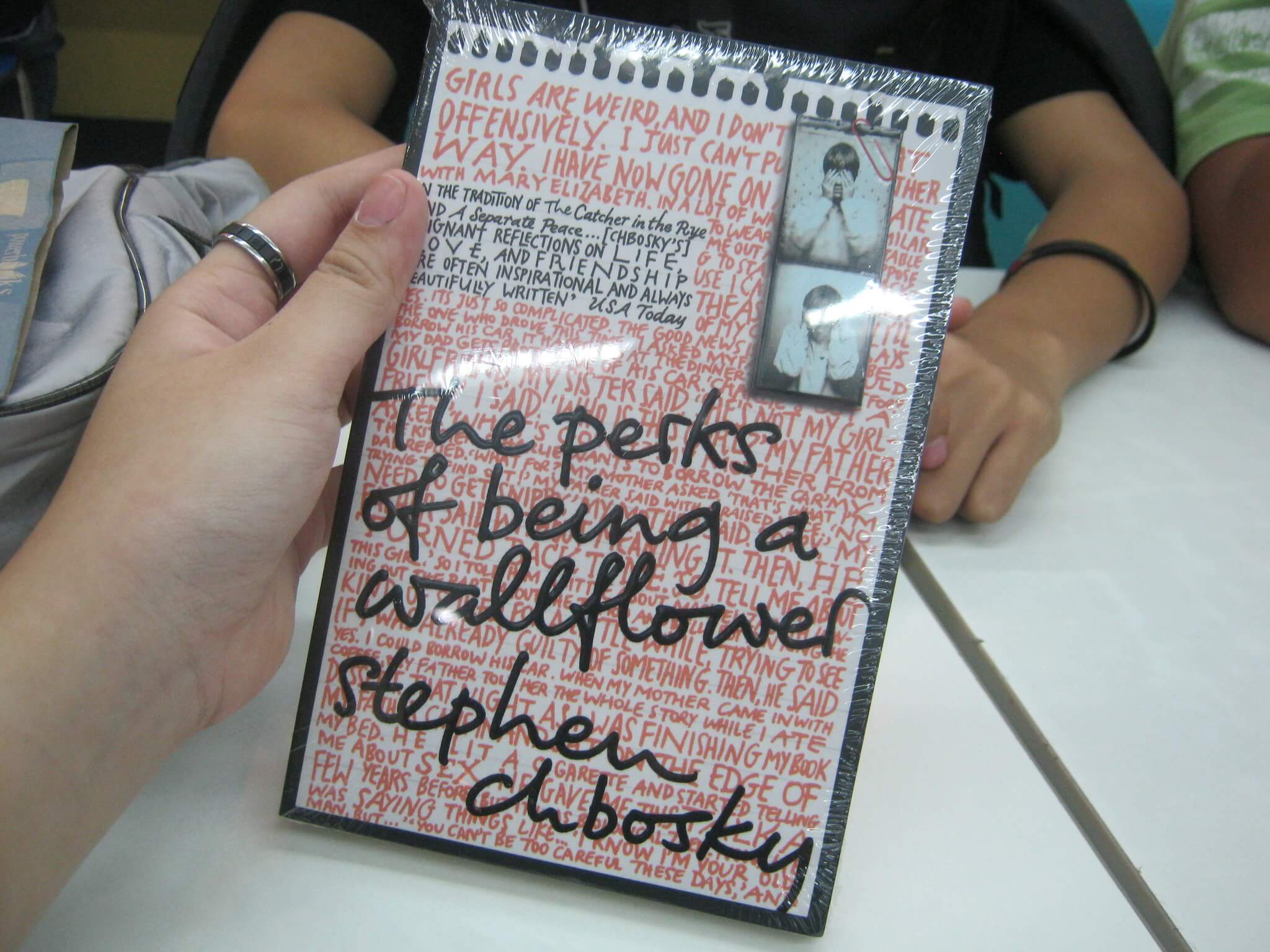
Stephen Chbosky’s epistolary novel gained prominence on challenge lists in recent years, facing criticism for depictions of drug use, assault, and LGBTQ+ characters. The narrative of a teenager’s search for identity proved controversial in schools managed by conservative administrations.
Looking for Alaska
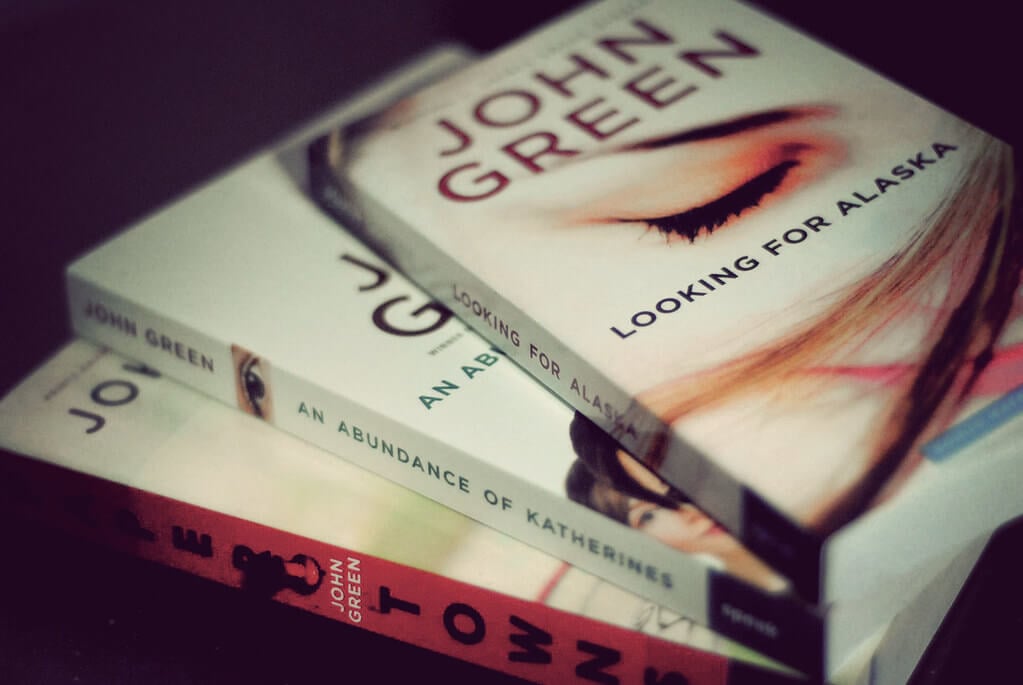
John Green’s popular young adult novel has been targeted as many as 147 times since PEN America began tallying school book bans in 2021. The novel contains references to drug use, intimate content, and a character’s death by self-harm, making it a frequent target of removal attempts.
Brave New World
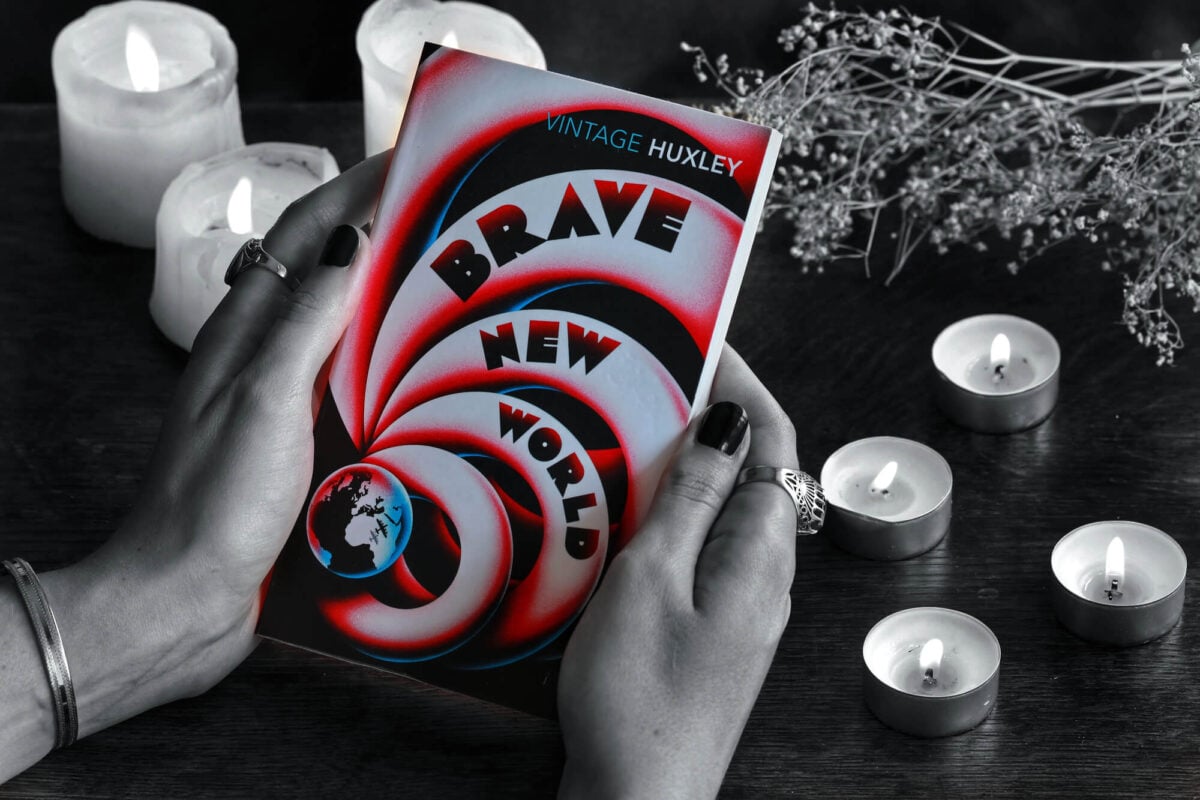
Aldous Huxley’s dystopian novel has been challenged for its depiction of a pleasure-focused society with casual intimate relationships and drug use. The novel questions traditional morality and religious values central to censorship efforts across school districts.
Adventures of Huckleberry Finn
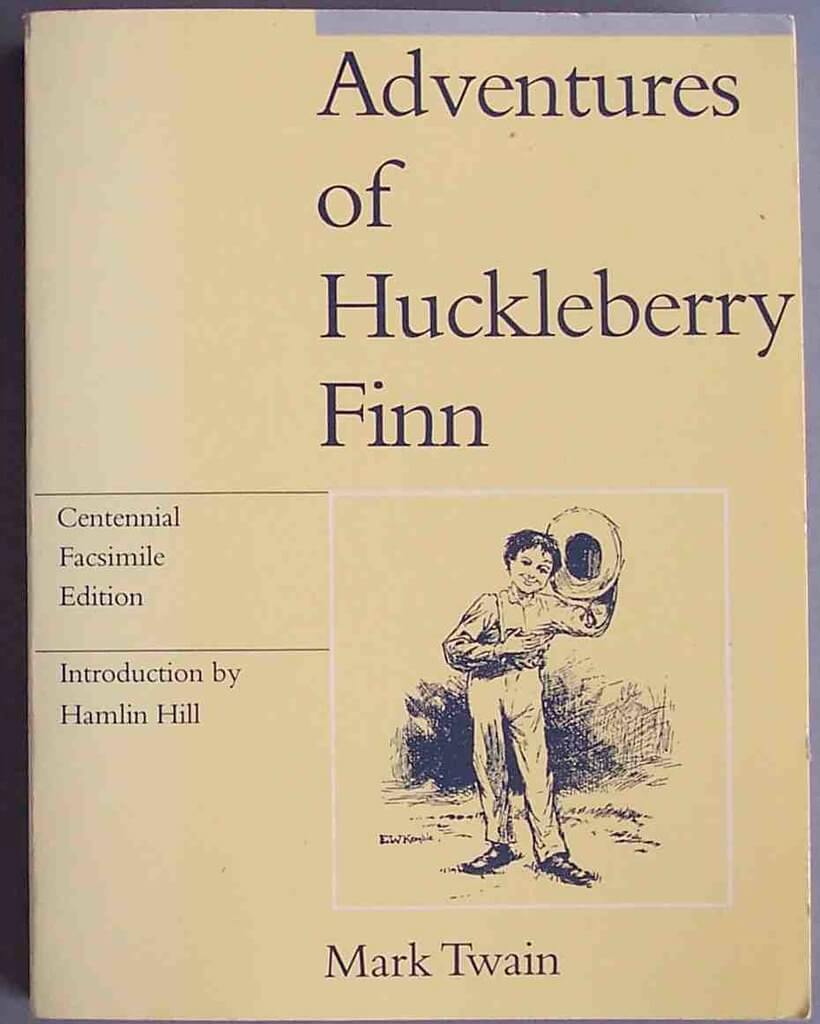
Mark Twain’s classic has faced consistent challenges over the use of racial slurs and its historical representation, resulting in multiple removal attempts. Debates continue over whether the novel should be taught with contextual framing or removed entirely.
I Know Why the Caged Bird Sings
Maya Angelou’s autobiographical book stands out for its long-term cultural impact and the many times it’s been challenged in public schools. The memoir’s depiction of childhood trauma and assault led to repeated challenges despite its recognition as crucial American literature.
Wicked
Gregory Maguire’s reimagining of the Wizard of Oz story appears among the most banned books of the 2024-2025 school year according to PEN America. The novel faces challenges for its thematic complexity and perceived anti-religious messaging.
Nineteen Minutes
Jodi Picoult’s bestselling novel about a school shooting was banned in multiple districts in the 2024-25 school year. The novel’s unflinching examination of violence and its consequences proved controversial in schools managing sensitivity around school safety issues.
The Glass Castle
Jeannette Walls’ memoir of a chaotic childhood involving poverty, substance abuse, and parental neglect has been challenged for its stark depictions of family dysfunction. Some schools deemed it inappropriate for younger readers.
Where the Wild Things Are
Maurice Sendak’s beloved children’s picture book faced challenges from conservative parents who objected to images depicting wildness and perceived disobedience. The book remains in circulation despite historical removal attempts.
Ender’s Game
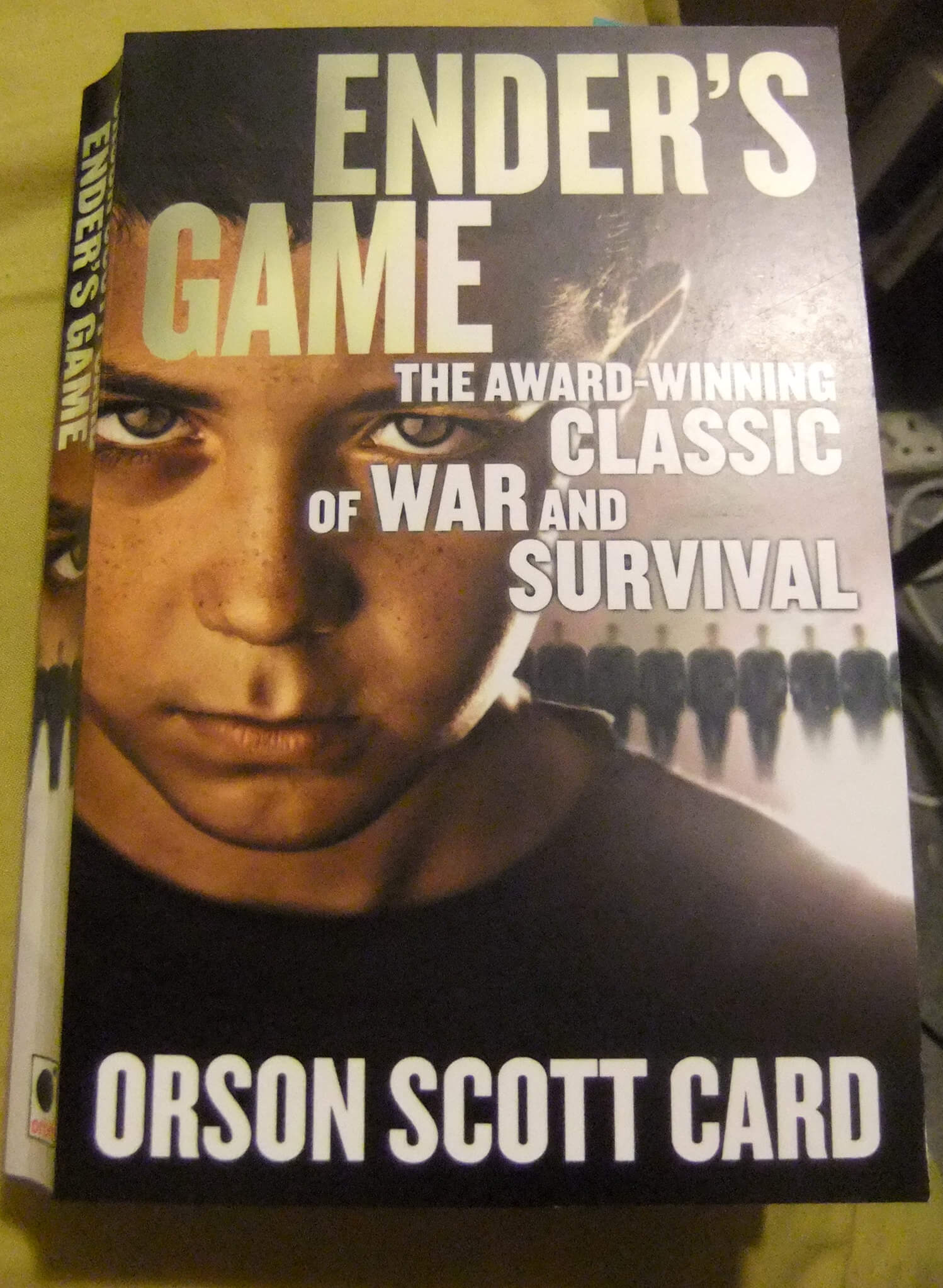
Orson Scott Card’s science fiction novel has been targeted both for its violent military themes and for controversy surrounding the author’s publicly stated views on LGBTQ+ issues. This created a secondary layer of challenge motivations beyond the narrative content.
The Kite Runner
Khaled Hosseini’s novel depicting life in Afghanistan faces challenges for its portrayal of assault, violence, and religious complexity. Some schools remove it while others maintain it as essential literature for understanding international perspectives.
Beloved
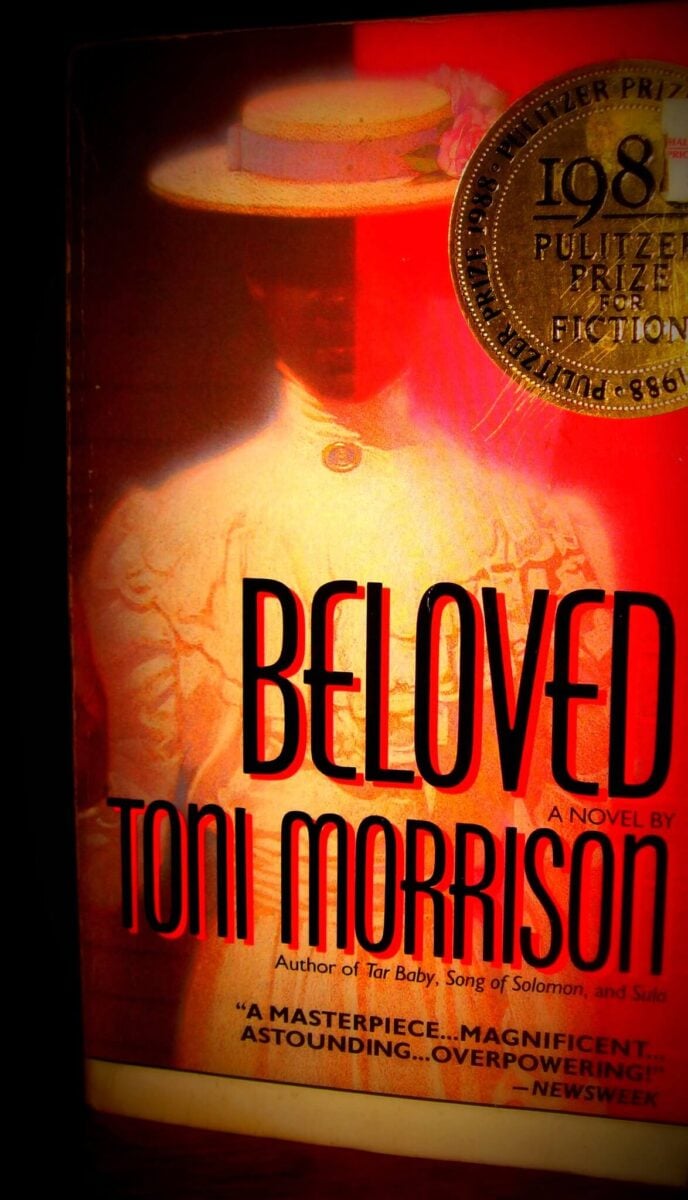
Toni Morrison’s Pulitzer Prize-winning novel depicting slavery and its aftermath has been challenged for graphic violence, assault, and infanticide—elements essential to Morrison’s examination of slavery’s psychological and physical devastation.
The Persistence of Censorship
These challenges rarely end with complete removal; instead, they spark larger conversations about who controls the narrative around young people’s education. Each attempted ban tests whether schools will prioritize parental comfort over student access to complex, truthful storytelling.
More from Go2Tutors!

- The Romanov Crown Jewels and Their Tragic Fate
- 13 Historical Mysteries That Science Still Can’t Solve
- Famous Hoaxes That Fooled the World for Years
- 15 Child Stars with Tragic Adult Lives
- 16 Famous Jewelry Pieces in History
Like Go2Tutors’s content? Follow us on MSN.