How Ancient Civilizations Built Entire Religions Around What They Saw in the Sky
Before the written word became humanity’s primary tool for explaining the cosmos, the night sky itself was the scripture. Ancient peoples constructed elaborate theological systems by observing the patterns, movements, and recurring cycles of celestial bodies.
The sun was not merely a light source—it was the supreme creator. The planets were not distant worlds—they were gods sailing across heaven in divine boats.
The stars themselves formed a map of human destiny and cosmic law. These were not superstitions imposed from above but genuine attempts by intelligent, observant peoples to understand the universe through the evidence of their senses and the frameworks available to them.
Egyptian Heliolatry and the Sun God Re

In ancient Egypt, the sun god Re was the paramount figure in the divine pantheon from the earliest dynasties onward. The Egyptians recognized that the sun’s daily journey across the sky mirrored human life cycles—birth at dawn, maturity at noon, decline at dusk, and death at sunset.
They elaborated this observation into a complete theological system in which Re sailed across the heavenly ocean in a divine barque each day. In the evening, Re descended into the underworld where he battled the serpent Apophis through the night, representing the cosmic struggle between order and chaos.
This elaborate myth was not fantasy but an attempt to explain observed phenomena through metaphor. The sun’s power to create, sustain, and transform life on Earth seemed to demand divine status.
In the fourteenth century BCE, Pharaoh Akhenaten took sun worship to its logical extreme, promoting Aton (the sun’s disk itself) as the sole god, glorifying its creative and nourishing qualities. Though short-lived, Akhenaton’s monotheistic sun cult represented perhaps the first recorded example of a civilization attempting to strip away mythological complexity and worship the phenomenon directly.
Mesopotamian Planetary Deities and the Seven Days

In Babylon and other Mesopotamian civilizations, the five visible planets plus the sun and moon comprised the core of the divine system. The Sumerians used a star as the earliest cuneiform sign for “god,” establishing an immediate link between celestial bodies and divinity.
Jupiter was Marduk, the chief god of the Babylonian pantheon. Venus was Ishtar, the queen of heaven, associated with both love and warfare.
Mercury was Nebo, the herald and messenger god. Mars was Nergal, god of the dead and disease.
Saturn, contrary to popular belief, was not the war god but was associated with stability and boundaries. The weekly cycle emerged from this system: the seven-day week still used today arose directly from the observation of seven celestial bodies (the sun, moon, and five visible planets).
Each day was dedicated to one of these deities, creating a sacred rhythm that synchronized human life with heavenly cycles. This was not merely poetic—it was a framework that organized labor, commerce, religion, and society around celestial observation.
Incan Inti Raymi and Solar Worship in Peru

The Incan Empire built its state religion around the sun god Inti, treating the Inca ruler as the sun’s direct representative on Earth. Every major Incan ceremony was synchronized to solar events—the winter solstice became the most important festival, Inti Raymi, during which the Incas literally attempted to “tie the sun” to prevent it from continuing its descent toward shorter days.
Machu Picchu and other Incan sites were constructed with astronomical precision, incorporating stone markers called Intihuatana (literally “hitching post of the sun”) that tracked the solstices and equinoxes. The Incas carved these markers to align with specific solar positions, making the temple complex function as an astronomical instrument as well as a place of worship.
For the Incas, neglecting to perform the proper ceremonies at the correct astronomical moments would result in cosmic disaster—the sun might not return. This religious system transformed astronomical observation into a survival imperative, making sky-watching not a luxury but an essential state function.
Mayan Venus Cycles and Electional Astrology

The Maya developed perhaps the most sophisticated pre-telescopic astronomy of any ancient civilization, and they wove their observations directly into religious practice. The planet Venus became the focus of Mayan astronomical and religious attention.
The Mayans tracked Venus’s 584-day synodic period with such precision that their calculations were off by only two hours per century compared to modern measurements. Venus held dual significance—as the morning star and evening star, representing different deities and cosmic principles.
Most remarkably, the Maya used Venus observations for “electional astrology,” selecting the most auspicious moments for kings to be crowned, for wars to begin, or for ceremonies to be performed. Venus’s appearance at dawn or dusk, its brightness, and its position relative to other celestial objects informed these crucial political and religious decisions.
The famous Dresden Codex contains detailed Venus tables across six pages, demonstrating that Mayan priests devoted considerable intellectual resources to predicting Venus’s behavior. This was not divination but sophisticated astronomical calculation integrated into religious decision-making.
The Mayan Tzolkin Calendar and Cosmic Time

The Mayan sacred calendar, the Tzolkin, represents one of humanity’s most sophisticated attempts to align human time with cosmic rhythms. Based on a 260-day cycle, the Tzolkin combines twenty named day signs with thirteen numerical tones, creating 260 distinct cosmic energy combinations.
Modern scholarship has demonstrated that this 260-day cycle corresponds precisely to the interval between solar zenith passages at the latitude where the calendar originated, as well as approximating the highland maize growing season. The genius of the system lies in its layering: the Tzolkin (260 days) interlocks with the Haab (365-day solar calendar), creating the Calendar Round (52-year cycle).
Every 52 years, these cycles synchronize perfectly, which the Maya treated as a moment of cosmic renewal and potential catastrophe. This was not primitive guesswork but mathematical astronomy expressed through a religious framework.
The Maya understood that time itself could be mapped, measured, and synchronized with celestial movements—a profound insight about the connection between cosmic cycles and earthly affairs.
Chinese Oracle Bones and Astronomical Divination

From approximately 1600 to 1046 BCE during the Shang Dynasty, and continuing into the early Zhou Dynasty (1046-226 BCE), the Chinese used oracle bones—animal bones and tortoise shells inscribed with astronomically related texts—for divination and religious guidance. A diviner would heat a bone and interpret the pattern of radiating cracks that formed, relating these patterns to questions about celestial events.
The practice created a vast archive of astronomical observations recorded directly onto oracle bones, providing historians with detailed records of solar and lunar eclipses, novae, and other celestial phenomena. The religious system embedded in oracle bone divination assumed that cosmic events transmitted messages from the divine realm.
A question asked to the oracle—such as whether an observed star’s behavior was favorable—received an answer written into the fracture patterns of the bone. This system integrated observation with theology, treating astronomical anomalies as communication from heaven requiring interpretation by specialists.
Roman Sol Invictus and the Unconquered Sun
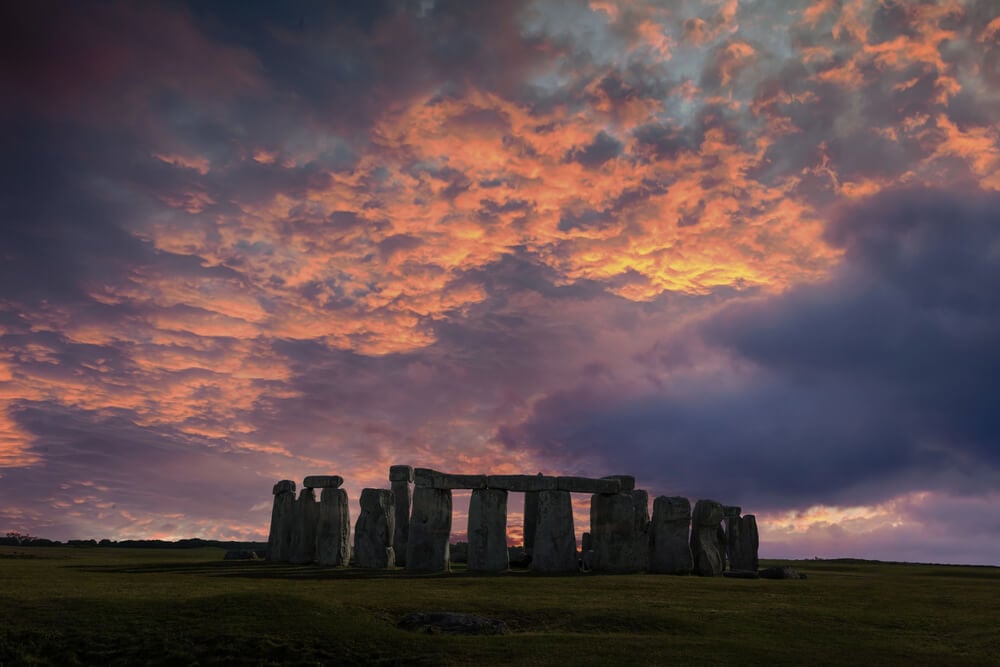
Though Roman religion was syncretic and borrowed heavily from Greek sources, the cult of Sol Invictus (the Unconquered Sun) grew to prominence in the third century CE under the Severan dynasty. This solar monotheism represented a late-antique development that attempted to unify the diverse religious traditions of the empire under a single cosmic principle—the sun as the supreme, unconquerable force.
The festival of Sol Invictus was celebrated on December 25, the winter solstice, marking the sun’s apparent lowest point in the sky and its guaranteed return. This festival was later adopted by Christians as Christmas, demonstrating how profoundly astronomical observation shaped religious practice even as one religion displaced another.
The sun’s choice of December 25 as a sacred date was not arbitrary but was based directly on the solar calendar and the winter solstice observation.
Hindu Surya Worship and Vedic Astronomy
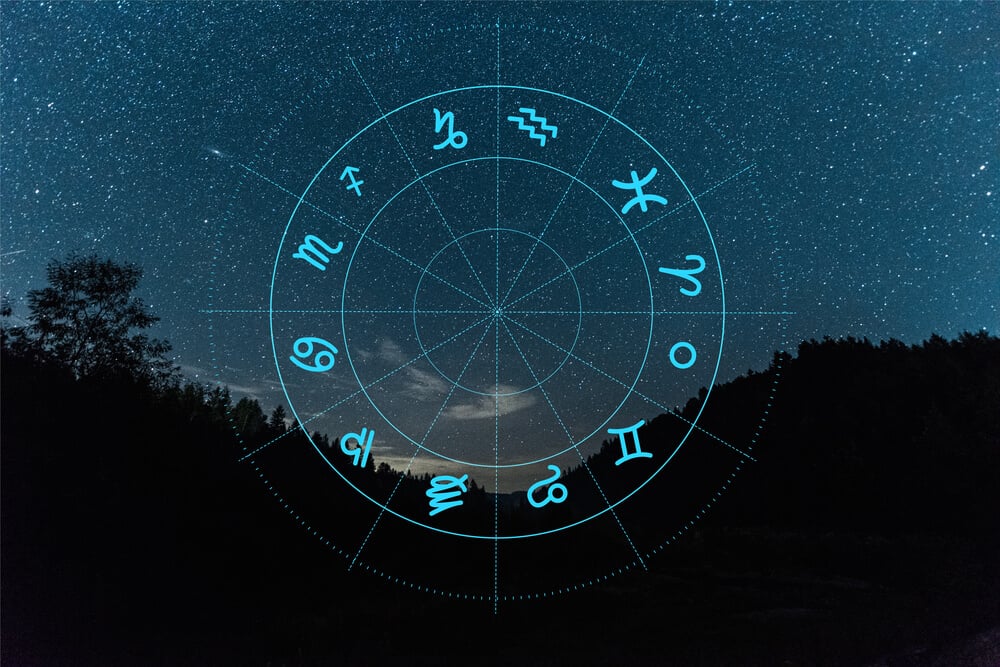
In ancient India, the sun god Surya held a central position in Vedic religion. The Vedas describe the sun as the ultimate source of cosmic order and energy.
Hindu astronomy, documented in texts like the Surya Siddhanta, achieved remarkable precision in calculating solar positions, planetary movements, and eclipse predictions. The religious significance of Surya was inseparable from astronomical observation—priests needed to know the sun’s exact position in the zodiac to perform certain rituals at the proper time.
The integration of Vedic astronomy and sun worship created a system where observing the sky accurately was a religious obligation, not merely an intellectual pursuit. Hindu temples were often oriented to align with solstices and equinoxes, embedding astronomical knowledge in religious architecture.
The Zodiac and Seasonal Time-Keeping
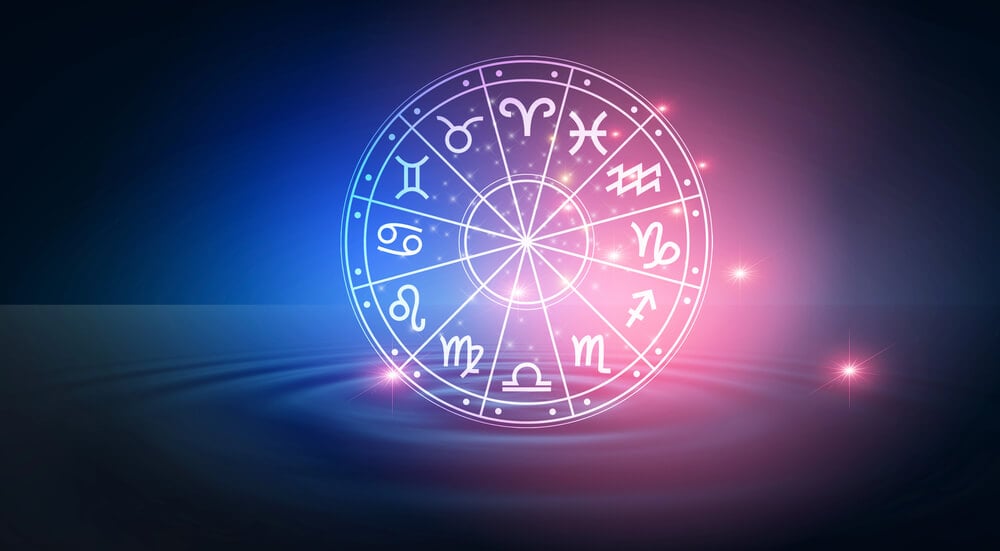
The familiar zodiac of Western astrology emerged from Mesopotamian and Greek synthesis of stellar observation and religious symbolism. The twelve-constellation division of the ecliptic (the sun’s apparent path through the sky) created a system that simultaneously tracked the sun’s annual journey and provided a religious narrative of cosmic principles.
Each constellation carried associations—Aries the warrior, Taurus the provider, Gemini the communicator—that were derived from observation but elaborated through mythology. This system served the practical function of tracking seasons and timing agricultural activities while simultaneously providing a framework for understanding human character and destiny.
The religious power of the zodiac lay in its dual nature: it explained both the cosmos and the self, treating human personality as an expression of cosmic principles.
Pre-Columbian Mesoamerican Temple Astronomy
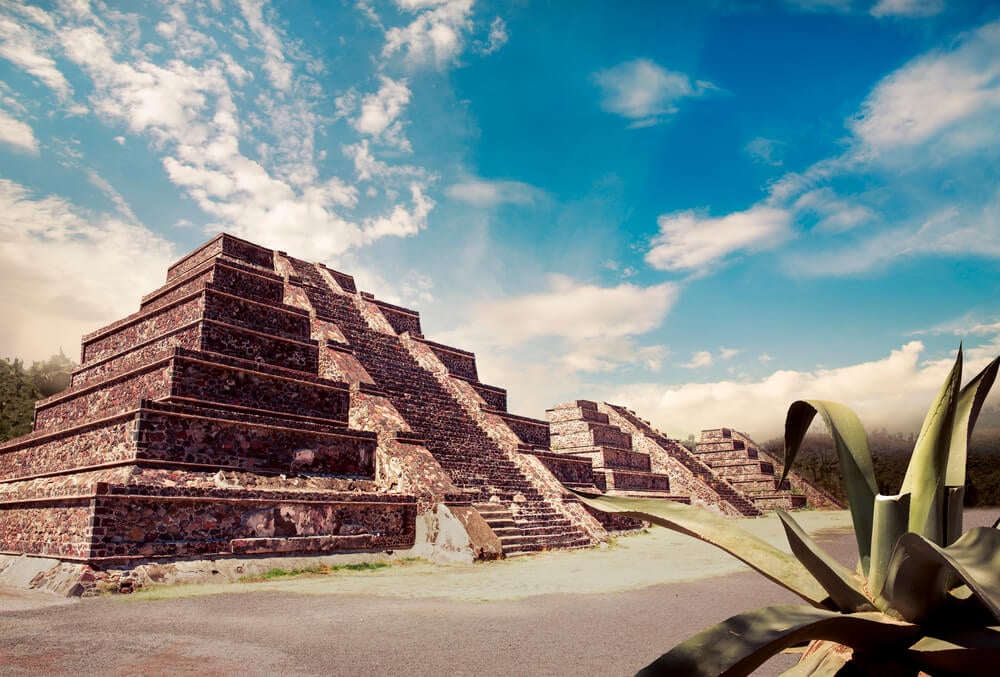
The Maya and Aztec peoples constructed temples with astronomical precision that served simultaneously as places of worship and instruments for astronomical observation. The Temple of the Plumed Serpent at Teotihuacan is oriented to align with the Pleiades star cluster, which held sacred significance in Mesoamerican cosmology.
The Caracol at Chichen Itza served as an astronomical observatory specifically designed to track Venus’s movements, with windows and sightlines aligned to Venus’s heliacal rising (its first appearance before dawn after periods of invisibility). These structures demonstrate that ancient Mesoamericans understood the relationship between architecture, religious practice, and astronomical precision.
Ceremonies performed within these temples on specific astronomical dates carried heightened religious significance because they represented moments of cosmic alignment. The temple was not merely a place to worship the gods but a mechanism for demonstrating humanity’s understanding of and participation in cosmic order.
African Celestial Cosmologies and Star Worship
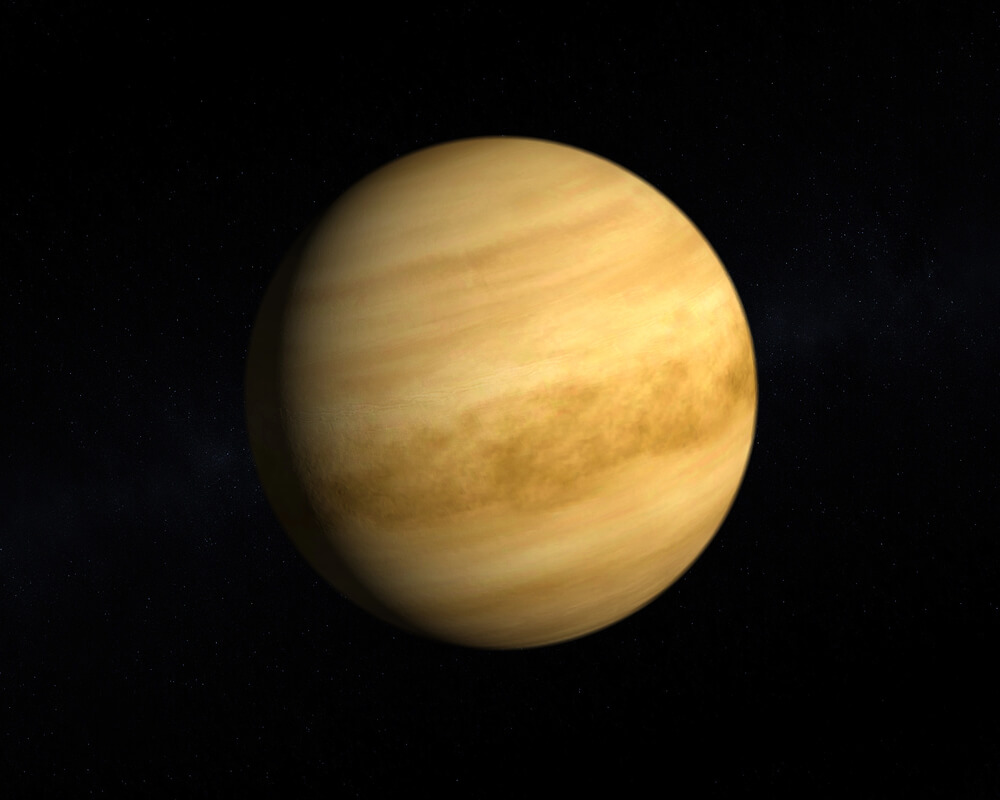
Across Africa, numerous cultures integrated celestial observation into their religious systems. The Zulu attributed divine power to the evening star and morning star, treating these manifestations of Venus as female deities.
In the royal culture of Zimbabwe and Uganda, the king was associated with the moon, and royal ceremonies involved sacred marriages that metaphorically aligned earthly rulership with celestial cycles. The Masai pastoralists recognized Venus as a guide star for navigation and incorporated it into their seasonal pastoral calendars.
These diverse African approaches to celestial religion shared a common conviction: the sky was not a remote, abstract realm but an active presence governing earthly affairs. Stars and planets were not distant physical objects but intelligences that communicated divine will.
Japanese Tensogu and Astronomical Priesthood

Japanese religious traditions incorporated astronomical observation into priestly practice. The role of the Tensogu, or astronomical priest, represented a formal recognition that cosmic knowledge was sacred knowledge.
These priests maintained detailed records of celestial phenomena and interpreted astronomical events as communications from the divine realm. Eclipses, comets, and unusual planetary positions were read as omens indicating shifts in political fortune or divine approval/disapproval of current rulers.
The integration of astronomy into religious governance meant that an eclipse could legitimize a change in power or demand ritual action to appease the heavens. This system created powerful incentives for maintaining accurate astronomical records, resulting in Japanese historical documents containing some of the most precise pre-modern eclipse observations.
Celtic Seasonal Festivals and Solar Alignment

Celtic peoples, though less well-documented than Mediterranean civilizations, clearly integrated solar observation into their religious calendar. Sites like Newgrange in Ireland and various stone circles across Britain and France demonstrate sophisticated understanding of solar and lunar movements.
Newgrange is specifically oriented to align with sunrise on the winter solstice, while other sites like Townleyhall align with the summer solstice, indicating that Celtic priests used astronomical observation to mark sacred times. The Celtic calendar itself was structured around four major festivals (Samhain, Imbolc, Beltane, and Lughnasadh) that aligned loosely with celestial transitions, particularly the cross-quarter days between solstices and equinoxes.
This calendar system synchronized religious practice with the sun’s apparent movement, making seasonal change a matter of cosmic and religious significance simultaneously.
Islamic Astronomical Theology and the Qibla
Islamic astronomy, which reached its height during the medieval period but has roots in pre-Islamic Arabian star-lore, integrated astronomical knowledge into religious practice. The requirement that Muslims pray toward Mecca created a practical astronomical problem—determining the qibla (direction to Mecca) required knowledge of geography and astronomy.
Muslim scholars developed sophisticated trigonometric and observational methods to calculate the qibla accurately, making astronomy an essential component of religious practice. The study of astronomical spheres and celestial mechanics became part of Islamic theology, with scholars like Al-Ghazali integrating astronomical knowledge into philosophical and theological discussions about divine order.
The night sky, described in poetic terms throughout the Quran, became subject to scientific investigation as Islamic scholars attempted to understand the mechanics of divine creation.
Ancient American Astronomy and Cosmovision

Beyond the Maya and Inca, various North American indigenous peoples integrated astronomical observation into their spiritual frameworks. The Mississippi culture built Cahokia and other mound complexes with astronomical alignments.
The Ancestral Puebloans (Anasazi) tracked solar positions using “sun daggers” and astronomical sightlines. The Plains tribes developed sophisticated understanding of star patterns for navigation and maintained oral traditions of constellation recognition.
These systems were not written or monumental in the way of Old World civilizations, but they represented genuine attempts to synchronize human society with cosmic cycles. The integration of astronomical knowledge into spiritual practice meant that shamans and priests were also astronomers—specialists who maintained the crucial knowledge that kept society in proper relationship with the cosmos.
Zoroastrianism and the Battle Between Celestial Forces

In ancient Persia, Zoroastrian religion incorporated astronomical observation into its dualistic cosmology. The religion imagined an eternal struggle between Ahura Mazda (the wise lord) and Ahriman (the destructive force), with celestial bodies playing roles in this cosmic drama.
Comets and other unexpected celestial phenomena were interpreted as expressions of this cosmic struggle. The precession of the equinoxes and other subtle astronomical changes were thought to mark transitions between cosmic ages in Zoroastrian theology.
This system inspired later Hellenistic and Islamic astronomy, demonstrating how celestial observation could fuel theological speculation about cosmic order and divine conflict.
Ptolemaic Cosmology as Religious Philosophy

Though Claudius Ptolemy worked in a relatively late period (second century CE), his geometric astronomy (geocentric system with complex epicycles) represented the culmination of centuries of astronomical observation integrated into a philosophical-theological framework. The Ptolemaic system was not merely a technical model for predicting planetary positions; it was a vision of cosmic hierarchy and divine order.
The crystalline spheres spinning in perfect harmony represented divine creation functioning with mathematical precision. This model dominated both Islamic and Christian thought for over a thousand years, demonstrating how a specific astronomical model could shape religious philosophy and theological understanding across civilizations and centuries.
The Precession Discovery and Ages of the Zodiac

Ancient astronomers, particularly the Greek Hipparchus in the second century BCE, discovered the precession of the equinoxes—the slow wobble in Earth’s axis that causes the background stars to shift gradually relative to the seasons. This discovery had profound theological implications: if the stars moved slowly through the zodiac over vast timescales, perhaps different ages of the world were characterized by different zodiacal signs.
This idea influenced Zoroastrian ideas of cosmic ages and later influenced Hindu traditions that described ages of the universe ruled by different cosmic principles. The recognition that the cosmos operated on scales far larger than human civilization prompted theological speculation about the nature of eternal cosmic cycles and human place within them.
Astrology as Theology Rather Than Divination

To modern sensibilities, ancient astronomical religions seem to blur the line between science and superstition. However, for these civilizations, astronomy and astrology were not distinct disciplines but expressions of the same fundamental insight: that celestial bodies embodied divine principles and that understanding the sky meant understanding divine will.
An Incan priest calculating the precise moment of solstice was simultaneously acting as a scientist, priest, and theologian. The sophisticated mathematical knowledge required to track Venus’s cycle was held by the same individuals who interpreted planetary movements as divine communications.
This integration of knowledge was not naïveté but a coherent worldview in which physical observation and spiritual interpretation were inseparable.
The Legacy of Celestial Religion
The religions built around astronomical observation eventually yielded to traditions that abstracted divinity into purely spiritual realms divorced from physical phenomena. Yet the legacy persists in traces: the seven-day week derives from Mesopotamian planetary worship; December 25 as a sacred date reflects solar observations from antiquity; zodiacal symbolism persists in modern astrology; and temple orientations worldwide reveal ancient astronomical alignments.
These remnants are not superstitious artifacts but evidence of humanity’s deepest attempt to find meaning by reading the patterns written in the sky. Ancient peoples possessed neither telescopes nor spectroscopy, yet they achieved remarkable astronomical accuracy.
They lacked modern physics, yet their observations of the cosmos led them to profound theological insights about order, cycle, and the relationship between celestial and terrestrial realms. Their religions were not primitive misunderstandings but sophisticated attempts to explain the most visible and undeniable feature of human experience: the sky above, turning in its eternal patterns.
More from Go2Tutors!

- The Romanov Crown Jewels and Their Tragic Fate
- 13 Historical Mysteries That Science Still Can’t Solve
- Famous Hoaxes That Fooled the World for Years
- 15 Child Stars with Tragic Adult Lives
- 16 Famous Jewelry Pieces in History
Like Go2Tutors’s content? Follow us on MSN.