Vintage Dolls Now Selling for Thousands
Somewhere in an attic, a doll that once cost a child’s weekly allowance is sitting in a cardboard box with a price tag nobody in the family would believe. Collectors pay serious money for the right face, the right mark on the back of the neck and the right outfit, still intact after a century of play.
The dolls below range from 19th-century Paris workshops to postwar American toy counters. Each one has a recorded following, a known maker and a set of tells that separate the real thing from the reproductions.
Barbie Number One From the 1959 Toy Fair
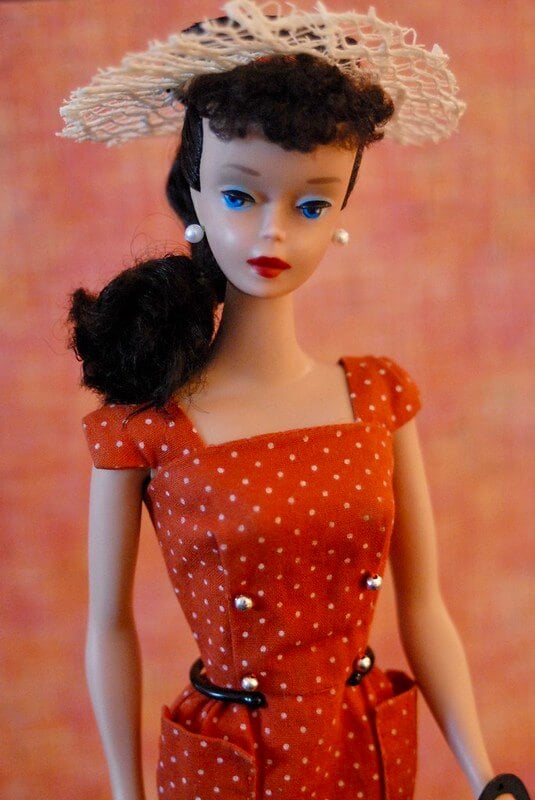
Mattel introduced Barbie at the American International Toy Fair in New York on March 9, 1959, priced at 3 dollars in a black and white zebra-striped swimsuit. The first-issue dolls are identified by the copper tubes set into the bottoms of their feet, which fit the prongs of the original display stand, along with sharply arched eyebrows and white irises.
Brunette examples turned up less often than blondes and are the harder find today. A played-with doll with a faded face might bring a few hundred dollars, while a bright, boxed example with the stand and booklet typically reaches several thousand and occasionally far more.
Side-Part American Girl Barbie From 1965
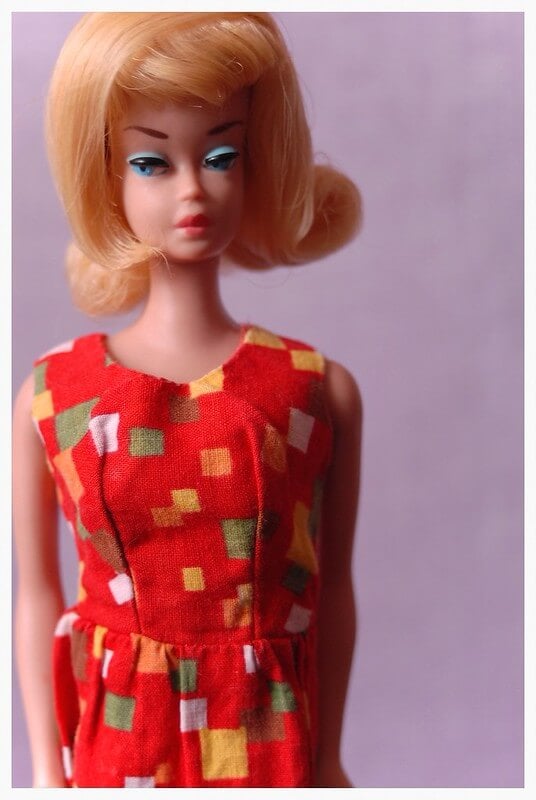
Mattel’s American Girl Barbie arrived in 1965 with a short bob and bendable legs, a new feature for the line that year. The version with a side part in the hair, instead of the usual center part with bangs, was produced in small numbers and is one of the scarcer Barbies of the decade.
Collectors look closely at hair color, with unusual shades drawing extra interest, and at whether the cheek blush has survived. Original hair set matters enormously here, because a restyled or trimmed doll loses much of its appeal, and the best untouched examples in original swimsuits sell for well into the thousands.
Ideal’s Shirley Temple in Composition
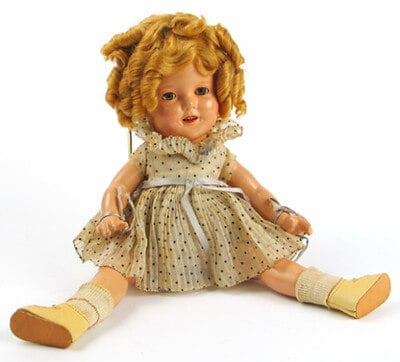
Ideal Novelty and Toy Company launched its Shirley Temple doll in 1934, at the height of the child star’s fame, and it became one of the best-selling dolls of the Depression era. These early versions were made of composition, a mix of sawdust and glue that crazes and cracks as it ages.
A doll marked with the Ideal name on the head and body, wearing a tagged dress and the original pin-back button, is the version collectors chase. Crazing on the face, replaced curls and missing clothing all pull values down quickly, while a fresh example in its original box can reach the thousands.
Madame Alexander Dionne Quintuplets
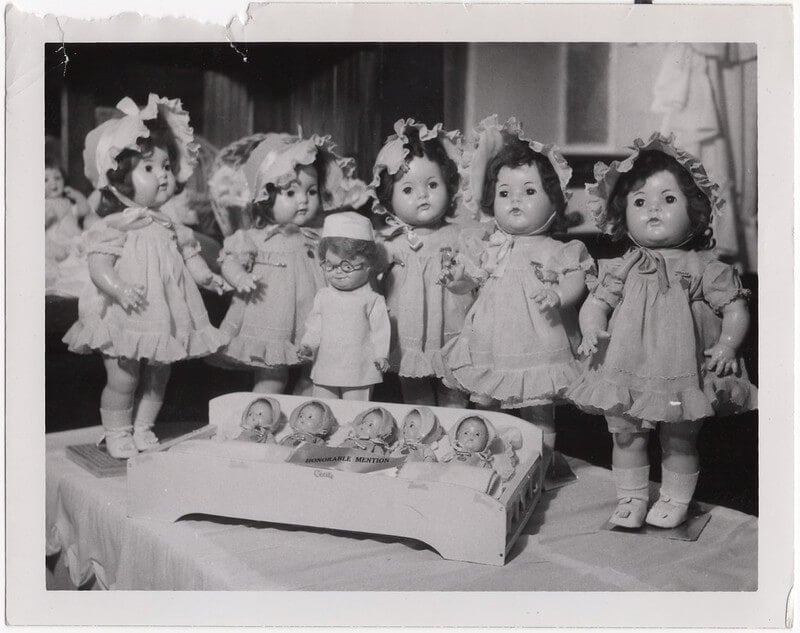
The Dionne Quintuplets were born in 1934 in Ontario, Canada, and became a worldwide sensation as the first quintuplets known to survive infancy. Madame Alexander secured the license to produce dolls of the five girls, and the composition sets appeared in 1935 in sizes ranging from tiny babies to toddlers.
Matching sets of five are worth far more than single dolls, especially when they arrive with their original wooden bed, playpen or nursery accessories. Name-tagged clothing and bibs for Annette, Cecile, Emilie, Marie and Yvonne help confirm authenticity, and complete sets in clean shape regularly sell for thousands.
Kammer and Reinhardt Character Children
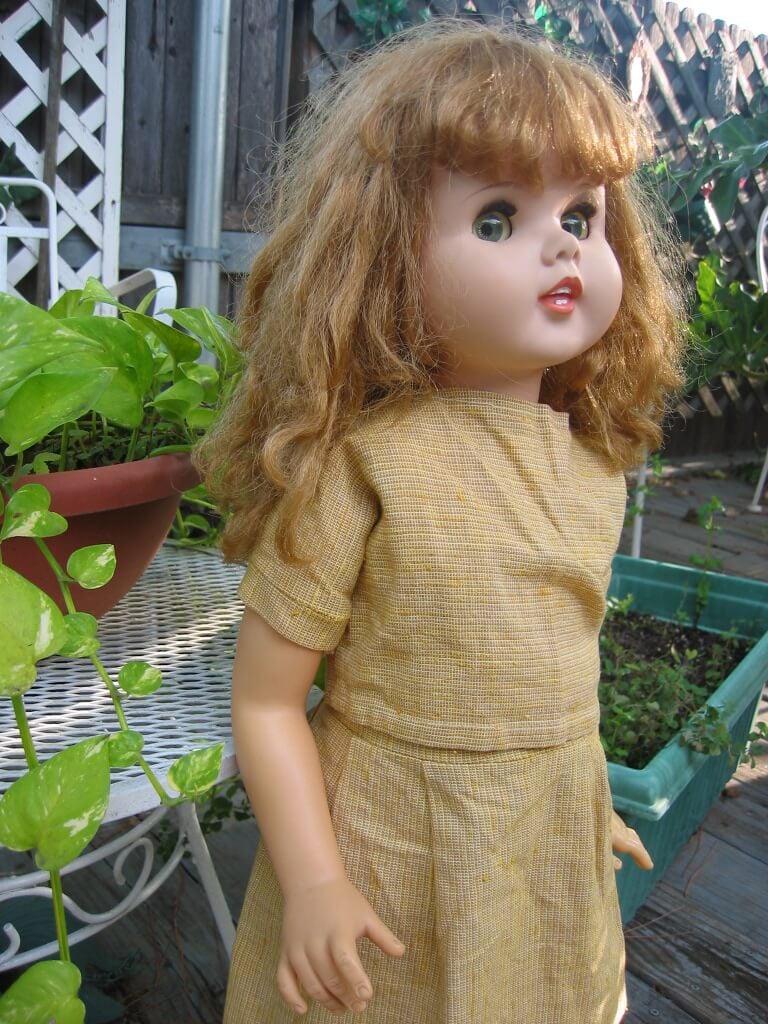
The German firm Kammer and Reinhardt shocked a doll market full of idealized faces in 1909 when it introduced a character series modeled on real children, pouting and serious. Mold 101, known as Peter or Marie, and mold 114, called Hans or Gretchen, are among the better-known faces, often bringing thousands with good bisque.
Rarer molds in the series surfaced in tiny numbers and sell for far higher sums. Buyers examine the bisque for hairline cracks, check that the wig and body are original to the head, and look for the incised mold number on the back of the neck.
Bru Jne Bebes From Paris
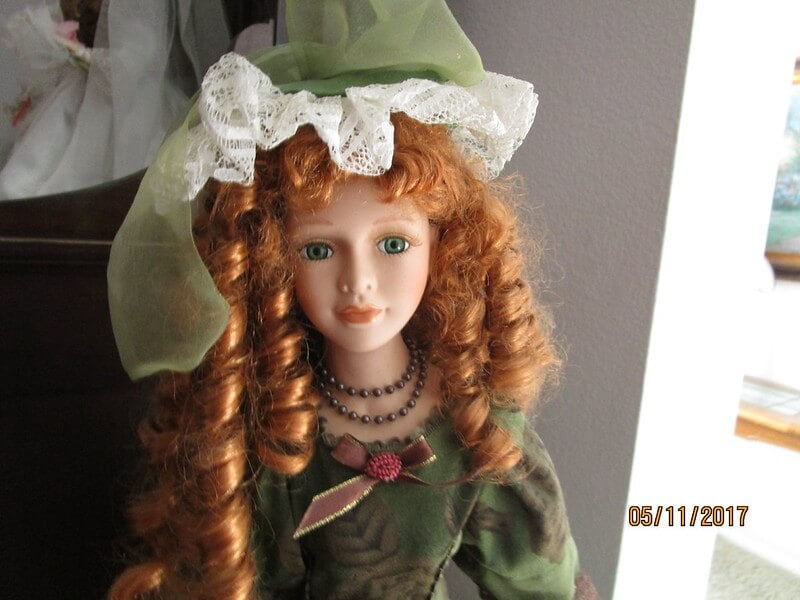
Bru Jeune and Cie of Paris made some of the most prized French bebes of the 1870s and 1880s, marked Bru Jne on the back of the head. The firm was known for inventive designs, including the Bebe Teteur of 1879, a nursing doll that could appear to drink from a bottle when a mechanism was turned.
Bru heads often have open-closed mouths, delicate painted lips and kid leather bodies with bisque lower arms. Damage to the bisque, especially around the eyes and neck, hurts value sharply, but a good Bru Jne bebe sells for many thousands of dollars.
Huret French Fashion Dolls
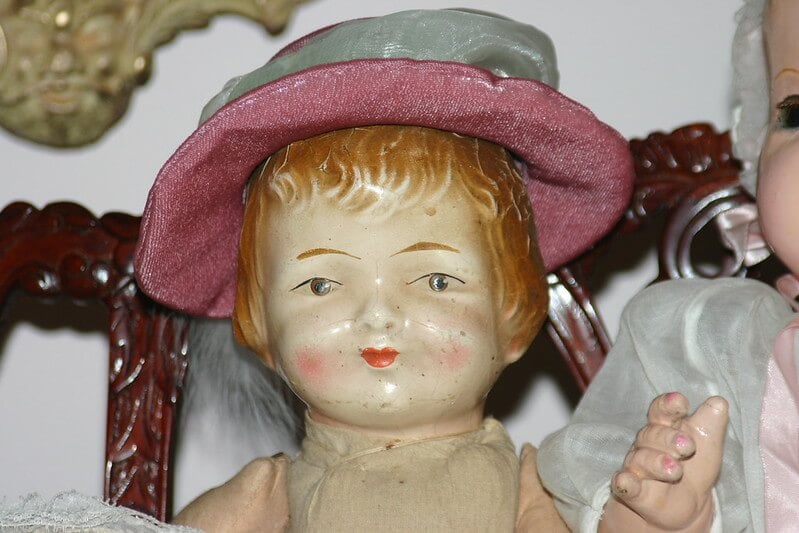
Maison Huret in Paris produced elegant fashion dolls from the 1850s onward, aimed at wealthy families who bought them along with elaborate wardrobes and accessories. These adult-bodied dolls are some of the earliest examples of the type, with porcelain or bisque heads, painted eyes and finely jointed bodies.
The original clothing and trunk contents add greatly to the appeal, because full trousseaus with gowns, hats and tiny accessories rarely survive together. A Huret doll with an unrestored body and matching wardrobe can sell for tens of thousands of dollars, while incomplete examples bring less.
Steiff Felt Dolls With the Center Seam
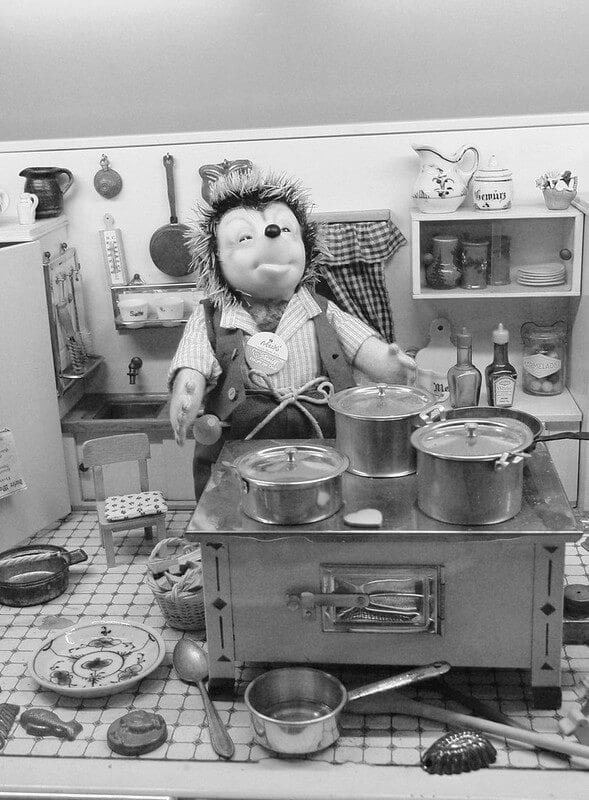
Margarete Steiff’s company in Giengen, Germany, is best known for teddy bears, yet it also made felt character dolls in the early 20th century. These dolls are easy to spot because of the vertical seam running down the center of the face, a construction detail unique to the Steiff design.
From 1904 the company marked its products with a small metal button in the ear, which remains the main sign of authenticity. Moth damage, faded felt and lost buttons cut values sharply, but well-preserved soldiers, schoolchildren and comic characters often sell in the thousands.
Kathe Kruse Cloth Dolls
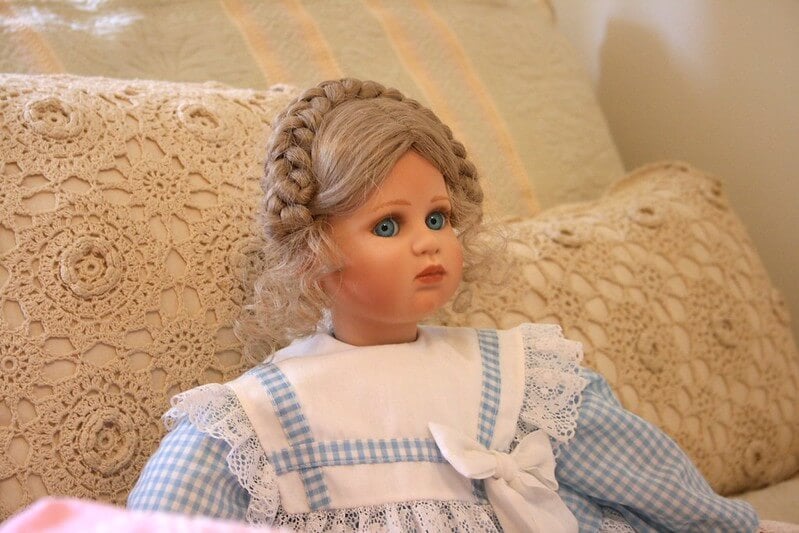
Kathe Kruse, the wife of a Berlin sculptor, made her first cloth dolls for her own children because she found the hard bisque dolls of the time cold and unfriendly. Her earliest commercial model, known to collectors as Doll One, went on sale in 1911 with a hand-painted muslin face and a weighted cloth body meant to feel like a real baby.
The dolls were sturdy enough for play, which is why many survived in worn condition. Collectors pay the highest prices for early examples with crisp facial paint, original clothing and a signature on the foot, and the best ones bring thousands.
Lenci Pressed Felt Dolls From Turin
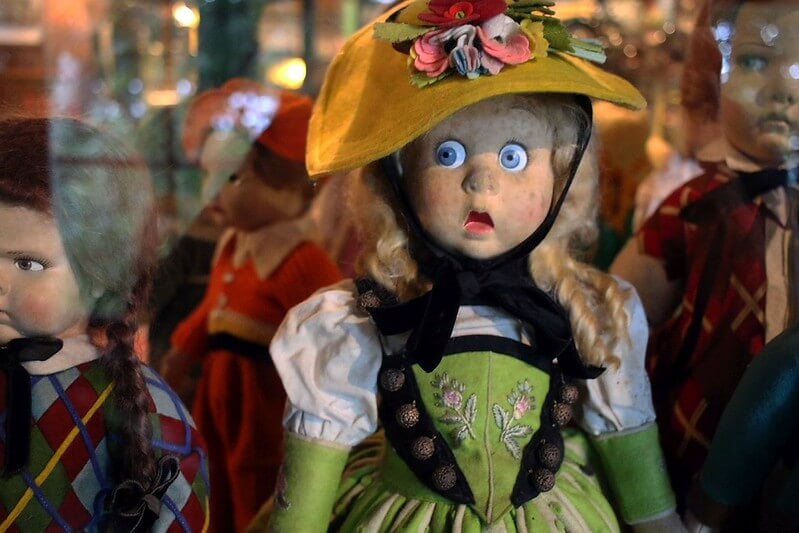
Elena Scavini founded the Lenci company in Turin, Italy, in 1919, and its pressed felt dolls quickly became fashionable with adult buyers as well as children. The faces were molded from felt under heat and pressure, then hand-painted with sideways glancing eyes that became a Lenci trademark.
Elaborate costumes, regional dress and novelty characters made the dolls popular as decorative pieces. Moth damage, fading and replaced outfits all reduce value, while rare models such as elaborate lady dolls in original costumes and tags can sell for thousands at auction.
Johnny Gruelle’s Early Raggedy Ann
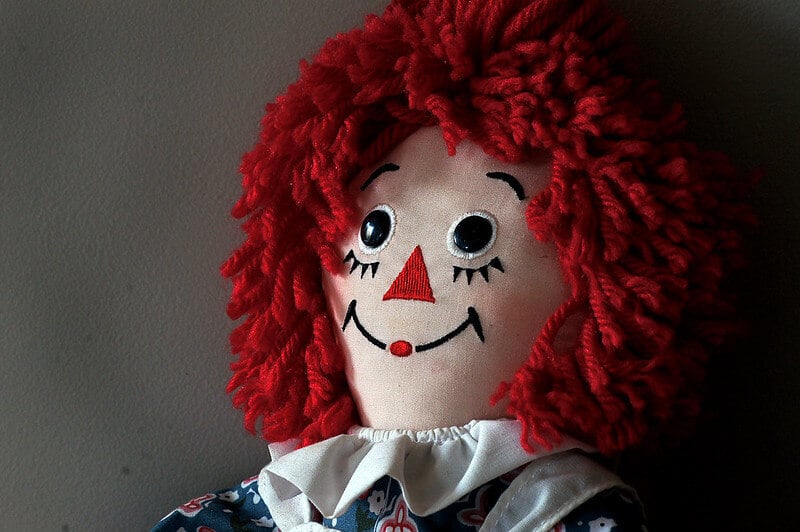
Johnny Gruelle received a design patent for Raggedy Ann in 1915, and the P.F. Volland Company began producing the dolls commercially in 1918 alongside his books. These early dolls were made of cloth with shoe button eyes, yarn hair and a painted heart on the chest that became the doll’s lasting signature.
Early Volland dolls have a distinct homemade quality, with slightly irregular faces that differ from the later mass-produced versions. Collectors check for original fabrics, a legible label and minimal staining, since a well-preserved Volland Raggedy Ann can sell for thousands.
Xavier Roberts Little People Before Coleco
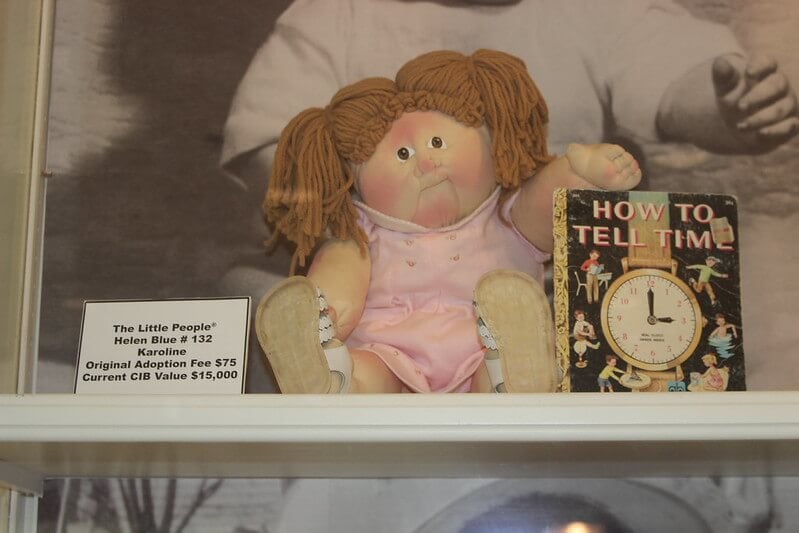
Before the Cabbage Patch Kids filled toy stores, Xavier Roberts sold handmade soft-sculpture dolls called Little People from Babyland General Hospital in Cleveland, Georgia. Buyers did not purchase the dolls outright but adopted them, receiving birth certificates and adoption papers.
Coleco licensed the concept and launched the mass-market Cabbage Patch Kids in 1983, which set off near-riots in stores that holiday season. The handmade originals carry Roberts’ signature, and early examples with paperwork, original clothing and clean fabric can bring thousands from collectors who prize them over the factory dolls.
Rose O’Neill’s Bisque Kewpies
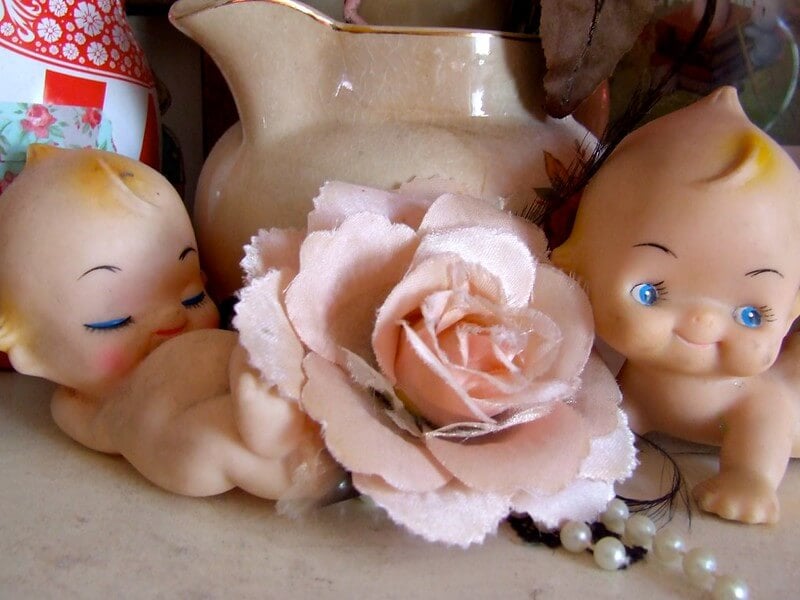
Rose O’Neill introduced her Kewpie characters in Ladies’ Home Journal in 1909, and the pixie-like figures became a national craze. German firm J.D. Kestner began producing bisque Kewpie dolls in 1913, followed by many other makers and countless imitations.
Authentic early Kewpies carry O’Neill’s signature on the foot and a paper heart-shaped label on the chest. Most common Kewpies sell for modest sums, since huge numbers of small figures were made.
Larger bisque figures, action poses and rare character variants in clean, uncracked condition can sell for thousands at doll auctions.
Grace Putnam’s Bye-Lo Baby
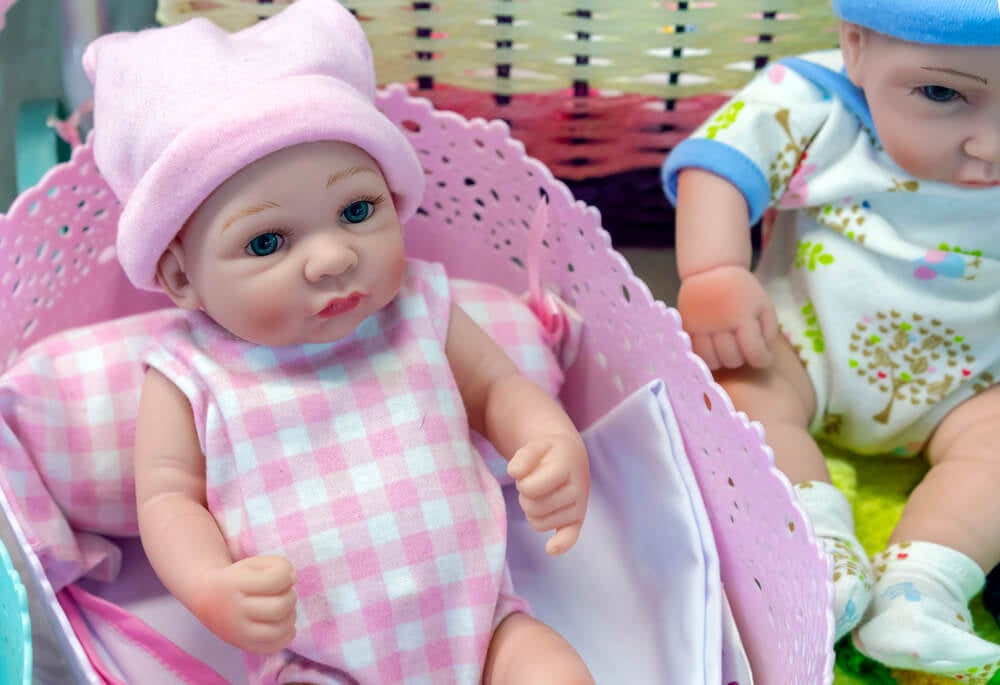
Grace Putnam modeled the Bye-Lo Baby in 1922 on a three-day-old infant, aiming for the look of a real newborn instead of the doll-faced babies sold at the time. The doll became so popular that it earned the nickname Million Dollar Baby.
Heads were made in Germany by several firms, and bodies were usually cloth with celluloid or composition hands. Buyers check for the Putnam signature on the back of the head, cracks in the bisque and original clothing, and while small examples are common, rarer large sizes and boxed dolls sell for thousands.
Schoenhut All-Wood Dolls
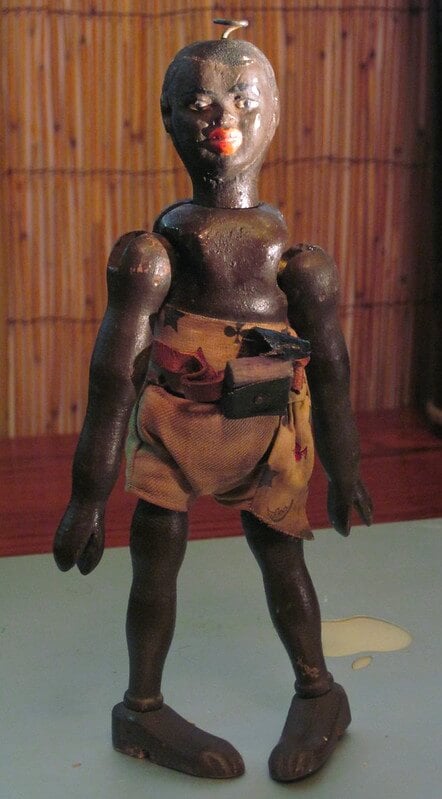
Albert Schoenhut, a Philadelphia toymaker originally known for toy pianos, patented his spring-jointed wooden doll in 1911. The dolls were carved from basswood, with metal springs allowing them to hold poses that other dolls could not manage.
Each one was painted with enamel, which helped them survive but also meant the paint could chip or wear. Collectors value early carved hair dolls and character faces, and clean original paint, intact springs and original clothing can push an example into the thousands, while repainted dolls lose much of their appeal.
Izannah Walker Cloth Dolls
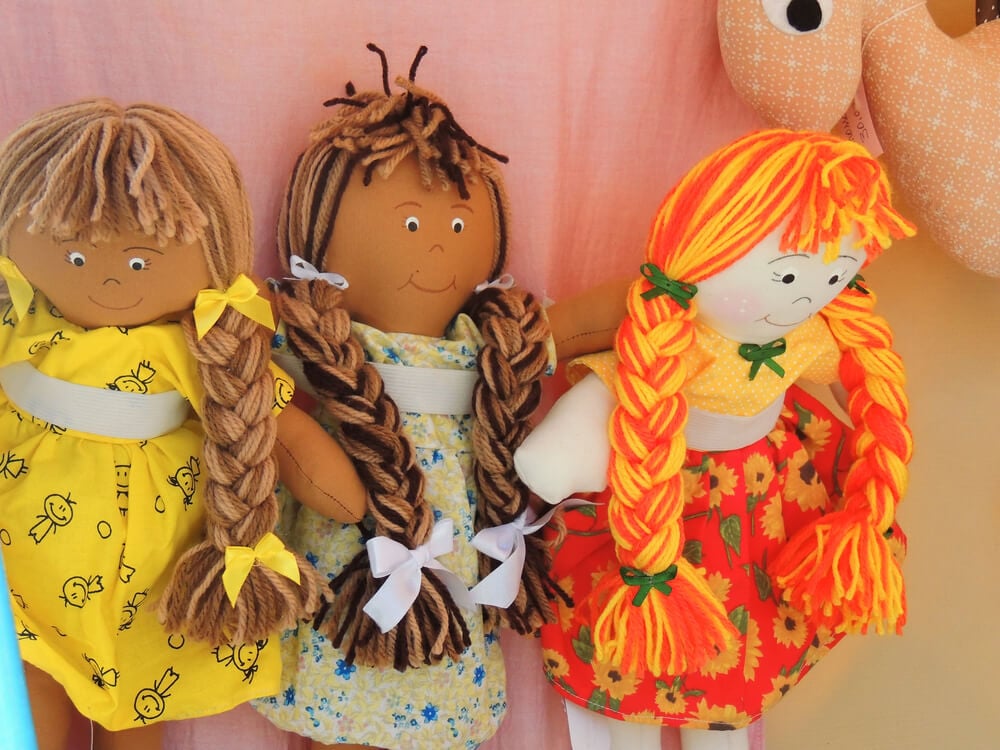
Izannah Walker of Central Falls, Rhode Island, made painted cloth dolls in the mid-1800s and received a patent for her process in 1873. Her dolls had faces molded from layers of stiffened fabric, then painted with oil colors, giving them a sturdy surface that could handle play.
Few survive in good condition, and those that do often show paint loss, darkening or repairs. Because of their rarity and folk art quality, authentic Izannah Walker dolls often sell for tens of thousands of dollars, especially when the original paint and clothing are intact.
Greiner Papier-Mache Heads
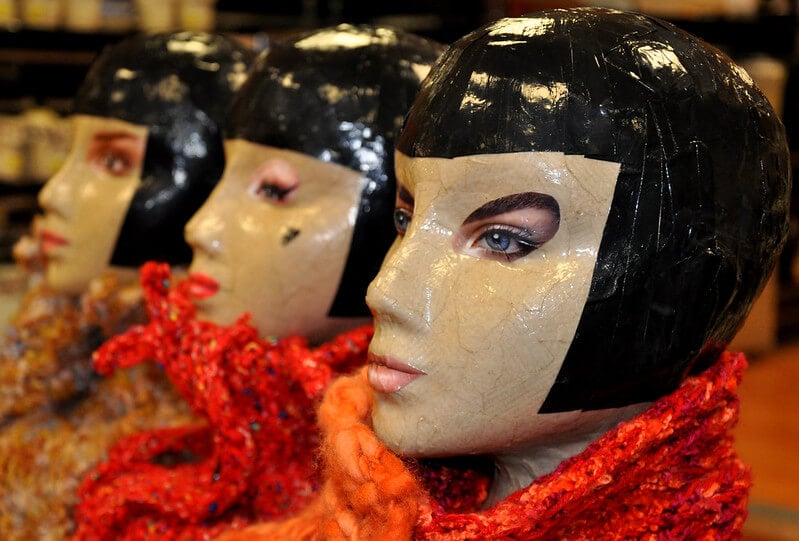
Ludwig Greiner of Philadelphia received a patent for papier-mache doll heads in 1858, which was among the first doll patents issued in the United States. The heads were sturdier than china, with painted features and molded hair, and were often sold separately for families to attach to homemade bodies.
Many Greiner heads carry a paper label on the back of the shoulder plate, which collectors use to date them by patent wording. Cracking, flaking paint and repainted surfaces are common problems, and pristine examples with original labels are worth the most, sometimes reaching thousands at specialist sales.
English Poured Wax Dolls
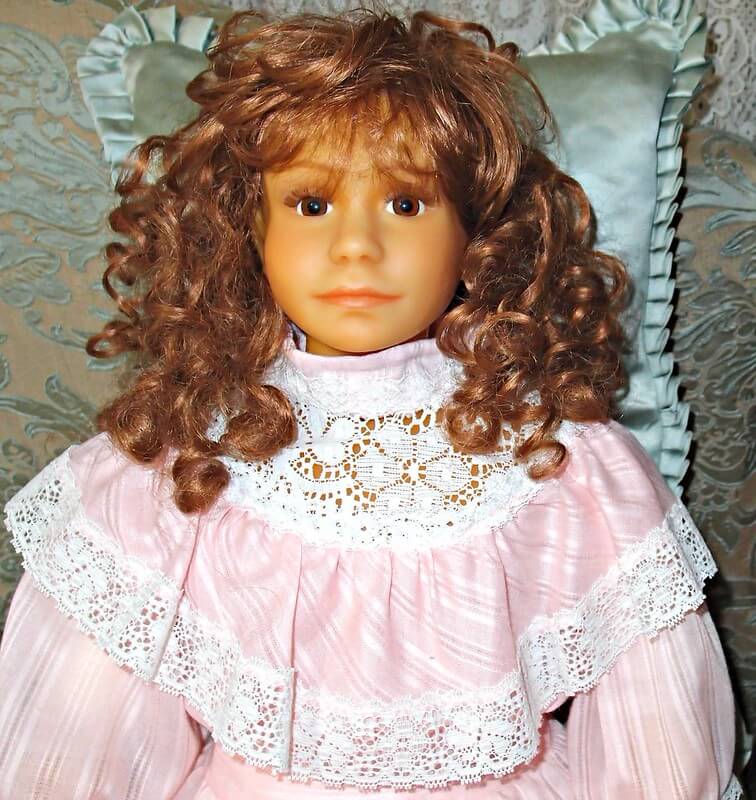
English makers such as the Montanari and Pierotti families produced luxurious poured wax dolls in the 19th century. Unlike cheaper wax-over-composition dolls, these were made by pouring molten wax into molds, giving the faces a soft, lifelike glow.
Hair, eyebrows and lashes were often inserted strand by strand, a slow process that added to the cost and explains why these dolls were luxury purchases for wealthy households. Wax is fragile, so cracks, fading and repairs are common, and buyers prize examples with original wigs and clothing, which can bring thousands at auction.
Queen Anne Era English Wooden Dolls
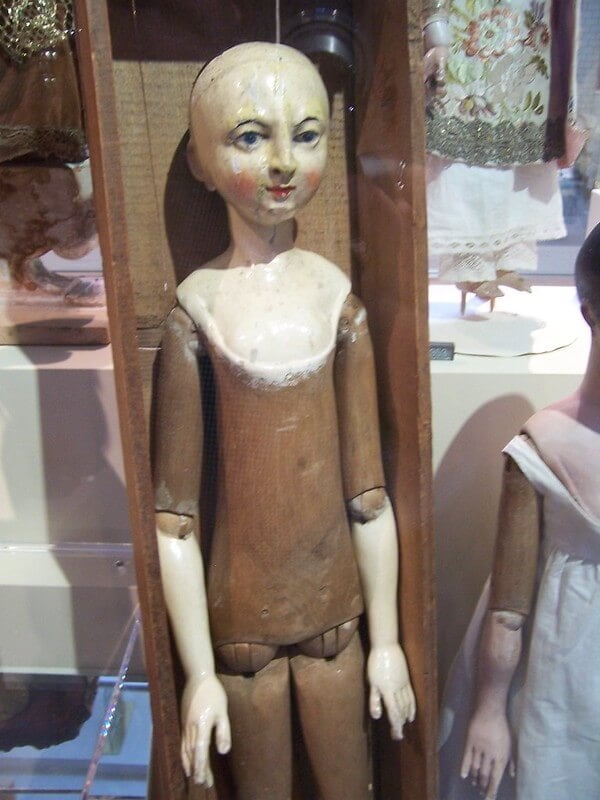
English wooden dolls from the late 1600s and 1700s are some of the oldest collectible dolls known. They were carved from wood, covered with gesso and painted, often with glass eyes and dotted eyebrows and lashes.
A famous pair known as Lord and Lady Clapham is preserved at the Victoria and Albert Museum in London, complete with original clothing. Surviving examples are rare, and value depends on originality of paint, clothing and wig, with authentic dolls selling for tens of thousands of dollars or more.
Madame Alexander Cissy From 1955
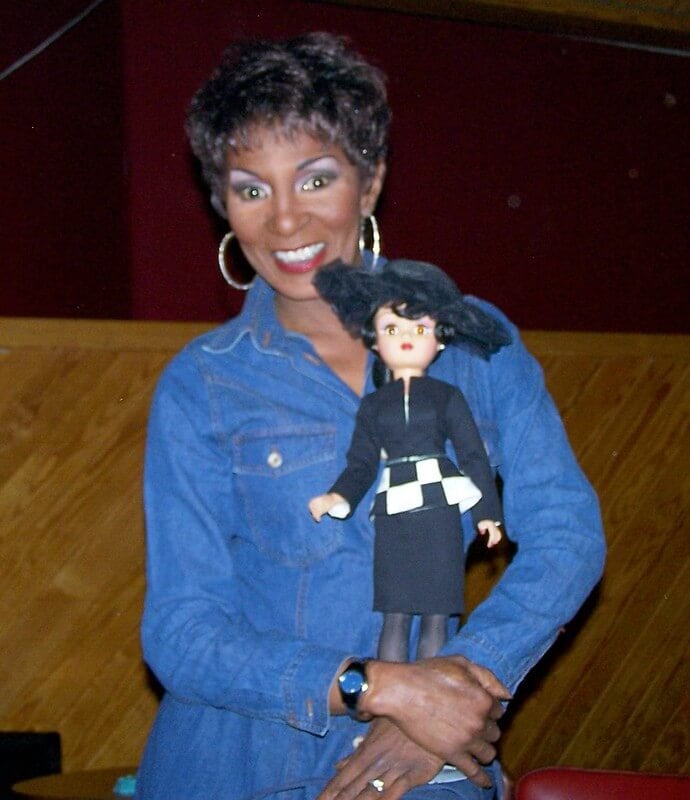
Madame Alexander introduced Cissy in 1955, a 20-inch fashion doll with an adult figure that predated Barbie by four years. She was marketed in department stores with elaborate couture-inspired outfits, from evening gowns to tailored suits, many sold separately.
The doll’s hard plastic body and jointed limbs allowed for posing, and her wardrobe reflected the glamour of 1950s fashion, down to tiny hats, gloves and costume jewelry. Tagged clothing, intact hair sets and original boxes drive prices higher, and well-dressed examples in pristine condition can sell for thousands.
Vogue Ginny From Medford
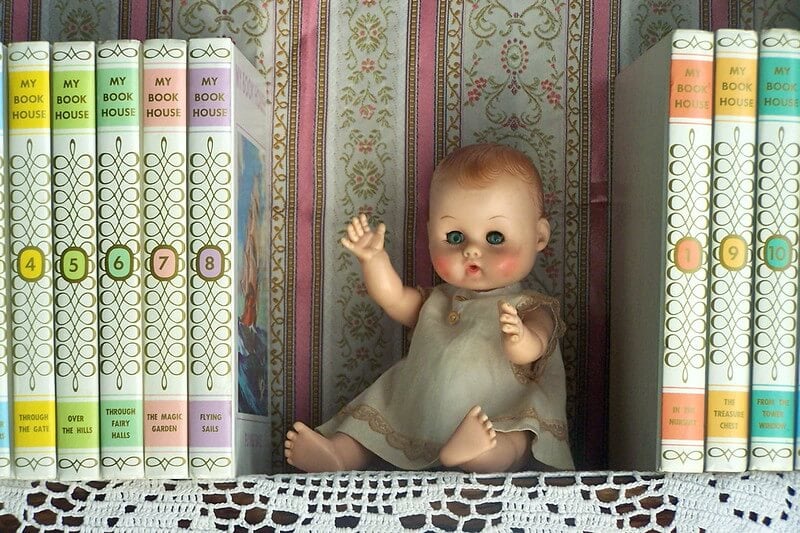
Jennie Graves founded Vogue Dolls in Medford, Massachusetts, and named the Ginny doll after her daughter, Virginia. Ginny was an 8-inch doll that became popular in the early 1950s, sold with a large wardrobe of separately purchased outfits that encouraged repeat visits to the toy counter, a model Barbie later followed on a much larger scale.
Early Ginny dolls were made of hard plastic with painted or sleep eyes, and later versions used vinyl. Collectors value early examples with original clothing, tags and boxes, and rare outfits or dolls in mint condition can bring thousands.
Porcelain Faces and Paper Trails
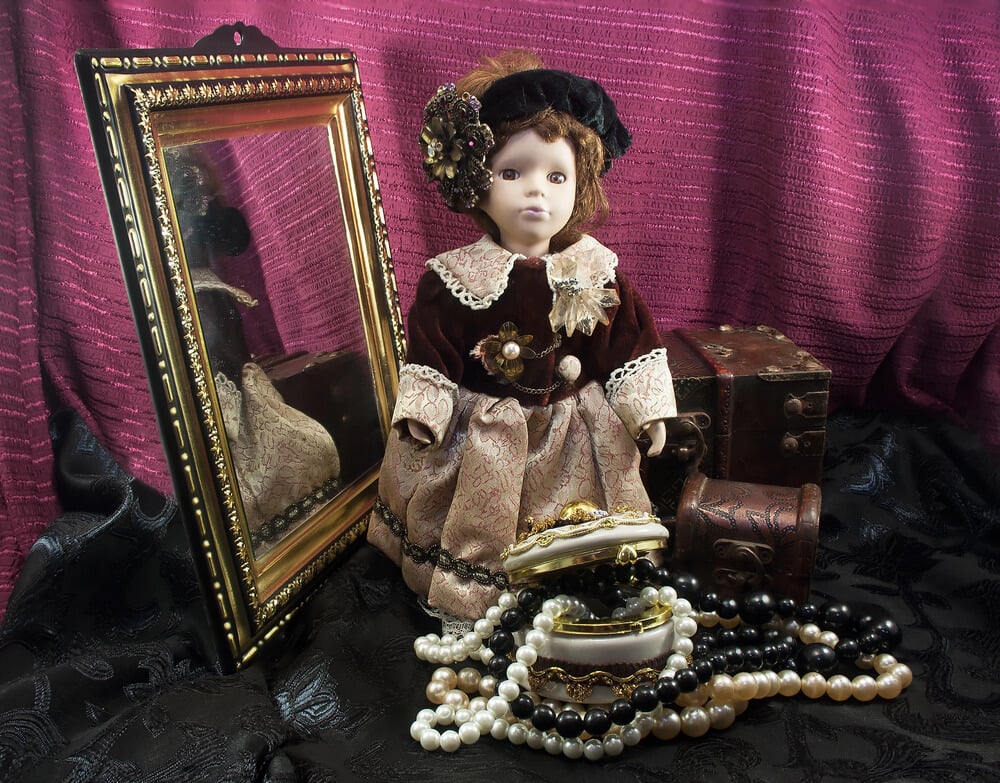
The dolls that bring the highest prices share one feature beyond age or maker. They survived with their stories intact, whether that means an original box, a signed foot, a tagged dress or a wardrobe that never got separated.
Collectors pay for proof as much as for beauty.
That makes the attic a better hunting ground than any antique mall. A doll that sat untouched for decades, still wearing what it came in, is worth far more than one that was cleaned, restyled or redressed by a well-meaning relative.
Sometimes the most valuable thing to do with an old doll is nothing at all.
More from Go2Tutors!

- The Romanov Crown Jewels and Their Tragic Fate
- 13 Historical Mysteries That Science Still Can’t Solve
- Famous Hoaxes That Fooled the World for Years
- 15 Child Stars with Tragic Adult Lives
- 16 Famous Jewelry Pieces in History
Like Go2Tutors’s content? Follow us on MSN.