Barbie Dolls From the ’60s Worth a Fortune
Somewhere in an attic, a shoebox holds a doll with a faded swimsuit, a stiff ponytail and a faint green tint around one ear. To most people it looks like an old toy.
To a collector, the eyebrow shape, the paint on the lips and the tiny marking on the backside can separate a 40 dollar flea market find from a four-figure sale. Mattel sold Barbie by the millions during the 1960s, which is exactly why the small variations matter so much.
Dolls that were handled gently, kept with their boxes or produced for only a short window now trade hands at prices their original owners would never have believed.
Ponytail Barbie No. 3 With Brown Eyeliner
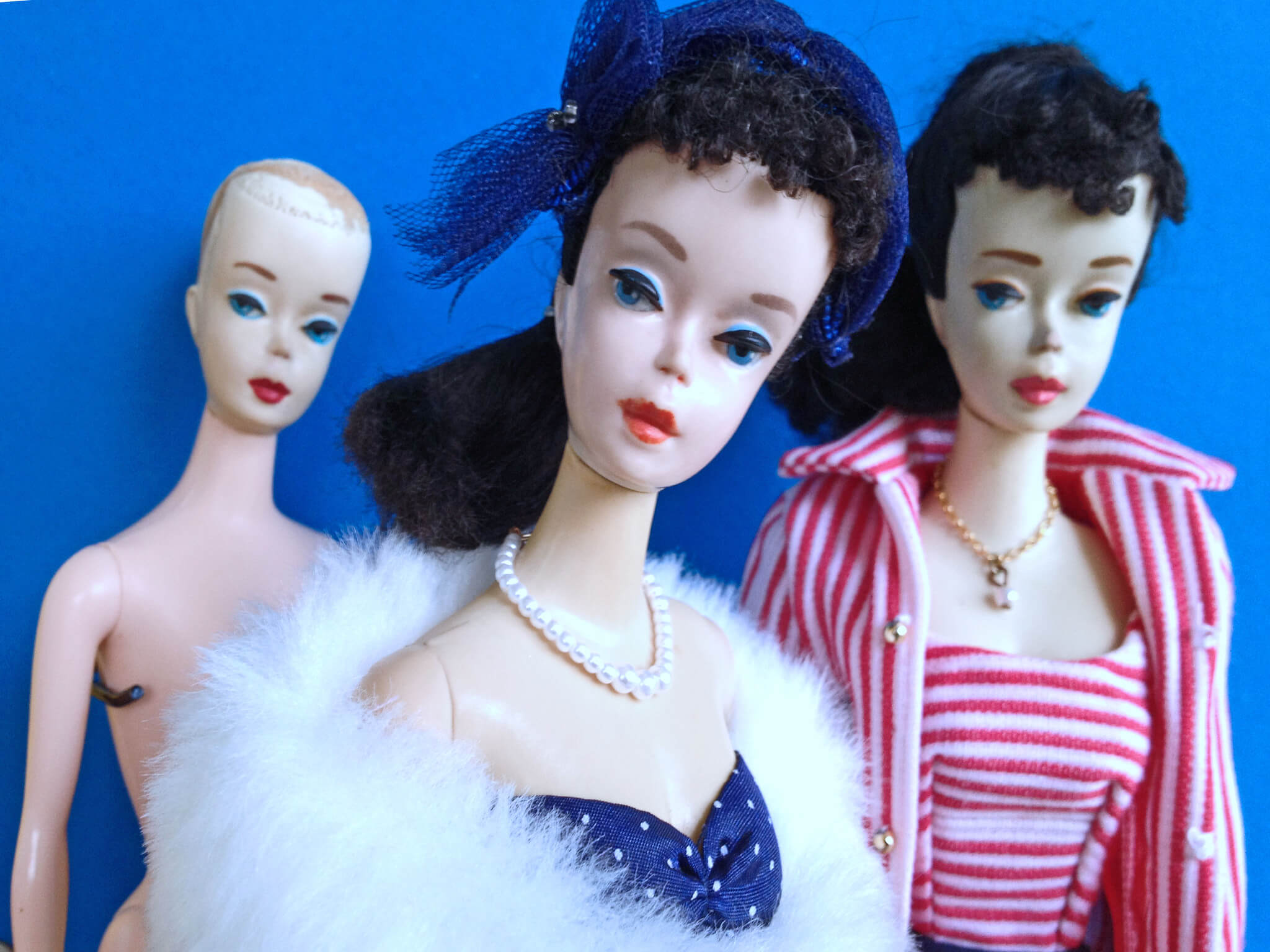
Released in 1960, the third Ponytail Barbie softened the severe look of the earliest dolls by swapping the sharply pointed eyebrows for gently curved ones. Many examples have brown eyeliner, a short-lived detail that collectors prize, while others came with blue liner.
Like the first two versions, she wore the black and white striped swimsuit and gold hoop earrings, and those brass hoops often left a green stain in the vinyl that cannot be fully removed. A clean, untouched No. 3 often sells for about 1,000 to 3,000 dollars, though faded lips, a recut ponytail or green ears pull that figure down quickly.
Fourth Ponytail Edition From 1960
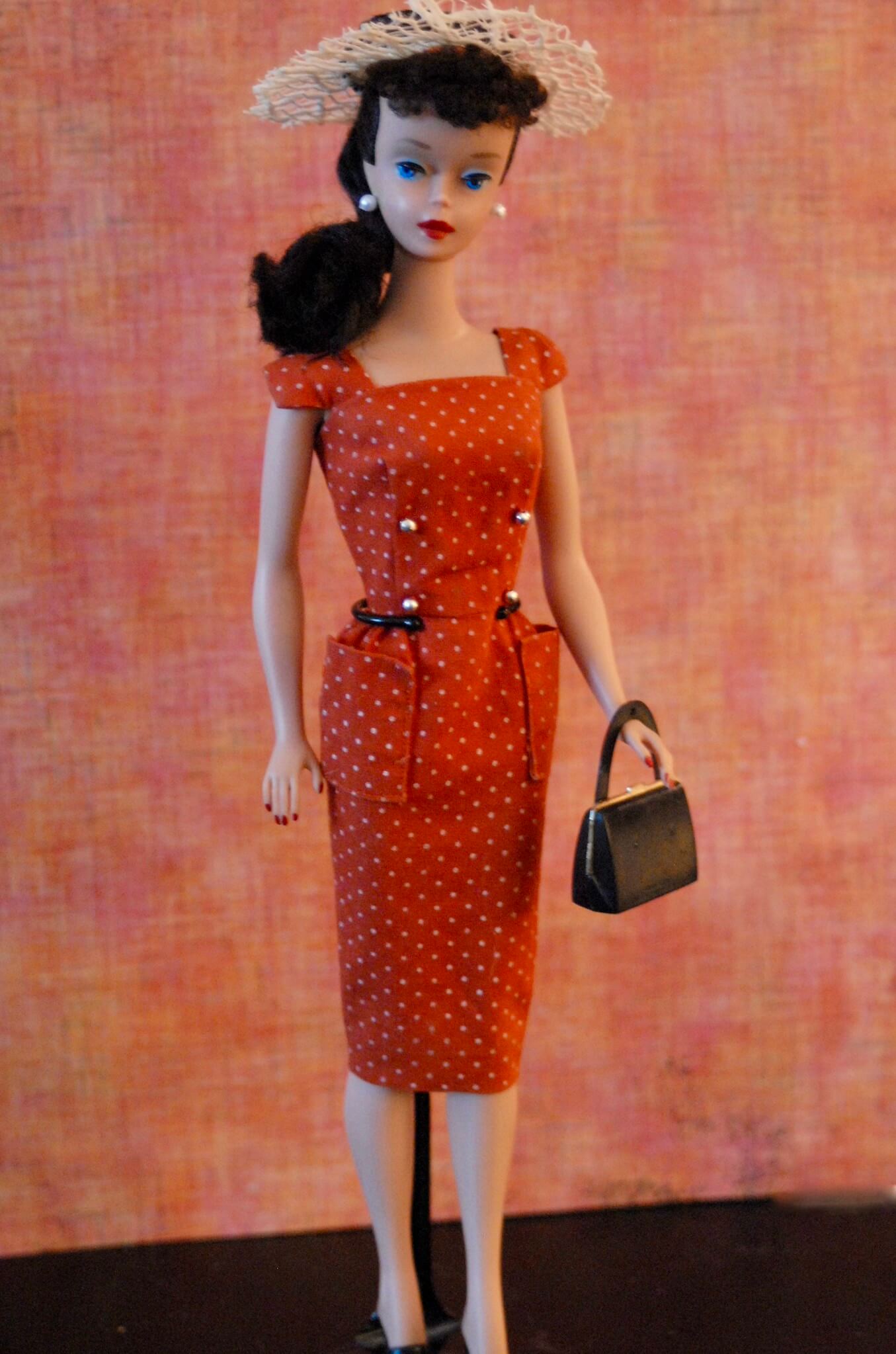
Collectors often call the No. 4 the sleeper of the early ponytails. She shares the curved brows of the No. 3 but settled on blue eyeliner, and her body was made from a vinyl that held its pale flesh tone better than the earlier formula, which tended to turn ghostly white.
That stability means many surviving examples still look fresh after more than six decades. Typical prices run about 500 to 1,500 dollars for a nice doll, with the higher end reserved for examples with full facial paint, uncut hair and the original box and stand present.
Hollow-Bodied No. 5 Ponytail
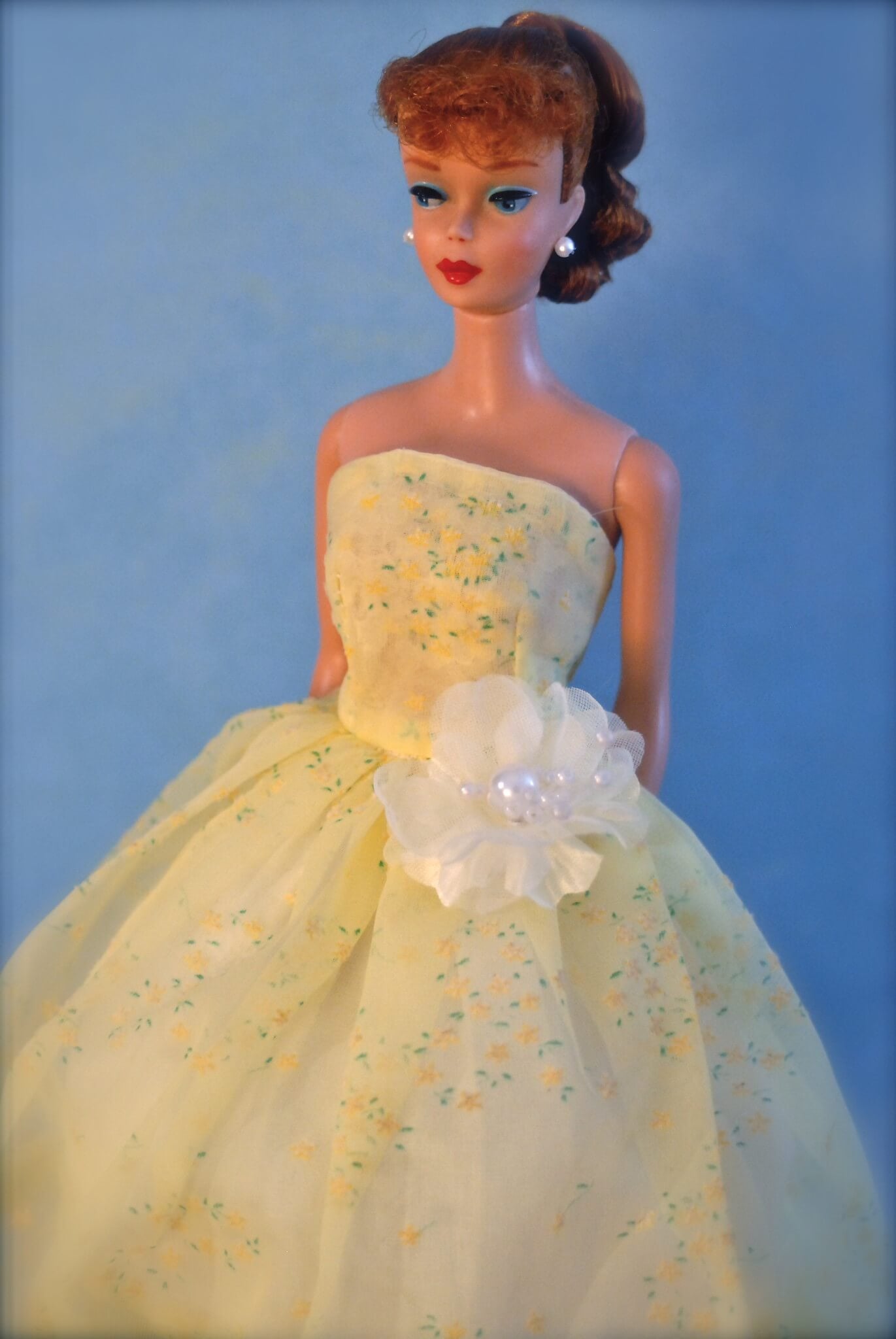
By 1961, Mattel had switched to a hollow body for the fifth Ponytail Barbie, which makes her noticeably lighter in the hand than the solid earlier dolls. Her hair fiber was also firmer, and she was offered in blonde, brunette and a red shade collectors call titian.
The red-haired version tends to sell for more because fewer were made. Most No. 5 dolls trade for about 300 to 1,000 dollars, and buyers inspect the vinyl closely because the hollow torso can show splits at the neck and fading on the cheeks after years of rough play.
Bubble Cut Barbie and Her Short Curls
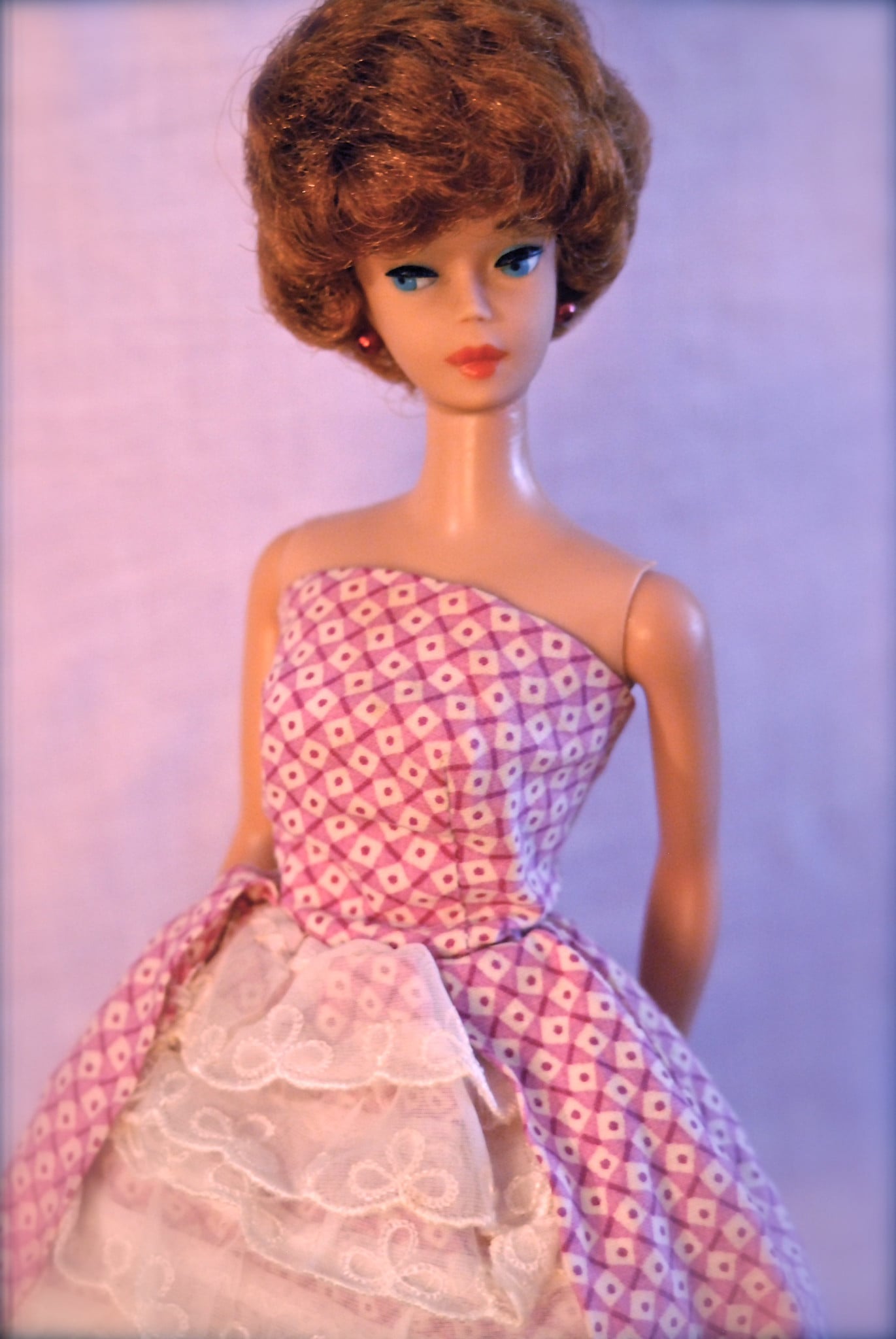
Introduced in 1961, the Bubble Cut gave Barbie a rounded, short hairstyle that echoed Jacqueline Kennedy’s look and quickly became a bestseller alongside the ponytail. Because Mattel kept making her for several years, shades ranged from platinum and blonde to brunette, titian and several in-between tones.
That long run keeps ordinary loose examples affordable, often around 100 to 400 dollars. Boxed dolls with crisp curls and full lip paint climb higher, and a side-part variation from the mid-decade draws considerably more when the hair has never been brushed out.
Fashion Queen With Three Swappable Wigs
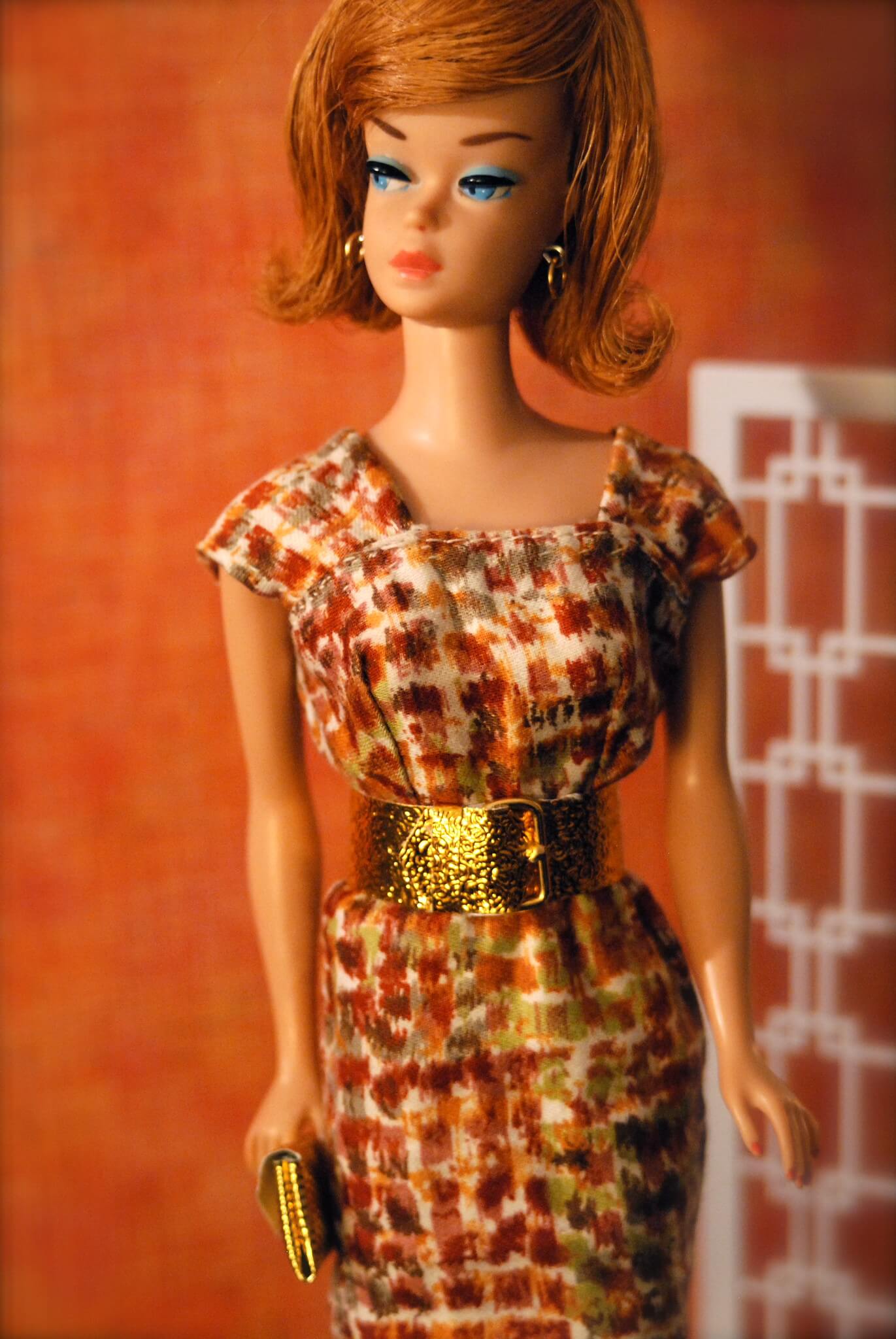
Fashion Queen Barbie arrived in 1963 with molded brunette hair under a blue headband and three wigs that let a child change her look in seconds. The set included a blonde bubble cut, a brunette pageboy and a titian flip, all displayed on a white wig stand.
She wore a gold and white striped swimsuit with a matching turban. Complete sets with every wig and the stand typically bring about 200 to 600 dollars, but the wigs are the weak point, since frizz, missing pieces and dried glue sharply reduce what a buyer will pay.
Swirl Ponytail Barbie From 1964
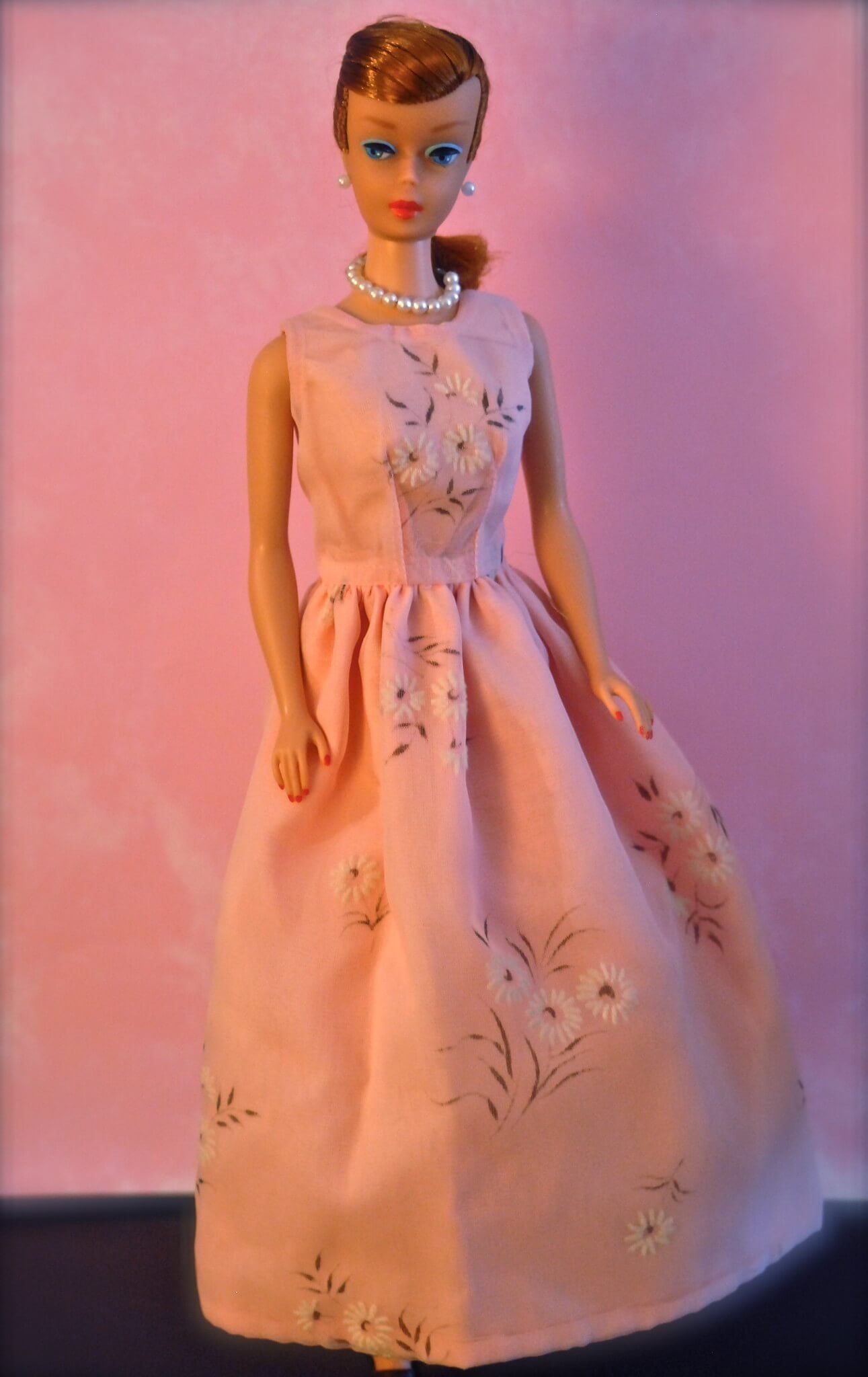
Swirl Ponytail Barbie replaced the classic bangs with a side-swept fringe that wrapped across the forehead into the ponytail. Released in 1964, she came in blonde, brunette, platinum and a lemon blonde, and she wore a red swimsuit with pearl earrings.
Collectors favor examples with the original yellow ribbon and hair pin still in place, since so many were restyled by their owners. A doll with an intact swirl often sells for about 300 to 1,000 dollars, while one with cut or frizzy hair may struggle to reach a fraction of that.
Miss Barbie and Her Garden Swing
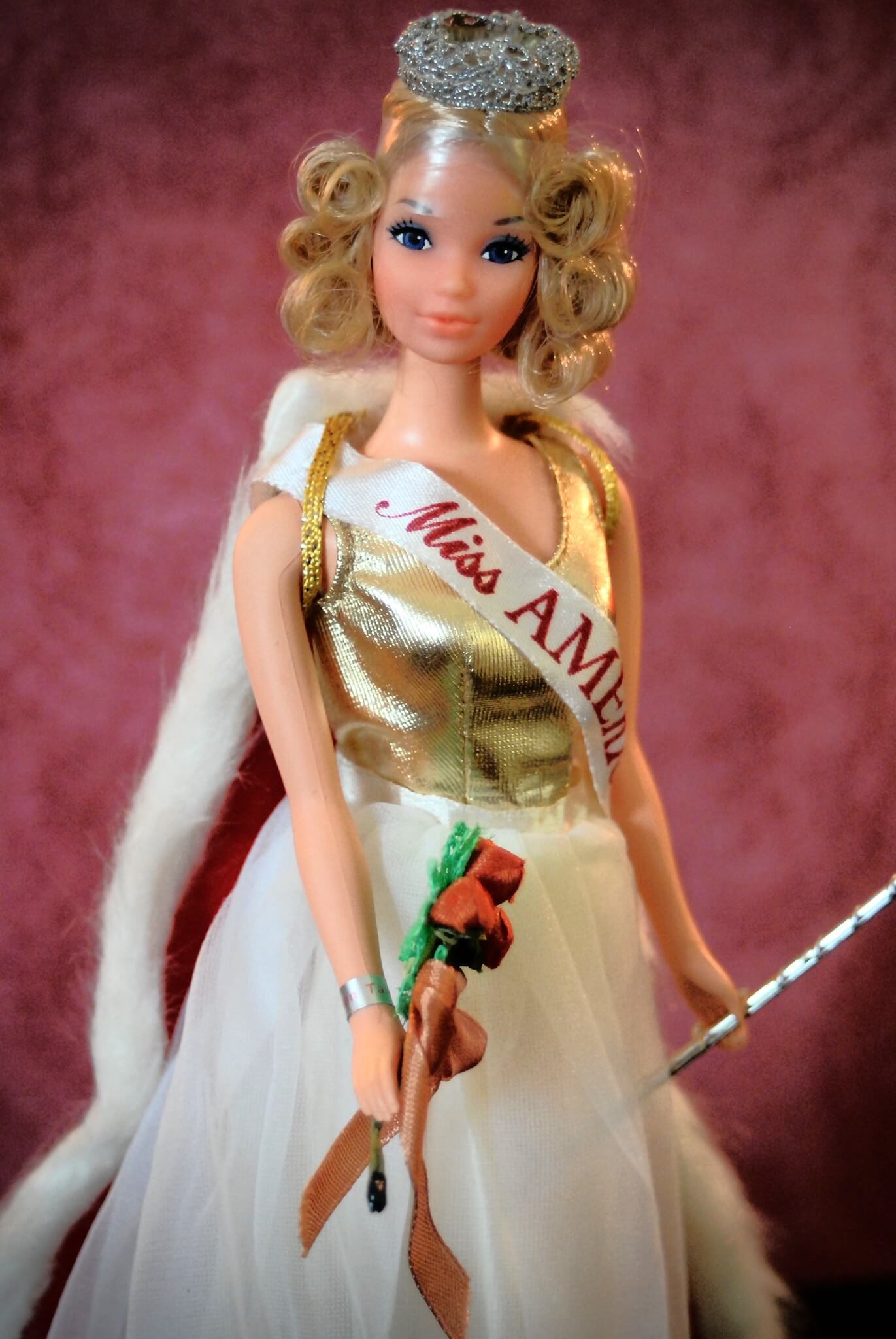
Among the dolls of the decade, Miss Barbie from 1964 stands apart for her sleep eyes, which close when she is laid down. She also had bendable legs and molded hair under three interchangeable wigs, and the set came with a lawn swing and a planter.
Mattel produced her only briefly, so complete examples are scarce. Loose dolls often go for about 200 to 500 dollars, but a full set with the swing, planter and working eyes can run well past 1,000 dollars, since the eye mechanism is prone to sticking or cloudiness.
American Girl Barbie With a Side Part
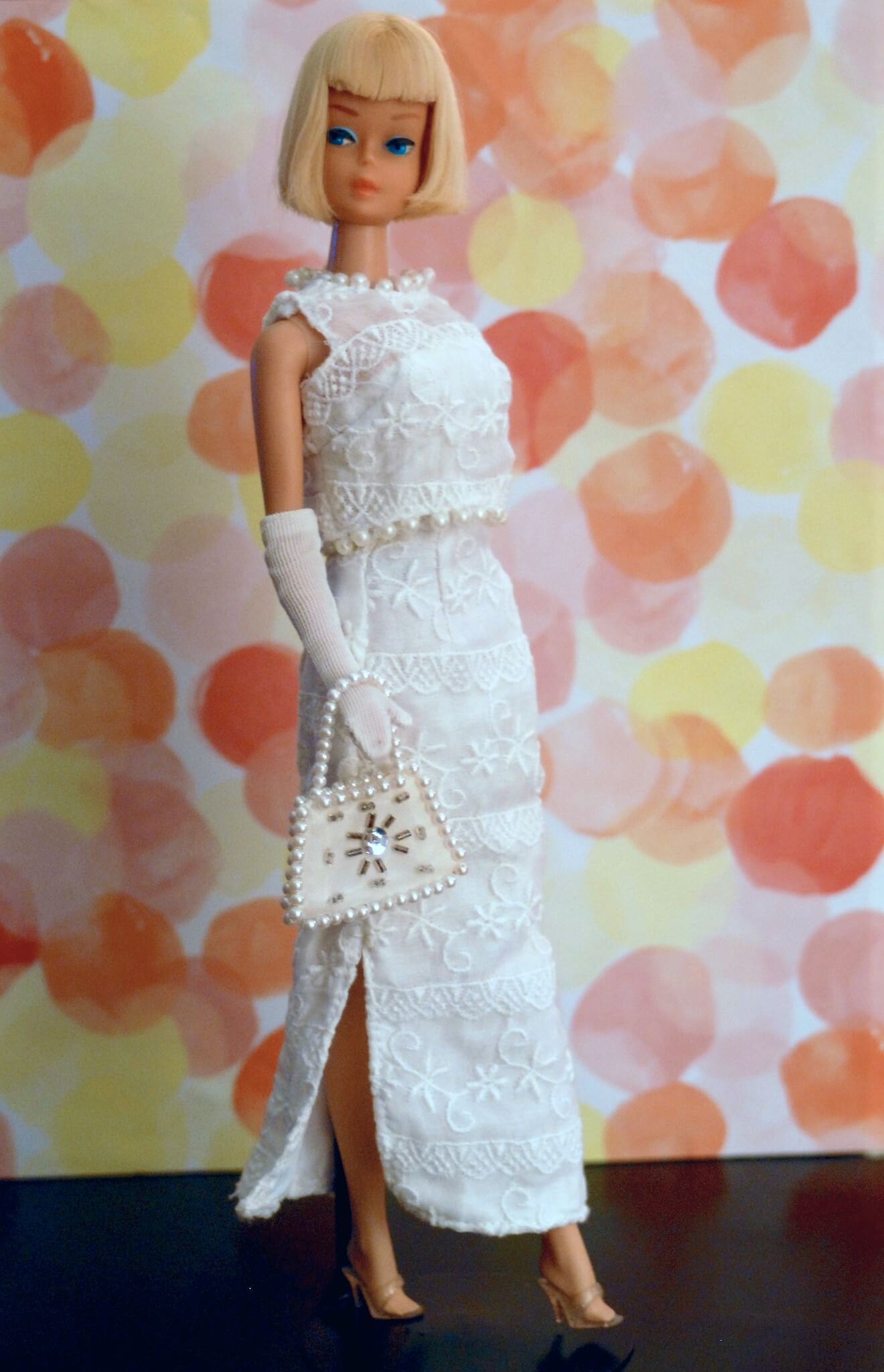
American Girl Barbie debuted in 1965 with a short pageboy cut and the bendable legs that had just become available. The standard version is valued in its own right, but the side-part American Girl from 1966 is among the scarcest dolls of the period, reportedly sold mainly in gift sets and some international markets.
Regular examples often trade for about 400 to 1,500 dollars depending on hair shade and face paint. A genuine side-part can sell well into four figures, so experts look for signs of a restyled or rerooted head before money changes hands.
Color Magic Barbie and Her Changing Hair
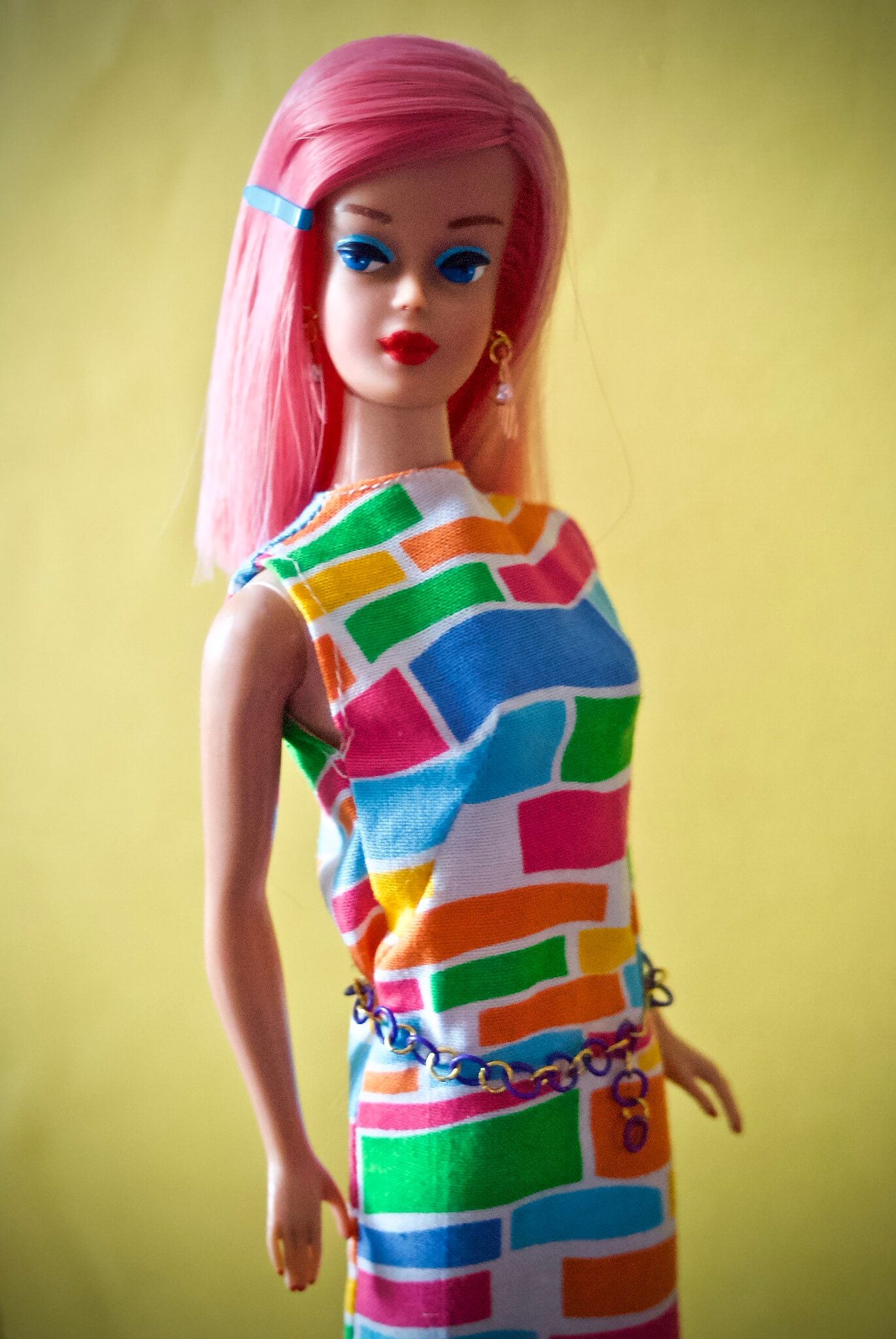
Mattel released Color Magic Barbie in 1966 with hair that changed shade when treated with a special solution included in the box. The blonde version went from a golden tone to a scarlet red, and the darker version moved from near-black to a ruby red.
She came packaged in a distinctive clear plastic box that cracks and yellows easily. Loose dolls with good hair can sell for about 500 to 2,000 dollars, and a boxed example in excellent condition goes considerably higher, because the hair often stayed stuck in an unexpected in-between shade.
Twist ‘N Turn Barbie and the Trade-In Deal
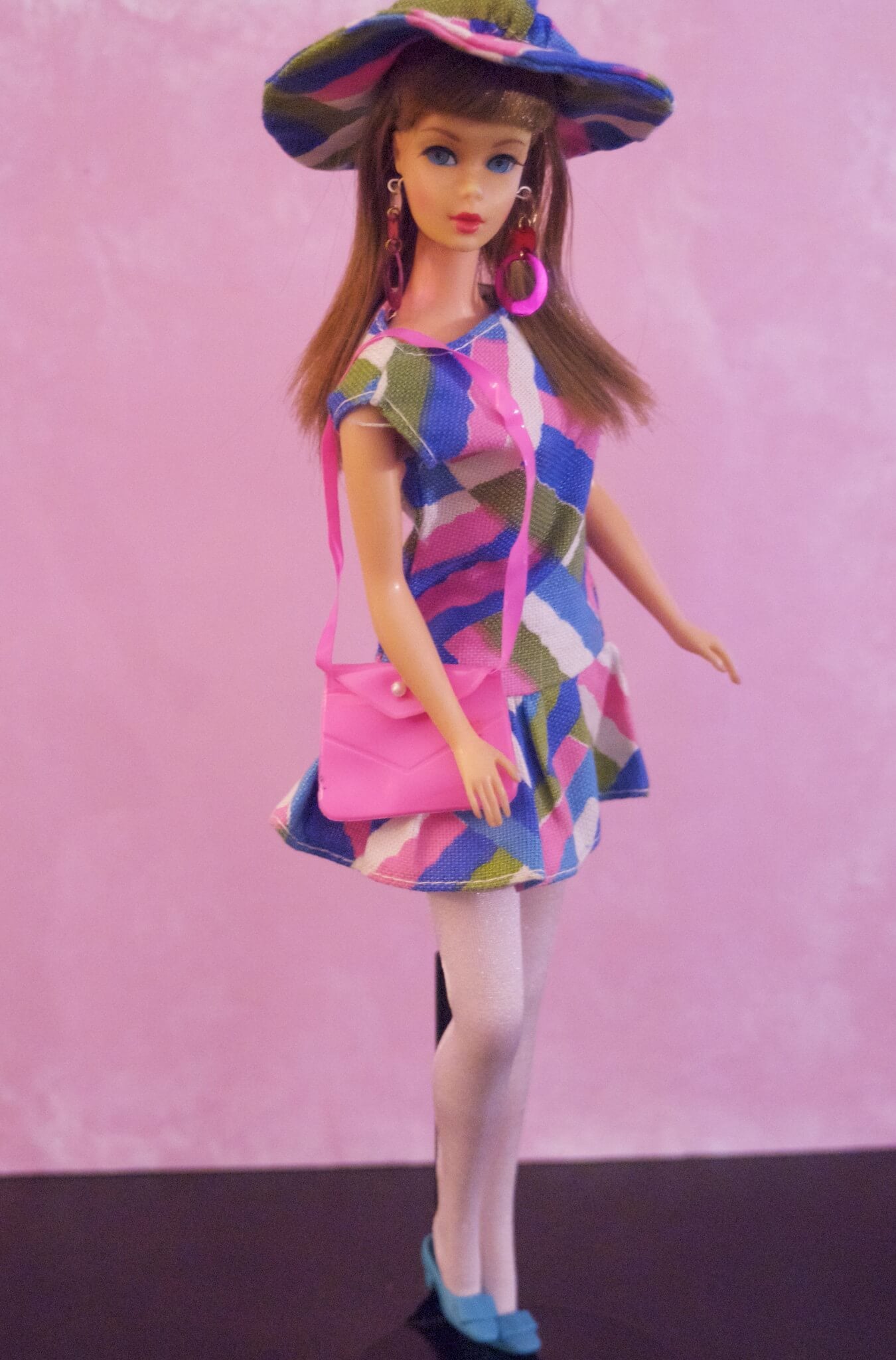
In 1967, Mattel launched Twist ‘N Turn Barbie with a rotating waist, rooted eyelashes and a more youthful face. To push sales, the company ran a trade-in promotion that let children send in an older Barbie plus a small payment to receive the new model at a discount.
Many early dolls were surrendered this way, which partly explains why some earlier versions are harder to find today. Twist ‘N Turn dolls themselves typically sell for about 150 to 600 dollars, and examples with full eyelashes and no splitting at the waist joint bring the most.
Talking Barbie From 1968
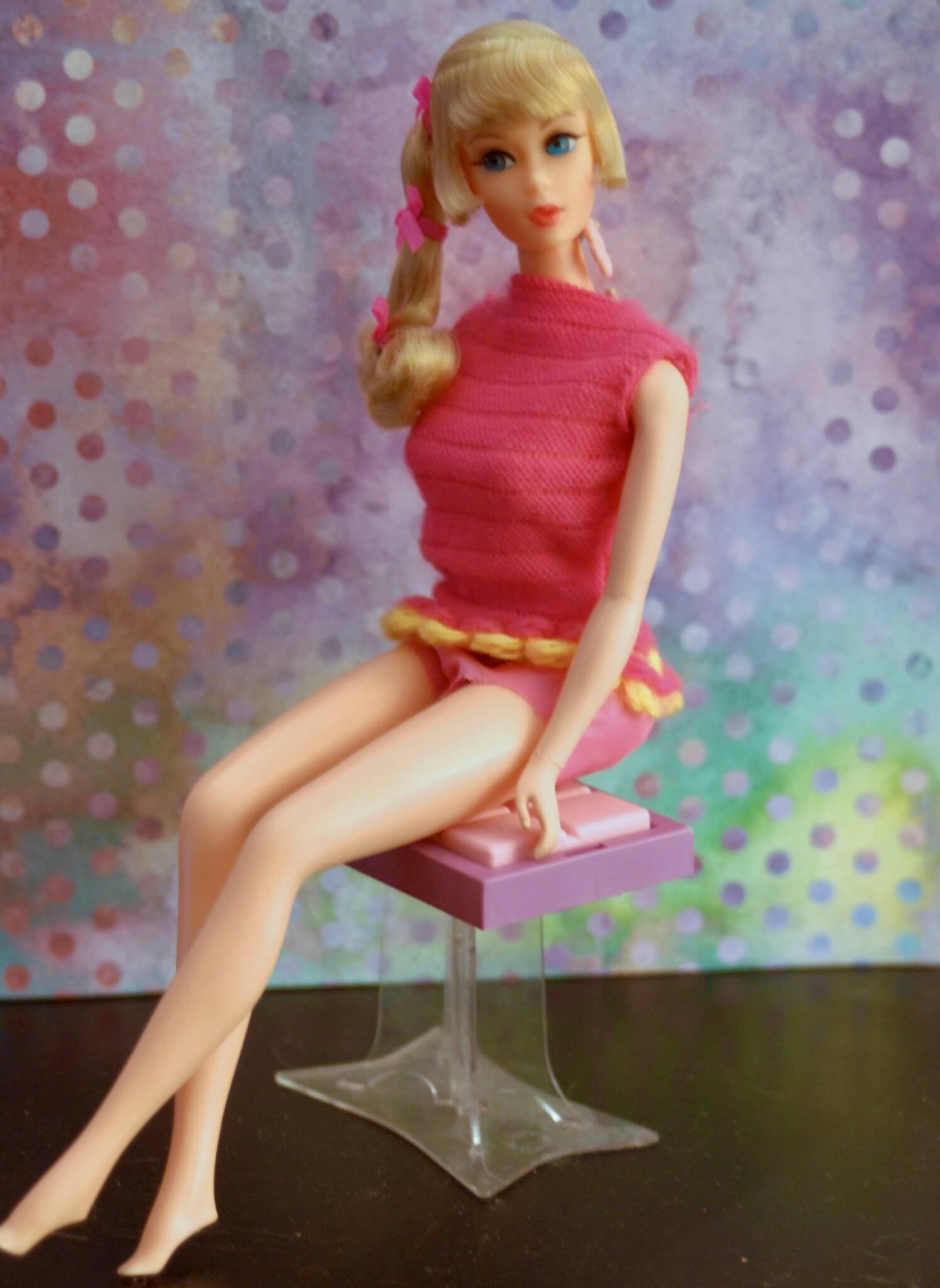
Talking Barbie arrived in 1968 with a pull string in her back that played a selection of recorded phrases. She had long hair tied to the side, a two-piece swimsuit and the bendable legs of the later 1960s line.
Collectors pay close attention to the voice box, since many have gone silent or sound muffled after decades in storage. A working doll in good shape typically sells for about 100 to 400 dollars, and boxed examples with a functioning voice reach higher, while silent dolls with sticky vinyl usually fall below that range.
Original Ken With Flocked Hair
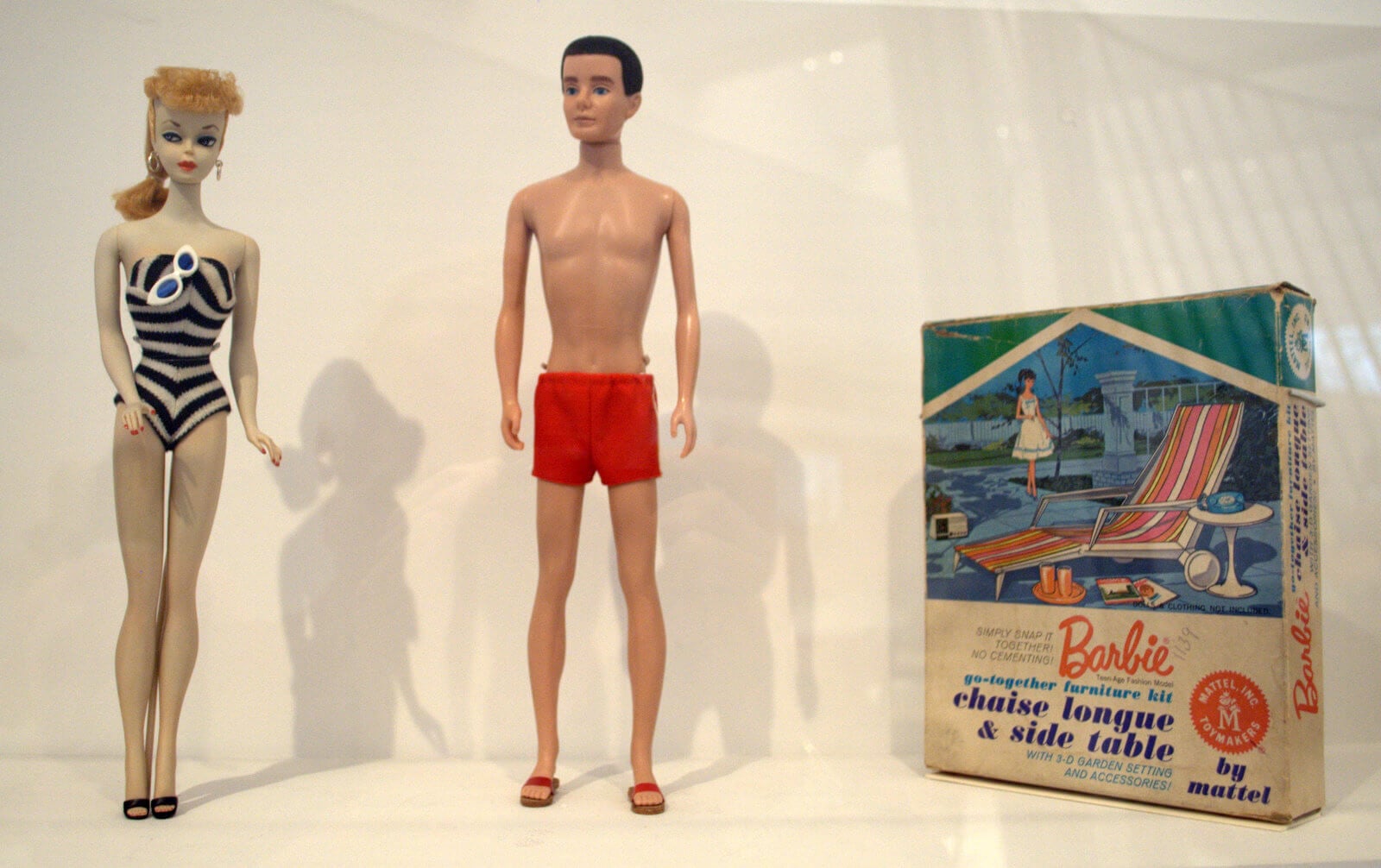
Ken joined his girlfriend in 1961, and the earliest version had flocked hair, a fuzzy coating glued onto the molded head. The flocking wore off with water and handling, so many surviving dolls are partly or almost entirely bald.
In 1962, Mattel switched to painted hair, which makes the flocked version easier to date. A loose flocked Ken often sells for about 50 to 200 dollars, and a boxed example with a full head of fuzz and his red swim trunks, striped towel and cork sandals can bring around 200 to 400 dollars.
Midge, the Freckled Best Friend
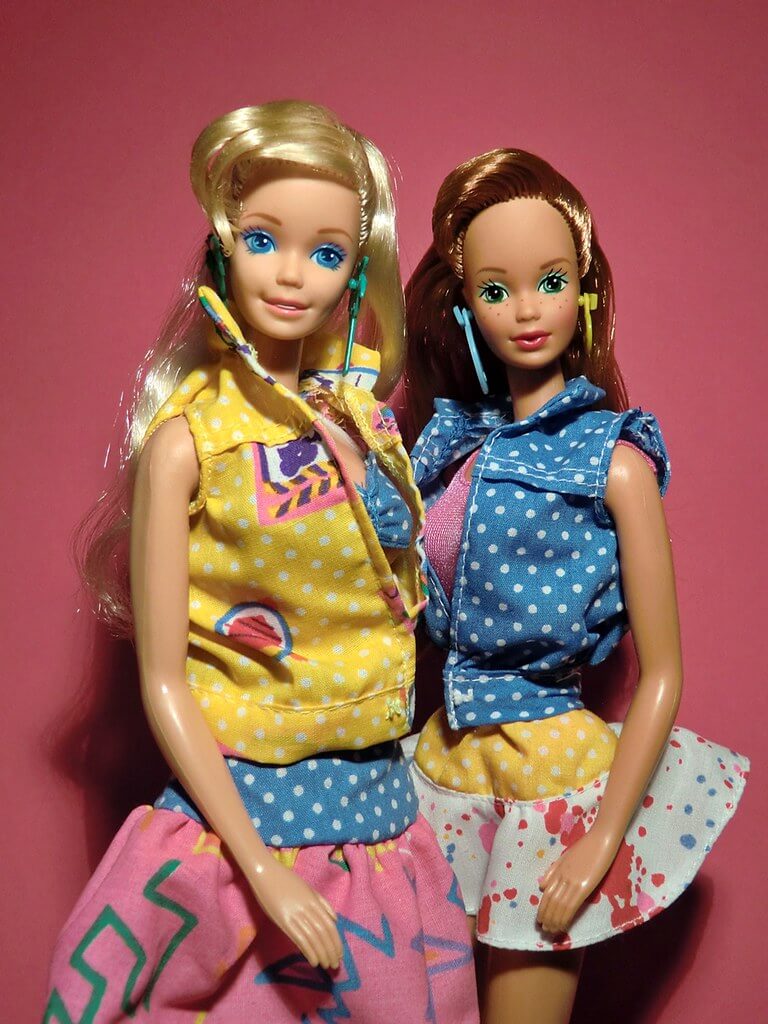
Midge debuted in 1963 as Barbie’s best friend, with a friendlier face, a splash of freckles and the ability to share her wardrobe. She came in blonde, brunette and titian, and some early examples were made without freckles or with teeth showing, which collectors seek out.
A later version from 1965 had bendable legs. Most straight-leg Midge dolls sell for about 50 to 250 dollars, but uncommon variations and boxed dolls with the original two-piece swimsuit climb higher, especially when the freckles and lip paint are unworn.
Skipper Joins the Family in 1964
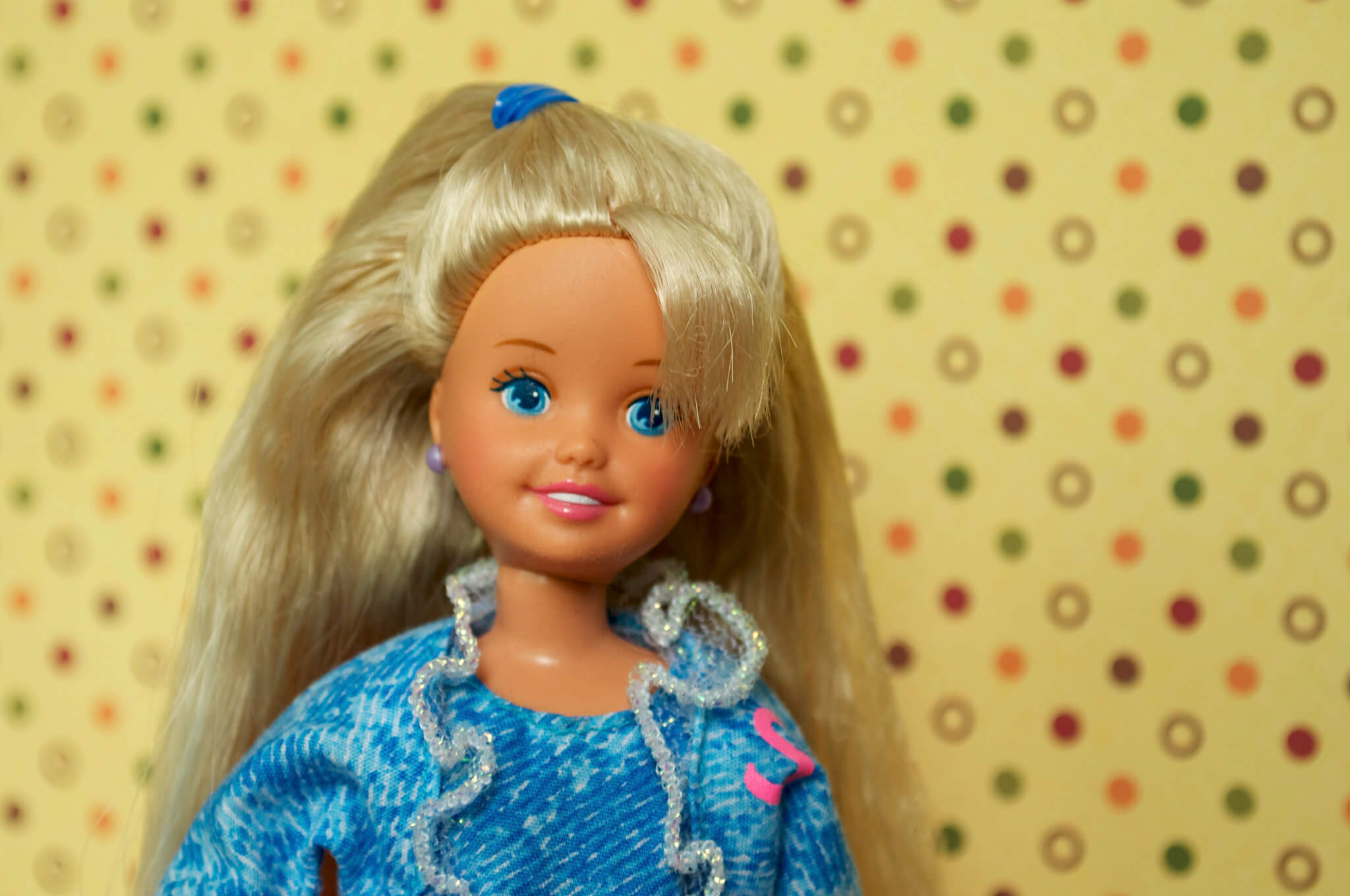
Barbie’s younger sister Skipper arrived in 1964, giving Mattel a second wardrobe line built around a child’s proportions. She wore a red and white swimsuit and came with a comb, a headband and shoes.
Early Skippers had straight legs, and bendable-leg versions followed in 1965. Loose dolls are fairly common and often sell for about 50 to 200 dollars, while boxed examples with crisp hair and all accessories bring more.
Skipper’s own outfits, many sold in sealed packages, sometimes rival the doll herself in price.
Francie, the Mod Cousin
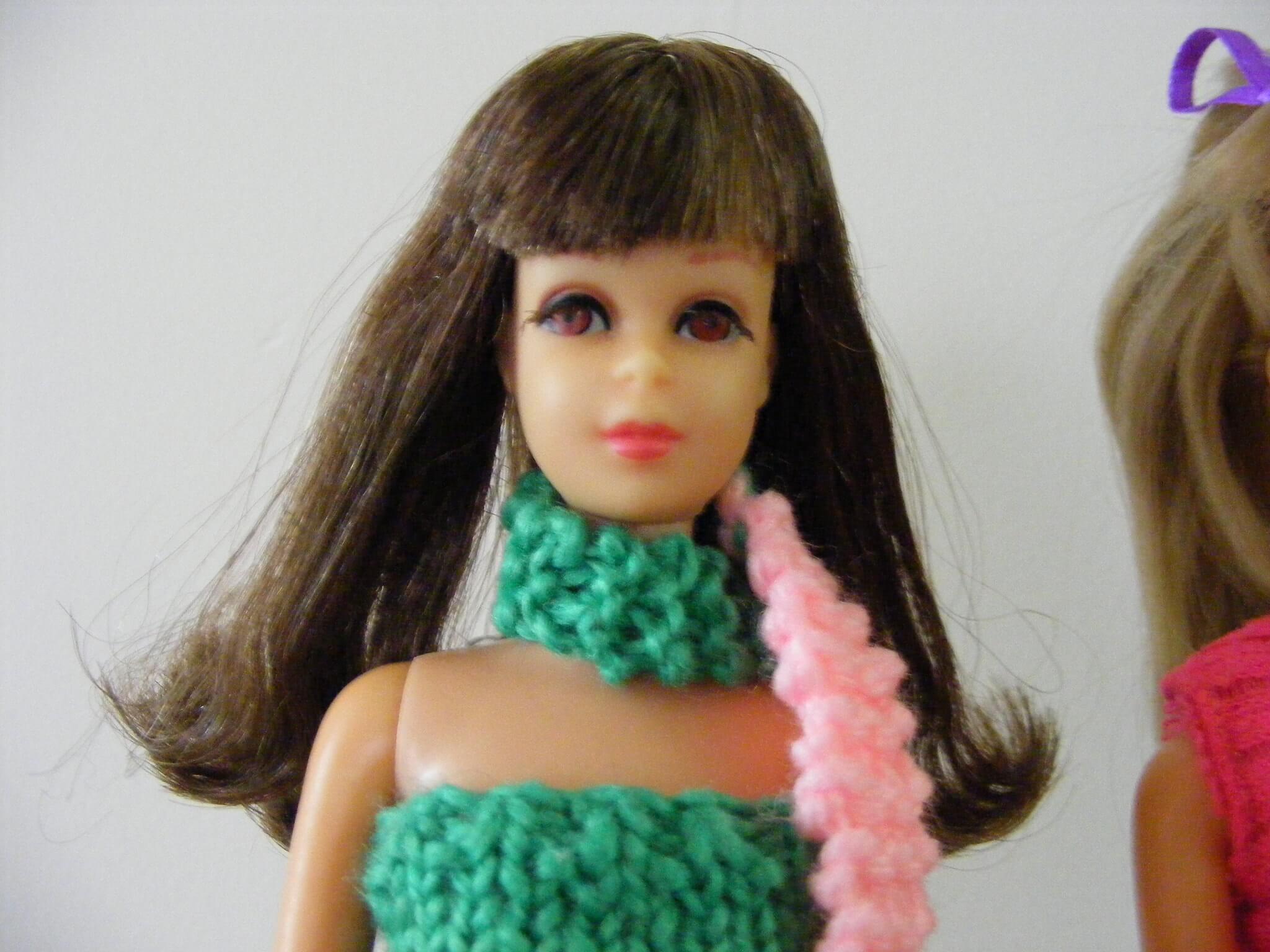
Francie arrived in 1966 as Barbie’s cousin and the first doll in the line with a distinctly teenage, mod look. She had bendable legs and rooted eyelashes, and her clothes leaned toward short hemlines and bright prints influenced by London fashion.
Her size was slightly smaller than Barbie, so the two could not easily share outfits. Typical prices for a loose Francie run about 100 to 400 dollars, with higher sums for dolls whose eyelashes are full and whose hair has not been cut, frizzed or faded by years in sunlight.
The 1967 Black Francie
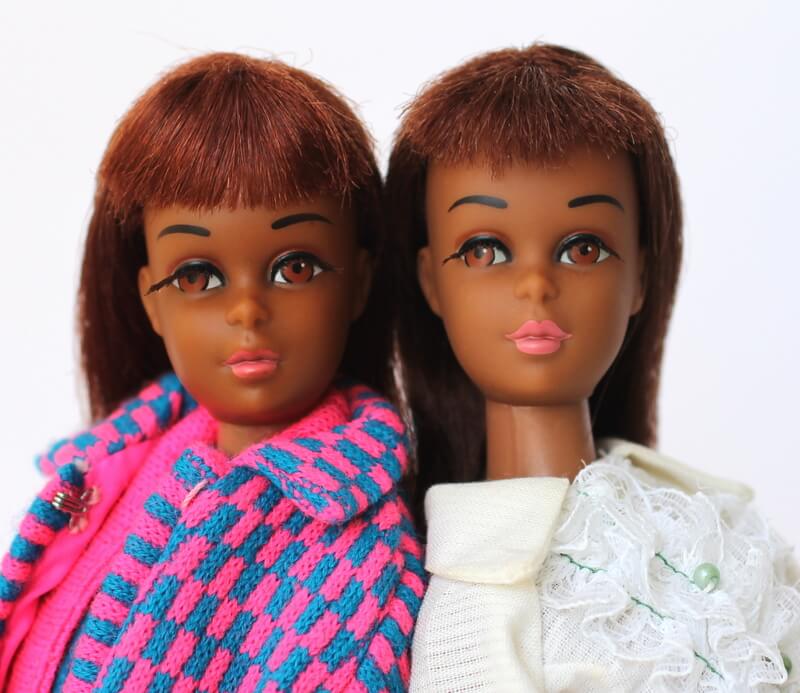
In 1967, Mattel issued a Black version of Francie using the same head mold as the original. It is often cited as the first Black doll in the Barbie line, predating Christie by a year.
The first issue’s hair tended to oxidize to a reddish shade over time, which collectors now accept as part of the doll’s character. Because she was produced in limited quantities and sold modestly, a strong example can sell for about 1,000 to 3,000 dollars, with boxed and unplayed dolls reaching higher when the box shows no tears or water damage.
Talking Christie From 1968
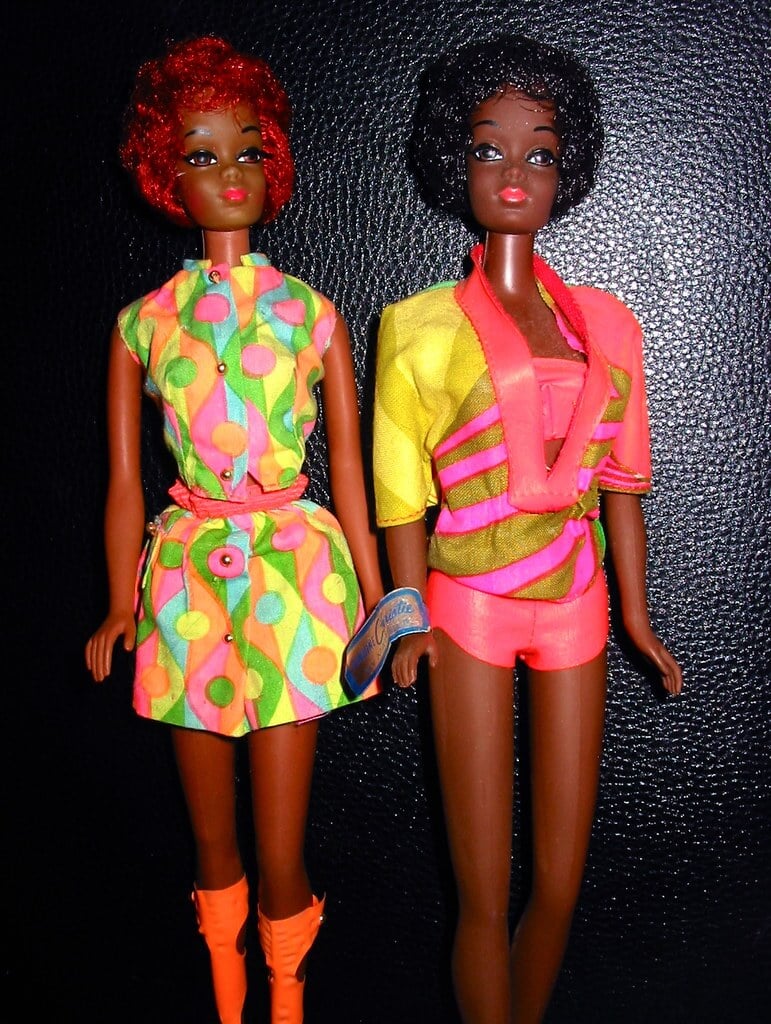
Christie arrived in 1968 as a talking doll and a friend of Barbie, and she was the first named Black friend in the line. Her pull-string voice box played several phrases, and she had long dark hair and bendable legs.
Like other talking dolls of the period, her value depends heavily on whether the voice still works. Loose examples often sell for about 100 to 400 dollars, and boxed versions with a clear voice and unchipped lip paint bring more, while dolls with cloudy vinyl or broken pull strings sell for much less.
Stacey and Her British Accent
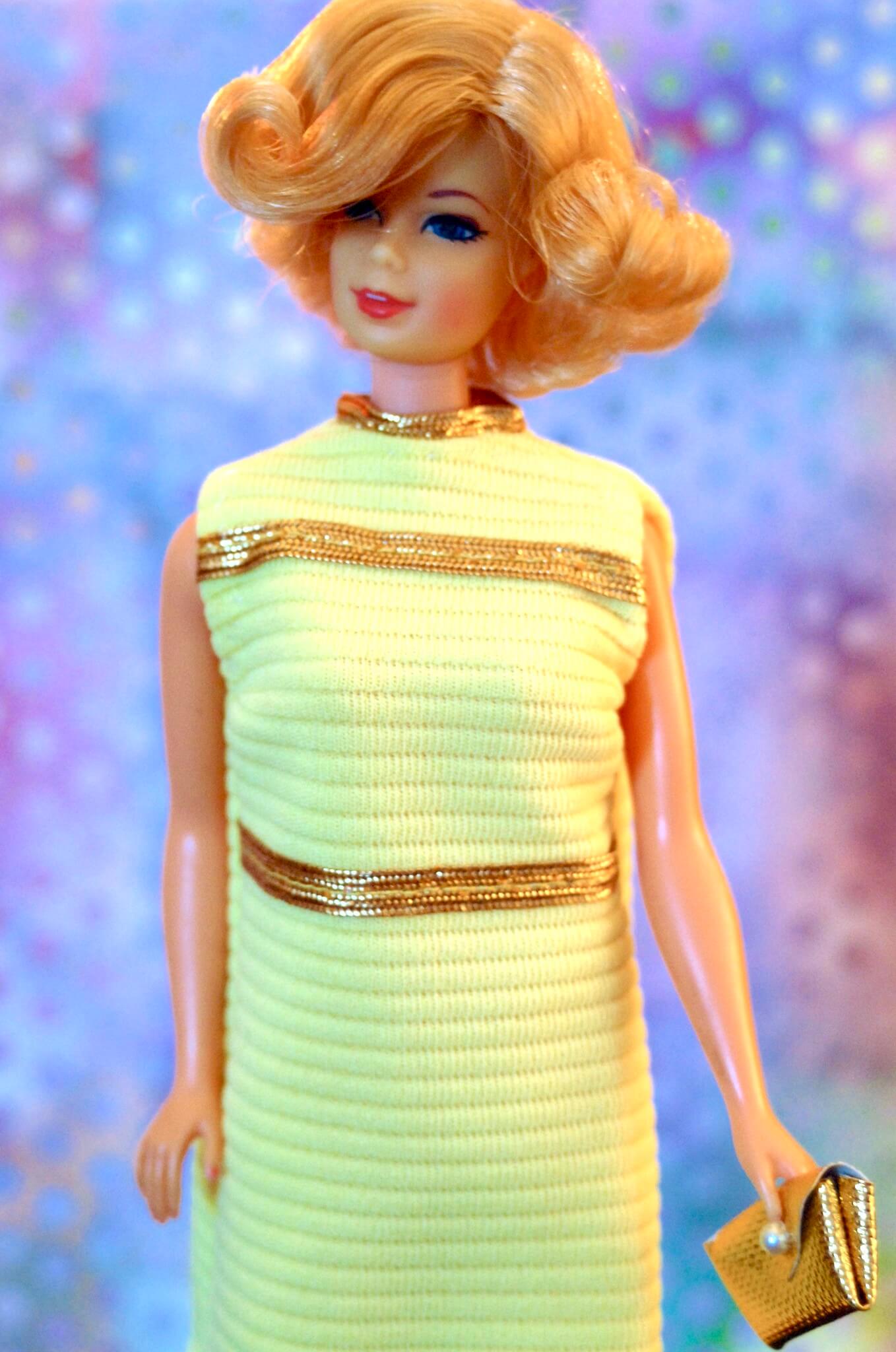
Stacey, introduced in 1968, was marketed as Barbie’s British friend, and her talking version spoke with an English accent. She had long hair, often in a side ponytail, and a striped swimsuit, and a non-talking Twist ‘N Turn version followed.
Because she was on the market only briefly, Stacey dolls are less common than Barbie herself. Talking examples with a functioning voice can sell for about 150 to 500 dollars, though a cracked voice box or sticky legs from aging vinyl can slash that figure considerably.
Julia, Based on Diahann Carroll
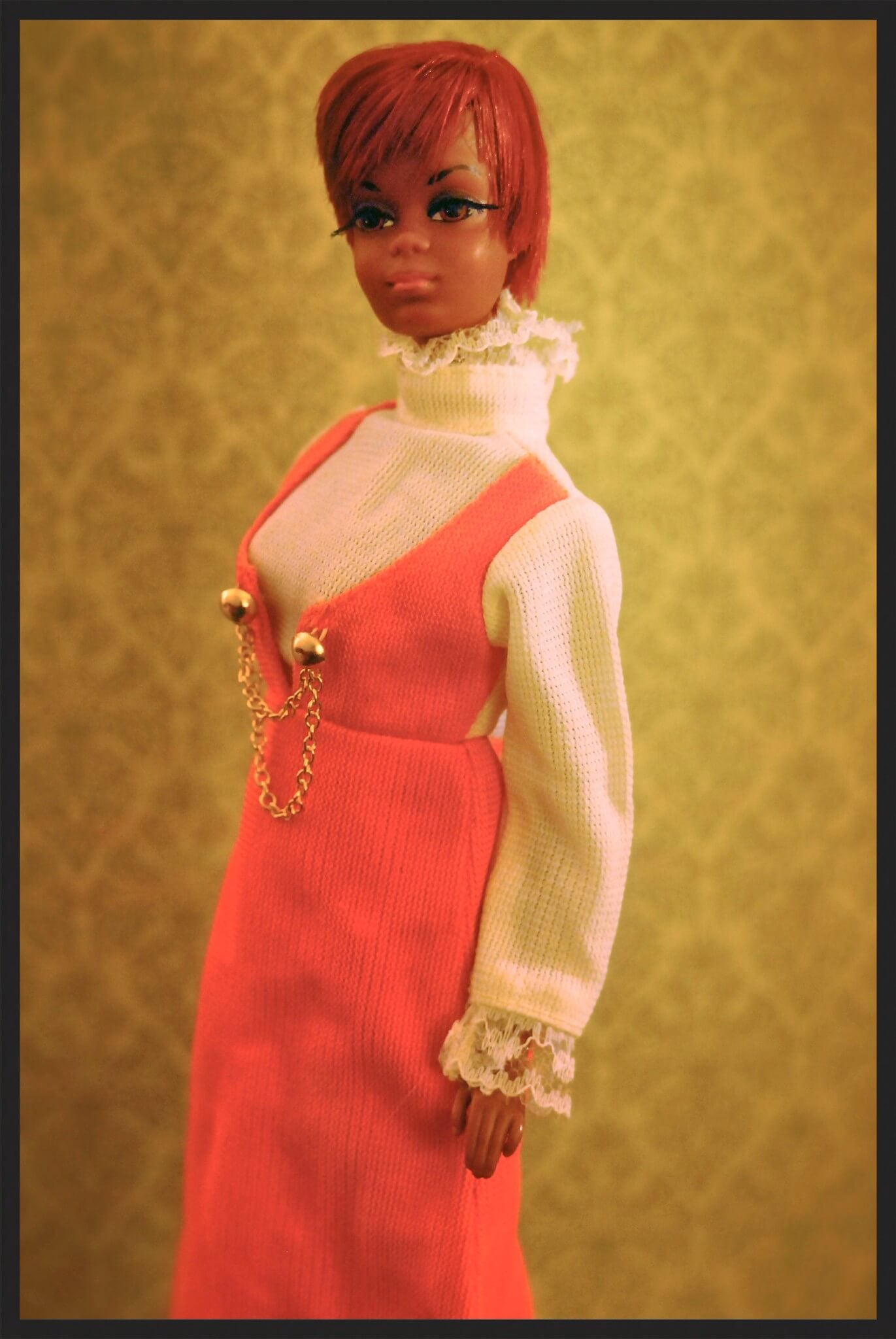
Mattel released Julia in 1969, based on Diahann Carroll’s character in the NBC series of the same name. She wore a nurse’s uniform and shared her head mold with Christie, and a talking version followed shortly after.
The doll is notable as one of the earliest mainstream dolls based on a Black television star. Loose examples typically sell for about 100 to 300 dollars, and dolls with the original white uniform, cap and shoes in clean condition attract the strongest bids, since the fabric yellows and stains easily.
Barbie’s 1962 Dream House
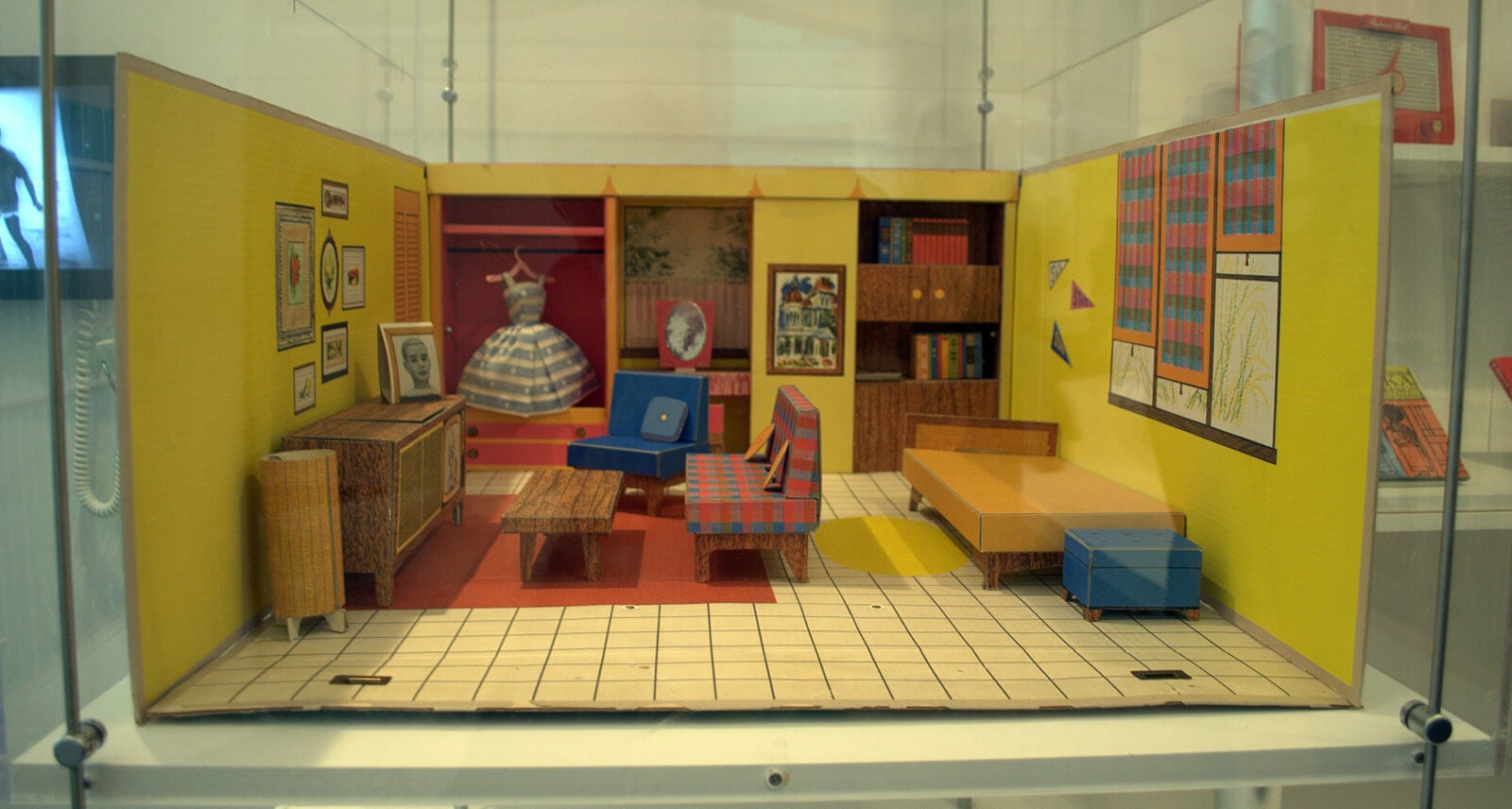
The first Barbie Dream House debuted in 1962 as a fold-out cardboard home with a modern design, printed furniture and fabric accents. It folded into a carrying case and came with cardboard furniture pieces, including a bed, a sofa and a television.
Few survived intact because children used them hard and cardboard tears easily. A complete house with all its furniture can sell for about 100 to 400 dollars, while a sealed or unused example brings more, and missing pieces, water stains and torn hinges reduce the value sharply.
Austin-Healey Sports Car From 1962
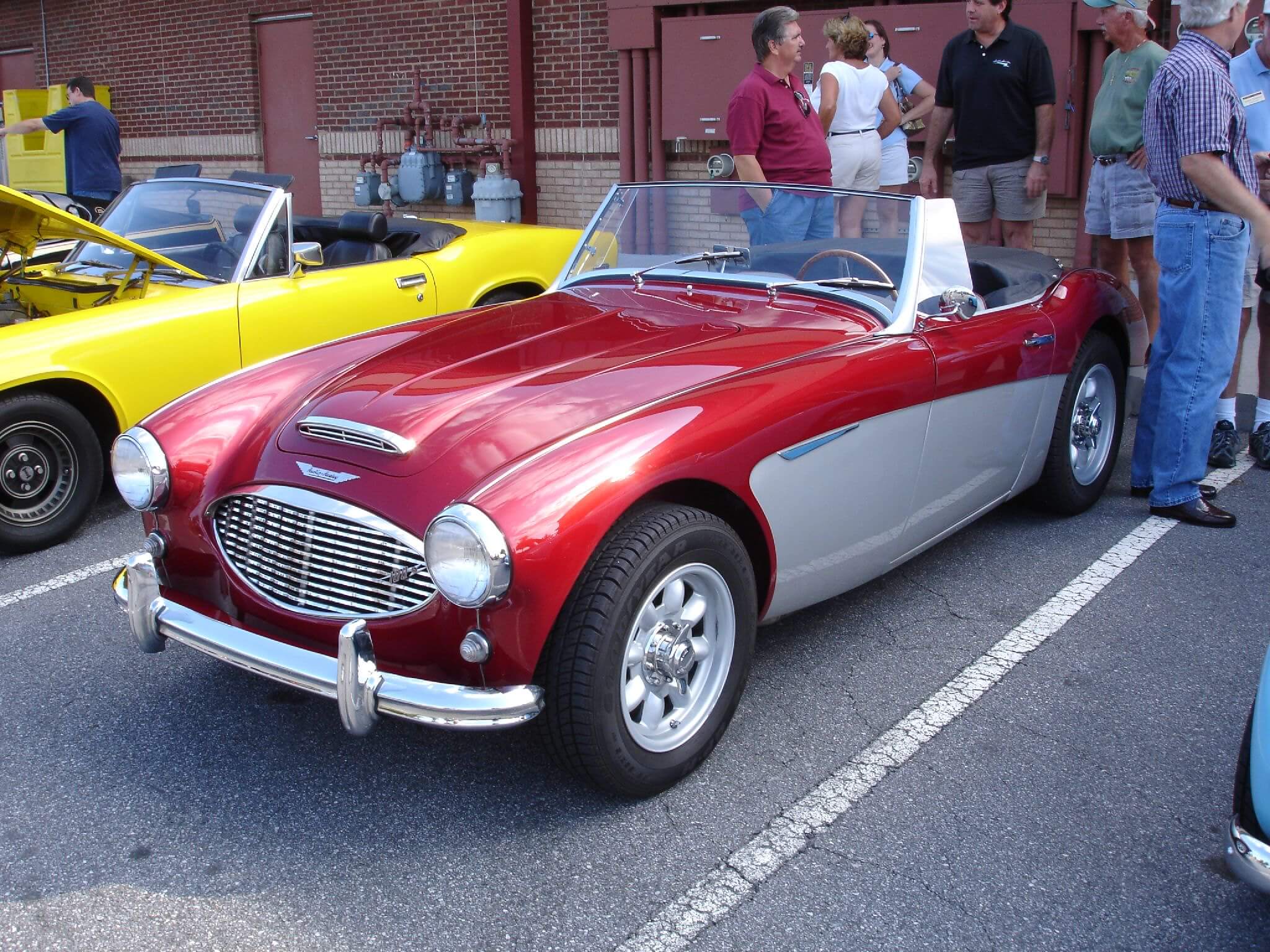
Barbie’s first car was a 1962 Austin-Healey convertible, produced by the Irwin Corporation for Mattel. The plastic car came in salmon pink with turquoise seats and was sized to fit Barbie and Ken.
Many have lost their windshield or bumpers over time, and those parts are often the deciding factor for value. Loose cars typically sell for about 100 to 400 dollars, while boxed examples with all parts and no cracks bring more, especially when the original Mattel and Irwin markings are clearly visible underneath.
Pan American Airways Stewardess Outfit
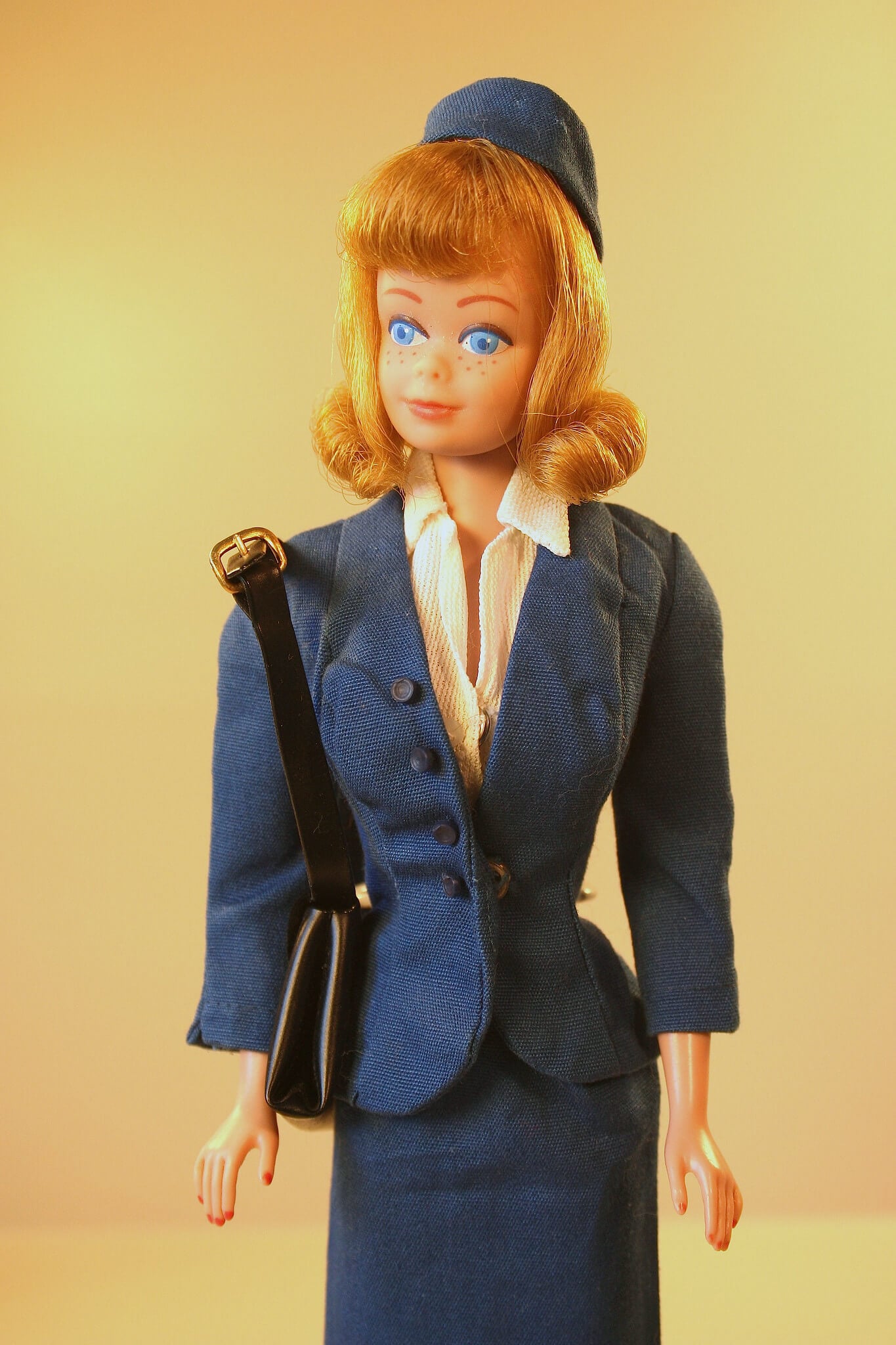
Among the rarest Barbie fashions of the decade, the Pan American Airways Stewardess outfit, No. 1678, was released in 1966 and sold only briefly. It included a light blue jacket and skirt, a white blouse, a hat, a shoulder bag and shoes, all modeled on real Pan Am uniforms of the time.
Because so few were sold, complete examples are scarce. A full outfit can sell for about 500 to 1,500 dollars or more, while missing pieces, fading or stains on the jacket can drop the value dramatically.
Solo in the Spotlight Gown
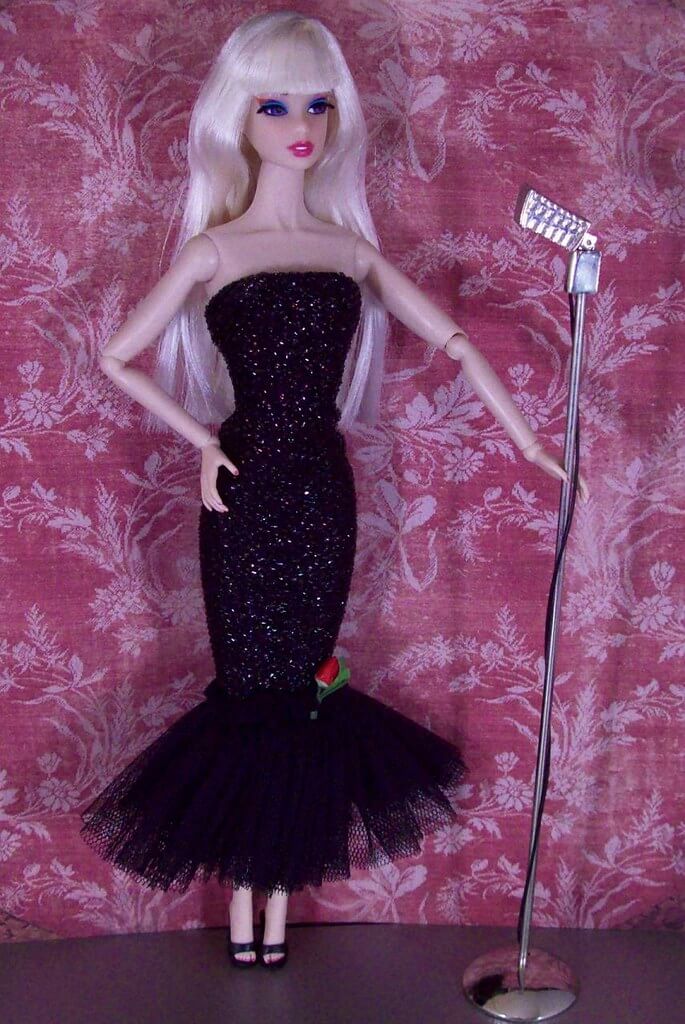
Solo in the Spotlight, outfit No. 982, was sold from 1960 to 1964 and dressed Barbie as a nightclub singer. The set included a black sequined gown, a pink chiffon scarf, a necklace, gloves, shoes and a small microphone.
The tiny microphone is the piece most often lost, so complete sets are especially prized. Complete outfits typically sell for about 200 to 600 dollars, with the higher end reserved for examples that show no sequin loss, no fading in the scarf and every accessory accounted for.
Vinyl Remembers Every Owner
Every doll on this list survived something: a sandbox, a sibling, a move across the country or a decade in a damp basement. The ones that command serious money are rarely the rarest on paper but the ones that escaped ordinary childhood with their hair, paint and accessories intact.
Condition, in the end, is a record of how a doll was loved or ignored. That is the quiet irony of the vintage Barbie market.
The dolls that earned the most affection from their first owners are often worth the least now, while the ones left untouched in their boxes became small fortunes. For anyone holding a 1960s doll today, the real value lies in the details that survived.
More from Go2Tutors!

- The Romanov Crown Jewels and Their Tragic Fate
- 13 Historical Mysteries That Science Still Can’t Solve
- Famous Hoaxes That Fooled the World for Years
- 15 Child Stars with Tragic Adult Lives
- 16 Famous Jewelry Pieces in History
Like Go2Tutors’s content? Follow us on MSN.