Sports Cards Hiding in Shoeboxes Worth Money
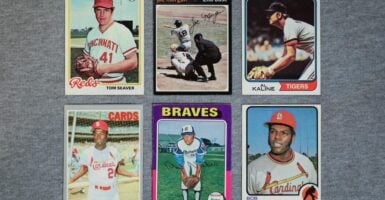
For decades, kids bought wax packs for the gum, flipped the cards against schoolyard walls and clipped them to bicycle spokes. Mothers threw out entire collections during spring cleaning.
The cards that escaped ended up in shoeboxes in attics, closets and basements.
Some of those boxes now hold small fortunes. Grading companies such as PSA and SGC measure centering, corners, edges and surface, and the difference between two copies of the same card can run into the thousands of dollars.
Mickey Mantle on the 1952 Topps Card
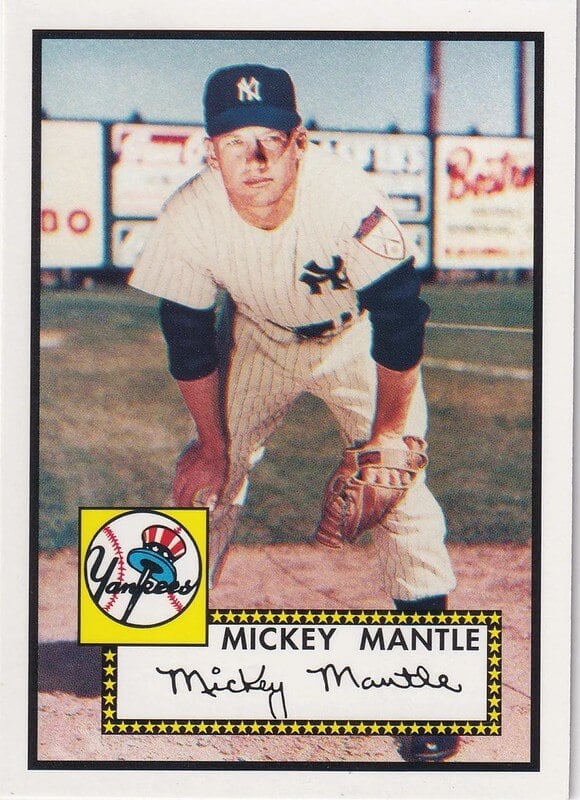
Topps numbered its 1952 Mickey Mantle card 311, placing it in a high-number series that reached stores late in the season and sold poorly. In 1960, Topps executive Sy Berger had leftover cases from that year loaded onto a barge and dumped into the Atlantic Ocean.
That cleanup made surviving high numbers even scarcer. A copy graded SGC 9.5 sold for 12.6 million dollars in 2022, a record for a sports card at the time.
Low-grade examples with creases and rounded corners still sell for thousands, while poor centering and paper loss pull values far below the headline figures.
Mantle’s True Rookie in 1951 Bowman
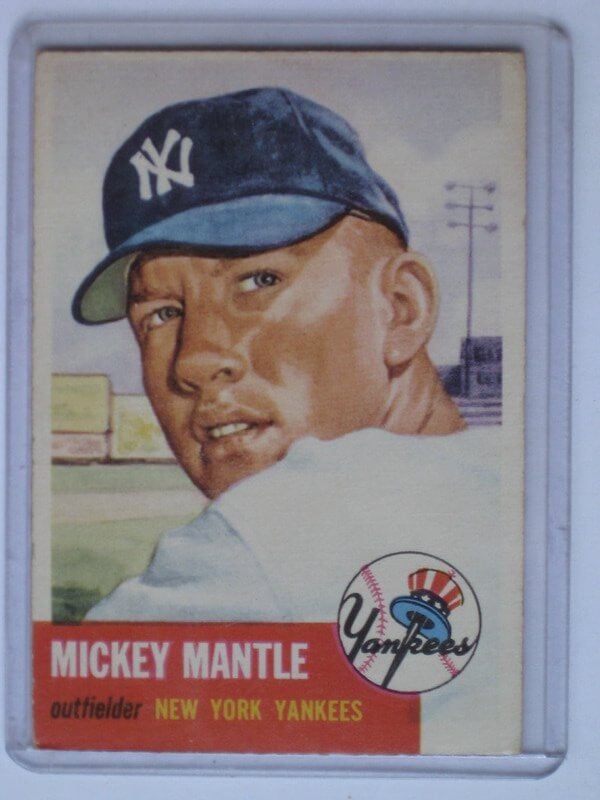
Mantle’s actual rookie card is the 1951 Bowman #253, issued a year before his more famous Topps card. Its front carries a painted image rather than a straight photograph, a hallmark of Bowman sets in that era.
It shows a young Yankees prospect who had not yet become a household name and was still being shuttled between the Yankees and the minors. Copies typically sell for thousands of dollars in lower grades and climb well into six figures for sharp ones.
Collectors look closely at the small card’s borders, since uneven cuts and soft corners are common and drag the grade down quickly.
Willie Mays Begins in 1951 Bowman
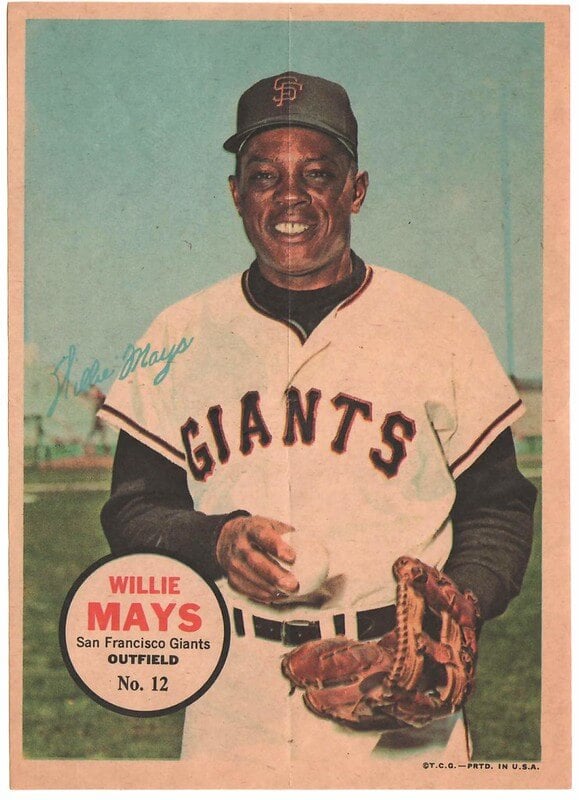
Willie Mays also debuted on cardboard in the 1951 Bowman set, on card #305. Like the Mantle rookie, it came from the scarcer high-number end of the set, which saw smaller distribution.
Mays won Rookie of the Year honors with the New York Giants that same season and went on to hit 660 home runs. Values reach the thousands for presentable copies and far higher for clean, well-centered examples.
Staining and wax residue from old packs are common problems on this issue, and either one can cost a card a full grade or more when it goes in for authentication.
Hank Aaron’s Orange-Backed 1954 Topps Rookie
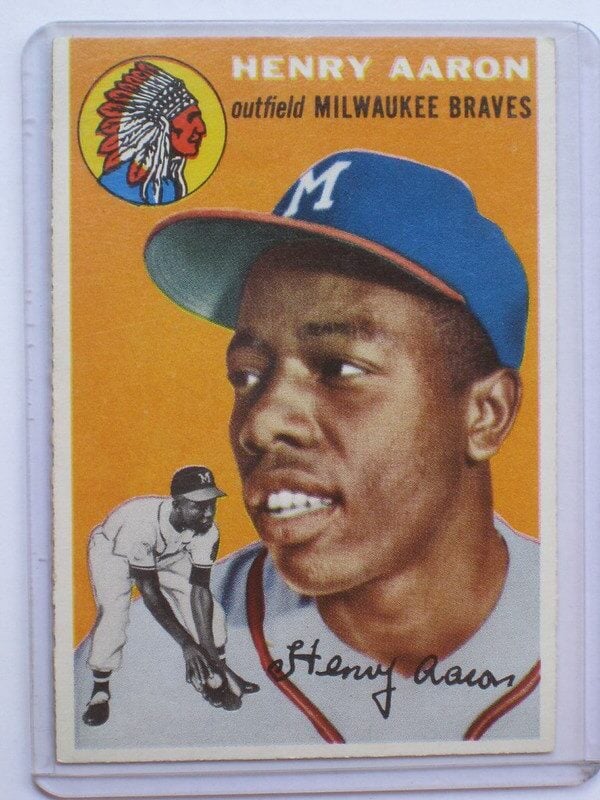
Hank Aaron’s rookie card is the 1954 Topps #128, which pairs his portrait with a smaller action image against a bright orange background. Aaron was a young Milwaukee Braves outfielder at the time, and he went on to break Babe Ruth’s career home run record in 1974.
The card is popular partly because its design is so bold. That orange field shows every chip, scuff and crease, which makes high-grade copies hard to find.
Mid-grade examples often sell for a few thousand dollars or more, and the rare sharp ones bring far higher figures.
Roberto Clemente Arrives in 1955 Topps
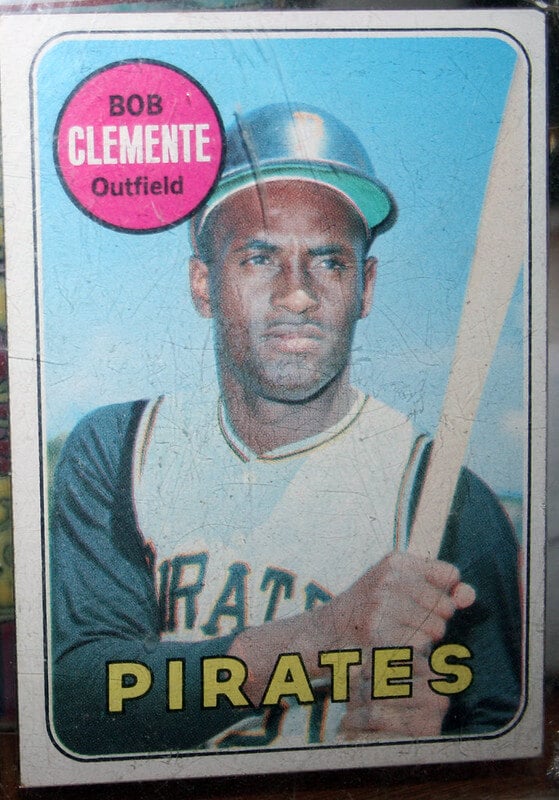
Pittsburgh’s Roberto Clemente made his card debut on 1955 Topps #164, the rookie of a Pirates great who finished his career with exactly 3,000 hits. Clemente died in a plane crash on New Year’s Eve 1972 while delivering relief supplies to earthquake victims in Nicaragua.
He was elected to the Hall of Fame the next year after the usual five-year waiting period was waived. Prices often run into the thousands for mid-grade copies.
The horizontal design shows edge wear clearly, and off-center cuts are a frequent reason some copies grade lower than their owners expect.
Sandy Koufax on 1955 Topps Card #123
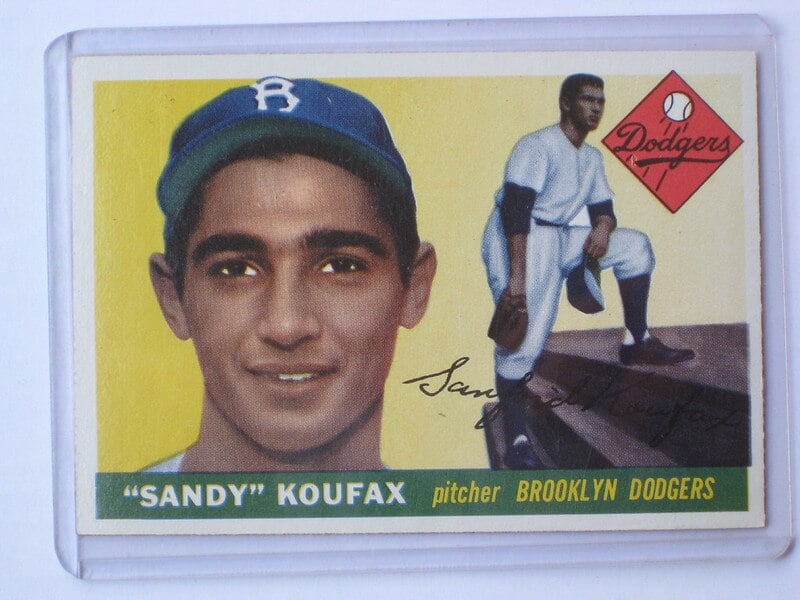
Sandy Koufax’s rookie card is the 1955 Topps #123, issued when he was a little-used teenage pitcher for the Brooklyn Dodgers. It took several years for him to harness his control, and his dominant stretch came in the early 1960s with the Los Angeles Dodgers.
He retired after the 1966 season at age 30 because of arthritis in his pitching elbow. The card usually brings four figures in solid shape and more in high grades.
Surface wear and print defects on the colorful front are common, so a crisp, unmarked copy makes a real difference to value.
Jackie Robinson in 1948 Leaf
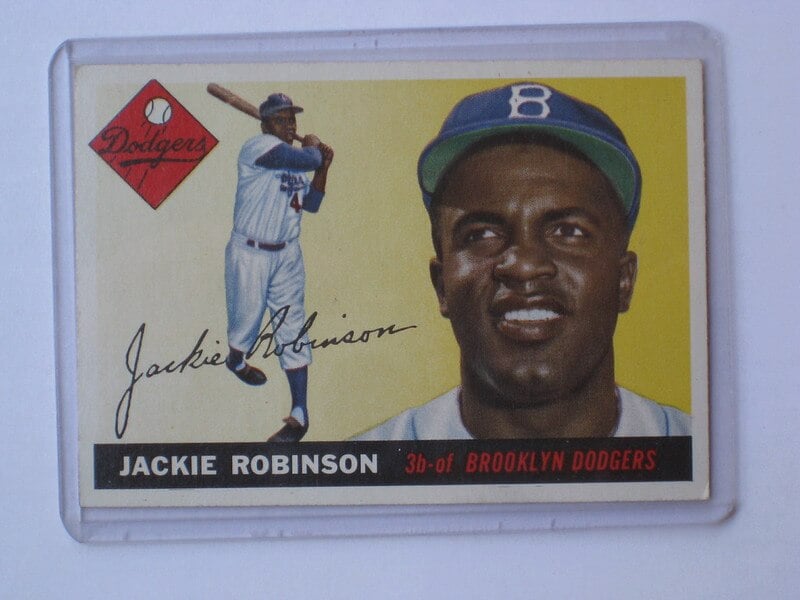
Collectors widely regard the 1948 Leaf Jackie Robinson, card #79, as his most important rookie card. Robinson broke the major league color barrier with the Brooklyn Dodgers in April 1947.
Leaf, a Chicago confectionery company, produced the set as one of the first major color card issues after World War II. Its printing quality was inconsistent, with off-register colors and rough cuts.
Prices reach well into the thousands for low grades and much higher for clean copies, and counterfeits are common enough that authentication by a grading company is close to essential for any buyer.
Ted Williams and the Pulled 1954 Bowman Card
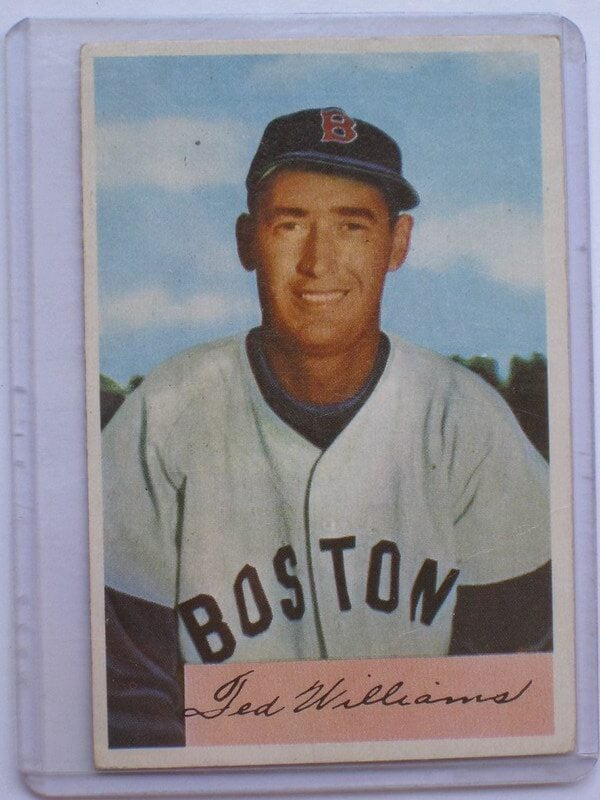
Bowman pulled its 1954 Ted Williams, card #66, from production shortly after release because Williams was under an exclusive contract with Topps. The company filled the spot with Boston Red Sox teammate Jimmy Piersall, so two different players share the number.
The Williams version was printed in smaller quantities as a result, and it has been a set-builder’s headache ever since. Copies often sell in the thousands depending on grade.
Collectors scrutinize them for edge chipping and tilted borders, and a sharp example sells far above a worn copy that spent decades loose in a box.
Babe Ruth in 1933 Goudey
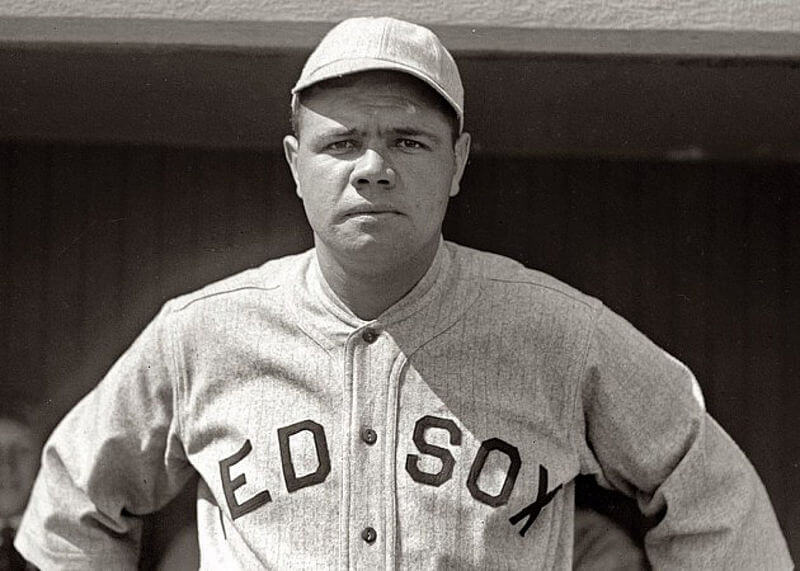
Boston’s Goudey Gum Company included four different Babe Ruth cards in its 1933 set, numbered 53, 144, 149 and 181. Each pack came with a slab of gum, and the set has become one of the most admired issues of the Depression era.
Ruth was near the end of his career with the Yankees when the cards appeared. Even worn examples sell for thousands of dollars, and prices rise steeply with grade.
Creases, rounded corners and paper loss from being glued into scrapbooks are the most common flaws, and each one knocks a card down the scale.
Napoleon Lajoie and the Missing 1933 Goudey Card
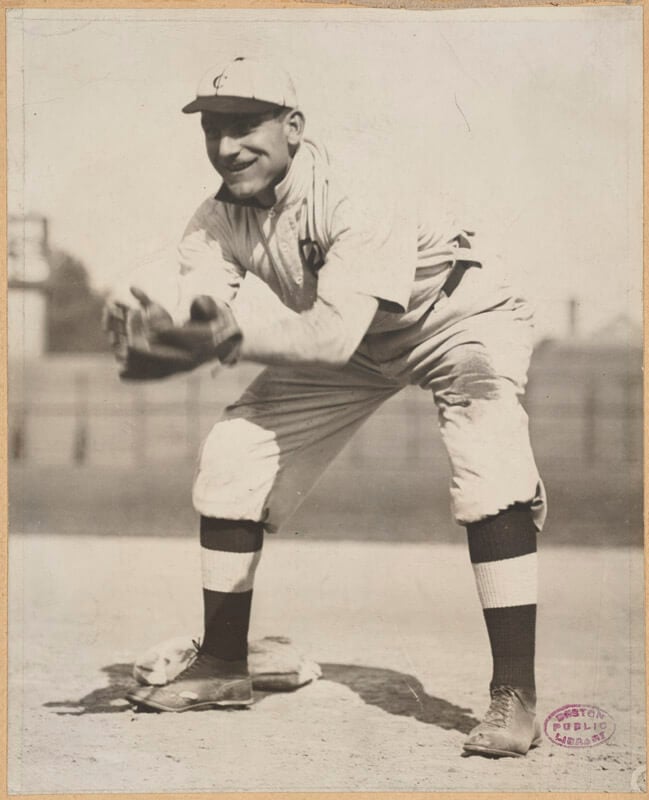
Goudey skipped card #106 in its 1933 set, which left collectors unable to complete their runs. The company printed a Napoleon Lajoie card for the slot in 1934 and mailed it to people who wrote in asking for it.
Because it was never sold in packs, the card is far scarcer than the rest of the set. Lajoie had retired nearly two decades earlier, which makes his inclusion an odd footnote.
Prices often reach five figures or more. Many copies show paper clip marks from the mailing, and how well a card escaped that history weighs heavily on its grade.
Roger Maris on 1958 Topps Card #47
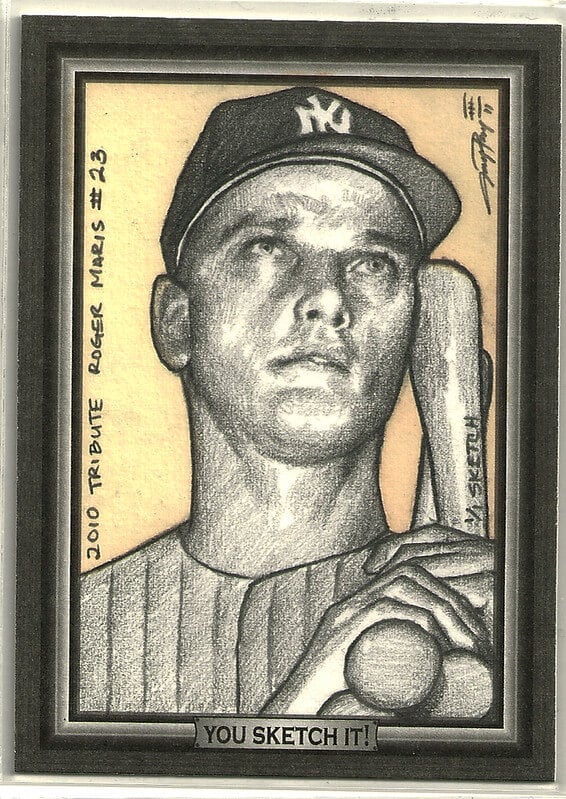
Roger Maris appears on 1958 Topps #47 as a Cleveland Indians outfielder, before his trades to the Kansas City Athletics and later the Yankees. In 1961 he hit 61 home runs, breaking Babe Ruth’s single-season record, and the stress of that chase reportedly made his hair fall out in clumps.
His mark stood until 1998. The card typically sells for hundreds to thousands of dollars depending on condition.
Lopsided borders are common enough on this issue that well-centered examples sell for noticeably more than off-center copies of the same grade.
Bob Gibson in the 1959 High Numbers
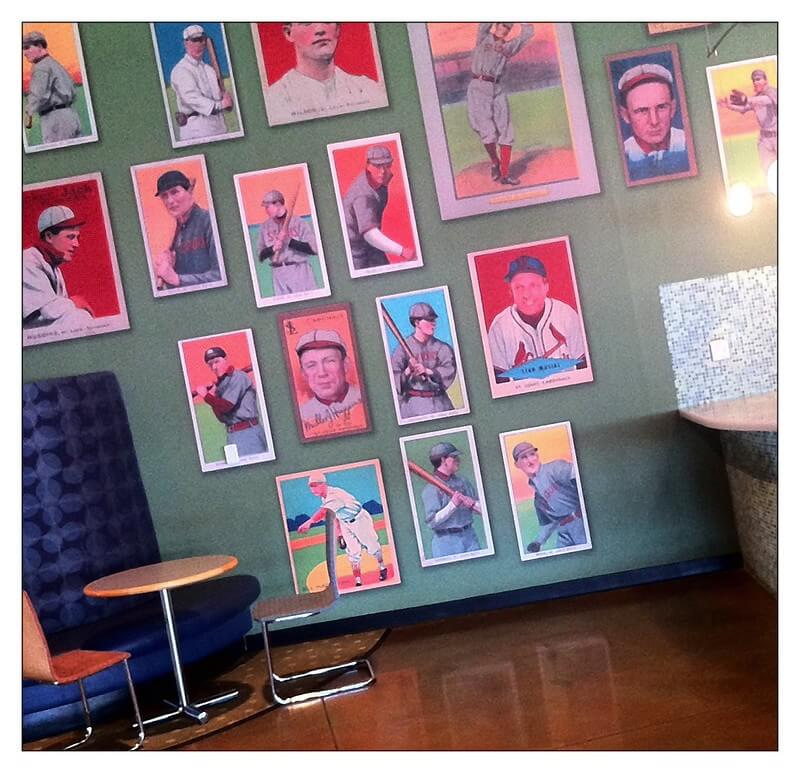
Bob Gibson’s rookie card, 1959 Topps #514, is part of the scarcer high-number series issued late in the season. Gibson spent his entire career with the St. Louis Cardinals and posted a 1.12 ERA in 1968, a season so dominant that the majors lowered the pitcher’s mound the following year.
That fact alone makes him a favorite with collectors. His rookie card often sells for hundreds to a few thousand dollars, and its value depends heavily on corner sharpness, surface gloss and whether print marks show up on the photo.
Pete Rose on a Shared 1963 Topps Rookie
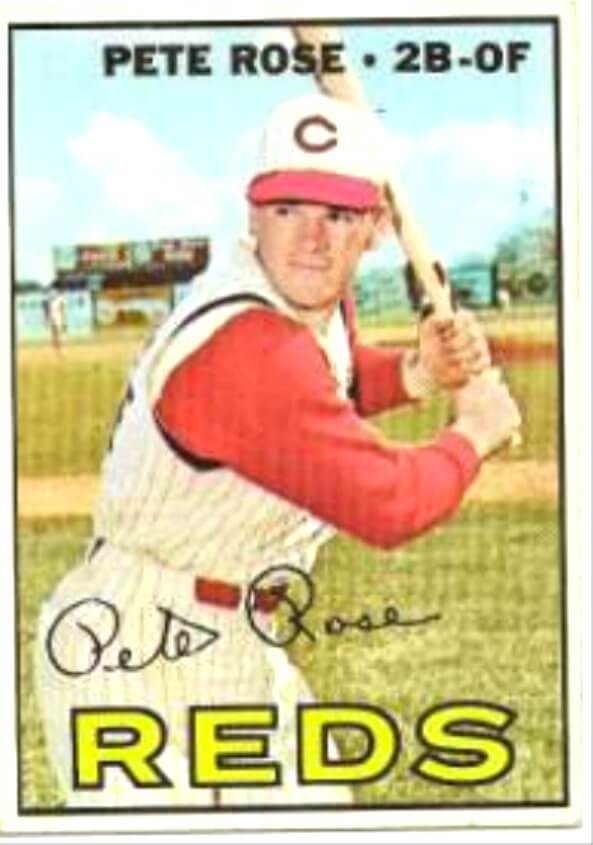
Pete Rose shares his 1963 Topps rookie, card #537, with three other young players on a four-player Rookie Stars card. Rose later became the major leagues’ all-time hits leader with 4,256.
The card belongs to a scarce high-number series, which adds to its appeal. Prices commonly reach the thousands in solid grades.
Many copies show poor centering or print defects, and the card’s four separate head shots make any off-center cut especially noticeable to graders. That small design detail is a big reason clean examples sell at a sharp premium over the average copy.
Nolan Ryan’s 1968 Topps Rookie
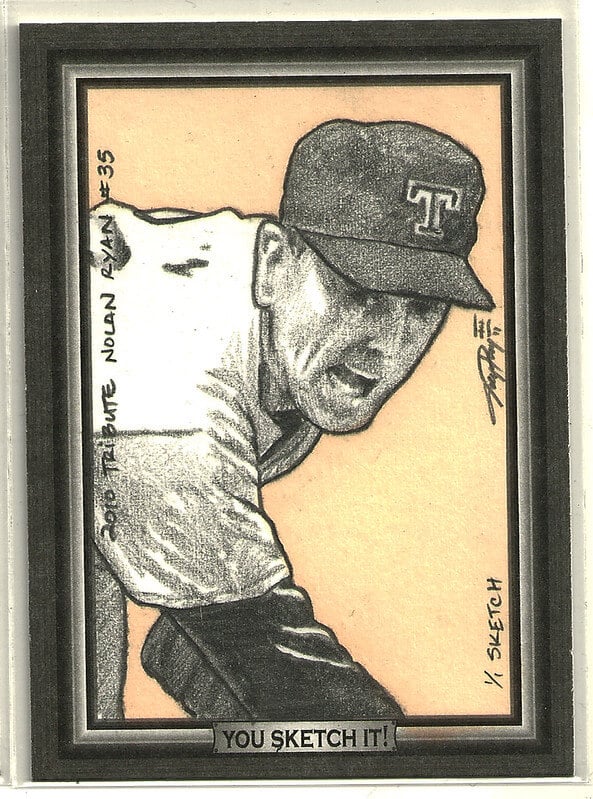
Nolan Ryan’s rookie card is the 1968 Topps #177, which he shares with a Mets teammate on a two-player Rookie Stars card. Ryan went on to record 5,714 strikeouts and seven no-hitters across a 27-season career.
The card’s design features a burlap-style border that tends to show wear. Prices run from hundreds of dollars for low grades into the thousands for clean examples.
Sharp corners and true centering matter enormously, and high-grade copies are scarce enough that the gap between a mid-grade card and a gem can be striking.
Reggie Jackson Hits Cardboard in 1969
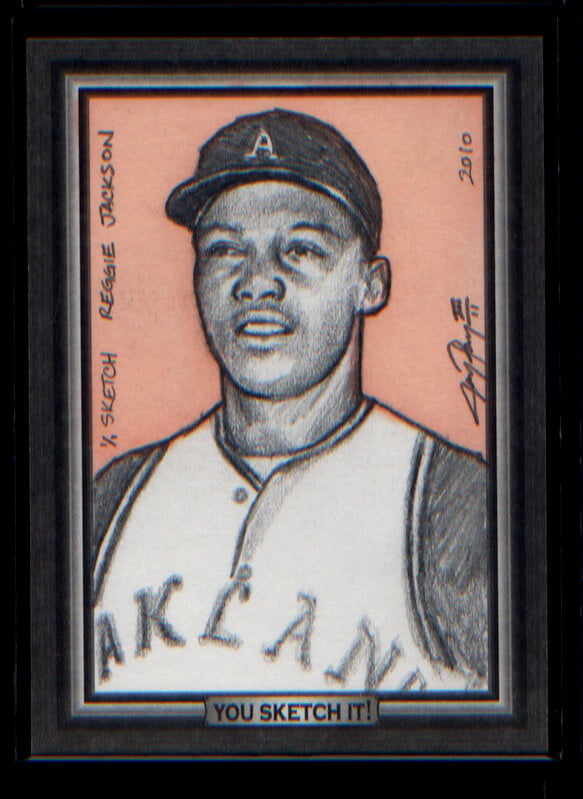
Reggie Jackson’s rookie card, 1969 Topps #260, shows him with the Oakland Athletics early in a career that would include five World Series championships. Jackson earned the nickname Mr. October after hitting three home runs on three consecutive swings in Game 6 of the 1977 World Series with the Yankees.
The card features a straightforward portrait and has long been a key rookie of the decade. Prices typically range from hundreds of dollars into the thousands depending on grade.
Print snow and centering shifts are frequent on this issue, and both affect value.
Mike Schmidt on a 1973 Three-Player Rookie
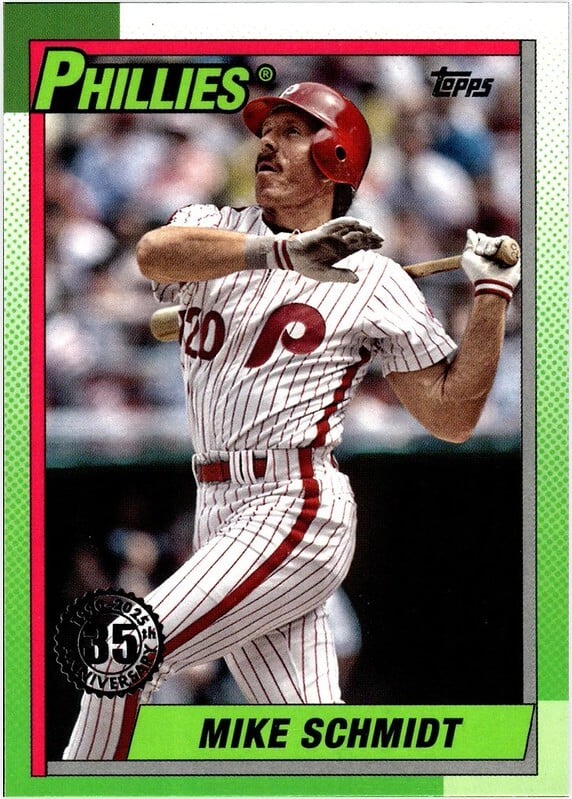
Mike Schmidt’s rookie card, 1973 Topps #615, shares space with Ron Cey and John Hilton. Schmidt became one of the greatest third basemen in history with the Philadelphia Phillies, hitting 548 home runs and winning three National League MVP awards.
The card is a high number, so it reached stores later than the rest of the set. Copies sell for hundreds of dollars and up.
The dark border shows wear quickly, and chipping along the edges is the usual reason a copy grades lower than hoped.
George Brett on 1975 Topps Card #228
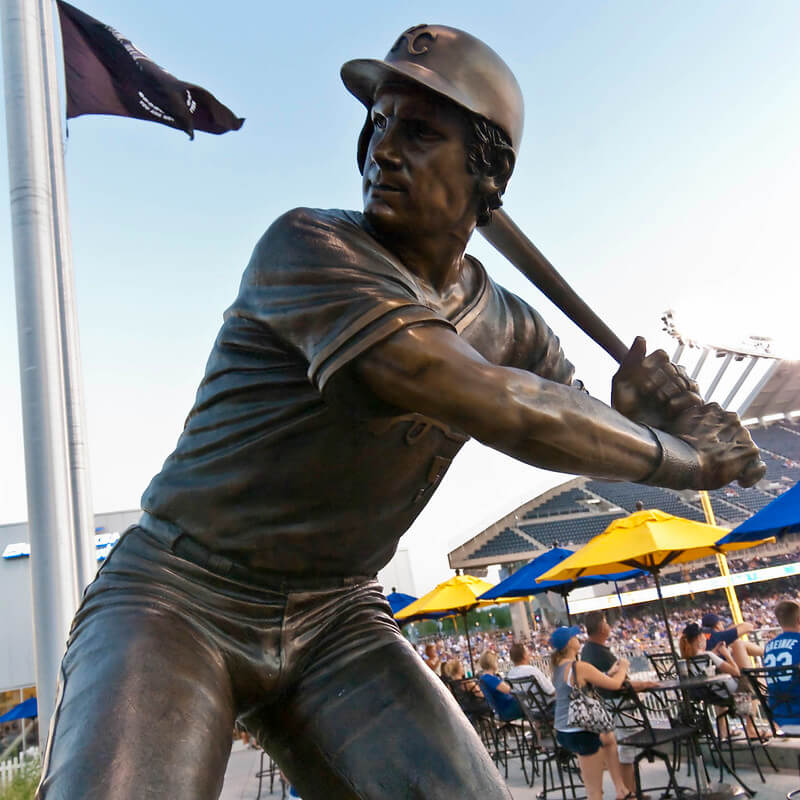
George Brett’s rookie card, 1975 Topps #228, comes from a set known for its bright two-color borders. Brett spent his entire career with the Kansas City Royals and hit .390 in 1980, one of the highest averages since the 1940s.
Topps also produced a smaller mini version of the 1975 set for test markets, and those minis carry their own premium. Prices for the standard card run from hundreds of dollars into the thousands depending on grade.
The colorful borders make chipping and handling wear easy to spot, which tightens the supply of top-condition copies.
Rickey Henderson’s 1980 Topps Rookie
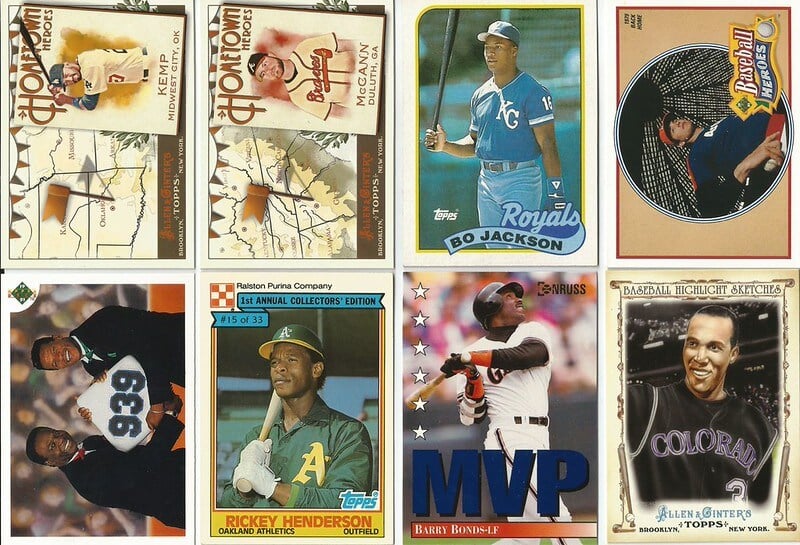
Rickey Henderson’s rookie card is the 1980 Topps #482, the debut of the all-time stolen base leader. Henderson finished his career with 1,406 steals and also holds the record for runs scored.
The card was mass-produced, yet it is notoriously difficult to find well centered, which makes it a classic example of a common card that becomes scarce at the top. Mid-grade copies sell for modest sums, while gem examples bring thousands of dollars or more.
Many copies that look clean show borders that are noticeably uneven under closer inspection.
Cal Ripken Jr. in 1982 Topps Traded
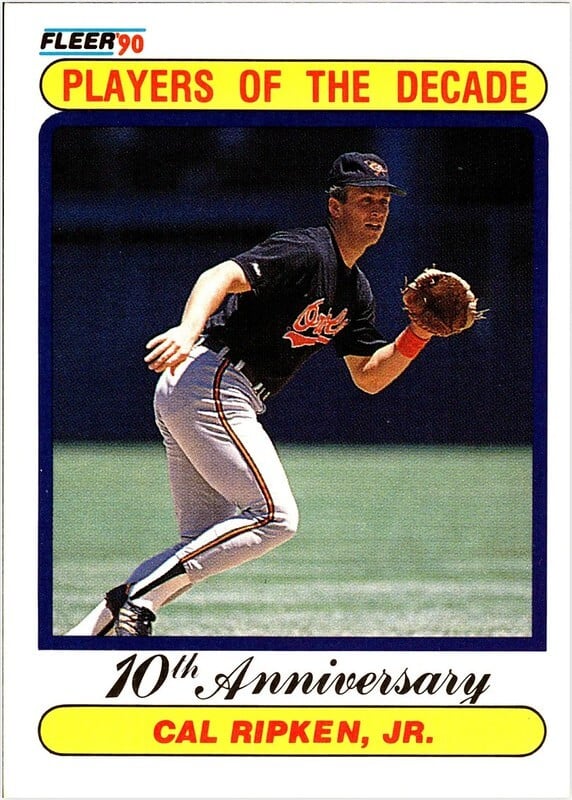
Cal Ripken Jr. got his first solo Topps card in the 1982 Topps Traded set, card #98T. The Traded set was sold only as a factory set through hobby dealers rather than in packs, so fewer copies reached casual collectors.
Ripken went on to play 2,632 consecutive games, breaking Lou Gehrig’s long-standing record in 1995. Prices for this card often reach hundreds of dollars, and higher grades sell for considerably more.
Because the cards came in sealed sets, many survive in strong condition, but centering still varies enough to separate an ordinary copy from a gem.
Roger Clemens in 1984 Fleer Update
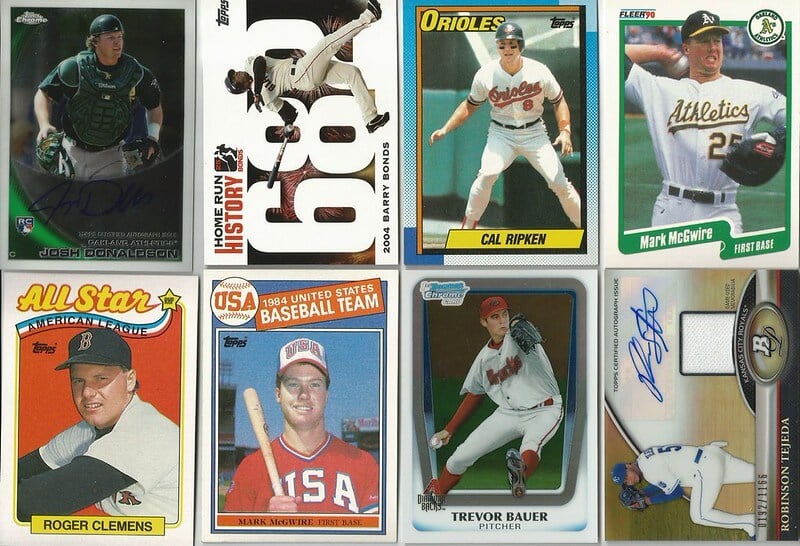
Roger Clemens appears in the 1984 Fleer Update set, which was sold through hobby dealers as a boxed factory set rather than in packs, much like the Ripken Traded card. The Boston Red Sox pitcher made his big-league debut that May.
Its limited distribution makes the card far scarcer than ordinary Fleer cards from that year. Clemens later won seven Cy Young Awards, the most by any pitcher.
The card typically sells for hundreds of dollars depending on grade. Fleer’s printing was inconsistent, and centering, edge wear and print lines all affect value considerably.
Mark McGwire on the 1985 Olympic Card
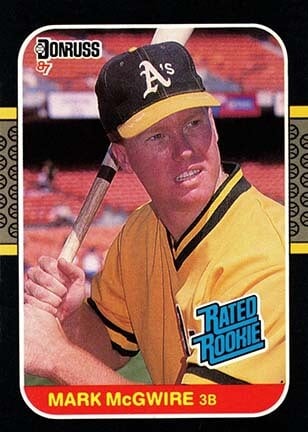
Mark McGwire’s 1985 Topps card, #401, shows him in his uniform from the 1984 US Olympic team rather than in a major league jersey. McGwire later hit 70 home runs in 1998, breaking the Maris record.
The card was once among the most popular in the hobby, though later scrutiny of his career cooled demand. Values are modest for most copies but rise sharply for gem grades.
The white borders show wear and print marks clearly, so finding a sharp, well-centered card remains a real challenge even among copies that came straight from sealed packs.
Ken Griffey Jr. on Upper Deck Card #1
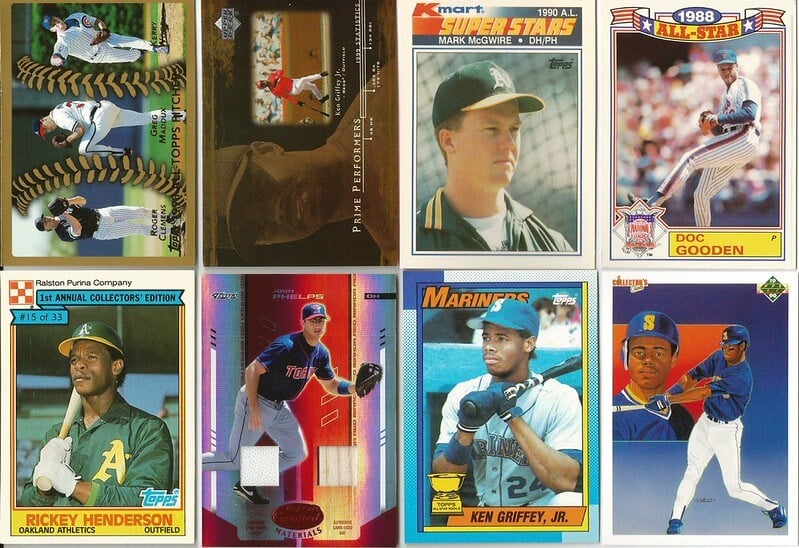
Upper Deck made its debut in 1989, and it put Ken Griffey Jr. on card #1 of its very first set. The company printed on premium white stock and added a hologram on the back to discourage counterfeiting, an innovation that pushed rivals to improve their own cards.
Griffey’s smiling portrait made the card a sensation with collectors of the era. Raw copies sell for modest sums, while gem grades bring hundreds of dollars or more.
The glossy front shows scratches and print defects easily, which keeps true gem copies surprisingly scarce for such a common card.
Billy Ripken’s Notorious 1989 Fleer Card
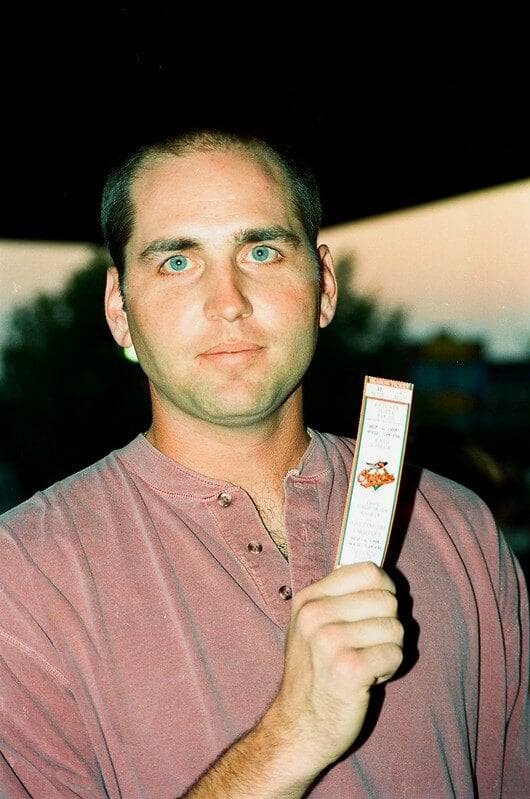
Billy Ripken’s 1989 Fleer card, #616, became infamous when collectors noticed a profanity written on the knob of his bat. Fleer scrambled to cover the word, producing several corrected variations that included black boxes, scribbles and whiteout.
The original uncorrected version is the most sought after of the group. Prices are modest by vintage standards, but the card has long attracted collectors who enjoy a good story.
Which variation a copy shows matters most to its value, though centering and edge wear still separate the best examples from the rest.
Frank Thomas and the Missing Name
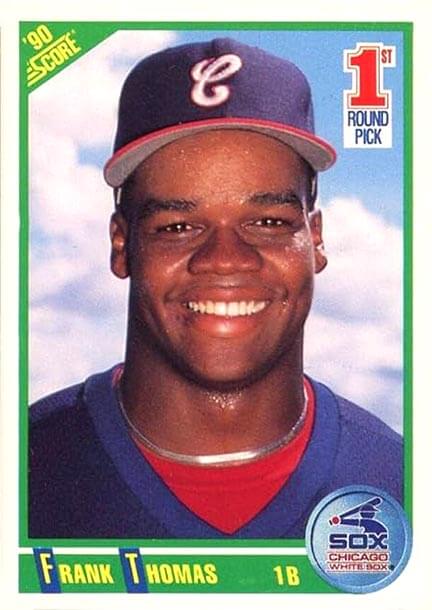
Frank Thomas has a 1990 Topps rookie, card #414, that exists in a rare error version with no name printed on the front. A printing problem caused the black text to drop out on a small number of cards.
Thomas later won two American League MVP awards with the Chicago White Sox and reached the Hall of Fame in 2014. The error version often sells for thousands of dollars depending on condition.
Authentication matters enormously, since fakes have been made by chemically removing the name from ordinary copies of the same card.
Derek Jeter on 1993 SP Foil
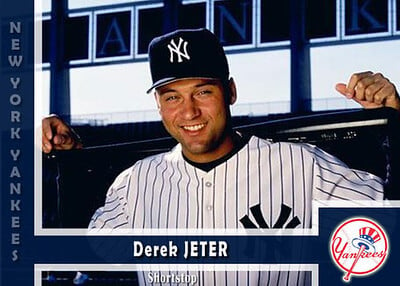
Derek Jeter’s 1993 SP card, #279, is the most sought-after rookie of the longtime Yankees shortstop. Upper Deck’s SP brand gave the card a foil front that chips and scratches easily, so high-grade copies are scarce.
Jeter finished his career with 3,465 hits and five championships. Values range from hundreds of dollars for lower grades to five figures or more for gem copies.
Even a tiny chip on the foil edge can drop a grade, which is why many owners send copies in for grading only after careful inspection under a lamp.
Mike Trout in 2011 Topps Update
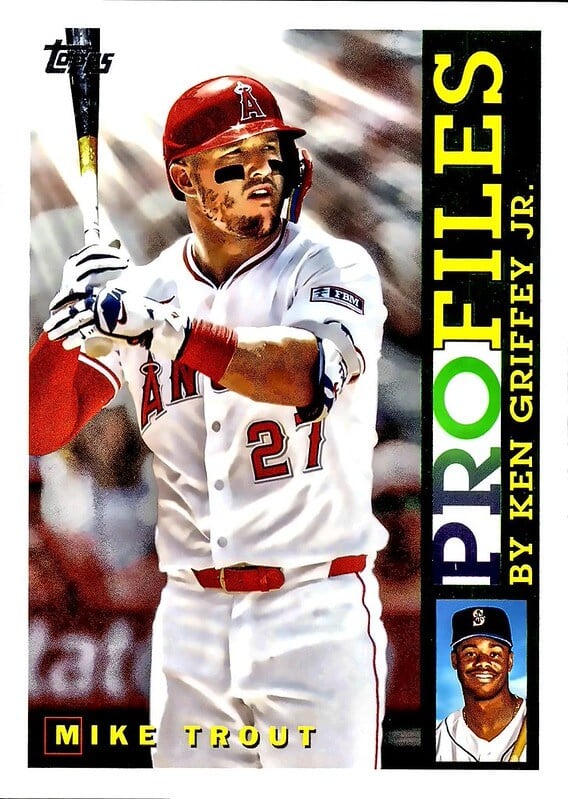
Mike Trout’s 2011 Topps Update card, #US175, is the most widely collected rookie card of the Angels outfielder. Trout won three American League MVP awards in his first decade in the majors, and his early statistics drew comparisons to Mantle.
The card was printed in large quantities, so raw copies are fairly accessible. Gem examples sell for far more, and parallel versions with limited print runs add another layer of value.
Sharp corners and a clean surface drive the price, since even modern cards can show print lines straight out of the pack.
Gum Came First
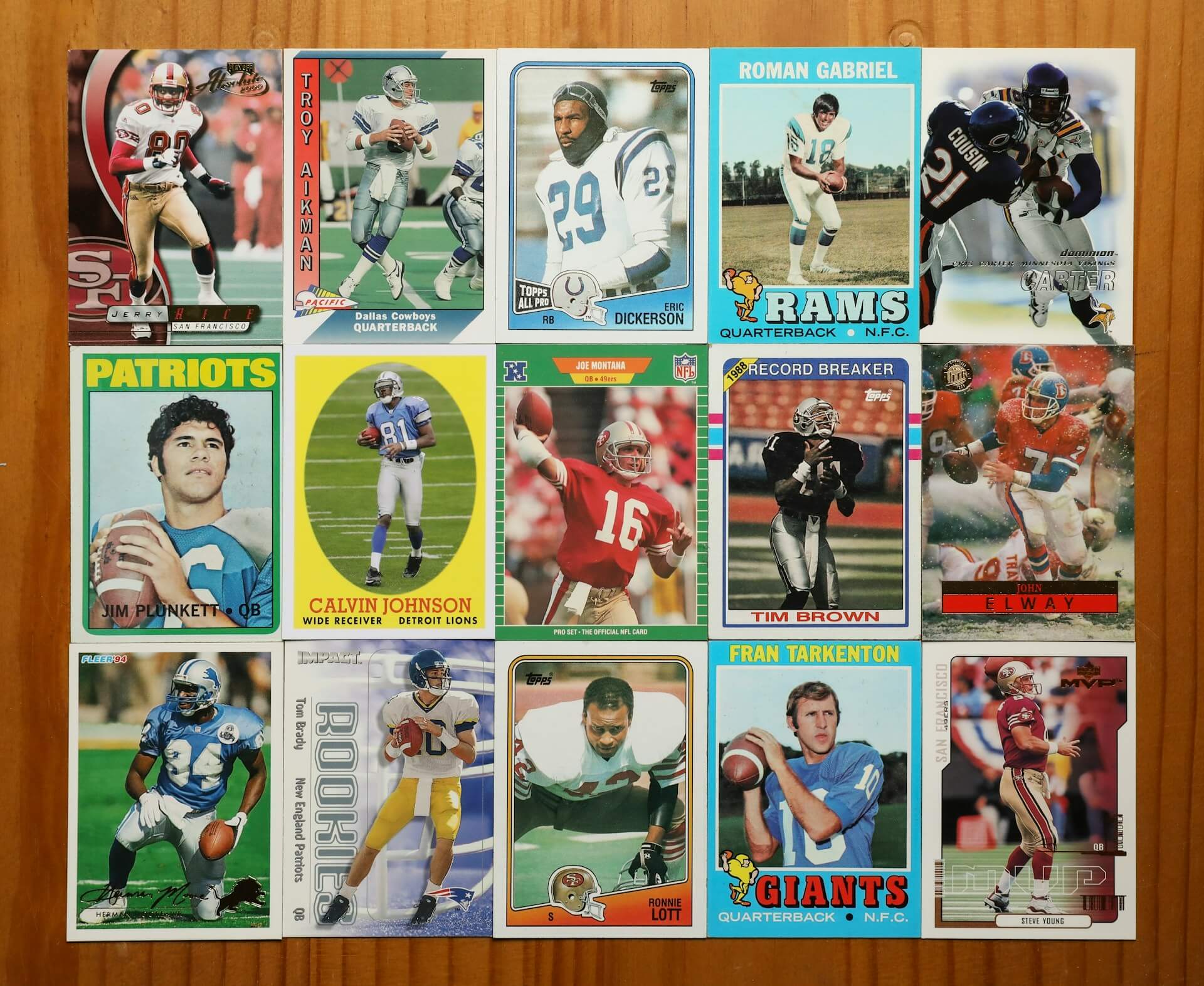
Card companies originally used cardboard to help sell gum. Kids traded, flipped and lost the cards because they cost almost nothing.
That casual attitude is exactly what makes clean survivors so rare. Condition, more than anything, turned common cardboard into collectibles.
The cards in shoeboxes today were once worth pennies, and most of them still are. A handful can pay for a car or a house.
The difference often comes down to centering, corners and plain luck.
More from Go2Tutors!

- The Romanov Crown Jewels and Their Tragic Fate
- 13 Historical Mysteries That Science Still Can’t Solve
- Famous Hoaxes That Fooled the World for Years
- 15 Child Stars with Tragic Adult Lives
- 16 Famous Jewelry Pieces in History
Like Go2Tutors’s content? Follow us on MSN.