22 Forbidden Books That Became Bestsellers the Moment They Were Unbanned
Banning a book almost guarantees its eventual success. Governments and institutions that forbid particular texts inadvertently create demand, signaling to readers that these works contain dangerous ideas worth discovering.
When the ban lifts, the suppressed text often explodes into mainstream consciousness, selling far beyond numbers it might have achieved without prohibition.
The Satanic Verses by Salman Rushdie (1988)

Banned in Iran following a fatwa, Rushdie’s novel became infamous and wildly popular in Western countries. The ban elevated the book’s cultural significance far beyond its initial reception.
One Hundred Years of Solitude by Gabriel García Márquez (1967)
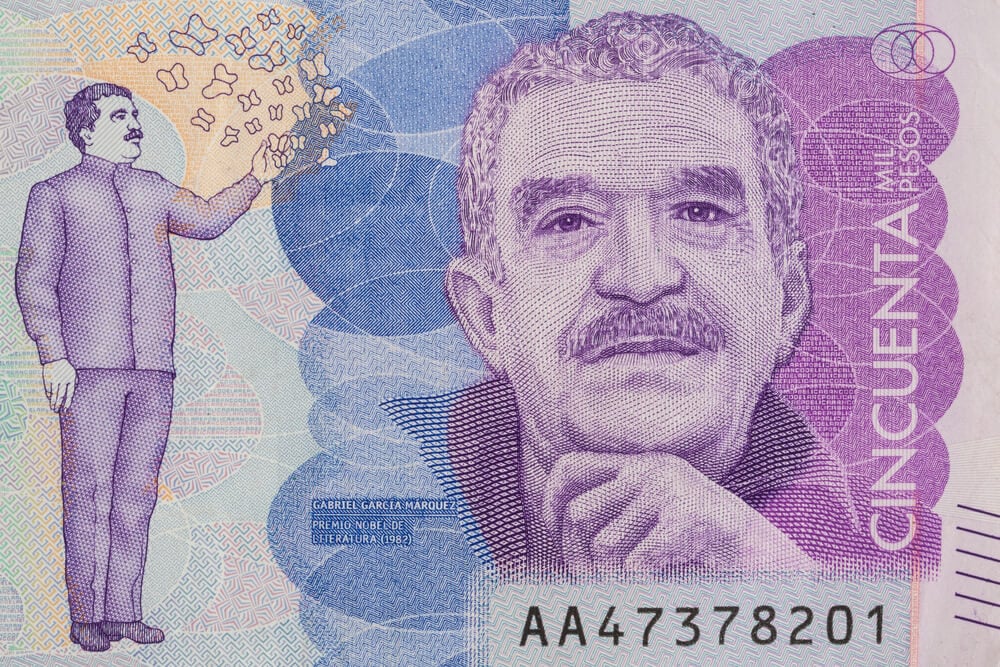
Banned in various countries including Chile under Pinochet, the novel became one of the most widely read books in Spanish literature once bans were lifted.
The Catcher in the Rye by J.D. Salinger (1951)
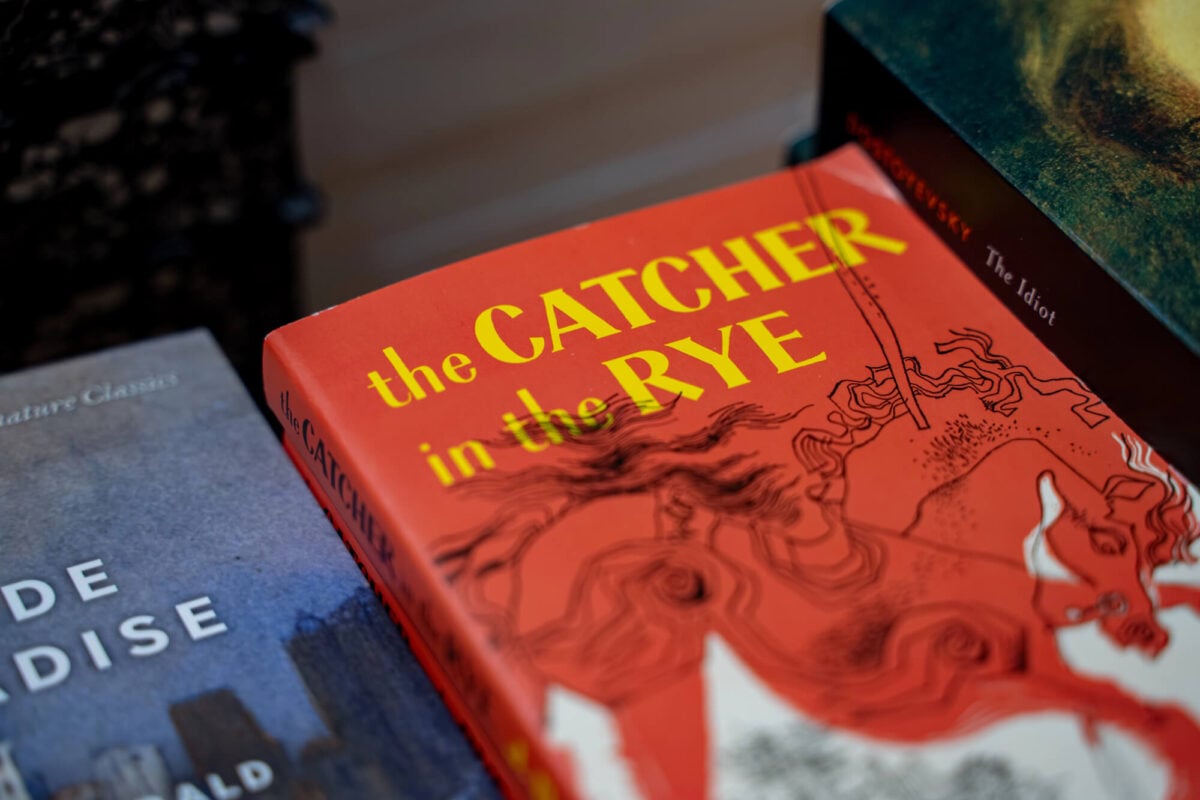
Challenged and banned in numerous American schools for profanity and intimate content, the novel became a cultural icon and bestseller precisely because of attempts to suppress it.
Ulysses by James Joyce (1922)
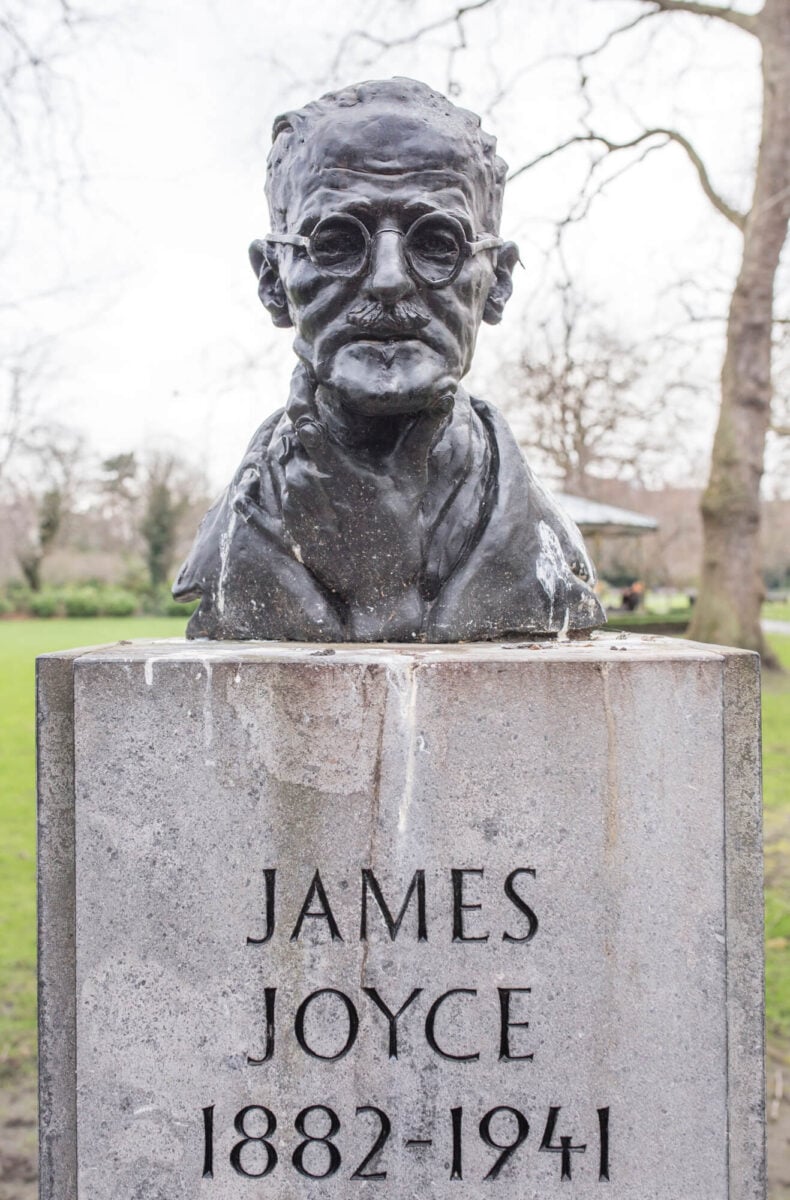
Banned in the United States and Britain for obscenity, Joyce’s novel became celebrated as a modernist masterpiece once the ban was lifted, driving sales into the millions.
Lady Chatterley’s Lover by D.H. Lawrence (1928)
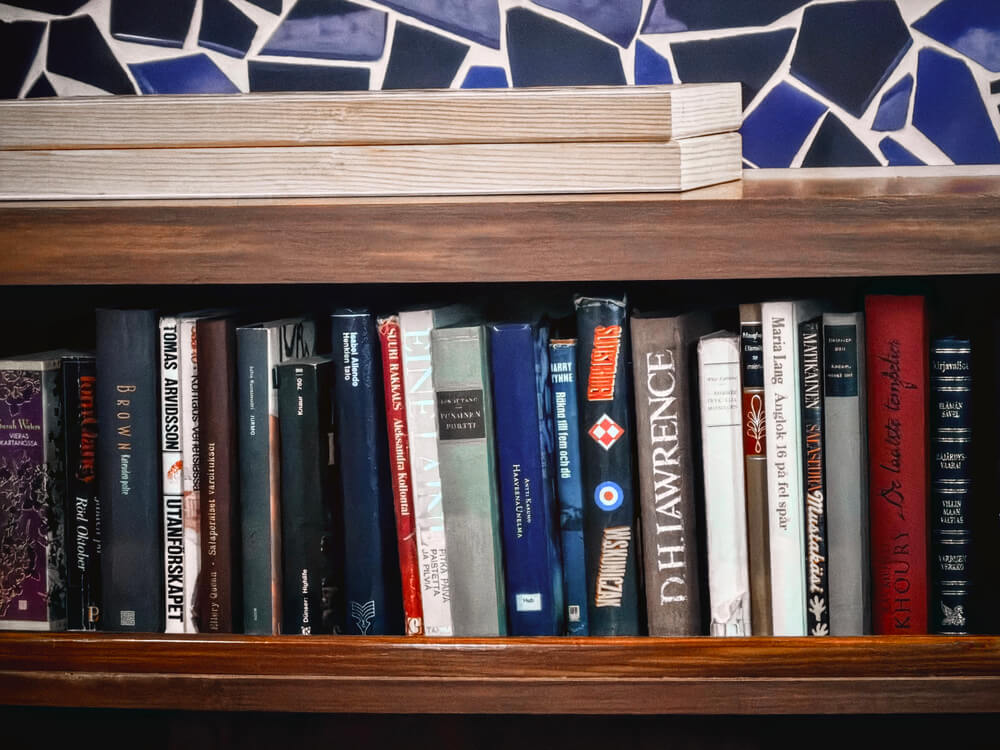
Banned for explicit intimate content, the novel sold over 200,000 copies in the first year after its legal publication in Britain in 1960.
Brave New World by Aldous Huxley (1932)
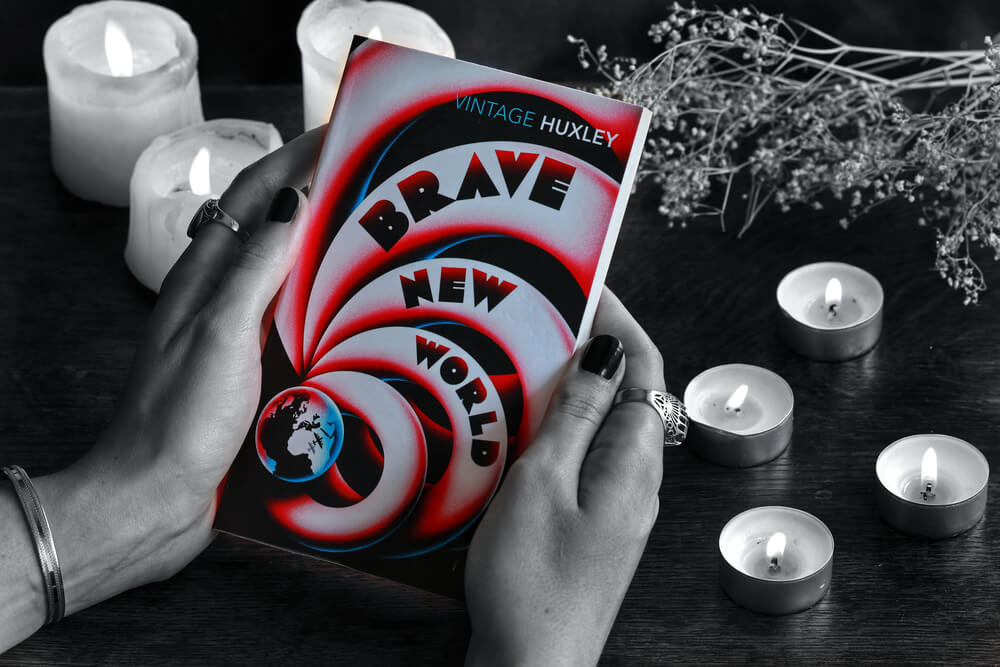
Though published, the novel was banned in various countries and suppressed in educational systems, becoming a bestseller once these restrictions were challenged.
1984 by George Orwell (1949)
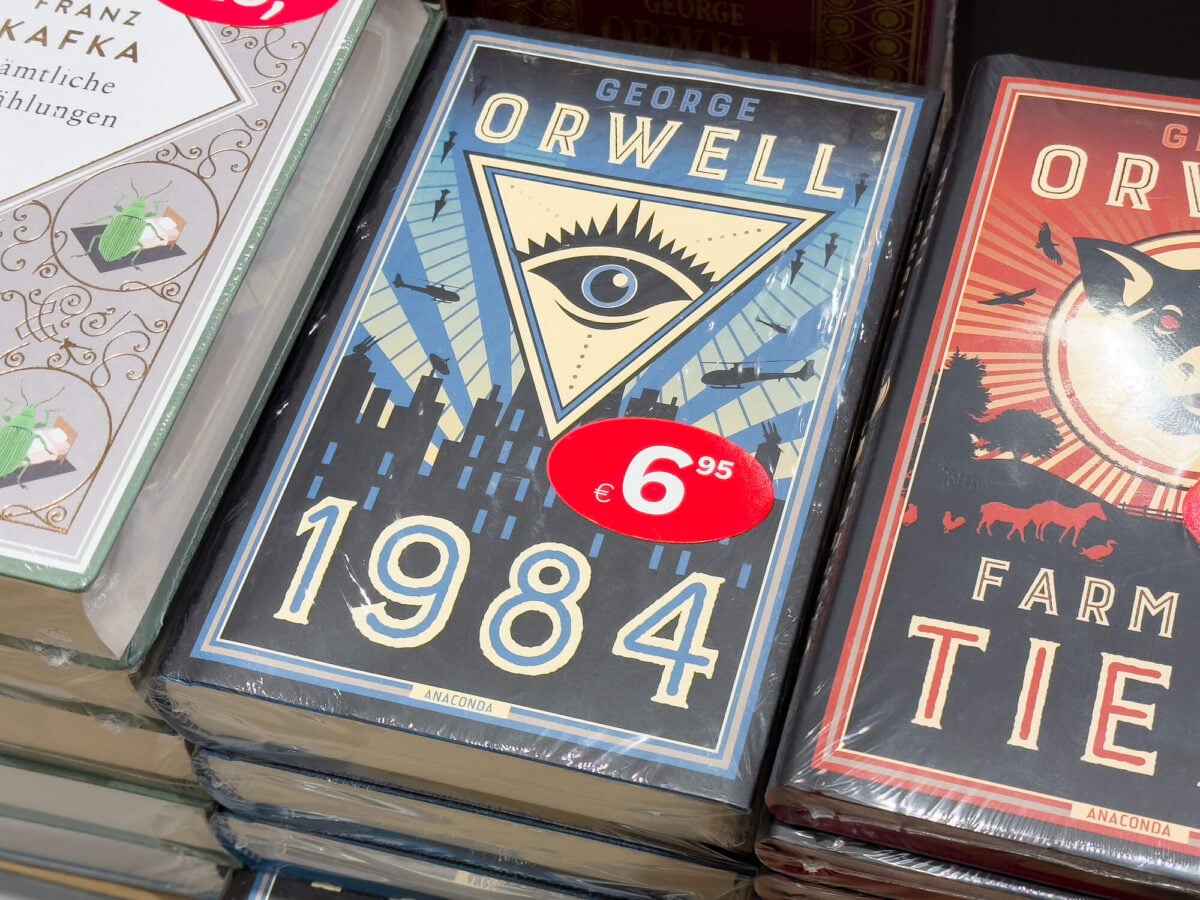
Banned in Soviet Union and Eastern Bloc countries, Orwell’s dystopia became one of the most widely read political novels in the West after the Cold War ended.
The Communist Manifesto by Karl Marx (1848)
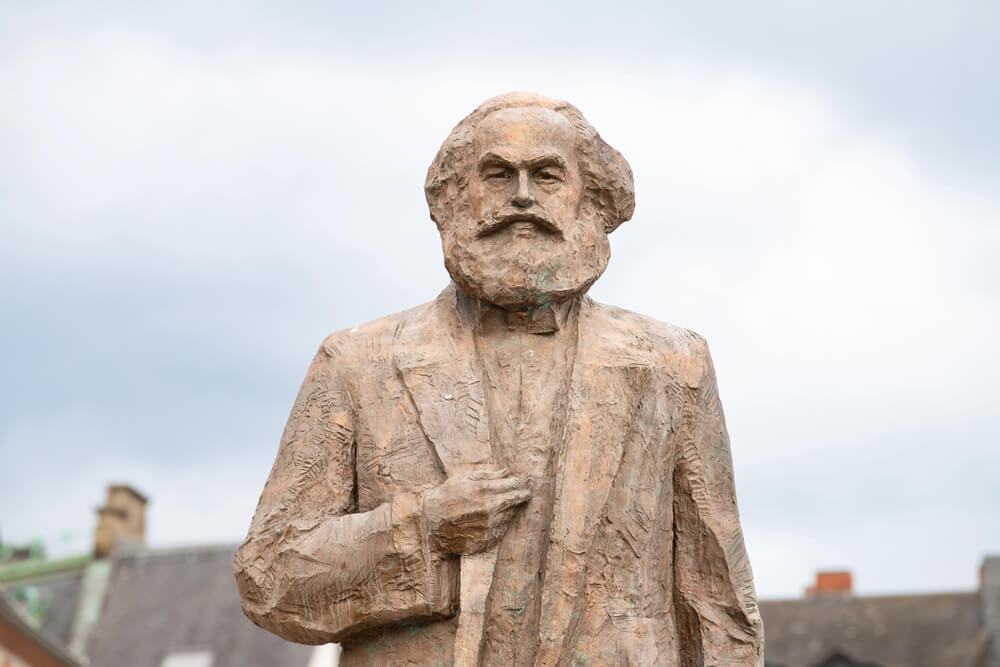
Banned in numerous capitalist countries, the text became the most-read political document of the 20th century as communist movements gained influence.
The Origin of Species by Charles Darwin (1859)
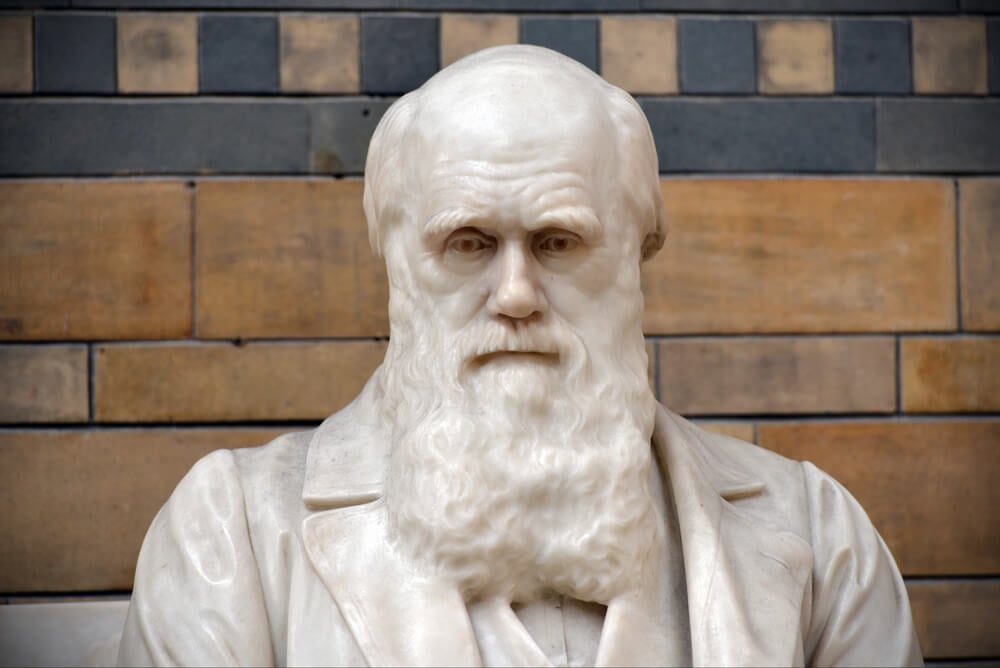
Suppressed and banned by religious authorities, Darwin’s work became essential reading in scientific and educational circles once religious censorship weakened.
Justine by Marquis de Sade (1791)
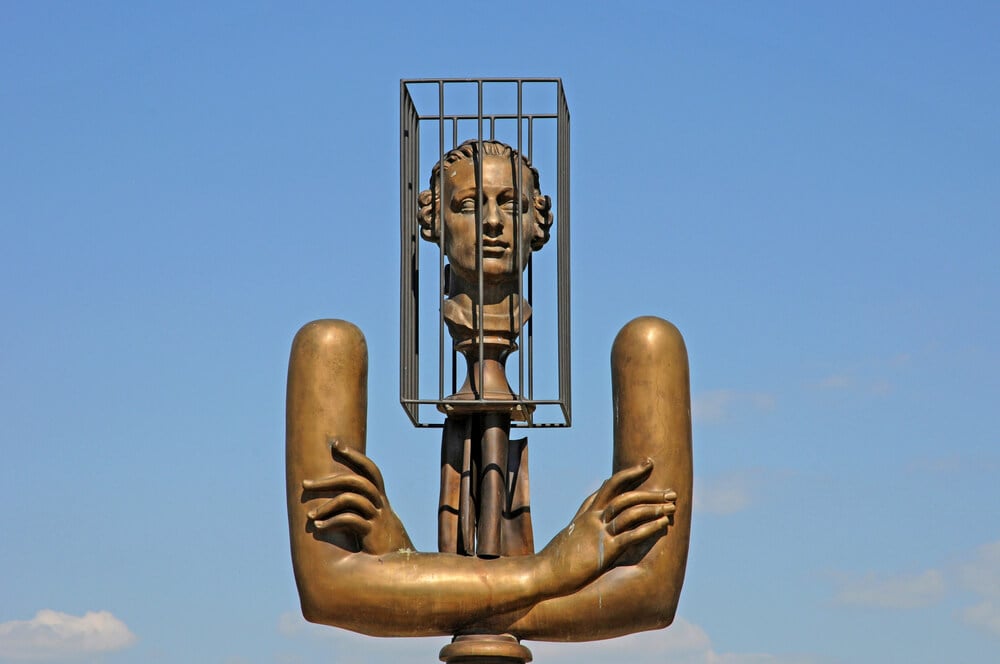
Banned for centuries for explicit intimate and violent content, de Sade’s works became subjects of literary study and bestsellers once legal restrictions were removed.
Molloy by Samuel Beckett (1951)
Banned in Ireland and suppressed in other countries, the modernist novel became a literary classic whose sales increased significantly when bans were lifted.
The Autobiography of Malcolm X (1965)
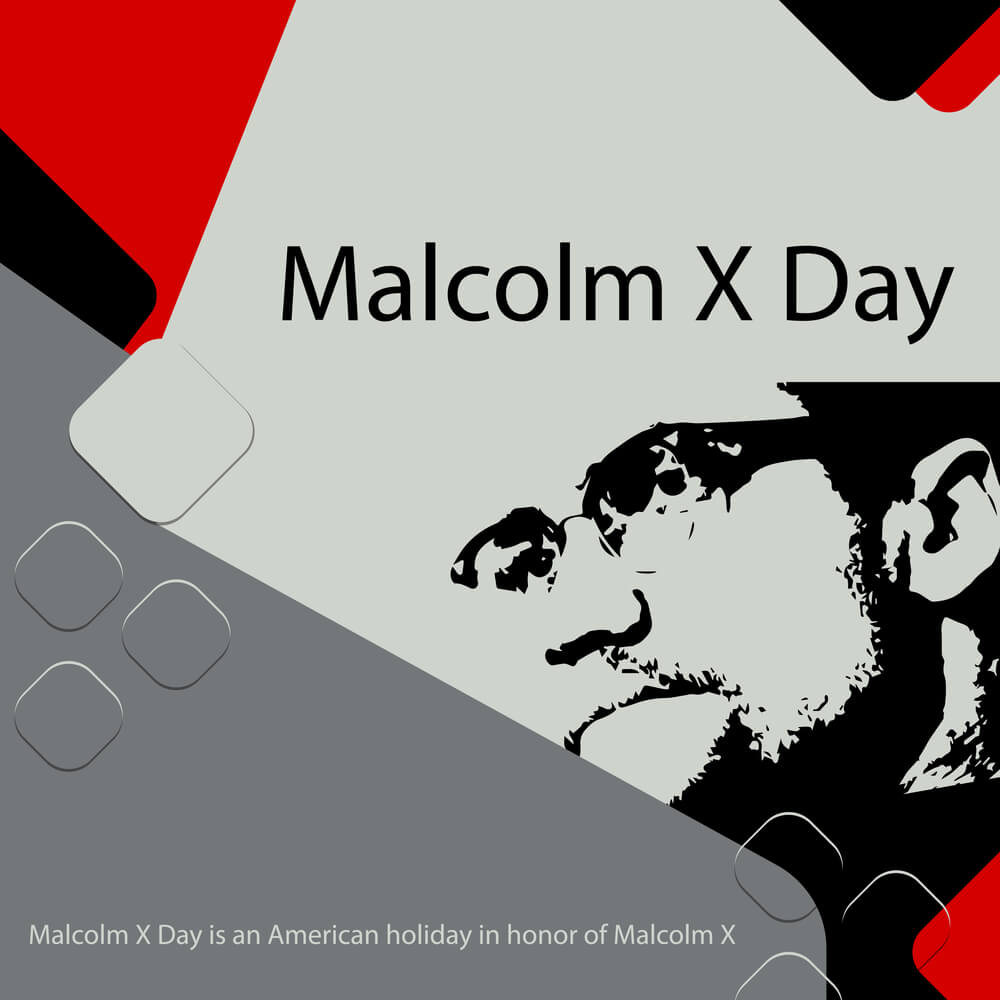
Banned in some school systems and suppressed in the South, the autobiography became a bestseller and essential text on African-American history and experience.
Beloved by Toni Morrison (1987)
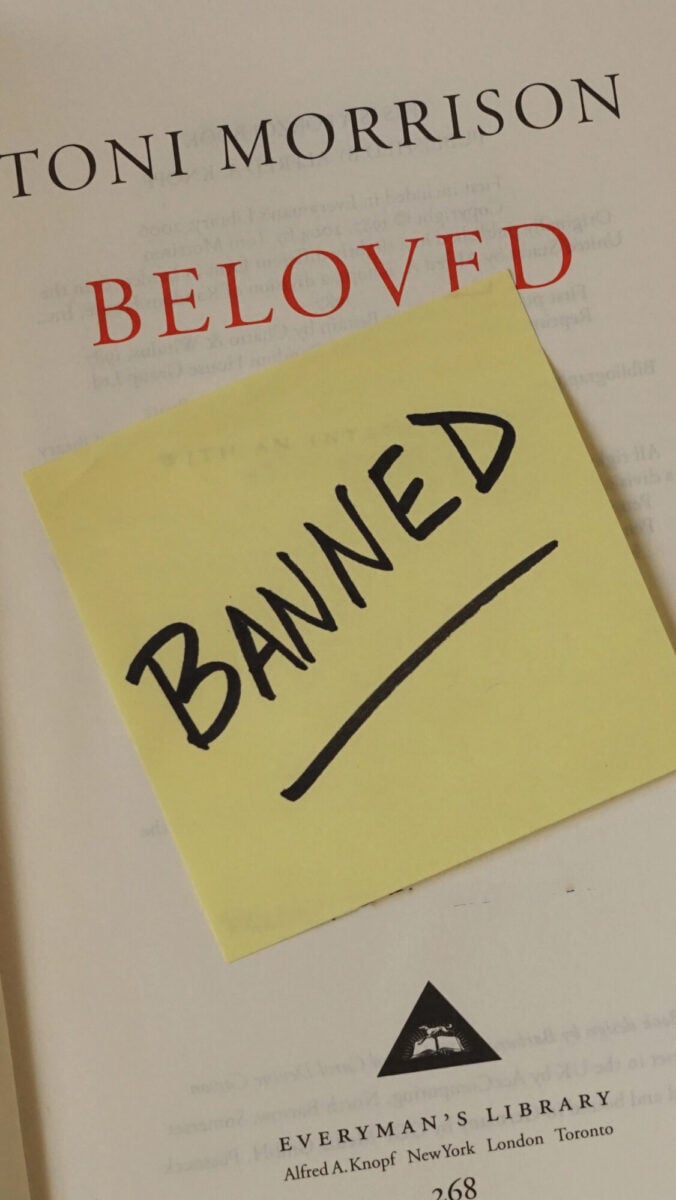
Despite initial suppression in some American school systems, Morrison’s novel became a bestseller and Pulitzer Prize winner once it gained mainstream acceptance.
In Cold Blood by Truman Capote (1966)
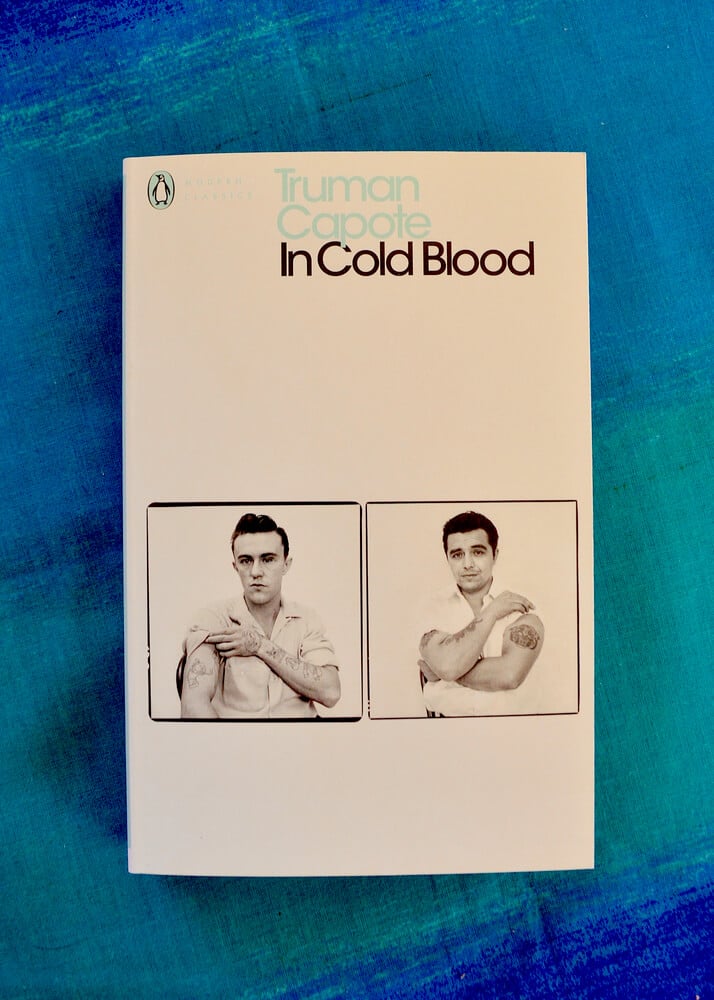
The non-fiction novel was banned in various institutions for its graphic depiction of murder. Its legal publication led to bestseller status and influenced true crime literature.
Tropic of Cancer by Henry Miller (1934)
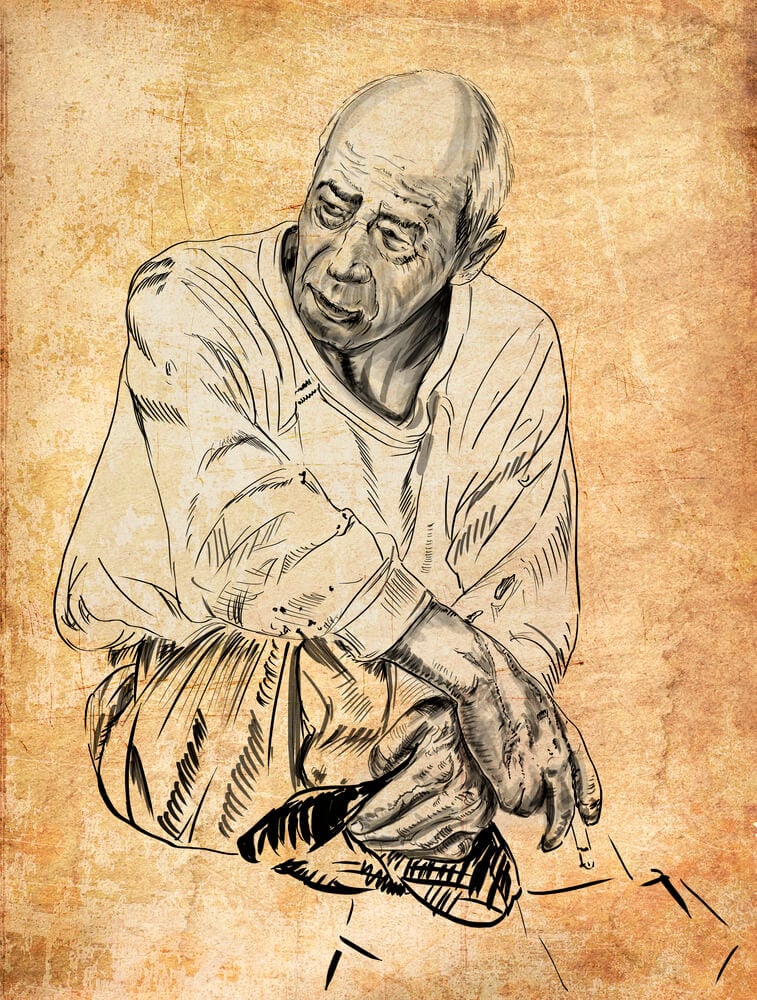
Banned for decades in the United States and Britain, Miller’s semi-autobiographical novel became a bestseller once obscenity charges were overturned.
On the Origin of Species by Evolution (Darwin) Context
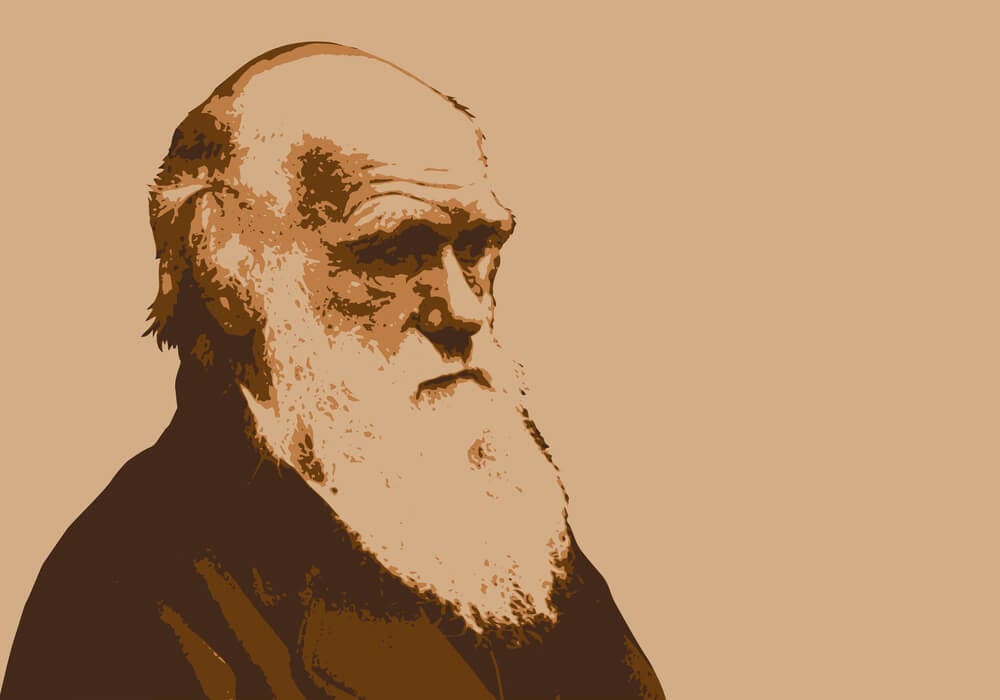
While the book itself was published, its ideas were actively suppressed in educational systems. Once evolutionary biology was accepted, the book’s sales increased dramatically.
The Quiet American by Graham Greene (1955)
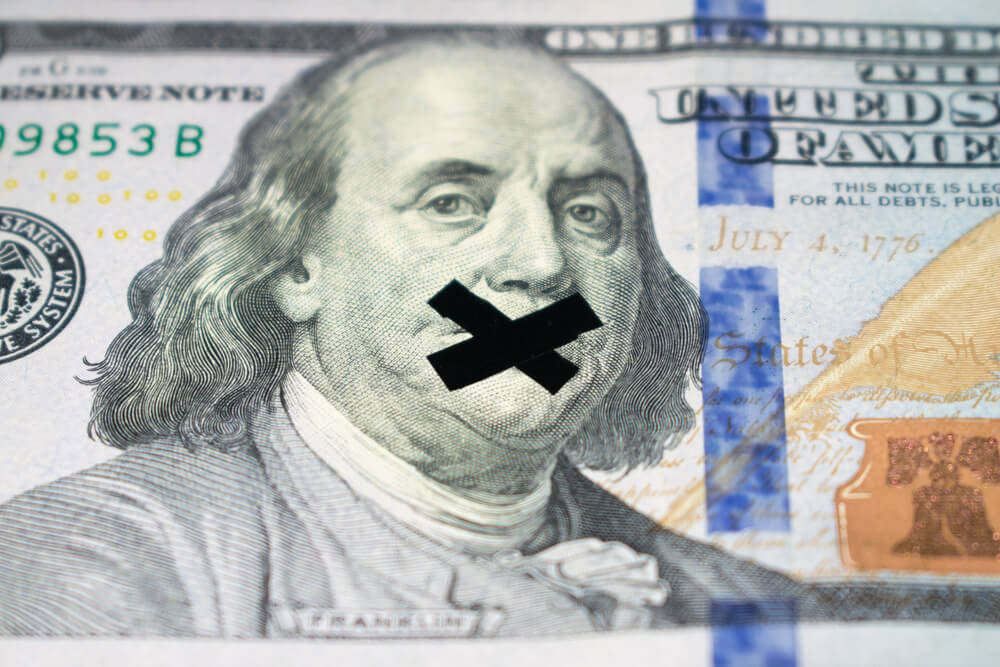
Banned in certain contexts for its critique of American imperialism, the novel gained readership and bestseller status as anti-colonial sentiment grew.
Invisible Man by Ralph Ellison (1952)

Though published, the novel was suppressed in some American Southern school systems. Sales increased significantly as literary recognition grew and bans were challenged.
The Handmaid’s Tale by Margaret Atwood (1985)

Banned in various school systems for intimate content and anti-religious themes, the novel became a bestseller and cultural phenomenon through television adaptation.
Peyton Place by Grace Metalious (1956)
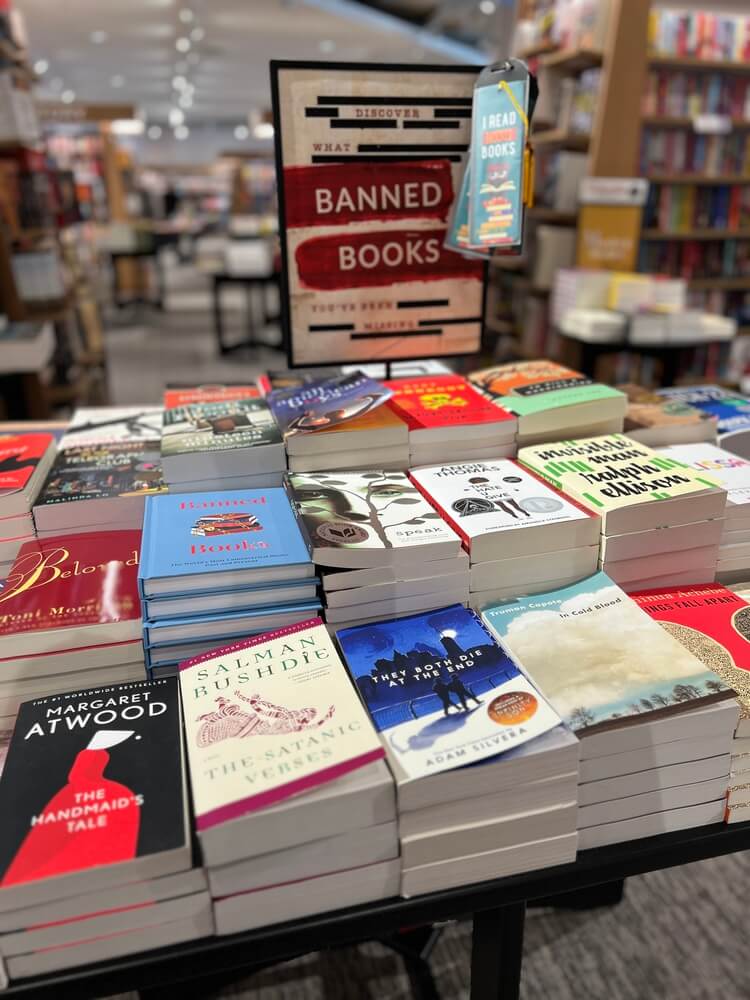
Banned in numerous communities for intimate content and scandal, the novel became the bestselling novel of the 1950s due to its forbidden status.
The Satanic Bible by Anton LaVey (1969)
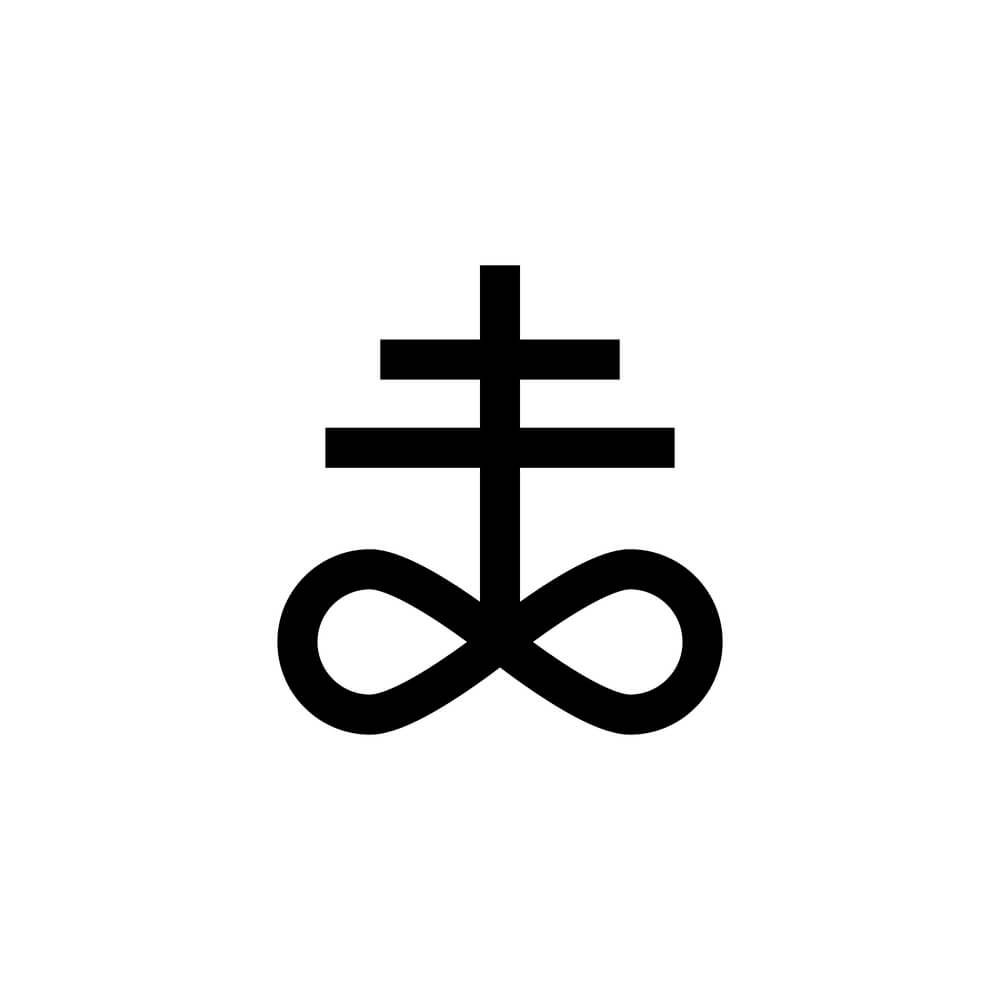
Banned and suppressed by religious authorities, the text became a bestseller among those interested in alternative spirituality and philosophy.
Fear and Loathing in Las Vegas by Hunter S. Thompson (1971)
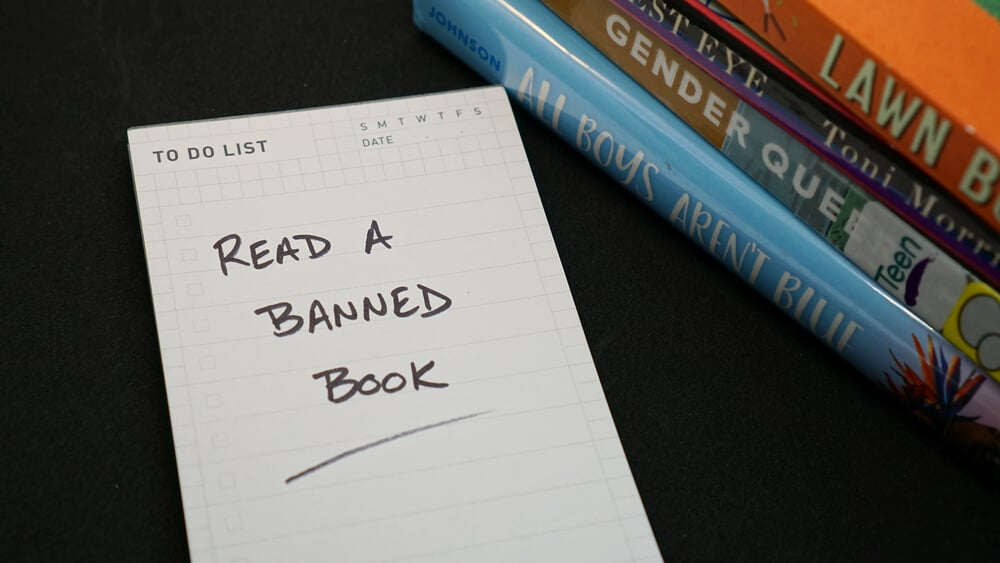
Suppressed in educational settings for drug use and profanity, the novel became a counterculture bestseller and literary classic.
The Suppression Effect
Banning creates what might be called the “forbidden fruit” effect. By declaring a text dangerous, authorities inadvertently validate its power to disturb existing ideas, making readers eager to experience what made authorities uncomfortable enough to suppress it.
More from Go2Tutors!

- The Romanov Crown Jewels and Their Tragic Fate
- 13 Historical Mysteries That Science Still Can’t Solve
- Famous Hoaxes That Fooled the World for Years
- 15 Child Stars with Tragic Adult Lives
- 16 Famous Jewelry Pieces in History
Like Go2Tutors’s content? Follow us on MSN.