15 Weirdest US City Nicknames
America’s cities aren’t just known for their landmarks, food scenes, or sports teams. Some have earned nicknames that are so bizarre, they sound like they came from a comedy sketch rather than serious history books. From jazz musicians creating shorthand slang to fur traders with questionable reputations, the stories behind these monikers reveal the quirky side of American urban identity.
Here is a list of 15 of the weirdest city nicknames that’ll make you wonder what the founding fathers were thinking.
Pig’s Eye
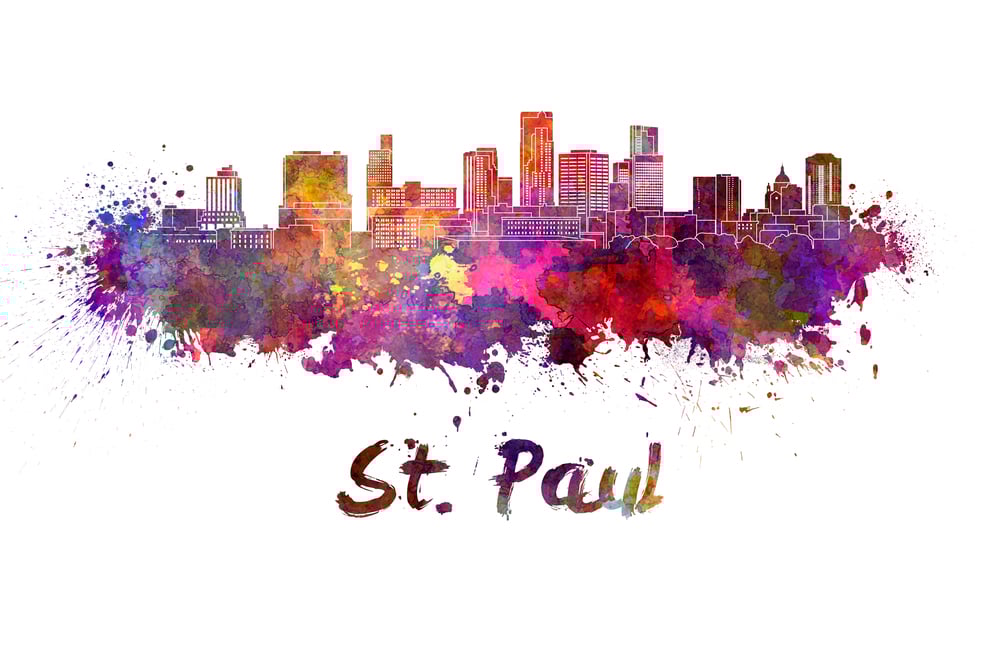
Saint Paul, Minnesota started life with perhaps the most unflattering nickname in American history, thanks to Pierre Parrant, a one-eyed French Canadian fur trader who opened the area’s first tavern in 1838. Parrant’s blind eye had a white ring around the pupil that gave him a distinctly porcine appearance, earning him the nickname ‘Pig’s Eye.’ The settlement that grew around his tavern became known as ‘Pig’s Eye’ until a horrified Catholic priest arrived in 1841 and reportedly declared, ‘Pig’s Eye, converted thou shalt be, like Saul; Arise, and be, henceforth, Saint Paul!’
Naptown
— Photo by ctppix
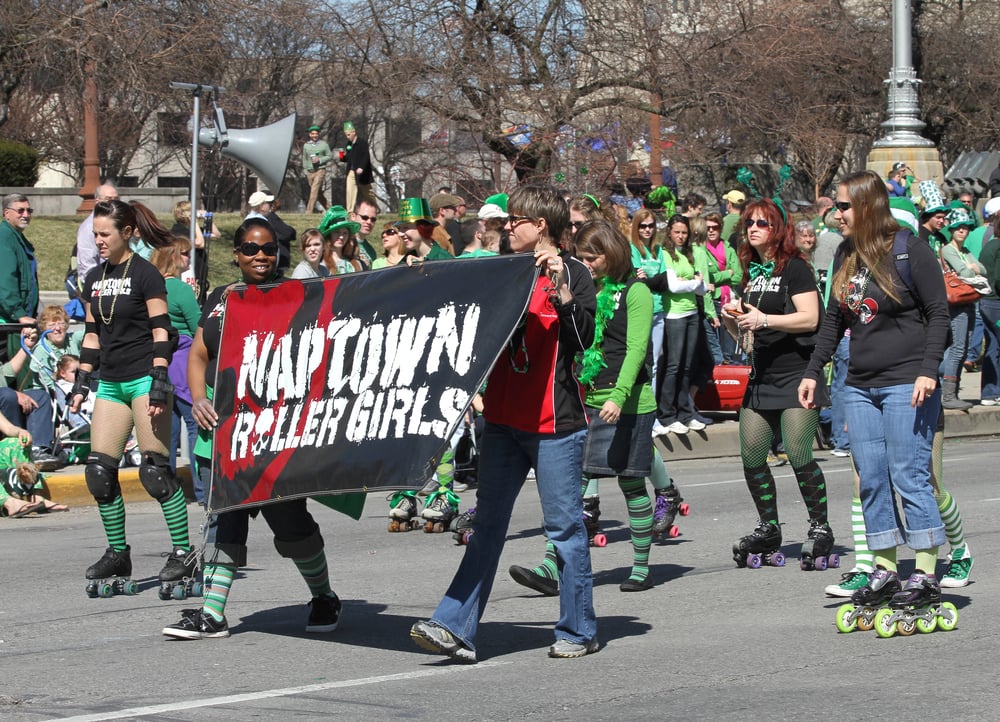
Indianapolis picked up this sleepy-sounding nickname not because it’s boring, but thanks to 1920s jazz musicians who shortened the city’s six-syllable mouthful to its most prominent syllable, ‘Nap.’ The term first appeared in print in the Indianapolis Recorder in 1927 and initially celebrated the city’s vibrant music scene. Over time, outsiders started using it as an insult, suggesting the city was slow and boring, but locals have reclaimed it as a badge of laid-back Midwestern pride.
Insurance Capital of the World
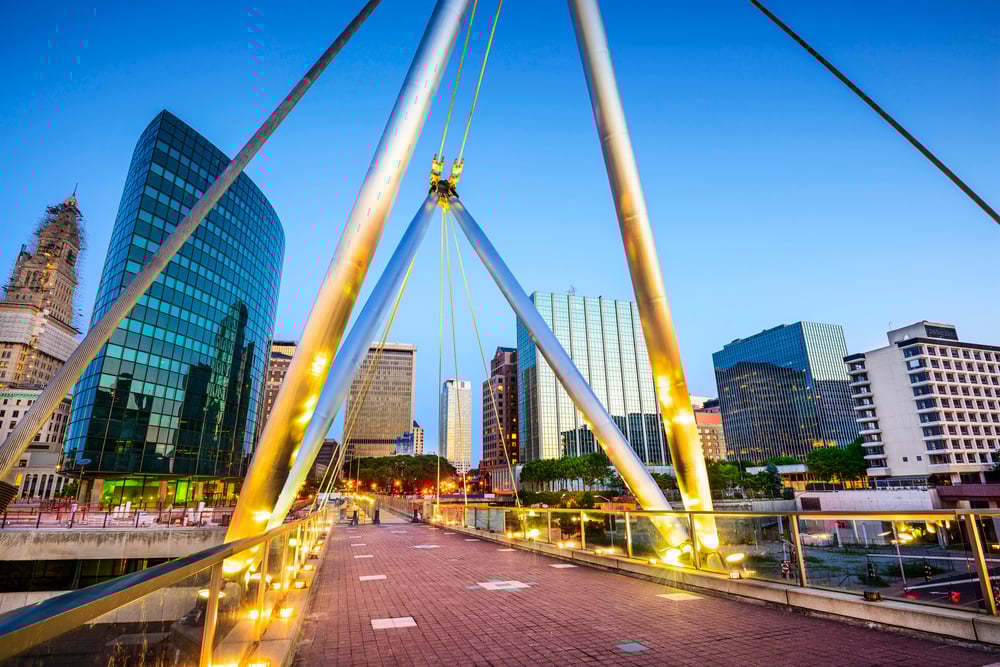
Hartford, Connecticut earned this spectacularly unsexy nickname through pure business dominance rather than any attempt at marketing genius. After the Great New York City Fire of 1845 devastated Manhattan’s financial district, Hartford became the go-to place for insurance deals. Today, the city houses over 1,300 insurance providers, making it the undisputed ruler of actuarial tables and risk assessment. It’s probably the only nickname that makes accountants genuinely excited.
Biggest Little City in the World
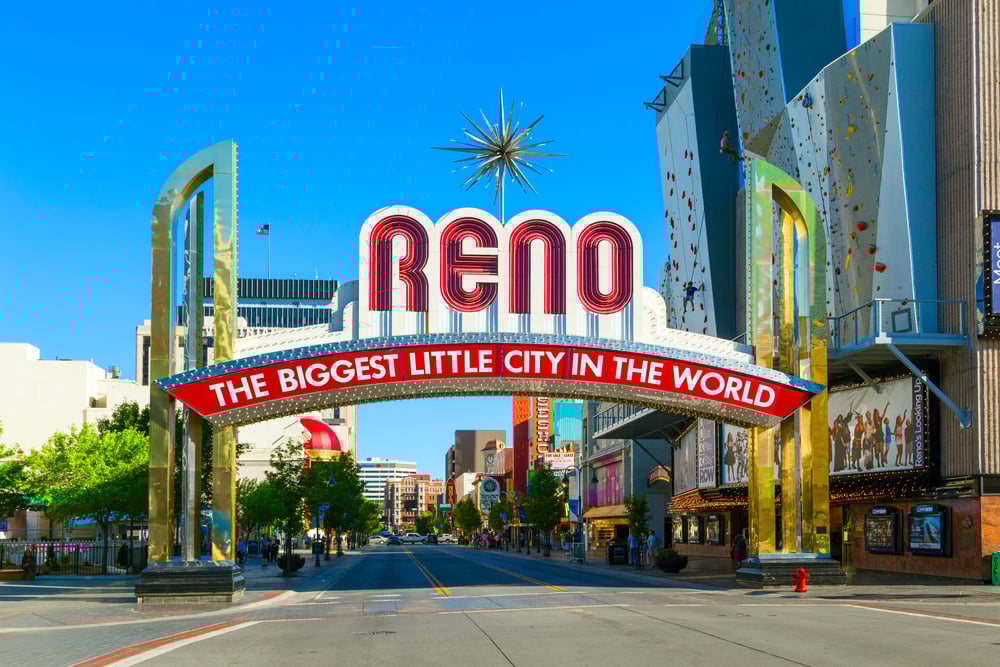
— Photo by Hackman
Reno, Nevada embraced this wonderfully contradictory nickname as a way to compete with flashier Las Vegas, which sits 450 miles southeast. The city of under 300,000 people spread across 109 square miles figured if you can’t be the biggest, at least you can be the biggest little. When Nevada legalized gambling, Reno became one of the first cities to merge hotels with casinos, giving it outsized importance despite its modest population.
Athens of America
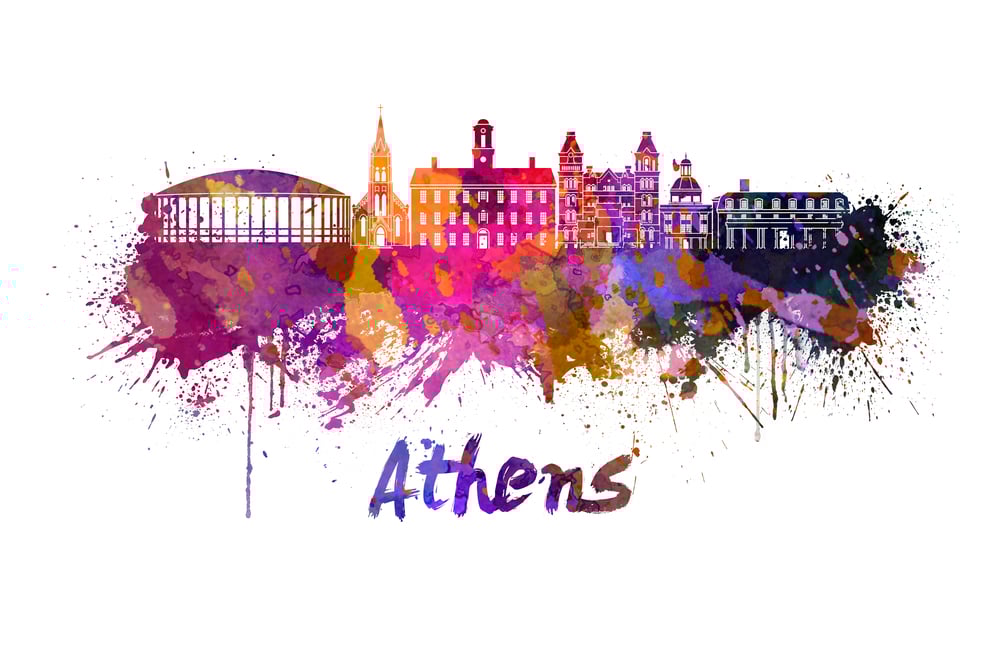
Annapolis, Maryland received this lofty comparison not because of ancient Greek architecture, but due to its emphasis on arts, education, and democratic ideals. The city has long been considered a center of civic life and intellectual pursuits. While Annapolis doesn’t have a Parthenon, it does boast more original 18th-century buildings than any other American city, giving it an Old World sophistication that apparently reminded someone of ancient Athens.
Beantown
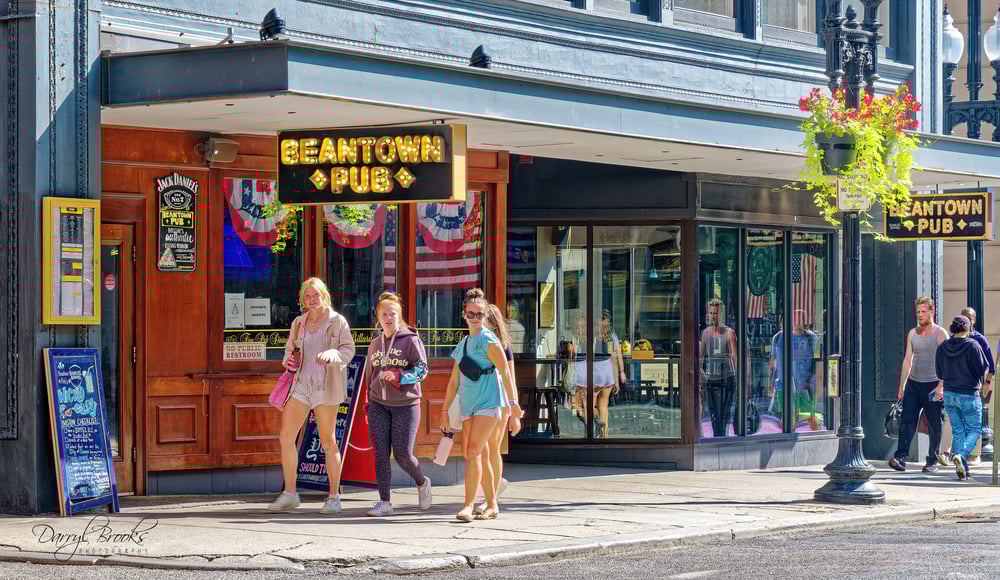
Boston’s most famous food-related nickname stems from the city’s historical connection to baked beans, a dish that became a Sunday tradition among Puritan colonists. The devout Puritans couldn’t cook on Sundays, so they’d bake beans in molasses on Saturday and leave them warming overnight on hearth bricks. What makes this nickname particularly interesting is its connection to the darker side of Boston’s history—the city was part of the Triangular Trade, exporting rum to Africa in exchange for slaves.
Circle City
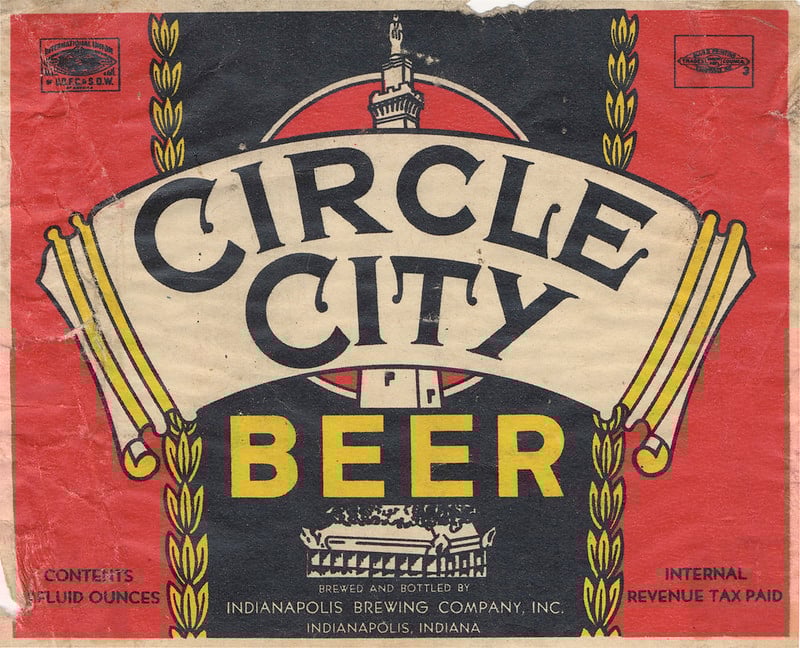
Indianapolis earned this geometric nickname from its distinctive 1821 city plan designed by Alexander Ralston and Elias Pym Fordham. The layout centered around what’s now Monument Circle, originally called Governor’s Circle, which serves as the focal point of the city’s Mile Square design. Since 1902, Monument Circle has been home to the Soldiers’ and Sailors’ Monument, making it literally a city built around a circle.
City of Trees
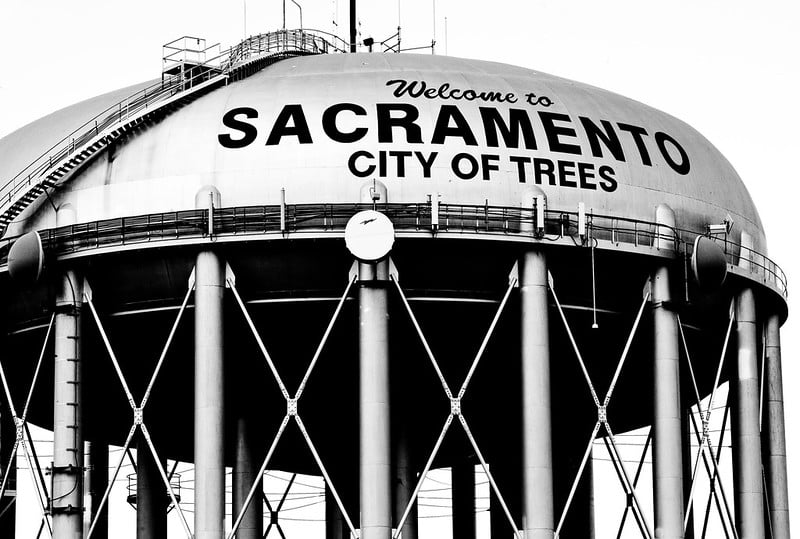
Sacramento, California has been called the ‘City of Trees’ since 1855, which is ironic considering it was originally dubbed the ‘City of Plains’ due to its complete lack of greenery. Community tree-planting efforts transformed the barren landscape so dramatically that Sacramento now ranks second only to Paris for tree coverage per capita. The city went from having zero notable vegetation to potentially claiming the world’s top spot for urban forestry—talk about a complete 180.
Space City
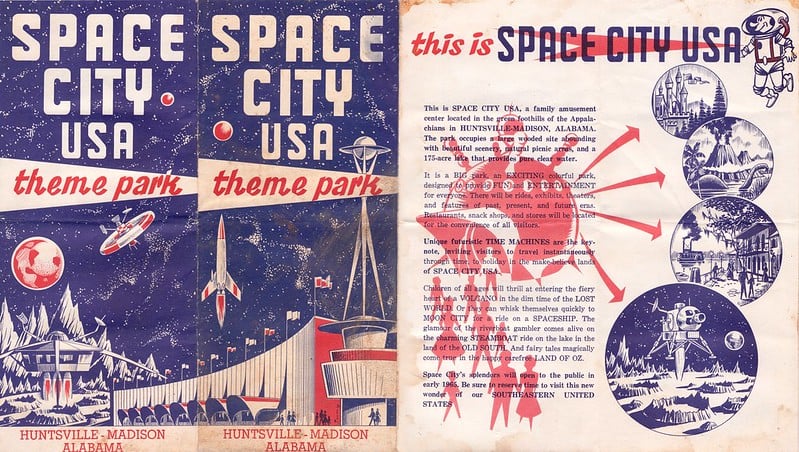
Houston, Texas earned this futuristic nickname when NASA chose it as the location for Mission Control, making it the nerve center for America’s space program. The phrase ‘Houston, we have a problem’ became permanently etched in American culture thanks to the Apollo missions. While other cities might brag about their sports teams or food scenes, Houston gets to claim responsibility for putting humans on the moon.
Steel City
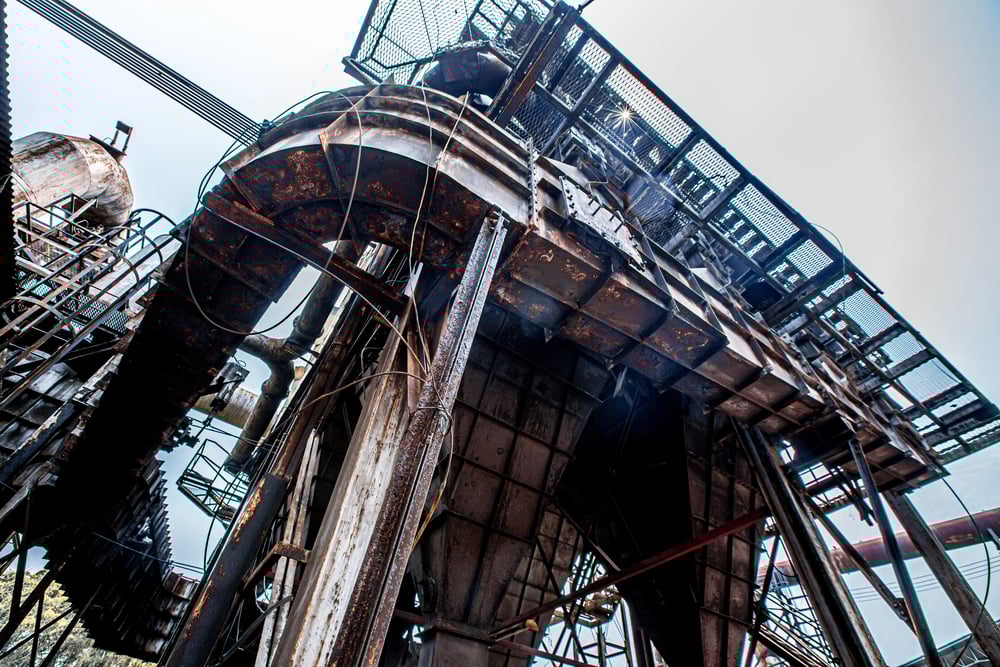
Pittsburgh, Pennsylvania built its identity so completely around steel production that the nickname became inseparable from the city itself. The steel industry formed the foundation of Pittsburgh’s growth and wealth for over a century. Even though the city has largely moved beyond its industrial past, locals still embrace the tough, blue-collar image that comes with being the Steel City.
Motor City
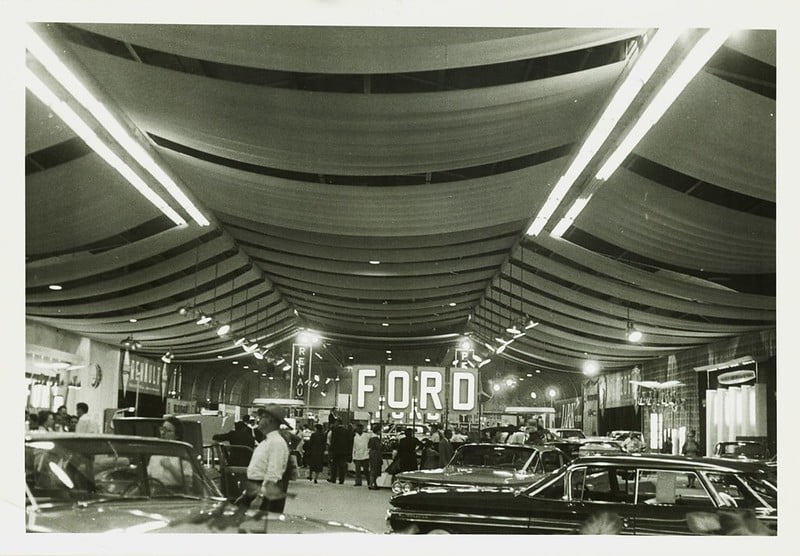
Detroit, Michigan earned this mechanical moniker as the historic hub of America’s automotive industry and home to the famous Ford factory, which introduced the world’s first assembly line for car production. The nickname captures Detroit’s role in literally putting America on wheels and creating the modern automotive culture that defines much of American life.
Emerald City
— Photo by ganesh005
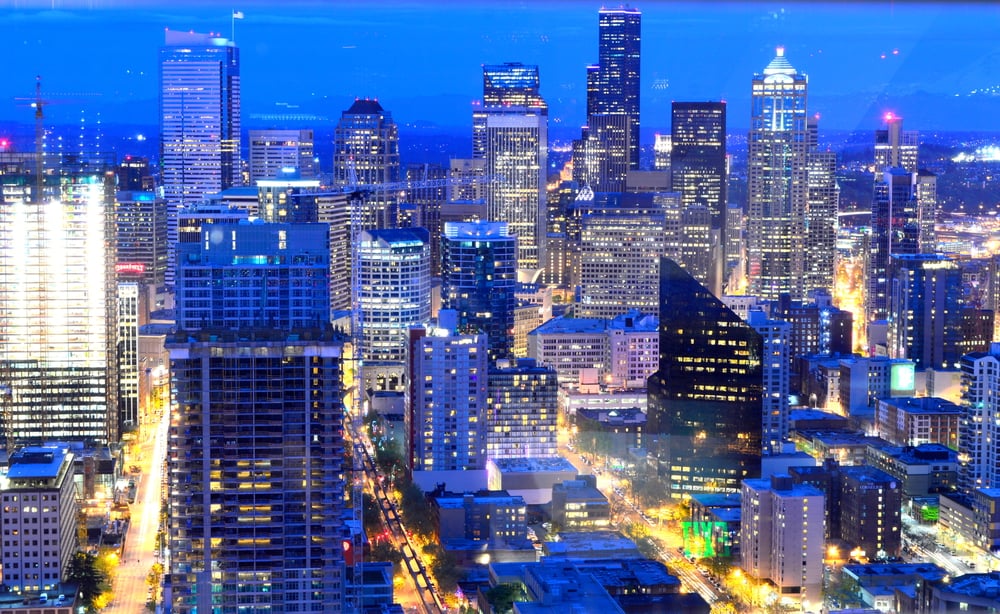
Seattle, Washington picked up this magical nickname thanks to its year-round lush greenery, including Green Lake Park, Discovery Park, and the Washington Park Arboretum. The abundant forests and vegetation surrounding the city create an emerald-like appearance that’s visible even from the air. Seattle has also been called ‘Rain City,’ ‘The Coffee Capital of the World,’ and ‘Jet City,’ but Emerald City captures the natural beauty that makes the Pacific Northwest famous.
Magic City
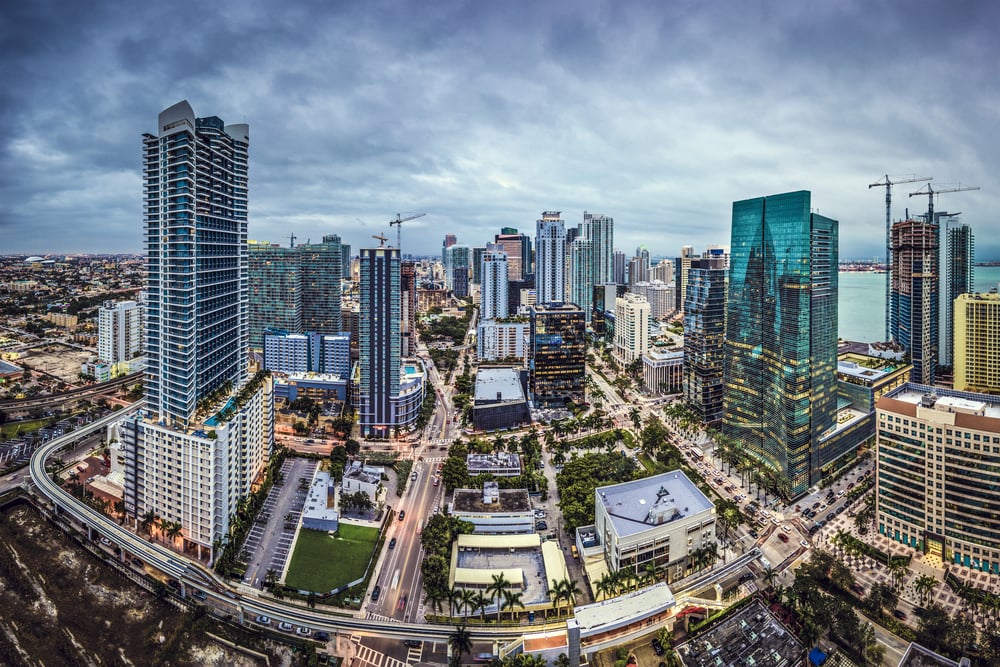
Miami, Florida earned this enchanting nickname because it essentially became a city overnight. As people flocked to the area more than a century ago looking for land opportunities, they relied on the Miami River for food and transportation, and the settlement transformed into an urban center so quickly it seemed magical. The rapid transformation from swampland to metropolis happened faster than anyone thought possible in the early 20th century.
Sin City

— Photo by U.Omozo
Las Vegas, Nevada embraced this morally questionable nickname due to its reputation for gambling, drinking, and adult entertainment, plus the historical influence of organized crime figures like Benjamin ‘Bugsy’ Siegel and Meyer Lansky, who opened the Flamingo casino in 1946. Ironically, Las Vegas literally translates to ‘the meadows’ in Spanish, making it perhaps the most misleading city name-to-nickname transformation in America.
The Big Easy

— Photo by f11photo
New Orleans, Louisiana got this relaxed nickname from multiple sources, including a 1970s newspaper columnist who contrasted the city’s laid-back vibe with New York’s frenetic pace. The name gained wider recognition through James Conaway’s 1970 novel ‘The Big Easy’ and the 1987 movie adaptation starring Dennis Quaid. Some credit the nickname to the city’s thriving music scene, where it was easy for musicians to book gigs, or to New Orleans’ casual attitude toward alcohol during Prohibition.
From Fur Traders to Modern Marketing
These nicknames prove that American cities have never been shy about embracing their quirks, whether they stem from questionable founders, industrial dominance, or pure geographical accidents. City nicknames serve important functions—they help establish civic identity, attract visitors, promote local pride, and build community unity, with successful nicknames believed to have genuine economic value. What started as inside jokes among jazz musicians or descriptions of one-eyed tavern keepers have become integral parts of how these cities see themselves and market to the world.
More from Go2Tutors!

- 16 Historical Figures Who Were Nothing Like You Think
- 12 Things Sold in the 80s That Are Now Illegal
- 15 VHS Tapes That Could Be Worth Thousands
- 17 Historical “What Ifs” That Would Have Changed Everything
- 18 TV Shows That Vanished Without a Finale
Like Go2Tutors’s content? Follow us on MSN.