25 Foods That Were Once Considered Luxuries and Are Now Dirt Cheap
The price of food tells the story of economic transformation, agricultural innovation, and shifting scarcity. Foods that once commanded luxury prices—affordable only to royalty or the wealthy—now sit in discount bins.
This reversal reflects how industrial agriculture, transportation networks, and production scale have fundamentally altered food economics. What required travel to distant lands or special seasons now arrives year-round in supermarkets.
The foods below demonstrate how radically prices collapse when supply becomes abundant.
Strawberries (Out of Season)
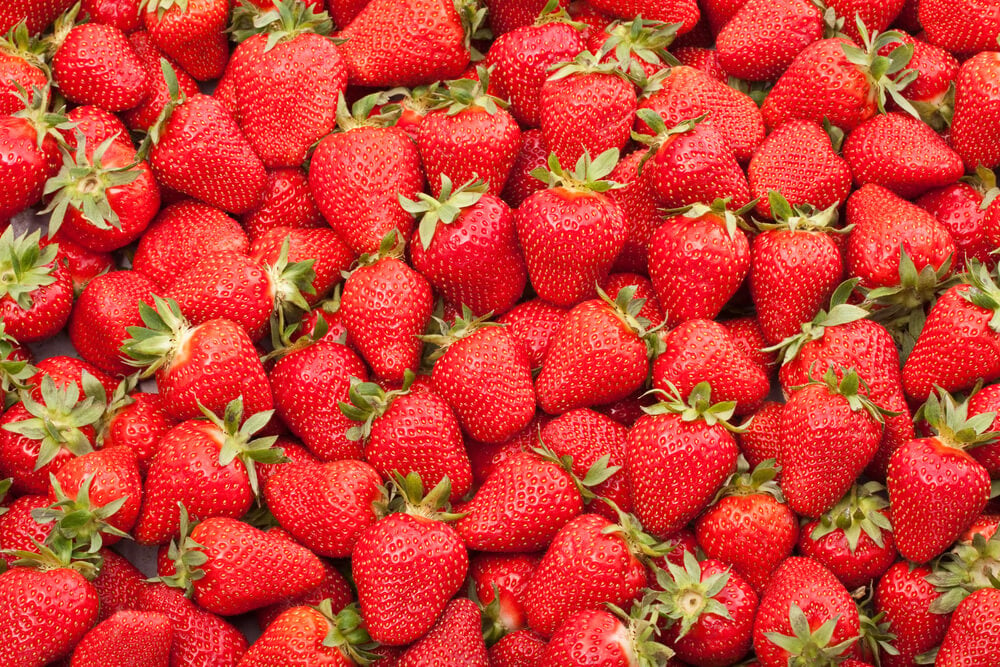
Medieval Europeans considered strawberries so rare that only nobility could obtain them reliably. Winter strawberries required costly glasshouse cultivation or transportation from distant warm regions.
Now, global agriculture makes strawberries available and affordable year-round, grown in massive quantities across multiple continents.
Chocolate
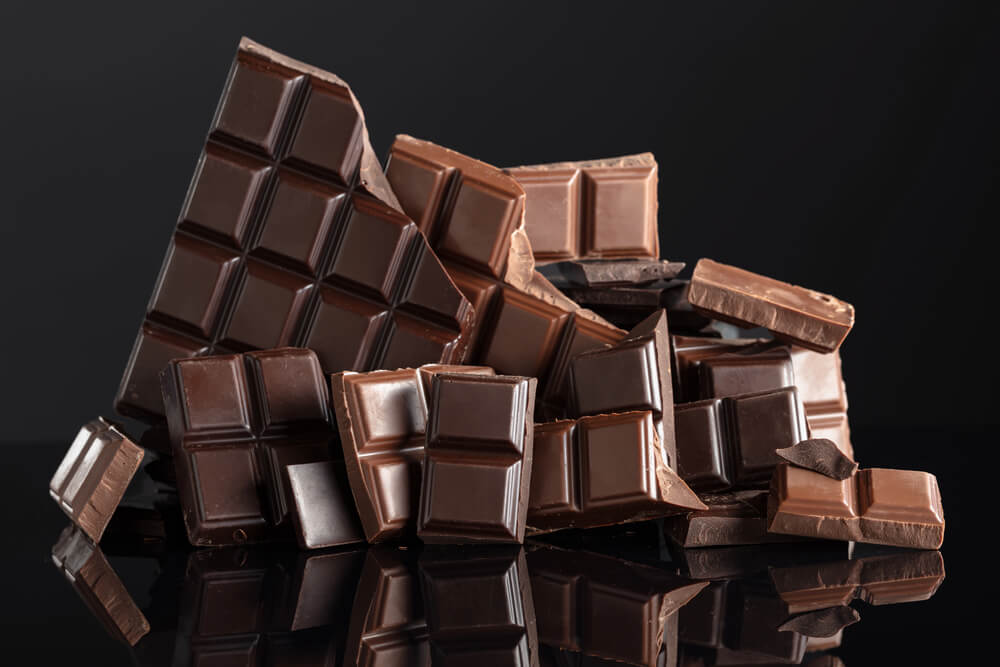
Chocolate was once an exotic luxury confined to wealthy European courts, prepared as an expensive beverage. Cacao required cultivation in limited tropical regions and expensive processing.
Industrial-scale production, African cultivation, and refined extraction methods transformed chocolate into affordable confectionery available to consumers at every income level.
Coffee
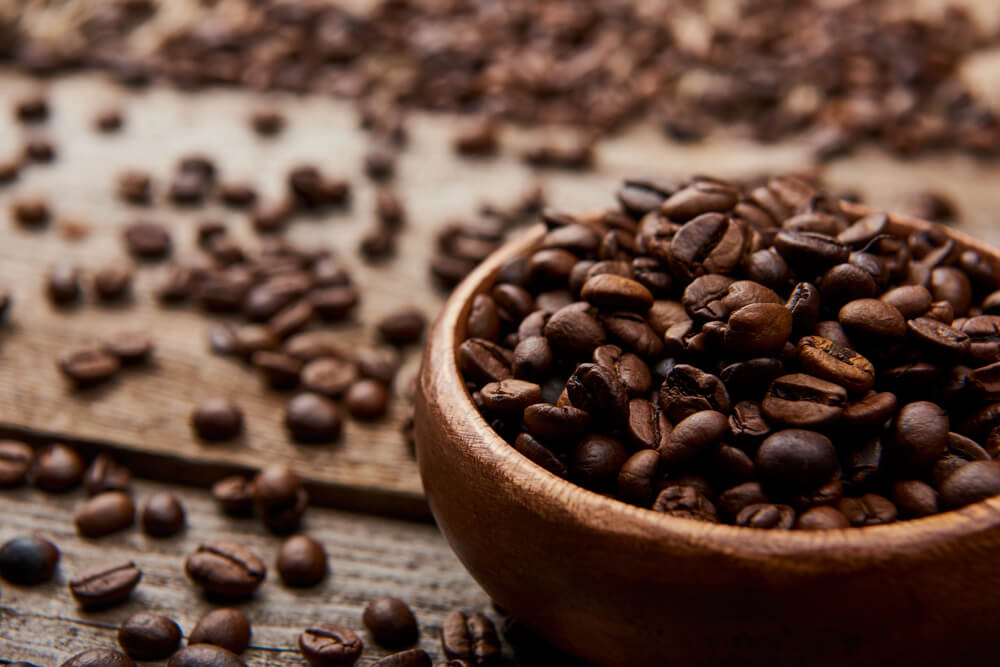
Coffee was historically a luxury commodity in Europe, with prices high enough to restrict consumption to the wealthy and urban merchants. Colonial expansion into coffee cultivation and mechanized processing made coffee abundant and affordable, transforming it into a working-class beverage.
Sugar
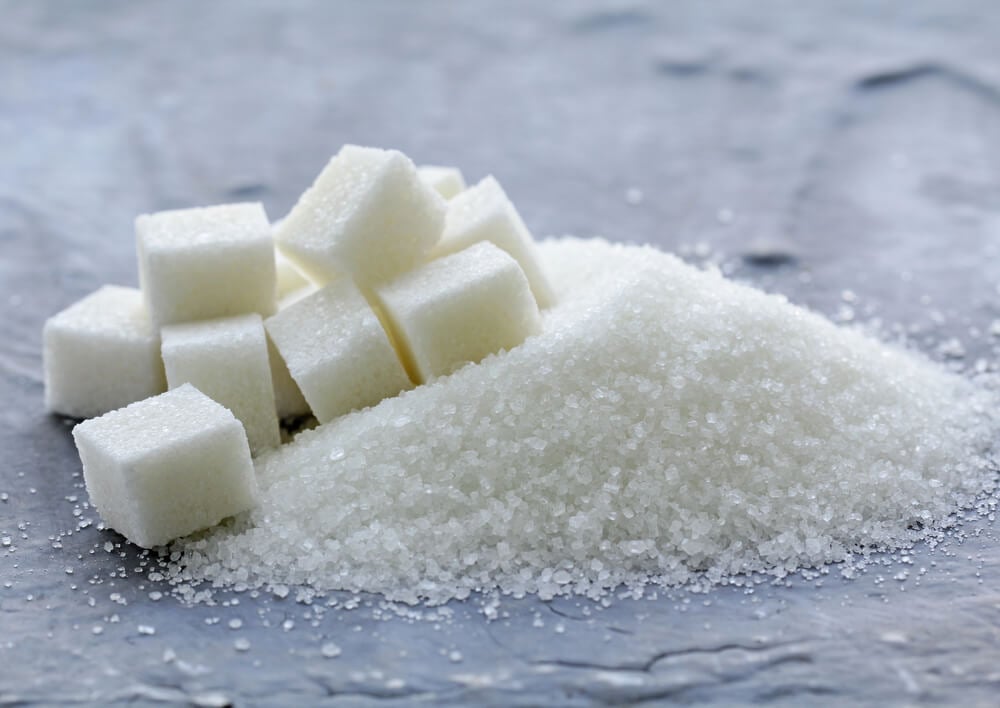
Sugar production required expensive importation or limited local honey as substitute. The transition from honey to sugar took centuries because sugar remained expensive.
Caribbean colonization and slave-labor production scaled sugar output, though modern high-fructose corn syrup and beet sugar production has made sweeteners nearly free.
Bananas
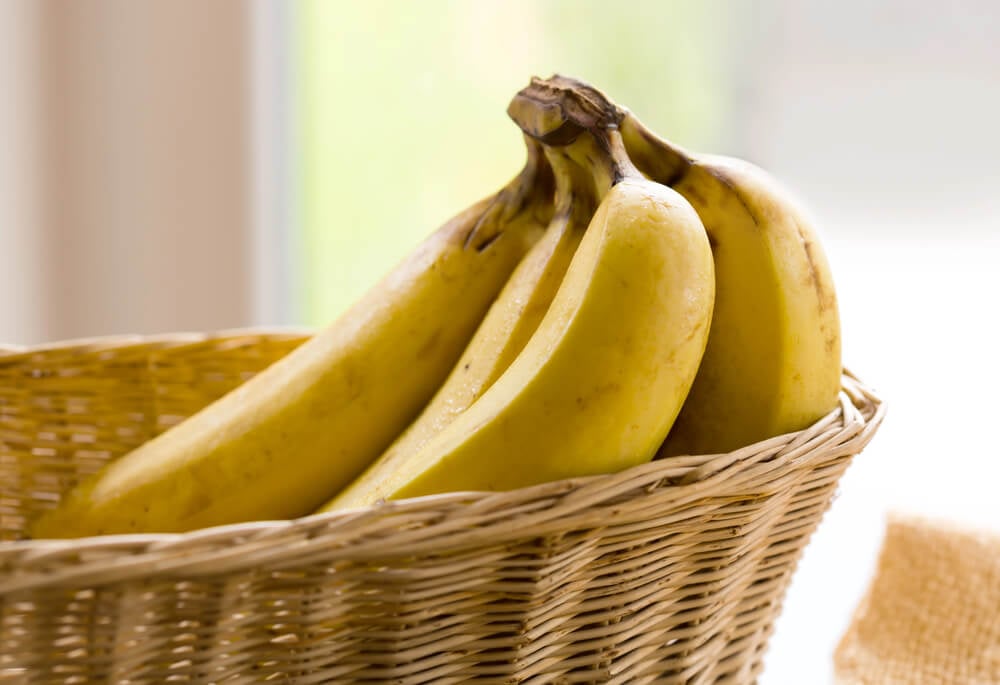
Bananas required refrigerated transport and careful climate control, making them rare luxuries in northern climates until the late 19th century. Industrial banana production in Central America and improved transport infrastructure made bananas the world’s cheapest fruit.
Potatoes
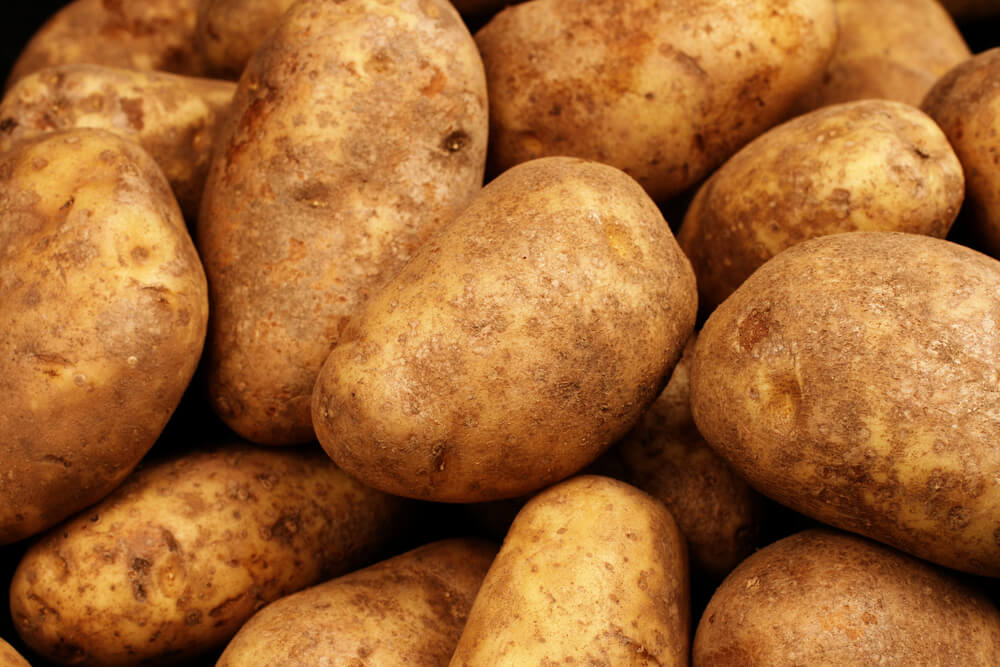
Potatoes were initially considered food for poor people and prisoners, but as agriculture scaled up, they became the cheapest calorie source in many regions. European peasant cultivation and later industrial farming made potatoes ubiquitously affordable.
Wheat Bread (White Bread)
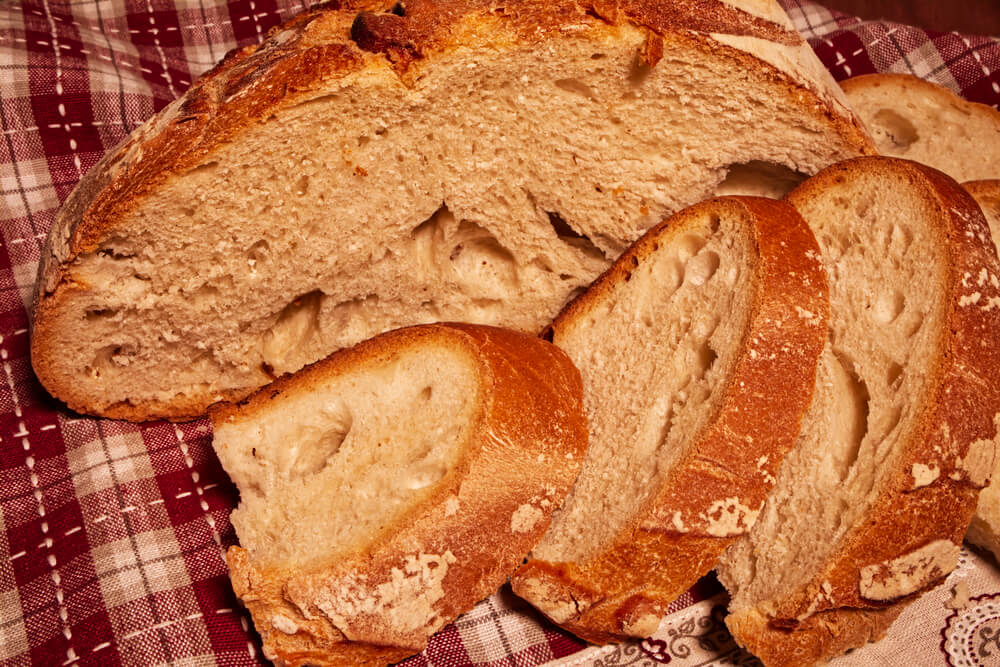
White bread required industrial milling and production infrastructure. Historically, white bread was luxury food for wealthy people; brown bread and dark flour were peasant fare.
Industrial production made white bread cheap and ubiquitous, eventually reversing prestige toward whole grain as an expensive choice.
Beef
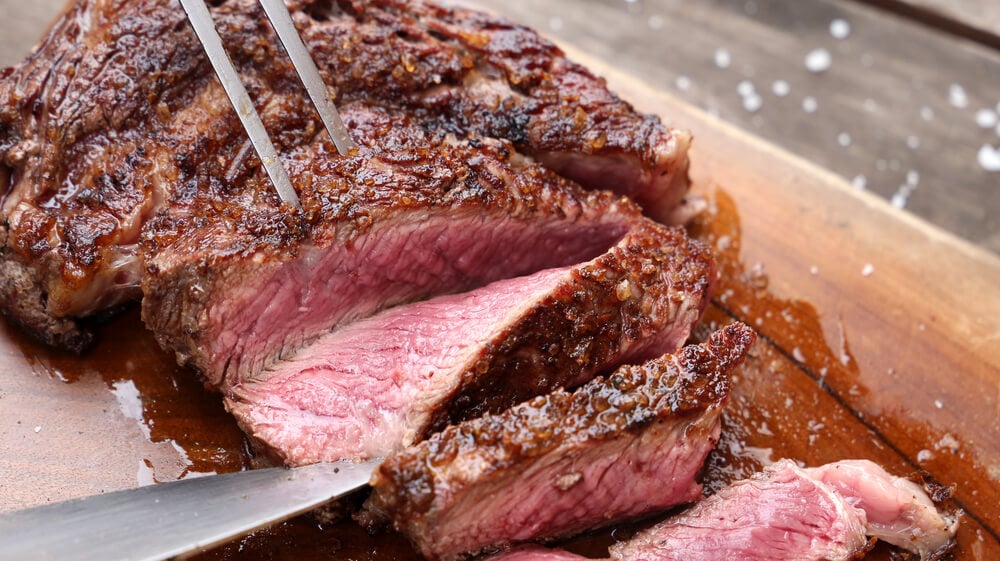
Beef required maintaining herds, slaughter facilities, and distribution networks. Industrialized ranching and meatpacking transformed beef into an affordable protein available at every income level, though grass-fed beef is now luxury meat.
Chicken (Whole Birds)
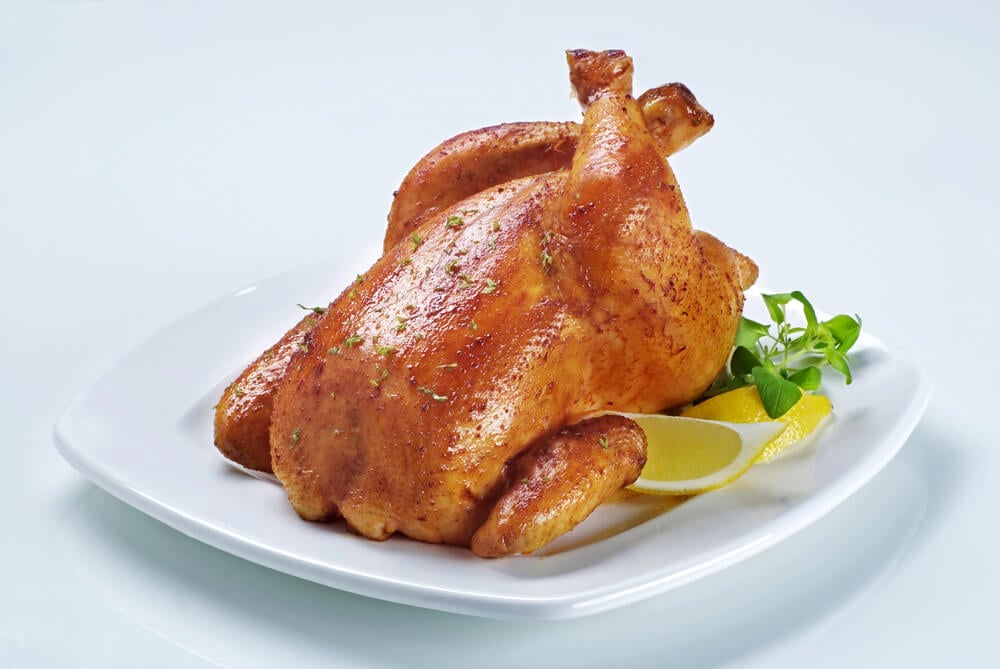
Whole chickens were preserved delicacies for special occasions. Mass poultry farming through industrial operations (battery cages, mechanized slaughter) reduced chicken prices to the lowest-cost protein source in many countries.
Eggs
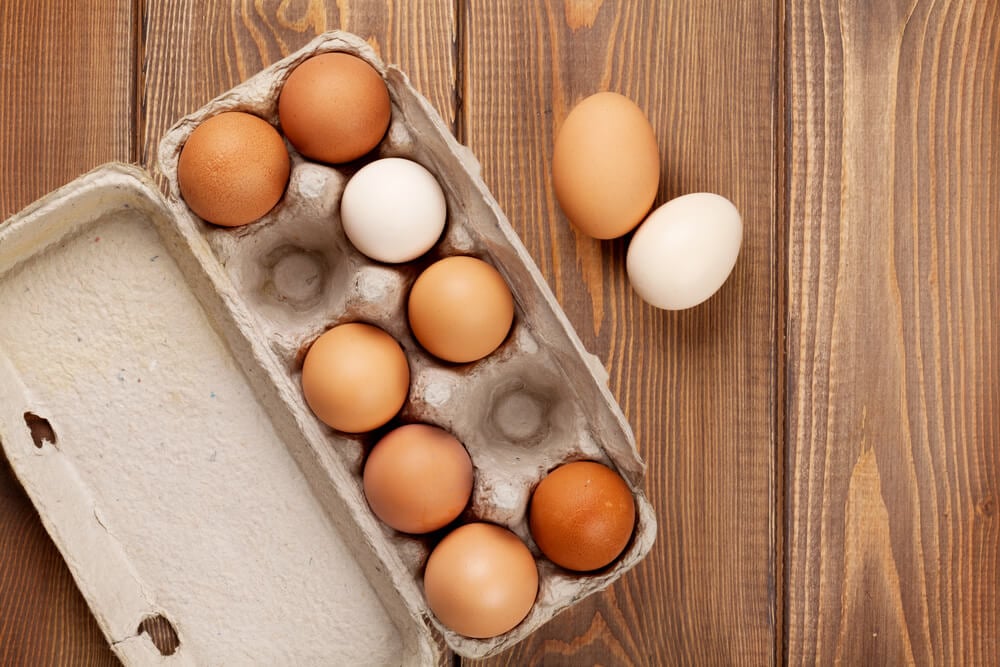
Eggs required maintaining live birds and dealing with seasonal variation. Industrial-scale egg production made eggs among the cheapest protein sources, though free-range eggs have become expensive again as concerns about production methods emerged.
Milk (Pasteurized, Year-Round)
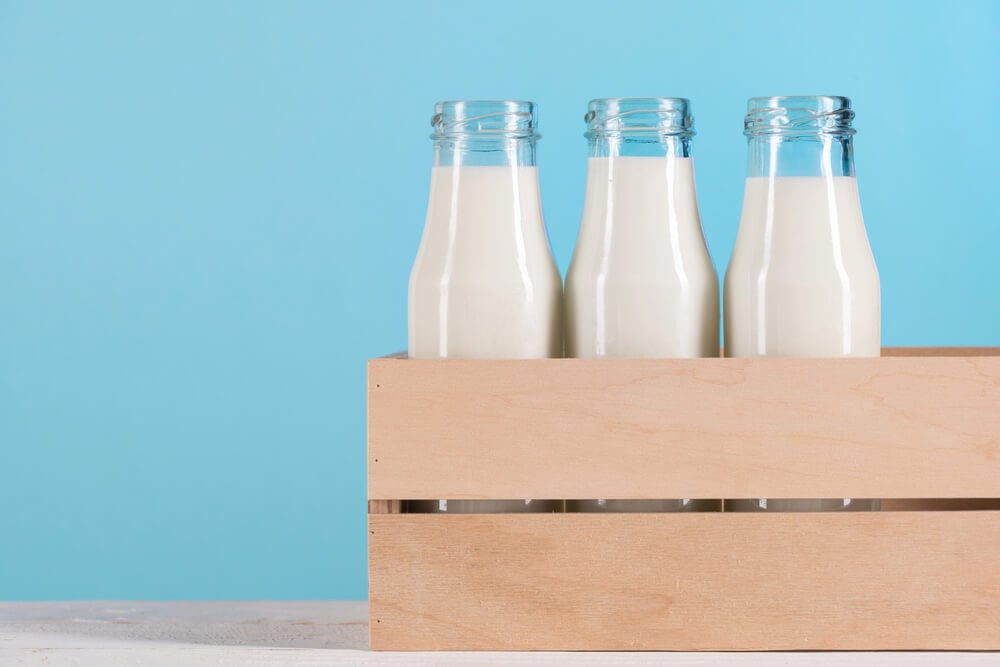
Fresh milk was seasonal and short-lived before pasteurization and refrigeration. Milk required local dairy access and could spoil rapidly.
Industrial dairy operations and refrigerated distribution made milk inexpensive and available year-round.
Cheese
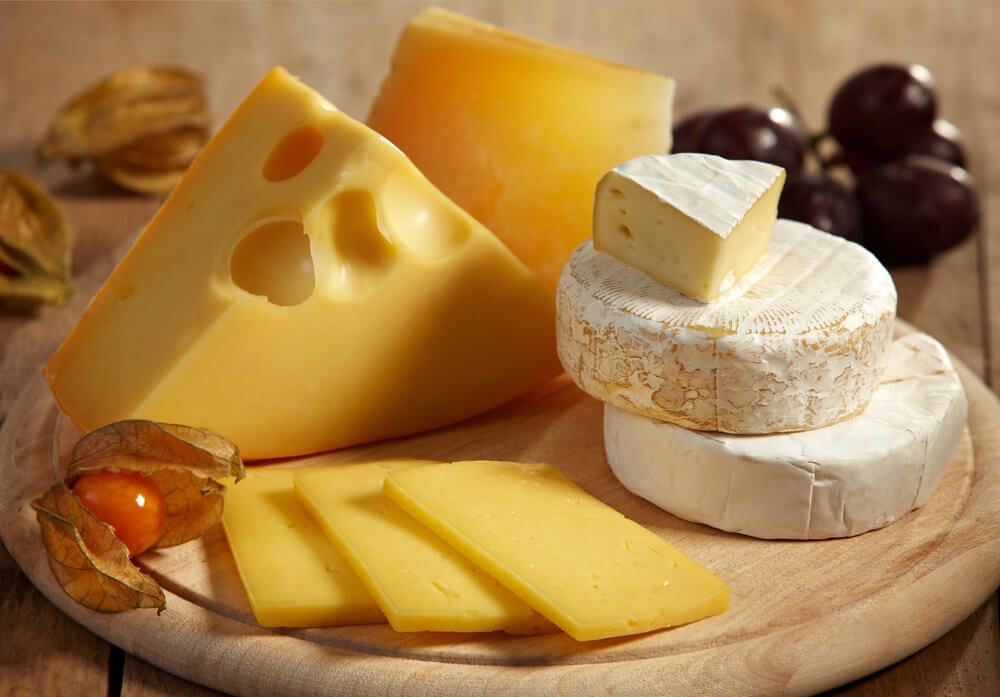
Cheese required months of aging and careful cellar conditions. Expensive aged cheeses remained luxury food.
Processed cheese and industrial production made cheese affordable, though artisanal cheeses remain expensive.
Orange (Winter Availability)
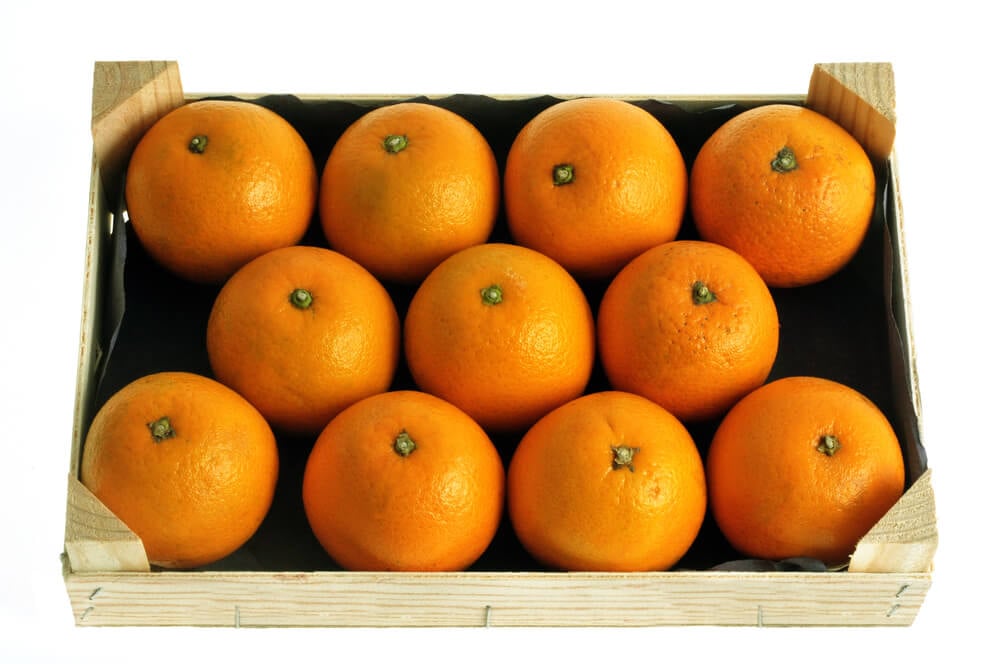
Oranges required Mediterranean or southern cultivation and were rare winter luxuries in northern Europe before refrigerated shipping. Global cultivation and refrigerated transport made oranges cheap seasonal fruit.
Apples (Year-Round)
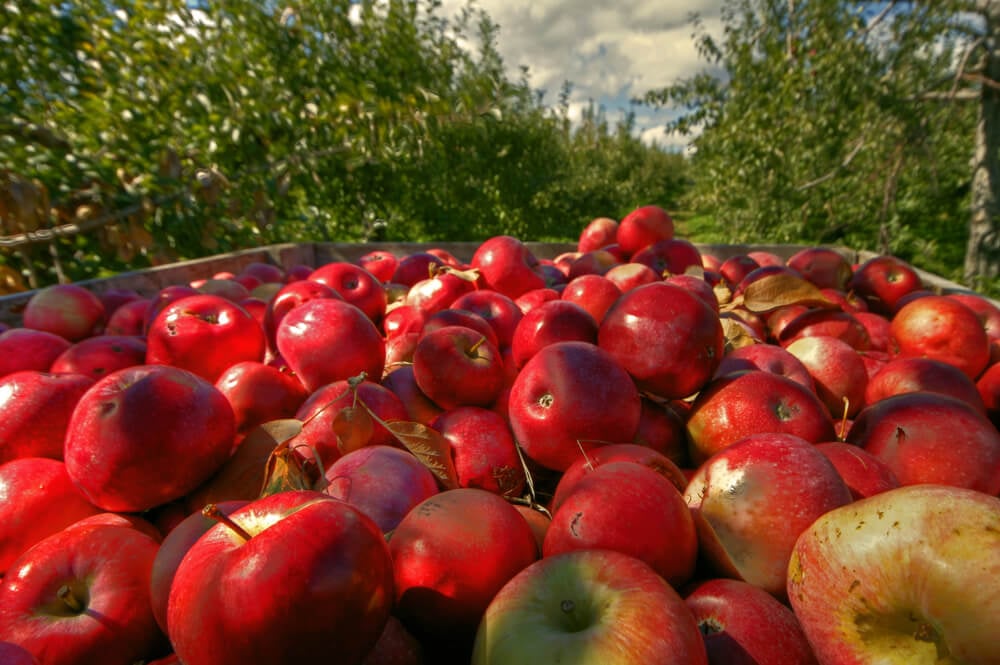
Apples required special storage conditions (cool cellars, underground storage) and were winter scarcity in many climates. Cold storage technology and global supply chains made apples affordable year-round.
Lemons
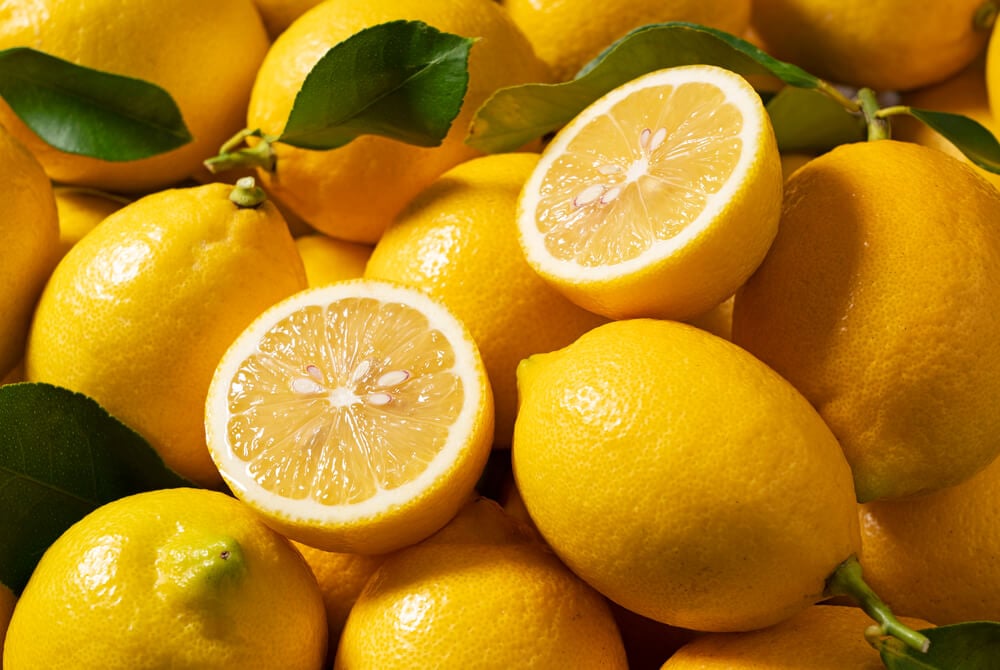
Lemons were exotic luxury fruits in northern Europe, requiring greenhouse cultivation or expensive import. Mediterranean production and transport infrastructure made lemons cheap and available.
Spices (Black Pepper)
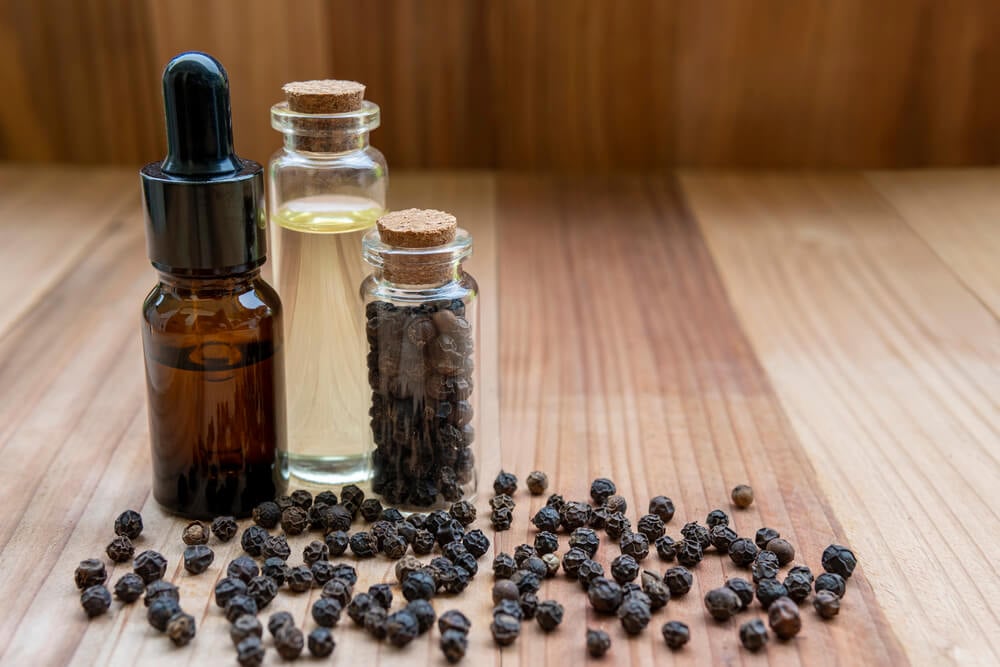
Black pepper prices in medieval Europe were so high it became a status symbol and trade currency. Colonial spice trade expansion, then industrial agriculture, collapsed pepper prices to pennies.
Salt
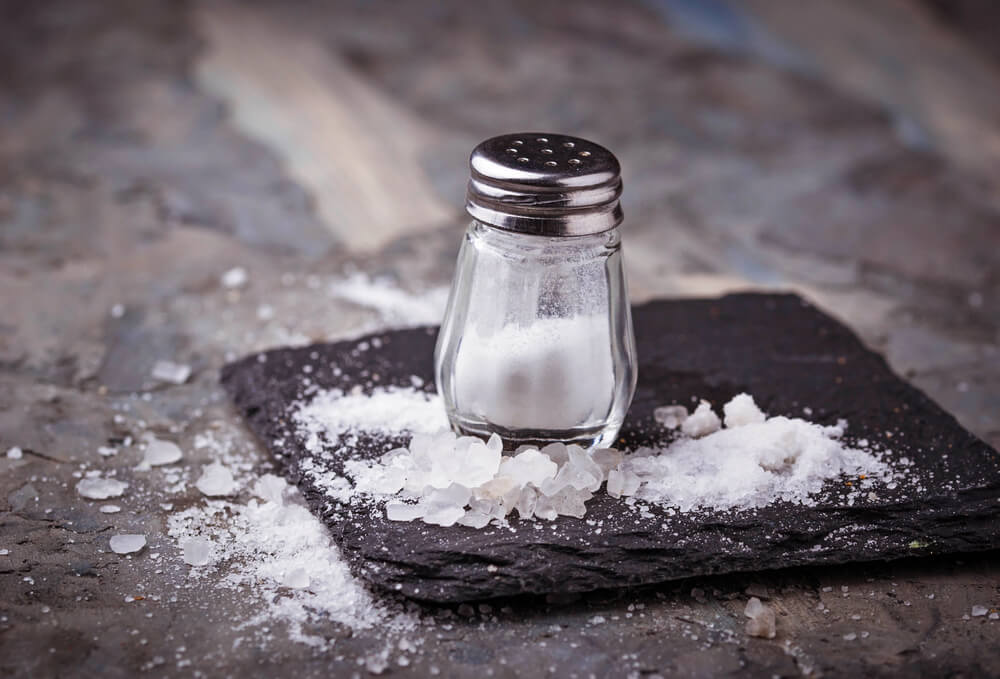
Salt was a luxury and essential preservative, commanding high prices even when abundant. Tax structures kept salt expensive.
Industrialized salt production and reduced reliance on salt for preservation made it nearly free.
Honey
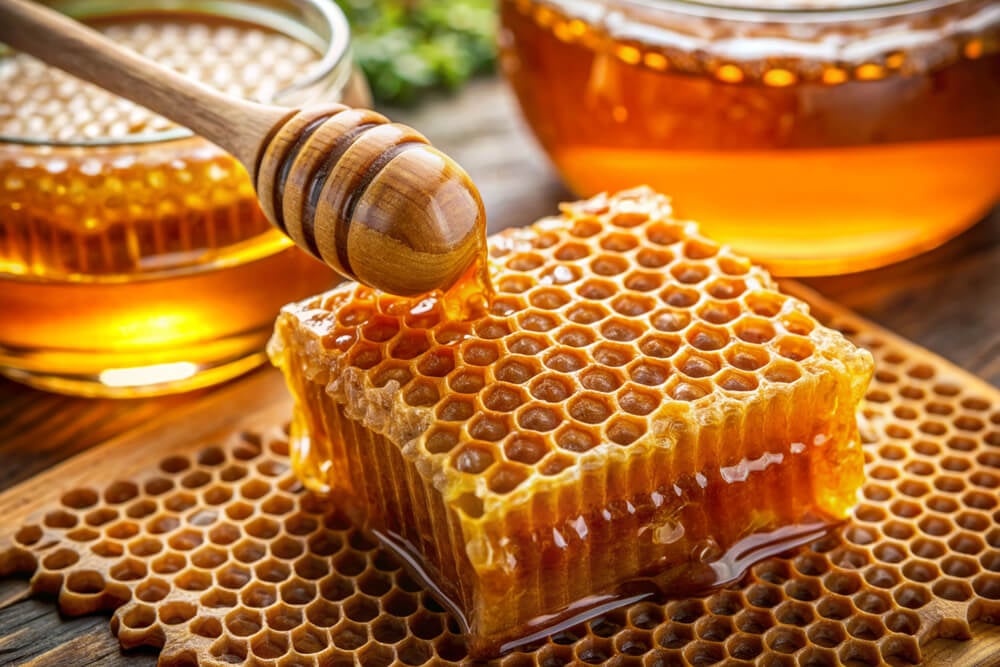
Honey was the primary sweetener for centuries, valuable and expensive. The shift to sugar and now corn syrup made honey return to premium pricing as a specialty product.
Cream (Fresh)
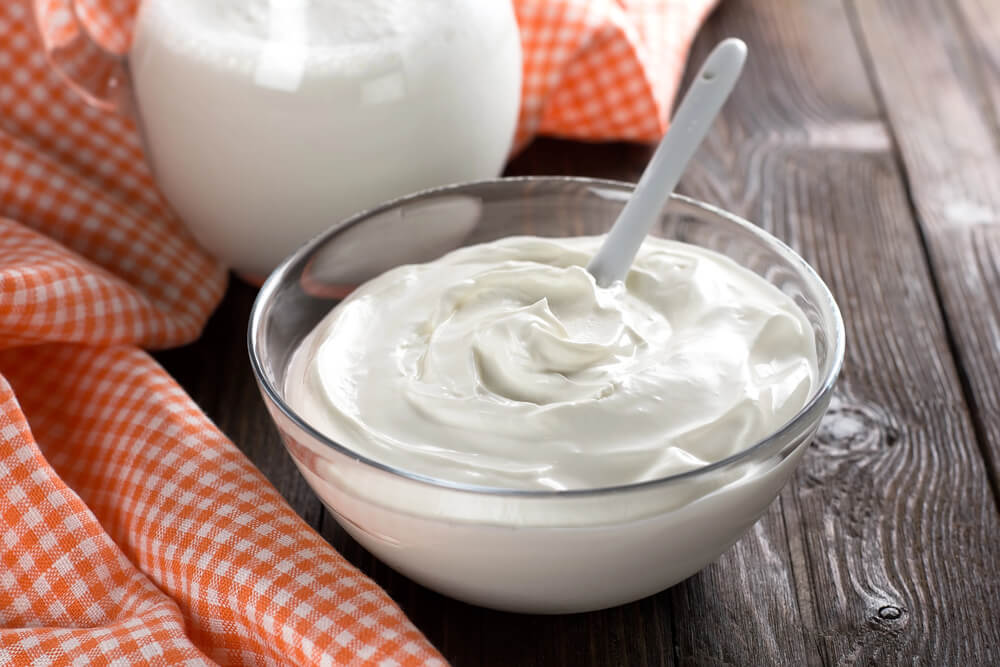
Fresh cream required immediate dairy processing or preservation. Pasteurization and refrigeration made cream affordable, though premium cream products remain expensive.
Butter
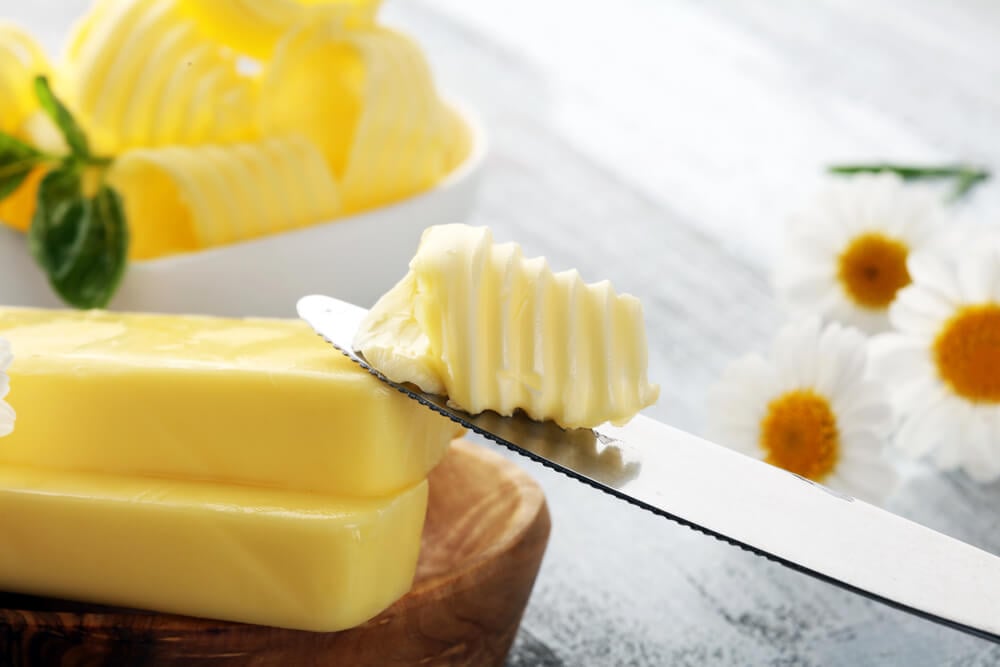
Butter required dairy infrastructure and was seasonal based on cow lactation. Refrigeration and industrial dairy operations made butter cheap, though artisanal butter commands premium prices.
Olive Oil
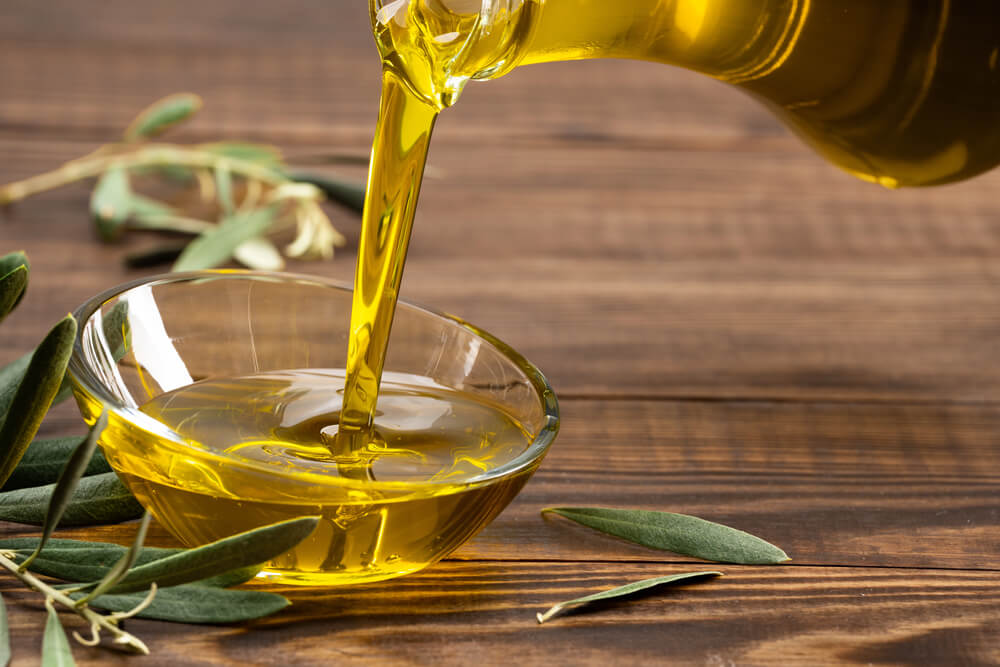
Olive oil was luxury Mediterranean product, expensive to produce and ship. Industrial production in Mediterranean regions made olive oil affordable, though premium extra-virgin varieties remain expensive.
Rice (Refined White Rice)
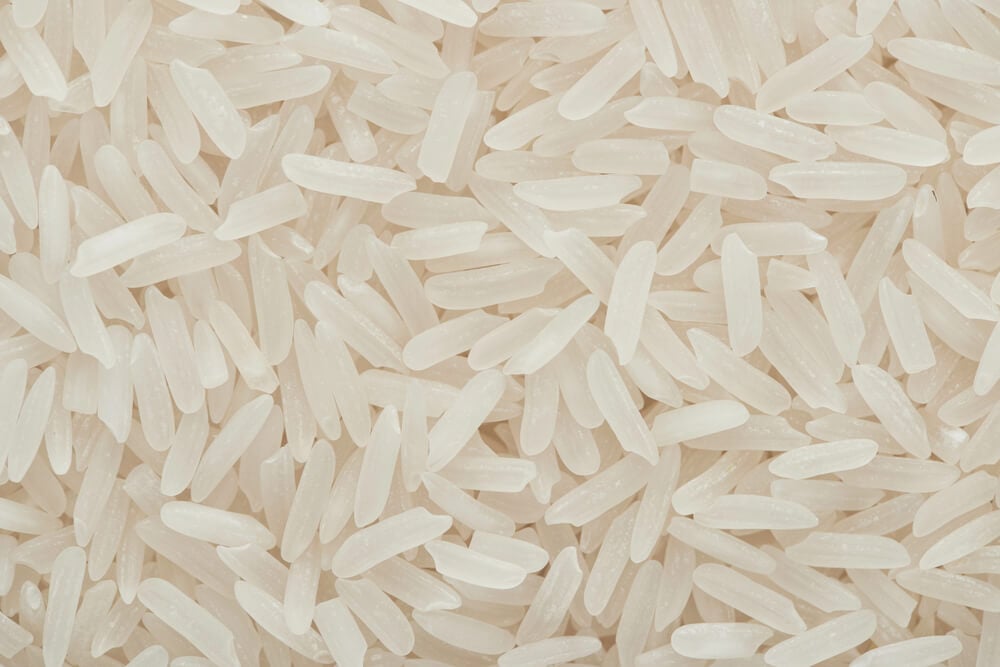
Polished white rice required labor-intensive processing, making it luxury grain. Mechanized processing made white rice among the cheapest carbohydrates, though brown rice is now often more expensive.
Peas (Fresh, Out of Season)
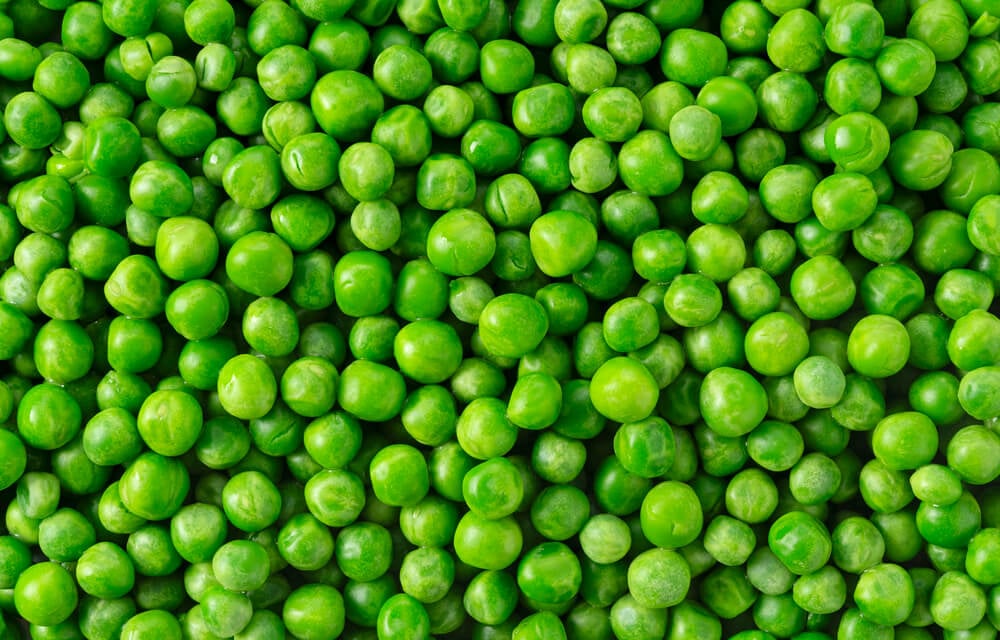
Fresh peas required careful timing and greenhouse cultivation outside their season. Frozen pea technology and global agriculture made peas cheap year-round in frozen form.
Asparagus (Out of Season)
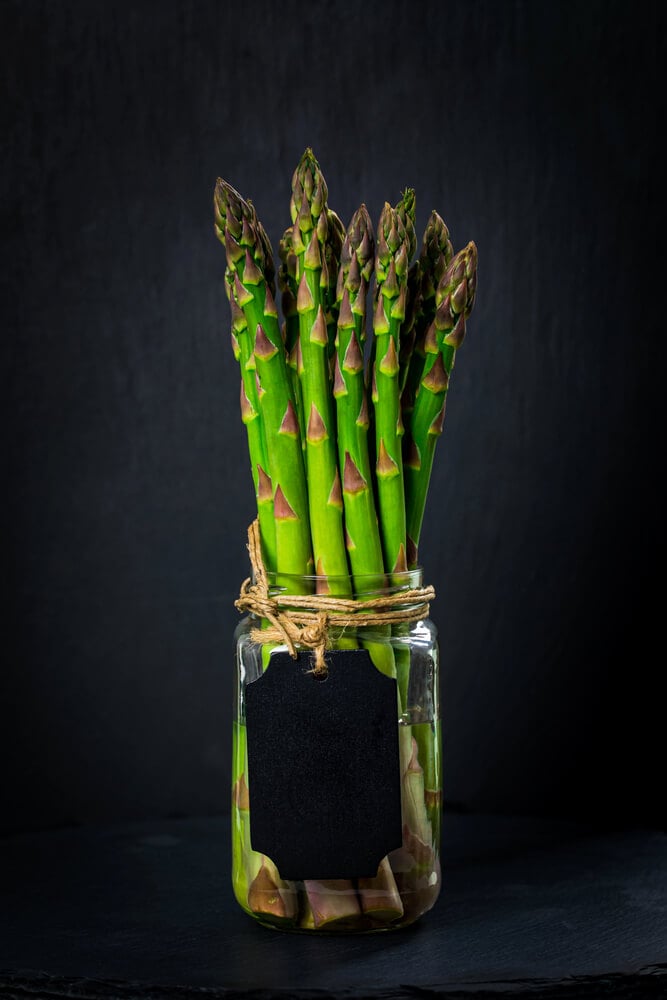
Asparagus required special cultivation beds and careful harvest timing. Winter asparagus shipped from southern hemisphere now makes it affordable year-round, though seasonal local asparagus commands premium prices.
Caviar
Caviar remains luxury food, though farmed caviar has reduced wild caviar’s scarcity. Fish roe substitutes have attempted to provide caviar-like products at lower cost, though actual luxury caviar remains expensive as intended.
The Economics of Abundance
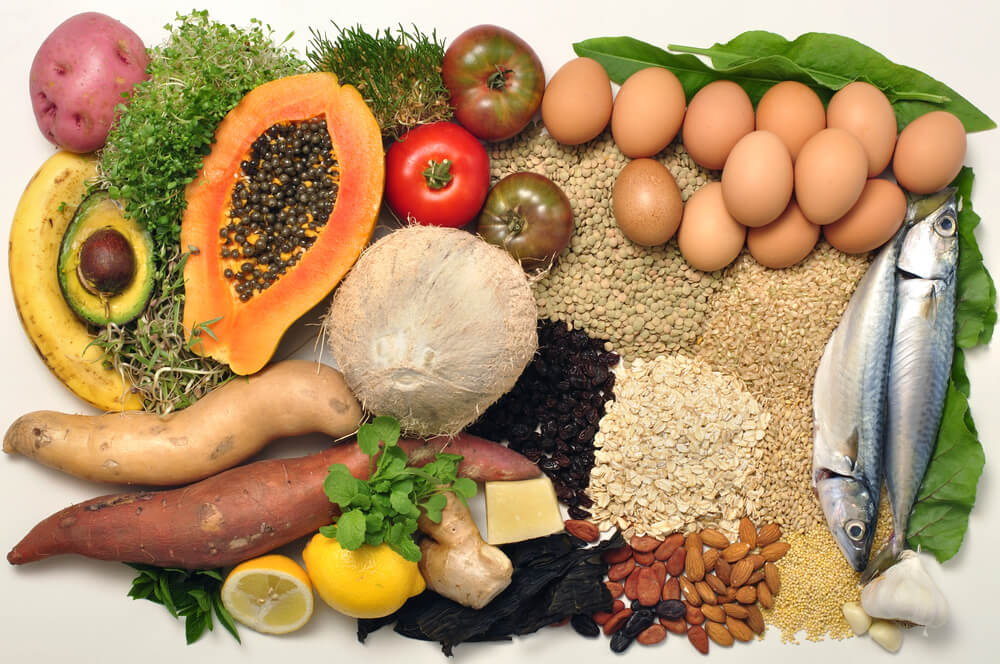
Luxury becomes common when production scales and competition emerges. Foods reserved for feasts become everyday items when agriculture, technology, and transportation make them abundant.
The reversal of food prestige—where once-cheap foods become expensive again (whole grain bread, grass-fed beef) and once-expensive foods become budget staples—demonstrates how economics reshape desire and status around the table.
More from Go2Tutors!

- The Romanov Crown Jewels and Their Tragic Fate
- 13 Historical Mysteries That Science Still Can’t Solve
- Famous Hoaxes That Fooled the World for Years
- 15 Child Stars with Tragic Adult Lives
- 16 Famous Jewelry Pieces in History
Like Go2Tutors’s content? Follow us on MSN.