32 Facts About Classic Cartoons That Change the Way You Watch Them
Classic cartoons are funny enough on the surface—slapstick, absurd situations, witty one-liners. But knowing the history behind them transforms everything.
A joke becomes sharper when you understand what it meant to audiences at the time. A character trait becomes poignant when you discover its origin.
A scene plays differently when you learn what animators actually intended versus what the audience decoded. These facts won’t make the cartoons less enjoyable.
They’ll make them significantly more interesting.
What’s striking is how much these productions reveal about their era. Depression-era Looney Tunes encoded different anxieties than Cold War Hanna-Barbera cartoons.
Voice actors’ disabilities shaped character development. Economic constraints forced creative solutions that became iconic.
The more you know, the richer the viewing experience becomes.
Porky Pig’s Stutter Originated with His Voice Actor’s Real Speech Impediment
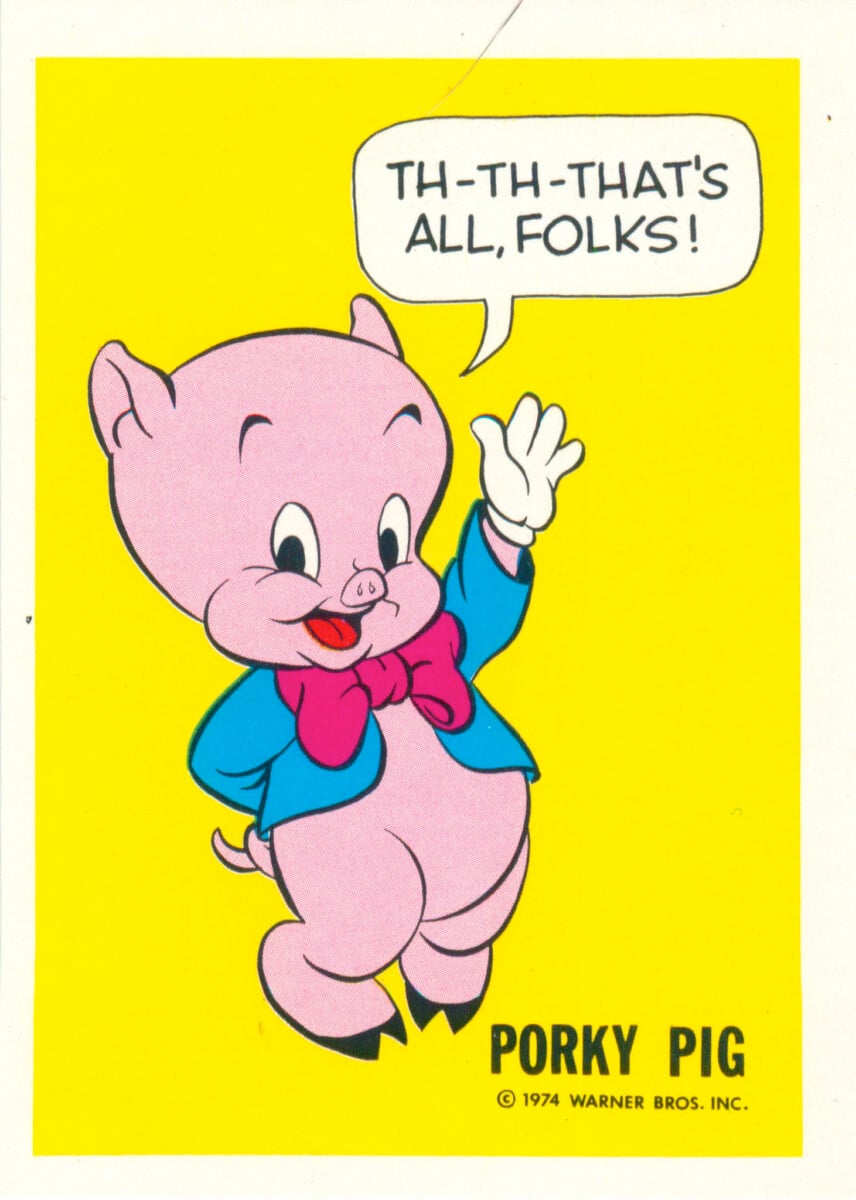
Joe Dougherty, who originated Porky’s voice in 1935, had an actual stutter. His authentic speech pattern became foundational to the character.
When production delays mounted because Dougherty couldn’t always get through takes cleanly, Warner Bros. replaced him with Mel Blanc in 1937. Blanc maintained the stutter but made it controlled and comic rather than struggling and painful.
Hearing Porky now means hearing an adaptation of genuine human experience, filtered through performance.
Elmer Fudd’s Speech Pattern Also Reflects a Linguistic Disability
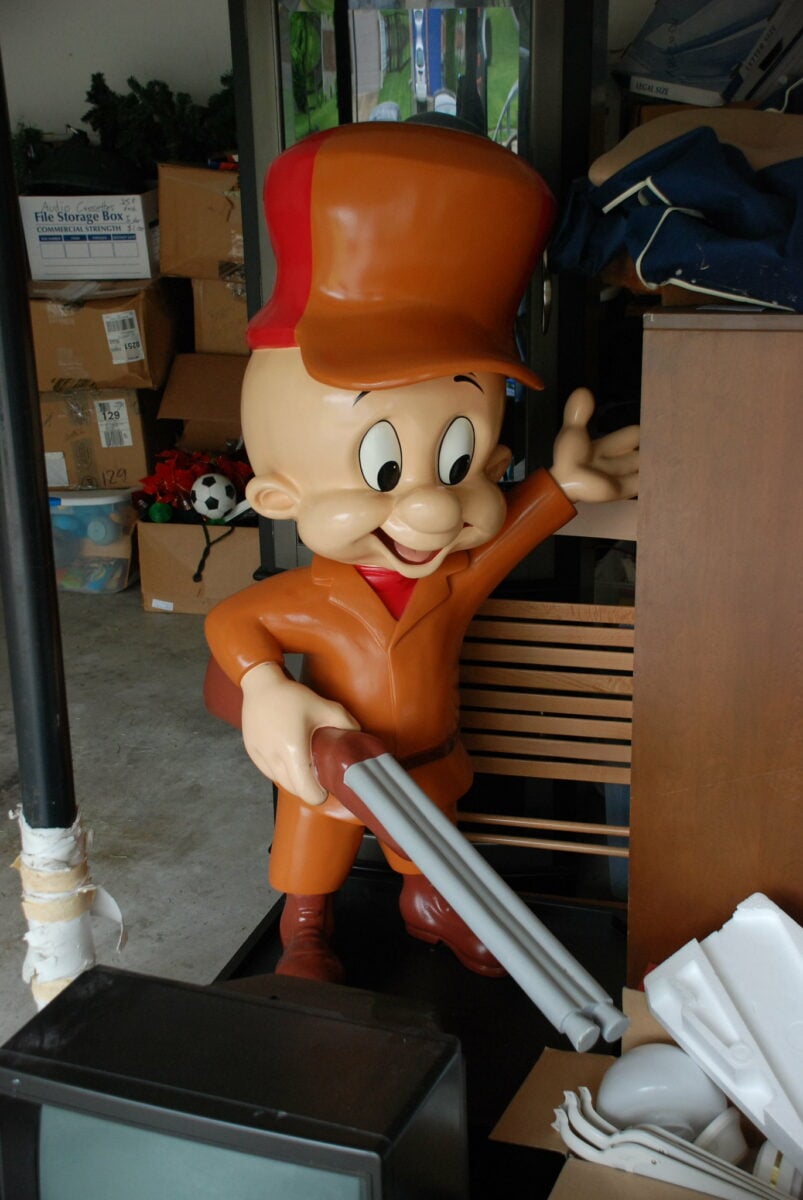
Elmer’s replacement of Rs and Ls with Ws wasn’t just cute character quirk—it’s rhotacism and lambdacism, actual speech conditions. Voice actor Arthur Q. Bryan portrayed Elmer with this characteristic so consistently that it became his defining trait.
Like Porky, the character inadvertently normalized visible disabilities in mainstream entertainment decades before that became a conscious creative choice.
Bugs Bunny Was Named After a Producer’s Nickname
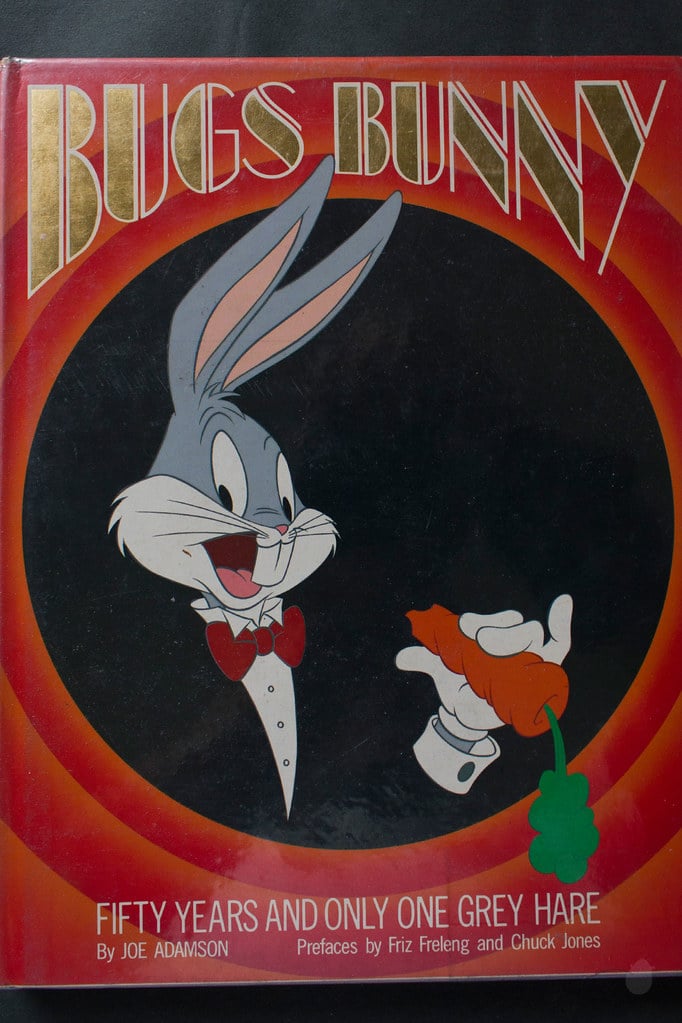
The character wasn’t originally intended to have that name at all. Animator Ben Hardaway sketched an early prototype, and another animator labeled the design “Bugs’s Bunny” as shorthand for “Hardaway’s bunny concept.”
The nickname stuck, then evolved into the character’s actual name. Bugs Bunny exists because of an accidental annotation on a production document.
The Character Was Developed by Multiple Creators Simultaneously
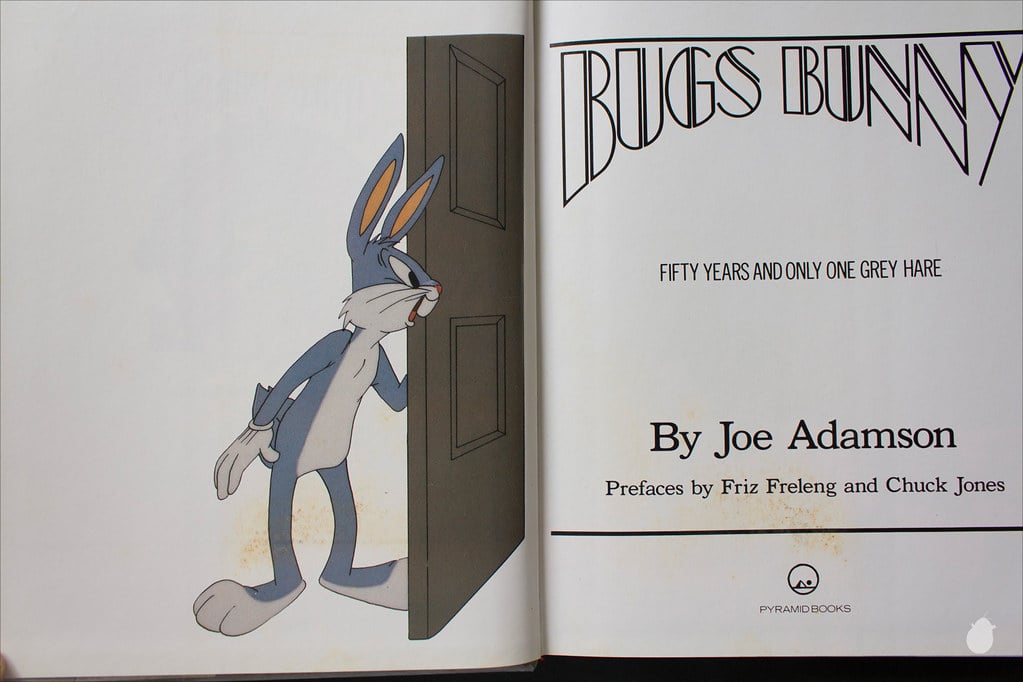
Bugs wasn’t designed by one person or even one studio. Robert McKimson created the model sheet, Friz Freleng shaped the personality, Tex Avery and Chuck Jones refined the character further, and Mel Blanc provided the voice.
Each animator contributed essential elements. When you watch classic Bugs cartoons, you’re watching the collaborative output of multiple creative visions somehow cohesively expressed.
Bugs and Elmer Represent Urban vs. Rural Conflict

Mel Blanc established that Bugs is from Flatbush, New York—an immigrant’s perspective, street-smart and sarcastic. Elmer Fudd is rural, salt-of-the-earth, traditional.
Their dynamic encodes the tensions of 1940s America between urban sophistication and rural authenticity. Understanding this subtext makes the power dynamic between them—clever city rabbit constantly outwitting earnest country hunter—reflect real social anxieties.
Cecil the Turtle Beat Bugs Bunny on Purpose
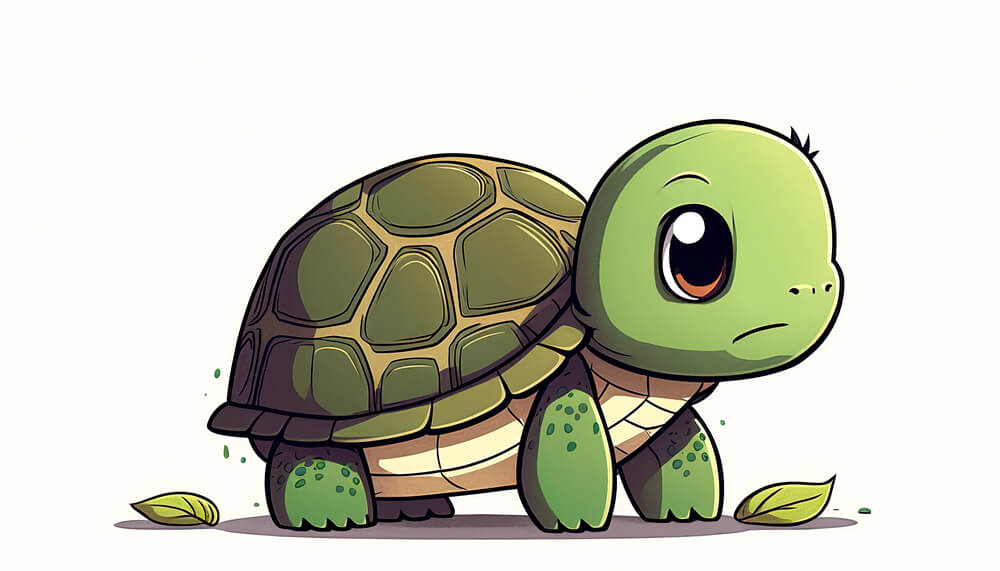
In “Tortoise Beats Hare” (1941), the turtle defeats Bugs through shenanigans and cheating, with help from other turtles. The joke isn’t that he’s faster—it’s that he completely outsmarts the smartest character in cartoons.
Cecil did this three times in subsequent cartoons, making him statistically one of the few characters to definitively beat Bugs. Most people forget this happened.
The Flintstones Originally Aired as Prime-Time Television
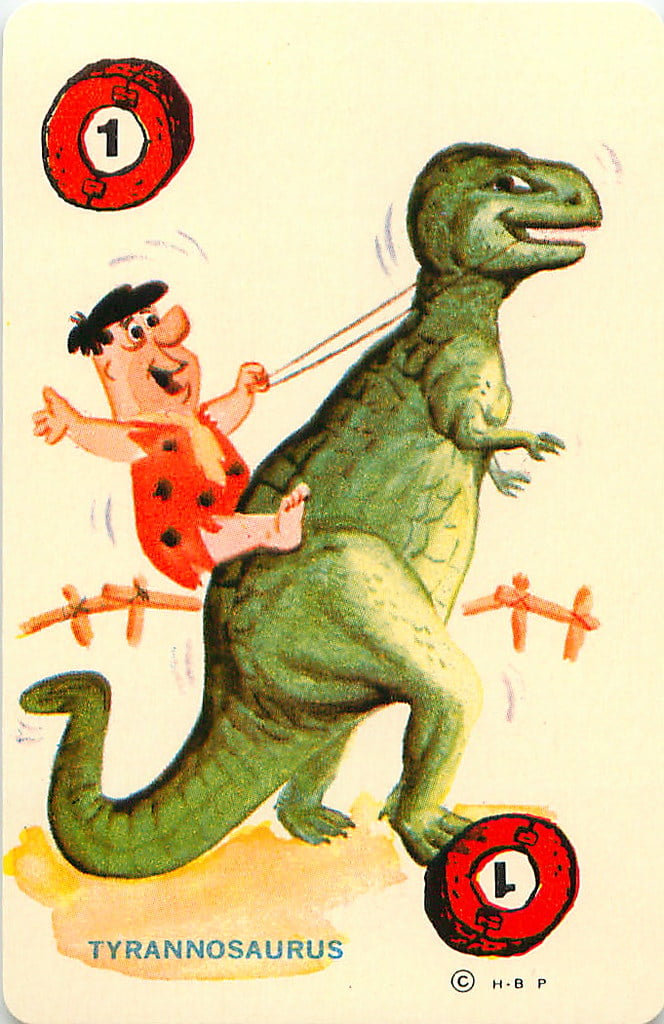
The series wasn’t created as a children’s cartoon but as an animated sitcom aimed at adults—a prehistoric version of “The Honeymooners.” This explains the domestic dynamics and the humor pitched at older audiences.
It only became primarily a children’s show after parents realized their kids were watching it.
Winston Cigs Sponsored Early Flintstones Episodes
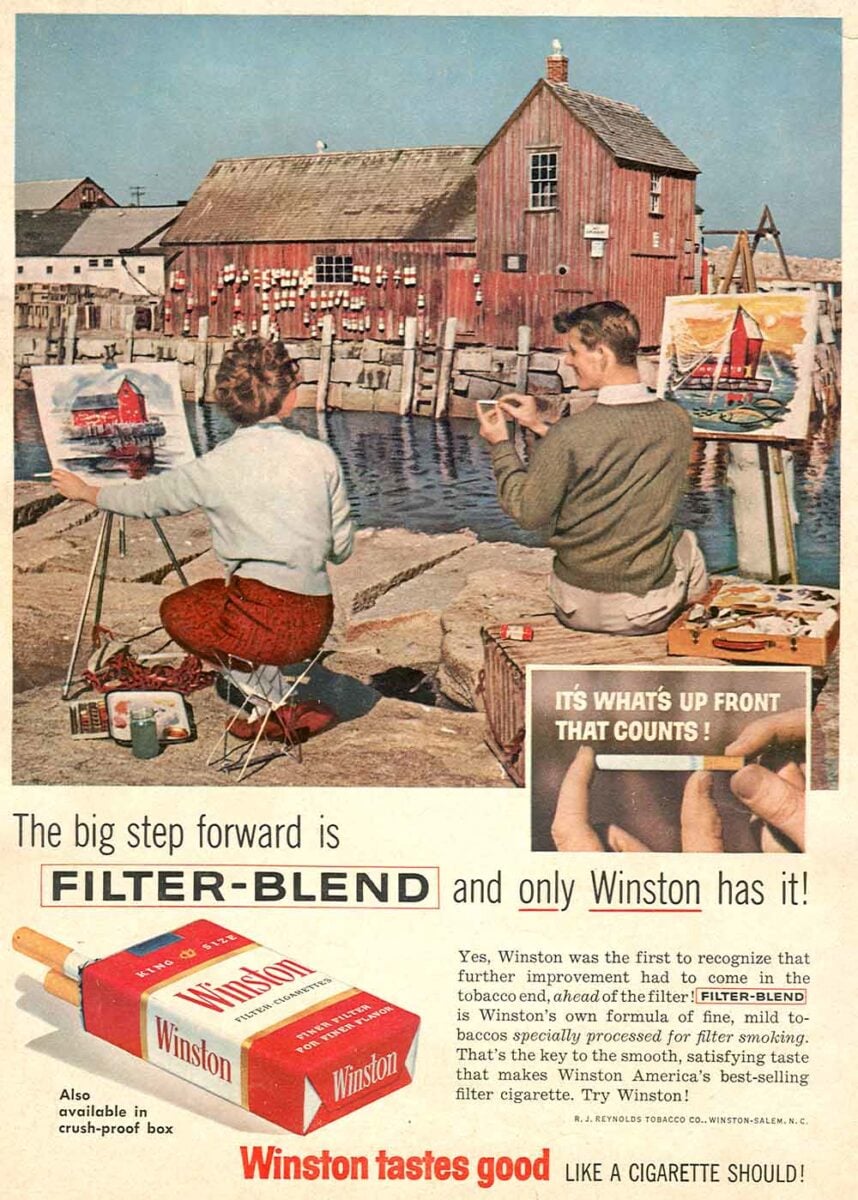
The original broadcasts featured direct in-show advertising for Winston cigs, with Fred and Barney actively cig puffing and promoting the brand. Winston pulled sponsorship in 1962 when the network could no longer deny the show had a massive family audience.
Modern viewers can watch uncensored versions and see actual cig advertising embedded in a cartoon that aired during children’s viewing hours.
Betty Boop Was Originally Designed as a Poodle
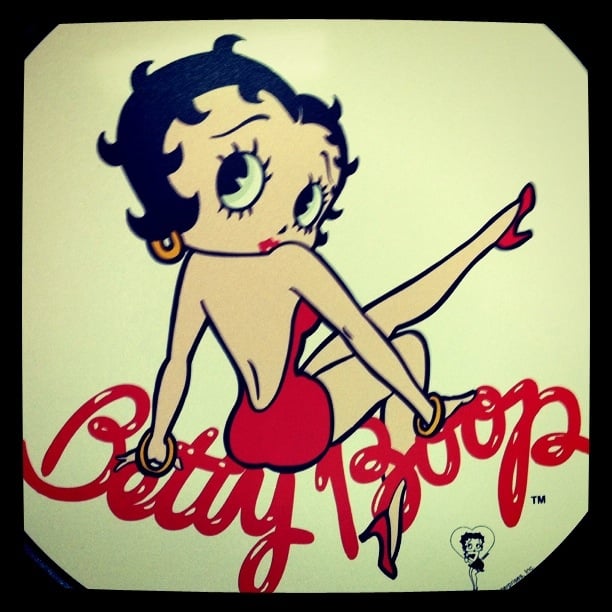
Max Fleischer’s creation started as a French poodle, not a human. The character evolved into human form over early productions.
Understanding this transforms how you watch her early appearances—the animation style and character design carry traces of this original concept even after the species change.
Looney Tunes Was Created to Compete with Disney’s Silly Symphonies
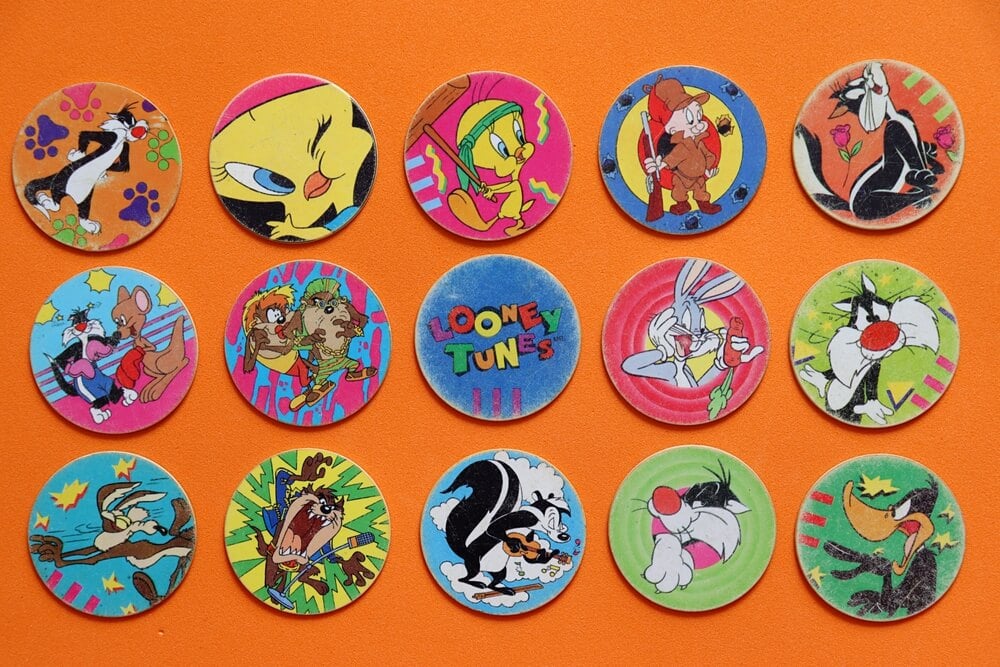
Warner Bros. developed Looney Tunes in 1930 as a direct response to Disney’s massive success with animated shorts. Where Disney prioritized beauty and technical innovation, Looney Tunes characters were designed to be appealing rather than pretty—and frequently strange or crude.
The entire aesthetic developed as differentiation strategy.
Mel Blanc Voiced Multiple Looney Tunes Characters Simultaneously
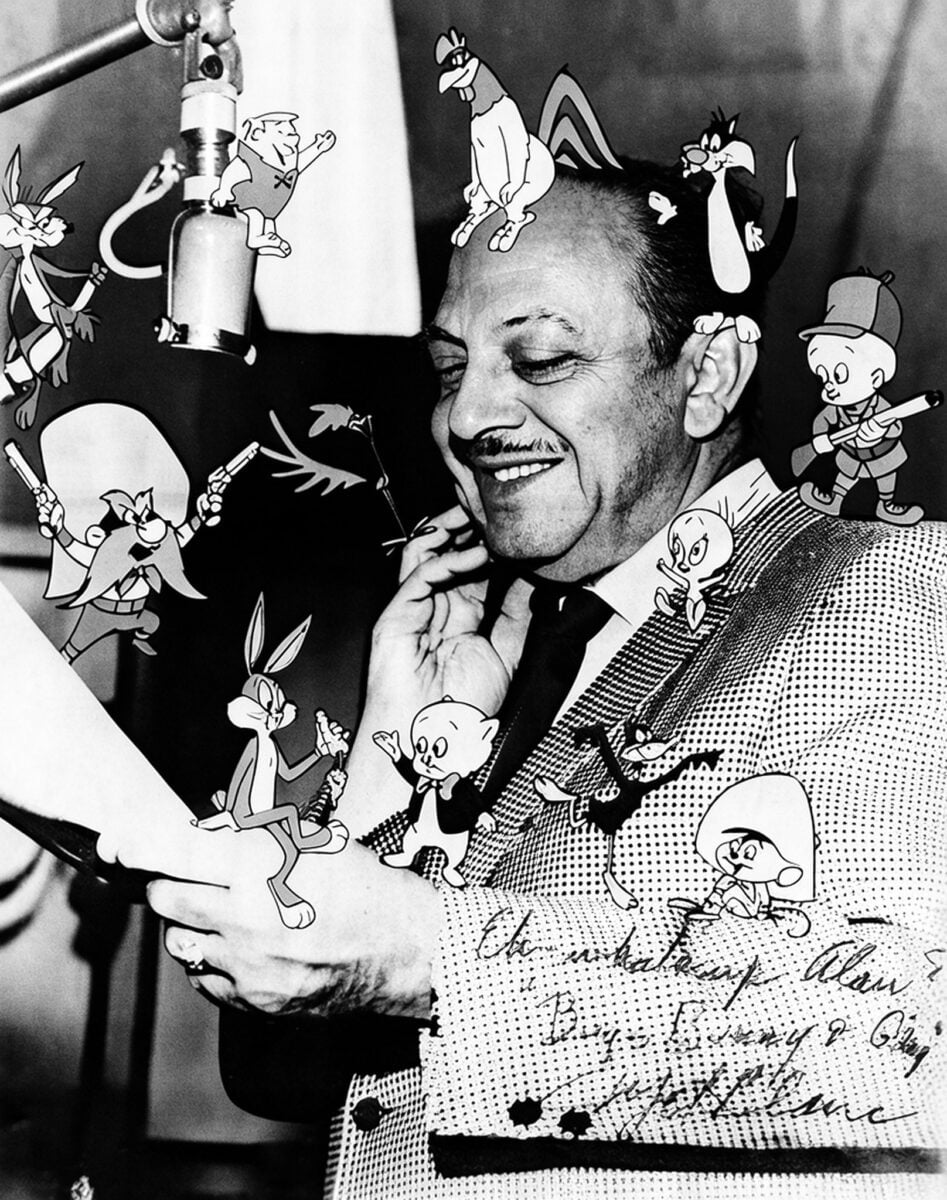
Blanc provided voices for Bugs Bunny, Porky Pig, Daffy Duck, Sylvester, Tweety, Yosemite Sam, and dozens of others across decades of production. Watching him perform in cartoons where multiple characters interact means watching a single performer essentially act opposite himself.
His versatility created an illusion of a populated universe.
Cartoon Production Cycles Were Brutally Fast

Animators worked under extreme time pressure, often completing cartoons in weeks rather than months. This economic pressure forced creative problem-solving—limited animation became stylistic choice rather than budgetary limitation.
Gag timing tightened because there was no time for unnecessary movement. The animation style you love often emerged from desperation.
Depression-Era Cartoons Encoded Specific Historical Anxieties
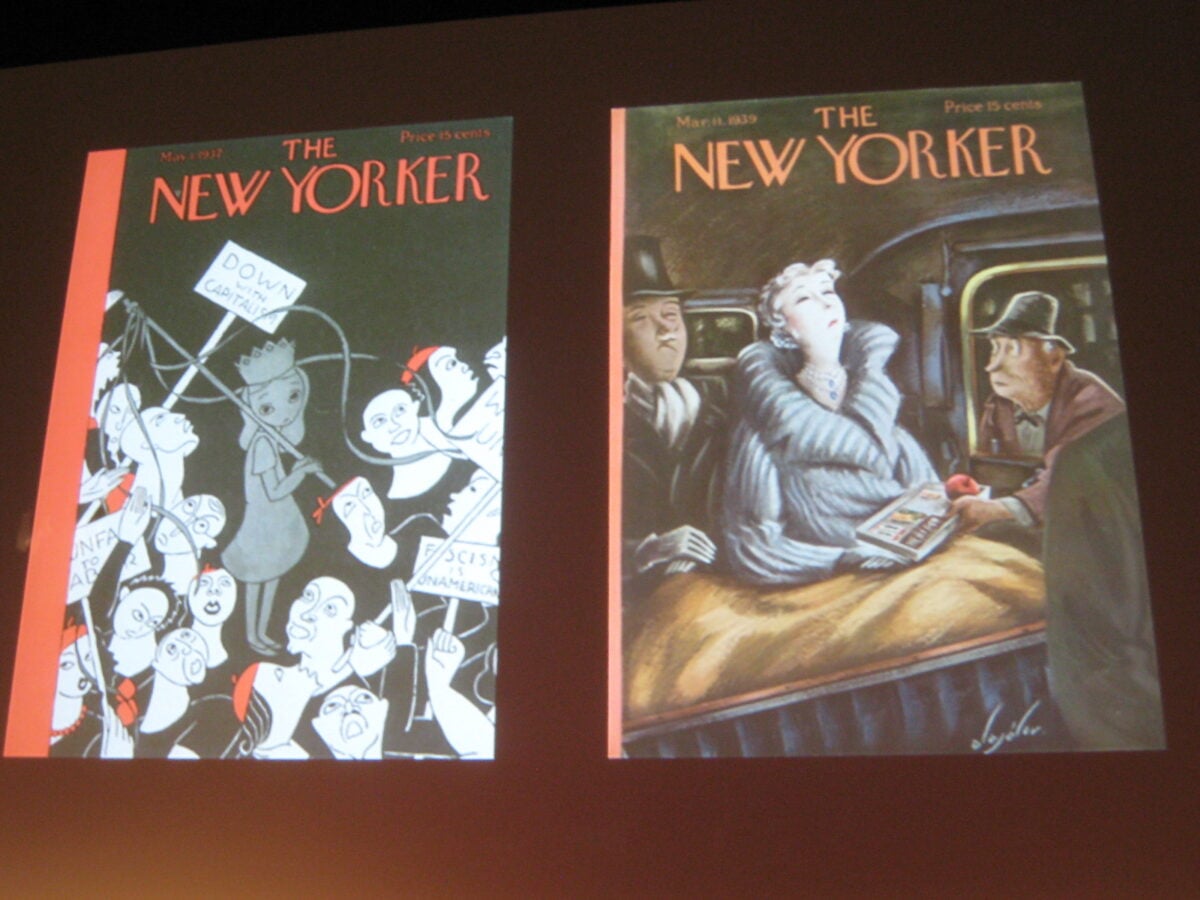
1930s Looney Tunes reflect economic terror and social instability. Characters lose jobs, face eviction, and struggle with scarcity.
The dark humor, slapstick violence, and surreal situations aren’t just entertainment—they’re cathartic processing of genuine widespread trauma. Rewatching them now reveals an entirely different layer of meaning.
Cold War Cartoons Included Atomic Age Imagery
By the 1950s, cartoons incorporated nuclear anxiety, space race imagery, and communist paranoia. Scientific advancement and technological progress appear constantly, reflecting the era’s technological optimism and underlying dread.
These aren’t just aesthetic choices—they’re evidence of what audiences feared and wanted.
Animation Studios Strictly Limited Character Movements to Save Money
Characters with fewer moving parts were cheaper to animate than complex human figures. This influenced which characters got leading roles and how they were designed.
The famous Hanna-Barbera limited animation style didn’t emerge from artistic vision—it came from calculating the minimum number of frames required to maintain the illusion of motion.
Voice Recording Preceded Animation

Animators typically animated to existing voice tracks rather than recording voices after animation. This meant the vocal performance shaped the visual performance.
A voice actor’s timing, inflection, and delivery determined frame counts and movement patterns. The animation was literally drawn to match pre-recorded speech.
Cartoons Used Musical Underscore Extensively

Carl Stalling and other composers wrote complex orchestral scores for shorts. The music carries as much emotional information as visuals and dialogue.
Watching cartoons with the sound off transforms the experience completely—the visual comedy still works, but the emotional texture vanishes.
Many Golden Age Animators Worked Anonymously

Directors, background painters, inbetweeners, and cleanup artists rarely received screen credit. This was economically efficient but historically devastating.
You can watch brilliant animation work without knowing who created it. Some animators were deliberately hidden to prevent competing studios from recruiting them.
Character Consistency Was Hard to Maintain
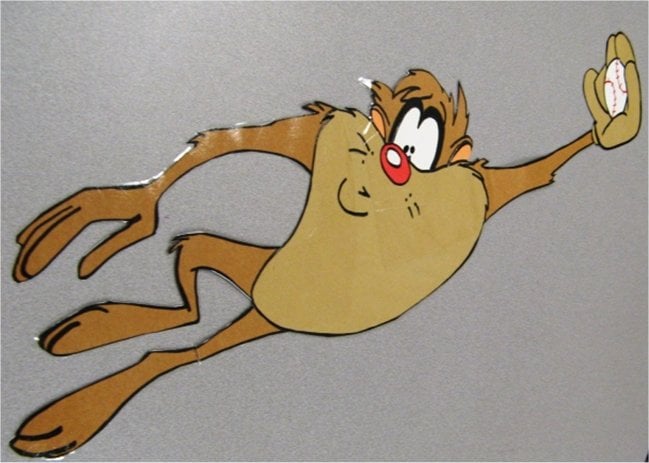
Early cartoons show dramatic inconsistency in how characters look and behave. Animators drew slightly differently.
Directors had divergent visions. Frame-by-frame comparisons reveal continuity errors that would be caught immediately with modern workflow.
This inconsistency is evidence of how chaotic production actually was.
Cartoons Were Edited for Television Broadcast
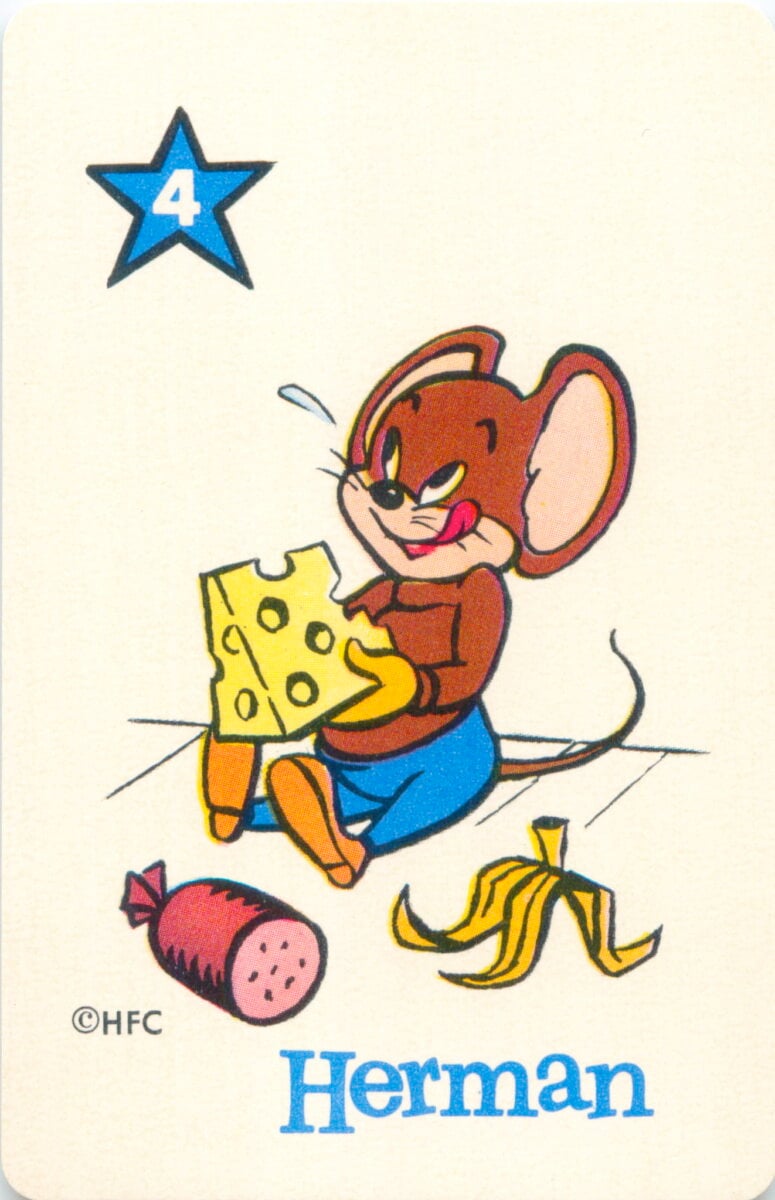
When theatrical shorts moved to Saturday morning television, scenes were cut for pacing and content concerns. Some versions you watch might be shortened from their theatrical originals.
Finding the uncut versions offers entirely different viewing experiences, sometimes with restored gags that felt mysteriously absent.
Many Cartoons Reference Current Events You No Longer Understand
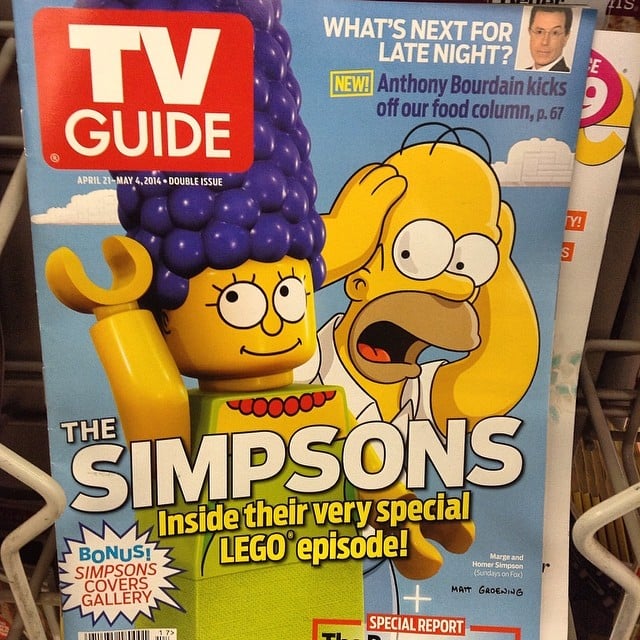
Topical humor dated quickly. Jokes about specific politicians, current events, or cultural moments flew over some viewers’ heads immediately and are completely lost today.
Historians have to provide context for references that were meant to be instantly recognizable to 1940s audiences.
Animation Sheets Often Included Explicit Instructions for Jokes
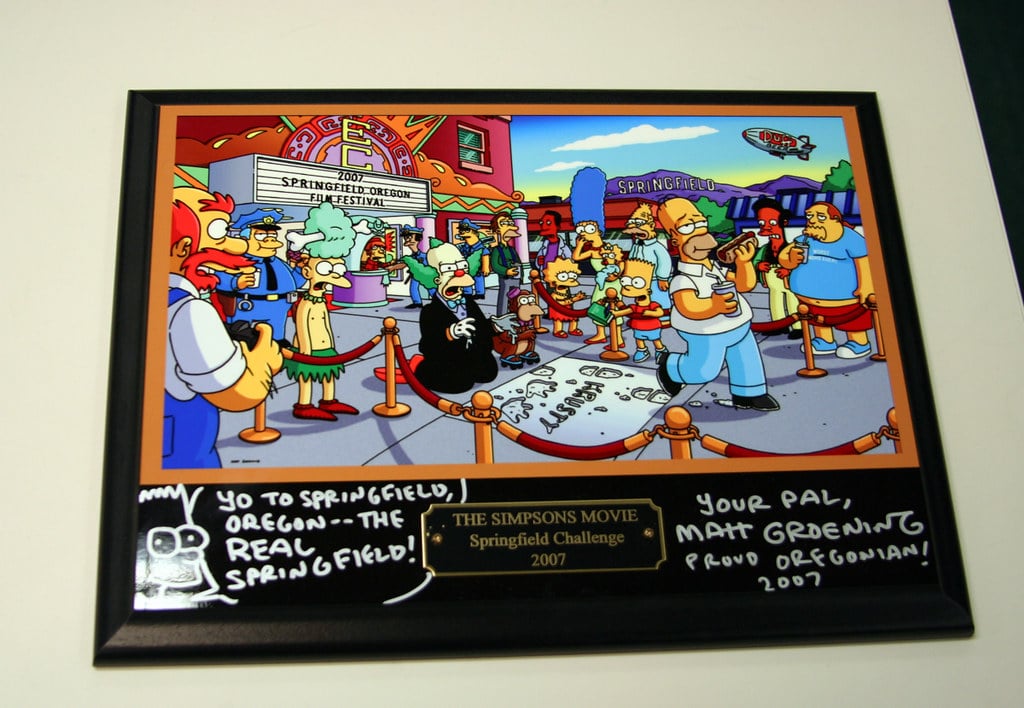
Director notes on animation sheets sometimes revealed the intended emotional tone or clarified joke setups. Animators animated to specifications that included precise frame counts for comedic timing.
The humor was engineered, not spontaneous.
Background Paintings Were Reused Extensively
Studios recycled background artwork across multiple cartoons to save money. You can spot identical buildings or landscapes in different productions.
This recycling was economically sound but created subtle visual continuity across the studio’s output.
Sound Effects Were Often Created Live During Recording Sessions

Rather than recording and editing pre-made sound effects, Foley artists created sounds in real-time as cartoons played. The final audio you hear represents performance as much as the voice acting.
Watching sequences knowing the sound effects were performed adds a layer of appreciation for the technical mastery involved.
Character Names Reflected Creator’s Personal References
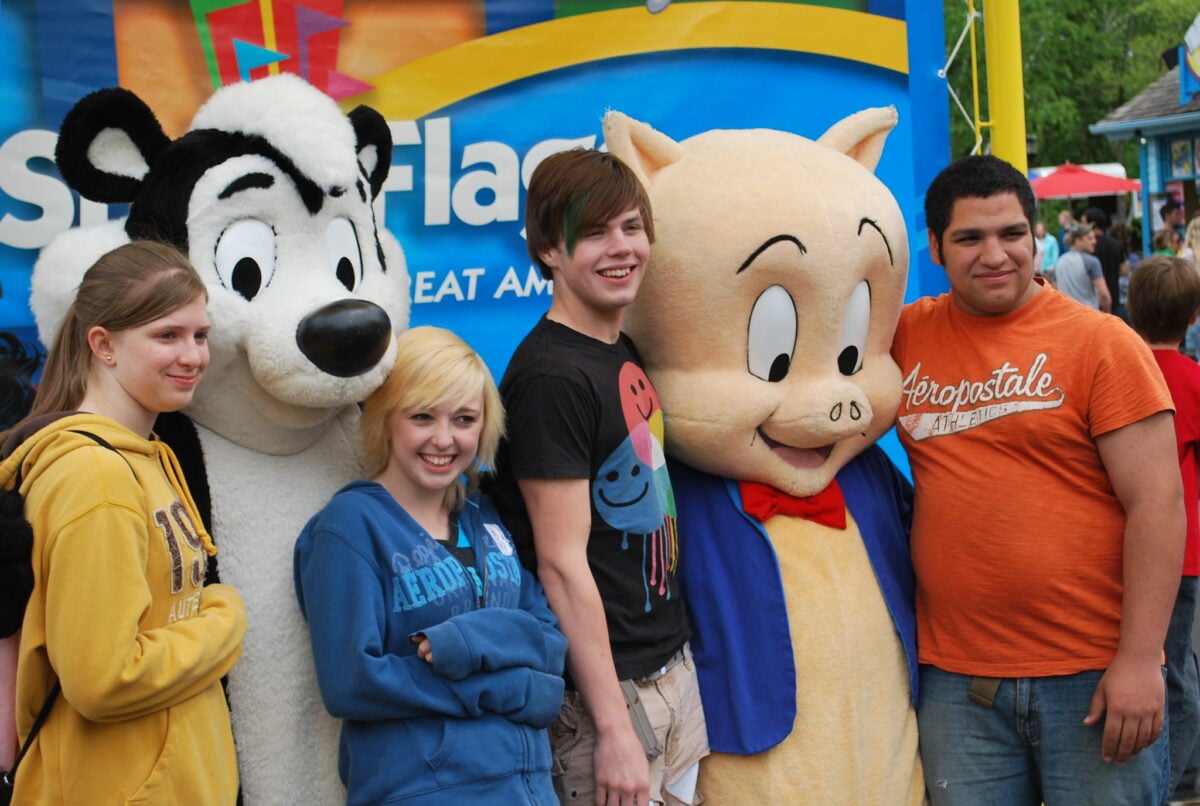
Porky Pig’s name came from childhood acquaintances of director Friz Freleng nicknamed “Porky” and “Piggy.” Many character names originated from animators’ lives rather than intentional naming.
This personal history is usually completely unknown to viewers.
Animation Relied Heavily on Rotoscoping in Early Productions
Some early sequences were rotoscoped—animators traced over live-action footage to achieve realistic movement. This technique was used selectively when realistic motion was essential.
Knowing which scenes were rotoscoped changes how you perceive movement authenticity.
Theatrical Shorts Had Different Audience Contexts Than TV Cartoons
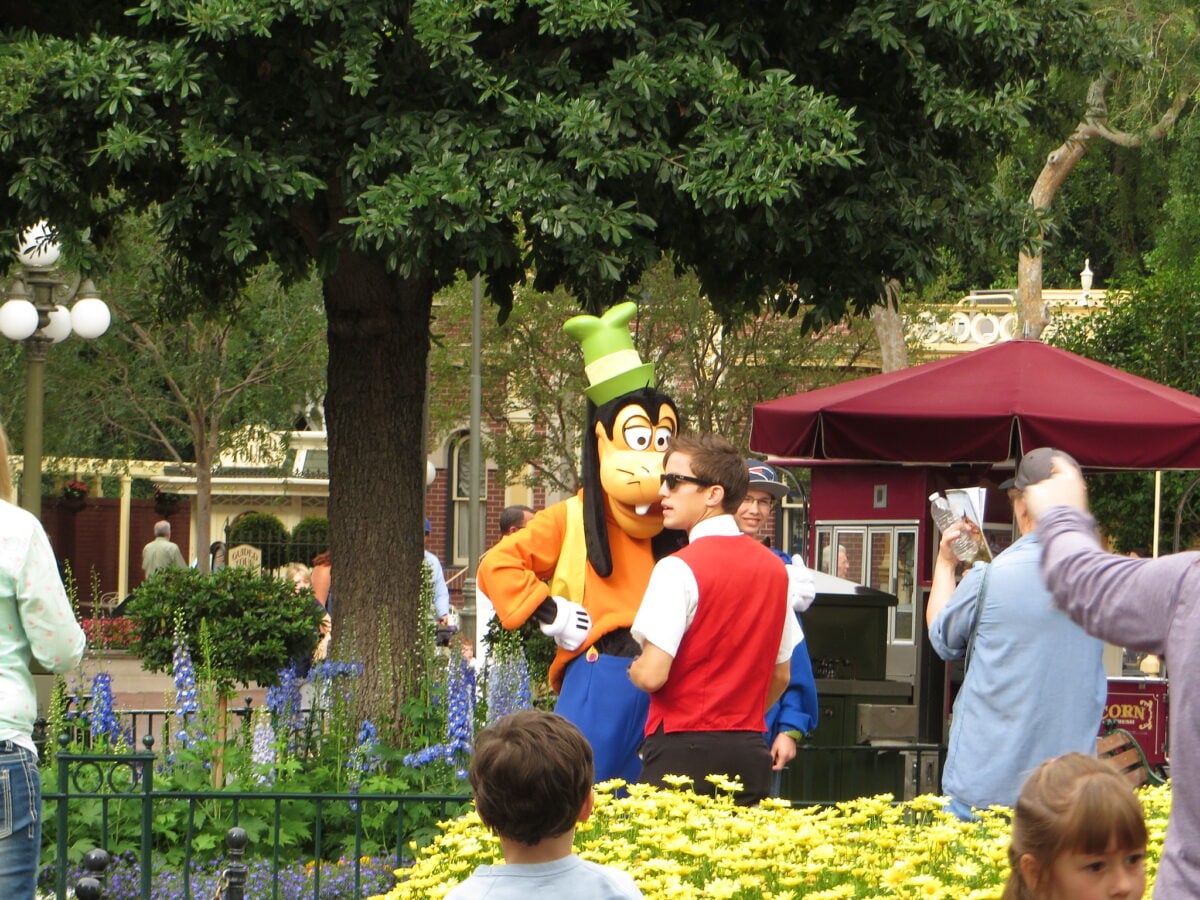
Cartoons originally played before feature films, meaning they had adult audiences mixed with children. Jokes could be more sophisticated and complex.
When these same cartoons later aired on Saturday mornings, the audience composition changed completely, altering how the humor landed.
Many Cartoons Were Produced for Military Morale

During World War II, studios produced cartoons specifically for military distribution. These contained different content and messaging than theatrical releases.
Understanding wartime context transforms how you interpret the imagery and messaging.
Paint Technology Changed Mid-Production Over Decades
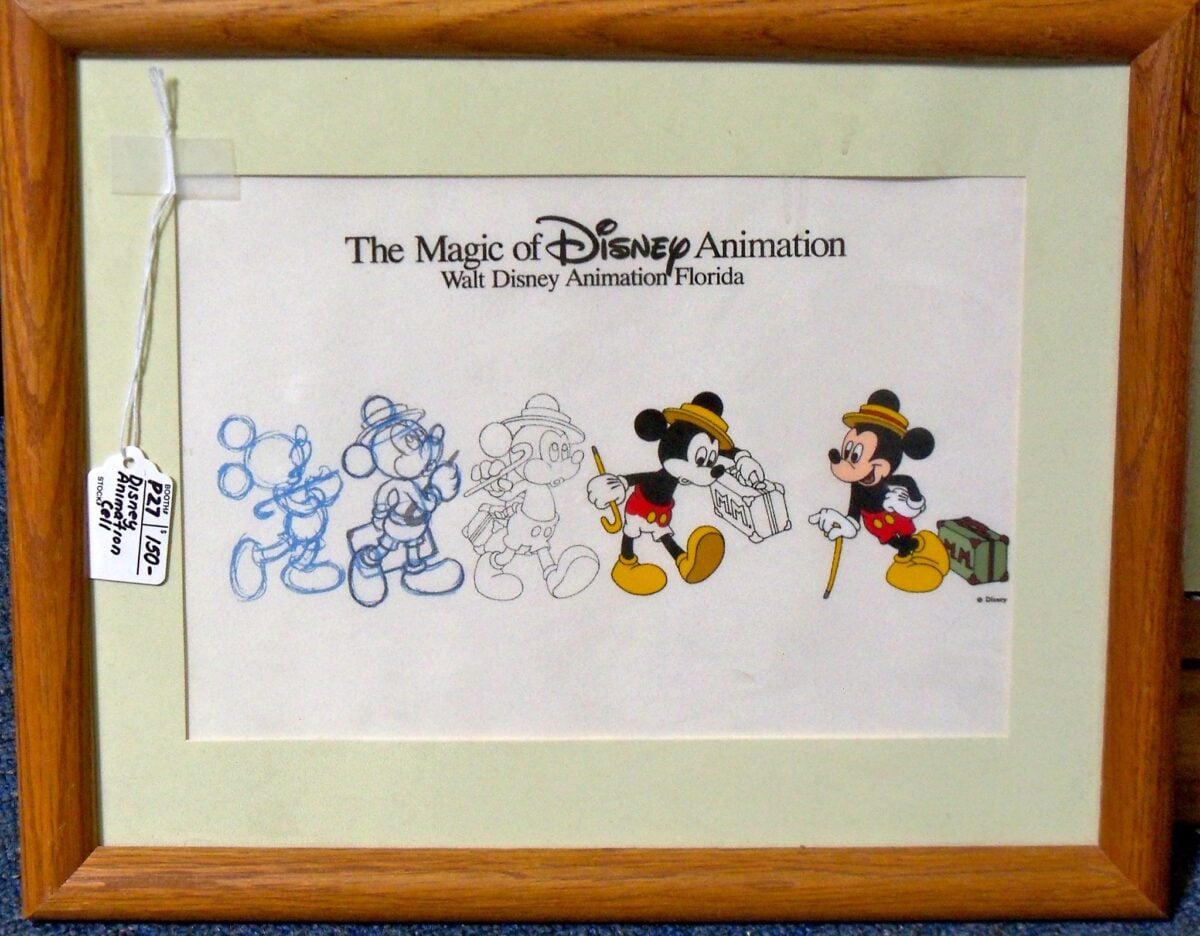
Cel paints evolved over time, affecting color saturation and consistency. Cartoons produced over years sometimes show color variations as paint formulations changed.
This technical reality is evidence embedded in the visuals themselves.
Character Development Was Often Accidental Rather Than Planned
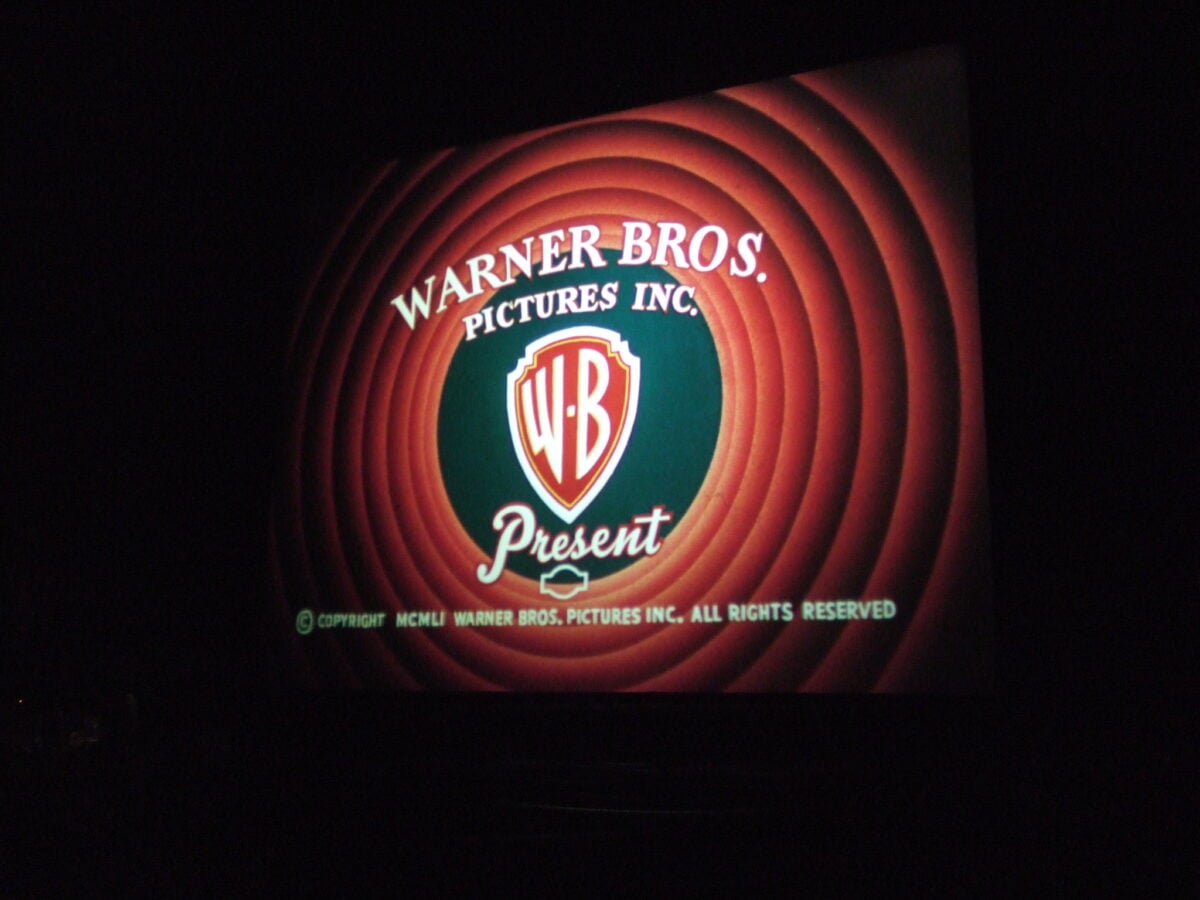
Early cartoons experimented with character behavior without long-term planning. Traits that stuck did so because audiences responded, not because creators had predetermined character arcs.
Characters evolved through trial and error in real-time across productions.
The Watching Experience Itself Changed Animation

Knowing what audiences responded to shaped subsequent production decisions. A gag that landed successfully appeared in variations across multiple cartoons.
Successful character designs influenced how new characters were developed. The final products represent feedback loops between creators and audiences.
The Context Completes the Picture
Every element of classic cartoons—from Porky’s stutter to Cecil’s victories to the recycled backgrounds—reveals something about the production process, the era, or the creative people involved. The surface comedy remains funny.
Understanding what’s underneath makes the achievement incomparably richer.
More from Go2Tutors!

- The Romanov Crown Jewels and Their Tragic Fate
- 13 Historical Mysteries That Science Still Can’t Solve
- Famous Hoaxes That Fooled the World for Years
- 15 Child Stars with Tragic Adult Lives
- 16 Famous Jewelry Pieces in History
Like Go2Tutors’s content? Follow us on MSN.



