17 Facts About 1776 That Schools Never Taught You
The story of 1776 feels familiar until you start digging beneath the surface. Those neat textbook narratives leave out the messy, human details that actually shaped the year that changed everything.
What emerges is stranger, more complicated, and far more interesting than the version most of us learned in school.
The Declaration Was Almost Never Signed

July 4th wasn’t the grand signing ceremony you picture. The signing occurred progressively. Most delegates signed in August 1776, not July 4th. A few signed as late as 1777. Some never signed at all.
The dramatic moment of unified defiance? Pure mythology.
Smallpox Killed More People Than Battles

While everyone focused on British muskets, an invisible enemy was decimating both armies (and the civilian population caught between them). Smallpox outbreaks swept through military camps, killing soldiers faster than any battlefield engagement, and Washington’s decision to inoculate his troops—a controversial medical procedure at the time—may have been the most strategically important choice of the entire war.
So when textbooks tally the human cost of revolution, they’re usually undercounting by thousands. The real enemy wore no red coat.
Ben Franklin Was Recruiting French Spies
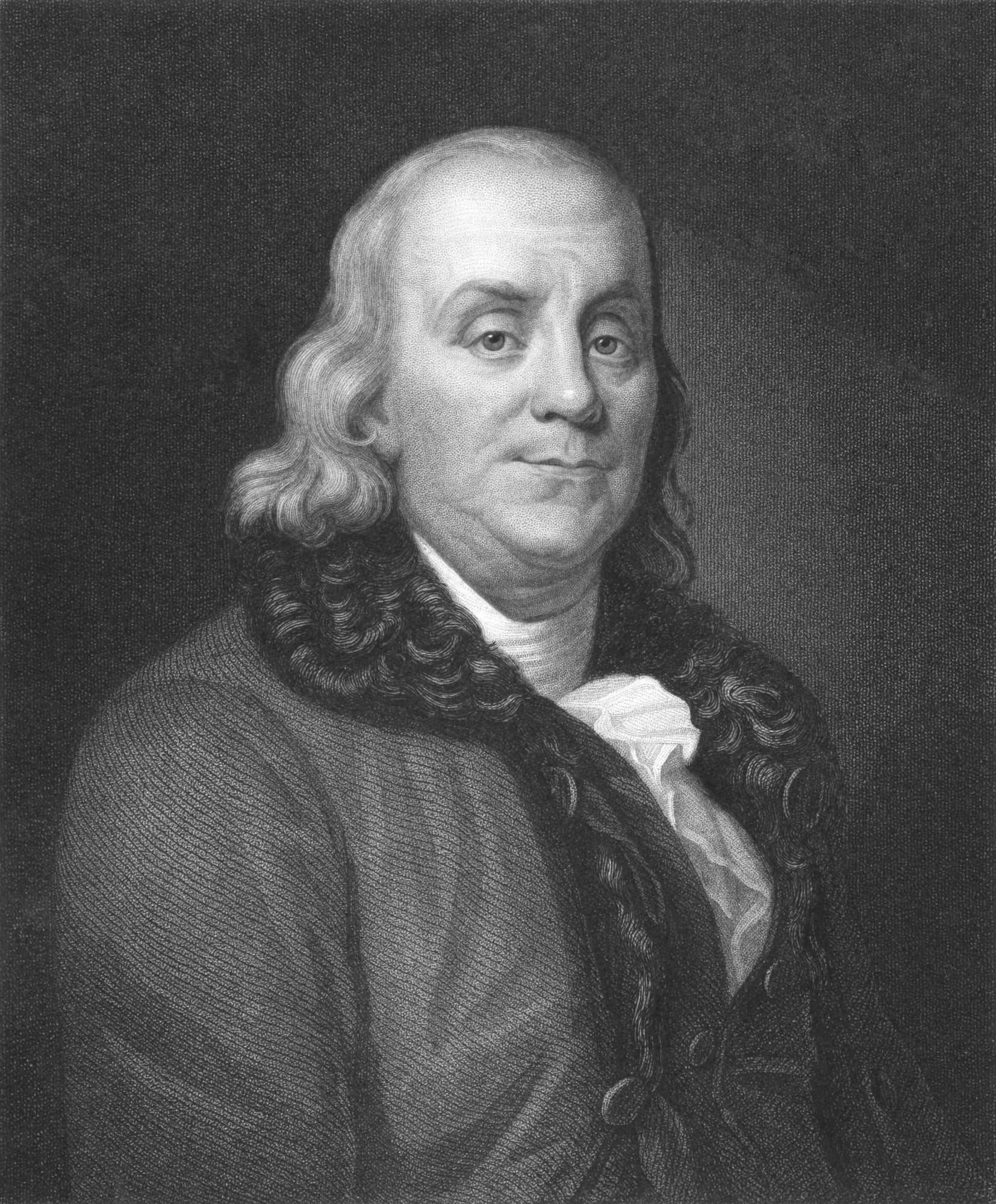
Franklin’s diplomatic mission to France wasn’t just about securing military aid. He spent considerable time building an intelligence network that would funnel information back to American forces. The charming old philosopher playing chess in Parisian salons was also running one of the war’s most effective espionage operations.
His chess partners had no idea they were being recruited.
The Hessians Were Mostly Teenagers
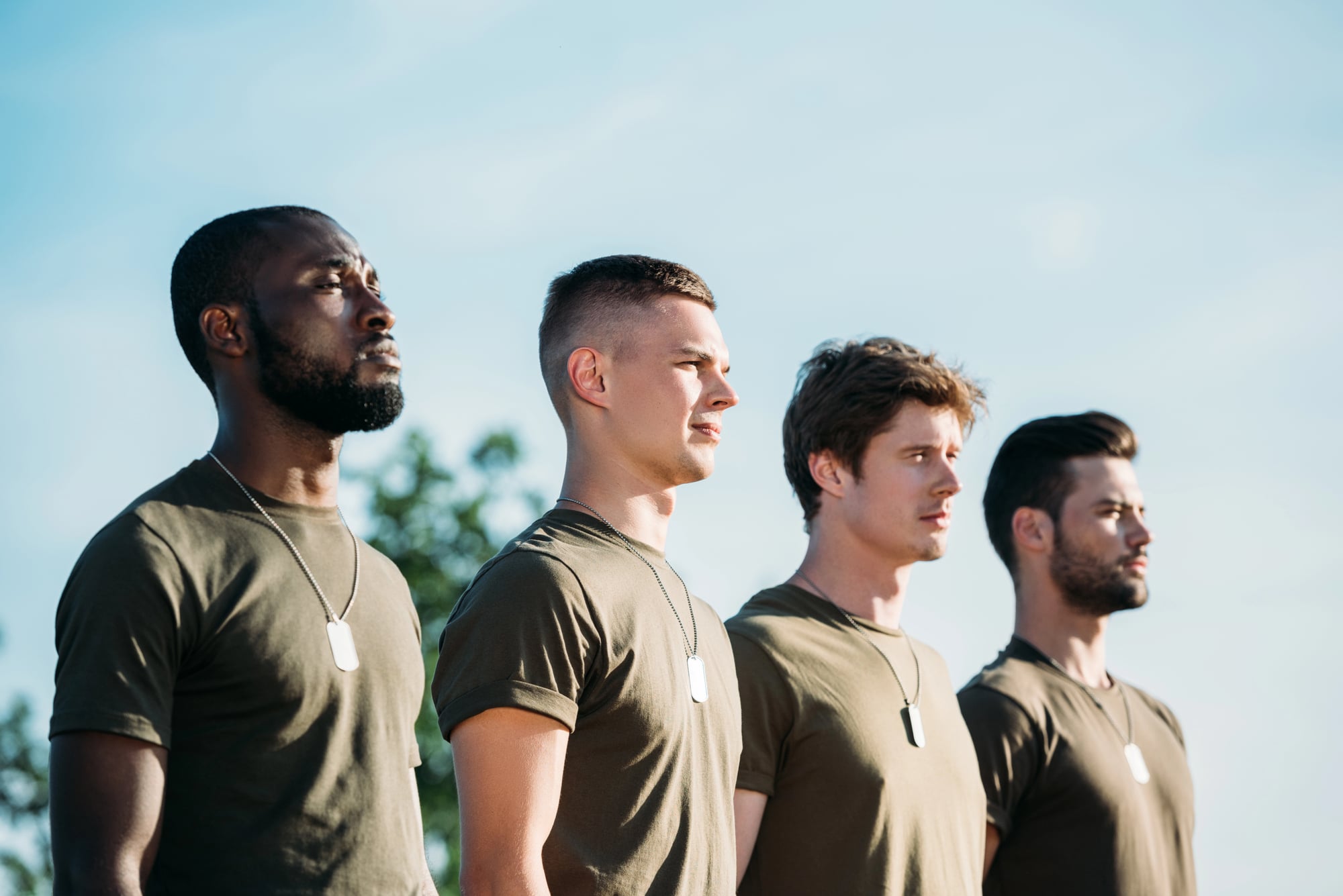
Picture the fearsome German mercenaries crossing the Delaware, and your mind probably conjures seasoned warriors (thanks to countless paintings and movies that show grizzled, battle-hardened faces). But the Hessian soldiers ranged widely in age, with many experienced servicemen in their twenties and thirties. While some younger soldiers served, characterizing the force as predominantly teenagers misrepresents their actual composition. Many were pressed into service against their will and fought for a cause they barely understood. And yet, watching these young soldiers navigate a foreign war reveals something unexpectedly human: how quickly people adapt to circumstances beyond their control, how they form bonds even in the strangest situations. Many of these teenage mercenaries would desert their units—not out of cowardice, but because America offered them something their homeland couldn’t.
The Revolutionary War, in this light, becomes less a clash of nations and more a coming-of-age story scattered across multiple continents, where boys became men in ways their families back home would never fully understand.
Congress Fled Philadelphia Six Times

The Continental Congress had a serious problem with staying put. British forces, loyalist uprisings, and general paranoia sent them packing repeatedly throughout 1776 and beyond. They governed a revolution while constantly looking over their shoulders, conducting the business of independence from taverns, temporary meeting halls, and whatever buildings they could commandeer on short notice.
Running a rebellion while running for your life turns out to be excellent practice for democracy. Everything had to be portable, decisions had to be quick, and ego had to take a backseat to survival.
Women Ran Most of the Farms and Businesses

The economy didn’t collapse when men went off to fight because women stepped into virtually every role that mattered. They managed farms, ran shops, handled finances, and made the countless daily decisions that kept communities functioning. This wasn’t remarkable to anyone living through it—it was simply what needed to happen.
But history books tend to treat women’s contributions as a sidebar rather than the main story. Without their work, the revolution would have starved itself to death within months.
Native Americans Fought on Both Sides

The war split indigenous communities in ways that textbooks rarely acknowledge. Some tribes sided with the British, calculating that American expansion posed a greater long-term threat to their lands. Others allied with the colonists, hoping to secure better treatment in whatever came next. Most were caught between impossible choices, forced to pick sides in a conflict that would devastate their communities regardless of who won.
Their strategic calculations often proved more accurate than those of the white combatants, but history remembers them primarily as obstacles rather than participants.
The British Army Was Mostly American
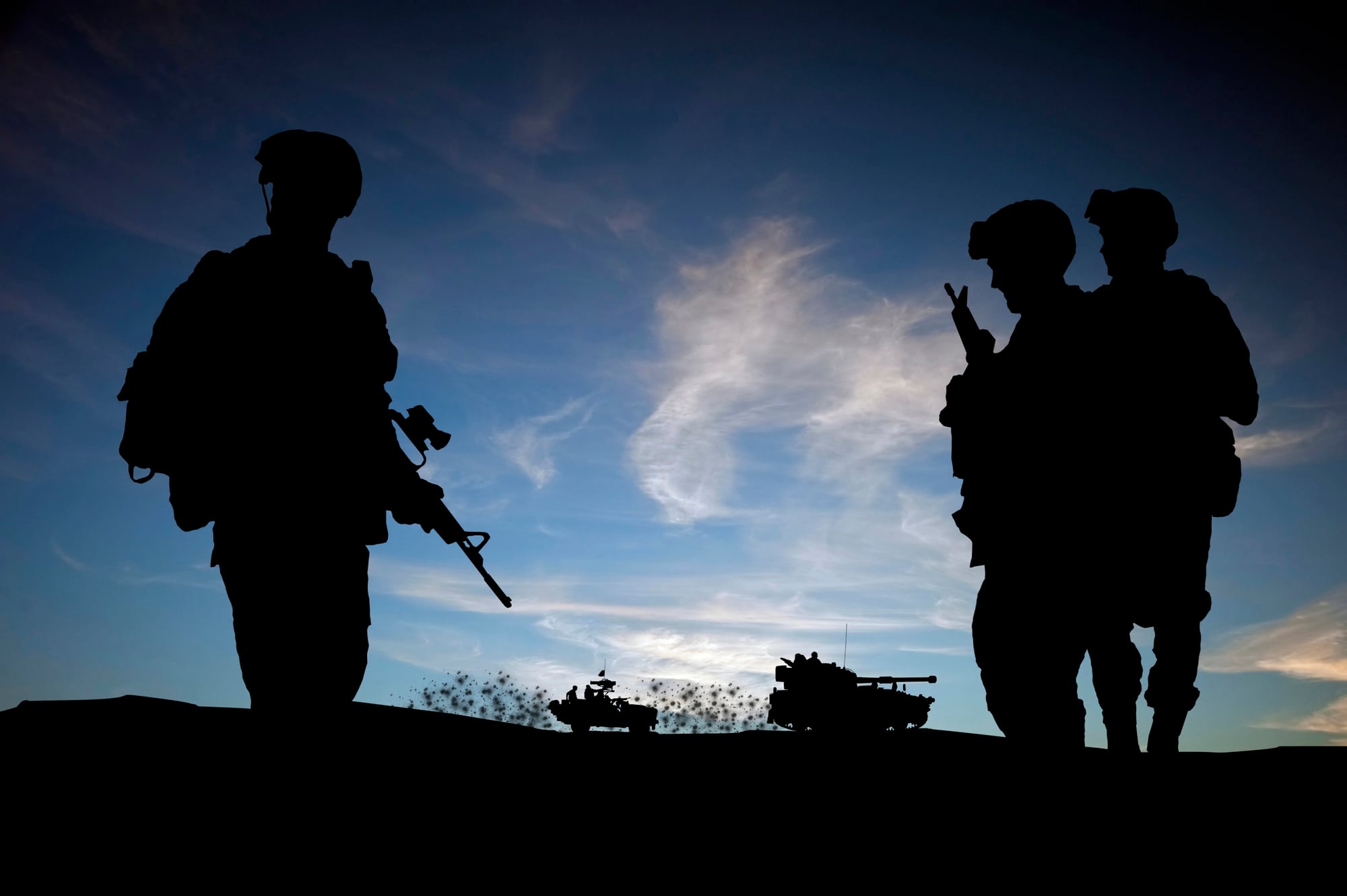
This detail flips the entire narrative. Loyalist militias made up a significant portion of British forces, meaning much of the Revolutionary War was Americans fighting Americans. Neighbors who had lived peacefully side by side for decades suddenly found themselves on opposite sides of a conflict that would tear apart families and communities for generations.
The clean division between patriots and occupiers dissolves once you realize how many “British” soldiers were born within fifty miles of the battlefields where they died.
Thomas Paine Was Nearly Broke
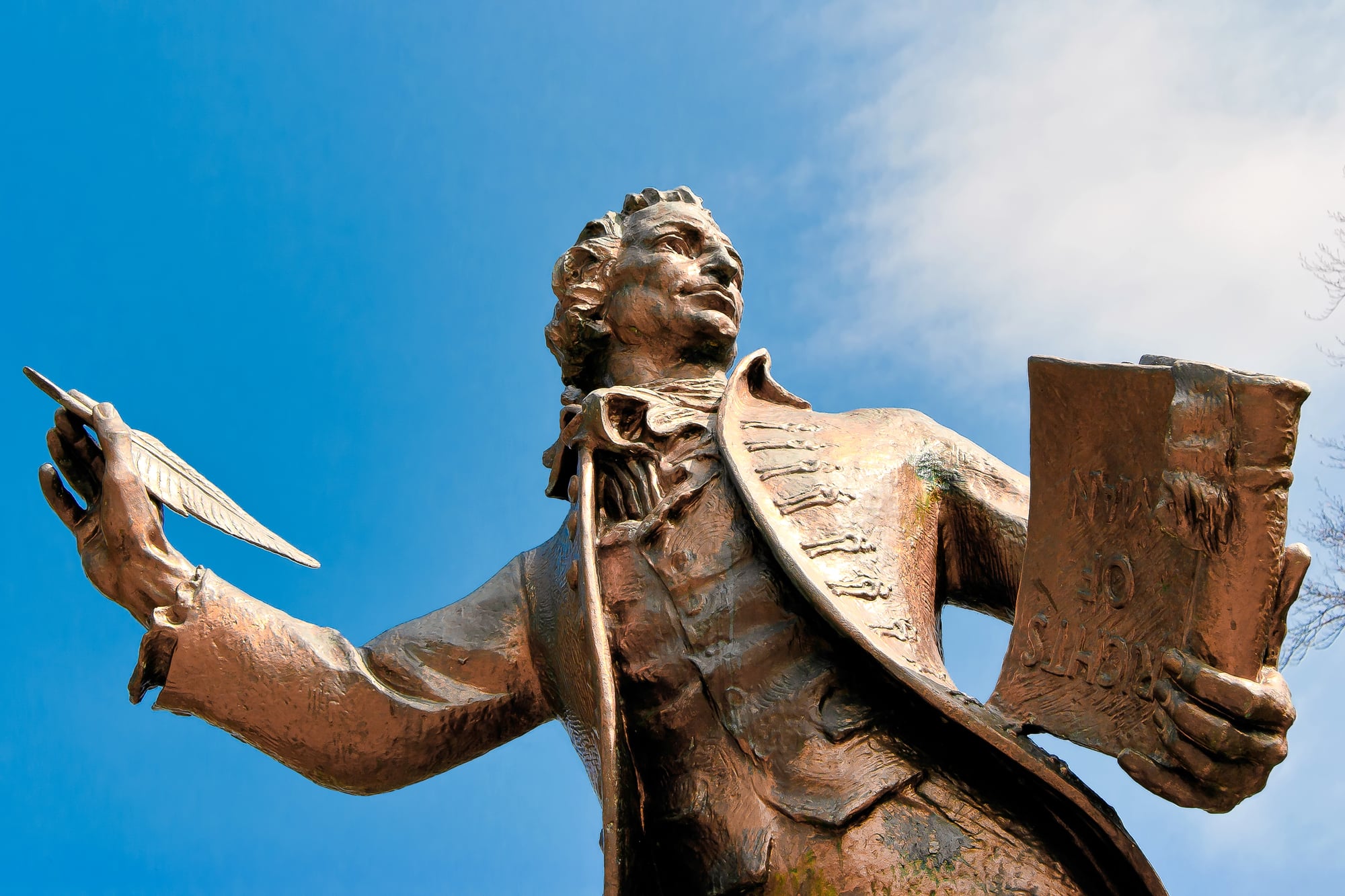
“Common Sense” sold like wildfire and influenced millions, but Paine refused to take royalties from his revolutionary pamphlet (he thought it would be like profiting from liberty itself, which sounds noble until you consider the practical implications of giving away intellectual property that everyone wanted). And so the man whose words helped spark a revolution spent much of 1776 scraping together money for basic necessities, dependent on friends and benefactors who recognized his contribution even if his bank account didn’t reflect it.
The irony cuts both ways: Paine’s financial struggles probably made his writing more authentic—he understood exactly what ordinary people were risking when they chose revolution over security. But it also meant that one of the most influential voices in American independence was perpetually worried about where his next meal would come from, which seems like the kind of oversight a grateful nation might have addressed before he died in relative poverty.
Most Colonists Were Neutral

Forget the image of a united colonial population rising up against British tyranny. Historians estimate that roughly one-third of colonists actively supported independence, another third remained loyal to Britain, and the final third just wanted to be left alone. The “silent majority” of 1776 was trying to keep their heads down and survive whatever came next.
This makes the Revolution less a popular uprising and more a determined minority dragging everyone else into a conflict most people would have preferred to avoid. Democracy in action, apparently.
George Washington Almost Quit
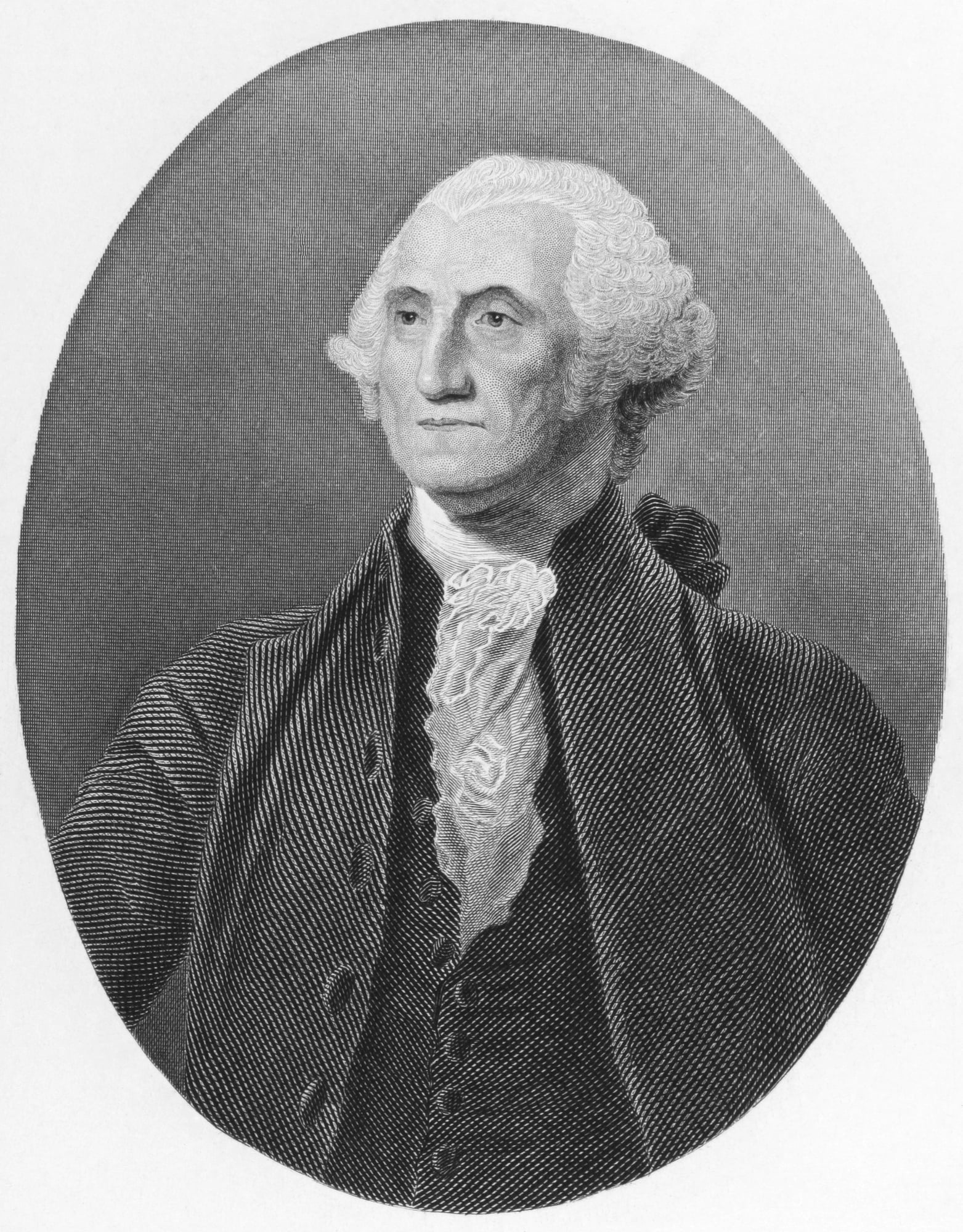
Multiple times throughout 1776, Washington came close to resigning his command. The Continental Army was falling apart, Congress couldn’t pay the troops, and military defeats were mounting faster than victories. His private letters reveal a man on the edge of despair, questioning whether the cause was worth the cost.
The fact that he didn’t quit has less to do with unwavering confidence and more to do with stubborn pride. Sometimes that’s enough.
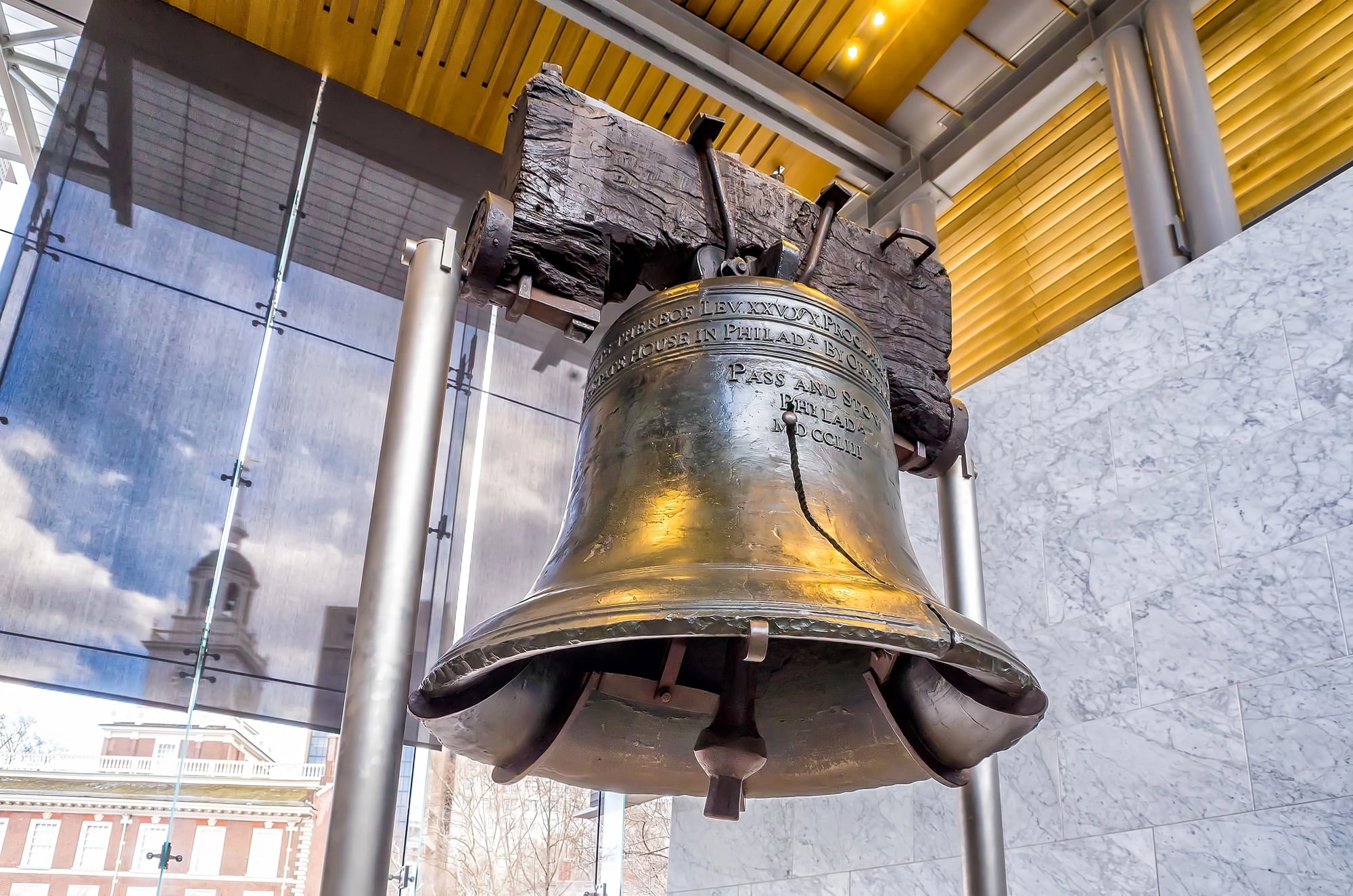
The Liberty Bell Cracked in 1776
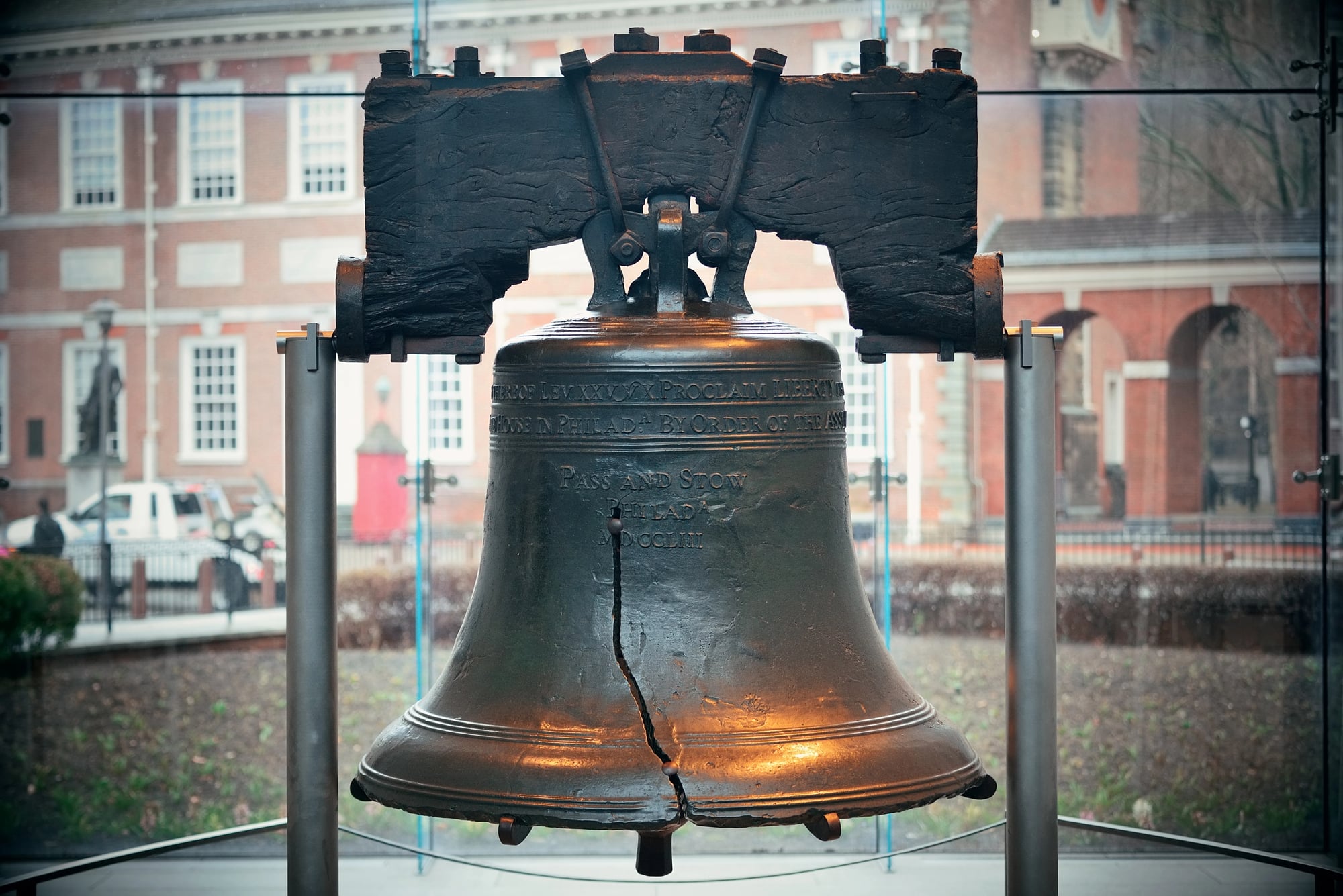
The symbol of American freedom couldn’t handle the stress of its own celebration. The bell developed its famous crack in the 19th century (approximately 1835–1847), not in 1776. While the bell may have sustained minor damage earlier, the prominent crack that rendered it unusable occurred decades after the Revolution. Even the metaphors were breaking down under pressure.
There’s something perfectly American about a liberty bell that rings once too often and then has to spend the rest of its existence sitting quietly in a museum, admired for what it used to be able to do.
Ice Cream Was Invented That Year
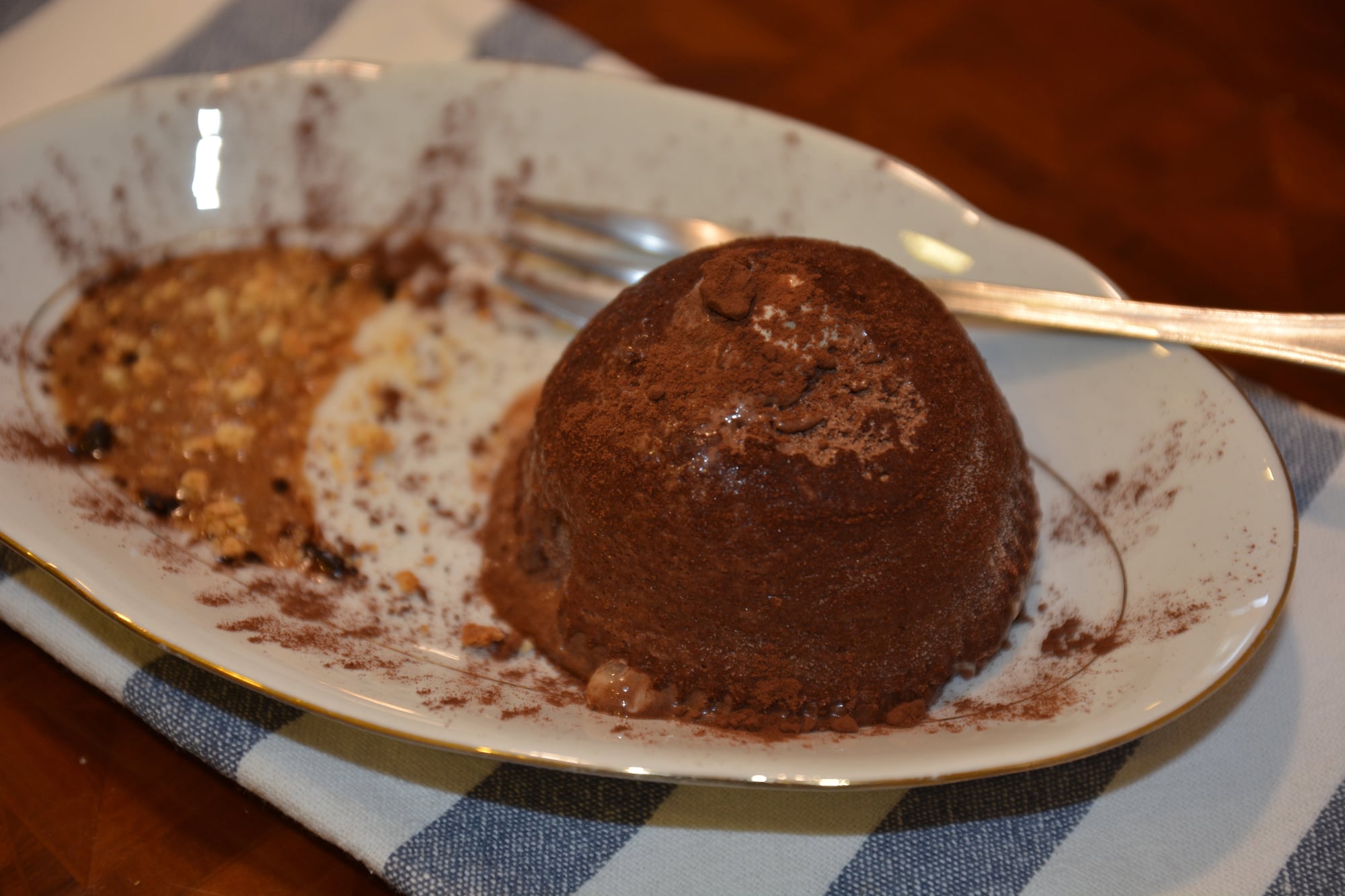
While revolution raged, culinary innovation marched forward (because humans are remarkable in their ability to improve their circumstances even during the worst of times, and sometimes especially during the worst of times). Ice cream recipes originated in 16th–17th century Europe, not 1776. A 1776 American cookbook entry represents one regional documentation, not the invention of ice cream. And yet, there’s something beautifully ordinary about this coincidence: even in the middle of creating a new nation, people were figuring out how to make milk and sugar taste better when frozen.
The juxtaposition feels accidental but perfectly fitting—revolution and ice cream both require taking familiar ingredients and transforming them into something that didn’t exist before, something that makes people happier than they were without it.
Pirates Helped the Navy

American privateers—essentially government-sanctioned pirates—captured more British ships than the official Continental Navy. These entrepreneurial sailors worked on commission, keeping a percentage of whatever they seized while serving the broader cause of independence.
It was capitalism and patriotism rolled into one profitable package. The British called it piracy. Americans called it naval strategy. Both were right.
The British Offered Freedom to Enslaved People First

Lord Dunmore’s proclamation in 1775 promised freedom to any enslaved person who joined the British forces, and thousands accepted the offer throughout 1776. This put the slaveholding founders in an awkward position—fighting for liberty while denying it to others, facing an enemy who was actively recruiting from the population they oppressed.
The contradiction was obvious to everyone living through it, which makes the founders’ decision to sidestep the issue even more deliberate and damning.
France Was Secretly Funding the Revolution Before Declaring War

French gold and weapons were flowing to American forces months before France officially entered the conflict. They wanted to weaken Britain without the risks of open warfare, so they funded revolution by proxy while maintaining diplomatic relations with their enemy.
Modern proxy wars have nothing on 18th-century European power politics. The French were playing both sides until they were ready to choose one.
John Adams Predicted July 2nd Would Be the Holiday
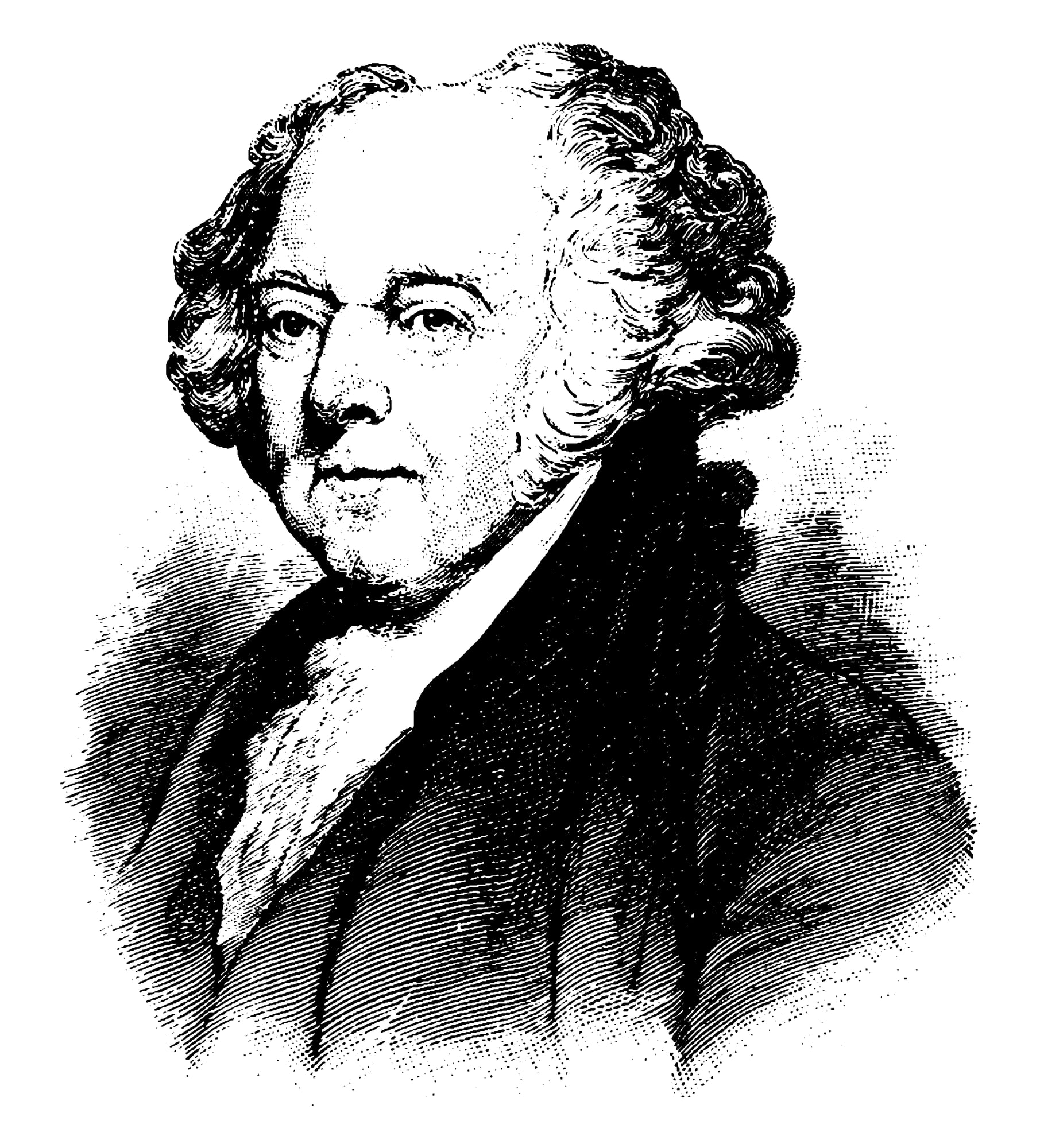
Adams was convinced that July 2nd—the day Congress voted for independence—would become the great American celebration, not July 4th when they approved the final wording of the Declaration. He wrote letters describing the annual festivals and commemorations that would mark July 2nd for generations to come.
History had other plans, but Adams never quite got over being wrong about his own revolution’s anniversary. Sometimes the marketing matters more than the actual event.
What Really Changed Everything
The year 1776 wasn’t just about declaring independence—it was about discovering that ordinary people could reshape the world through sheer stubborn persistence. The messy, complicated, contradictory details that schools skip over are actually the most important part of the story.
They show how history gets made by flawed humans making imperfect decisions under impossible circumstances, which is somehow more inspiring than any mythologized version of events.
The revolution succeeded not because everything went according to plan, but because enough people kept going when everything fell apart.
More from Go2Tutors!

- The Romanov Crown Jewels and Their Tragic Fate
- 13 Historical Mysteries That Science Still Can’t Solve
- Famous Hoaxes That Fooled the World for Years
- 15 Child Stars with Tragic Adult Lives
- 16 Famous Jewelry Pieces in History
Like Go2Tutors’s content? Follow us on MSN.



