24 Arcade Games from the ’90s That Ate Through Allowances in Record Time
The 1990s represented the last true golden age of arcade gaming, a final flourish before home consoles would eventually draw players away permanently. The decade’s arcade landscape was dominated by games that demanded repeated play—fighters that required learning complex button combinations, rail shooters that punished hesitation, and sports simulations that tracked high scores obsessively.
Unlike earlier arcade eras where a single quarter might provide minutes of play, 1990s arcade games were engineered to demand continuous feeding of coins. A skilled player might stretch one dollar across multiple games; an average player could burn through a week’s allowance in a single afternoon.
The quarter-eating efficiency of 1990s arcade design was a masterclass in extraction-based game engineering disguised as entertainment.
Arcades in the 1990s were still common enough in bowling alleys, movie theater lobbies, and dedicated arcade halls to be regular weekend destinations for kids with pocket money. The financial model was simple: manufacturers built machines that looked increasingly impressive and offered increasingly demanding gameplay that required either genuine skill or continuous coin insertion to progress.
Kids learned the hard way that some allowances disappeared faster at the arcade than any other location.
Street Fighter II
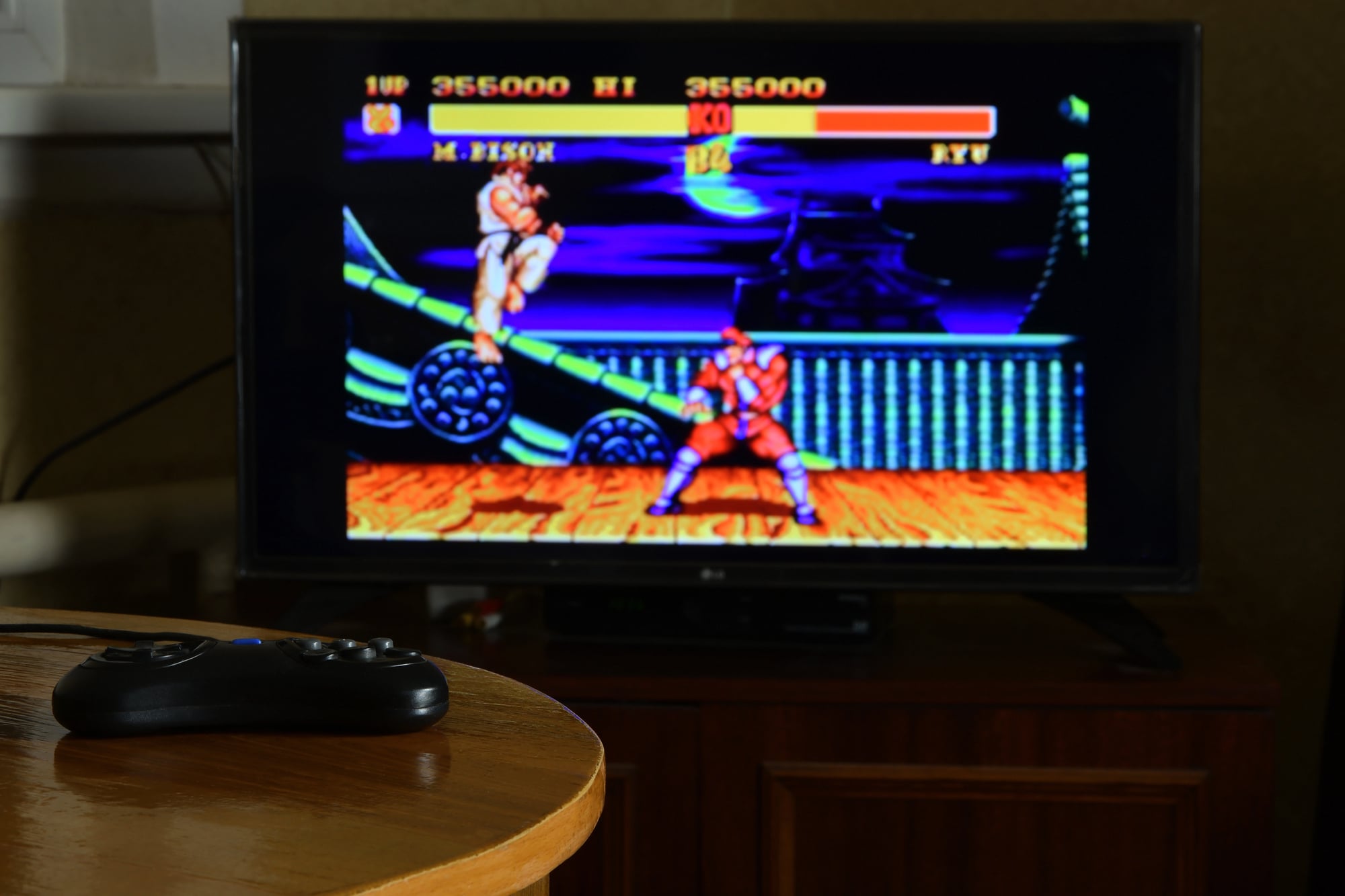
Capcom released this fighting game in 1991, and it generated approximately 60 percent of all arcade game revenue worldwide that year. The game’s command-based fighting system was innovative at the time, and the roster of international characters meant endless variety in matchups.
Kids discovered that becoming competent at Street Fighter II required not just quarters but also practice, observation, and memorization of complex button sequences.
Mortal Kombat
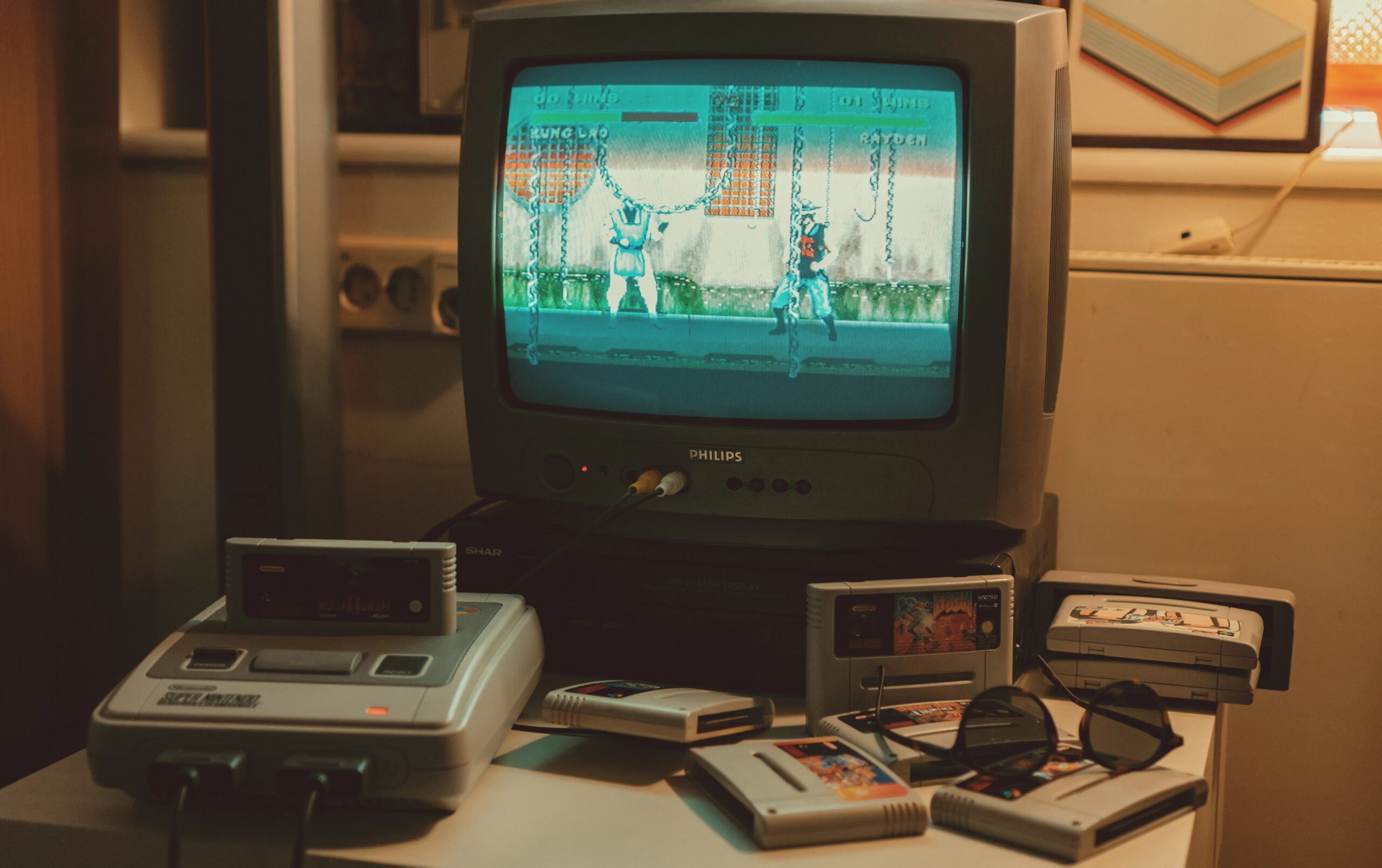
Released in 1992 by Midway, Mortal Kombat relied on realistic digitized graphics and shocking violence to differentiate itself from Street Fighter’s more stylized approach. The game’s notorious finishing moves and graphic content eventually led to the creation of the Entertainment Software Rating System, but not before millions of kids had poured quarters into machines to learn new fatalities.
Mortal Kombat II

This 1993 sequel improved on the original with enhanced graphics, new characters like Kitana and Shao Khan, and more elaborate finishing moves. Midway’s most profitable arcade release, Mortal Kombat II convinced kids that the enhanced violence and complexity justified continued quarter insertion.
Terminator 2: Judgment Day
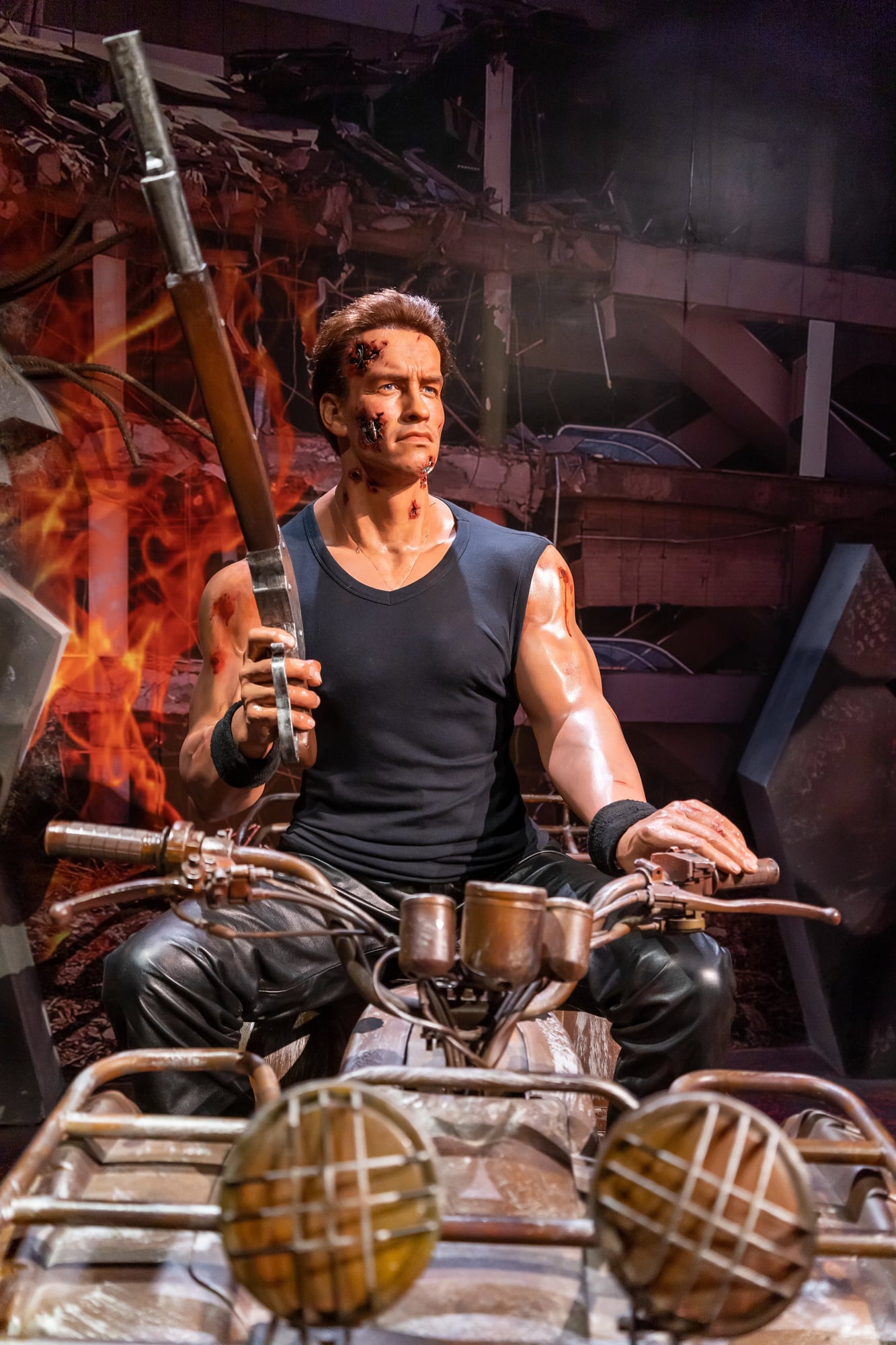
Released in 1991, this light gun shooter featured digitized actors from the film, including Arnold Schwarzenegger in his iconic T-800 role. The game’s two-player simultaneous gameplay and seven stages meant that completing it required considerable coin investment, especially on harder difficulty levels.
Star Wars Trilogy Arcade

Sega’s 1998 release allowed players to reenact favorite battles from the original trilogy, including sequences on Hoth, Endor, Yavin, and the Death Star. The combination of lightsaber combat and blaster shooting made it visually distinctive, and multiple stages meant multiple opportunities for quarters to disappear.
The Simpsons Arcade Game
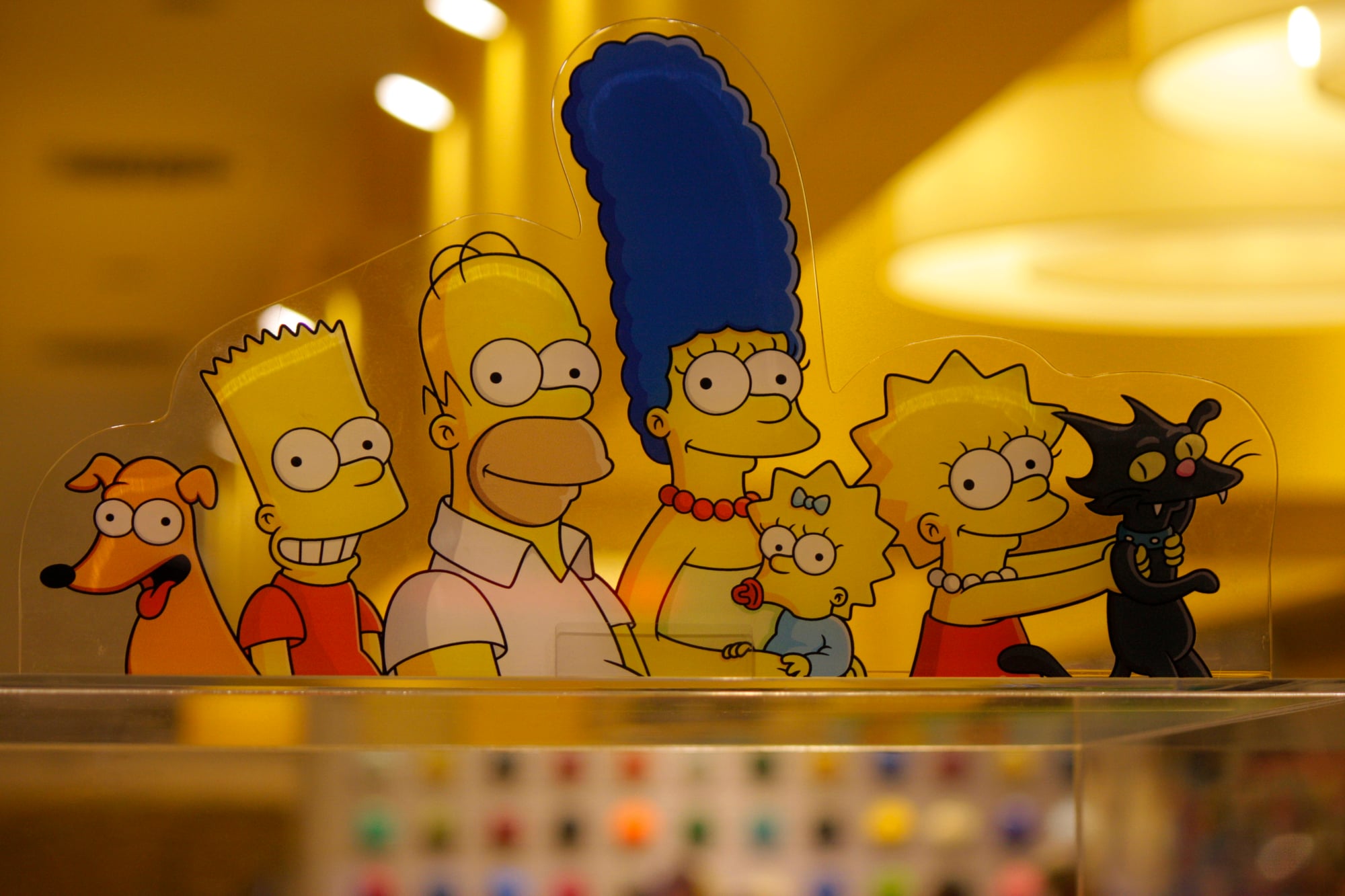
Konami’s beat-em-up based on the television series featured the Simpson family fighting through various Springfield locations. The game eventually became Konami’s second most profitable arcade release after X-Men, demonstrating that licensed properties combined with solid gameplay created sustained demand for coin insertion.
X-Men
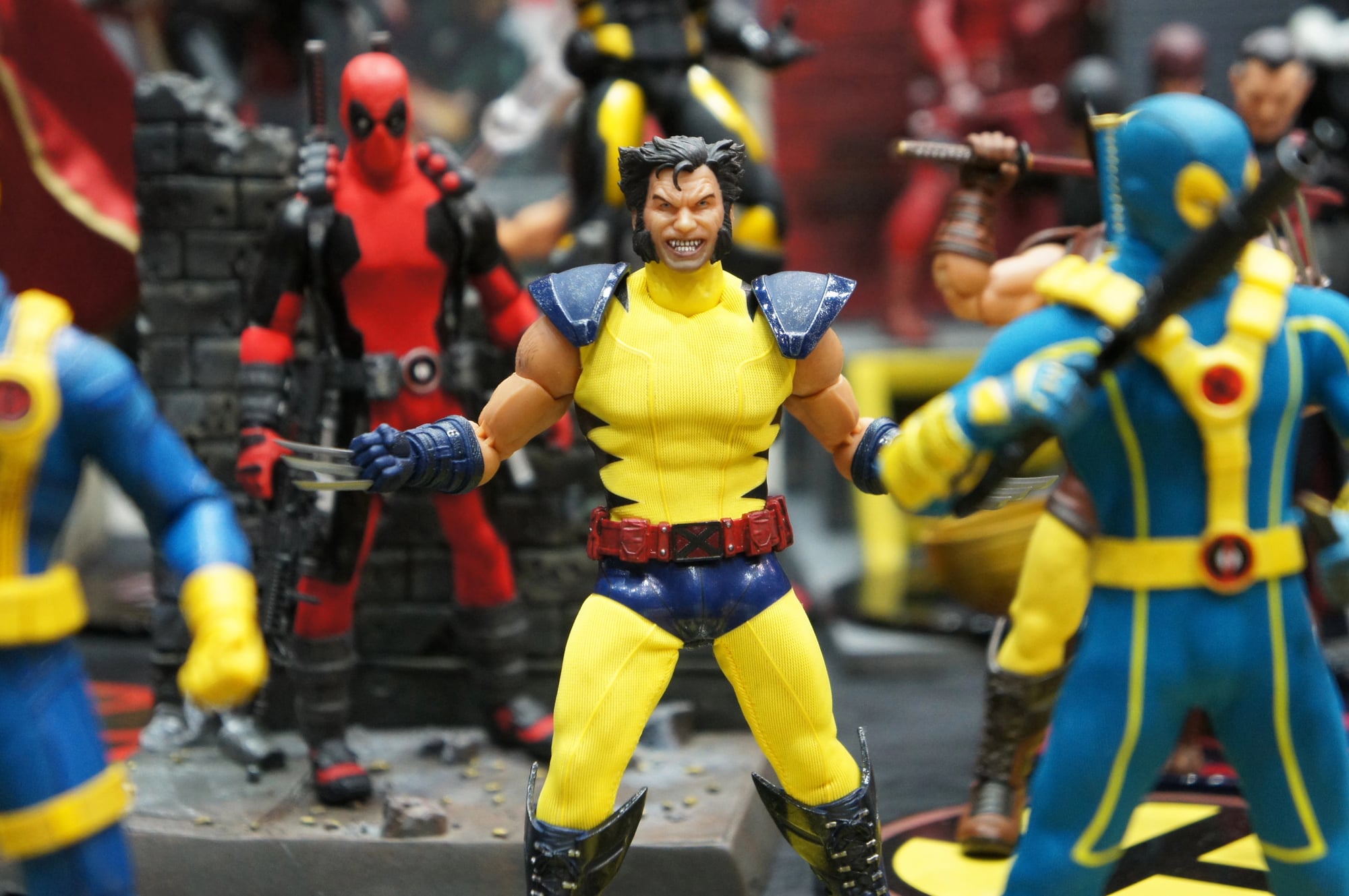
This 1992 Konami six-player side-scrolling beat-em-up featured Marvel’s mutant superhero team battling through various levels. The ability to select different characters with unique abilities meant multiple playthroughs, and the six-player cabinet format made it a natural money sink for groups of kids.
Teenage Mutant Ninja Turtles: Turtles in Time
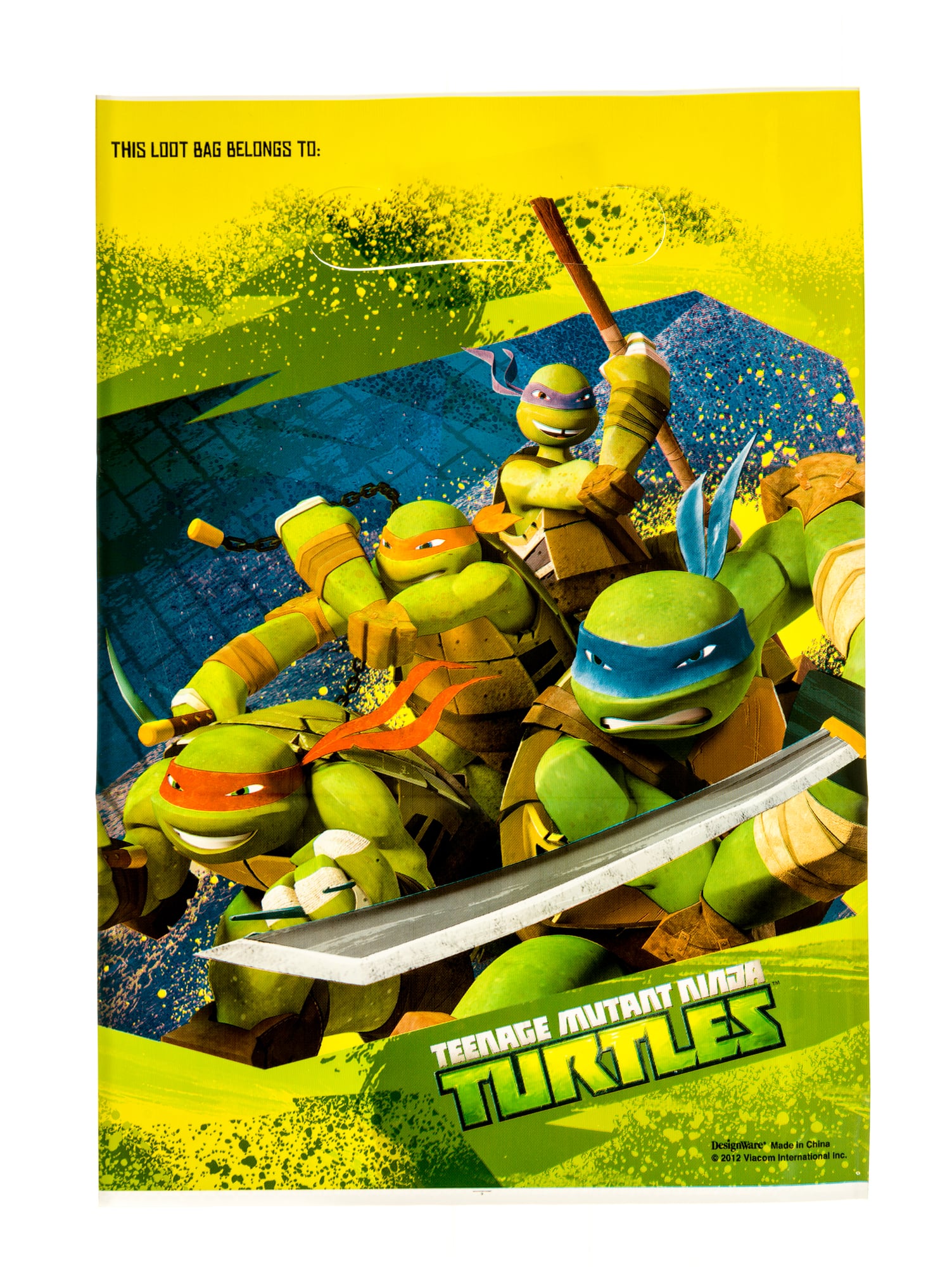
Konami’s 1991 arcade release was a beloved beat-em-up featuring the turtle team fighting through multiple eras and locations. The game’s humor, tight controls, and varied stages made it continuously playable, meaning quarters disappeared in consistent quantities throughout its run.
NBA Jam
Midway’s 1993 basketball simulation featured digitized players and absurdly physics-defying gameplay. The catchphrases (“on fire,” “boomshakalaka”) became cultural touchstones, and the game’s rhythm-based shooting and dunking mechanics were addictive enough to justify continuous play.
Tekken 3
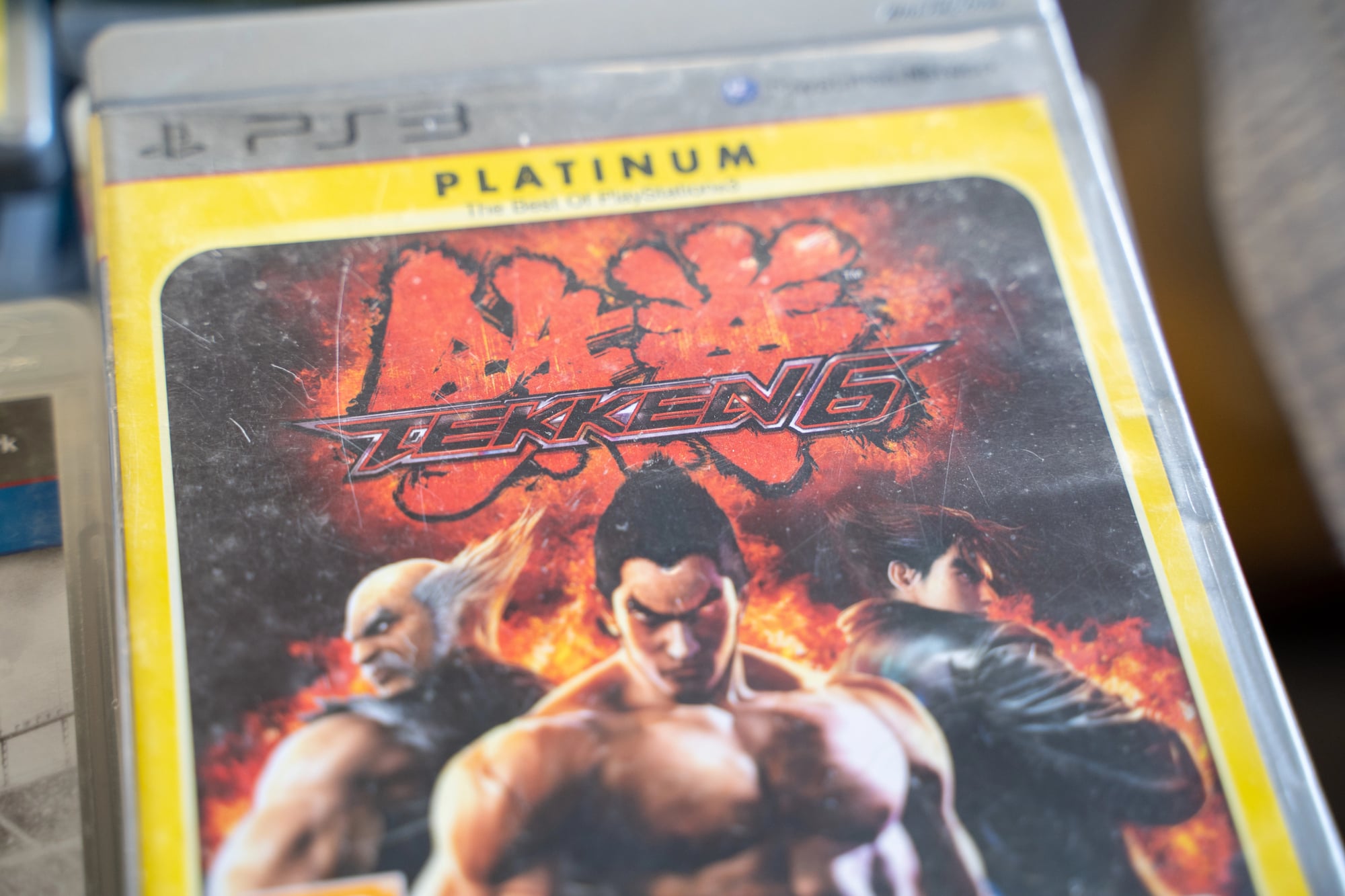
Namco’s 1997 fighting game served as an alternative to the Street Fighter and Mortal Kombat dichotomy that dominated arcades. With unique characters like Eddy Gordo who rewarded button mashing, Tekken 3 attracted players who found other fighters too demanding to learn.
Metal Slug
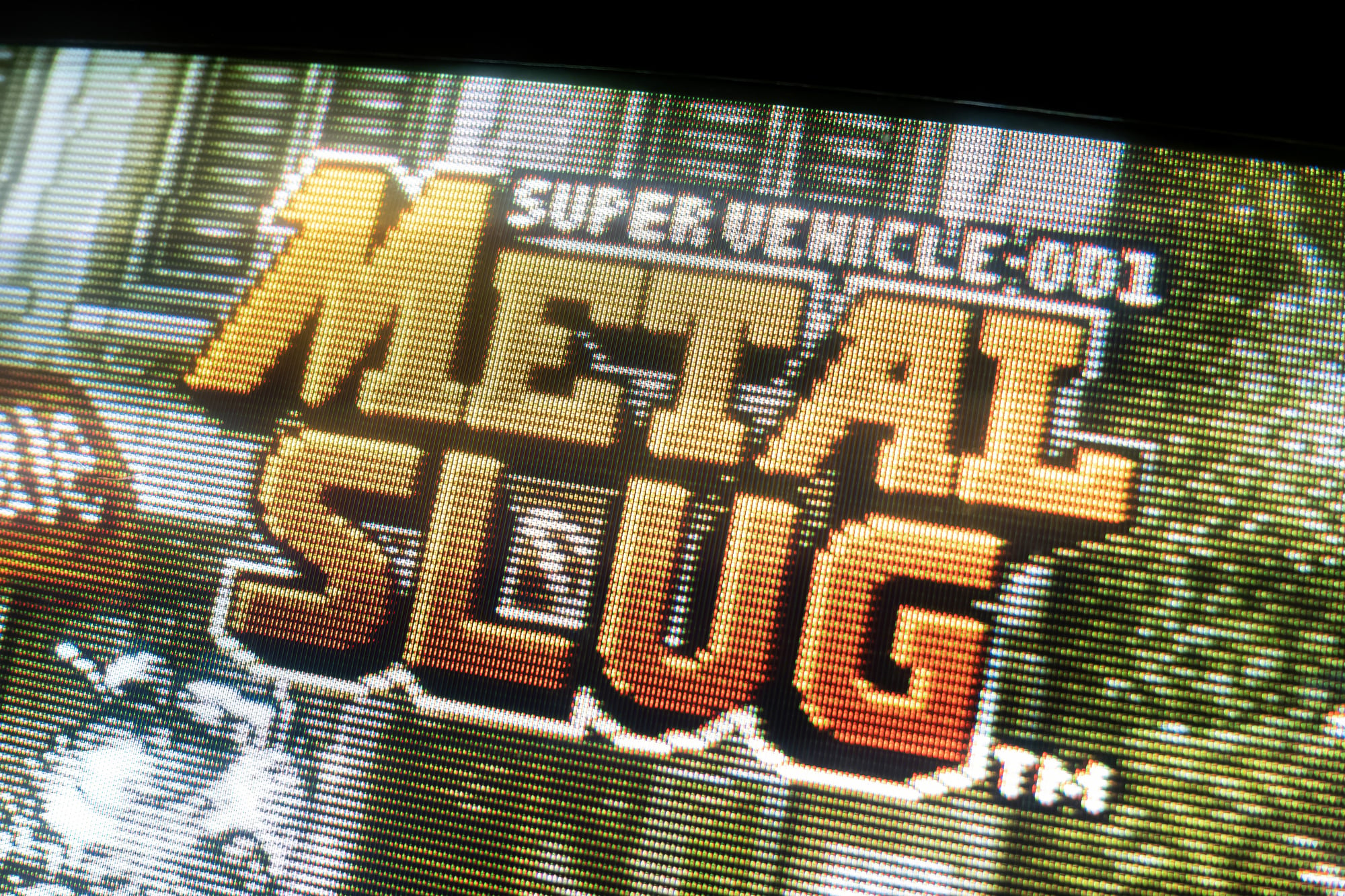
SNK’s 1996 run-and-gun shooter featured cartoonish action and absurdist humor layered over genuinely difficult gameplay. The game’s relentless difficulty meant that kids had to feed it constant quarters just to progress past early stages.
Crazy Taxi
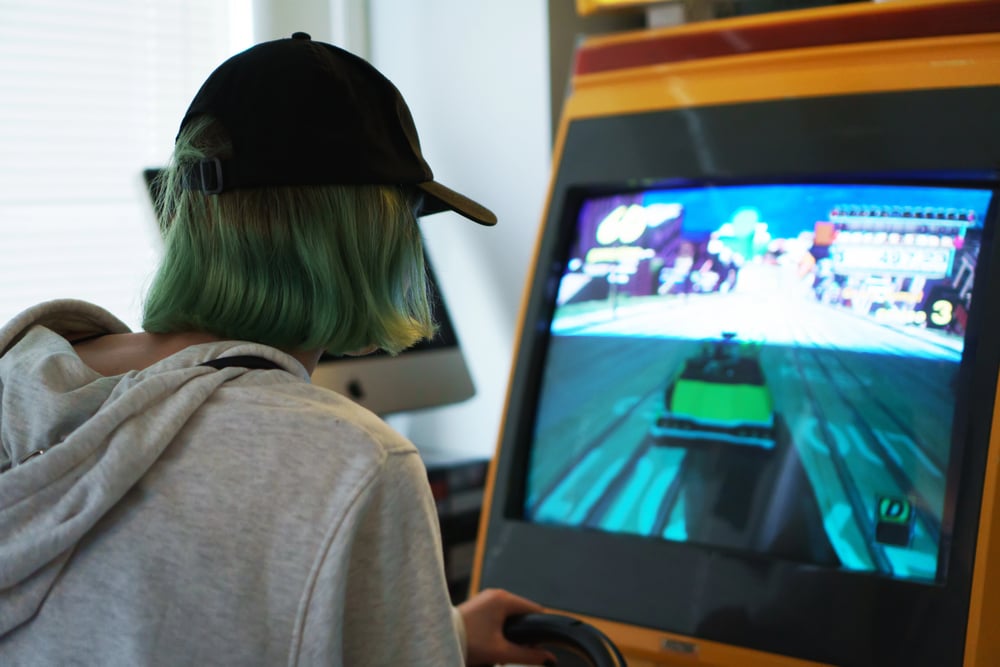
Sega’s 1999 release was a departure from traditional arcade gameplay, offering a traffic-based taxi simulation with humor. The Jet Set Radio soundtrack and arcade-exclusive visuals made it a novelty draw that ate quarters through its challenging navigation requirements.
House of the Dead 2
Sega’s 1998 light gun shooter required steady quarter feeding to progress through zombie-infested levels. The game’s two-player simultaneous gameplay and multiple stage approaches meant varied experiences that encouraged repeated plays.
Virtua Fighter
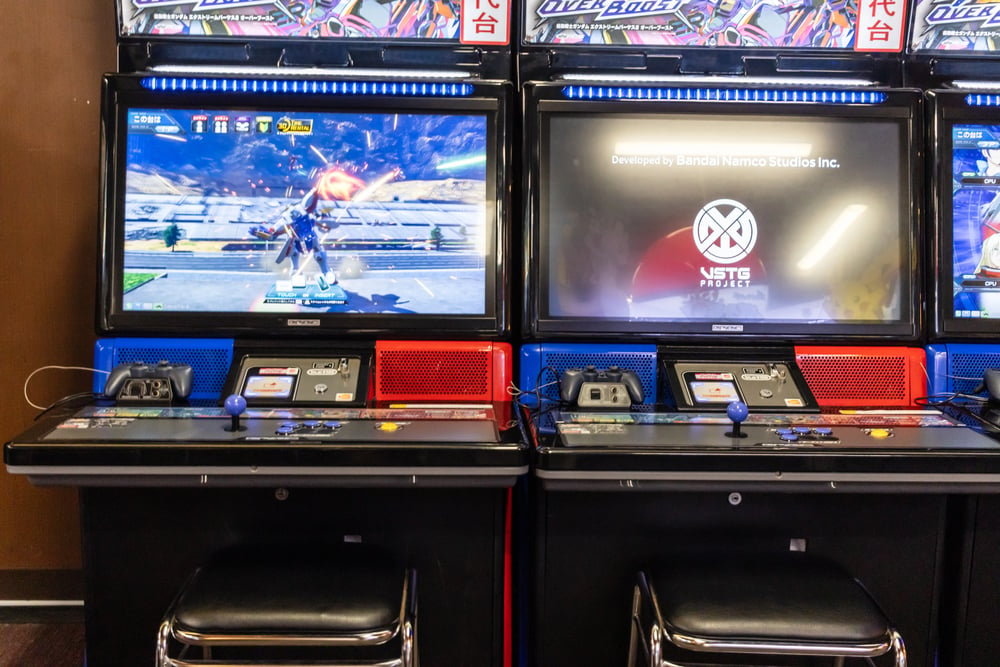
Sega’s 1993 3D fighting game introduced polygonal characters to the arcade fighting scene and spawned its own devoted community. The learning curve was steep, meaning kids who wanted to compete had to invest heavily in quarter expenditure.
Virtua Cop 2
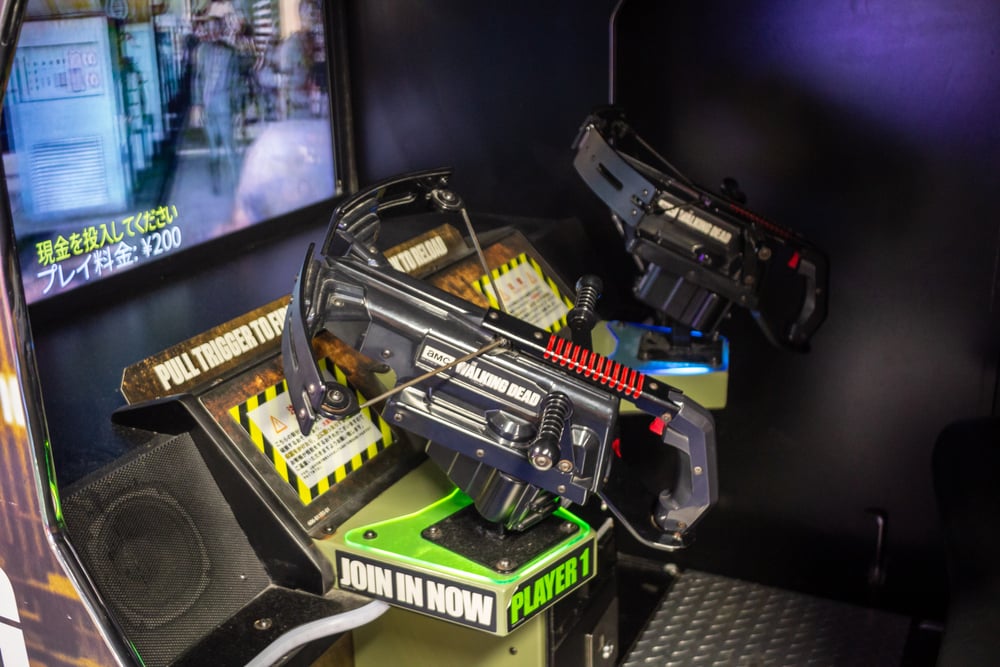
Sega’s 1994 light gun shooter featured digitized actors and photorealistic environments. The game’s accuracy-based scoring meant that casual quarter-dumpers were readily distinguished from skilled players.
Killer Instinct

Rare’s 1994 combo-oriented fighting game featured satisfying announcer feedback for successful combo execution and interrupted combos. The distinctive fighting engine attracted players who wanted something different from Street Fighter’s command structure.
Time Crisis II
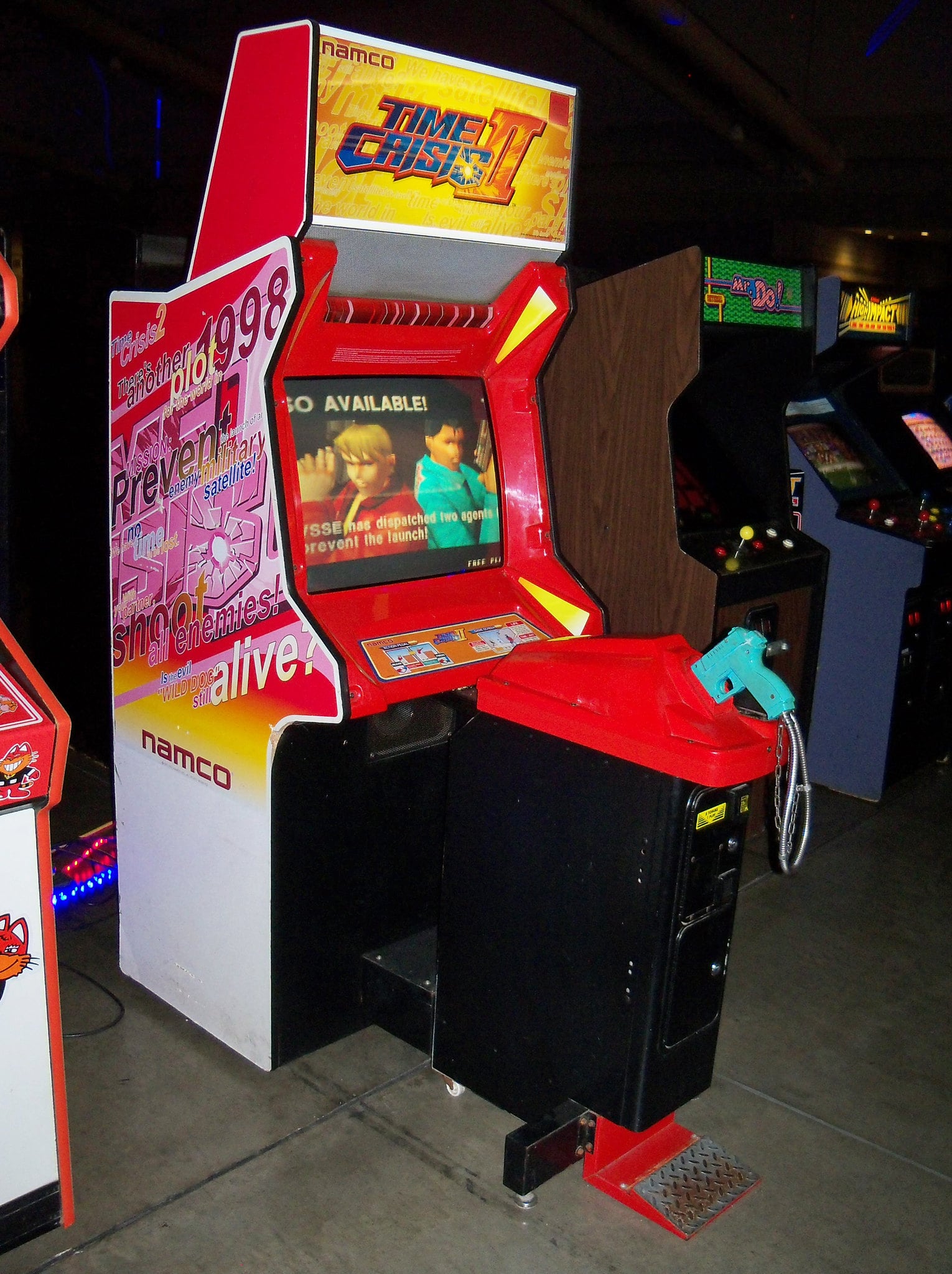
Namco’s 1997 light gun shooter featured a unique cover system where players could hide behind the gun’s cover. The mechanic required genuine tactical thinking and added strategy to light gun gameplay.
Gauntlet Legends
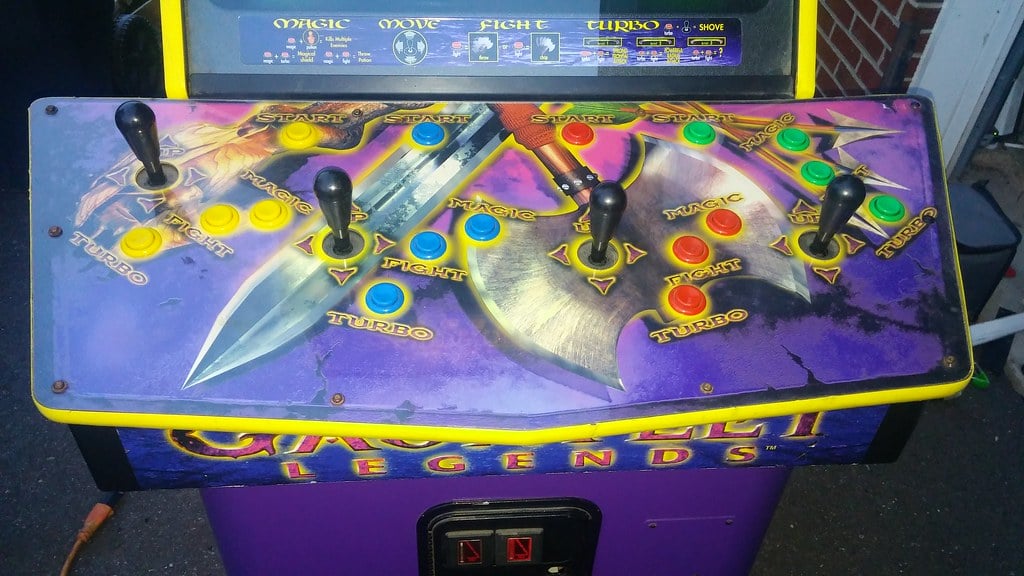
Atari’s 1998 dungeon crawler was designed for up to four simultaneous players, making it a natural gathering point for kids with coins to spend. The cooperative gameplay and loot-based progression kept players coming back.
Area 51

Atari’s 1995 light gun shooter featured aliens and photorealistic environments. The game’s branching paths and varied scenarios meant that different playthroughs felt distinct enough to justify repeated quarter investment.
Captain America and The Avengers
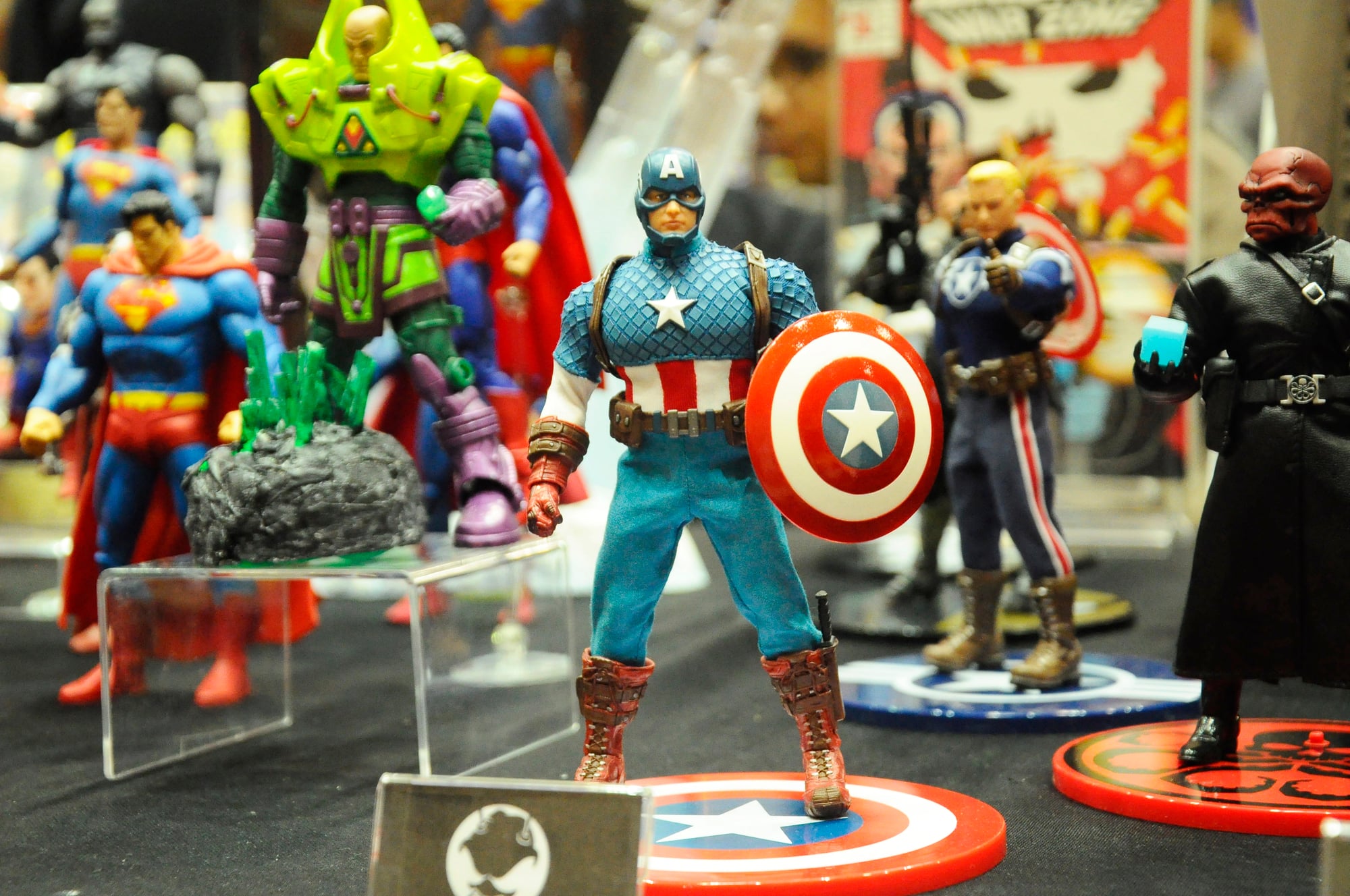
Data East’s 1991 beat-em-up featured Marvel superheroes battling through multiple stages. The licensed property and cooperative gameplay made it a standard arcade cabinet in entertainment venues throughout the decade.
Primal Rage
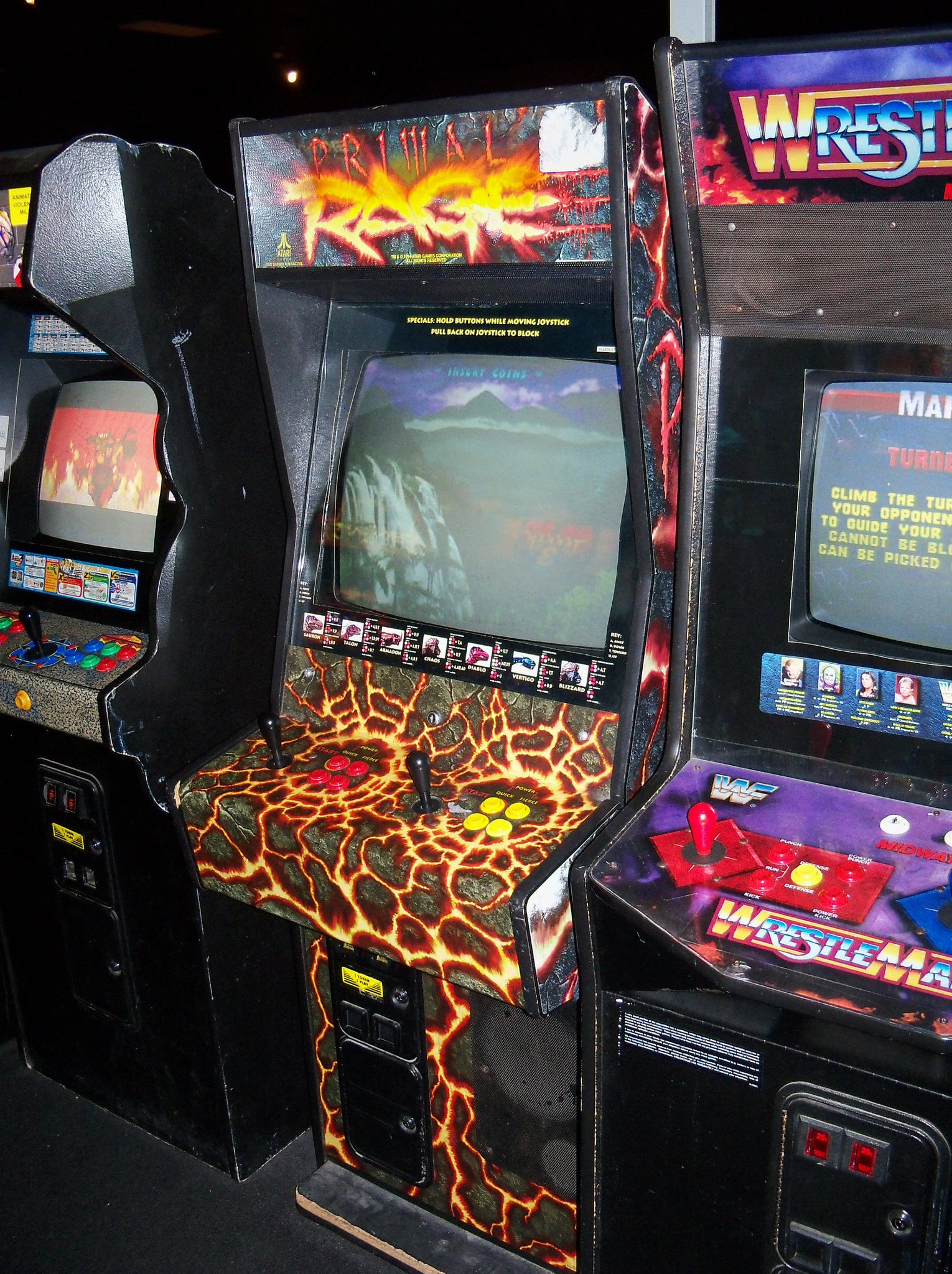
Atari’s 1994 fighting game featured huge dinosaur and ape characters instead of human fighters. The novelty factor and impressive cabinet artwork made it a visual draw that attracted curiosity-driven quarter spending.
Cruis’n USA
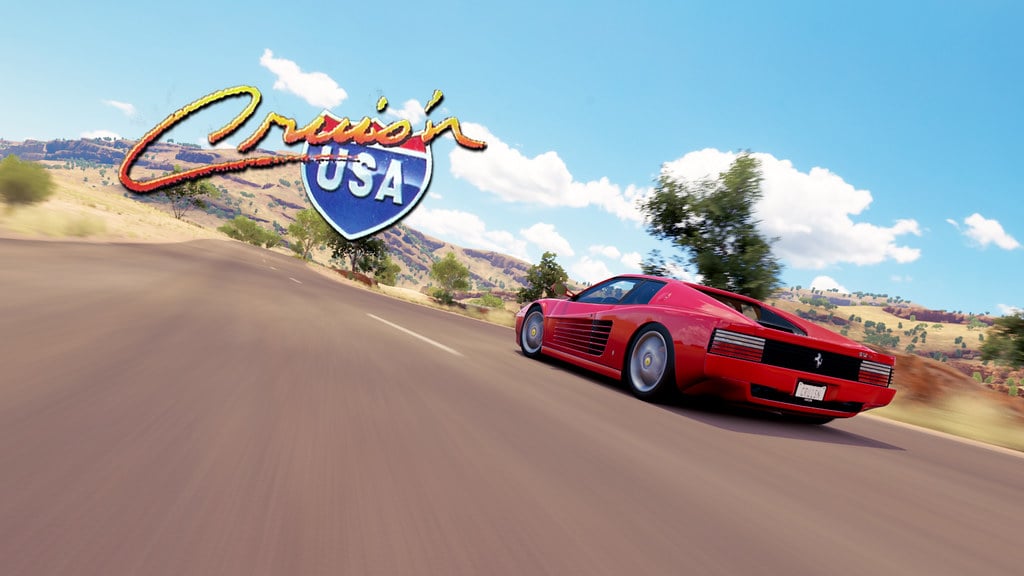
Midway’s 1994 racing game featured cross-country driving and arcade-exaggerated physics. The sit-down cabinet format and competitive high score tracking made it a natural draw for repeat play.
Daytona USA
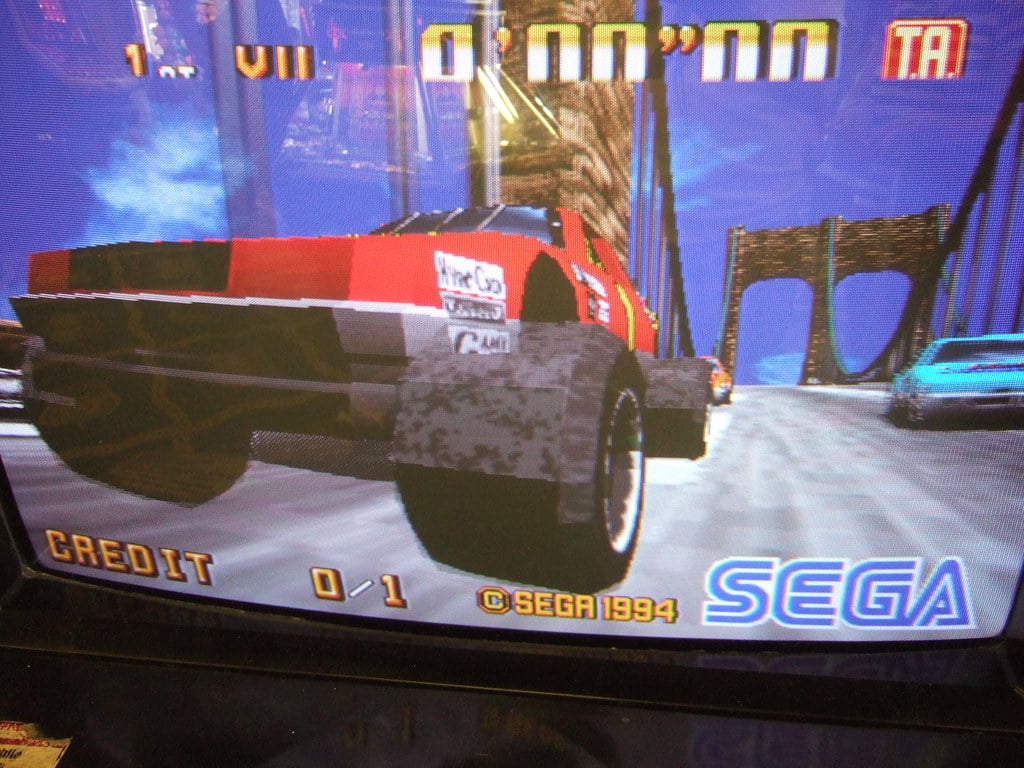
Sega’s 1993 racing arcade offered the Indianapolis 500-style racing experience with multiple track configurations. The cabinet’s distinctive steering wheel made it visually distinctive and mechanically engaging enough to justify quarter expenditure.
Lethal Enforcers
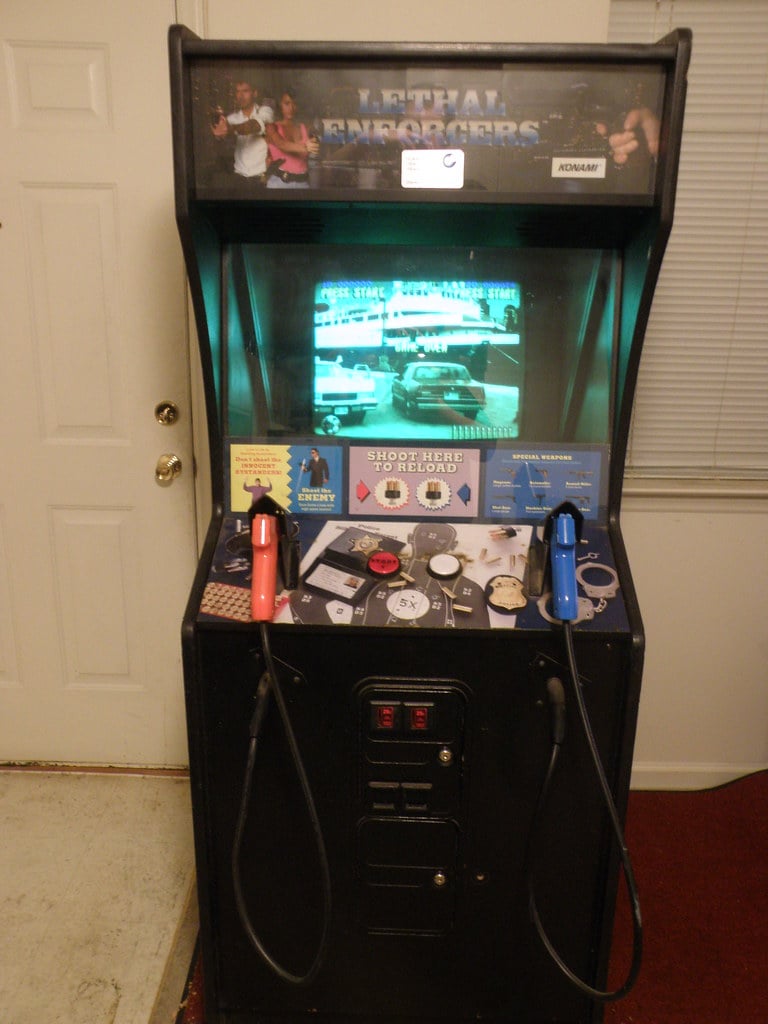
Konami’s 1992 light gun shooter required steady aim and pattern recognition. The game’s law enforcement theme and photorealistic graphics made it visually impressive for the early 1990s.
The Quarter-Eating Arcade Cabinet as Financial Reality
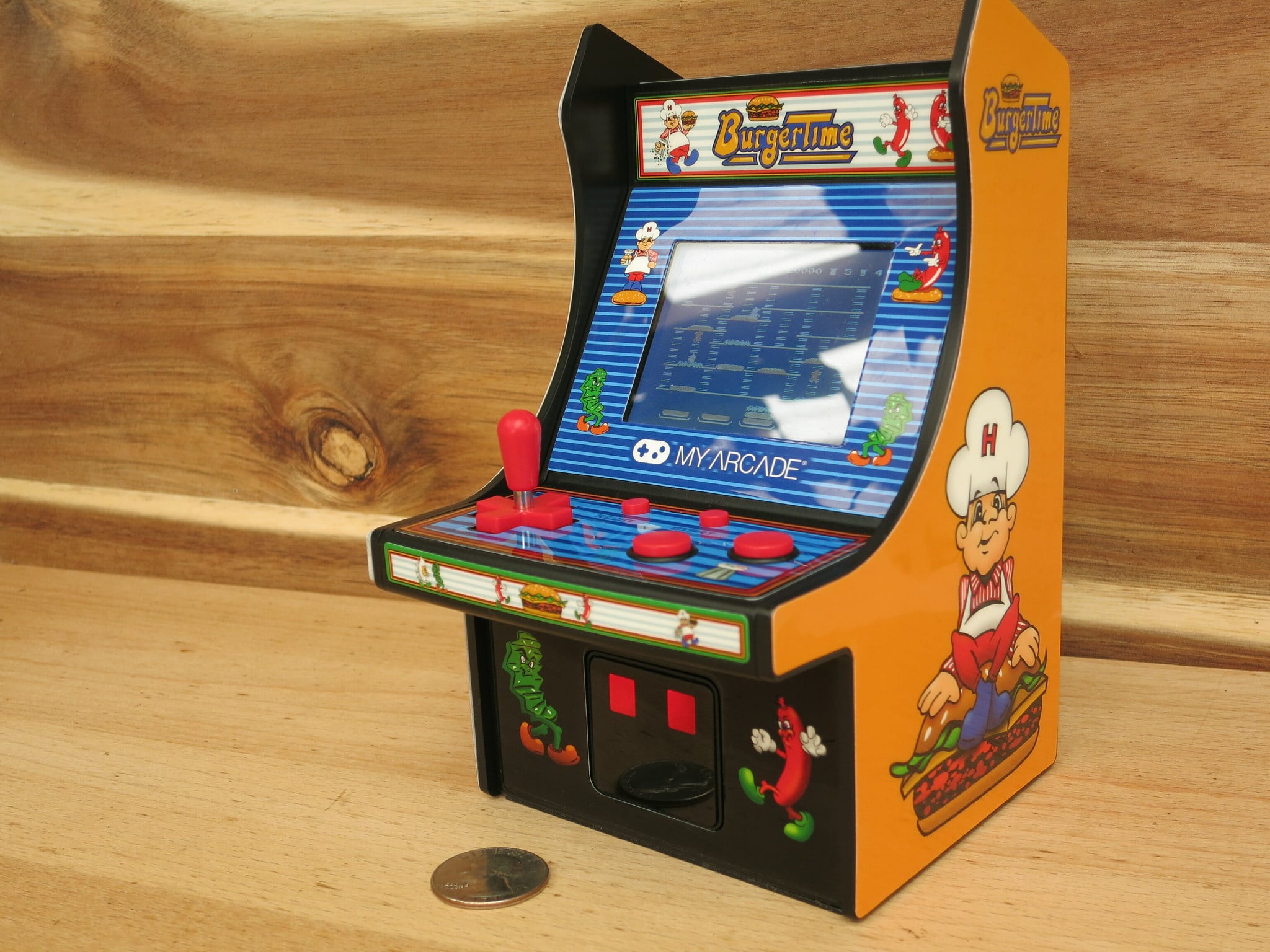
By the end of the 1990s, a typical arcade game cost 50 cents to a dollar per play, and most games punished players without continued coin insertion. A kid arriving at the arcade with twenty dollars could easily spend it all within two hours, especially if they insisted on continuing with their favorite games rather than sampling multiple titles.
The arcade represented one of the last socially acceptable cash drains on childhood allowances before smartphones and subscription services would later offer similar endless-content models. The efficiency with which 1990s arcades extracted quarters from kids’ pockets remains a masterclass in game design oriented entirely toward maximizing player spending while still delivering entertainment value.
More from Go2Tutors!

- The Romanov Crown Jewels and Their Tragic Fate
- 13 Historical Mysteries That Science Still Can’t Solve
- Famous Hoaxes That Fooled the World for Years
- 15 Child Stars with Tragic Adult Lives
- 16 Famous Jewelry Pieces in History
Like Go2Tutors’s content? Follow us on MS



