24 Government Programs Citizens Only Learned About Years Later
Governments operate countless programs in the shadows, concealed from public knowledge through classification, compartmentalization, and official denial. Most citizens remain unaware of programs conducted in their name until years—sometimes decades—have passed.
These programs often begin with stated security justifications but expand into activities that would provoke public outrage if exposed at the time. By the time revelations arrive, the programs have typically ended or evolved, and accountability becomes impossible.
The programs documented here share a pattern: years of secrecy, eventual exposure through leaks or investigations, and confirmation that the government had been conducting operations the public would never have authorized had it known.
PRISM

Beginning in 2007, the National Security Agency operated a classified surveillance program that gave it direct access to email, video, voice calls, and photos from major internet companies including Google, Facebook, Apple, Microsoft, and Yahoo. The companies initially denied involvement, but classified documents released by Edward Snowden in 2013 revealed they had been providing the NSA with direct access to user data.
The program remained secret for six years, collecting data on millions of Americans and foreigners. Public revelation sparked international condemnation and prompted several countries to investigate American surveillance activities.
ECHELON
Since the late 1960s, the Five Eyes alliance—the U.S., UK, Canada, Australia, and New Zealand—operated a signals intelligence network called ECHELON that intercepted communications globally. The program remained officially secret for decades.
Known details emerged slowly through congressional inquiries and investigative journalism, but the full scope of ECHELON’s capabilities remained classified. The program collected communications without warrants and without the knowledge of the American public or most of Congress.
Not until Edward Snowden’s 2013 disclosures did official confirmation and detailed documentation become public.
NSA Bulk Telephone Metadata Collection

In 2013, journalists revealed that the NSA had been collecting telephone metadata on millions of Americans for years, recording who called whom, when, and for how long. The program operated under a classified court order that the public had no knowledge existed.
The data collection was justified under the Patriot Act, though most Americans and their elected representatives were unaware the law authorized such sweeping surveillance. The revelation sparked congressional investigations and legal challenges to the program’s constitutionality.
Phoenix Program

Operating from 1967 through 1973, the CIA coordinated with South Vietnamese and American military units in a campaign to identify and eliminate members of the Viet Cong, an operation officially euphemized as “neutralizing” targets. The program involved arrest, torture, and extrajudicial execution.
Congressional investigations after the war revealed the program had resulted in the deaths of over 20,000 people, many of whom were later found to have been innocent civilians wrongly identified as Viet Cong. Americans knew little about Phoenix’s true scope until investigations after the war’s end.
Operation Mockingbird

From the early Cold War onward, the CIA allegedly recruited major American journalists and newspaper editors into a propaganda network designed to disseminate approved narratives and suppress unfavorable stories. The program remained officially secret until congressional investigations in the 1970s uncovered evidence of CIA infiltration into major news organizations.
Declassified documents confirmed the agency had influenced domestic media coverage. However, the full scope of Operation Mockingbird and the complete list of journalists involved remains classified or unknown.
Project X

Developed in the mid-1960s, the Pentagon’s Office of Public Safety created Project X to develop and export interrogation and counterinsurgency techniques learned in Vietnam to Latin America. The program trained military and police officers from countries throughout the region in surveillance, infiltration, and interrogation methods.
American officials kept Project X’s existence and objectives classified until journalists exposed it in 1970 after a U.S. advisor was executed by guerrillas. Declassified documents later revealed the program had disseminated torture techniques globally.
Office of Public Safety

Created in 1962, the Office of Public Safety trained police and paramilitary forces from allied countries in counterinsurgency and interrogation. The program operated with CIA funding and direction.
American advisors brought trainees to secret facilities in Washington, D.C., where they received instruction in surveillance, interrogation, and torture techniques. The program remained largely unknown to the American public until investigations revealed it had trained torturers and secret police operatives responsible for atrocities throughout Latin America.
Warm Sands Program
Declassified documents revealed that the CIA maintained a program for processing intelligence collected by the NSA through a classified system called Warm Sands. The existence and scope of the program remained secret until Edward Snowden’s disclosures revealed classified details about how the NSA funneled collected intelligence to CIA field stations worldwide.
The program allowed the CIA to act on raw intelligence without warrants and without informing targets they were under surveillance.
XKeyscore

Revealed through Snowden disclosures, XKeyscore is an NSA program that allows analysts to search through billions of internet communications in real time without warrants. The system became operational years before its existence became public in 2013.
The classified program allowed NSA analysts to access emails, phone records, web browsing histories, and chat messages from Americans and foreigners without judicial oversight. The existence of XKeyscore was so closely held that most members of Congress were unaware of its capabilities.
Upstream
Also revealed through Snowden’s disclosures, Upstream is an NSA program that collects communications data directly from undersea internet cables at their physical points of entry into the United States. The program intercepts all communications traveling through these cables, including those of Americans.
The operation required no warrants and operated under classified legal justifications unknown to Congress. The program captured billions of communications daily.
Tempora

Revealed through Snowden’s leaks, Tempora is a British GCHQ program that intercepts and stores communications traveling through undersea cables. The program operates in partnership with the NSA and collects data on foreigners and British citizens.
The scale of Tempora’s surveillance was extraordinary: the program stored telephone calls and internet communications for several days and emails for several months. The program’s existence and scope remained entirely classified until its disclosure.
NTOC/NFLIS Surveillance

The NSA operated the National Targeting Operations Center, a classified facility that used surveillance data to identify individuals for targeting. Snowden documents revealed the facility operated without public knowledge for years, determining which individuals would receive heightened scrutiny from NSA monitoring systems.
The criteria used to select targets and the information retained about Americans remained classified.
Financial Surveillance Program
The NSA operates classified programs for monitoring international financial transactions, using bank transfers as a surveillance vector. The program targets specific individuals and organizations by monitoring their financial activity.
Americans remained unaware the government was systematically monitoring their banking activity through international transfers until Snowden’s revelations exposed the program’s existence.
Internet Metadata Retention

Internet service providers and email companies were required under classified legal orders to retain metadata about user communications for extended periods and to provide this information to the NSA upon request. The classified nature of the legal orders meant neither companies nor customers knew about the retention requirements.
The program remained operational and entirely secret until journalists revealed its existence.
Bagley Program

Declassified documents revealed the Bagley Program, a CIA operation that conducted surveillance of Cuban-American organizations and individuals in the United States, ostensibly to prevent Cuban espionage but in practice surveilling lawful political activity. The program remained classified for decades.
Americans targeted by the program had no knowledge of their surveillance.
Project Carnivore
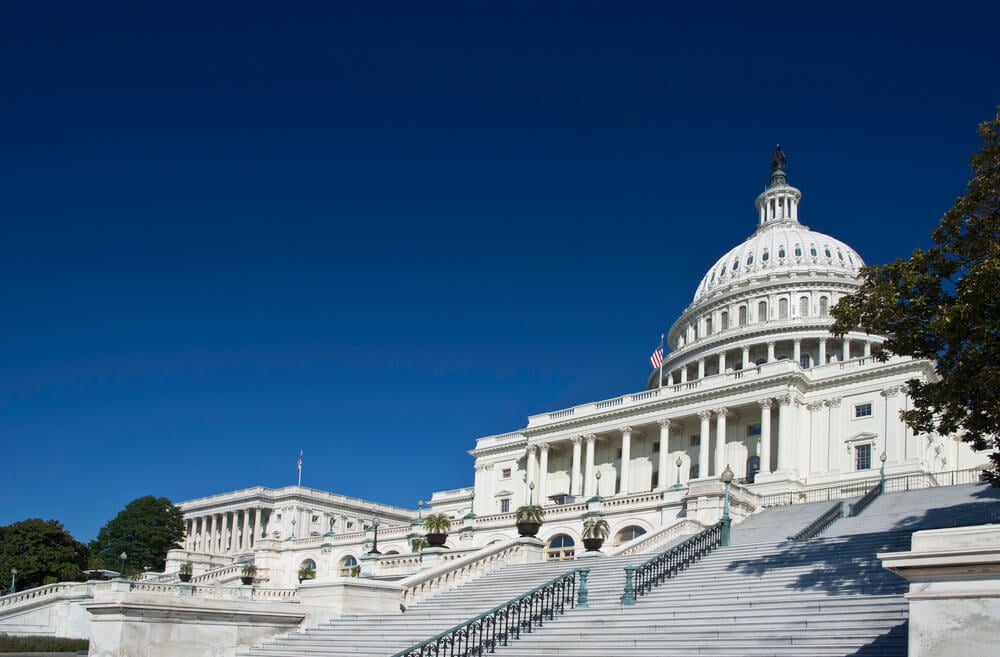
The FBI operated Project Carnivore, a now-discontinued surveillance system that monitored internet communications. The system intercepted emails and other online communications from specific targets and conducted bulk collection of internet traffic.
The program’s existence was revealed only when journalists exposed it, sparking legal challenges. Declassified documents showed the FBI had been conducting surveillance well beyond its stated targets.
DCSNet

Telecommunications companies operated DcsNet, a classified government surveillance system installed at telephone company switching centers. The system allowed government agencies including the NSA to monitor phone communications in real time.
The existence of DcsNet and its true capabilities remained classified until Snowden’s revelations documented the system’s scope. Telecommunications companies had been secretly installing government monitoring equipment at their facilities for years.
TAO: Tailored Access Operations
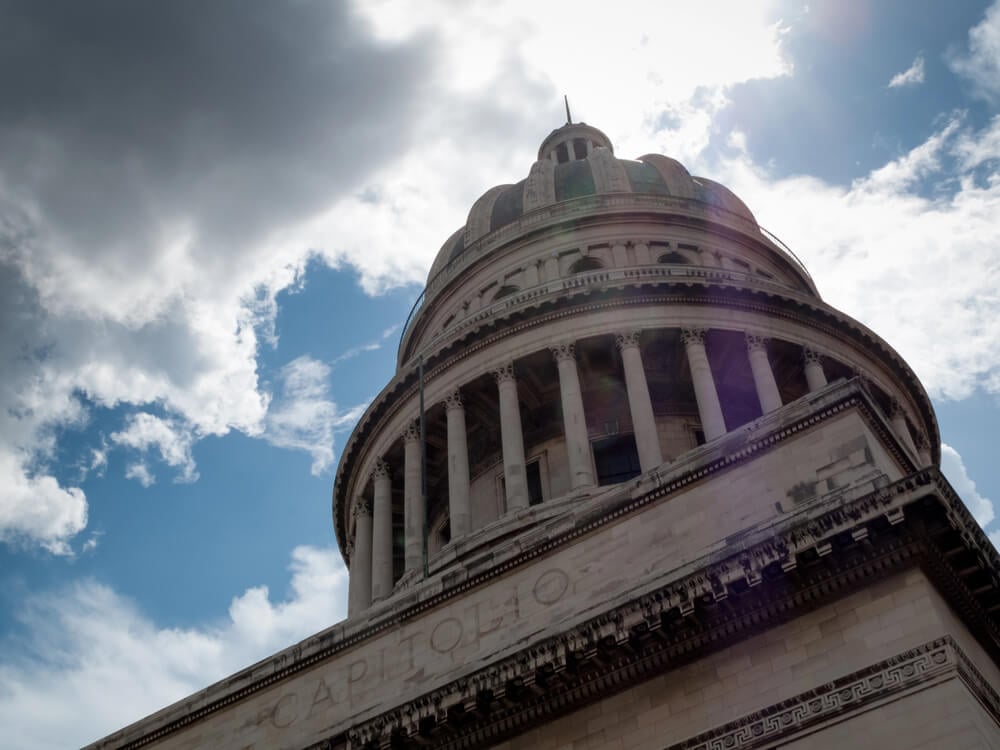
Edward Snowden’s revelations exposed TAO, the NSA’s Tailored Access Operations division, a classified unit that conducts cyberattacks and data theft against foreign targets and American citizens. TAO operatives hack into computer systems, install surveillance malware, and steal data from encrypted communications systems.
The operation remained entirely secret, even from most NSA employees and Congressional overseers.
Hacking Program Against Foreign Governments

The NSA and CIA conducted classified cyberattacks and data theft operations against foreign governments’ computer systems, including the computers of allied nations’ leaders and ministries. The scale of American hacking operations remained secret until Snowden’s revelations documented classified details.
Foreign governments were unaware the U.S. was conducting cyberattacks against their systems until disclosures revealed the programs’ existence.
Vaccine Records Exploitation

During pandemic response, classified documents revealed the NSA had been using vaccine registration systems to identify individuals for targeting and surveillance. The programs exploited health data collected during vaccination campaigns.
Americans vaccinated by their governments were unaware their health information was being funneled to intelligence agencies.
Shadow Brokers Release
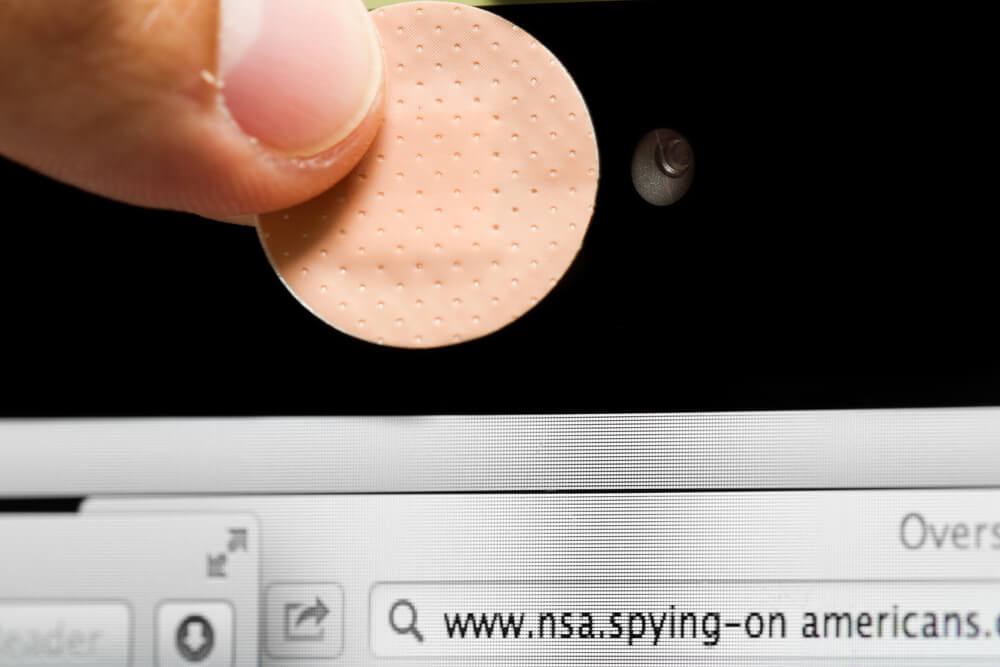
The existence of classified NSA cyberattack tools became public when a hacker group called the Shadow Brokers released NSA hacking exploits online. The tools remained classified before their public release.
The stolen NSA programs included tools for infiltrating Microsoft software and other commercial systems. The programs’ existence was so classified that the companies whose software was compromised were unaware of the NSA’s vulnerabilities in their own code.
China’s Alleged Spy Balloon

In 2023, the U.S. military shot down an alleged Chinese spy balloon that had transited American airspace for days before being detected. Declassified details later revealed that multiple Chinese surveillance balloons had previously traversed American airspace under previous administrations, but the programs had been kept classified and the public was never informed.
Americans had been under surveillance by foreign surveillance devices for years without their knowledge.
DEA’s Hemisphere Program

The Drug Enforcement Administration operated a classified database of communications data collected from telecommunications companies. The program tracked telephone calls and financial transactions for surveillance purposes.
The program’s scope and the companies’ cooperation with it remained secret for years. DEA officials instructed drug enforcement agents not to reveal the program’s existence during trials or to defense attorneys.
Financial Crimes Enforcement Network Records

The Financial Crimes Enforcement Network collected banking information on millions of Americans through classified programs that required no warrants. Bank records were provided to the NSA and other intelligence agencies for surveillance purposes.
Americans had no knowledge their banking transactions were being systematically harvested by the intelligence community.
The Enduring Pattern of Secret Programs
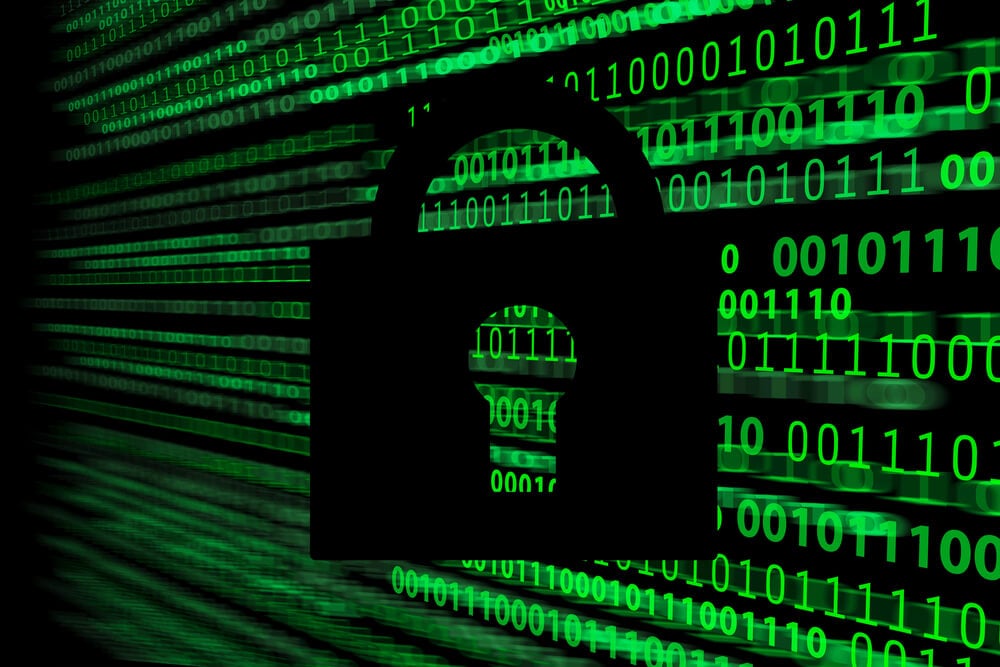
These programs illustrate a consistent pattern in American government: security programs remain classified, expand beyond their stated purposes, operate without effective oversight, and are revealed only years later through leaks or investigations. By the time revelation arrives, the program often has ended or evolved, making accountability impossible.
The classification system serves less to protect national security than to prevent public knowledge of governmental activity that would provoke democratic objection if publicly debated before implementation.
More from Go2Tutors!

- The Romanov Crown Jewels and Their Tragic Fate
- 13 Historical Mysteries That Science Still Can’t Solve
- Famous Hoaxes That Fooled the World for Years
- 15 Child Stars with Tragic Adult Lives
- 16 Famous Jewelry Pieces in History
Like Go2Tutors’s content? Follow us on MSN.