25 Historic Buildings Torn Down Before Anyone Could Object
Urban demolition proceeds according to economics rather than historical value or architectural merit. Real estate developers with valuable land parcels and owners facing mounting maintenance costs calculated that destruction was more profitable than preservation, and in the absence of legal protection, those calculations prevailed absolutely.
Countless irreplaceable structures vanished in nights and weeks, leaving no time for preservation campaigns to mobilize, no mechanisms for halting their erasure, and no alternatives considered worth exploring. By the time historians and architects could object, only rubble remained.
These buildings represented centuries of accumulated craftsmanship, design innovation, and cultural meaning—yet they fell to wrecking orbs with stunning speed. Their disappearance permanently altered cityscape and changed the way Americans value their architectural heritage.
Pennsylvania Station, New York City (1963-1966)
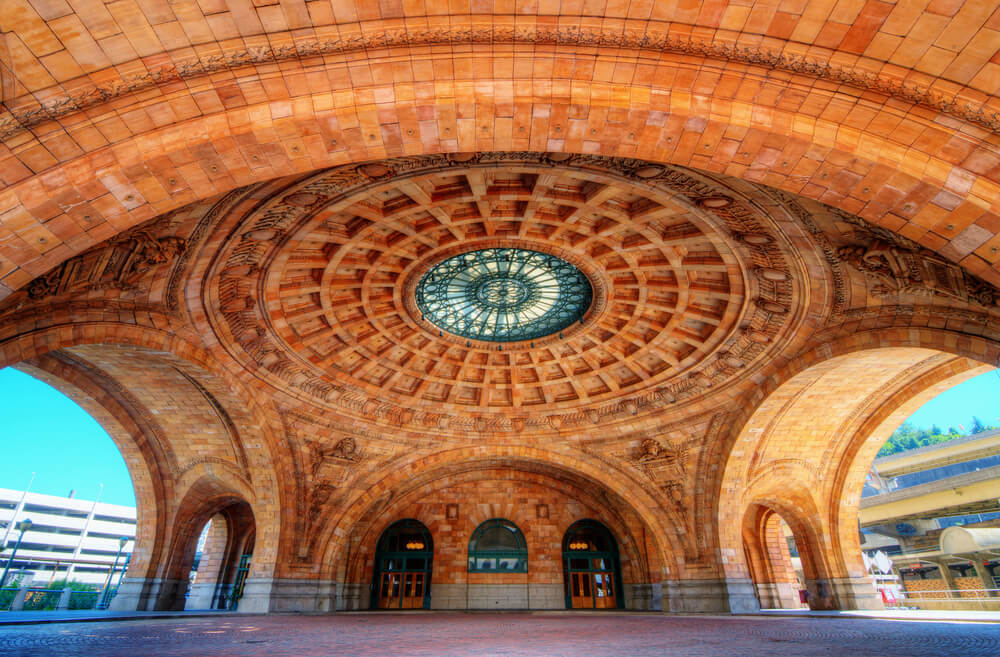
Designed by McKim, Mead & White in Beaux-Arts style and completed in 1910, Pennsylvania Station was one of America’s greatest architectural achievements, a colossal civil engineering project covering eight acres with 16 miles of underground tunnels. When the Pennsylvania Railroad faced financial hardship after World War II and eyeing valuable Manhattan real estate, the company decided demolition was more profitable than maintenance.
Demolition began October 28, 1963 as protests went unheeded, and the destruction took three years to complete. The loss sparked the creation of the Landmarks Preservation Commission and the 1965 New York Landmarks Law—reforms that subsequently saved Grand Central Terminal and 30,000 other structures citywide.
Singer Building, New York City (1967-1969)
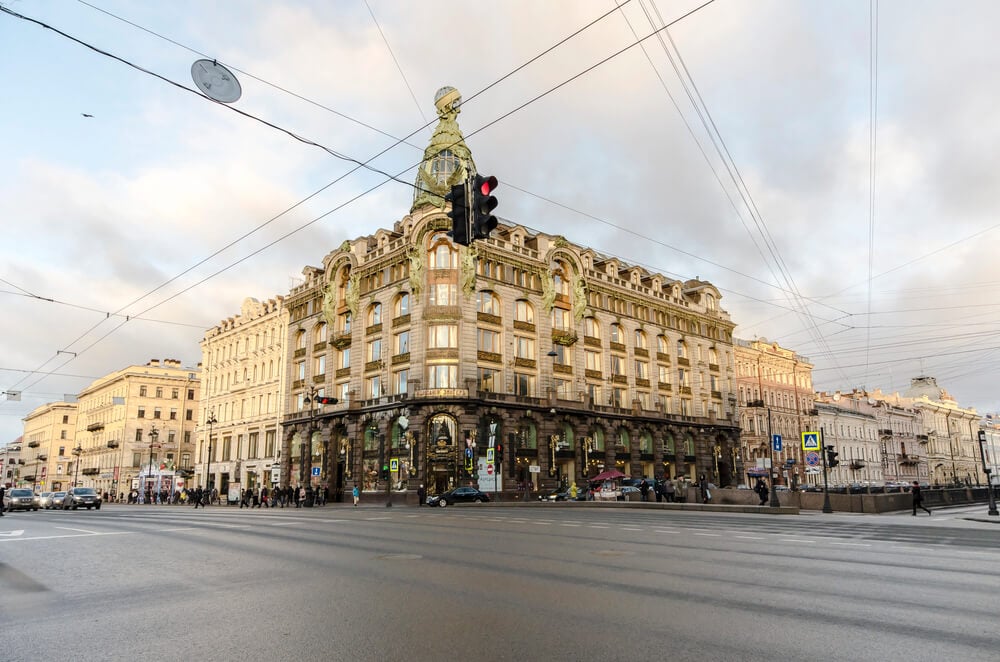
Standing at 612 feet when completed in 1908, the Singer Building was briefly the world’s tallest, designed by Ernest Flagg in ornate Beaux-Arts style with terracotta ornament and decorative brickwork. When the Singer Company relocated to Midtown in 1961, the building’s narrow footprint and smaller square footage made it economically unviable for subsequent tenants, prompting sale to U.S. Steel, which purchased the property solely to demolish it.
The demolition that began in 1967 achieved a grim distinction: it was the tallest building ever demolished up to that time. Preservationists attempted unsuccessfully to save its opulent marble lobby with vaulted ceilings, but developers saw only valuable land waiting underneath.
Hippodrome Theatre, New York City (1939)
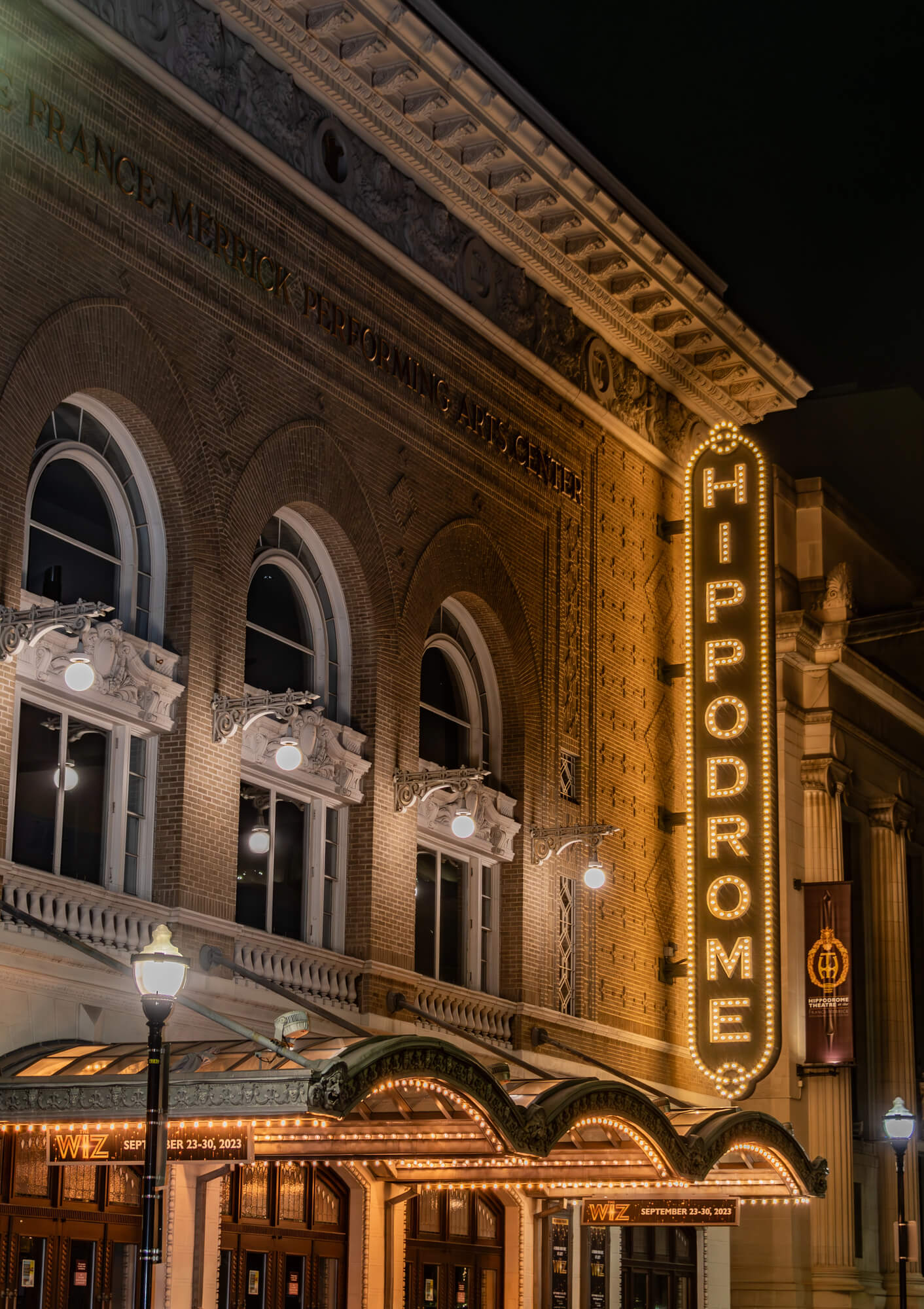
Designed by J.H. Morgan and Frederic Thompson, the Hippodrome opened in 1905 with a seating capacity exceeding 5,200 and featured a stage 200 feet wide and 110 feet deep capable of producing water spectacles and elaborate stage productions. By the 1930s, real estate prices on Sixth Avenue had inflated dramatically while attendance declined as cinema replaced live entertainment.
The theater closed in August 1939 and was demolished the same year, replaced by an ordinary office building. World War II delayed redevelopment and the lot remained vacant for over a decade, its magnificent architecture erased for nothing.
Marlborough-Blenheim Hotel, Atlantic City (1978)
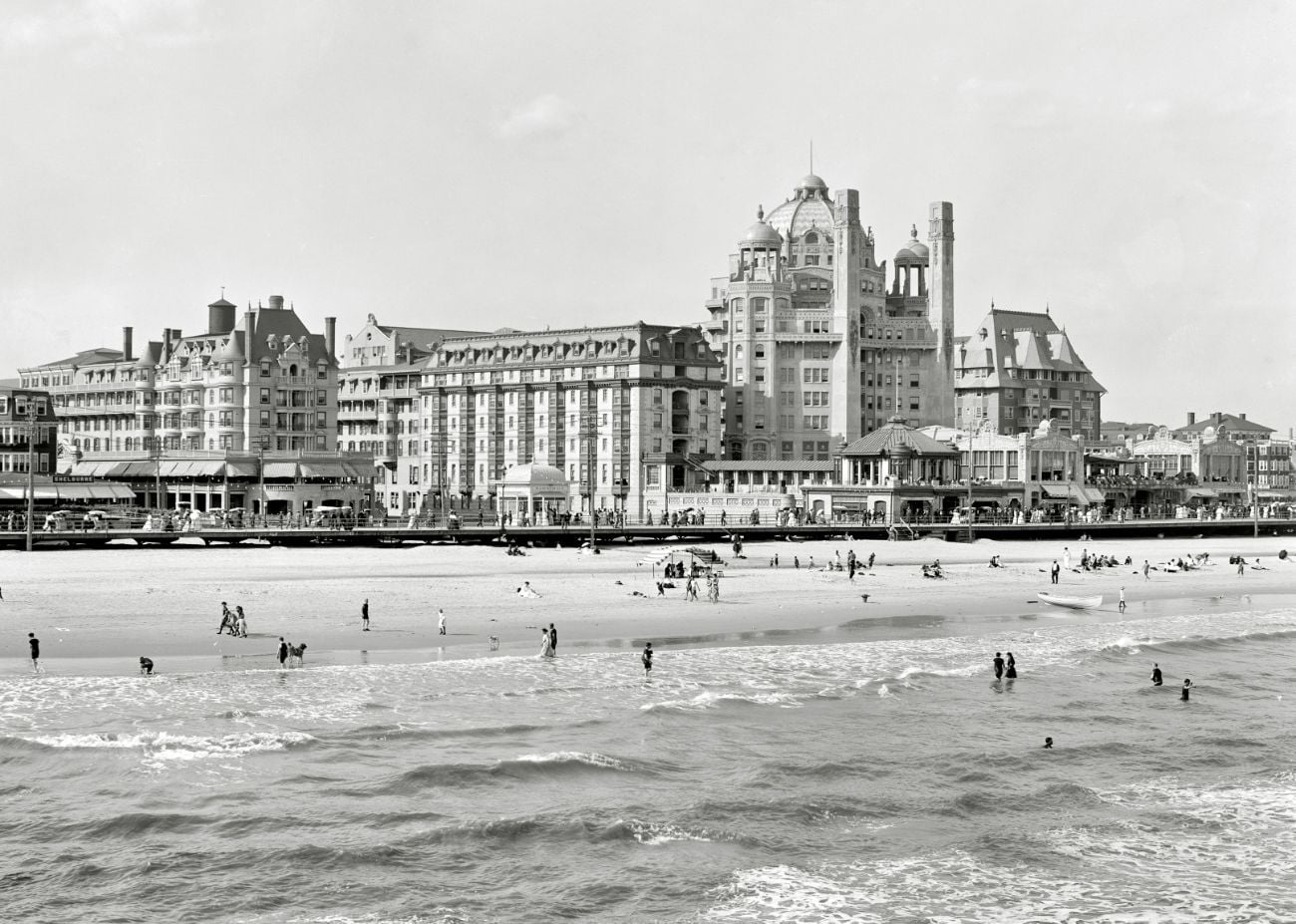
This grand resort hotel built between 1902 and 1906 was modeled after Britain’s Blenheim Palace and represented the zenith of Atlantic City’s gilded leisure culture. When Atlantic City’s fortunes declined and the hotel structure required expensive maintenance, demolition became economically rational despite the building’s unique architectural character.
The hotel fell to wrecking orbs in 1978, its distinctive palace-inspired design erased forever to make room for modern developments that failed to capture its elegance.
Metropolitan Life Insurance Company Tower, New York City (1960)
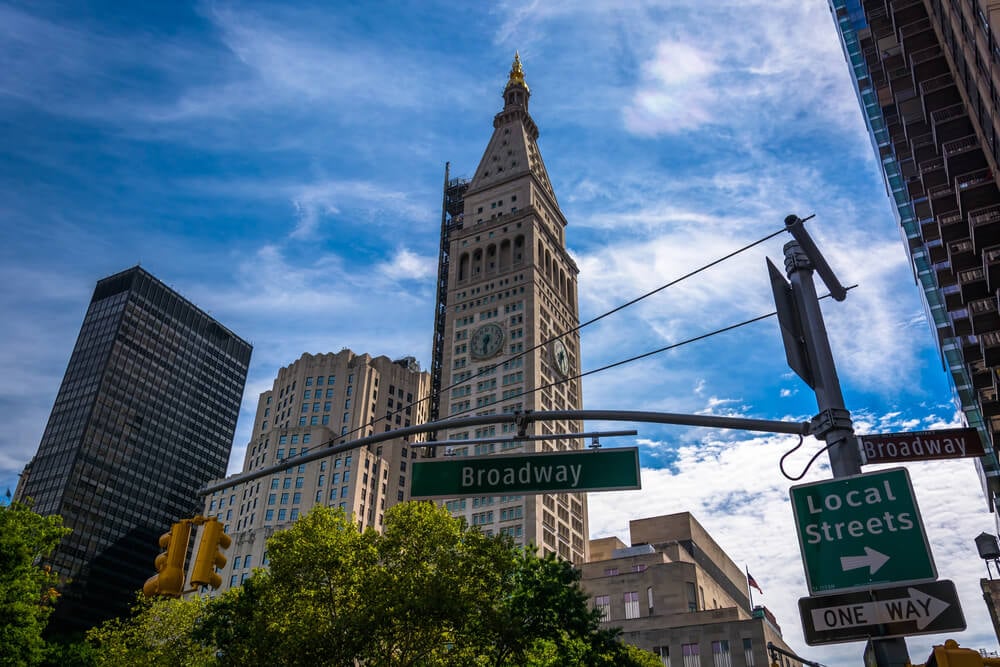
Standing 700 feet at completion in 1909, the Metropolitan Life tower held the title of world’s tallest from 1909 until the Woolworth Building surpassed it in 1913. The tower’s ornamental clock faces and elaborate Italian Renaissance Revival styling make it an iconic Manhattan landmark that stands today, preserved and maintained as an active office building and architectural treasure.
Grand Central Hotel, New York City
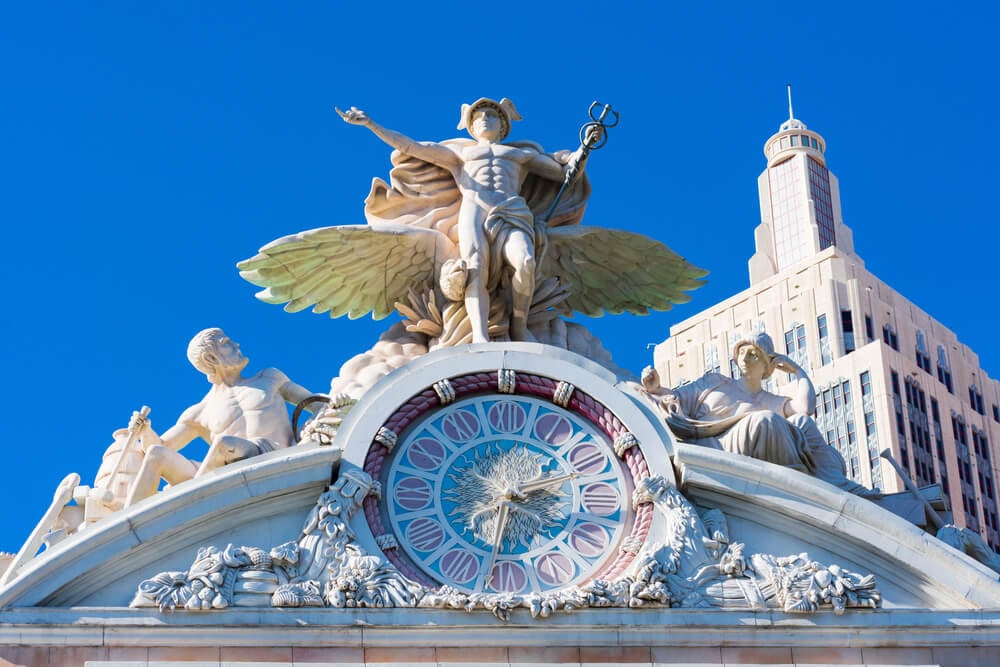
This historic hotel stood at the center of Manhattan’s transportation landscape before demolition erased it from the cityscape. Its removal represented loss not only of architectural character but of the layered history embedded in the hotel’s rooms and corridors, where generations of travelers had passed through its lobbies.
Municipal Courts Building Precursor, New York City

Downtown Manhattan’s court buildings had multiple iterations, and earlier structures were demolished with little fanfare despite their historical significance in the city’s judicial and civic development. Preservationists often discovered their demolition only after the fact.
Prentice Women’s Hospital, Chicago (2013)
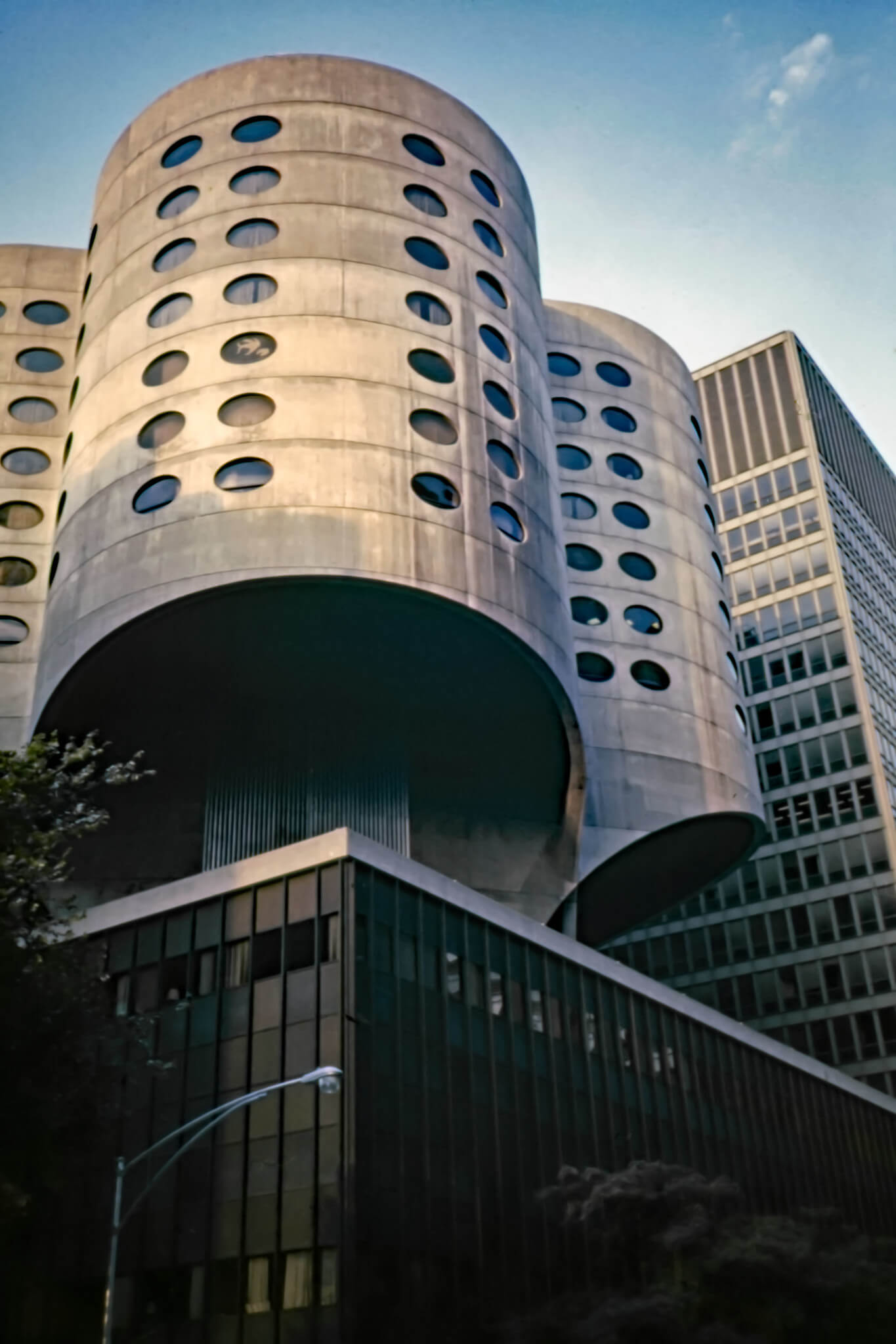
Designed by Bertrand Goldberg and opened in 1975, the Prentice Women’s Hospital was a masterwork of mid-century modern architecture, featuring distinctive curved concrete walls and innovative healthcare design that inspired fierce devotion in the architecture community. Despite its architectural significance and the advocacy of preservation groups, the structure failed to secure landmark status.
Northwestern University acquired the land, demolished the hospital in 2013, and constructed a new medical research center, erasing an architectural landmark that represented the era’s optimistic vision of modern hospital design.
Rose Pauson House, Phoenix (1943)
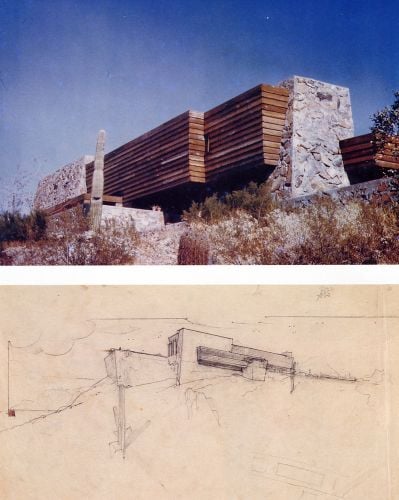
Legendary architect Frank Lloyd Wright designed this residential masterpiece in 1939, and construction completed in 1942. The owner lived in the building for only one year before tragedy struck: in 1943, drapes blew into an open fireplace and the house burned to the ground.
The charred remains became a macabre tourist attraction through the 1950s and 1970s, yet no effort was mounted to rebuild or restore the structure—it simply sat as ruins before final demolition erased even the debris.
Cleveland Trust Building and Others in Its Era
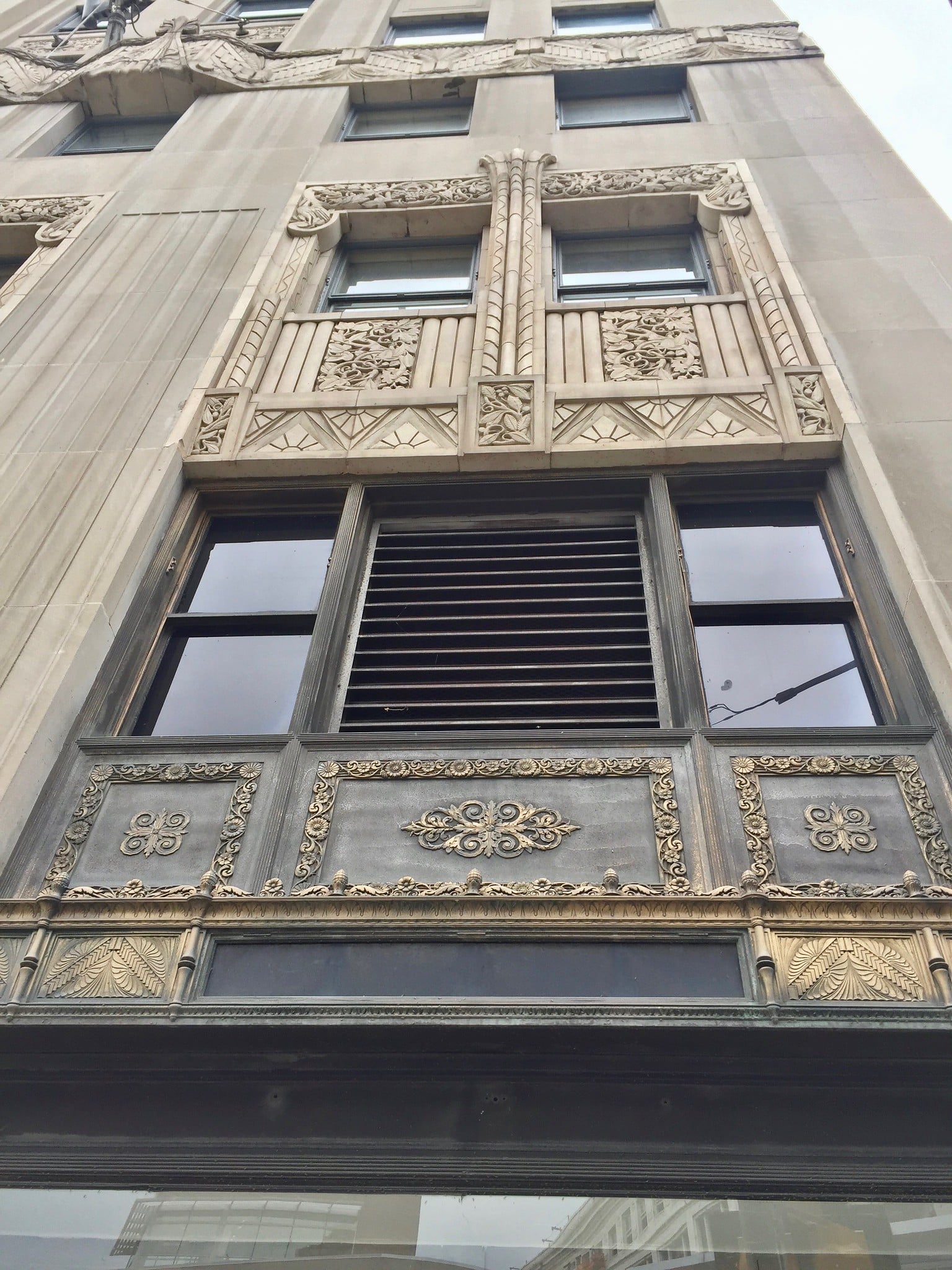
Numerous early 20th-century bank headquarters and commercial buildings designed by renowned architects fell to demolition waves in the 1960s and 1970s when their architectural styles became unfashionable and their real estate values exceeded the worth of their preservation. Cleveland, like many industrial cities, lost substantial portions of its architectural heritage to this economic calculus.
United Artists Building (Unspecified Location)
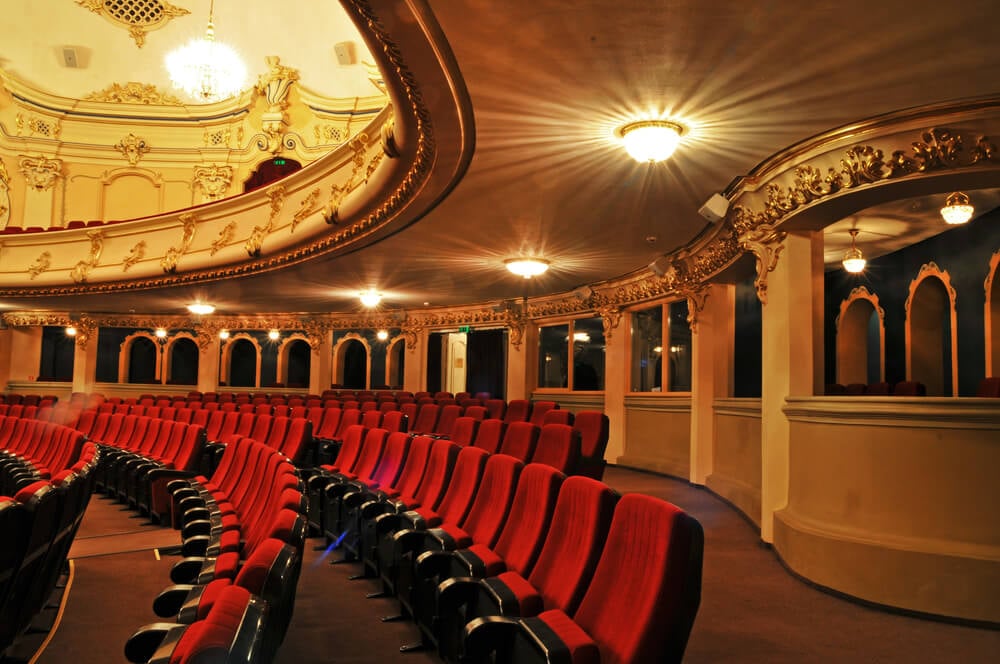
Several grand theater buildings and entertainment venues that operated under the United Artists banner were demolished when cinema replaced live performance as entertainment, their ornate facades seen as relics rather than treasures.
Palace of the National Exhibition, Vienna

European cities experienced similar demolition waves, erasing Austro-Hungarian-era exposition buildings and cultural venues that had hosted international exhibitions and advanced artistic practice.
Continental Hotel, Atlantic City

Another Atlantic City hospitality landmark demolished when the resort city’s economic fortunes shifted and older structures were razed for newer development that rarely matched their architectural sophistication.
The Old Herald Building, Chicago
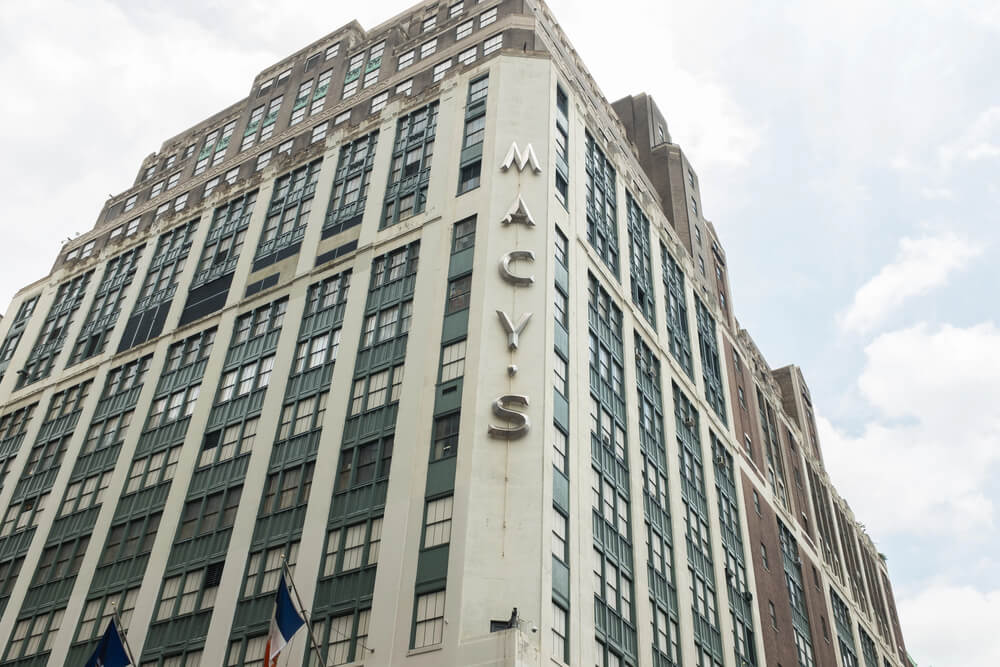
Early newspaper headquarters buildings, once symbols of civic importance and architectural pride, were demolished as publishing industries declined and real estate values made land worth more than building preservation.
Columbian Exposition Structures, Chicago
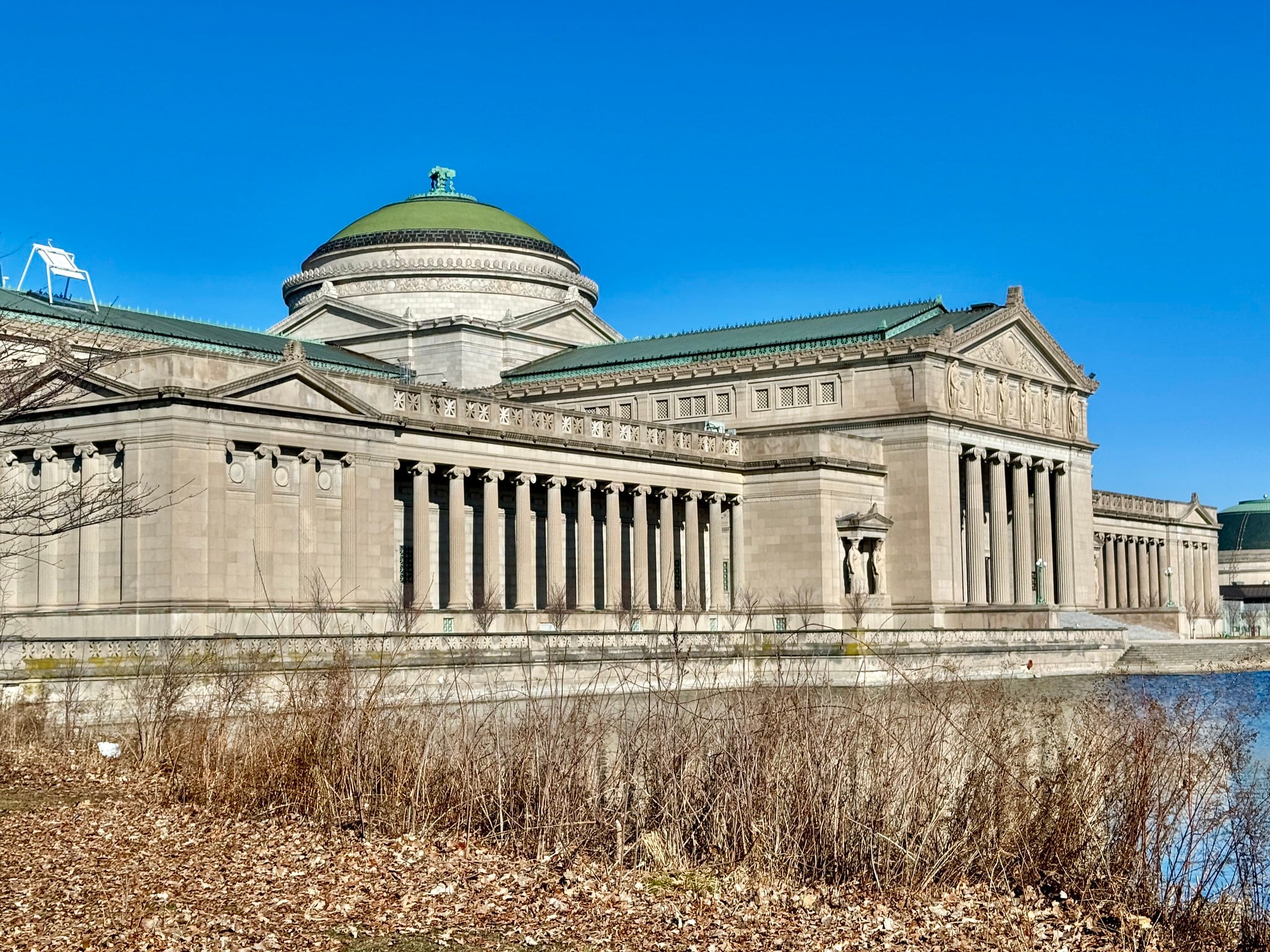
Temporary buildings constructed for the 1893 World’s Columbian Exposition were demolished as their temporary status rendered them disposable, yet even some of the permanent structures erected during the fair eventually fell to later development cycles.
Various Grand Hotels and Ballrooms
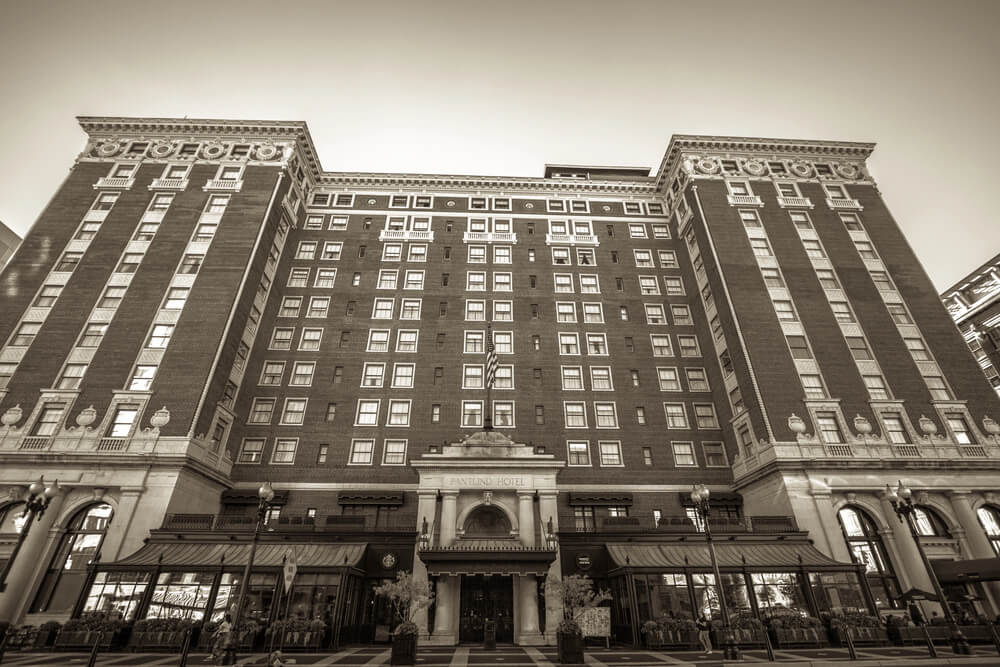
Numerous gilded-age hotels and ballrooms across America were demolished in the 1950s-1970s as they became economically difficult to maintain and their ornate Victorian and Edwardian design fell from fashion. Urban renewal programs formally justified the destruction of whole neighborhoods and the buildings within them.
Beaux-Arts Train Stations (Various)
Beyond Penn Station, numerous other Beaux-Arts railroad stations were demolished as rail travel declined and city centers redeveloped, erasing irreplaceable stations designed by major architectural firms.
Theaters Demolished During the Rise of Cinema
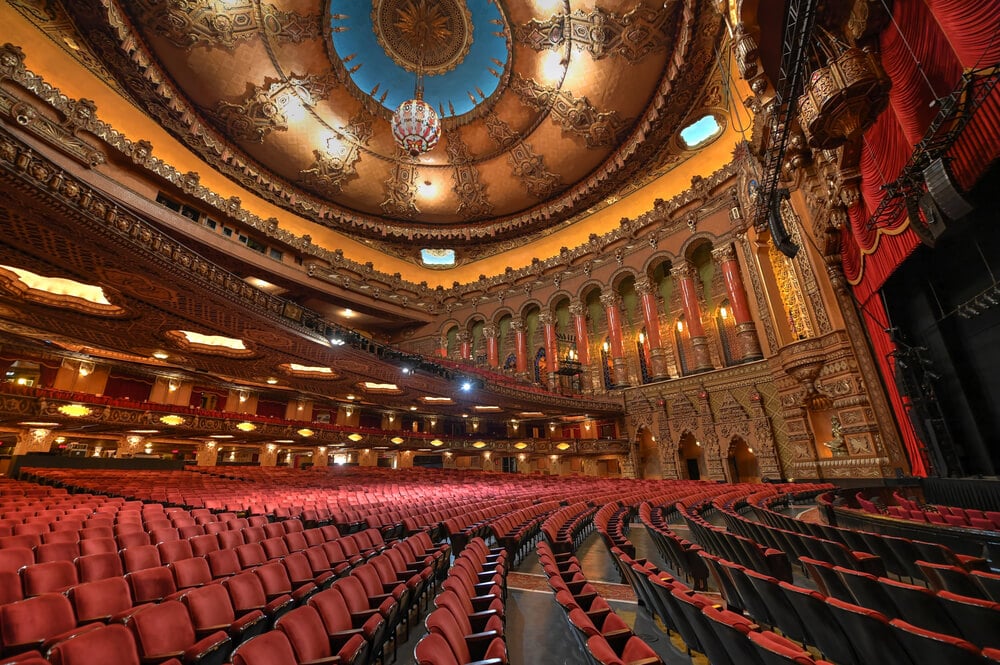
Grand theaters designed for vaudeville and live performance were demolished across America as cinema replaced stage performance, their ornate interiors bulldozed despite their architectural significance.
Industrial Era Mills and Factories
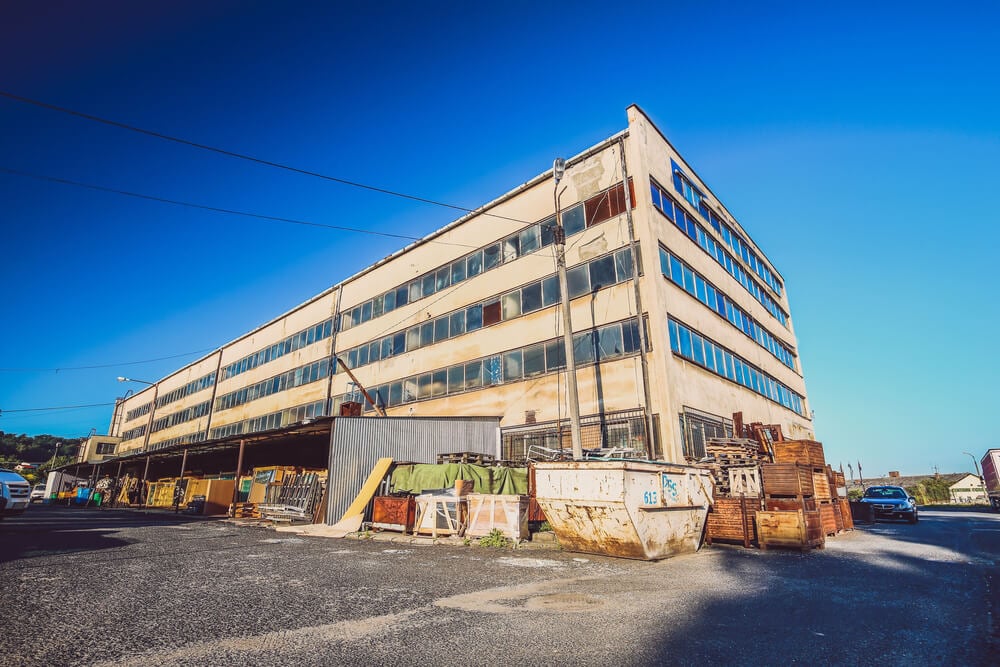
Textile mills, ironworks, and manufacturing facilities that had driven industrial America were demolished in waves during the post-industrial decline without systematic effort to preserve their architectural and cultural significance.
Ornate Public Bathhouses

Early 20th-century public baths and civic wellness facilities, designed with elaborate tilework and architectural detail, were demolished as architectural fashion changed and these public amenities fell into disuse.
Various City Halls and Courthouses

Smaller cities demolished older civic buildings without landmark protection, replacing them with modern structures that lacked the craftsmanship and distinction of their predecessors.
Opera Houses and Concert Halls
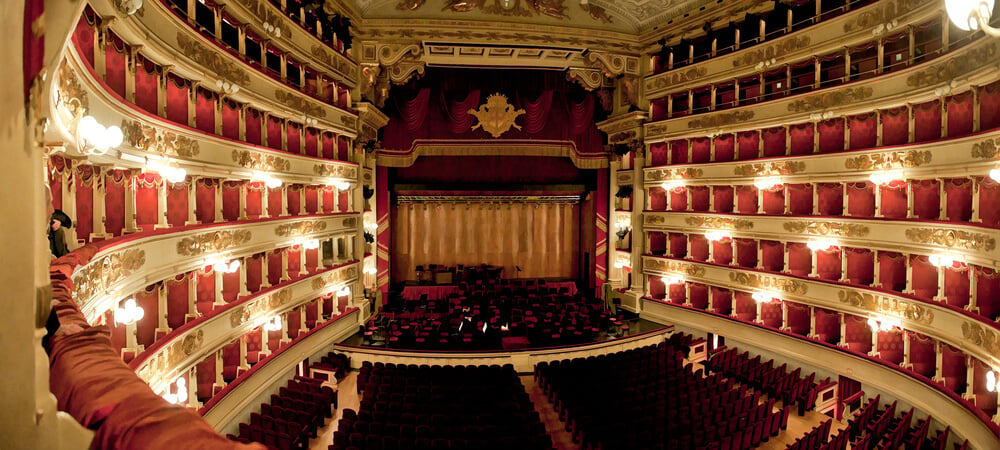
Performance venues designed by celebrated architects fell to demolition as arts programming shifted, audiences changed, and economic pressures made demolition more attractive than adaptive reuse.
Library Buildings From Earlier Eras

Public libraries built during the late 19th and early 20th centuries, often designed by prominent architects like Carnegie library designers, were torn down as library systems demanded new construction rather than renovation.
Department Store Flagships
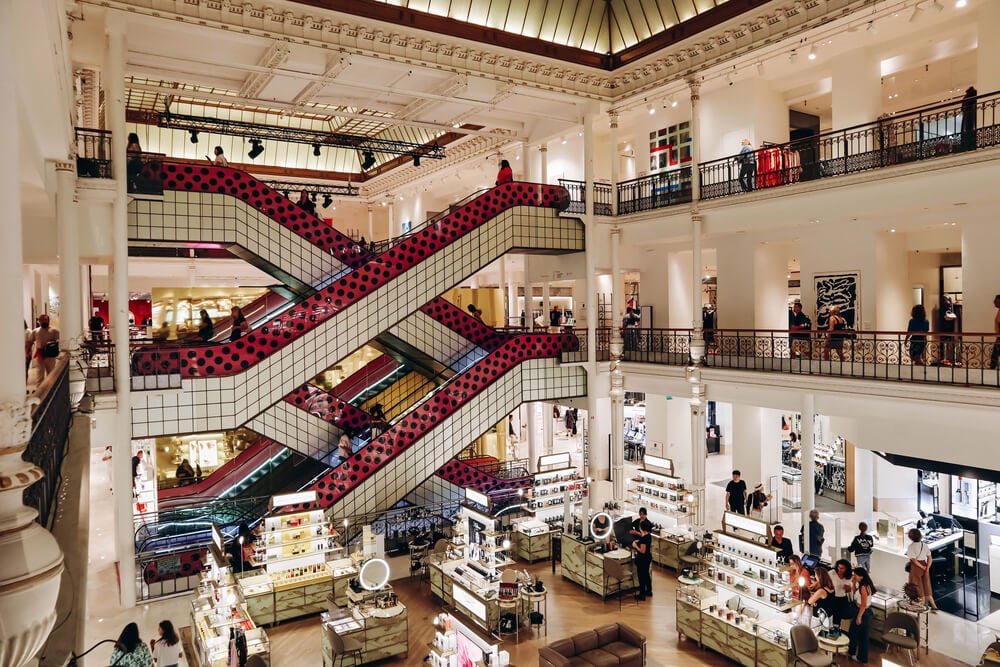
Grand department store buildings that anchored downtown commercial districts were demolished as retail patterns shifted to suburban malls, their ornate facades seen as relics of obsolete commerce.
Religious Structures Beyond Churches

Synagogues, mosques, temples, and other religious buildings demolished during urban redevelopment or neighborhood transition, their destruction often proceeding without public notice or preservationist intervention.
The Architecture of Lost Opportunity

The demolition of historic buildings proceeded not from universal agreement about their obsolescence but from calculations made by property owners who owned these structures as real estate first and cultural artifacts second. The speed with which these buildings fell reflected the absence of legal protections and organized preservation movements.
Had preservation mechanisms existed, many of these structures would stand today. The gap between their disappearance and preservation’s emergence represents a crucial historical moment when American cities chose development over heritage, a choice that proves increasingly regrettable with each passing decade.
The loss of these buildings was not inevitable but resulted from deliberate choices to prioritize profit over history. Their absence shapes modern cities far more than their presence would have, creating visual deserts where architectural richness once stood.
More from Go2Tutors!

- The Romanov Crown Jewels and Their Tragic Fate
- 13 Historical Mysteries That Science Still Can’t Solve
- Famous Hoaxes That Fooled the World for Years
- 15 Child Stars with Tragic Adult Lives
- 16 Famous Jewelry Pieces in History
Like Go2Tutors’s content? Follow us on MSN.



