Wartime Inventions That Became Everyday Household Items
There’s something quietly strange about reaching into a kitchen cabinet and pulling out something that was once designed to help soldiers survive. Most people never think about it — the superglue on the shelf, the tea bag on the counter, the microwave humming on the countertop.
These things feel so domestic, so ordinary, that their origins seem almost impossible. But war has a way of accelerating invention like nothing else does, and the pressure of conflict has a long history of producing objects that outlast the battles that created them.
Some of the most unremarkable things in daily life came from some of the most violent periods in human history, and that contrast is worth sitting with for a moment.
Microwave Oven
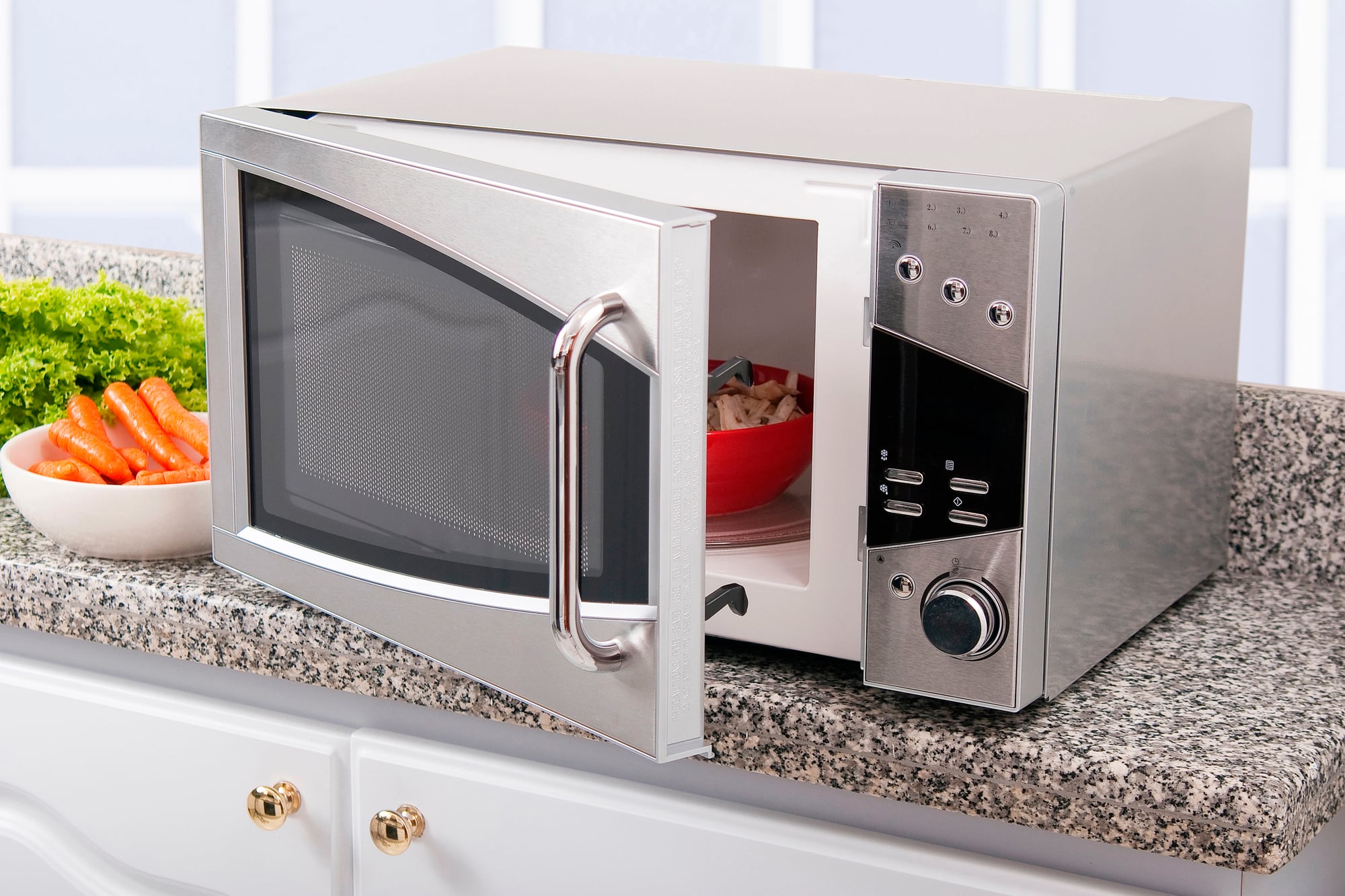
The microwave oven was not the result of a eureka moment in a kitchen — it was the result of a radar engineer named Percy Spencer noticing that a chocolate bar in his pocket had melted while he was standing near an active magnetron in 1945. Raytheon filed the patent that same year, and the first commercial microwave weighed 750 pounds and stood nearly 6 feet tall, which is not exactly a countertop appliance.
So the thing reheating last night’s pasta started life as a byproduct of military radar research.
Canned Food
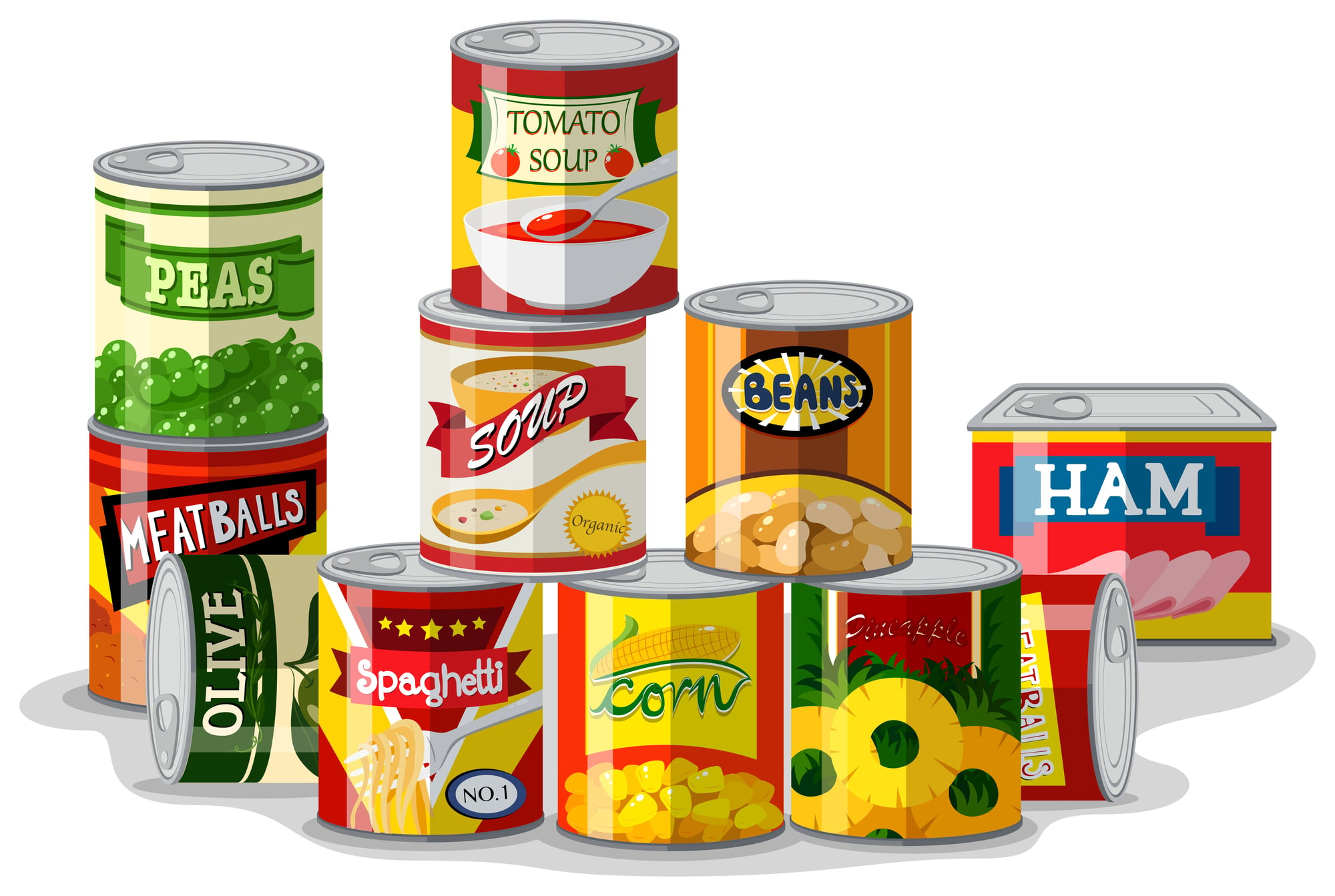
Canned food exists because Napoleon Bonaparte needed a way to feed his armies on long campaigns without the food rotting — he offered a cash prize in 1795 for anyone who could solve the problem of preserving food at scale. Nicolas Appert won the prize in 1809 with a method of sealing food in airtight glass jars, and the metal can followed shortly after.
Turns out the same logic that keeps soldiers fed on the march keeps a pantry stocked for winter.
Duct Tape
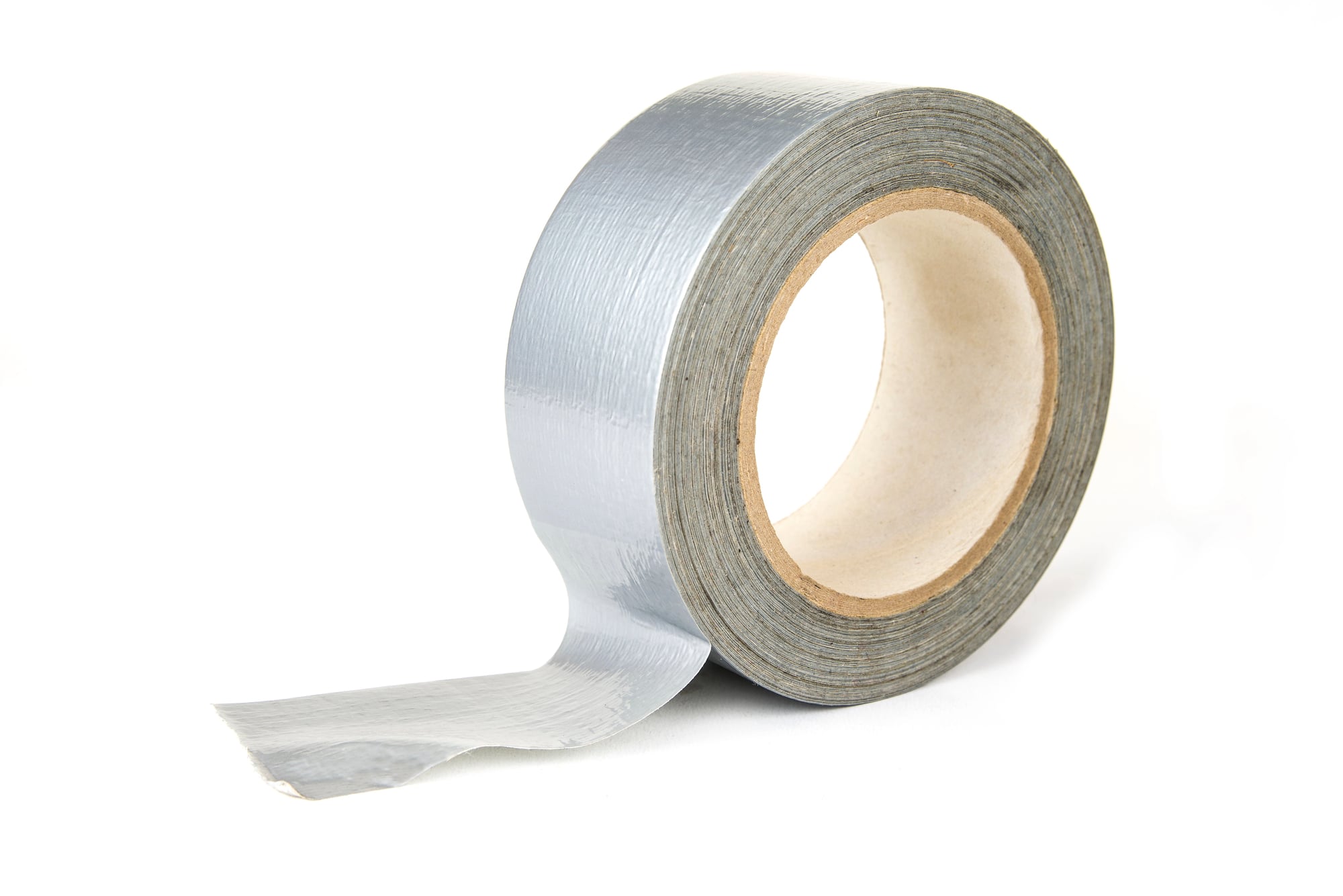
Duct tape is one of those inventions that feels like it always existed. Johnson & Johnson developed it during World War II at the request of the U.S. military, which needed a waterproof tape strong enough to keep moisture out of ammunition cases.
The original color was olive green — the silver version came later, after the war, when it was repurposed for sealing heating ducts in homes.
Superglue
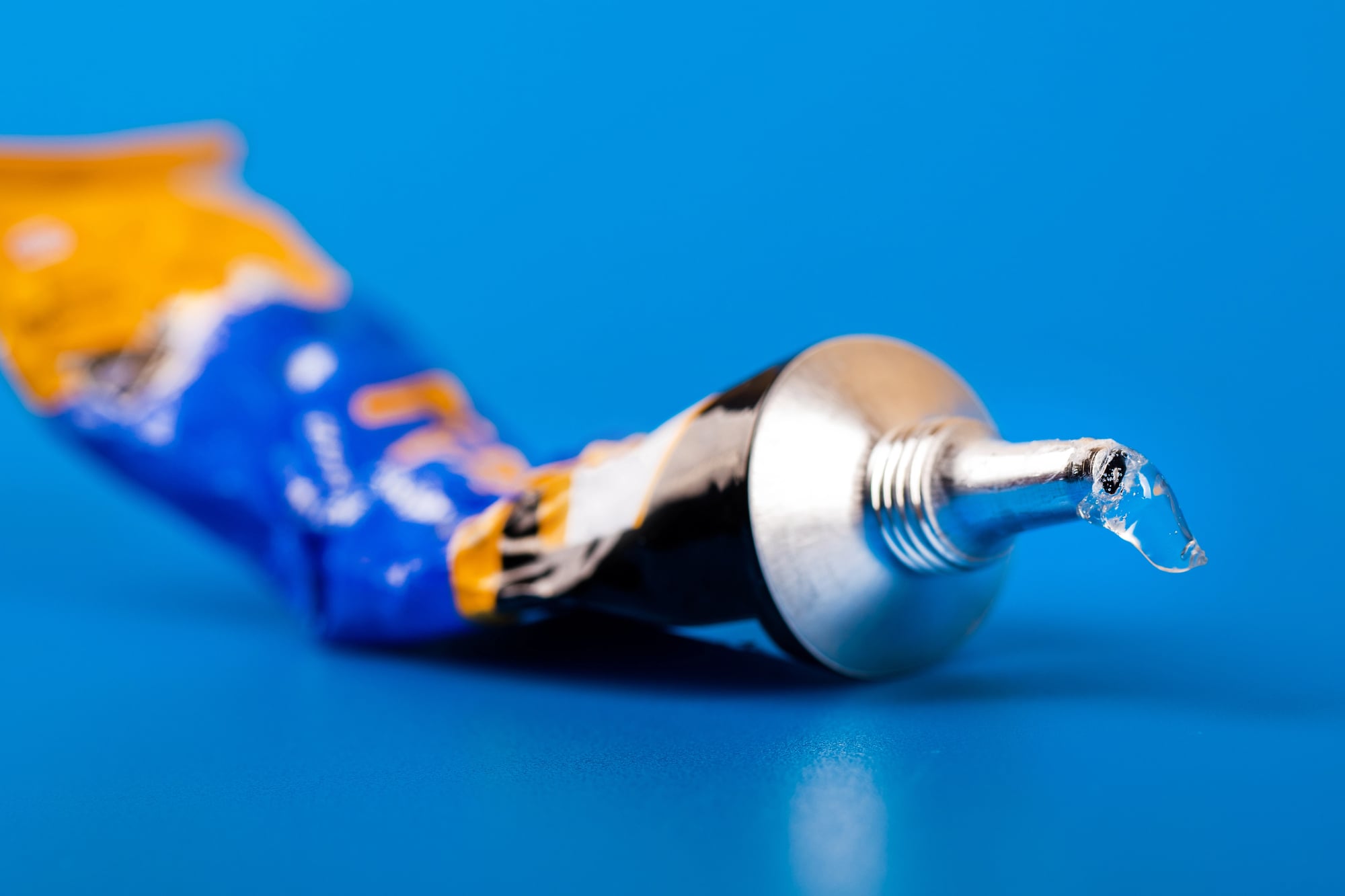
Superglue was discovered by accident twice. Harry Coover first encountered cyanoacrylate in 1942 while trying to make clear plastic gun sights for Allied forces — it stuck to everything and was immediately dismissed as useless.
He rediscovered it nine years later, realized what he actually had, and the rest is hardware store history.
Jeep

The Jeep is one of those wartime objects so thoroughly absorbed into civilian culture that it’s easy to forget the U.S. military commissioned it in 1940 with an almost impossibly demanding set of specifications: a lightweight, four-wheel-drive reconnaissance vehicle that could handle any terrain and be produced in enormous numbers fast. Willys-Overland and Ford built more than 600,000 of them during the war, and the civilian version — the CJ, or “Civilian Jeep” — went on sale in 1945 before the last soldiers had even come home.
It became the ancestor of every SUV sitting in a suburban driveway today, which is something of a strange inheritance.
Aviator Sunglasses
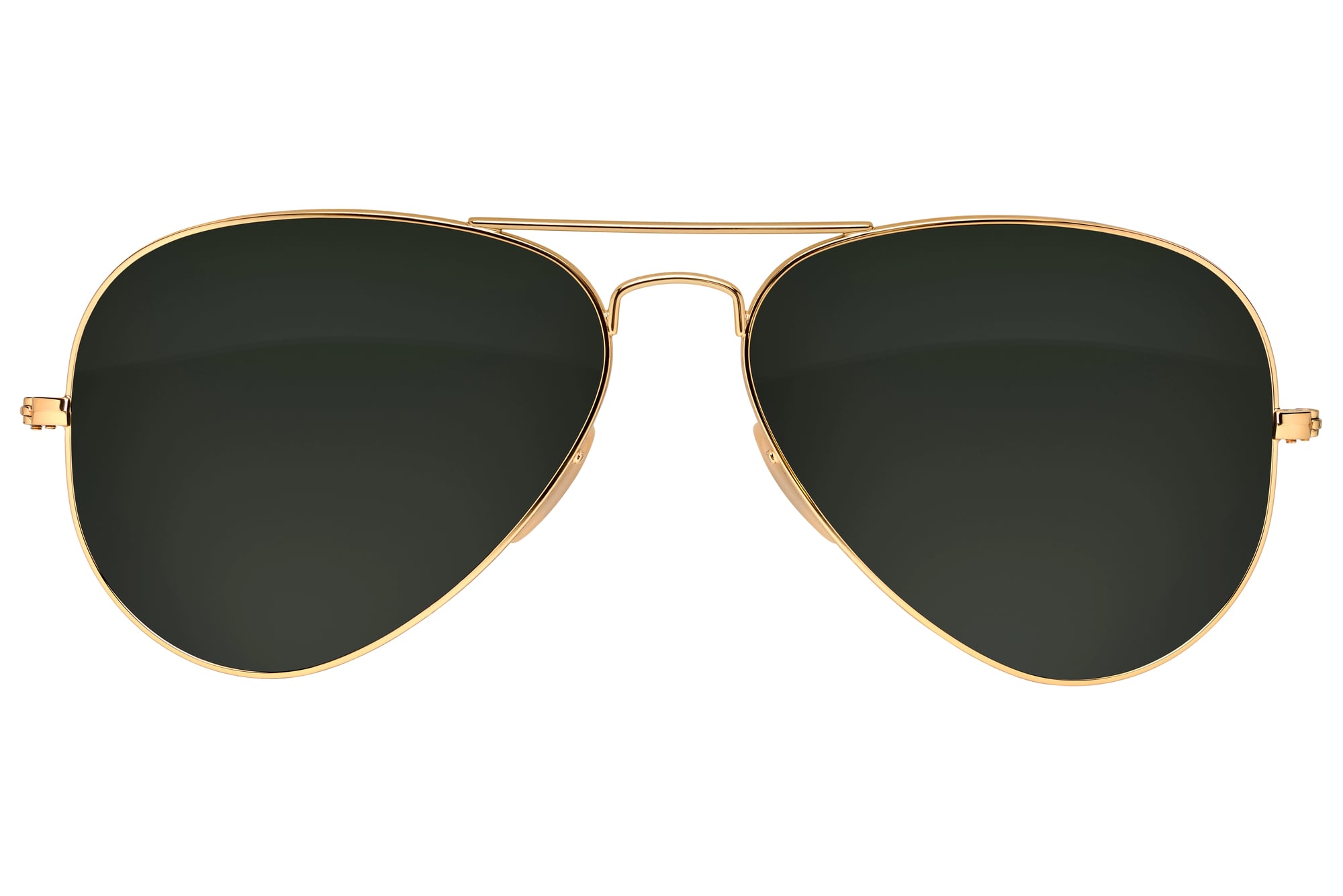
Aviator sunglasses were designed in 1936 by Bausch & Lomb specifically for American military pilots, whose open cockpits exposed them to sun and wind at altitude in ways that standard eyewear couldn’t handle. The teardrop shape covered more of the eye and the gold-colored metal frame was deliberately lightweight.
By the time the war ended, the look had traveled from the cockpit to the street without stopping anywhere in between.
EpiPen
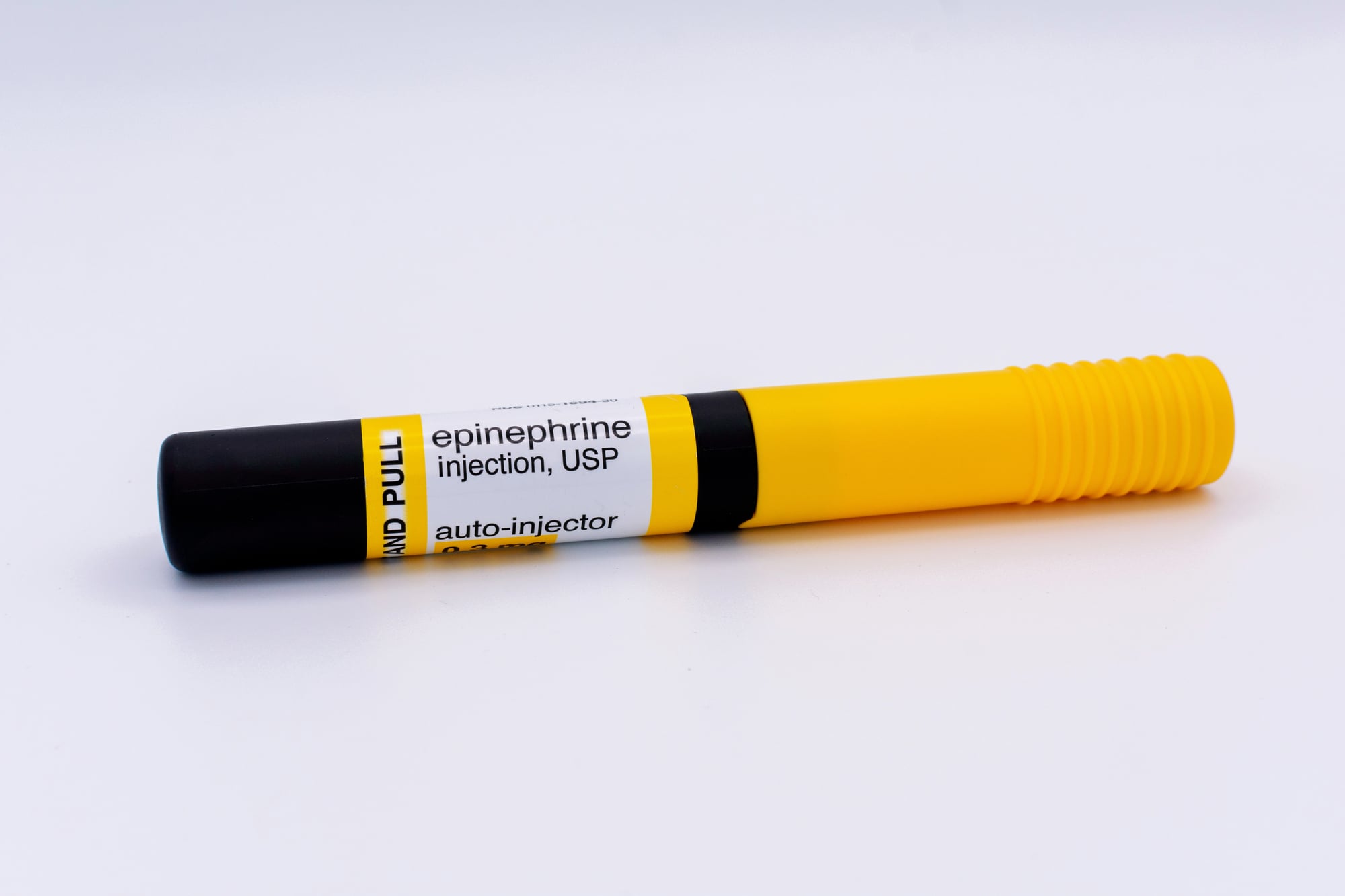
The EpiPen’s origin sits inside a Cold War military program — the U.S. military needed a way for soldiers to self-administer antidotes to nerve agents quickly in the field, without fumbling with a traditional syringe under pressure. Sheldon Kaplan designed the auto-injector mechanism for that specific purpose, and the device was later adapted to deliver epinephrine for allergic reactions.
So every time someone with a severe allergy carries an EpiPen, they’re carrying a piece of Cold War chemical warfare response technology.
Synthetic Rubber
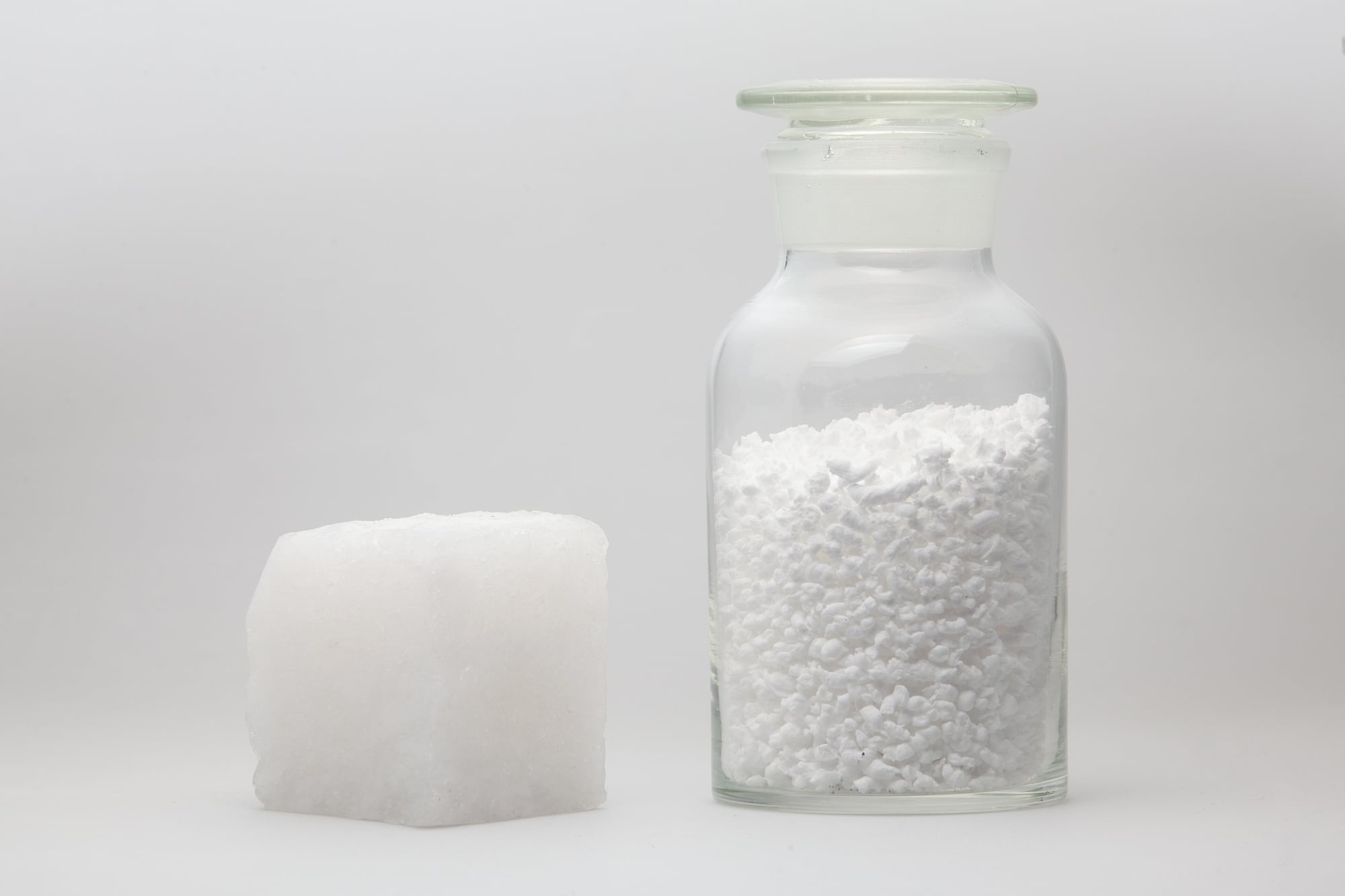
Before World War II, natural rubber came almost entirely from Southeast Asia — and when Japan seized those supply routes, the United States had a serious problem that stretched across every branch of the military and every tire on every vehicle. The U.S. government poured resources into developing synthetic rubber at a speed that would have been commercially unthinkable in peacetime, and by 1945 American factories were producing more synthetic rubber per year than the entire world had ever produced of the natural kind.
Every rubber product in a modern home — from the seal on the refrigerator door to the grip on a kitchen knife — owes something to that wartime scramble.
Freeze-Dried Food

Freeze-drying as a preservation method was refined during World War II to ship blood plasma and penicillin to the front lines without refrigeration — both were too fragile to survive conventional preservation and too critical to lose to spoilage. The same process was later adapted for food, and by the time the space program arrived, freeze-dried food had found another captive audience.
Now it sits in camping gear, emergency kits, and instant coffee jars, largely indifferent to how sophisticated it actually is.
Nylon

Nylon was introduced by DuPont in 1938, but the war took it away almost immediately. Every pound of nylon went to parachutes, ropes, body armor, and tires — women who had briefly enjoyed nylon stockings found them vanishing from shelves almost overnight.
The postwar return of nylon to civilian markets caused a phenomenon known as the “nylon riots,” where crowds of thousands lined up outside stores for a product that is now considered entirely mundane.
Penicillin
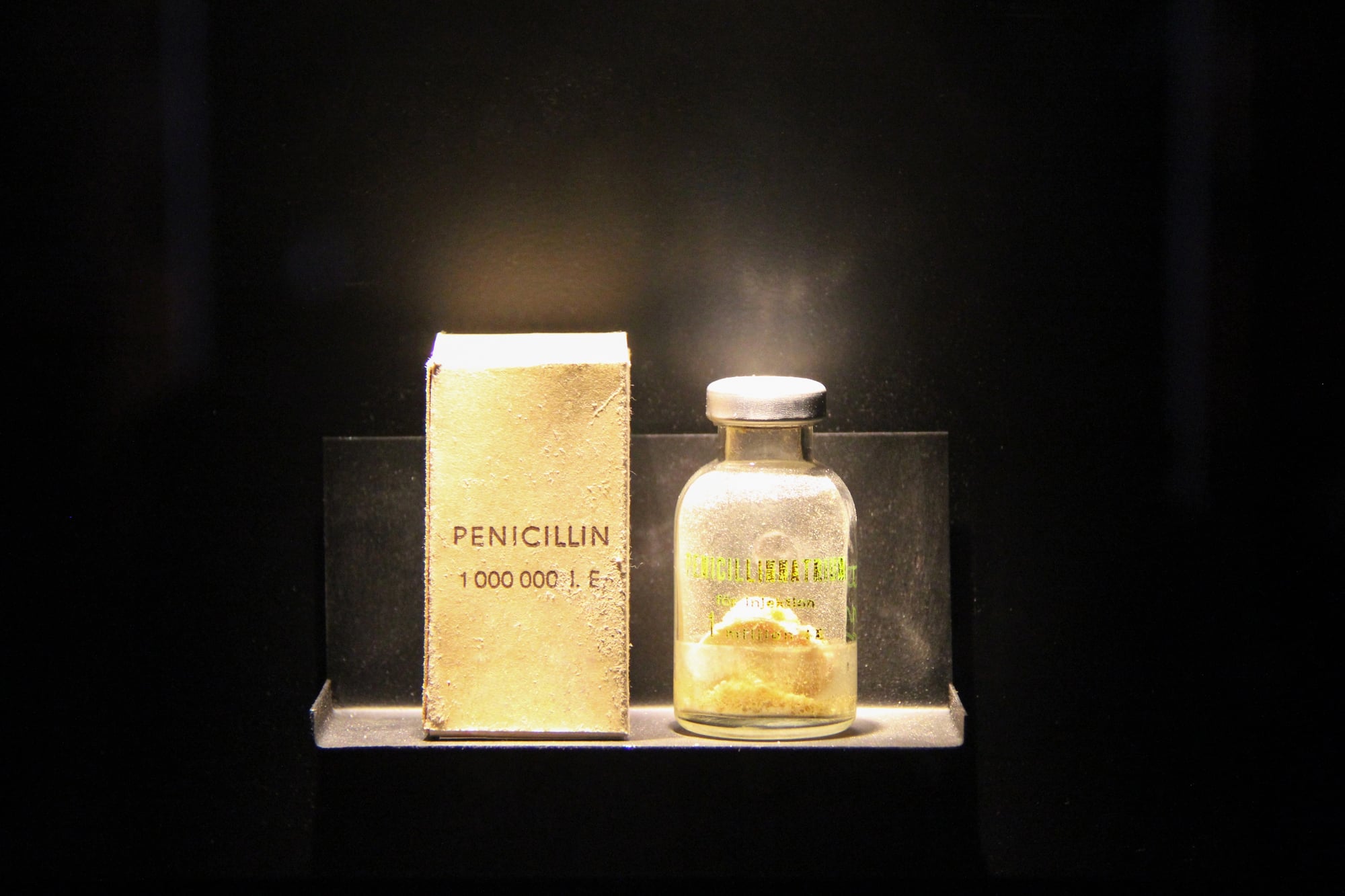
Penicillin was discovered by Alexander Fleming in 1928, but it sat on the shelf as a curiosity for over a decade because there was no efficient way to produce it in large quantities. The urgency of World War II changed that entirely — the U.S. and British governments funded mass production efforts that turned penicillin from a laboratory oddity into the first antibiotic available to soldiers by D-Day in 1944.
It is, to be fair, one of the more consequential things ever to come out of wartime pressure.
Radar

Radar began as a military secret — a method of detecting enemy aircraft that Britain developed in the 1930s and kept closely guarded through the early years of World War II. What lives in a kitchen now (the microwave, again) is the most direct domestic descendant, but radar technology also shaped aviation, weather forecasting, and maritime navigation in ways that touch daily life constantly and invisibly.
It’s the kind of invention that corrects your flight path and saves your life without ever once introducing itself.
The Internet

The internet’s direct ancestor is ARPANET, a U.S. Department of Defense project launched in 1969 to create a communications network that could survive a nuclear strike by having no single central point that could be destroyed. The decentralized structure that made it militarily useful is exactly what made it commercially unstoppable.
And now it delivers groceries and streams television, which is not quite what the Pentagon had in mind.
GPS
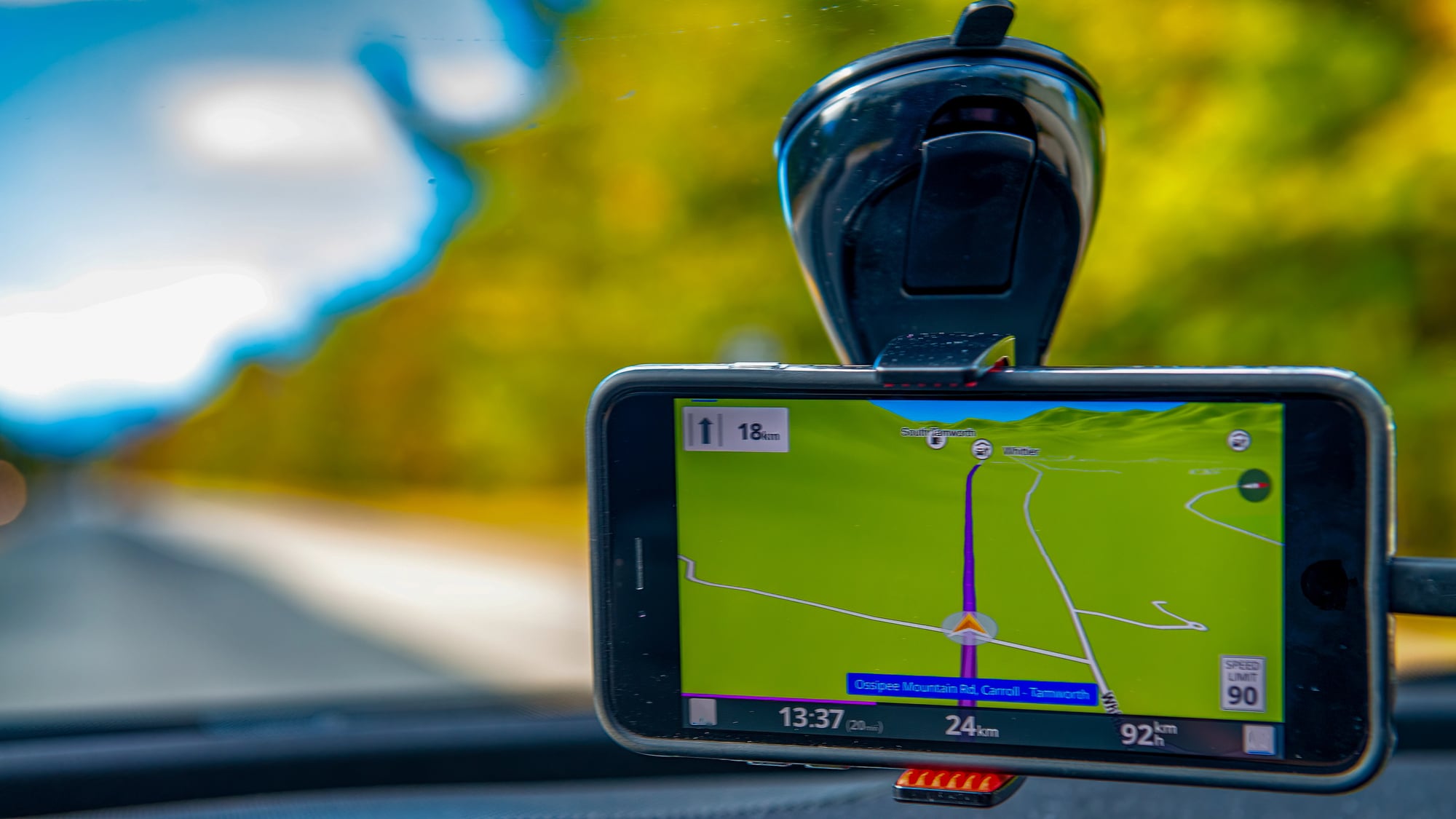
GPS is a Department of Defense system, full stop. The U.S. military launched the first GPS satellite in 1978 and completed the full 24-satellite constellation in 1993 — and civilian access was deliberately limited until the year 2000, when President Clinton ordered that the accuracy restrictions be lifted.
Now it’s the thing on a phone telling someone to turn left in 400 feet, which feels trivial until you remember it runs on orbiting military infrastructure.
Stainless Steel
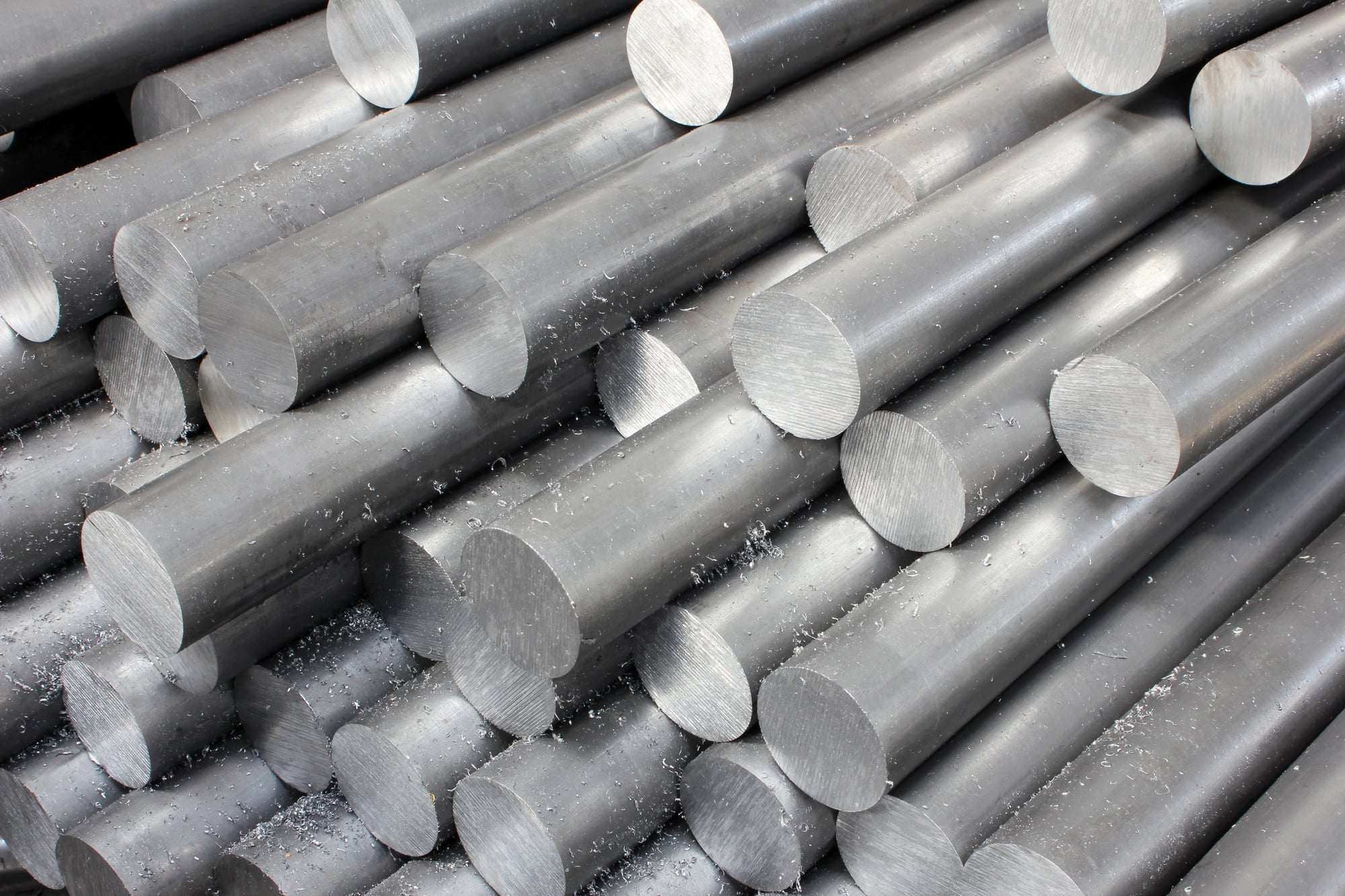
Stainless steel — the material in every kitchen sink, every surgical tool, and every set of cutlery — was developed in Sheffield, England, just before World War I, with the original goal of finding a corrosion-resistant alloy for gun barrels. Harry Brearley discovered in 1913 that adding chromium to steel in the right proportions produced something that resisted rust stubbornly enough to change the material permanently.
The gun barrel application was eventually abandoned; the alloy was not.
Aerosol Spray
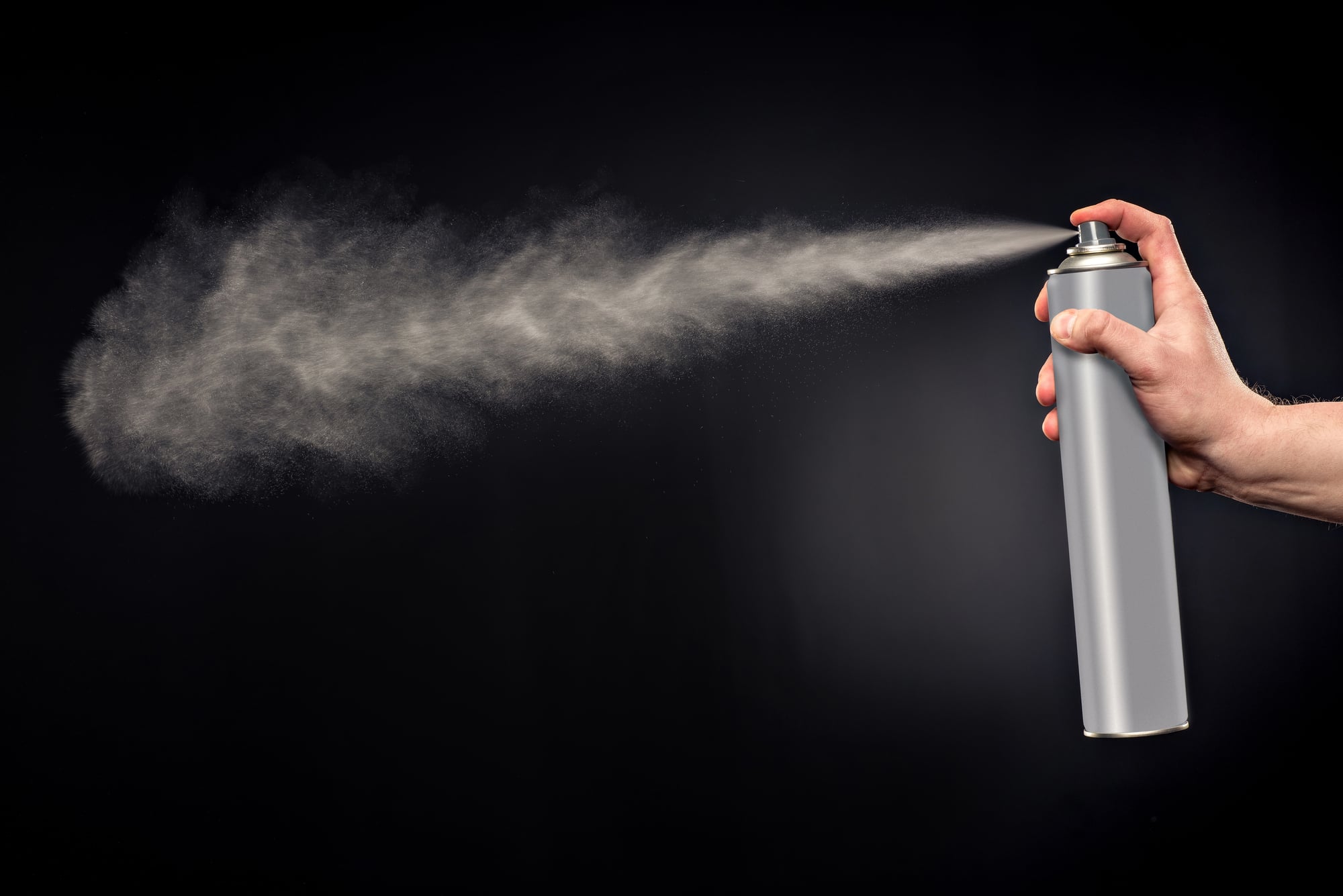
The aerosol can was invented in 1941 by American researchers Lyle Goodhue and William Sullivan, who were working for the U.S. Department of Agriculture and the military on a way to deliver insecticide to soldiers stationed in malaria-prone areas of the Pacific. The “bug bomb,” as it was called, was the direct prototype for every spray can that followed — hairspray, deodorant, cooking spray, paint.
One invention, a great many applications, none of which involve malaria.
Sanitary Napkins
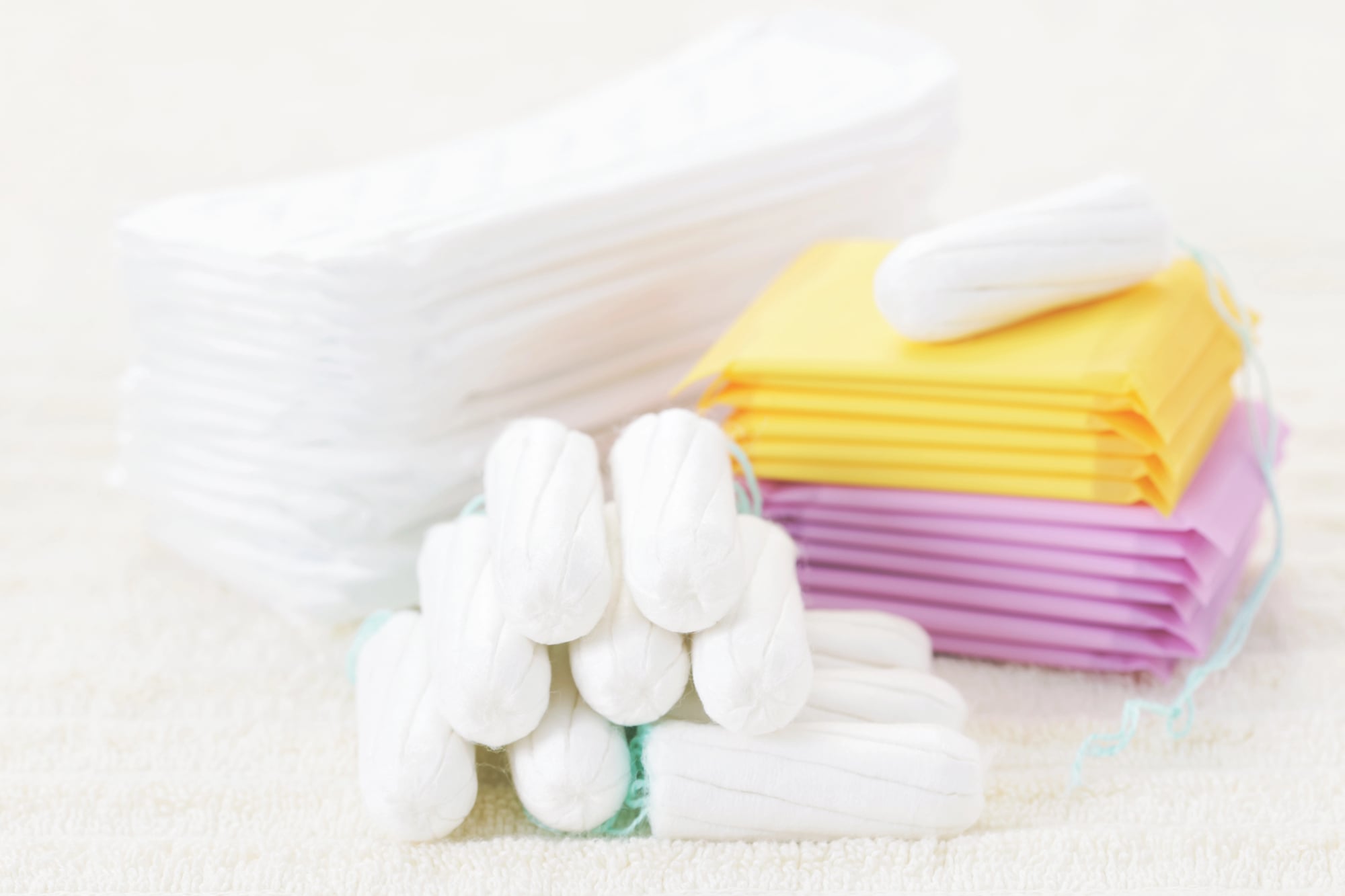
Kimberly-Clark nurses working near the front lines during World War I noticed that the Cellucotton bandage material the company was supplying to the military was remarkably absorbent — more absorbent than anything then available for personal hygiene. The nurses began using it for that purpose themselves, and after the war Kimberly-Clark recognized what they had and introduced Kotex in 1920.
A wartime medical supply became one of the most enduring personal care products of the twentieth century.
Instant Coffee
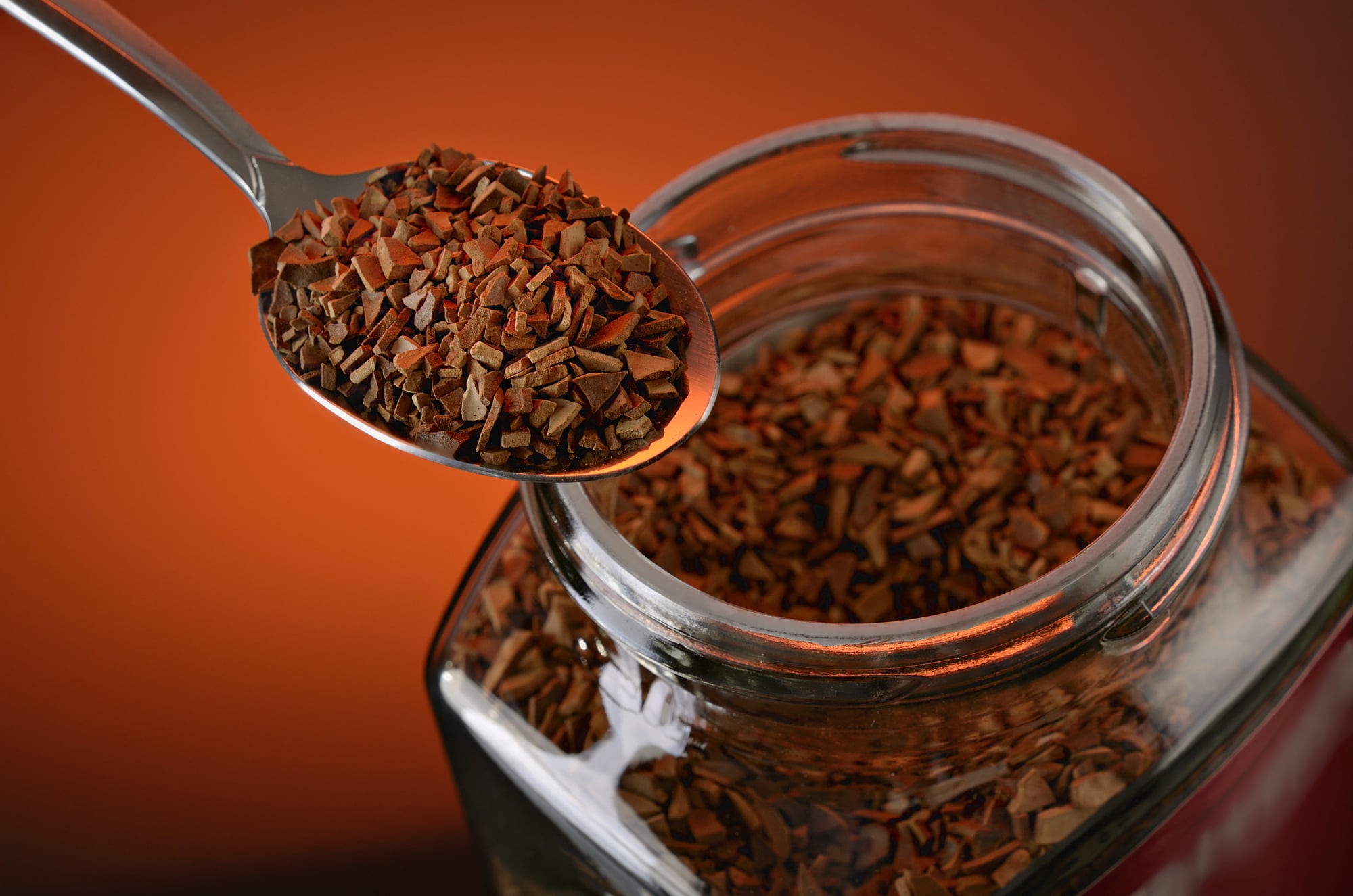
Instant coffee existed in crude forms before World War I, but it was the demand of mass-feeding enormous armies that pushed manufacturers to perfect it. The U.S. military purchased nearly the entire output of G. Washington Coffee Company during World War I, and by World War II the process had been refined to the point where soldiers were receiving soluble coffee as a standard ration.
The version on a shelf today is a direct descendant of that wartime logistics problem.
Synthetic Blood Plasma
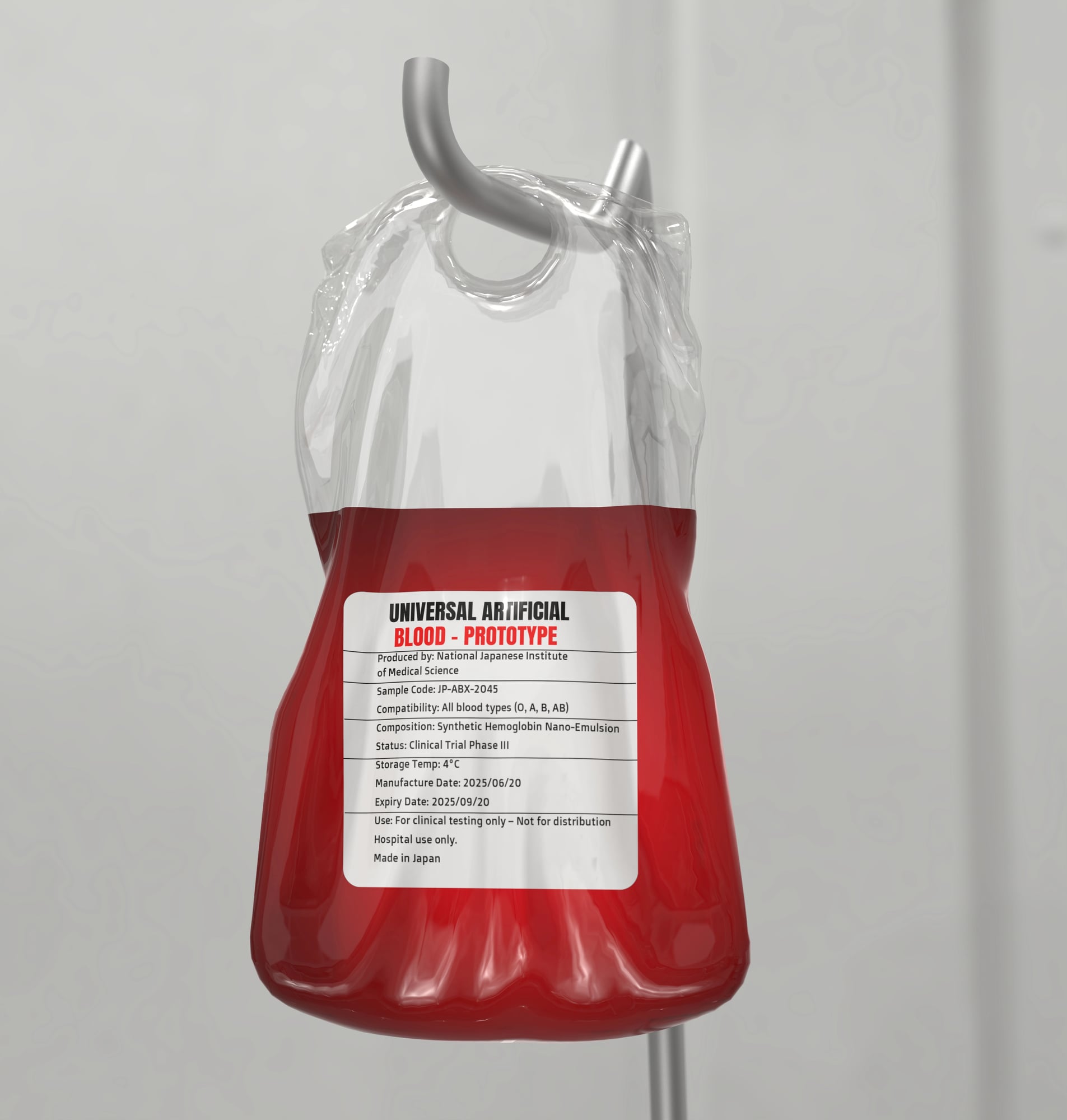
Research into synthetic blood substitutes and the mass processing of blood plasma was driven almost entirely by the need to treat battlefield casualties without relying on fragile, short-lived whole blood. The techniques developed during World War II to store and ship plasma — including freeze-drying, mentioned elsewhere — created the infrastructure for modern blood banking, which now operates as a routine public health system.
It’s a quiet miracle that gets taken for granted roughly every time someone schedules an elective surgery.
Walkie-Talkie
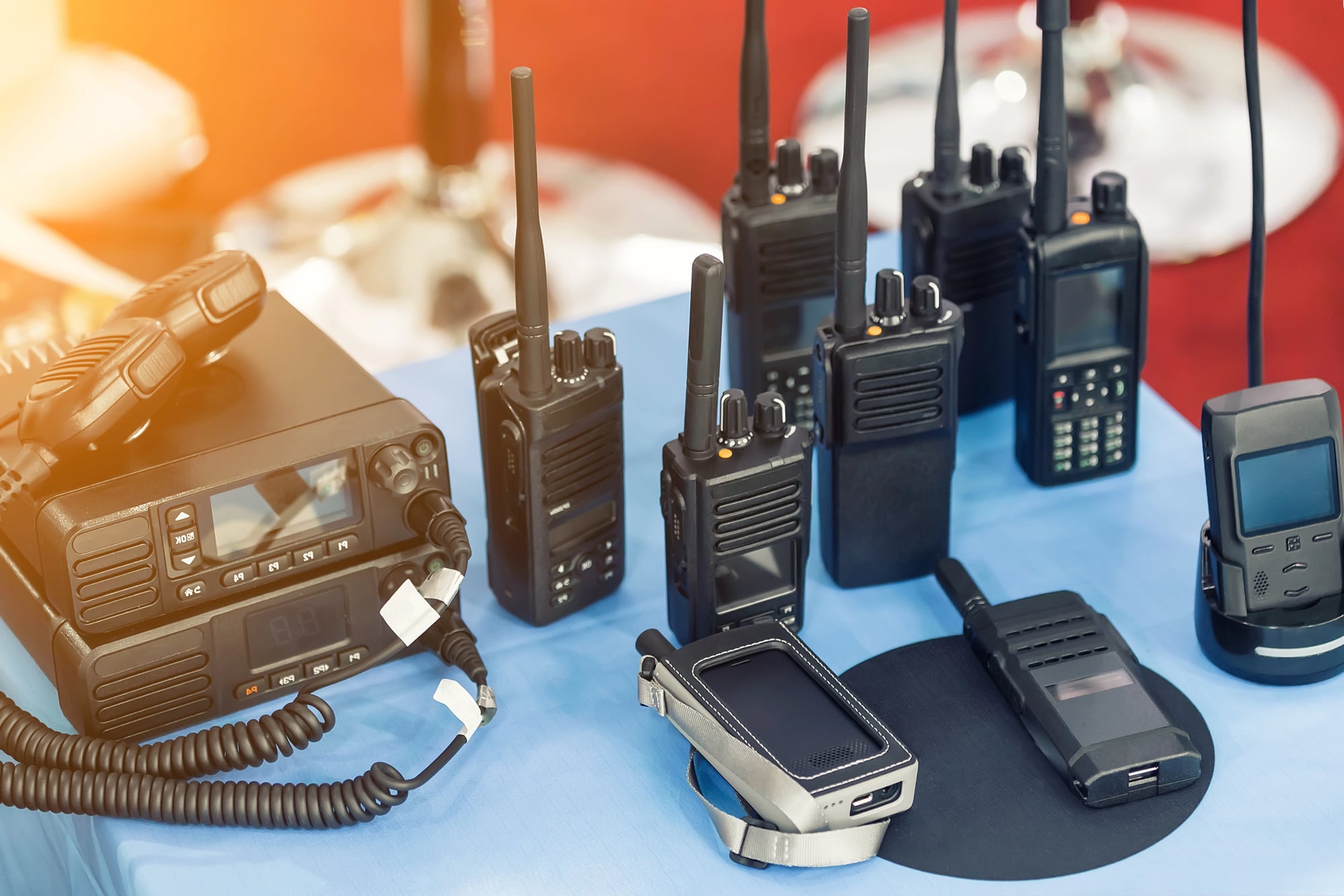
The walkie-talkie — a portable, handheld two-way radio — was developed by Donald Hings in Canada and independently by Alfred Galvin in the United States in the early 1940s, and the military adopted it immediately for infantry communication. The original units weighed about 35 pounds, which is worth noting the next time a child wears a toy version on their belt.
Every cordless phone, every wireless headset, and every radio protocol used in modern consumer devices owes something to that 35-pound ancestor.
Ballpoint Pen

The ballpoint pen was not invented during wartime, but it was wartime demand that made it universal. The British Royal Air Force licensed the design from László Bíró in 1944 because fountain pens leaked at altitude and were useless in cold or wet conditions — the ballpoint worked reliably anywhere.
After the war, manufacturers flooded the civilian market, and the fountain pen went from everyday object to affectation in the span of about a decade.
Cargo Pants
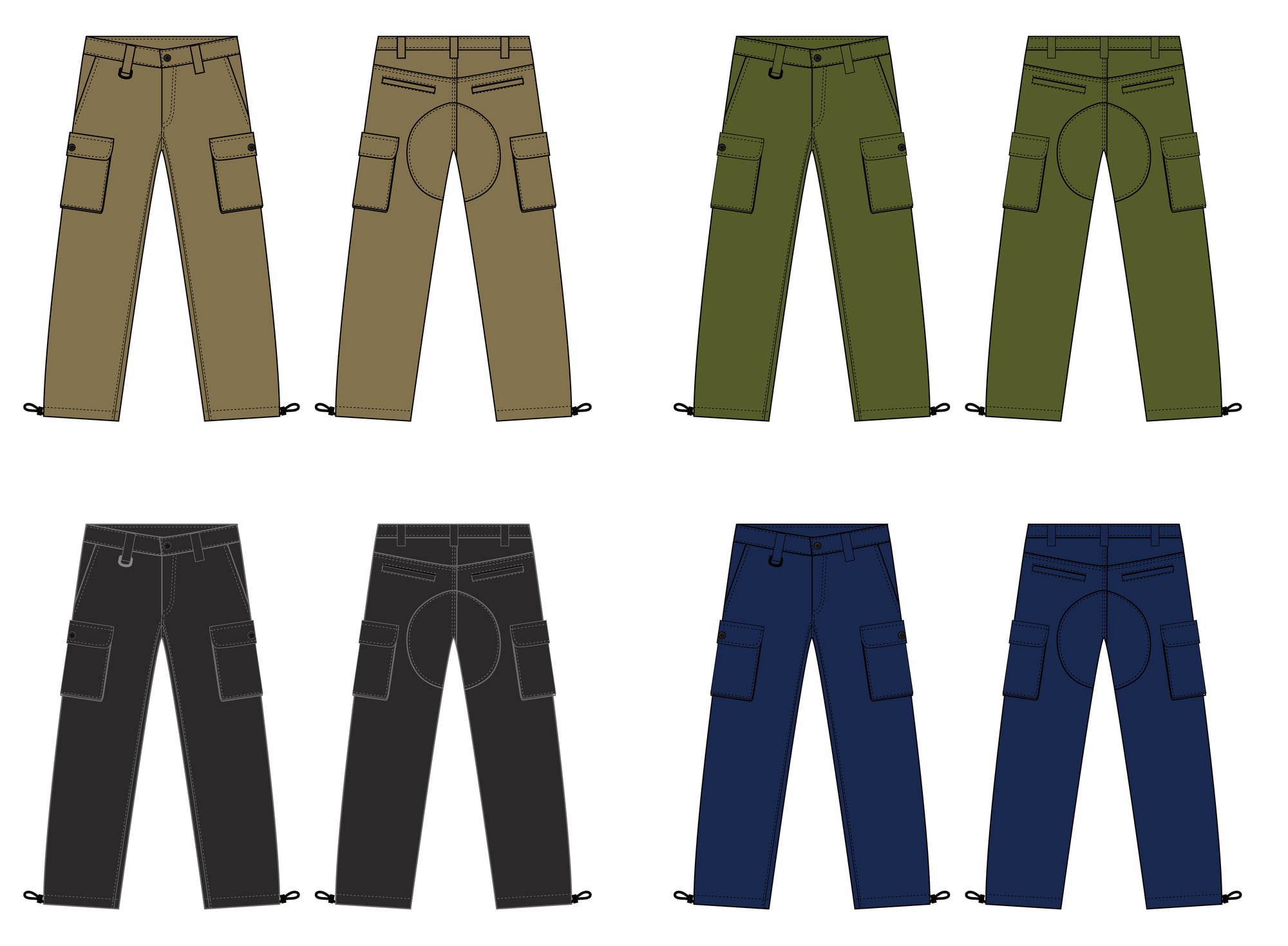
Cargo pants are a direct military export — British paratroopers in World War II wore them because the large thigh pockets were the most practical way to carry field equipment during airborne operations without adding bulk to a pack. The pockets were designed for specific items: maps, rations, first aid supplies.
The fact that they are now primarily used to carry a phone and some receipts represents either a triumph of design adaptability or a magnificent squandering of utility, depending on your mood.
Plastic Surgery
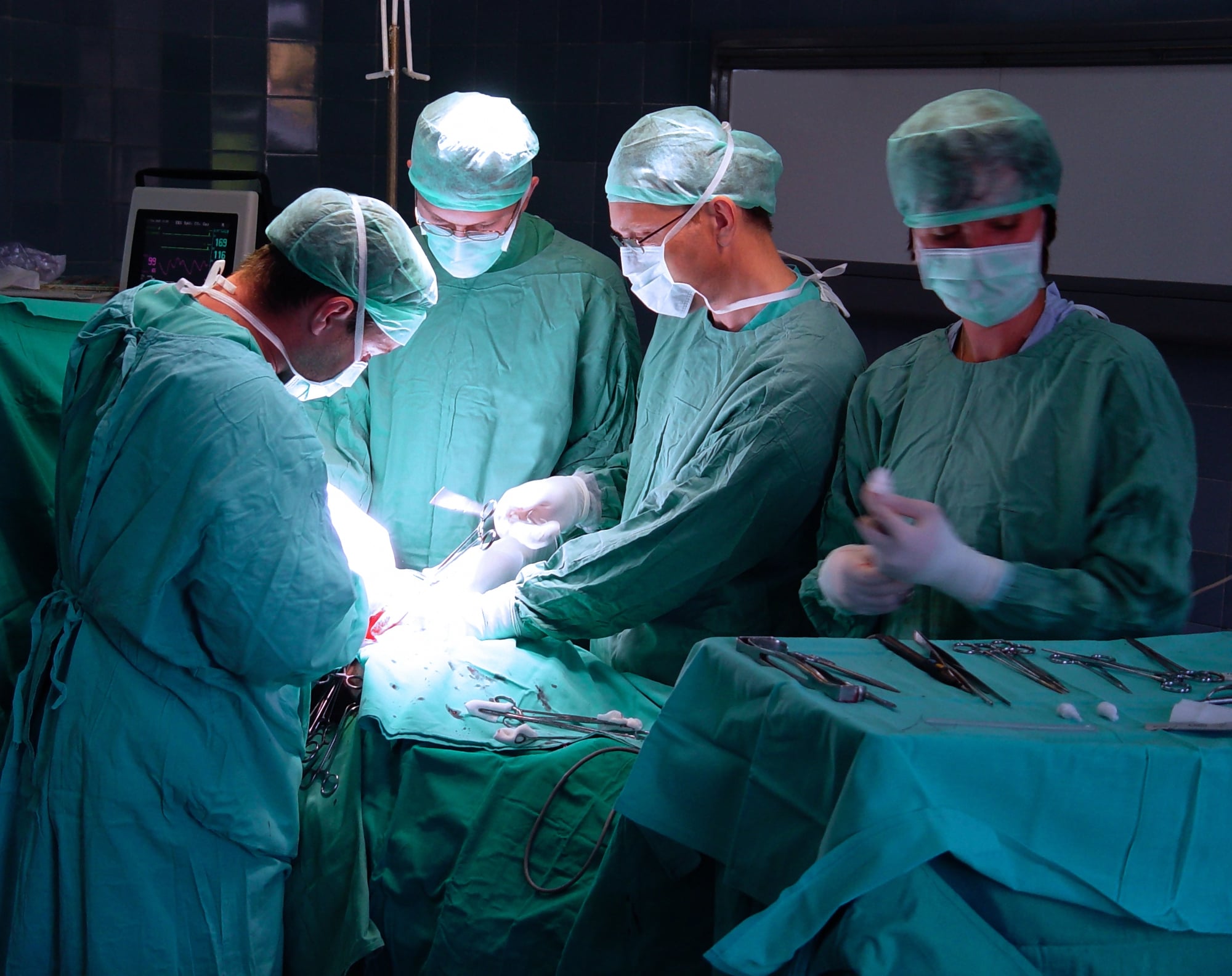
The discipline of reconstructive plastic surgery was essentially shaped by the sheer volume of disfiguring injuries produced by World War I — surgeons like Harold Gillies in Britain and Varaztad Kazanjian in the United States performed thousands of reconstructive procedures on soldiers with facial and limb injuries that had no precedent in surgical history. The techniques they developed, refined out of necessity in military hospitals, became the foundation of modern reconstructive and cosmetic surgery.
Fair enough that a discipline born from destruction became one associated almost entirely with civilian life.
Jerrican
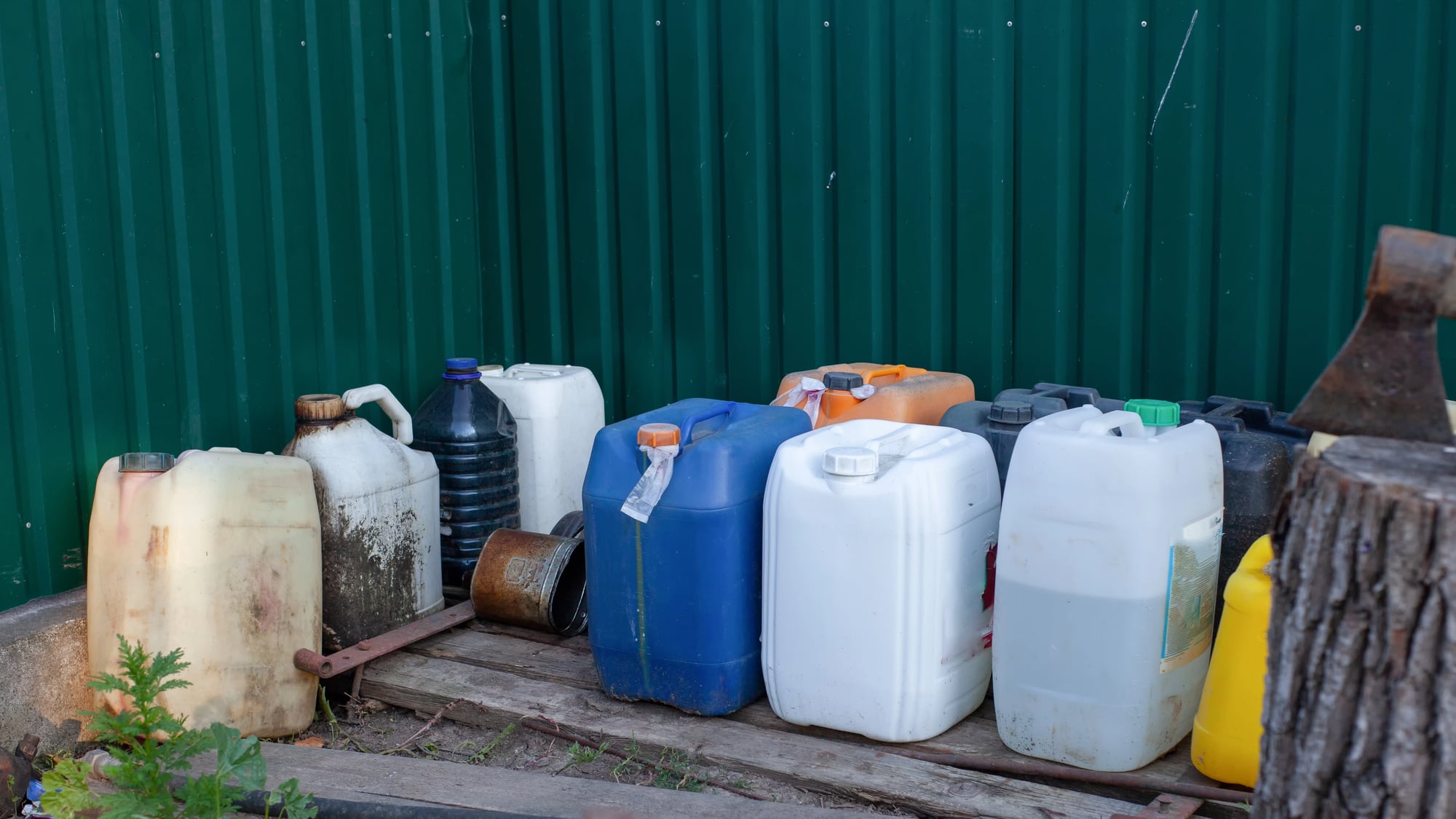
The jerrican — the flat-sided, five-gallon fuel container that sits in garages and on boats — was a German design from the late 1930s, engineered for Wehrmacht logistics with a welded steel body, an air-tight seal, and a handle configuration that allowed one person to carry two full cans comfortably. Allied forces captured the containers and were so impressed they reverse-engineered and mass-produced the design.
The shape has not changed meaningfully since.
Wristwatches
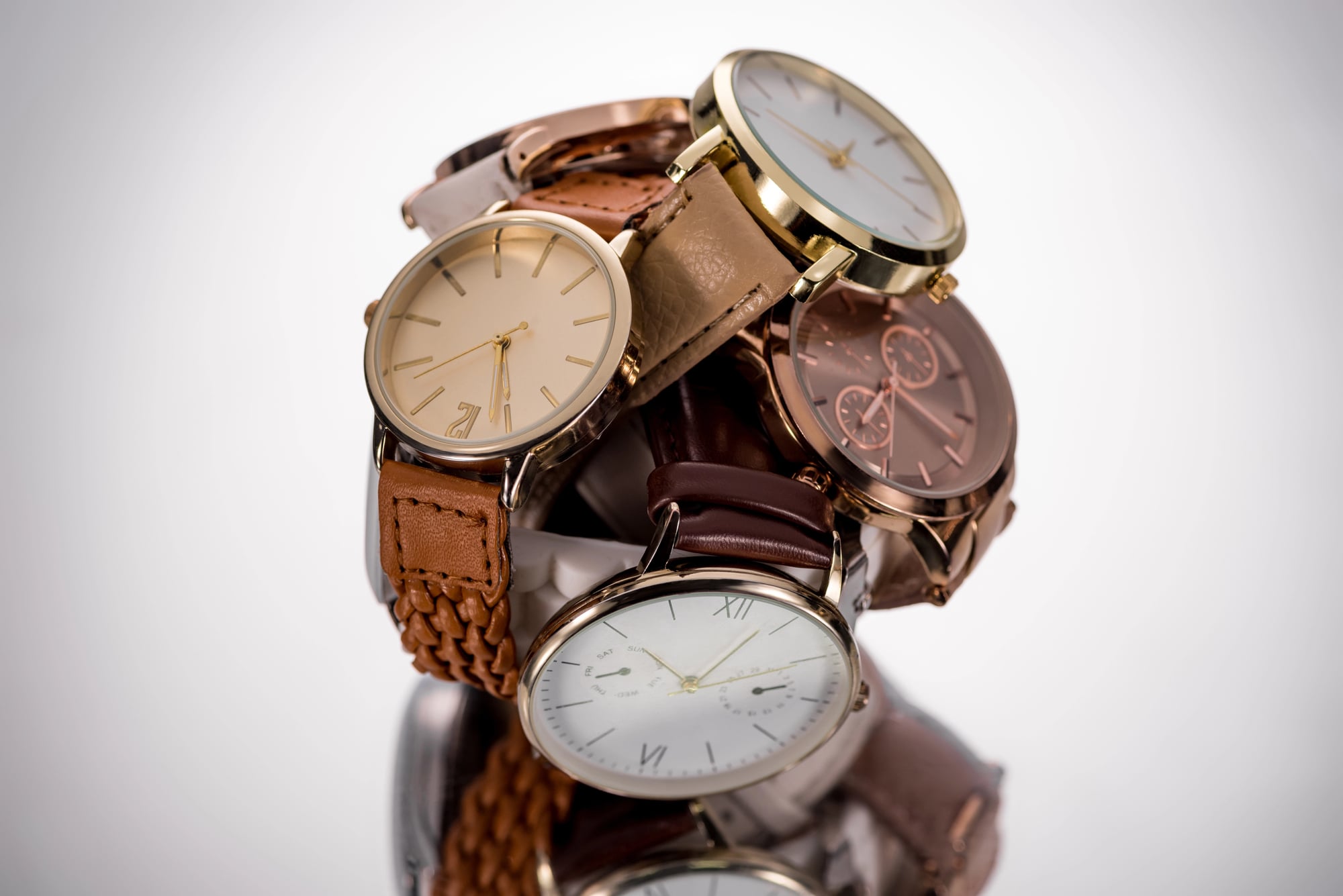
Wristwatches were considered a women’s accessory before World War I — men carried pocket watches, and wearing a watch on the wrist was seen as something other than serious. The war changed that quickly: soldiers in the trenches couldn’t reach into a pocket for a time check while under fire, and wristwatches allowed officers and soldiers to synchronize movements without fumbling.
By the time the war ended, the wristwatch had crossed permanently from novelty to necessity, and the pocket watch began its long, quiet retirement.
When Necessity Leaves the Battlefield
War doesn’t invent things — people under pressure invent things, and war is one of the most sustained sources of pressure human civilization has ever manufactured. The objects above did not arrive in daily life through some benign process of peaceful innovation; they arrived because someone, somewhere, needed a solution urgently enough that normal timelines collapsed.
And now they sit in kitchens and medicine cabinets and coat closets, doing their quiet work, completely indifferent to the circumstances that made them necessary.
More from Go2Tutors!

- The Romanov Crown Jewels and Their Tragic Fate
- 13 Historical Mysteries That Science Still Can’t Solve
- Famous Hoaxes That Fooled the World for Years
- 15 Child Stars with Tragic Adult Lives
- 16 Famous Jewelry Pieces in History
Like Go2Tutors’s content? Follow us on MSN.