29 Speeches That Were Rewritten Before Being Delivered
The speeches we remember from history often emerged from frantic last-minute editing, not careful deliberation. Presidents scribbled changes into text moments before walking to the podium.
Famous orators learned they were speaking to different audiences than expected and rewrote their remarks in the car. Historical moments were shaped by deleted lines, inserted phrases, and desperate rewrites that nobody will ever know about.
The following 29 speeches were fundamentally altered before delivery, sometimes in ways that changed history.
Kennedy’s “Ask Not” Address, 1961
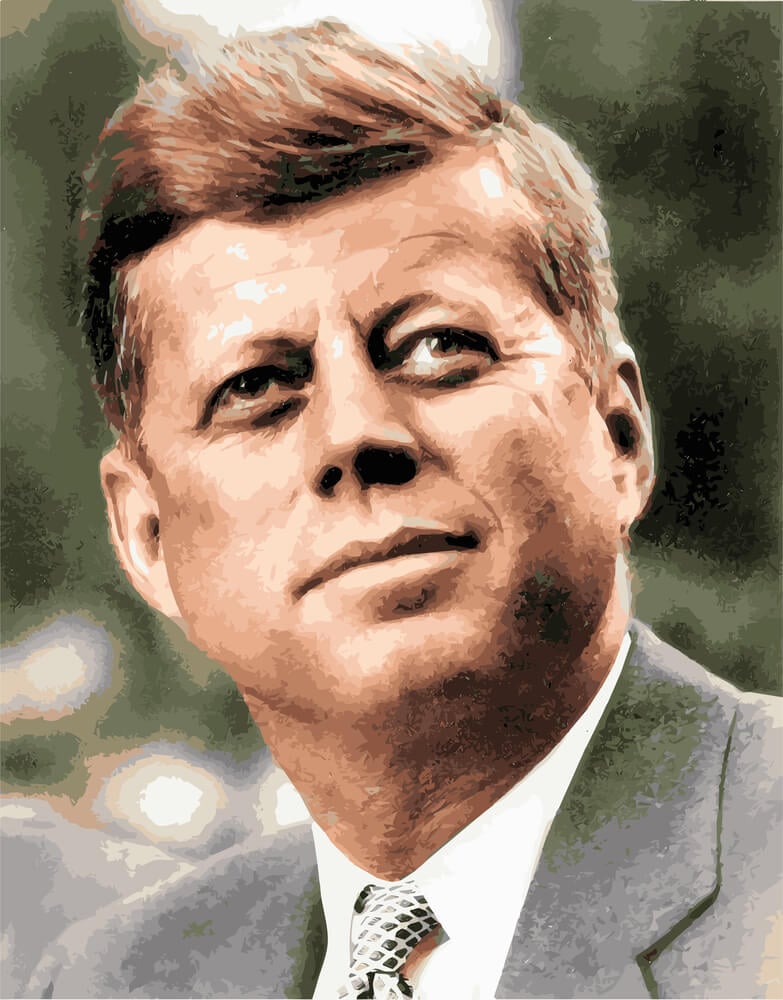
President Kennedy’s inaugural address contained multiple last-minute revisions. Speechwriter Ted Sorensen rewrote passages only hours before Kennedy spoke.
The famous line “Ask not what your country can do for you—ask what you can do for your country” was refined during final editing sessions. Different versions of this line existed, and the exact wording nearly changed at the last moment.
Lincoln’s Gettysburg Address, 1863
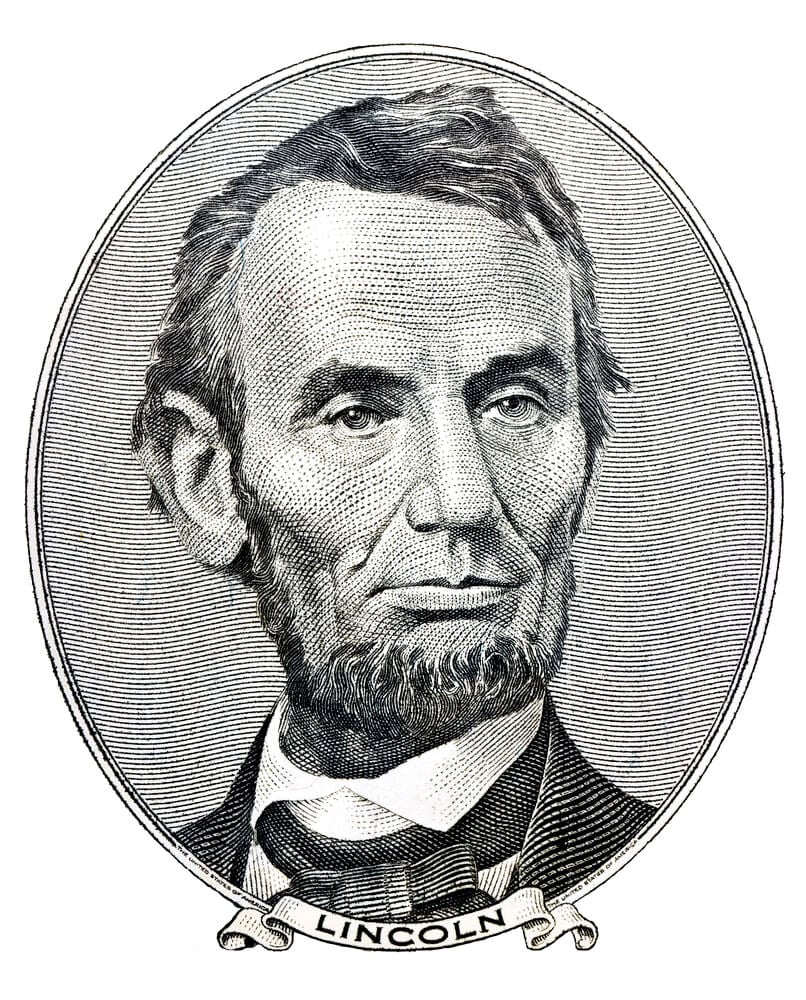
Lincoln rewrote the Gettysburg Address multiple times before and after his arrival in Pennsylvania. Several different drafts exist.
The text that was delivered differs from the written versions that survived. Lincoln’s handwritten notes suggest he continued revising even as he was about to speak.
Churchill’s “We Shall Never Surrender” Address, 1940
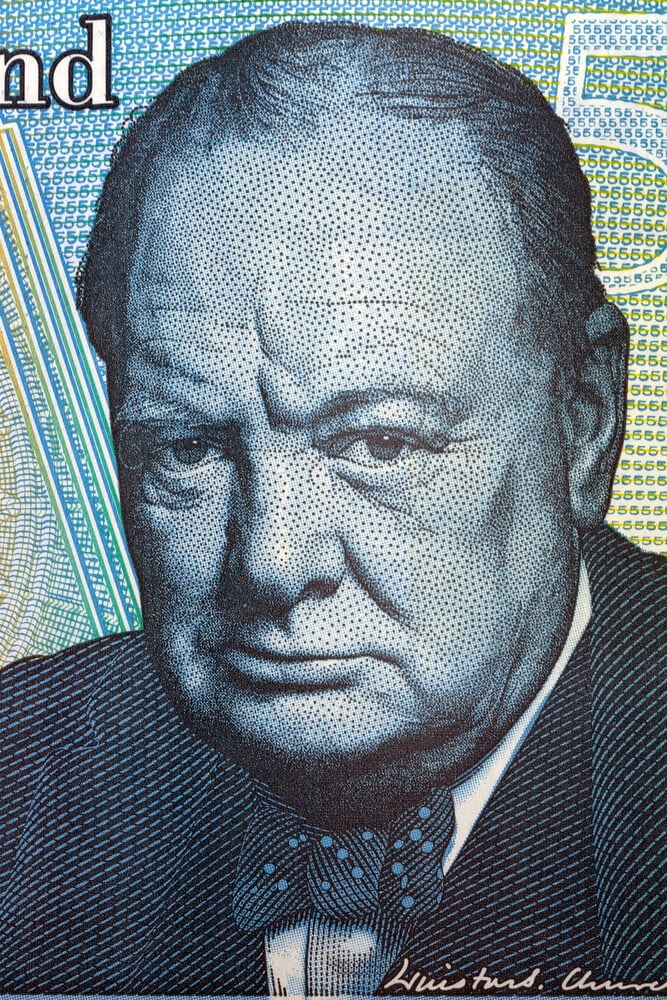
Churchill’s speech to Parliament in June 1940 was heavily revised in the days before delivery. His secretary made numerous notes about passages Churchill was reconsidering.
The final version that stirred the British people had been refined from a much different initial draft.
MLK’s “I Have a Dream” Speech, 1963
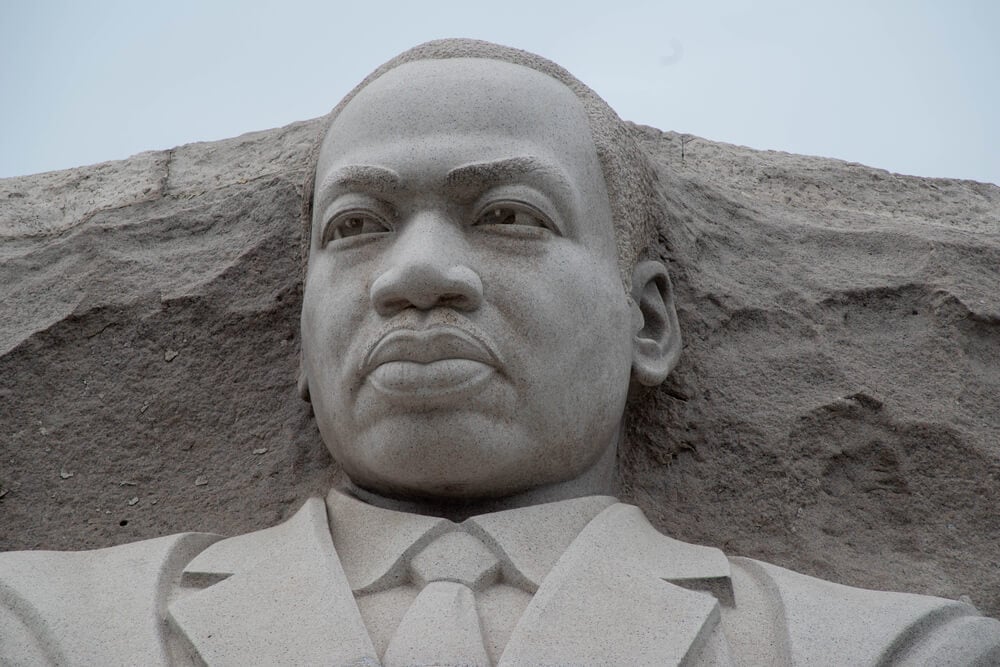
Martin Luther King Jr. was asked to shorten the “I Have a Dream” speech just before he delivered it. The original text was much longer.
King’s advisors urged him to cut lines. King also ad-libbed significant portions, departing from his prepared text entirely in ways that created the most memorable parts of the speech.
Reagan’s “Tear Down This Wall” Address, 1987
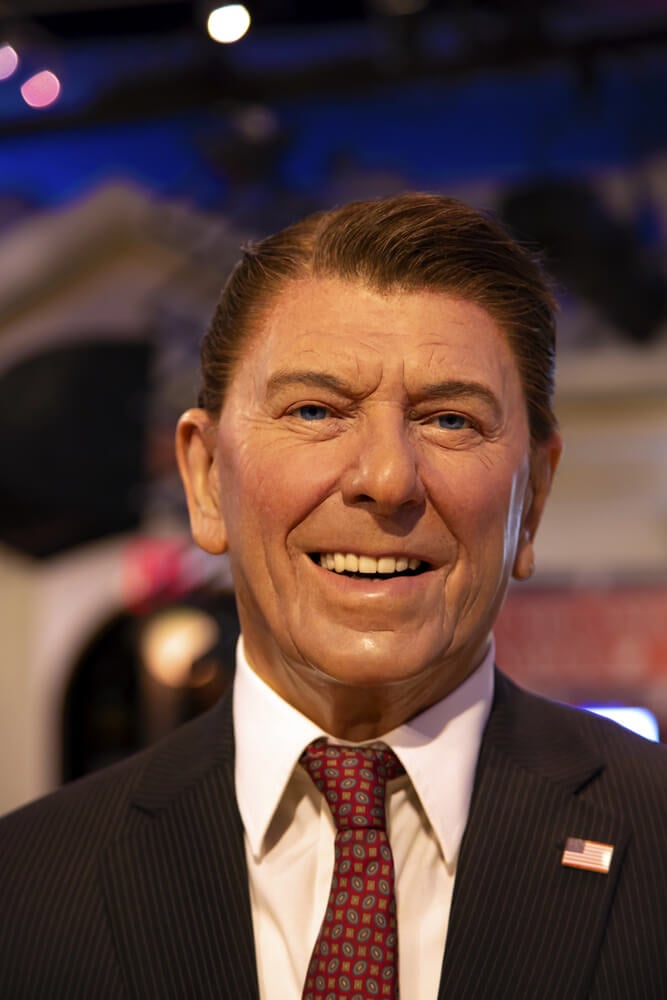
Ronald Reagan’s famous 1987 Berlin Wall speech at the Brandenburg Gate went through multiple revisions. The State Department wanted him to soften language that criticized the Soviet Union.
Reagan fought to keep the challenging language. The final speech reflected his personal revisions that his staff had initially opposed.
FDR’s “Day of Infamy” Address, 1941
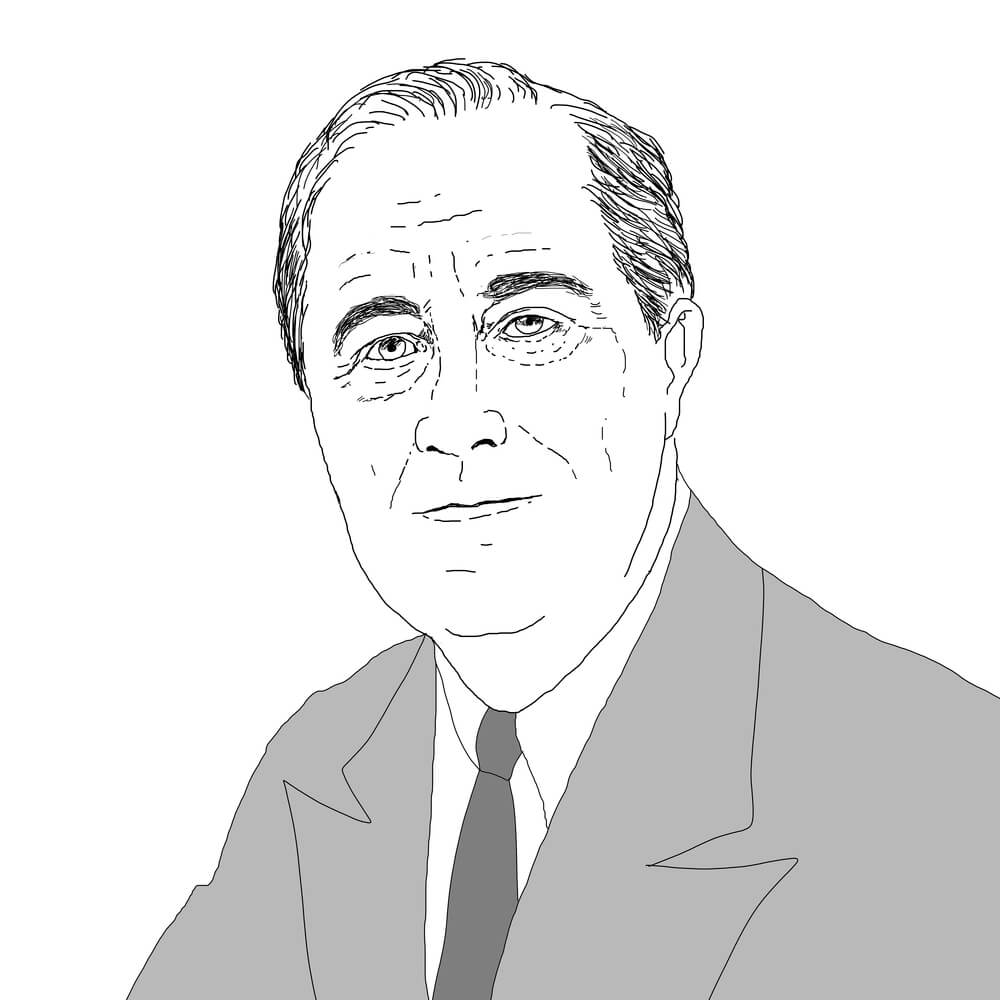
Franklin Roosevelt’s address to Congress after Pearl Harbor was extensively revised by speechwriters in the hours before delivery. The text was shortened and tightened multiple times.
Roosevelt personally edited the speech, crossing out passages and rewriting phrases. The emotional power of the final speech resulted from these last-minute edits.
Malcolm X’s Speech at Oxford, 1964
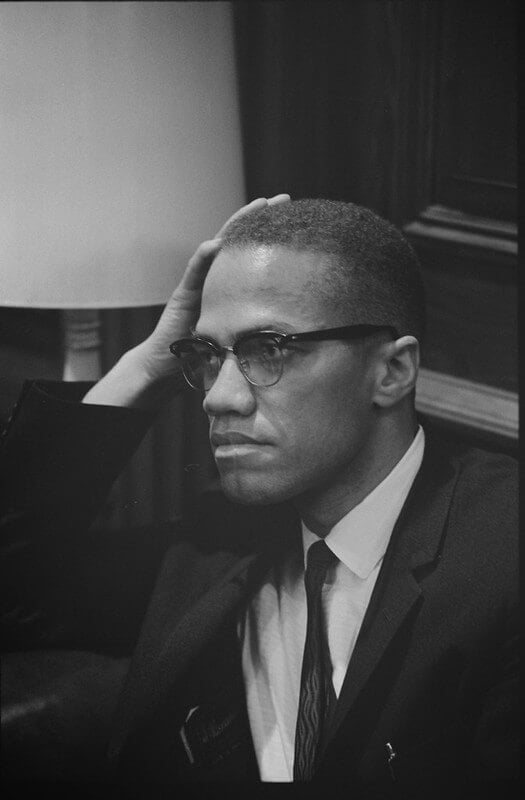
Malcolm X’s speech at Oxford University in 1964 was partly improvised and partly carefully prepared. The existing text was revised moments before delivery based on the audience composition and the day’s events.
The speech evolved as X spoke, departing from prepared remarks in significant ways.
Eisenhower’s Farewell Address, 1961
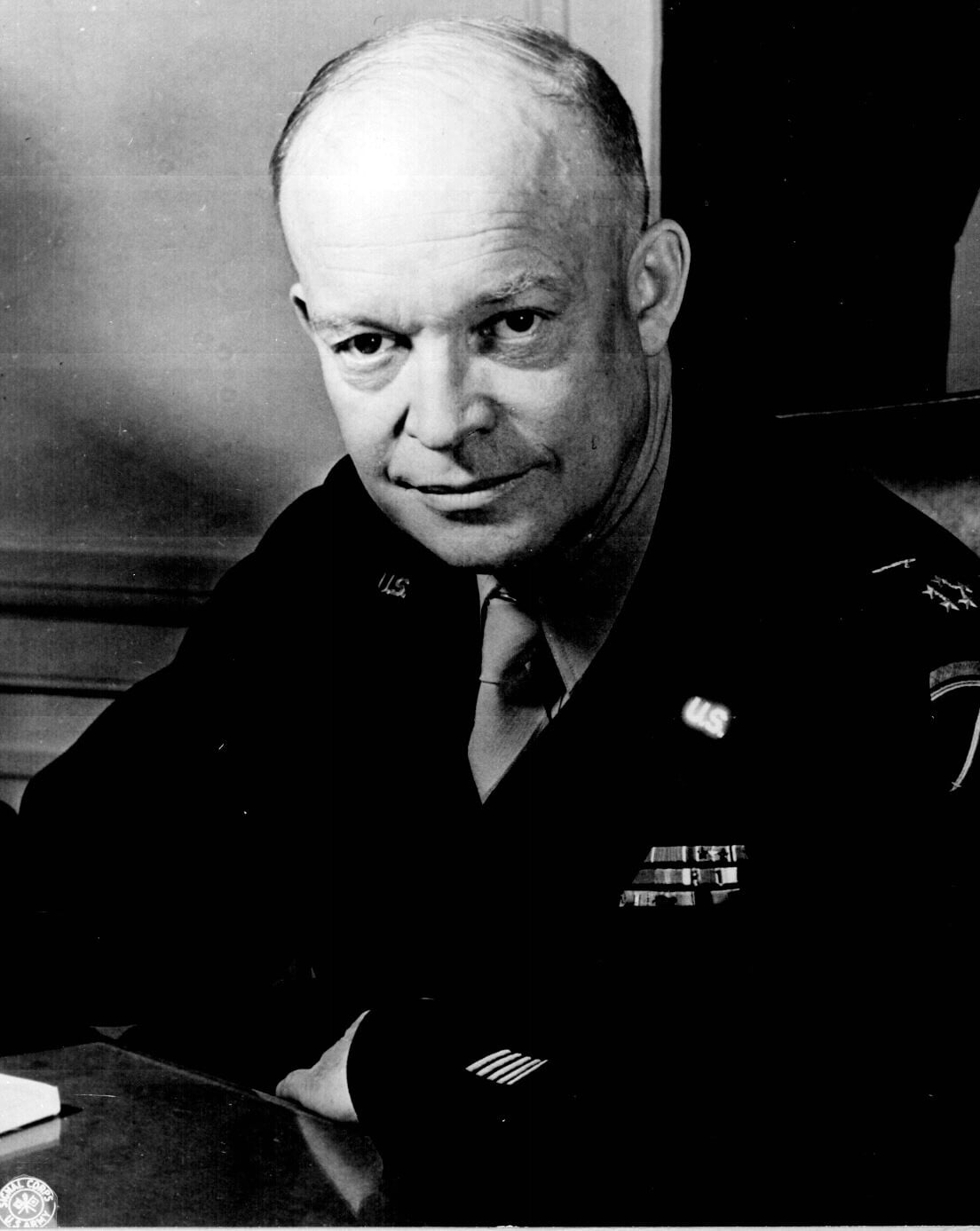
Dwight Eisenhower’s farewell address, with its famous warning about the military-industrial complex, underwent extensive revision. Eisenhower’s speechwriter Malcolm Moos worked with the president on multiple drafts.
The key phrase was refined through several versions before Eisenhower was satisfied with it.
Truman’s 1948 Campaign Speeches
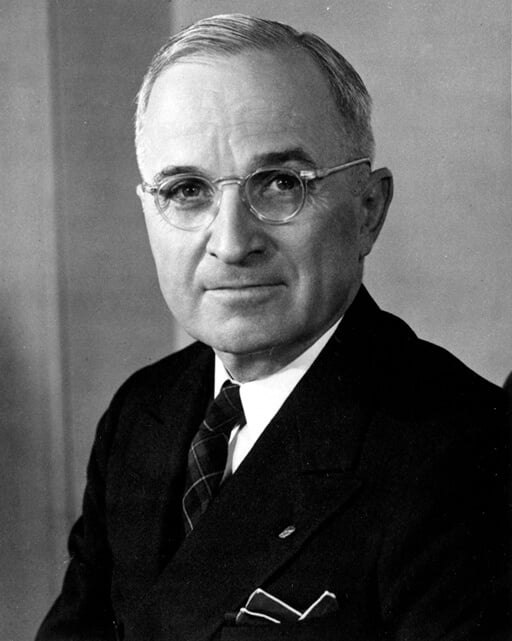
Harry Truman’s whistlestop campaign speeches in 1948 were largely impromptu and unscripted, despite prepared texts. When Truman arrived in towns and saw crowds waiting, he often abandoned his prepared remarks and spoke directly to people.
The speeches that won him the election were largely unplanned and delivered spontaneously from the back of his train.
Grant’s Acceptance Speech, 1868
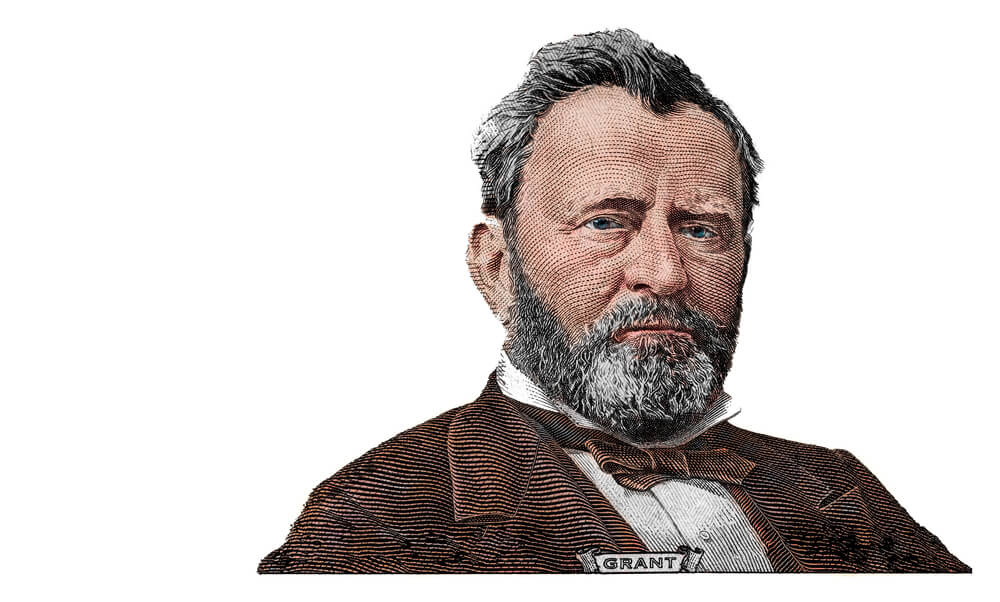
Ulysses Grant’s acceptance speech as the Republican nominee in 1868 was rewritten so many times that historians are uncertain which version Grant actually delivered. Multiple versions circulated afterward.
The discrepancies suggest Grant revised text right up until speaking.
Acheson’s “Crisis” Speech, 1950
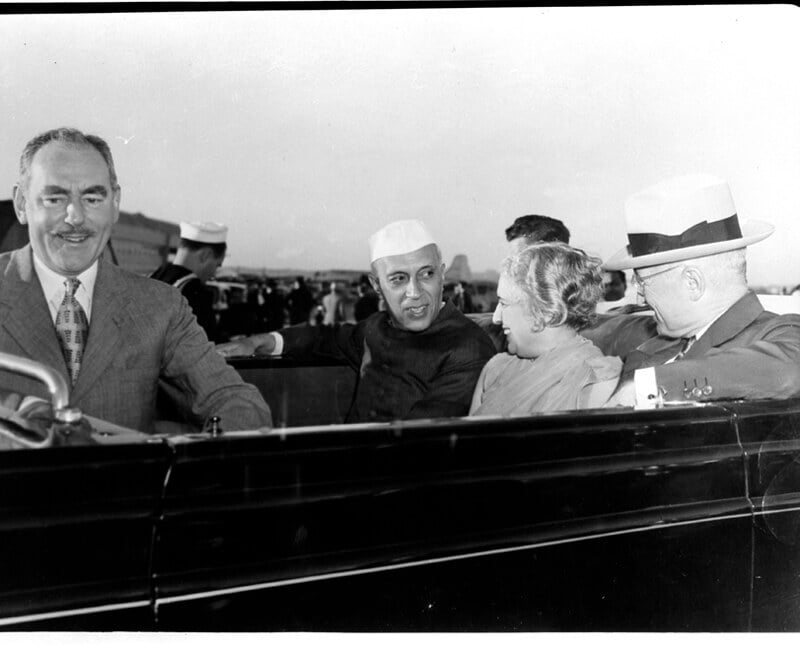
Secretary of State Dean Acheson’s speech outlining American security interests was revised repeatedly before delivery. Advisors worried he would be too belligerent.
Acheson rewrote passages to balance toughness with diplomacy. The speech’s impact depended on these careful revisions.
Gallipoli Address, 1915
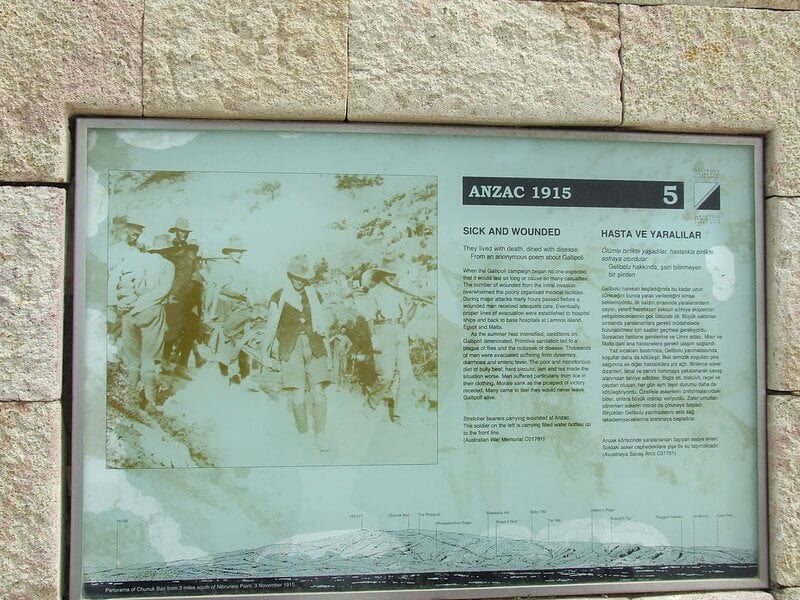
When British commanders were ordered to launch the disastrous Gallipoli campaign, speech writers prepared various versions depending on how leadership wanted the operation framed. Multiple texts were prepared for different audiences, then revised based on changing circumstances.
Pershing’s Address, 1917
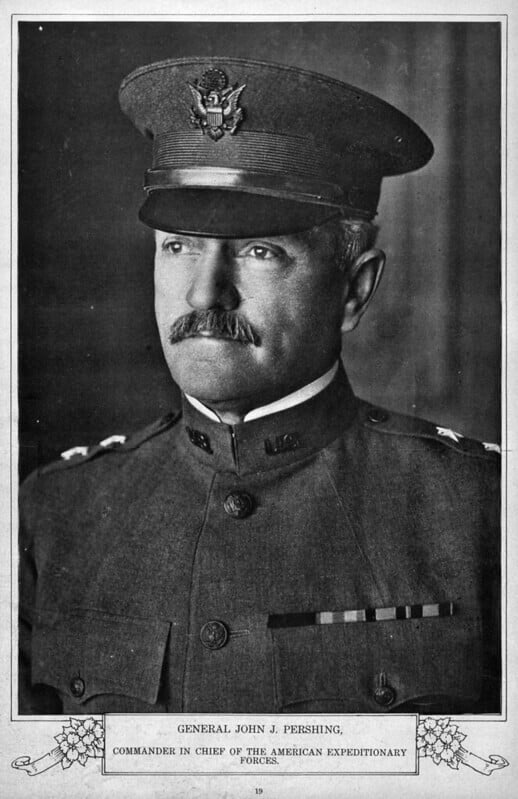
General John Pershing’s address to American troops entering World War I was revised multiple times. His staff wanted different emphases at different moments.
The final speech reflected compromises between military necessity and morale building.
Wendell Willkie’s Acceptance Speech, 1940
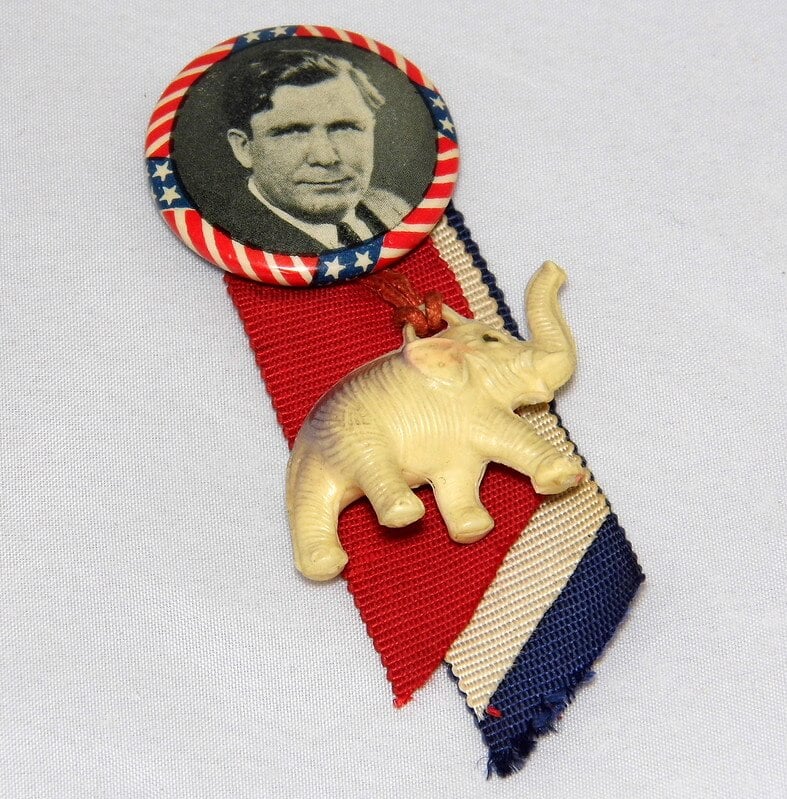
Wendell Willkie, running against Franklin Roosevelt in 1940, rewrote his acceptance speech multiple times. Republican insiders pressured him to take different positions.
Willkie kept revising to find language that satisfied different party factions while staying true to his own beliefs.
Robert Frost’s Inauguration Poem, 1961
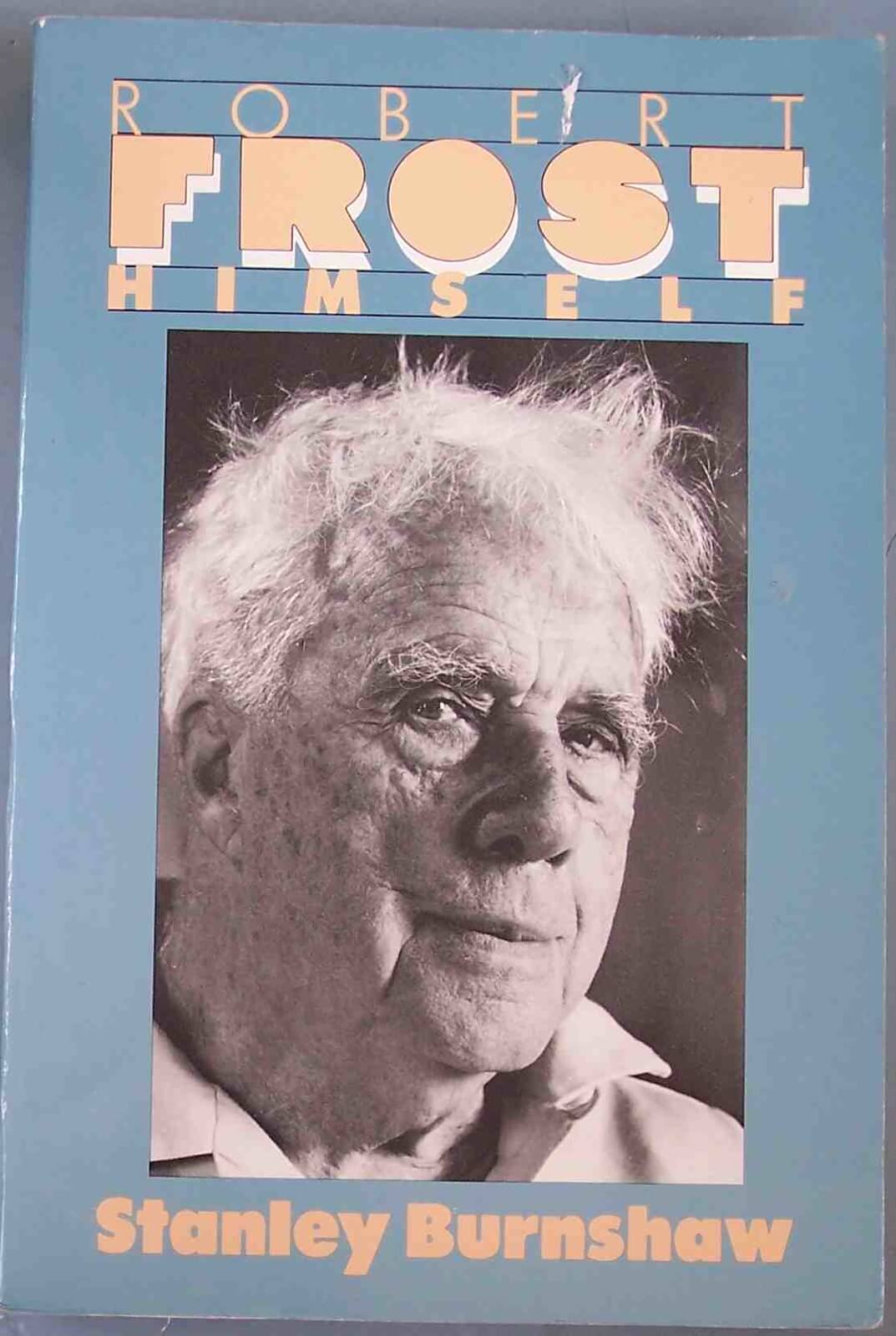
Robert Frost prepared a poem for Kennedy’s inauguration and revised it multiple times. On the day of the inauguration, bright sunlight made it impossible for Frost to read the text.
He recited a different poem from memory instead. The prepared poem never got delivered as written.
Buchanan’s Peace Address, 1859
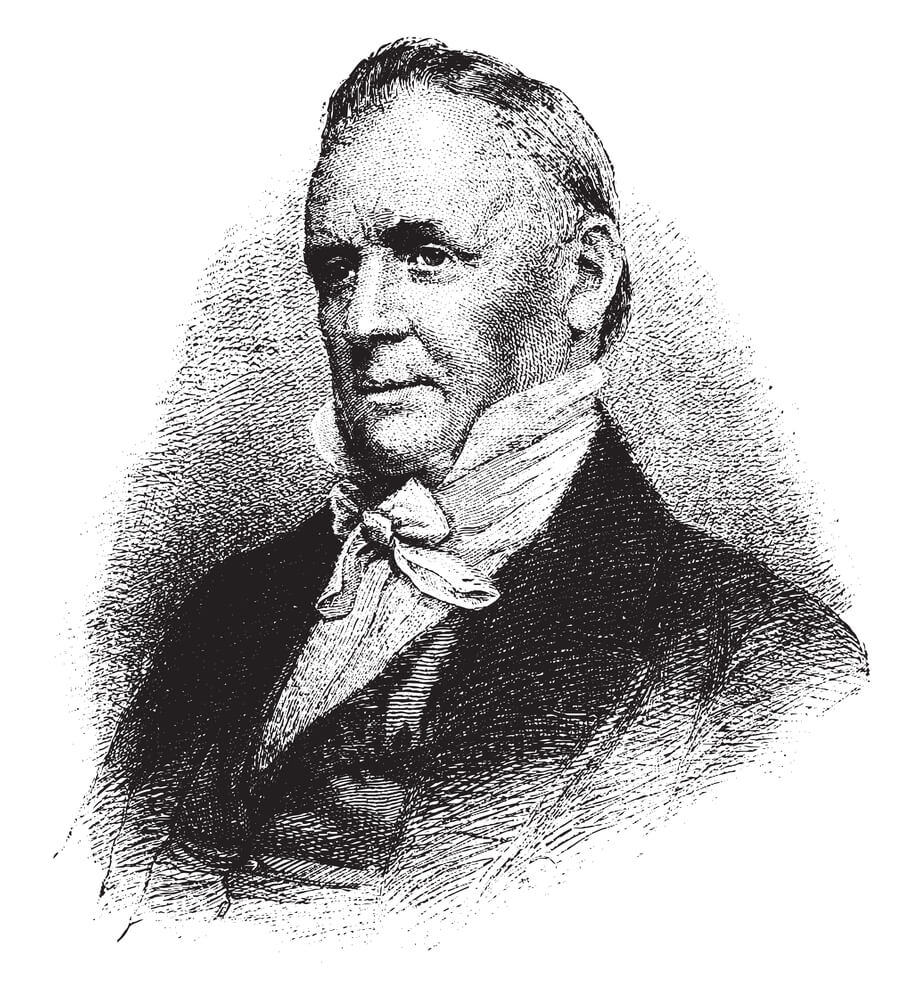
James Buchanan’s attempt to calm sectional tensions before the Civil War was revised repeatedly. His advisors wanted him to sound either stronger or more conciliatory depending on which faction they represented.
The final speech satisfied nobody because it reflected so many revisions.
Grant’s Second Inaugural, 1873
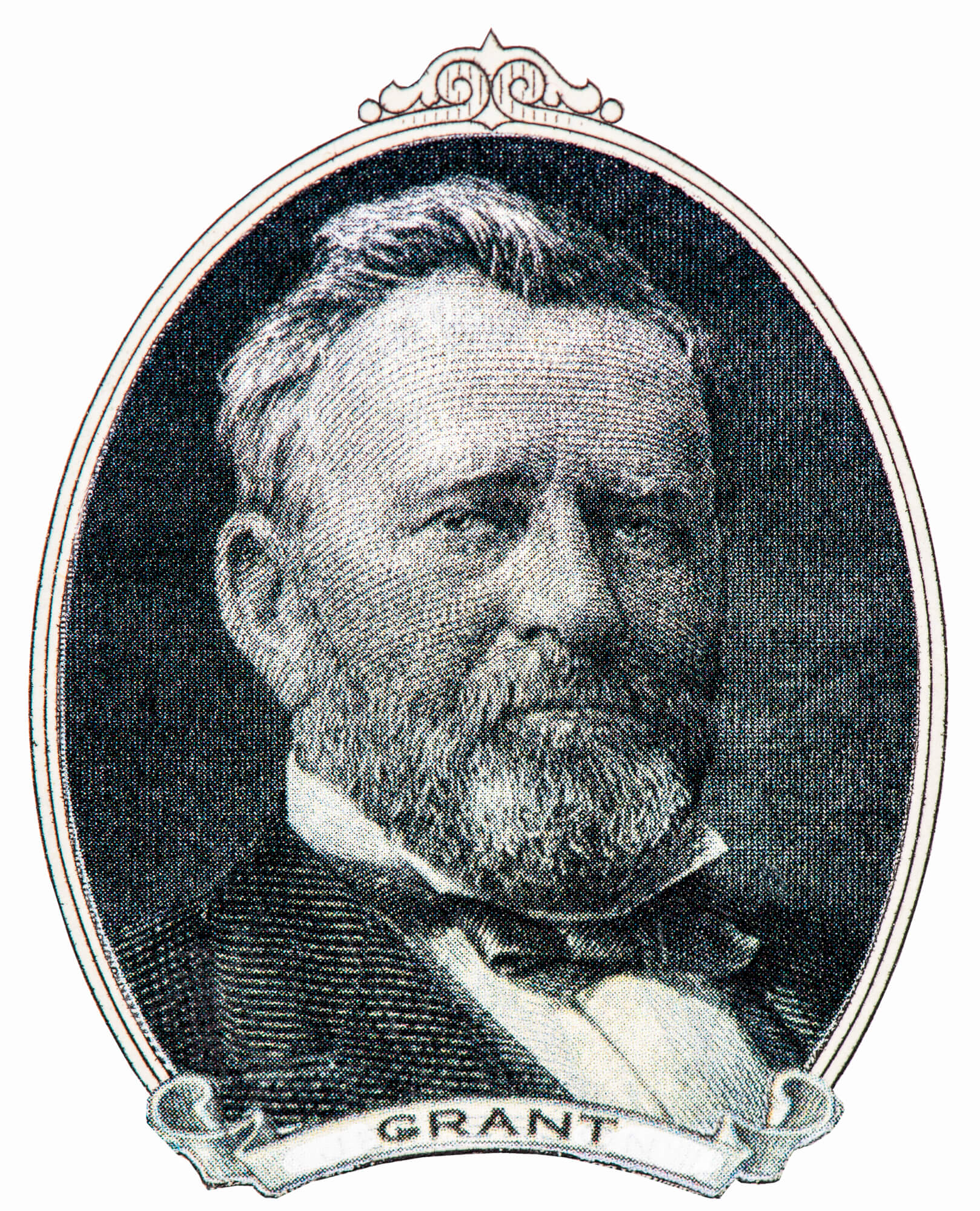
Grant’s second inaugural address was extensively revised to address criticism of his first term’s scandals. Grant’s speechwriter worked frantically to address controversies while maintaining presidential dignity.
The speech that was delivered reflected these frantic revisions.
Polk’s War Message, 1846
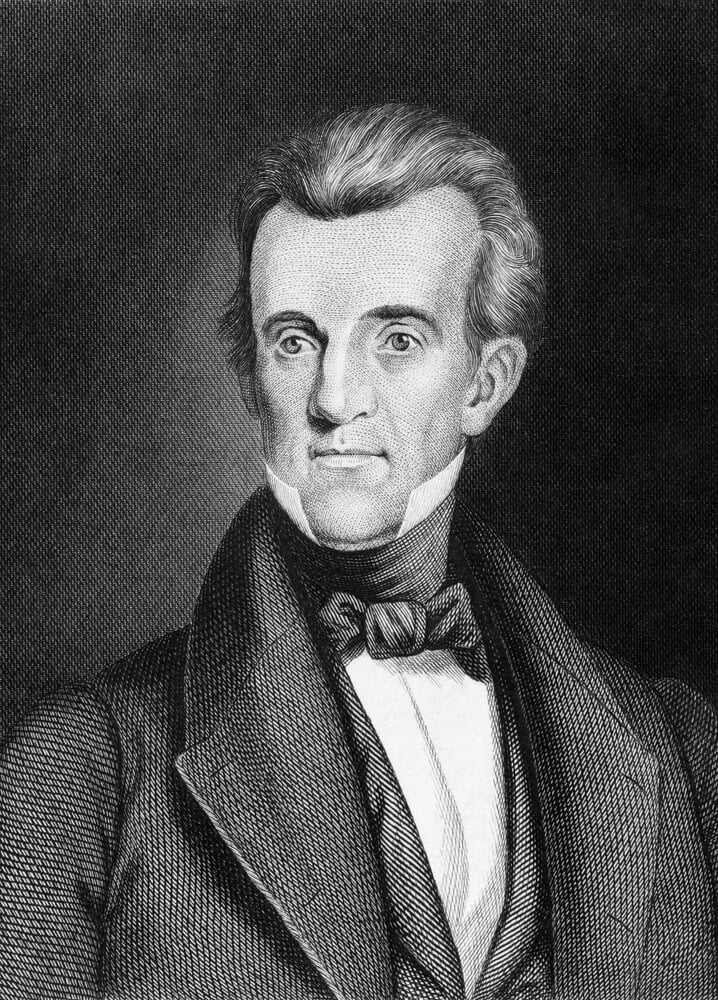
James Polk’s message to Congress requesting war with Mexico was revised multiple times. Advisors wanted different language about American justification.
The final version walked a careful line between aggressive and defensive framing.
Monroe Doctrine Address, 1823
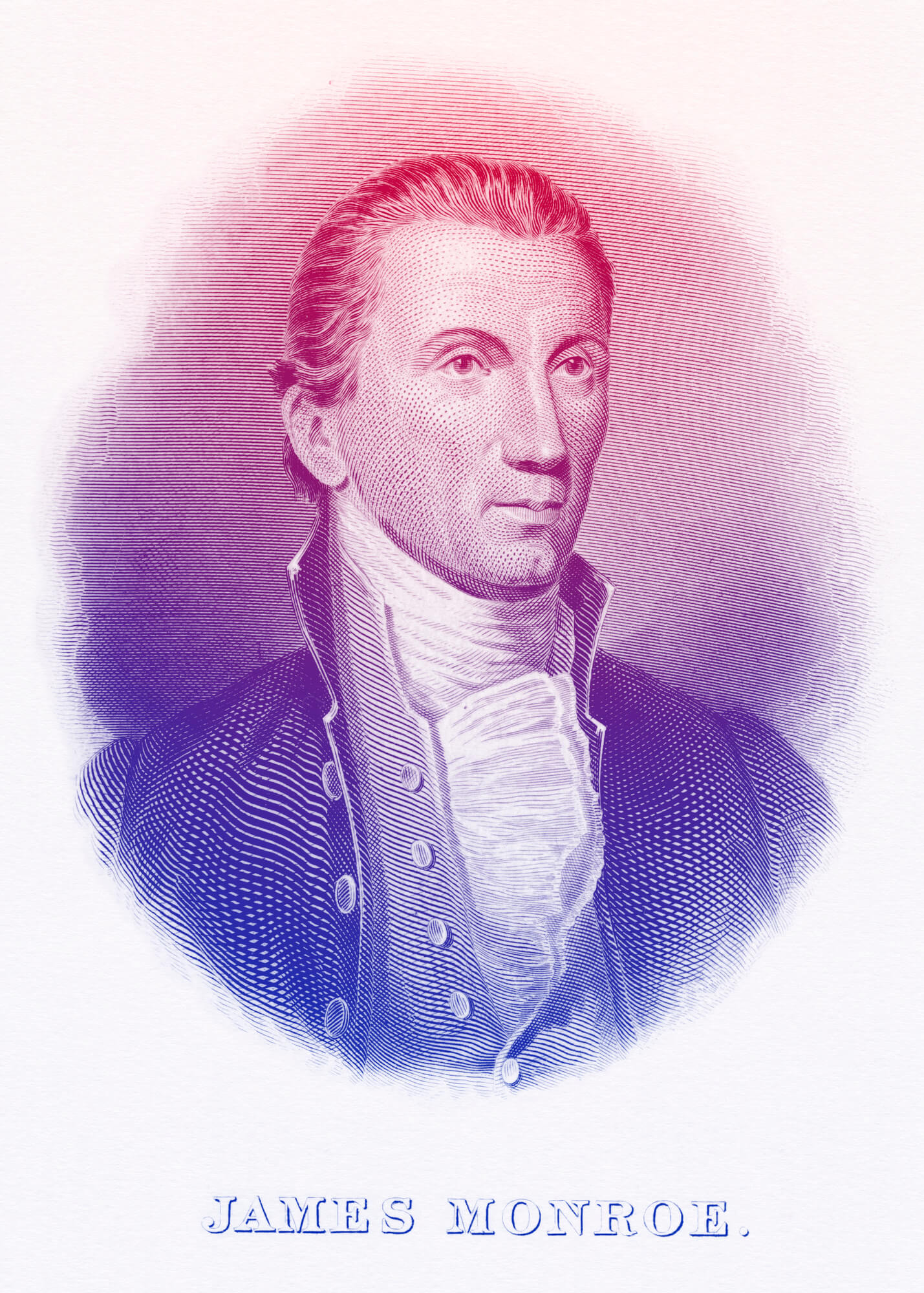
James Monroe’s address announcing the Monroe Doctrine was revised through multiple drafts. Secretary of State John Quincy Adams provided revisions.
The exact wording of the doctrine was debated and refined almost up to delivery.
Jackson’s Nullification Address, 1833
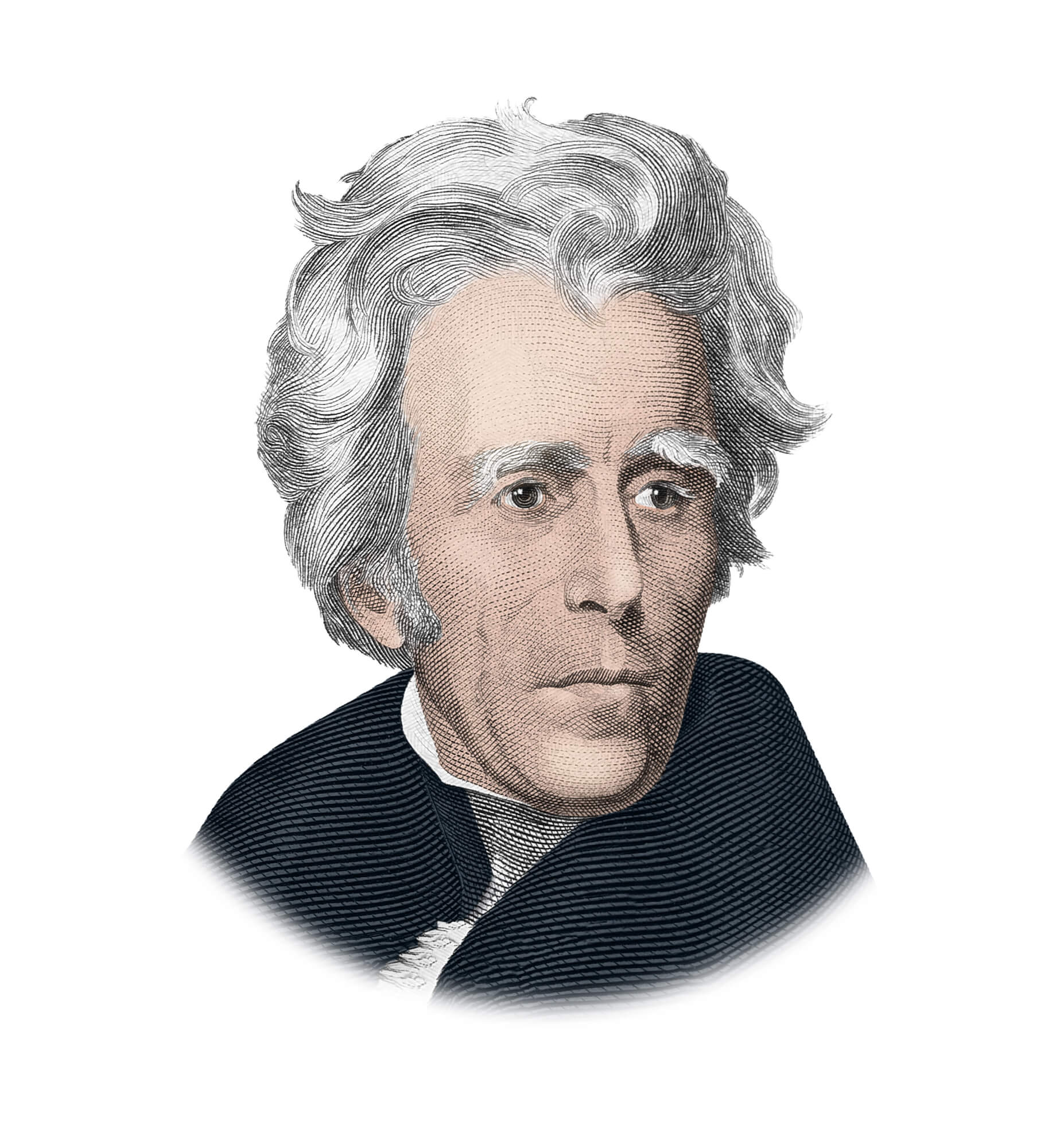
Andrew Jackson’s response to South Carolina’s nullification crisis was revised repeatedly. His cabinet wanted different language.
Jackson personally edited the speech to reflect his determination to preserve the Union while appearing reasonable.
Reconstruction Era Speeches
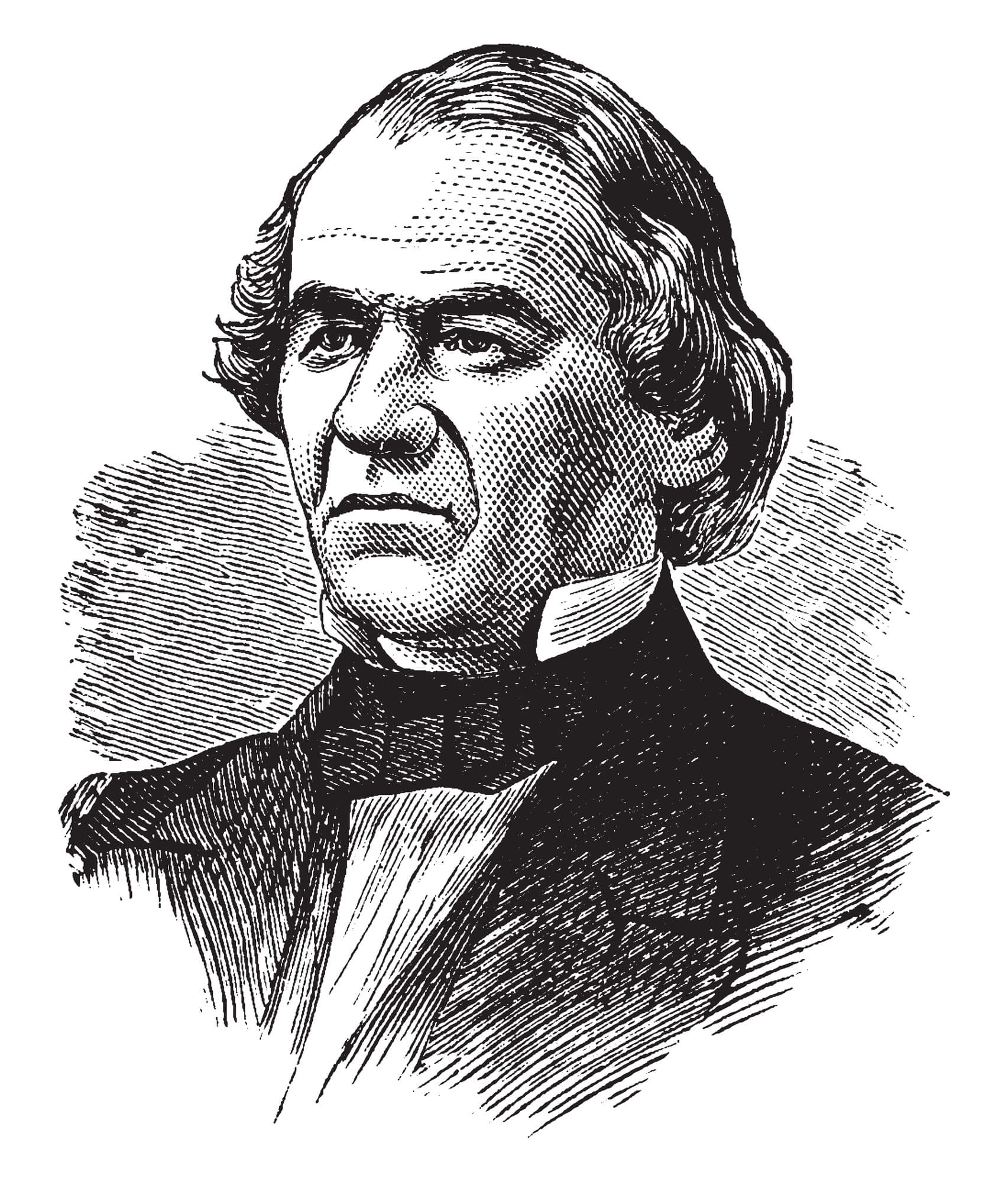
Andrew Johnson’s speeches on Reconstruction policy were revised based on changing political pressures. Different versions of the same speech were delivered to different audiences.
The contradictions in Johnson’s positions partly resulted from his trying to satisfy conflicting constituencies with different speeches.
Cleveland’s Second Inaugural, 1893
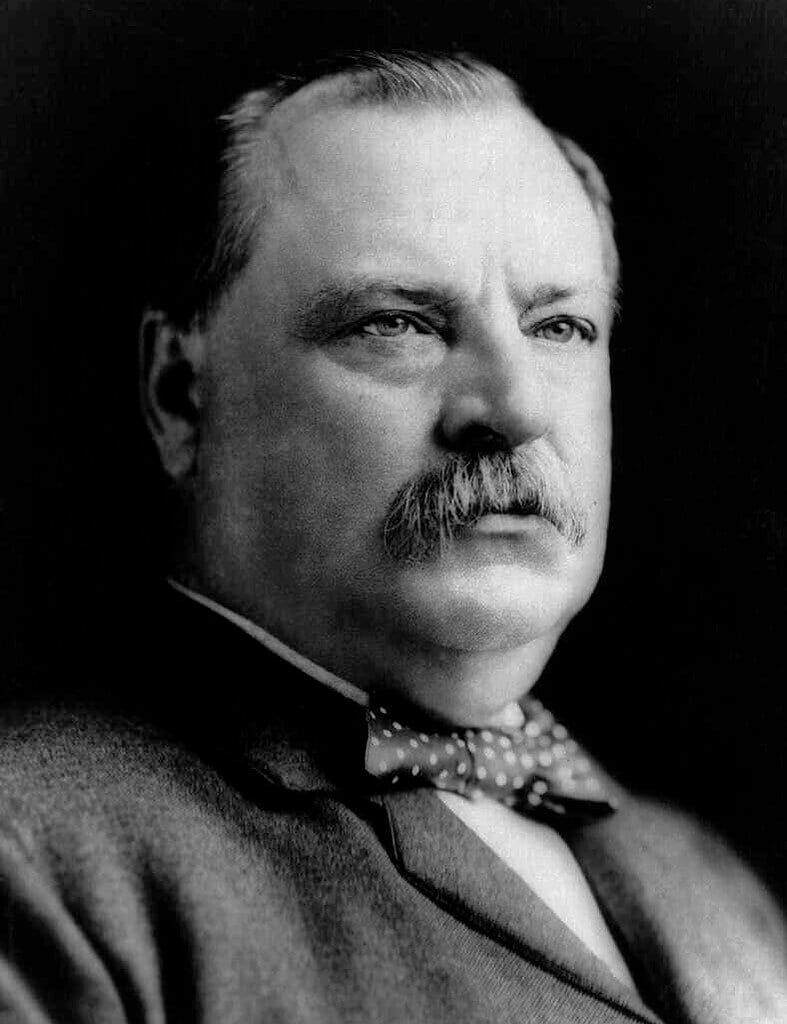
Grover Cleveland’s second inaugural address was revised to address the economic depression that had begun just before his inauguration. The speech that had been prepared needed to be rewritten to acknowledge the crisis.
Last-minute edits reflected the changed circumstances.
Garfield’s Brief Presidency Speeches
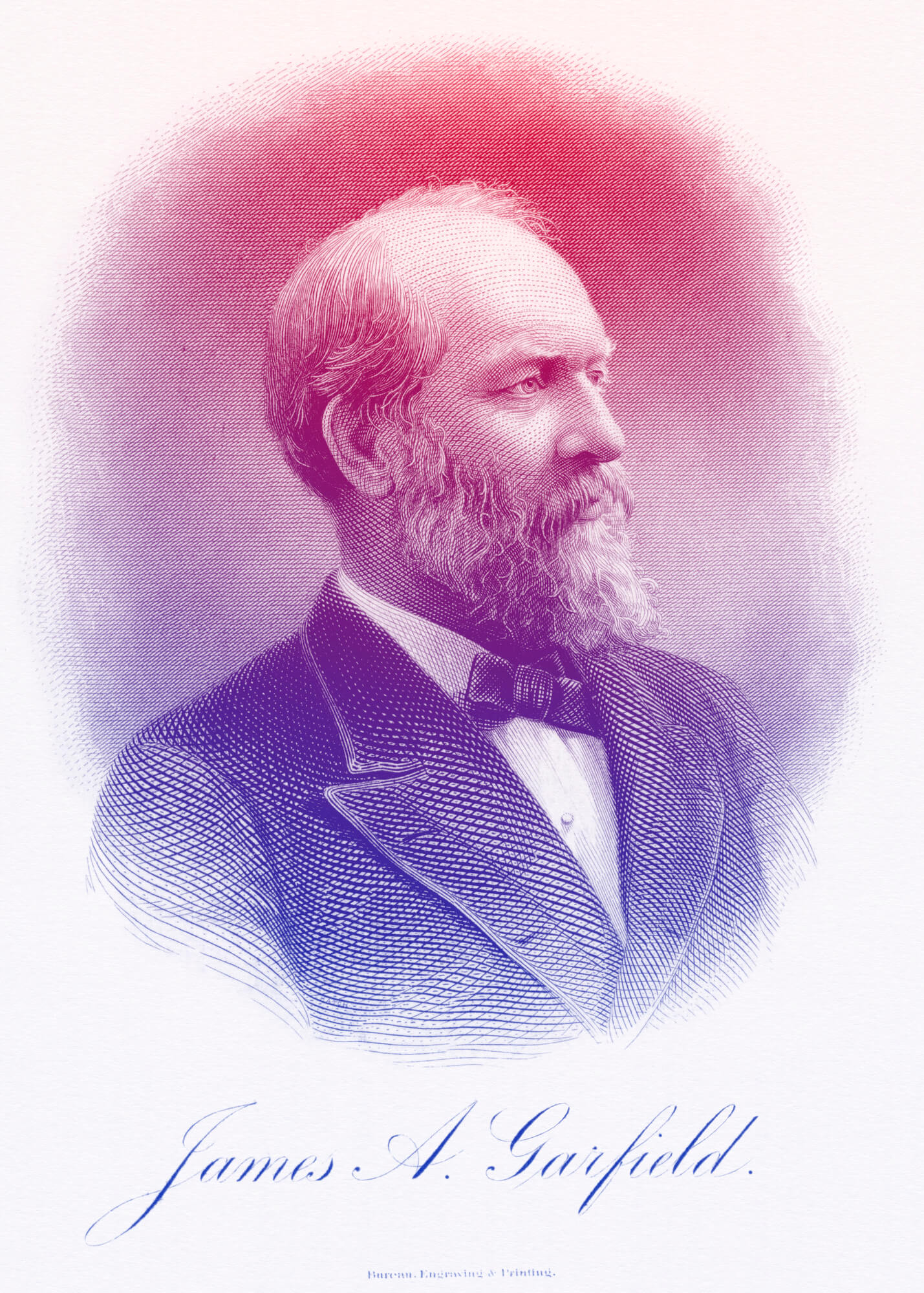
James Garfield, serving only 200 days before his assassination, gave several speeches that he revised repeatedly as political situations changed. His assassin’s bullet meant that the speeches that might have redefined his presidency were never delivered.
Taft’s Constitutional Speech, 1909
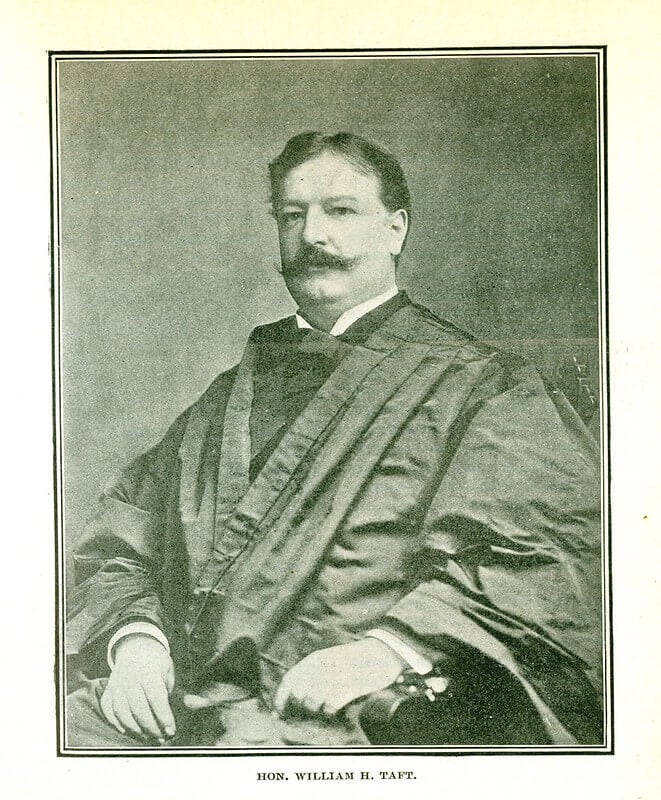
William Howard Taft’s inaugural speech was extensively revised to distinguish his presidency from Theodore Roosevelt’s. Taft personally edited passages to strike a different tone from Roosevelt while acknowledging their agreement on major issues.
Hoover’s Depression Speech, 1929
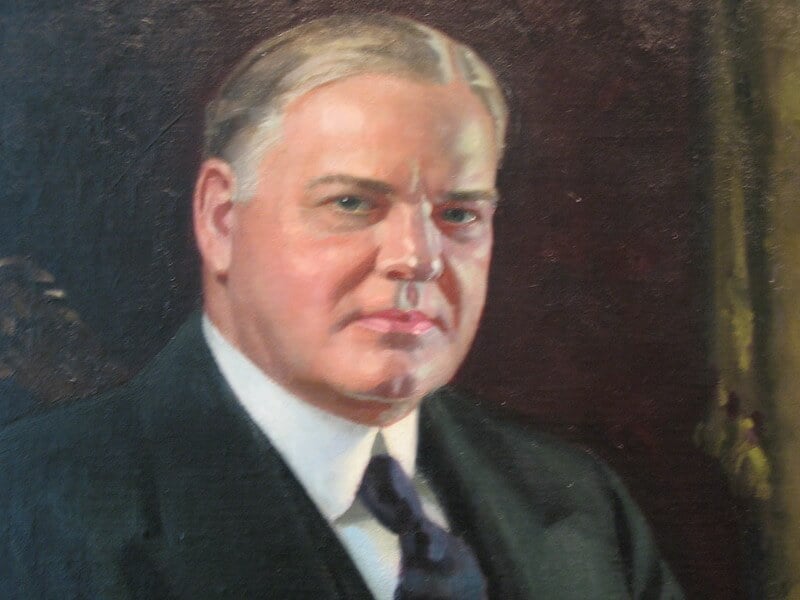
Herbert Hoover’s address after the stock market crash was revised multiple times. Advisors urged different approaches.
Hoover kept changing the emphasis between confident assurance and acknowledgment of problems. The revisions reflected his uncertainty about how to respond.
Coolidge’s Acceptance Speech, 1923
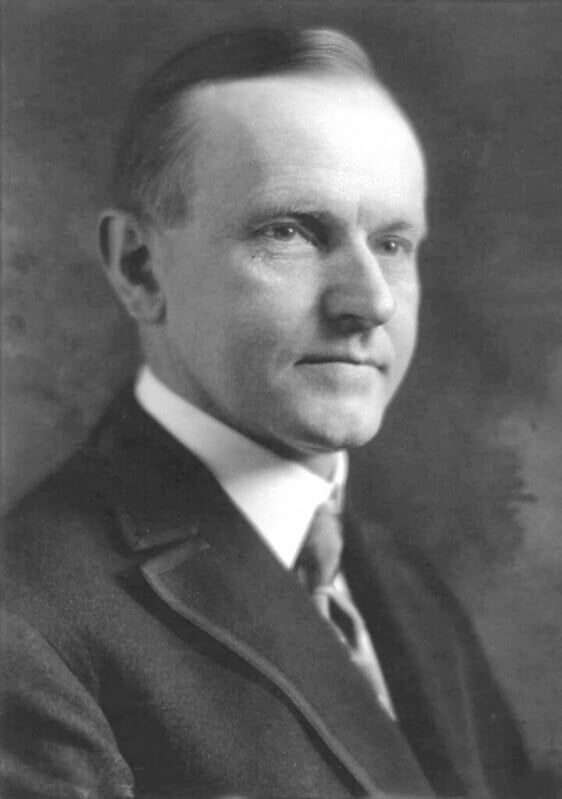
Calvin Coolidge’s acceptance speech as presidential nominee was rewritten several times. Coolidge was known for being quiet, but his speechwriter wanted him to show more energy.
The speech was revised to project strength while maintaining Coolidge’s personality.
Hayes’s Acceptance, 1876
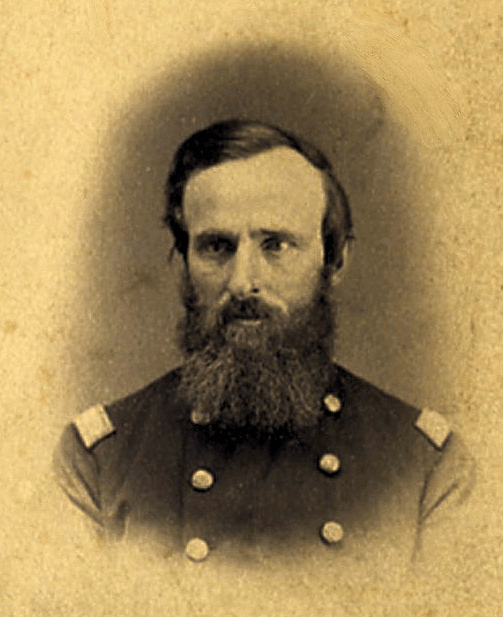
Rutherford Hayes’s acceptance of the Republican nomination in 1876 was rewritten multiple times to address the disputed election circumstances. Different versions emphasized different aspects of Hayes’s fitness for office.
The final speech reflected these careful revisions.
Harrison’s Rambling Inaugural, 1841
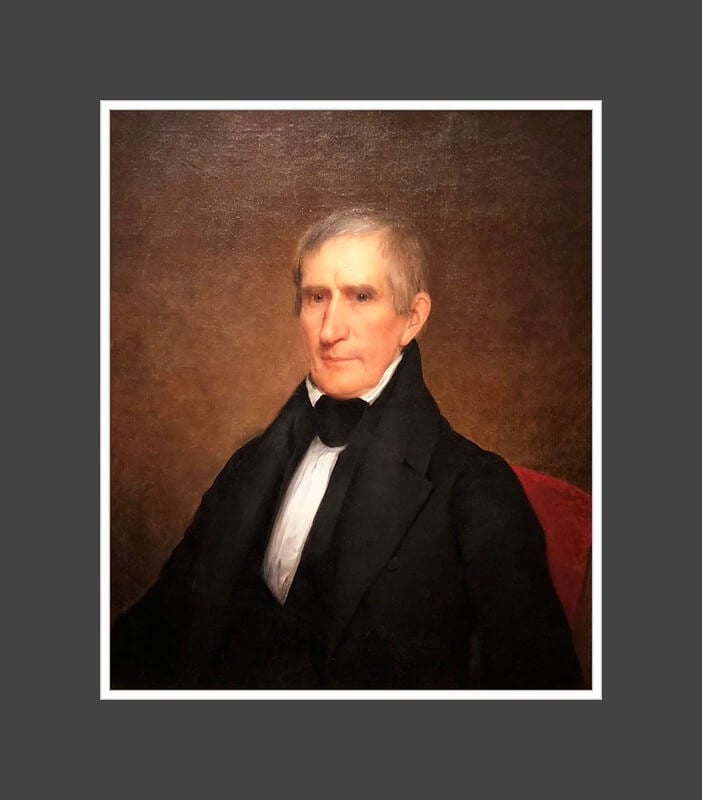
William Henry Harrison’s lengthy inaugural address was rewritten repeatedly. Harrison cut passages and added others, trying to balance too much content into one speech.
The result was a speech that rambled because even the revised version was overstuffed.
Wilson’s War Message, 1917
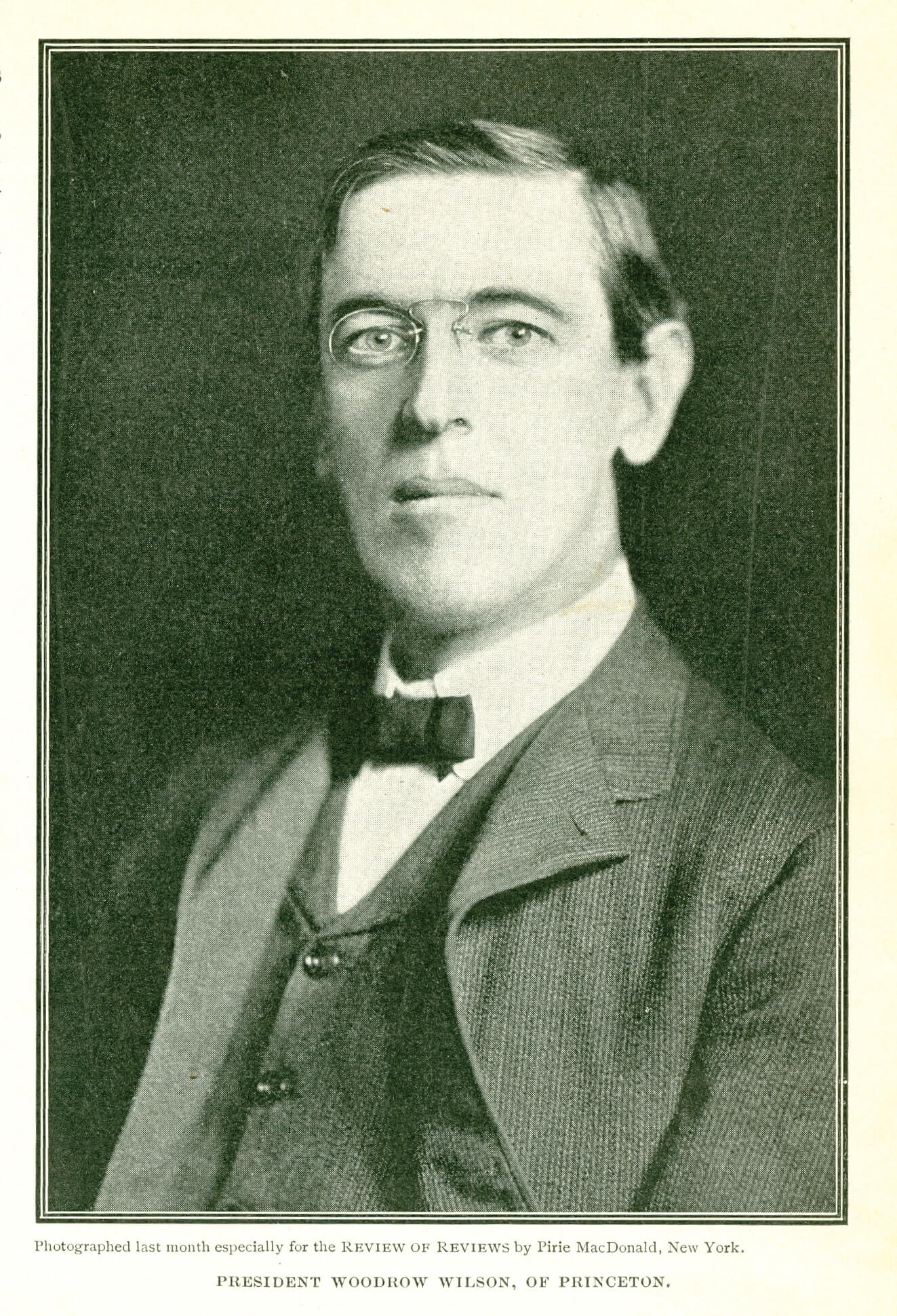
Woodrow Wilson’s message asking Congress to declare war on Germany was revised extensively. Wilson’s idealism about ending all war had to be reconciled with the reality of American entry into war.
The revisions reflected Wilson’s internal struggle with this contradiction.
The Forgotten Revisions
These 29 speeches remind us that even our most inspiring moments of oratory were shaped by editors, advisors, and last-minute panics. The words that moved millions were often not the first words written.
Speeches were shortened because speakers were long-winded, lengthened because they were too brief, and revised because political circumstances changed. The final versions that entered history were often compromises between what speakers wanted to say and what circumstances permitted them to say.
More from Go2Tutors!

- The Romanov Crown Jewels and Their Tragic Fate
- 13 Historical Mysteries That Science Still Can’t Solve
- Famous Hoaxes That Fooled the World for Years
- 15 Child Stars with Tragic Adult Lives
- 16 Famous Jewelry Pieces in History
Like Go2Tutors’s content? Follow us on MSN.



