14 Surprising Facts About the Day the Queen Was Coronated
The coronation of Queen Elizabeth II on June 2, 1953, signaled the start of the longest reign in British history. Although the ceremony itself was rooted in history that dated back almost a thousand years, it also made some innovative contributions to the modern period.
Britain’s post-war transition was marked by the coronation, which gave a country still recuperating from World War II a sense of hope and renewal. Here are 14 astonishing facts about this momentous day that captivated the world and altered the monarchy forever.
The First Televised Coronation

Queen Elizabeth II insisted on having her coronation broadcast on television, defying Prime Minister Winston Churchill and other royal advisors. This choice allowed the traditional ceremony to be performed in living rooms throughout Europe and Britain.
The event was watched by almost 27 million people in the UK alone, and millions more from all around the world.
Three Hours of Sitting

The Queen had to remain seated in Westminster Abbey for approximately three hours during the ceremony. The heavy St. Edward’s Crown, weighing nearly five pounds of solid gold, had to be placed on her head while she maintained perfect posture throughout the proceedings.
She later remarked that the crown was quite uncomfortable and difficult to keep balanced.
Secret Rehearsals with a Bedsheet

Elizabeth rehearsed wearing the Imperial State Crown while going about her daily business before the coronation. As she grew used to the weight and mobility limitations, she would stroll around Buckingham Palace wearing a bedsheet draped like the coronation robe.
She practiced navigating entrances and sitting elegantly in the heavy clothing with the assistance of her ladies-in-waiting.
A Hidden Microphone Incident

There was a little glitch with the microphone gear that was set up at Westminster Abbey for the ceremony. In one somber moment, the microphone captured a private conversation between the Queen and the Archbishop of Canterbury that was not intended for the general public to hear.
The young monarch was silently led through the complex process by the Archbishop, who was discussing the timing of the event.
Coronation Chicken Was Invented

The official coronation meal needed to feed 350 foreign dignitaries with something that could be prepared ahead of time. Chef Rosemary Hume created ‘Coronation Chicken’—cold chicken in a curry cream sauce with apricots—specifically for the banquet.
This dish has since become a British classic and is still widely enjoyed today.
Prince Philip’s Unique Role

Prince Philip became the first consort to pledge fealty to the sovereign while also helping plan the ceremony. Breaking from tradition, he was the only attendee permitted to kiss the Queen during the ceremony, kneeling before her and pledging to be her ‘liege man of life and limb.’
Philip also chaired the Coronation Commission, directly influencing how the ancient ceremony was adapted for television.
The Mysterious Anointing

The most sacred part of the coronation—the anointing with holy oil—was deliberately not televised. A canopy was held over the Queen by four Knights of the Garter to shield this sacred moment from cameras.
The specially prepared holy oil contained ambergris, orange flowers, roses, jasmine, and cinnamon, made according to a formula dating back to Charles I.
Maids of Honor Almost Fainted

The Queen’s six maids of honor struggled with the lengthy ceremony. Lady Anne Glenconner later revealed they were given smelling salts hidden in their gloves in case anyone felt faint.
During rehearsals, one of the maids had indeed fainted, prompting this precaution. The weight of their historic gowns and hours of standing proved challenging even for the young women.
A Dentist Was on Standby

Throughout the ceremony, a royal dentist was on standby in case the Queen had any dental emergencies. This little-known preparation demonstrated the careful planning that was done to make sure the event would go off without a hitch.
Every scenario was taken into account, including the possibility of toothaches or other dental problems that could have detracted from the serious event.
The Coronation Stone Drama
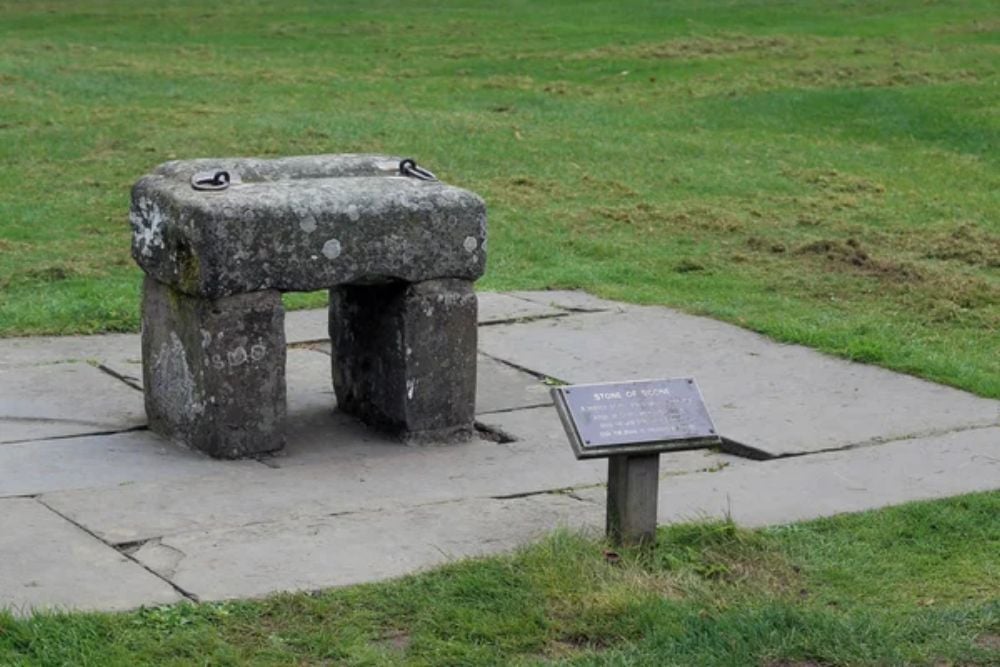
Just 16 months before the coronation, Scottish nationalists had stolen the Stone of Scone (the coronation stone) from Westminster Abbey. It was recovered just in time to be placed back in the Coronation Chair for Elizabeth’s ceremony.
This ancient stone had been used in Scottish coronations for centuries before being taken to England by Edward I in 1296.
An RAF Fly-Past Was Almost Canceled
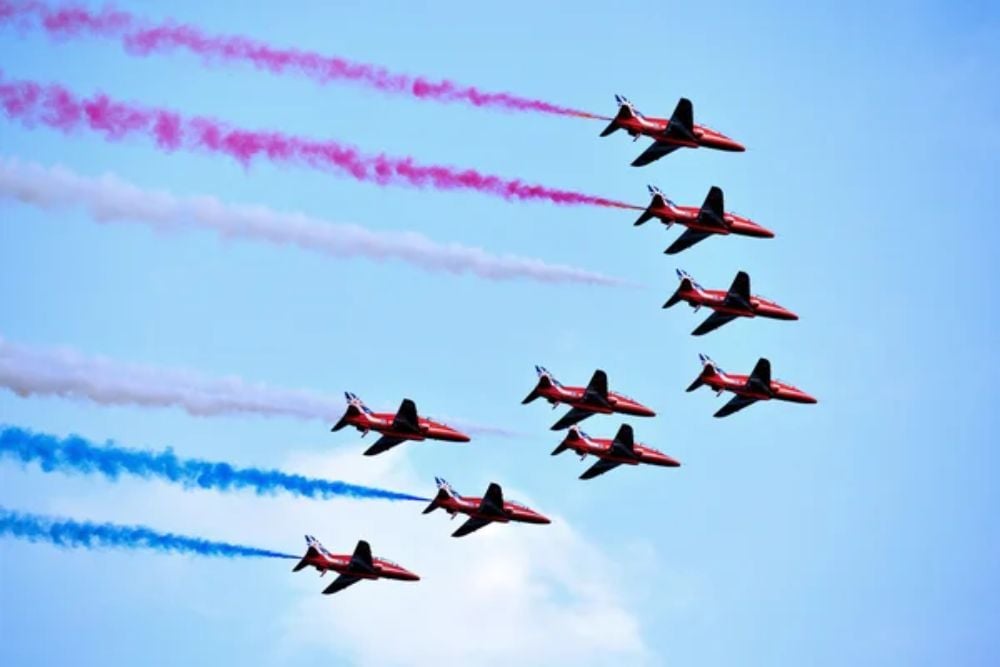
The planned Royal Air Force fly-past almost didn’t happen due to terrible weather conditions. Rain had poured throughout the morning, but just as the Queen appeared on the Buckingham Palace balcony, the skies cleared enough for the aircraft to make their ceremonial pass.
The sudden break in the clouds was seen by many as an auspicious sign for the new reign.
Unexpected Guests Arrived

Three individuals managed to sneak into Westminster Abbey without tickets or invitations. One man, dressed impressively in elaborate Middle Eastern attire, was assumed to be a foreign dignitary and was seated prominently near the front.
His true identity wasn’t discovered until after the ceremony when officials realized he had no diplomatic credentials whatsoever.
The Queen’s Dress Had Hidden Symbols
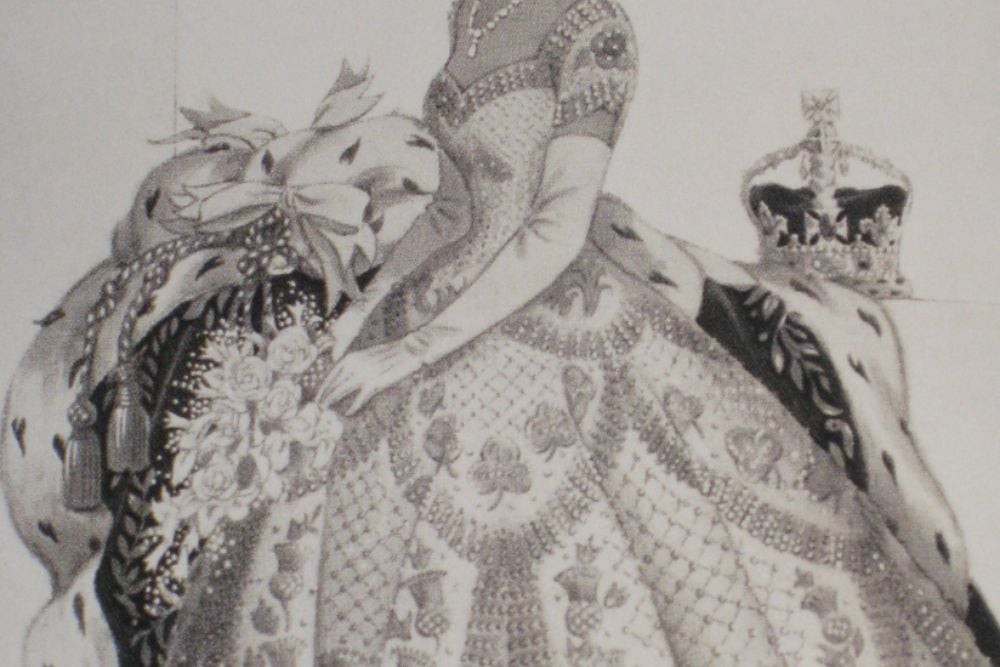
Norman Hartnell designed the Queen’s coronation gown with embroidered emblems representing all parts of the Commonwealth. The dress featured the Tudor rose for England, thistles for Scotland, shamrocks for Ireland, and maple leaves for Canada among many others.
Each emblem was meticulously researched and approved by the Queen herself, creating a garment that symbolized the unity of her realms.
Rationing Still Affected Celebrations

Despite the grandeur of the occasion, Britain was still under food rationing in 1953. Many families saved their sugar and butter rations for weeks to bake coronation cakes and treats for street parties.
The government made a special concession, allowing each child in Britain to receive an extra pound of sugar for celebration cakes, demonstrating how austerity measures still affected even this momentous royal occasion.
A Legacy That Transformed Monarchy
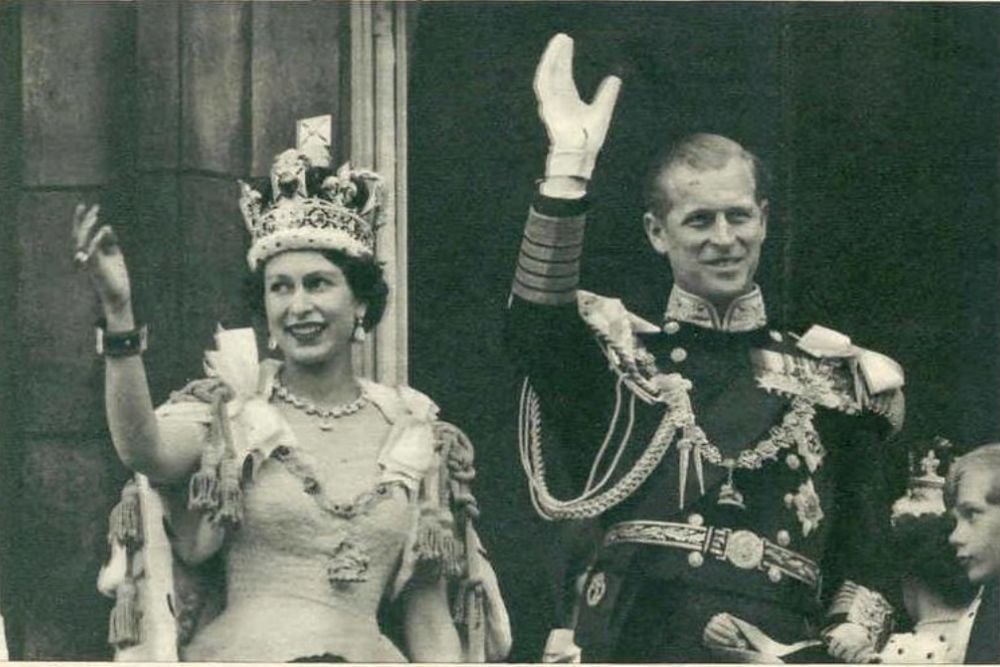
The coronation of Queen Elizabeth II wasn’t just a ceremony—it marked the beginning of a new relationship between the monarchy and the public. By allowing cameras into Westminster Abbey, the Queen initiated a more accessible and visible monarchy that would define her reign.
The tradition of balancing ancient customs with modern accessibility became a hallmark of her seven decades on the throne. The young woman crowned that rainy June day could hardly have imagined she would serve for over 70 years, becoming Britain’s longest-reigning monarch.
The decisions made about her coronation, particularly embracing television, fundamentally changed how the public viewed and related to the royal family for generations to come.
More from Go2Tutors!

- The Romanov Crown Jewels and Their Tragic Fate
- 13 Historical Mysteries That Science Still Can’t Solve
- Famous Hoaxes That Fooled the World for Years
- 15 Child Stars with Tragic Adult Lives
- 16 Famous Jewelry Pieces in History
Like Go2Tutors’s content? Follow us on MSN.