24 Fast Food Items Pulled Off Menus for Good
Fast food menus evolve constantly as restaurants test new items, discontinue underperformers, and respond to changing consumer preferences. Some beloved menu items achieve cult status before disappearing forever, while others vanish so quietly that few remember they existed.
These discontinued items represent the experimental side of fast food development that never achieved mainstream success.
McDonald’s Arch Deluxe
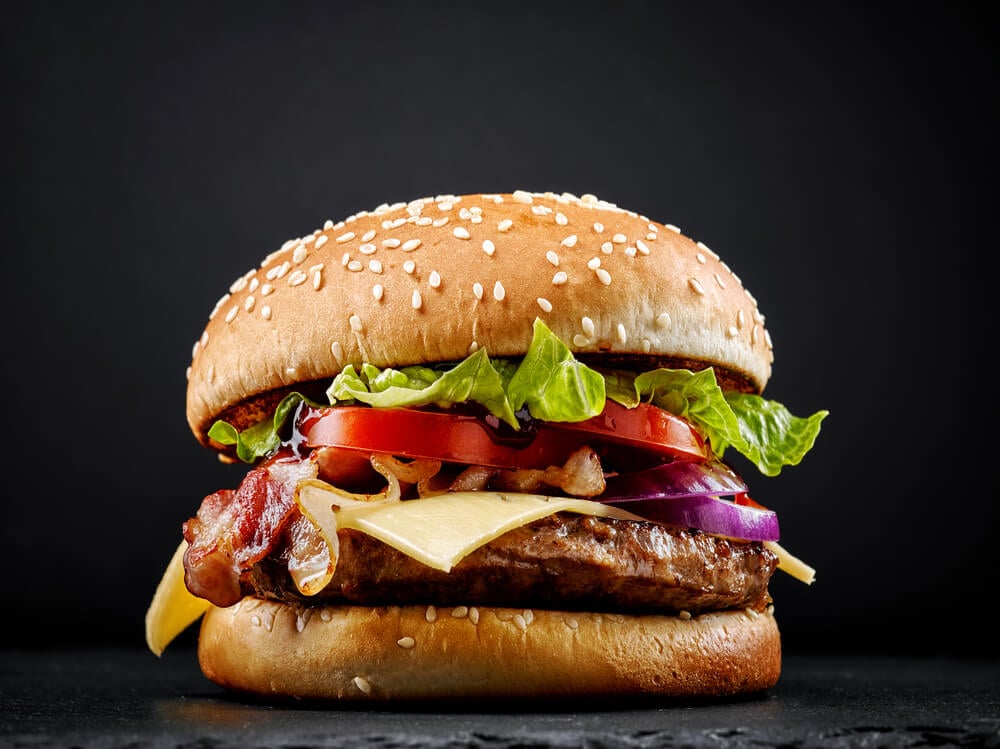
Introduced in 1996 as an upscale burger targeting adults with Dijon mustard and bacon, the Arch Deluxe cost McDonald’s $300 million in marketing and failed spectacularly. Customers found the burger pretentious for fast food, and its premium price point alienated McDonald’s core customer base.
Discontinued within three years, the Arch Deluxe became a symbol of a corporation misunderstanding its own brand identity.
Burger King’s Satisfries
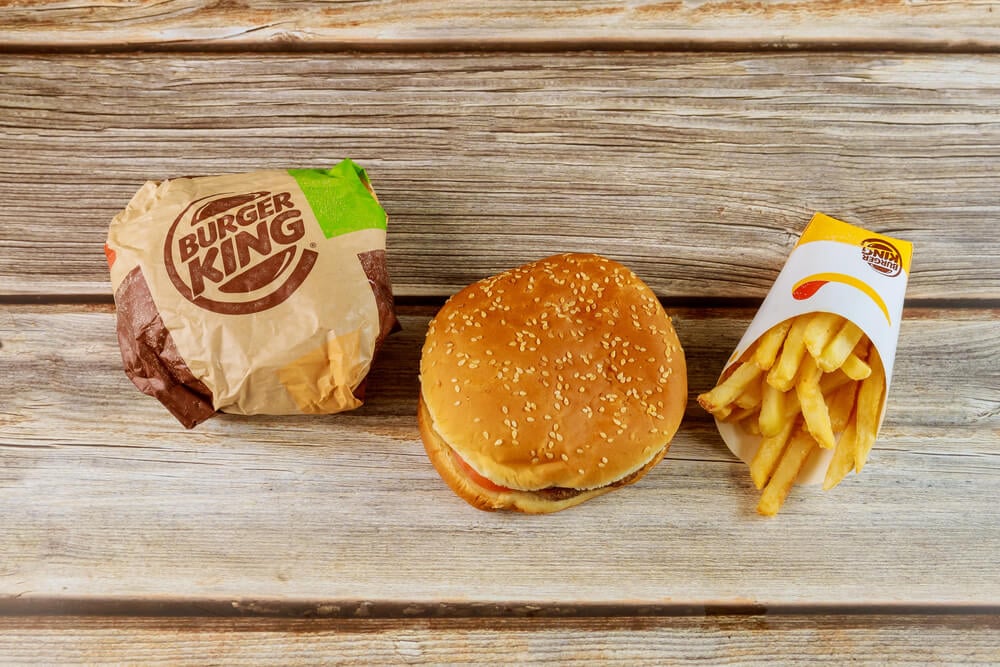
Burger King introduced Satisfries as a lower-fat, lower-calorie french fry alternative to appeal to health-conscious customers without sacrificing taste. The specialized fries used a proprietary breading formula to reduce oil absorption.
Despite initial promise, Satisfries failed to gain traction and were quietly discontinued due to poor sales and customer indifference.
Taco Bell’s Waffle Taco
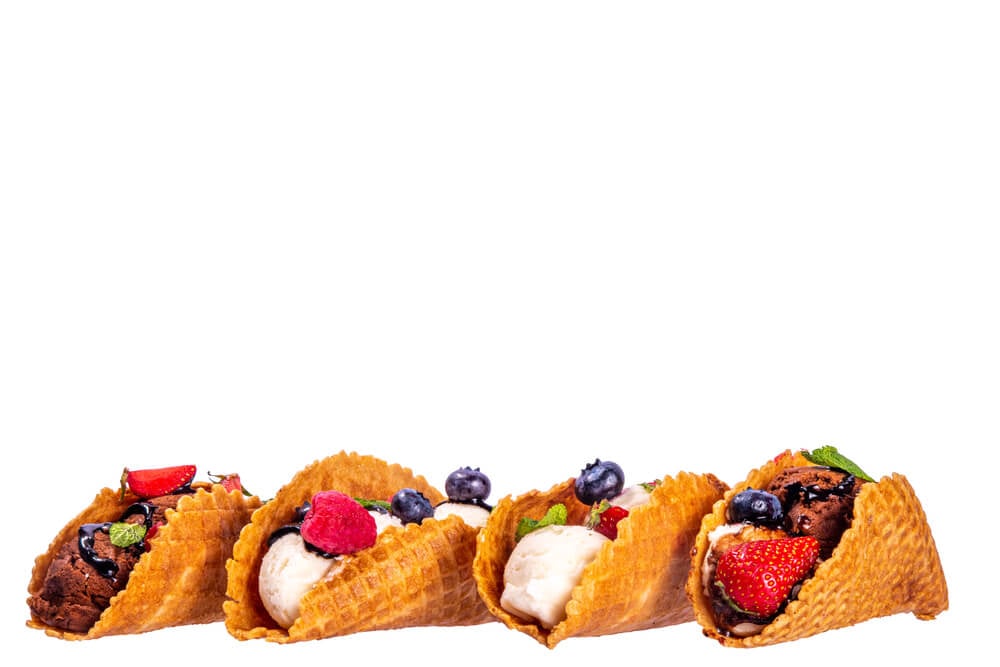
This breakfast item featured a waffle-shaped taco shell holding eggs, sausage, and cheese, launched as a limited-time offering in 2014. The novelty appeal initially drew customers, but the waffle shell proved difficult to eat and structural integrity issues emerged immediately.
The Waffle Taco disappeared quickly, though brief nostalgia campaigns occasionally bring it back for limited runs.
Wendy’s Flatbread Sandwiches
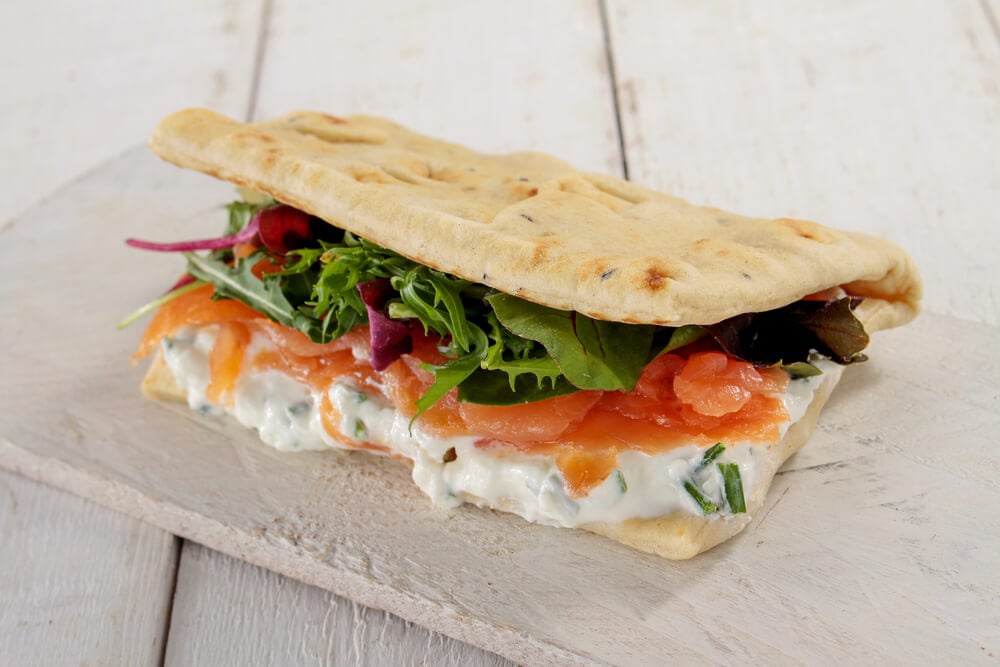
Wendy’s attempted to compete with Panera and Subway by introducing flatbread sandwiches as a healthier, upscale alternative to traditional fast food. The flatbreads were produced fresh in-restaurant but proved too expensive to produce consistently while maintaining profit margins.
This menu category was discontinued as Wendy’s refocused on burgers.
Chick-fil-A’s Cobb Salad
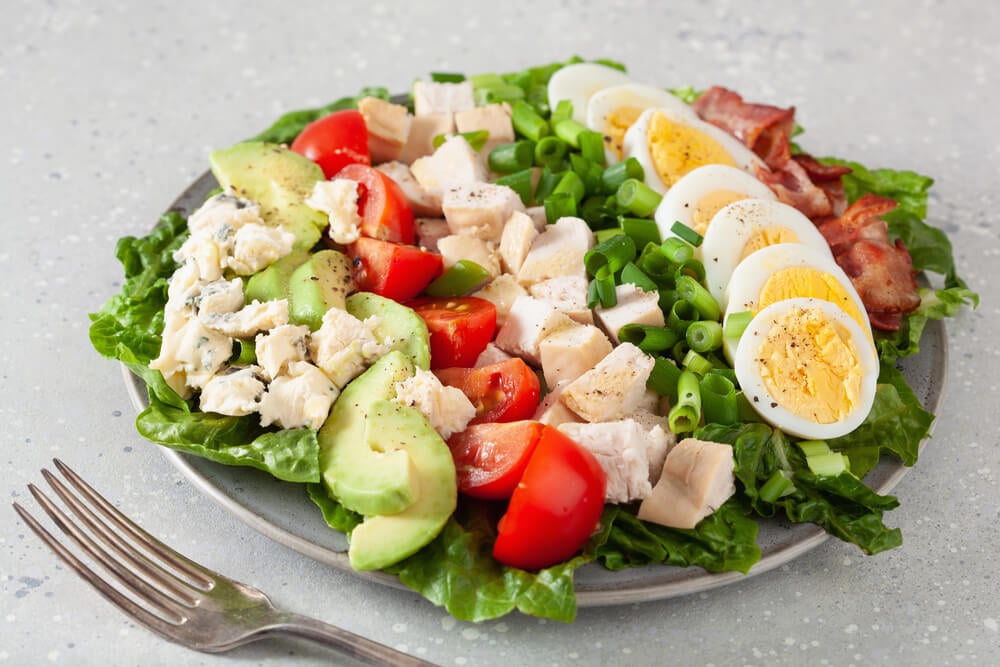
A premium salad option featuring bacon, egg, and avocado on mixed greens, the Cobb Salad represented Chick-fil-A’s attempt to expand beyond chicken sandwiches. The salad was relatively expensive compared to competitors’ salad options and proved unpopular with Chick-fil-A’s target customer base.
Discontinued due to low demand, the salad never achieved the status of signature menu items.
KFC’s Boneless Wings
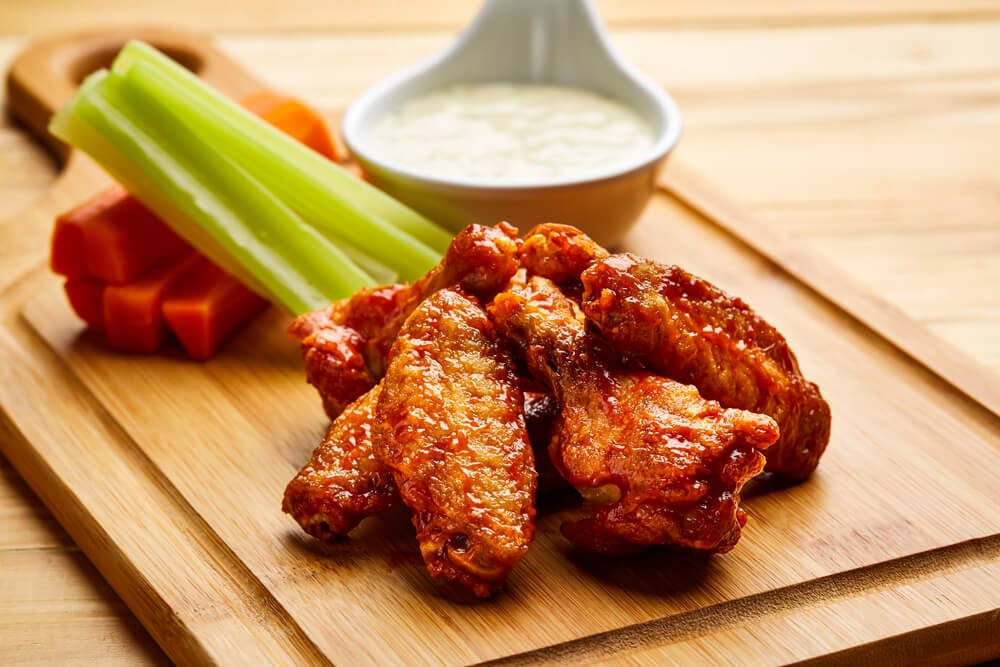
Colonel Sanders’ Chicken Tenders rebranded as “Boneless Wings,” these bite-sized chicken pieces competed directly with Buffalo Wild Wings’ popular menu item. The texture and presentation tried to capture wing appeal without actual bone content.
Inconsistent quality and customer confusion about what boneless wings actually were led to discontinuation.
Pizza Hut’s Crown Crust
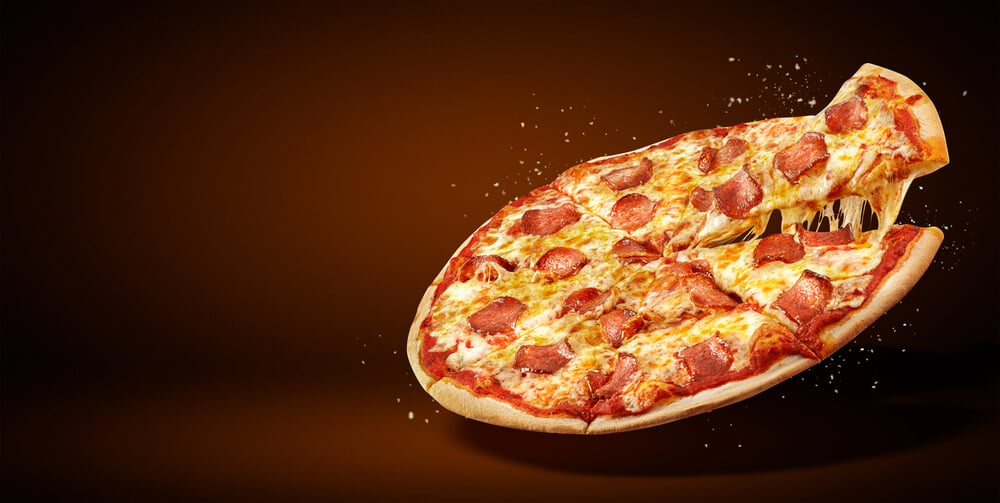
Pizza Hut introduced a unique pizza with a hot dog-filled crust border as a premium pizza option combining pizza with another food. The novelty menu item generated significant social media attention but proved impractical and too expensive for regular customer adoption.
The Crown Crust remains one of Pizza Hut’s most memorable but short-lived experiments.
McDonald’s Fish McBite
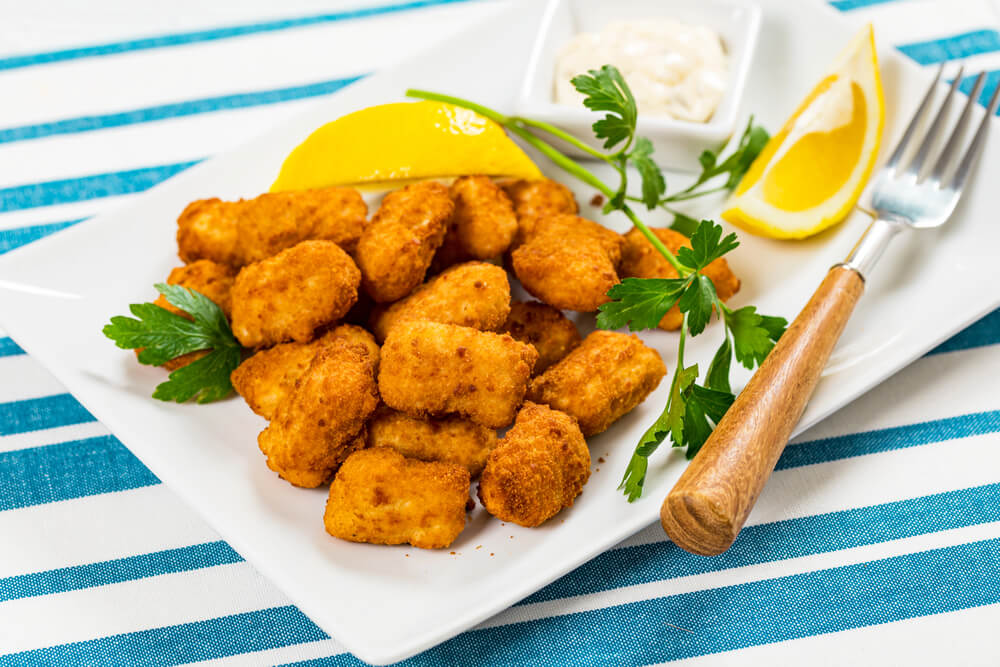
This fish variant on the popular Chicken McNugget shape was introduced during Lent as a limited-time Catholic-friendly alternative. The breaded fish pieces attempted to replicate the wildly successful McNugget formula with a different protein.
Inconsistent preparation and the awkwardness of fish in bite-sized nugget form led to discontinuation after limited runs.
Wendy’s Hot and Crispy Chicken Sandwich
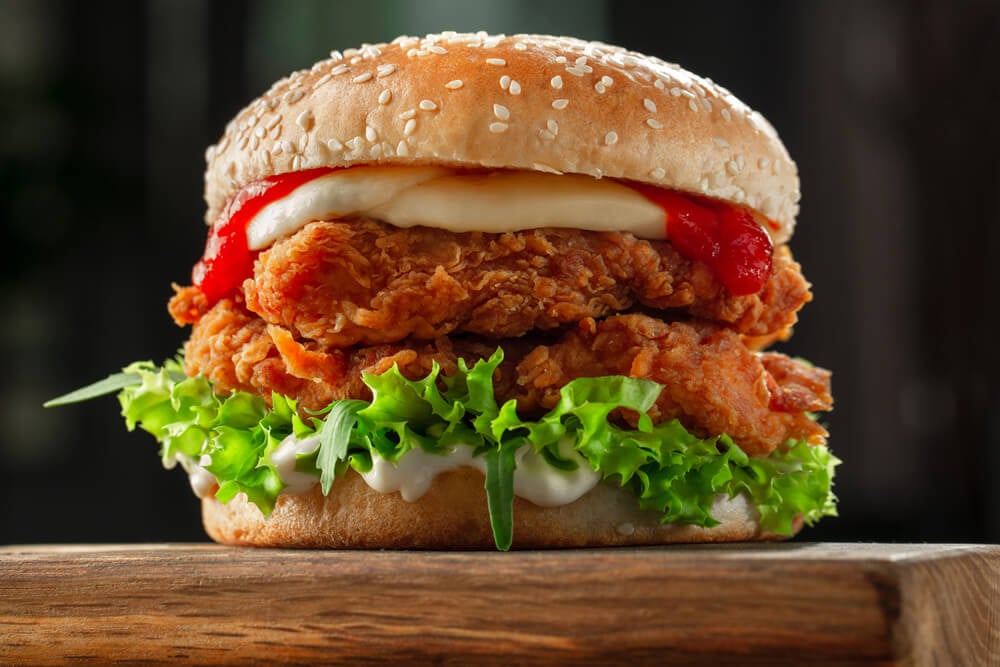
A spicy chicken sandwich competing directly with Chick-fil-A’s signature sandwich, Wendy’s version offered picante sauce and jalapeños. The sandwich was technically solid but couldn’t differentiate itself meaningfully from competitors’ offerings.
Limited marketing and the challenge of competing in Chick-fil-A’s established category led to discontinuation.
Taco Bell’s Grilled Stuff Burrito
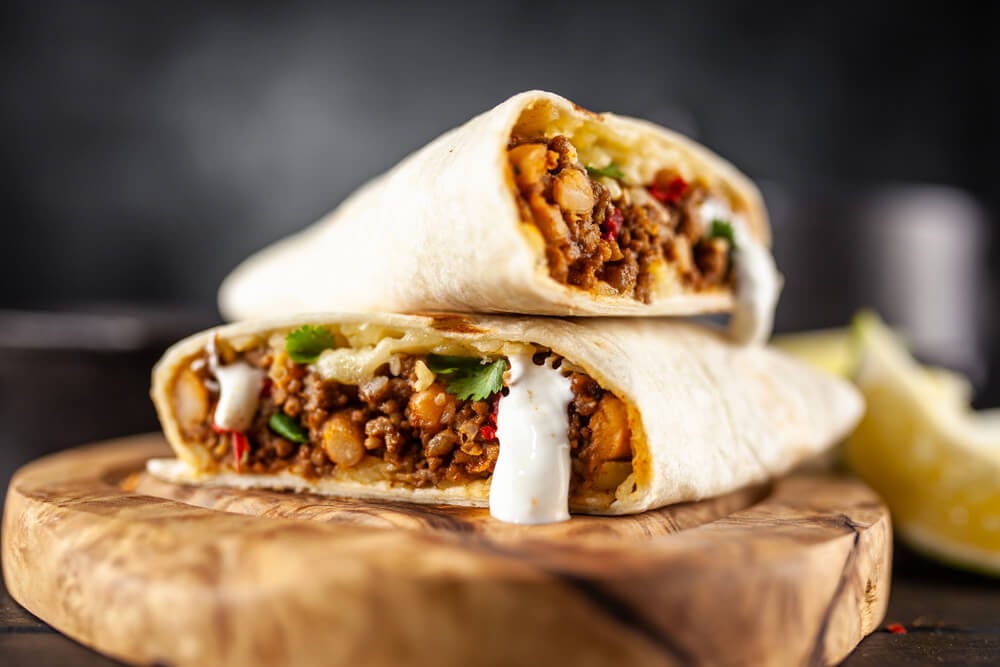
This burrito had a grilled exterior pocket with melted cheese on the wrapper itself, adding a textural element to the typical burrito. The novelty of grilled cheese on the burrito exterior proved insufficient to overcome the higher production cost.
The item was discontinued as Taco Bell streamlined its menu.
McDonald’s Premium Roast Beef Sandwich
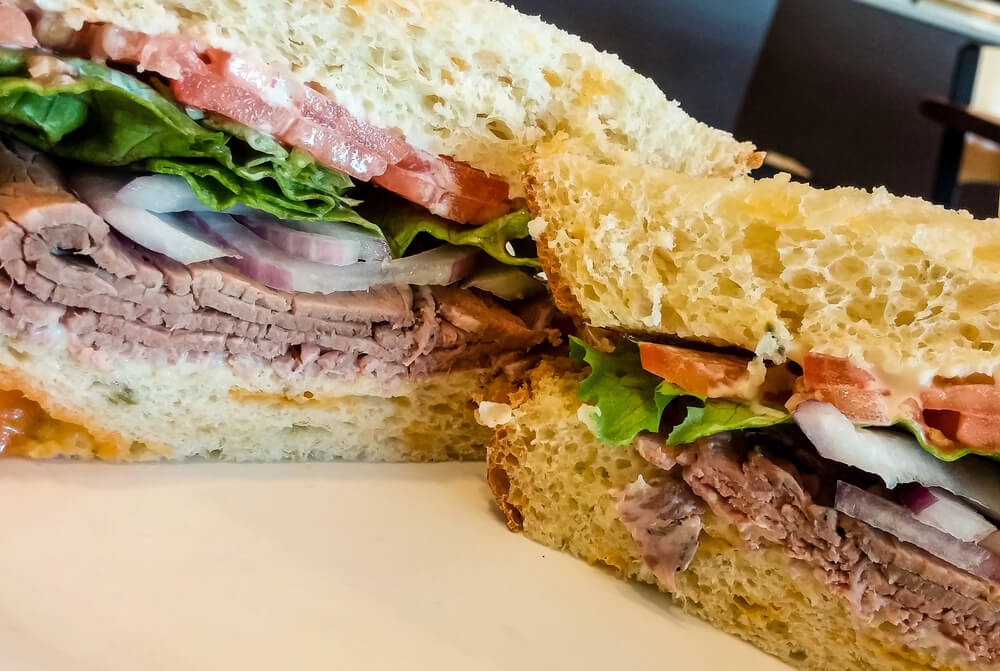
An attempt to compete with Arby’s in the roast beef sandwich category, McDonald’s version featured sliced roast beef and cheddar cheese. The sandwich required additional kitchen equipment and training, making it expensive to maintain across franchise locations.
Discontinued due to implementation challenges and poor market reception, it’s rarely remembered today.
Burger King’s Steakhouse Burger
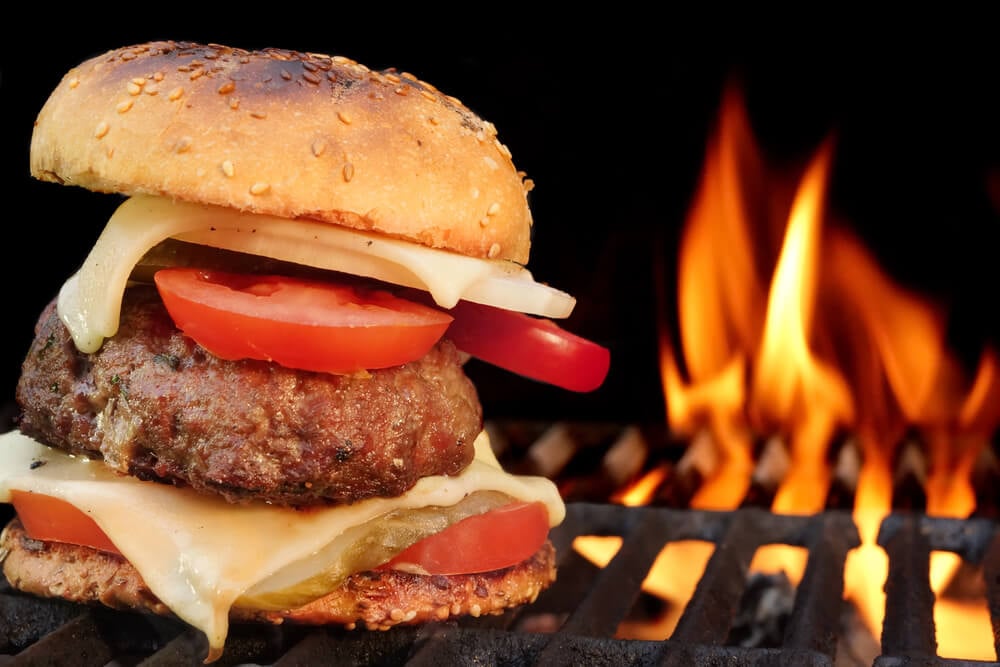
A premium burger featuring flame-grilled steak and premium toppings, the Steakhouse Burger attempted to capture upscale burger market appeal. The premium pricing and complex preparation made it impractical for consistent fast food delivery.
Discontinued as Burger King refocused on volume rather than premium positioning.
Subway’s Flatizza
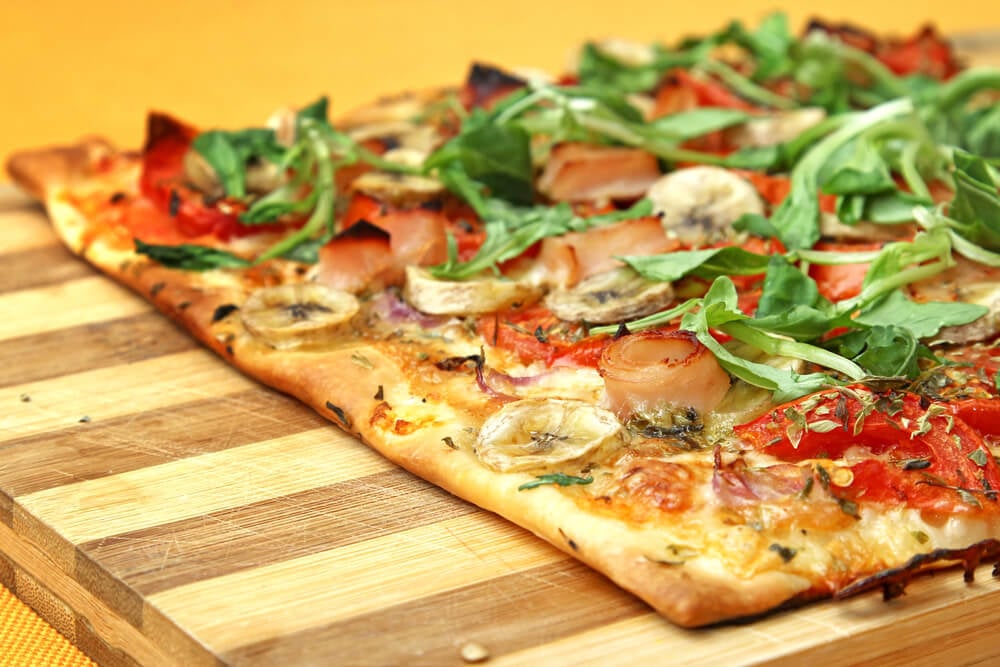
Subway’s attempt at creating a flatbread pizza hybrid, the Flatizza featured a thin flatbread base with pizza toppings and cheese. The item was technically a pizza disguised as Subway’s sandwich format, confusing both customers and franchise operators.
Poor sales and operational confusion led to quick discontinuation.
Carl’s Jr.’s Hand-Breaded Fish Sandwich
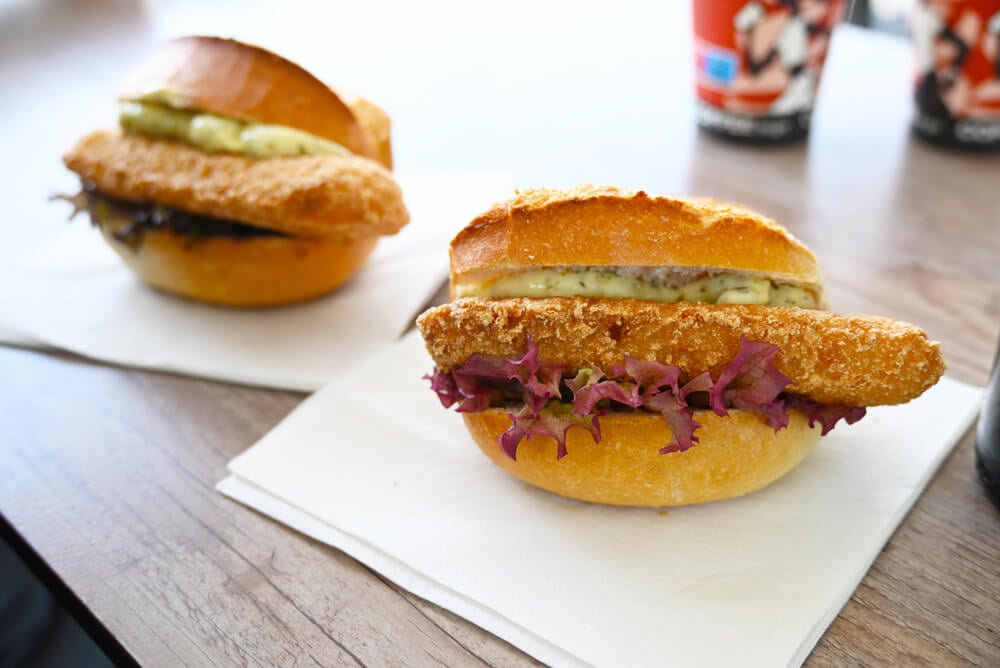
Carl’s Jr. introduced a fish sandwich with hand-breaded fish during Lent, competing with McDonald’s existing option. The superior breading quality didn’t overcome customer perception that Carl’s Jr. is primarily a burger chain.
Discontinued after limited runs, it remains obscure outside of nostalgia discussions.
Jack in the Box’s Sourdough Philly Cheesesteak
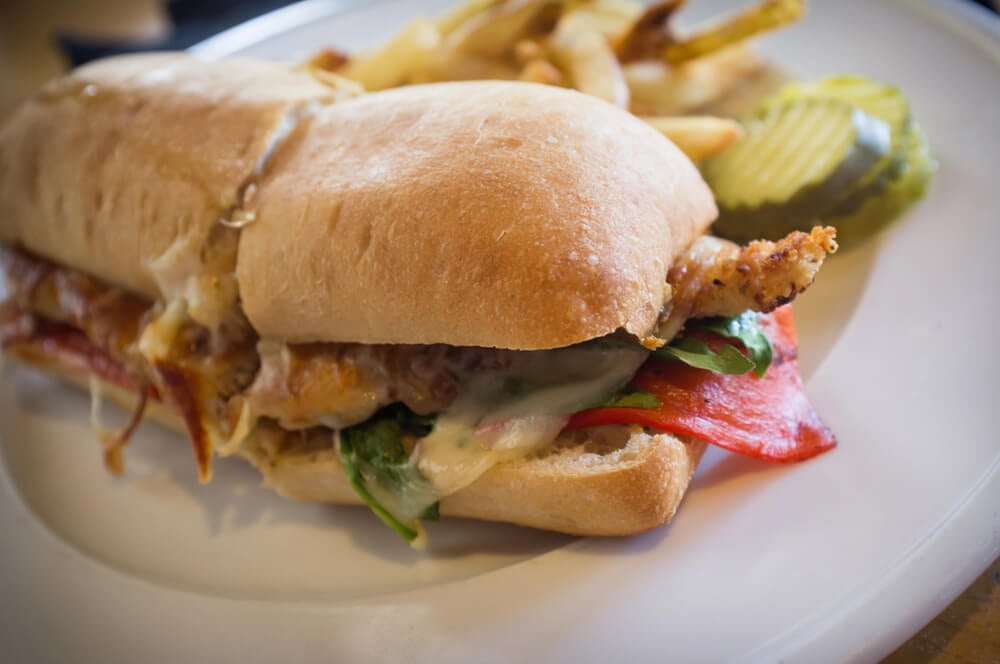
This sourdough bread sandwich filled with thinly sliced beef and melted cheese attempted to capture upscale sandwich appeal at fast food prices. The sourdough proved incompatible with fast food preparation speeds and consistent quality standards.
Discontinued due to operational challenges, it never gained mainstream popularity.
Taco Bell’s Beefy 5-Layer Burrito
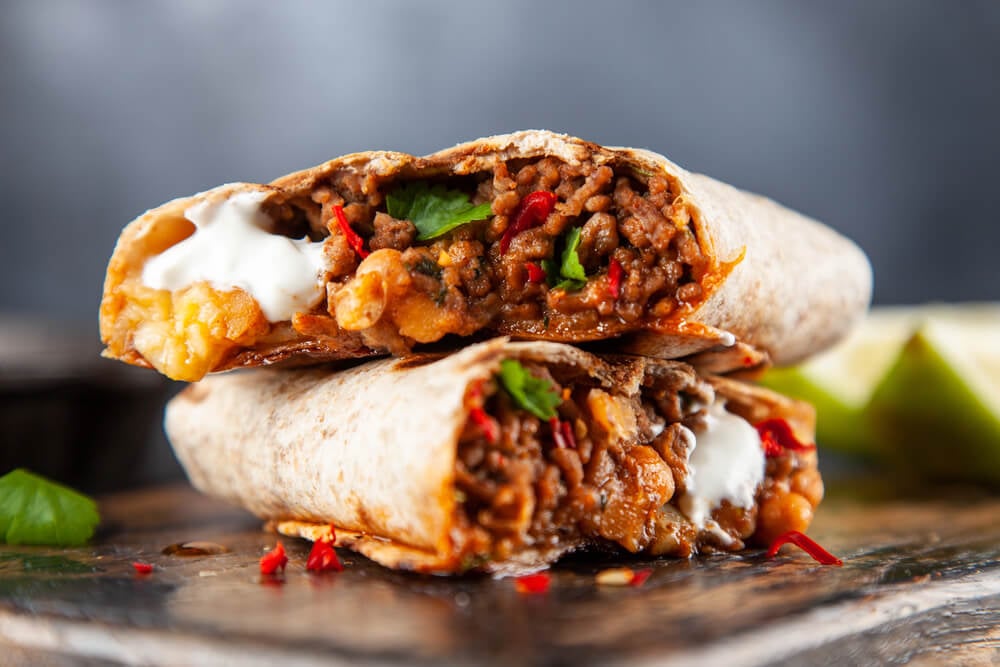
A premium burrito featuring five distinct layers—beans, beef, cheese, sour cream, and nacho cheese sauce—the Beefy 5-Layer attempted to emphasize complexity. The multiple layers created structural issues and customer confusion about what differentiated it from standard burritos.
Discontinued as Taco Bell streamlined redundant menu options.
McDonald’s McRib (Regional)
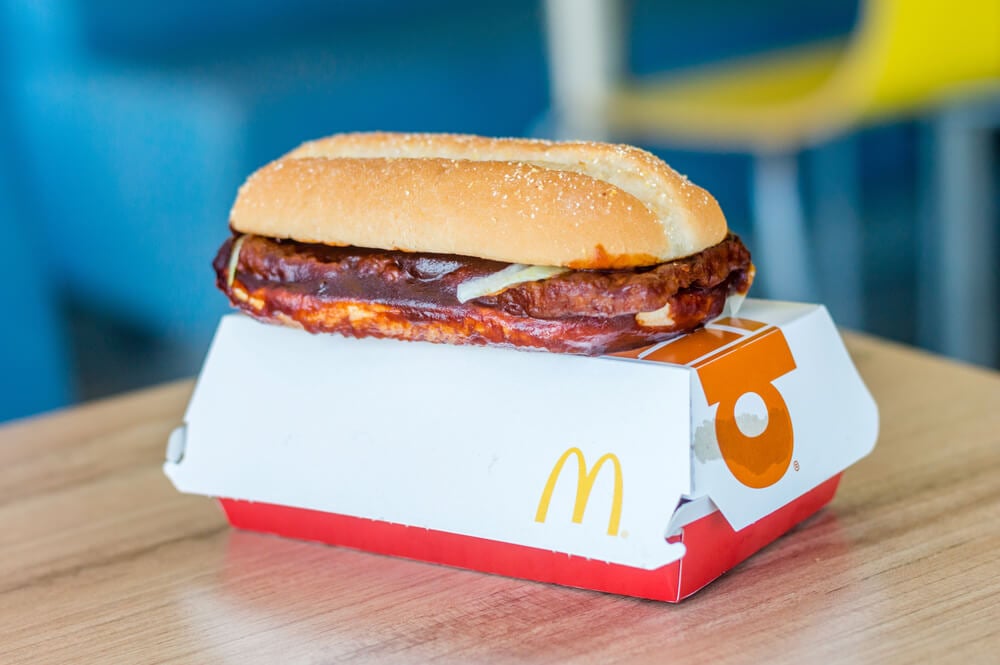
While the McRib briefly returns as a limited-time offering nationwide, regional McDonald’s tested various McRib variants and permanent menu status. These regional experiments never achieved the limited-time novelty appeal that makes the national McRib successful.
The discontinuation of permanent regional McRibs left customers unable to consistently access their favorite sandwich.
Wendy’s Poutine
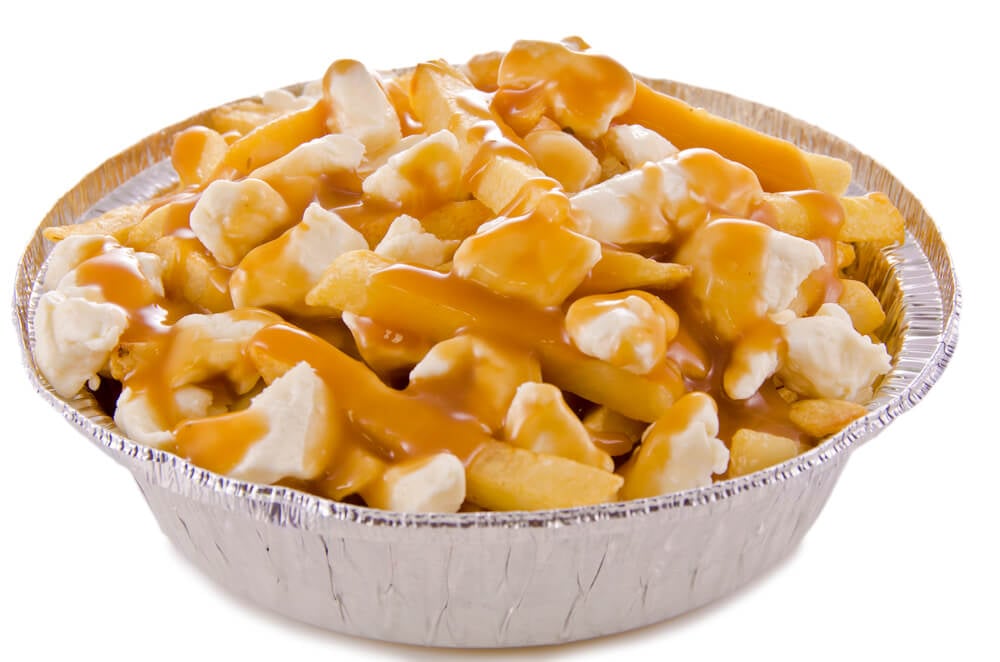
As a test market item primarily in Canada, Wendy’s attempted to capitalize on poutine’s Canadian cultural significance by offering fries, gravy, and cheese curds. The item proved difficult to maintain quality standards during peak service hours.
Discontinued from most locations, poutine remains available only in specific test markets.
Burger King’s French Fry Burger
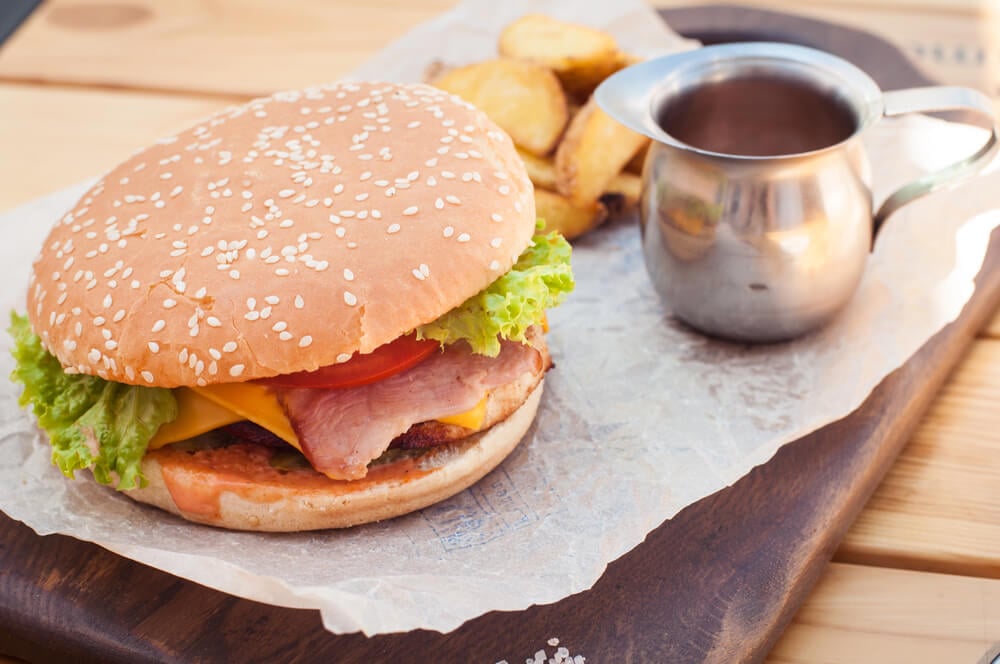
A conceptual burger featuring actual french fries within the sandwich between patties and buns, the French Fry Burger prioritized novelty over practicality. The fries created structural issues and soggy bread from steam and oil.
The item was discontinued after brief market testing revealed fundamental flaws.
Arby’s Loaded Fries
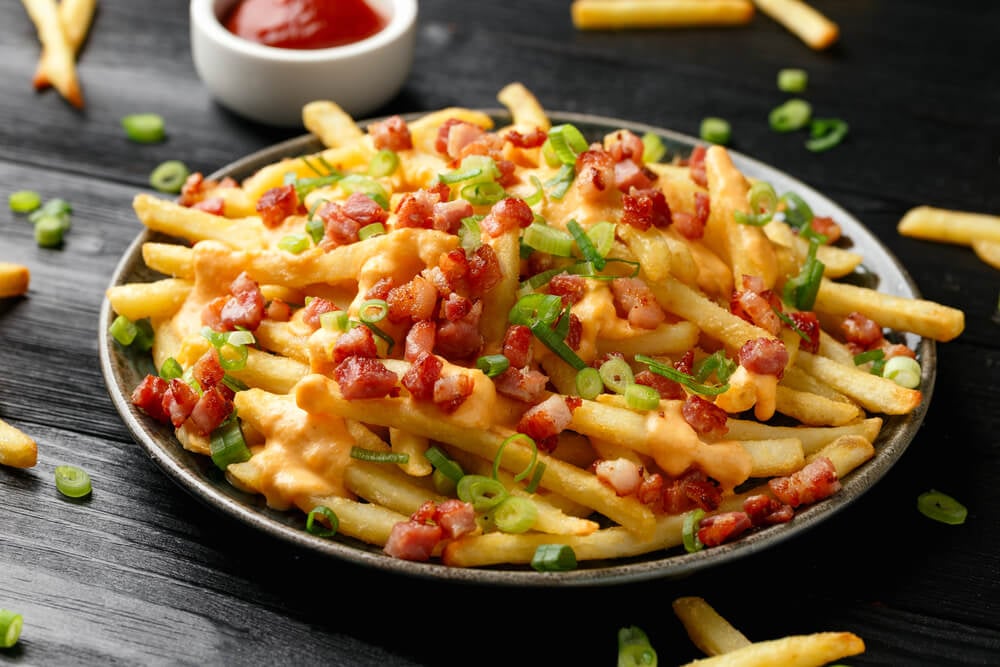
Arby’s attempted to compete with restaurant-style loaded fries by offering beef, cheddar, and bacon toppings on their fries. The item proved difficult to execute consistently at drive-through speeds and in delivery situations.
Discontinued due to operational challenges, it remains a missed opportunity for differentiation.
Panera’s Quinoa Bowls

Panera introduced quinoa bowls as a premium, health-focused entree option competing with Sweetgreen and other premium fast casual chains. The bowls required additional ingredients and preparation protocols that complicated kitchen workflows.
Discontinued due to operational complexity and insufficient customer demand, they represented a failed upscale pivot.
Five Guys’ Hot Dog
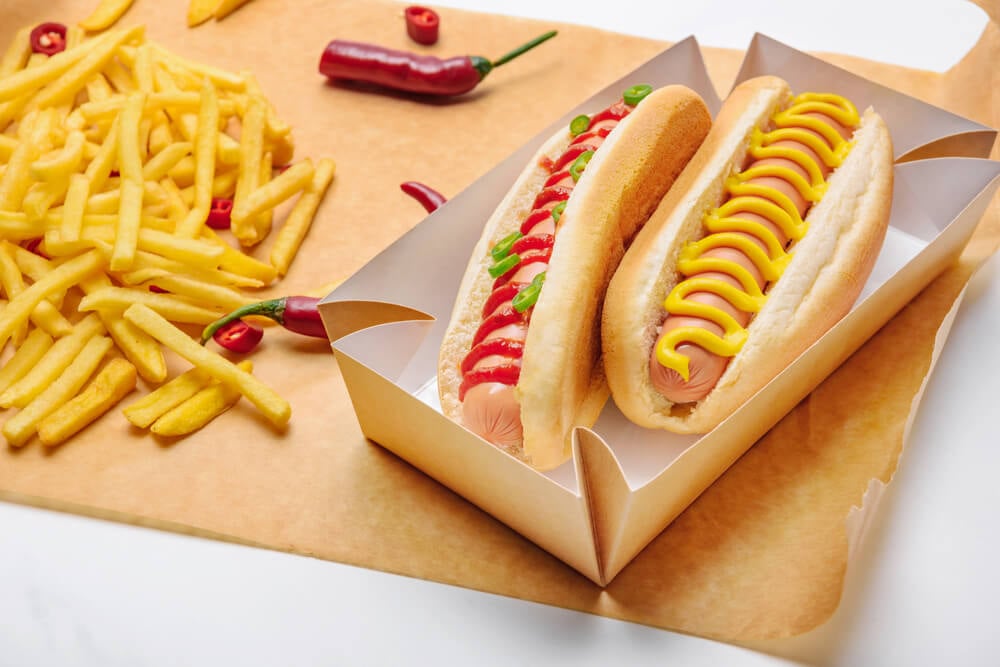
Five Guys tested hot dogs as a protein option alternative to burgers and fries, with customizable toppings. The hot dog category proved insufficient to diversify revenue streams away from their core burger business.
Discontinued from most locations, the experiment revealed customer brand expectations around Five Guys’ burger specialization.
In-N-Out’s Animal Style Secret Items (Regional)
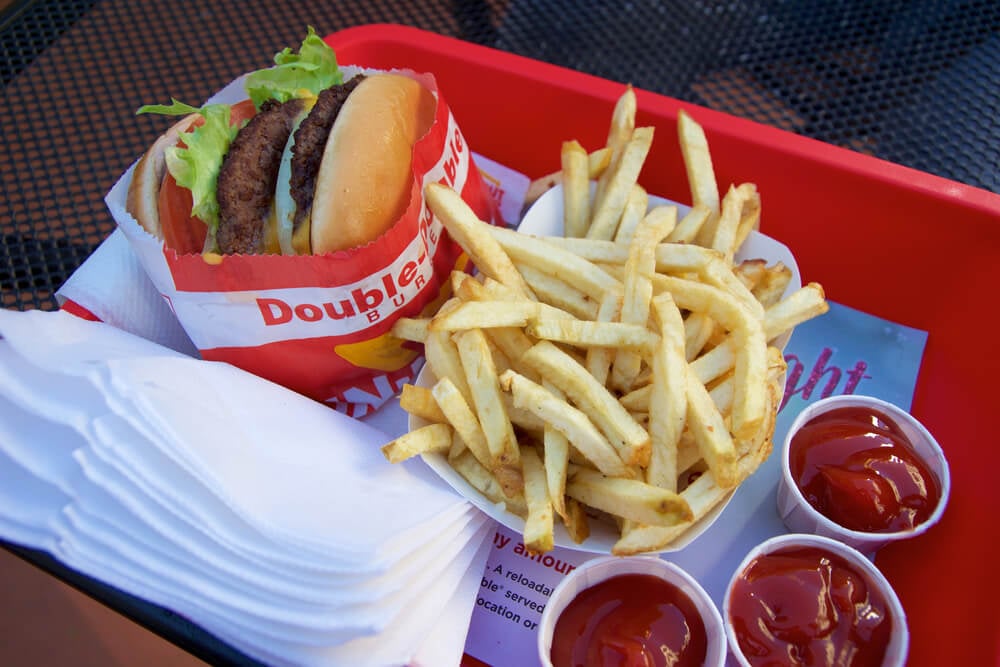
While Animal Style remains available, various In-N-Out test markets experimented with alternative secret items that never achieved standardization. These regional secret menu experiments varied significantly from official items and were discontinued as In-N-Out standardized its menu.
The discontinuation removed unique regional customization opportunities.
Popeyes’ Crawfish Sandwich
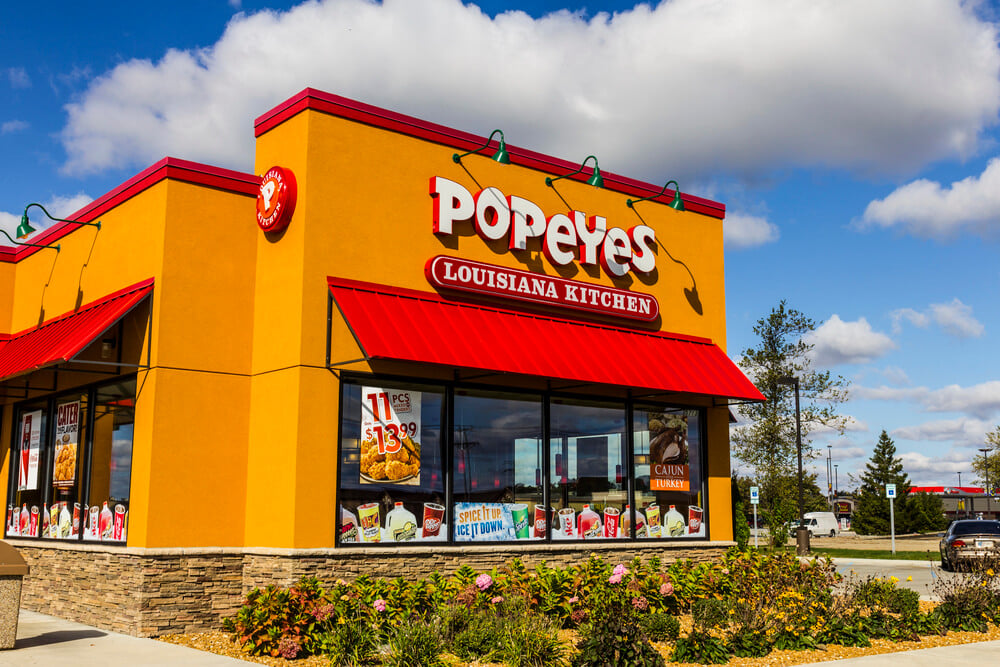
A limited regional test item, Popeyes’ Crawfish Sandwich attempted to capitalize on Louisiana culinary traditions within the fast food sandwich category. The crawfish filling proved expensive and difficult to maintain quality standards across multiple locations.
Discontinued after regional testing, it remains a regional culinary experiment that never expanded.
The Graveyard of Menu Innovation

These discontinued items represent fast food chains experimenting with customer preferences, supply chain capabilities, and operational complexity. Each discontinuation teaches valuable lessons about what fast food customers actually want versus what corporate strategists think they want.
The ongoing cycle of introduction and discontinuation remains central to fast food survival.
More from Go2Tutors!

- The Romanov Crown Jewels and Their Tragic Fate
- 13 Historical Mysteries That Science Still Can’t Solve
- Famous Hoaxes That Fooled the World for Years
- 15 Child Stars with Tragic Adult Lives
- 16 Famous Jewelry Pieces in History
Like Go2Tutors’s content? Follow us on MSN.



