15 Museums Around the World Dedicated to the Strangest Things
Most people think of museums as homes to priceless art, dusty historical artifacts, or scientific specimens. Yet across the globe, passionate collectors have established institutions celebrating subjects that defy conventional curation standards.
These places showcase the odd, unexpected, and frankly bizarre aspects of human obsession. Here is a list of 15 museums around the world that display some of the strangest collections you’ll ever encounter.
Museum of Bad Art

Near Boston sits a gallery devoted to paintings and sculptures of spectacular awfulness. Curators maintain rigorous standards – artworks must demonstrate genuine failure rather than intentional kitsch.
Their collection includes hundreds of pieces created with sincere effort yet disastrous results, including ‘Lucy in the Field with Flowers’ rescued from curbside trash.
Cupnoodles Museum
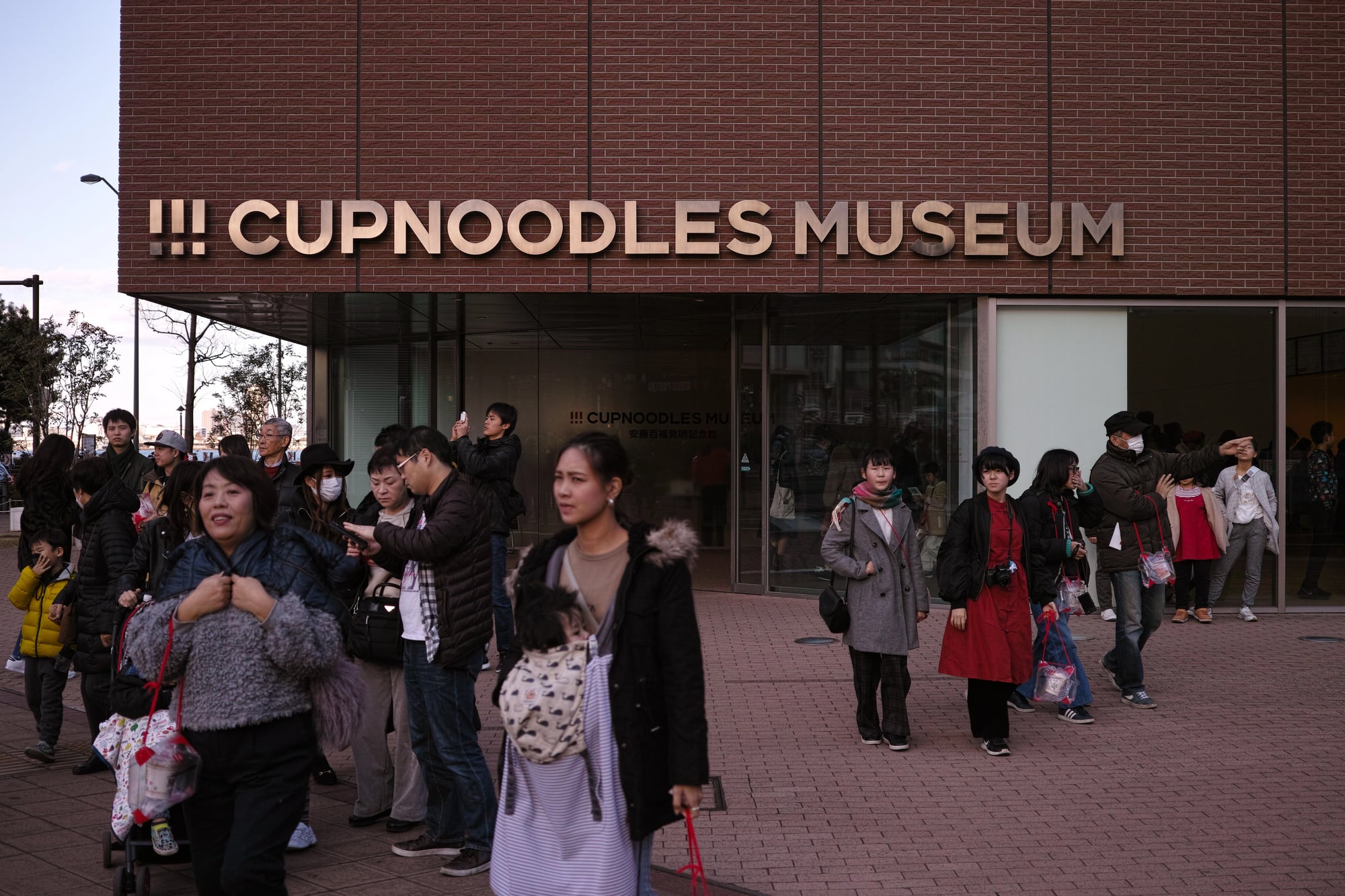
Japan’s fascination with instant ramen reaches new heights at Yokohama’s tribute to noodle innovation. Visitors design personalized cup noodles with custom soup base and ingredients, then decorate their own packaging.
The facility includes a meticulous reconstruction of the shed where Momofuku Ando invented this convenience food in 1958 – complete with his original equipment.
International Cryptozoology Museum
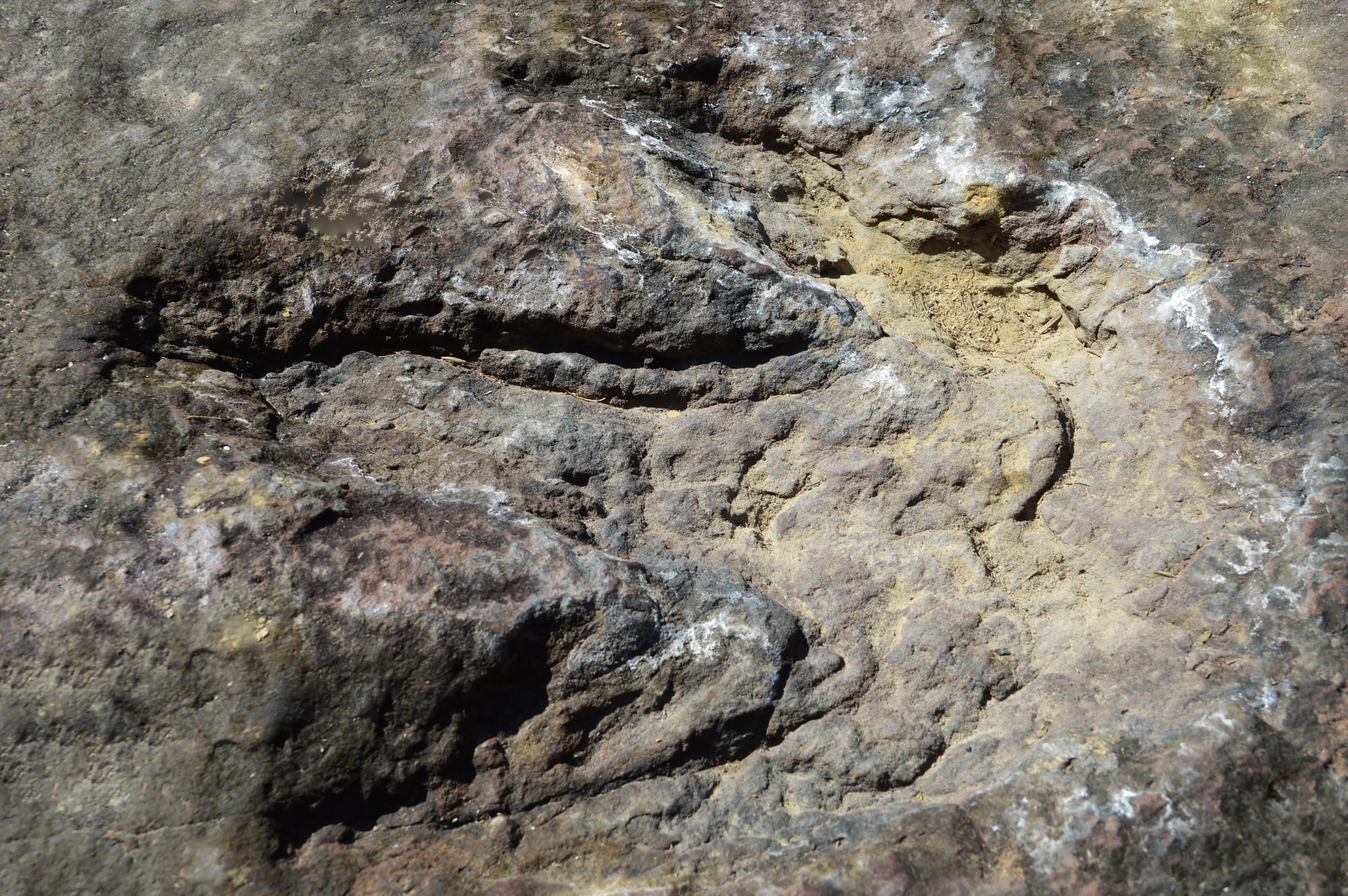
Maine hosts this unusual institution dedicated to creatures that might not exist. Display cases contain putative evidence relating to Bigfoot, Nessie, and the Yeti – alongside zoological specimens of once-doubted animals like the coelacanth.
Founder Loren Coleman has assembled footprint casts, hair samples, and detailed models based on eyewitness descriptions throughout his investigative career.
Museum of Broken Relationships

Donated objects from past relationships abound in Zagreb’s emotive collection, each accompanied by a personal narrative. From commonplace items like alarm clocks to unusual relics like an ax used to damage an ex’s furnishings, exhibits span daily objects.
Though it’s an unusual idea, the concept turns personal tragedy into shared cultural experience and earns the European Museum of the Year award.
Avanos Hair Museum
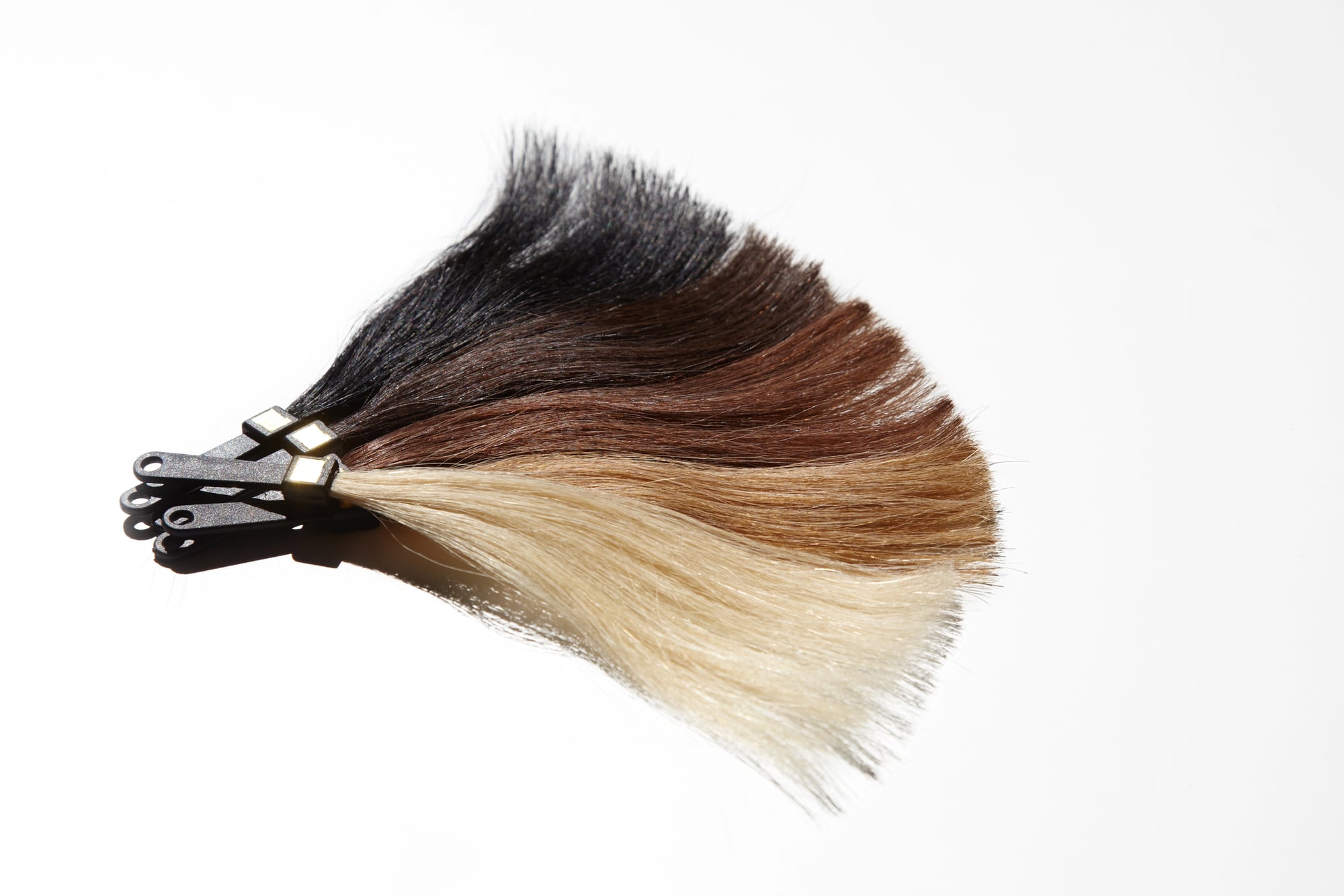
A ceramic shop in Turkey houses this peculiar collection of over 16,000 women’s hair samples – each labeled with contact information. The tradition began when a potter’s friend left town and gave him a lock as remembrance.
Today, women who donate hair receive ceramic souvenirs and entry into biannual drawings for complimentary Turkish vacations.
Meguro Parasitological Museum
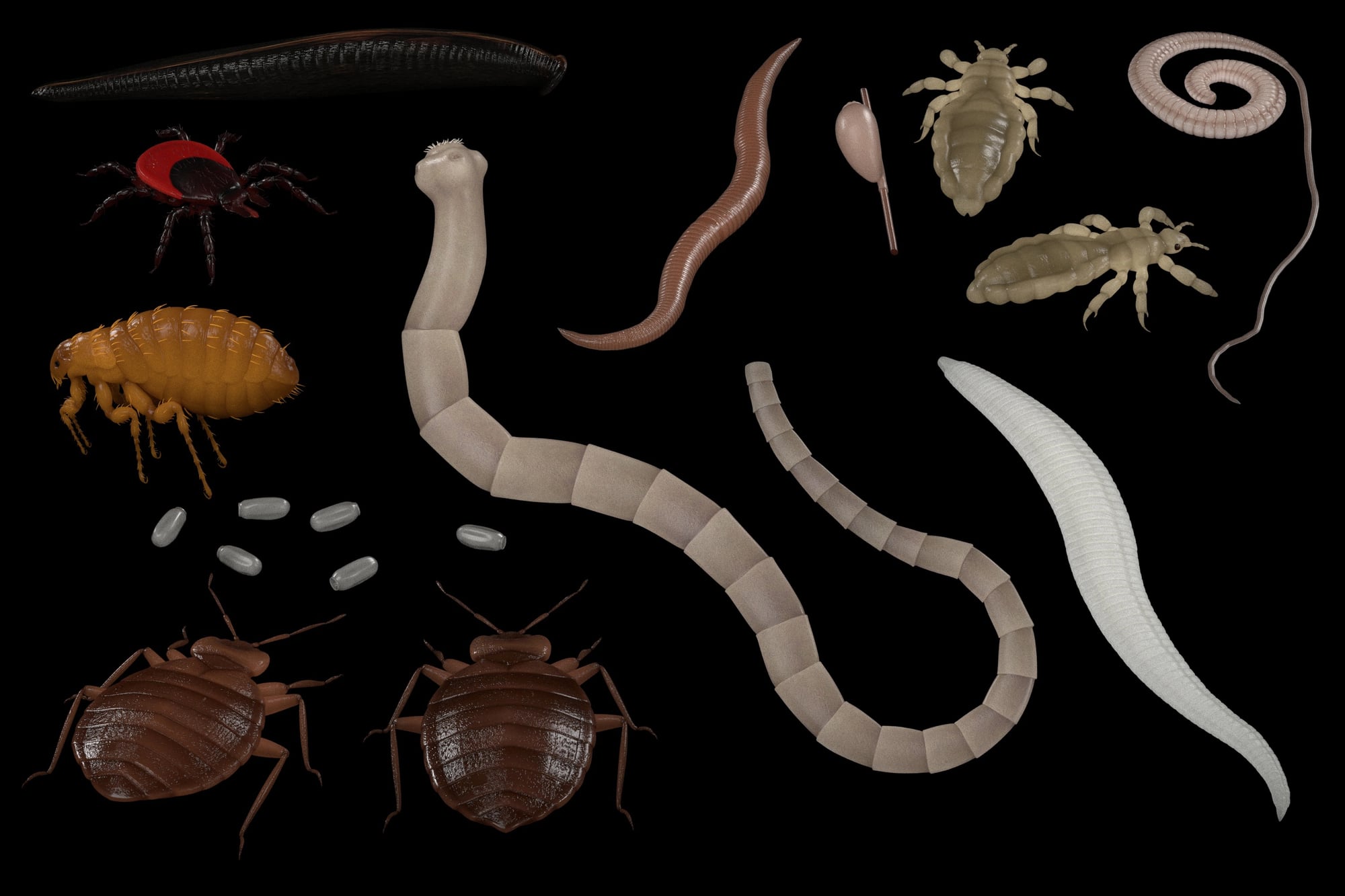
Tokyo offers this scientific collection featuring more than 300 preserved parasites – including an 8.8-meter tapeworm extracted from a human host. Dr. Satoru Kamegai established the facility in 1953 to educate the public about parasitology and disease prevention.
Though undeniably disturbing, it has paradoxically become a popular destination for couples seeking unusual dating experiences.
The Museum of Death

With locations in Hollywood and New Orleans, these exhibits focus on mortality through crime scene photographs, funeral industry artifacts, and artwork by notorious killers. The museums display authentic items related to famous murders – alongside taxidermy specimens and anatomical exhibits.
Founders created these spaces for death education rather than sensationalism, though visitors frequently faint during tours.
Museum of Miniature Books

Azerbaijan claims the world’s largest collection of tiny tomes, featuring over 6,500 volumes smaller than playing cards. The smallest specimen measures just 2×2 millimeters, requiring magnification to view its microscopic text.
Creator Zarifa Salahova spent decades assembling miniature editions of literary classics, religious texts, and political documents from around the world.
Sulabh International Museum of Toilets

Delhi’s unusual institution chronicles sanitation evolution from ancient Mesopotamia through contemporary smart toilets. Founded by sociologist Dr. Bindeshwar Pathak, exhibits showcase designs from various cultures alongside historical documents addressing waste management.
Beyond mere curiosity value, the museum advocates for improved sanitation infrastructure in developing regions worldwide.
The Dog Collar Museum

Inside Kent’s Leeds Castle resides this specialized collection spanning five centuries of canine neckwear. Over 130 specimens illustrate evolution from medieval spiked protection against wolf attacks to ornamental status symbols for aristocratic pets.
Gothic iron pieces from the 1500s contrast with jewel-encrusted Victorian examples demonstrating how dog accessories reflect changing human-animal relationships.
The Hobo Museum
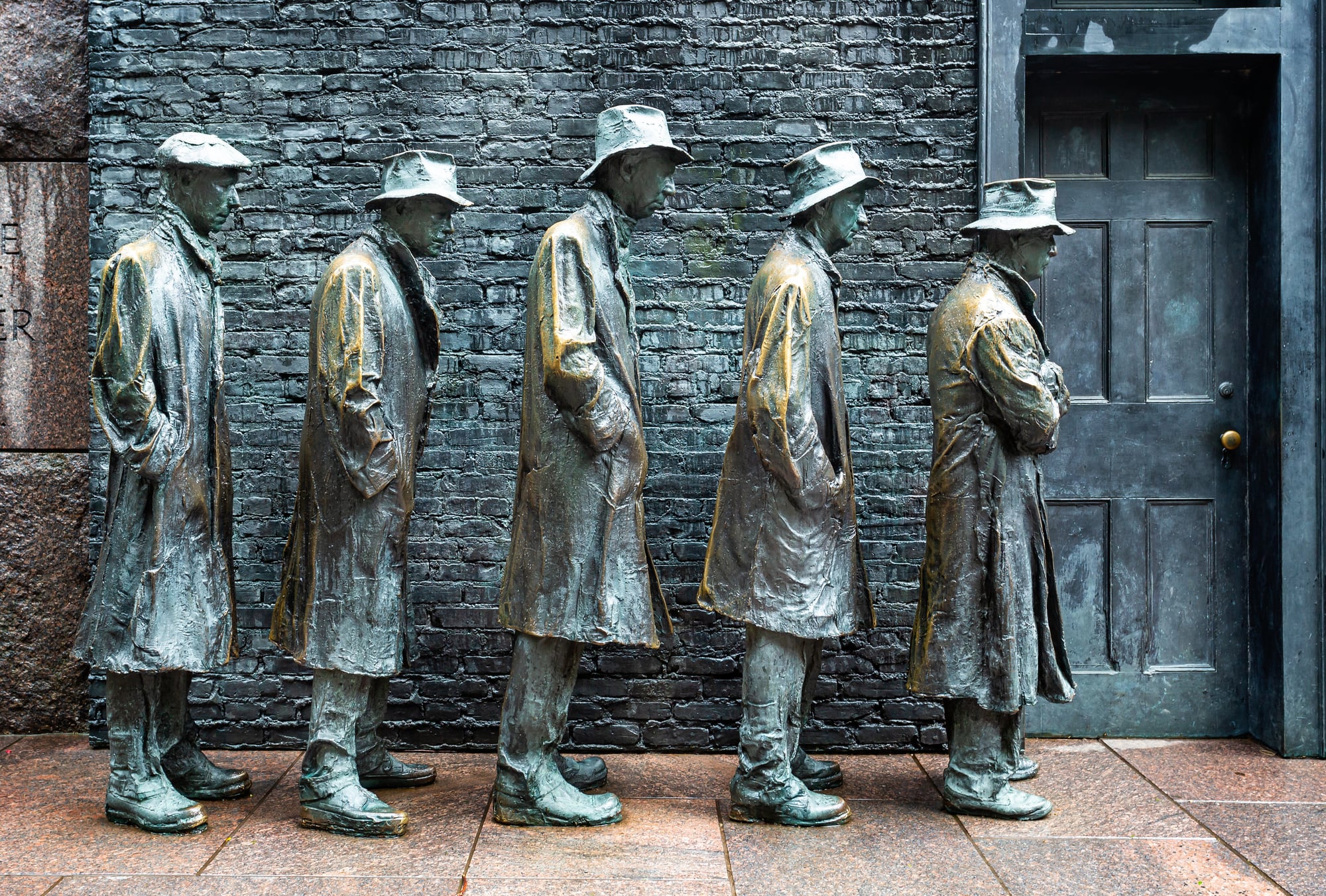
Iowa preserves the culture of America’s rail-riding transient workers in a former meeting place for traveling laborers. This small museum documents hobo history through authentic artifacts, hand-carved items, and communication symbols used by this nomadic subculture.
Personal belongings of notable hobos reveal untold stories from the Great Depression, when thousands rode freight trains seeking employment across the country.
British Lawnmower Museum

Southport’s quirky institution houses over 300 grass-cutting machines, including celebrity-owned models and technological milestones. The collection traces lawnmower development since Edwin Budding’s 1830 invention revolutionized landscape maintenance.
Enthusiastic founder Brian Radam, formerly in lawn equipment sales, provides visitors with exhaustive knowledge about this seemingly mundane household tool’s profound impact on suburban life.
Iceland Phallological Museum
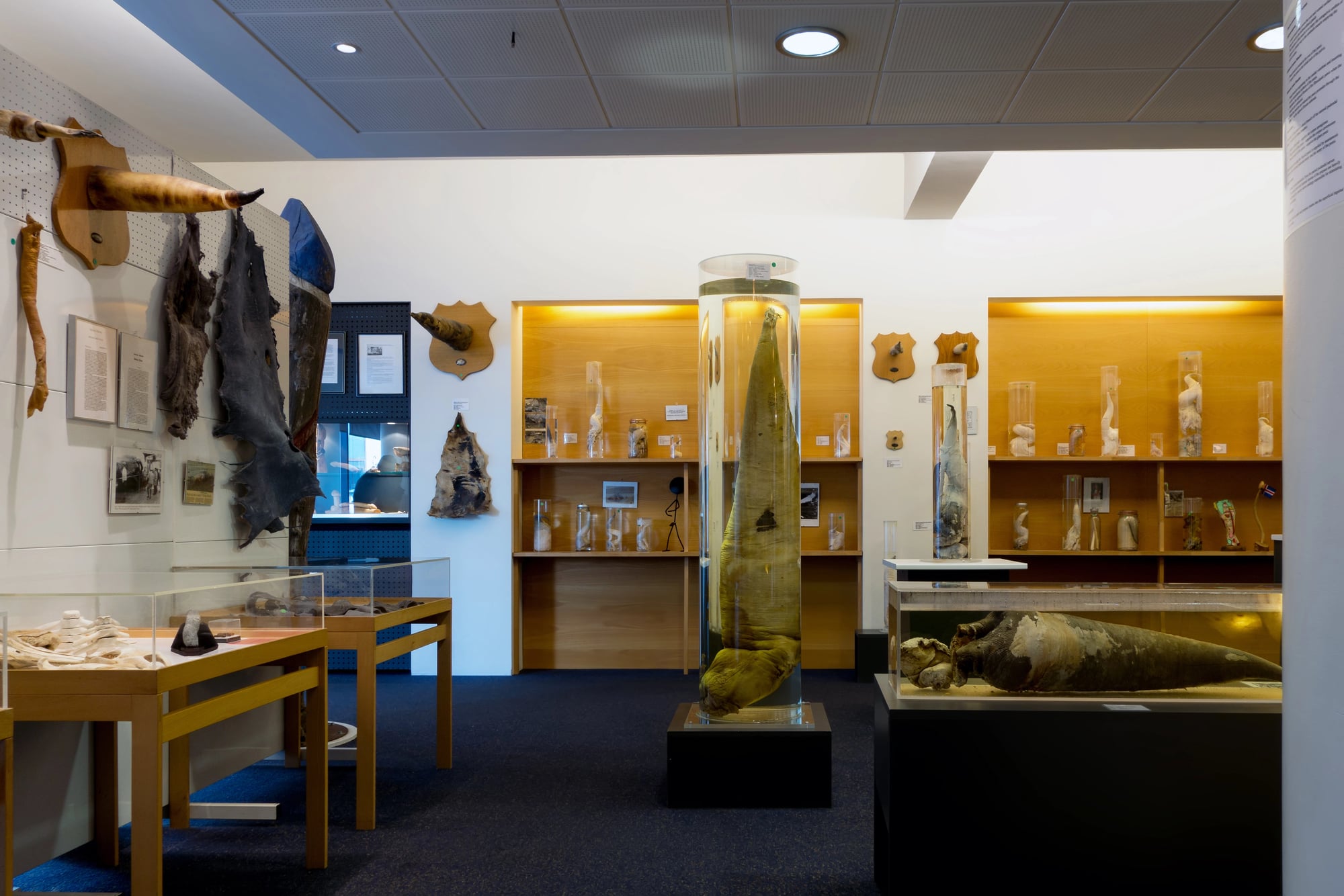
Reykjavik’s infamous establishment showcases the world’s most comprehensive collection of mammalian reproductive organs preserved from over 200 distinct species. Specimens range from hamster-sized samples to six-foot whale organs displayed in formaldehyde containers.
Historian Sigurður Hjartarson established the collection in 1997, approaching the subject matter through scientific, cultural and anthropological frameworks rather than mere shock value.
The Kansas Barbed Wire Museum

LaCrosse celebrates the invention that transformed American agriculture with displays of 2,400 distinct barbed wire variations. Each twisted metal design represents evolving technology that enabled property demarcation across vast open spaces.
Exhibits explain how this humble invention sparked violent confrontations between ranchers and farmers during westward expansion, ultimately reshaping land use across entire continents.
Museum of Burnt Food

Massachusetts honors culinary disasters through this whimsical collection of carbonized cooking experiments presented as accidental art. Founder Deborah Henson-Conant began preserving kitchen failures after accidentally reducing apple cider to charcoal in 1989.
The institution celebrates cooking mishaps as universal human experiences worthy of preservation rather than disposal.
Beyond Conventional Curation

These unusual museums challenge traditional notions about what deserves preservation and display. From bodily functions to failed relationships, from incinerated meals to obscure collectibles, they document aspects of human experience typically overlooked by mainstream institutions.
They represent authentic expressions of fascination with life’s peculiarities and demonstrate how passionate enthusiasm transforms ordinary objects into extraordinary collections. Though often dismissed as novelties, these strange museums may actually offer the most honest reflections of humanity’s diverse obsessions.
More from Go2Tutors!

- The Romanov Crown Jewels and Their Tragic Fate
- 13 Historical Mysteries That Science Still Can’t Solve
- Famous Hoaxes That Fooled the World for Years
- 15 Child Stars with Tragic Adult Lives
- 16 Famous Jewelry Pieces in History
Like Go2Tutors’s content? Follow us on MSN.



