28 Toys Once in Nearly Every Living Room
Certain toys achieved such ubiquity that finding a home without them seemed nearly impossible during their peak cultural moments. Yet many of these once-essential toys have vanished from modern childhoods, replaced by digital entertainment and more sophisticated alternatives.
These toys represent specific eras when particular playthings defined childhood experiences.
Lite-Brite
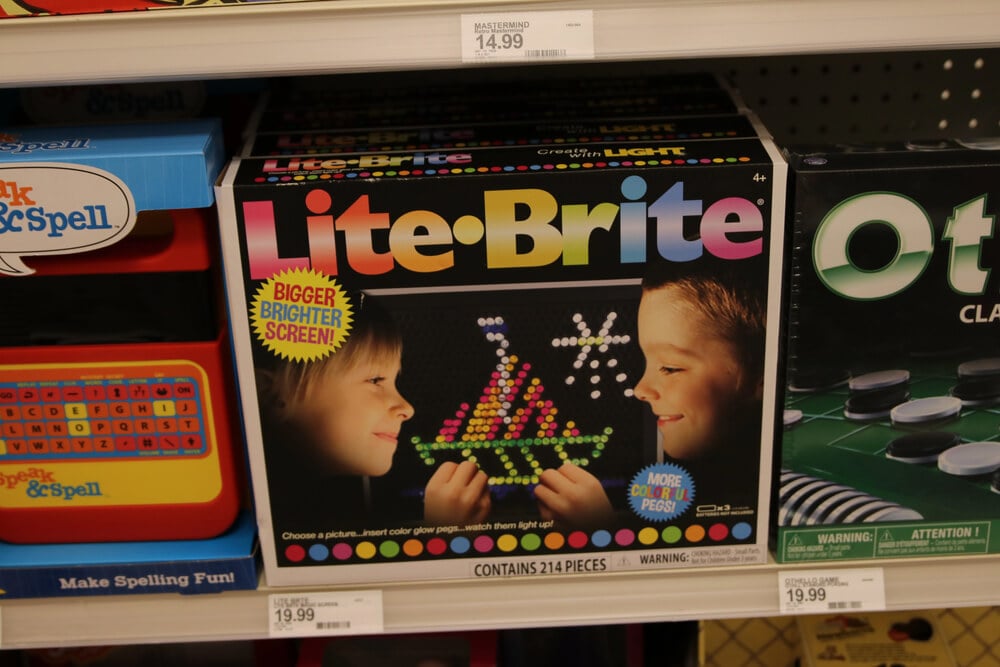
This light-up pegboard toy allowed children to create glowing pictures by inserting colored pegs through a black template, revealing illuminated patterns. The combination of light, color, and creative control made Lite-Brite irresistible to children who wanted immediate gratification from their artistic efforts.
Modern LED technology and screen-based games made Lite-Brite seem quaint, leading to its decline.
Spirograph
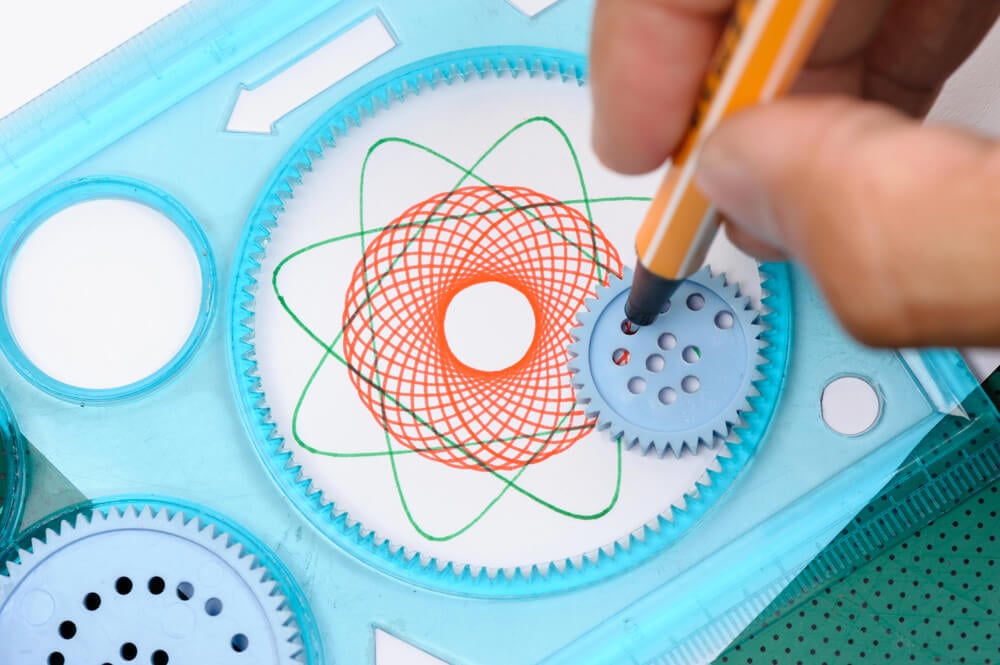
Spirograph’s precise mathematical shapes created intricate designs by using nested circular templates with a round-point pen. Children could create professional-looking geometric art without artistic skill, capturing the appeal of controlled creativity.
Modern tablet-based art apps with unlimited design possibilities made mechanical Spirograph seem limited.
View-Master
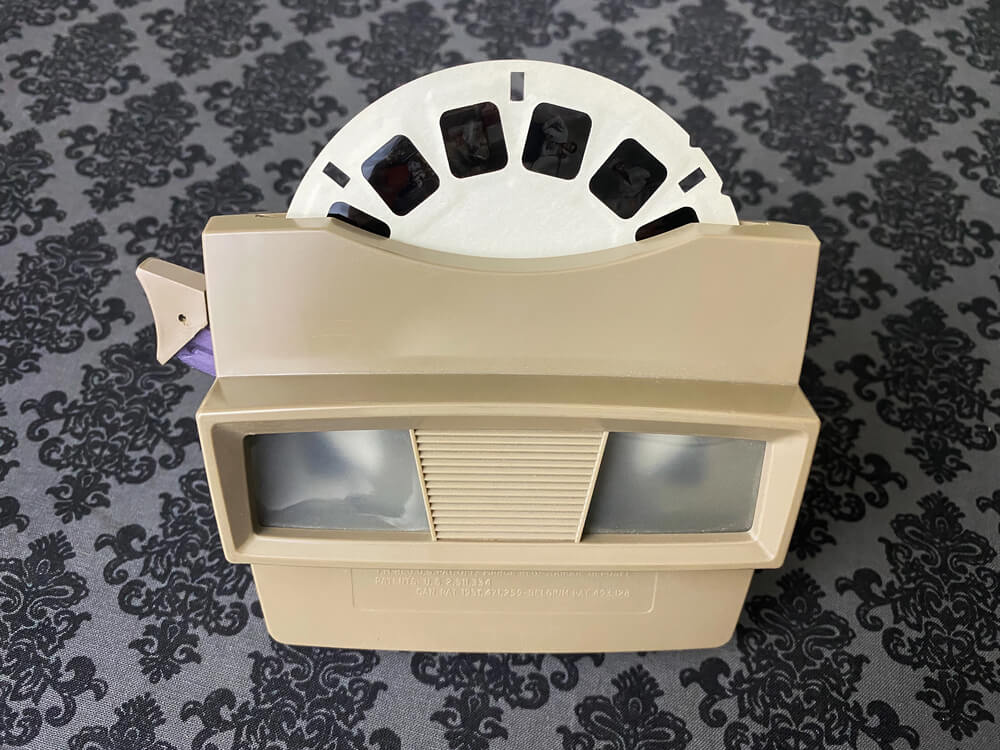
This stereoscopic viewer created the illusion of three-dimensional pictures by viewing image reels through a simple optical viewer. Families collected reels of tourist destinations, fairy tales, and educational content, making View-Master a common household item.
Digital cameras and 3D movies eliminated the appeal of static stereoscopic images.
Slinky
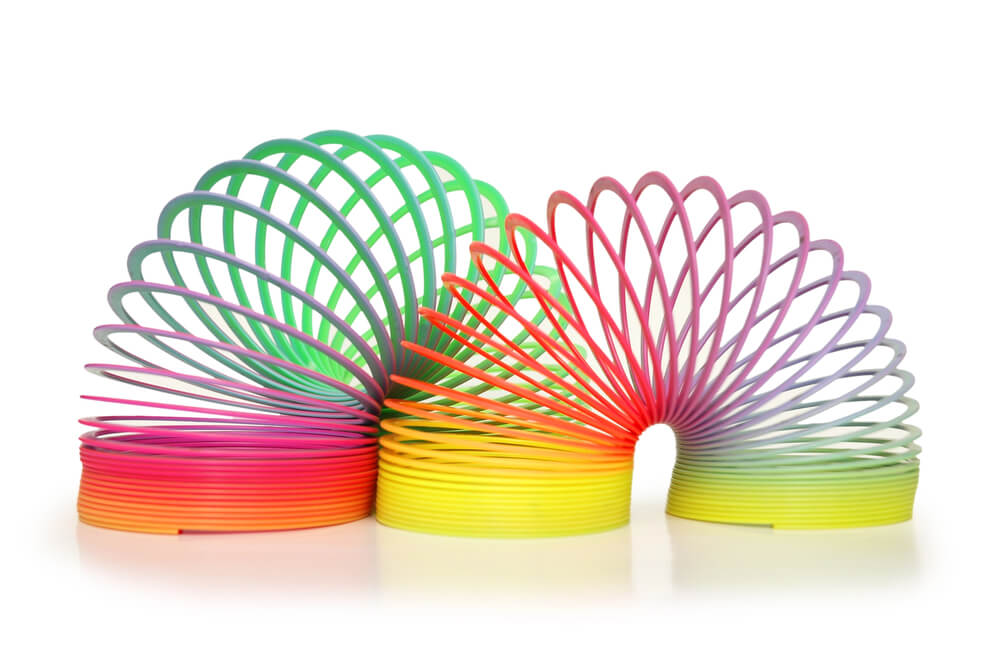
This simple metal spring toy that “walked” down stairs seemed to possess nearly magical properties when it performed its mesmerizing motion. Slinky was inexpensive, endlessly entertaining, and required no batteries or complex mechanics.
While Slinky still exists, modern toys with electronic features seem more sophisticated, causing traditional Slinky to fade from popularity.
Yo-Yo

Though yo-yos technically still exist, the cultural phenomenon of yo-yo tricks and competitions that dominated 1960s-1990s neighborhoods has nearly disappeared. Children once learned elaborate yo-yo tricks and performed demonstrations for peers, but this skill-based toy culture vanished.
Video games replaced the social skill-learning that yo-yo tricks once provided.
Silly String
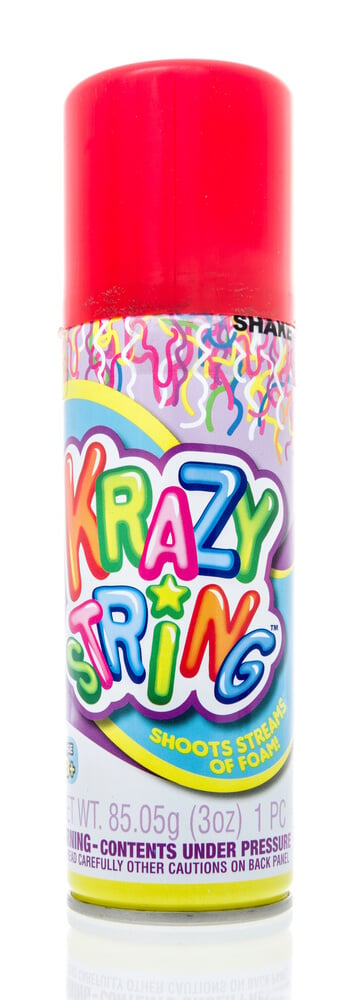
This spray-on silly string created messy, fun playtimes outdoors and indoors during the 1980s-1990s. Parents tolerated it as temporary, washable entertainment that required minimal cleanup.
The toy’s pure silliness and lack of educational value made it an easy target for parents seeking more “constructive” entertainment.
Troll Dolls
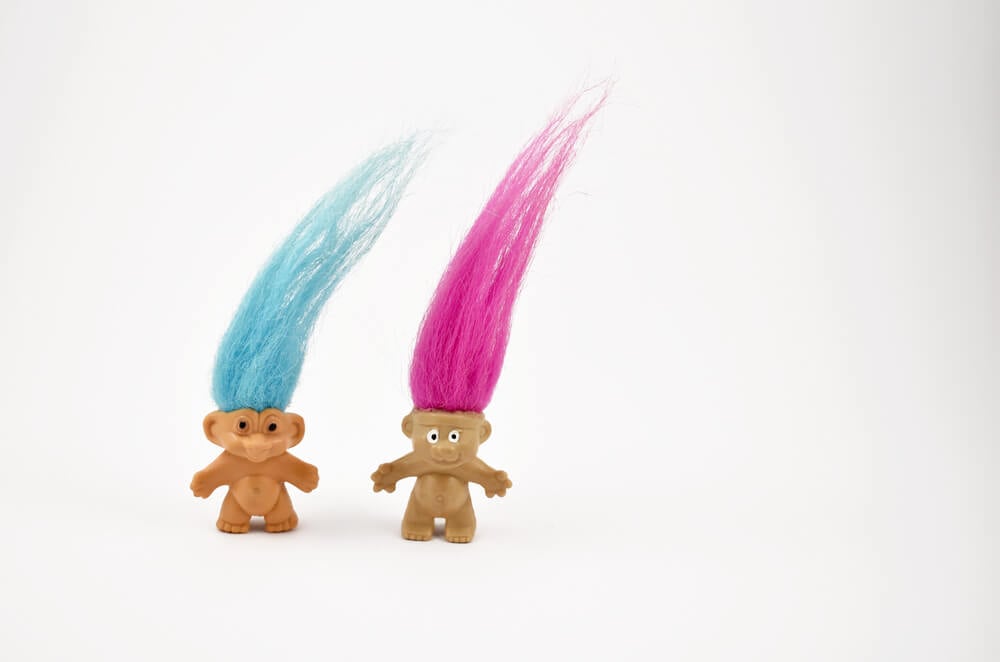
Brightly colored troll dolls with jeweled navels and wild hair became collectible obsessions during the 1990s, filling bedroom shelves. Children traded them like currency, and parents kept purchasing them despite having identical copies.
The phenomenon burned out quickly as collecting enthusiasm waned and the dolls’ novelty faded.
Cabbage Patch Kids
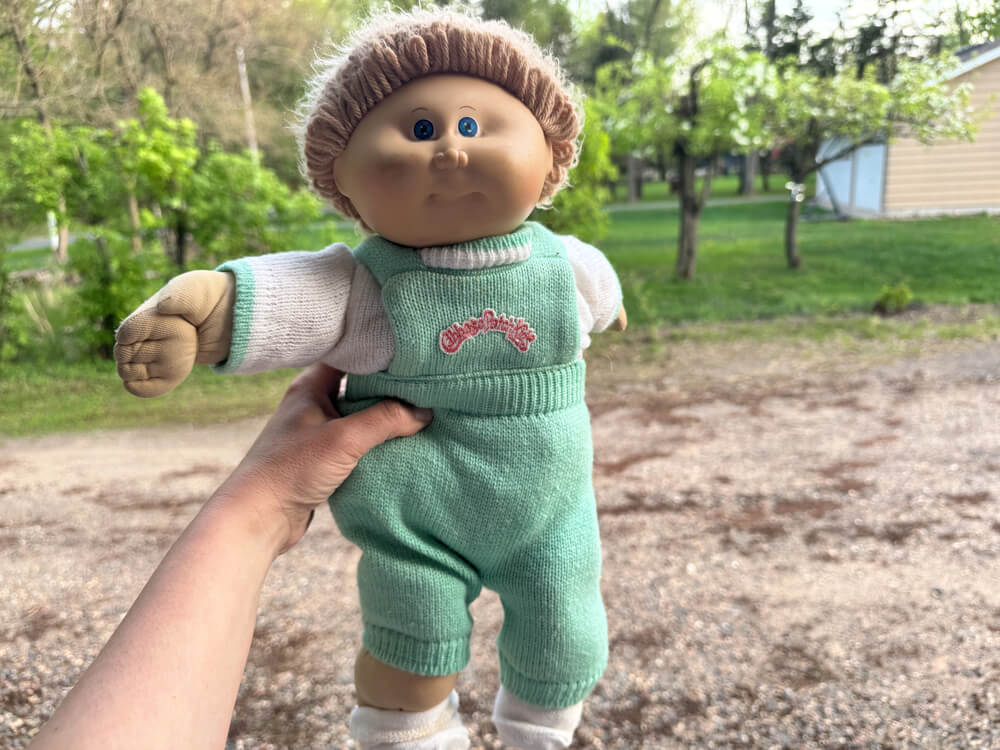
These adoption-themed dolls with unique names and identities caused shopping riots during the 1983 Christmas season as parents desperately sought the must-have toy. The adoption narrative and uniqueness created emotional investment that traditional dolls lacked.
Once the craze subsided, the dolls were largely forgotten as quickly as they’d been coveted.
Rock ‘Em Sock ‘Em Robots
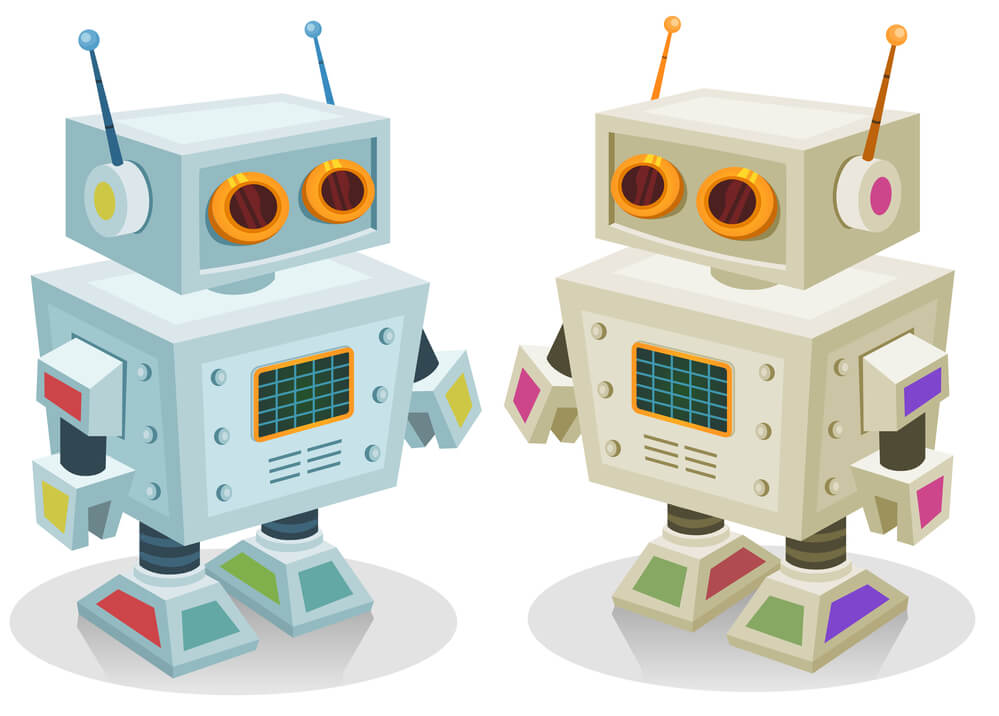
Two children controlled boxing robots that punched each other in this table-top game that dominated playrooms during the 1960s-1980s. The mechanical punching action and competitive play created a genuinely engaging experience.
Improved video game fighting games made the mechanical version seem primitive and cumbersome.
Easy-Bake Oven
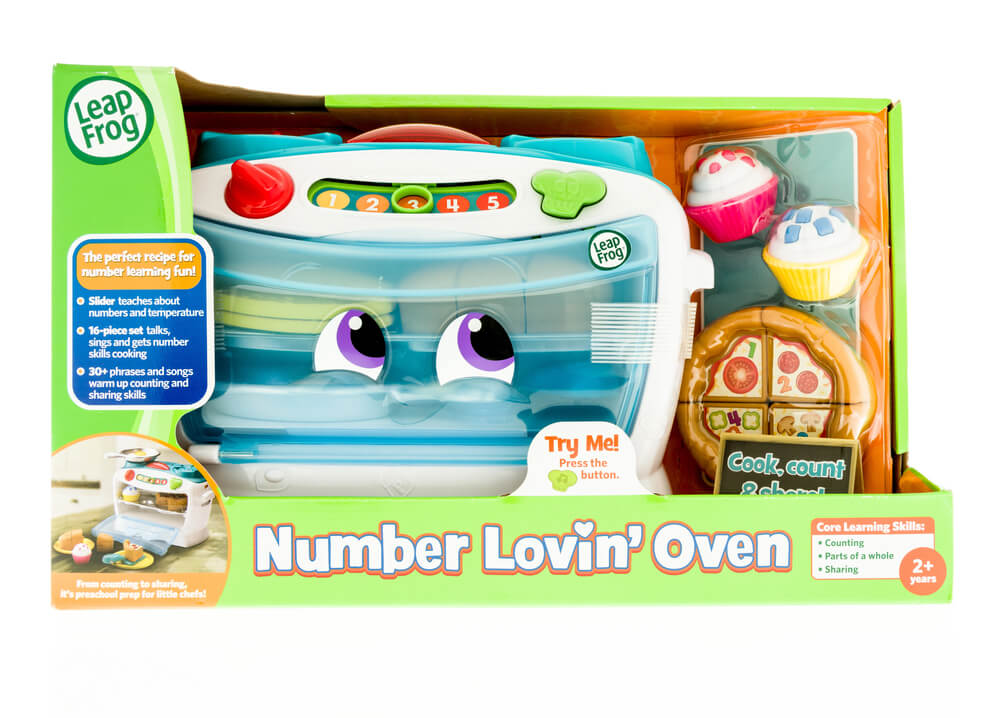
This electric toy oven allowed children to bake small cakes and treats inside the toy, creating an engaging hands-on experience. Girls particularly gravitated to Easy-Bake Ovens as a way to role-play domesticity and actual cooking.
Modern kitchen equipment and cooking apps reduced Easy-Bake’s appeal to modern children.
Operation Game
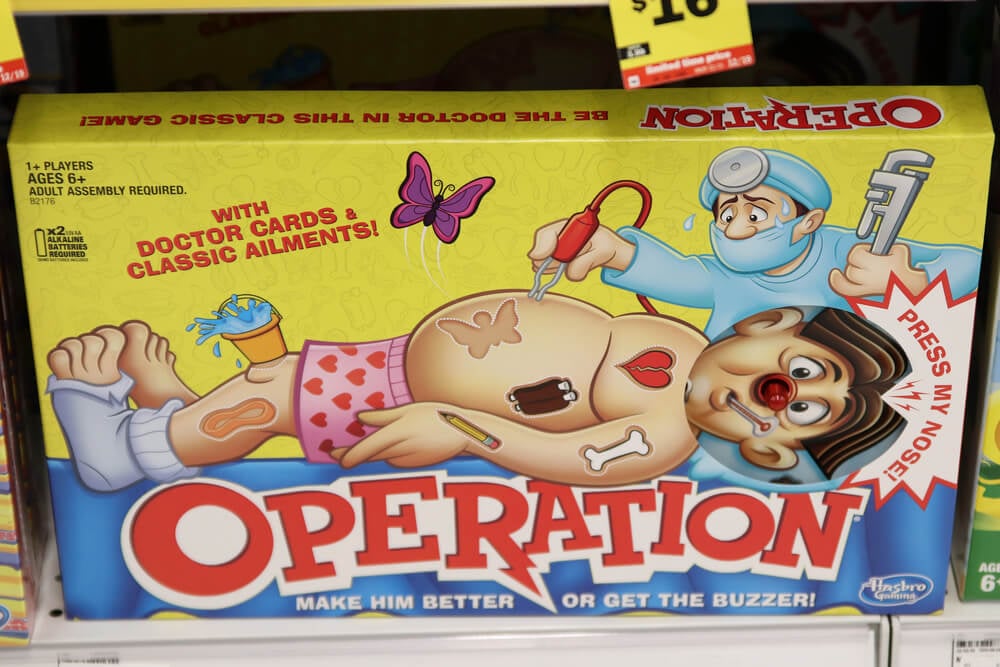
The electric table-top game required players to remove internal organs with tweezers without touching the sides, triggering a buzzer if they failed. The combination of steady-hand requirements and comedic organ names made Operation genuinely fun.
Video game surgery simulations and skill-based games provided more sophisticated challenges.
Stretch Armstrong
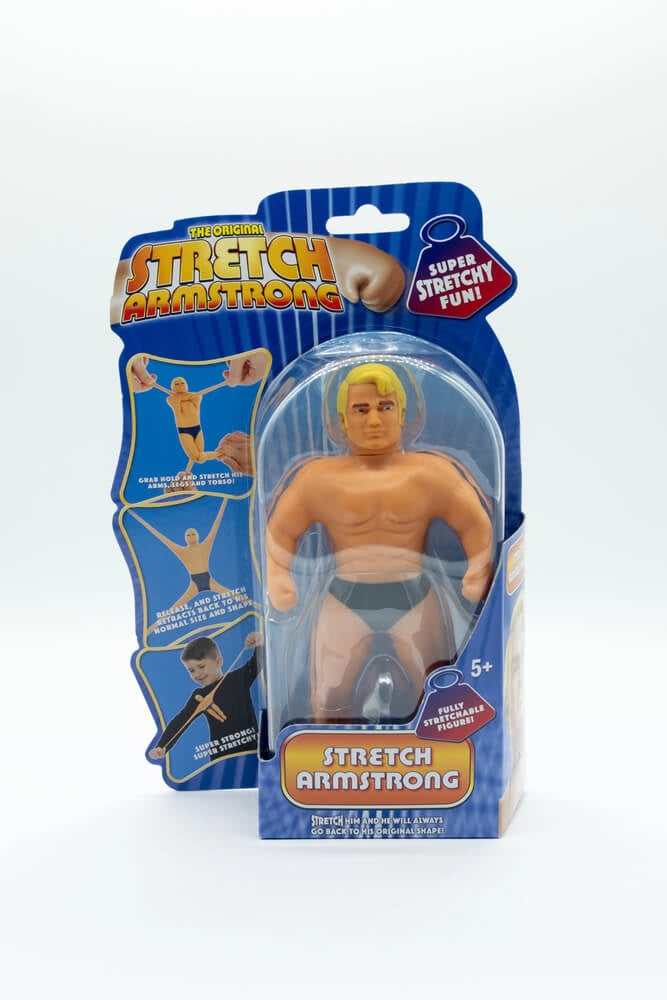
This rubber action figure with liquid-filled arms and legs could be stretched to incredible lengths, creating an interactive sensory experience. The novelty of stretching an action figure made Stretch Armstrong genuinely unique among toys.
The toy’s poor durability and the novelty’s quick burnout limited lasting appeal.
Monkey Bars

Outdoor monkey bar equipment was nearly universal on playgrounds and in backyards as children’s primary outdoor entertainment. These metal bars required genuine upper-body strength and challenged children’s physical abilities.
Concerns about safety and liability led to removal from many playgrounds and reduced residential installation.
Jacks
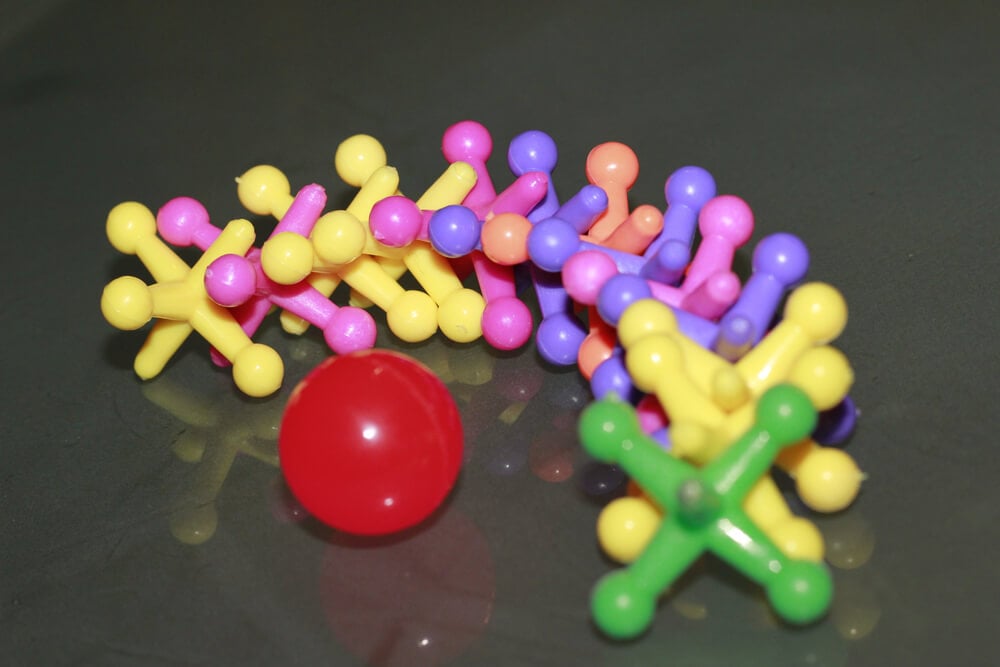
This ancient game using metal pieces and a small rubber orb remained popular through the 1980s, with children playing complex variations and variations. The game required minimal equipment and provided hours of entertainment with friends.
Video games replaced the social, skill-based play that jacks once provided.
Marbles
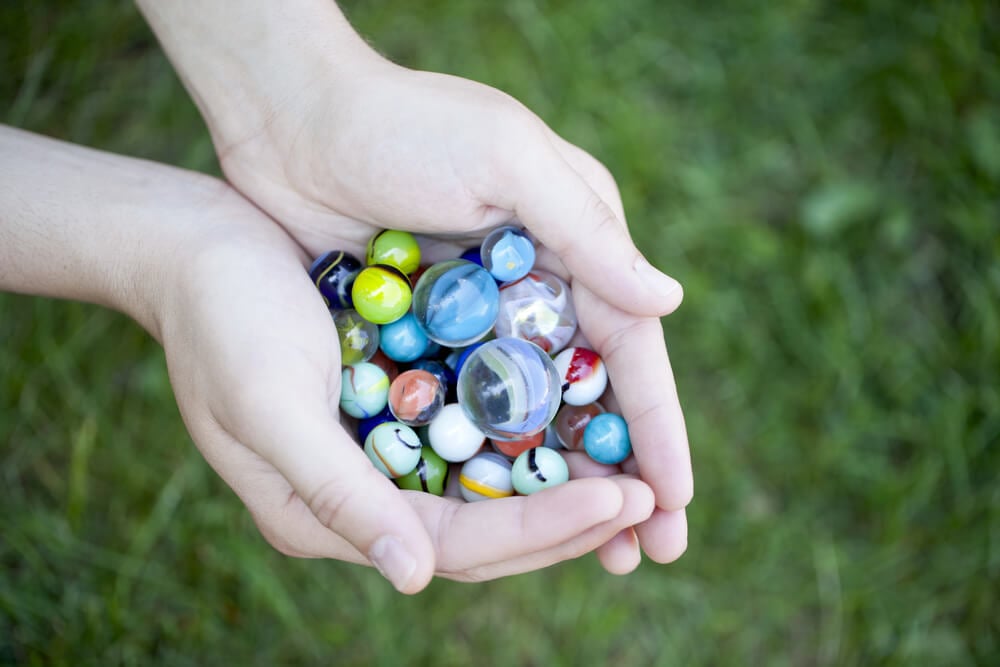
Children collected marbles in countless patterns and colors, playing elaborate games with complex rules that varied by region. Marbles provided both collecting appeal and strategic gameplay that engaged competitive instincts.
Modern environmental concerns about small choking hazards and glass led to reduced popularity.
Furby
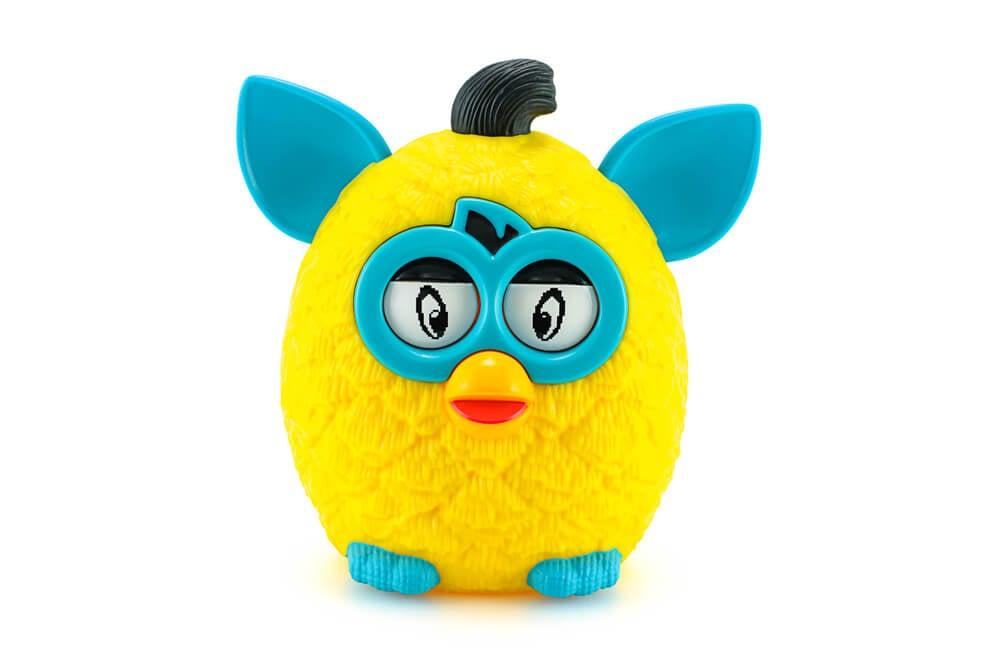
These animatronic creatures that learned and responded to interaction became the must-have toy of the 1999 Christmas season despite concerns about their uncanny nature. Children were genuinely convinced Furbies possessed intelligence and emotional awareness.
As technology improved, Furbies’ limited interaction capacity made them seem quaint and outdated.
Betamax Home Video System
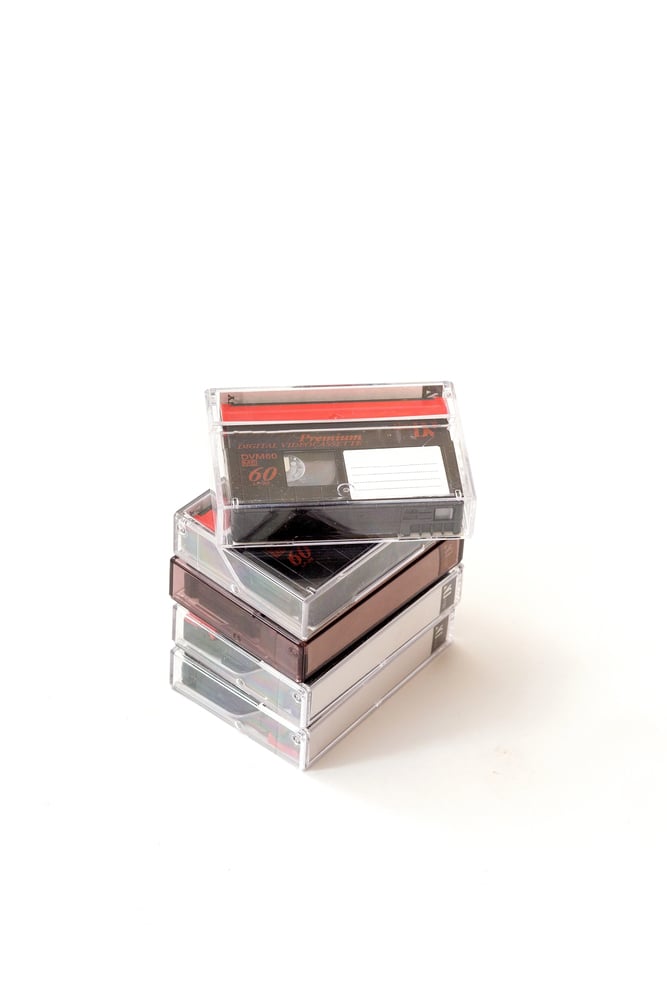
While technically more of a consumer device than a toy, children were fascinated by recording and watching movies on Betamax systems in 1980s homes. The format war between Betamax and VHS captivated consumers, with some families owning Betamax systems as their only home video option.
VHS’s victory eliminated Betamax from homes almost overnight.
Pogo Stick
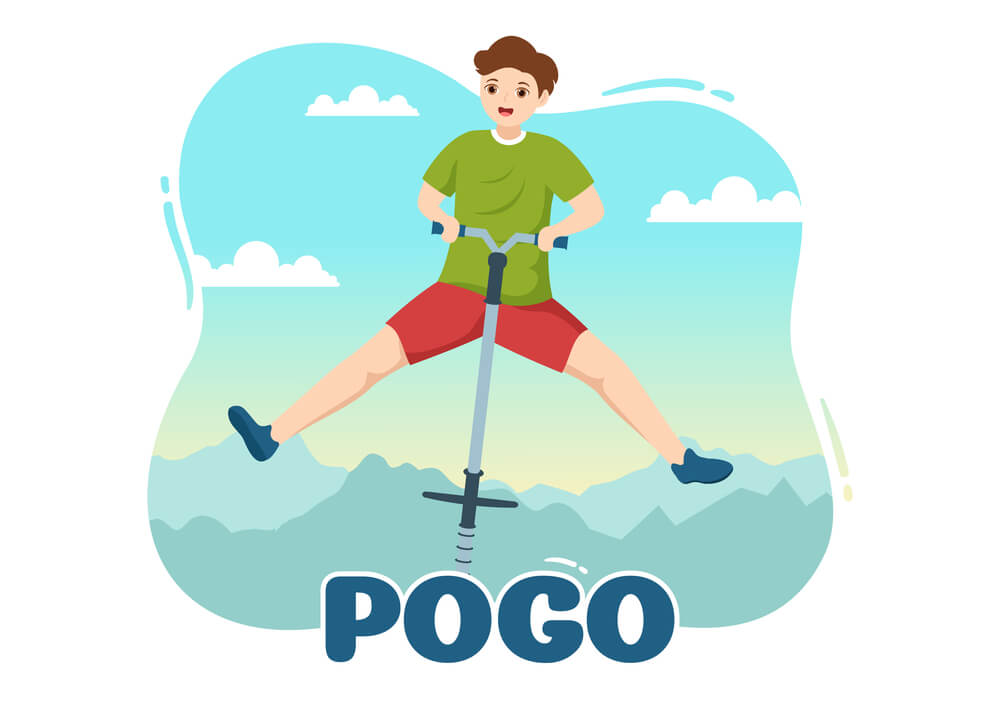
Children bounced endlessly on pogo sticks during the 1970s-1980s, with some achieving remarkable heights and distances. The simple mechanics and pure fun appeal made pogo sticks endlessly entertaining.
Modern parents’ safety concerns and children’s preference for electronic entertainment led to pogo stick decline.
Hula Hoop

These circular plastic hoops kept spinning around children’s waists for as long as they could rotate their bodies, creating a simple but engaging activity. Hula hoops were minimalist toys requiring only hip rotation and rhythm.
Modern toys’ electronic features made simple hip rotation entertainment seem insufficiently sophisticated.
Ouija Board
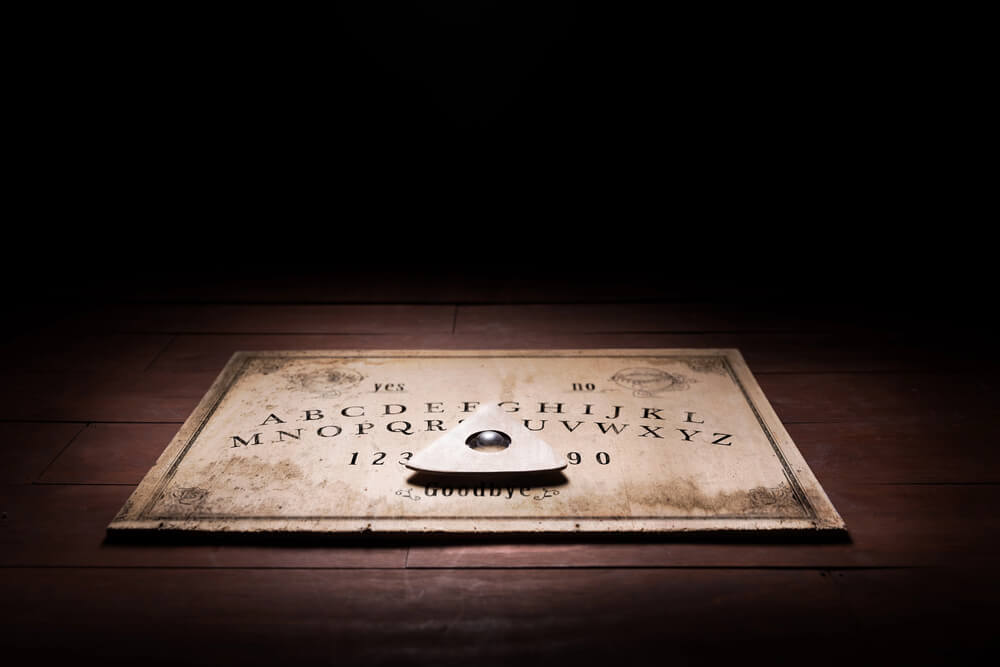
Families gathered around Ouija boards seeking spiritual communication or playing it as a game, making it a common household novelty item. The psychological phenomenon of planchette movement combined with anticipation created genuine entertainment.
Religious concerns and replacement by other entertainment forms reduced Ouija board presence in homes.
Erector Set

These metal construction sets with bolts, nuts, and beams allowed children to build mechanical structures and moving devices. The engineering complexity and open-ended construction possibilities made Erector Sets engaging for mechanically-minded children.
Plastic LEGO alternatives proved easier to use and more popular among general audiences.
Lincoln Logs
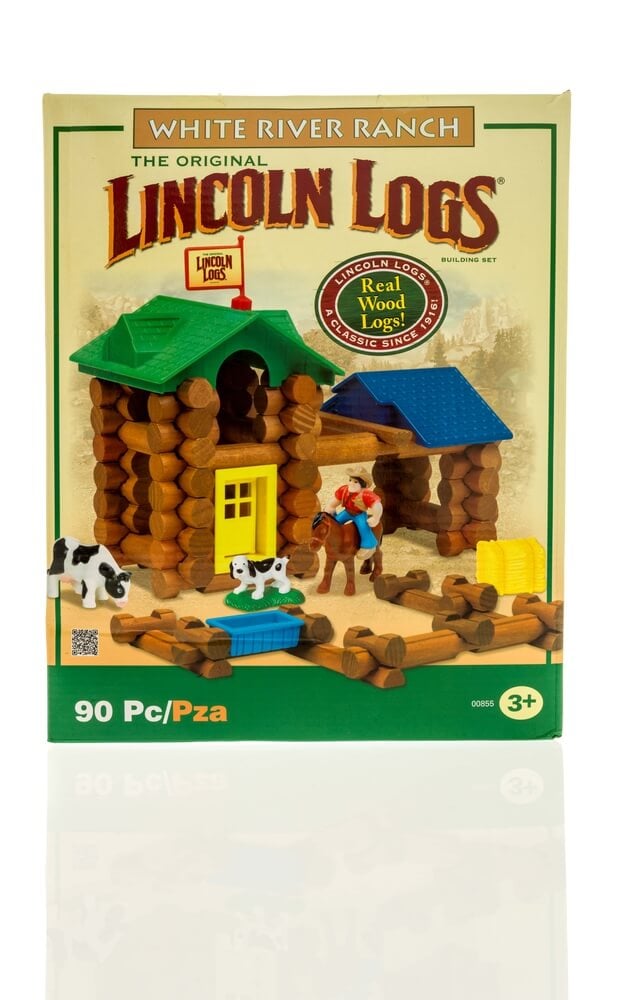
These wooden interlocking logs allowed construction of small log cabins and structures, teaching basic architectural principles through play. Lincoln Logs’ simple interface and natural wood appeal attracted children and parents alike.
Plastic toys and computerized building simulations provided more sophisticated construction alternatives.
Jack-in-the-Box
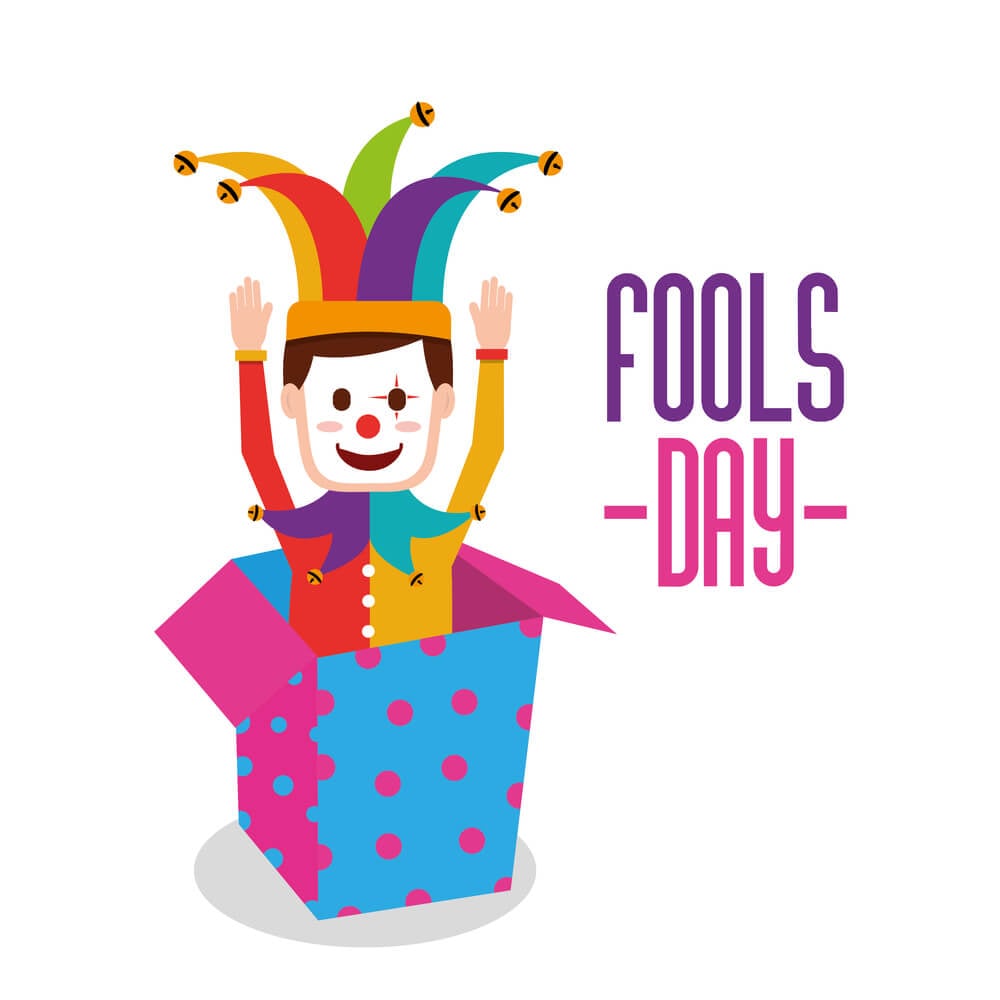
A simple box with a wind-up mechanism that ejected a jester doll when the lid opened, Jack-in-the-Box created genuine surprise and delight for infants. The toy’s simplicity and reliable surprise mechanism made it endlessly entertaining despite repetition.
Modern infant toys with electronic features and sensory elements provided more engagement.
Sock Hop Culture Tie-In Toys
Toys themed around 1950s sock hop culture—poodle skirts, roller skates, and diner décor items—were popular in homes during the 1980s nostalgia wave. These toys capitalized on nostalgic adult interest in their own childhoods.
The specific cultural reference faded as 1950s nostalgia declined.
Nerf Guns
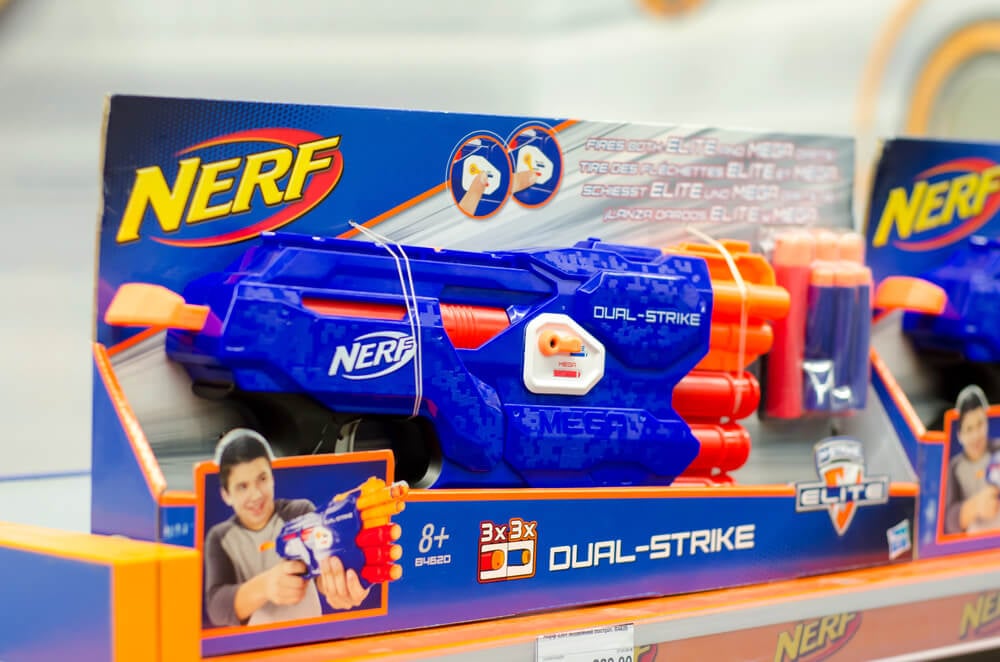
While Nerf guns still exist, the original foam-dart guns and orange foam-tipped darts dominated playtimes during the 1980s-1990s. Children engaged in elaborate foam dart wars that were physically safer than previous toy gun games.
Modern technology-focused toys provided more sophisticated entertainment alternatives.
Slap Bracelets

These rolled metal bracelets that snapped into wearable form through a slapping motion became playground essentials in the 1990s. Schoolyard trading and collecting created a genuine craze despite the item’s simple mechanics.
Fashion trends changed and collecting enthusiasm waned, leading to rapid obsolescence.
Silly Bandz

Colorful rubber bands shaped like animals, objects, and symbols became collectible trading phenomena in the 2010s. The trading craze mimicked previous collecting fads like POGs and Pogs.
Like most collecting crazes, the phenomenon burned bright but burned out quickly as novelty faded.
POGs
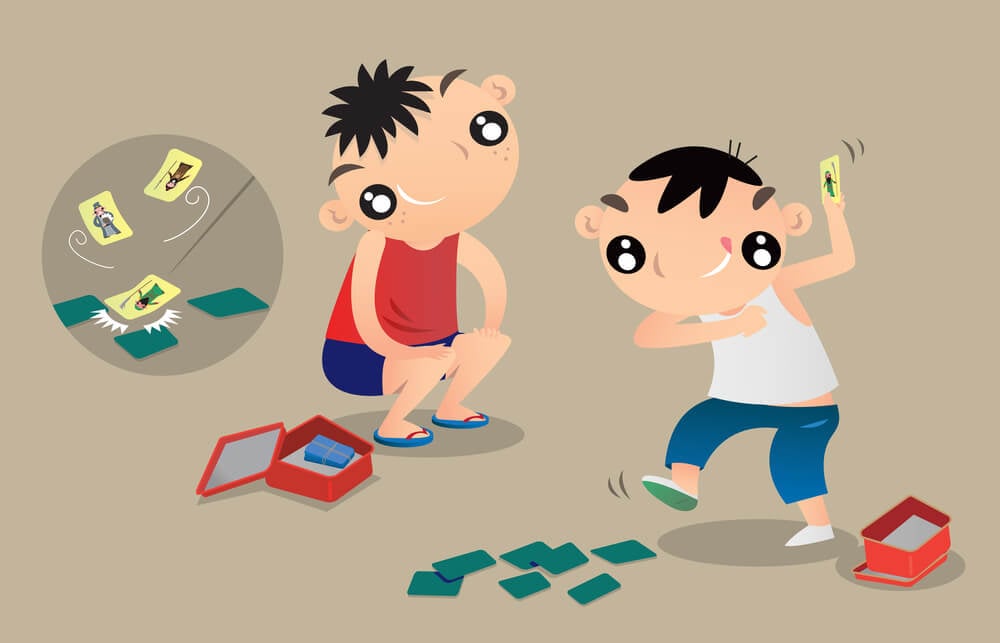
These cardboard discs decorated with collectible designs were used in a game involving a plastic slammer, creating a massive 1990s collecting craze. Children traded POGs like currency and displayed collections in binders, creating genuine economic activity.
The novelty of collecting simple cardboard circles proved insufficient for lasting appeal.
The Toy Time Capsule
The evolution and obsolescence of toys reveals how rapidly cultural trends transform what children consider essential entertainment. Every generation rediscovers forgotten toys, sometimes finding renewed appeal in their simplicity.
The toys that once filled living rooms completely are now curiosities that puzzle modern children.
More from Go2Tutors!

- The Romanov Crown Jewels and Their Tragic Fate
- 13 Historical Mysteries That Science Still Can’t Solve
- Famous Hoaxes That Fooled the World for Years
- 15 Child Stars with Tragic Adult Lives
- 16 Famous Jewelry Pieces in History
Like Go2Tutors’s content? Follow us on MSN.