History of the PGA Championship
Golf’s second-oldest major championship tells a story that’s both quintessentially American and surprisingly complicated. What started as a match-play tournament for club professionals in 1916 has evolved into one of the sport’s most prestigious events, though it took decades for the PGA Championship to find its true identity.
The tournament has weathered world wars, format changes, venue shuffles, and the occasional controversy that comes with any event trying to balance tradition with progress.
The Birth of Professional Golf’s Championship

The PGA Championship emerged from necessity more than inspiration. Professional golfers needed their own showcase event, something that belonged to them rather than the amateur-dominated tournaments of the early 1900s.
The newly formed Professional Golfers’ Association of America wanted credibility, and a national championship seemed like the most direct path to get it. The first championship took place at Siwanoy Country Club in Bronxville, New York, in October 1916.
Jim Barnes, an Englishman who had moved to America, won the inaugural event by defeating Jock Hutchison 1-up in the final match. The format was match play from the start—36 pits of qualifying followed by head-to-head elimination rounds.
Early Years and the Match Play Era

Match play defined the PGA Championship’s character for over four decades, and it’s worth considering what that format actually demanded from players (because it was fundamentally different from what we see today, where stroke play rewards consistency over everything else). In match play, you could shoot 80 on one round and still advance if your opponent shot 82, which meant the tournament rewarded clutch putting and strategic thinking in ways that modern stroke play simply cannot replicate.
Players had to read not just the course but their opponent, adjusting their aggression based on who was ahead and by how much—a chess match disguised as golf. But the format also created logistical nightmares that would eventually doom it.
Television couldn’t predict when matches would end, sponsors couldn’t guarantee their featured players would be around for the weekend, and the whole tournament could theoretically be over in three days if players kept winning decisively. So while match play produced some of the most dramatic moments in golf history, it was also slowly strangling the tournament’s commercial potential.
Walter Hagen’s Dominance

There’s something almost theatrical about Walter Hagen’s relationship with the PGA Championship, the way he seemed to treat the tournament as his personal stage rather than merely another competition. Hagen won five PGA Championships between 1921 and 1927, including four consecutive titles from 1924 to 1927—a streak that remains unmatched in major championship golf.
Hagen understood match play in a way that went beyond mere technical skill. He was a master of gamesmanship, known for showing up to matches impeccably dressed while his opponents looked nervous and rumpled.
The psychological warfare was as important as his short game, and in the intimate setting of match play, personality mattered as much as putting.
The Depression and War Years

The PGA Championship proved surprisingly resilient during America’s darkest decades. The tournament continued through the Great Depression, though purses shrank and some venues struggled to host properly.
Byron Nelson won consecutive titles in 1940 and 1945—a gap that tells its own story about what happened to professional golf during World War II. Nelson’s 1945 victory came during his legendary year when he won 11 consecutive tournaments.
The PGA Championship was almost an afterthought in that streak, which says something about how the tournament was viewed at the time. It was important to professionals but hadn’t yet captured the public imagination the way the U.S. Open or Masters had.
Sam Snead and the End of an Era
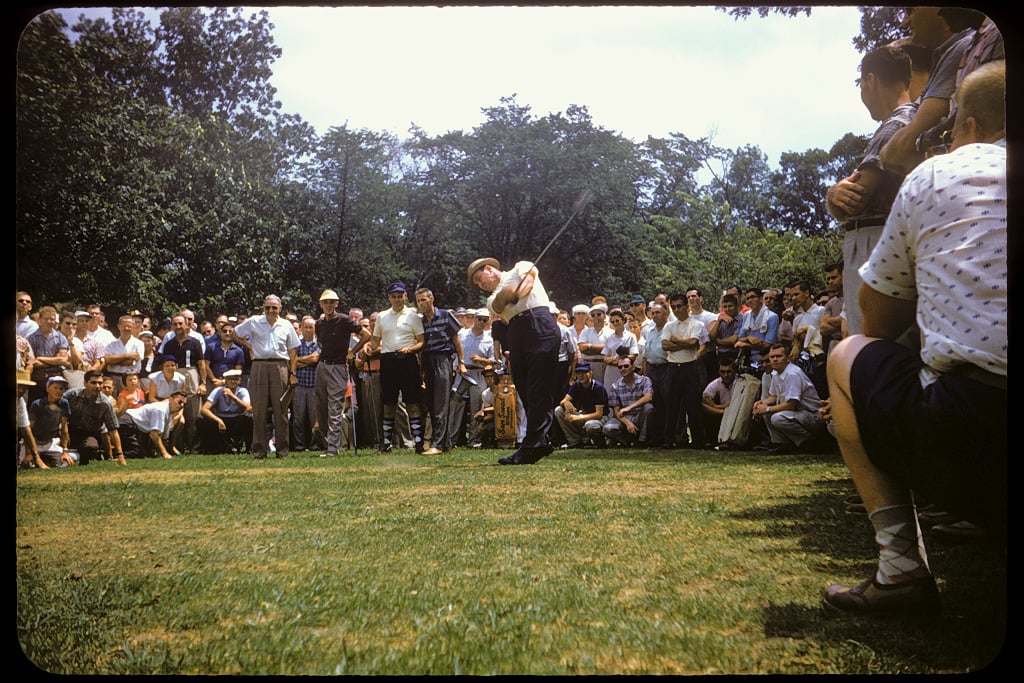
Sam Snead’s three PGA Championships (1942, 1949, 1951) marked both a pinnacle of match play excellence and the beginning of the end for the format. Snead was perfectly suited for head-to-head competition—his natural swing and competitive instincts thrived when he could see exactly what his opponent was doing.
Yet by the early 1950s, television was starting to reshape professional sports, and match play didn’t translate well to the new medium. The PGA Championship faced a choice: evolve or become irrelevant.
The decision to switch to stroke play in 1958 wasn’t just about modernization—it was about survival.
The Stroke Play Revolution
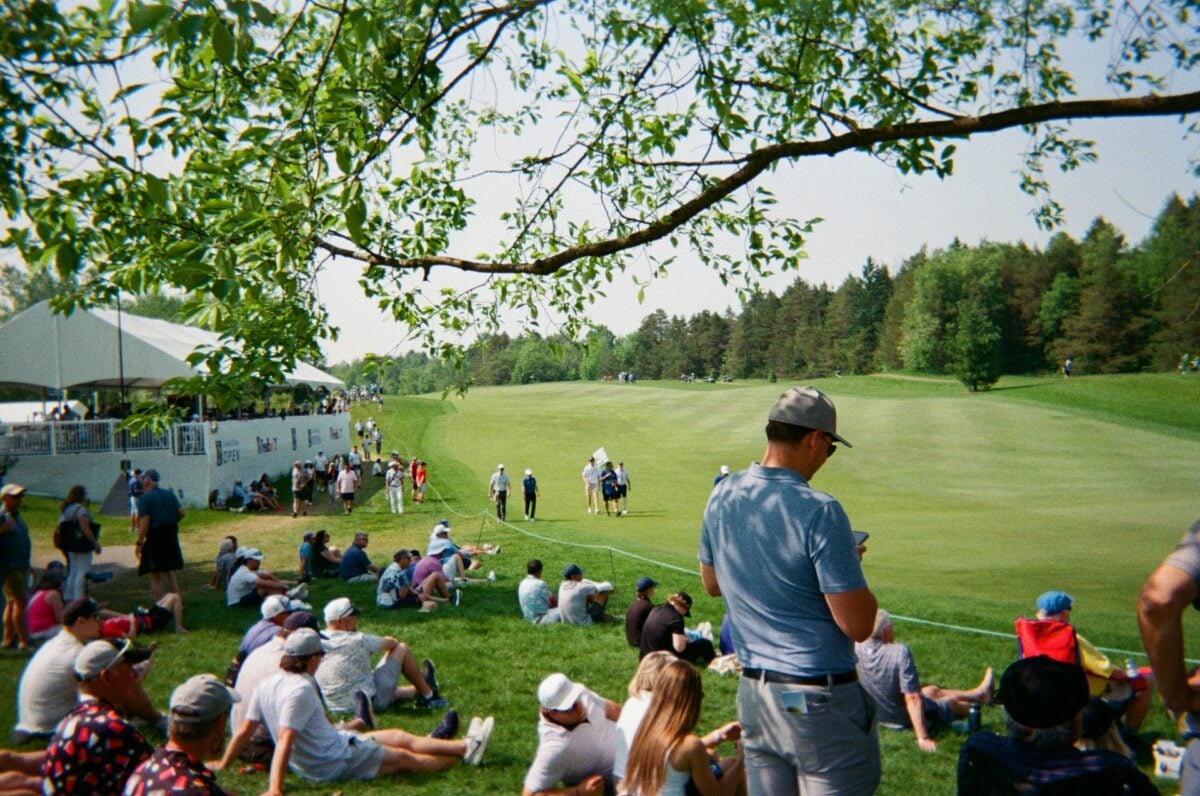
The 1958 PGA Championship at Llanerch Country Club in Pennsylvania marked the end of 42 years of match play tradition. Dow Finsterwald won that first stroke play championship, though few remember his victory now—the format change overshadowed everything else about the tournament.
Stroke play immediately changed the tournament’s character. Instead of individual battles, the PGA Championship became a four-day test of consistency and endurance.
The field expanded, the television coverage improved, and suddenly the tournament felt like it belonged in the same conversation as the other majors. The trade-off was personality for professionalism, drama for dependability.
Jack Nicklaus and Major Championship Collecting

Jack Nicklaus treated the PGA Championship as the final piece in his major championship puzzle, and his five victories there feel almost methodical in retrospect (though they happened over 15 years, from 1963 to 1980, so the dominance was more sustained than sudden). Nicklaus understood that the PGA Championship’s strong fields and challenging setups made it just as difficult as any other major, regardless of its relatively recent arrival to stroke play.
What made Nicklaus’s PGA Championship victories particularly impressive was their variety—he won on different types of courses, in different decades, and often against the strongest fields in golf. The tournament had found its identity as a major championship during the Nicklaus era, and his consistent excellence there helped legitimize that status for good.
Tiger’s Complex Relationship with the Tournament

Tiger Woods owns five PGA Championships, but his relationship with the tournament has been notably complicated—marked by both stunning victories and surprising struggles that don’t quite fit the narrative of his other major championship successes. His 1999 victory at Medinah by one shot over Sergio Garcia was a classic, his 2000 playoff win at Valhalla was clutch, his 2002 victory at Muirfield Village strengthened his dominance, and his 2006 victory at Medinah came just months after his father’s death in an emotional triumph that showcased his mental toughness.
But Tiger also missed the cut at the PGA Championship multiple times during his prime years, something that happened far less frequently at the other majors. The tournament seemed to catch him at awkward moments—either peaking too early in the week or struggling with course setups that didn’t quite suit his eye.
Fair enough, since no player dominates every tournament, but it created an interesting wrinkle in an otherwise dominant career.
Modern Era Growing Pains

The PGA Championship has spent the last two decades trying to establish its own personality among the majors, and the results have been mixed. Moving to May in 2019 helped separate it from the crowded late-summer sports schedule, but it also created an identity crisis—the tournament is no longer summer’s final major but spring’s last big event.
The courses have been largely excellent, from Baltusrol to Kiawah Island to Southern Hills. Yet the tournament still feels like it’s searching for something that makes it uniquely important beyond just being the fourth major.
The fields are strong, the winners are worthy, but the PGA Championship hasn’t quite found its signature moment or defining characteristic the way the Masters has Augusta National or the U.S. Open has its punishing setups.
Venue Selection and Course Philosophy

The PGA Championship’s approach to venue selection reveals an organization still figuring out what it wants to be. Unlike the Masters, which never moves, or the U.S. Open, which deliberately seeks out punishing tracks, the PGA Championship bounces between resort courses, classic American designs, and modern layouts without an obvious philosophy connecting them.
This flexibility has produced some memorable championships—Whistling Straits, Baltusrol, and Quail Hollow have all hosted excellent PGA Championships in recent years. But it has also led to some forgettable venues where the course itself became invisible, overshadowed by whatever drama the players provided.
The best major championships happen when the course becomes a character in the story, not just a backdrop for it.
International Flavor and Global Growth
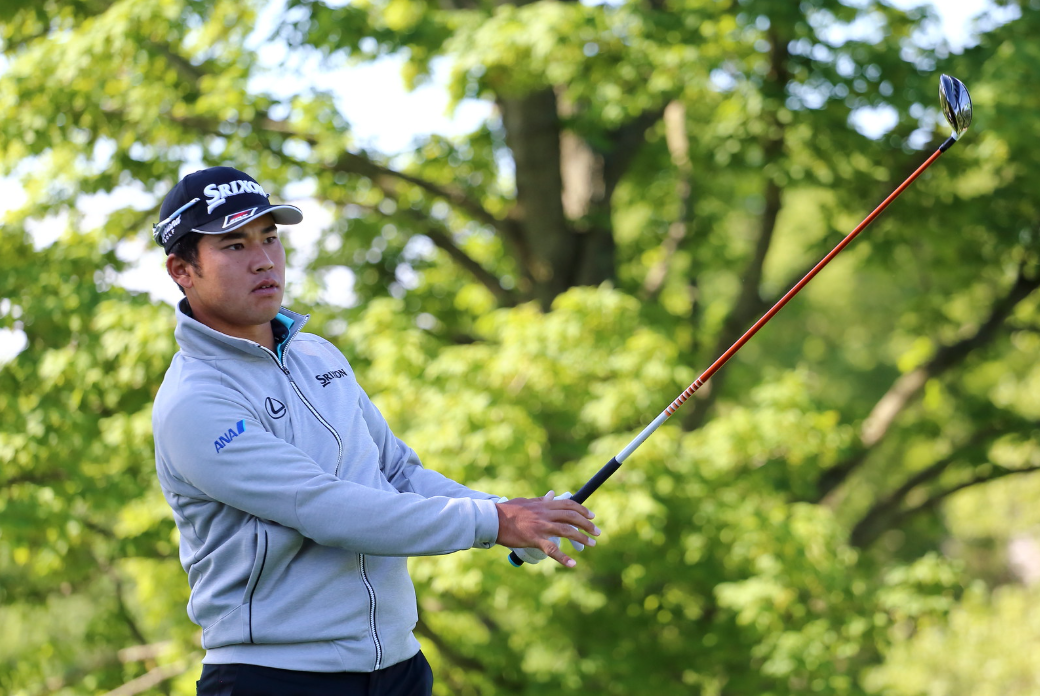
The PGA Championship has benefited enormously from golf’s international growth, drawing strong international fields that often produce compelling storylines. Jason Day’s 2015 victory, Hideki Matsuyama’s consistent contention, and Brooks Koepka’s back-to-back wins (2018, 2019) all represent different aspects of golf’s global appeal.
Yet the tournament still feels fundamentally American in a way that sometimes works against it. The venues are almost exclusively American, the scheduling caters to American television, and the general atmosphere lacks the international sophistication of other majors.
This isn’t necessarily a problem, but it does limit the tournament’s global appeal in an increasingly international sport.
Technology and Scoring Evolution

Modern PGA Championships have become showcases for how dramatically professional golf has evolved, with winning scores dropping and course yardages stretching to accommodate players who hit the orb distances that would have seemed impossible just 20 years ago. Rory McIlroy’s 2012 victory at Kiawah Island (by eight shots at 13-under par) demonstrated how thoroughly modern players can dominate even challenging major championship setups when conditions align.
The scoring evolution has forced the PGA of America to continually reassess their course setups, lengthening tracks and toughening conditions to maintain the proper challenge level. This arms race between player ability and course difficulty has generally worked well for the PGA Championship, producing competitive leaderboards without crossing into the punitive territory that sometimes defines U.S. Open setups.
Brooks Koepka’s Unexpected Dominance
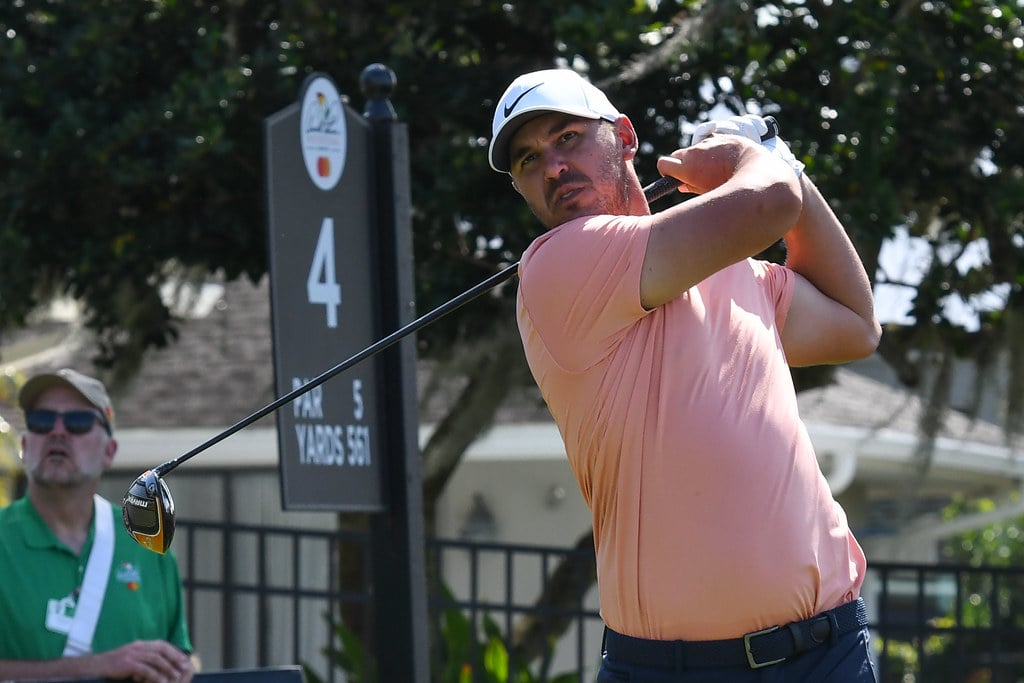
Brooks Koepka’s success at the PGA Championship (winning in 2018 and 2019) perfectly encapsulates the modern major championship mindset—treating these tournaments as separate from regular tour events and approaching them with an intensity level that most players can’t sustain. Koepka’s victories weren’t particularly dramatic, but they were thorough and professional in a way that suited the tournament’s character.
His dominance also highlighted how the PGA Championship rewards a specific type of player: long, accurate, mentally tough, and unbothered by pressure. Koepka’s matter-of-fact approach to major championships felt perfectly suited to a tournament that has always been more about professional excellence than romantic narrative.
The Future Identity Question

The PGA Championship enters its second century facing questions that don’t have obvious answers: What makes this tournament essential beyond being one of four majors? How does it differentiate itself without abandoning the things that make it successful? The May scheduling helped, the venues continue improving, but the tournament still lacks the clear identity that defines great recurring sporting events.
Perhaps that’s asking too much of any tournament in an era where golf itself is rapidly evolving.
The PGA Championship has survived format changes, world wars, and the transition from a professional trade organization event to a global spectacle. Its next chapter will likely depend on whether it can find something uniquely compelling to offer in an increasingly crowded sports landscape.
A Championship Still Writing Its Story

What strikes you most about the PGA Championship’s history is how much of it feels unfinished, as if the tournament is still becoming what it’s meant to be rather than settling into comfortable tradition. That restlessness has produced both memorable championships and forgettable ones, breakthrough moments and missed opportunities.
The tournament has earned its place among golf’s majors through consistent excellence rather than dramatic flair. Players respect it, fans attend it, and winners treasure it—even if nobody can quite articulate what makes it special beyond the obvious fact that major championships are rare and valuable.
Sometimes that’s enough. Sometimes the story is still being written, one summer at a time.
More from Go2Tutors!

- The Romanov Crown Jewels and Their Tragic Fate
- 13 Historical Mysteries That Science Still Can’t Solve
- Famous Hoaxes That Fooled the World for Years
- 15 Child Stars with Tragic Adult Lives
- 16 Famous Jewelry Pieces in History
Like Go2Tutors’s content? Follow us on MSN.



