30 Mall Storefronts Shoppers Remember Better Than the Malls
Entire shopping malls have closed, been demolished, or converted into warehouses, yet certain individual storefronts inside them remain vivid in memory long after the buildings themselves are gone. These were the shops that gave a mall its personality, each one instantly recognizable by sound, smell, or storefront design alone.
Sam Goody
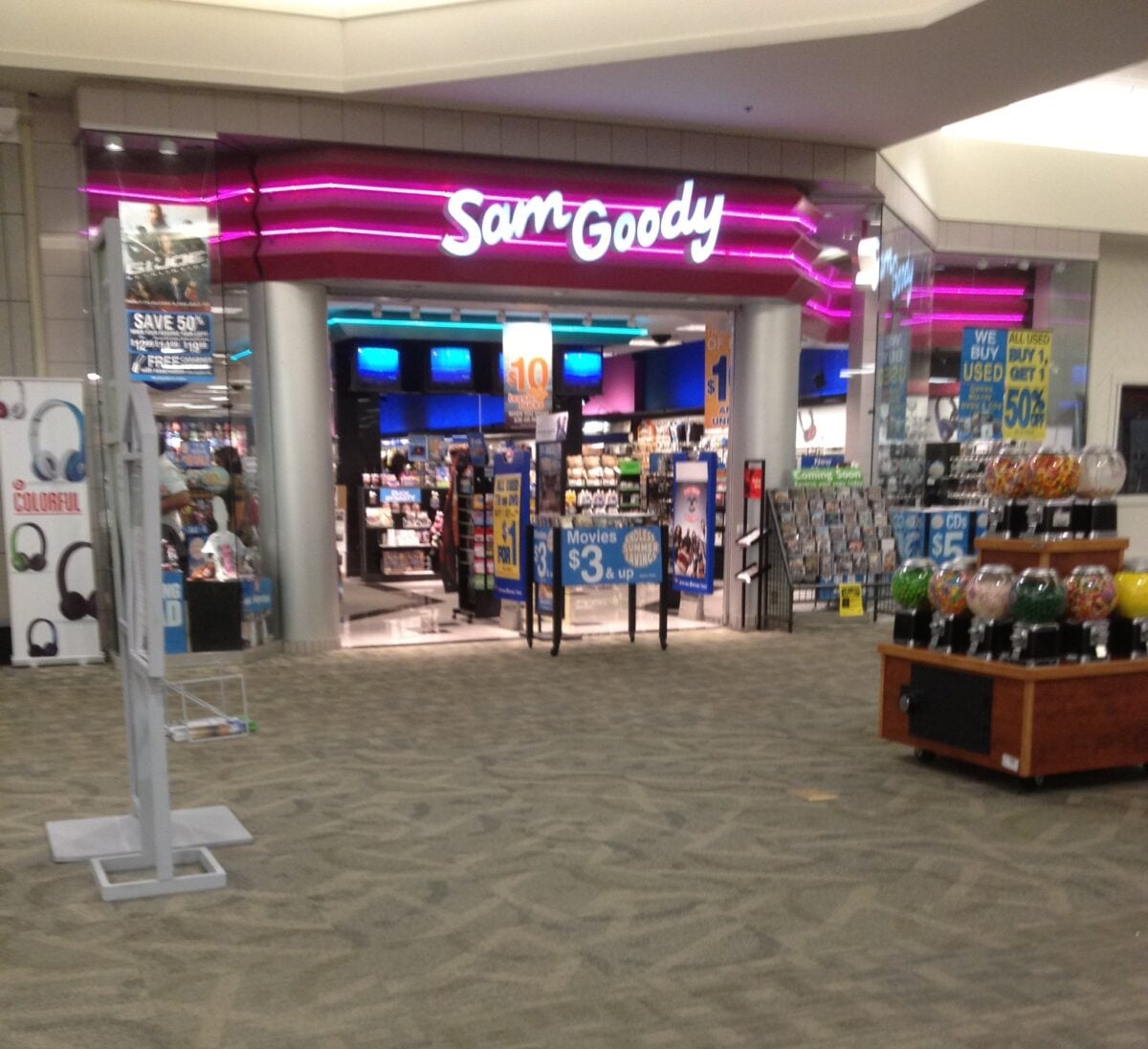
A music retailer with listening stations and towering CD and cassette displays, Sam Goody was frequently the first stop for teenagers with allowance money, its storefront instantly identifiable by the sound spilling out into the mall corridor.
Spencer’s Gifts
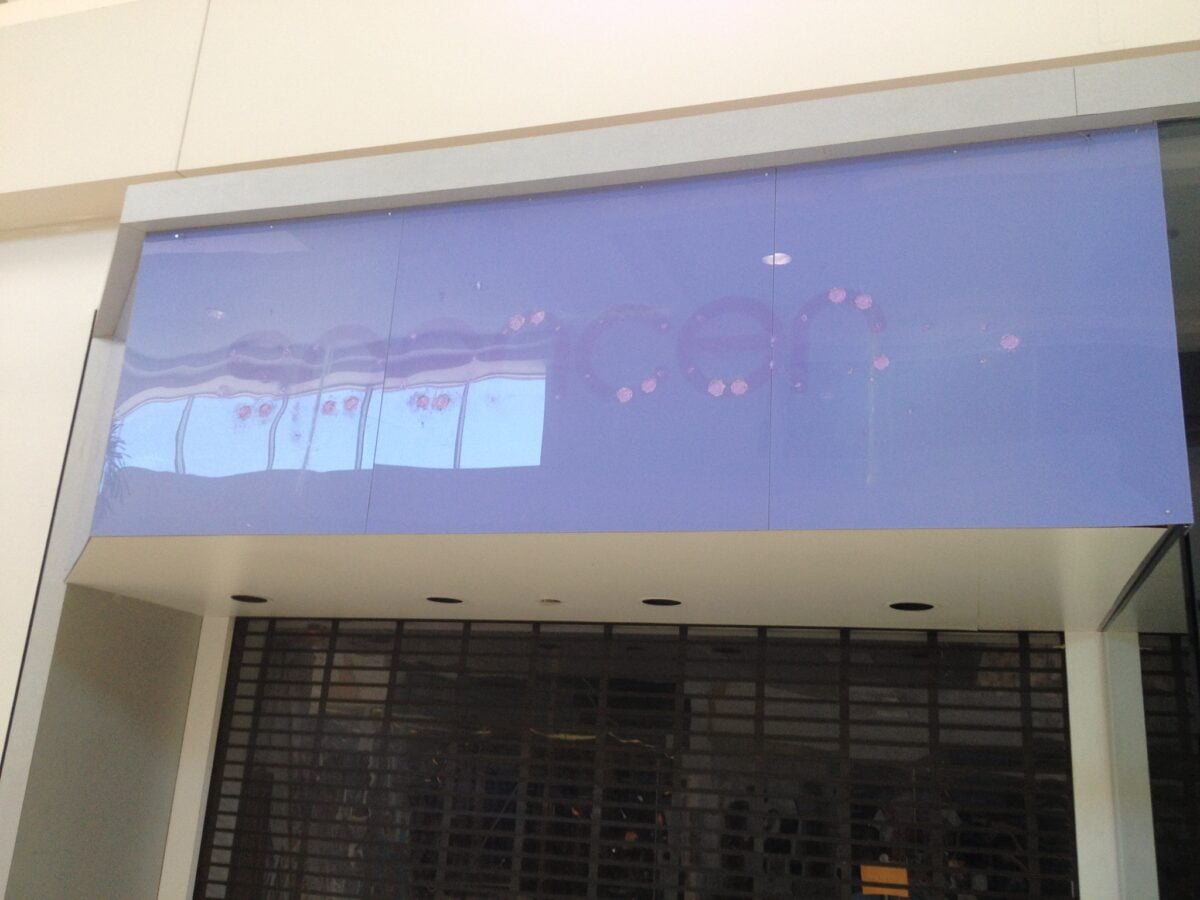
Known for its blacklight posters, novelty gag gifts, and merchandise skewing older than most mall stores dared to stock, Spencer’s storefront was often deliberately dim, giving it an air of mischief that made it a rite of passage to walk through.
Waldenbooks
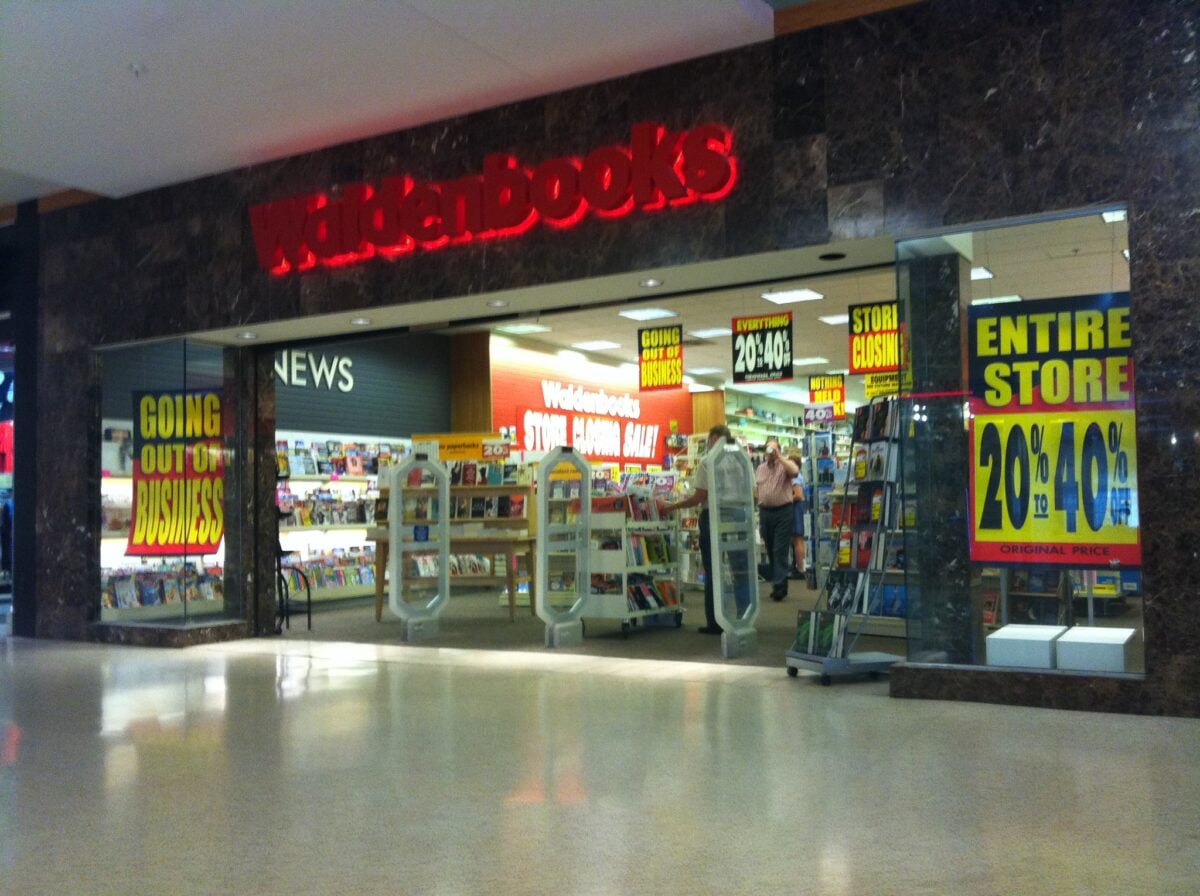
A staple bookstore chain in nearly every American mall, Waldenbooks offered a quieter alternative to the noise outside, with its own loyalty card program long before most retailers had one.
KB Toys
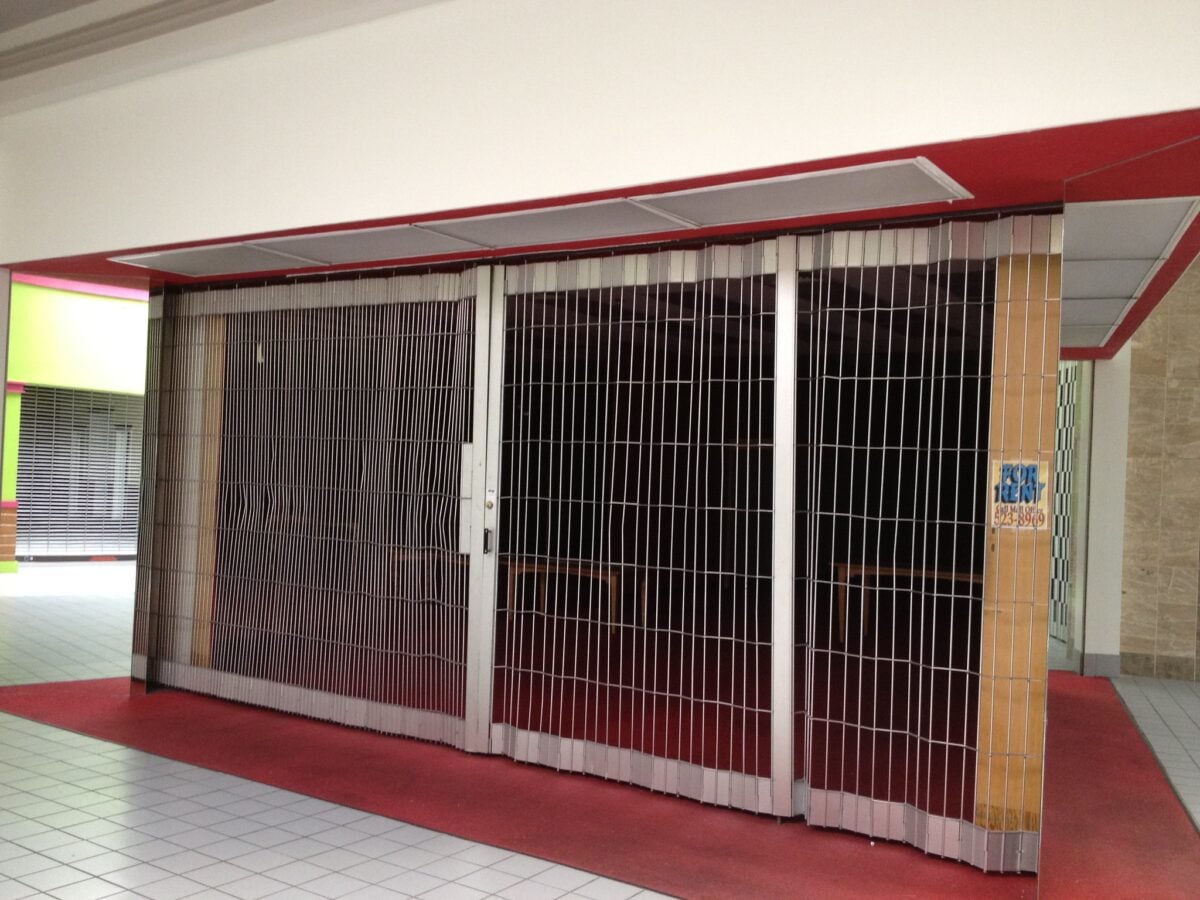
With aisles stacked floor to ceiling and end-of-year clearance sales that drew crowds, KB Toys was often positioned near a mall’s central court, making it one of the first storefronts kids spotted on the way in.
Orange Julius

A small counter store selling a frothy orange drink blended with ice, Orange Julius often sat beside or inside a hot dog stand, becoming a snack stop rather than a full meal destination.
The Discovery Channel Store
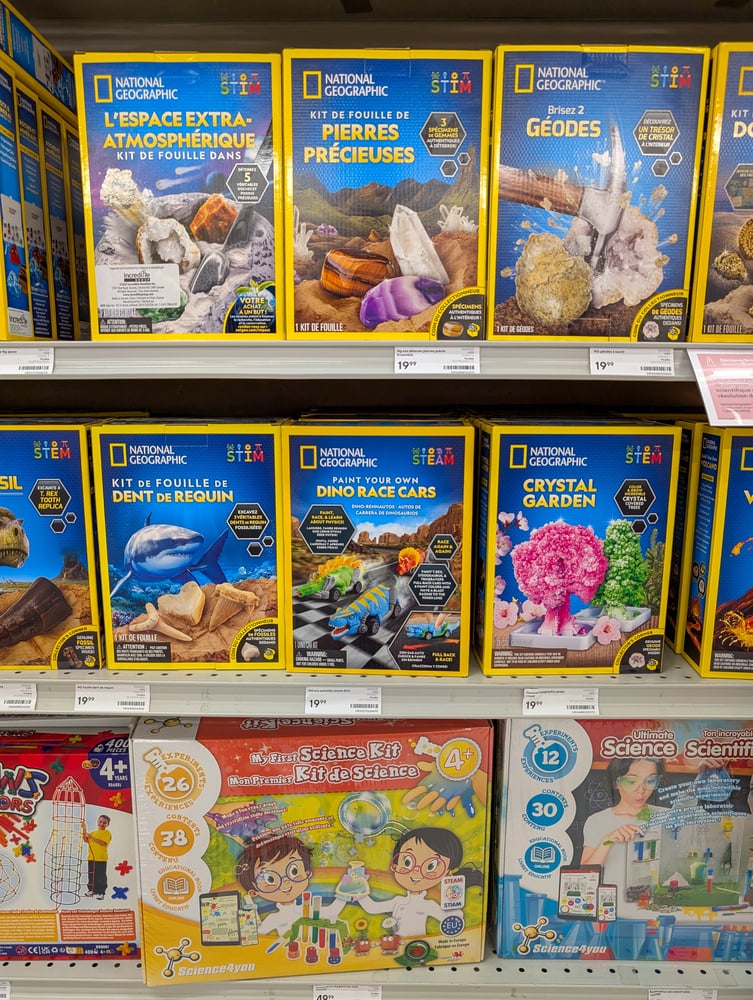
Selling science kits, telescopes, and educational toys tied to the cable network’s branding, this store gave malls an unusually studious storefront amid the retail noise surrounding it.
Chess King
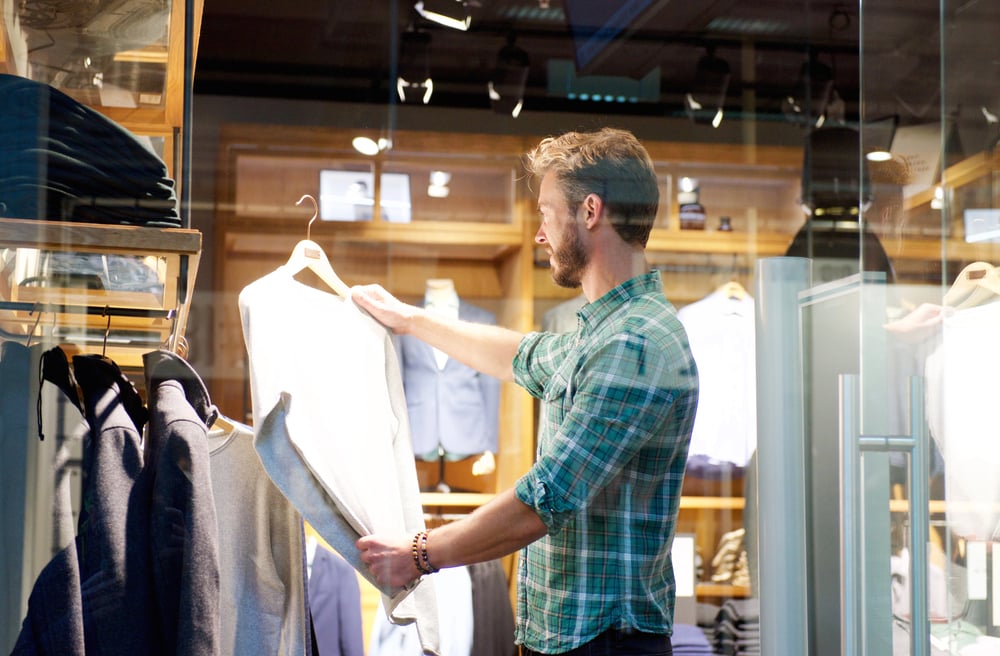
A men’s clothing chain known for bold, trend-forward styles aimed squarely at teenagers, Chess King’s storefront displays leaned into whatever look was dominating music videos at the time.
Contempo Casuals
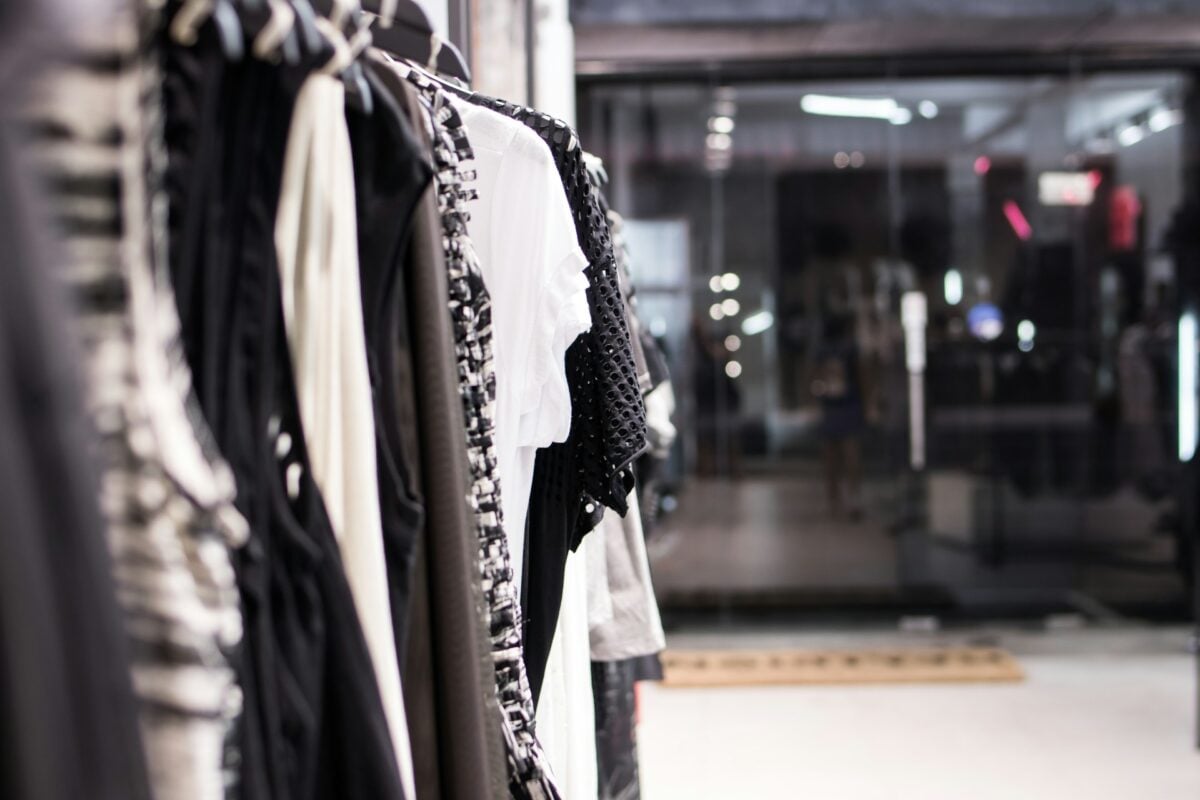
A junior’s clothing chain aimed at teenage girls, Contempo Casuals eventually merged into Wet Seal, but longtime mall shoppers still recall its original branding and storefront layout distinctly.
RadioShack
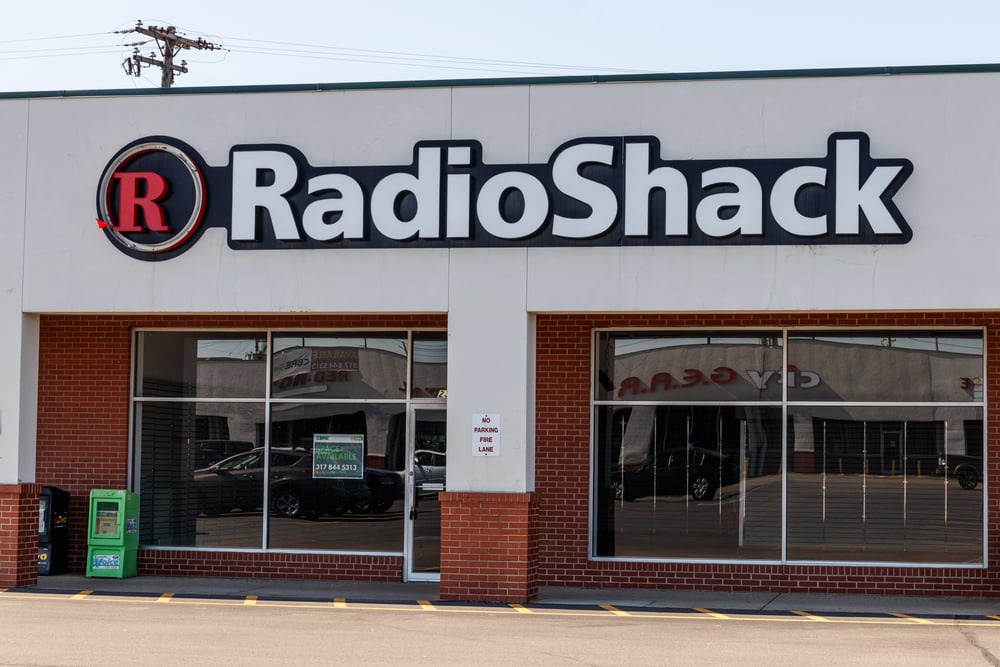
Packed with electronics components, remote-control toys, and early cell phones, RadioShack’s storefront was recognizable by its cluttered, hands-on displays that invited browsing in a way few other stores did.
The Wherehouse
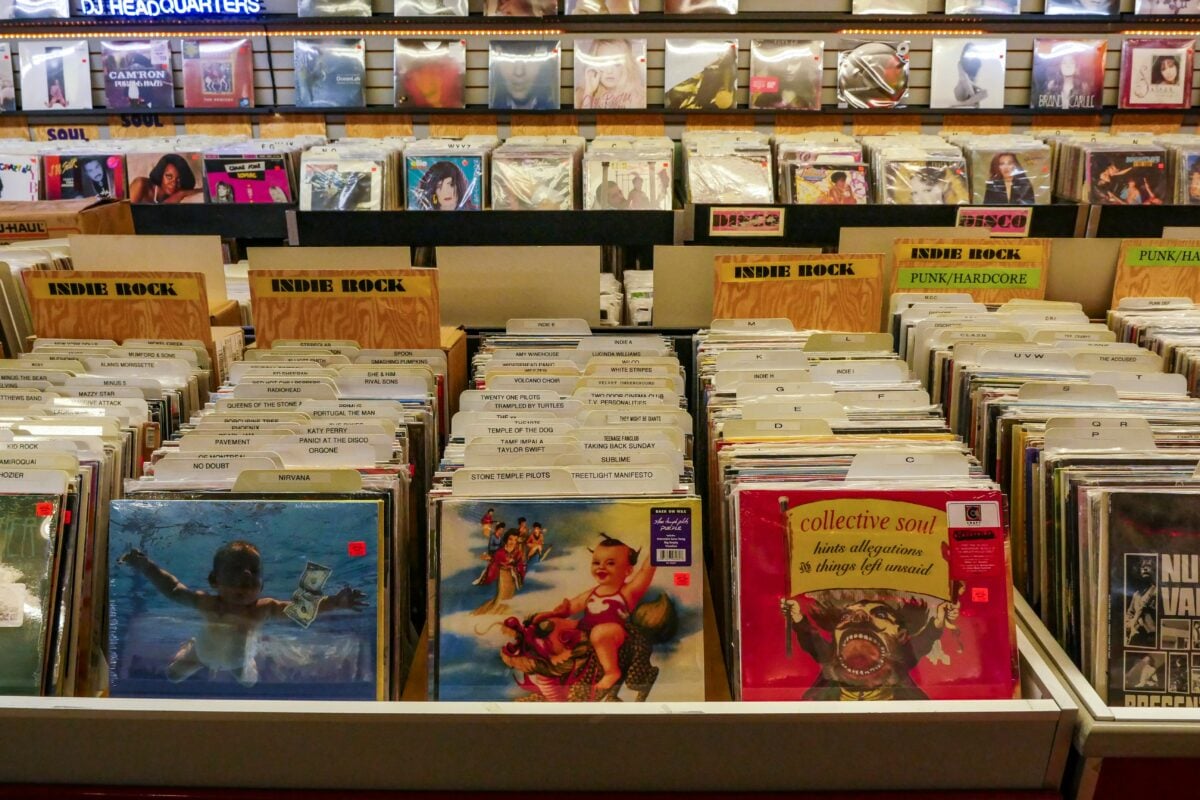
A West Coast music and video retailer, The Wherehouse competed directly with national chains, giving regional mall shoppers a storefront experience distinct from what East Coast malls carried.
Merry-Go-Round
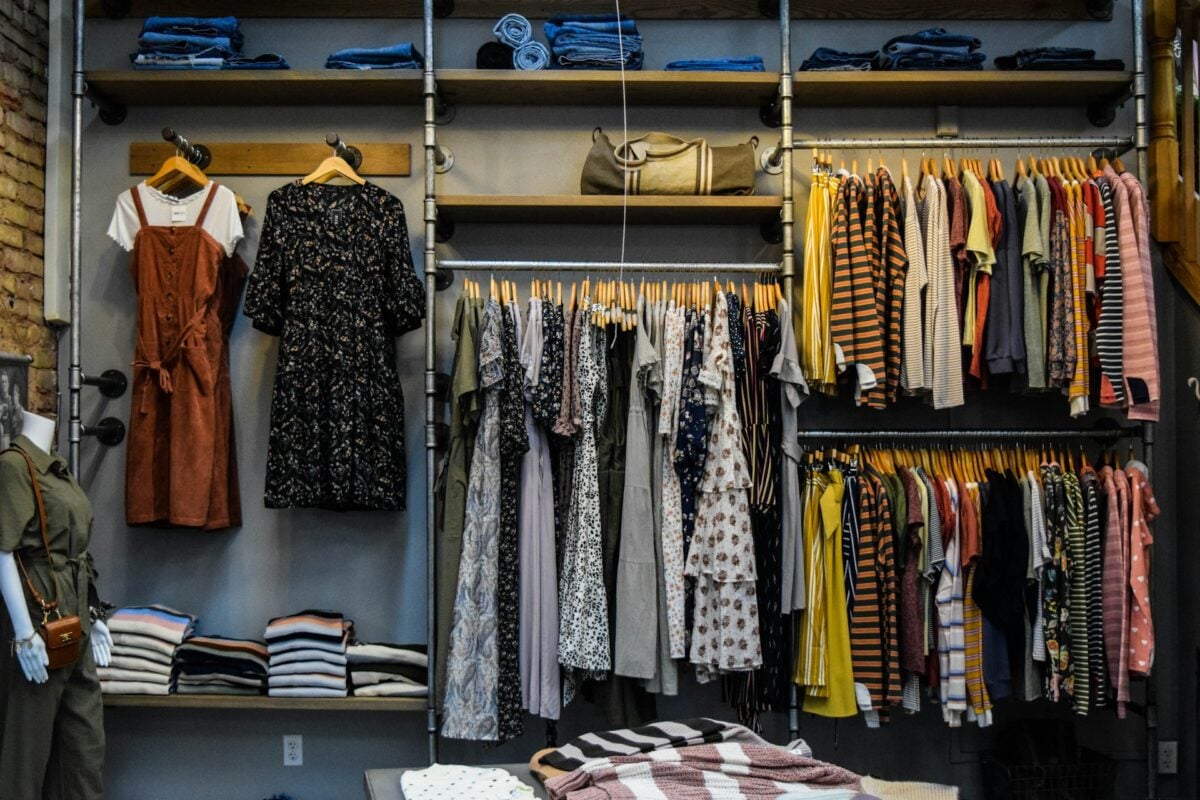
A trend-driven clothing store known for loud music and constantly rotating inventory, Merry-Go-Round closed abruptly in the late 1990s, leaving longtime shoppers with sudden, unresolved nostalgia.
Camelot Music
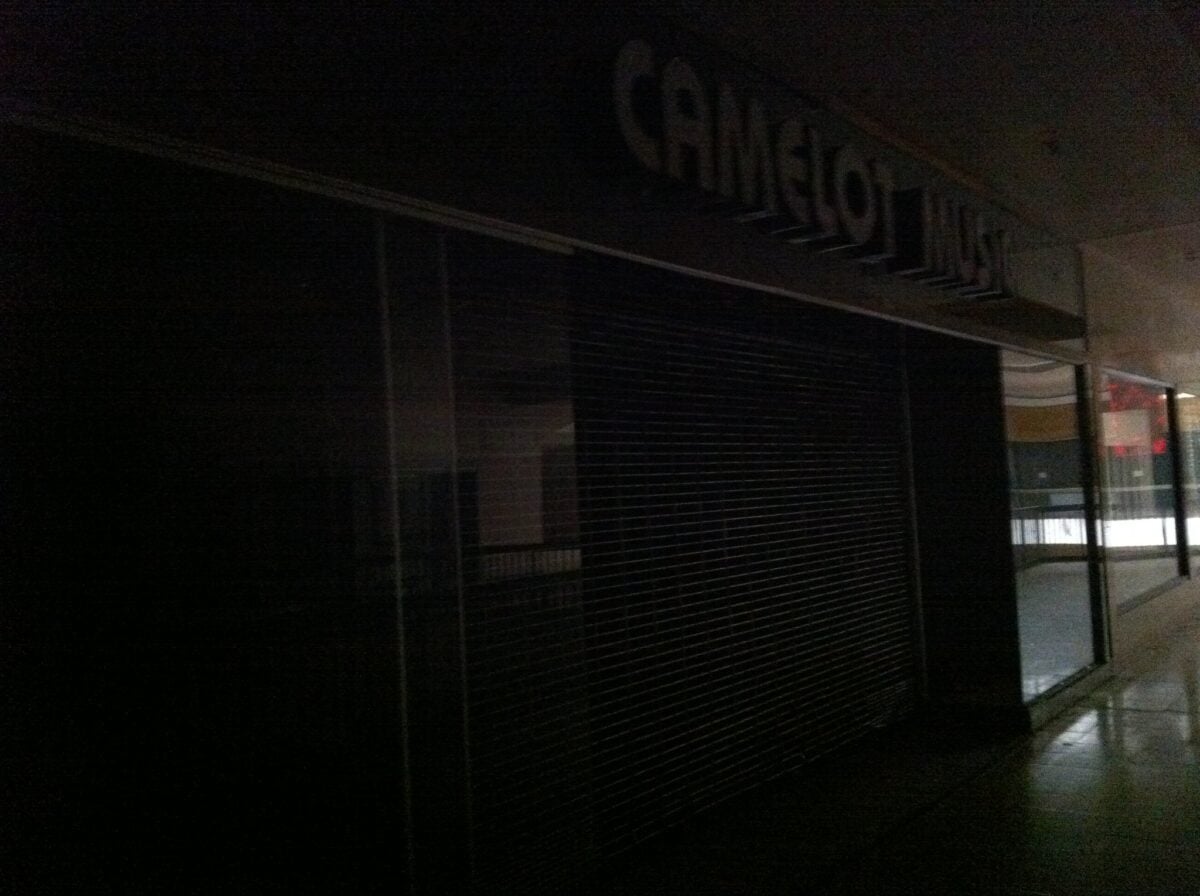
Photo by Mike Kalasnik, via Flickr. Licensed under CC BY-SA 2.0
Another regional music chain, Camelot Music’s storefront featured listening booths where shoppers could sample an album before buying it, a service that disappeared almost entirely with digital music.
The Museum Company
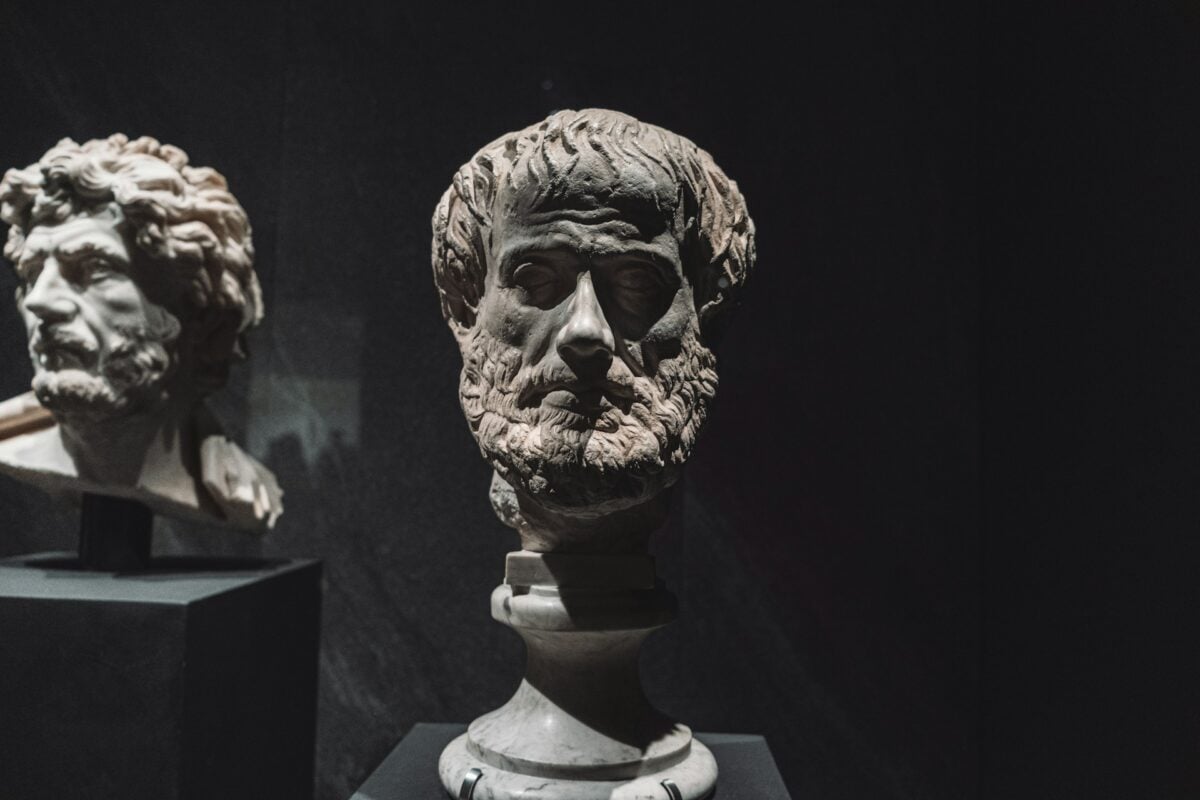
Selling replica artifacts, science-themed decor, and museum-branded merchandise, this store gave malls an unexpectedly upscale storefront tucked between more casual retail neighbors.
Suncoast Motion Picture Company
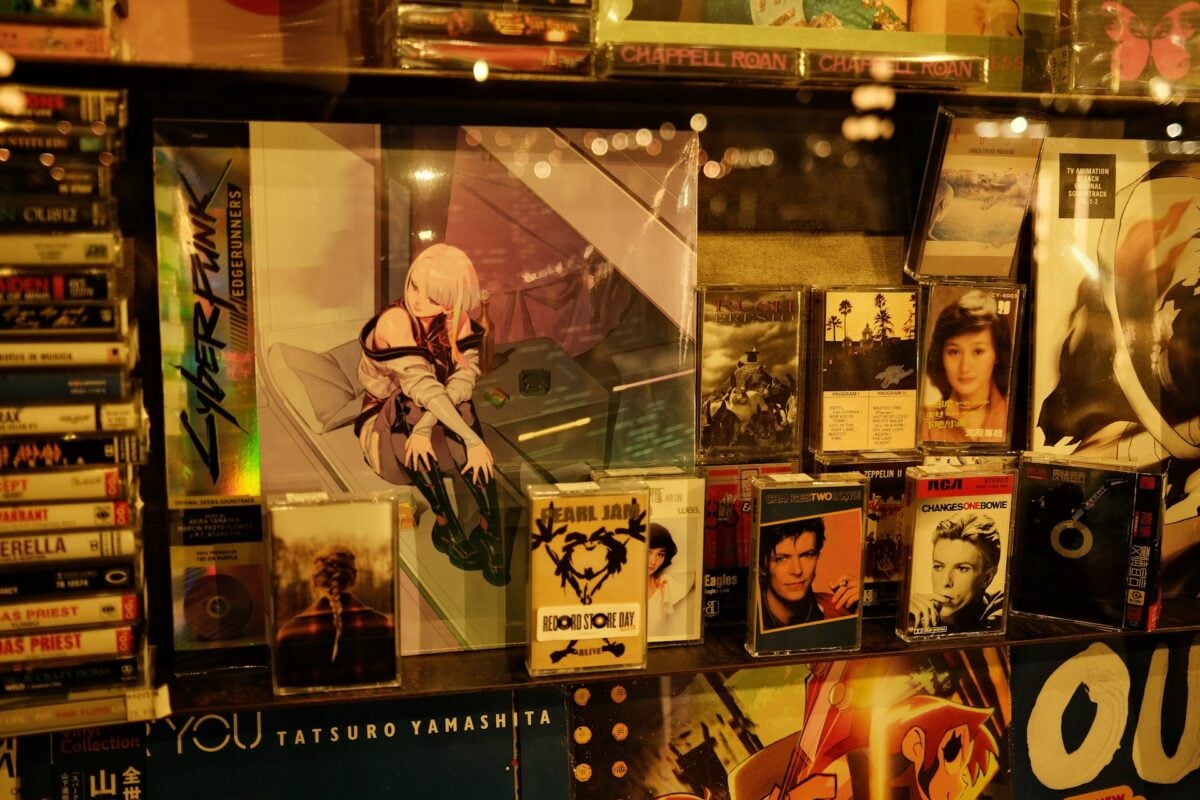
A video and movie memorabilia store, Suncoast built its storefront around movie posters and collectible figures, becoming a required stop for film fans well before streaming existed.
Musicland
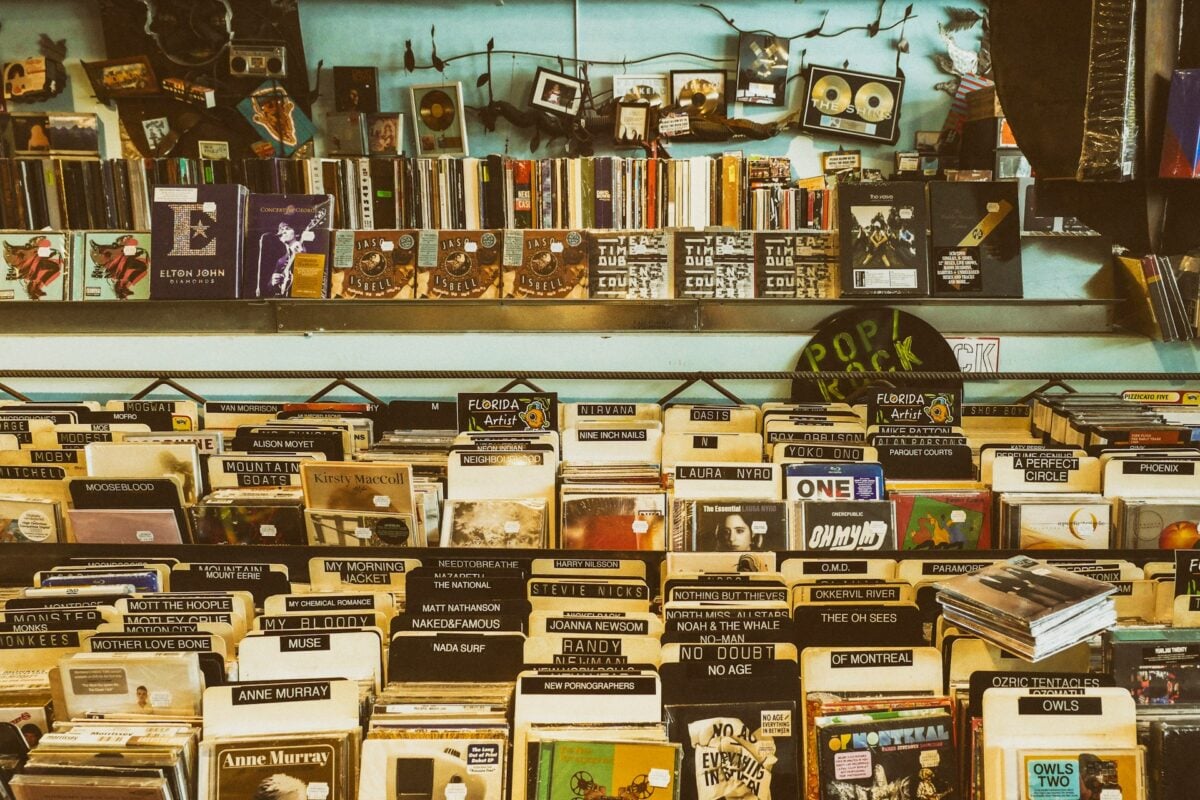
Operating under several regional names, Musicland stores were often anchor-adjacent tenants, their storefronts marked by new-release displays that changed weekly to match chart movement.
B. Dalton Bookseller

A direct competitor to Waldenbooks, B. Dalton often occupied a nearly identical storefront footprint in a different corner of the same mall, leading to friendly rivalry among regular shoppers.
Hot Topic
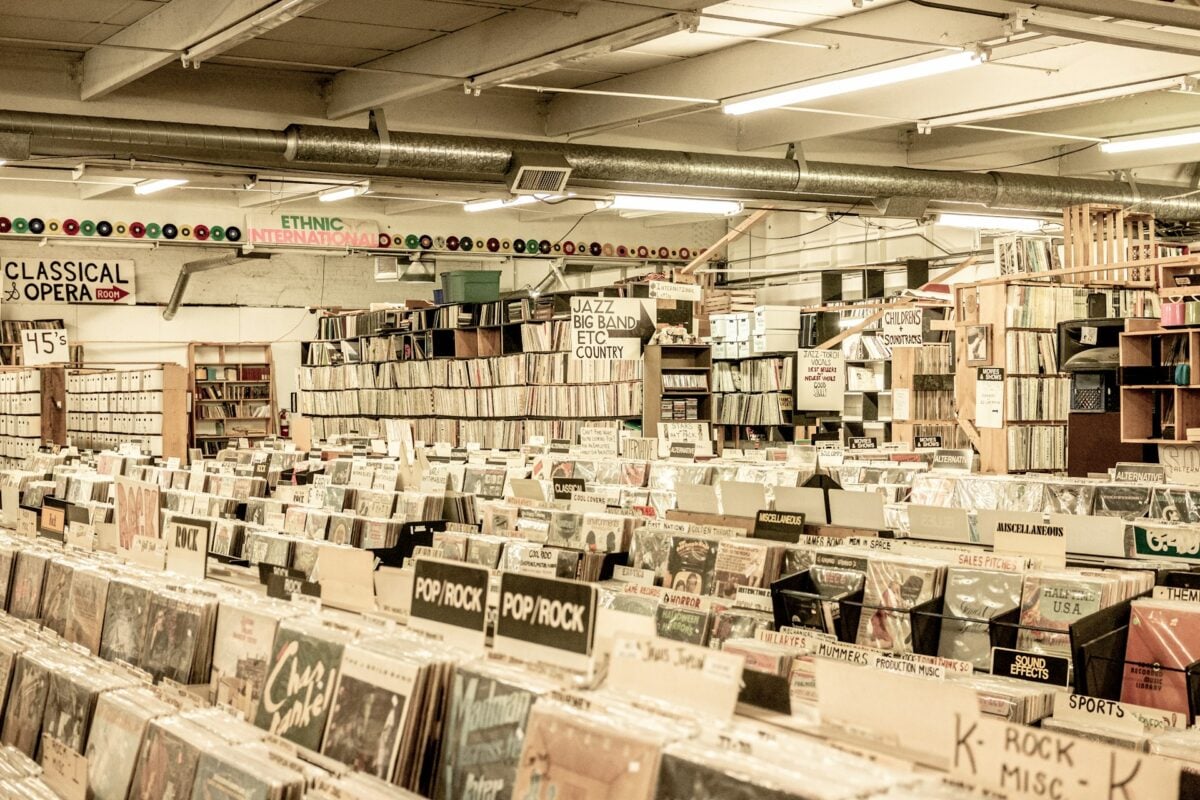
Built around music-driven fashion and pop culture merchandise, Hot Topic’s storefront leaned dark and loud, standing in deliberate contrast to the brighter, mainstream stores surrounding it.
Claire’s Original Ear Piercing Counter
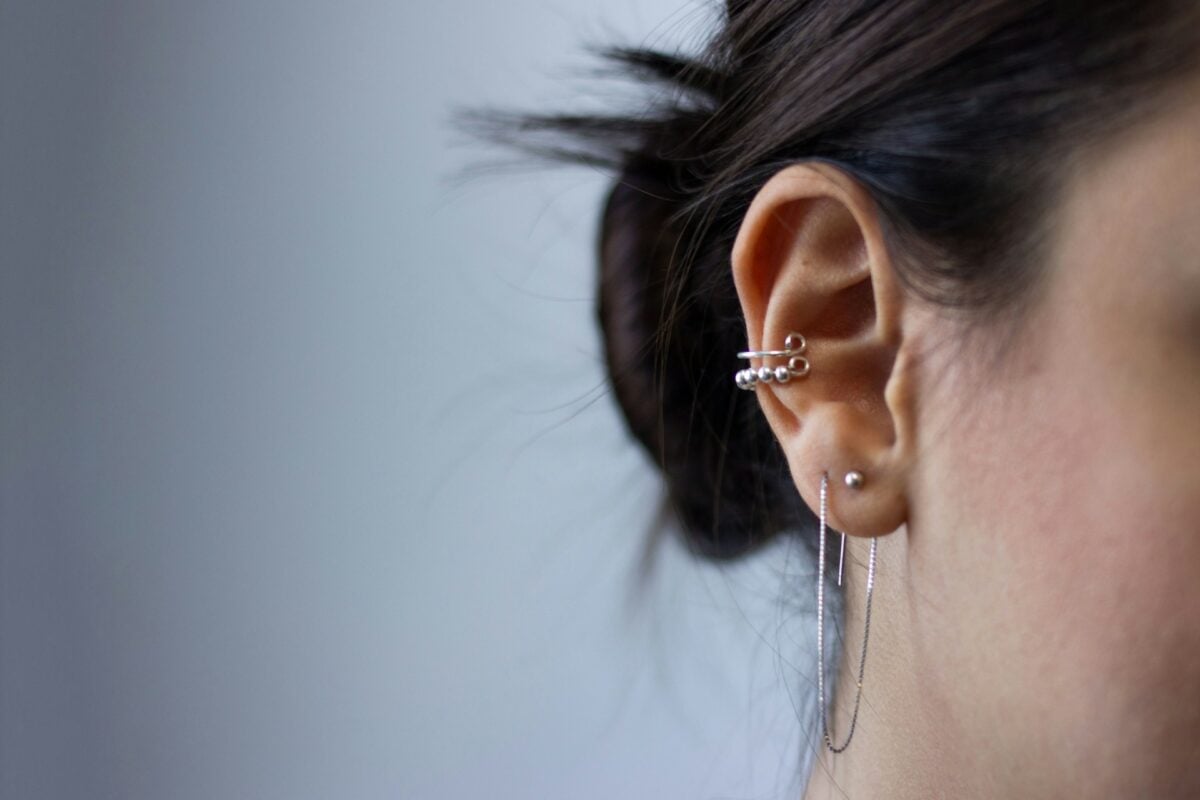
Before ear piercing became widely available elsewhere, Claire’s storefront doubled as a small piercing station, giving the store a distinct rite-of-passage reputation among younger shoppers.
Foot Locker’s Referee-Striped Uniforms
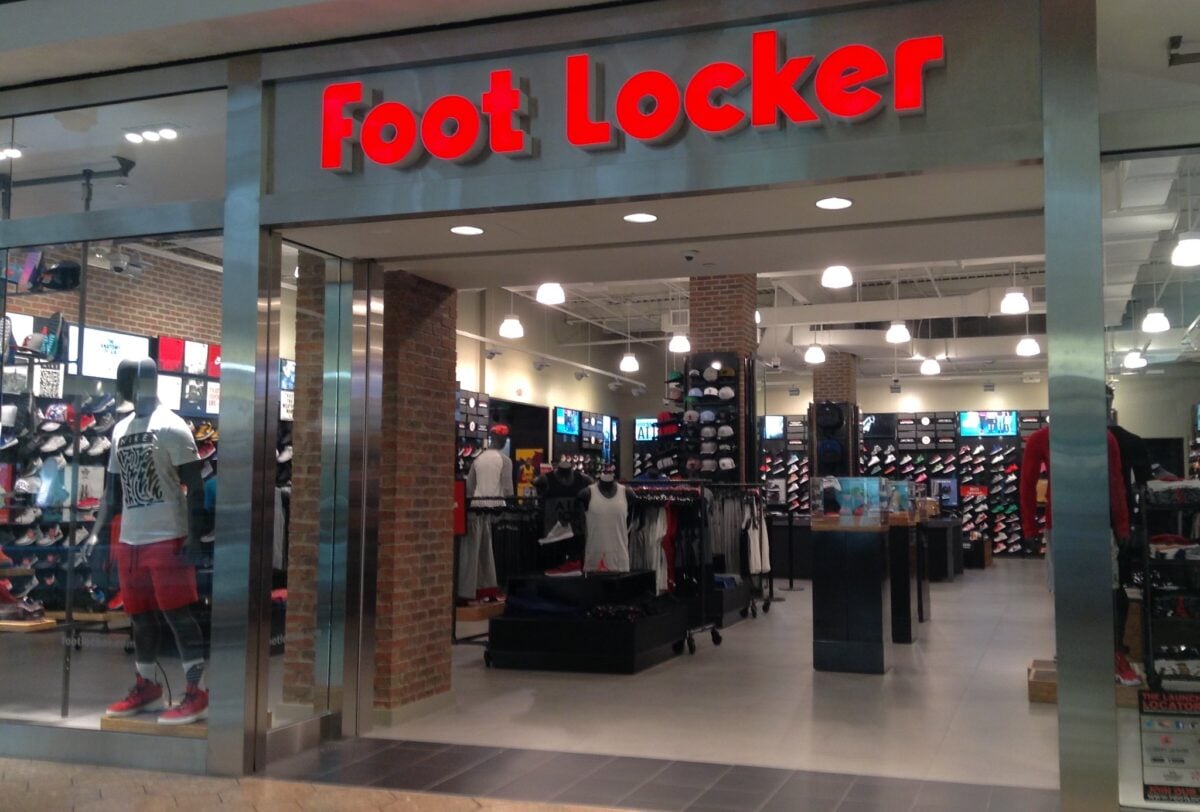
While Foot Locker still exists, its original mall storefronts were distinguished by employees dressed in black-and-white referee stripes, a uniform choice shoppers from that era remember vividly.
The Nature Company

Selling telescopes, rock and mineral specimens, and nature documentaries, this store carved out an oddly serene storefront amid a mall’s usual retail noise.
Chick-fil-A’s Original Food Court Counter
Long before standalone locations became common, many shoppers’ first experience with Chick-fil-A was a modest food court counter, its storefront far smaller than the freestanding restaurants that came later.
Sharper Image
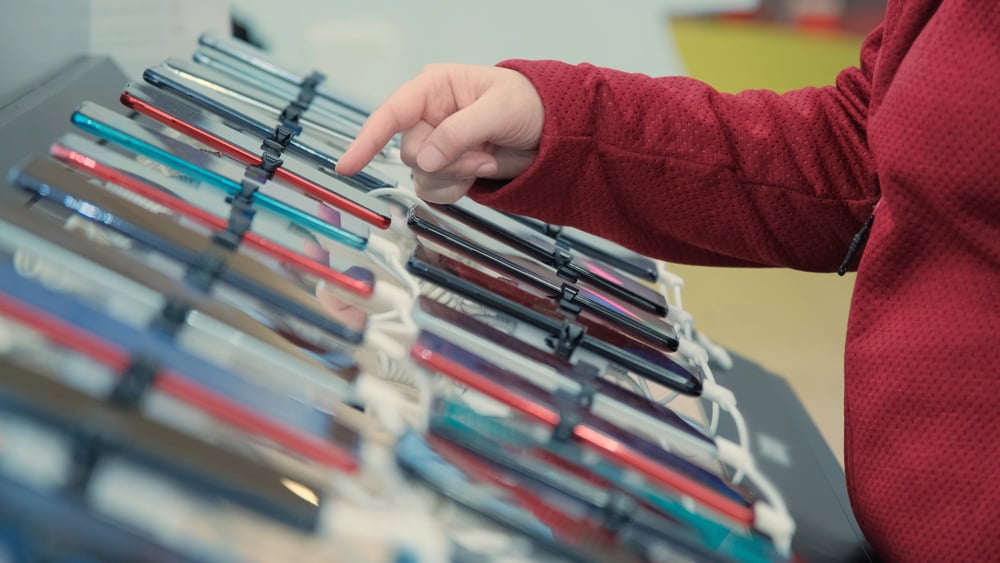
Known for gadgets, massage chairs, and demonstration displays shoppers could actually try in-store, Sharper Image’s storefront doubled as a kind of interactive showroom.
Gadzooks
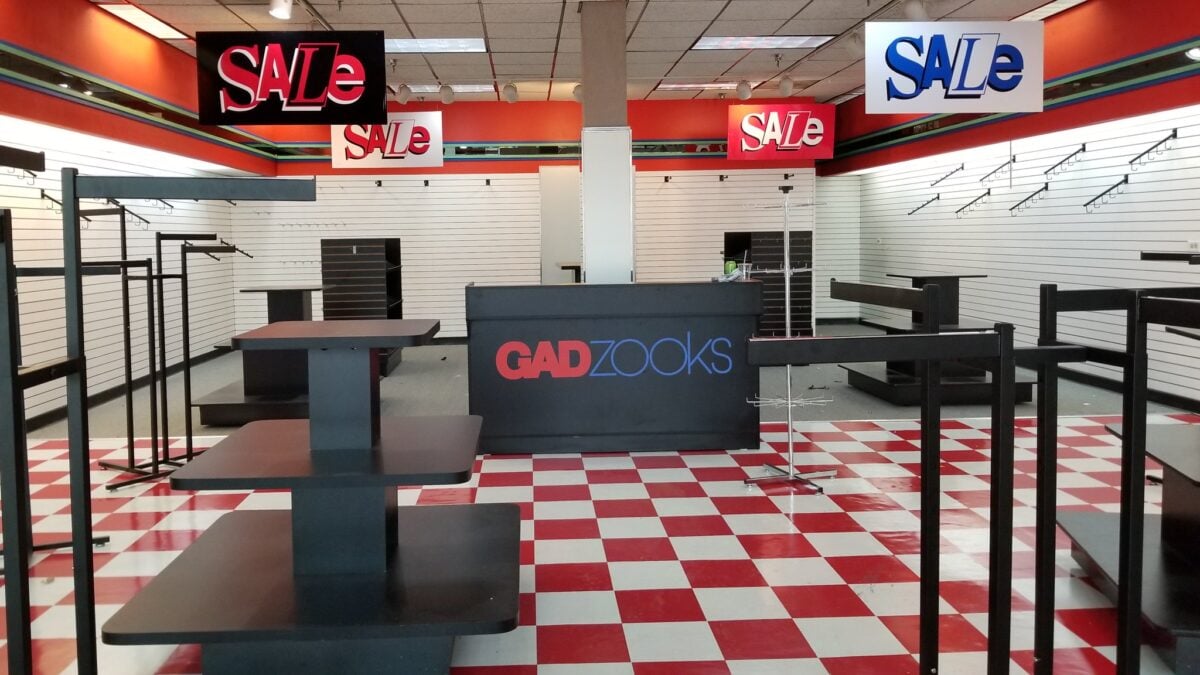
A clothing store aimed at teens with a heavy skate and streetwear influence, Gadzooks’ storefront often blasted music loud enough to be heard well down the mall corridor.
County Seat
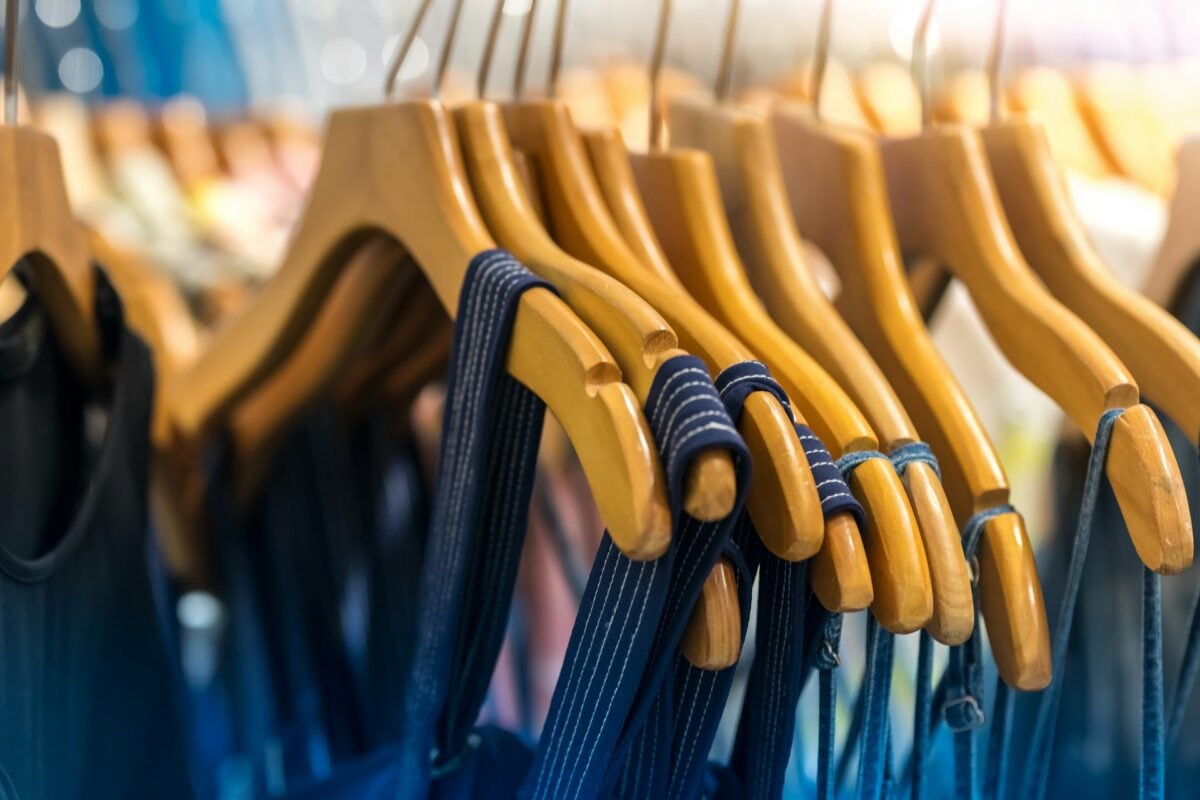
A denim-focused clothing retailer, County Seat’s storefront was a common stop for jeans shopping before its eventual decline and closure in the early 2000s.
Kay Bee Candy and Nut Shops
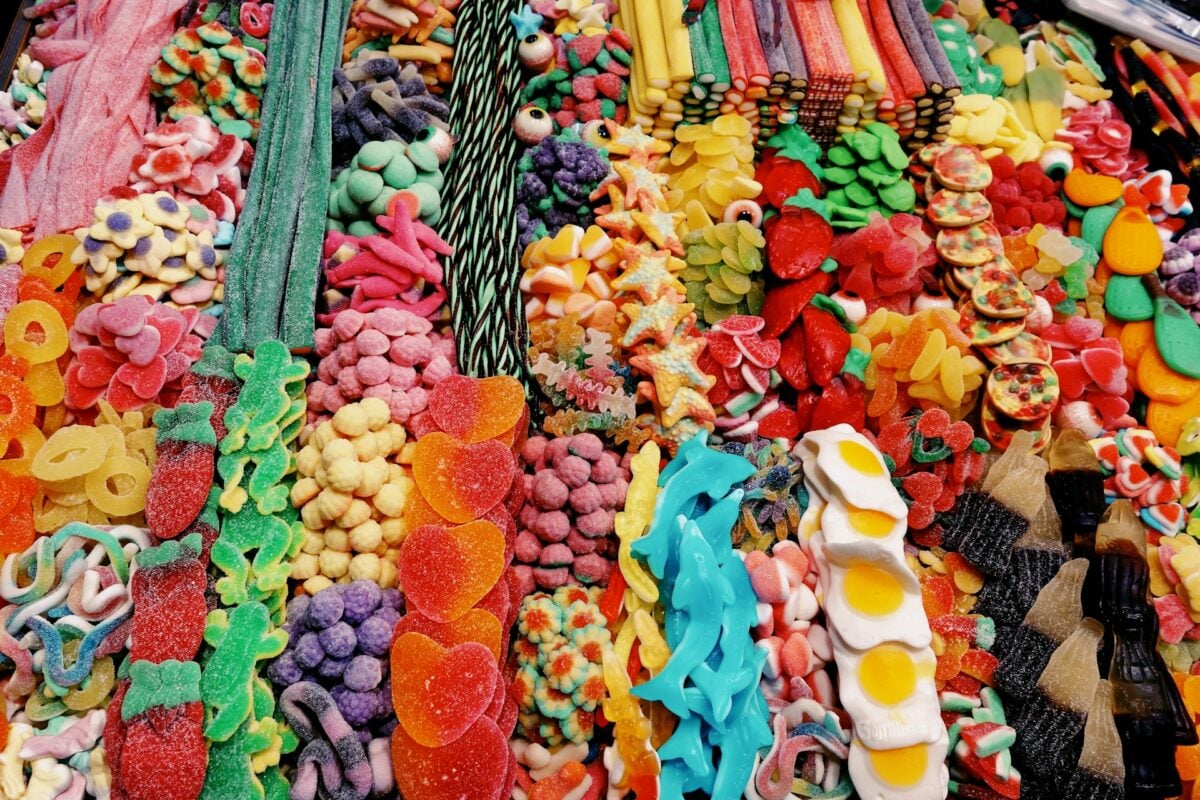
Distinct from KB Toys despite the similar name, these small candy and nut counters were a common mall fixture offering fresh roasted nuts and bulk candy by the pound.
The Warner Bros. Studio Store
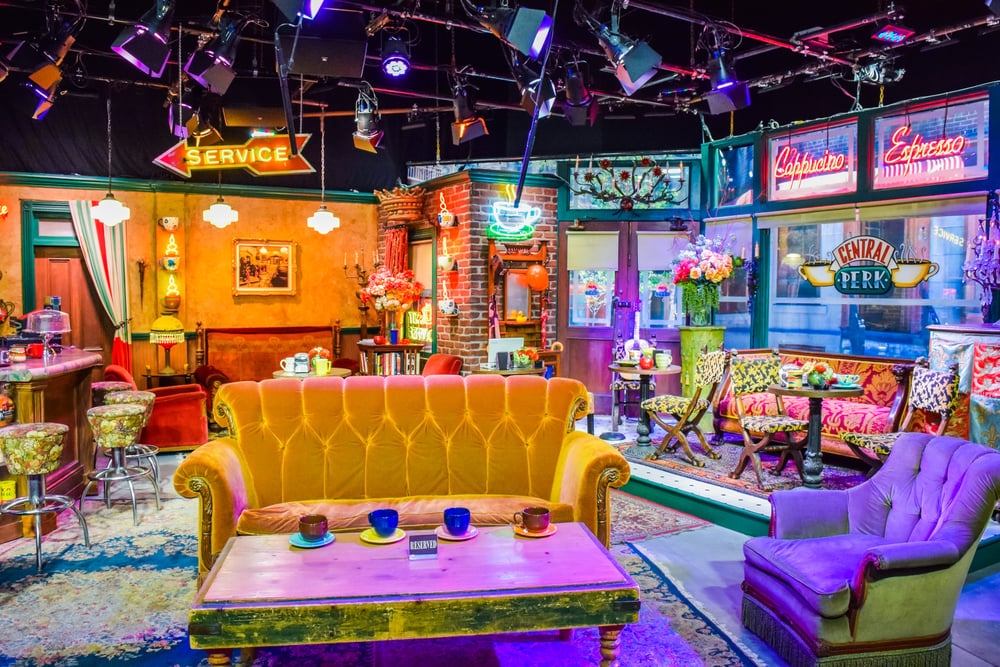
Selling animation cels, plush characters, and branded merchandise, this store gave malls a cartoon-themed storefront that leaned as much toward collectors as toward children.
Aeropostale’s Original Storefront Branding
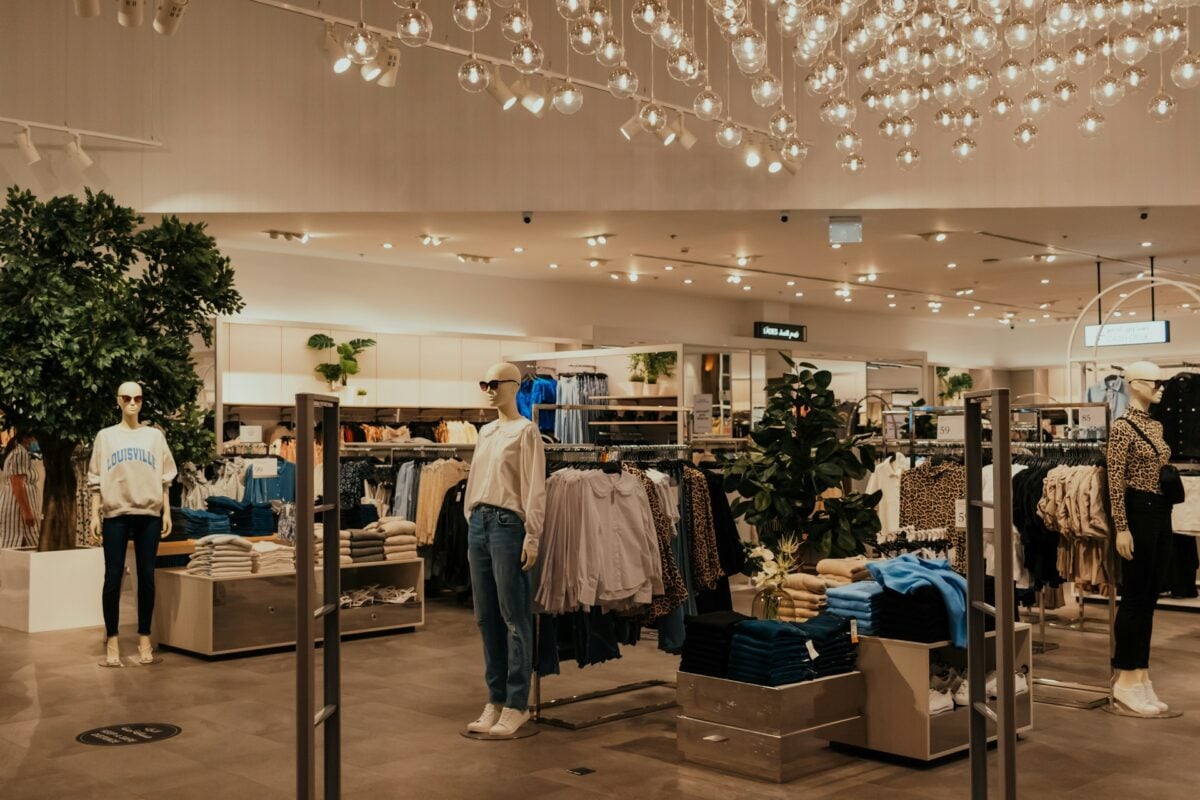
Before becoming a broad teen retail chain, Aeropostale’s early mall storefronts carried a more understated, collegiate look that longtime shoppers distinguish clearly from its later branding.
Lechters Housewares
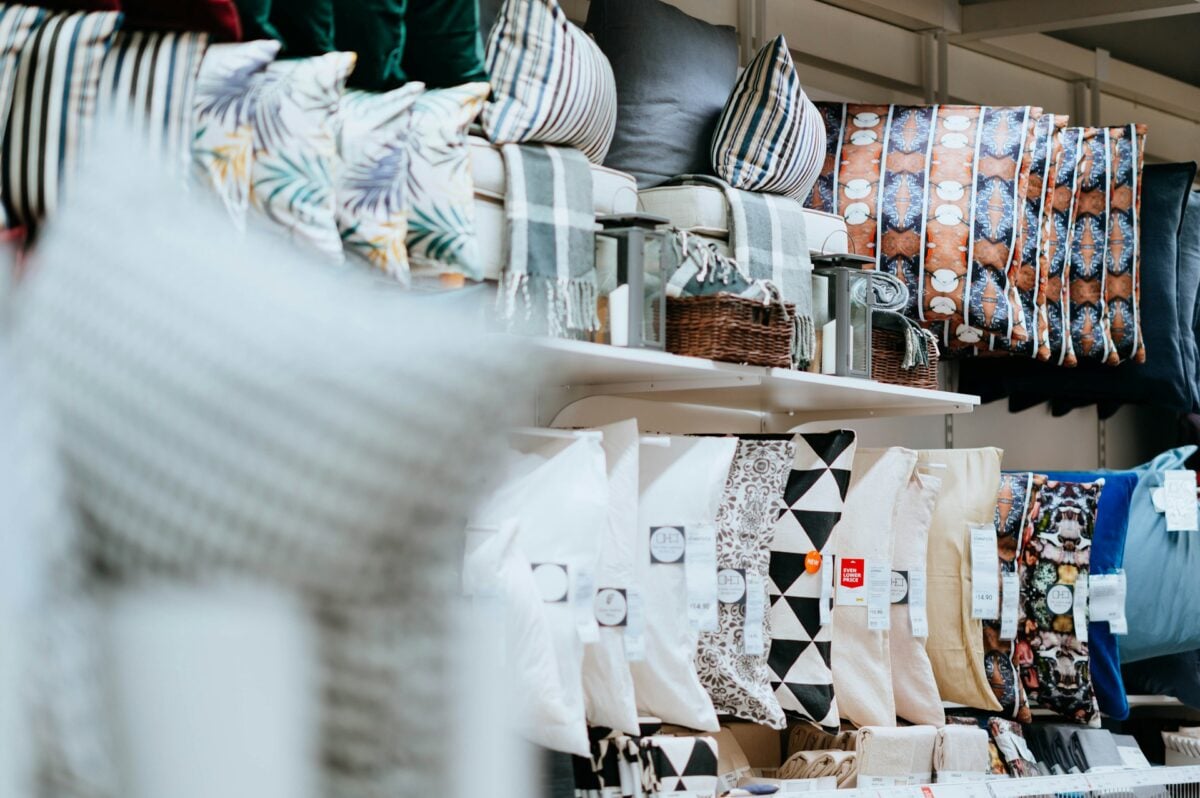
A kitchen and home goods store, Lechters gave malls a practical, adult-focused storefront that stood out against the teen-skewing retail surrounding it.
Natural Wonders
Focused on nature-themed toys, gifts, and science kits, Natural Wonders occupied a niche similar to the Nature Company, and the two stores are frequently mixed up in shoppers’ memories today.
The Standalone Food Court Pizza Counter
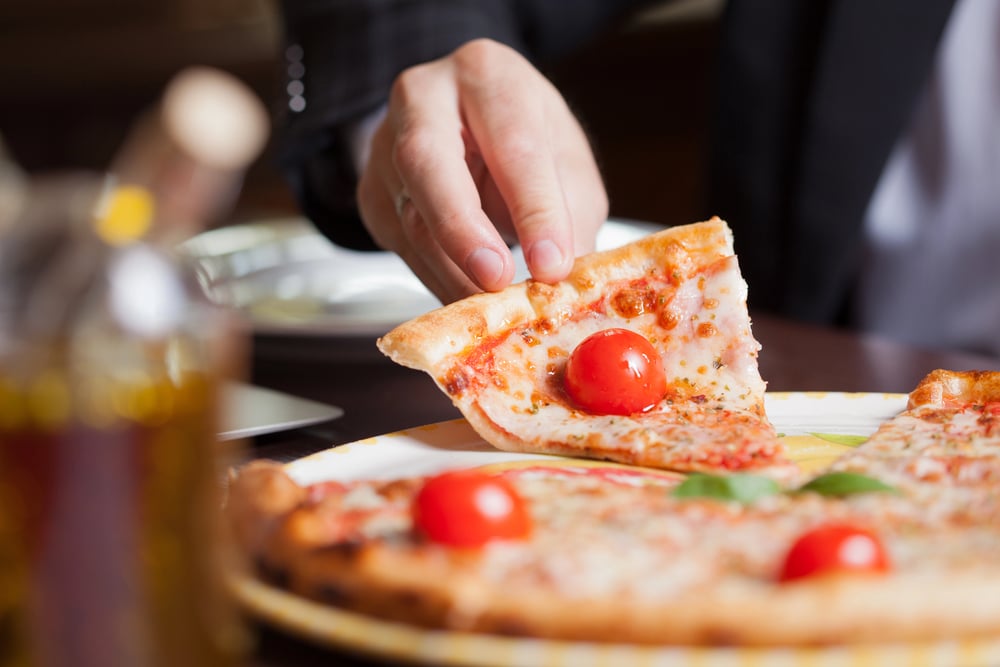
Before food courts diversified, oversized pizza slices displayed prominently under heat lamps made certain pizza counters into one of the most visually consistent landmarks across malls nationwide.
Storefronts as Landmarks
Nobody remembers a mall’s floor plan in detail, but nearly everyone can describe the exact storefront layout of the stores that mattered to them. These businesses functioned less like retail chains and more like landmarks, each one marking a specific stage of adolescence or a specific errand with a parent.
Malls themselves were always somewhat interchangeable, built from a template repeated across hundreds of American cities. What made each one feel singular were the storefronts inside it, and it’s those individual shops, not the buildings that housed them, that former shoppers actually miss.
More from Go2Tutors!

- The Romanov Crown Jewels and Their Tragic Fate
- 13 Historical Mysteries That Science Still Can’t Solve
- Famous Hoaxes That Fooled the World for Years
- 15 Child Stars with Tragic Adult Lives
- 16 Famous Jewelry Pieces in History
Like Go2Tutors’s content? Follow us on MSN.