26 Paintings That Used Optical Tricks Centuries Before Science Explained Them
Long before scientists could explain the mechanics of vision and light perception, artists intuitively understood and exploited optical phenomena. These painters created works that manipulated perspective, color, light, and spatial relationships in ways that should not have been possible without understanding the underlying physics.
Yet through experimentation and observation, artists developed techniques that produced optical effects science would not explain until centuries later. These paintings reveal that artistic insight can precede scientific explanation, and that careful observation of visual phenomena can yield understanding independent of formal scientific theory.
Caravaggio’s Use of Chiaroscuro Contrast
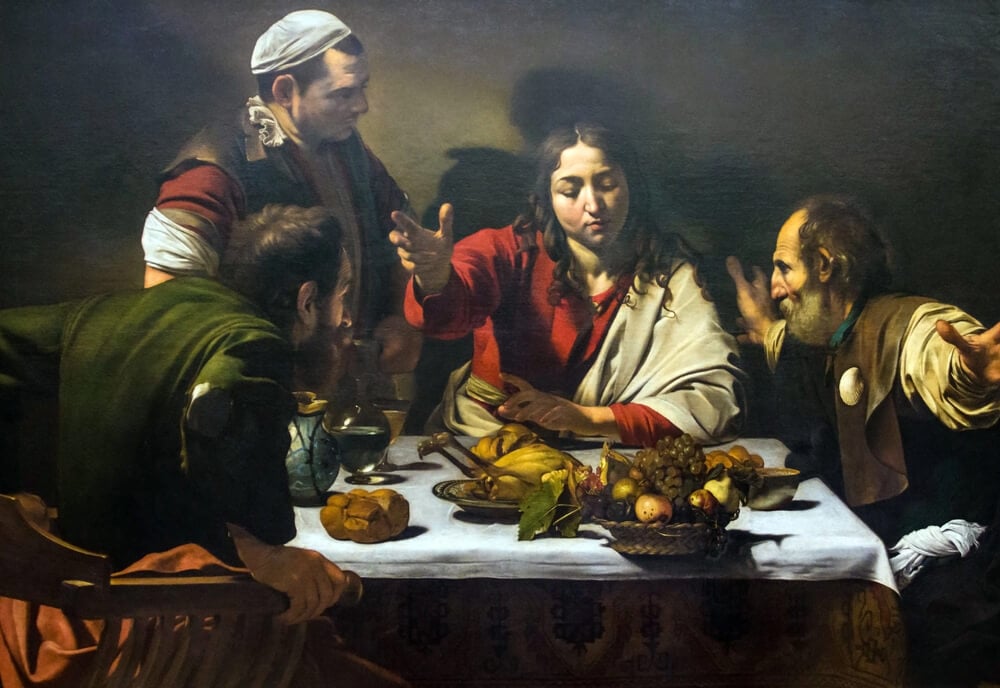
Caravaggio (1571-1610) used extreme contrast between light and shadow in ways that created optical effects science now understands as exploiting the eye’s adaptation to different light levels. His paintings drew viewers’ attention to illuminated areas while using shadow to create depth perception effects that audiences experienced without understanding the optical mechanism.
Bruegel’s Aerial Perspective
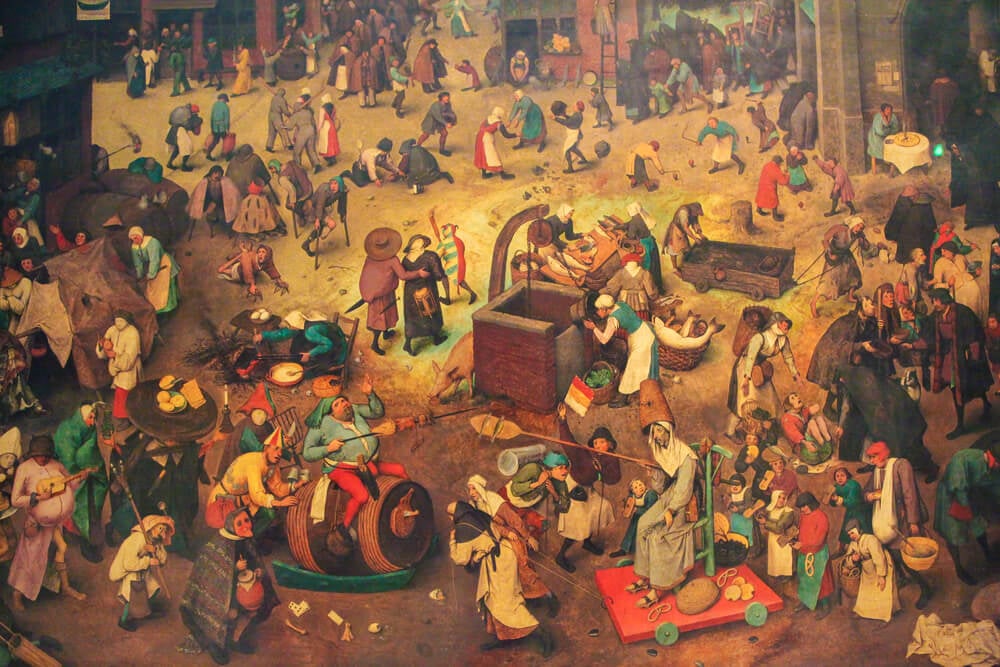
Pieter Bruegel the Elder (1525-1569) used atmospheric perspective in landscape paintings—making distant mountains appear bluer and less distinct than foreground objects—centuries before scientists explained how atmospheric particles scatter light. His paintings create spatial depth through a principle artists empirically discovered before physics explained it.
Vermeer’s Use of Camera Obscura Principles
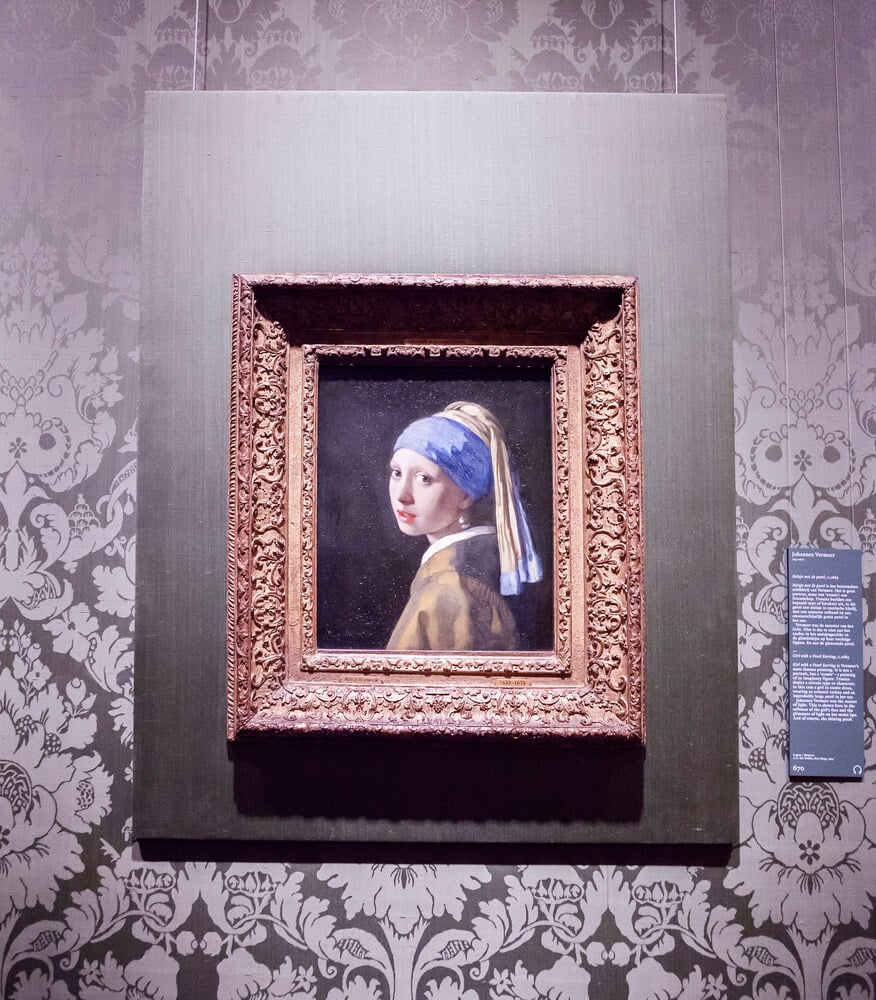
Johannes Vermeer (1632-1675) may have used camera obscura techniques to capture light distribution in his paintings. The precise rendering of light, shadow, and diffuse illumination in his work corresponds to how light behaves through a camera obscura, suggesting Vermeer understood optical principles intuitively or through experimentation.
Leonardo da Vinci’s Sfumato Technique
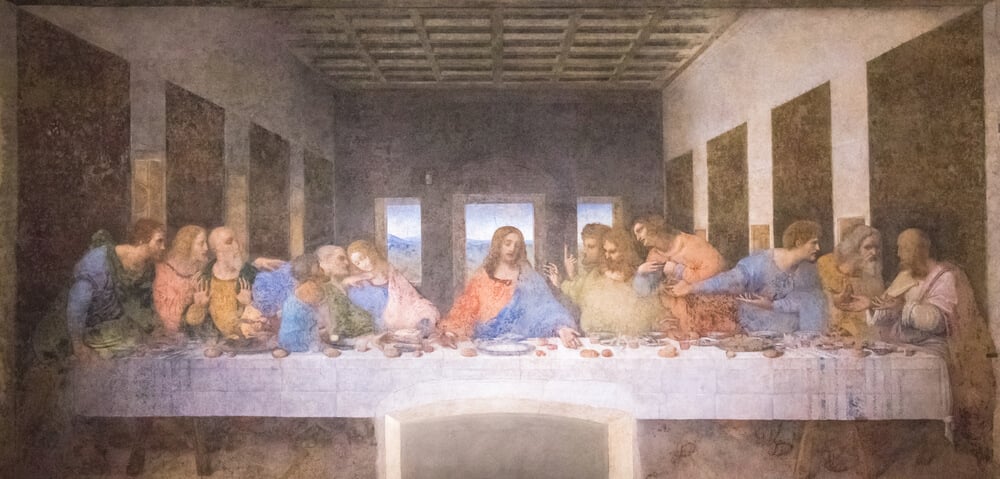
Leonardo (1452-1519) developed sfumato—the gradual blending of colors and tones without sharp edges—which creates optical effects that make atmospheric haze and distance appear naturally in paintings. Leonardo understood that boundaries dissolved with distance, a principle of atmospheric optics he captured before scientists formalized the explanation.
Rembrandt’s Light and Shadow Modeling
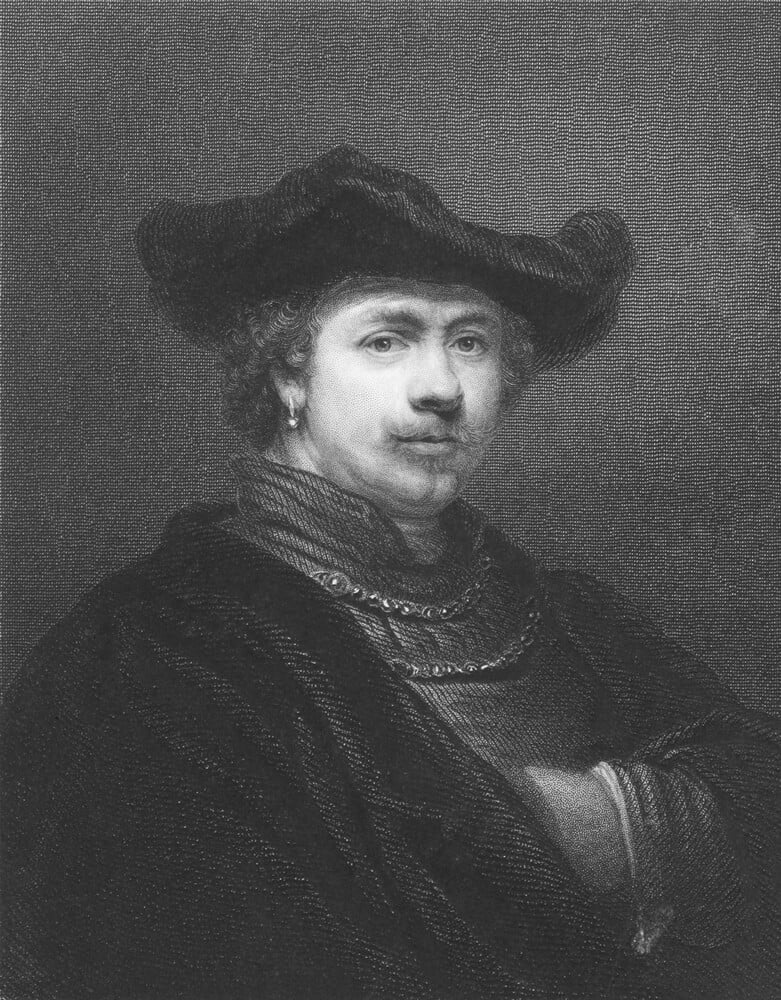
Rembrandt (1606-1669) used light and shadow to model form in ways that create the optical illusion of three-dimensionality on a two-dimensional surface. His understanding of how light reveals and conceals form anticipated scientific principles of light diffusion and reflection.
Turner’s Atmospheric Effects
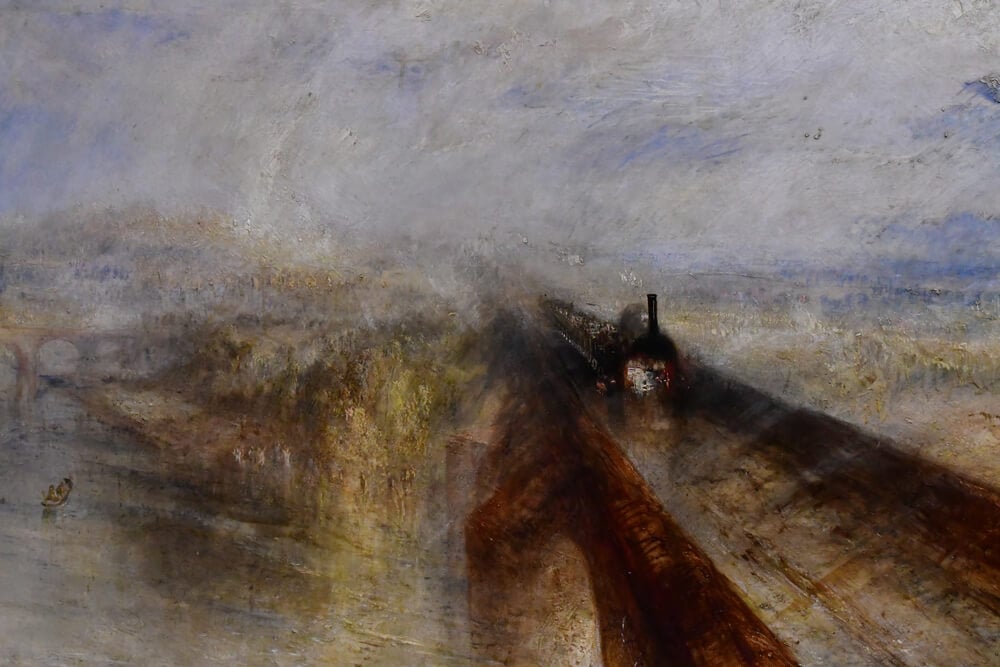
J.M.W. Turner (1775-1851) painted light and atmosphere using color and form in ways that create optical illusions of luminosity and depth. His paintings demonstrate intuitive understanding of how light scatters in atmosphere and how color temperature suggests distance.
The Pointillists’ Understanding of Color Mixing
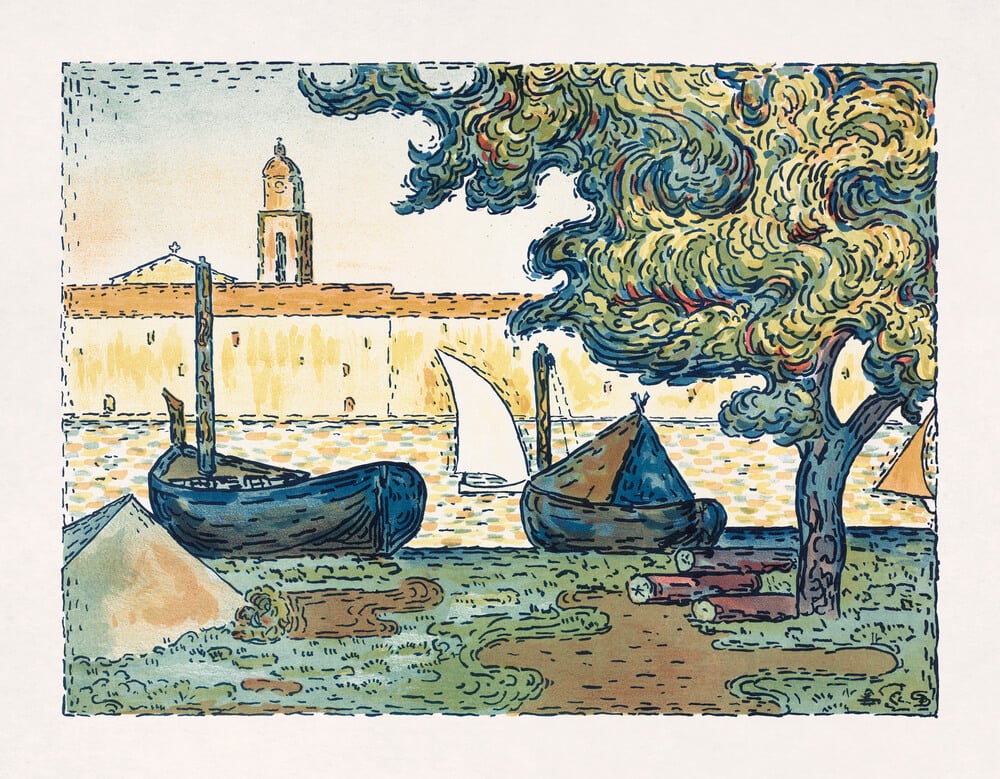
Georges Seurat and Paul Signac used pointillism—placing dots of pure color adjacent to each other rather than mixing them on a palette—understanding that the eye would optically blend the colors from a distance. This technique preceded full scientific understanding of human color perception but demonstrated intuitive knowledge of how vision integrates color information.
Monet’s Color Vibration Series
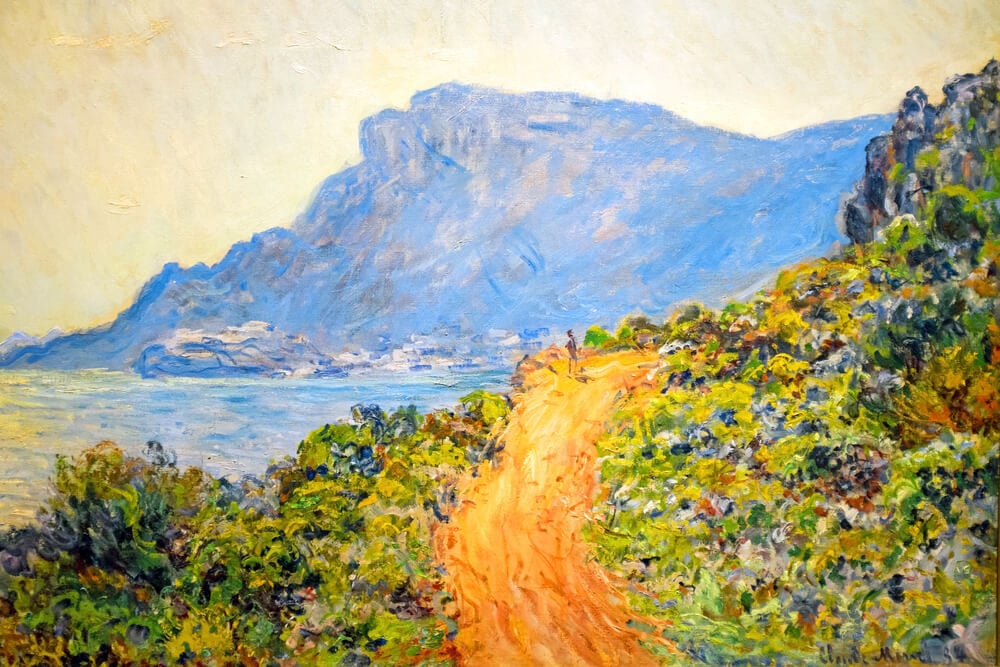
Claude Monet’s water lily paintings and haystacks series deliberately placed complementary colors adjacent to each other, creating optical vibration effects that exploit how the eye perceives color contrasts. Monet understood empirically what perceptual science would later explain about color opponent processing.
Optical Art Movement Principles
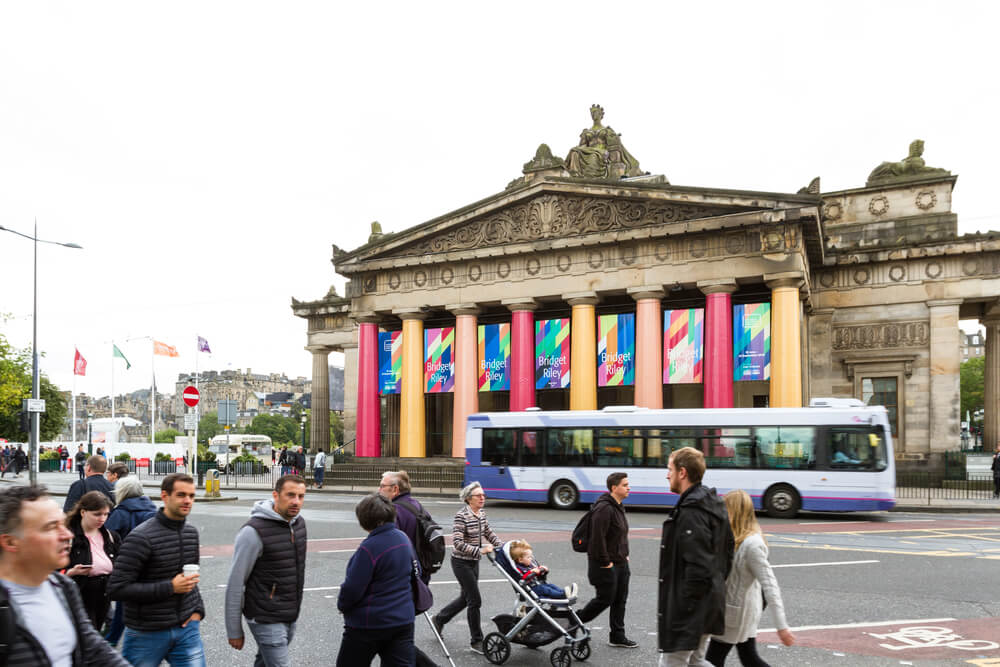
Victor Vasarely, Bridget Riley, and other Op Art artists in the 1960s created paintings exploiting optical illusions. Though the artists worked with explicit awareness of optical principles, their techniques built on centuries of artistic understanding of visual perception without formal scientific framework.
The Distortion in Holbein’s Ambassadors
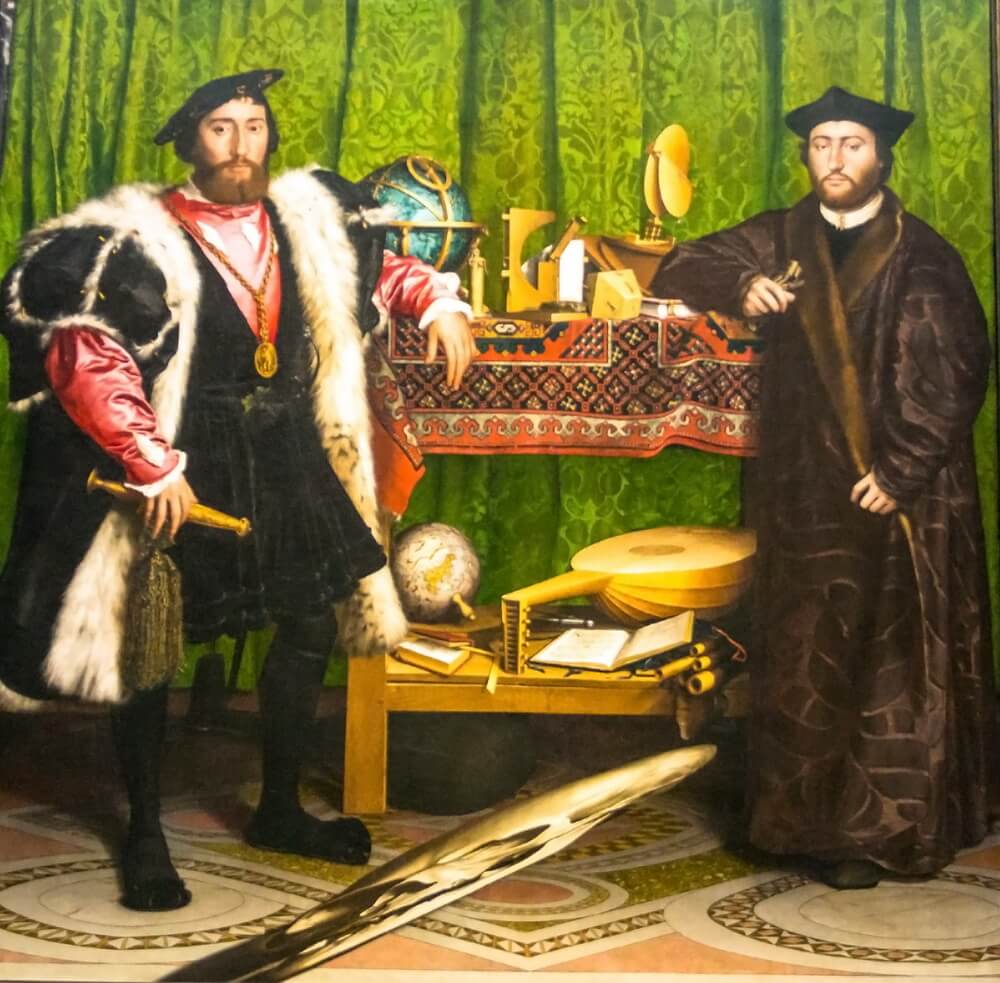
Hans Holbein the Younger (1497-1543) included a deliberately distorted skull in the foreground of “The Ambassadors” that appears correct when viewed from a steep angle. The distortion demonstrates understanding of anamorphic projection—a principle that required sophisticated geometric understanding centuries before projective geometry was formalized mathematically.
Anamorphic Art in Renaissance Works
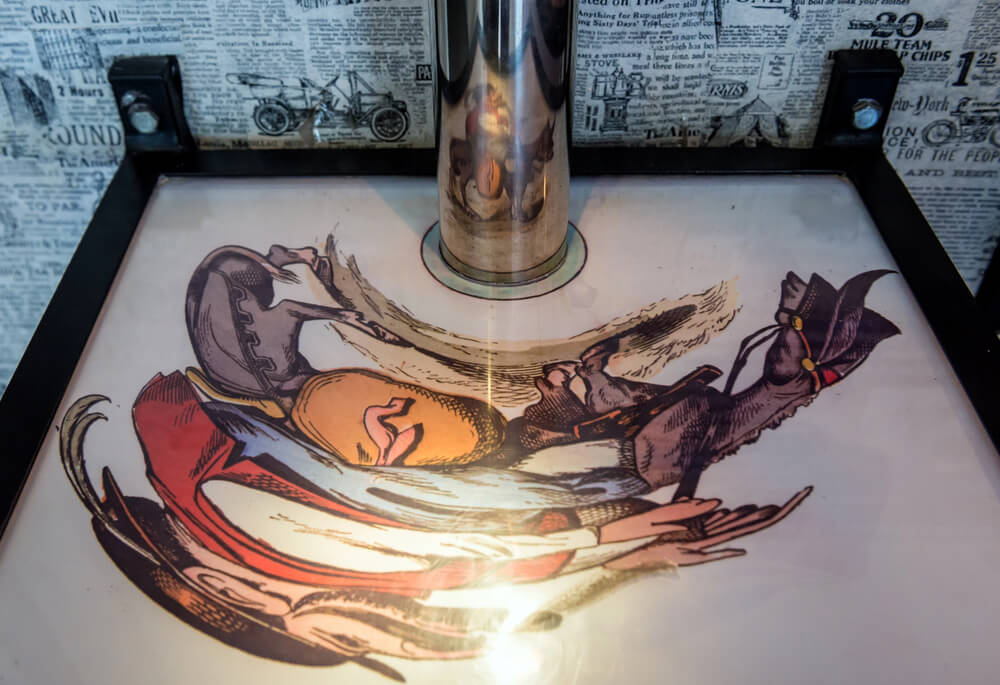
Renaissance artists created anamorphic paintings visible only from specific angles, demonstrating empirical understanding of projection and perspective mathematics developed independently of formal geometric theory.
Escher’s Impossible Geometries
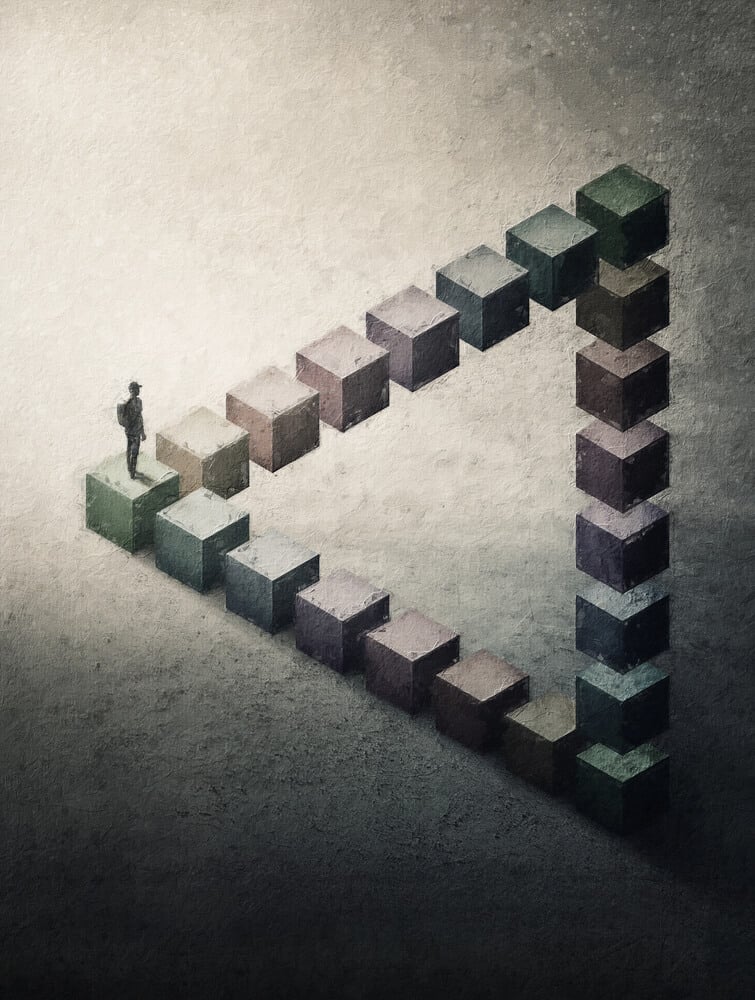
M.C. Escher (1898-1972) created drawings depicting impossible spatial relationships and perpetual motion. While working in the 20th century, Escher intuitively grasped non-Euclidean geometries and optical impossibilities decades before neural science would explain why such images fool perception.
Bridget Riley’s Op Art Patterns
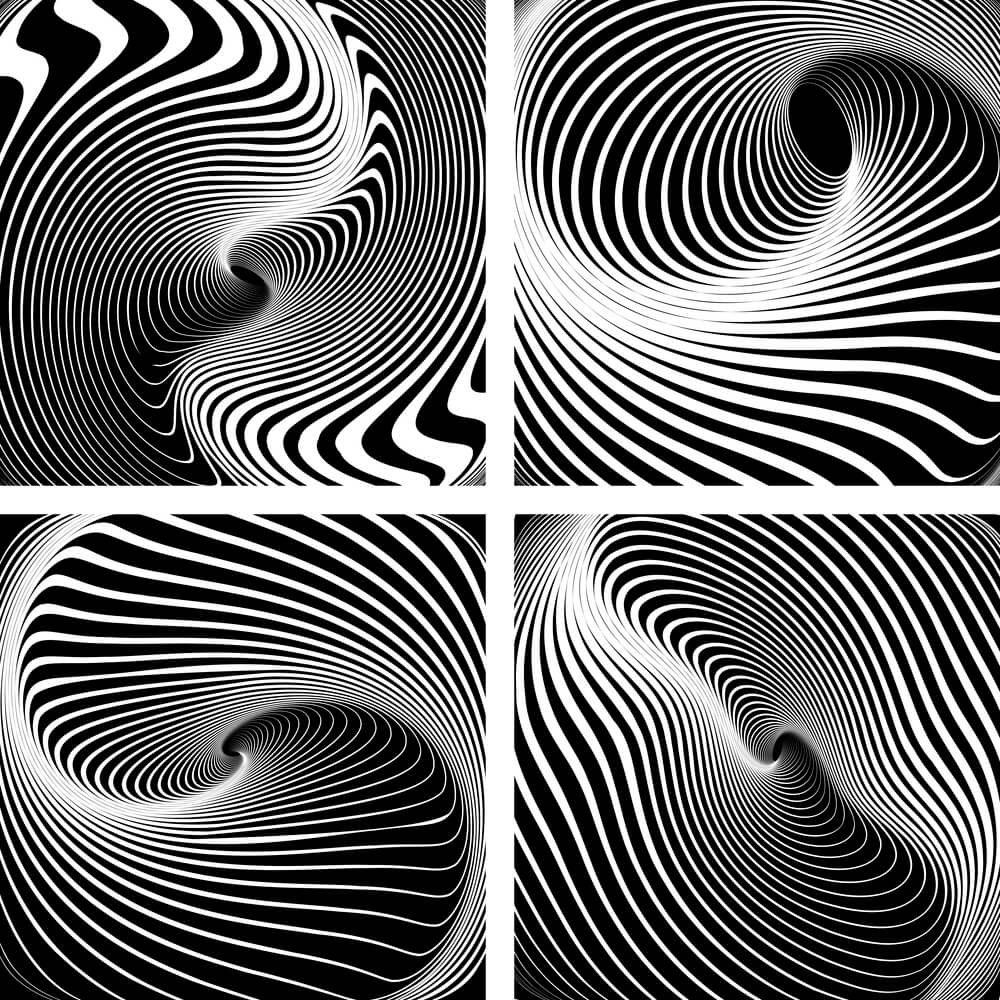
Bridget Riley created paintings using patterns that create optical movement and vibration. Her work deliberately exploited how the visual system processes repeating patterns and contrasts—principles her artistic practice understood before formal explanation.
The Gestalt Principles in Historical Art

Painters centuries ago intuitively used grouping, proximity, and continuity to guide visual attention and create cohesion in compositions—principles psychology would later formalize as Gestalt laws of perception.
Raphael’s Compositional Triangles

Raphael (1483-1520) composed paintings using triangular arrangements that create visual stability and harmony. While the compositional principle predates formal aesthetic theory, Raphael understood it through observation and practice.
The Rule of Thirds in Master Paintings
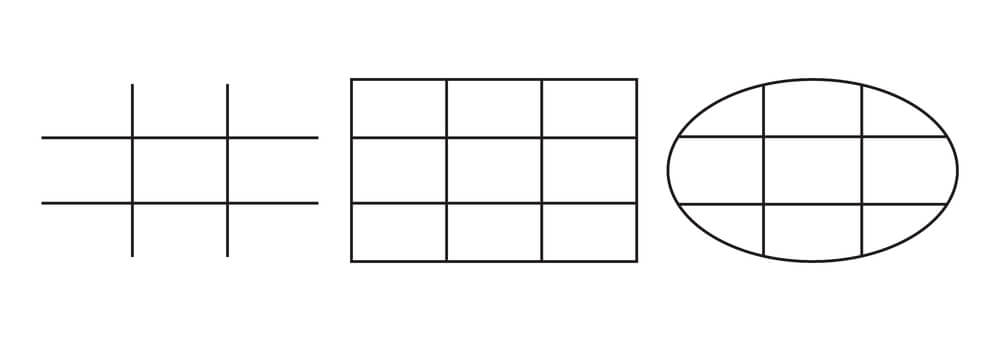
Renaissance and Baroque painters positioned focal points and horizon lines in ways that correspond to the rule of thirds—a compositional principle artists discovered empirically before aesthetic theory formalized it.
Piet Mondrian’s Visual Balance

Piet Mondrian created abstract compositions using primary colors and black lines in arrangements that create optical balance. Mondrian understood intuitively how color and spatial relationships create visual equilibrium without relying on formal theory.
The Simultaneous Contrast in Color
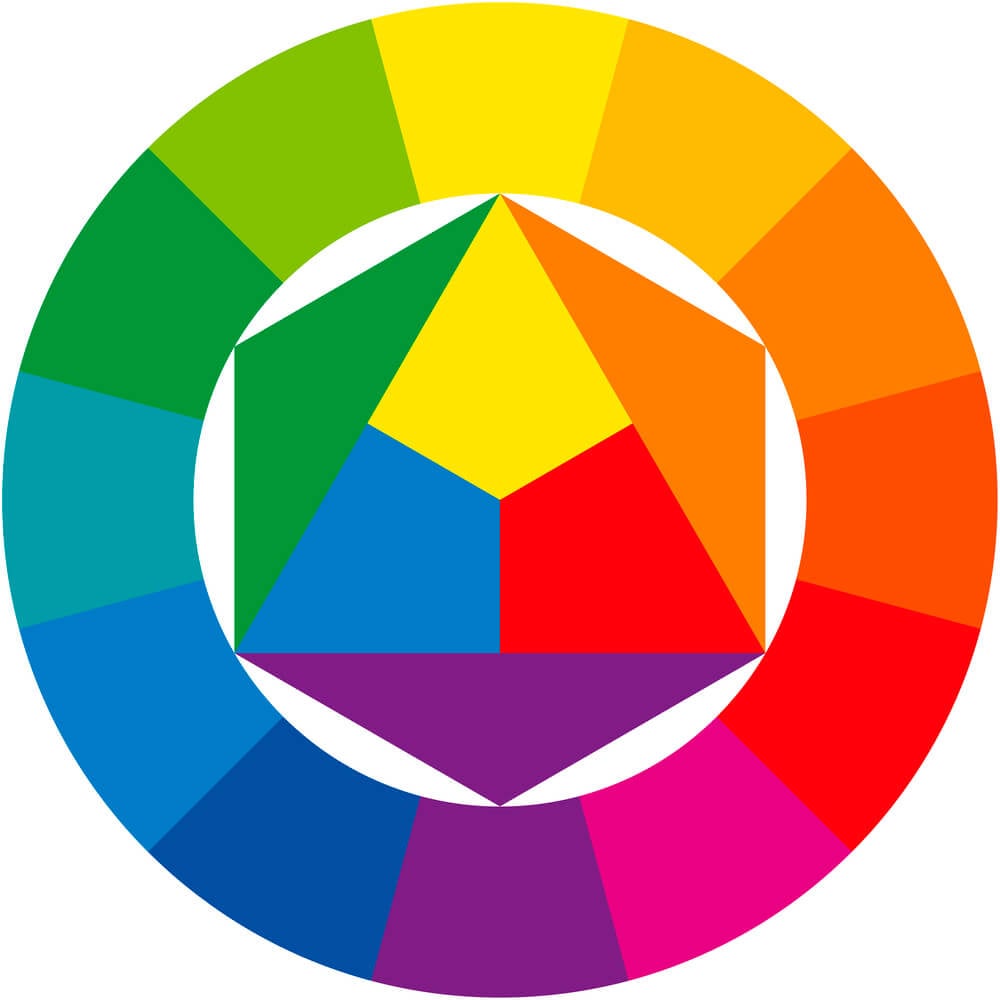
Chevreul developed the theory of simultaneous color contrast, but painters centuries earlier had observed and used the principle—placing colors adjacent to create perceived brightness or saturation changes. Artists knew it worked before scientists could explain why.
The Illusion of Depth in Masolino da Panicale
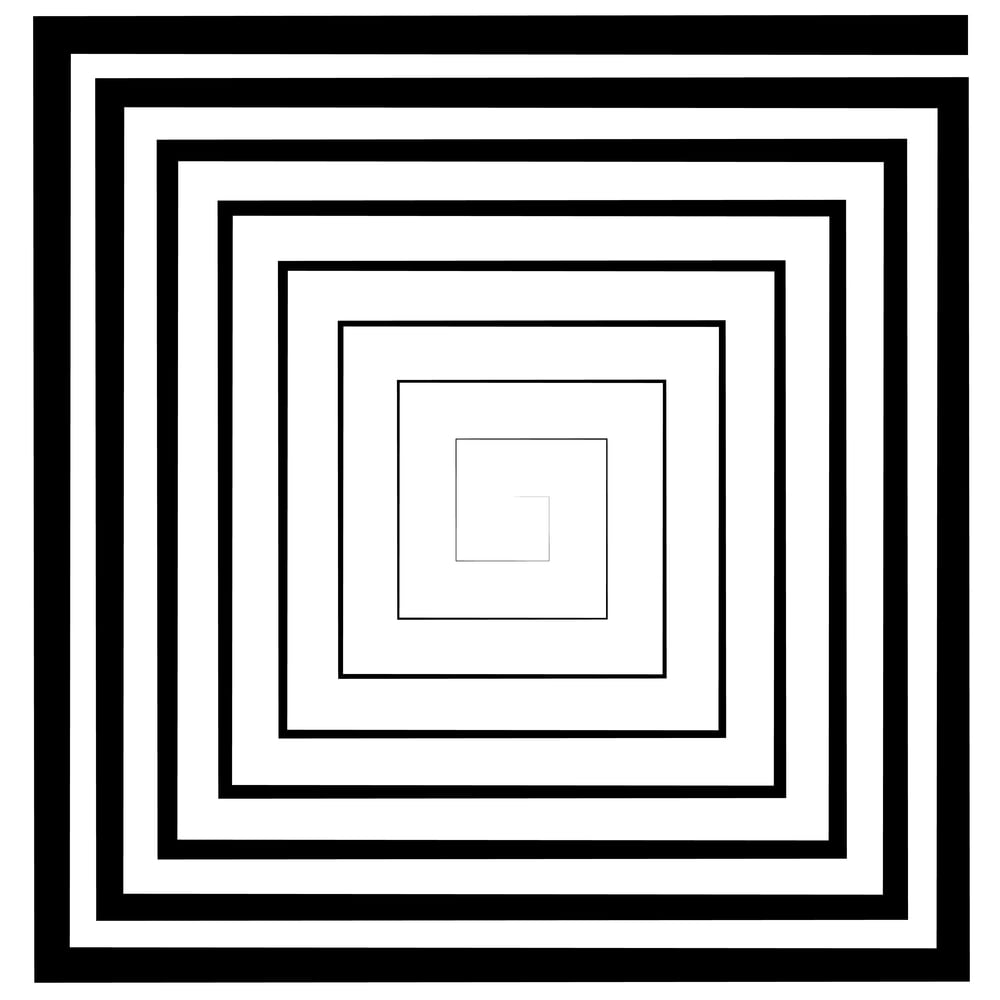
Masolino (1401-1432) created paintings exploiting linear perspective to create convincing spatial depth—demonstrating understanding of how the brain interprets converging lines as distance indicators.
Cézanne’s Destabilization of Perspective

Paul Cézanne (1839-1906) deliberately altered perspective and viewpoint in paintings, creating multiple vanishing points that reflect how human perception actually reconstructs three-dimensional space from multiple perspectives—a principle modern vision science now understands.
The Saturation Effects in Cézanne’s Color
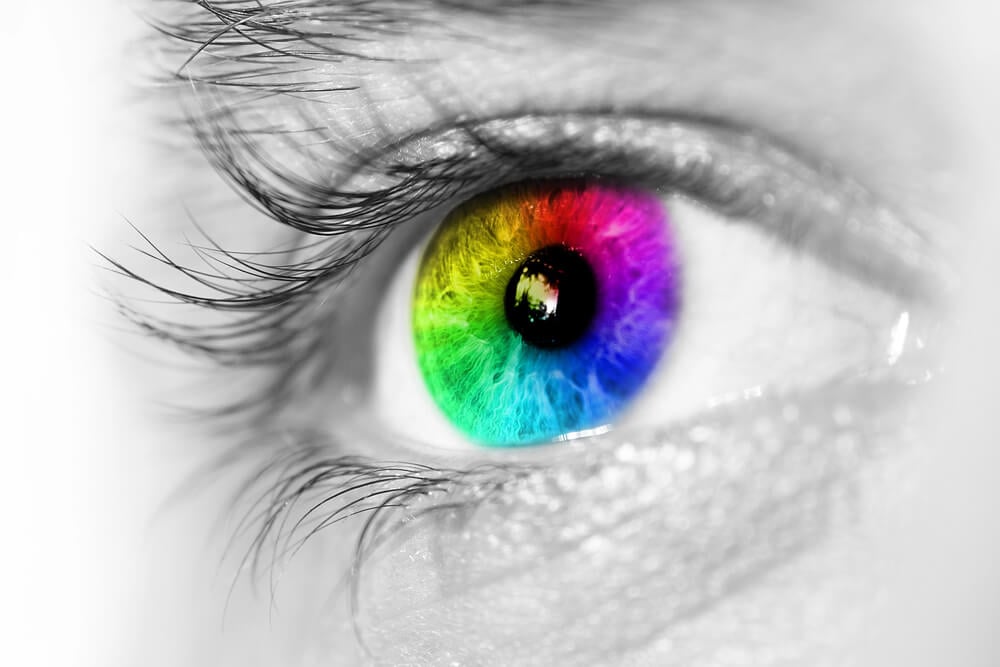
Cézanne’s use of overlapping colors and color saturation variations creates optical mixing effects and spatial recession through color temperature—principles of human color vision that science would later explain.
The Interlocking Patterns in Islamic Art
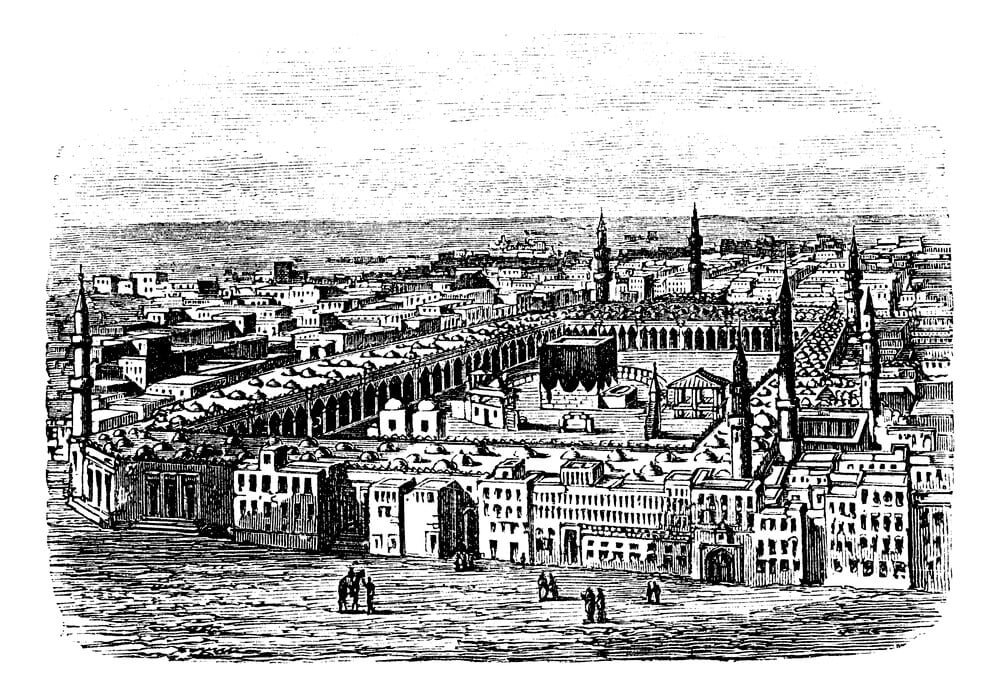
Islamic geometric patterns centuries old create optical effects and apparent movement through rhythm and repetition—principles artists understood intuitively without formalizing the visual science underlying them.
The Chiaroscuro Effects in Artemisia Gentileschi

Artemisia Gentileschi (1593-1652/53) employed dramatic light and shadow effects that exploit how the eye perceives illumination—creating intense visual drama through understanding of light behavior.
Trompe-l’oeil Paintings
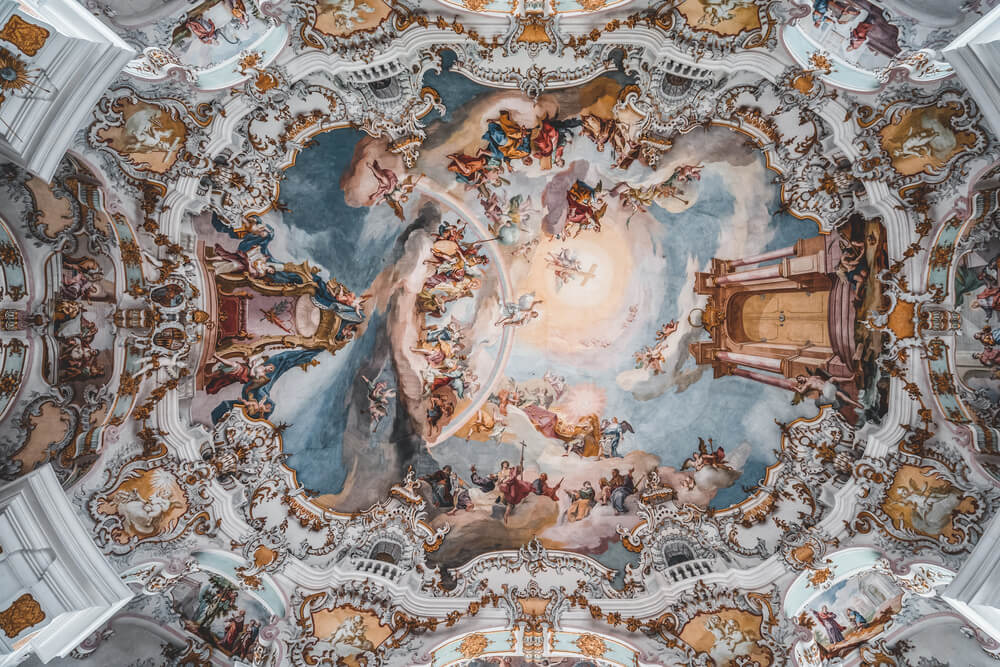
Trompe-l’oeil artists created paintings depicting three-dimensional objects with such fidelity that viewers could not distinguish them from real objects viewed through a window or on a wall. These works demonstrate empirical understanding of how the visual system processes depth cues from two-dimensional images.
The Vibrant Color Effects in Van Gogh
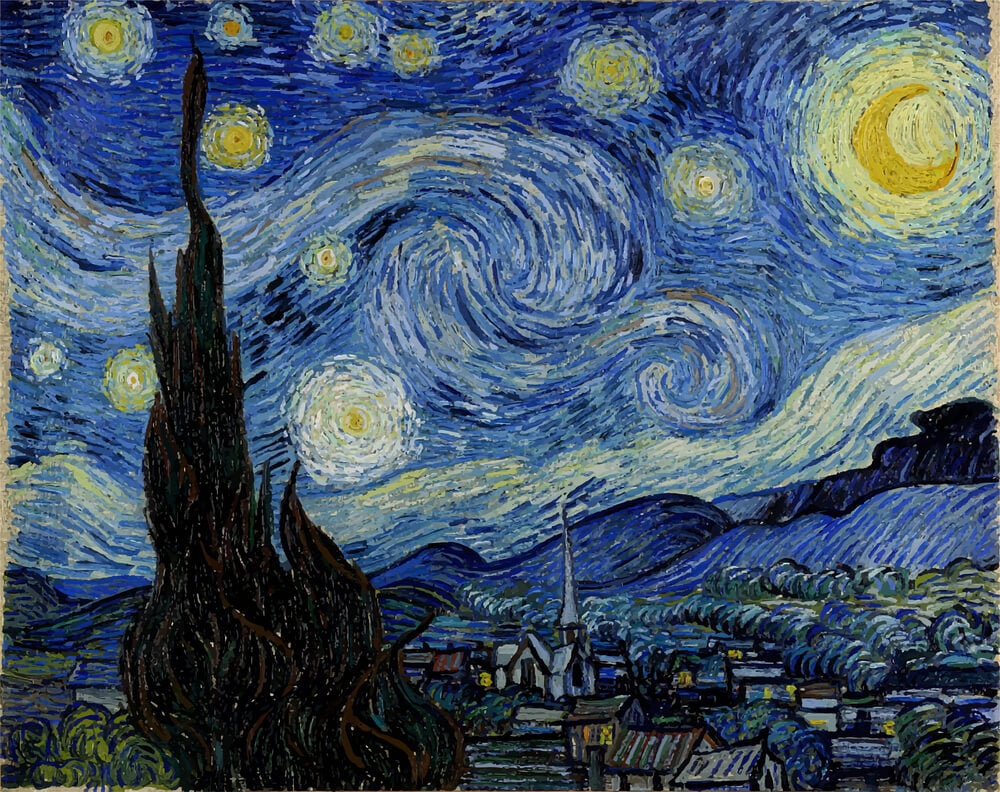
Vincent van Gogh (1853-1890) used color contrasts, swirling brushstrokes, and saturated pigments to create visual vibrancy—intuitively exploiting how contrast and rhythm affect perception.
The Optical Effects of Impressionist Brushwork
\
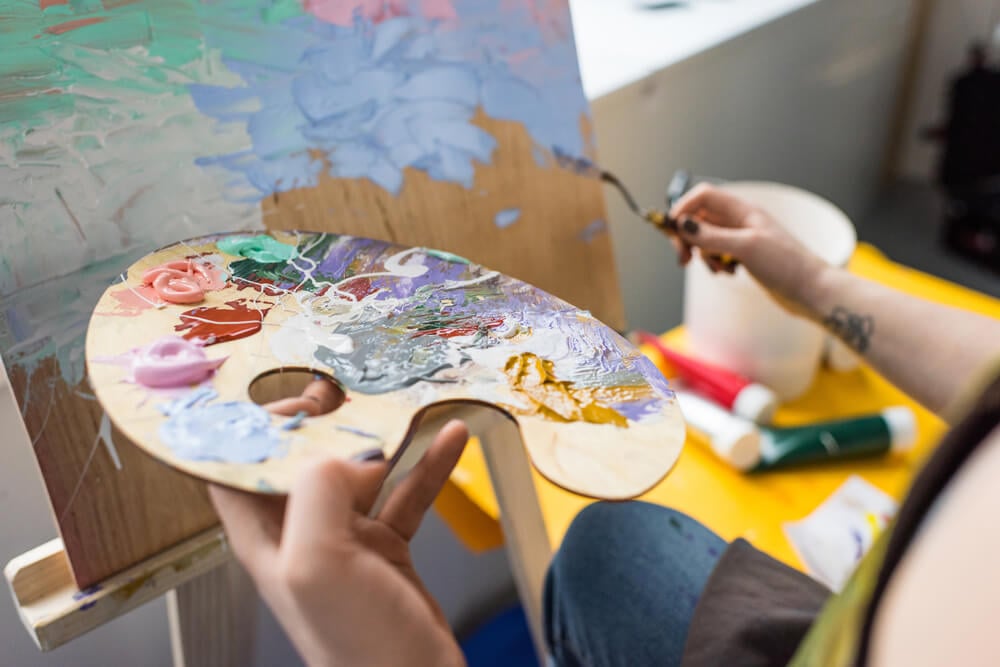
Impressionist painters understood that broken brushstrokes and separated colors would create optical mixing in the viewer’s eye—understanding color perception principles before formal perceptual science explained the mechanism.
The Wisdom of Visual Practice
These painters demonstrate that careful observation of visual phenomena can yield understanding independent of formal scientific theory. Artists working centuries before science formalized visual perception already intuitively grasped principles governing how light, color, perspective, and composition affect human vision.
Artistic practice reveals optical truths that formal science would later verify, showing that empirical knowledge gained through visual creation can precede and sometimes surpass theoretical explanation.
More from Go2Tutors!

- The Romanov Crown Jewels and Their Tragic Fate
- 13 Historical Mysteries That Science Still Can’t Solve
- Famous Hoaxes That Fooled the World for Years
- 15 Child Stars with Tragic Adult Lives
- 16 Famous Jewelry Pieces in History
Like Go2Tutors’s content? Follow us on MSN.



