26 Kitchen Appliances Wedding Registries Always Had
The wedding registry is a particularly American tradition that transformed kitchen equipment from personal choice to ceremonial requirement. Beginning in the 1950s, couples were expected to register their kitchen preferences at department stores, creating formalized lists of appliances and cookware that guests were expected to purchase.
This system created a standardized kitchen aesthetic that made sense of an increasingly confusing appliance marketplace. By the 1970s and 1980s, wedding registries had created a canon of appliances that appeared on almost every registry in America.
These weren’t luxury items or specialized equipment—they were the baseline expectations for a newly married couple’s kitchen. The specific appliances selected reflected technological innovation, design fashion, and cultural assumptions about what kitchens should contain.
KitchenAid Stand Mixer
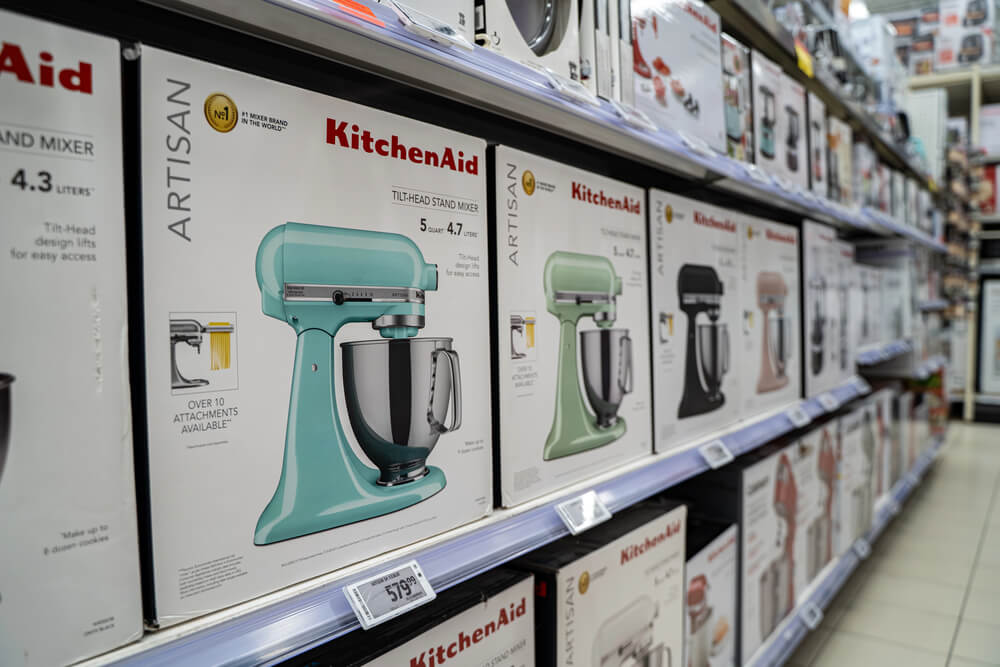
The KitchenAid stand mixer, a classic design dating back to 1908, became a staple of 1970s-1980s wedding registries. The mixer’s harvest gold or avocado color options made it a design statement as much as a functional appliance.
The stand mixer appeared on nearly every 1970s-1980s registry because it represented serious baking capability and was expected to last a lifetime.
Cuisinart Food Processor
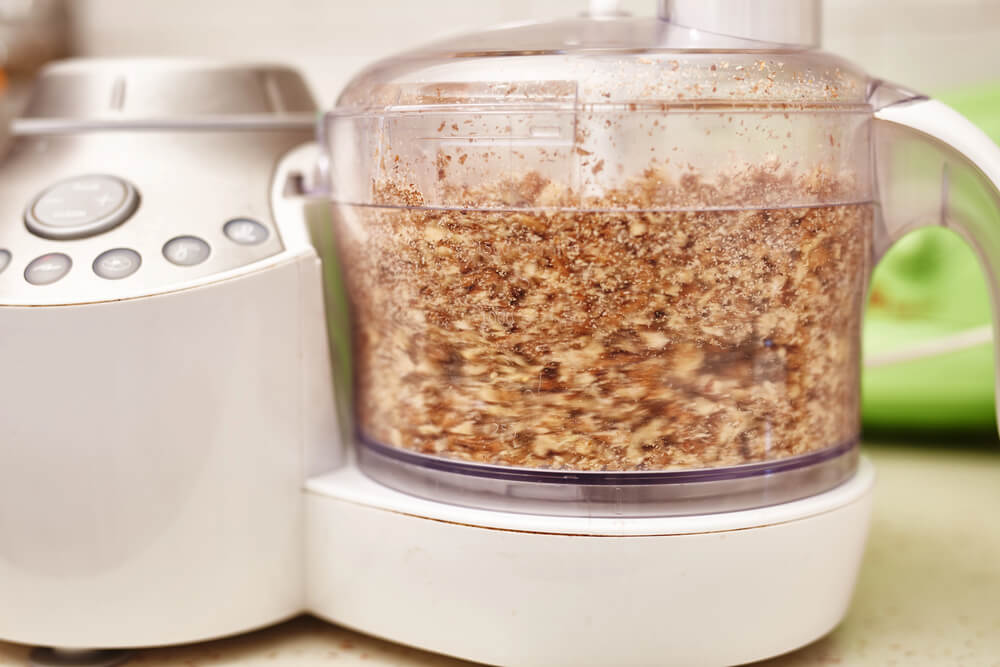
The Cuisinart food processor revolutionized home cooking by automating slicing, shredding, and pureeing tasks. Introduced in the mid-1970s, the heavy, French-designed machine became the appliance to own for serious home cooks. Wedding registries assumed couples wanted a food processor immediately, making it a standard registry item throughout the 1980s.
Sunbeam Mixmaster Mixer
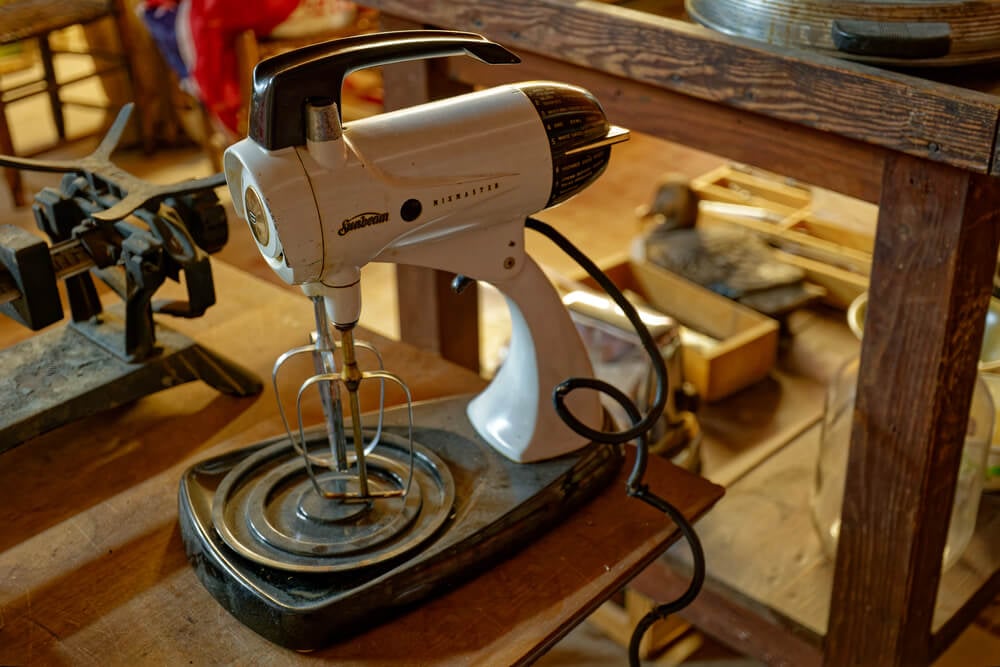
The Sunbeam Mixmaster dominated kitchen counters before KitchenAid became ubiquitous. The chrome models with milk-glass bowls were particularly prized, and couples registered for them expecting years of reliable service.
The mixer’s 12-speed dial system represented cutting-edge appliance design.
Oster Beehive Blender
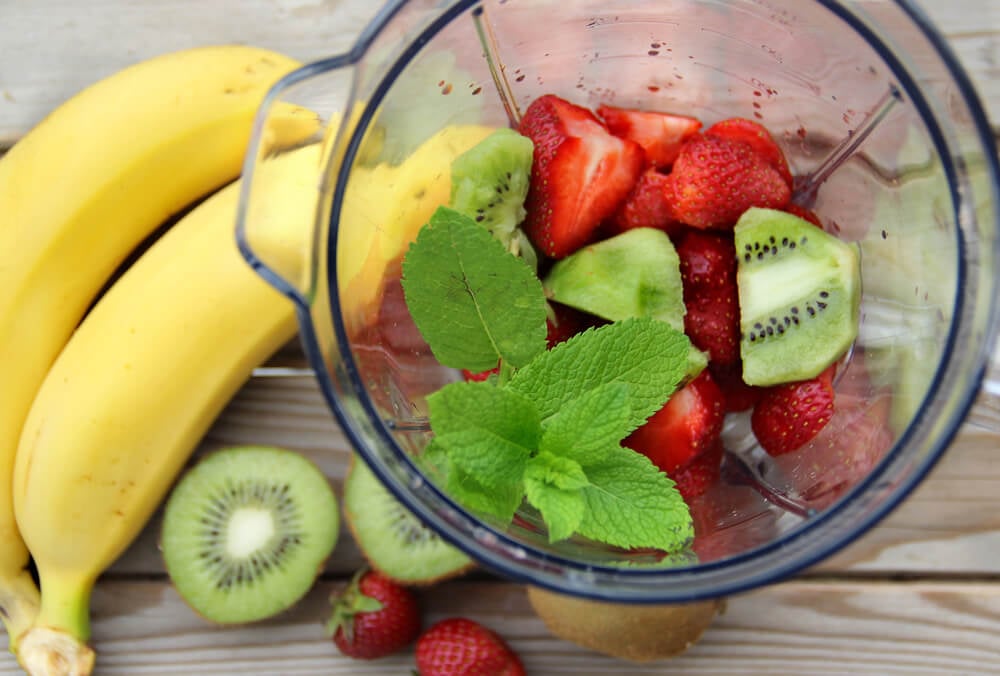
Oster’s distinctive ribbed-glass pitcher blenders were standard registry items. The “Beehive” design became iconic, and the blenders were used for decades—couples registered for them expecting 20+ years of service.
The glass pitcher construction mattered significantly, as plastic alternatives were inferior and replacements rarely matched authentic designs.
Electric Can Opener
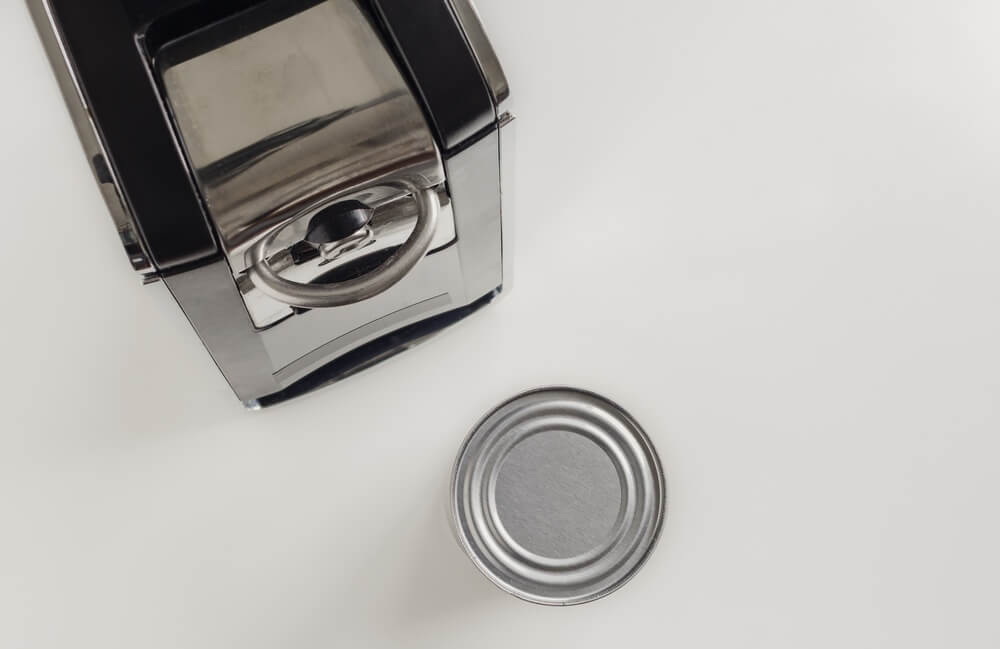
The wall-mounted electric can opener in avocado green or harvest gold was considered an essential convenience for the 1970s-1980s kitchen. The opener represented labor-saving technology and was expected to simplify meal preparation significantly.
These devices were mounted prominently on kitchen walls as status symbols indicating a modern, equipped kitchen.
Coffee Percolator
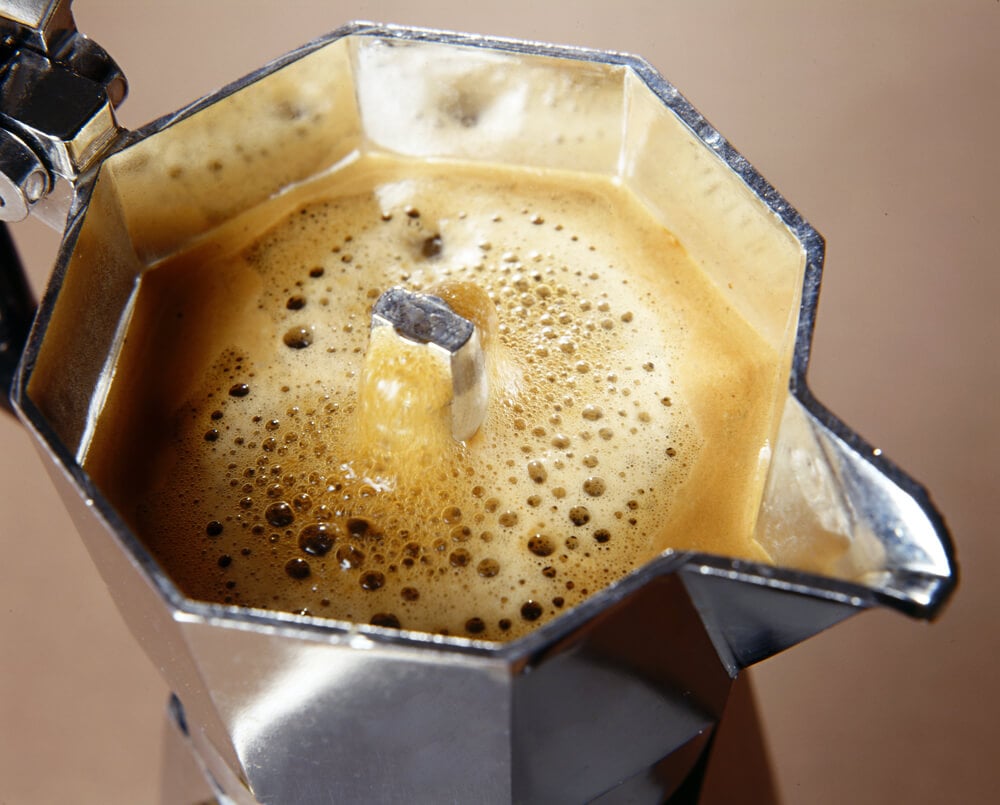
Farberware chrome stovetop percolators were traditional registry items, with couples expecting to brew coffee the ritualistic way for decades. The percolator was the accepted coffee-brewing technology until automatic drip machines began replacing them in the 1980s, at which point some couples registered for both devices.
Electric Skillet
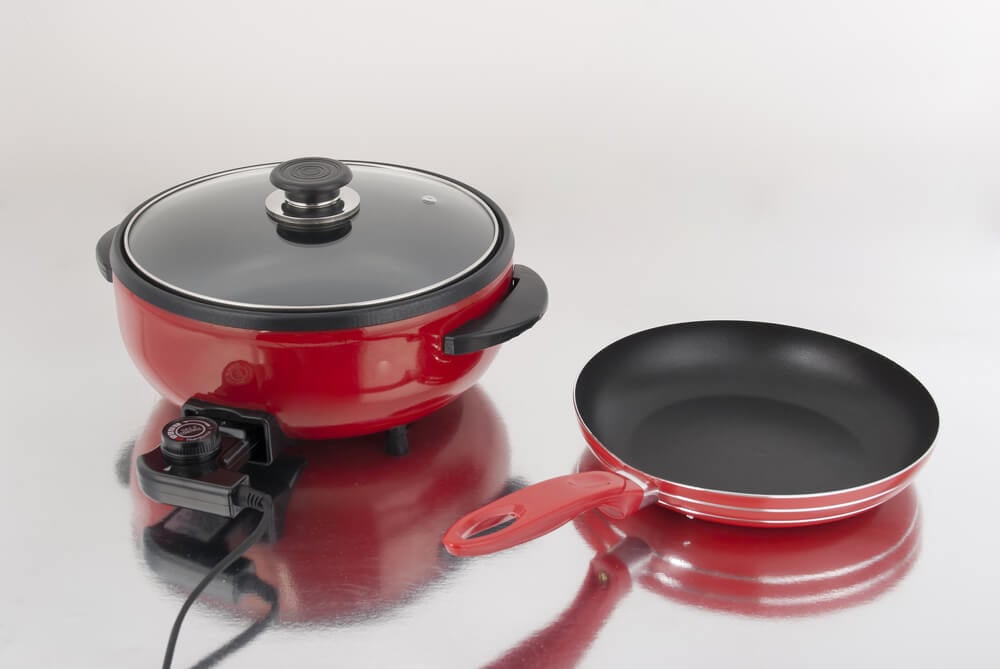
West Bend electric skillets with removable temperature controls and non-stick surfaces were standard registry items for practical cooking. The removable surface allowed cleaning and occasional replacement, and the separate electrical control made the skillet versatile for stovetop-adjacent cooking in dining areas.
Slow Cooker
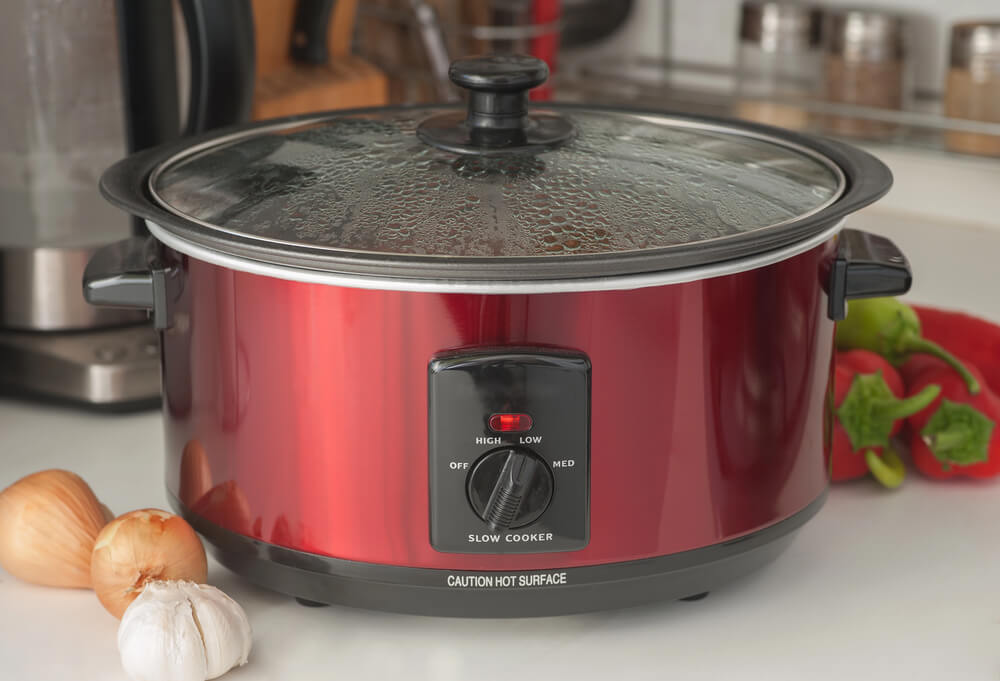
The Crock-Pot slow cooker entered wedding registries in the 1970s and became a permanent fixture. The appliance promised convenient meal preparation and was expected to be used weekly for decades.
Registry couples selected slow cookers in various sizes and colors to match their kitchen aesthetics.
Toaster Oven
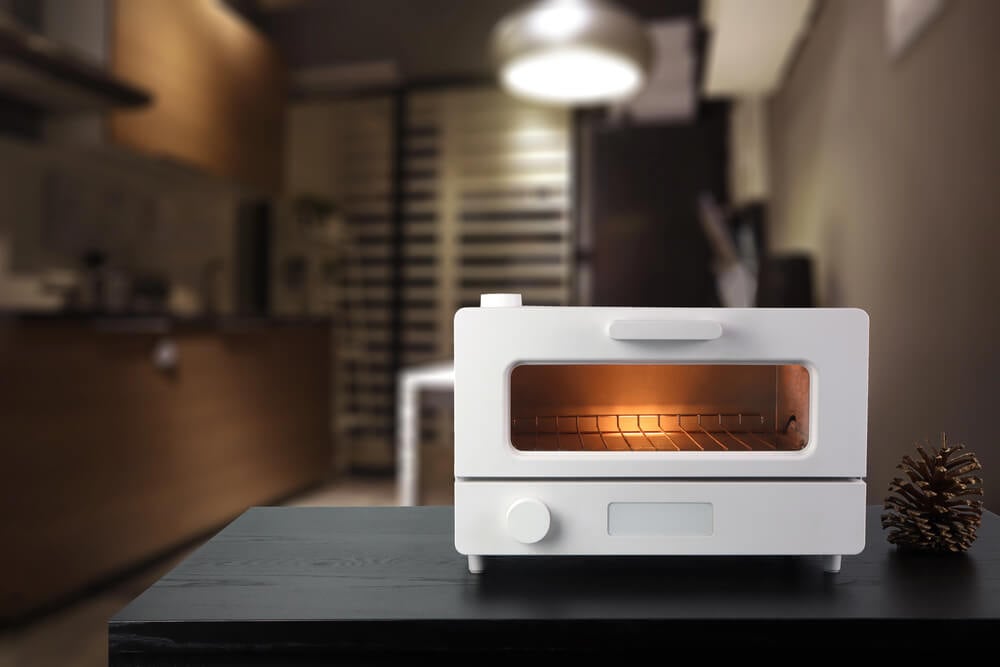
Toaster ovens promised to bridge the gap between toaster convenience and oven cooking versatility. The chrome or harvest gold toaster ovens became registry standards during the 1980s, with couples expecting them to provide convenient small-scale baking without heating the entire oven.
Microwave Oven
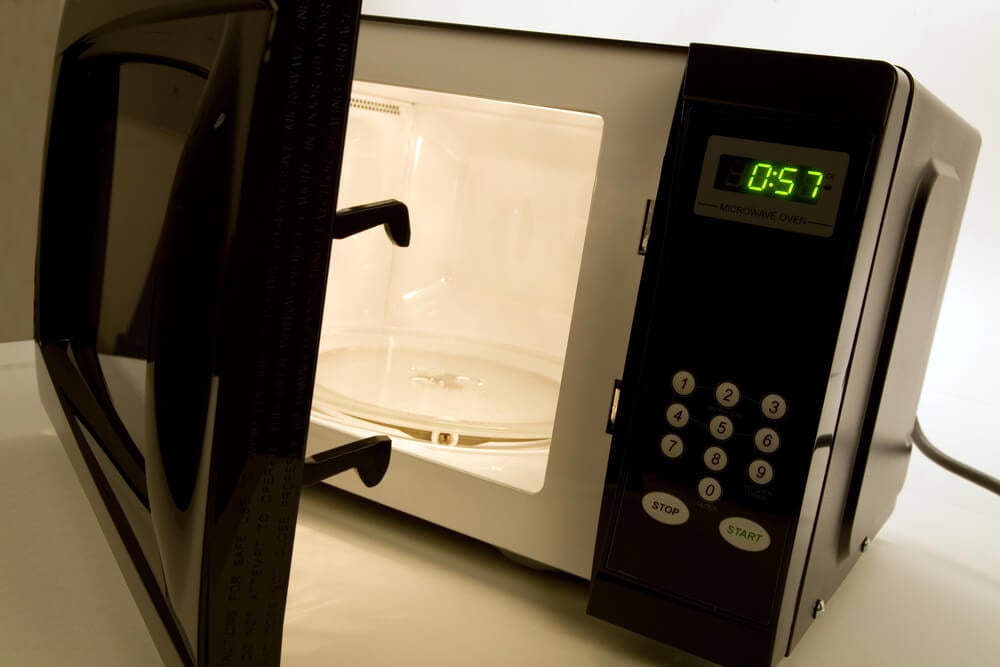
Microwave ovens transitioned from luxury to registry essential during the 1980s. Early couples who registered for them positioned themselves as tech-forward, though by the 1990s, not having a microwave seemed impossible.
The avocado and harvest gold options made them design statements as much as functional appliances.
Automatic Coffee Maker
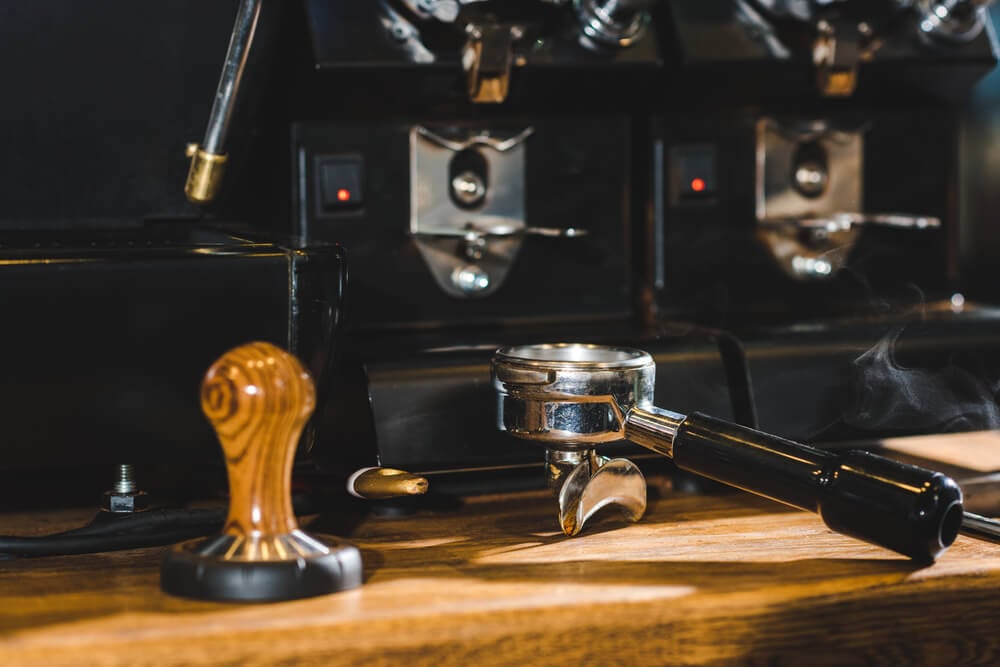
The shift from percolators to automatic drip coffee makers occurred throughout the late 1980s-early 1990s. Couples began registering for automatic makers with programmable brewing, expecting them to deliver coffee without the ritual or monitoring that percolators required.
Mr. Coffee and similar machines dominated registries.
Electric Knife Sharpener
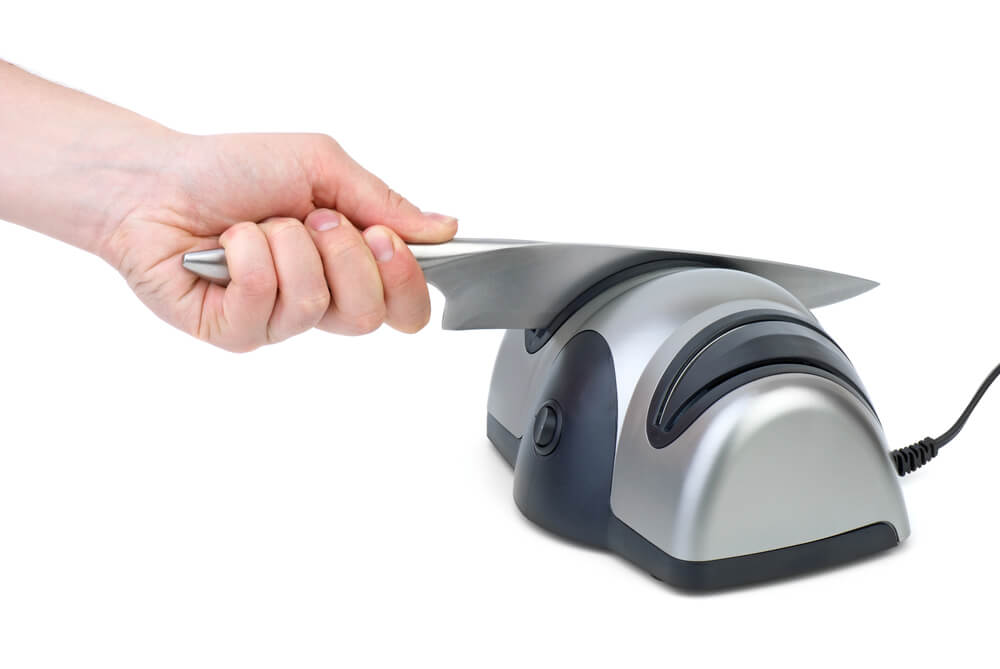
Electric knife sharpeners promised to maintain blade sharpness without manual stropping or professional services. Registry couples selected them expecting to maintain their knife sets properly, though many eventually accumulated dust as couples never learned proper sharpening technique.
Electric Griddle
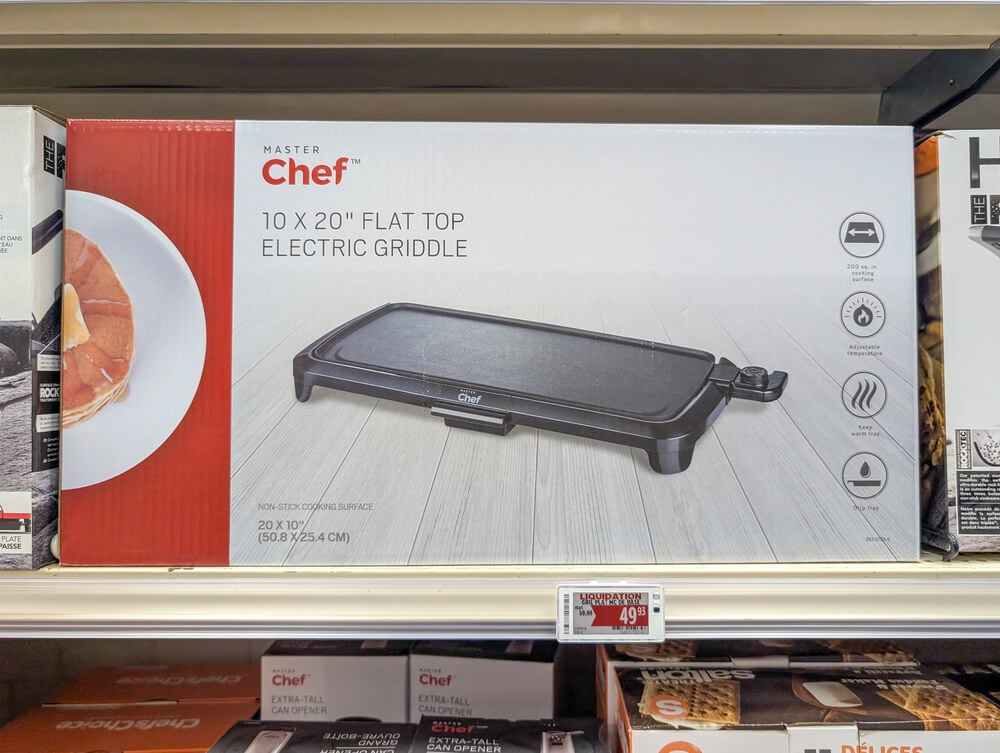
Electric griddles promised convenient breakfast preparation without stovetop dependency. The removable cooking surface and separate temperature control made them ideal for entertaining.
Registry couples who enjoyed breakfast entertaining selected them with specific color schemes in mind.
Fry Daddy Deep Fryer
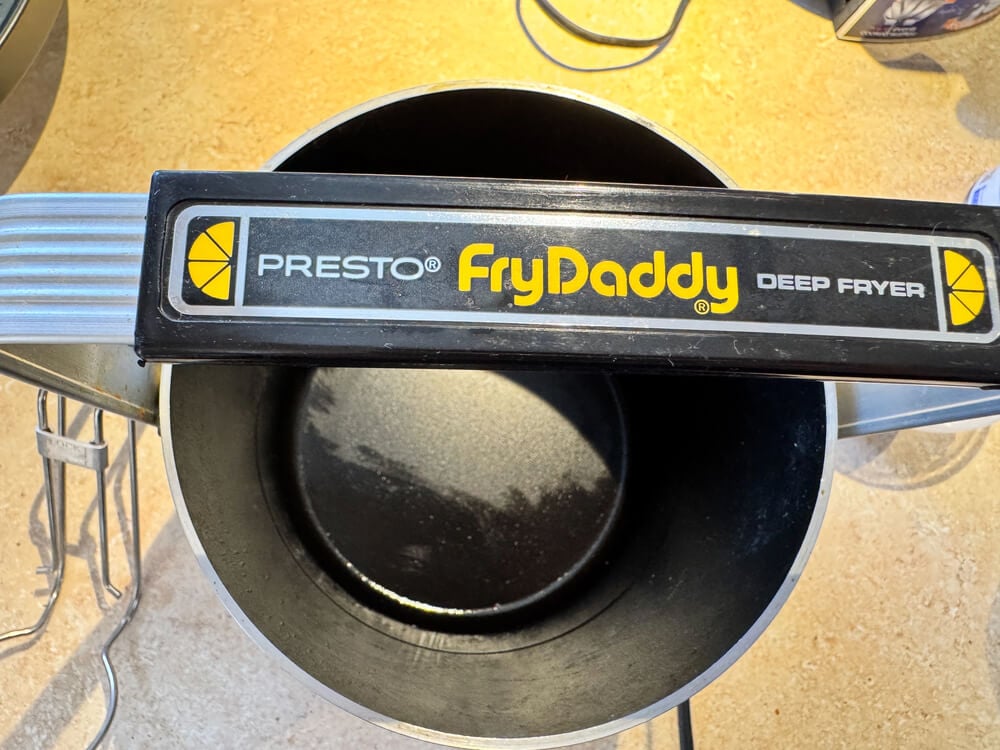
Deep fryers promised convenient fried food preparation without stovetop oil management. The enclosed, thermostat-controlled design was safer than traditional methods.
Couples registered for them expecting frequent use, though most eventually stored them in cabinets.
Bread Maker
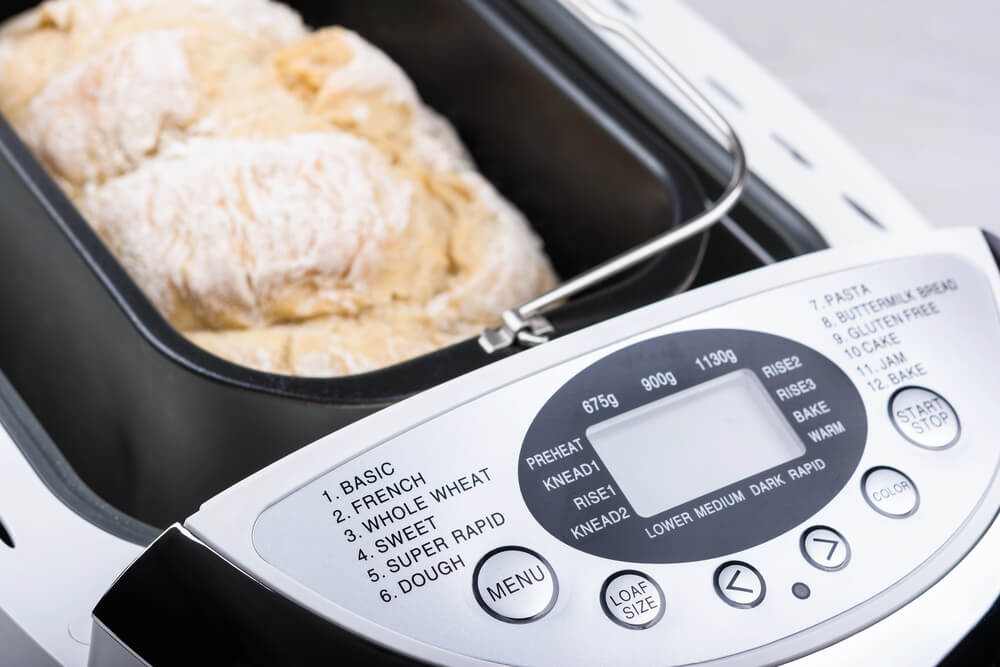
When bread makers entered the market in the 1990s, they quickly became registry items as couples anticipated fresh homemade bread daily. The machines promised to transform bread production from specialized skill to automated convenience.
Many bread makers eventually became expensive clutter on kitchen counters.
Electric Wok
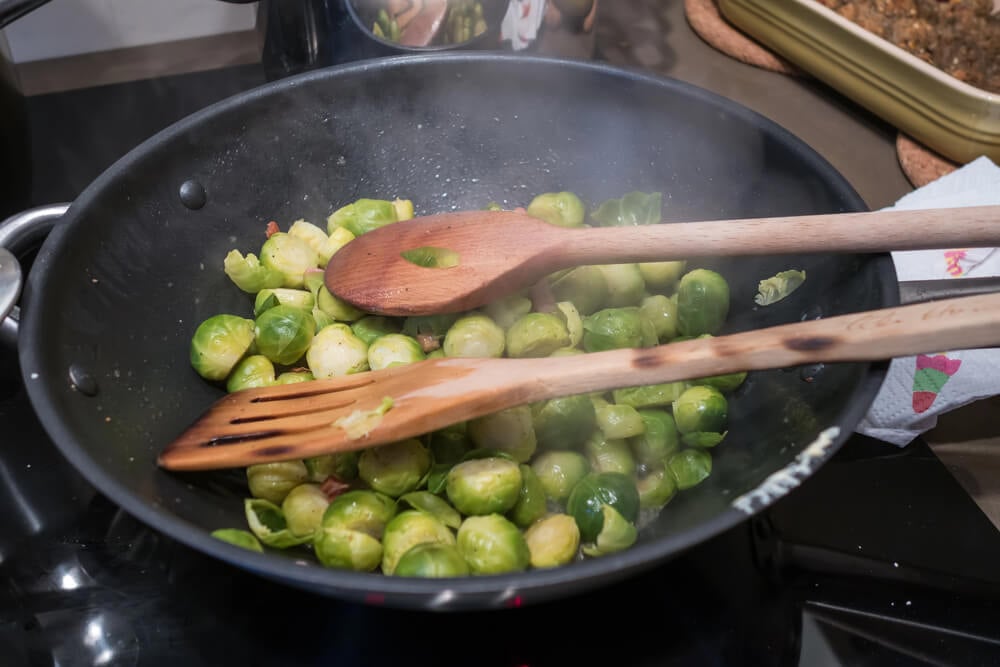
The electrical wok promised Asian cooking convenience without requiring stovetop expertise. Registry couples who enjoyed Chinese cooking selected electric woks expecting them to simplify preparation.
The removable cooking surface made cleaning and storage feasible.
Rotisserie Oven
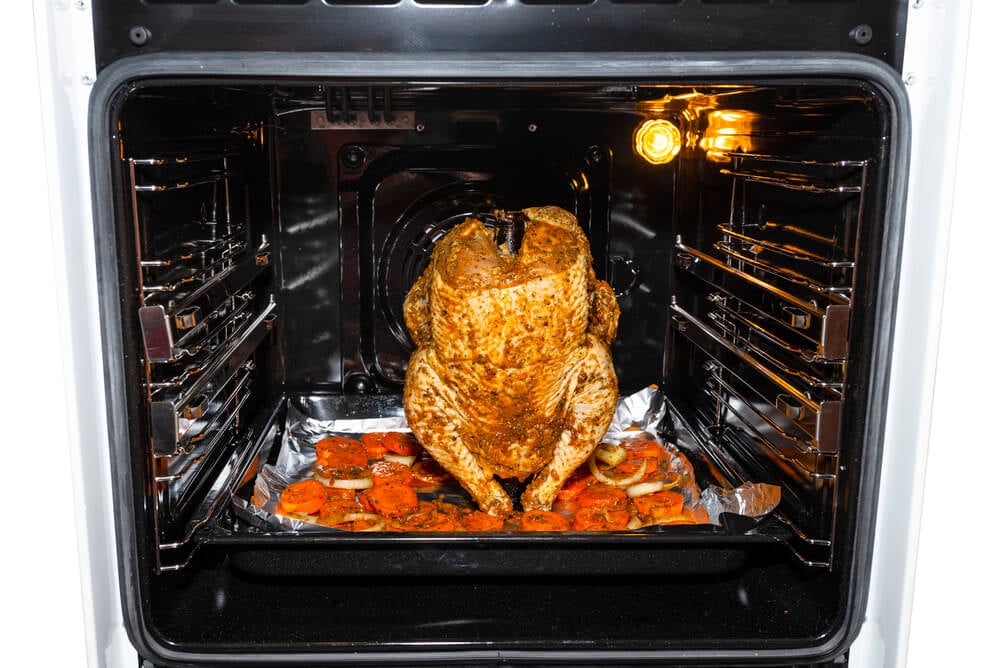
Countertop rotisseries promised restaurant-quality rotisserie chicken with minimal effort. Registry couples envisioned convenient entertaining and simplified dinner preparation.
The appliances took up significant counter space and were eventually relegated to storage.
Crockpot Slow Cooker (Competing Brands)
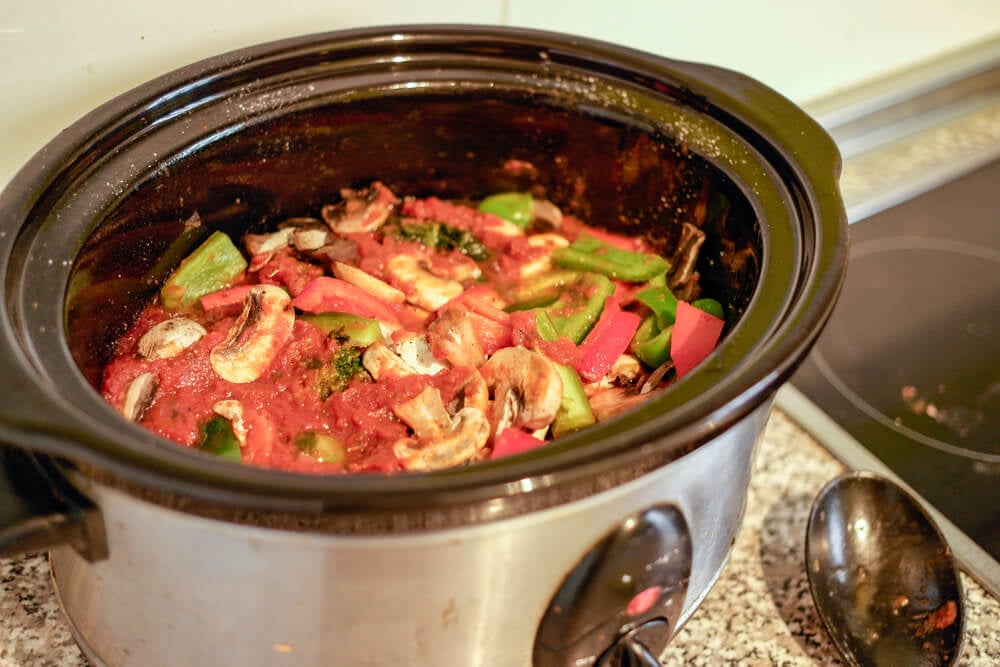
Competing slow cooker manufacturers produced variations of the Crock-Pot, with registry couples selecting specific brand loyalties. Some preferred Rival’s designs; others preferred Hamilton Beach offerings.
The variety of options gave couples meaningful choices despite functional similarity.
Fondue Pot
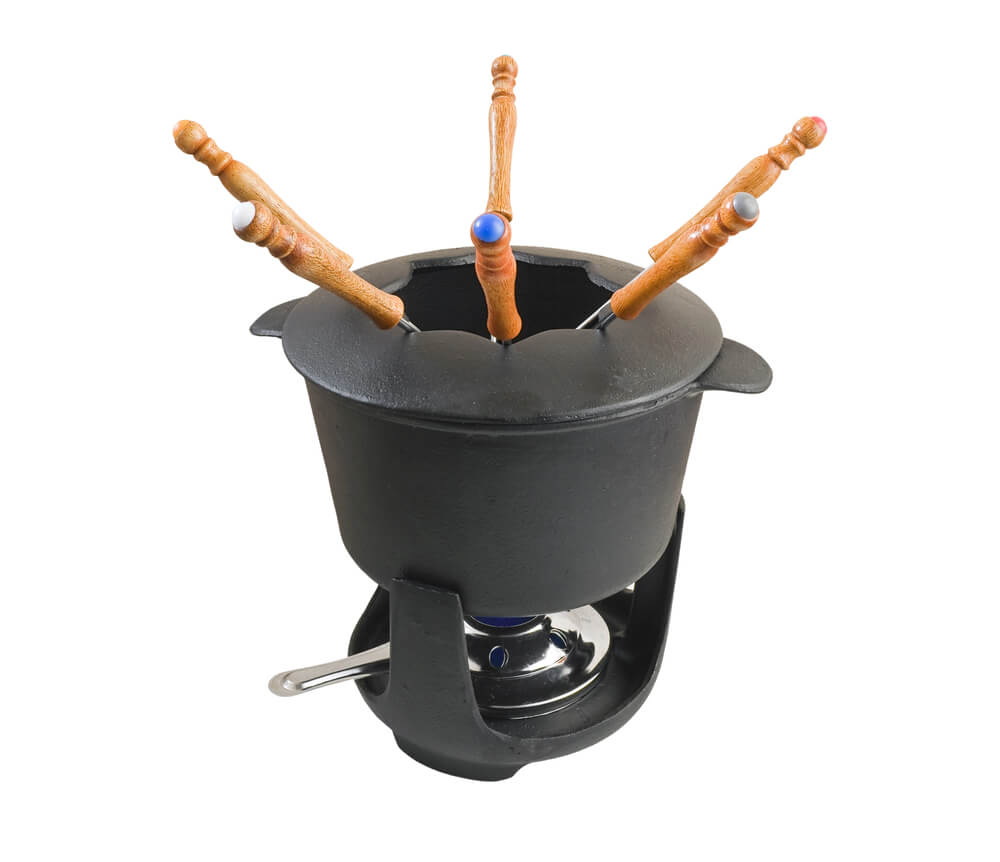
Fondue pots appeared on many 1970s-1980s registries as couples anticipated entertaining dinner parties. The Swiss- and French-inspired cooking method seemed sophisticated and entertaining-focused.
Most fondue pots were used once or twice before being stored permanently.
Waffle Maker
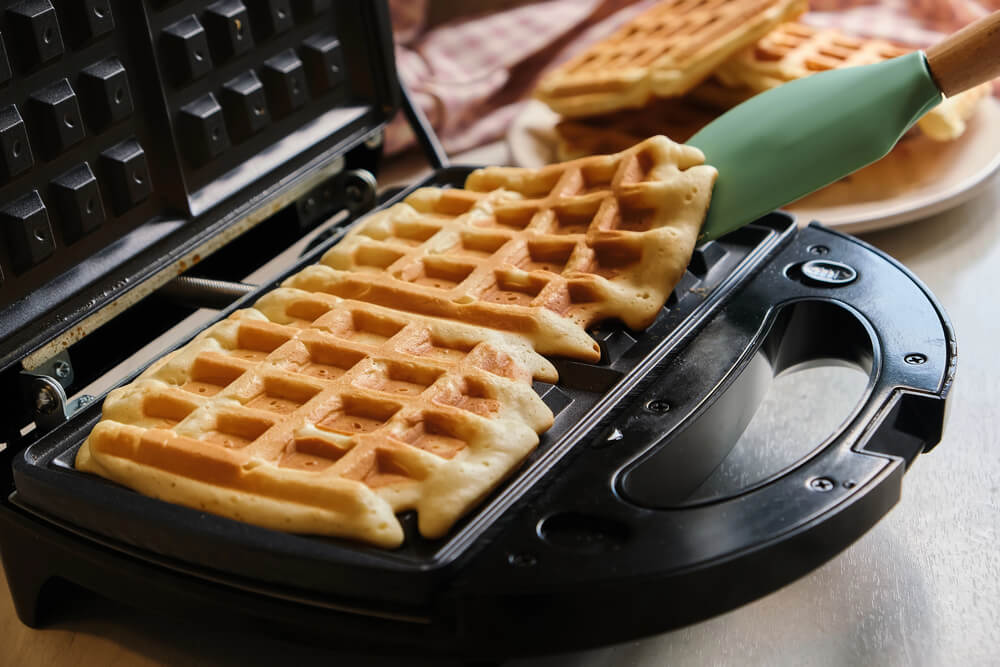
Belgian waffle makers in avocado or harvest gold finishes appeared on breakfast-oriented registries. Couples expecting weekend entertaining or family breakfast traditions selected them.
The round or rectangular designs created varied waffle presentations.
Rice Cooker
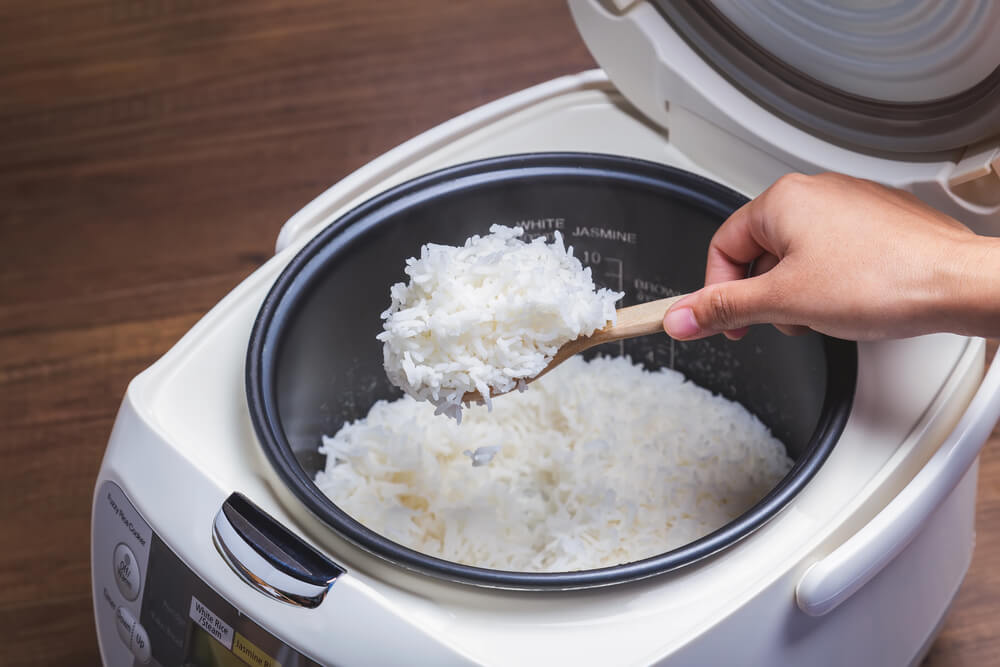
Electric rice cookers were standard registry items for couples who ate rice regularly. The devices promised foolproof rice preparation and were expected to last decades with minimal maintenance.
Many rice cookers were registered for by couples without significant cooking experience.
Yogurt Maker
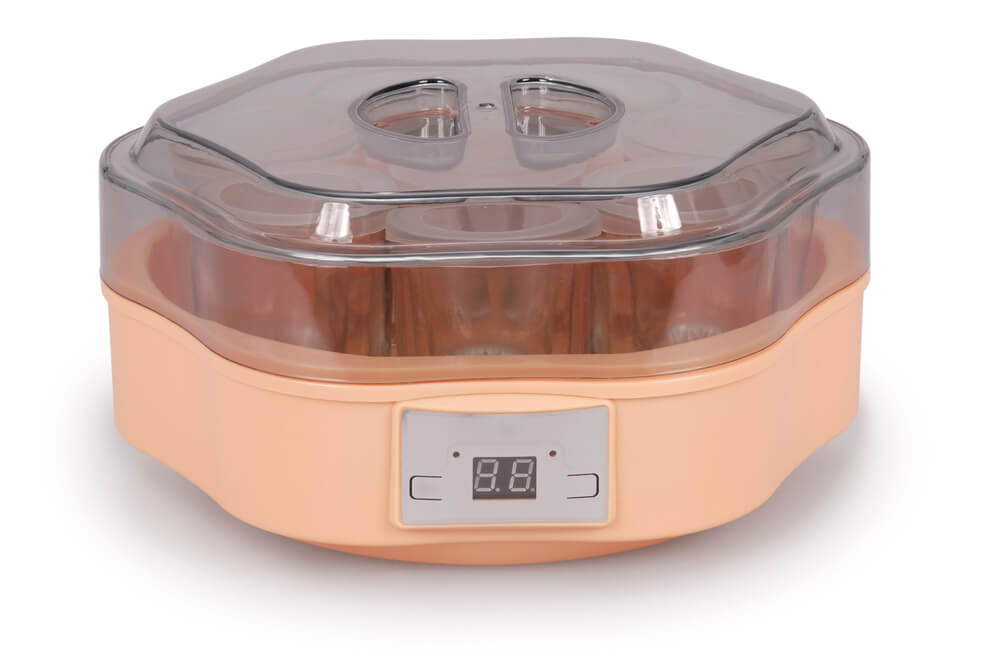
Yogurt makers promised convenient homemade yogurt production. Registry couples in health-conscious households selected them, anticipating regular use.
Most yogurt makers eventually accumulated dust as couples discovered yogurt production required more attention than expected.
Pasta Maker
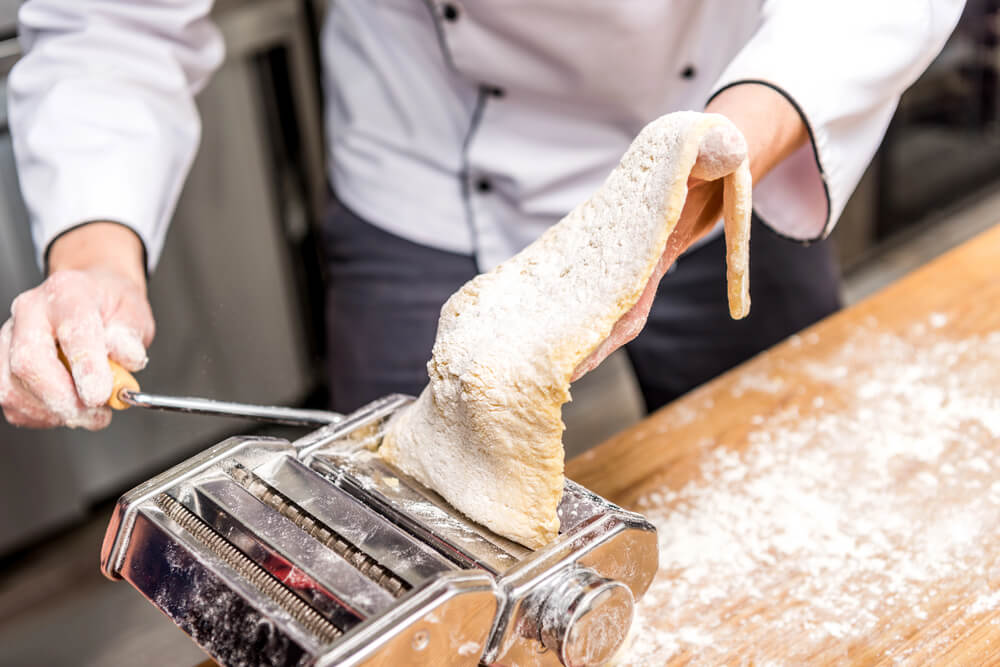
Electric pasta makers were selected by couples who anticipated homemade pasta production. The machines promised to transform pasta-making from specialized skill to automated convenience.
Many pasta makers received minimal use despite being registered for with enthusiasm.
Juicer
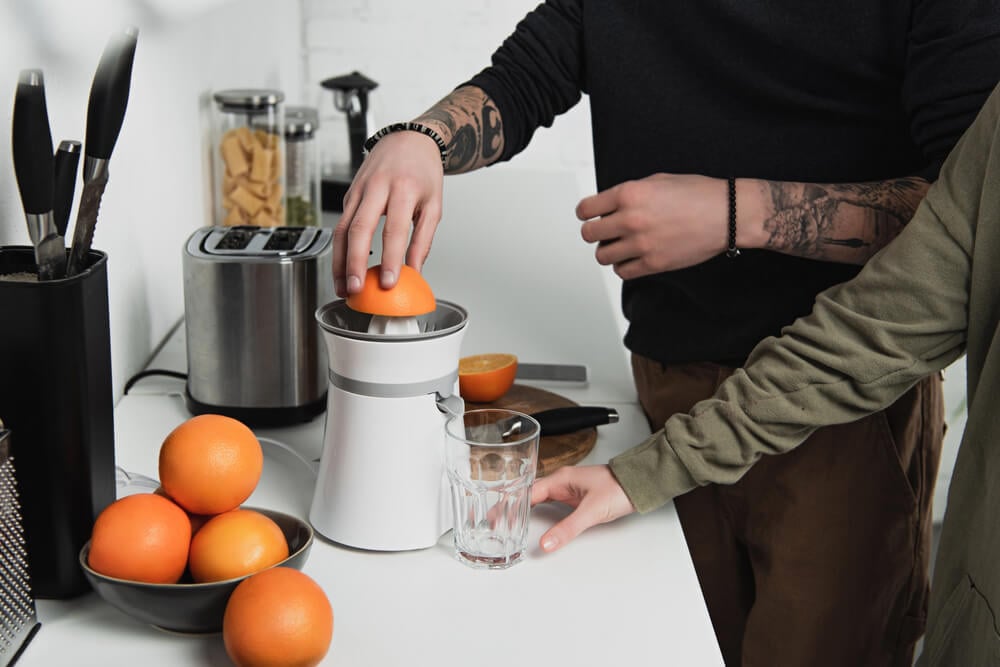
Cold-press juicers and centrifugal juicers appeared on registries as health consciousness increased. Couples anticipated regular fresh juice production and expected to use the appliances daily.
The cleanup requirements often exceeded initial enthusiasm.
Immersion Blender
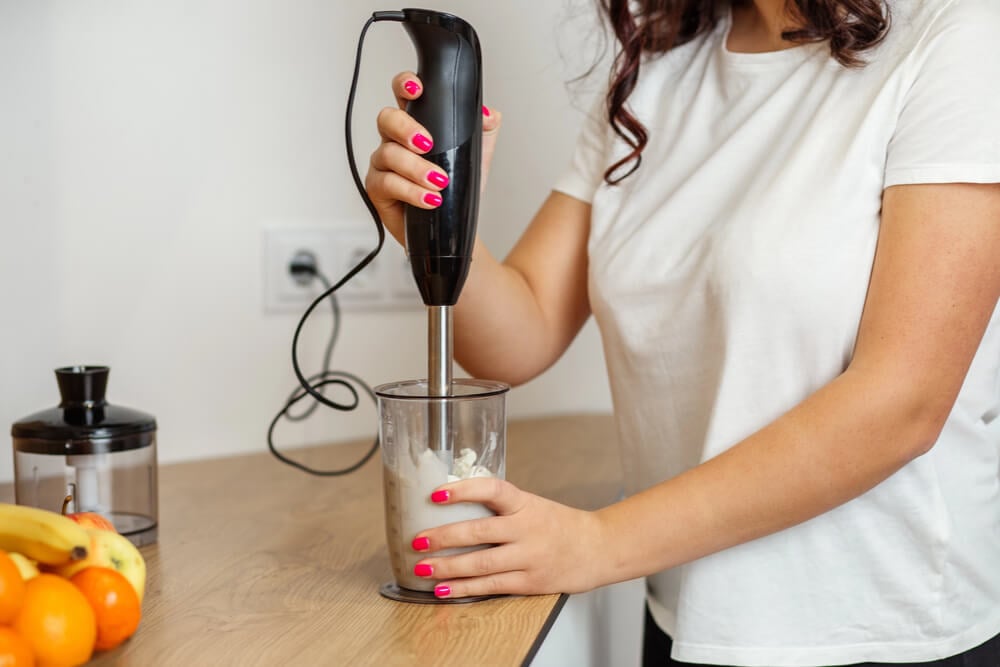
Immersion blenders (also called stick blenders or hand blenders) offered an alternative to traditional blender design. Some registry couples selected them as space-saving alternatives to full-size blenders.
They were particularly popular in European-influenced registries.
Popcorn Maker
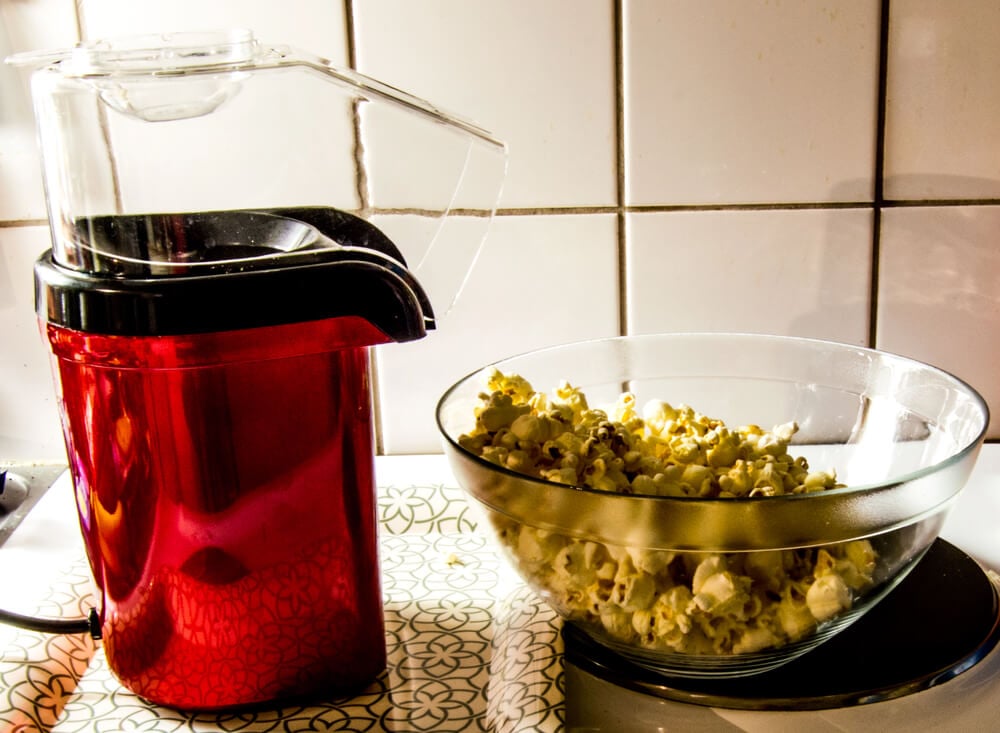
Countertop popcorn makers promised movie-theater-quality popcorn at home. The machines were often selected by entertaining-focused couples anticipating frequent entertaining.
The novelty appeal often exceeded the actual frequency of use.
The Kitchen of Expectations
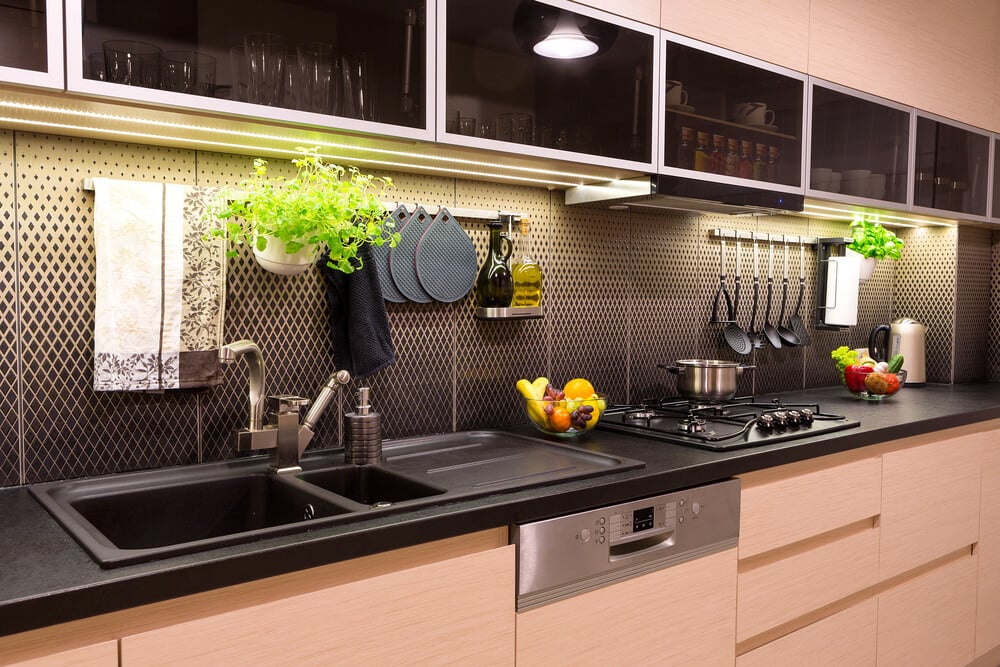
Wedding registries created expectations about what a properly equipped kitchen should contain. Couples followed established patterns, selecting nearly identical appliance combinations.
The result was a standardized kitchen aesthetic that made kitchens across America remarkably similar. That standardization—the assumption that proper kitchens contain these specific appliances—has now broken down.
Modern kitchens contain wildly different appliances, with some equipped extensively and others stripped to minimalist essentials. The wedding registry canon of appliances has dissolved into personalized choices.
More from Go2Tutors!

- 16 Historical Figures Who Were Nothing Like You Think
- 12 Things Sold in the 80s That Are Now Illegal
- 15 VHS Tapes That Could Be Worth Thousands
- 17 Historical “What Ifs” That Would Have Changed Everything
- 18 TV Shows That Vanished Without a Finale
Like Go2Tutors’s content? Follow us on MSN.



