19 Hardest English Words to Pronounce
One minute you’re confident, the next you’re second-guessing a word you’ve seen a hundred times. Sounds hide inside letters where they shouldn’t belong.
People who grew up speaking it still pause mid-sentence, wondering if it’s “often” with a T sound or without. Learners blink at the page like the spelling is playing tricks.
Broadcasters, trained and polished, sometimes hiss or swallow syllables in ways nobody expects. Letters sit together quietly – then roar when spoken.
Truthfully, certain terms seem like the alphabet’s inside joke. Below: nineteen English words notorious for tripping up speakers, plus why each stumbles the tongue.
Worcestershire

Odd how some words feel like keyboard accidents that somehow stuck around. WUS-ter-sher rolls off the tongue while barely using half the written form.
That cluster of letters traces back to an English place – Worcester – a name shaped long ago but spoken far more lightly now. Centuries trimmed the pronunciation, yet the old spelling stayed put.
Most folks skip speaking it entirely, preferring silence and a quick finger toward the shelf.
Quinoa

That quiet moment when you point at quinoa on a menu instead of saying it aloud? Pretty common. KEEN-wah rolls off the tongue once you hear it, though letters on a page make folks hesitate.
You’d expect KWIN-oh-ah just by looking – blame that mismatch on old spelling habits meeting foreign roots. A seed from South America, really, tied to Quechua speech patterns long before supermarkets claimed it.
Chefs started tossing it into bowls everywhere, never pausing to teach the name. Now half the country still fakes confidence near salad bars.
Anemone
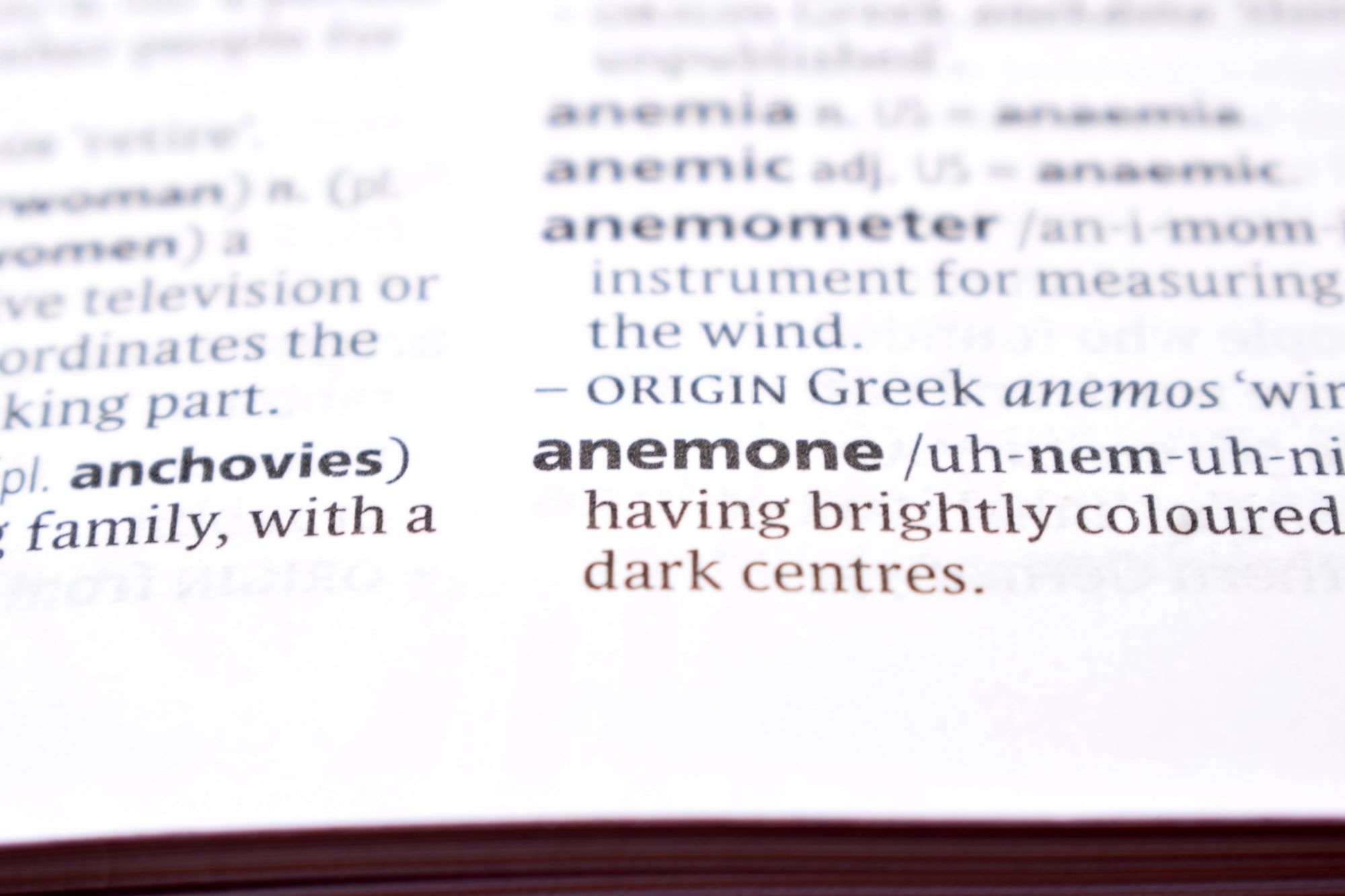
What looks like a simple plant name becomes tricky the moment you try to speak it. Say it like uh-NEM-uh-nee, though the beat shifts in ways that confuse even careful speakers.
Four parts long, each one echoes the last – making your lips dance without warning. Sounds pile up: n next to m, then back again, forcing quick moves inside your mouth.
Those who’ve said it daily still fumble now and then. Halfway through, rhythm slips.
Isthmus
That tricky ‘th’ sound trips up plenty of people learning English, yet ‘isthmus’ goes further by leaving it out entirely. You say ‘IS-mus’, letting the whole consonant pair vanish into thin air mid-word.
A stretch of land – thin, linking bigger areas – that’s what an isthmus means, though educators often overlook its quiet letters during lessons. Those missing sounds do nothing for speech; they linger only because of where the term came from long ago.
Squirrel

Some folks who grew up with English barely notice saying “squirrel,” yet many others learning the language find it nearly impossible to get right. Packed tight inside are three tricky parts – a sharp start, a quick middle sound, and an ‘rl’ that flicks at the back of the mouth.
Not every tongue has shaped these moves before, especially if your first language was German, French, or Mandarin. Trying it feels like asking lips and teeth to dance in a way they never practiced.
In classrooms around the world, this small word quietly separates those just starting from those closing in on fluency.
Phenomenon
That word’s many versions, phenomena, stir some mix-ups already. Yet the single form trips folks up most when speaking it out loud.
You say phenomenon like fuh-NOM-uh-non – second part stronger, last bits split apart clear. Most run those ending chunks together, making it sound like fuh-NOM-uh-nun – not off by much, still just shy.
Worse yet, Brits and Yanks don’t agree how it rolls off the tongue either.
Albeit

Though it seems like three bits glued together, that is exactly where it started – from “all be it.” You say it as “awl-BEE-it,” hitting hard on the middle part.
Most people see it on paper way before they ever hear the sound of it spoken loud. Because of that gap, early tries at saying it usually land on “al-BYTE” or “al-BEE-it,” missing the right beat entirely.
The term fits fine in serious writing, yet stumbling through it once or twice in talk? That happens to everyone.
Otorhinolaryngologist

Starting mid-sentence sometimes works well. That term? Not really a common word – think marathon instead.
Say it fast enough and you might need oxygen afterward. Actually called an otolaryngologist, which rolls off the tongue about as smoothly as sandpaper.
Breaks down into ancient parts: oto for ear, rhino for nose, laryngo tagged on for throat. Most folks just say ENT doc and move on.
Even doctors skip the full version during coffee breaks. Nineteen characters long, give or take a breath.
Length alone makes it stand out in job titles. Still gets used, despite its size. Some call it precision. Others call it exhausting.
Mischievous

The mispronunciation of ‘mischievous’ is so widespread that many people do not realize they are saying it wrong. The correct version is ‘MIS-chuh-vus’, three syllables, with the stress on the first.
A very common error adds an extra syllable, turning it into ‘mis-CHEEV-ee-us’, which feels natural but does not match the standard pronunciation. The word has appeared in English since the 14th century, and people have been adding that phantom fourth syllable for nearly as long.
Colonel
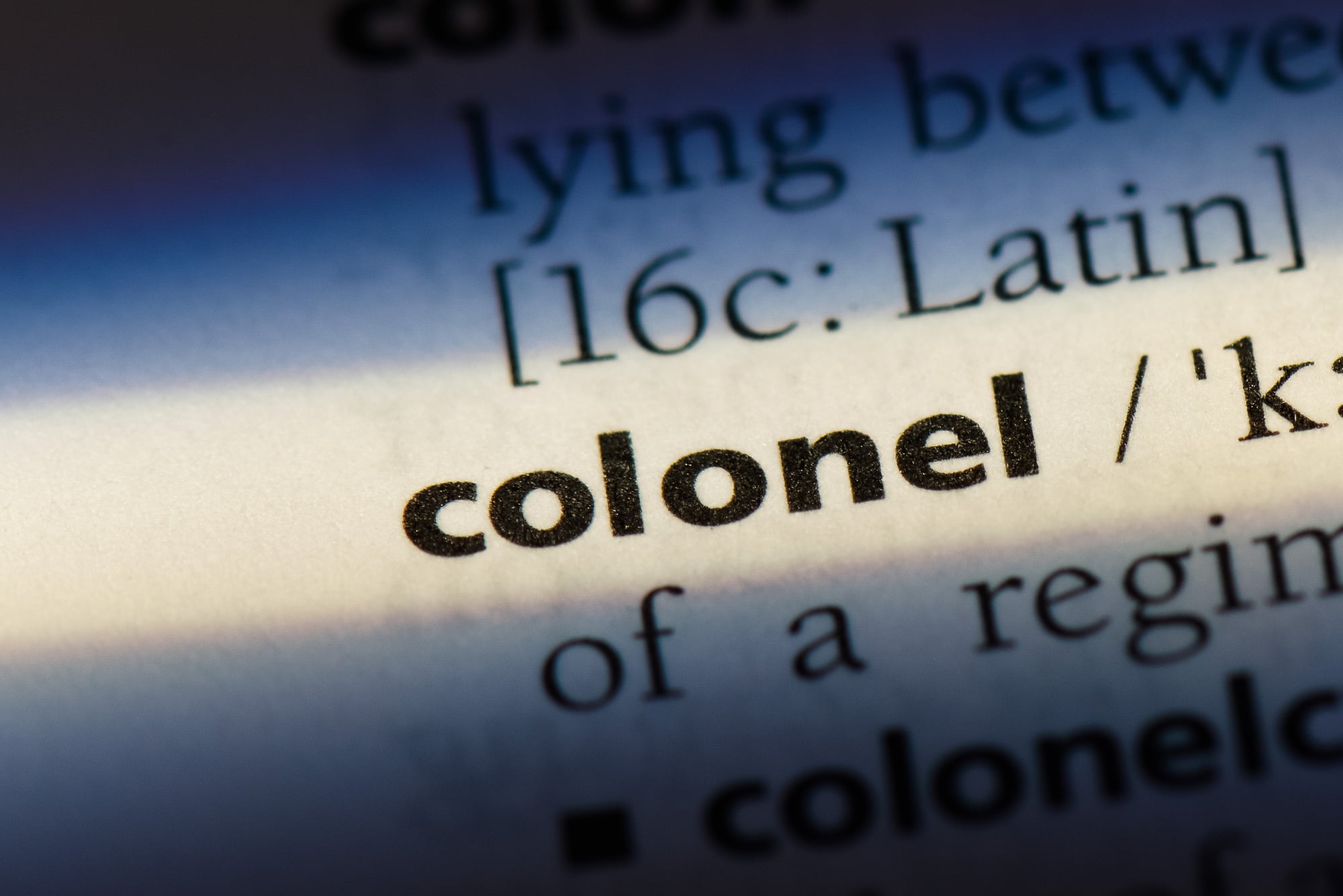
‘Colonel’ is one of English’s most dramatic spelling-versus-pronunciation mismatches. It is pronounced ‘KUR-nel’, which looks like it should be spelled ‘kernel’ and has nothing obvious to do with the ‘col’ at the start.
The word came into English through French and Italian, and somewhere along the way the spoken form diverged sharply from the written one while the spelling stayed frozen in an older form. Military dramas on television have helped more people learn the correct pronunciation simply through repeated exposure.
Epitome
Many readers meet ‘epitome’ in books before they ever hear it spoken, which leads to the very common mispronunciation ‘EP-ih-tome’, as though it rhymes with ‘home’. The actual pronunciation is ‘ih-PIT-uh-mee’, four syllables, with the stress on the second.
It comes from Greek through Latin, and the final ‘e’ is not silent the way it would be in most English words. Teachers report correcting this one regularly in classrooms at every level.
Nauseous

The pronunciation of ‘nauseous’ is ‘NAW-shus’, but many people say ‘NAW-zee-us’, adding a syllable that is not standard. The word describes the feeling of being about to be sick, which is ironic because saying it incorrectly in front of a grammar enthusiast can cause them genuine distress.
Both pronunciations are so common that dictionaries have started listing the two-syllable version as an accepted variant, much to the frustration of traditionalists. It is one of those words where the ‘wrong’ version has almost become the norm.
Draught
‘Draught’ is the British spelling of ‘draft’, and it is pronounced exactly the same way, ‘DRAFT’. The ‘gh’ combination in English is notoriously unpredictable, sometimes producing an ‘f’ sound, sometimes staying silent, and sometimes doing something else entirely.
Anyone who learned English as a second language and tried to sound out ‘draught’ phonetically would produce something that sounds nothing like the intended word. It appears frequently on pub menus in the U.K., which gives tourists regular opportunities to get it wrong.
Hierarchy

‘Hierarchy’ looks like it should be straightforward until the attempt to say it begins. The correct pronunciation is ‘HY-er-ar-kee’, four syllables, with the stress on the first.
Many people compress it to three syllables, saying ‘HY-rar-kee’, which skips the second syllable entirely. The word comes from Greek and refers to a system of ranked levels, and it appears constantly in business and academic settings where mispronouncing it draws immediate attention.
Zeitgeist

‘Zeitgeist’ is a German loanword that English borrowed and then left largely unchanged, which means English speakers have to produce sounds that do not come naturally to them. It is pronounced ‘TSYT-gyst’, with the ‘z’ making a ‘ts’ sound and the ‘ei’ making a long ‘i’ sound.
The word means the general mood or spirit of a particular time period, and it became popular in cultural commentary. Most English speakers soften it to ‘ZYT-gyst’, which is close enough that native German speakers wince only slightly.
Onomatopoeia
This is the word for words that sound like what they describe, such as ‘buzz’ or ‘crack’, and the irony is that ‘onomatopoeia’ itself is a pronunciation challenge of the highest order. It is said as ‘on-uh-mat-uh-PEE-uh’, six syllables, with the stress buried in the fourth position.
The vowels at the end, ‘o’, ‘e’, ‘i’, ‘a’, cluster together in a way that makes the final syllables feel like a separate puzzle. English teachers introduce this word early and then watch students wrestle with it for the rest of the school year.
Thyme
‘Thyme’ is a common herb found in kitchens everywhere, and yet the spelling continues to fool people who encounter it for the first time. It is pronounced ‘TIME’, with the ‘th’ and the ‘y’ both staying completely silent.
The word came into English from Old French and ultimately from Greek, and none of those spelling remnants survived into the spoken form. Home cooks who learned recipes from written sources sometimes say ‘th-ime’ the first time and then quietly never repeat that mistake.
Fuchsia

‘Fuchsia’ is a vivid pink-purple color named after a flower, which was itself named after a 16th-century German botanist named Leonhart Fuchs. The pronunciation is ‘FYOO-sha’, which almost nobody guesses correctly from the spelling alone.
The ‘chs’ combination in the middle of the word produces an ‘sh’ sound due to its German origin, and English spelling made no effort to simplify it. Paint stores, fabric shops, and wedding planners deal with this word constantly, and the mispronunciations are creative and numerous.
Rural

Short words are not automatically easy, and ‘rural’ proves that point effectively. It is pronounced ‘ROOR-ul’, and the challenge is the double ‘r’ sound combined with the ‘l’ at the end, all packed into two syllables.
Non-native speakers from many language backgrounds find this combination extremely difficult to produce cleanly, and even some native English speakers stumble over it when speaking quickly. Speech therapists sometimes use ‘rural’ as a diagnostic tool because it isolates sounds that are genuinely hard for many people to control.
When the Words Fight Back

English did not develop in a straight line, which is exactly why pronouncing it can feel like navigating a city built on top of older cities. Latin, French, German, Greek, and dozens of other languages all left their marks on English spelling and sound, often without agreeing on the rules.
The words on this list are not exceptions to English pronunciation; in many ways, they are English pronunciation, showing exactly how the language absorbed influences from everywhere and standardized almost nothing. Getting these words right takes practice, patience, and occasionally a quiet look at a pronunciation guide before walking into a dinner party.
More from Go2Tutors!

- The Romanov Crown Jewels and Their Tragic Fate
- 13 Historical Mysteries That Science Still Can’t Solve
- Famous Hoaxes That Fooled the World for Years
- 15 Child Stars with Tragic Adult Lives
- 16 Famous Jewelry Pieces in History
Like Go2Tutors’s content? Follow us on MSN.