15 Strange And Rarely Seen Photos From The American Civil War
Photography was still in its infancy when the Civil War began in 1861. The technology was cumbersome, requiring long exposure times and heavy equipment that made capturing action shots nearly impossible.
Yet photographers like Mathew Brady, Alexander Gardner, and Timothy O’Sullivan persisted, documenting America’s bloodiest conflict with an unflinching eye. While famous images like the bodies at Antietam are well known, thousands of other photographs from the war remain buried in archives and private collections.
These forgotten images reveal a side of the conflict that textbooks rarely show—the strange, the unexpected, and the deeply human moments that existed alongside the grand military campaigns.
The Balloon Corps at Work
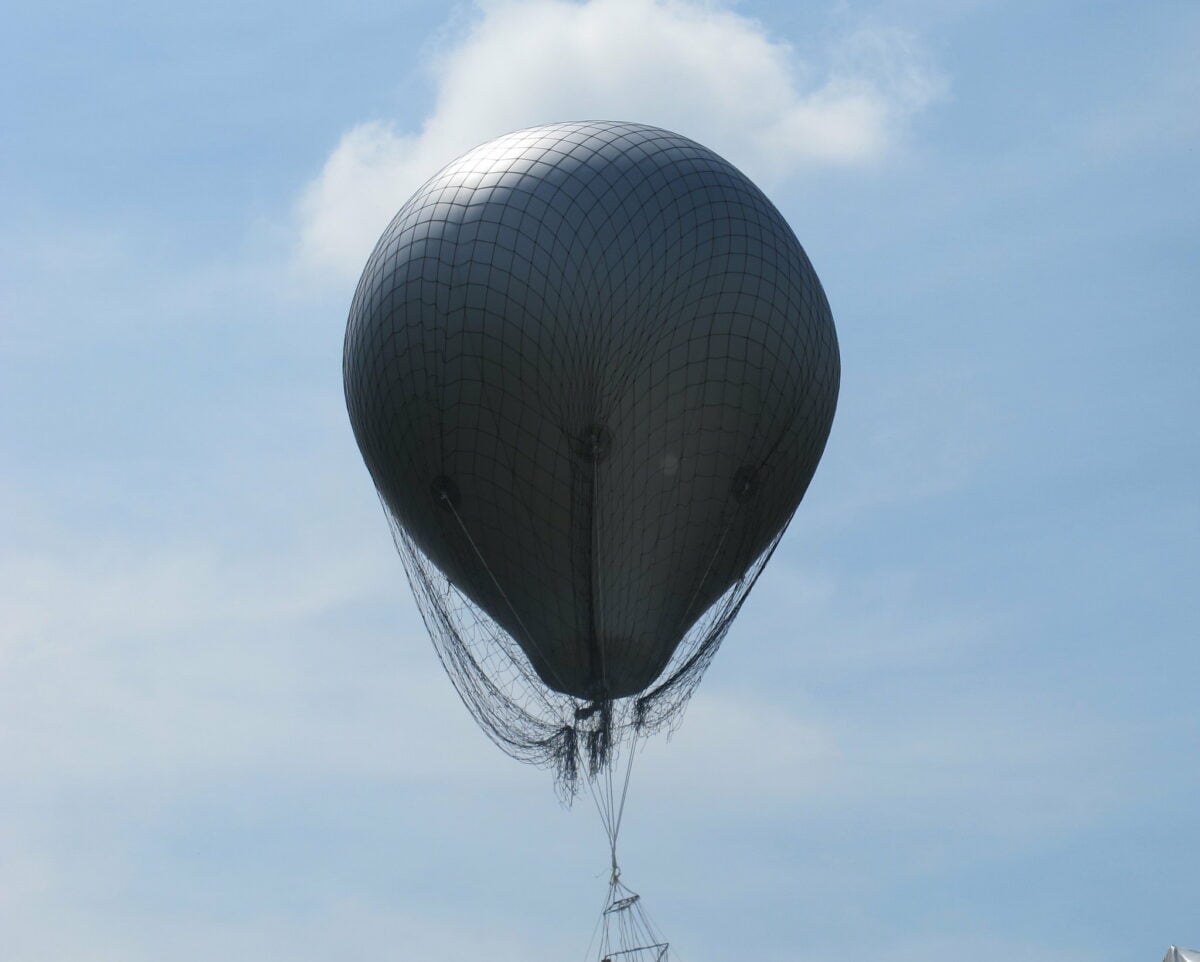
Professor Thaddeus Lowe convinced Lincoln that hot air balloons could provide crucial intelligence. The Union Army’s Balloon Corps deployed these massive silk contraptions above battlefields, telegraph wires trailing down to commanders below.
The surviving photograph shows the balloon Intrepid tethered near Fair Oaks, its operators scanning Confederate positions through telescopes while soldiers gawk from the ground. The contraption looks absurdly vulnerable hanging there in the sky (because it was), and Confederate sharpshooters made a sport of taking potshots at the thing whenever it appeared—though hitting a target that size proved surprisingly difficult, even for experienced marksmen who could thread a needle at two hundred yards.
But there’s something almost comical about the image: this enormous striped balloon bobbing above men who were still fighting with muskets, as if someone had accidentally mixed the props from two different centuries.
A Confederate Submarine in Charleston Harbor
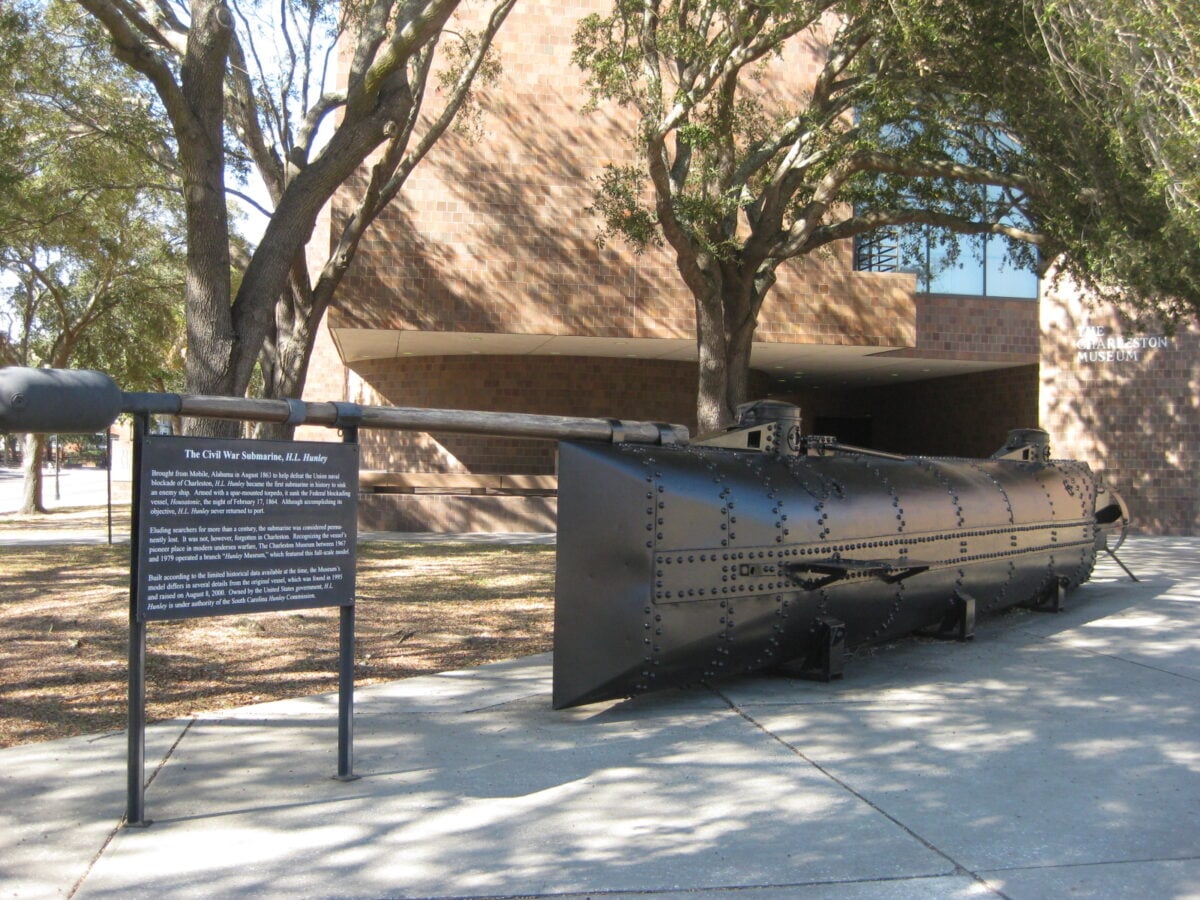
The H.L. Hunley wasn’t supposed to be photographed. Confederate authorities kept their experimental submarine project secret, yet someone managed to capture this image of the iron fish sitting in Charleston Harbor before its final, fatal mission.
The vessel looks more like a metal coffin than a warship. Eight men would crank the propeller by hand while submerged, sharing whatever stale air remained trapped inside.
The photograph shows curious civilians gathered around the craft, probably unaware they were looking at a death trap. The Hunley had already drowned two previous crews during testing.
The third crew successfully sank a Union warship—then vanished beneath the waves, not to be found again until 1995.
Lincoln Reviewing Troops After Antietam
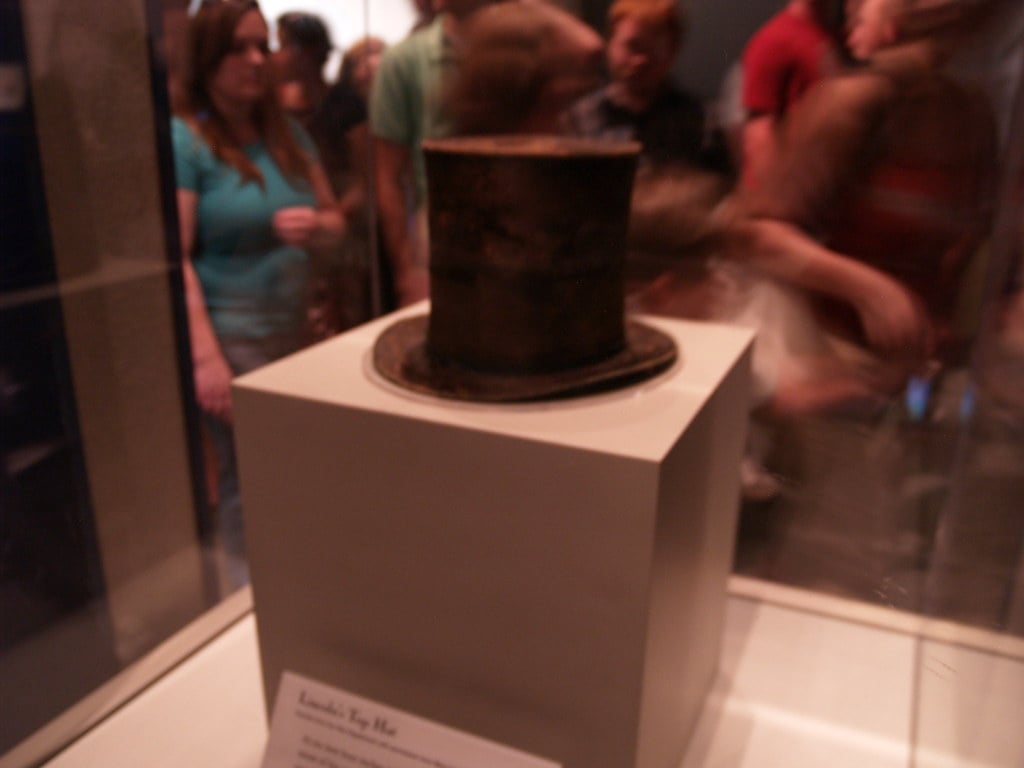
This image catches Lincoln in an unguarded moment during his visit to General McClellan’s army in October 1862. The president towers over everyone else in the frame, his stovepipe hat making him appear even taller, but what strikes you about the photograph isn’t his height—it’s how he’s standing slightly apart from the group of officers, hands clasped behind his back, studying the faces of the soldiers with the expression of someone calculating a cost he’s not sure the country can afford.
The troops are arranged in neat rows for the camera, but their faces tell a different story than the carefully composed military portraits you usually see from this period. These men had just lived through the bloodiest single day in American history.
You can see it in their eyes, the way they hold their shoulders, the thousand-yard stare that wouldn’t have a name for another war or two. Lincoln sees it too.
The way he’s positioned in the frame—close enough to acknowledge them, far enough away to suggest the weight of sending them back into battle—captures something essential about command that no formal portrait ever could.
A Union Field Hospital’s Operating Table
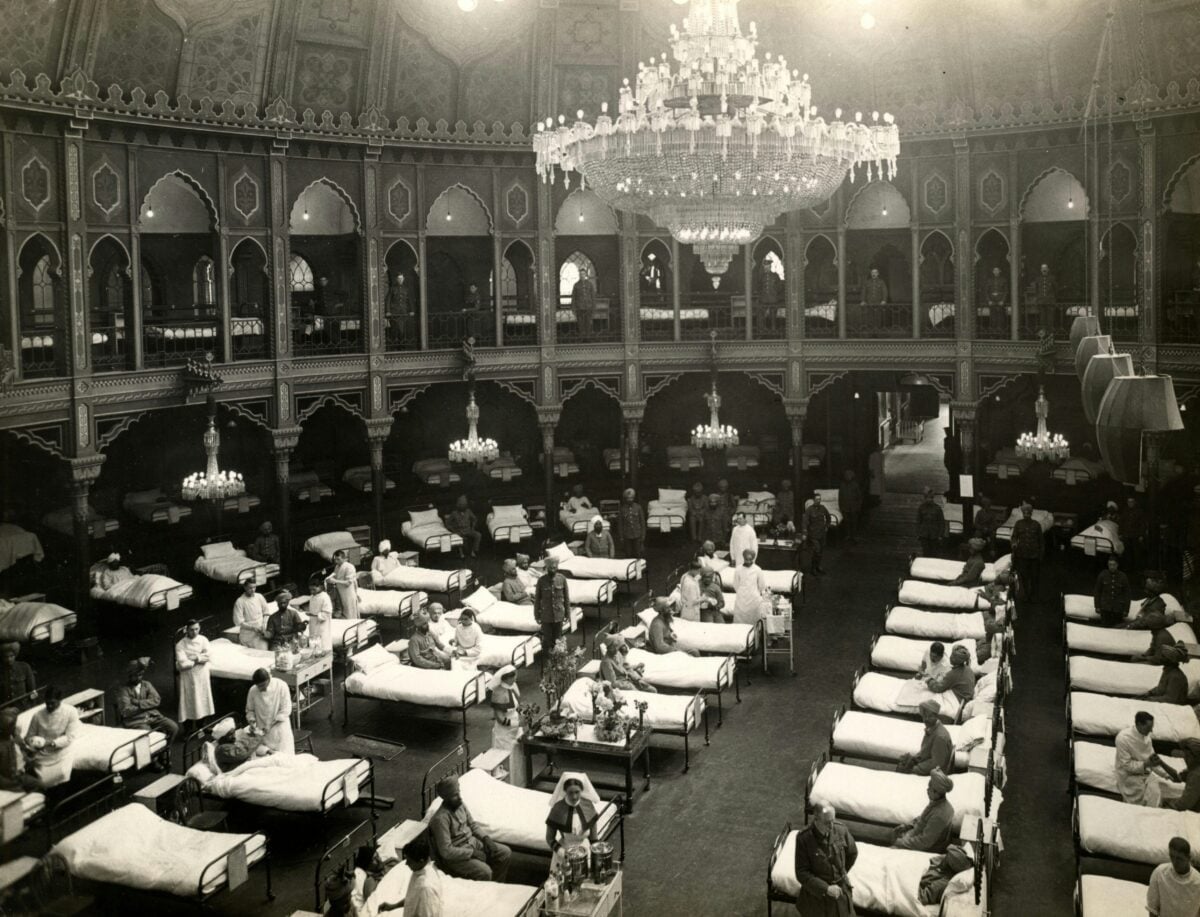
Medical care during the Civil War was primitive by today’s standards, but battlefield surgeons worked miracles under impossible conditions. This photograph shows a field hospital near Gettysburg, complete with an operating table that’s nothing more than a barn door balanced on two sawhorses.
The instruments are laid out neatly on a cloth—bone saws, forceps, bottles of chloroform. What makes the image unsettling isn’t what you see, but what you don’t.
No sterile conditions, no proper lighting, no understanding of germs or infection. Surgeons worked in blood-soaked aprons, using the same tools on patient after patient without cleaning them.
Yet these men saved thousands of lives, often working for days straight during major battles. The mortality rate was horrific, but considering the alternatives, it could have been worse.
Confederate Currency Printing Press
Money becomes meaningless when you print too much of it, which is exactly what happened to Confederate currency. This rare photograph shows a printing press in Richmond churning out bills that were worth less with each passing month.
The workers look tired, probably because they understood the futility of their task better than most. By 1865, Confederate bills were worth roughly two cents on the dollar.
People used them as wallpaper, kindling, or writing paper—anything except actual money. The printing press in this image represents one of the most effective Union weapons of the war, though it took the Confederacy several years to realize they were destroying themselves with their own monetary policy.
Inflation killed the Southern economy more efficiently than any blockade.
A Railroad Gun in Action
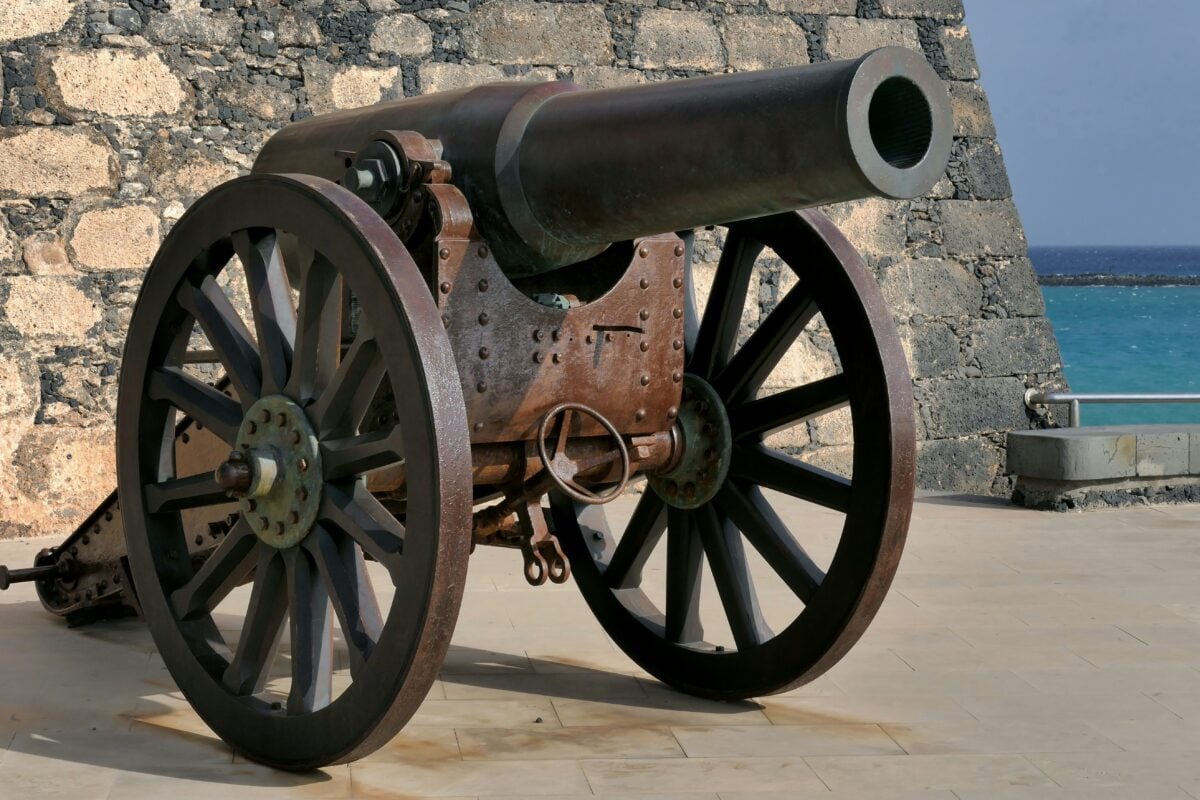
The Civil War saw the first widespread use of armored trains and railway artillery. This photograph captures a massive Union railroad gun positioned on tracks near Petersburg, its barrel pointing toward Confederate lines.
The weapon could fire shells weighing over 200 pounds, but moving and positioning it required an entire crew of engineers, artillerymen, and railroad workers. Railroad guns represented the industrial might of the North—the ability to manufacture, transport, and deploy heavy weapons with unprecedented speed and efficiency.
The Confederacy had railroads too, but fewer of them, and they couldn’t match the North’s production capacity. This single photograph tells the story of why the South was always fighting an uphill battle.
They were facing an opponent who could literally bring heavy artillery to their doorstep by train.
Dead Horses at Gettysburg
Horses died in staggering numbers during the Civil War, yet they rarely appear in historical accounts. This grim photograph shows dozens of dead cavalry horses scattered across a field after the first day of fighting at Gettysburg.
The animals lie twisted and broken, their riders nowhere to be seen. Cavalry units were useless without their mounts, and replacing trained warhorses was nearly impossible during active campaigns.
A good cavalry horse represented months of training and a significant financial investment. Losing them in large numbers could cripple an army’s mobility for weeks.
The photograph serves as a reminder that the war consumed everything—men, animals, resources, entire ways of life.
A Contraband Camp Near Washington
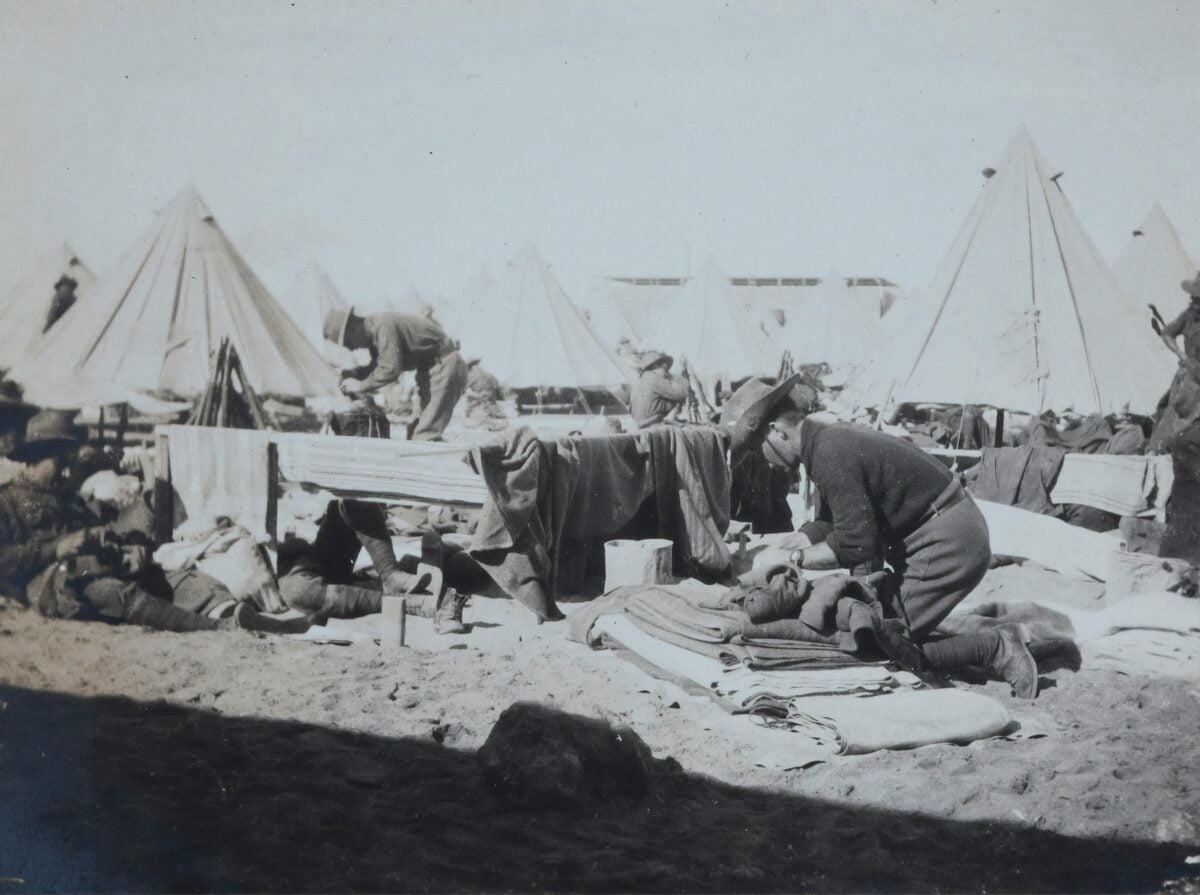
“Contraband” was the Union Army’s euphemistic term for escaped slaves who fled to federal lines during the war. This photograph shows one of the camps established near Washington to house the thousands of people seeking freedom behind Union lines.
The conditions were harsh—rows of makeshift tents and shanties, inadequate food and medical care, uncertain legal status. Yet the people in this photograph had made an extraordinary choice.
They left everything familiar, risked capture and punishment, and walked into an unknown future for a chance at freedom. The camp represents a massive demographic shift that was happening across the South as enslaved people voted with their feet, abandoning plantations and forcing the Union to confront the reality that this war was always about slavery, regardless of what politicians claimed.
A Pontoon Bridge Under Construction
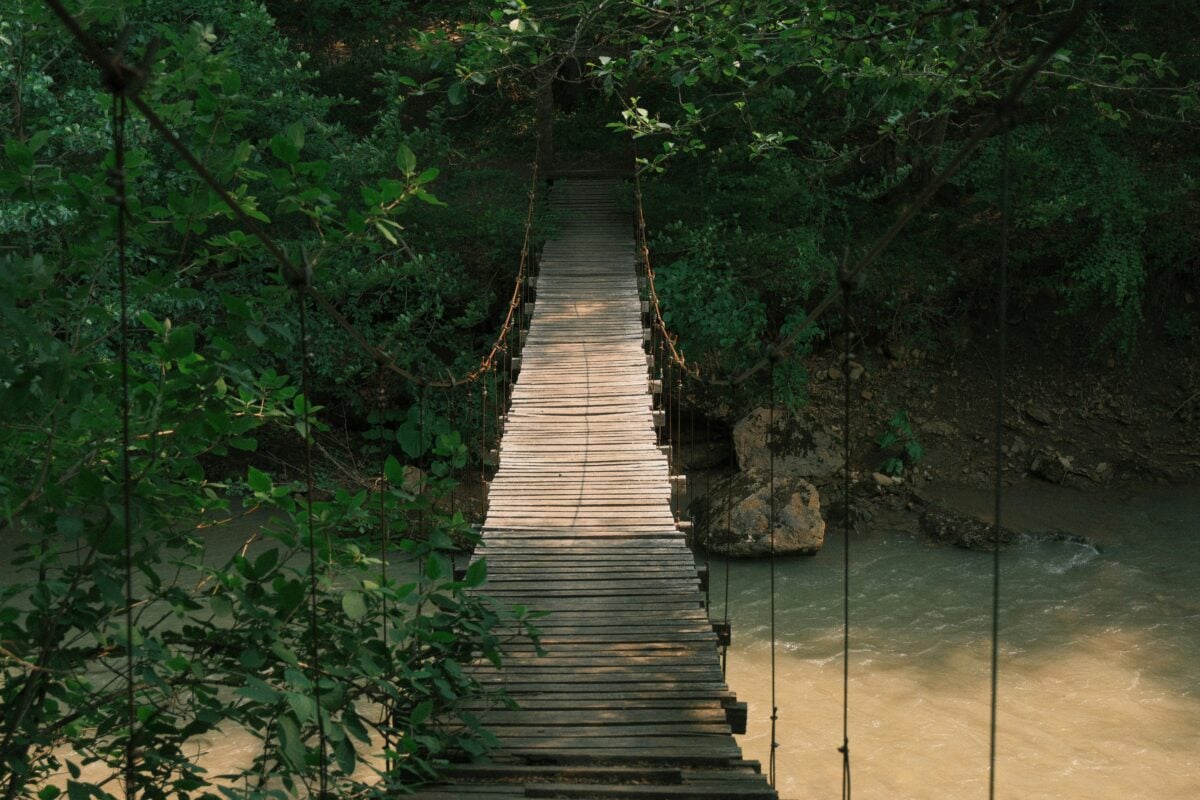
Engineering units built temporary bridges across rivers throughout the war, but this photograph of a pontoon bridge under construction near Fredericksburg captures the ingenuity and speed required for such operations. Engineers worked under enemy fire, assembling floating sections while sharpshooters tried to pick them off from the opposite bank.
The process required precise timing and coordination—one mistake could send an entire section downstream. Pontoon bridges were military lifelines. Armies moved faster than permanent bridges could be built or repaired, so these temporary solutions kept campaigns moving.
The photograph shows Union engineers working methodically despite the danger, because they understood that their work would determine whether thousands of their comrades lived or died in the next engagement.
Lincoln’s Box at Ford’s Theatre
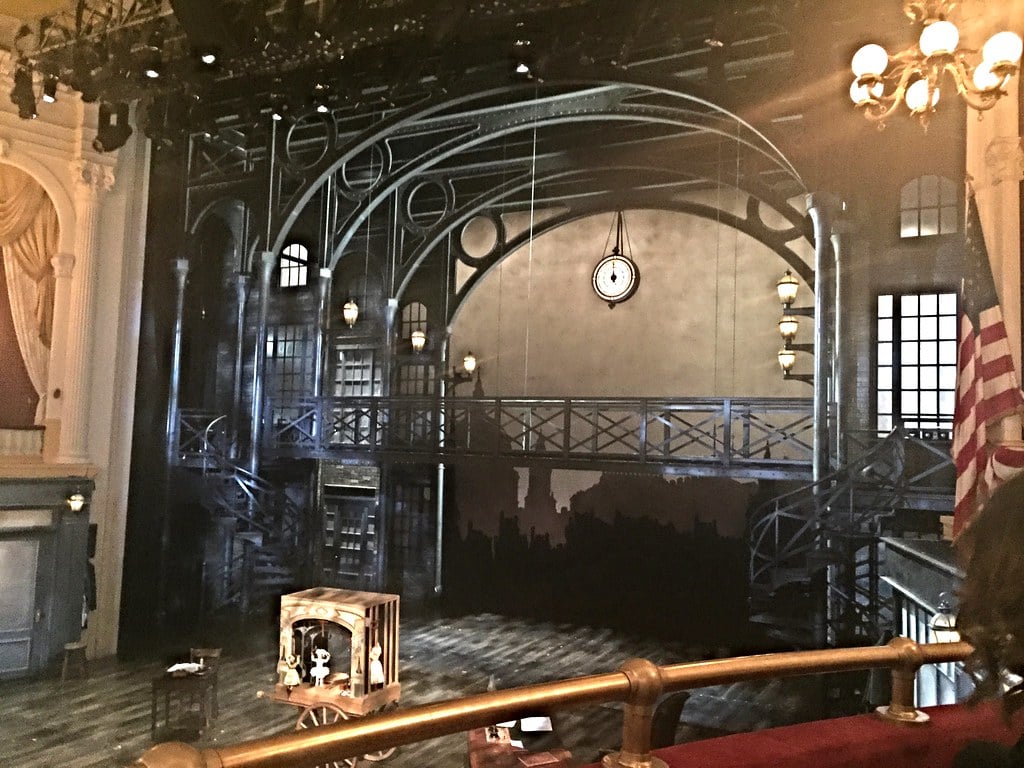
This photograph of the presidential box at Ford’s Theatre was taken sometime before April 14, 1865. The box is decorated with flags and bunting, prepared for a special performance.
Within weeks, this same box would become the most infamous location in American history. The image has an eerie quality when viewed with hindsight.
The box seats look exposed and vulnerable, though at the time, presidents routinely appeared in public without significant security. The photograph captures a moment of innocence that wouldn’t survive the war’s end.
After Lincoln’s assassination, presidential security would never be the same, and the easy accessibility shown in this image would become unthinkable.
A Union Telegraph Office
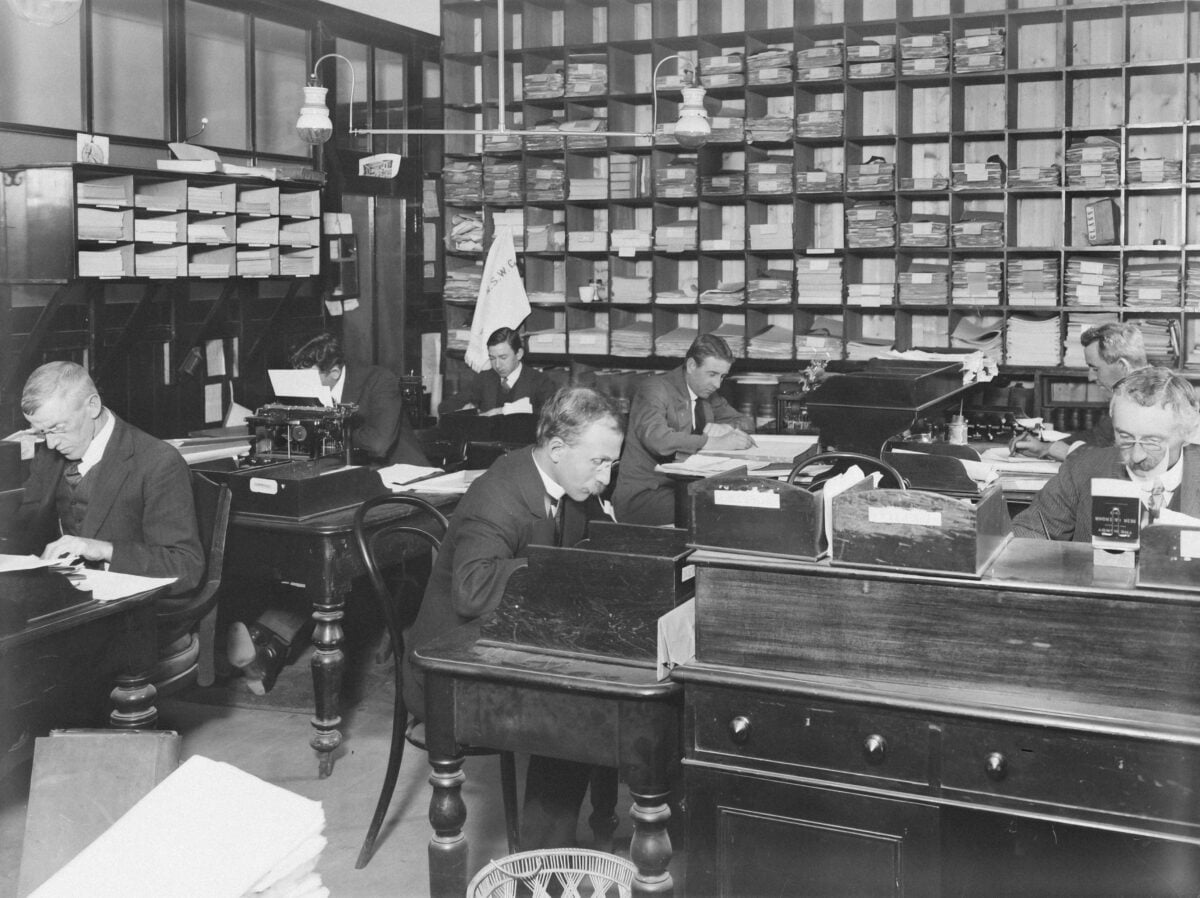
Communication moved at the speed of horses and trains until the telegraph changed everything. This photograph shows a Union telegraph office, probably in Washington, with operators hunched over their keys, tapping out messages that could change the course of battles hundreds of miles away.
The room looks chaotic—papers scattered everywhere, multiple operators working simultaneously, the controlled chaos of information warfare. Lincoln spent hours in telegraph offices, reading dispatches from the front and sending orders to his generals (much to their occasional annoyance, since he had a habit of micromanaging from afar).
The telegraph gave him something no previous wartime president had possessed: real-time information about battles as they unfolded, and the ability to coordinate strategy across multiple theaters of war simultaneously. This cramped office represents a revolution in how wars were fought and commanded.
Confederate Prisoners at Point Lookout
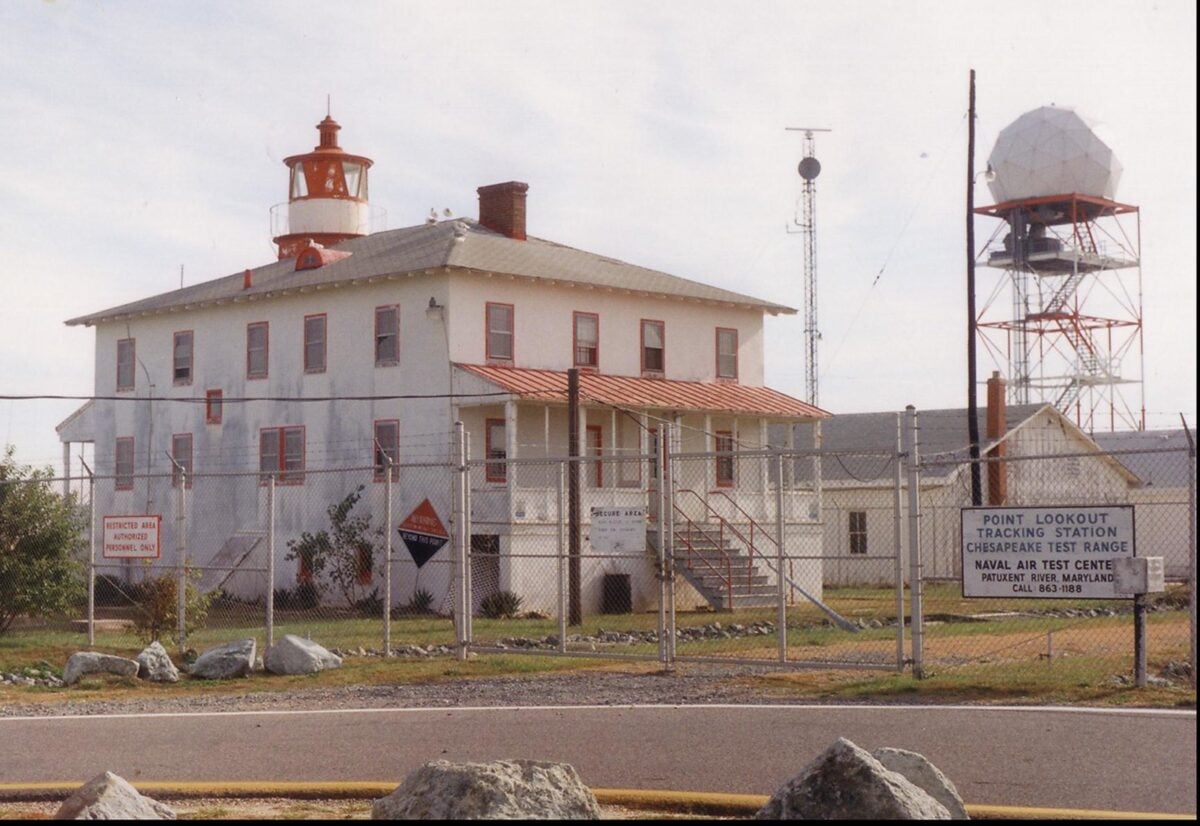
Point Lookout in Maryland housed thousands of Confederate prisoners under conditions that were, to put it charitably, inadequate. This photograph shows rows of tents stretching toward the horizon, each housing multiple prisoners who had been captured during various campaigns.
The men look gaunt and tired, wearing whatever remained of their uniforms after months or years in captivity. Prison camps on both sides were humanitarian disasters.
The North had more resources but also more prisoners to feed and house. Disease ran rampant, food was scarce, and medical care was minimal.
Yet these men survived, many of them returning home after the war to rebuild their lives and their communities. The photograph documents suffering, but also resilience.
A Union Ironclad Under Construction
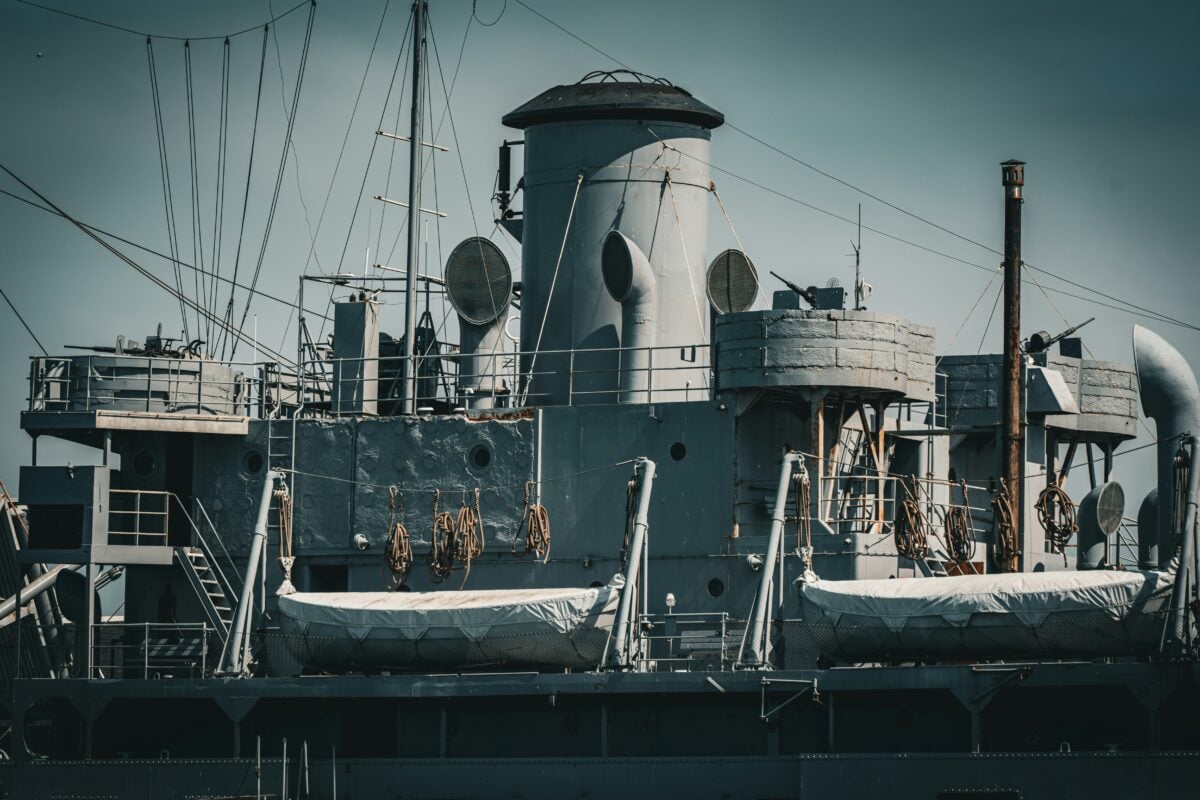
The USS Monitor gets most of the attention, but the Union built dozens of ironclad warships during the war. This photograph shows one under construction at a Northern shipyard, its iron plating partially installed, workers crawling over the hull like ants.
The vessel looks more industrial than military—all sharp angles and metal plates, nothing graceful about it. Ironclads represented a technological leap that made wooden warships obsolete overnight.
The Confederacy understood this and tried desperately to build their own iron fleet, but they lacked the industrial capacity to compete. This photograph shows why the Union won the war at sea: they could build these expensive, complex warships faster than the Confederacy could even design them.
Naval warfare would never be the same.
African American Soldiers with Their Families
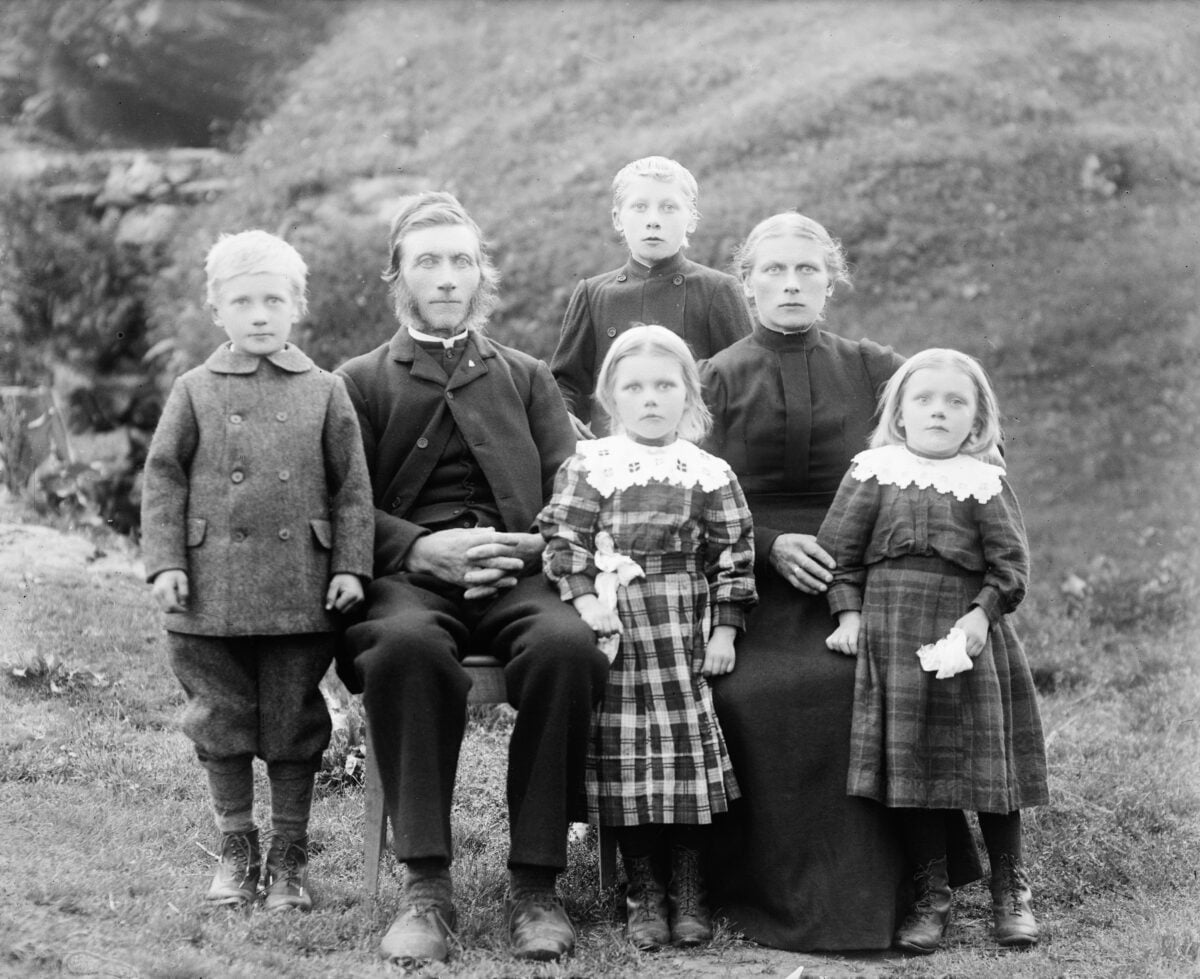
This remarkable photograph shows members of a United States Colored Troops regiment posed with their families near the end of the war. The soldiers wear their uniforms with obvious pride, while their wives and children are dressed in their finest clothes for the camera.
Everyone looks directly at the lens with dignity and determination. Nearly 200,000 African American men served in Union forces during the war, and their service was transformative—both for themselves and for the nation.
These weren’t just soldiers; they were husbands, fathers, sons, fighting for their own freedom and their families’ futures. The photograph captures a moment of triumph that had been unimaginable just a few years earlier.
These men had gone from being considered property to serving as armed defenders of the republic.
The Ruins of Richmond
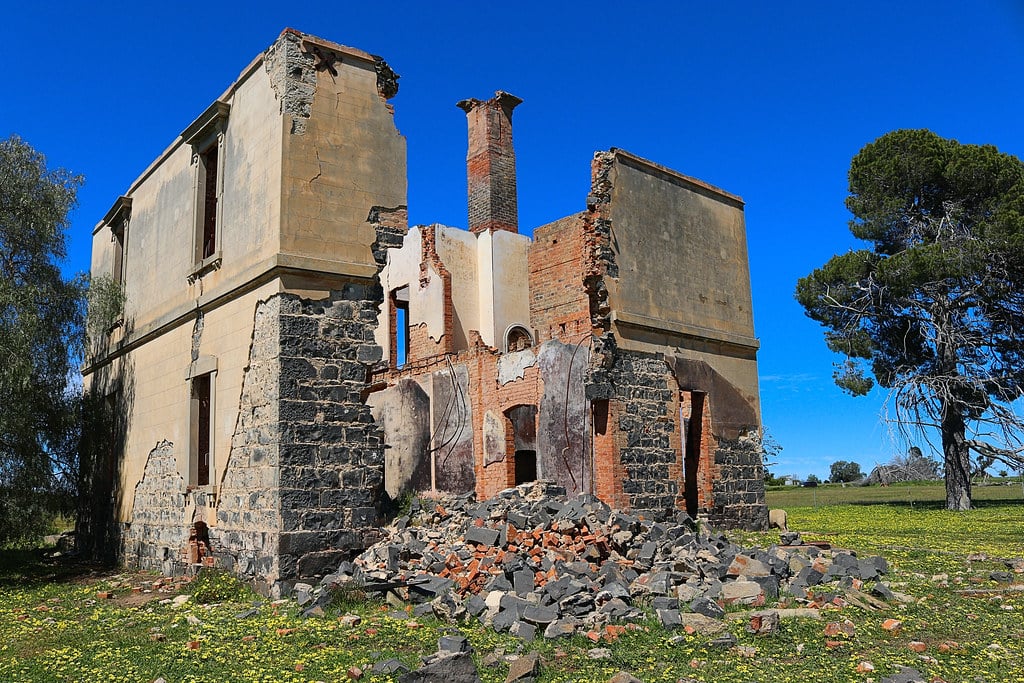
Richmond in April 1865 looked like the end of the world. Confederate authorities ordered the city’s cig warehouses and munitions depots destroyed before evacuating, but the fires spread beyond their control.
This photograph shows the aftermath—entire city blocks reduced to rubble and charred timbers, chimneys standing like tombstones among the ruins. The destruction was both symbolic and practical. Richmond had been the political and industrial heart of the Confederacy, and its fall effectively ended the war.
But the photograph also shows something else: a few people picking through the wreckage, beginning the long process of rebuilding. The war was over, but reconstruction—in every sense of the word—was just beginning.
Echoes in Silver and Shadow
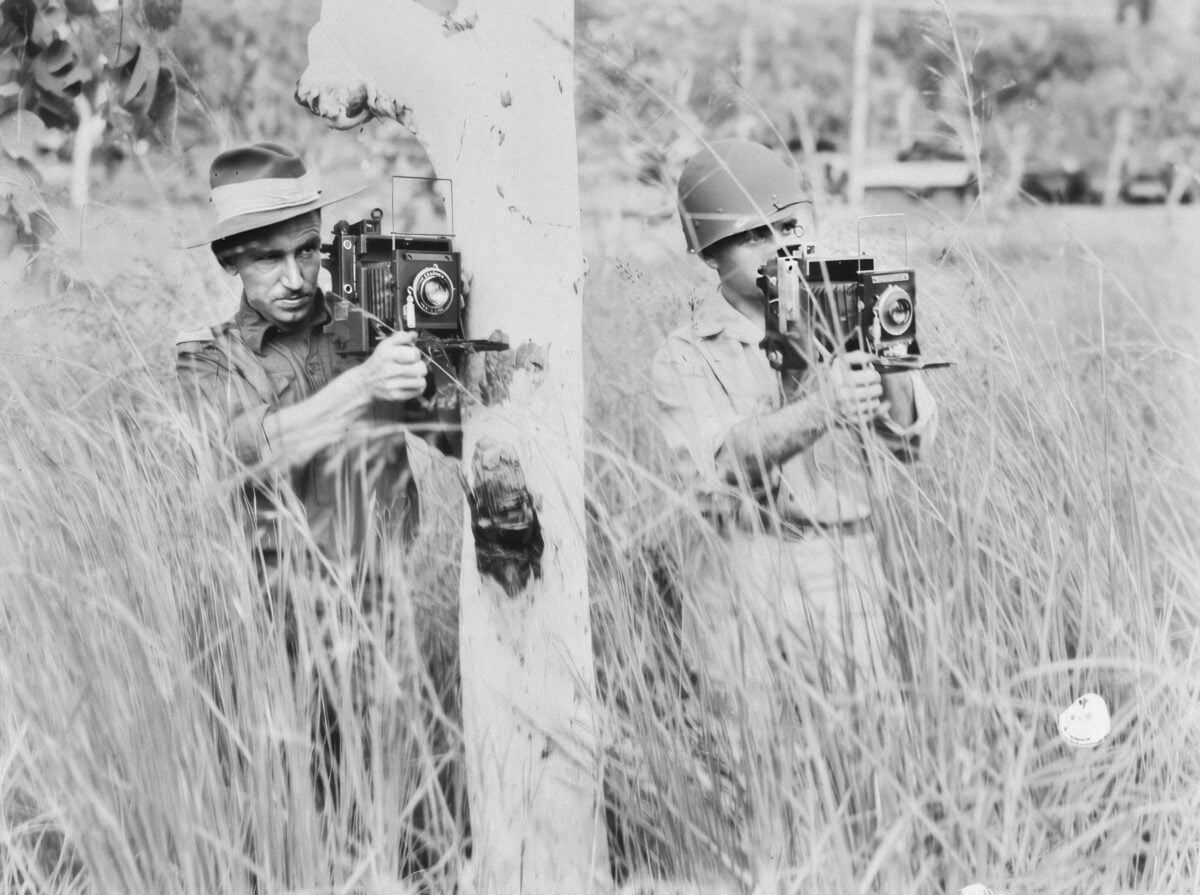
These photographs survive as witnesses to events that shaped everything that followed. The technology that captured them was primitive, requiring subjects to stand perfectly still for long exposures, yet somehow these images feel more immediate and human than many contemporary accounts.
Perhaps it’s because photographs don’t argue or justify—they simply show what was there, in that moment, under that particular light. The photographers who created these images worked under conditions that would challenge even today’s war correspondents.
They hauled glass plates and chemical baths across battlefields, developed images in makeshift darkrooms, and risked their lives to document history as it happened. Their legacy isn’t just these photographs, but the principle they established: that the public has a right to see war as it really is, not as politicians and generals prefer to describe it.
More from Go2Tutors!

- The Romanov Crown Jewels and Their Tragic Fate
- 13 Historical Mysteries That Science Still Can’t Solve
- Famous Hoaxes That Fooled the World for Years
- 15 Child Stars with Tragic Adult Lives
- 16 Famous Jewelry Pieces in History
Like Go2Tutors’s content? Follow us on MSN.