28 Attic Finds That Surprised Their Owners
Attics hold surprises that last for decades. People inherit houses, climb the stairs for the first time, and discover items that shift perceptions of family history or represent unexpected value.
Some finds connect to personal stories; others reveal that something worthless had quietly appreciated into an asset worth actual money. The best attic discoveries are those nobody knew were there.
Steamer Trunks With Hidden Contents
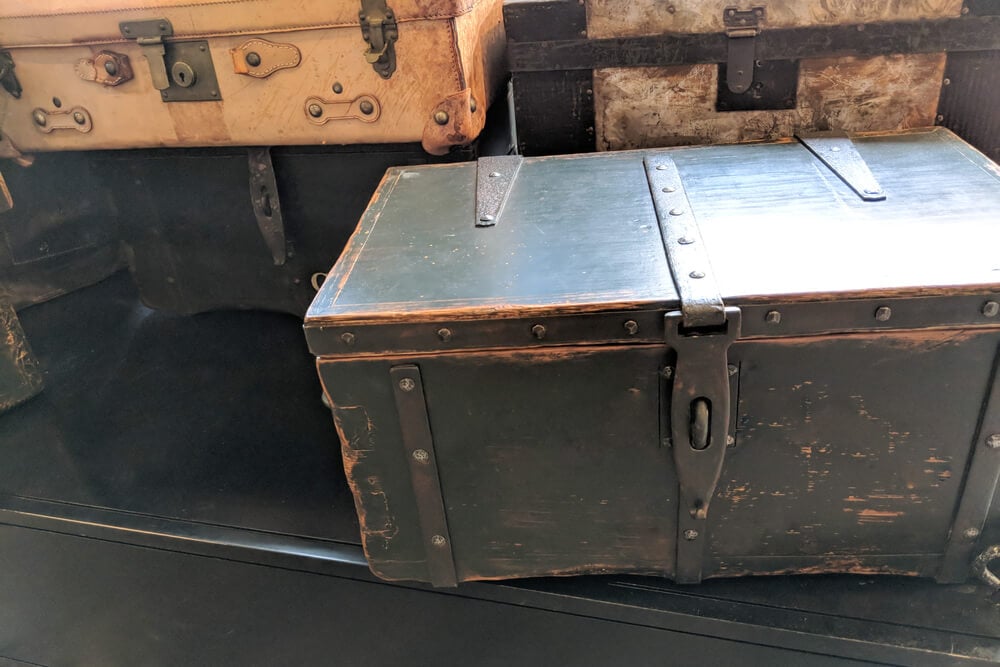
Vintage steamer trunks, particularly those with original travel stickers and interior compartments, unexpectedly contain letters, photographs, or documents that reveal family stories spanning generations. Collectors and antique dealers value these for $40 to $200 depending on condition, materials, and the potential of interior discovery.
The stories inside matter more than the trunk itself.
Collections of Vintage Film Reels

Reels of home film footage stored in attics—Super 8 or 16mm—represent moments that nobody documented digitally. Families discover that their grandfather’s 1960s vacation footage or their parent’s wedding video is worth preserving through professional transfer services.
A single reel can recover $200 to $500 in transferred content value.
Original Vinyl Records in Condition
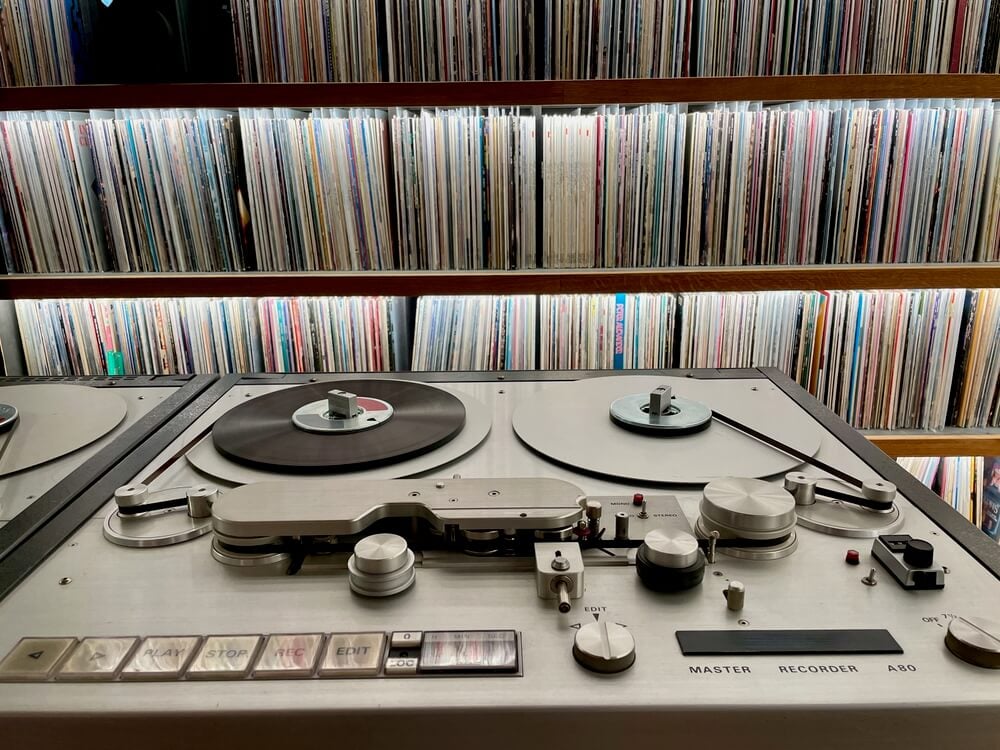
Albums stored in attics—particularly those in original sleeves with gatefold covers—often appreciate beyond anyone’s expectations. A single copy of a pressing variation or limited edition album sells for $50 to $500 on the collector market.
Families discover that Dad’s record collection, forgotten in a corner, represents liquid assets worth thousands.
First Edition Books on Forgotten Shelves
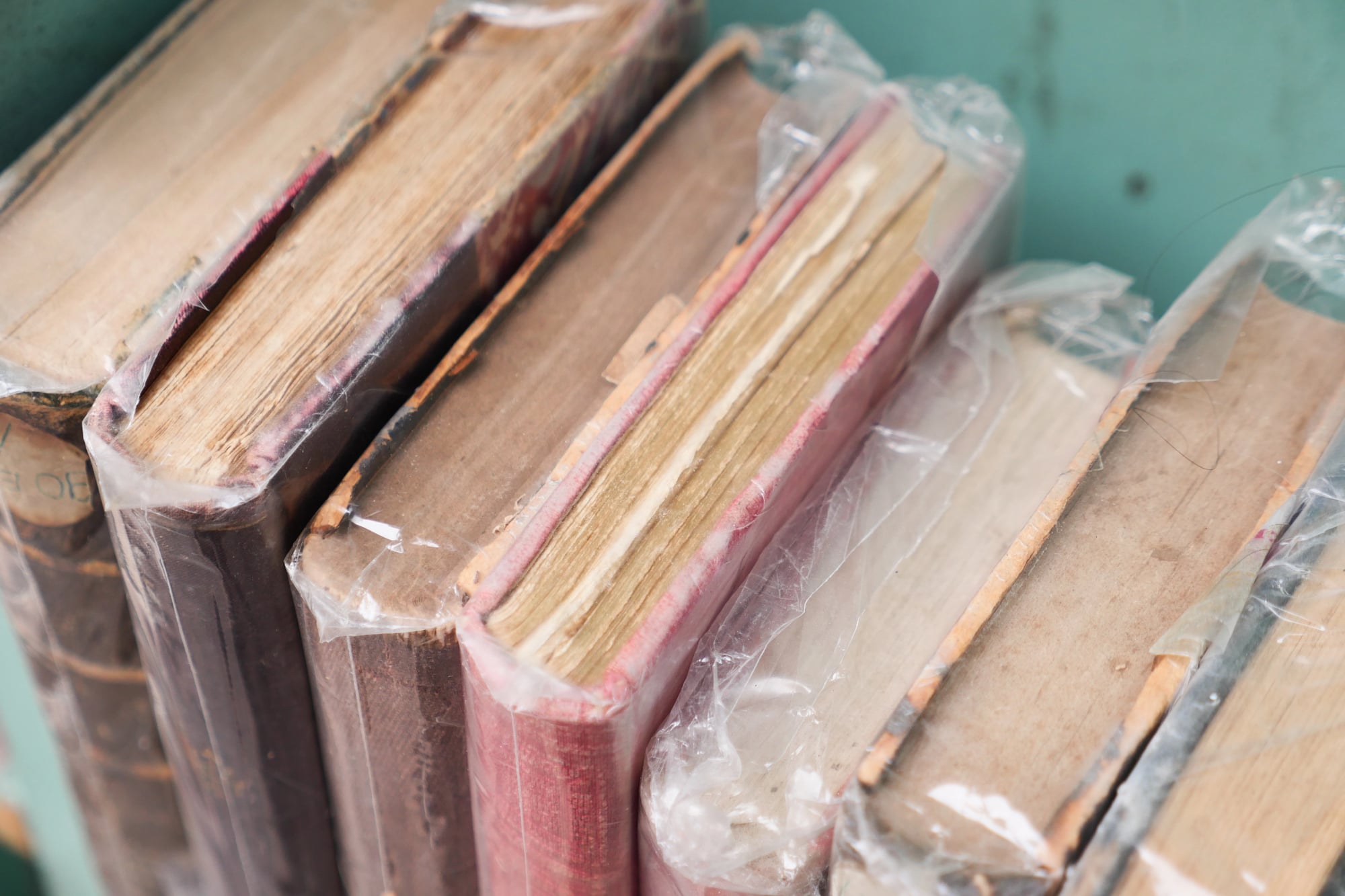
Attics frequently hide first editions that appreciated silently over decades. A first edition of a Hemingway, Fitzgerald, or other canonical author in good condition can be worth $50 to $5,000 depending on title and edition specifics.
Families stumble upon these and realize that the books were never moved because moving felt permanent.
Photographs in Boxes

Original photographs—particularly those from the 1920s through 1960s—stored in attics preserve moments that families never digitized or shared. A single photograph from a significant event or featuring unknown subjects can be worth $15 to $200 to historical photo collectors or genealogy researchers.
Attics are photograph morgues.
Vintage Leather Suitcases With Original Content
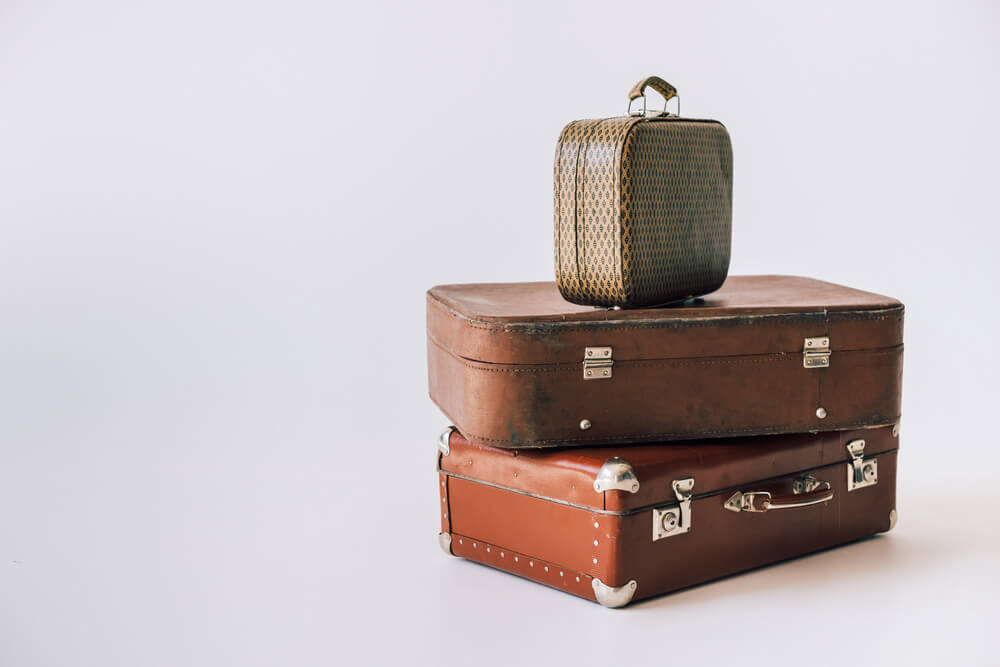
Suitcases from the 1930s through 1960s, particularly when they contain original travel documents, boarding passes, or luggage tags, unexpectedly reveal family travel history. The cases themselves sell for $20 to $100; the contents transform them into historical documents worth significantly more to family members or travel history collectors.
Handwritten Recipe Books and Diaries
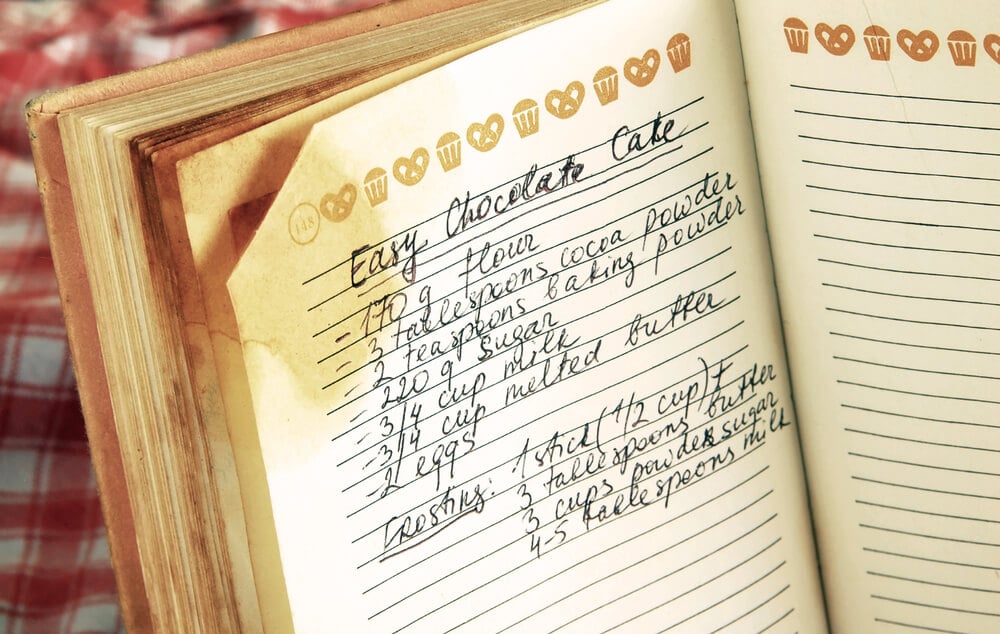
Attics protect handwritten recipe collections, family journals, and daily diaries that nobody knew existed. A professionally bound recipe book with decades of handwritten entries can sell for $30 to $150 to collectors of culinary history, or it becomes invaluable to family members discovering ancestral food traditions.
Diaries function similarly—revealing family history that was never verbalized.
Military Uniforms and Insignia

World War II and Korean War uniforms stored in attics, particularly when accompanied by photographs, medals, or discharge papers, unexpectedly become valuable documentation of family service. A single uniform can be worth $50 to $300 to military collectors, but the research value to families exceeds the financial value.
Estate Jewelry Hidden in Compartments
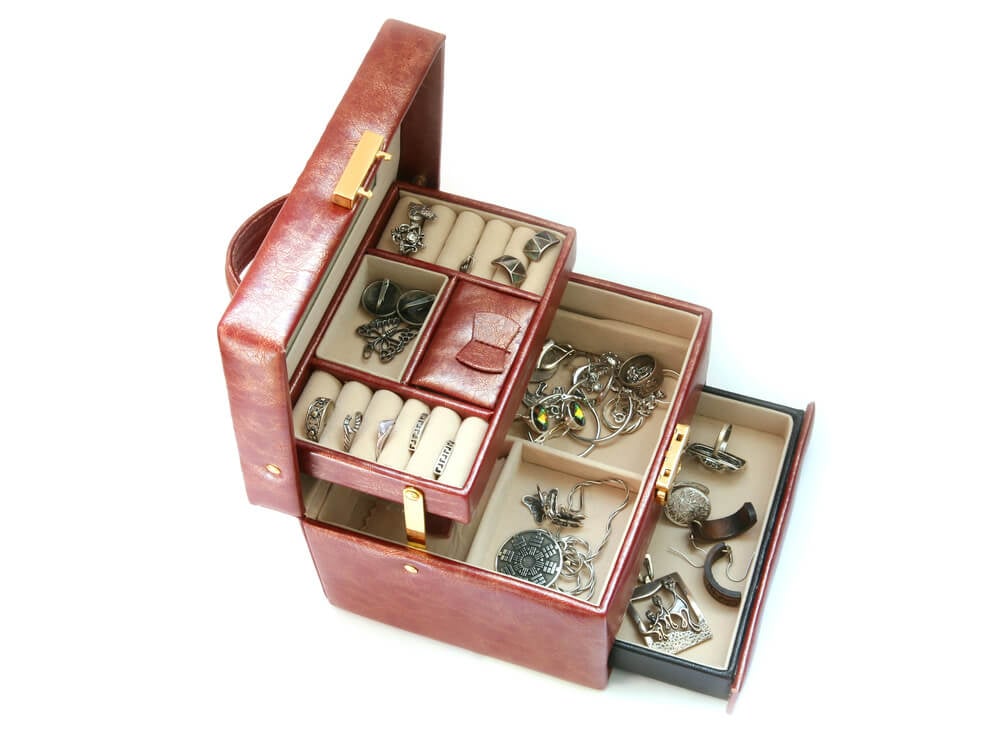
Attics frequently house jewelry boxes containing pieces that nobody knew were valuable. Pieces made before 1980, particularly those with precious metals and genuine gems, can represent $500 to $5,000 in value that was forgotten because someone stored it and never retrieved it.
Inheritance discovery moments include finding that necklace was worth more than expected.
Vintage Medical Equipment and Scientific Instruments
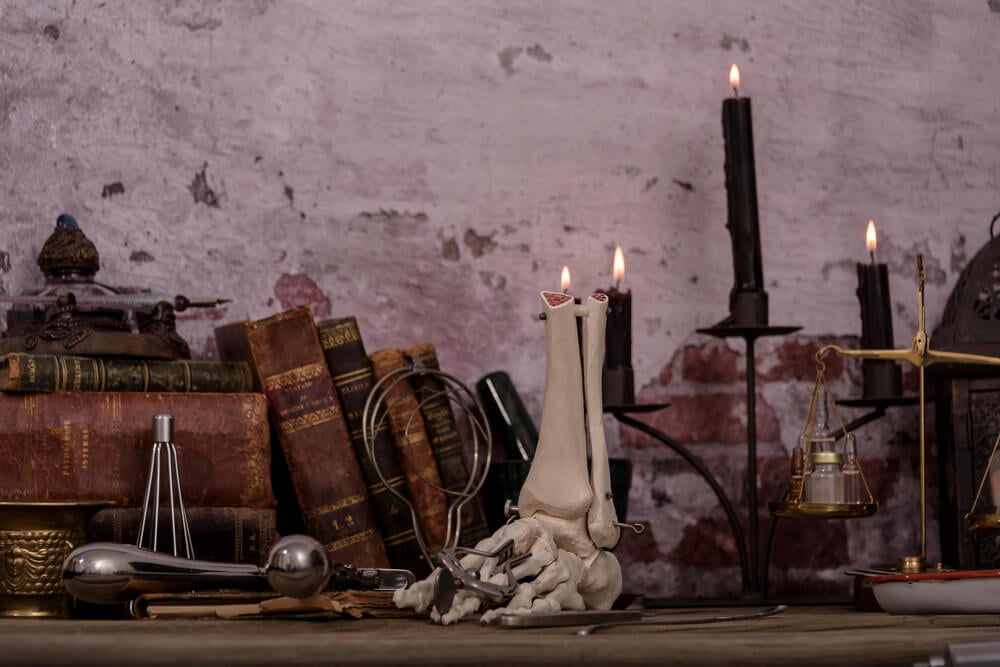
Attics holding vintage medical instruments, scientific equipment, or laboratory glassware often host collectors willing to pay $20 to $200 per item for pieces representing the history of scientific practice. A single Civil War-era surgical kit can be worth $100 to $500 to medical history collectors.
Handbound Textbooks and Manuscripts

Attics sometimes protect handwritten textbooks or manuscripts, particularly those featuring scientific illustrations, mathematical proofs, or historical information. A single handbound manuscript can be worth $50 to $500 depending on age, content, and condition.
Educational institutions sometimes purchase these for archival purposes.
Vintage Musical Instruments
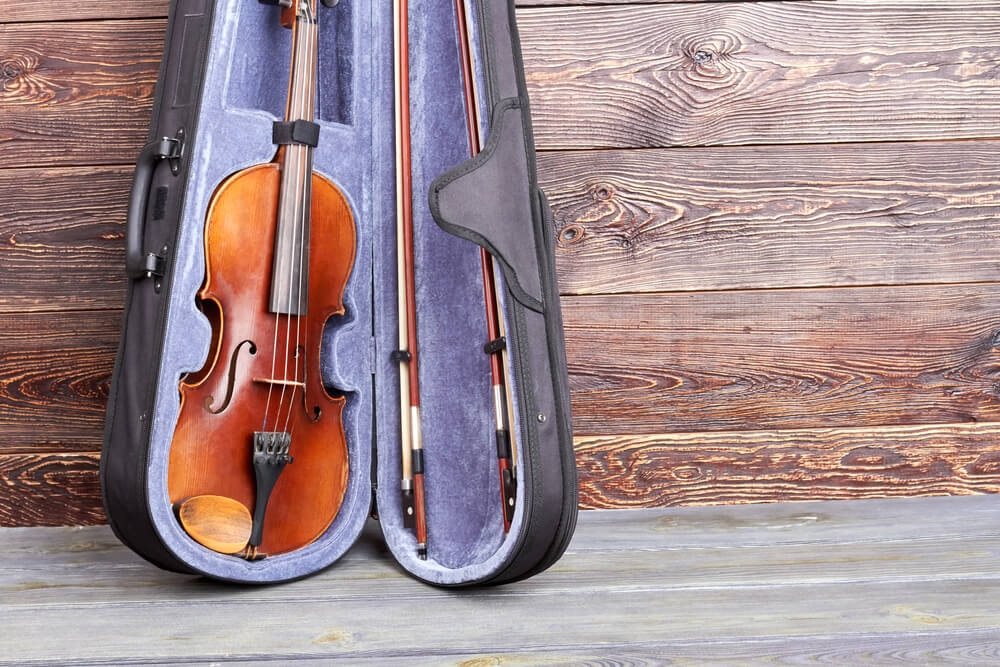
Attics protect instruments stored for decades—acoustic guitars, violins, pianos, or wind instruments—that nobody thought to mention when asking “anything valuable up there?” A vintage acoustic guitar in playable condition can be worth $100 to $1,000; a quality violin significantly more.
Musicians discover instruments that appreciated silently.
Vintage Taxidermy Specimens
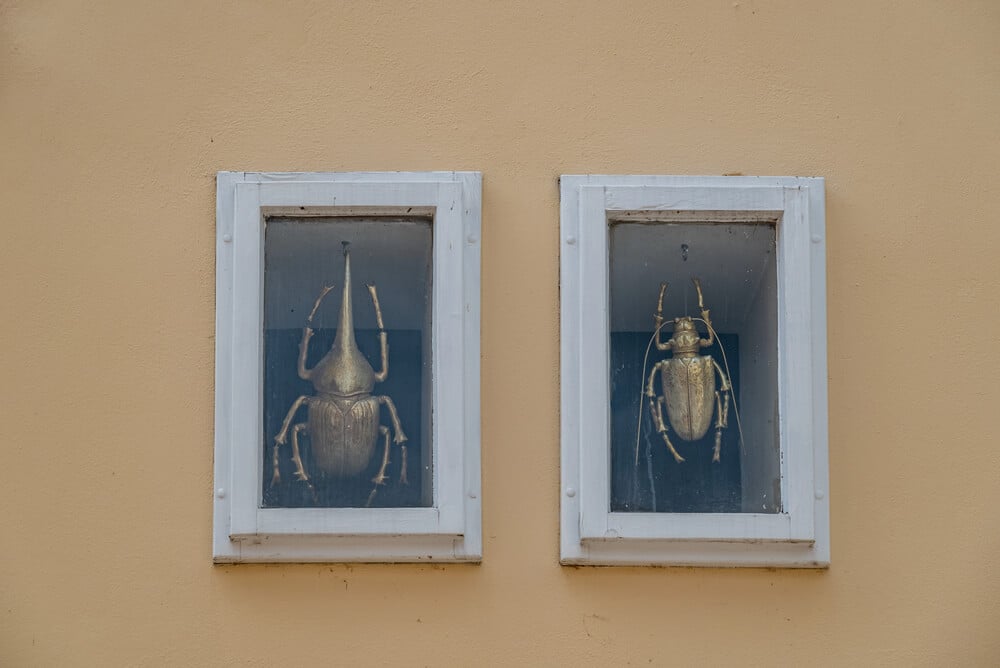
Taxidermy pieces—bird mounts, small animal displays, or naturally curious creatures—stored in attics sometimes represent significant craftsmanship and rarity. A single well-executed mount can be worth $30 to $300 to collectors, decorators, or institutions building natural history collections.
Taxidermy endures in ways that fresher materials don’t.
Vintage Business Records and Documentation
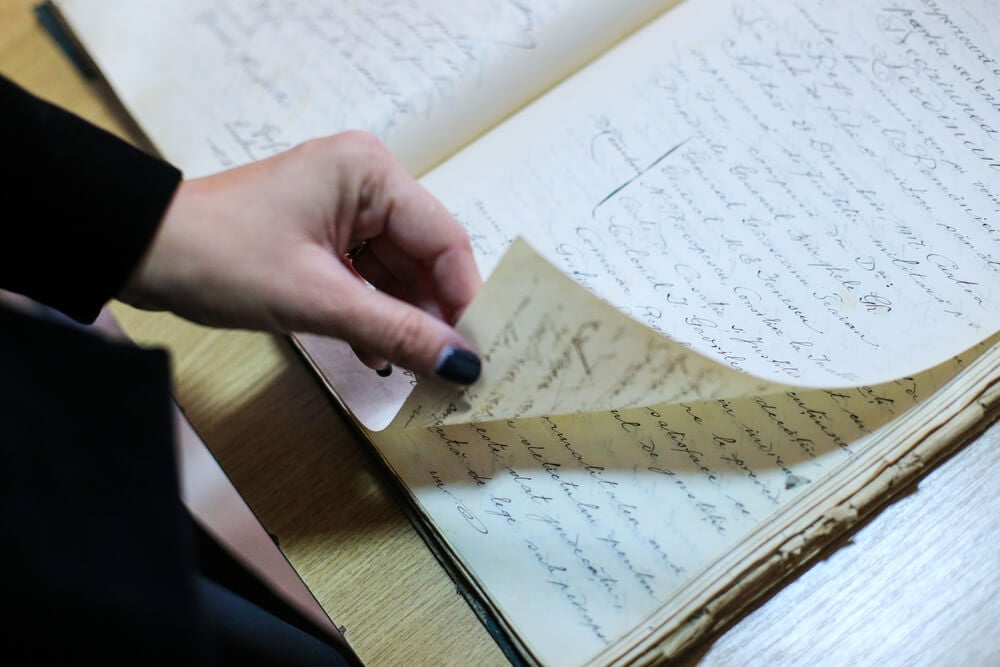
Attics holding complete business records from defunct family enterprises—account ledgers, invoices, correspondence—unexpectedly become valuable to local historians and researchers. A collection representing a century of business operation can be worth $50 to $500 to institutions documenting local commerce history.
Pressed Flower Collections and Herbarium Sheets
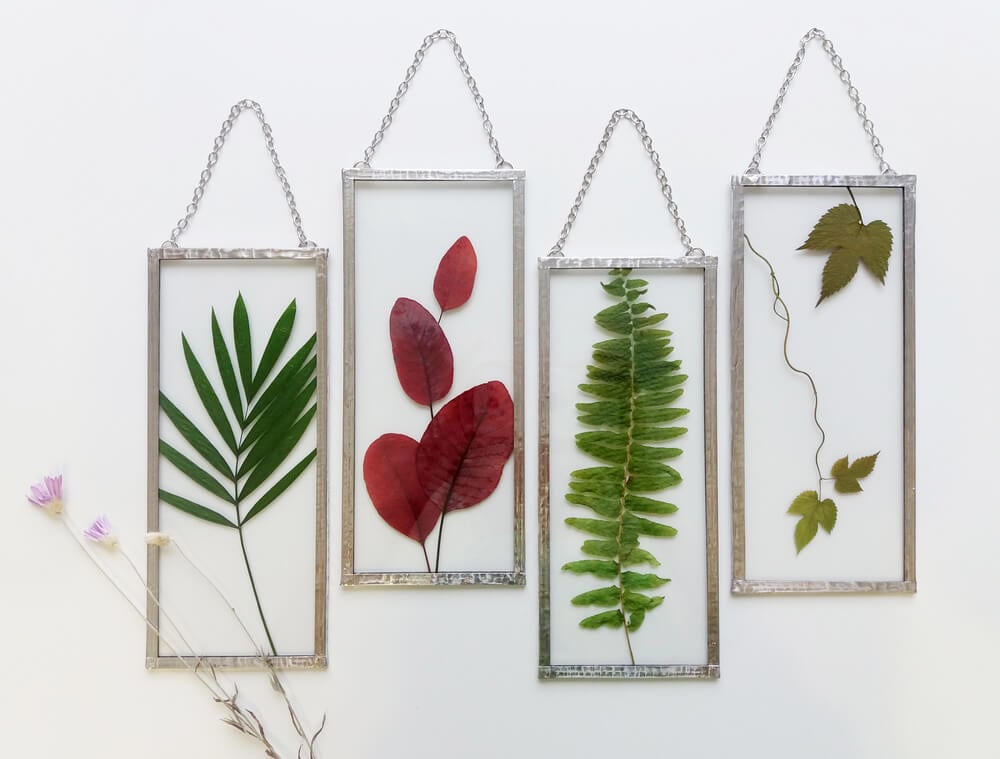
Victorians frequently created pressed flower collections and herbarium sheets that were stored for preservation. These unexpectedly attract botanical illustration collectors and historians.
A well-organized pressed flower collection can be worth $20 to $150 to collectors of natural history materials.
Vintage Photographic Plates and Negatives
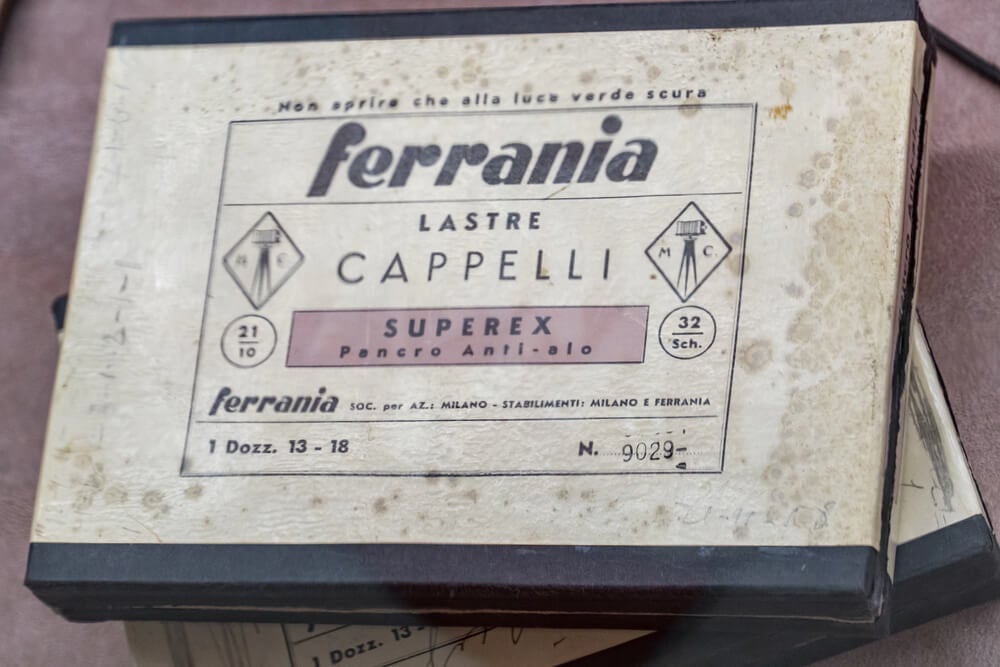
Glass photographic plates and negatives stored safely in attics represent images that digital photography will never capture with the same qualities. A collection of quality negatives can be worth $50 to $500 to collectors, and the images often exceed the financial value when professionally restored.
Handwritten Maps and Cartography
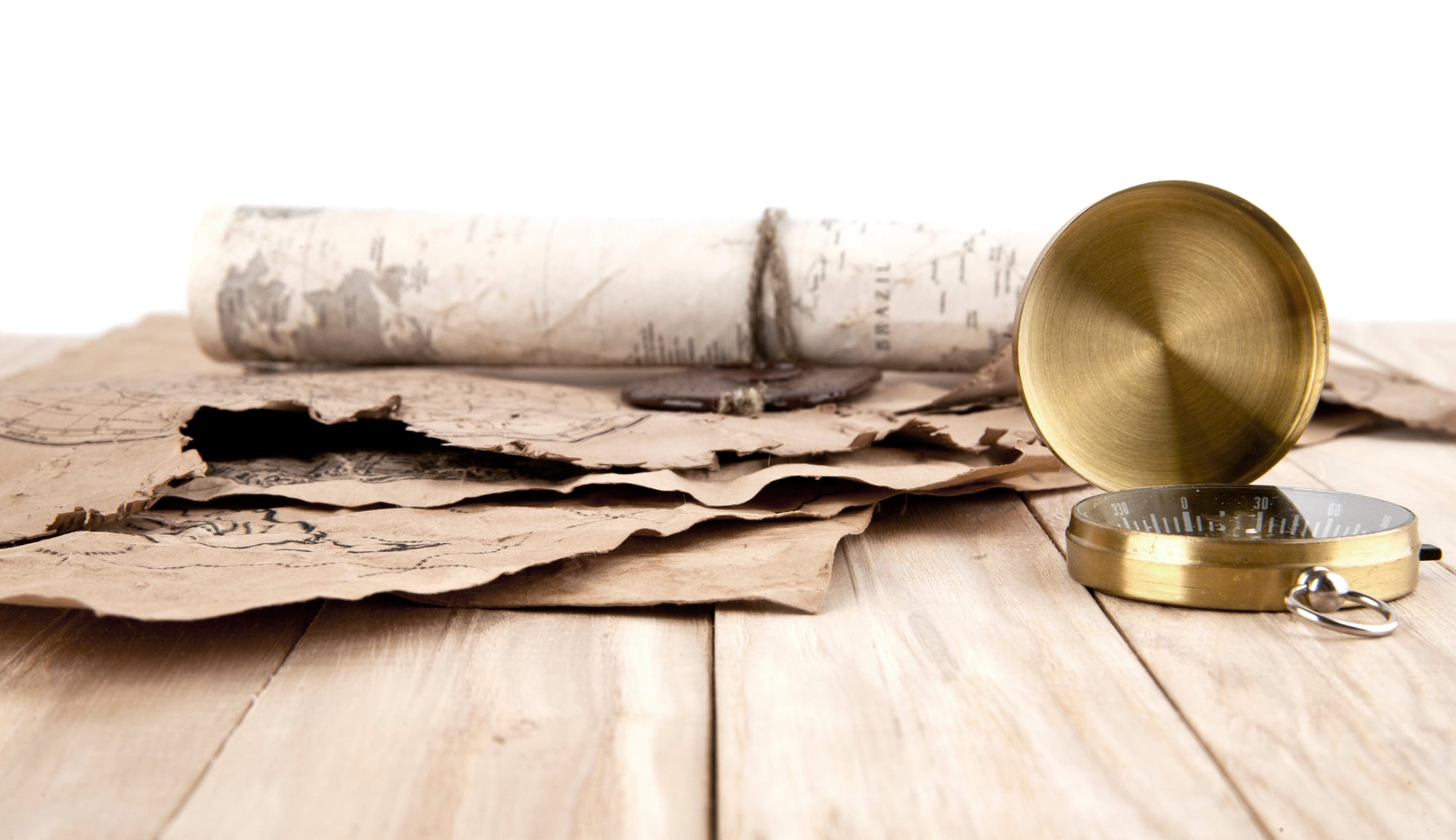
Attics sometimes protect handwritten maps, surveys, or cartographic documents from the 18th and 19th centuries. These unexpectedly attract map collectors and institutions building historical collections.
A single quality map can be worth $20 to $200 depending on age, accuracy, and rarity.
Vintage Postcard Collections
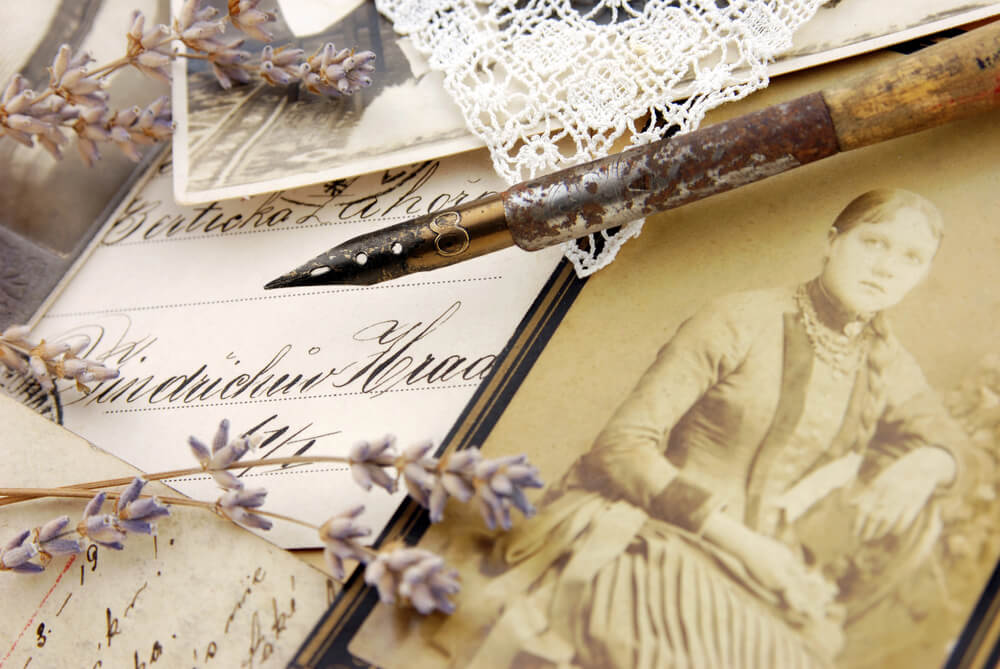
Collections of postcards—particularly those with messages on the back from specific time periods—stored in attics sometimes contain rare printings or images from vanished locations. A collection representing a specific geographic area or time period can be worth $50 to $300 to collectors of ephemera and historical documentation.
Handwritten Sheet Music and Compositions

Attics protecting handwritten musical compositions—particularly those in professional notation or with identifiable signatures—occasionally contain work by minor or significant composers. A single page of quality handwritten composition can be worth $15 to $100 to music historians and collectors.
Vintage Eyeglass Collections

Attics sometimes house collections of antique eyeglasses, spectacles, or optical devices spanning decades. A single pair of 18th or 19th century spectacles can be worth $15 to $100 to collectors of optical history and medical instruments.
The craftsmanship surprises modern viewers.
Original Artwork and Sketches

Attics protect paintings, drawings, or sketches that nobody knew had artistic or financial value. A single work by an identified artist, even a minor one, can be worth $50 to $500; unidentified work by technically skilled hands can sell for $15 to $100 at estate sales.
Families stumble upon hidden art careers.
Vintage Correspondence Collections

Collections of letters—particularly those spanning decades or featuring correspondence from notable people—stored in attics represent historical documentation. A collection representing a specific time period, geographic area, or social group can be worth $30 to $200 to historians and collectors of ephemera.
Original Advertising Materials and Ephemera
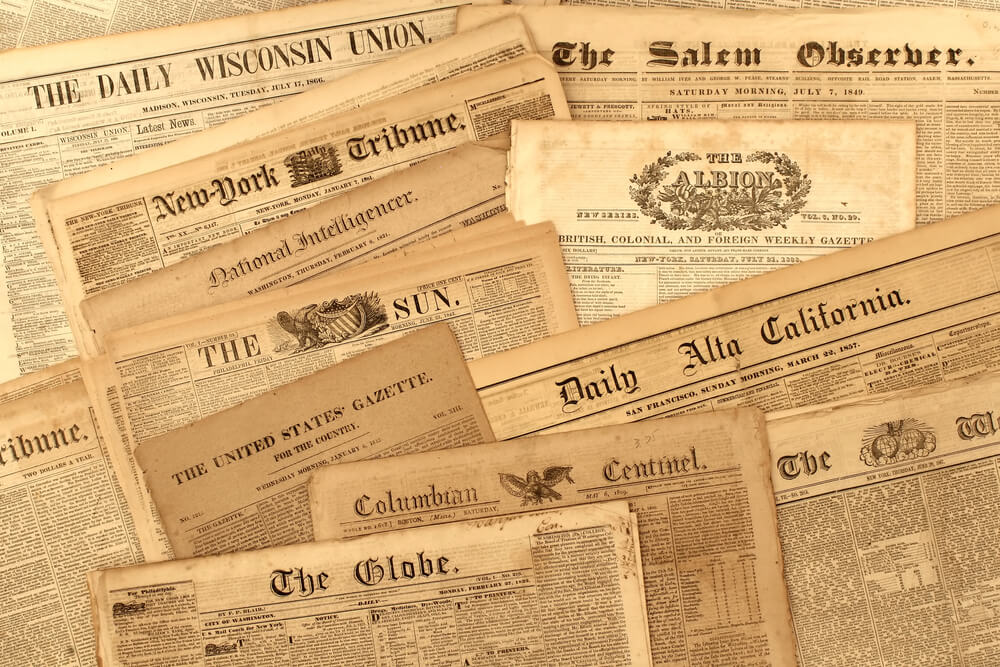
Attics frequently protect vintage posters, advertisements, or promotional materials stored to preserve condition. A single poster from the 1930s through 1950s can be worth $20 to $200 depending on subject matter, artist, and condition.
Vintage advertising represents design history that museums actively collect.
Scientific Illustration Books

Beautifully illustrated scientific books—particularly those featuring hand-colored plates, natural history illustrations, or anatomical drawings—stored carefully in attics appreciate because high-quality color printing predates modern reproduction. A single volume can be worth $50 to $300 to collectors of scientific illustration and natural history.
Collections of Vintage Currency and Coinage
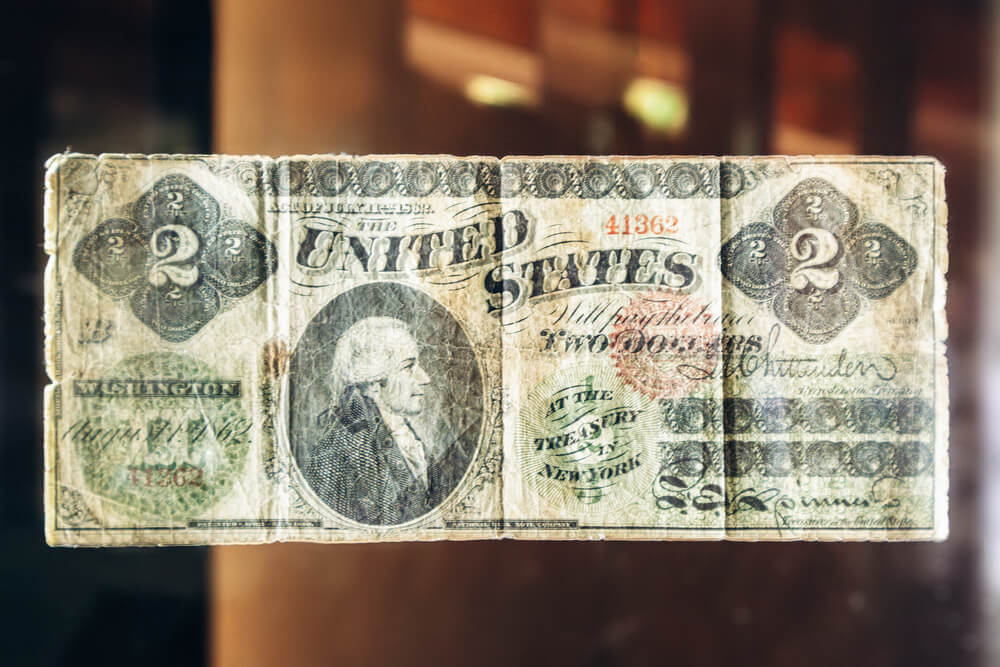
Attics sometimes house collections of foreign currency, old American coins, or rare currency issues. A collection spanning decades can be worth $100 to $1,000 depending on rarity and condition.
Numismatists actively seek well-organized historical collections.
Vintage Quilt Collections
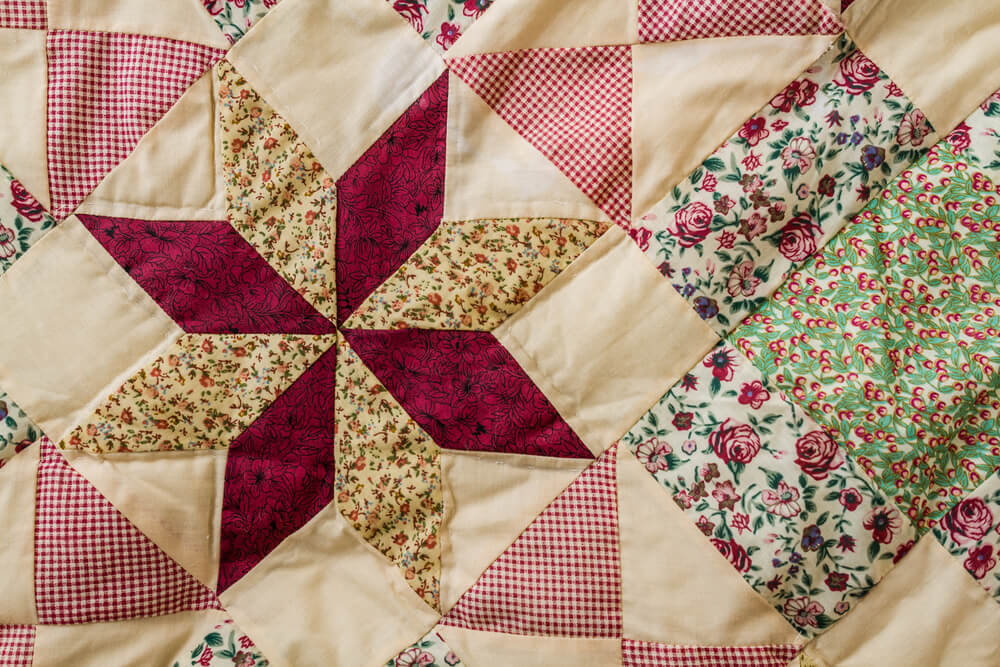
Handmade quilts stored in attics—particularly those predating 1950 and featuring complex patterns or quality craftsmanship—unexpectedly become valuable. A single quality quilt can be worth $50 to $300; a collection representing different patterns or time periods can represent $1,000 to $5,000 in total value.
Textile collectors actively seek these.
Original Blueprints and Architectural Drawings
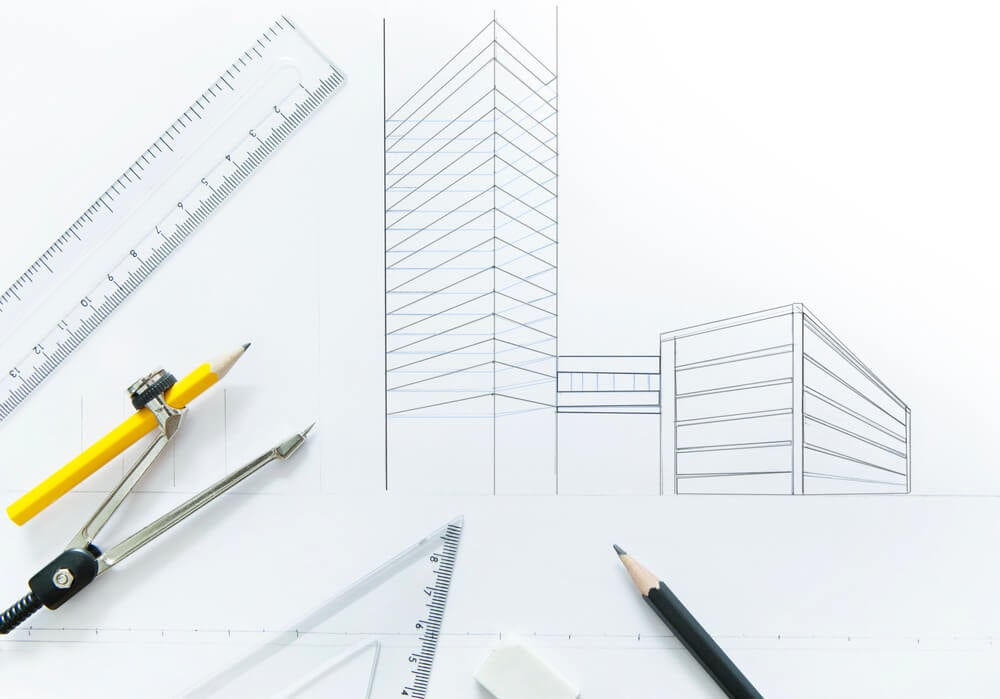
Blueprints and architectural drawings for historic buildings—particularly when they document structures no longer extant—stored in attics unexpectedly become valuable to architectural historians and preservation organizations. A single set of plans can be worth $20 to $150 to institutions documenting local architectural history.
Vintage Scrapbooks and Ephemera Collections

Attics protecting handmade scrapbooks—particularly those documenting specific time periods, events, or communities—represent unique primary source materials. A single well-organized scrapbook can be worth $20 to $100 to collectors and institutions, but the research value often exceeds financial value.
The Revelation Moment
Attics hold what previous generations preserved but didn’t explain. Discoveries happen unexpectedly—opening a trunk, finding a box, noticing something forgotten in a corner—and suddenly recognizing that what was supposed to be worthless actually contained something valuable, or something worse and more interesting: it contained the family story nobody bothered to record.
More from Go2Tutors!

- The Romanov Crown Jewels and Their Tragic Fate
- 13 Historical Mysteries That Science Still Can’t Solve
- Famous Hoaxes That Fooled the World for Years
- 15 Child Stars with Tragic Adult Lives
- 16 Famous Jewelry Pieces in History
Like Go2Tutors’s content? Follow us on MSN.



