33 Habits From Growing Up That Adults Still Can’t Shake
There are things people do every day that they couldn’t fully explain if asked. Small behaviors that arrived in childhood without announcement and simply never left — wired in during a period when the brain was still working out how the world operated and apparently decided that this particular habit was going to be part of the permanent arrangement. Some of them are genuinely useful. Some are completely irrational. Most fall somewhere in between, which is probably why they’ve survived.
The interesting thing about these habits is that they tend to emerge only when someone points them out. The person doing them has long since stopped noticing, which is exactly what made the habit stick in the first place — it became automatic at an age when things go automatic easily, and nothing since then has provided sufficient reason to interrupt it.
Avoiding Cracks in the Pavement

Step on a crack, break your mother’s back. No adult who repeats this habit actually believes in the structural relationship between pavement and parental spines, but the slight skip or step-adjustment happens anyway. The body memorised the rule before the brain was old enough to interrogate it, and by the time the interrogation happened, the habit was already load-bearing. Grown adults have been caught mid-stride, adjusting their step on an empty footpath, with no one watching at all.
Holding Your Breath Through Tunnels
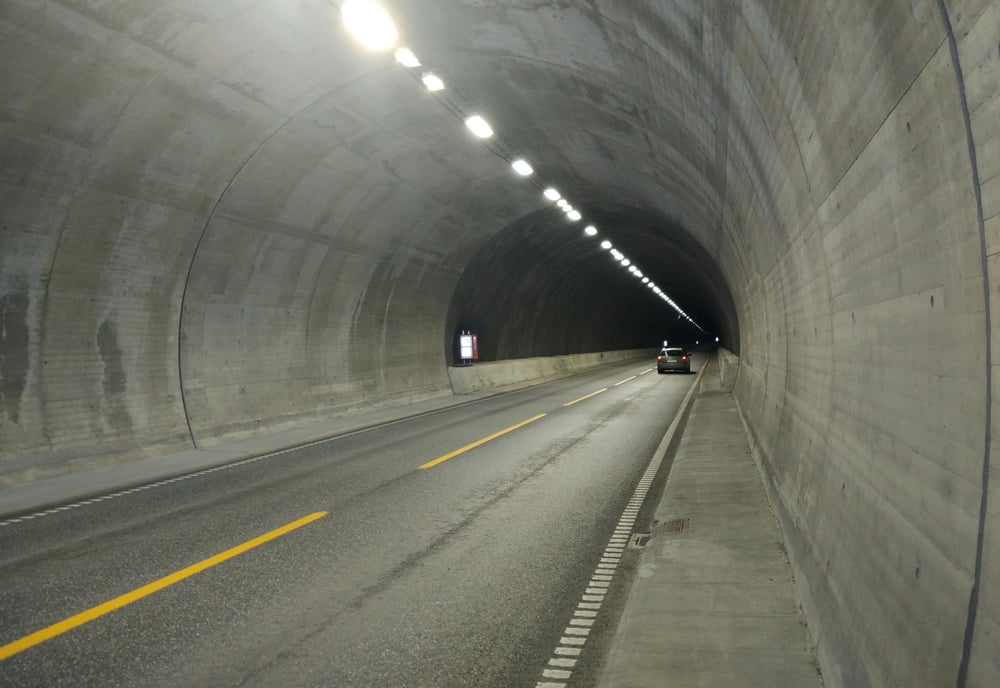
Some families made a game of holding their breath when the car went through a tunnel or under a bridge. The rationale was never stated clearly — it was just a thing you did, lungs emptying as the light changed, cheeks filling while the road noise became hollow. Adults who were never told a reason for it still do it, exhaling on the other side with the same quiet satisfaction they felt at eight, and occasionally alarming passengers who weren’t raised with the same tunnel protocol.
Checking Under the Bed Before Sleeping
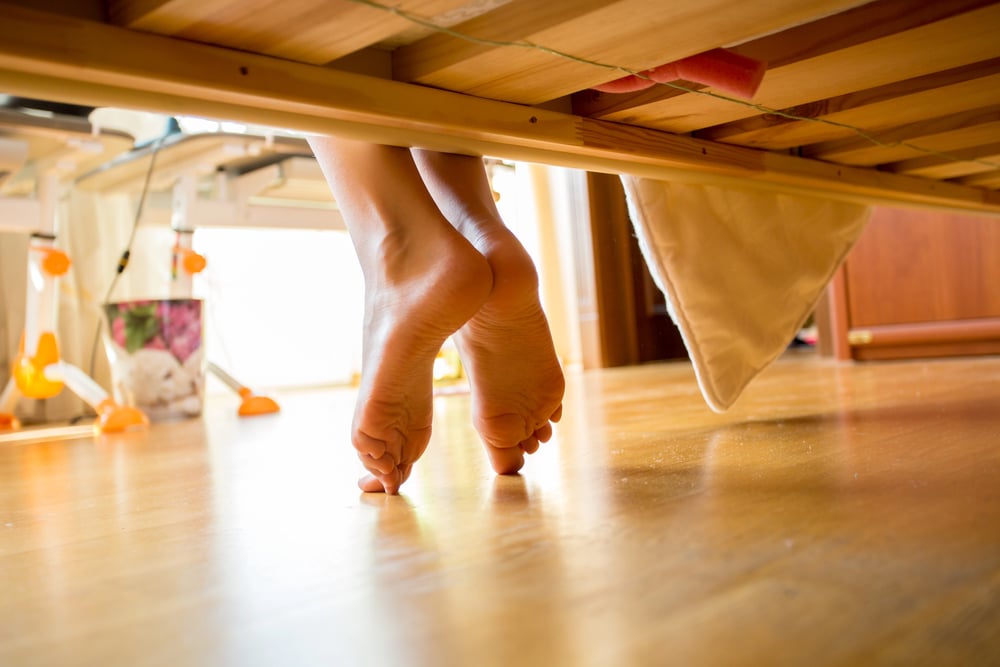
The specific architecture of what might be under a childhood bed was rarely examined in daylight. But at night, the gap between mattress and floor became something that required verification. Adults who grew up with this habit tend to have their own version — a glance, a dangled foot, a quick visual scan before settling. They know there’s nothing there. They check anyway.
Eating the Crusts Last

Whether crusts were saved, traded, cut off, or eaten first was a childhood food philosophy that had nothing to do with taste and everything to do with order. Kids who ate the inner soft part first and worked outward developed a particular relationship with crusts that generally persisted into adulthood. Some people eat their least favourite part of anything first to get it out of the way. Others reward themselves with it at the end. Both camps formed in childhood and are not easily reconverted.
Reading Every Sign You Pass
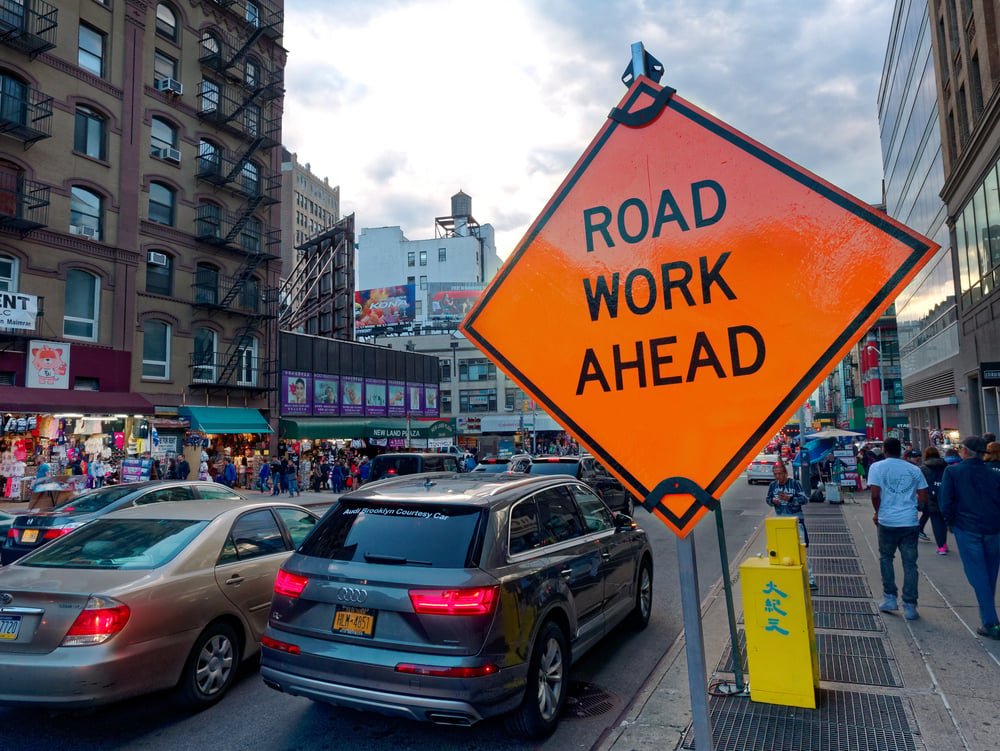
Kids who were learning to read read everything — signs on trucks, side of buildings, labels on cereal boxes, the menu on the wall behind the counter at restaurants. The habit of reading every available piece of text in the environment was a developmental phase that turned, for many people, into a permanent attention pattern. Adults who cannot ride a train without reading the advertisements above the windows or who find themselves halfway through the text on a condiment bottle before they’ve noticed they started are still running the same reading programme installed in early childhood.
Choosing the Seat With the Best View of the Door

This one might have a more complex origin than most. Kids who grew up in unpredictable households, or who simply liked to know what was coming, often developed a habit of positioning themselves in rooms so they could see who came in. Cafeteria tables, waiting rooms, restaurant booths — the preferred seat was always the one facing the entrance. In adulthood, this habit often passes as preference rather than habit, but the same child is choosing the same seat.
Saving the Best for Last
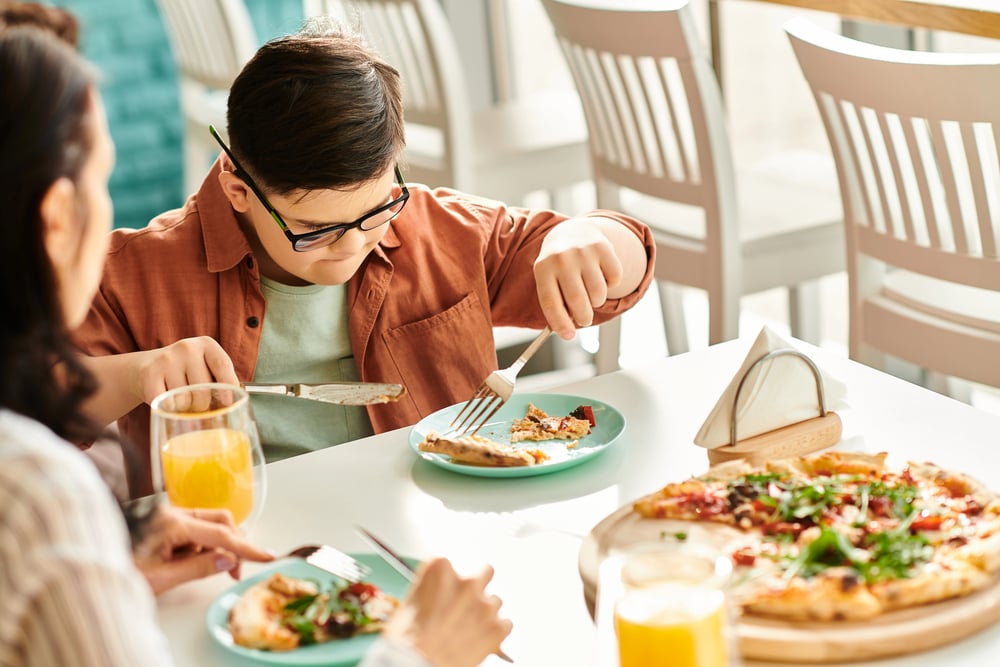
In food, in activities, in the arrangement of a plate — the habit of sequencing experience so that the most appealing element comes at the end was learned early and refined over years. Kids who ate their vegetables before their chips, who read the least interesting chapter before the most interesting one, who wore their everyday clothes on the way to an event and changed on arrival, were practicing a kind of self-designed reward architecture. The adult version is identical. The justification is more sophisticated.
Mouth-Breathing Silently When Concentrating
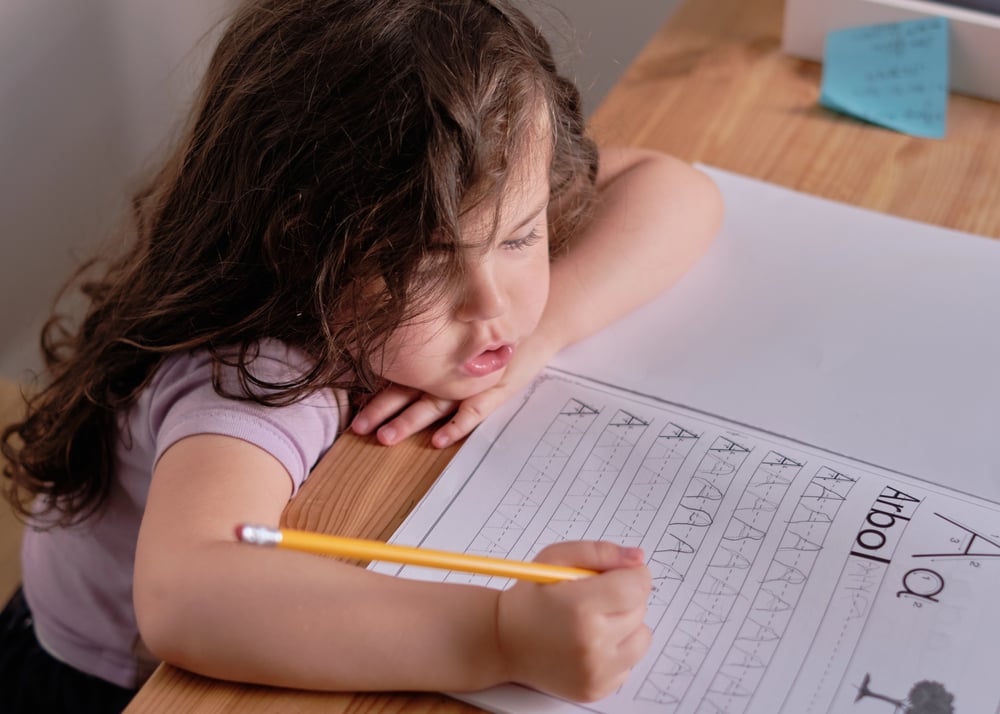
A child doing a puzzle or colouring something with attention often fell into a specific kind of focused silence — mouth open, breath slow, the whole body oriented toward the task. Adults at keyboards, drawing, writing, or building something sometimes still do this. It is almost never conscious. Partners of such people notice it first and point it out, at which point the person becomes briefly self-aware before returning to the same position within minutes.
Narrating What You’re Doing Quietly
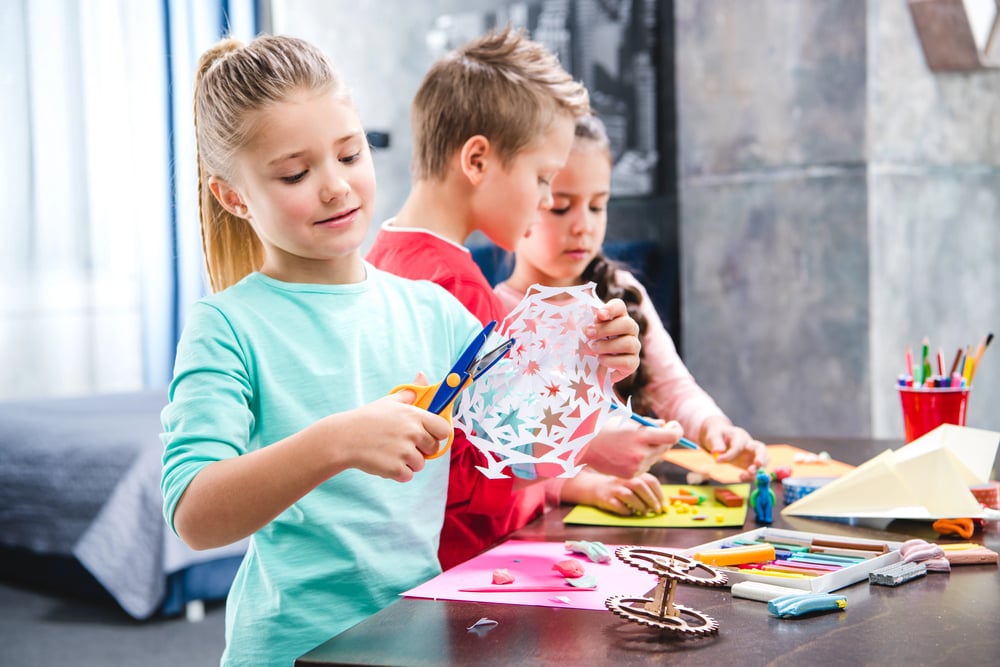
Very young children narrate as they play — a running commentary on actions and intentions spoken partly to themselves and partly to an imaginary audience. Most adults suppress this in public. Many have never fully stopped doing it in private. The person cooking dinner who says “now we add the garlic” to an empty kitchen is not performing for anyone. They’re just still going.
Sleeping With Something
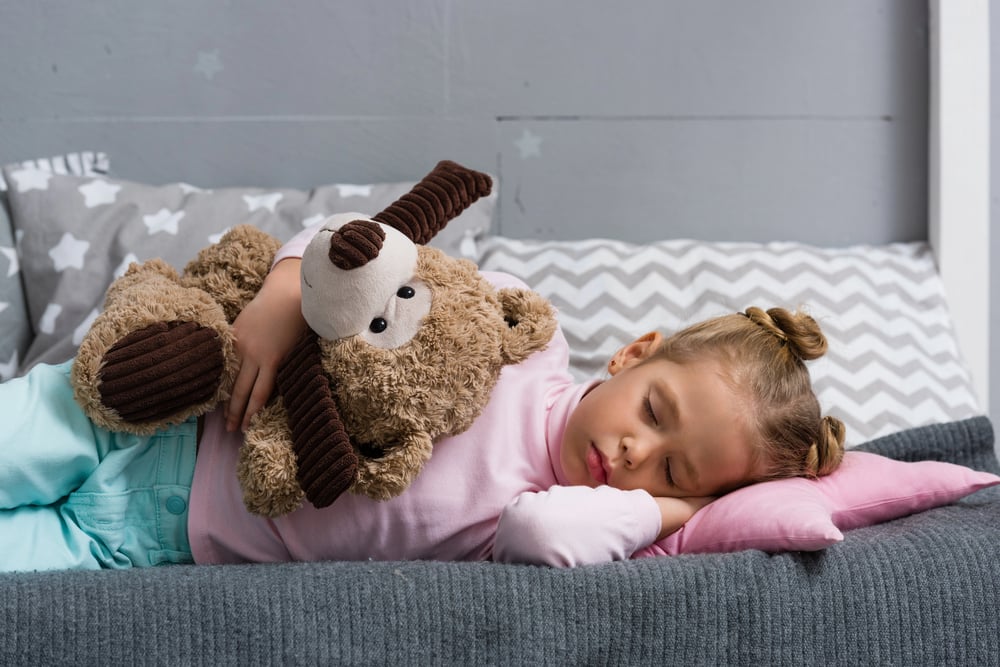
A blanket, a specific pillow, a stuffed toy kept at the back of a cupboard — childhood sleep objects were comfort anchors that many adults never entirely let go of. The objects change and are rarely displayed, but the pattern remains: something familiar, something that has been there before, something that makes the transition into sleep slightly smoother. Research on sleep routines consistently finds that consistency aids rest, which means the childhood habit of the comfort object was, in practice, good sleep hygiene all along.
Sorting Things Before Using Them
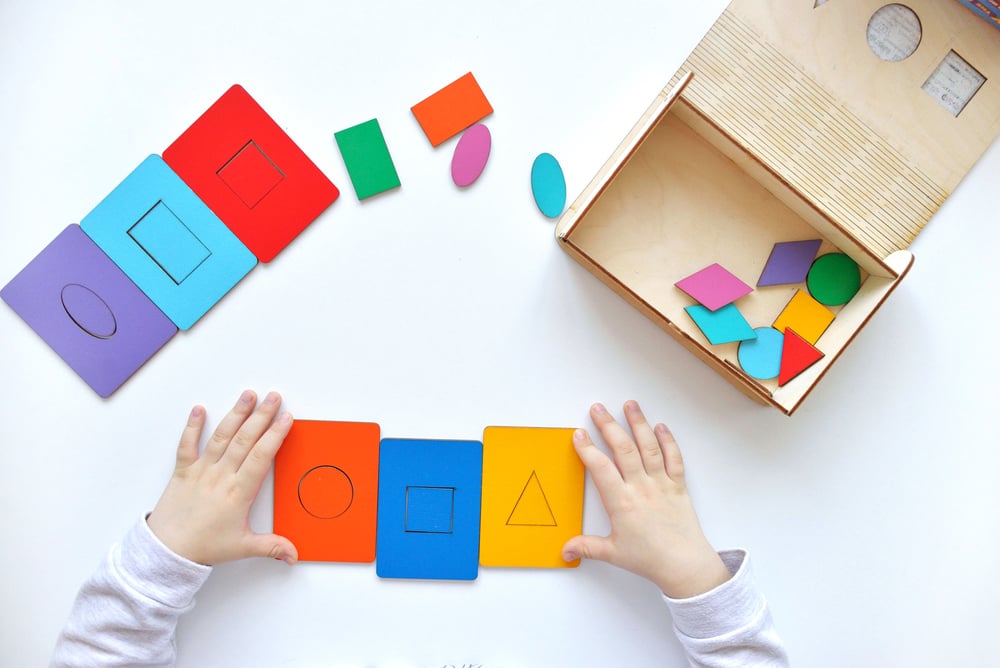
Sweets sorted by colour. Chips grouped by size. Cards arranged by suit before the game begins. This sorting habit had no functional value — the sweets tasted the same in any order — but it produced a specific satisfaction that children found compelling and adults haven’t been able to fully reason away. The sorting is done fast, sometimes unconsciously, and the person who does it often doesn’t notice until someone else at the table comments on it.
Counting Things for No Particular Reason

Ceiling tiles. Steps on the escalator. Items on a shelf. People in a room. Adults who counted things as children continue counting, and the most consistent practitioners can give you the step count of familiar staircases without being asked. The counting isn’t compulsive, exactly — more like a default mode of attention in quiet moments, a way of noticing the world that was established early and never properly overridden.
Talking to Animals Like They Understand

A child who grew up speaking directly to dogs, cats, or any other available animal developed a communication habit that doesn’t really account for the animal’s comprehension but also doesn’t require it. Adults who do this have usually stopped expecting a response but haven’t stopped providing one-sided updates on what’s happening and why. The dog who listens to a full account of how difficult a meeting was this afternoon is performing an important social service for someone who has been at it since childhood.
Running the Last Few Steps Before a Door

The approach to a destination — a front door, a car, a lift — would progress normally until the last few steps, which suddenly became a run. No particular urgency required. The impulse just arrived, the speed increased briefly, and then the door was opened. Adults who still do this often catch themselves mid-run in a car park and are mildly amused. The habit is usually most active when tired or happy, which are the states most likely to briefly bypass the adult override.
Pressing Every Illuminated Button Within Reach
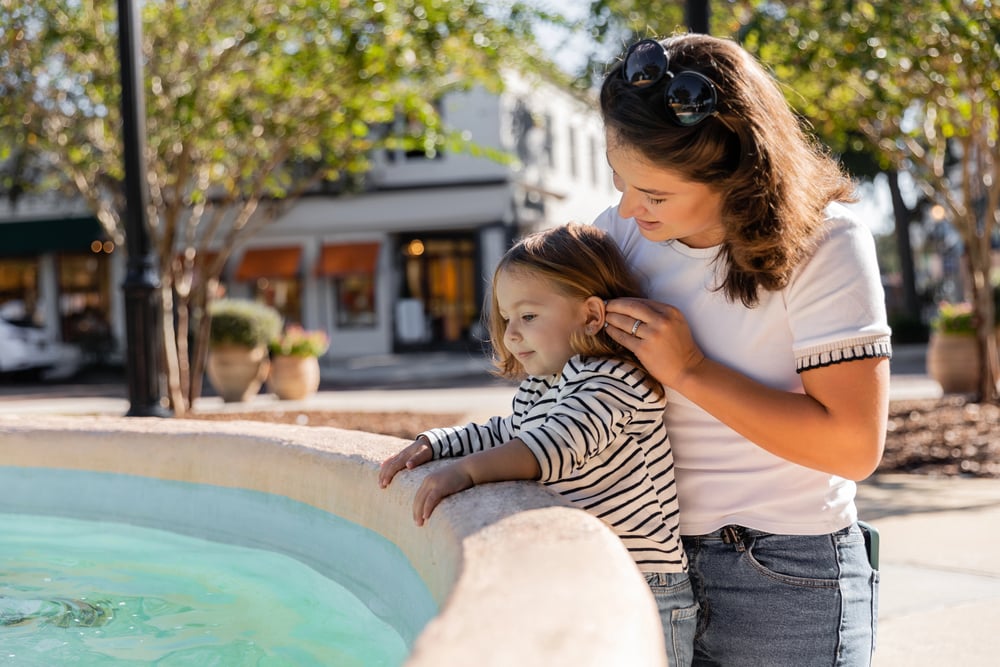
Children explored tactile objects instinctively. Buttons that lit up were particularly compelling. Lift buttons, pedestrian crossing buttons, display panels in shops — if it lit up and could be pressed, a child pressed it. Adults who retain this habit tend to be slightly more selective, but the pull toward an unexplored button is real, and the number of times a grown adult has pressed the wrong floor in a lift because the button was there and interesting is not small.
Leaving the Light On When Going to the Bathroom at Night

The lights-on-when-I-move-through-the-house pattern established in childhood persists in adults who now live alone and have no one to leave the light on for except themselves. The justification shifts from “I need to see what’s in the dark” to “I need to see where I’m going,” which is technically the same thing reworded. Electricity bills are slightly higher than they might otherwise be because of this, and the habit shows no sign of yielding.
Making the Bed a Specific Way or Not at All

Bed-making habits are formed early and rarely revised. People who grew up making beds to a specific standard — the sheet tucked a particular way, the pillow arrangement non-negotiable — continue doing so with the precision of someone who will be inspected. People who grew up in households where bed-making was optional continue making a series of passes at the duvet that result in something close enough to acceptable. Neither group typically questions the origin of their method.
The Double-Check Before Leaving

A final sweep of the house before closing the door — stove off, windows closed, something you can’t name but need to verify — was instilled by a parent who did the same sweep and passed the ritual down without stating it was a ritual. Adults who double-check before leaving are not anxious people by default. They are people who absorbed an organisational habit early and now find the leaving process incomplete without the verification round.
Rewatching Something Until You Know It by Heart

The childhood relationship with favourite media involved repetition that most adults find slightly irrational in hindsight. Watching the same film repeatedly until you could anticipate every cut. Reading the same book until the spine gave out. The comfort of the known thing — the absence of surprise, the pleasure of mastery — was something children sought actively. Adults who still rewatch specific films or reread books they’ve known for twenty years are not avoiding novelty. They’re returning to something that works, the same way they always have.
Wanting the Window Seat

On planes, in cars, on trains — the window seat was claimed early and the preference never softened. The person in the middle seat is doing someone a favour. The person who asked for the window grew up pressing their face against car glass watching the suburb slide past and decided somewhere around age six that this was their preferred position relative to the world. Adulthood has not revised this.
Getting Irrationally Excited About Stationery

New pens, clean notebooks, fresh exercise books with no mistakes in them yet — the specific pleasure of untouched stationery at the start of a school year translated, for many adults, into a stationery section problem that their colleagues find slightly excessive. The feeling of possibility attached to a blank notebook is the same feeling attached to a blank exercise book in September. The pens are better now. The anticipation is identical.
Putting Things Back in the Wrong Place When in a Hurry

The childhood habit of a fast tidy — where things were removed from sight rather than returned to their designated location — lives on in the adult who knows exactly where they put the thing in a rush but cannot find it when looking properly. Under cushions, in coat pockets, behind other things — the fast tidy creates a secondary geography of the home that only its practitioner understands, and only in the moment they did it.
Needing to Finish a Packet Once Opened

Once the wrapper came off, the packet was committed to completion. Stopping halfway was uncomfortable in a way that was difficult to articulate but easy to act on. Adults who still operate this way tend to buy smaller packets, keep items out of sight until they’re ready to start, or simply accept that beginning a bag of something is a binding agreement with a known outcome. The habit is cost-inefficient and tends to follow people across decades without apparent weakening.
Still Reaching for Someone’s Hand in a Crowd
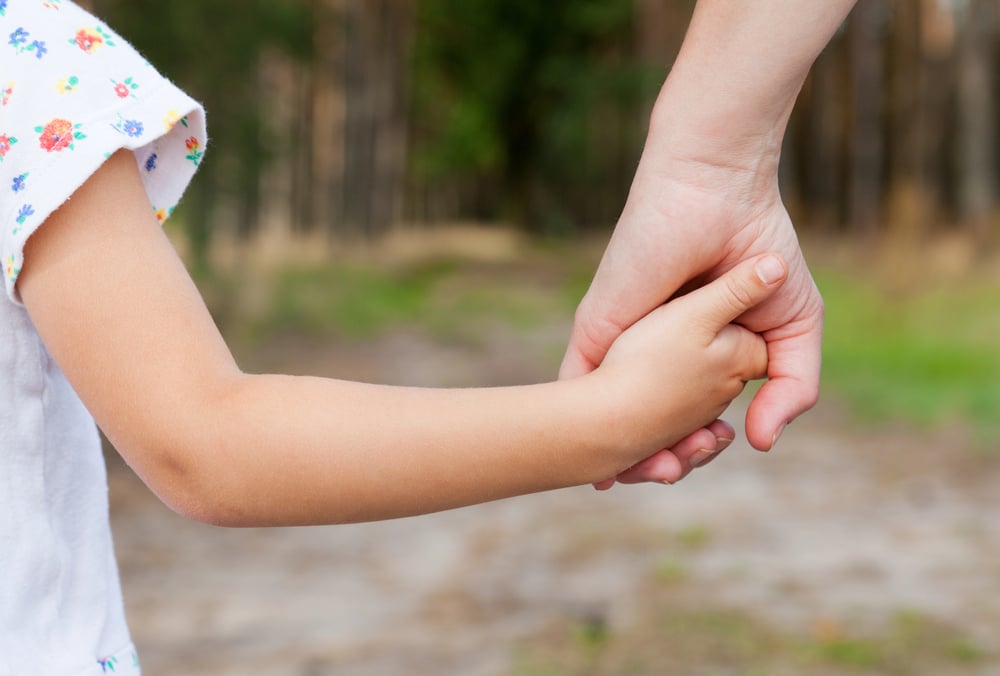
The instinct to reach for the hand of someone alongside you in a crowded or unfamiliar space was trained in childhood when a parent or carer extended that connection for safety. Adults reach for partners, friends, or occasionally siblings in busy markets or loud events with the same reflexive ease. When the person isn’t there, the reaching still sometimes happens — an arm half-extended before the brain catches up.
Checking the Time on a Wristwatch That Isn’t There Anymore
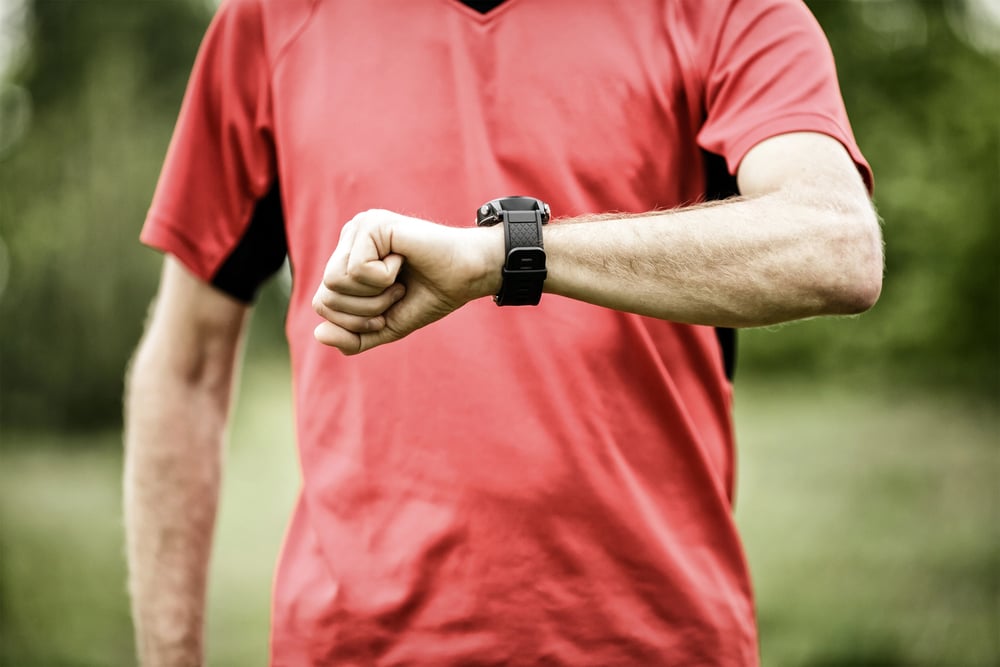
Generations who grew up wearing analogue watches before switching to phones still perform the wrist-check, glancing at an arm that hasn’t had a watch on it in years. The movement is complete — full wrist rotation, eyes dropping to the spot — before the absence is registered. It happens dozens of times a day for years after the switch, and gradually but never completely fades.
Feeling Slightly Unsettled Before Sunday Night
The Sunday evening dread was a product of the school week — the specific feeling of the weekend closing behind you and the week opening ahead. Adults who are no longer in school and who genuinely enjoy their work still report a mild unease around Sunday evenings that has no current-life justification and clear childhood roots. The feeling is a phantom, but it shows up on schedule.
Making Shapes Out of Clouds

A child lying on their back looking up at a summer sky and identifying animals, faces, and objects in cloud formations was practicing a perceptual habit called pareidolia — finding recognisable patterns in random shapes. Adults with cloudless windows in offices, stuck in traffic, sitting in parks — the upward glance and the shape-finding still happen. Most people don’t mention it because it sounds slightly childlike. Most people do it anyway.
Needing to Finish a Book Even If You’re Not Enjoying It

The early reader’s sense of obligation to the text — the feeling that putting a book down before the end was a small betrayal — survived into adulthood for a significant number of people who now power through mediocre novels they could easily put down. The book gets read. It takes longer than it should. The ending arrives. The feeling is more like relief than satisfaction, which does not reliably prevent the same person from picking up the next book with complete optimism.
Laughing at the Same Things

Specific comedic sensibilities form early and are remarkably durable. What made someone laugh at age eight — a certain kind of absurdity, a timing-based joke, a particular type of physical comedy — continues to produce the same response at forty. Adults who know their own humour well can often trace it to something specific in childhood: a TV show, a sibling, a parent’s particular delivery of a story. The laugh is the same laugh. The jokes have just been upgraded.
Putting Sauce on Everything That Needs Something

A child who discovered that a particular condiment improved the experience of a food continued applying that condiment to an expanding range of foods until the condiment became a universal corrective. Adults with a hot sauce, a particular mustard, or a table seasoning that travels with them are following the culinary logic of a person who was probably eleven when the revelation happened and has been vindicated repeatedly since.
Staying Up Later Than You Should

The child who resisted bedtime, who found one more thing to do, who pushed the agreed limit by another fifteen minutes — this child became the adult who knows they should be asleep and is currently not asleep. The resistance to ending the day is the same impulse across forty years of context. At eight, it was wanting more time to play. At forty, it’s wanting more time to be, which is not entirely different.
Still Wanting Your Mum When You’re Sick

The adult who comes down with something and finds themselves wanting a specific comfort — soup made a certain way, a particular blanket, the version of quiet and care that only one person ever provided — is not being irrational. The sickness regression is well documented and almost universal. What childhood homes provided in the form of care for unwell children leaves a template that no adult environment has ever fully replicated. The wanting is accurate. It just no longer has the same address.
The Ones That Made You, You

The habits from childhood that persist into adulthood are not failures of growth. They are the sediment of a self — the residue of thousands of repetitions that happened during a period when the world was new and everything was being filed for future reference. Most of them do no harm. Several are genuinely useful. A few are mildly inconvenient and probably worth examining. But taken together, they constitute something like a map of where you came from — the specific combination of household, circumstance, and personality that produced the exact adult who still checks under the bed, avoids the cracks, and reaches for someone’s hand in the crowd.
More from Go2Tutors!

- The Romanov Crown Jewels and Their Tragic Fate
- 13 Historical Mysteries That Science Still Can’t Solve
- Famous Hoaxes That Fooled the World for Years
- 15 Child Stars with Tragic Adult Lives
- 16 Famous Jewelry Pieces in History
Like Go2Tutors’s content? Follow us on MSN.