26 Forgotten Toys from the ’60s and ’70s That Have Quietly Become Collectible
While everyone talks about vintage Barbie dolls or original Hot Wheels, there’s a whole universe of forgotten ’60s and ’70s playthings that collectors now hunt down like archaeologists. These weren’t the headline toys from Christmas-morning commercials — they were the quirky, weird, wonderfully imaginative creations that slipped through the cracks of toy history.
Your parents probably tossed most of them during spring cleaning decades ago, which is exactly why the survivors are worth more than anyone expected. A quick caveat: the prices below are rough collector-market ranges for examples in good, complete condition, and values swing hard with condition and demand — a boxed set can be worth many times a battered loose one.
Treat them as a guide, not a guarantee, and get anything special appraised before you sell.
Creepy Crawlers
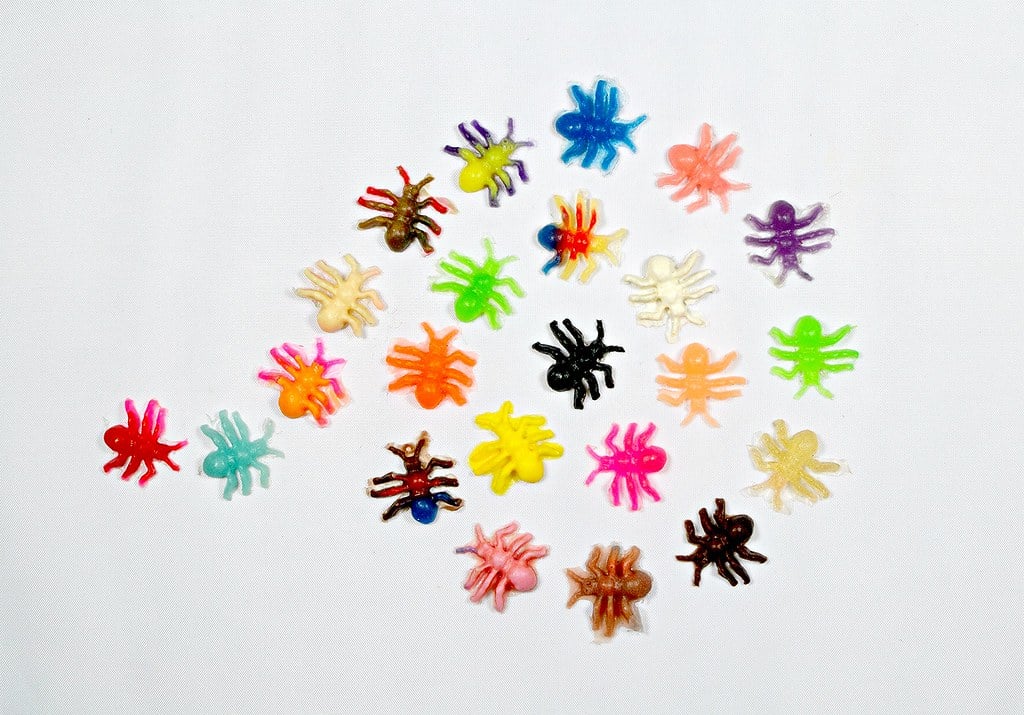
Few toys captured childhood rebellion quite like Creepy Crawlers. Mattel’s 1964 creation let kids pour liquid plastic into metal molds, cook them on a heating plate that reached temperatures no modern toy would dare, and create rubber spiders and snakes designed to horrify adults.
Original sets, complete with their wonderfully dangerous hot plates and metal molds, now sell into the hundreds of dollars in good condition. Part of the appeal is simply the disbelief — no toy company today would hand children molten plastic and a surface hot enough to leave a scar.
Thingmaker Flowers
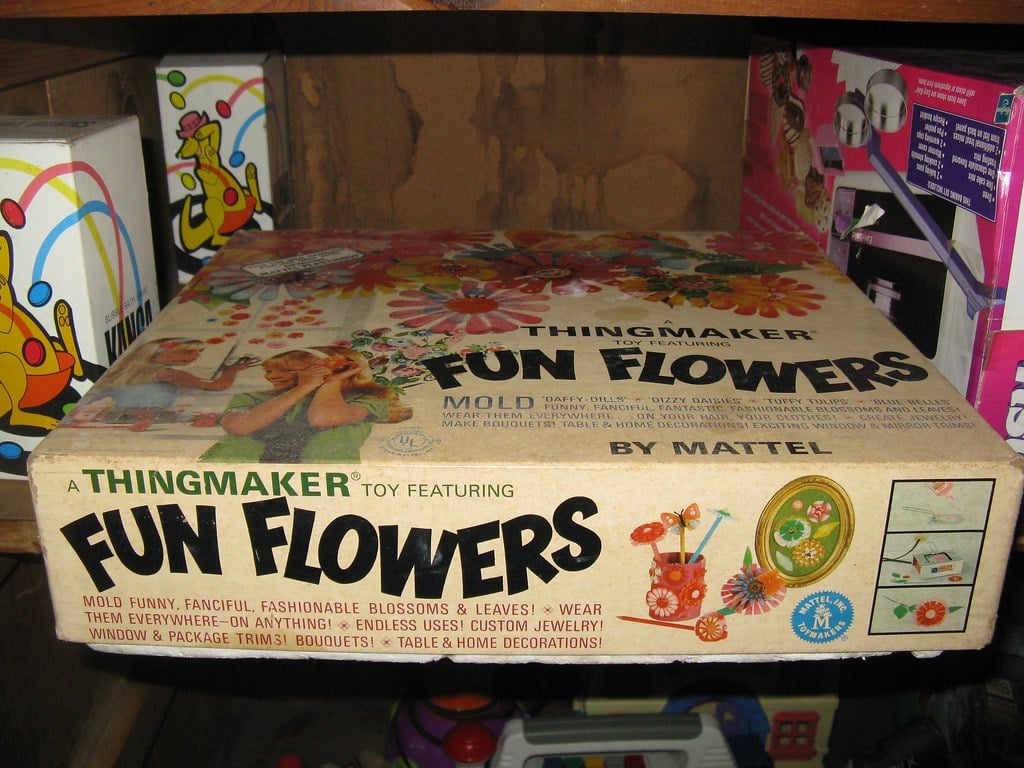
Before Creepy Crawlers became the star, Mattel’s Thingmaker series included a gentler option for kids who preferred beauty over horror. The Flowers set used the same dangerous heating technology to create delicate plastic blooms in vibrant colors.
These are rarer than their creepy counterparts because fewer parents bought them and even fewer kids chose flowers over monsters. Complete sets with all the original molds can reach a few hundred dollars, especially with the instruction booklets showing which color combinations made the most realistic blooms.
Major Matt Mason
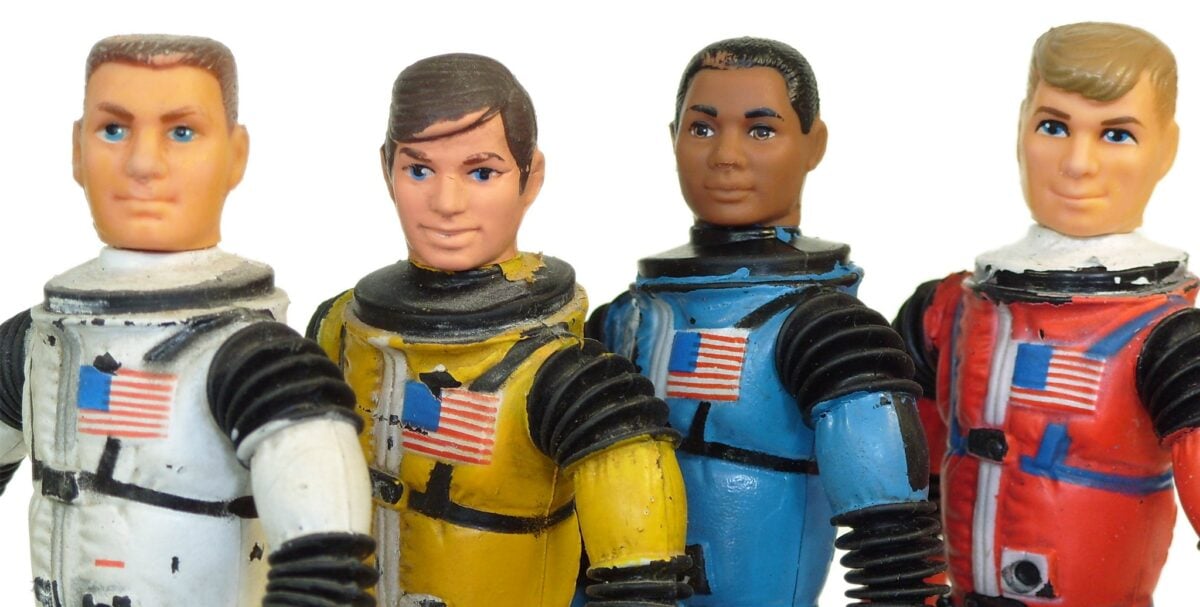
Mattel’s answer to the space race was Major Matt Mason — a bendable astronaut with a wire frame that let him pose in zero-gravity positions no other figure could manage. The 1966 line included space stations, lunar rovers, and alien companions reflecting America’s genuine optimism about space.
The figures are valued in the low-to-mid hundreds, partly because they were so fragile — the wire frames that made them poseable also made them prone to snapping, so an intact one is a small miracle. The real treasures, though, are the accessories: the space crawler, the lunar base, the air-powered jet pack.
They often sell for more than the astronaut himself, fitting for a line that was always more about the hardware than the hero.
Liddle Kiddles
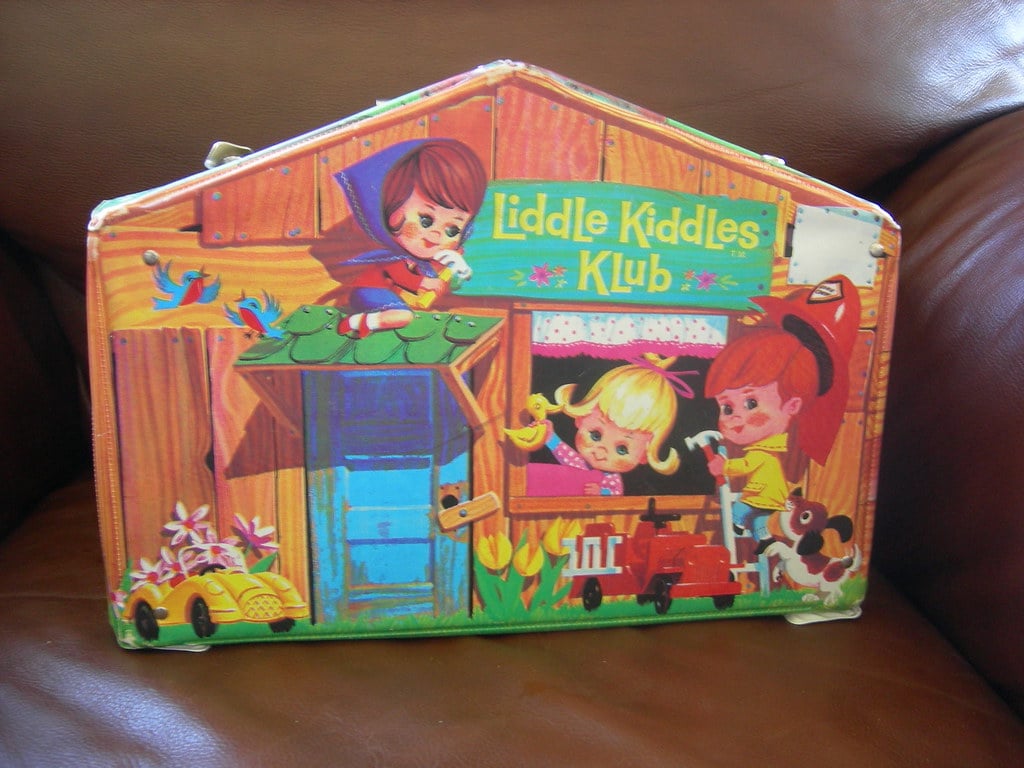
These tiny Mattel dolls (starting in 1965) were small enough to fit in your palm but came with elaborate miniature worlds. Each Kiddle lived inside something — a locket, a perfume bottle, a jewelry box — and the engineering behind those tiny hinges and clasps was genuinely impressive.
Loose dolls might sell for a few tens of dollars, but ones with their original homes intact command much more, and a sealed example in original packaging can reach into the hundreds. The charm was the detail: rooted hair, tiny printed dresses, accessories scaled perfectly to their world. Modern tiny toys feel mass-produced by comparison.
Captain Action
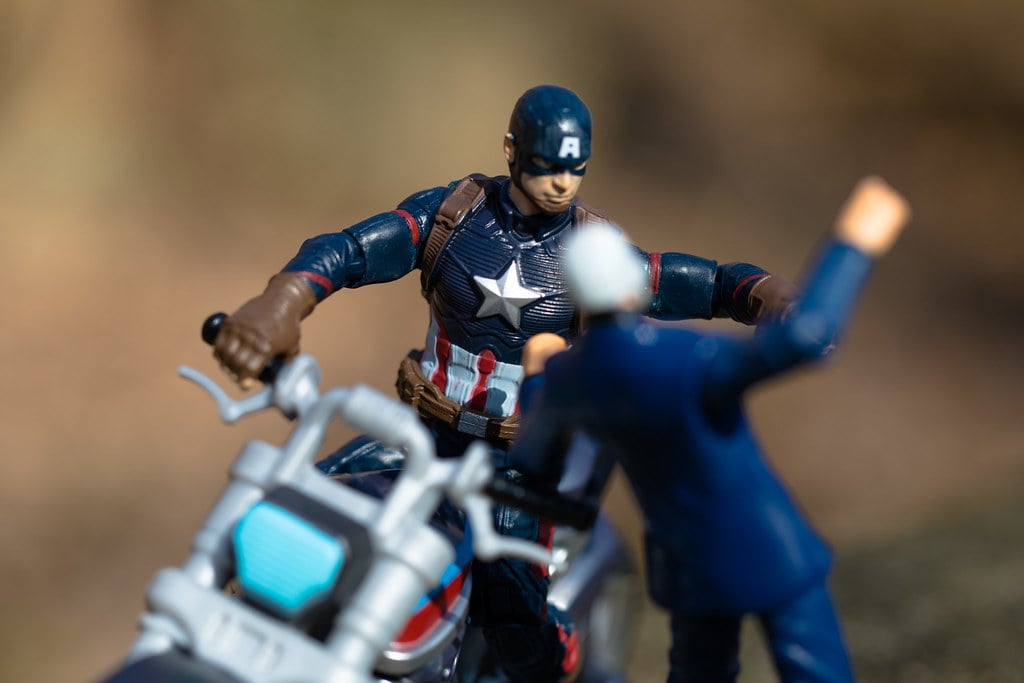
Ideal’s 1966 attempt at the ultimate action figure was Captain Action — a 12-inch figure who transformed into any superhero through costume changes. One figure, multiple identities, endless play.
The figure in its box typically sells in the few-hundreds range, but the real prizes are the costume sets that turned him into Superman, Batman, or Spider-Man. Complete sets, especially the scarcer second-series characters like the Green Hornet or Spider-Man, climb well into the hundreds and beyond.
What makes him special is that he existed in a brief moment when one toy company could license heroes from multiple comic publishers at once — nearly impossible today.
Strange Change Machine
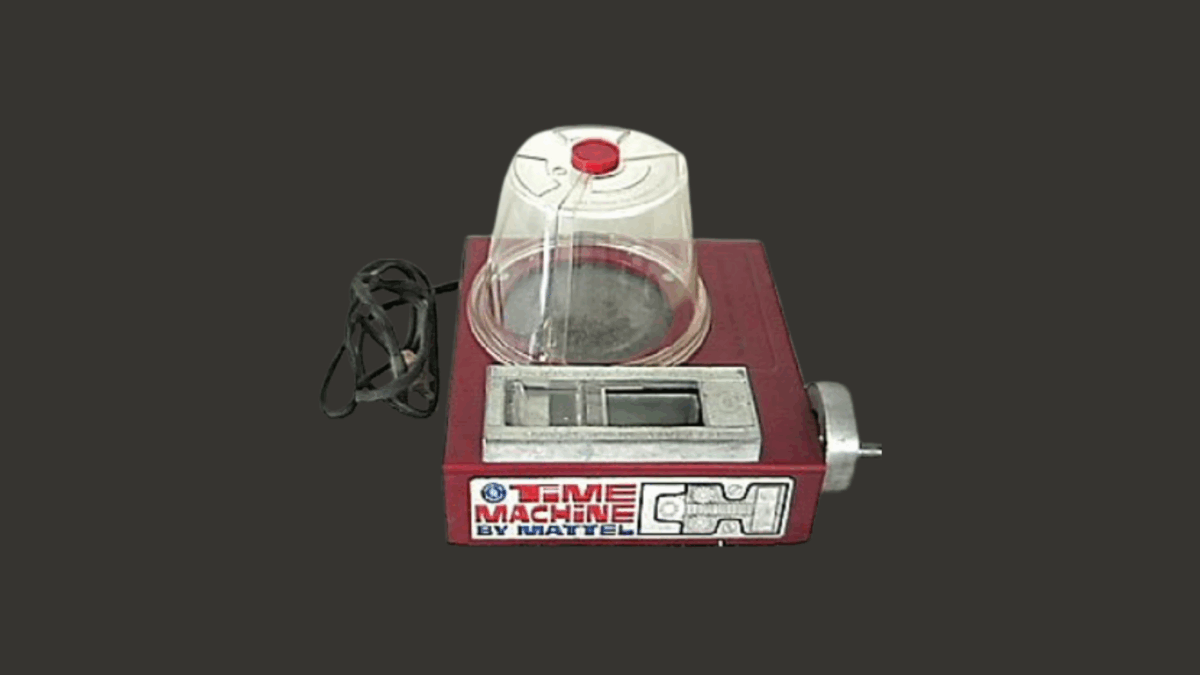
Mattel’s Strange Change Machine was gloriously weird, reflecting the ’60s fascination with transformation and chemistry. Kids dropped plastic capsules into a heated chamber and watched them expand into dinosaurs, monsters, and other creatures.
The machine itself, working, sells in the low hundreds, while unused capsules go for a premium each depending on what they become — the dinosaurs are especially sought after. The transformation was one-way, with no going back once a capsule changed, which is exactly what makes unused capsules so rare now.
Billy Blastoff
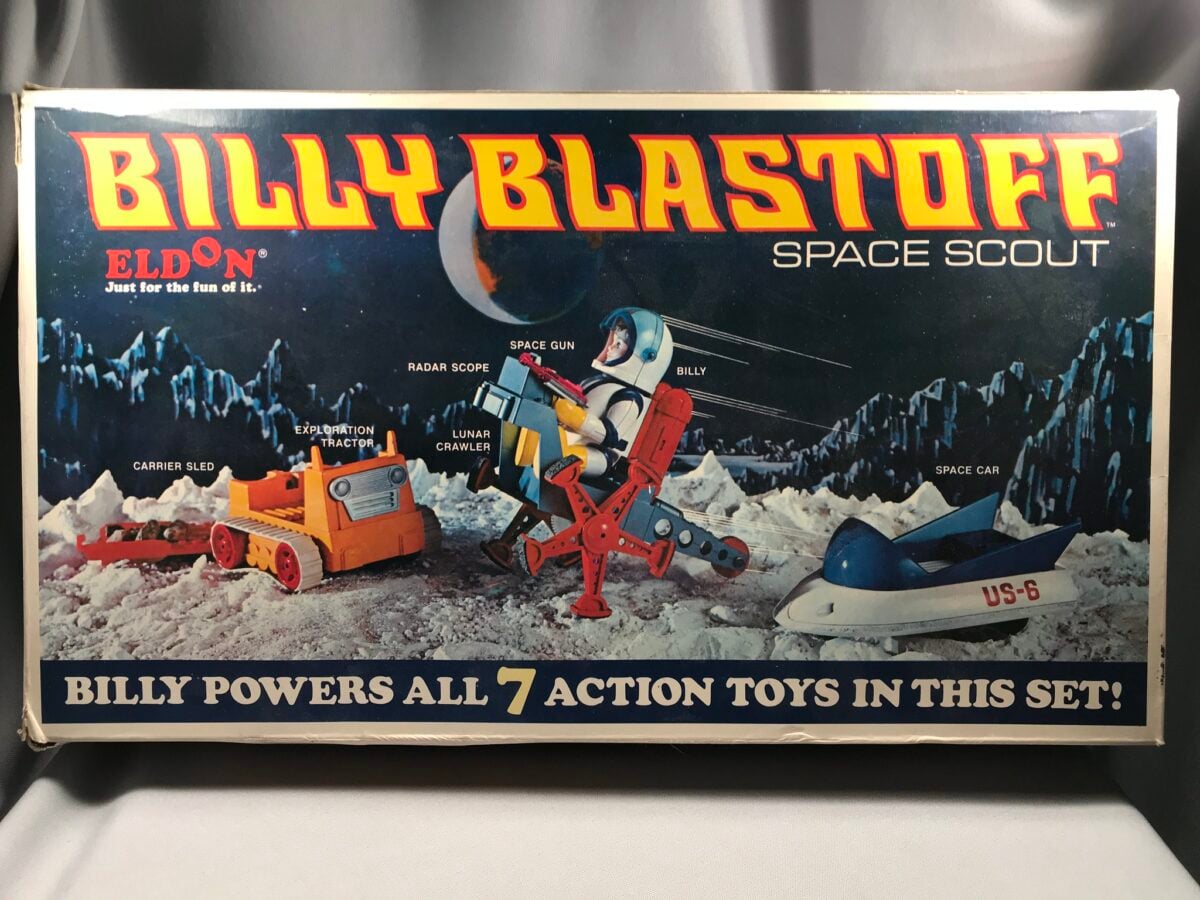
Eldon’s Billy Blastoff (1968) was a space explorer with a battery-powered rocket that actually took off, flew in circles, and landed — given enough space and patience. Complete sets sell in the low-to-mid hundreds, but finding one where the rocket still works is the real challenge: the motors burned out, batteries corroded, and plastic went brittle.
Most Billy Blastoff rockets are permanently grounded now, which makes the working examples worth considerably more.
Johnny Lightning Cars
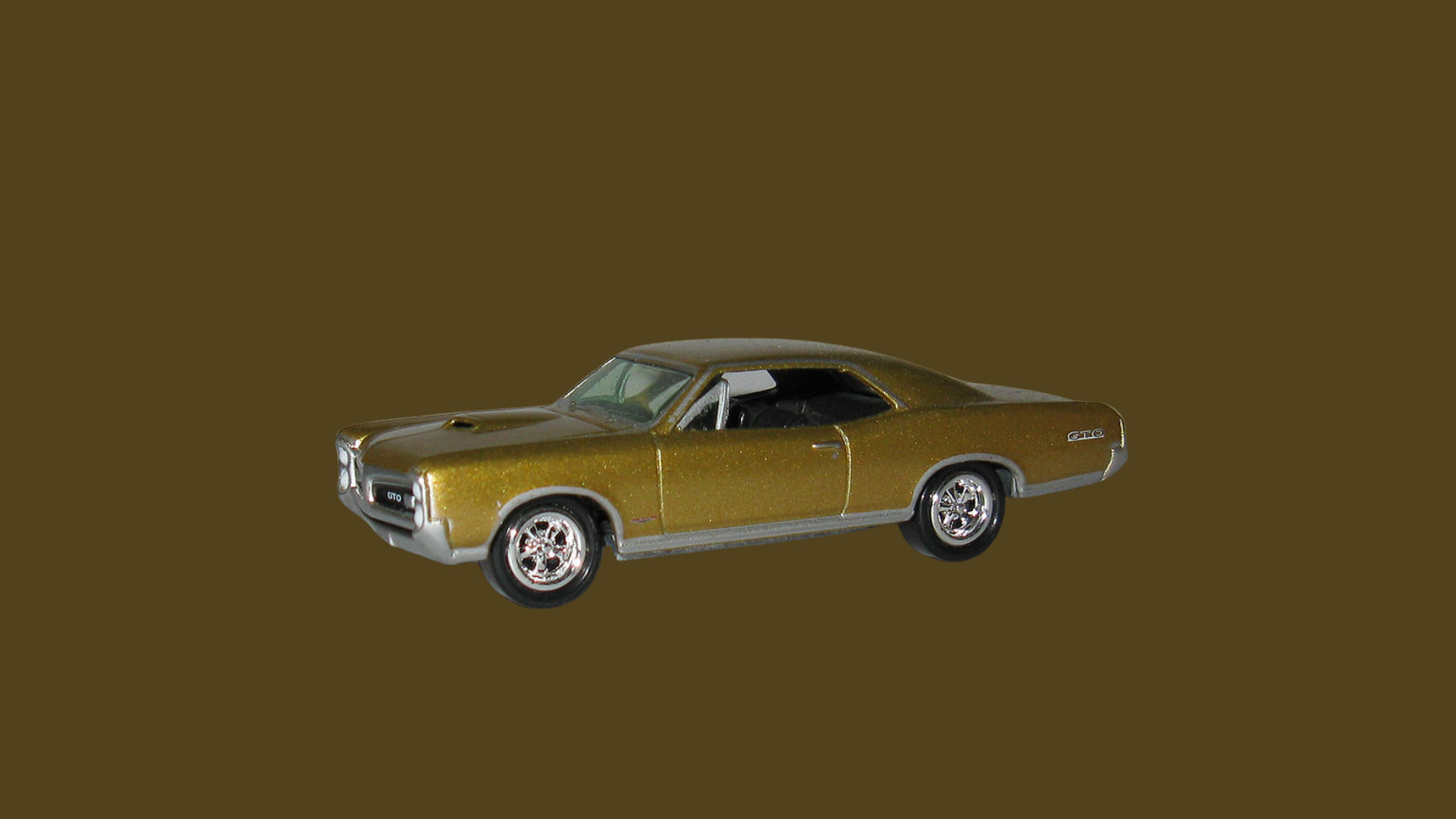
These die-cast cars from Topper Toys (starting in 1969) were Hot Wheels’ main rival, and in some ways better — sharper detail, more realistic proportions, opening hoods, detailed engines. Their value now stems partly from Topper going out of business in 1973, cutting the series short.
Certain models, like the Custom Dragster or Bug Bomb, reach the hundreds in mint condition. They had one feature Hot Wheels couldn’t match: tiny driver figures that fit inside.
Lost within days of opening for most kids, those little drivers are now worth almost as much as the cars.
Lite-Brite

Hasbro’s Lite-Brite launched in 1967 with one of toy history’s catchiest jingles, turning kids into artists using nothing but colored pegs and a light bulb. Original ’60s units with their picture templates sell from the tens into the low hundreds.
The real treasures are the expansion template packs — especially holiday-themed ones, which can be worth more than the toy itself. The genius was the simplicity: no batteries, no mechanisms, just light, color, and the satisfaction of making something glow.
Motorific Cars
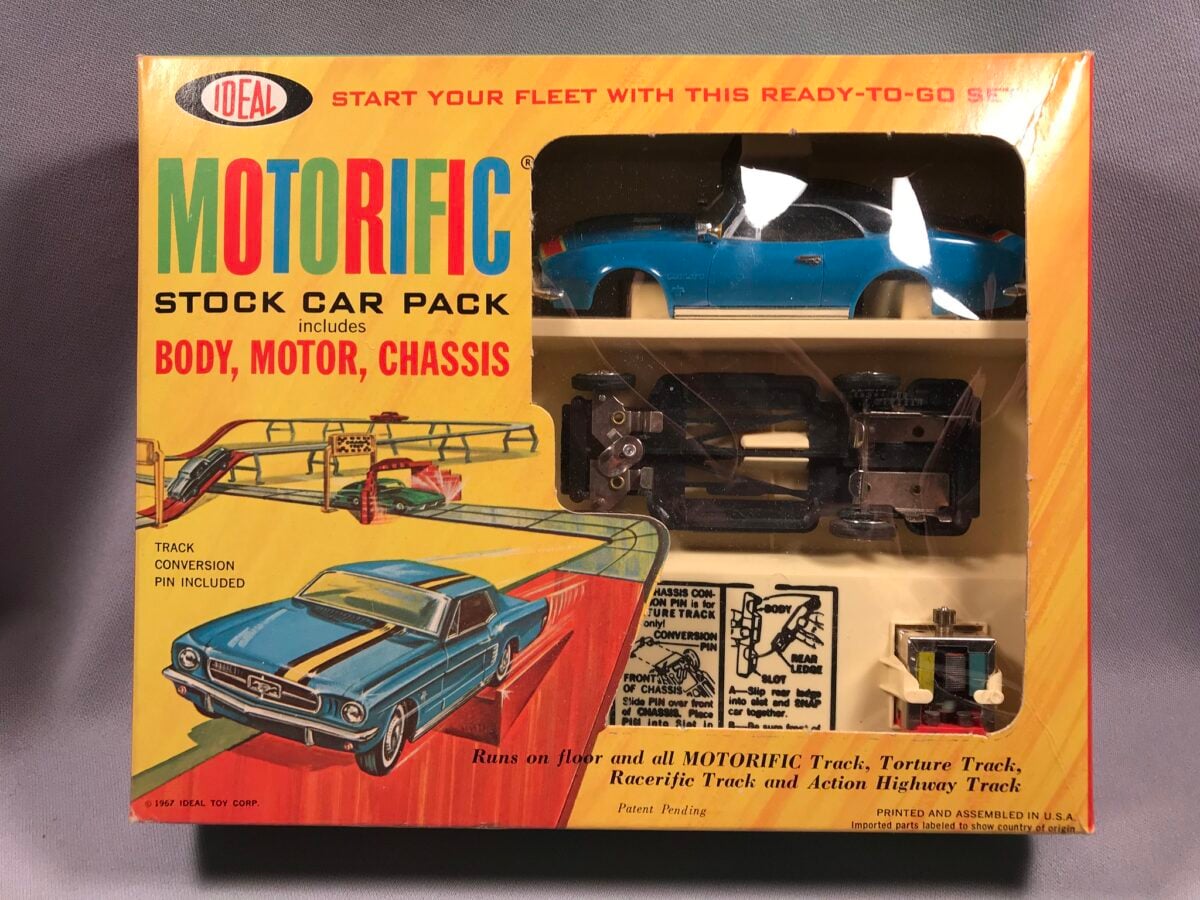
Ideal’s Motorific line (1965-1967) created slot-car racing without the slots. Gyroscopes kept the cars upright and moving on any smooth surface, making races that were part skill, part chaos.
The cars sell for a few tens of dollars each, but a complete Speedway set with original track and accessories can reach the low hundreds, assuming the pieces survived years of high-speed crashes. The gyroscope technology seemed genuinely magical — cars righting themselves after flips, taking curves at speed, and occasionally launching off tables.
Zeroids
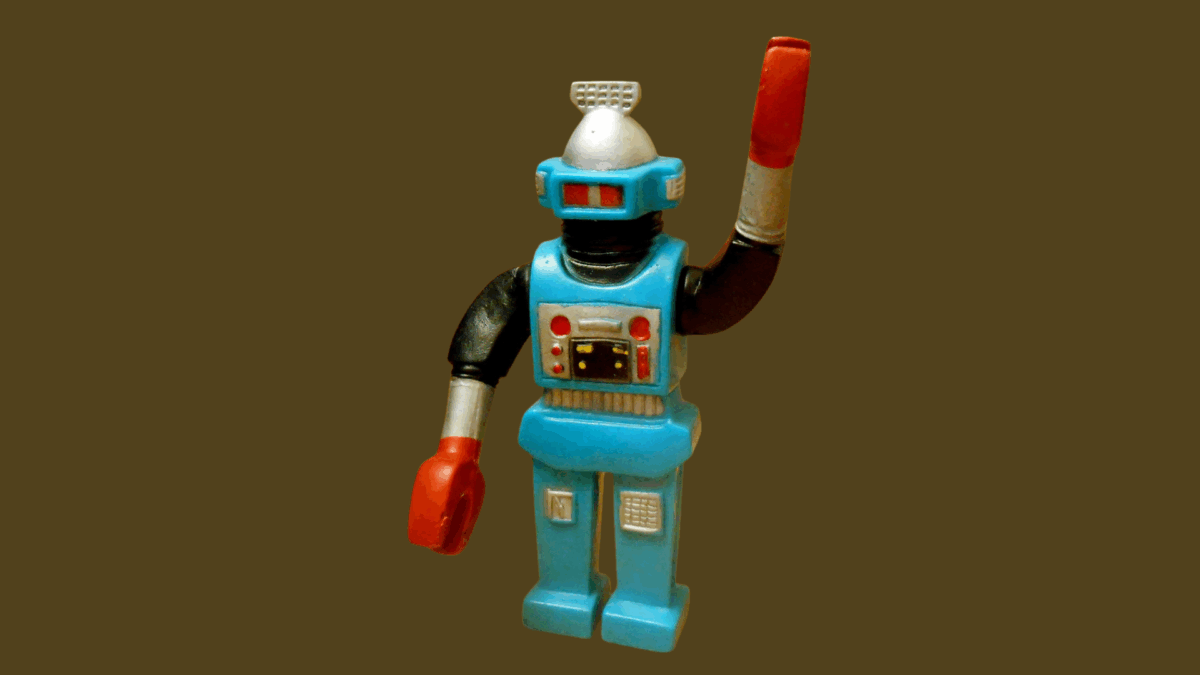
The late-’60s robot craze produced plenty of forgettable toys, but Ideal’s Zeroids (1967-1968) were different — battery-powered robots with clear heads showing their internal mechanisms, programmable through a punch-card system. Commander Zogg sells in the low-to-mid hundreds working, with Zintar and Zobor similar.
One with original accessories — punch cards, charging station, manual — climbs higher still. The punch-card programming actually worked, letting kids build sequences of movement. It was educational robotics decades before anyone used the term.
Rock ‘Em Sock ‘Em Robots
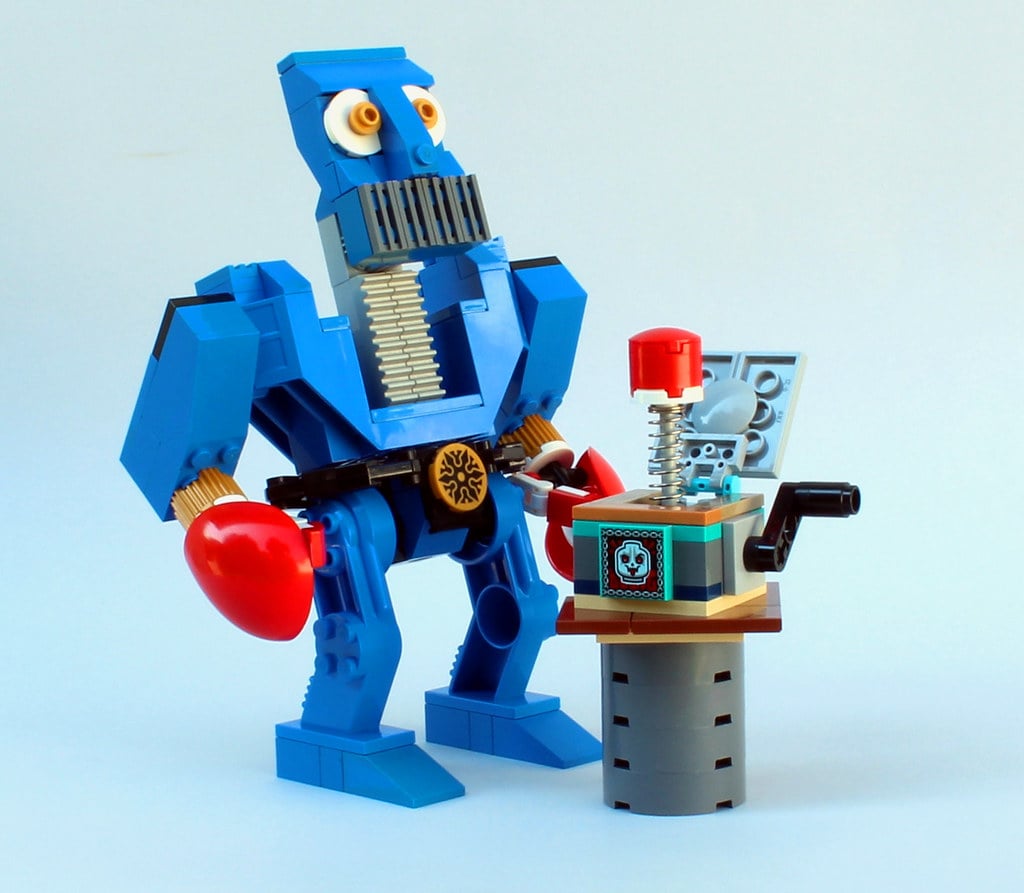
Marx’s Rock ‘Em Sock ‘Em Robots (1964) distilled boxing to its essence: two mechanical fighters throwing punches until someone’s head popped up in defeat. Red Rocker and Blue Bomber became icons.
Original ’60s sets in good shape sell in the low hundreds, with mint-in-box examples bringing more. The robots are sturdy, but the ring and punching mechanisms wear out from enthusiastic use. Its timelessness came from balancing skill and chance — you could develop timing, but a lucky punch could always end it in seconds.
Incredible Edibles
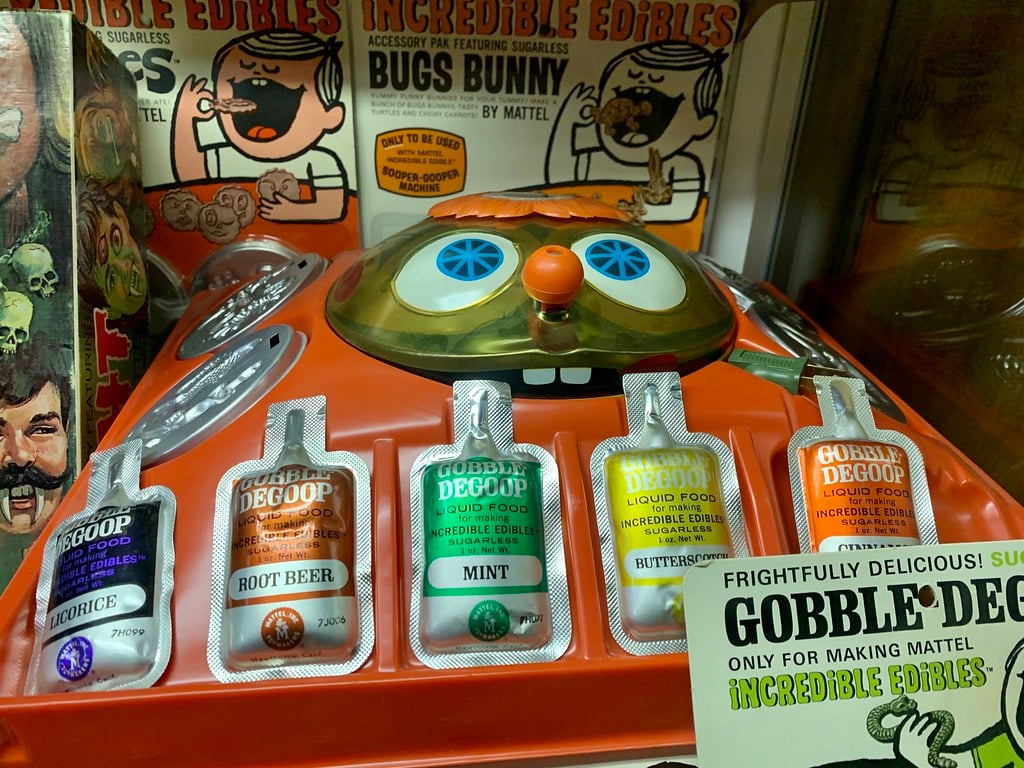
Mattel’s Incredible Edibles (1967) let kids make their own candy with flavored powders and molds, combining the satisfaction of making something with the reward of eating it. Complete sets with original molds and unused flavor packets sell in the low-to-mid hundreds.
The challenge is finding sets where the flavoring hasn’t deteriorated or the molds warped — most parents tossed these once the supplies ran out. It marked a brief moment when toymakers happily blurred the line between plaything and food, something that would need heavy safety testing today.
Mouse Trap
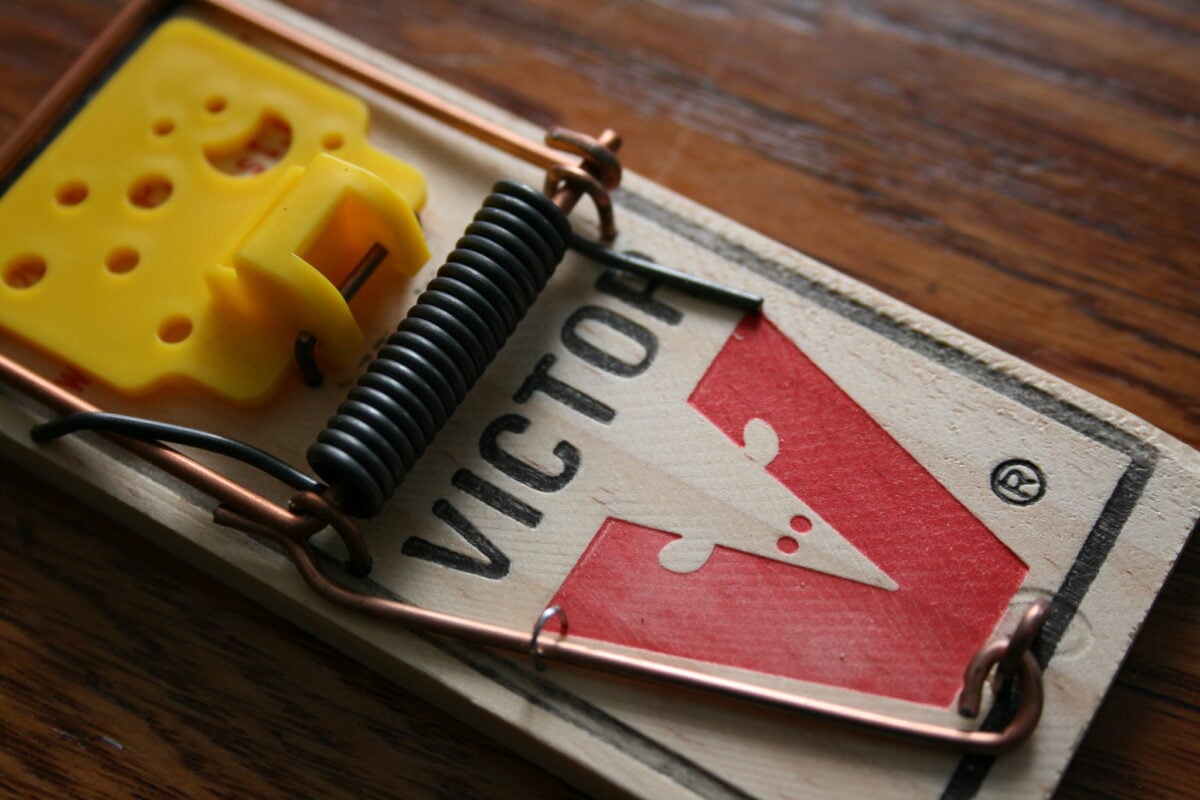
Ideal’s Mouse Trap (1963) was less a board game than an elaborate Rube Goldberg machine with rules attached. The real fun was building the contraption and watching the chain reaction that sometimes caught the mouse.
Complete vintage sets sell in the mid double digits to low hundreds, but the real treasure is a set where every delicate plastic part still works — the boot, the diving man, the dropping cage. They were fragile when new and are more temperamental now. The game understood that kids care more about cause and effect than winning.
Battleship
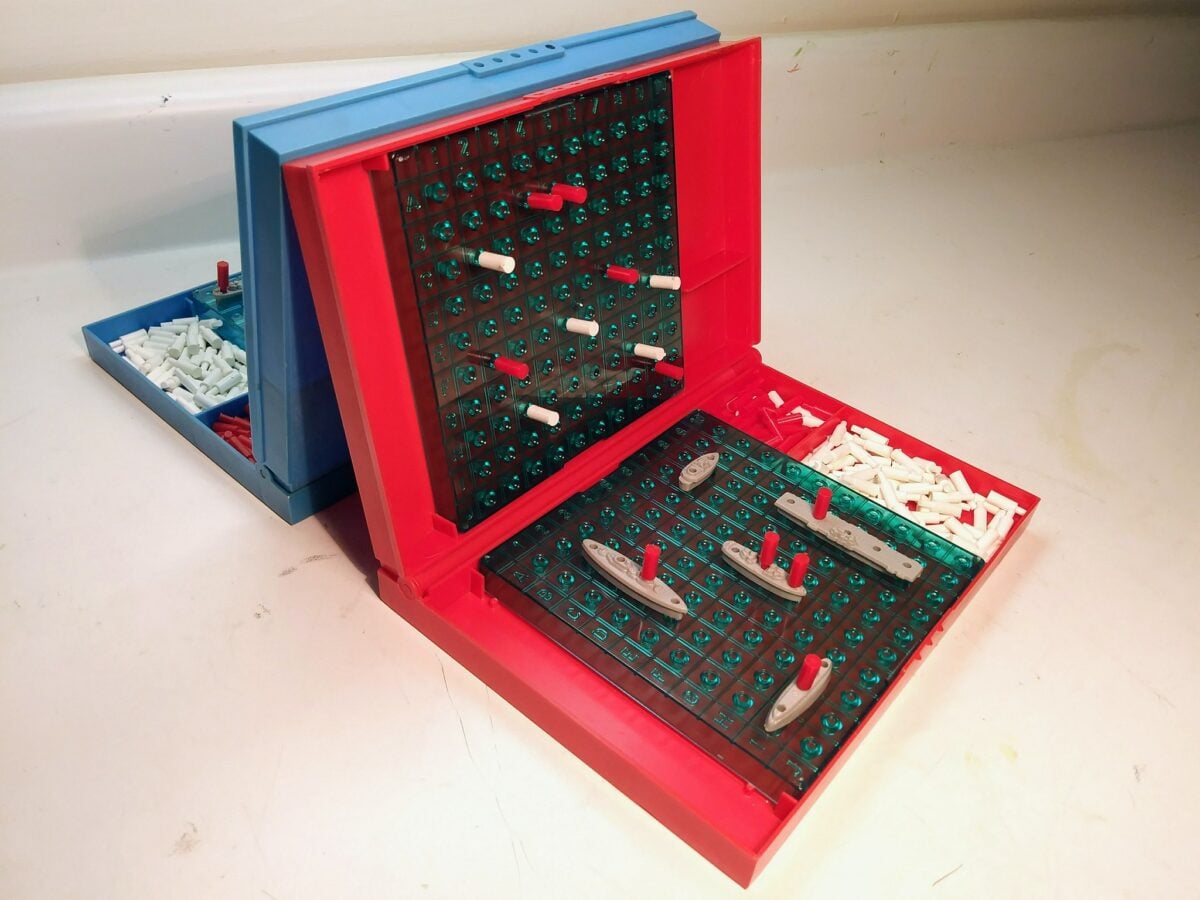
Milton Bradley’s Battleship evolved from a pencil-and-paper game into a plastic masterpiece of hidden information and deduction. The 1967 version with its red-and-white boards became the definitive edition.
Original late-’60s sets sell for a few tens of dollars, more with every small ship and peg present — those tiny pieces vanish easily, and incomplete sets can’t really be played. Battleship was strategy gaming at its most accessible: simple enough for kids, but the psychological warfare of reading an opponent’s placement kept adults hooked.
Spirograph
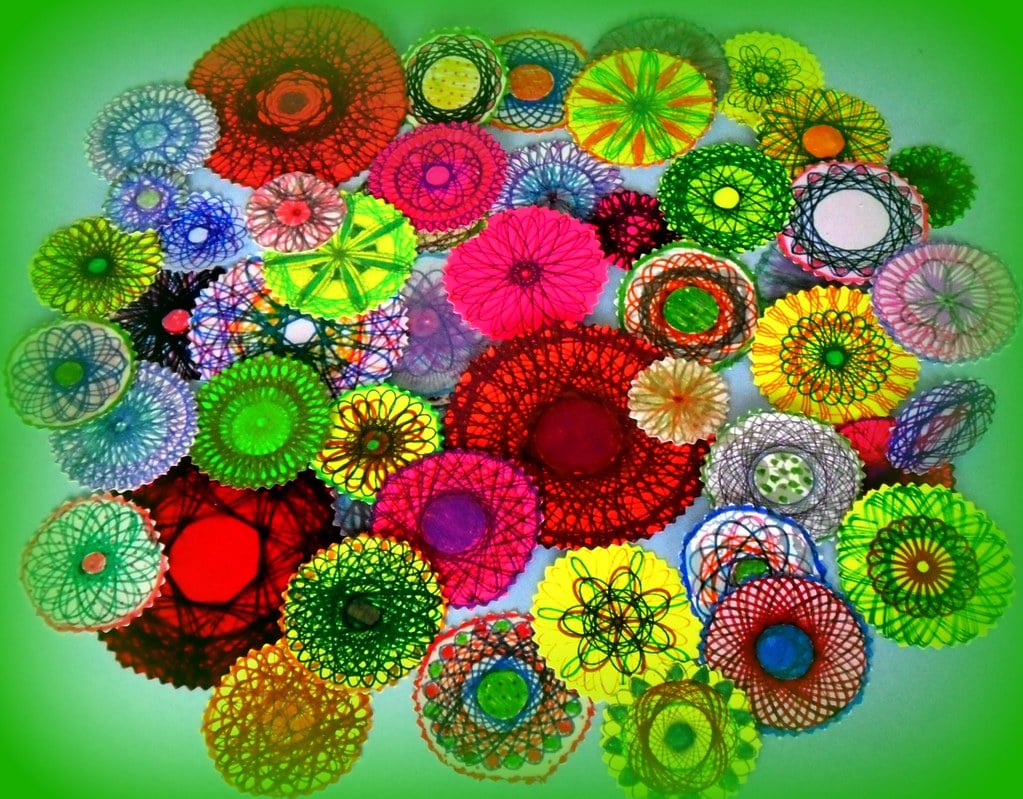
Kenner’s Spirograph (1965) was marketed as a drawing toy but worked more like a geometry lesson in disguise. The plastic wheels and rings created mathematical curves that looked impossibly complex for such simple tools.
Original sets with all the wheels and pens sell from the tens into the low hundreds. The challenge is finding sets where the delicate plastic teeth haven’t broken and the pens haven’t dried out.
It worked because it made math tangible and beautiful — kids who struggled with geometry could create perfect curves just by tracing a wheel against a ring.
Ants in the Pants
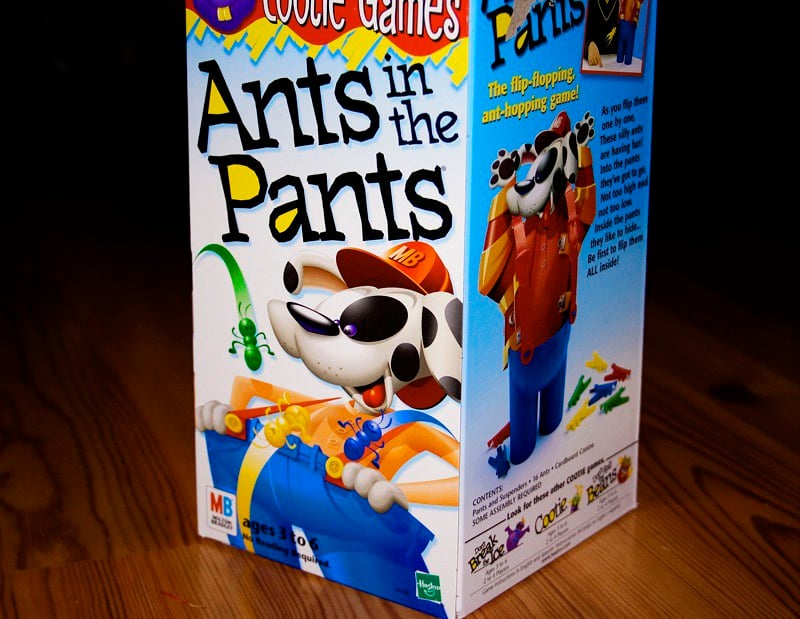
Schaper’s Ants in the Pants (1969) reduced gaming to its purest form: launch plastic ants through the air and try to land them in oversized pants. Success was measured in cheers, failure in ants across the floor.
Complete games with all the original ants — always getting lost — sell for a few tens of dollars. The harder find is a game where the launching mechanism still has proper tension and the pants haven’t cracked.
It understood that sometimes the best games have the most ridiculous premise, committed to completely.
Operation
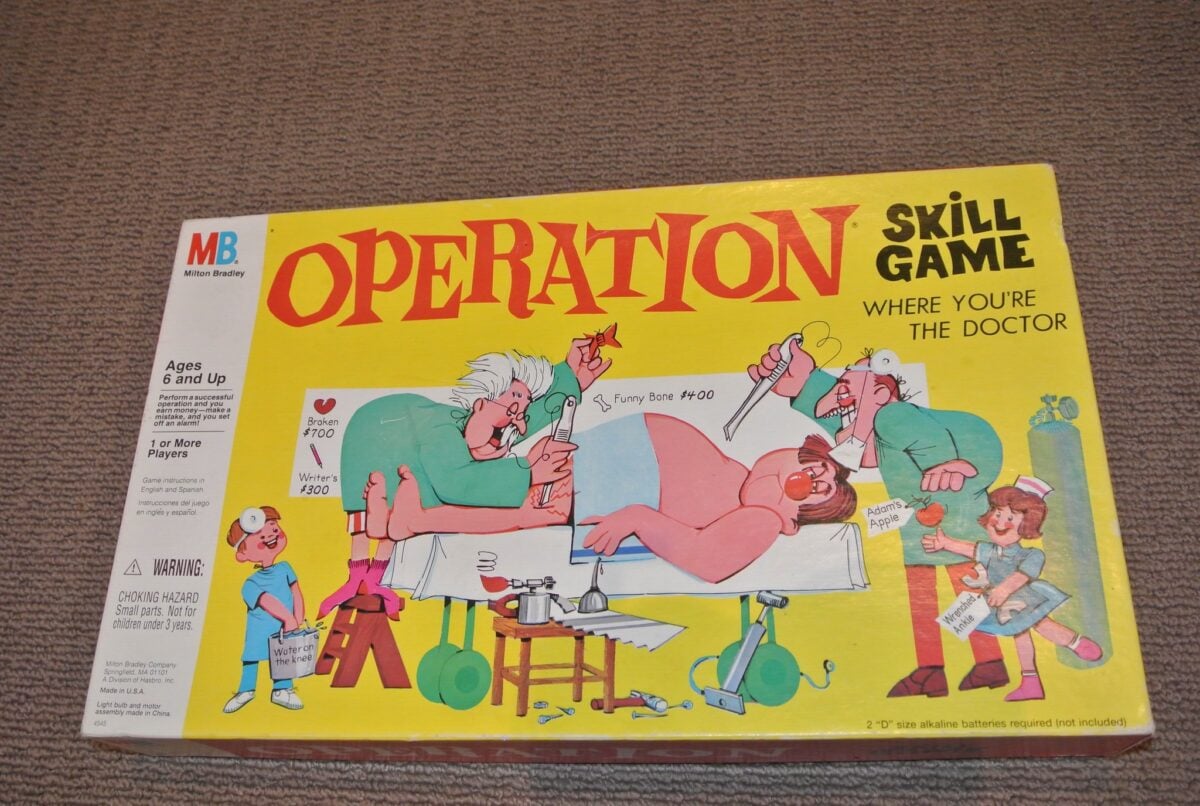
Milton Bradley’s Operation (1965) combined steady hands with dark humor, challenging kids to remove plastic ailments from a patient who buzzed and lit up at any mistake. Cavity Sam became an icon of nervous tension.
Original ’60s games sell for a few tens of dollars, assuming the buzzer works and all the pieces — the funny bone, the wishbone, the charley horse — are present. They’re easily lost.
The brilliance was its simplicity: a steady hand was the whole advantage, and failure announced itself with an unmistakable buzz.
Twister
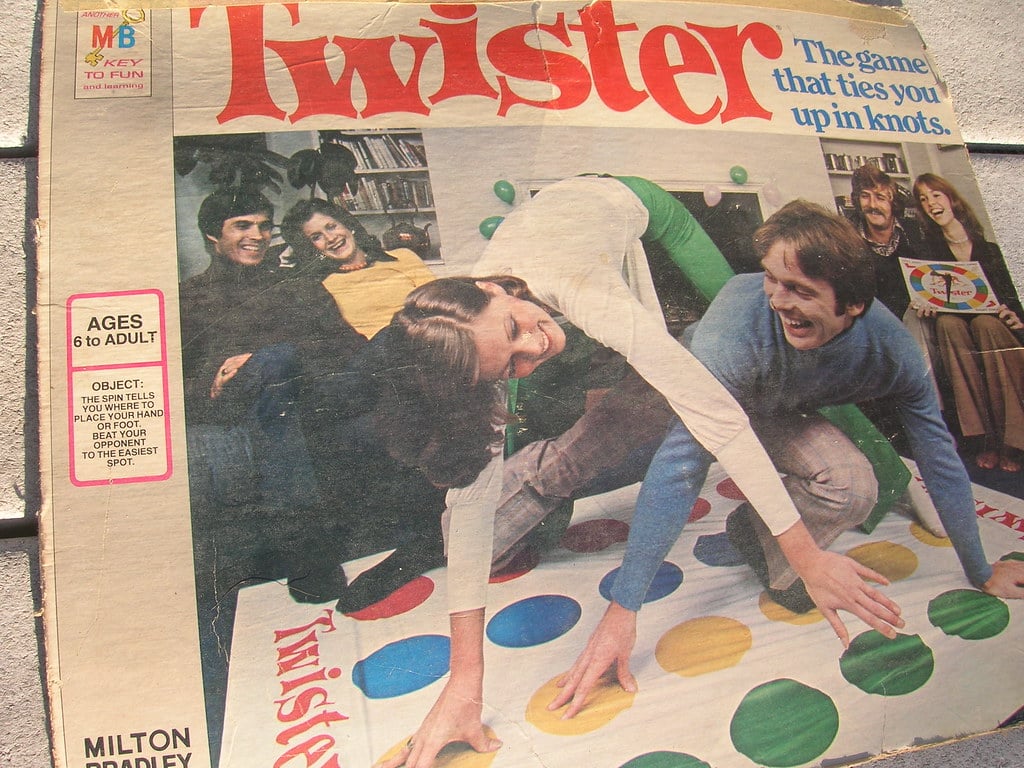
Milton Bradley’s Twister (1966) was controversial at launch — a game requiring physical contact between players struck some as inappropriate — but it quickly became a party staple that turned flexibility into entertainment. Original ’60s sets with the original spinner and mat sell from the mid double digits into the low hundreds.
The mat is the weak point: vinyl that cracked with age, making intact playing surfaces increasingly rare. Twister worked because it was innocent and suggestive, athletic and silly, all at once — and it literally put players inside the game.
Kerplunk
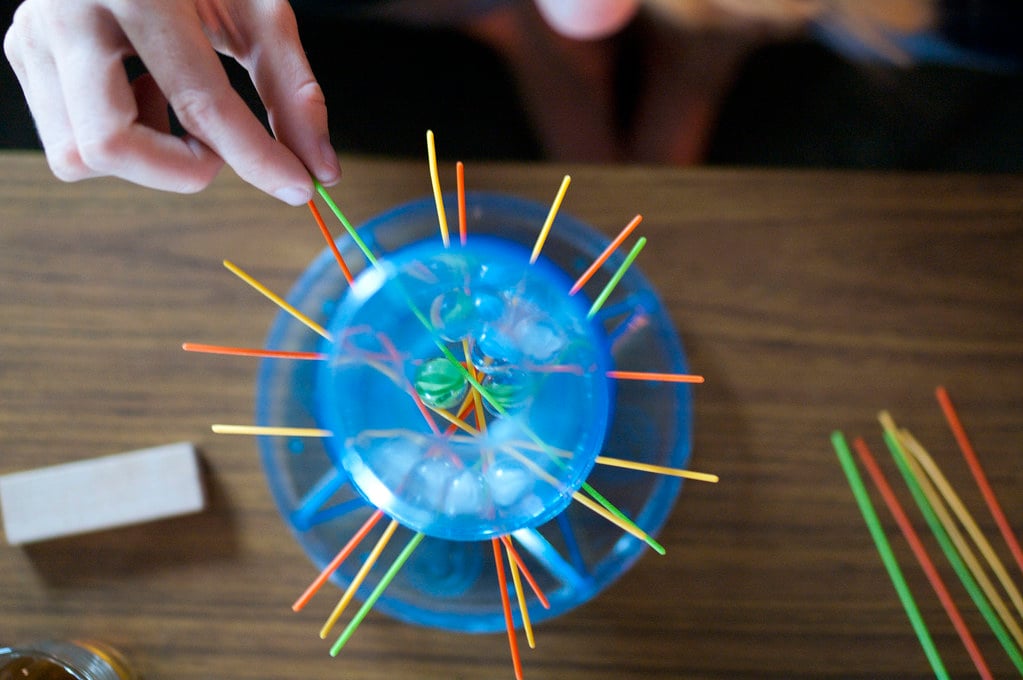
Ideal’s Kerplunk (1967) was structural engineering disguised as a children’s game. Players pulled sticks from a tube of marbles, hoping not to trigger the cascade.
Complete sets with all the marbles and sticks sell for a few tens of dollars. The challenge is a tube that hasn’t cracked and a full set of those thin, easily-bent sticks.
The game created real tension through anticipation — every stick was a small gamble, and the final fall was relief and disappointment at once.
Tip-It
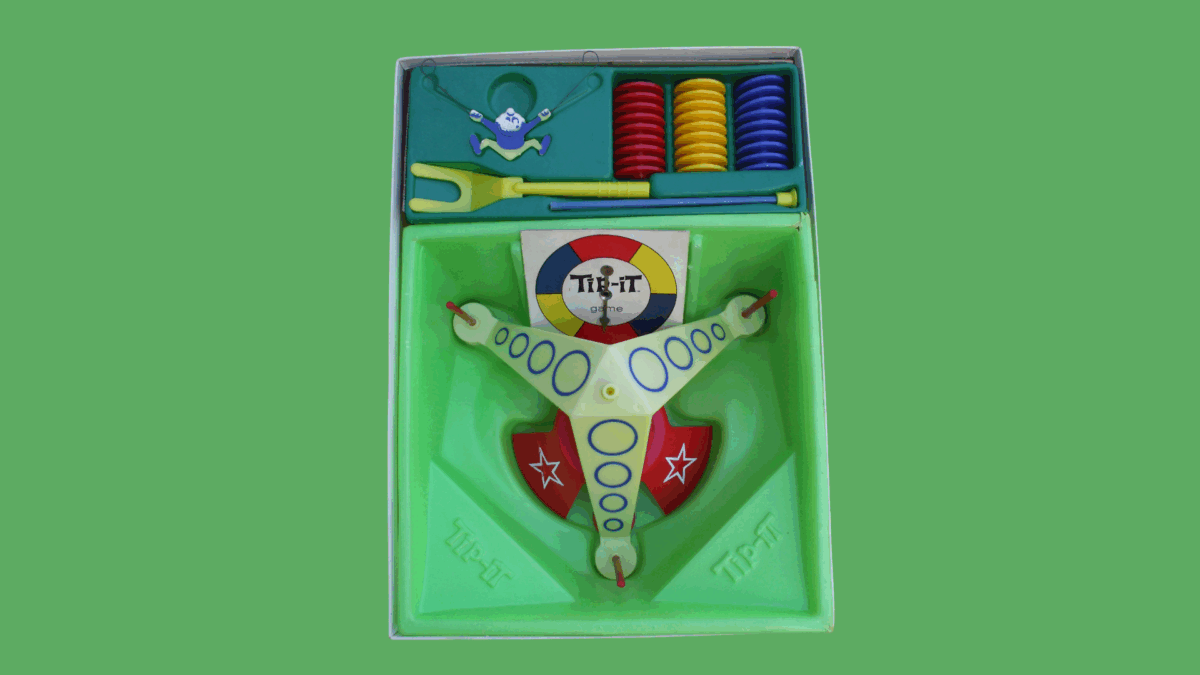
Ideal’s Tip-It (1965) was a balance game challenging players to hang colored discs on a rocking platform without tipping it. Success took physics, patience, and a willingness to take calculated risks.
Complete games with all the discs and stands sell for a few tens of dollars. The balancing mechanism was delicate — too much enthusiasm could bend the supports or wear the pivot.
It taught cause and effect immediately: every placement had visible consequences, with no hiding from poor judgment.
Hungry Hungry Hippos
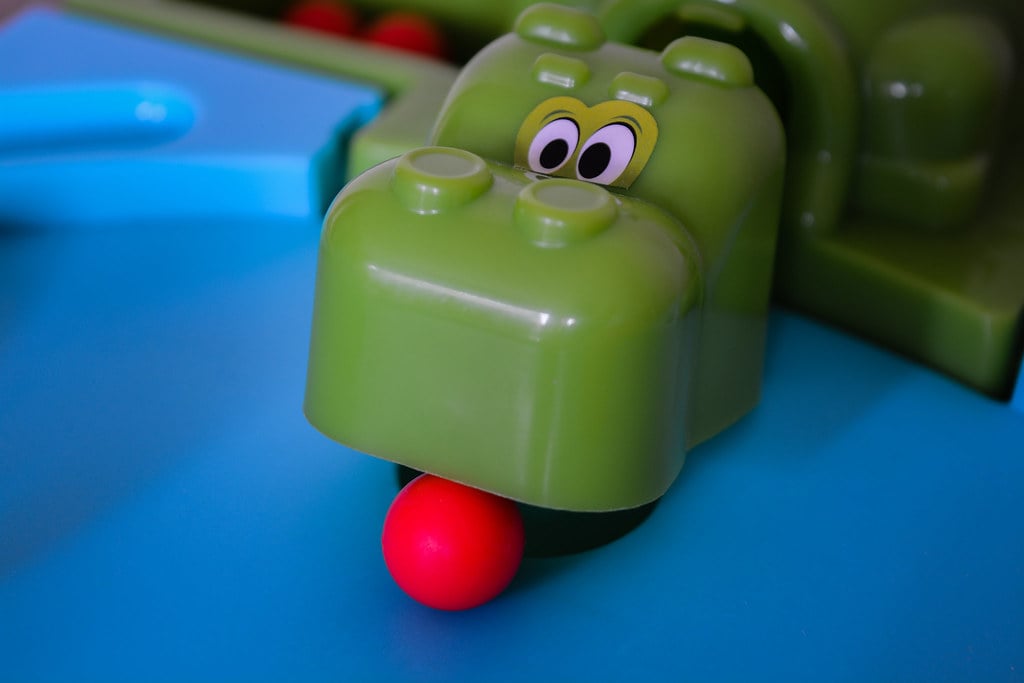
Hasbro’s Hungry Hungry Hippos (1978) was chaos theory applied to children’s entertainment. Four plastic hippos chomped frantically for marbles while players mashed levers with no strategy beyond speed.
Original sets sell for a few tens of dollars, assuming all four hippos still chomp and the marbles are present — the mechanisms took a beating. It was pure kinetic energy turned into competition: minimal strategy, limited skill, but the satisfaction of your hippo grabbing a marble was real.
Green Ghost
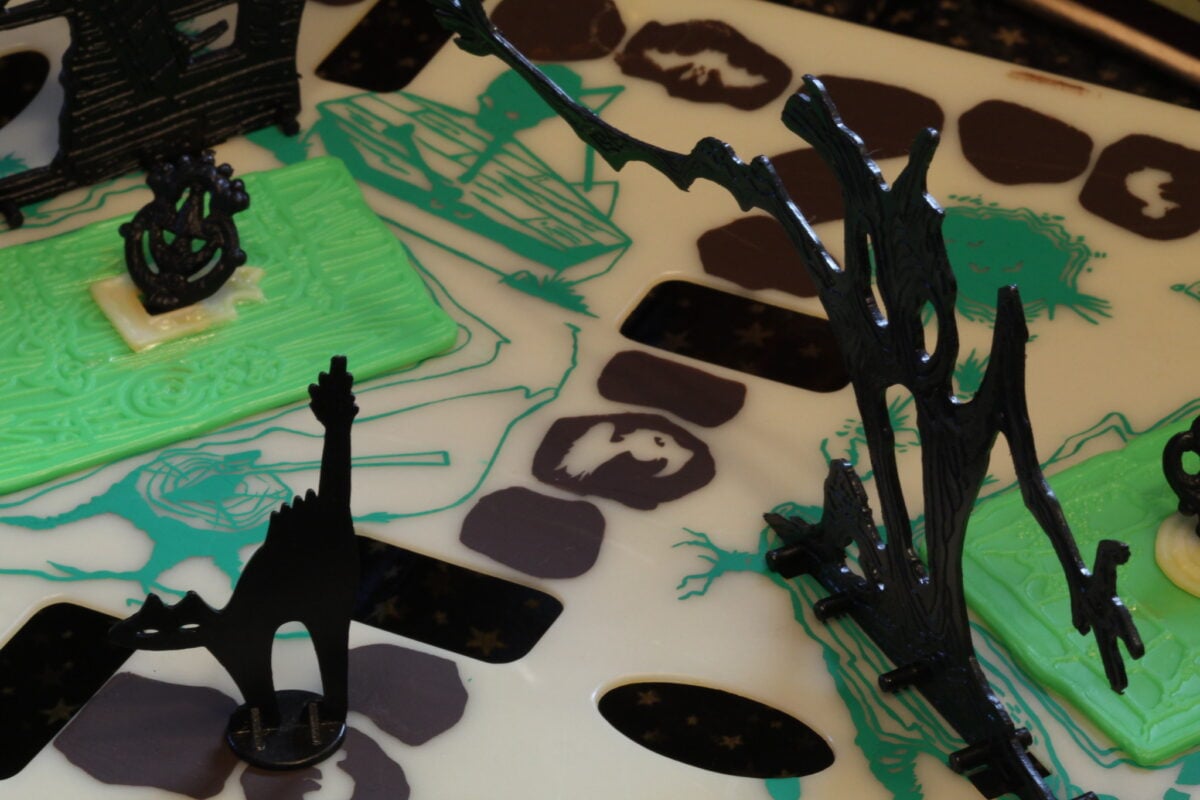
Transogram’s Green Ghost (1965) was a board game that played in the dark, using glow-in-the-dark pieces and spooky, supernatural themes — one of the first games designed specifically to be played with the lights off. Complete games with all the glowing pieces intact sell in the low hundreds, with boxed, well-preserved examples higher.
The glow elements faded and the fragile plastic parts were easily lost or broken, so a complete set is genuinely hard to find. The game tapped into something timeless: kids have always loved the combination of mild fright and things that glow in the dark, and Green Ghost delivered both before most toymakers thought to try.
Suzy Homemaker
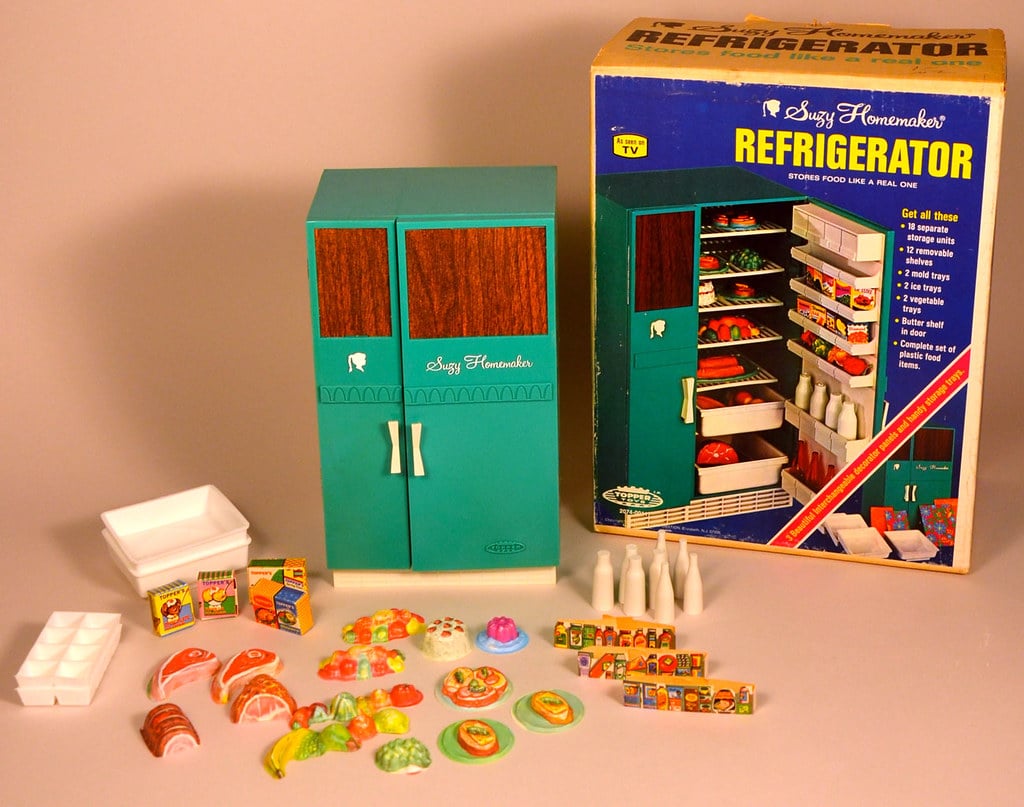
Topper’s Suzy Homemaker line (mid-1960s) gave kids working miniature appliances — ovens that actually heated, washing machines that actually spun. Like its rival the Easy-Bake Oven, it ran on the era’s relaxed attitude toward handing children genuinely functional, genuinely hot equipment.
Complete appliances in working order sell from the tens into the low hundreds, more for boxed examples or the harder-to-find pieces. The appeal now is partly nostalgia and partly amazement that the oven really did get hot enough to bake.
Surviving examples in working condition are scarce precisely because they were used hard and eventually wore out.
Vac-U-Form
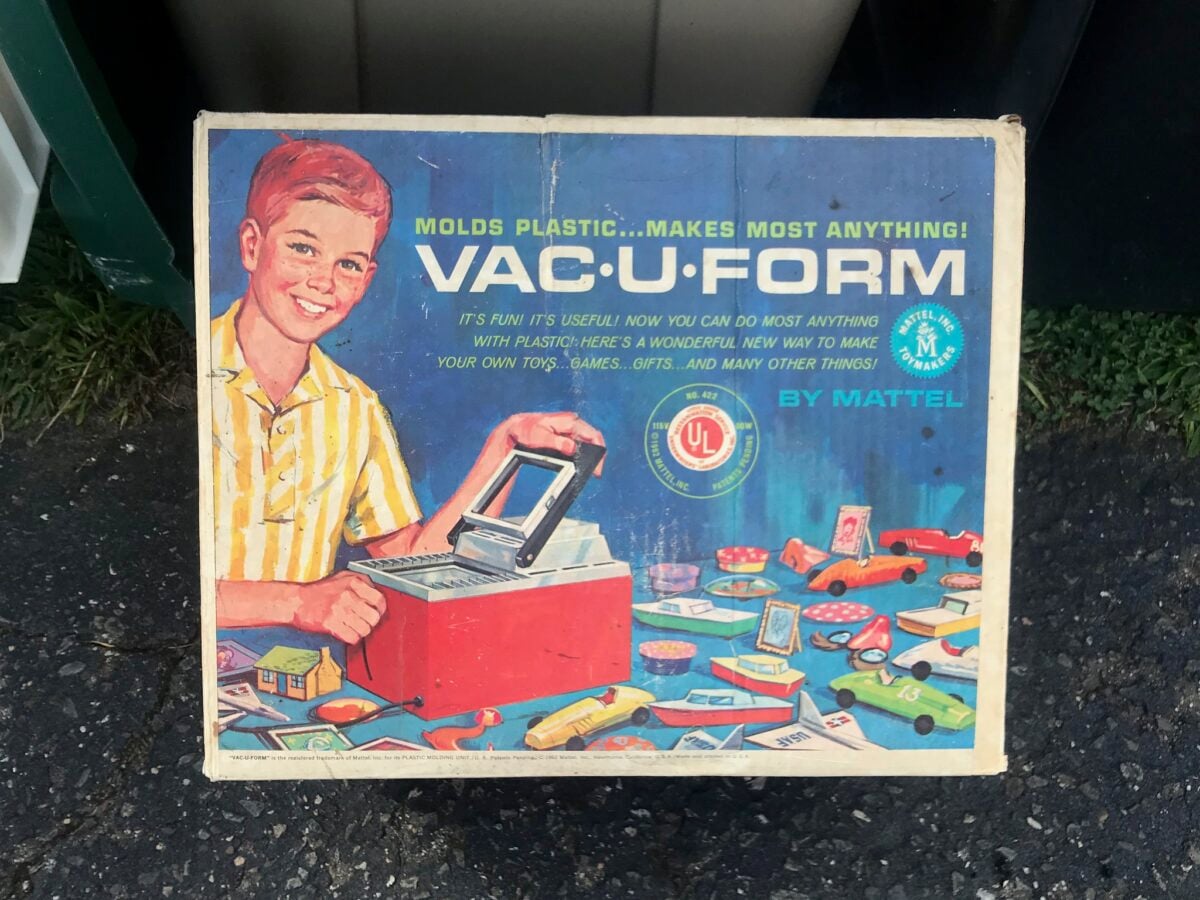
Mattel’s Vac-U-Form (1962) was the Thingmaker’s industrial cousin — another hot-surface toy that let kids heat thin plastic sheets and vacuum-form them over molds into cars, boats, and other shapes. It was essentially real manufacturing technology miniaturized for the playroom, complete with the same heating plate that makes modern parents wince.
Complete sets with the heating unit, molds, and unused plastic sheets sell in the low-to-mid hundreds. As with Creepy Crawlers, the value is half nostalgia and half disbelief that this was ever sold to children.
Working units are uncommon, since the heating element was exactly the part most likely to fail or be thrown away by a nervous parent.
The Toys That Got Away
Look back over this list and a pattern emerges that has little to do with price. Almost every toy here asked something of the child — to build the contraption, program the robot, balance the discs, and brave the hot plate.
They were toys that did something, in an era before a screen could do it for you. That’s really why they’ve become collectible.
The survivors are scarce, but more than that, they represent a kind of play that mostly vanished: hands-on, slightly dangerous, gloriously analog, built to last by companies that assumed a toy should. So if there’s a dusty box in a parent’s attic, it’s worth a careful look — not because you’ll necessarily find a fortune, but because the best of these were never really about the money.
They’re about a childhood that came in a cardboard box and ran on AA batteries or, occasionally, on something hot enough to leave a mark.
More from Go2Tutors!

- The Romanov Crown Jewels and Their Tragic Fate
- 13 Historical Mysteries That Science Still Can’t Solve
- Famous Hoaxes That Fooled the World for Years
- 15 Child Stars with Tragic Adult Lives
- 16 Famous Jewelry Pieces in History
Like Go2Tutors’s content? Follow us on MSN.



