27 Glassware Patterns Shoppers Overlook
Most collectors focus on the same predictable crystal patterns that dominate antique stores and online marketplaces. Yet beneath the obvious choices lies an entire universe of undervalued stemware, pressed glass, and etched designs from American and European manufacturers that offer comparable quality at significantly lower prices.
Recognizing these overlooked patterns requires patience and knowledge, but the reward is acquiring genuine period pieces with character and craftsmanship that modern production rarely achieves. The best attic discoveries are those nobody knew were there.
Heisey Lodestar
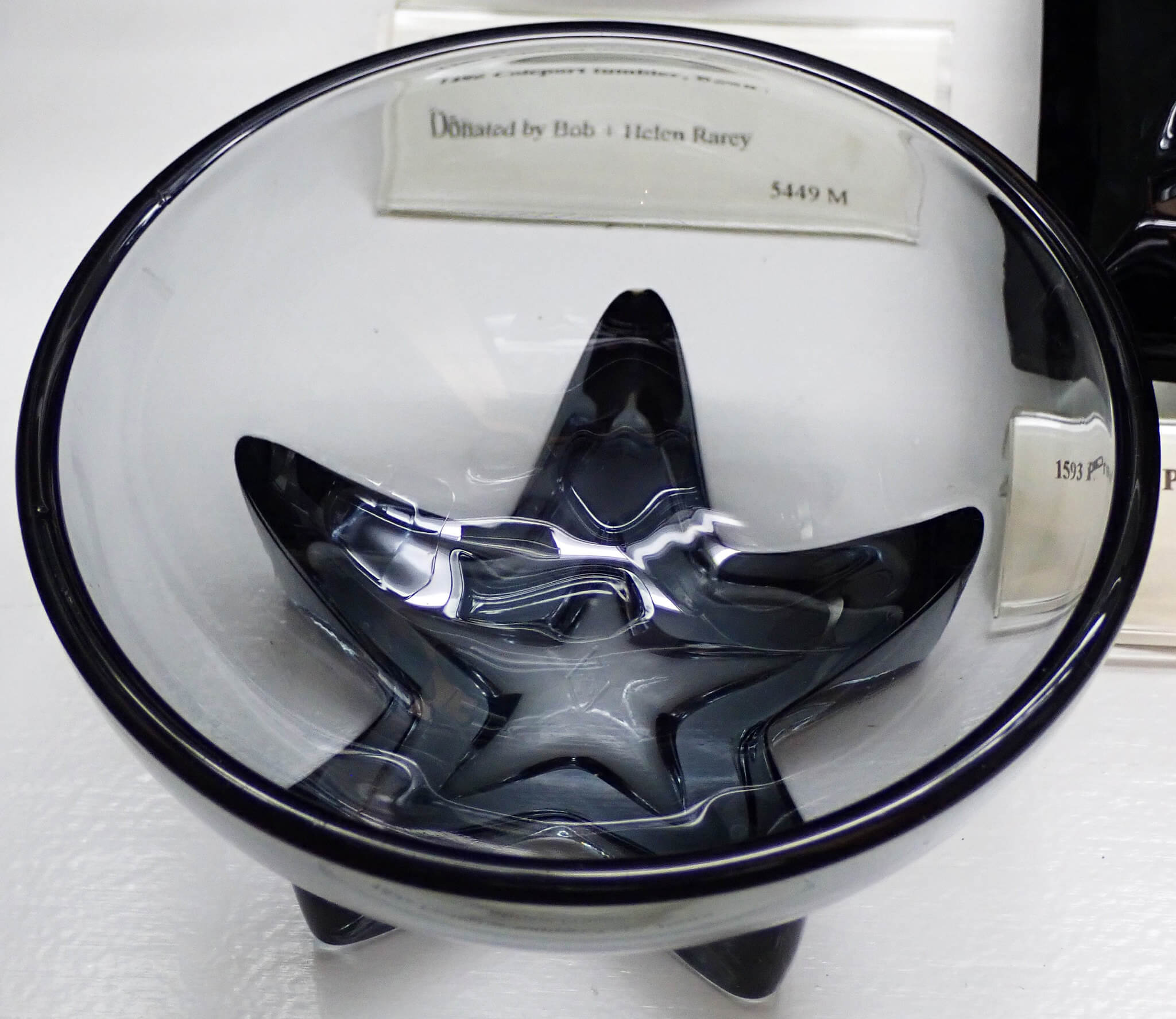
The Lodestar pattern emerged in the 1950s as Heisey’s response to the space race, featuring a distinctive five-pointed star base that anchors each piece with geometric modernity. Its bold, almost futuristic design appeals to mid-century collectors, yet it remains less sought than Heisey’s floral etchings.
Values for vintage Lodestar pieces typically range from $15 to $60 depending on size and condition, making it one of the most accessible Heisey investments for new collectors.
Heisey Pied Piper
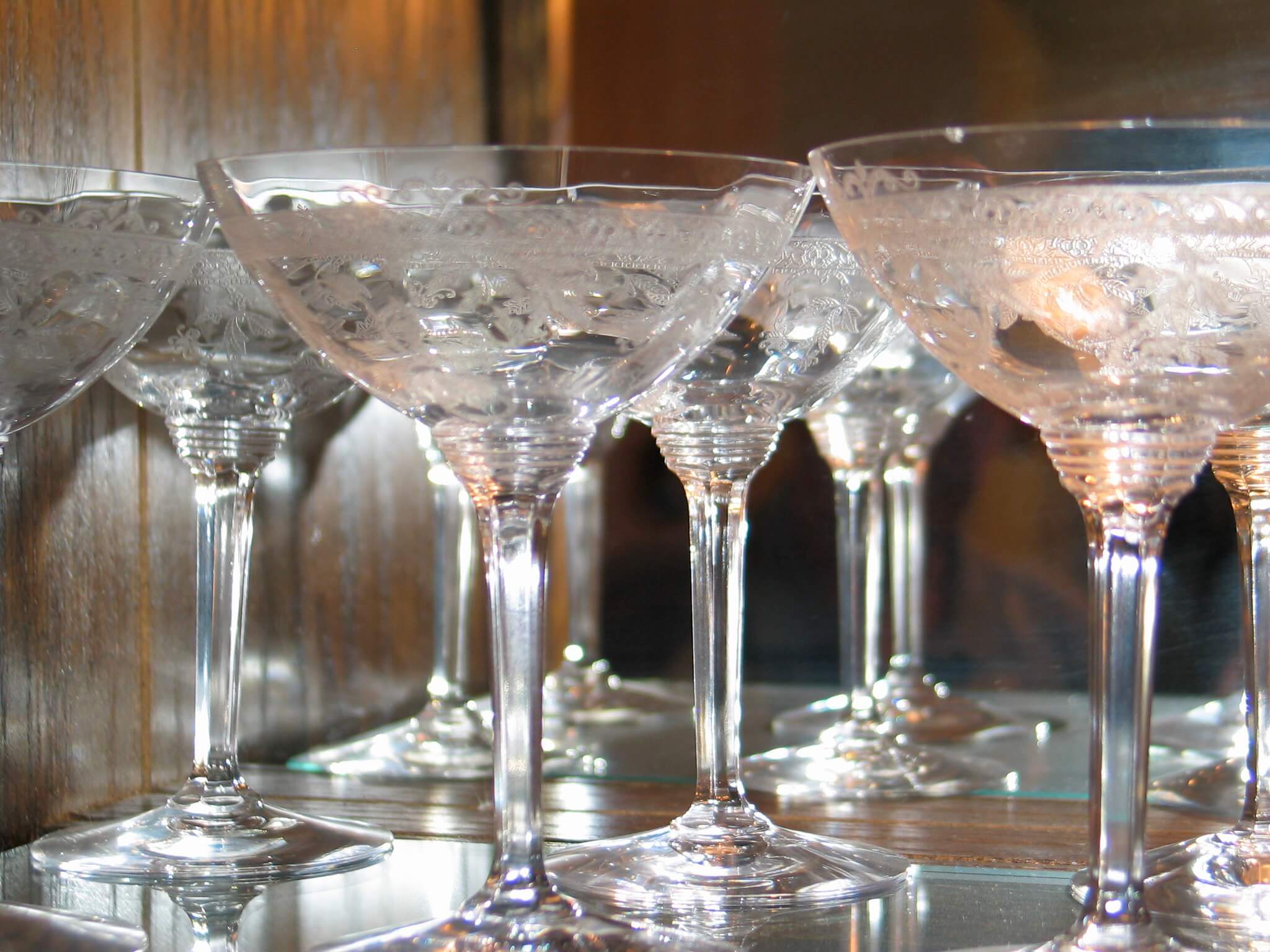
This intricate etched pattern, introduced in the 1920s, depicts scenes from the Pied Piper fairytale across graceful stemware blanks with lacy, gossamer details surrounding narrative medallions. The pattern’s narrative quality sets it apart from purely ornamental designs, and condition-dependent pricing means damaged pieces sell for $10 to $30, while pristine examples command $75 to $150 per stem.
The pattern’s literary subject matter appeals to book collectors as much as glassware enthusiasts.
Heisey Orchid Etch
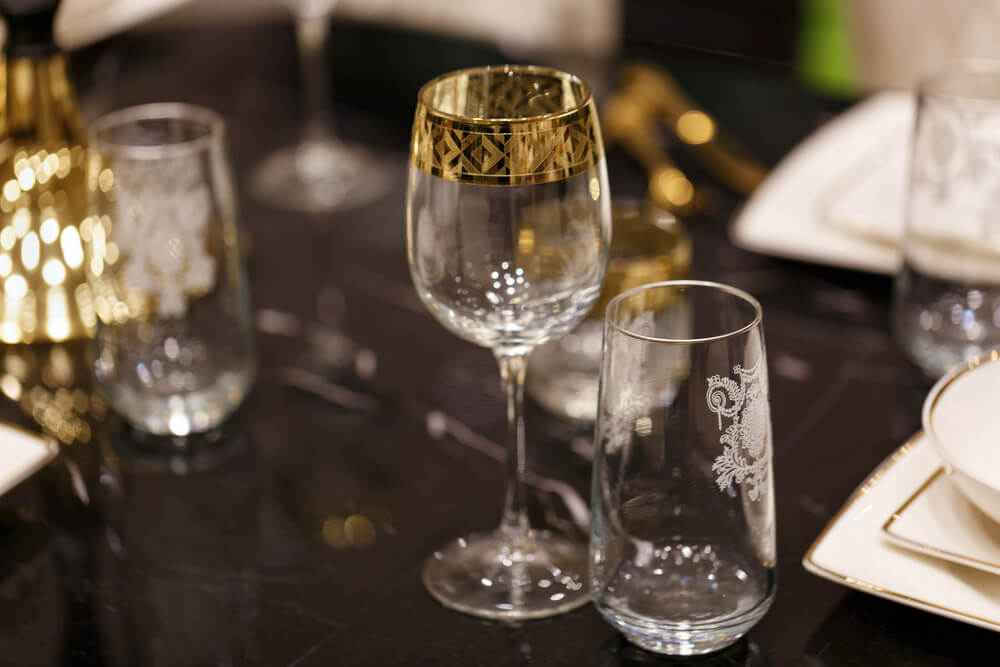
Orchid remains Heisey’s most collected etching overall, yet prices remain reasonable because production extended from 1940 to 1957 across numerous blanks, creating abundant supply. The pattern features delicate botanical orchid blossoms rendered with museum-quality precision in glassware priced between $20 and $120 per piece depending on the underlying blank.
Collectors seeking guaranteed authenticity should look for pieces marked with Heisey’s signature diamond-H mark.
Heisey Crystolite
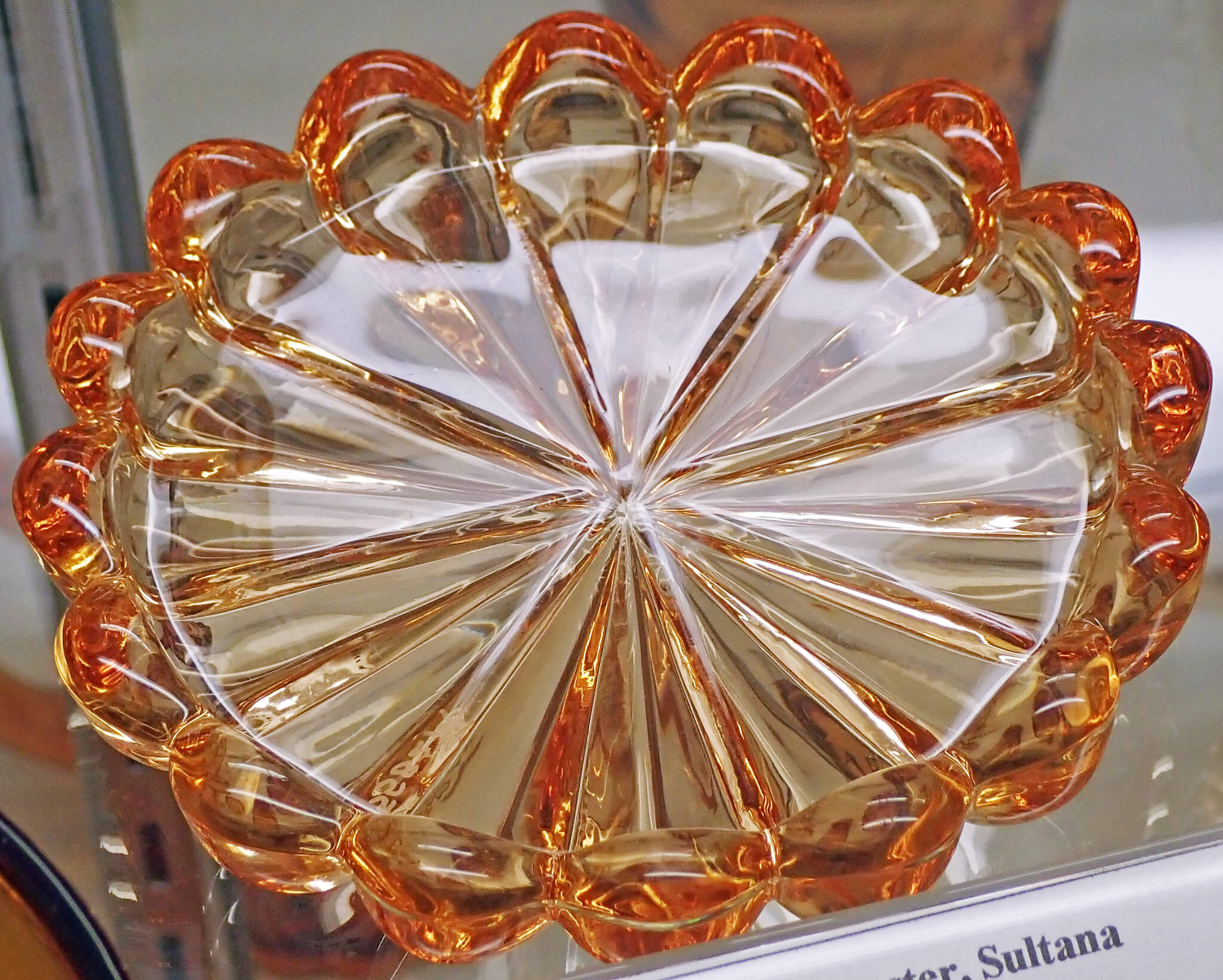
The Crystolite blank—sometimes called pattern 1503—represents Heisey’s modernist approach to pressed glass, featuring geometric faceting rather than floral ornamentation. This pattern gained production momentum during the 1940s wartime economy when simpler designs reduced manufacturing costs.
Today, Crystolite pieces fetch $8 to $40 each, making them among the most affordable Heisey available, though rarity in certain colors like Sahara can push values higher.
Heisey Ipswich
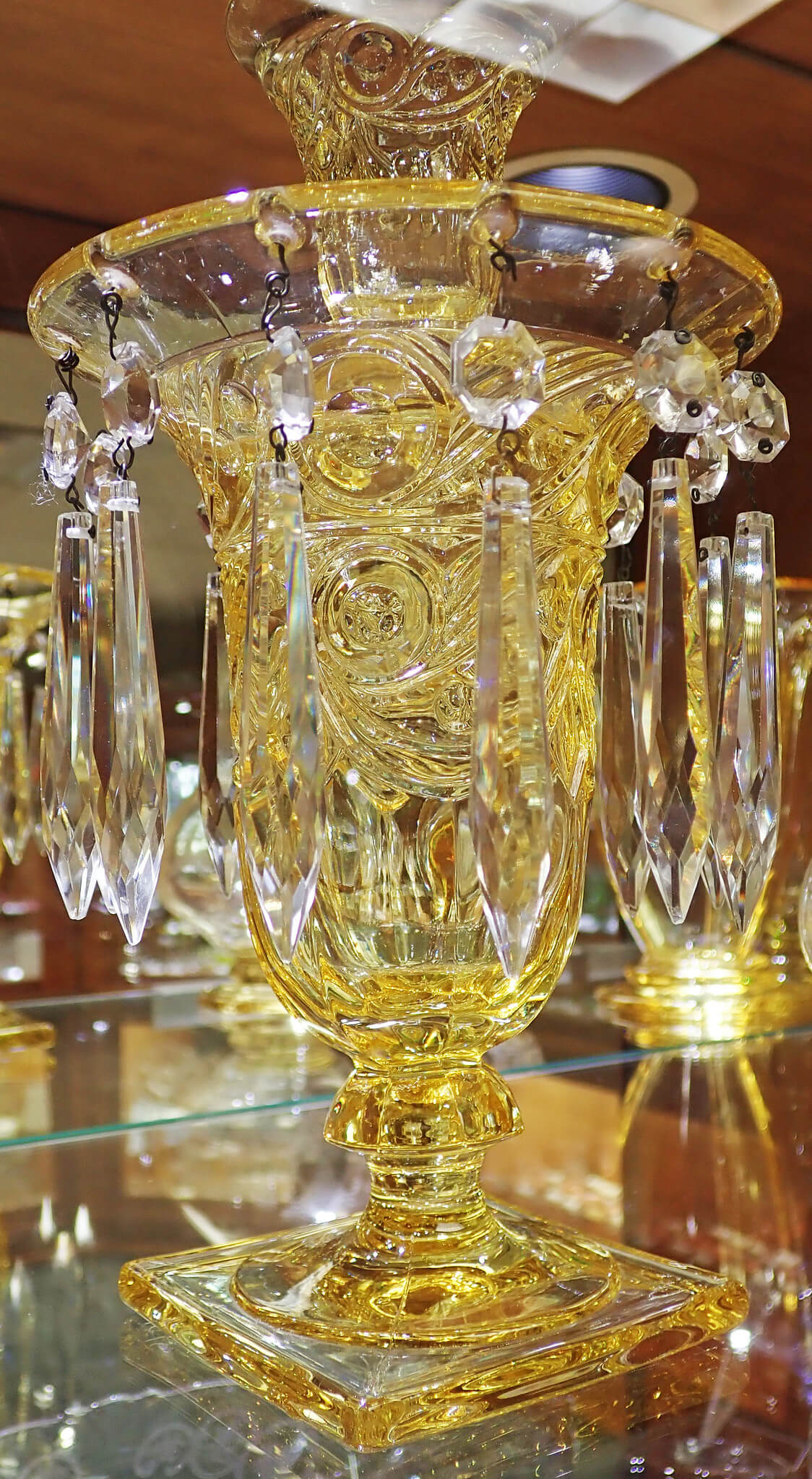
The Ipswich pattern, introduced in the Colonial revival era, features deep vertical ribs and scalloped edges characteristic of 18th-century design sensibilities translated to 1890s production. The pattern’s historical mimicry appeals to traditionalists, yet it remains overlooked compared to more ornate Heisey offerings.
Ipswich pieces in Sahara color—Heisey’s soft lemony yellow—typically cost $12 to $45 per item in good condition.
Heisey Ridgeleigh
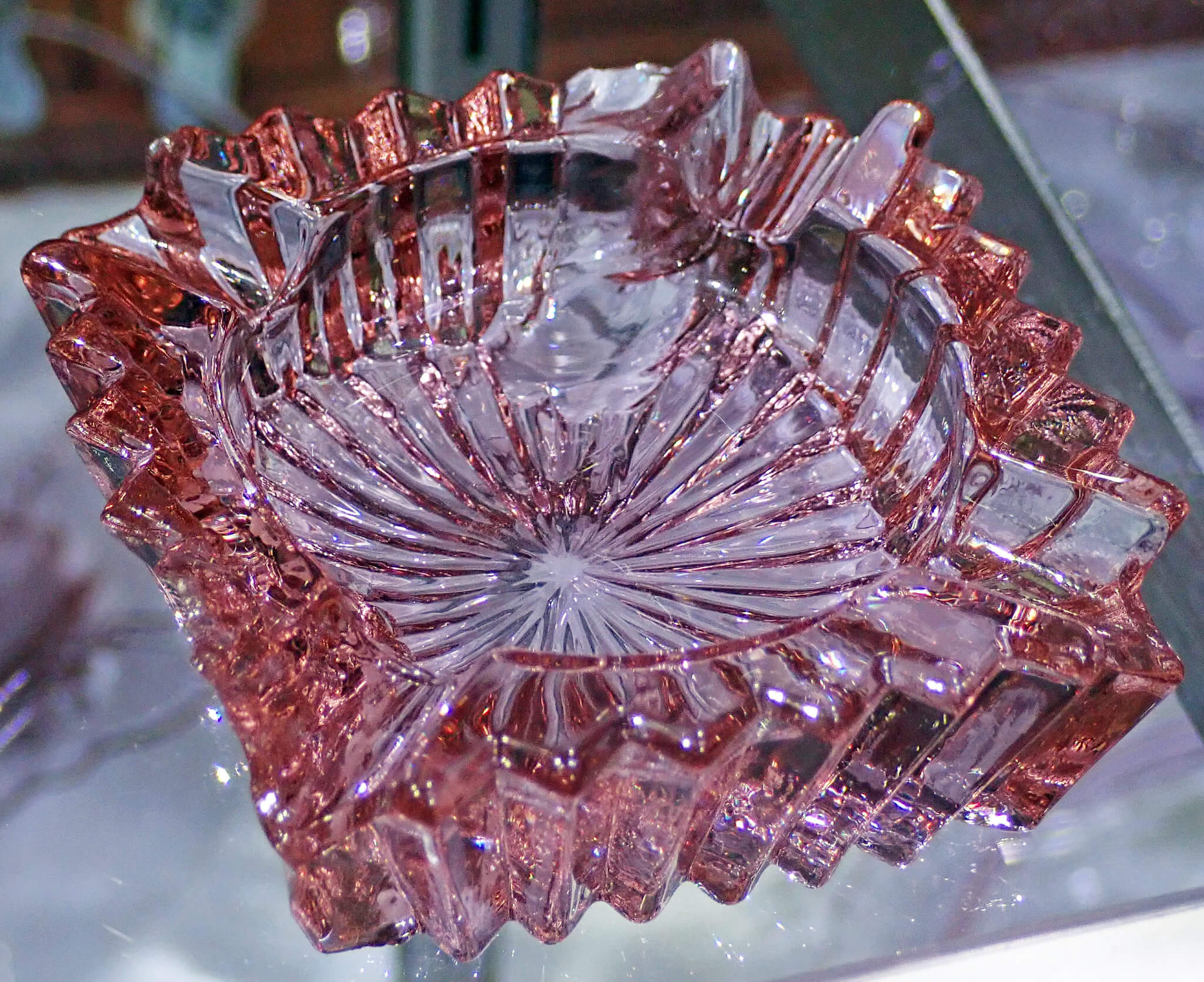
Ridgeleigh represents Heisey’s aggressive modernization during the Depression era, with sharp geometric lines replacing the curved surfaces of earlier patterns. The pattern’s uncompromising linearity makes it polarizing, but its authentic 1930s industrial aesthetic increasingly appeals to contemporary designers and collectors seeking period-appropriate tableware.
Values range from $10 to $50 per piece depending on size and the presence of the diamond-H mark.
Heisey Minuet Etch
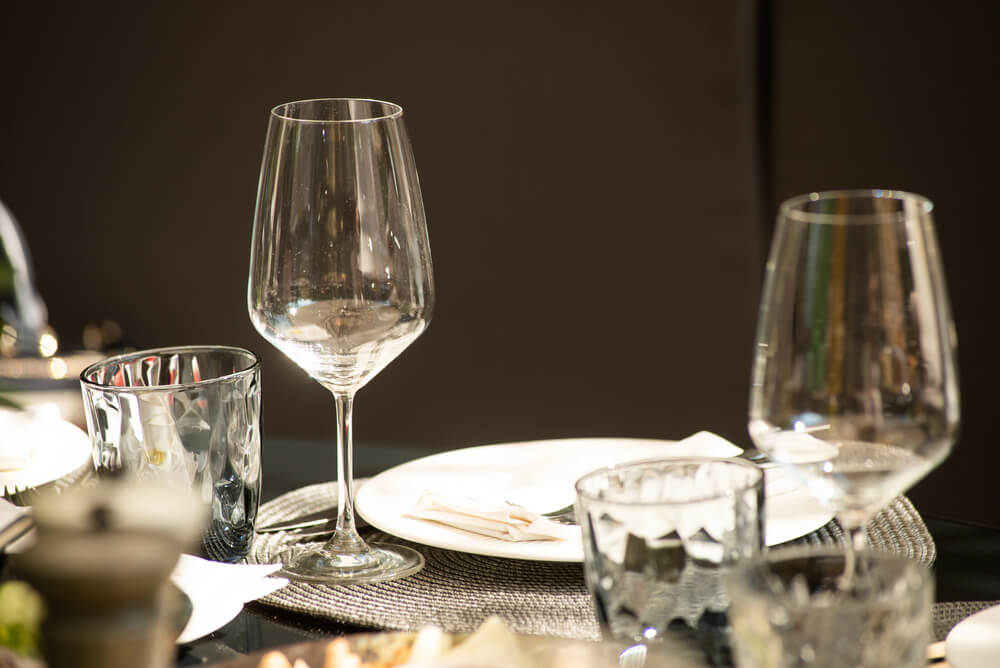
The Minuet etch exemplifies Heisey’s mid-range sophistication, offering delicate botanical details without the museum-quality precision of Orchid. Introduced in 1927, the pattern remained in production for nearly three decades on various blanks, creating widespread availability that keeps prices between $15 and $60 per stem.
Collectors often overlook Minuet in favor of more famous etchings, creating genuine bargains.
Heisey Plantation

Plantation emerged in the 1940s as Heisey’s answer to post-war consumer demand for simpler, less formal tableware suitable for suburban life. The pattern features subtle embossed leaves without elaborate etching, reflecting the era’s move toward understated elegance.
Plantation pieces cost $10 to $45 each in typical condition, with colored variants commanding premium pricing that nonetheless remains below comparable Orchid examples.
Fostoria American
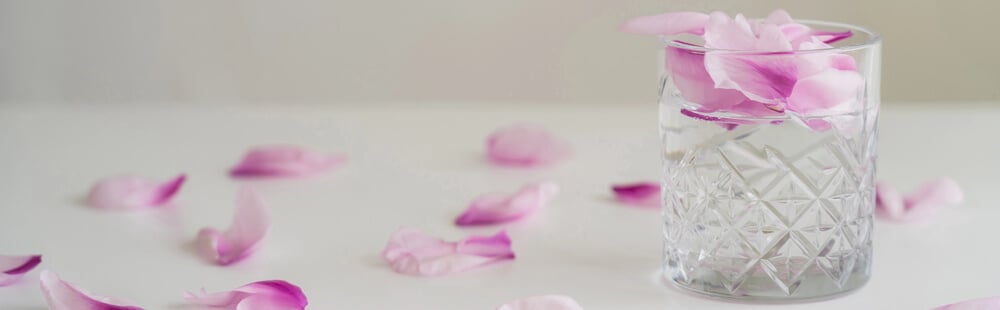
The American pattern, produced by Fostoria from 1915 to 1970, remains one of the most produced of all depression-era designs, yet it continues to be undervalued relative to its craftsmanship and production longevity. The pattern’s geometric brilliance cuts create light-catching surfaces that rival far more expensive hand-cut crystal.
Pieces typically range from $5 to $30, making even quality serving pieces affordable for budget-conscious collectors.
Fostoria Mademoiselle
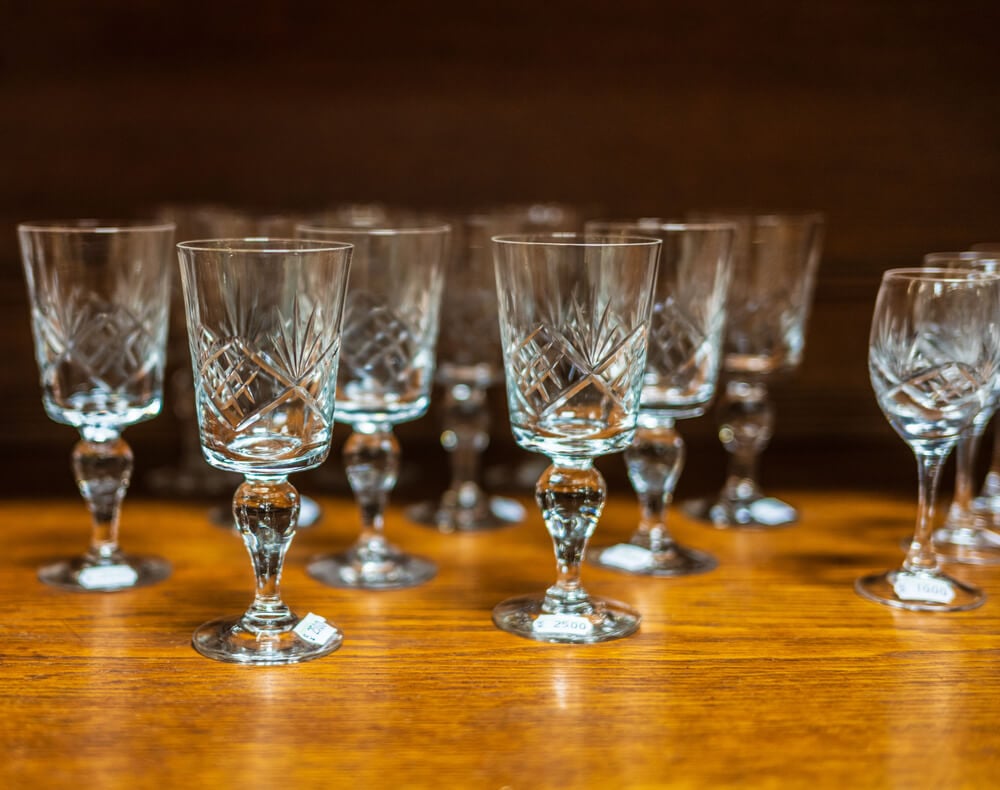
Mademoiselle represents Fostoria’s mid-century modernization, featuring architectural geometric patterns that prioritize clean lines over ornamental detail. Production concentrated in the 1940s and 1950s across numerous blank sizes, ensuring consistent availability at low market values.
A typical water goblet costs $8 to $25, and the pattern’s mid-century aesthetic increasingly appeals to retro-style decorators.
Lenox Firelight
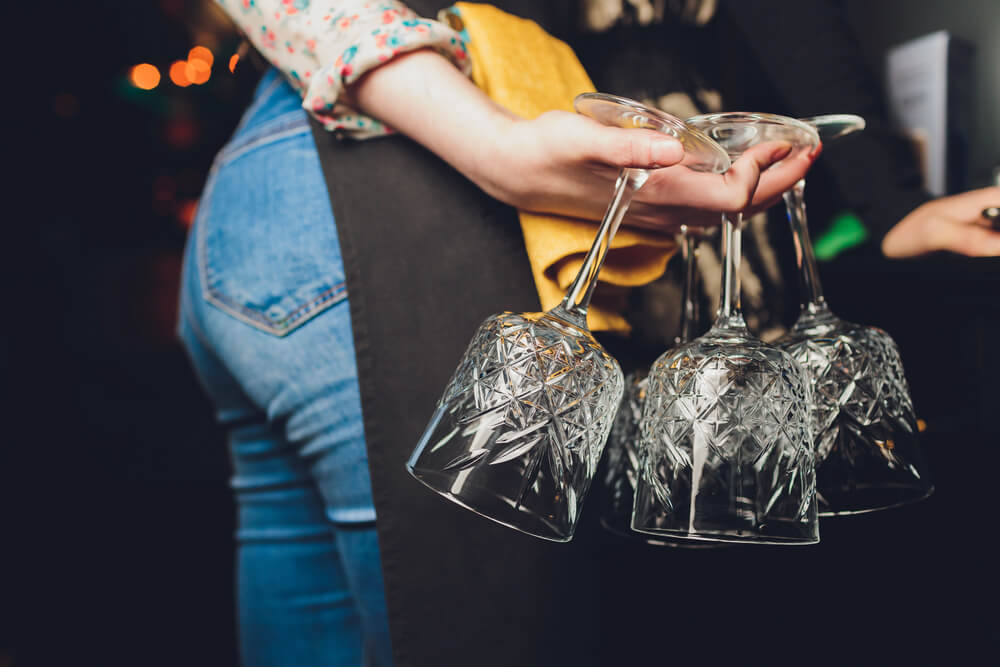
Firelight, a Lenox pattern from the 1970s and 1980s, features sophisticated geometric etching in gold-trimmed crystal that reflects the era’s luxe sensibilities without commanding luxury prices. Unlike earlier Lenox patterns, Firelight never achieved collectible status, leaving it readily available in estate sales at $6 to $20 per piece.
Its understated glamour appeals to contemporary stylists seeking vintage polish without formal stuffiness.
Waterford Alana
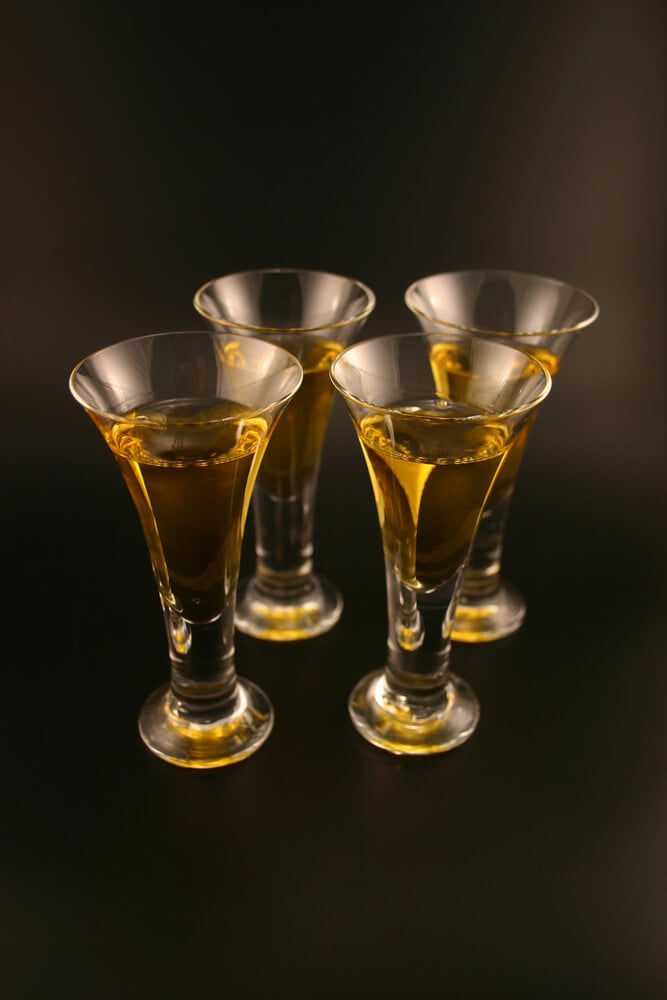
Alana, a Waterford pattern from the 1980s, exemplifies modern cut crystal craftsmanship that remains affordable despite bearing the Waterford name. The pattern features horizontal linear cuts and a port/wine focus that appeals to serious stemware collectors without attracting mainstream attention.
Signed Waterford Alana pieces typically cost $15 to $45 each, making the prestige of Irish crystal production accessible at mid-range pricing.
Tiffin June Night
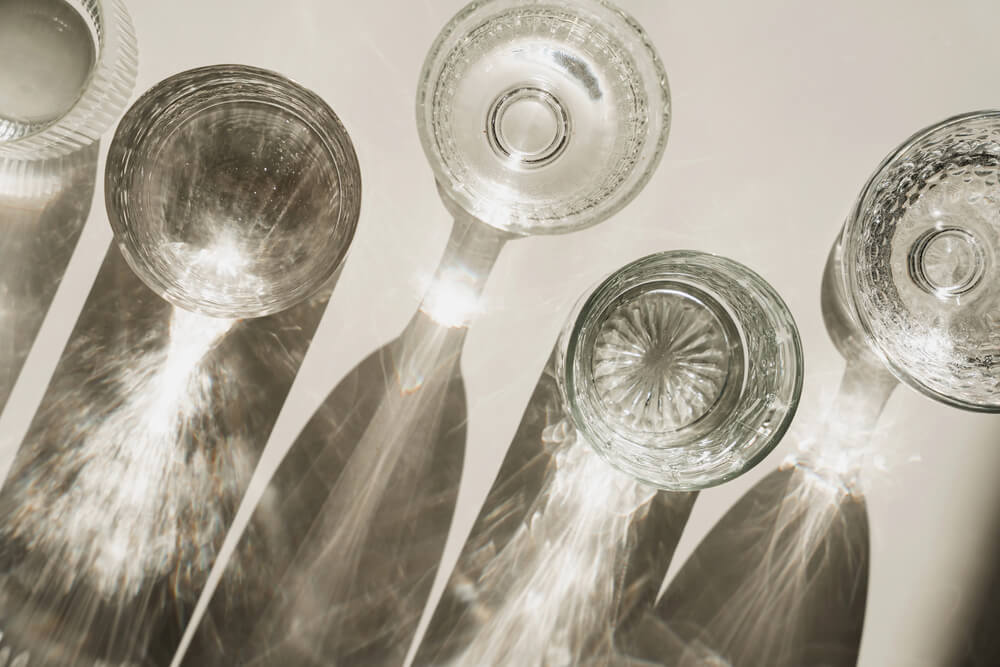
June Night represents Tiffin’s Art Deco heritage from the 1930s, combining botanical imagery with geometric Art Deco geometry in sophisticated cordial glasses. The pattern’s refined size—typically cordials between 3 and 4 inches—makes sets more affordable than large stemware, with prices between $8 and $30 per piece.
Collectors seeking statement cordials often overlook June Night in favor of more famous patterns.
Tiffin Rambler Rose
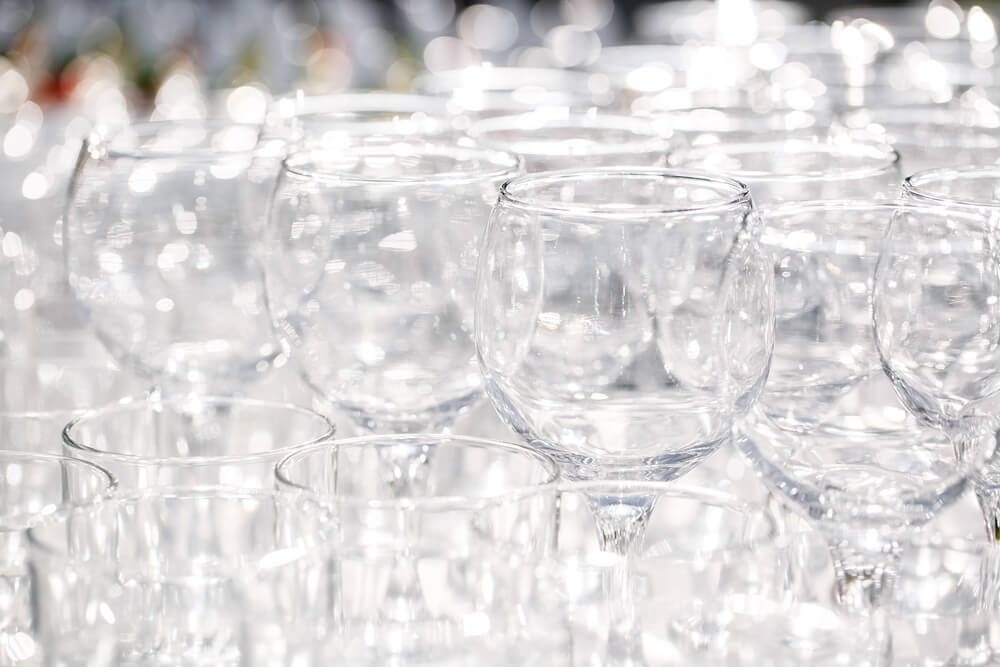
Rambler Rose exemplifies Tiffin’s delicate floral etching tradition, with climbing rose vines that spiral across stemware with botanical authenticity. The pattern’s feminine aesthetic appeals to collectors of vintage rose-themed tableware, yet it remains overshadowed by larger Tiffin productions.
Rambler Rose pieces typically cost $10 to $35 each, offering genuine artistry at entry-level pricing.
Imperial Shoji
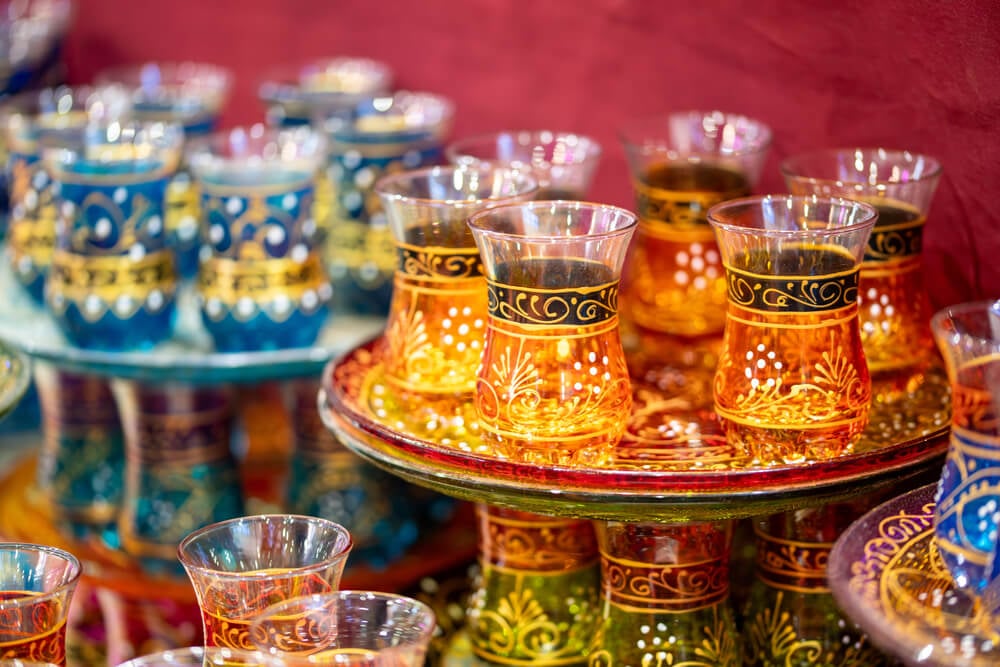
Imperial produced the Shoji pattern in the 1960s with raised gold overlay that creates texture without requiring deep cutting. The design’s minimal maintenance and dishwasher compatibility made it practical for suburban entertaining, yet its streamlined aesthetic lacks the gravitas of earlier cut glass.
Shoji pieces cost $5 to $20 each, making sets affordable for collectors seeking functional vintage serviceware.
Cambridge Rose Point
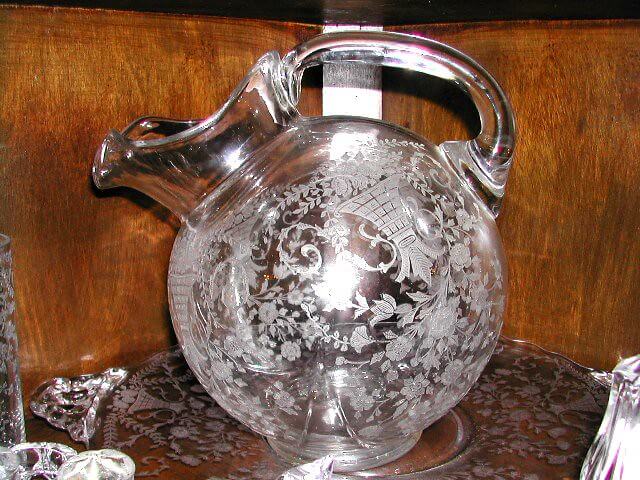
Rose Point represents Cambridge Glass Company’s most successful floral etch, yet it receives far less attention than comparable Heisey or Lenox patterns. The pattern features delicate roses in shallow etching that photographs beautifully without the visual heaviness of more dramatic designs.
Prices typically range from $12 to $40 per piece depending on size, with colored variants in Amberina or Emerald commanding premium values.
Cambridge Portia
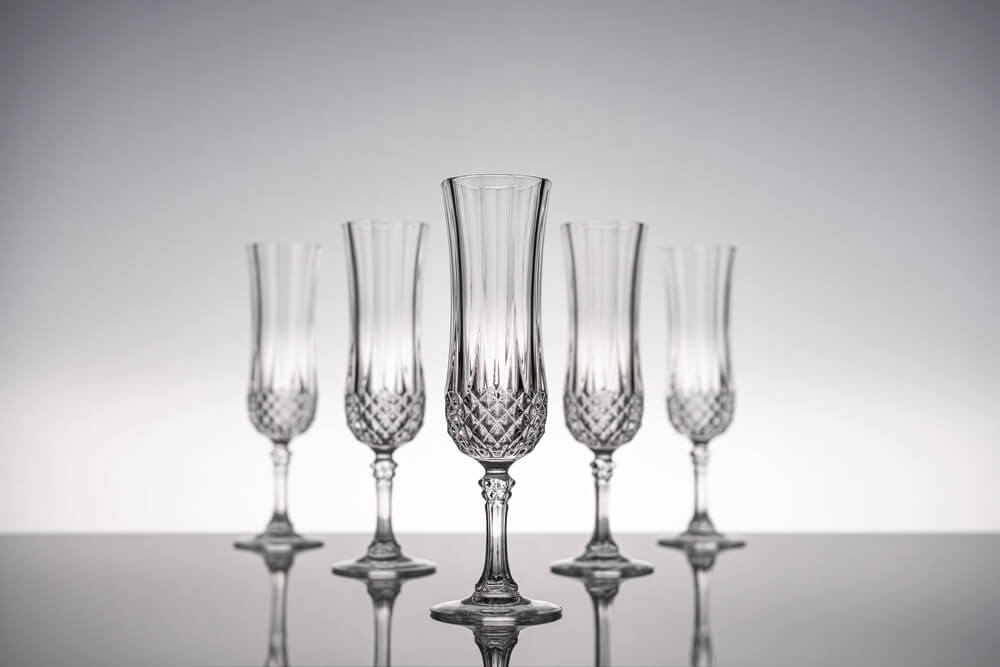
Portia combines Cambridge’s technical glass excellence with geometric modernism, featuring angular cuts radiating from a central point. The pattern’s aggressive contemporary sensibility creates mixed reception among traditional collectors, leaving supply abundant and prices low.
Portia pieces typically cost $8 to $30 each, making this sophisticated design accessible to collectors with limited budgets.
Duncan & Miller Caribbean
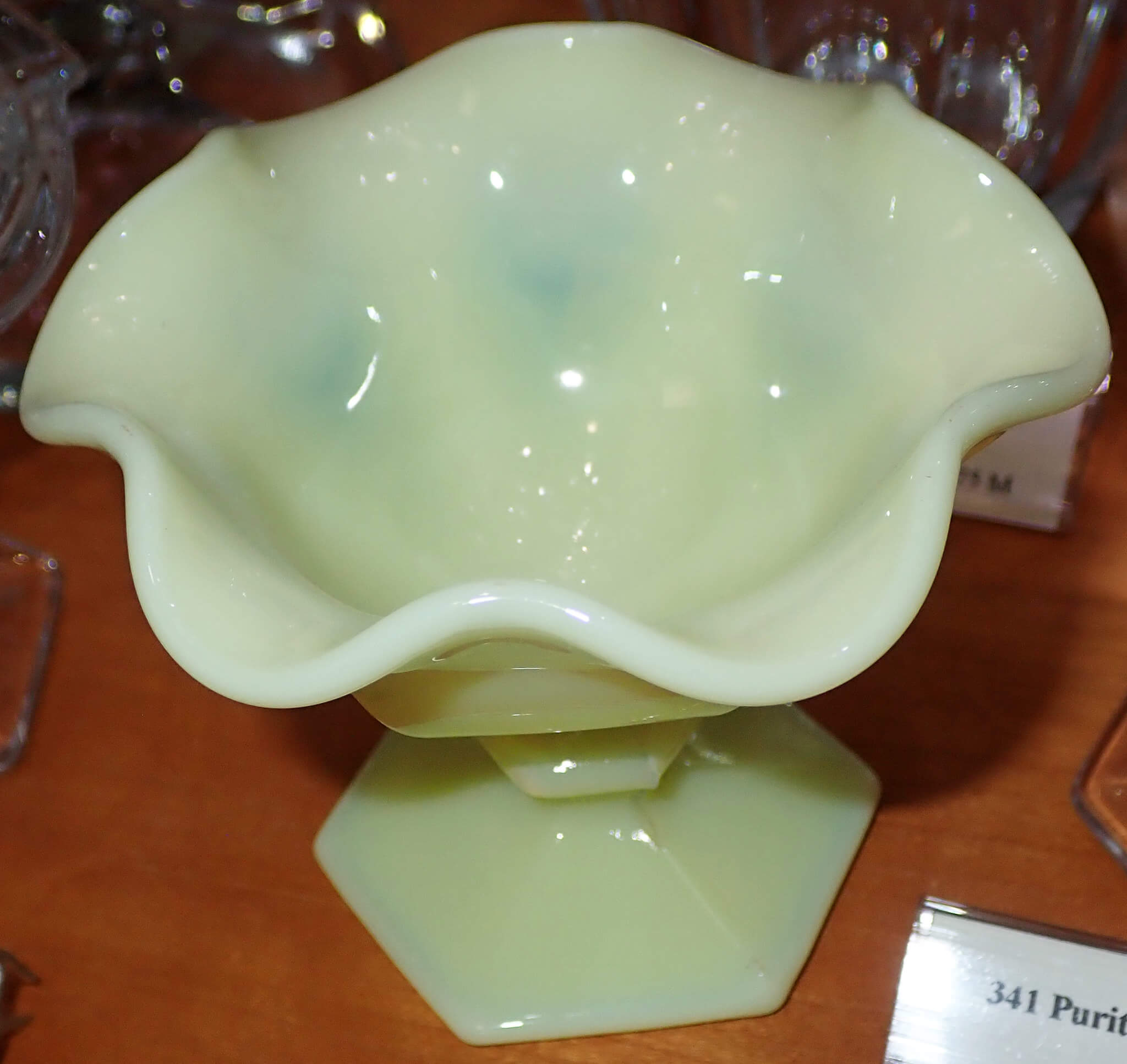
Caribbean represents Duncan & Miller’s post-war design philosophy, featuring angular geometric cuts that evoke tropical aesthetics without literal representation. The pattern’s niche appeal—neither purely geometric nor floral—means it attracts fewer collectors, keeping prices between $10 and $35 per stem.
Complete service sets often appear intact in estate sales, allowing budget-conscious decorators to acquire matching pieces economically.
Gorham Brilliance

Gorham, established in 1831 primarily as a silverware manufacturer, produced crystal stemware that combined metallurgical heritage with design sophistication. Brilliance represents their streamlined post-war approach to crystal, featuring subtle surface detailing and architectural proportions.
Gorham crystal typically costs $8 to $25 per piece, often bearing the company name etched into the base.
Hazel Atlas Georgian
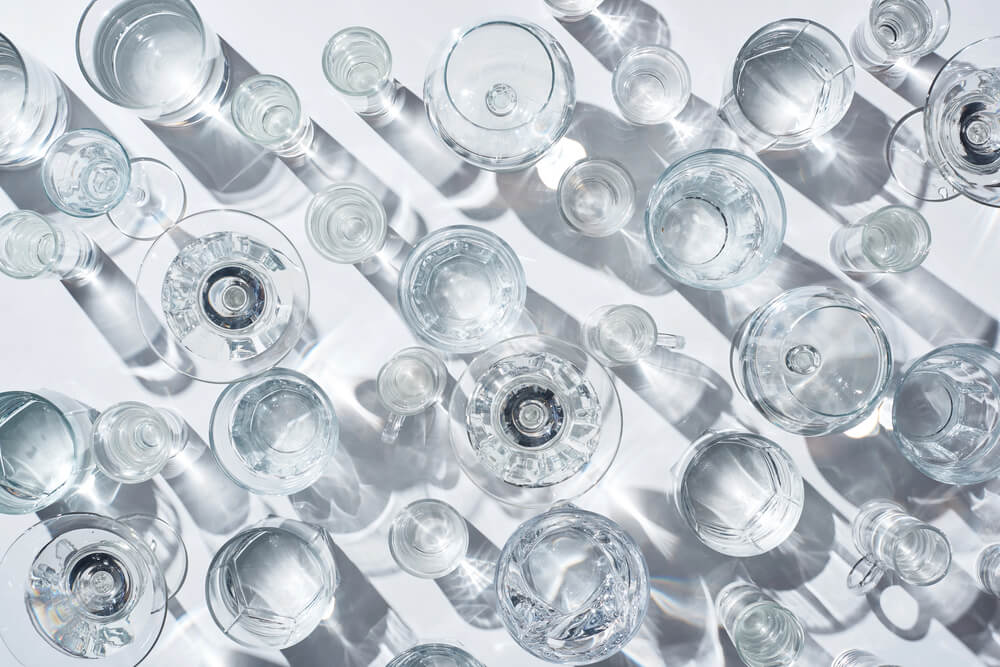
Hazel Atlas, a prolific depression-era producer, created the Georgian pattern with ribbed pressed-glass construction that mimics hand-cut brilliance. The pattern’s mass production means abundant supply and low prices of $4 to $15 per piece, yet the quality of the mold work and glass formula compares favorably to more celebrated makers.
Colored pieces, particularly in pink or amber, command slightly higher values.
Federal Glass Paragon
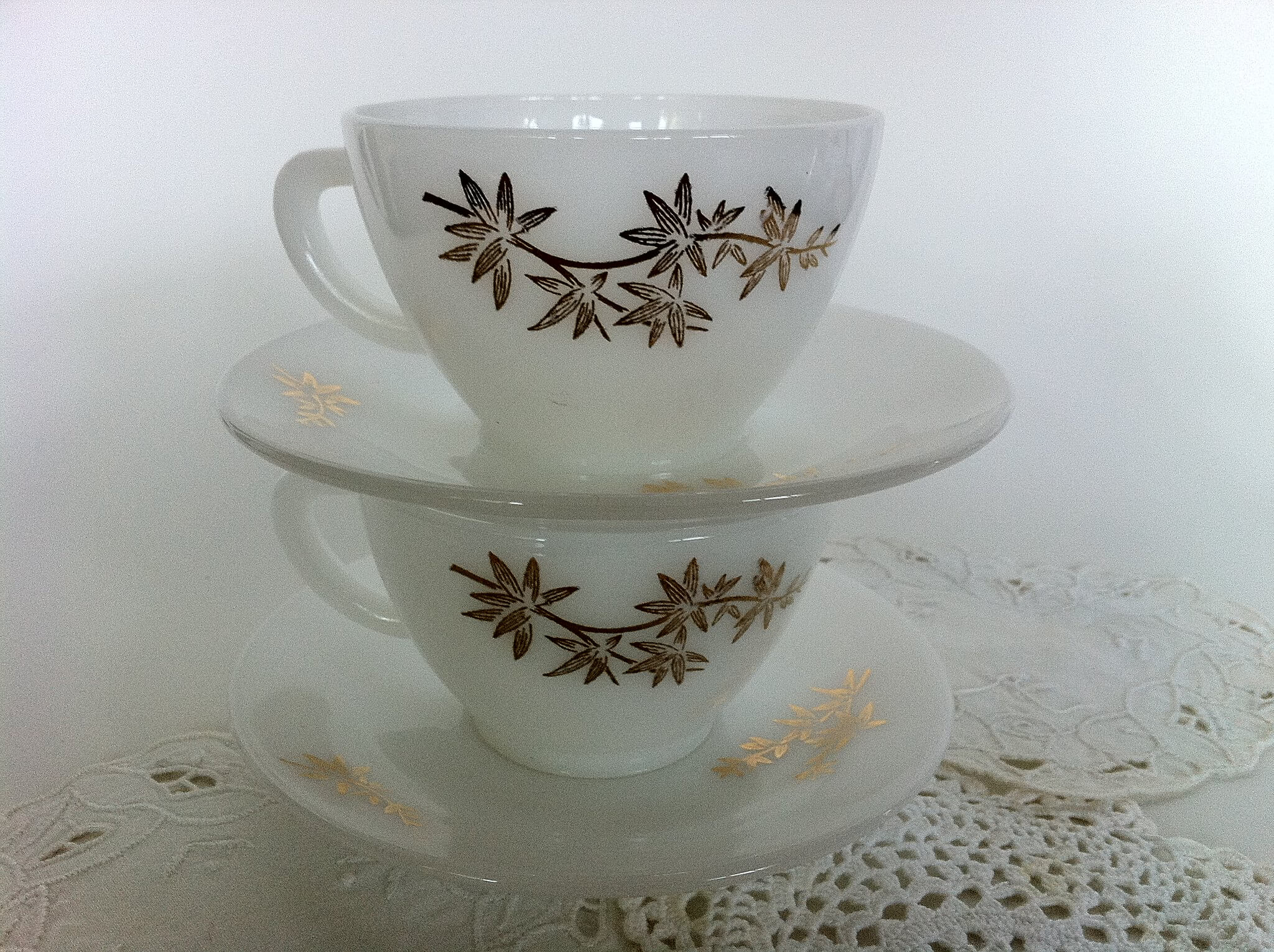
Paragon represents Federal Glass Company’s attempt at elegant stemware production during the 1940s, featuring gentle geometric ribbing and graceful proportions. Federal’s commitment to practical quality over artistic reputation means Paragon pieces remain overlooked despite solid craftsmanship.
Prices typically range from $5 to $18 per piece, making complete service sets achievable for average collectors.
Princess House Fantasia
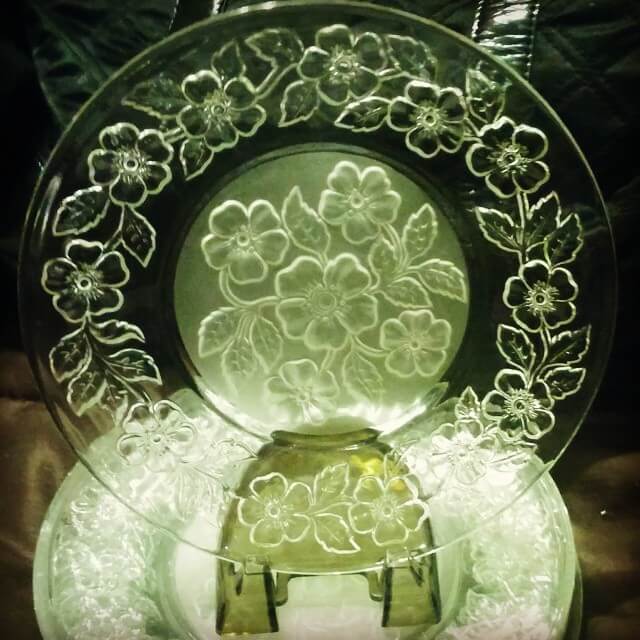
Princess House emerged as a direct-sales crystal manufacturer in the 1970s, producing Fantasia with modern faceting and geometric clarity. The direct-sales model means pieces appear frequently in estate sales as recipients of gifts eventually downsize.
Fantasia commands similar prices to contemporary Imperial or Lenox at $8 to $25 per piece, yet the Princess House name carries less prestige than European manufacturers.
Libbey Nash

Libbey, an American production powerhouse, created the Nash pattern in the mid-20th century featuring subtle geometric optics and streamlined proportions. Nash represents Libbey’s design philosophy of elegant simplicity without ornamentation, appealing to modernists while remaining overlooked by traditionalists.
Prices typically range from $6 to $20 per stem, making Libbey collections highly affordable for service-focused collectors.
Westmoreland Duchess
Westmoreland Glass Company, operating from 1889 to 1984, produced the Duchess pattern with delicate pressed detailing that conveyed elegance without hand-cutting expenses. The pattern’s modest reputation means pieces appear in thrift stores and estate sales, typically priced $4 to $12 each.
Westmoreland glass formulas are renowned for clarity and brilliance despite the company’s modest market position.
Luminarc Arcopal
Luminarc, a French opal glass manufacturer, produced Arcopal stemware that emphasizes contemporary minimalism and heat-resistant scientific formulation. The brand’s utility-focused heritage means collectors overlook it for more prestigious names, yet the optical qualities of opal glass create visual warmth impossible to achieve with clear crystal.
Arcopal pieces typically cost $3 to $10 each, making complete services achievable on modest budgets.
Anchor Hocking Georgian Optic
Anchor Hocking, the American mass-production behemoth, created Georgian Optic with consistent optical patterns that imitated hand-cut geometry. The company’s reputation for dependable middlebrow production means serious collectors overlook Georgian Optic despite genuine craftsmanship in the mold design and glass formulation.
Pieces typically cost $2 to $8 each, making Anchor Hocking collections the most affordable on secondary markets.
Limoges Porcelain Rim Stemware

While not pure glass, Limoges porcelain-rimmed stemware deserves mention for collectors seeking mixed-media elegance at accessible pricing. These pieces feature clear crystal bowls with delicate porcelain rims typically featuring botanical painting or gilt detailing.
Condition-dependent pricing means damaged rim pieces cost $8 to $20, while pristine examples command $30 to $60, yet all remain undervalued relative to comparable all-crystal alternatives.
When Oversight Becomes Opportunity
The difference between celebrated crystal and overlooked alternatives often reflects marketing history rather than genuine quality differences. Museums and established collectors establish canon through repeated exhibition and publication, creating demand that inflates prices for “approved” patterns while equally fine alternatives remain invisible.
Recognizing overlooked glassware requires patience to study manufacturers beyond Baccarat and Waterford, but the reward is acquiring authentic period craftsmanship at prices that reflect market psychology rather than artistic merit. Condition matters significantly for all collectible glassware, particularly for stemware with delicate rims; even minor chips and scratches reduce value by fifty percent or more.
More from Go2Tutors!

- The Romanov Crown Jewels and Their Tragic Fate
- 13 Historical Mysteries That Science Still Can’t Solve
- Famous Hoaxes That Fooled the World for Years
- 15 Child Stars with Tragic Adult Lives
- 16 Famous Jewelry Pieces in History
Like Go2Tutors’s content? Follow us on MSN.



