Strange Things Found Melting in Glaciers
Glaciers are like nature’s freezer, keeping things locked away for hundreds or even thousands of years. As temperatures rise and ice melts around the world, these frozen time capsules are giving up their secrets.
Scientists, hikers, and researchers keep stumbling upon bizarre items that disappeared long ago, everything from ancient weapons to perfectly preserved animals. Some discoveries are sad reminders of tragedies, while others are just plain weird.
The melting ice isn’t just revealing random objects. It’s rewriting history books and solving mysteries that nobody thought would ever get solved.
A World War I Soldier’s Body
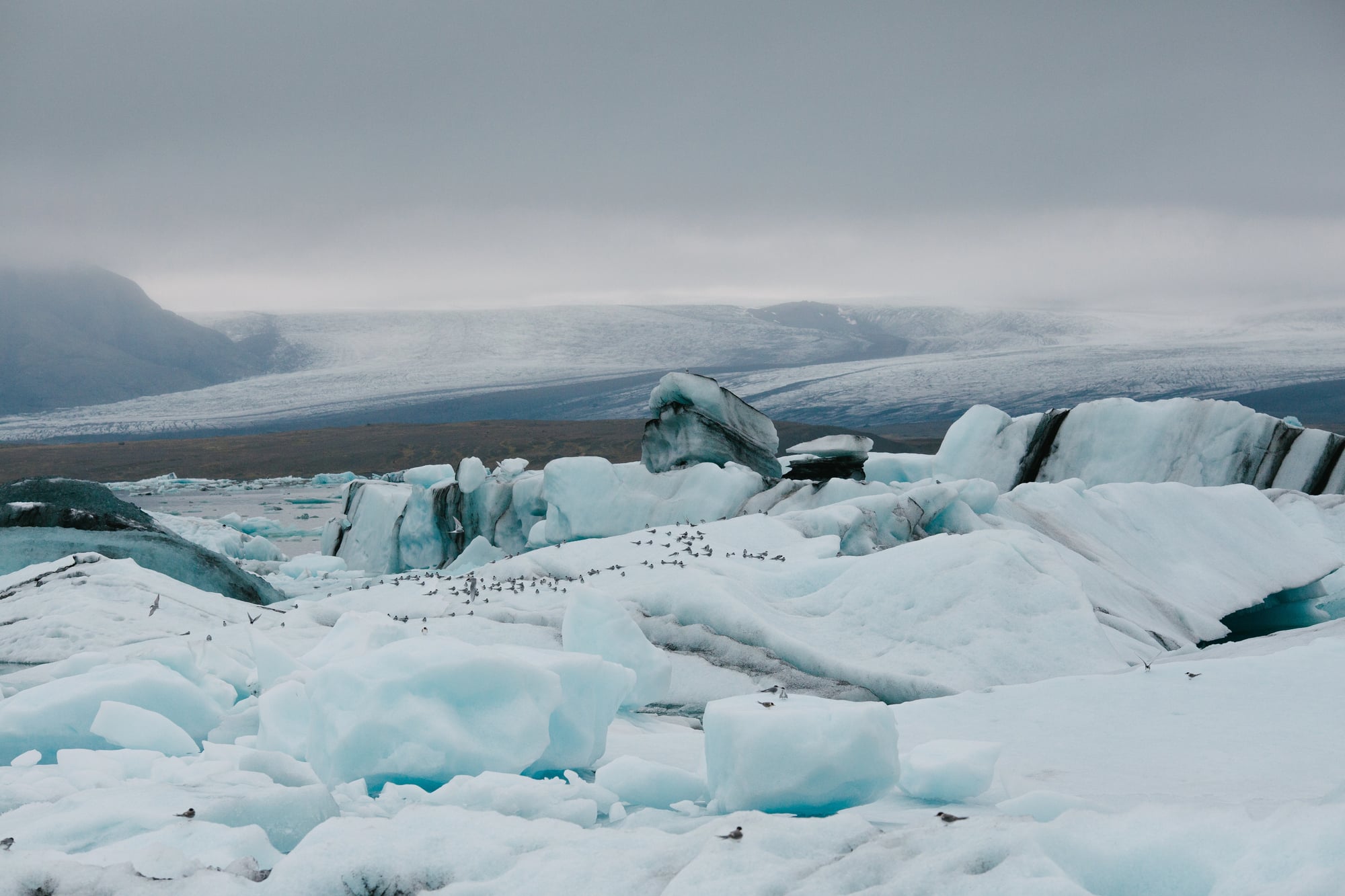
Alpine glaciers in Italy started giving up the remains of soldiers from the First World War, men who died fighting in mountain battles over a century ago.
These soldiers got caught in avalanches or fell into crevasses during combat, and the ice kept them frozen in time. Their uniforms, boots, and personal items came out remarkably intact, looking almost like they could have been left there yesterday instead of in 1915.
Families finally got closure after generations of wondering what happened to their relatives who never came home from the war.
Viking Mountain Pass Artifacts
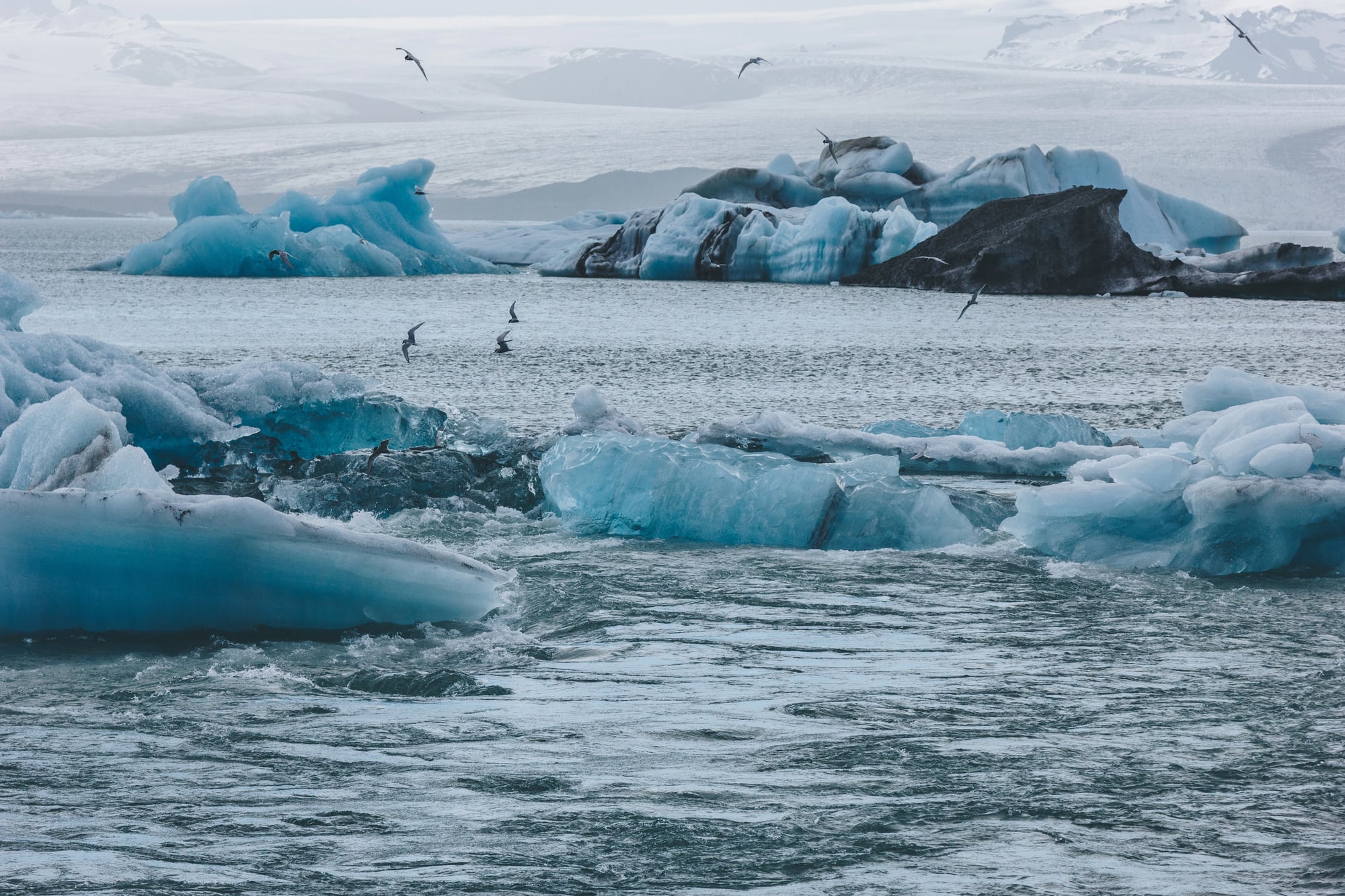
Norwegian glaciers revealed an entire network of ancient travel routes that Vikings and earlier people used to cross the mountains. Researchers found horseshoes, walking sticks, mittens, and even ancient skis that helped people navigate treacherous terrain.
One discovery included a 1,700-year-old shoe that still had its leather laces attached. These finds proved that mountain passes stayed busy with traffic for thousands of years, right up until the medieval period when climate changes made them too dangerous to cross.
A Crashed Plane from 1952

A U.S. military transport plane that vanished during a routine flight turned up in a melting glacier in Alaska after being missing for over 60 years.
The wreckage emerged slowly as the ice retreated, revealing twisted metal, personal belongings, and the remains of 52 people who died in the crash. Families who had spent decades wondering about their loved ones finally got answers and a chance for proper burials.
The plane’s emergence showed just how much glaciers can hide, keeping massive objects completely invisible until conditions change.
Ancient Hunting Tools
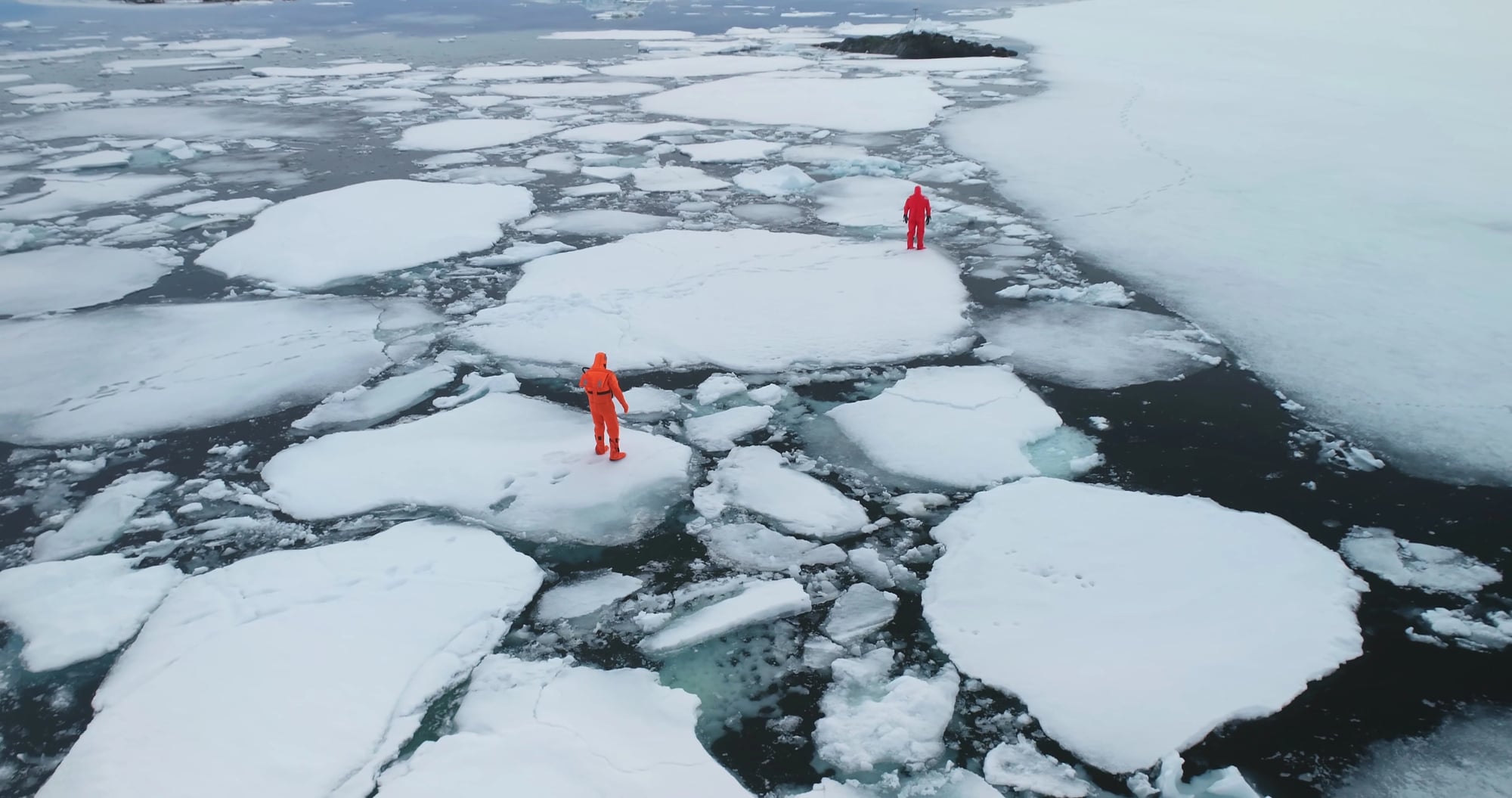
Ice patches in Canada’s Yukon territory revealed thousands of years worth of hunting equipment used by indigenous peoples. Throwing darts, arrows, and spear points crafted from wood and bone showed up in remarkable condition, some dating back 9,000 years.
These tools taught archaeologists completely new things about how ancient people hunted caribou and survived in harsh climates. The organic materials would have rotted away anywhere else, but the ice preserved them like they were stored in a museum.
A Perfectly Preserved Woolly Mammoth
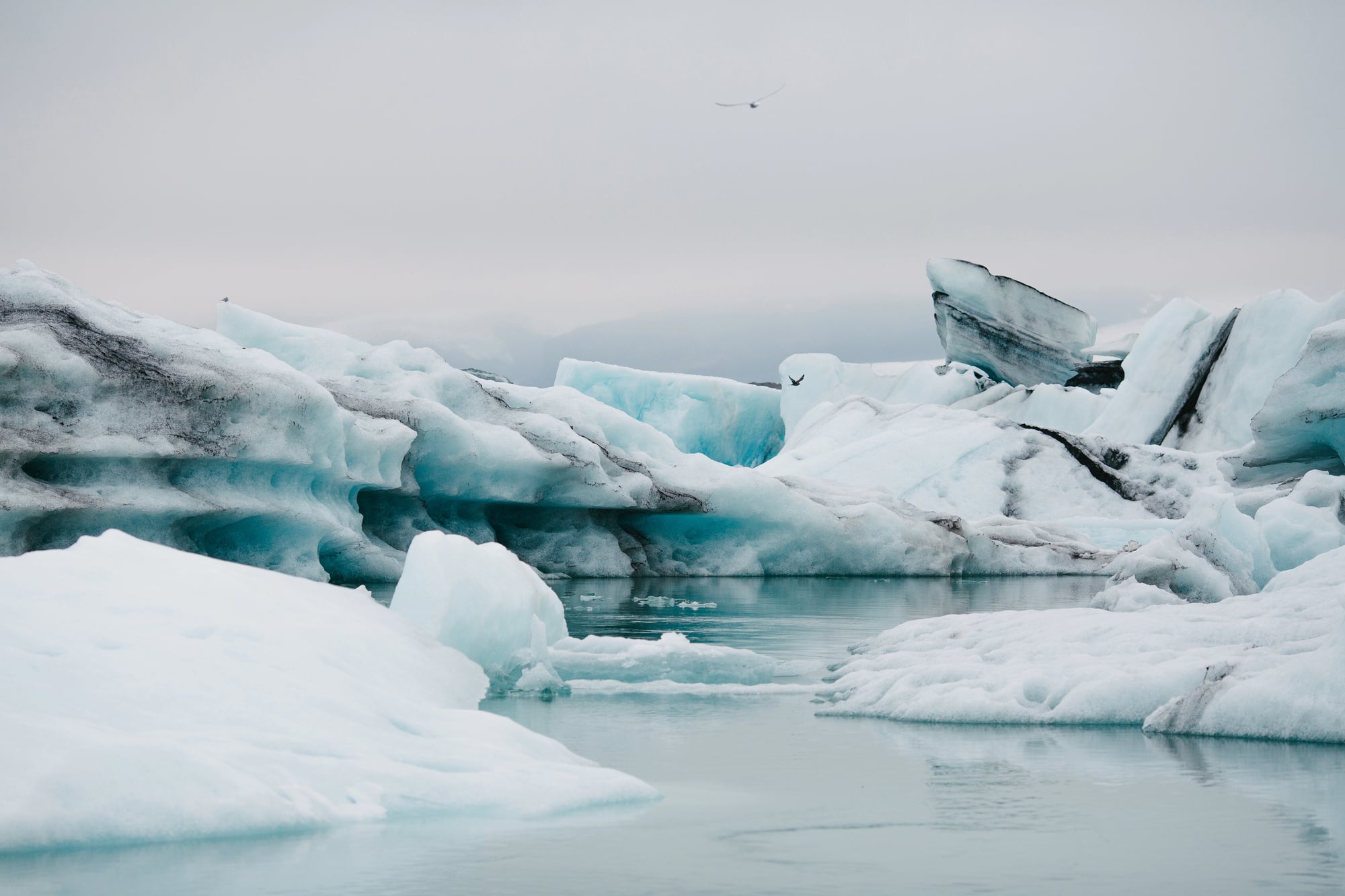
Siberian glaciers occasionally spit out mammoth remains, but some come out so well preserved that scientists can still see their reddish fur and examine their last meals.
One baby mammoth named Lyuba emerged so intact that researchers could study her trunk, internal organs, and even the milk in her stomach. Finding creatures this complete helps scientists understand what the ice age world looked like and what caused these giants to disappear.
Some researchers even talk about using this preserved DNA to potentially bring mammoths back, though that remains controversial and complicated.
Lost Hiking Gear from Decades Ago

Glaciers in the Alps keep returning equipment from mountaineers and hikers who disappeared years or decades earlier. Ice axes, climbing ropes, backpacks, and tents emerge looking worn but recognizable, telling stories of adventures that ended badly.
Sometimes these items help identify missing people whose families never knew what happened to them. The gear shows how hiking equipment has evolved over time, with old leather boots and hemp ropes looking primitive compared to modern synthetic materials.
Airplane Parts Scattered Across Ice

Small pieces of aircraft keep appearing as glaciers melt, from engine parts to seat cushions, representing crashes that happened before anyone could mount proper search operations.
Some crashes occurred in storms so severe that rescue teams couldn’t reach the sites, leaving wreckage frozen in place for generations. Modern technology and melting ice finally allowed recovery teams to reach these remote crash sites.
Finding these pieces brings both sadness and relief to families who never got to say goodbye properly.
Ancient Arrows with Feathers Intact

Researchers in Norway found Viking-era arrows that still had their feather fletching attached, something almost unheard of in archaeology.
The ice preserved these delicate organic parts that normally decompose within years of being exposed to air and moisture. Studying these complete arrows taught historians exactly how ancient craftsmen made their weapons and what techniques worked best for hunting in mountain environments.
The discoveries changed previous theories about Viking hunting practices and showed their weapons were more sophisticated than experts realized.
A Mummified Mountain Climber
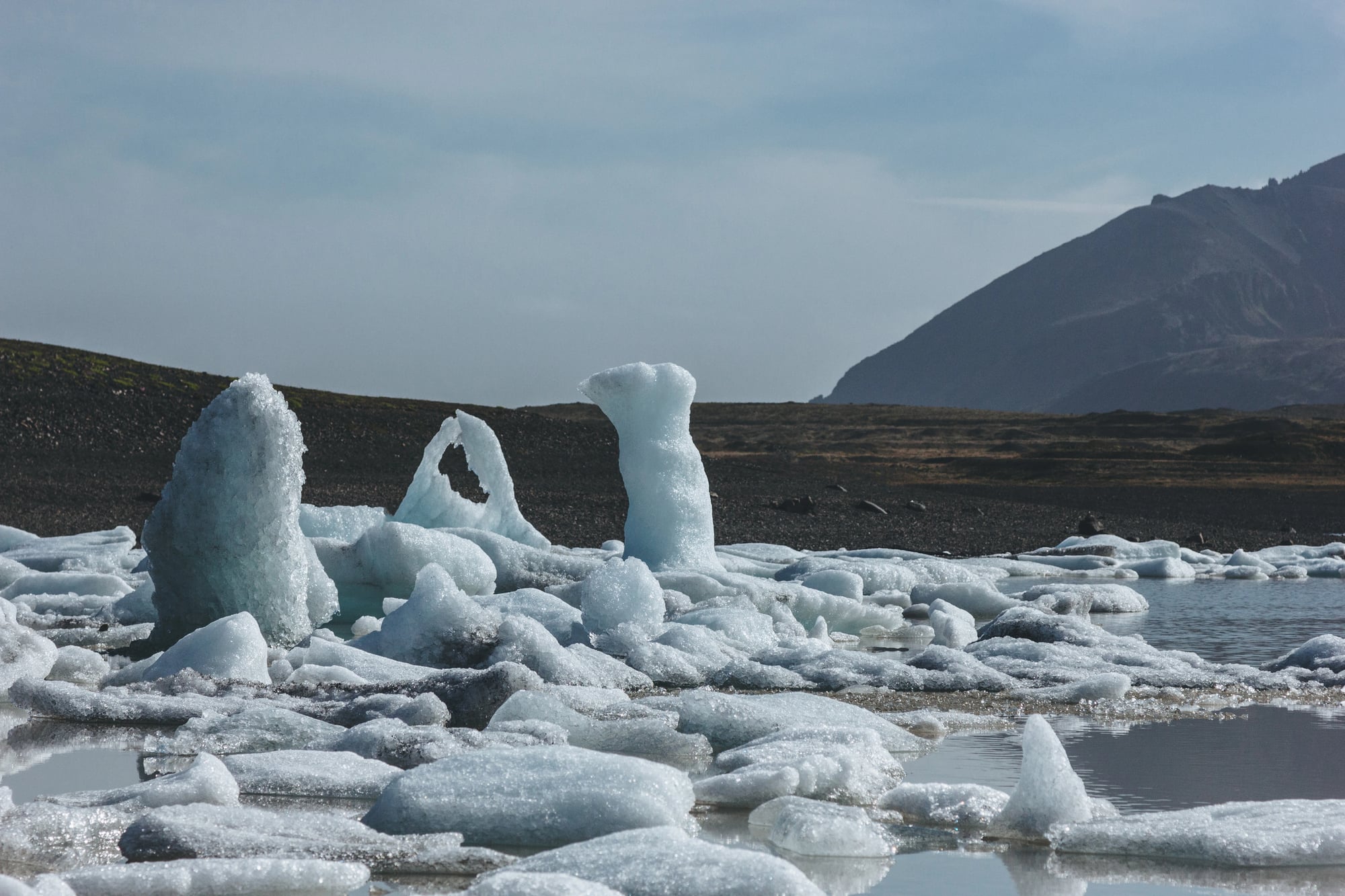
High-altitude glaciers occasionally release the bodies of climbers who died attempting difficult peaks, preserved so well that they look almost alive.
One famous case involved a climber who vanished in the 1930s and emerged looking much like he did the day he died, his clothing and equipment frozen in time.
These discoveries serve as sobering reminders of how dangerous mountain climbing can be. Families sometimes travel to recover remains and finally lay their loved ones to rest decades after they disappeared.
Copper Age Artifacts
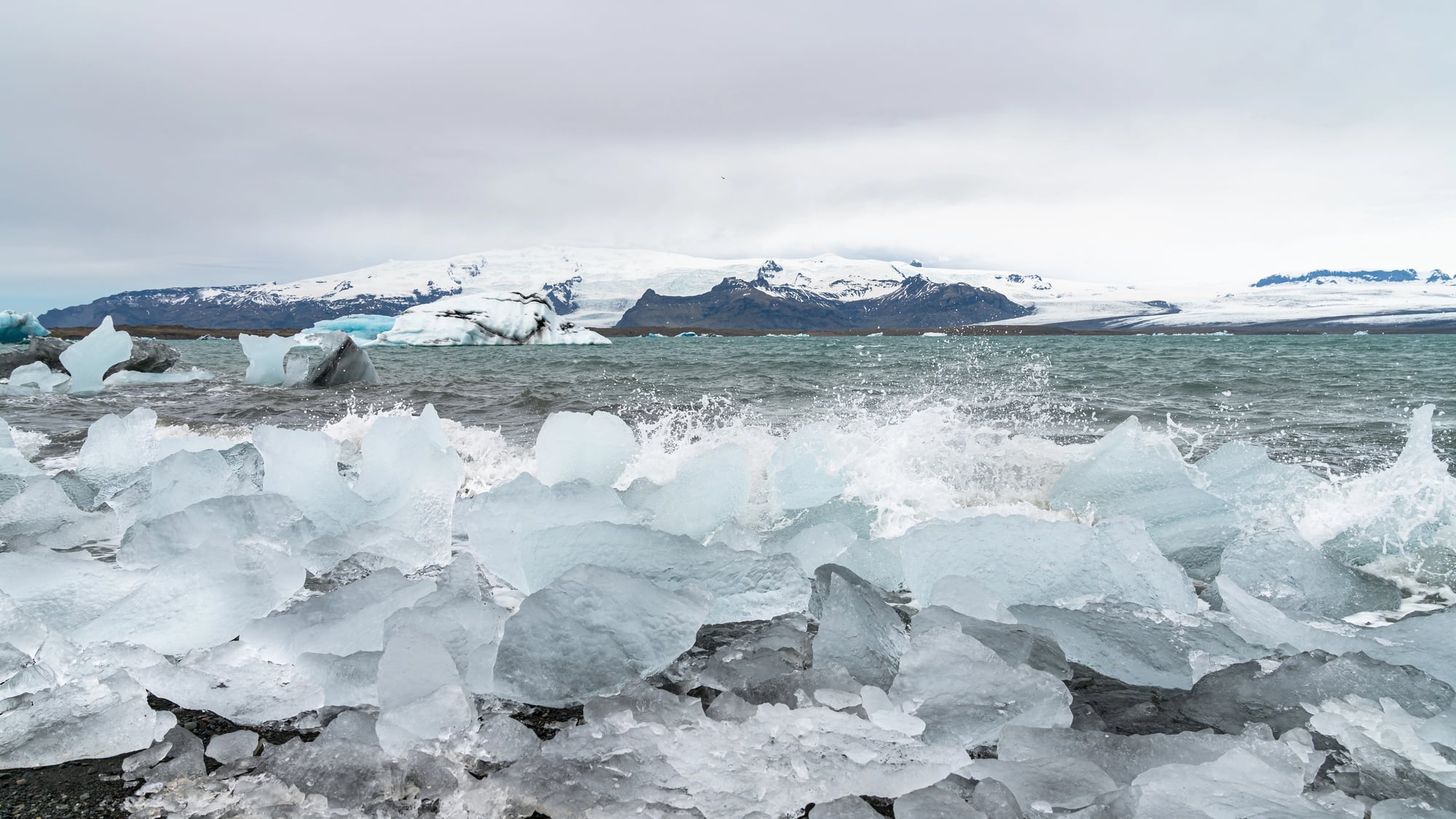
European glaciers revealed tools and equipment from the Copper Age, a period when humans first started working with metal. These discoveries included copper axes, leather pouches, and clothing that showed incredible craftsmanship for their time.
The most famous find was Otzi the Iceman, a 5,300-year-old mummy discovered in the Alps complete with his tools, weapons, and clothing. His body revolutionized understanding of ancient European life, from tattoos he wore to the contents of his last meal.
Packages from Crashed Mail Planes
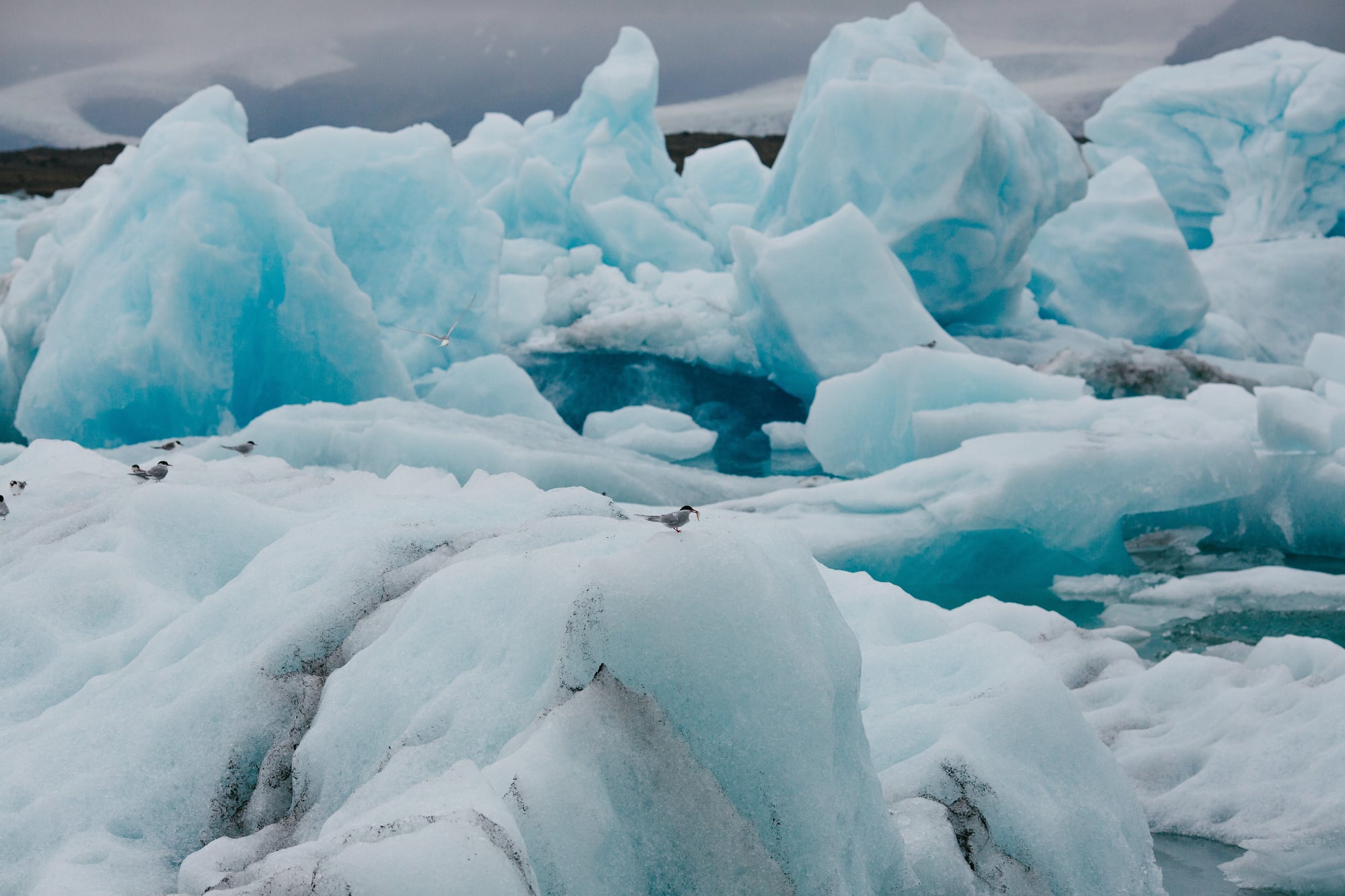
Old mail planes that crashed in remote mountain areas occasionally give up their cargo as glaciers melt. Letters and packages emerge water-damaged but sometimes readable, creating emotional moments when families receive mail their relatives sent decades ago.
Postal services in some countries actually delivered these letters to descendants of the original recipients. The stamps and addresses provide snapshots of what daily life looked like in earlier decades.
Medieval Leather Shoes
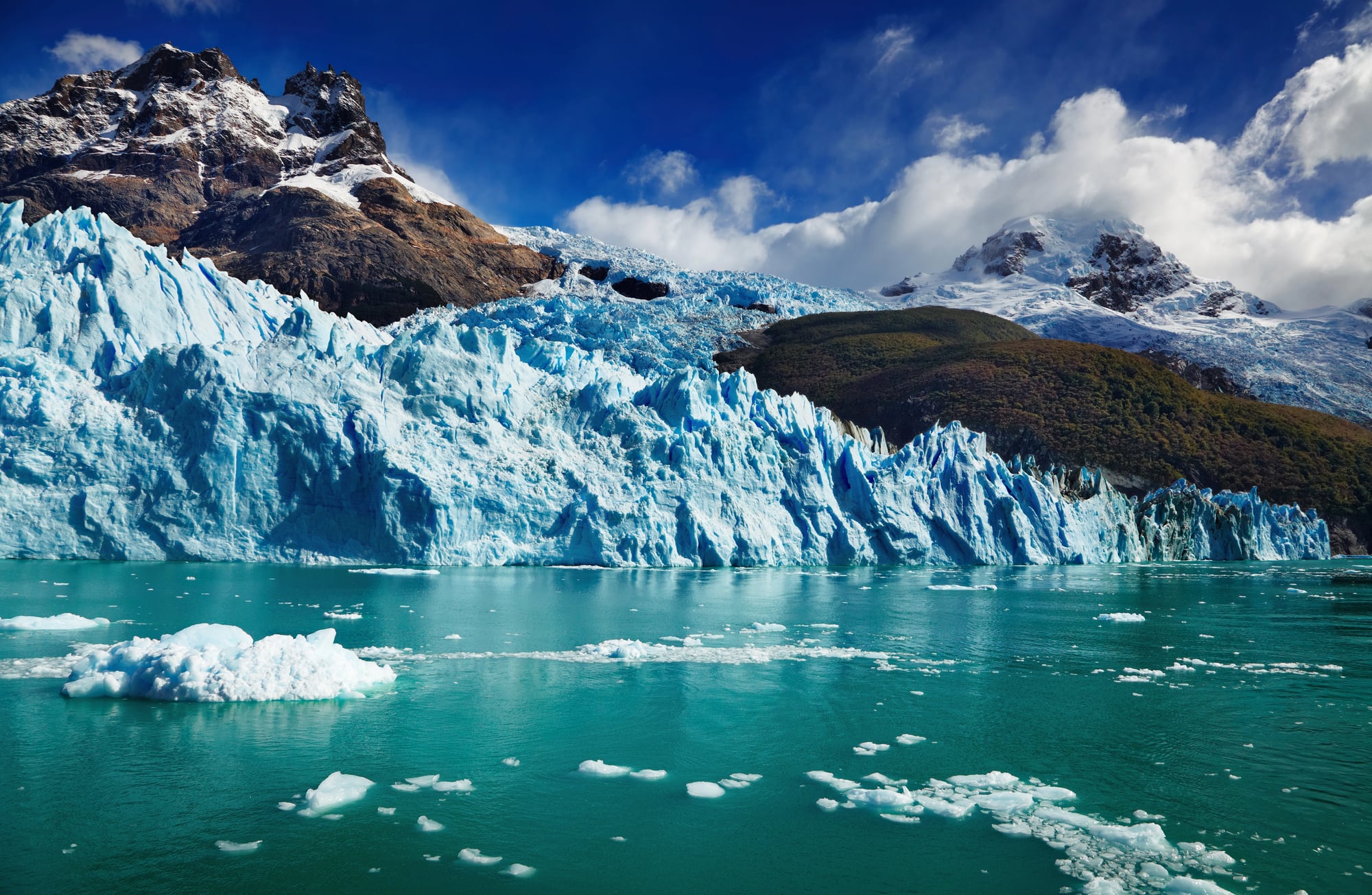
Alpine glaciers revealed remarkably preserved medieval footwear that showed how ordinary people dressed hundreds of years ago.
These weren’t fancy nobleman’s shoes but everyday work boots and simple leather slippers worn by traders and travelers crossing mountain passes. The stitching patterns and wear marks told researchers about walking habits and how people repaired their belongings instead of throwing them away.
Finding complete shoes is rare because leather usually rots quickly, making these discoveries especially valuable for understanding medieval daily life.
Ancient Tree Trunks
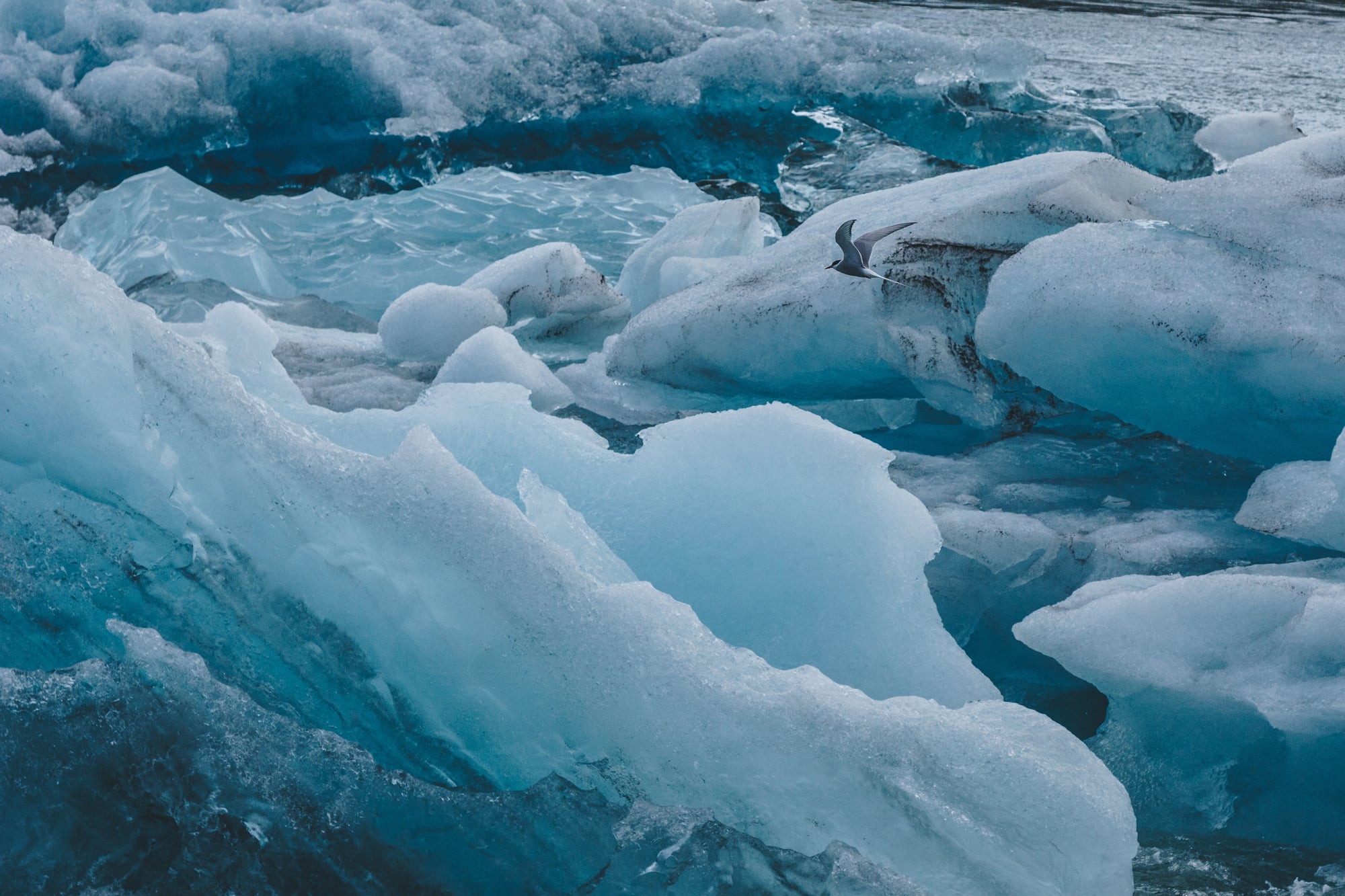
Glaciers sometimes contain entire forests that got buried when the climate cooled thousands of years ago.
These preserved tree trunks emerge complete with bark, branches, and even leaves still attached. Scientists use them to study what forests looked like before ice covered the landscape and how quickly the climate can change.
The wood often looks fresh enough to burn, even though it’s been frozen for millennia.
Religious Artifacts from Pilgrim Routes
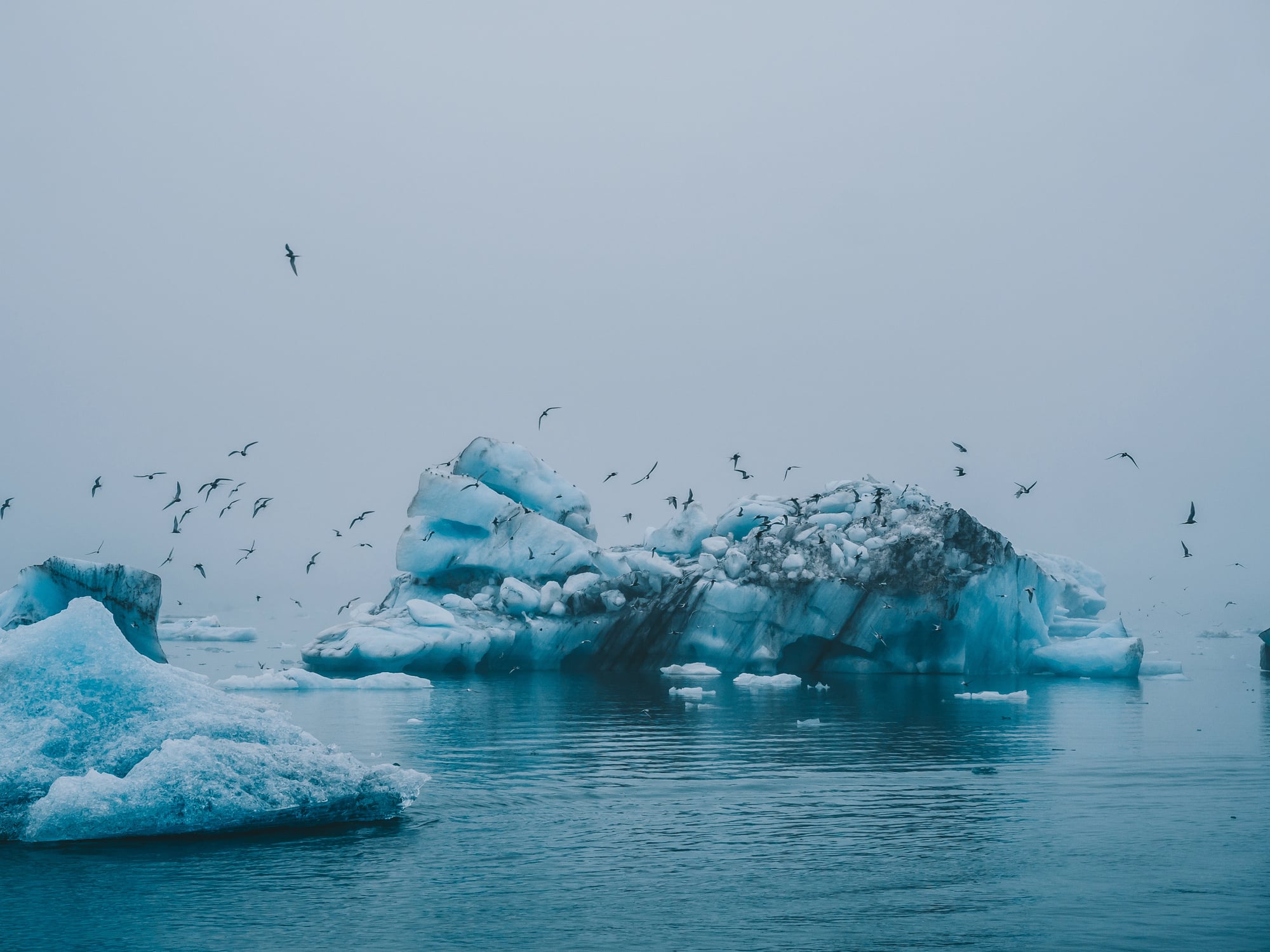
Mountain glaciers in Europe revealed crosses, medallions, and prayer beads dropped by religious pilgrims traveling through alpine passes centuries ago.
These items showed the routes people took to reach holy sites and how dangerous those journeys could be. Some artifacts came with inscriptions that researchers could still read, providing names and dates that helped piece together historical travel patterns.
Finding religious items in such remote locations highlighted how dedicated these travelers were to reaching their spiritual destinations.
A Leather Pouch Full of Seeds

Researchers found an ancient leather bag containing crop seeds that someone was carrying across a glacier centuries ago.
The seeds stayed so well preserved in the ice that some scientists wondered if they could still sprout, though nobody tried planting them. This discovery helped historians understand what crops people grew in different regions and how traders transported goods before modern transportation existed.
The pouch itself showed skilled leather working techniques that matched other artifacts from the same period.
Lost Research Equipment
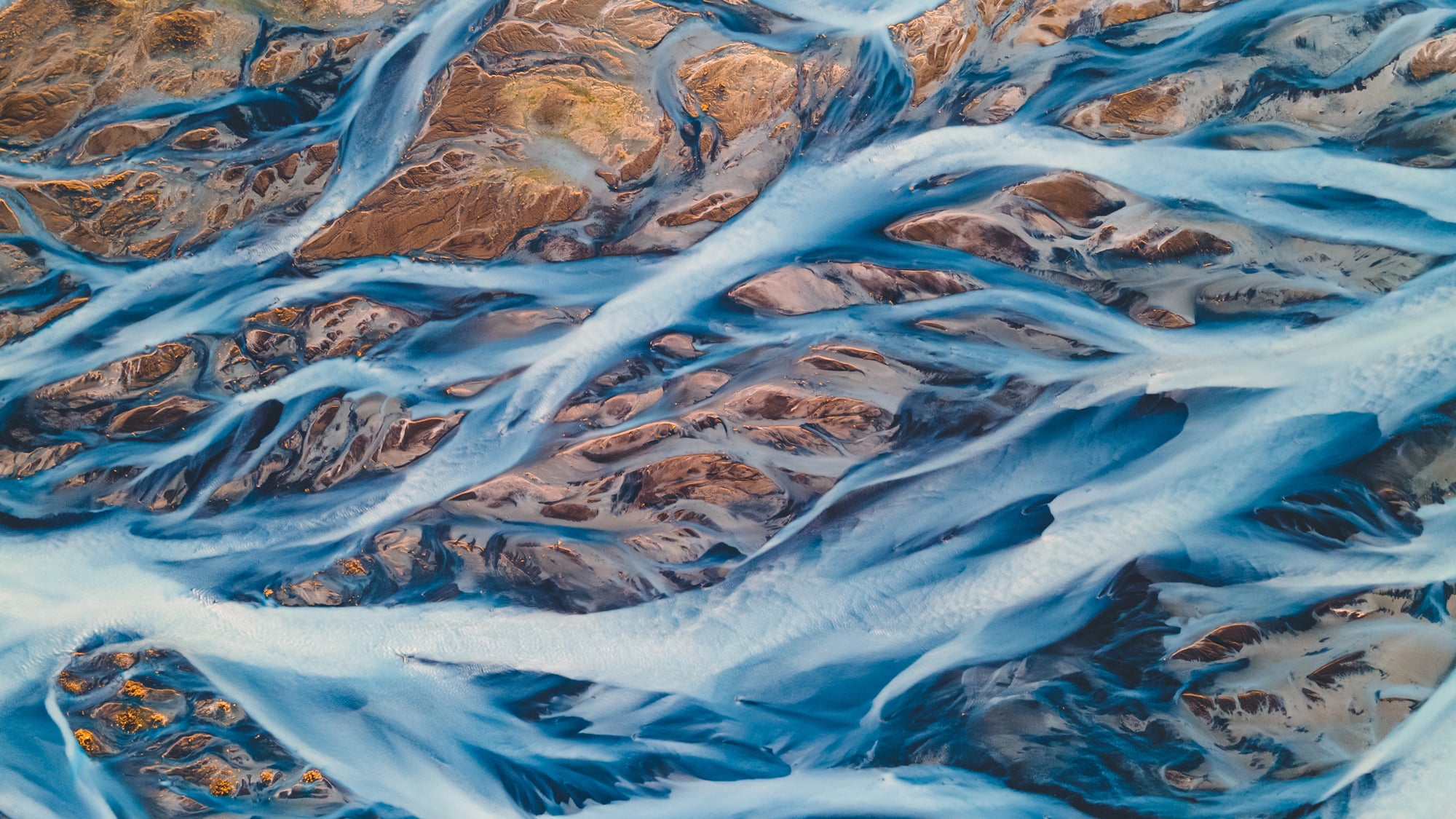
Scientists from past glacier projects once dropped tools into deep cracks – over time, melting ice brought them back to light. Weather posts, gadgets, or logbooks showed up worn out, yet pages sometimes had usable numbers.
Those old readings now and then filled gaps for today’s experts tracking ice loss speed. Spotting what earlier explorers left behind made present-day teams feel oddly linked across time. Harsh cold, tough climbs – they shared that struggle without ever meeting.
Prehistoric Animal Dung
Alpine ice kept old animal droppings safe – stuff from horses and caribou – so scientists got clear clues about their diets long ago.
Instead of just decay, the waste held pollen, bits of leaves, along with tiny worms, revealing snapshots of past natural worlds. Thanks to this, experts followed shifts in greenery, spotting which flora bloomed during varied weather phases.
Gross? Maybe. Still, that icy feces turned into gold for those studying ecosystem changes across freezing eras.
Gold Rush Era Supplies
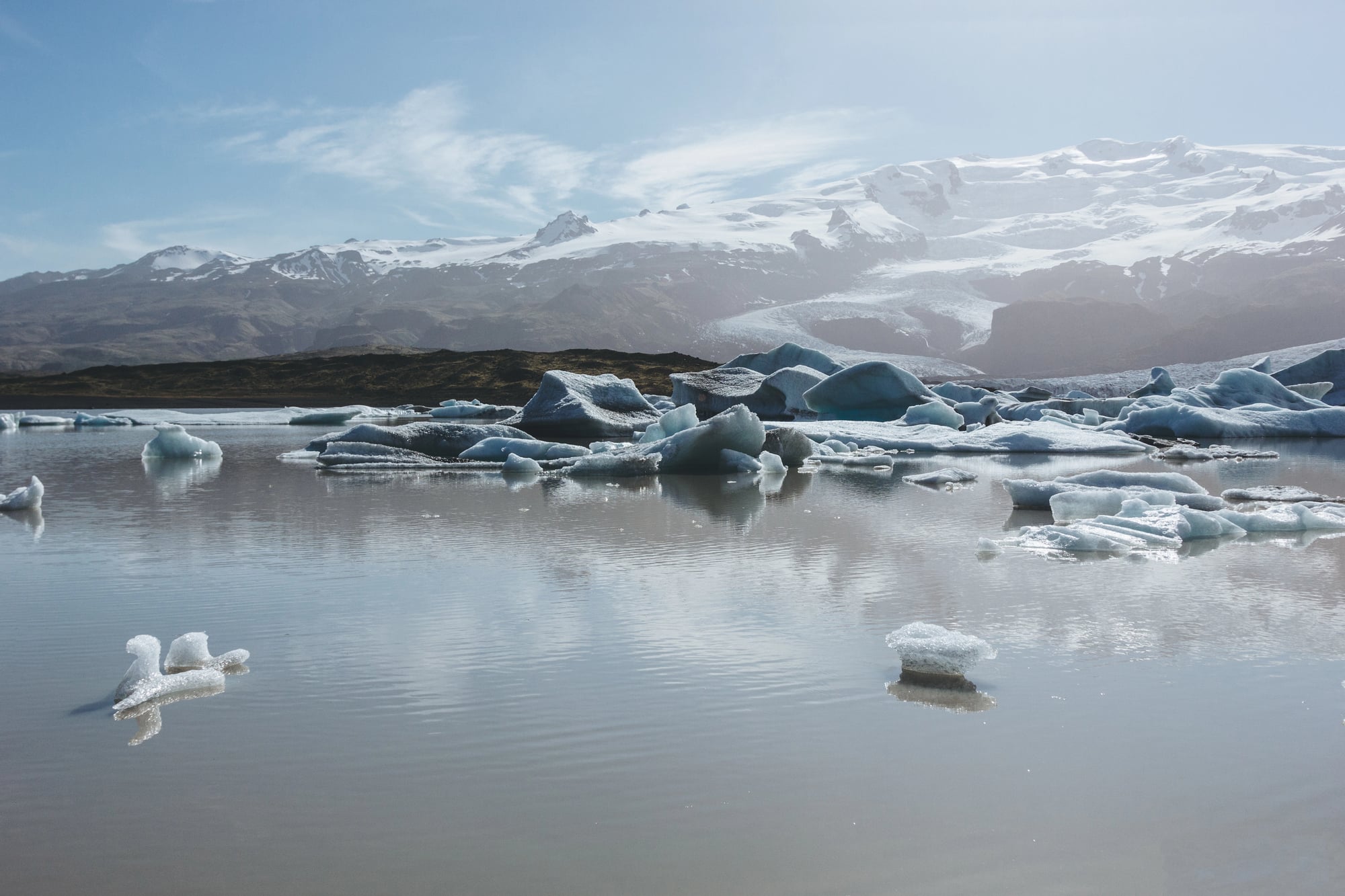
Alaskan ice melted enough to uncover tools dropped by gold hunters back in the 1800s – pickaxes, pans, even old camp stuff.
These relics tell stories of grit, how folks braved icy hell just for a shot at fortune. A few pieces still carry brand marks or names scratched by hand, pointing straight to real people who gambled everything out there. Spotting them intact, preserved by frost, felt like stumbling on a forgotten piece of America’s wild past.
The Ice Won’t Stop Chatting
Each year, fresh finds come to light when glaciers shrink – showing lost bits of nature and ancient lives.
Collections in museums grow with objects no one even guessed were out there, changing old stories and explaining how folks survived tough times. As ice vanishes, scientists hurry to grab fragile things before rain or wind wipes them away.
While warming hurts the world, it also peeks under frozen layers we’ve never seen before. Once that ice is gone, those chances fade for good. Kids later on may see now as a rare window – the ground finally whispering tales from deep in time.
More from Go2Tutors!

- The Romanov Crown Jewels and Their Tragic Fate
- 13 Historical Mysteries That Science Still Can’t Solve
- Famous Hoaxes That Fooled the World for Years
- 15 Child Stars with Tragic Adult Lives
- 16 Famous Jewelry Pieces in History
Like Go2Tutors’s content? Follow us on MSN.