24 Dog Facts That Sound Made Up but Are Backed by Real Science
Dogs possess abilities that seem almost fictional—senses beyond human comprehension, physical characteristics that defy explanation, and behaviors that blur the line between instinct and emotion. Yet all of these extraordinary traits have scientific backing.
The dog’s relationship with humans has shaped not just their behavior but their very physiology, creating an animal that is simultaneously ancient predator and modern mind-reader. Every tail wag, ear twitch, and nose print tells a story supported by decades of veterinary and behavioral research.
Nose Prints Are Unique to Every Individual Dog

Each dog’s nose print (DNP) has its own distinctive pattern composed of scales and grooves, and in recent years scientific studies have indicated that like fingerprints, they can be used to identify individual dogs. A new study shows that a dog’s nose print is well-established by 2 months of age and is unchanging over the first year of life.
In fact, the Canadian Kennel Club has been accepting nose prints as proof of identity since 1938.
Dogs Can Hear Frequencies Four Times Higher Than Humans
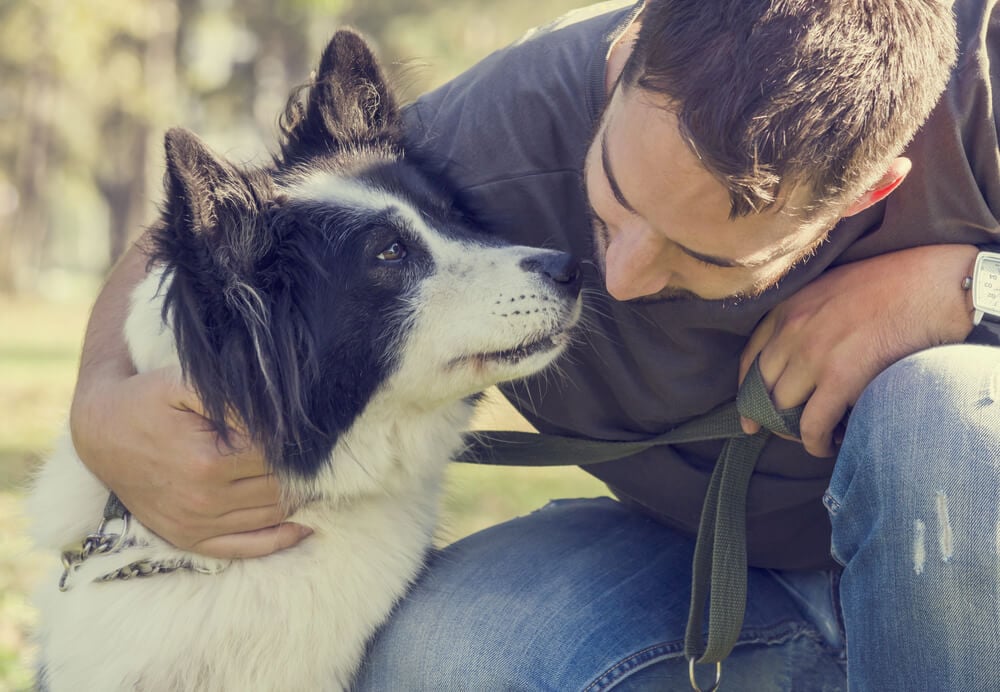
Dogs have 18 ear muscles that they use to twitch their ears up, down, and from side to side for better hearing, and they can hear high and low frequencies that humans cannot pick up on, hearing from a distance four times greater than humans can. Dogs detect frequencies up to 65,000 Hz while humans max out at 20,000 Hz.
This is why ultrasonic dog training devices work—dogs hear them even when humans cannot.
Dogs Don’t See in Black and White, But They See Differently Than You Might Think

It is a myth that dogs see everything in black and white—dogs have dichromatic vision and recognize colors such as blue, green-yellow, yellow, and various shades of gray, but do not see red or green tones, similar to humans with red-green color blindness. Dogs see best in shades of blue and yellow and have difficulty distinguishing between red and green.
What appears red to you looks brownish or grayish to your dog.
Dogs Have Superior Low-Light Vision Compared to Humans

Dogs have low-light vision brought by their large pupils, which let more light in, and the center of their retinas contain more cells that are light-sensitive—these cells work best in dim light, plus their eyes have a mirror-like structure called the Tapetum that reflects light as the retina absorbs more light that enters the eyes. Dogs cannot see in total darkness, but they can see far better than humans in dim conditions.
Dogs Have a Third Eyelid

Dogs have three eyelids, with the third one called the “haw” or nictitating membrane, helping to protect and lubricate the eye. The third eyelid, also known as the nictitating membrane or haws, is only slightly visible—usually a small pink area in the corner of the eye—and this membrane helps keep the eye clean through its gland that produces tears for lubrication.
When the third eyelid becomes obvious (popping out), the condition is called “Cherry Eye” and requires veterinary attention.
Tail Direction Reveals Which Brain Hemisphere Is Dominant
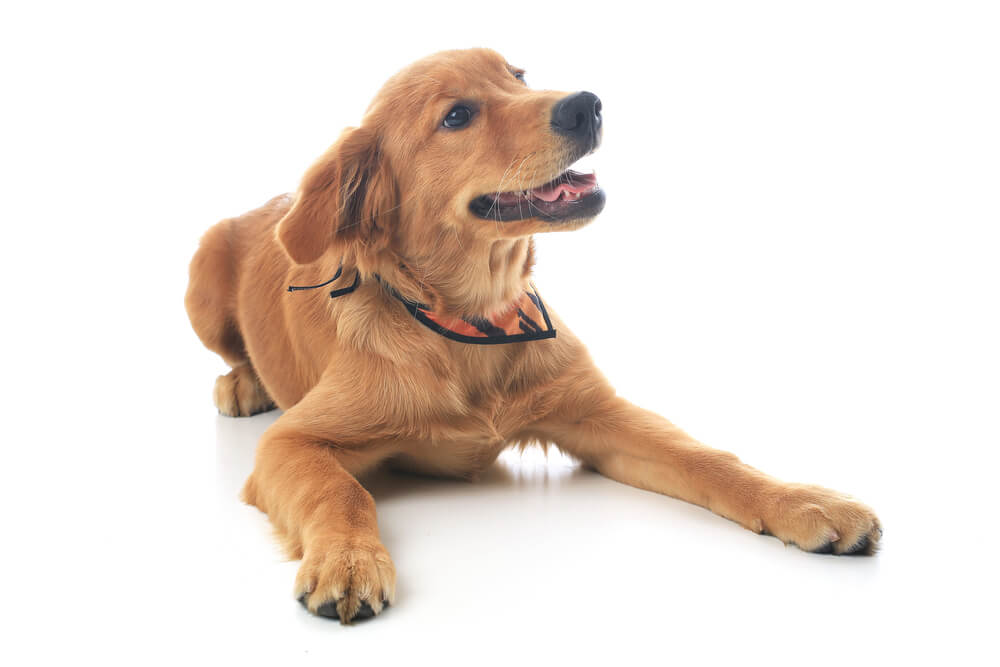
In a 2007 study published in the journal Current Biology, researchers found the direction of a dog’s tail wag can reflect emotional state—researchers measured the direction of the wag in response to emotional stimuli such as seeing their owner, a cat, or an unfamiliar dog or person. Dogs wag their tail more to the right when they see a familiar individual, which could signal a positive desire to approach, while dogs wag their tail to the left when seeing an unfamiliar individual, possibly signaling withdrawal.
Different Tail Wags Communicate Different Emotions

While most assume a wagging tail means happiness, an upright tail can imply dominance, a horizontal tail can hint at neutrality, and a low tail can mean submission—frantic wagging implies excitement whereas slow wagging suggests ambivalence. Dogs can also have “helicopter tail” or “circle wag,” which is when their tail goes around like a helicopter blade—a sign of extreme joy.
Dogs Dream Just Like Humans Do

Researchers found that dogs have similar sleep patterns and brain activity as humans, and that small breeds tend to dream more than large ones, with scientists thinking dogs are likely dreaming of familiar activities like playing fetch or chasing squirrels. Just like the Rapid Eye Movement (REM) of humans, the twitch and paw movements of dogs during sleep indicate they are dreaming, which is why your dog tends to bark and act like running during sleep.
Dogs Have the Greatest Skeletal Variation of Any Animal Species

Dogs have the greatest variation in the size and configuration of their skeletons of any animal species, wild or domestic—even though all dog breeds have the same number and type of bones, the size and shape of the bones can vary greatly between breeds. No other species shows such dramatic structural diversity while maintaining the same basic anatomy.
Dogs Have Evolved More Expressive Eyebrows Than Other Canines

Dogs’ eyebrows have actually evolved to be more expressive—several studies say that over years of domestication dogs developed facial muscles that allow their eyebrows to move inward and upward so they can better communicate with humans. Wolves and other wild canines do not have this adaptation, making the dog’s “puppy dog eyes” a feature specifically evolved for human interaction.
Dogs Have an Incredible Sense of Smell—Up to 100,000 Times Stronger Than Humans

A dog’s sense of smell is estimated to be between 10,000 and 100,000 times stronger than ours, which is why dogs are used for search-and-rescue, detecting diseases, and sniffing out contraband—their noses are so powerful they can detect certain illnesses like cancer and diabetes. Dogs can detect a single scent particle in a room full of air.
Dogs Can Identify Different Emotions in Human Faces

Dogs are incredibly perceptive to human emotions and can pick up on changes in your scent caused by hormonal shifts—like those associated with stress, fear, or excitement—which is part of the reason they are so good at comforting their owners when upset. Brain imaging studies show that a dog’s brain activates when they see a happy human face and deactivates when they see an angry one.
Puppies Are Born Deaf and Blind
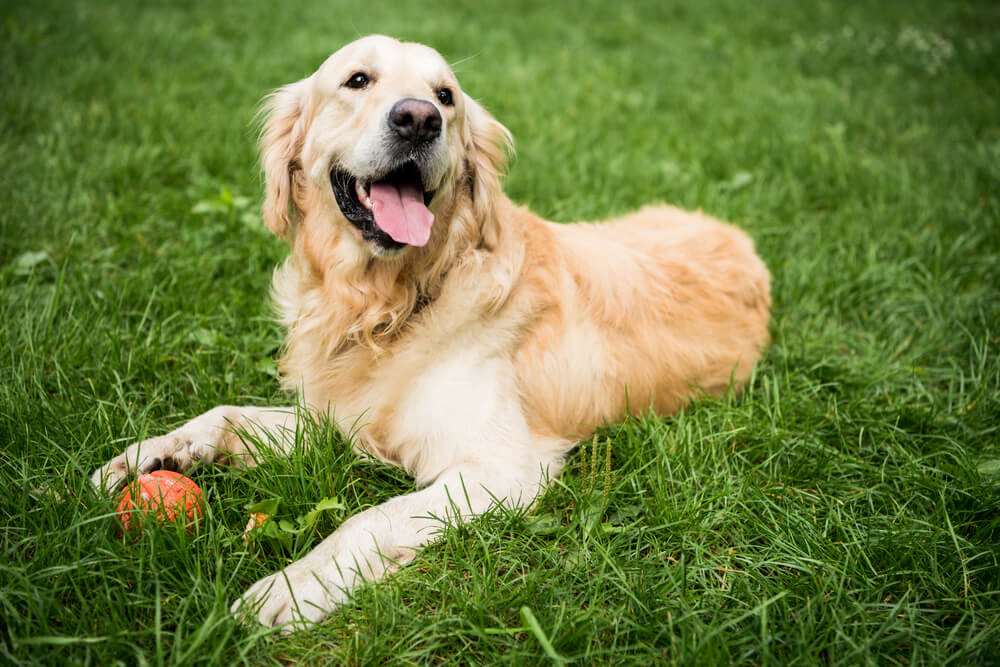
Newborn puppies begin life unable to see or hear. Their eyes typically open around 10-14 days old, and their hearing develops shortly after.
Puppies that seem unresponsive to sound in their first few weeks are experiencing normal canine development, not a health issue.
Dogs Can Detect Certain Health Conditions Before Symptoms Appear

Beyond cancer and diabetes detection, research suggests dogs can alert to seizures, dangerous blood sugar drops, and even cardiac events before they occur. Some dogs have been documented refusing to leave a person’s side hours before they suffered a stroke or heart attack—a phenomenon still not completely understood by science.
Dogs’ Paws Smell Like Corn Chips
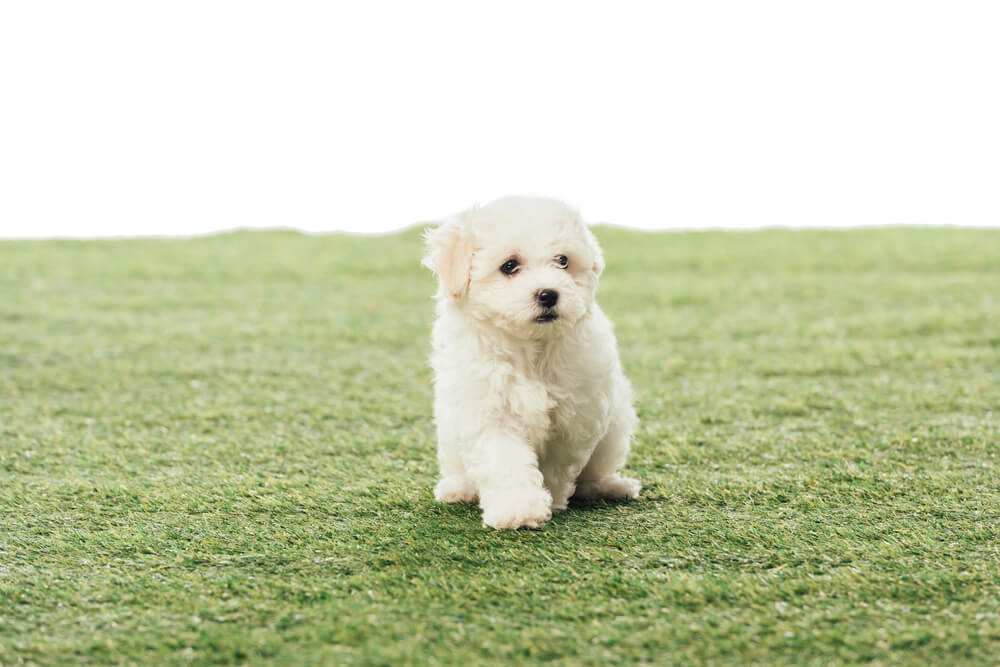
The distinctive corn chip smell of dog paws comes from naturally occurring bacteria and yeast on their skin. This harmless odor intensifies in warm weather and is completely normal, despite sounding like something invented for novelty.
Dogs Can Have Two Different-Colored Eyes

Dogs can have two different-colored eyes, which most often occurs in dogs with a merle coat pattern, or in certain breeds such as Huskies or Australian Shepherds. Having light-colored (blue) eyes does not indicate blindness or vision problems—it’s purely a pigmentation variation.
Dogs Experience a “Sense of Time” Through Routine

Dogs have a sense of time, but not in the same way humans do—rather than understanding time in an abstract sense, they rely on routines, daily patterns, and heightened senses like smell and hearing to anticipate events like mealtime or an owner’s return. This is why dogs become anxious when normal routines change.
Some Dog Breeds Are Naturally Born Without Tails

Some breeds like the Australian Stumpy Tail Cattle Dog, Brittany Spaniel, and French Bulldog often have naturally bobbed tails, meaning they don’t require docking—these tail-less wonders adapt by using body language and ear movements to communicate instead. This genetic trait is breed-specific and not a health issue.
Dogs’ Sense of Smell Allows Them to “See” into the Past

A dog’s olfactory system can identify individual scent components that remain in an environment long after an event occurred. This allows them to reconstruct what happened in a space by smelling the layers of scent left behind—essentially seeing an invisible history written in molecules.
Large Dogs Dream Less Frequently Than Small Dogs

Small breeds tend to dream more than large ones. Research suggests smaller dogs experience more REM sleep cycles per night, meaning more opportunities for dreaming.
Veterinarians aren’t entirely sure why breed size affects dream frequency.
Dogs Release Oxytocin When Interacting With Their Owners

Dogs release oxytocin (the love hormone) when interacting with their owners, with brain scans showing their brains light up when they smell their owners—providing scientific proof that a dog’s devotion is genuine love. This is the same hormone humans release when bonding with loved ones.
Dogs Can Distinguish Between Happy and Angry Human Vocal Tones

Dogs distinguish between happy and angry facial expressions, and respond to emotional tones in voices even in unfamiliar languages. A dog doesn’t need to understand English to recognize an angry voice—they perceive the emotional content directly.
Dogs Often Mirror Their Owners’ Stress Levels and Anxiety
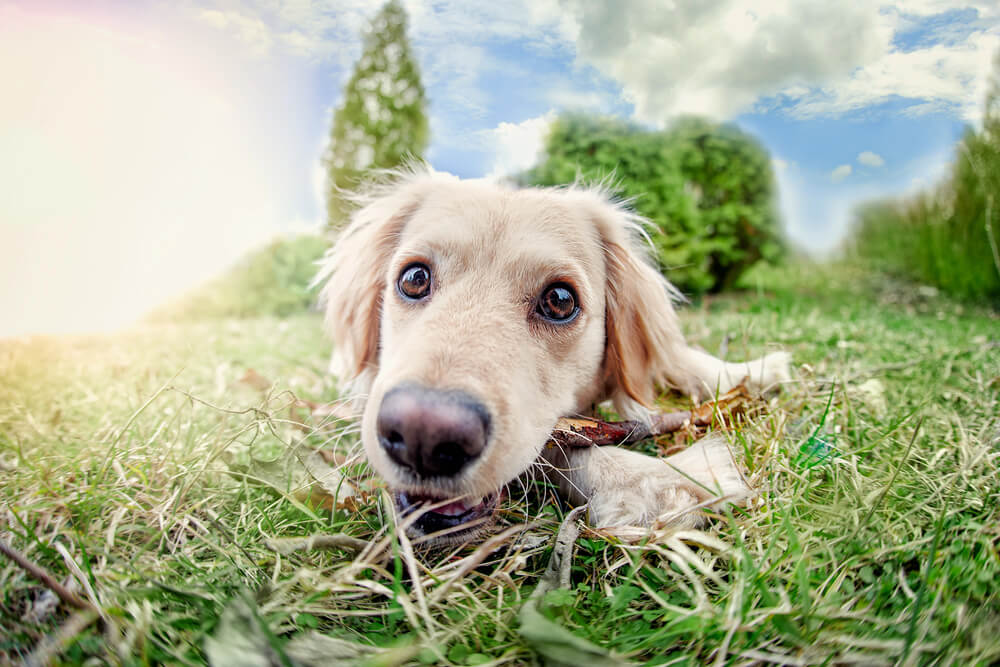
Dogs often mirror their owner’s stress levels and anxiety. Cortisol (stress hormone) levels in dogs increase when their owners are anxious, suggesting a deep physiological synchronization between human and canine.
This is why dogs are so effective as emotional support animals.
Dogs Have Paw Preferences Just Like Humans Have Hand Preferences
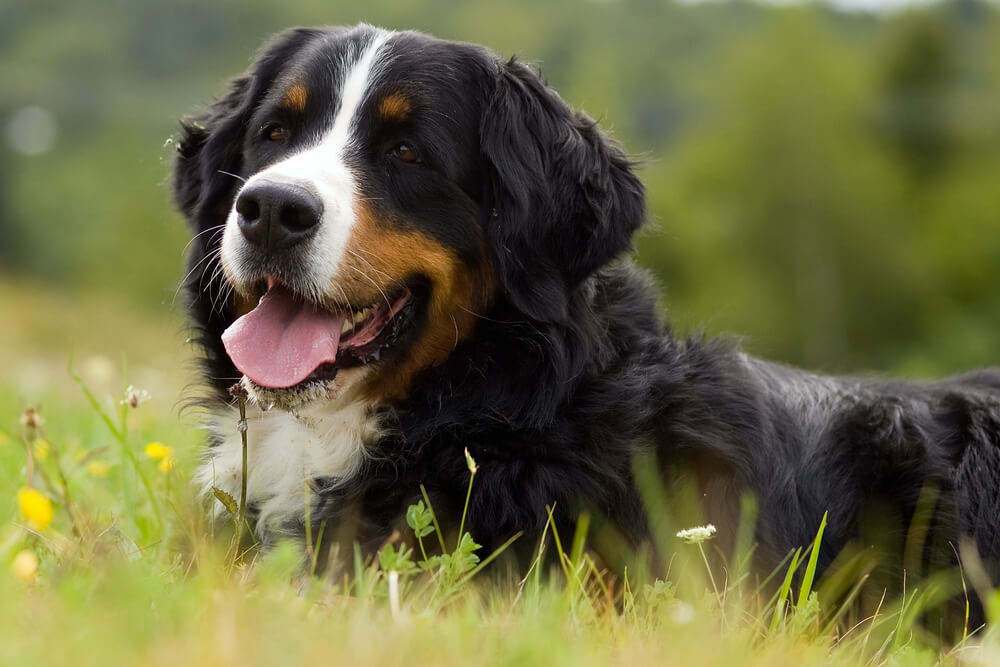
Dogs often show a clear preference for using one front paw over the other when stepping forward, offering a high-five, or steadying a favorite toy. You can identify your dog’s “dominant paw” by observing which one they use first during play over several days—some dogs are right-pawed, others left-pawed, and some are ambidextrous.
When Obsession Becomes Observation
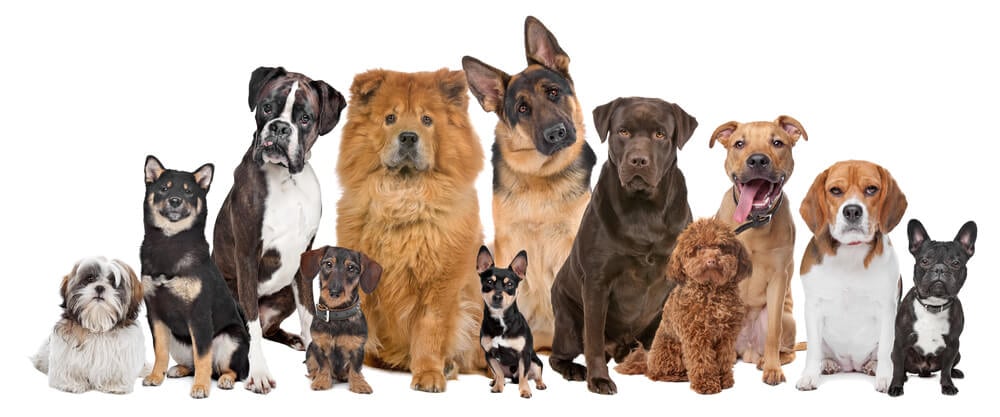
What begins as casual observation—noticing your dog’s tail twitch, their eyebrow raise, or the way they position their ears—becomes genuine wonder at the sheer complexity embedded in canine biology. Each “fact” that sounds impossible reveals an organism shaped by 15,000 years of coevolution with humans.
Dogs didn’t just domesticate alongside us; they evolved specifically to read us, to sense us, to respond to the subtlest shifts in our chemistry and emotion. The science behind the magic is that there is no magic—only an animal so profoundly adapted to human company that it seems to possess supernatural powers.
In reality, dogs possess perfectly natural superpowers honed by time.
More from Go2Tutors!

- The Romanov Crown Jewels and Their Tragic Fate
- 13 Historical Mysteries That Science Still Can’t Solve
- Famous Hoaxes That Fooled the World for Years
- 15 Child Stars with Tragic Adult Lives
- 16 Famous Jewelry Pieces in History
Like Go2Tutors’s content? Follow us on MSN.