26 Sitcom Families Viewers Grew Up With
For about four decades, American households kept a second family in the living room. It showed up at the same hour every week, argued about the same small things, and settled everything in under thirty minutes.
Some of these families lived in suburbs with no visible state, some in a Queens row house, one in a stone-age quarry town. Viewers learned their addresses, their jobs and their furniture as thoroughly as their own.
The Ricardos of East 68th Street
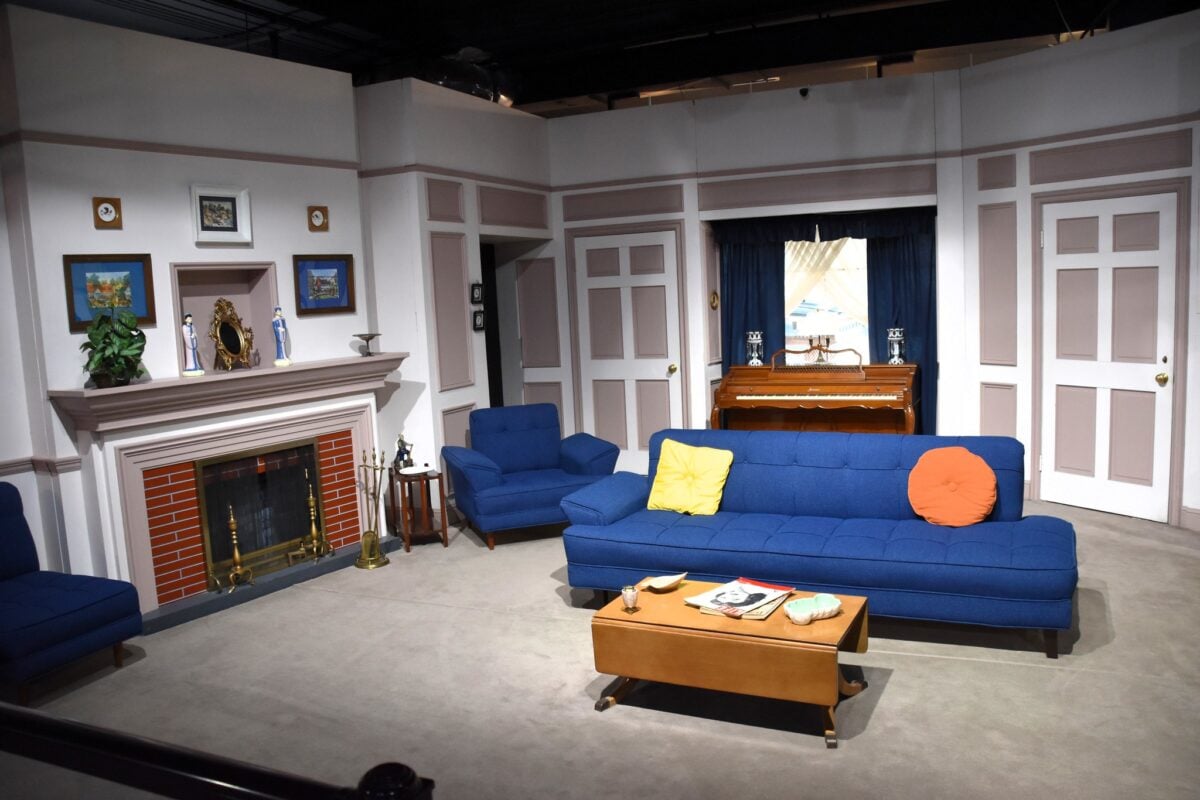
I Love Lucy ran on CBS from 1951 to 1957 and set the template nearly every later family comedy borrowed. Desi Arnaz and the show’s redheaded star insisted on shooting in Hollywood on 35mm film with three cameras and a live audience, which is why the episodes still look sharp in syndication.
The birth of Little Ricky, broadcast on January 19, 1953, drew an estimated 44 million viewers, more than watched President Eisenhower’s inauguration the following day. The couple’s apartment sat at 623 East 68th Street, an address that would place the building somewhere in the East River.
Ozzie, Harriet and the Nelson Boys
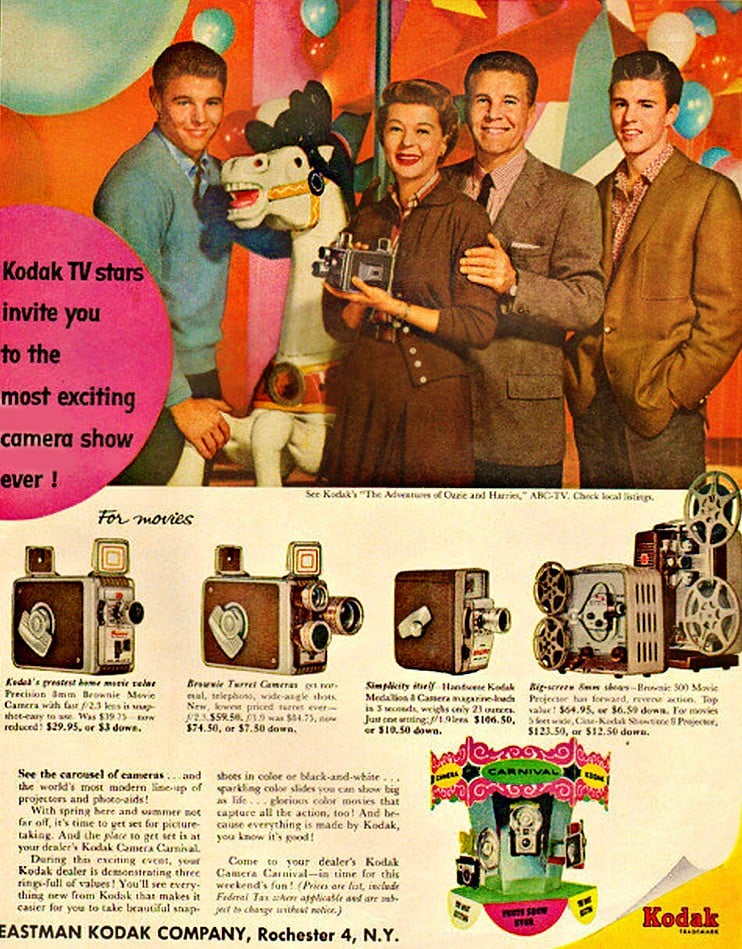
Few television families were as literal as this one. The Adventures of Ozzie and Harriet moved from radio to ABC in 1952 and stayed until 1966, with Ozzie Nelson, his wife Harriet and their sons David and Ricky all playing versions of themselves.
Ozzie also produced, directed and co-wrote much of the series, though his on-screen character never seemed to have a job. In a 1957 episode Ricky sang a cover of Fats Domino’s “I’m Walkin'”, and the performance launched a recording career that made him one of the biggest teen idols of the decade.
Viewers watched both boys grow up and marry in real time.
Jim Anderson’s Springfield Household
Father Knows Best began on radio in 1949 and came to CBS television in 1954 with Robert Young as insurance agent Jim Anderson and Jane Wyatt as his wife, Margaret. CBS dropped it after one season, NBC picked it up in 1955, and it returned to CBS in 1958 before ending in 1960.
Young walked away while the series was still popular, and networks kept repeats in prime time for several more years. The children answered to nicknames, with Betty called Princess and Kathy called Kitten.
Wyatt won three consecutive Emmy Awards for playing a mother who was usually the calmest person in the room.
Cleavers on Mapleton Drive
Leave It to Beaver spent one season on CBS in 1957 before moving to ABC, where it stayed until 1963. Creators Joe Connelly and Bob Mosher drew plots from their own children and told each story from a kid’s point of view, an unusual choice when most family comedies centered on the parents.
Barbara Billingsley and Hugh Beaumont played June and Ward, with Tony Dow as older brother Wally. The family lived at 485 Mapleton Drive and later at 211 Pine Street in Mayfield.
Its last episode, built around the family paging through a scrapbook, is often cited as one of television’s earliest planned series finales.
Dr. Stone’s Family in Hilldale
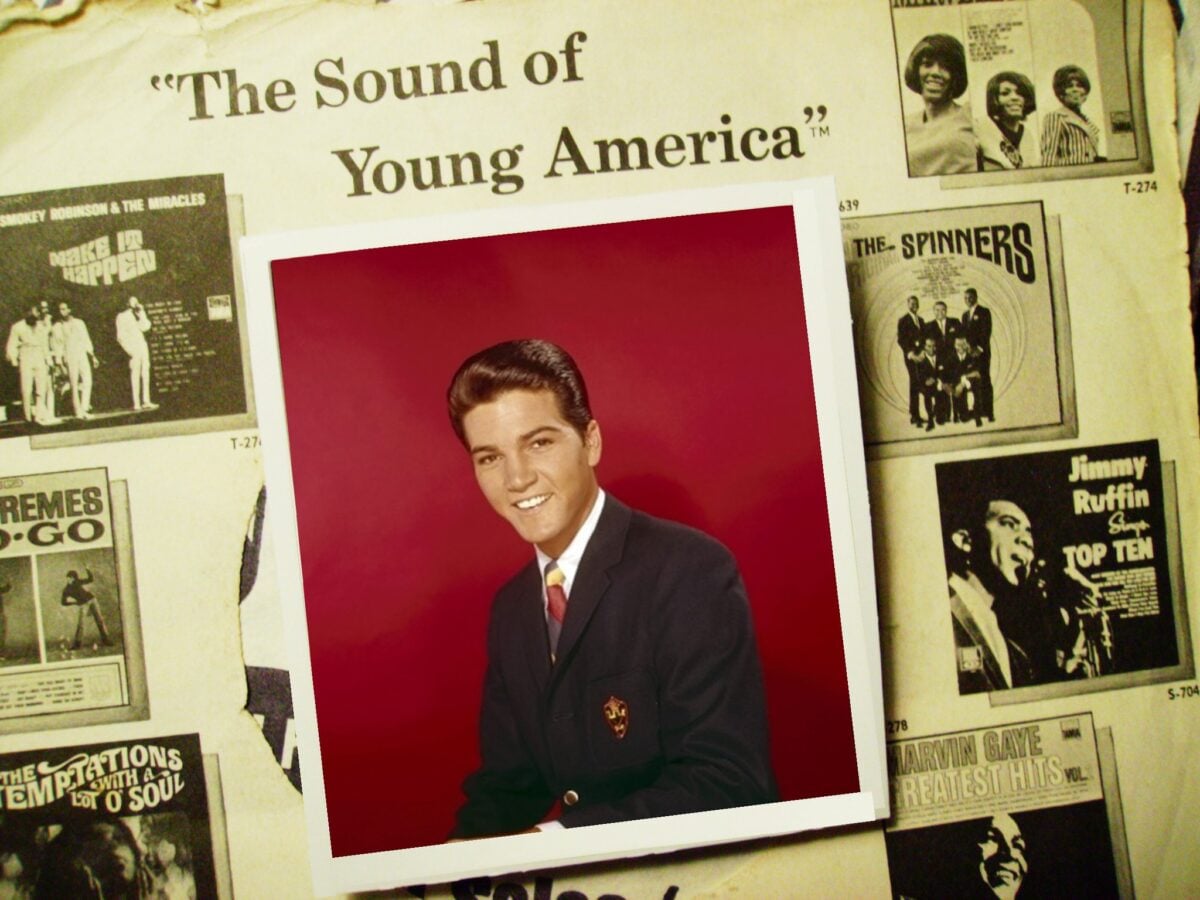
The Donna Reed Show ran on ABC from 1958 to 1966, a long stretch for a series that rarely made much noise. Reed, already an Academy Award winner for From Here to Eternity, played Donna Stone opposite Carl Betz as her pediatrician husband, Alex.
Her real husband, Tony Owen, produced the program, giving her more control behind the camera than most actresses of the period enjoyed. Both television children became pop singers through the show.
Shelley Fabares took “Johnny Angel” to number one on the Billboard chart in 1962, and Paul Petersen followed with a hit of his own called “My Dad”.
Steve Douglas and His Three Sons
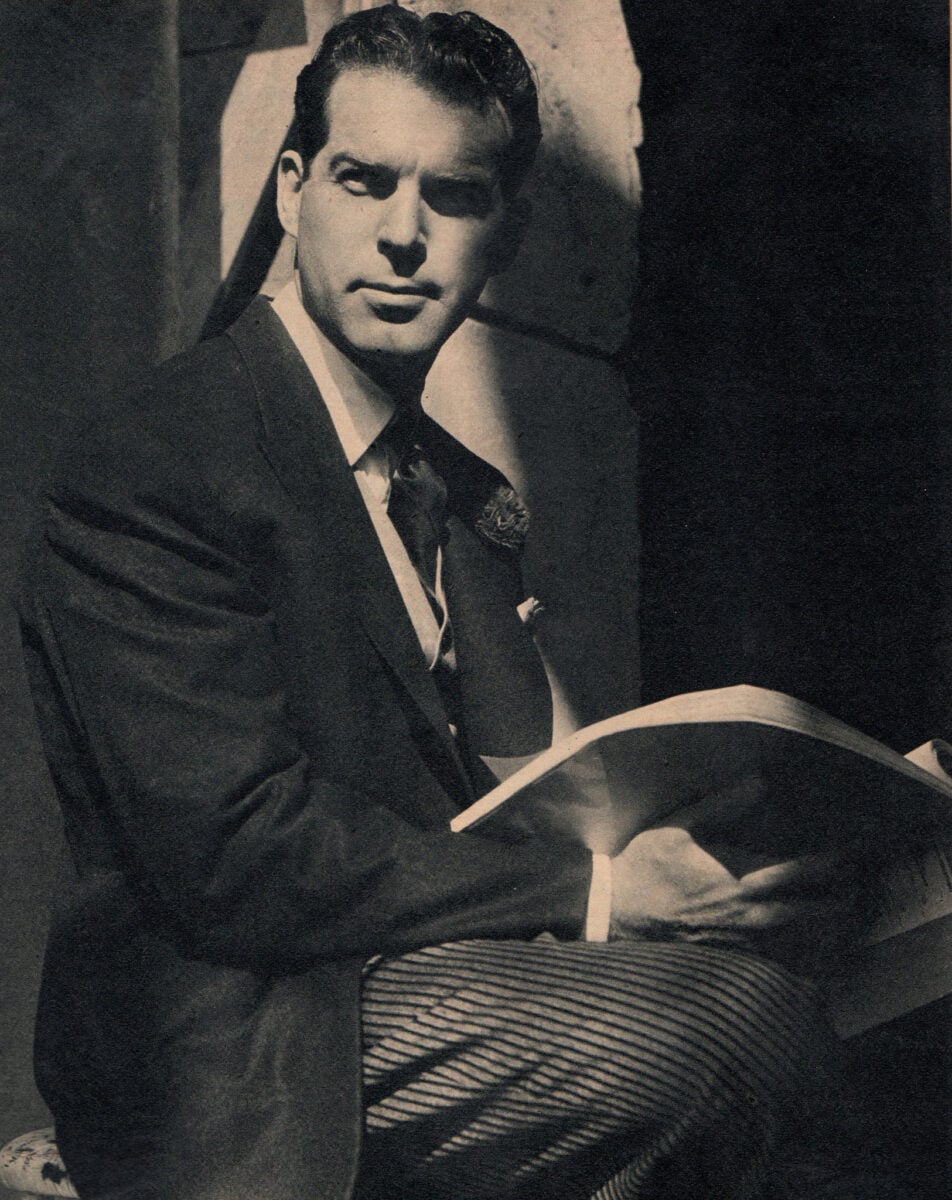
My Three Sons lasted twelve seasons, on ABC from 1960 to 1965 and then on CBS until 1972. Fred MacMurray agreed to play widowed aeronautical engineer Steve Douglas only under an arrangement that became known in the industry as the MacMurray method.
All of his scenes for a season were filmed in about 65 working days, and the rest of the cast completed the episodes around him afterward. William Frawley, fresh from playing Fred Mertz, kept house as the boys’ grandfather, Bub, until William Demarest replaced him as Uncle Charley.
The move to CBS also brought the series into color.
Sheriff Taylor’s Mayberry Home
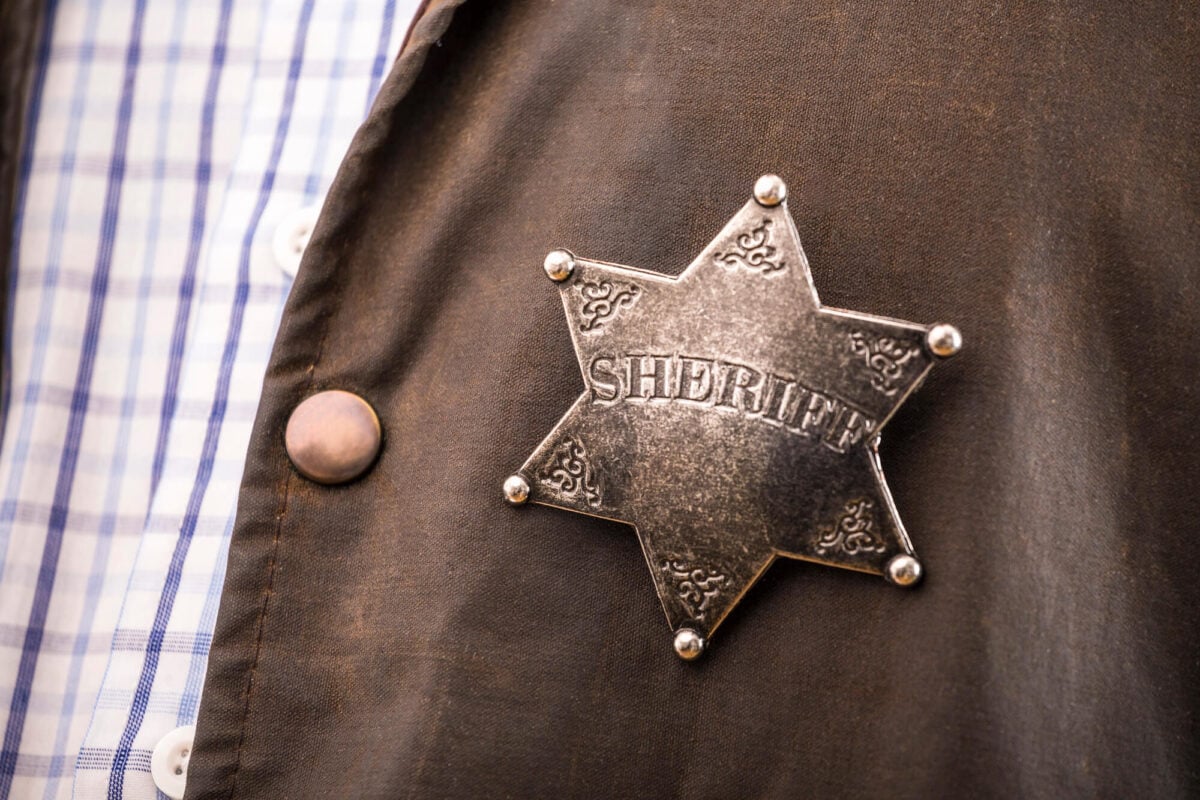
Andy Taylor first appeared in a 1960 episode of The Danny Thomas Show, and CBS gave him his own series that fall. The Andy Griffith Show ran until 1968 and centered on a widowed sheriff, his son Opie, played by a very young Ron Howard, and Aunt Bee, played by Frances Bavier.
Mayberry was loosely modeled on Griffith’s hometown of Mount Airy, North Carolina. The opening sequence of father and son walking to a fishing spot was filmed at Franklin Canyon in Los Angeles.
Unusually, the program ended its run as the top-rated series on American television, a distinction very few shows have managed.
Bedrock’s Flintstones

Hanna-Barbera sold ABC on something untried in 1960: an animated half hour aimed at adults and scheduled in prime time. The Flintstones ran until 1966 and borrowed its structure openly from The Honeymooners, with a loud working man, a patient wife and the neighbors next door.
Fred worked a dinosaur-powered crane at a quarry, and household appliances were animals that complained about their jobs. Daughter Pebbles arrived in a heavily promoted 1963 episode.
No prime-time cartoon ran longer until The Simpsons passed its episode count in the 1990s, and the characters have sold cereal and children’s vitamins for decades since.
Clampetts in Beverly Hills
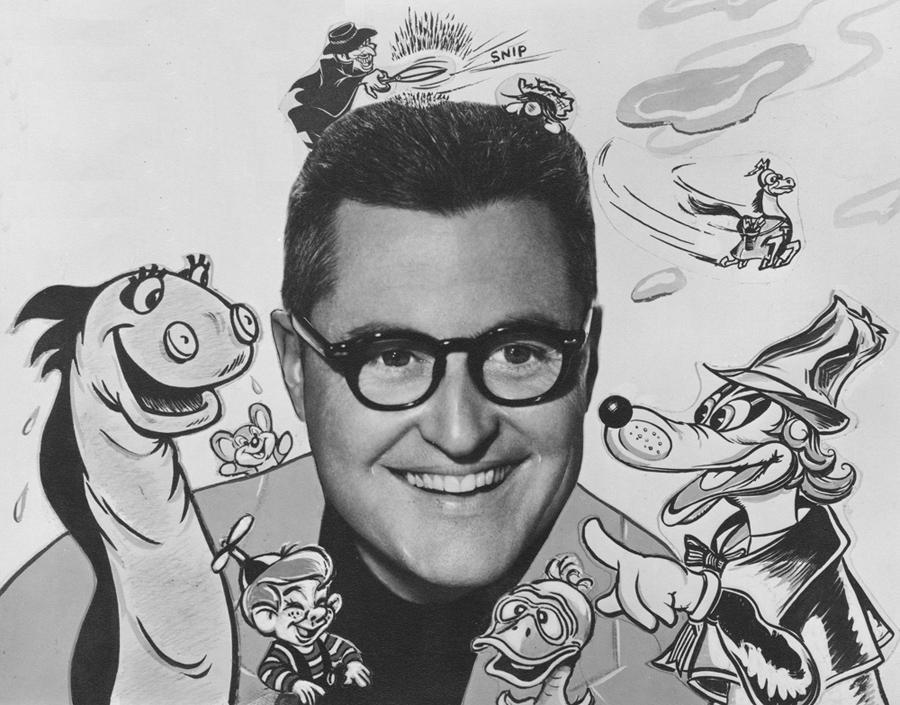
Creator Paul Henning turned a simple premise into a ratings phenomenon. The Beverly Hillbillies arrived on CBS in 1962 and finished its first two seasons as the most-watched series in the country, despite reviews that were mostly scornful.
Buddy Ebsen played Jed Clampett, a mountain widower made rich by oil found on his land, with Irene Ryan as Granny, Donna Douglas as Elly May and Max Baer Jr. as Jethro. A January 1964 episode about a kangaroo mistaken for a giant jackrabbit still ranks among the highest-rated half-hour sitcom broadcasts ever measured.
CBS canceled the series in 1971 while clearing out its rural comedies.
Orbit City’s Jetsons
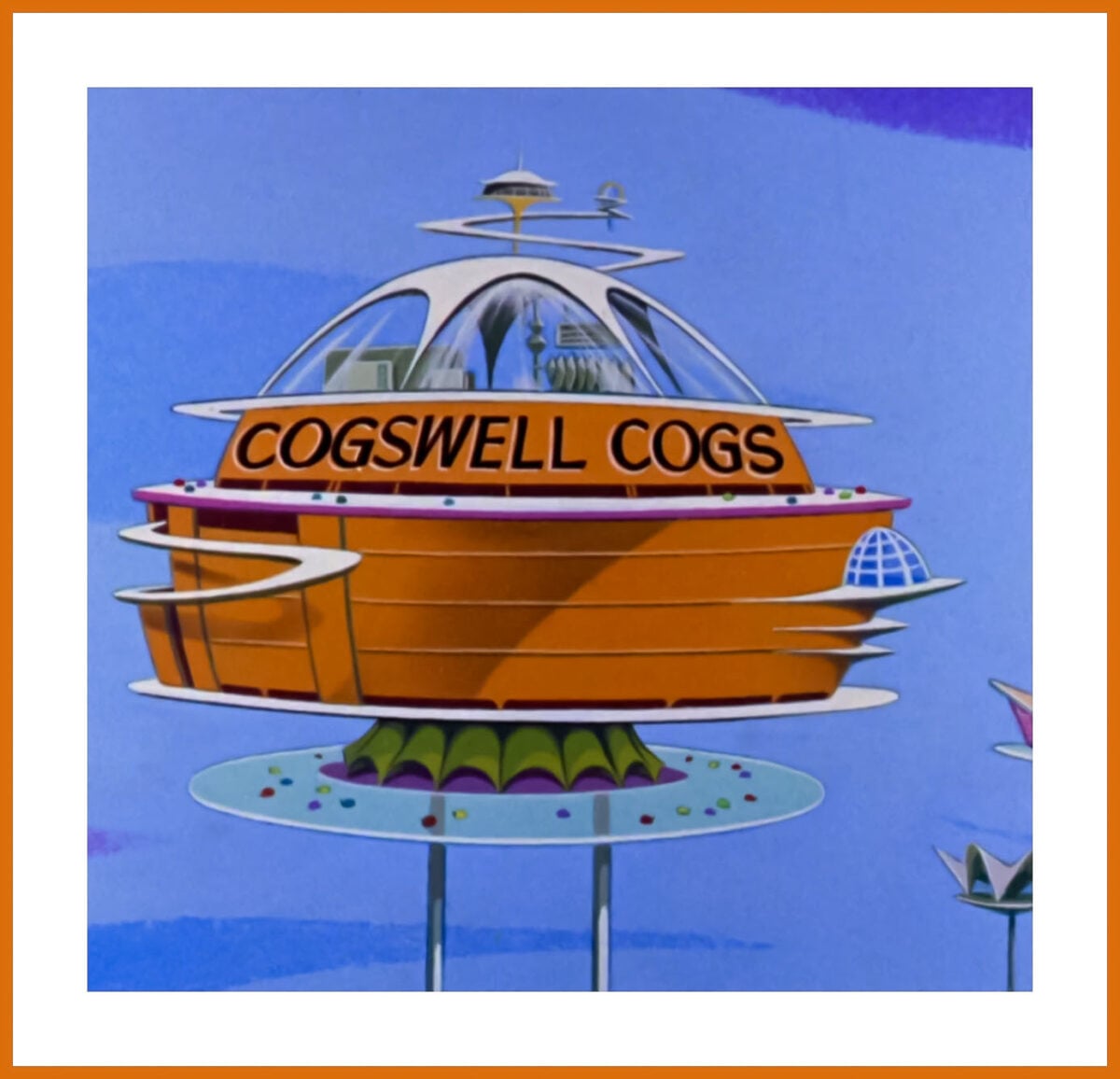
Only 24 episodes of The Jetsons aired during its original ABC run in the 1962 to 1963 season, a fact that surprises people who remember it as a constant presence. Saturday morning repeats kept the family on the air for about two decades, and new episodes were finally produced for syndication between 1985 and 1987.
Hanna-Barbera built it as the mirror image of The Flintstones, with George Jetson pushing a button at Spacely Space Sprockets and a robot maid named Rosie running the apartment. The series was also the first ABC program broadcast in color, though few homes owned a color set in 1962.
Addamses at Cemetery Lane
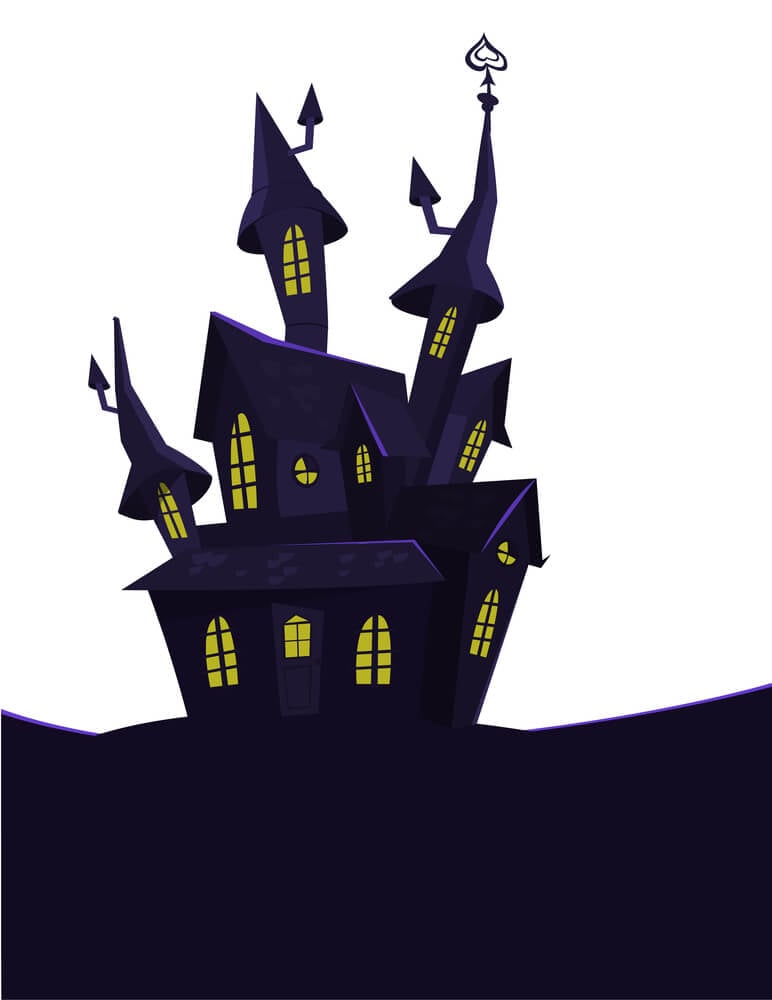
Before television, the characters had no names. Cartoonist Charles Addams had drawn his macabre household for The New Yorker since the 1930s, and he supplied names such as Gomez, Morticia and Wednesday only when ABC developed The Addams Family for 1964.
John Astin and Carolyn Jones played the couple as cheerfully devoted to each other, which set them apart from the bickering spouses elsewhere on the dial. Composer Vic Mizzy wrote the finger-snapping theme.
The series lasted just two seasons and 64 black-and-white episodes, ending in 1966, yet it has been revived as cartoons, feature films, a Broadway musical and a streaming series.
Munsters of Mockingbird Lane
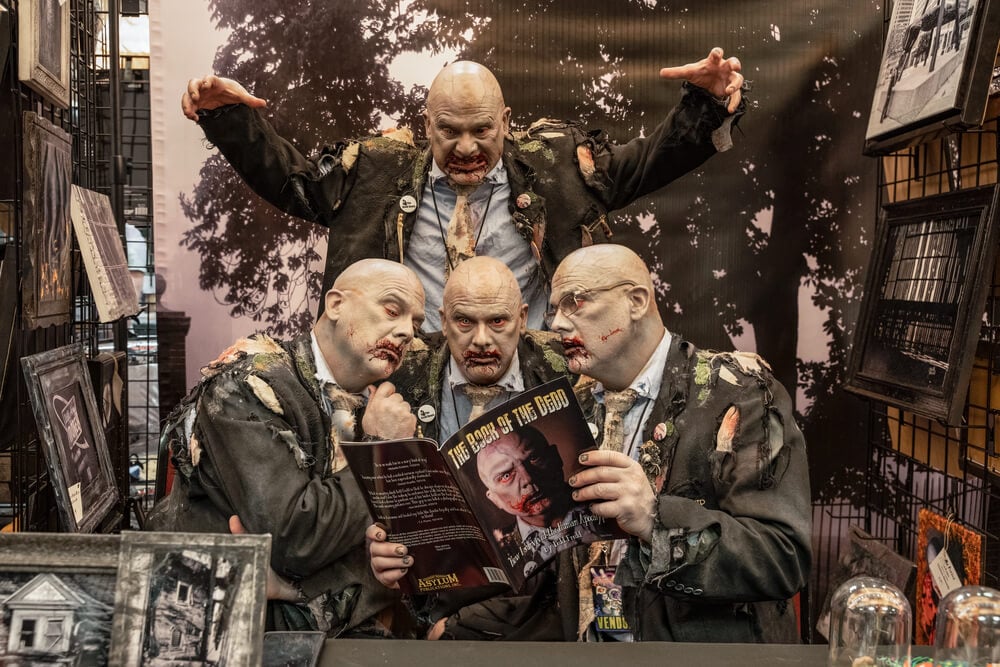
CBS introduced The Munsters in September 1964, within days of ABC’s rival spooky family, and both series ended in the spring of 1966. Because Universal produced the show, the makeup department could use the studio’s famous movie monster designs, and Fred Gwynne’s Herman wore the flat head and neck bolts of the Frankenstein creature.
Yvonne De Carlo played Lily, and Al Lewis played Grandpa. The family lived at 1313 Mockingbird Lane and drove the Munster Koach, a custom car assembled from Ford Model T bodies by George Barris’s shop.
Seventy episodes were made, all in black and white.
Samantha and Darrin Stephens
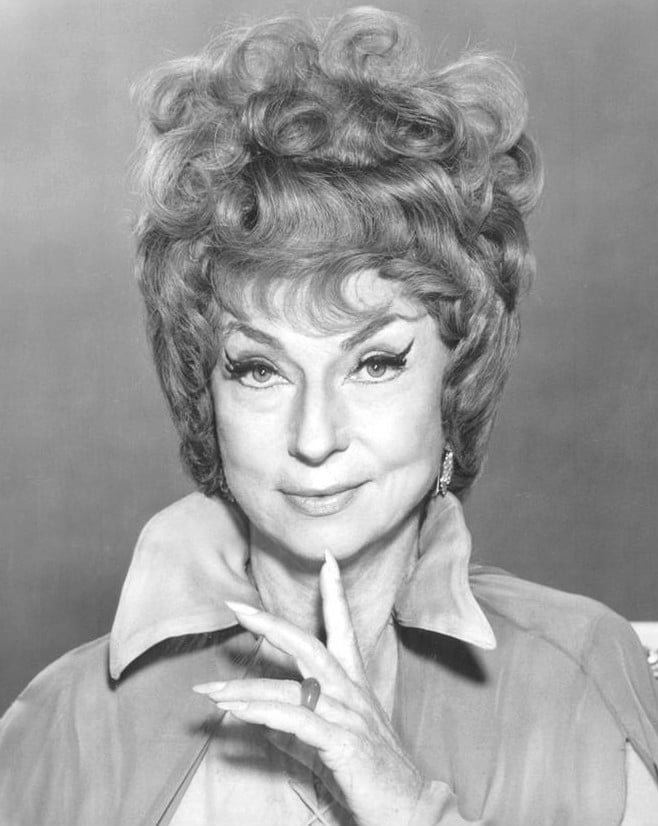
Bewitched ran on ABC from 1964 to 1972 and finished its first season as the second most-watched program in the country. Elizabeth Montgomery played Samantha, a witch who marries a mortal advertising man and promises to give up magic, a promise that rarely survived an episode.
Her husband at the time, William Asher, directed many installments and later produced the series. Agnes Moorehead, a veteran of Orson Welles’s Mercury company, played the disapproving mother-in-law, Endora.
In 1969 a different actor took over the part of Darrin with no explanation offered on screen, and viewers have compared the two ever since.
Bradys Under One Roof
Sherwood Schwartz, who had already given television Gilligan’s Island, created The Brady Bunch for ABC in 1969. Florence Henderson and Robert Reed played a widow with three daughters and a widower with three sons, joined by Ann B.
Davis as the housekeeper, Alice. During its five seasons the series never finished a year among the thirty highest-rated programs, and ABC ended it in 1974 after 117 episodes.
Daily syndication, beginning the following year, turned a modest performer into a fixture of after-school television. The split-level house in Studio City used for exterior shots was bought by the cable channel HGTV in 2018, sold to a private owner in 2023 and declared a Los Angeles historic-cultural monument in 2026.
Partridges on the Bus
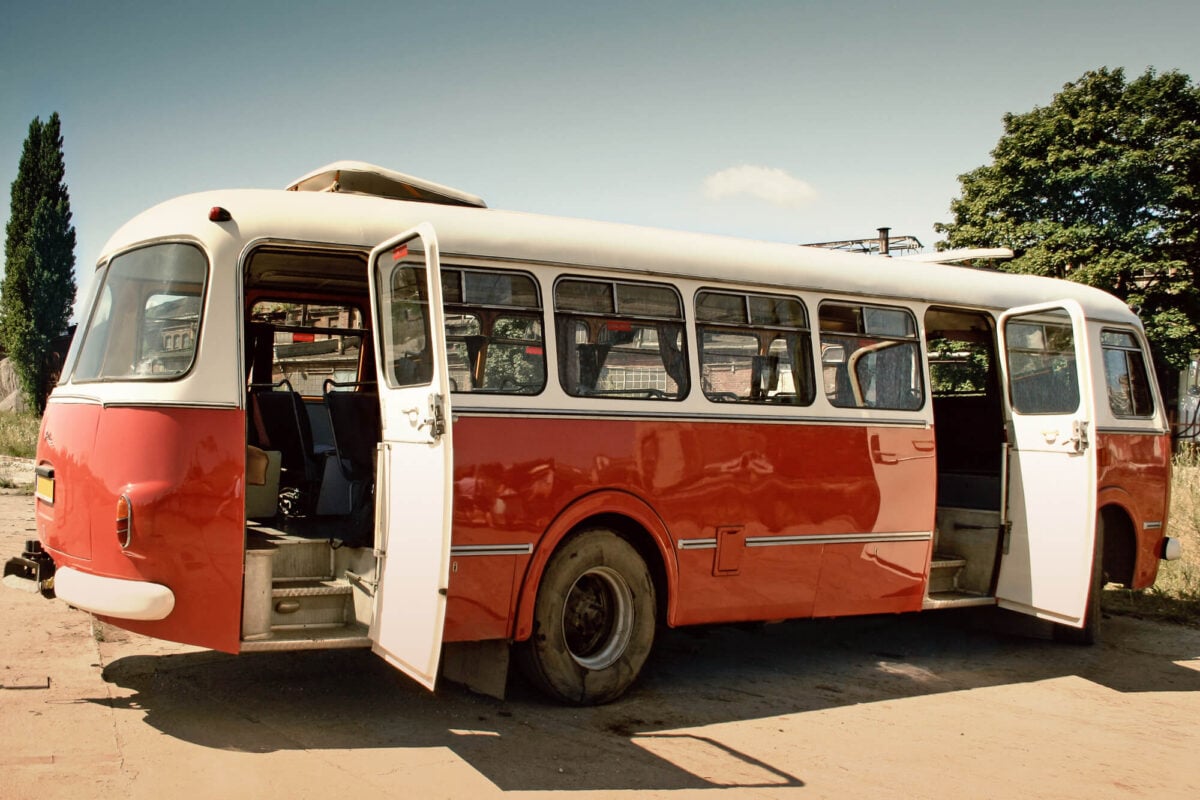
A real musical family, the Cowsills of Rhode Island, inspired The Partridge Family, which ABC broadcast from 1970 to 1974. Shirley Jones played a widowed mother who joins her five children’s band, and her real-life stepson, David Cassidy, played eldest son Keith.
Those two were the only cast members whose voices appeared on the records, with studio professionals handling the rest. The single “I Think I Love You” reached number one on the Billboard Hot 100 in late 1970, shortly after the series premiered.
Their touring vehicle, an old school bus painted in blocks of color after the painter Piet Mondrian, became the show’s trademark.
Bunkers of Hauser Street

Nothing on American television sounded like All in the Family when CBS put it on the air in January 1971. Producer Norman Lear adapted it from a British series, Till Death Us Do Part, and recorded it on videotape in front of a studio audience.
Carroll O’Connor played loading-dock foreman Archie Bunker, with Jean Stapleton as Edith, Sally Struthers as their daughter Gloria and Rob Reiner as son-in-law Mike. Arguments about race, war and politics took place in a row house at 704 Hauser Street in Queens.
The series finished five consecutive seasons at number one, and the two living room chairs now belong to the Smithsonian.
Fred and Lamont Sanford
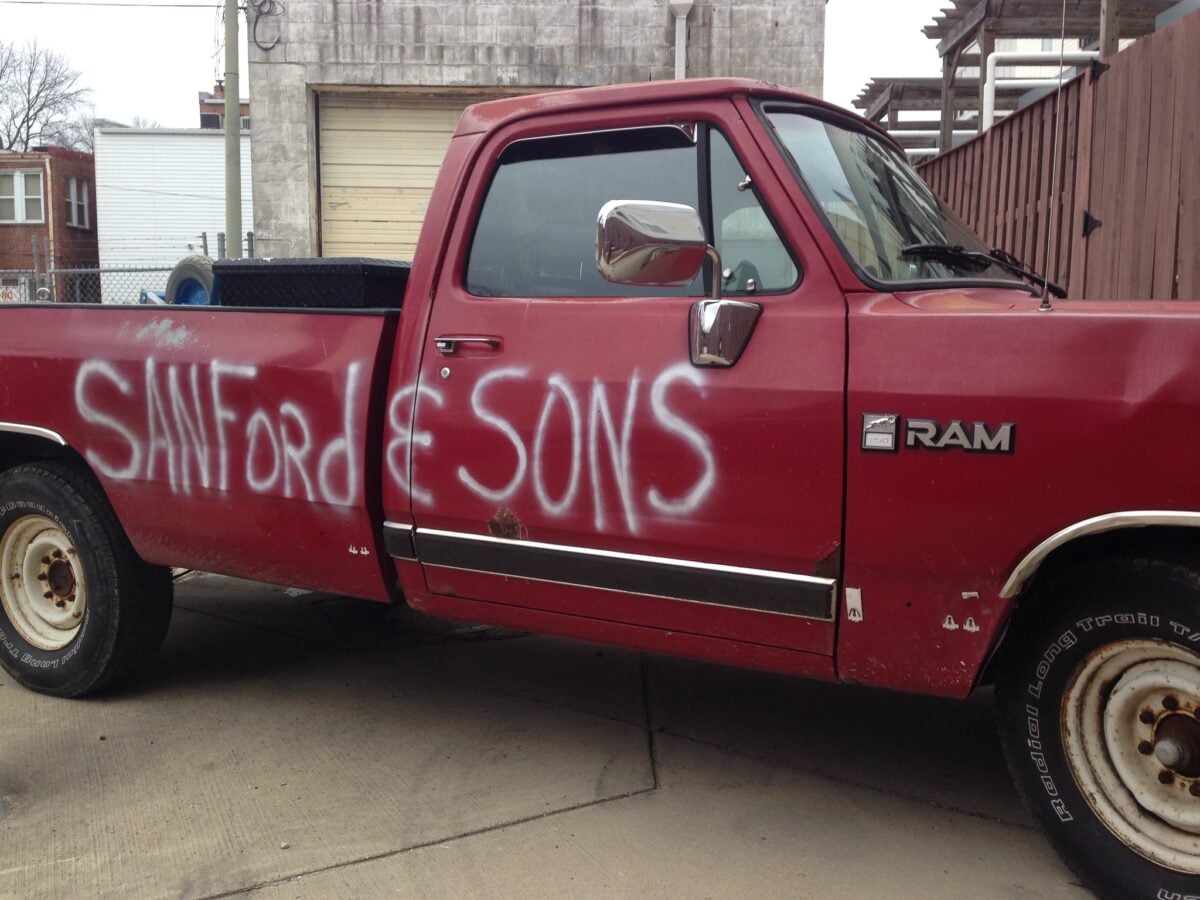
Sanford and Son, which ran on NBC from 1972 to 1977, was another Norman Lear and Bud Yorkin adaptation of a British hit, in this case Steptoe and Son. Comedian Redd Foxx, born John Elroy Sanford, gave the lead character his own family name.
He played a widowed junk dealer in the Watts section of Los Angeles, and Demond Wilson played his long-suffering son and business partner. Whenever Lamont threatened to leave, Fred clutched his chest and announced a heart attack to his late wife, Elizabeth.
NBC scheduled it on Friday nights, where it regularly ranked among the most-watched programs in the country.
Evanses in a Chicago High-Rise
Good Times came to CBS in February 1974 as a spin-off of Maude, which had itself spun off from All in the Family. Esther Rolle and John Amos played Florida and James Evans, parents raising three children in a Chicago public housing project.
It was among the first network comedies built around a Black family with both parents in the home. Jimmie Walker’s J.J. and his shouted “Dy-no-mite” soon dominated the scripts, a shift both lead actors criticized publicly.
Amos was dropped in 1976 and his character died off screen, and Rolle left for a season before returning. The series ended in 1979.
Cunninghams in Milwaukee
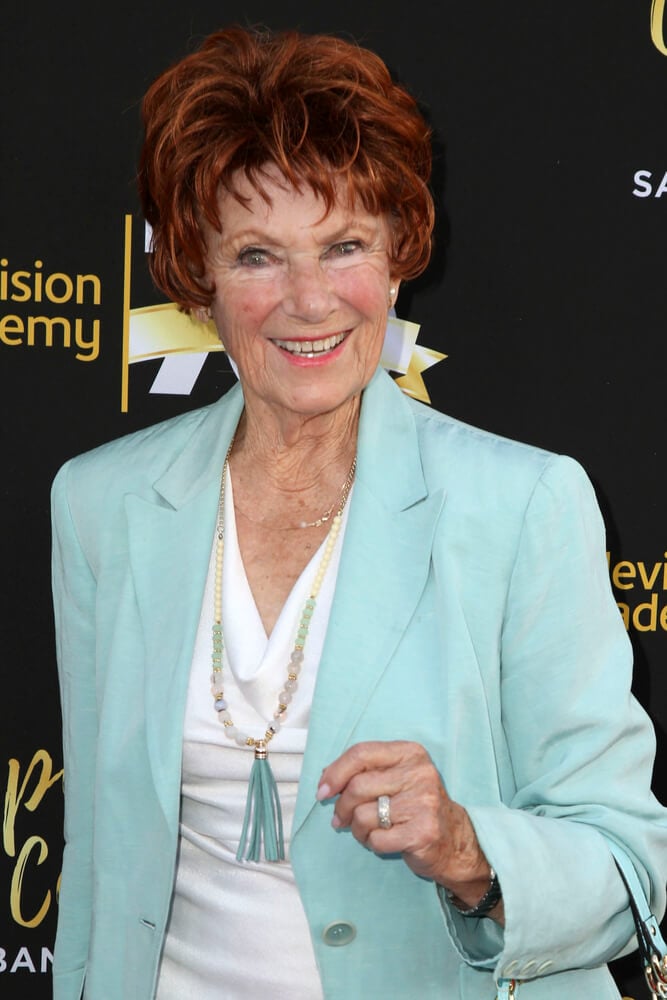
Happy Days grew out of a segment Garry Marshall produced for the anthology Love, American Style, and ABC ran the resulting series from 1974 to 1984. Ron Howard played teenager Richie Cunningham, with Tom Bosley as his hardware-store-owner father, Howard, and Marion Ross as his mother, Marion.
Set in 1950s Milwaukee, it was soon taken over by a supporting character, Henry Winkler’s leather-jacketed Fonzie, who rented the room over the garage. Older brother Chuck simply vanished after the second season and was never mentioned again.
A 1977 episode in which Fonzie water-skis over a shark later gave critics a phrase for any series past its peak.
George and Louise Jefferson
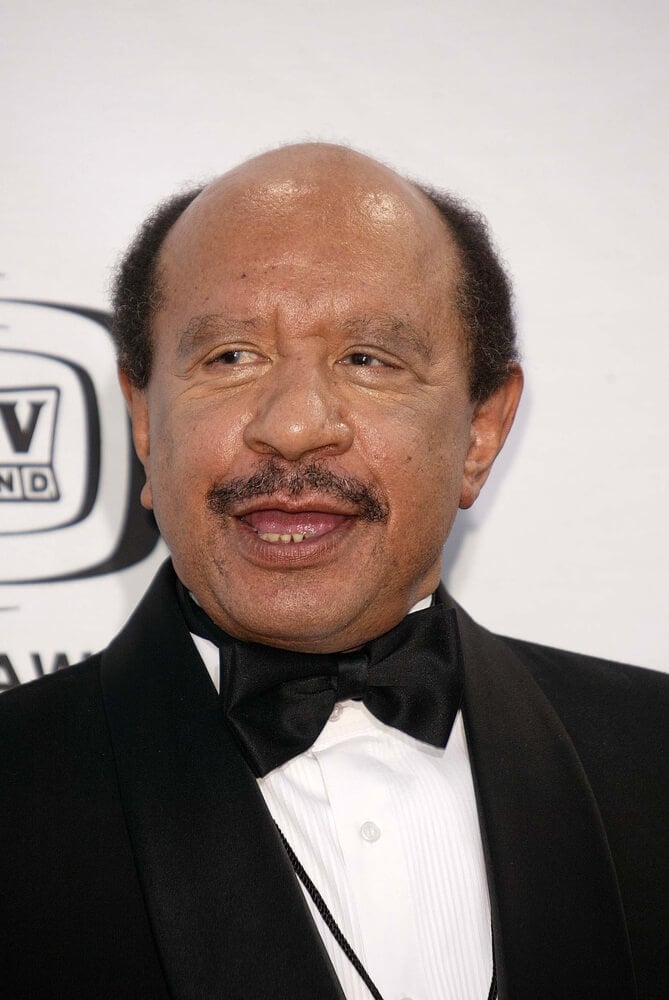
After several seasons as Archie Bunker’s neighbors, the Jeffersons got their own CBS series in January 1975. Sherman Hemsley played George, whose chain of dry-cleaning stores paid for a move from Queens to a high-rise apartment on Manhattan’s East Side.
Isabel Sanford played his wife, Louise, and in 1981 became the first Black woman to win the Emmy for lead actress in a comedy. The theme song, “Movin’ On Up”, was co-written and sung by Ja’Net DuBois, who was appearing on Good Times at the time.
The Jeffersons ran eleven seasons and was canceled in 1985 without a farewell episode, to the cast’s lasting annoyance.
Ann Romano and Her Daughters
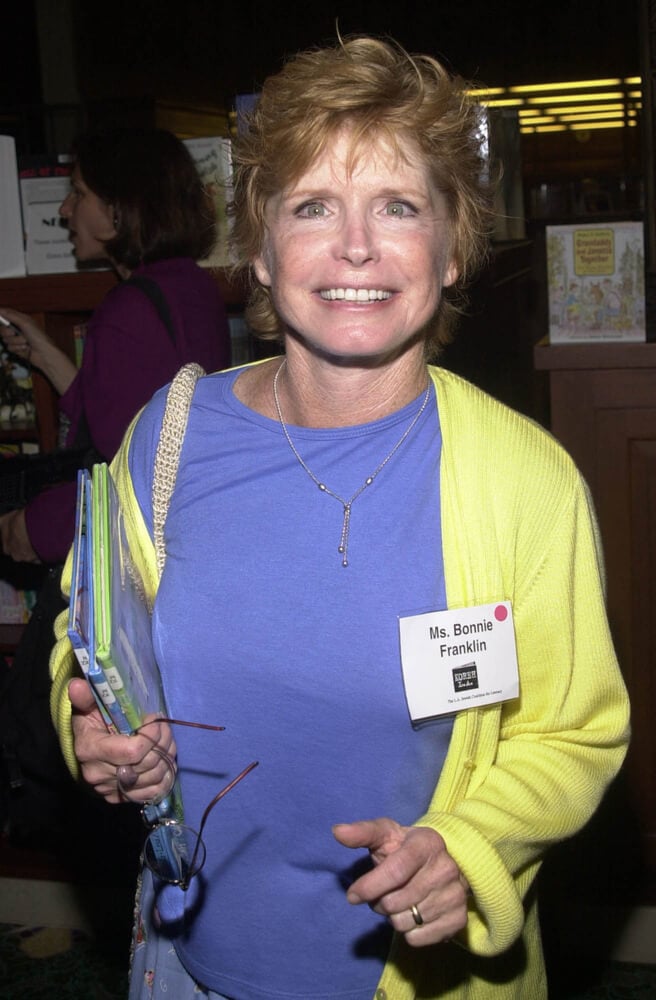
One Day at a Time put a divorced mother at the center of a network comedy, which was still uncommon when CBS premiered it in December 1975. Bonnie Franklin played Ann Romano, who moves to an Indianapolis apartment with her teenage daughters, played by Mackenzie Phillips and Valerie Bertinelli.
Ann had gone back to her maiden name after the divorce, so her daughters carried a different surname, Cooper. Co-creator Whitney Blake drew on her own years as a single mother, and Norman Lear developed the series.
Pat Harrington Jr. supplied the comic relief as building superintendent Schneider. It lasted nine seasons, ending in 1984.
Drummonds on Park Avenue
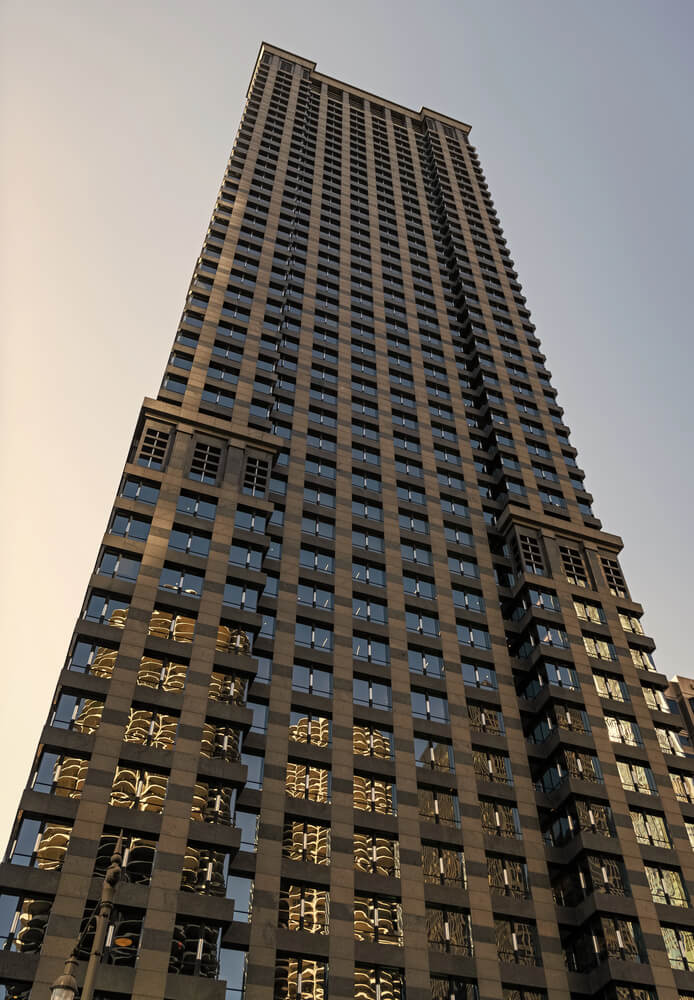
Diff’rent Strokes paired a wealthy white widower with two Black brothers from Harlem whom he adopts after their mother, his housekeeper, dies. Conrad Bain played Phillip Drummond, Todd Bridges played Willis, and Gary Coleman, about ten years old at the 1978 premiere, played Arnold and delivered the line “Whatchoo talkin’ ’bout, Willis?”
The series spent seven seasons on NBC and an eighth on ABC before ending in 1986. Its housekeeper, Mrs.
Garrett, left in 1979 to anchor a spin-off, The Facts of Life. First Lady Nancy Reagan appeared as herself in a 1983 episode to promote her “Just Say No” campaign against drugs.
Keatons of Columbus, Ohio
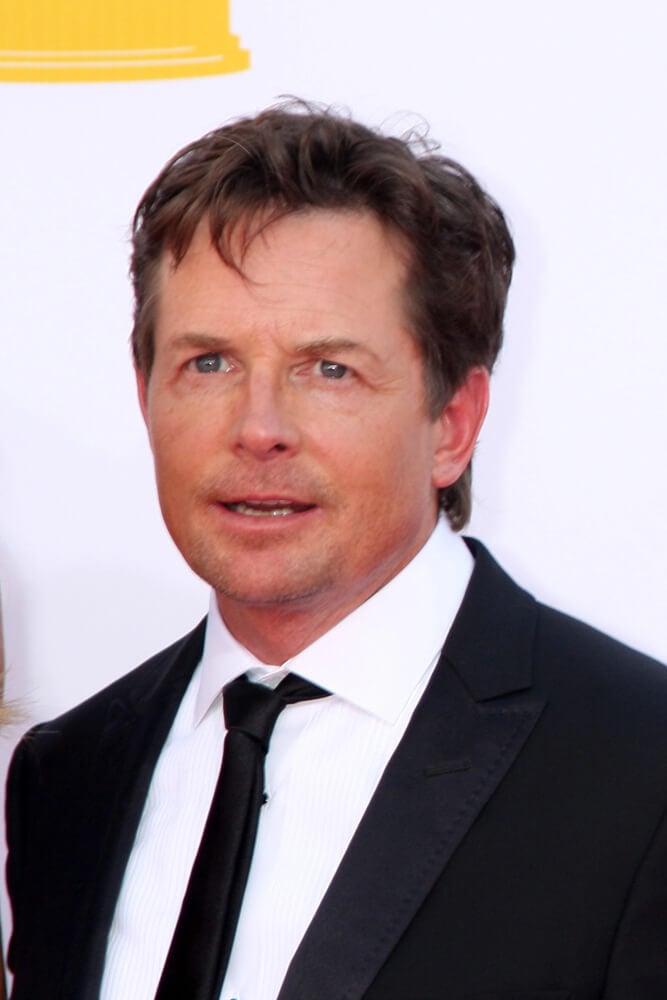
Creator Gary David Goldberg built Family Ties around a reversal of the usual generation gap. Michael Gross and Meredith Baxter played Steven and Elyse Keaton, former 1960s activists whose teenage son Alex admired Richard Nixon and carried a briefcase to school.
NBC aired the series from 1982 to 1989. Michael J.
Fox, originally a supporting player, became its center and won three consecutive Emmy Awards beginning in 1986. During the 1984 to 1985 season he rehearsed and taped the sitcom by day and filmed Back to the Future at night, sleeping only a few hours between the two jobs.
Seavers of Long Island

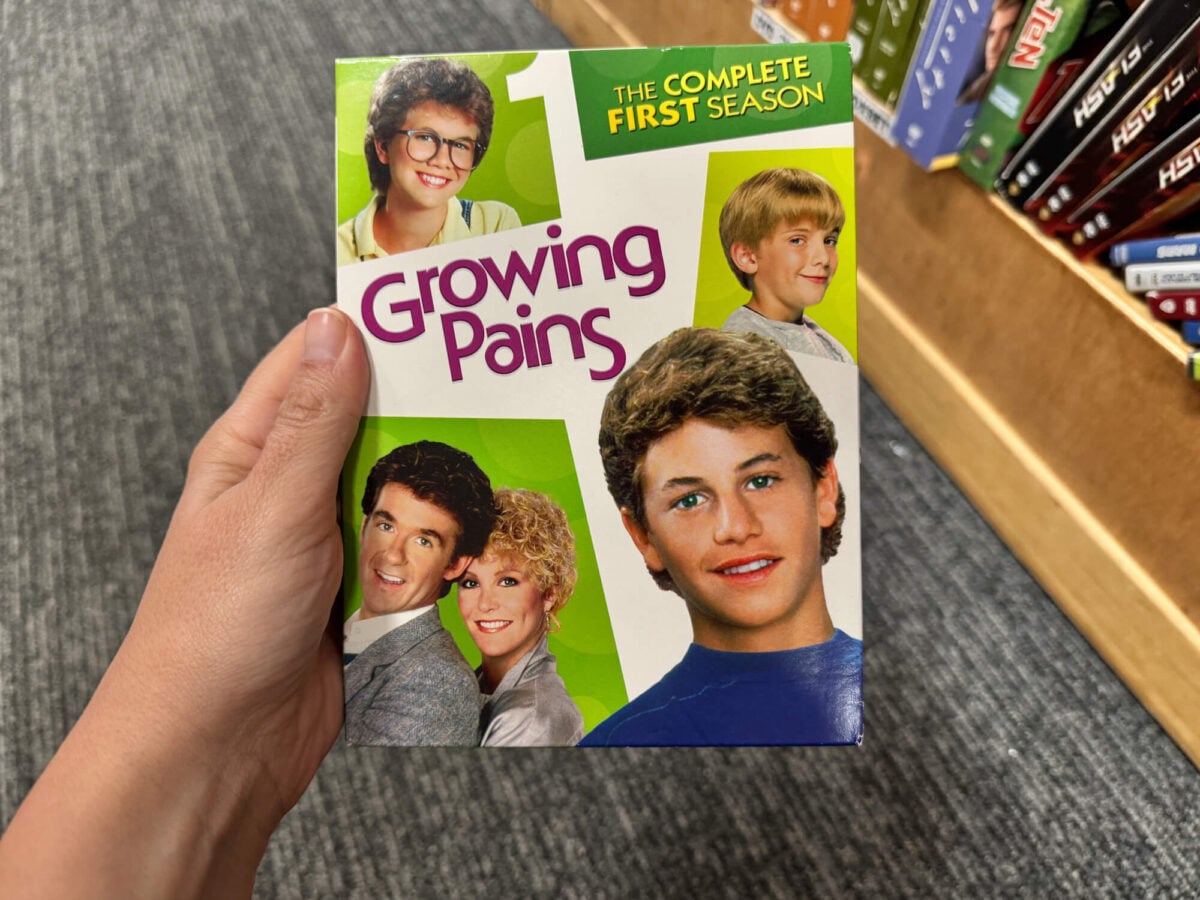
Growing Pains opened on ABC in 1985 with a small twist on the working-parent setup. Alan Thicke played psychiatrist Jason Seaver, who moves his practice into the house so that his wife, Maggie, played by Joanna Kerns, can return to her career as a reporter.
Kirk Cameron, as underachieving eldest son Mike, became a fixture of teen magazines within a year. Tracey Gold and Jeremy Miller played the younger children.
In the seventh and last season, the producers added a homeless teenager named Luke, played by a little-known teenage actor called Leonardo DiCaprio. The series ended in 1992.
Tanners of San Francisco
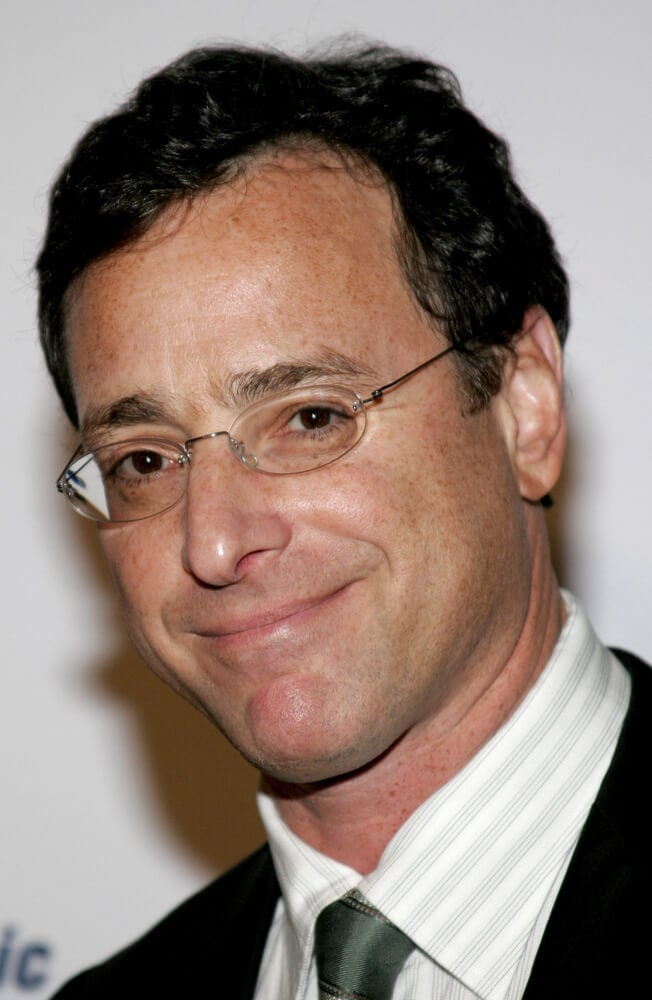
Full House ran on ABC from 1987 to 1995 and totaled 192 episodes. Bob Saget played Danny Tanner, a widowed broadcaster who recruits his brother-in-law Jesse and his best friend Joey to help raise three daughters, with John Stamos and Dave Coulier in those roles.
The youngest girl, Michelle, was played by twins Mary-Kate and Ashley Olsen, who alternated in the part because of limits on how long an infant could work. Critics were unkind throughout the run, and younger viewers ignored them.
Netflix brought most of the cast back in 2016 for a sequel, Fuller House, which lasted five seasons.
Conners of Lanford, Illinois
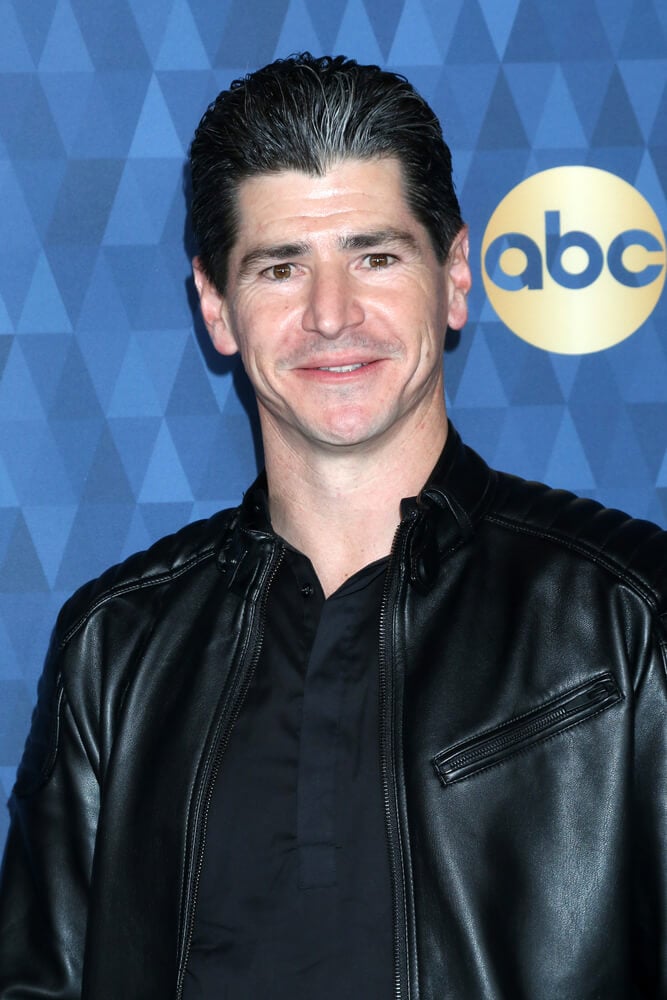
Roseanne premiered on ABC in 1988 and, in the 1989 to 1990 season, finished in a tie for first place in the Nielsen ratings. Its stand-up comedian star and John Goodman played Roseanne and Dan Conner, a factory worker and a drywall contractor who worried about bills in nearly every episode.
The cluttered set, with its crocheted afghan over the couch, looked more like a real American house than most of what surrounded it on the schedule. Eldest daughter Becky was played by two actresses, Lecy Goranson and Sarah Chalke, and the scripts eventually joked about the switch.
The original run ended in 1997, a revival followed in 2018, and a spin-off, The Conners, carried the family on until 2025.
Reruns as a Second Childhood
Most of these series were not watched once. They were watched for years, in the late afternoon and on rainy Saturdays, on local stations that bought the episodes in bulk and ran them in whatever order arrived.
A child of the 1980s could know the Cleavers and the Bradys as well as any family then in production. Syndication flattened thirty years of television into a single neighborhood.
That may explain why the details stuck so firmly. People who cannot recall a teacher’s name can still give the Munsters’ street number or hum the opening bars of a theme song from 1964.
The families themselves never aged, never moved and never stopped forgiving each other by the final commercial. Real households rarely offered that kind of consistency, which was probably the appeal.
More from Go2Tutors!

- The Romanov Crown Jewels and Their Tragic Fate
- 13 Historical Mysteries That Science Still Can’t Solve
- Famous Hoaxes That Fooled the World for Years
- 15 Child Stars with Tragic Adult Lives
- 16 Famous Jewelry Pieces in History
Like Go2Tutors’s content? Follow us on MSN.