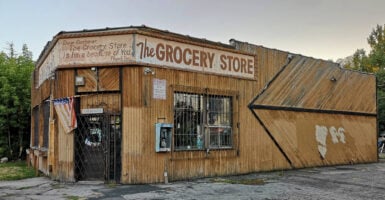
29 Grocery Store Chains That No Longer Exist
A supermarket feels permanent right up until the sign comes down. The same building may keep selling milk and bread for decades afterward, but under a name chosen in a boardroom several states away.
Most of the chains below were regional powers with their own coffee, their own jingles and their own loyal Saturday crowds. Some went bankrupt, some were bought for their real estate, and a few were simply renamed out of existence.
A and P, the Tea Company That Fed a Nation
George Gilman and George Huntington Hartford began selling tea in New York City in 1859, and the Great Atlantic and Pacific Tea Company grew from that business into the largest retailer in the country. Around 1930 it ran roughly 15,000 small stores.
House brands did much of the work, including Eight O’Clock coffee, Ann Page pantry goods and Jane Parker baked goods, and Woman’s Day began as a magazine sold in its stores. Decades of slow decline followed.
The company, by then based in Montvale, New Jersey, filed for bankruptcy in 2010 and again in 2015, and its last stores were sold or closed before that year ended.
Waldbaum’s and the Face on the Label
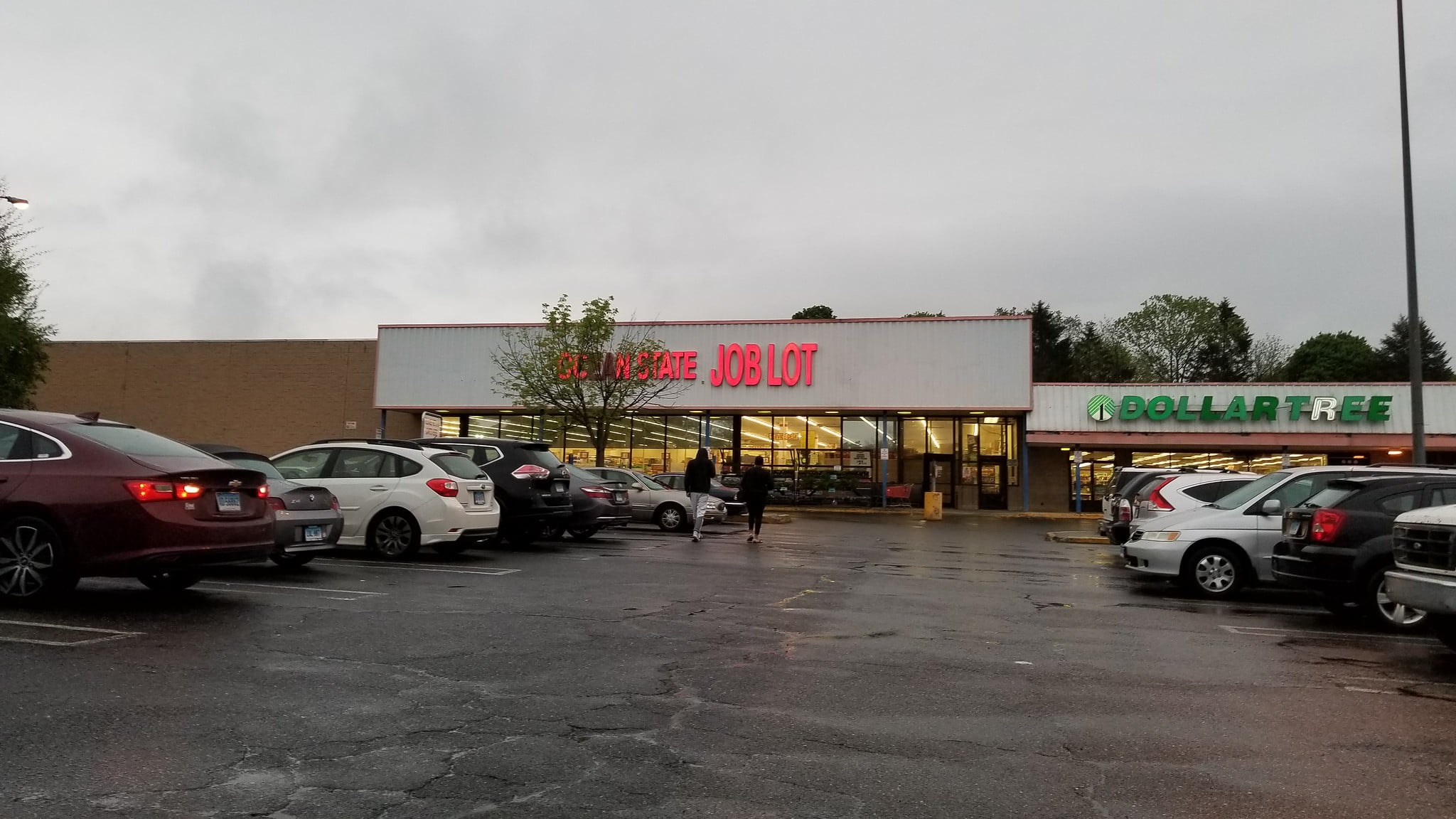
Julia Waldbaum’s portrait appeared on the chain’s private-label packaging, which made a sizable New York supermarket company feel like a corner shop with a proprietor behind the counter. The business traced back to a small Brooklyn store opened by Israel Waldbaum in 1904, and it grew across Brooklyn, Queens and Long Island as its customers moved east to the suburbs.
A and P bought the family company in 1986 and kept the name on the stores. That arrangement tied Waldbaum’s to its parent’s fortunes.
When A and P went through its second bankruptcy in 2015, the remaining locations were auctioned to competitors or closed.
Dominick’s of Chicago
Chicago shoppers spent most of the twentieth century choosing sides between Jewel and Dominick’s. The second of those began in 1918, when Sicilian immigrant Dominick DiMatteo opened a small grocery on the city’s West Side, and his family built it into a chain of more than 100 stores known for deli counters and in-store bakeries.
Safeway bought the company in 1998 and replaced many familiar products with its own labels, a change that longtime customers never quite forgave. Market share slid for years.
Safeway announced its exit from Chicago in October 2013, and every remaining Dominick’s was sold or shut by the last days of that December.
Genuardi’s, from Produce Wagon to Suburban Fixture
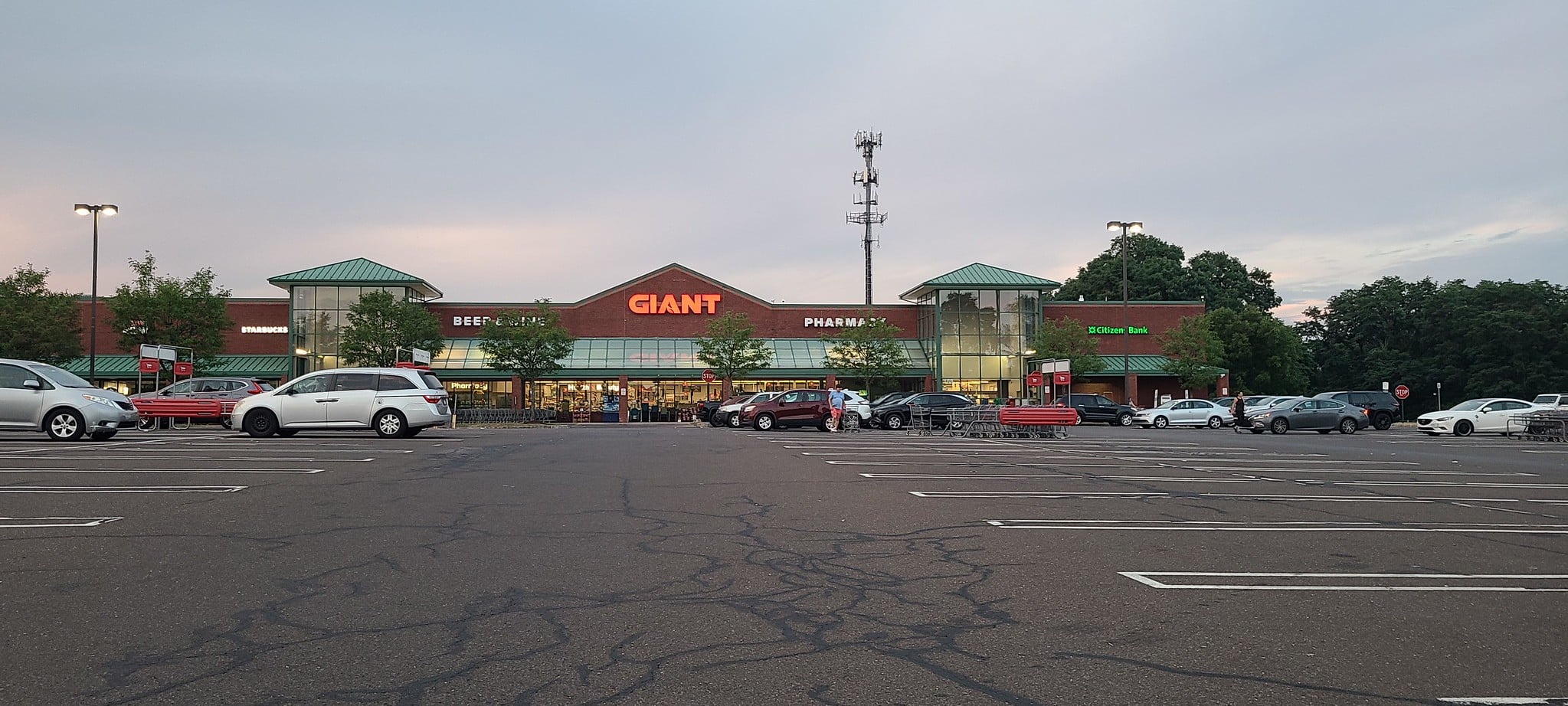
Gaspare Genuardi sold fruits and vegetables from a horse-drawn wagon around Norristown, Pennsylvania, in the 1920s, and his sons turned the route into a family supermarket company. For decades Genuardi’s was the upscale option in the Philadelphia suburbs, with a reputation for produce and for employees who stayed their entire careers.
The family sold to Safeway in 2001. Service and selection changed under the new owner, and sales fell.
Safeway began unloading the stores in 2012, with a large group going to Giant of Carlisle, and the last few Genuardi’s locations closed within the following three years.
Farmer Jack and the Battle for Detroit
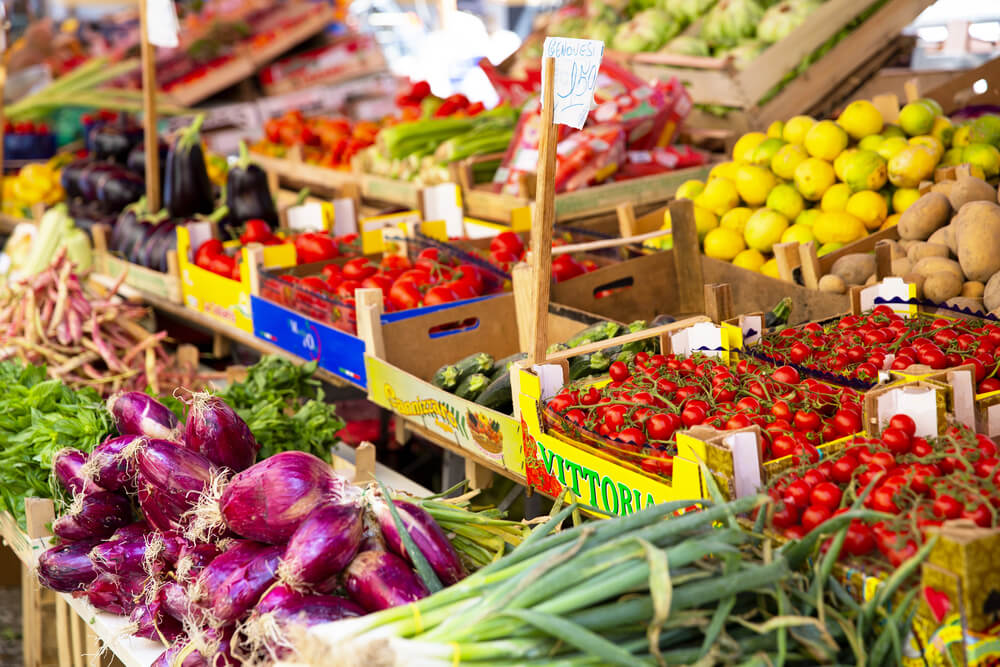
Detroit’s Borman family ran grocery stores under several names before settling on Farmer Jack in the 1960s, and the folksy banner became one of the best known in southeastern Michigan. Its parent company, Borman’s, was sold to A and P in 1989.
The new owner kept the name and for a time converted its own Michigan stores to it, which made Farmer Jack the leading chain in the Detroit area. Competition from Kroger and Meijer wore that lead down.
A and P gave up on the market in 2007, selling a number of stores to Kroger and independent operators and closing the rest that summer.
Food Fair and Its Second Life as Pantry Pride
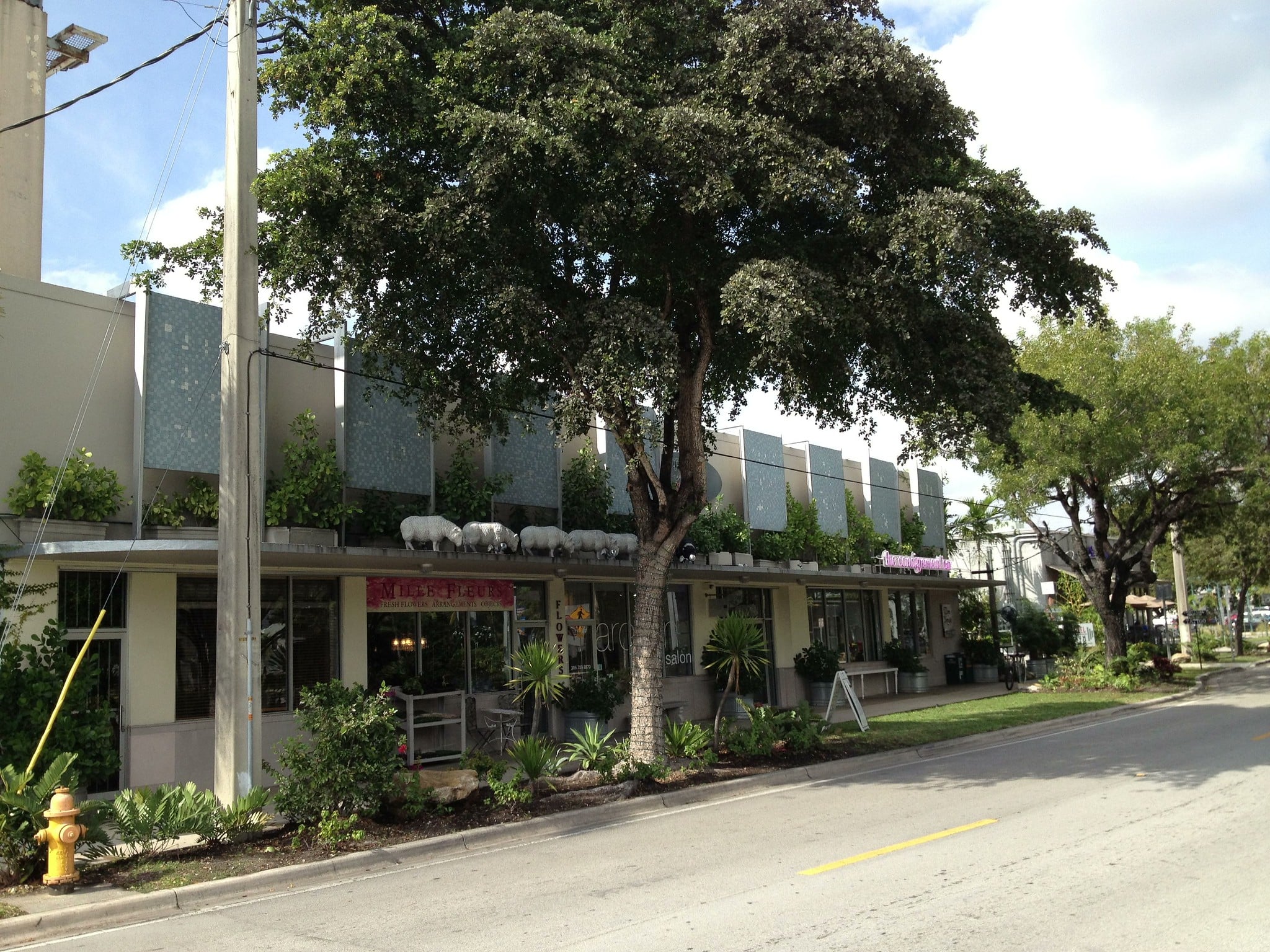
Samuel Friedland opened an early self-service supermarket in Harrisburg, Pennsylvania, during the Depression, and the Philadelphia-based company that followed became one of the largest grocery chains in the country by the 1950s. Food Fair overextended, partly through its J. M. Fields discount stores, and filed for bankruptcy in 1978.
It emerged smaller, renamed itself after its Pantry Pride banner and moved its base to Florida. The strangest chapter came in 1985, when financier Ronald Perelman took control of Pantry Pride and used the company as his vehicle for the hostile takeover of Revlon.
The supermarkets were sold off soon afterward.
National Tea, a Midwestern Giant
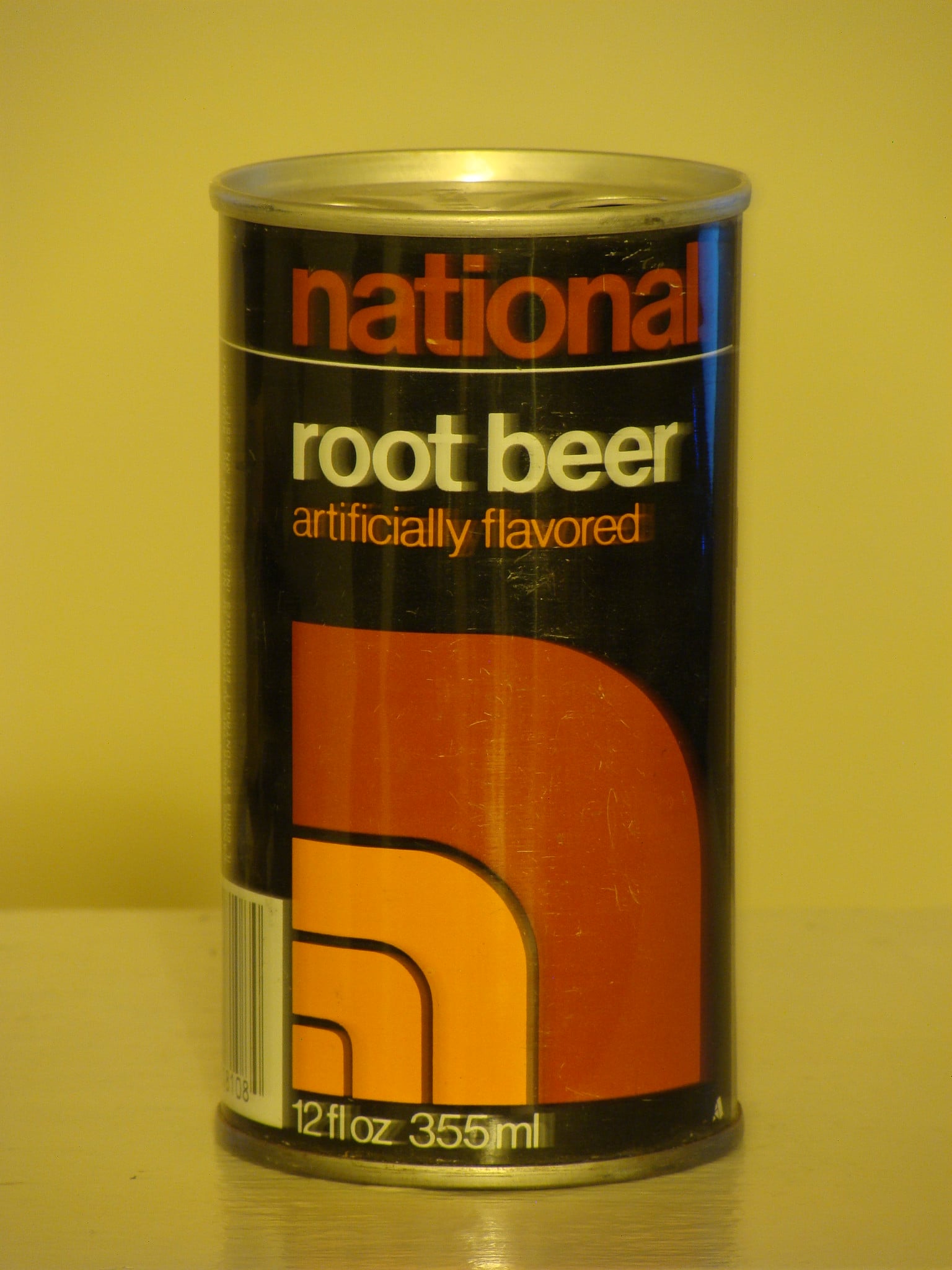
By the middle of the twentieth century, National Tea of Chicago ranked among the biggest food retailers in the United States, with stores spread across the Midwest and down the Mississippi to New Orleans. The company dated to 1899 and, despite the name, sold a full line of groceries almost from the beginning.
Canada’s Weston family, the owners of Loblaw, took control in the 1950s. Retreat came one city at a time.
The Chicago stores were given up in the 1970s, and the last divisions, in St. Louis and New Orleans, were sold to local rivals in 1995, leaving nothing of the banner behind.
Alpha Beta and the Alphabetical Shelves
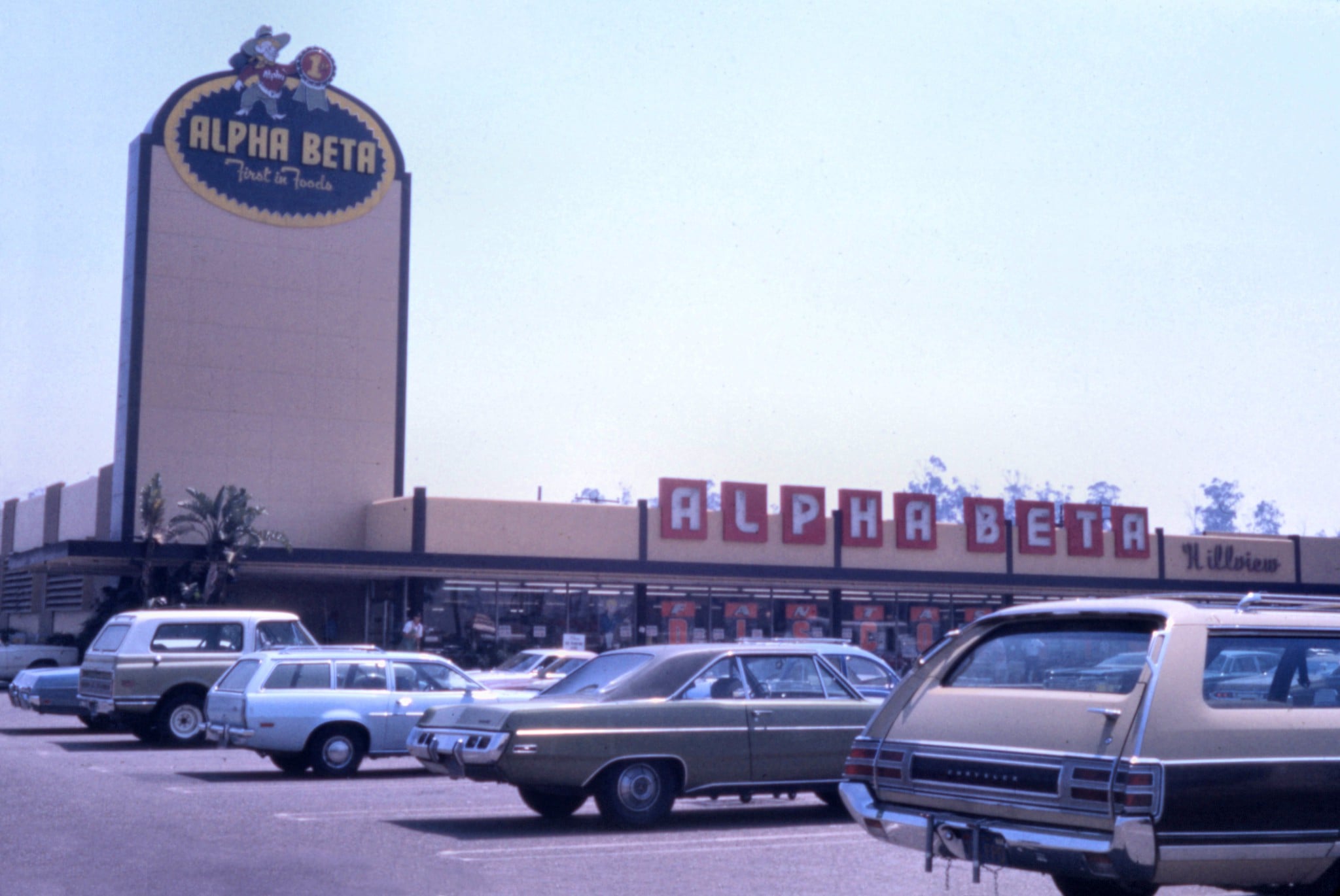
Albert Gerrard had an idea for his Pomona, California, grocery in the 1910s: arrange everything alphabetically so customers could serve themselves. The system gave the Alpha Beta chain its name, even after the shelving plan was dropped in favor of ordinary departments.
American Stores acquired the company in 1961 and ran it as a major Southern California banner for three decades. Its 1988 purchase of rival Lucky drew an antitrust challenge from the state, and the Southern California Alpha Beta stores were eventually sold to the Yucaipa Companies.
After Yucaipa took over Ralphs in the mid-1990s, the remaining Alpha Beta signs were changed to Ralphs or Food 4 Less.
Eagle Food Centers of the Quad Cities
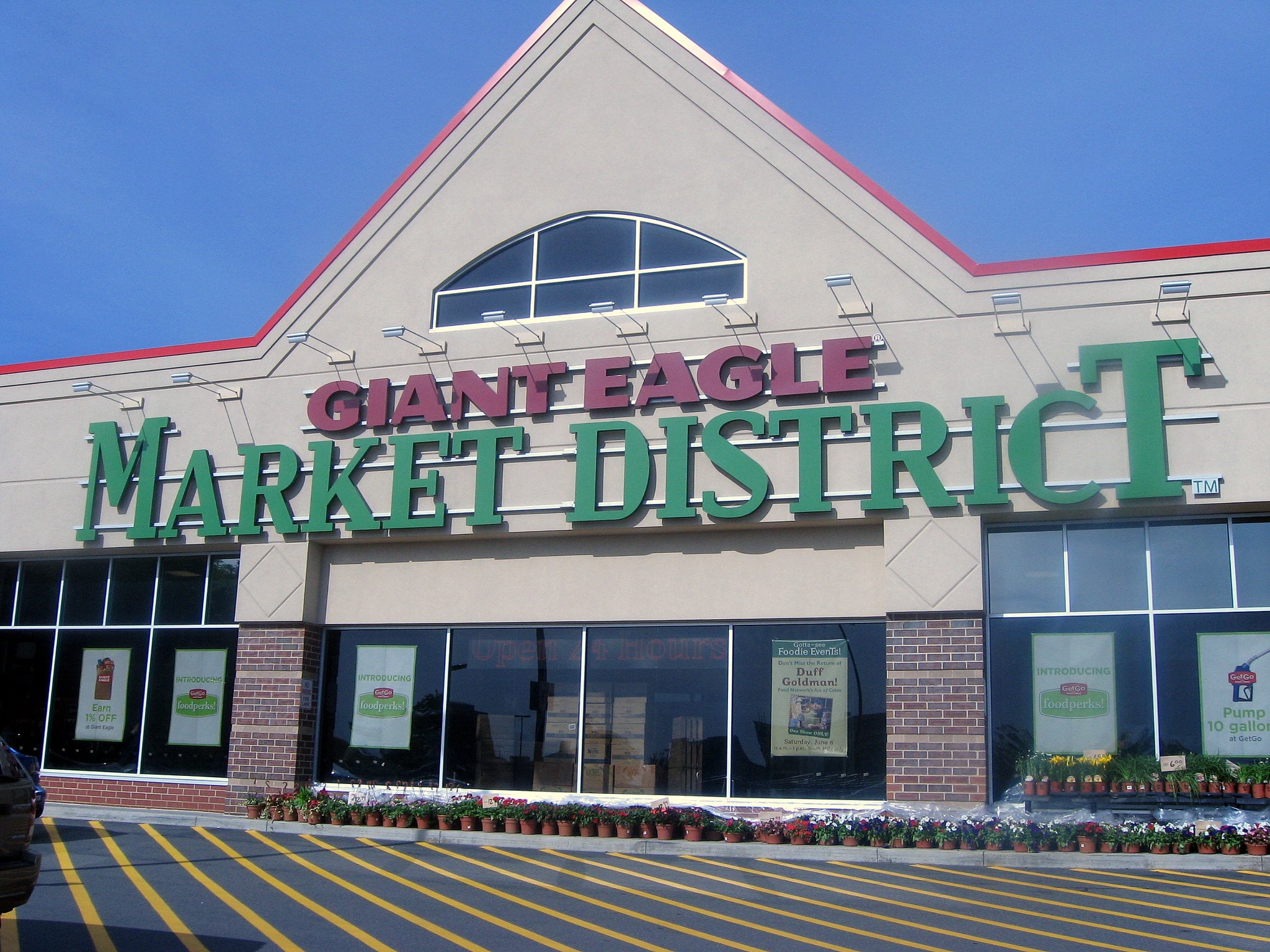
Western Illinois and eastern Iowa were Eagle country. The chain was based in Milan, Illinois, just outside Rock Island, and for years it operated as the Midwestern division of California’s Lucky Stores, which is why Lucky’s Lady Lee house brand turned up on Iowa shelves.
An investor group bought Eagle in the late 1980s and took it public. The company spent the next decade squeezed between Hy-Vee, Jewel and the arrival of supercenters.
It reorganized in bankruptcy in 2000, filed again in 2003 and liquidated that year, with competitors picking up some of the better locations.
Sweetbay, the Short-lived Successor to Kash N’ Karry
Tampa’s Kash n’ Karry grew out of a produce business the Greco family founded in the 1910s, and by the 1980s it was one of the main grocers on Florida’s Gulf Coast. Belgium’s Delhaize Group, the owner of Food Lion, bought it in 1996.
Beginning in 2004 Delhaize replaced the aging brand with Sweetbay Supermarket, a brighter format named for a native magnolia and built around produce and Hispanic foods. The makeover won praise but not enough market share against Publix.
In 2013 Delhaize sold Sweetbay to the parent of Winn-Dixie, and the stores took the Winn-Dixie name the following year.
Big Bear of Columbus

Ohio’s first self-service supermarket is generally said to be the Big Bear that Wayne Brown opened in 1934 in a former dance hall and roller rink near the Ohio State campus in Columbus. Shoppers accustomed to handing a list to a clerk found carts, wide rows and low prices instead.
The chain spread through central Ohio and into West Virginia and remained a Columbus institution for generations. Penn Traffic of Syracuse, New York, bought it in 1989 and loaded it with debt and distant management.
When Penn Traffic entered bankruptcy in 2003, Big Bear was the casualty, and the last stores closed in early 2004.
Finast, the House Brand That Became a Store
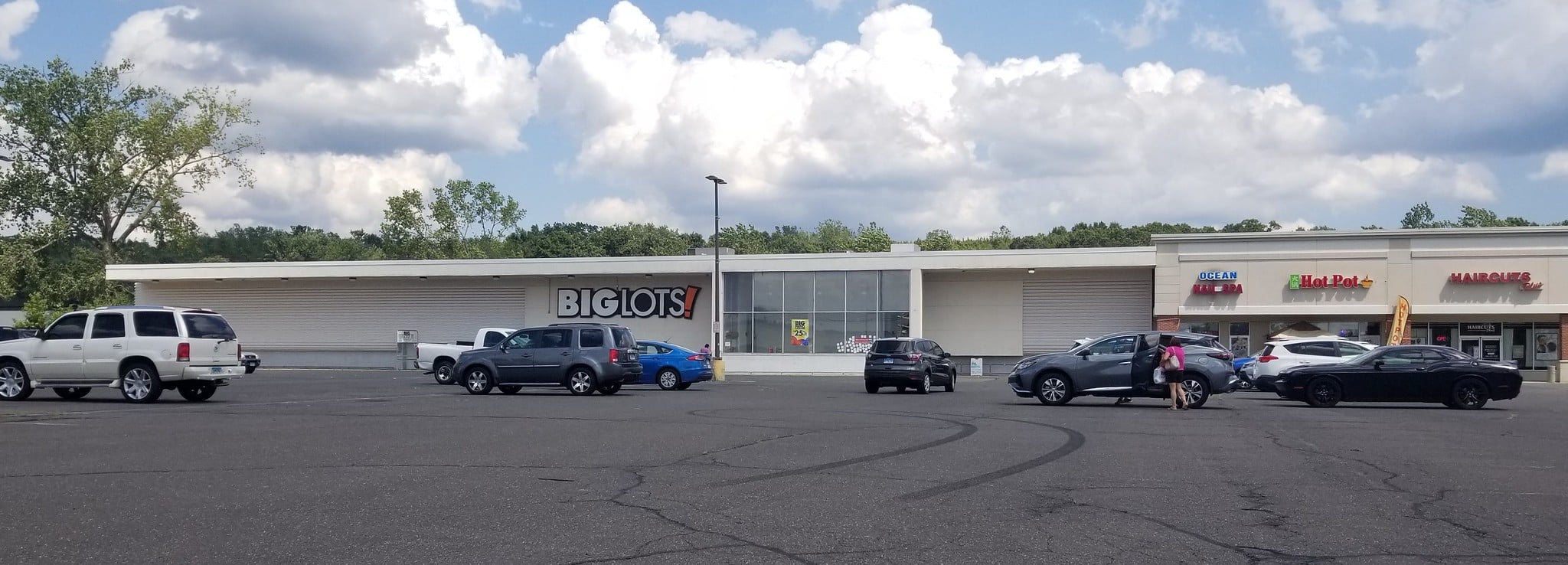
First National Stores was formed in the 1920s through the merger of several Boston-area grocery companies and was based for decades in Somerville, Massachusetts. Finast was the name on its canned goods, a contraction of the corporate title, and over time it migrated from the labels to the storefronts.
A 1978 merger with Cleveland’s Pick-N-Pay gave the company a second stronghold in northern Ohio. Dutch retailer Ahold bought it in 1988.
Many of the eastern stores had already become Edwards Super Food Stores, and Ahold converted the Ohio Finast locations to its Tops banner in the 1990s, ending a name New Englanders had known since their grandparents’ day.
Bloom, Food Lion’s Experiment
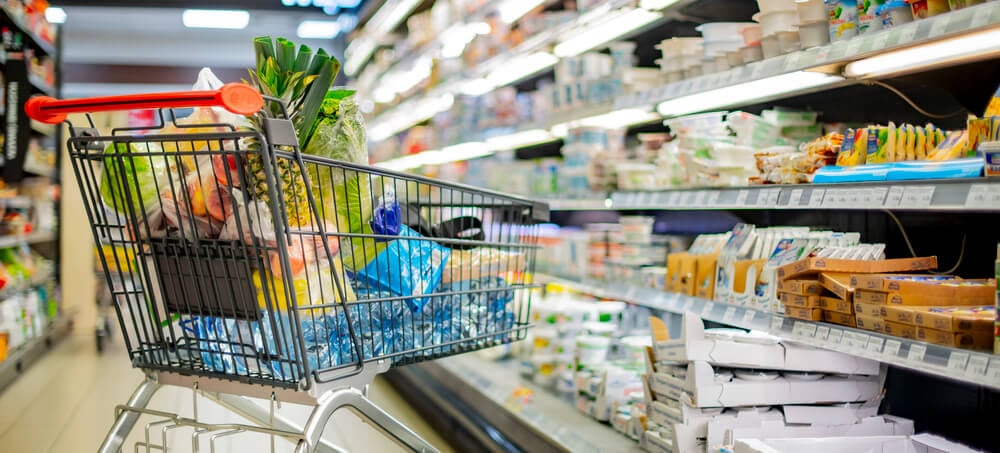
Handheld scanners that let customers ring up groceries as they shopped were one of the selling points when Food Lion opened its first Bloom stores around Charlotte, North Carolina, in 2004. The concept was meant to be a calmer, more upscale alternative to its parent, with lower shelving, wider aisles and meal ideas grouped near the entrance.
Bloom expanded into South Carolina, Virginia and Maryland over the next several years. It never grew large enough to justify a separate brand.
In January 2012 parent company Delhaize America announced that Bloom would be retired, and most locations were closed or converted to Food Lion.
Delchamps on the Gulf Coast
Two brothers, Alfred and Oliver Delchamps, opened a grocery in Mobile, Alabama, in 1921, and their surname eventually hung over supermarkets from Louisiana to the Florida Panhandle. The company was publicly traded but family-led for most of its life, and it was known along the coast for reopening quickly after hurricanes.
In 1997 it was acquired by Jitney-Jungle Stores of America, a Mississippi rival that had itself recently been bought by a New York investment firm. The combined company carried heavy debt.
Jitney-Jungle filed for bankruptcy in 1999, and the Delchamps stores were sold piecemeal or closed when it was liquidated in 2001.
Jitney-jungle, Where a Nickel Saved Was the Point
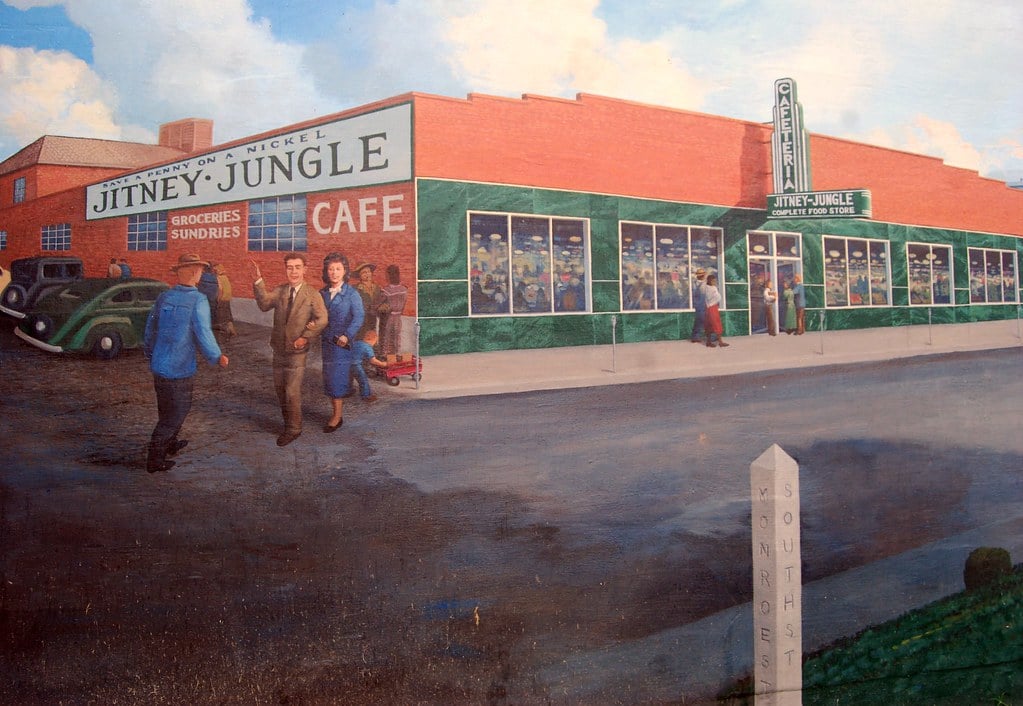
“Jitney” was slang for a nickel, and the odd name of this Jackson, Mississippi, chain was meant to promise savings. Founded in 1919 by cousins from the Holman and McCarty families, it was an early adopter of cash-and-carry self-service in a region where grocers still delivered orders and extended credit.
Jitney-Jungle stayed in family hands for more than seven decades and became Mississippi’s dominant supermarket company. A 1996 leveraged buyout and the Delchamps purchase a year later changed its finances for the worse.
Bankruptcy came in 1999, and in 2001 Winn-Dixie and other buyers divided up the stores.
Schwegmann Brothers Giant Super Markets
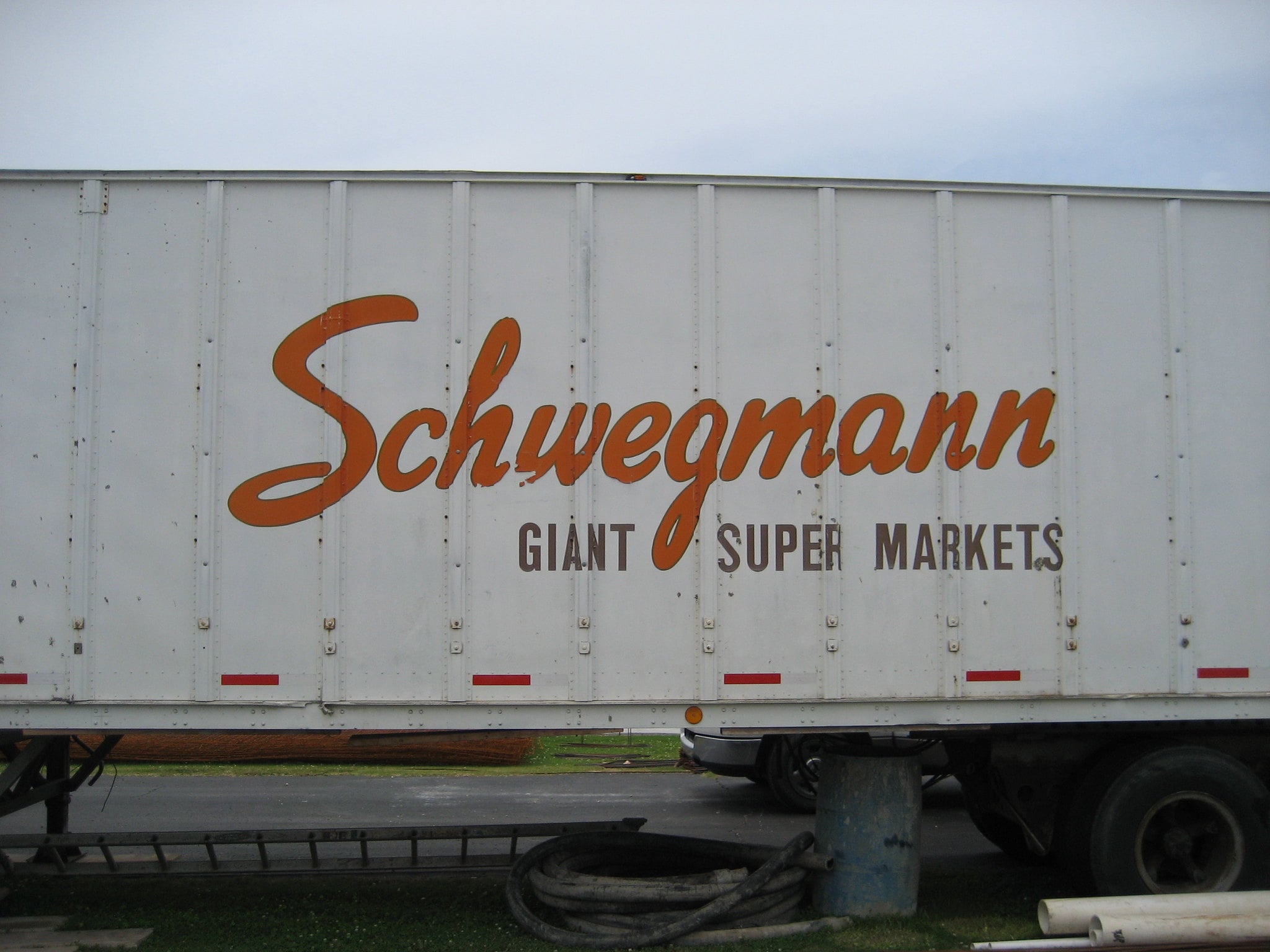
New Orleans never had another grocer quite like John G. Schwegmann.
His enormous stores sold everything from groceries to hardware, included bars where shoppers could have a drink, and printed his political opinions on the paper bags. He also fought manufacturers’ minimum-price rules, winning a 1951 Supreme Court case against Calvert Distillers that weakened fair-trade laws nationwide.
The family expanded in 1995 by buying the local National Tea stores, a deal that strained the company. Schwegmann was sold to an investment firm in 1997 and landed in bankruptcy in 1999, with A and P taking over a number of locations.
Bruno’s of Birmingham
Joseph Bruno opened a small grocery in Birmingham, Alabama, in 1932, and he and his brothers built it into the leading supermarket company in the state, operating under names such as Food World and Food Max as well as their own. In December 1991 a corporate plane crashed near Rome, Georgia, killing several of the company’s top executives, among them chairman Angelo Bruno.
The loss was felt for years. An investment firm bought control in 1995, and the chain passed through bankruptcies and a series of owners afterward.
In 2012 the remaining stores were sold to a new Birmingham company, Belle Foods, which put its own name on them and was liquidated the following year.
Marsh Supermarkets and a Famous Pack of Gum
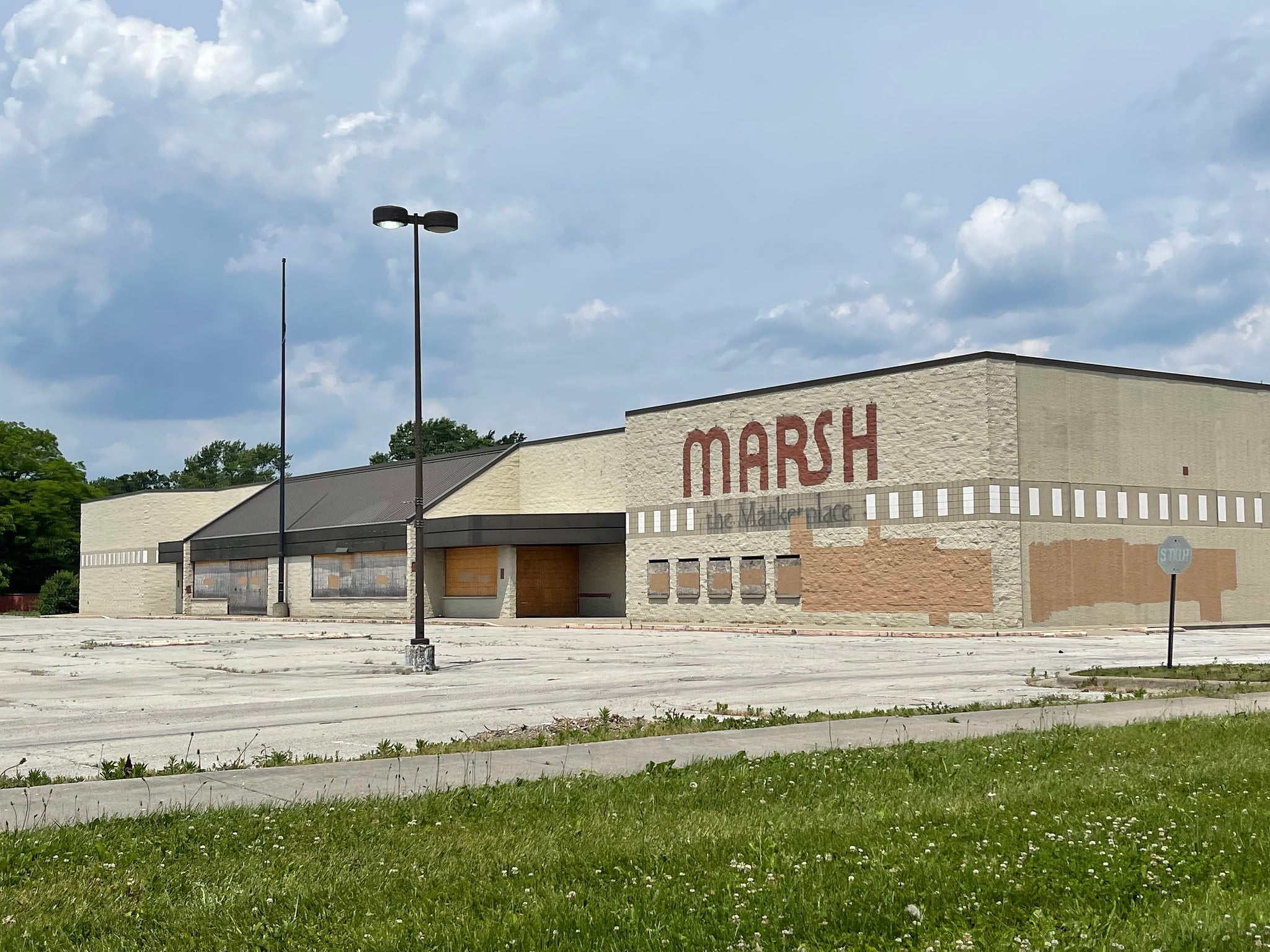
Retail history was made at a Marsh store in Troy, Ohio, on June 26, 1974, when a cashier scanned the first product sold by Universal Product Code, a pack of Wrigley’s Juicy Fruit. The chain behind that moment was an Indiana company, founded by Ermal Marsh in Muncie in 1931 and later headquartered near Indianapolis.
Marsh was publicly traded until a private equity firm bought it in 2006. Competition from Kroger, Meijer and Walmart cut into sales through the following decade.
The company filed for bankruptcy in May 2017, and Kroger and Ohio-based Fresh Encounter bought a portion of the stores while the others closed.
Dahl’s Foods of Des Moines
Des Moines, Iowa, had a hometown grocer in Dahl’s for more than 80 years. W. T. Dahl founded the business in 1931, and the stores developed a reputation for service, including employees who carried purchases out to the parking lot.
The company became employee-owned later in its life. Hy-Vee and Fareway, two larger Iowa rivals, kept building newer stores nearby, and an expensive remodeling program left Dahl’s short of cash.
It filed for bankruptcy in November 2014. Its main supplier, a Kansas City grocery cooperative, bought most of the stores at auction, and by spring 2015 the locations had either closed or reopened under other names.
Fresh and Easy, Tesco’s American Misadventure
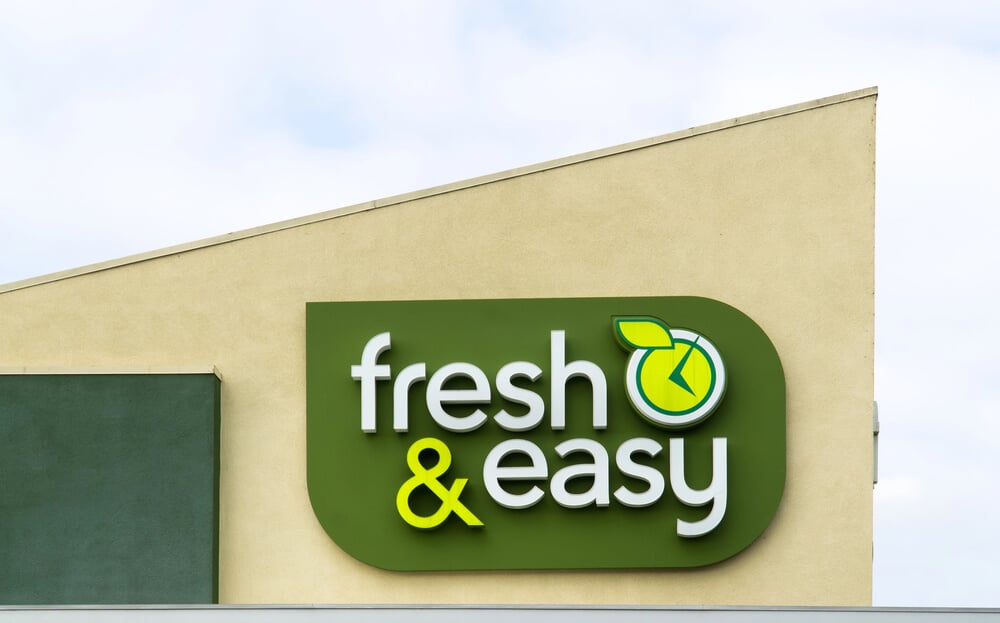
British supermarket giant Tesco spent years studying American shoppers before opening Fresh and Easy Neighborhood Market in 2007, with headquarters in El Segundo, California, and stores in California, Arizona and Nevada. The format was small, heavy on prepared meals and its own label, and relied entirely on self-checkout lanes.
It arrived just as the housing market collapsed in exactly those regions. Tesco never turned a profit on the venture and announced its withdrawal in 2013, absorbing losses of well over a billion dollars.
A Yucaipa Companies affiliate took over more than 150 stores, but that owner also failed, and the chain closed in late 2015.
Wild Oats Markets
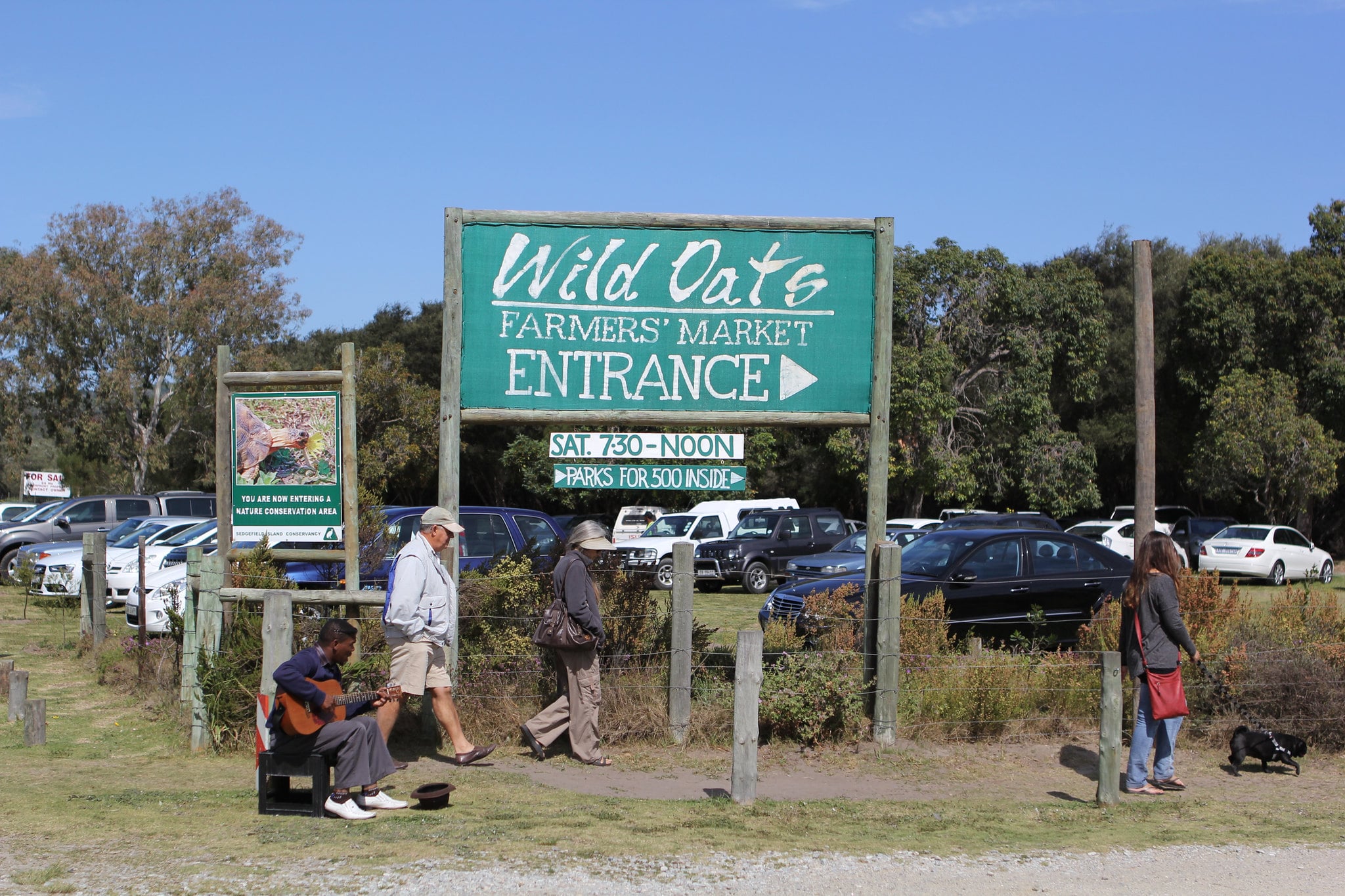
Boulder, Colorado, was the birthplace of this natural-foods chain, which Mike Gilliland and Elizabeth Cook launched in 1987 after running a small vegetarian grocery. Wild Oats grew quickly by buying other health-food retailers, and by the 2000s it was the second-largest company in its niche, with stores in many states and in Canada.
Its larger rival from Austin, Texas, agreed to buy it in 2007 for about 565 million dollars. The Federal Trade Commission challenged the deal, and a 2009 settlement required the sale of some stores and the brand name.
Most of the supermarkets had been converted or closed by then, though the name later resurfaced on packaged organic products.
Ukrop’s, Closed on Sundays
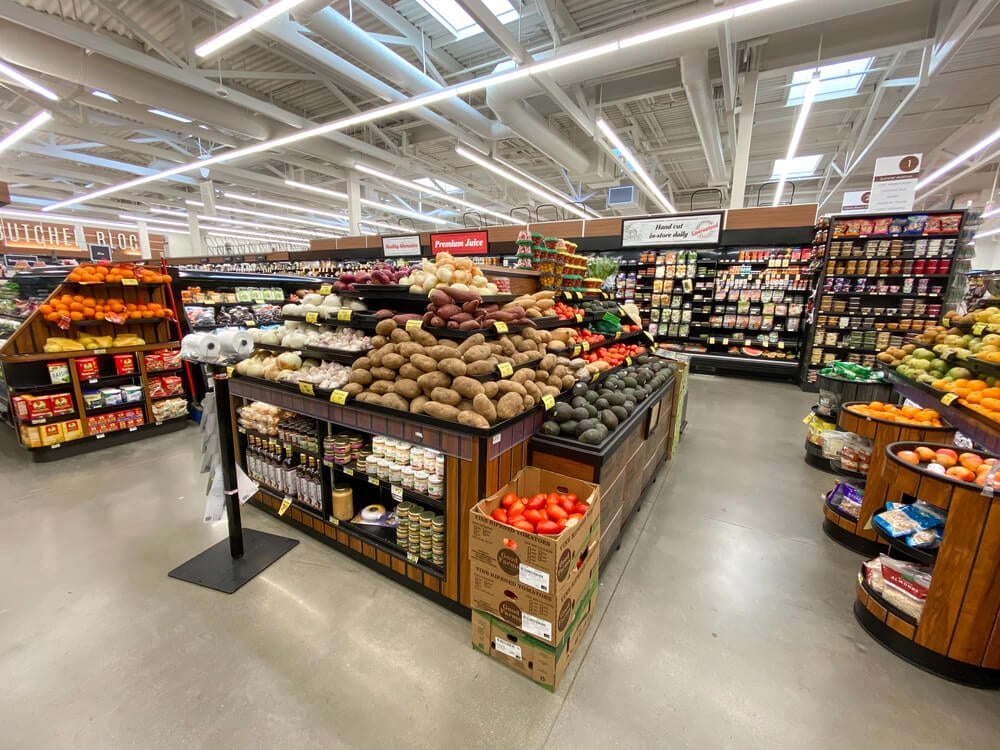
Richmond, Virginia, shoppers knew the rules at Ukrop’s: no alcohol on the shelves and no business on Sundays. Joseph and Jacquelin Ukrop opened the first store in 1937, and the family-run chain came to hold the largest share of the Richmond market while keeping those policies.
Its kitchens were a draw in their own right, turning out White House rolls and rainbow cookies that inspired real devotion. In 2010 the family sold the supermarkets to a division of Ahold, which renamed them Martin’s.
The Ukrop’s name survives on a prepared-foods and bakery business, which sells through other retailers and since 2020 has run a single market hall in Richmond. The supermarkets are gone.
Bi-Lo of the Carolinas
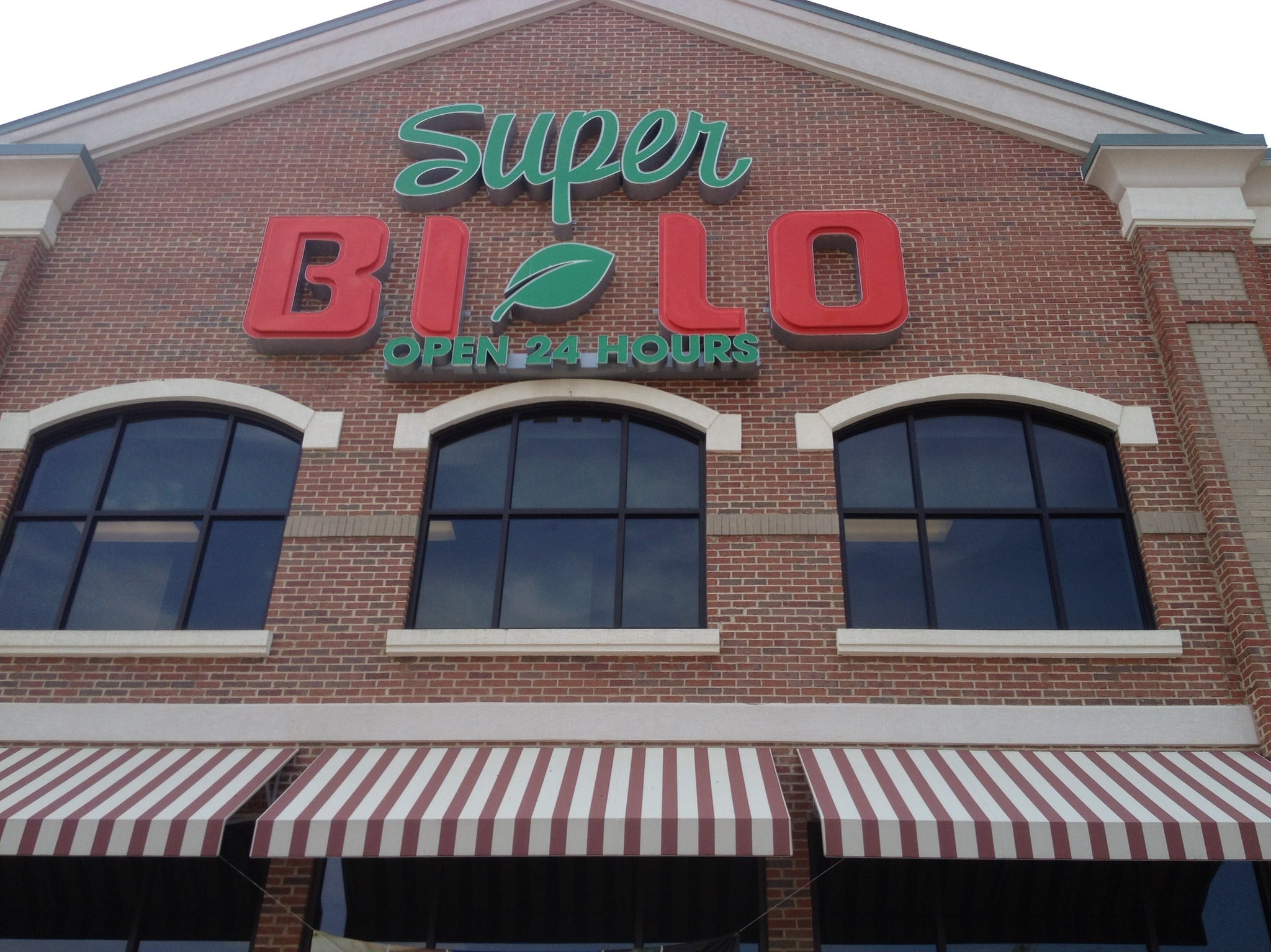
Frank Outlaw left Winn-Dixie and founded Bi-Lo in Greenville, South Carolina, in 1961, and the chain spread across the Carolinas, Georgia and Tennessee from a headquarters in nearby Mauldin. Ahold owned it from 1977 to 2005, when it was sold to a private equity firm.
Bi-Lo then went through bankruptcy and, in an unusual reversal, bought the much larger Winn-Dixie, forming the Jacksonville-based company Southeastern Grocers. The parent later decided it had one banner too many.
In 2020 it announced that Bi-Lo would be retired, sold dozens of stores to Food Lion and other buyers, and closed the last locations in 2021.
Penn Fruit and Its Arched Roofs
Long before architects talked about branding, Penn Fruit made its buildings do the advertising. The Philadelphia company, which began as a produce store in 1927, put up large supermarkets after World War II with sweeping arched roofs and glass fronts that could be recognized from blocks away.
For a time its stores were known in the trade for unusually high sales volume. A price war with bigger competitors in the early 1970s drained its finances, and Penn Fruit filed for bankruptcy in 1975.
The stores were sold or closed over the next few years, though several of the distinctive buildings still house other businesses.
Bohack of Brooklyn and Queens
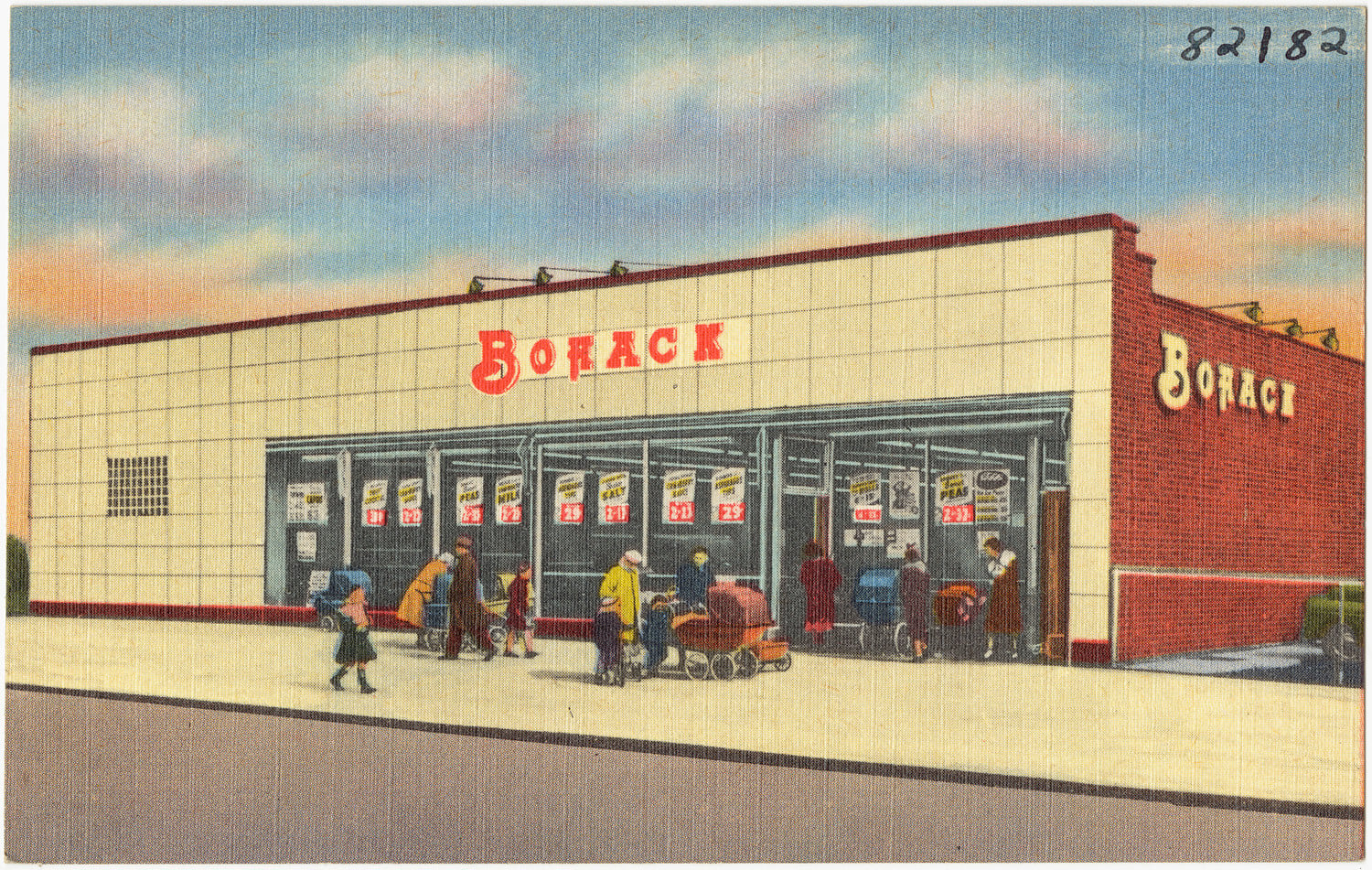
Henry C. Bohack, a German immigrant, opened a grocery in Brooklyn in 1887 and lent his surname to one of New York’s best-known food chains.
H. C. Bohack Company stores were fixtures in Brooklyn, Queens and Long Island for most of the twentieth century, first as small counters and later as supermarkets. The firm struggled through the early 1970s as costs rose and newer competitors opened larger stores.
It filed for bankruptcy in 1974 and shut down for good in 1977. Faded Bohack lettering can still be found on a few old brick buildings in the outer boroughs.
Hinky Dinky of Omaha
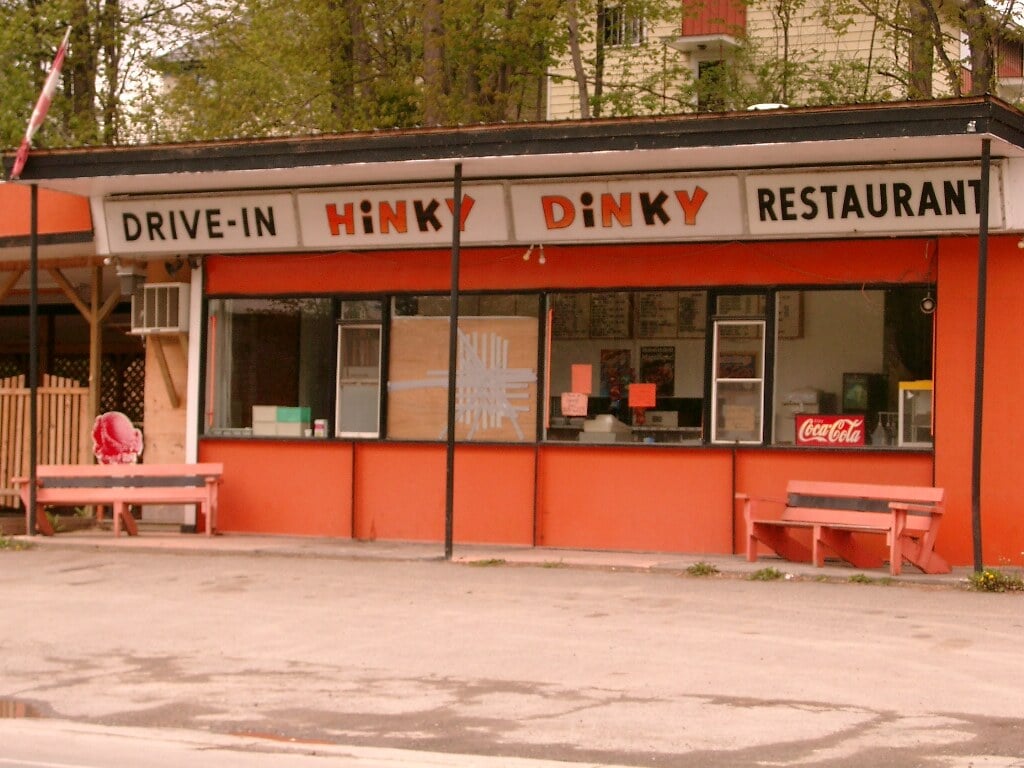
Few supermarket names have a stranger origin than this one, borrowed from the refrain of a World War I soldiers’ song about a mademoiselle from Armentieres. The Newman family opened the first Hinky Dinky in Omaha, Nebraska, in 1925 and built one of the best-known grocery chains in the state, with branches in Iowa as well.
Cullum Companies of Dallas bought the business in 1972. In 1985 Cullum sold the name and a number of stores to a Nebraska operator, and the banner lingered on a shrinking group of locations.
Distributor Nash Finch bought the remaining stores in 2000 and dropped the name.
Furr’s Supermarkets of the High Plains
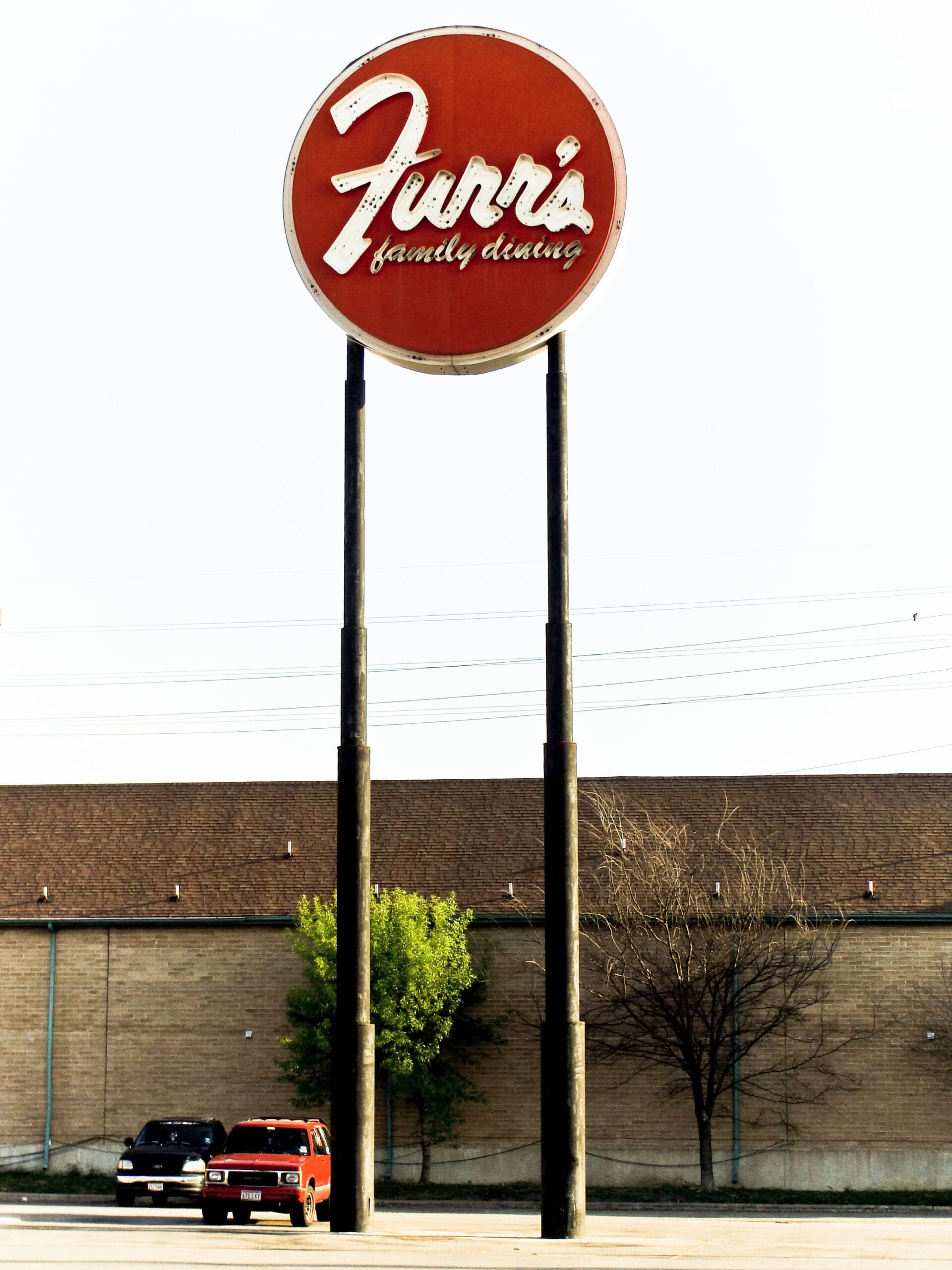
Roy Furr built his grocery business in Lubbock, Texas, beginning in the late 1920s, and Furr’s became the familiar supermarket across West Texas and New Mexico. The cafeteria chain of the same name grew out of the same family business and was sold off separately around 1980.
Ownership of the supermarkets changed several times after the founder’s death, and the headquarters moved to Albuquerque in 1991. By the end of the 1990s the chain was losing ground to Albertsons and to supercenters.
Furr’s filed for bankruptcy in February 2001. Distributor Fleming bought a large group of the stores that summer, and the others were closed.
Seessel’s of Memphis
Memphis lost its oldest grocery name when the Seessel’s signs came down in 2002. Henry Seessel had opened a butcher business in the city before the Civil War, and his descendants ran the company for well over a century, turning it into a small chain of upscale supermarkets admired for its bakery and deli.
Bruno’s bought it in 1996 and sold it to Albertsons about two years later. Albertsons then decided to leave the Memphis market altogether.
St. Louis-based Schnucks purchased the stores in 2002 and put its own name on them, and it later left Memphis as well.
Buttrey Food and Drug
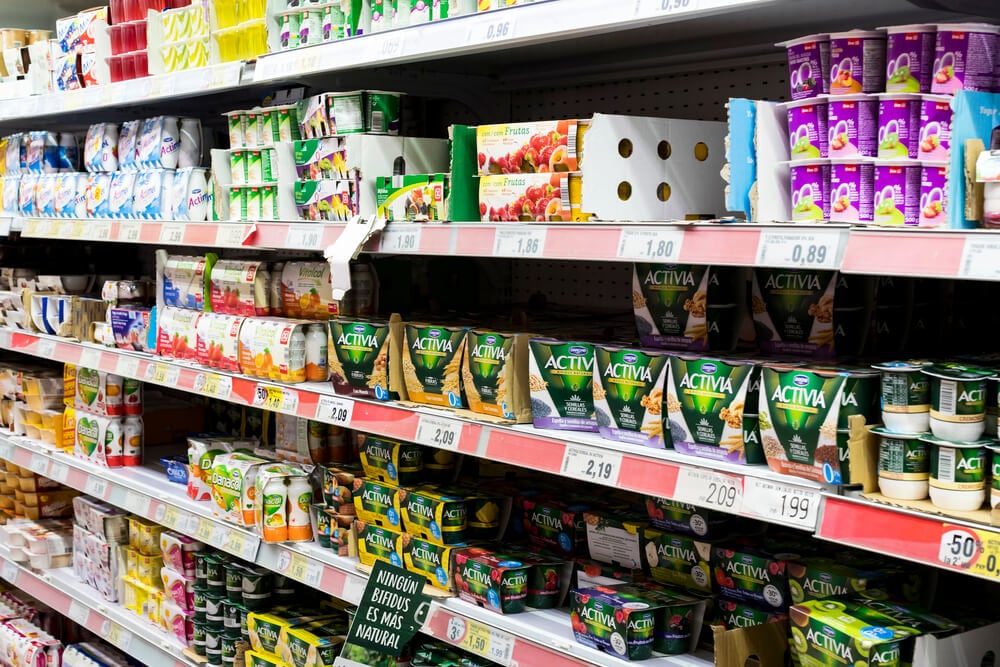
Great Falls, Montana, was home to Buttrey, the dominant supermarket chain across the northern Rockies. Its roots lay in a general merchandise store that Frank Buttrey opened in Havre, Montana, in 1902, with groceries taking over later.
Jewel Companies of Chicago bought the business in 1966 and paired the supermarkets with Osco drugstores, an early version of the combination store. The chain became independent again in 1990.
Albertsons acquired it in 1998 and converted most locations to its own banner, though antitrust regulators required 15 stores in Montana and Wyoming to be sold to other operators.
Aisles under Somebody Else’s Name
Very few of these companies failed because people stopped buying groceries from them. Far more often the trouble arrived from above, in the form of a leveraged buyout, a distant parent with other priorities or a merger that looked better on paper than in the parking lot.
The pattern repeats across a century: a family builds a regional favorite, sells it at a high point, and the new owner manages it into the ground.
The buildings usually tell the rest of the story. An arched roof in Philadelphia, a faded name on Brooklyn brick or a Florida store on its third banner all mark places where a community once knew the manager by name.
Groceries still get sold there. The difference is that fewer and fewer of the signs out front were chosen by anyone who lived nearby.
More from Go2Tutors!

- The Romanov Crown Jewels and Their Tragic Fate
- 13 Historical Mysteries That Science Still Can’t Solve
- Famous Hoaxes That Fooled the World for Years
- 15 Child Stars with Tragic Adult Lives
- 16 Famous Jewelry Pieces in History
Like Go2Tutors’s content? Follow us on MSN.