27 Failed Inventions That Led to Something Bigger
Some of the world’s greatest inventions began as complete failures. An inventor tried to solve one problem, succeeded only partially or accidentally, and in the process created something far more important than what they intended.
These are the magnificent accidents that came from pursuing the wrong solution.
Aspirin from Coal Tar Dyes
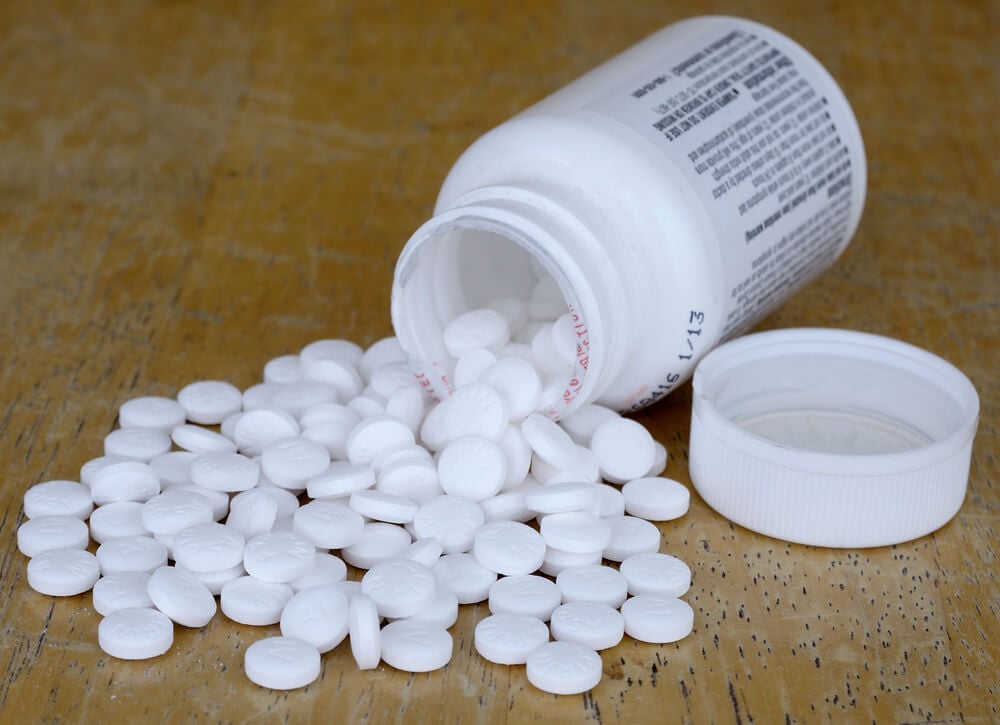
Chemists at Bayer were researching coal tar dyes for the textile industry in the late 1800s when they synthesized acetylsalicylic acid, a compound with no use in their intended field but turned out to be an exceptional painkiller. The painkiller was then developed into one of the world’s most widely used medicines.
Aspirin emerged from failed dye research.
Post-It Notes from Failed Adhesive

Spencer Silver at 3M was attempting to develop a strong, permanent adhesive in the 1960s when he instead created a weak, temporary adhesive that seemed worthless. Years later, a colleague, Art Fry, realized the failed adhesive was perfect for bookmarks that wouldn’t damage pages, leading to Post-It Notes.
The invention emerged from a failed attempt to make something stronger.
Penicillin from Contaminated Culture
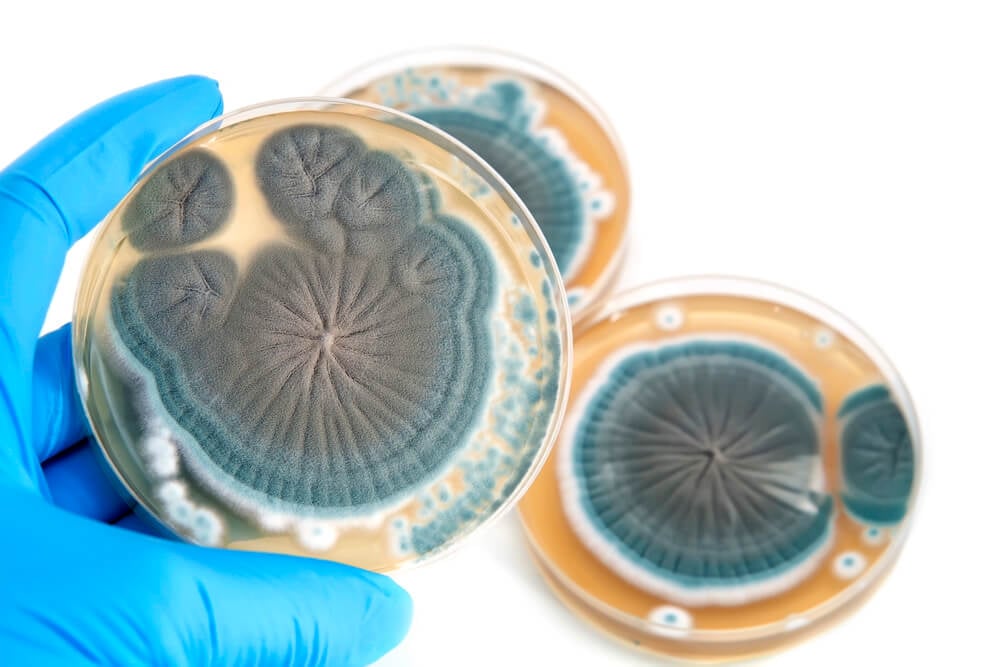
Alexander Fleming was attempting to culture bacteria to study antibiotic resistance when he discovered that a mold contamination (Penicillium notatum) had killed the bacteria around it, a lab accident that seemed like a failed experiment. Fleming’s observation of the failure led to the discovery of penicillin, the first widely used antibiotic.
Contamination led to one of medicine’s greatest discoveries.
Pacemakers from Oscillators

Engineers attempting to build an oscillator for a specific medical application found their device worked in a completely different way than intended, delivering pulses in patterns that matched the heartbeat. The failed oscillator became the pacemaker, technology that has saved millions of lives.
The unexpected behavior of the device proved more useful than the intended behavior.
Vulcanized Rubber from Stove Accident

Charles Goodyear was attempting to make rubber more useful when he accidentally dropped rubber mixed with sulfur on a hot stove, creating a more stable, durable material than he had intended. The accident led to vulcanized rubber and the modern rubber industry.
The failure to create what he wanted led to accidental success.
X-Rays from Vacuum Tube Research

Wilhelm Röntgen was experimenting with cathode rays and vacuum tubes when he noticed an unexpected glow emanating from the apparatus, radiation he had not intended to produce. The accidental discovery of X-rays revolutionized medicine and physics.
The failed experiment opened a new field of science.
Dynamite from Nitroglycerin Stabilization
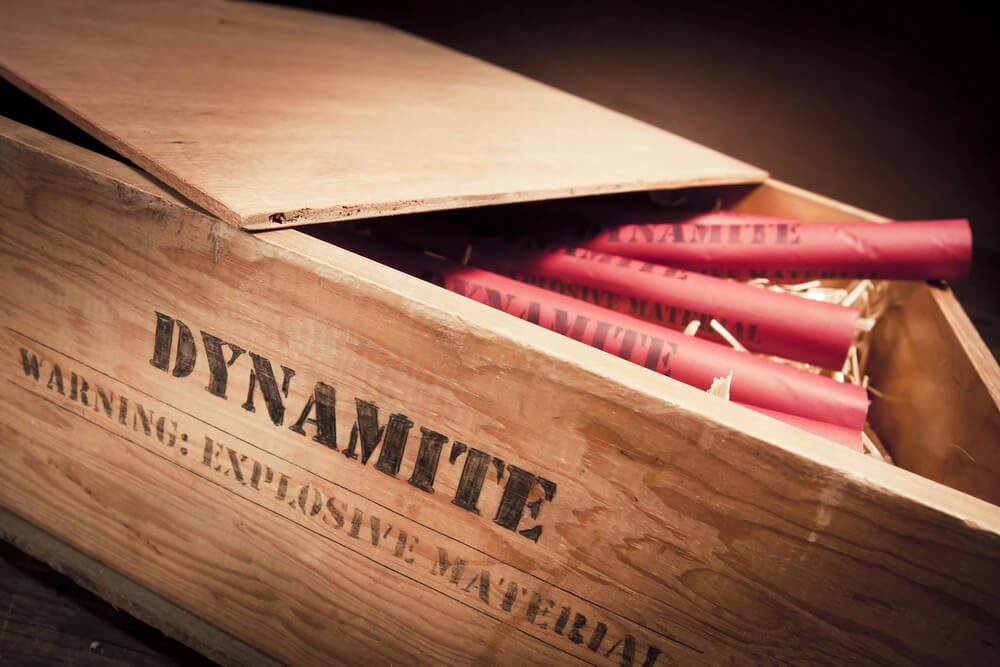
Alfred Nobel was attempting to make nitroglycerin safer to handle (the volatile liquid was dangerous to work with) by absorbing it in an inert earth material when he found that the absorbed form was stable yet still explosive. He intended to simply stabilize a known compound; he accidentally created dynamite, which was far more useful than the original compound.
The safety improvement created a new technology.
Teflon (PTFE) from Refrigerant Research

Roy Plunkett was attempting to synthesize new refrigerant compounds at DuPont in 1938 when one of his cylinders of tetrafluoroethylene gas polymerized into a waxy solid, a complete failure of his intended experiment. The solid turned out to be an extraordinarily slippery polymer, leading to Teflon and non-stick cookware.
The failed synthesis created a new material category.
Saccharin from Coal Tar Research

Chemists attempting to develop new dyes from coal tar synthesized a compound with an unexpectedly sweet taste, a property irrelevant to their intended research. The accidental sweetness led to saccharin, the first artificial sweetener.
The failed dye research led to a food industry innovation.
Silicone from Attempts to Waterproof Electronics
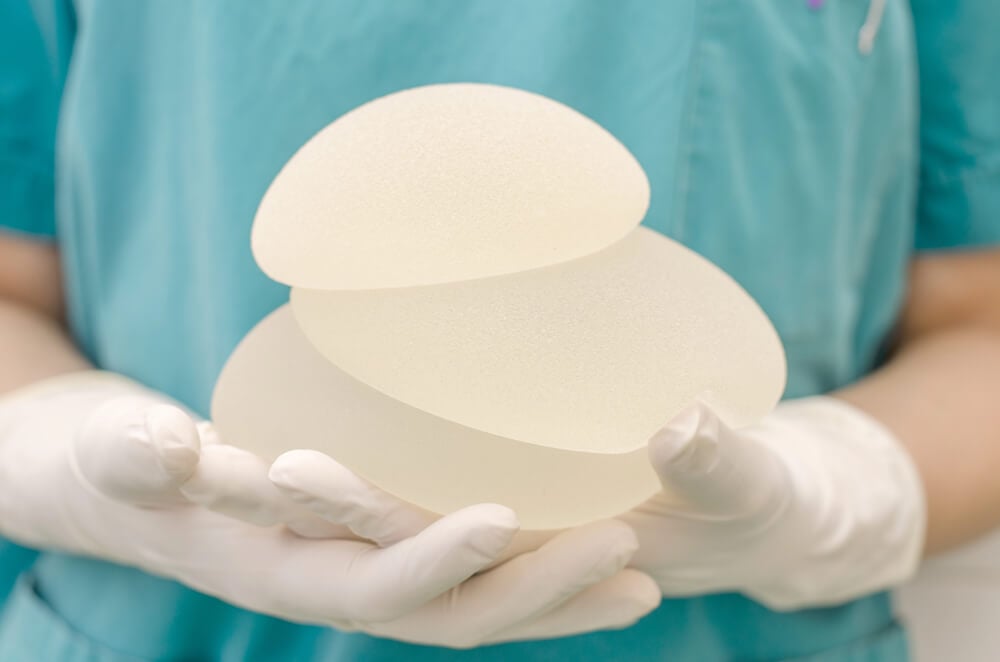
Researchers at Dow Corning attempting to waterproof electrical components using silicon compounds created polymers that proved too flexible and chemically inert for the intended purpose, a failed experiment. The inert flexibility turned out to be valuable for many other applications, leading to silicone rubber, breast implants, and medical devices.
The failed waterproofing created a new material family.
Stainless Steel from Corrosion Research

Harry Brearley was researching corrosion in gun barrels when he created an iron and chromium alloy that was far more corrosion-resistant than the intended application required. The failed gun research led to stainless steel, revolutionizing cookware, construction, and industrial applications.
Over-performance in corrosion resistance created an entirely new material.
Polycarbonate from Failed Plastic Synthesis
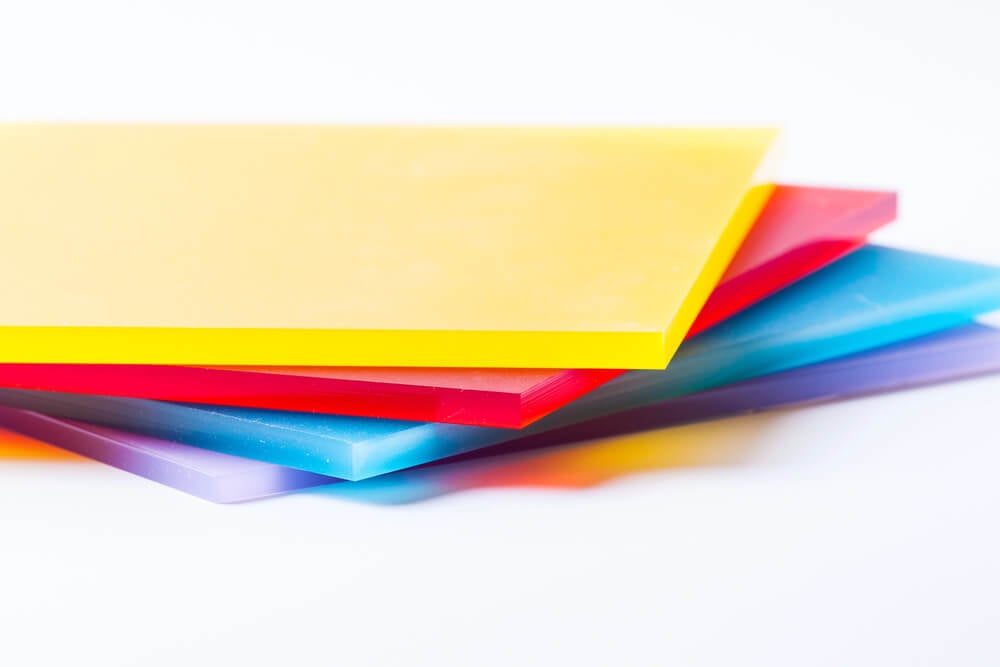
Researchers attempting to synthesize new polymers for specific industrial applications created a clear, impact-resistant plastic they had not intended, a failed synthesis. Polycarbonate proved more useful than any application the researchers had envisioned, leading to bulletproof glass, CDs, and safety equipment.
The accidental polymer became ubiquitous.
Nylon from Polyamide Research
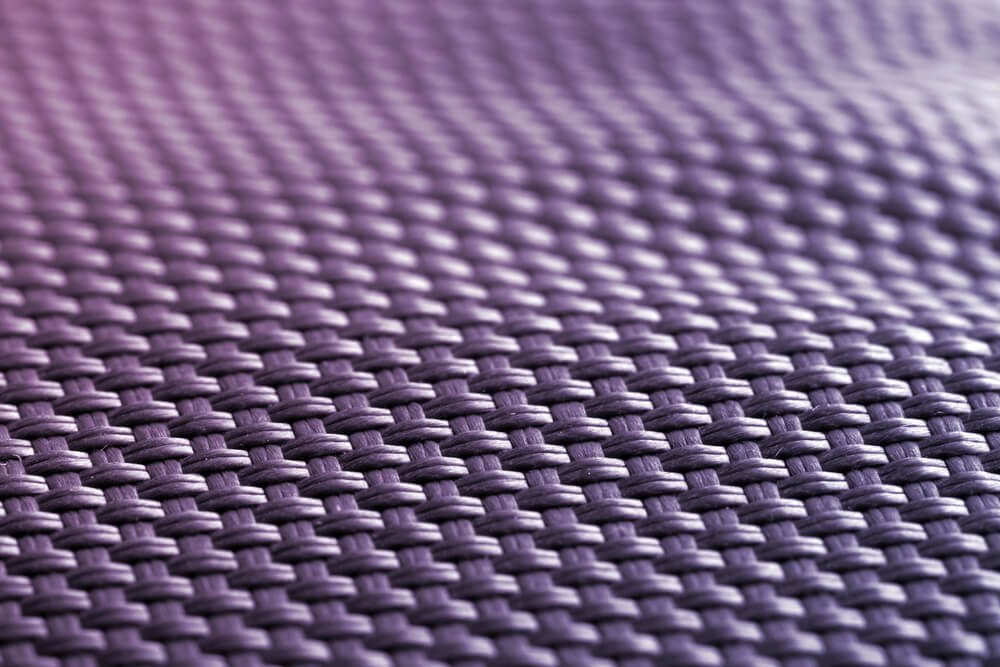
Wallace Carothers at DuPont was attempting to create synthetic silk through polyamide research when his experiments produced fibers that were stronger and more useful than silk for many applications. The failed silk substitute became nylon, revolutionizing textiles and industrial applications.
Synthetic fibers emerged from failed attempts to replicate natural materials.
Silly Putty from Failed Synthetic Rubber
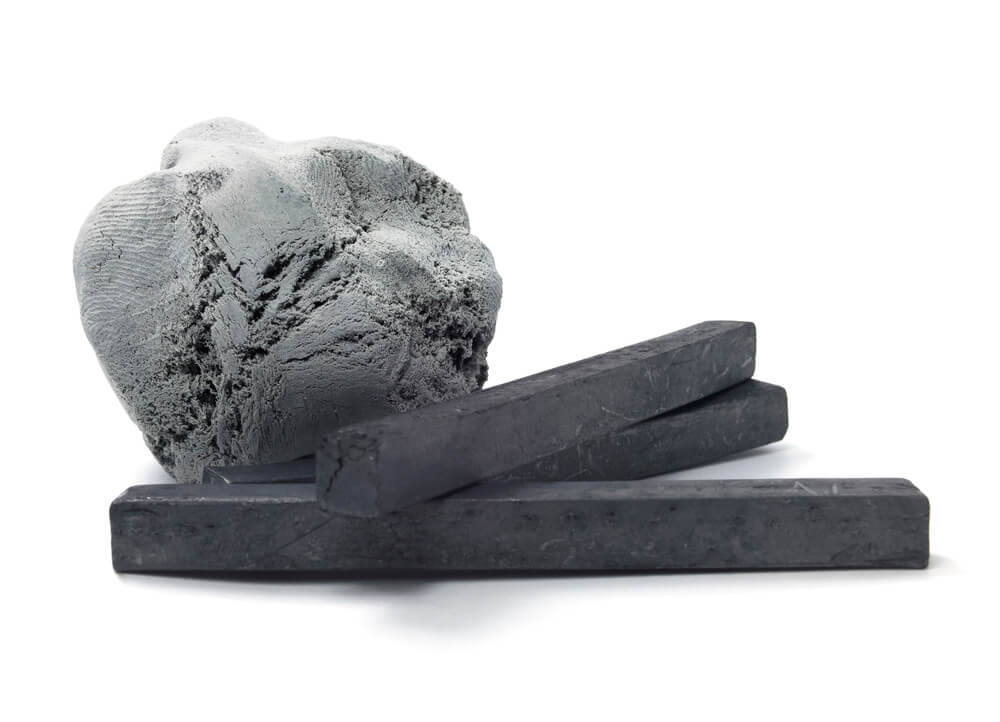
Researchers at General Electric attempting to develop synthetic rubber during World War II created a gooey substance that was useless for the intended application but had unusual bouncing and moldable properties. The rejected compound became Silly Putty, a toy that has been popular for decades.
The failed synthetic rubber became a cultural phenomenon.
Kevlar from Failed Fiber Research

Stephanie Kwolek at DuPont was working on high-temperature polymers and created a fiber that didn’t match specifications for the intended application, a failure in her research. The unexpectedly strong fiber became Kevlar, used in bulletproof vests and high-performance applications.
Over-performance in strength created a new material category.
Artificial Sweeteners from Organic Chemistry

Multiple artificial sweeteners (cyclamate, saccharin, aspartame) were discovered accidentally during research into other organic compounds, each a failed attempt to synthesize something else that created an unexpectedly sweet molecule. Food science built on these accidental discoveries.
Sweetness emerged from chemistry research aimed elsewhere.
Microwave Ovens from Radar Magnetron Research

Percy Spencer at Raytheon was researching magnetron tubes for radar when he noticed that the microwave radiation from the tube had melted chocolate in his pocket, an accidental observation from failed or unintended equipment. The observation led to the development of microwave ovens.
Heating emerged from failed radar research.
Cyanoacrylate (Super Glue) from Failed Plastic Development
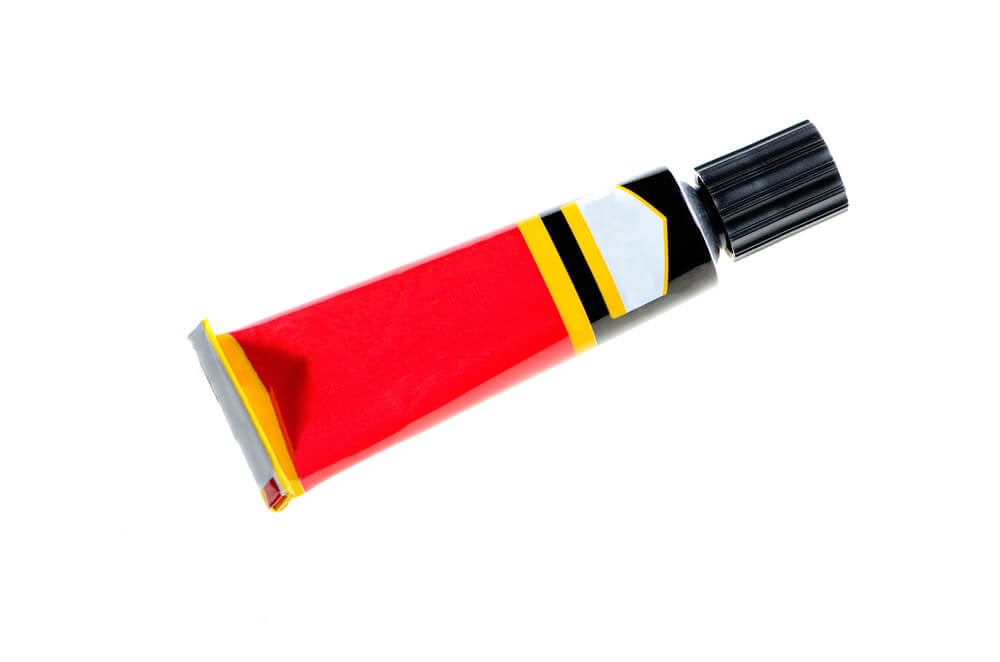
Researchers at Eastman Kodak attempting to develop a specific plastic polymer created an adhesive with unexpected bonding properties, a complete failure of the intended synthesis. The accidental adhesive became Super Glue, one of the world’s most useful adhesives.
Failed plastic research created an adhesive revolution.
Scotch Tape from Waterproofing Research
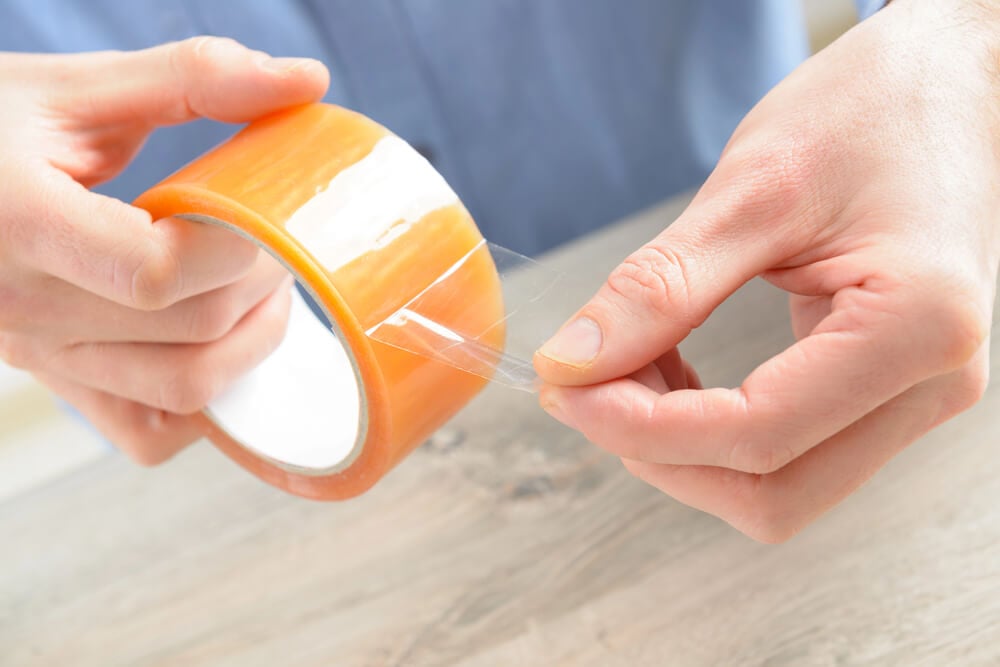
3M researchers attempting to develop a better waterproof tape discovered that a clear cellulose tape had unexpectedly useful properties for general use, a failed waterproofing effort. The accidental clear tape became ubiquitous in offices and homes worldwide.
Failed waterproofing research led to a new adhesive category.
Rubber Erasers from Failed Erasure Methods

Early rubber erasers were developed when researchers attempting to improve other rubber properties discovered that rubber could erase pencil marks, an accidental observation that revolutionized writing correction. Failed rubber research led to the erasure revolution.
Rubbing out mistakes emerged from studying rubber properties.
Liquid Crystal Displays (LCDs) from Liquid Crystal Research

Researchers studying liquid crystals for material science discovered unexpected optical properties that could display images with electrical control, properties irrelevant to the original research but revolutionary for display technology. LCD screens emerged from failed attempts to understand liquid crystal behavior.
Display technology came from materials science experiments aimed elsewhere.
Plastic Wrap from Chemical Coating Research
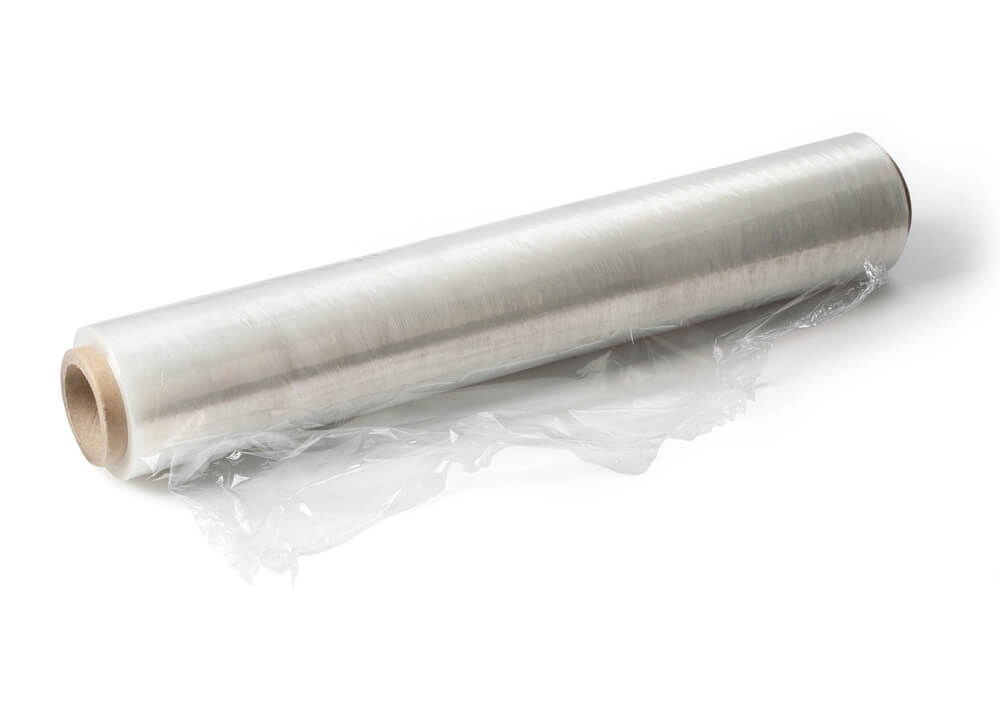
Researchers attempting to develop plastic coatings discovered an unexpected stretchy plastic film with excellent food preservation properties, a failure of the intended coating research. The accidental film became Saran Wrap and revolutionized food storage.
Wrapping innovation came from failed coating research.
Photography Film from Guncotton Research
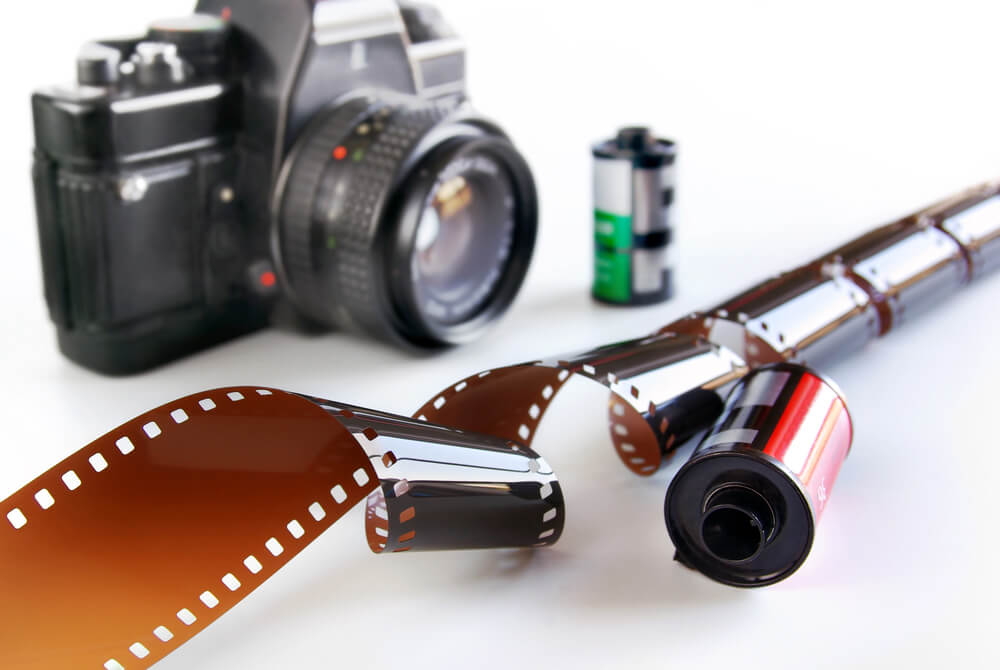
The development of cellulose nitrate film for photography emerged from research into guncotton (explosive cotton) compounds, military explosives research that led to photographic film as a byproduct. Failed weapons research created the medium of photography.
Explosives research enabled the visual medium.
Synthetic Indigo Dye from Coal Tar Research

Chemists researching coal tar derivatives in the late 1800s created synthetic indigo dye as an accidental byproduct, a compound with applications far beyond the research goal. The accidental dye revolutionized textile manufacturing.
Dye chemistry emerged from broader chemical research.
Artificial Diamonds from High-Pressure Research

Researchers at General Electric attempting to develop high-pressure synthesis processes accidentally created artificial diamonds, a completely unexpected byproduct of the failed high-pressure equipment research. Synthetic diamonds emerged from high-pressure equipment development.
The accidental crystal became valuable for industrial and ornamental use.
Viagra from Failed Heart Medication Research

Pfizer researchers developing sildenafil for heart disease treatment discovered an unexpected side effect in trial participants, a failed heart medication that became the world’s best-selling drug for erectile dysfunction. The accidental effect of failed cardiology research transformed pharmaceutical commerce.
Male enhancement came from failed heart disease research.
Wireless Charging from Induction Research

Nikola Tesla’s failed attempts to transmit power wirelessly through the air led to research into electromagnetic induction and resonance, technology that eventually enabled wireless charging decades later. Wireless power transmission came from failed wireless transmission research.
The accidental technology emerged from persistent attempts at something different.
When Failure Is More Valuable Than Success

The pattern across these inventions is consistent: researchers pursuing one goal encounter unexpected results, recognize the value of the accident, and pivot to developing the new technology. Some of the world’s most important inventions emerged from failures because failure often reveals unexpected properties or possibilities that success would have hidden.
A researcher succeeding at their intended goal stops experimenting; a researcher failing often keeps investigating why the failure occurred, discovering value in the unexpected outcome. The history of invention is largely the history of intelligent failure recognition and development.
The world is shaped by people who failed at what they intended and succeeded at something they didn’t expect.
More from Go2Tutors!

- The Romanov Crown Jewels and Their Tragic Fate
- 13 Historical Mysteries That Science Still Can’t Solve
- Famous Hoaxes That Fooled the World for Years
- 15 Child Stars with Tragic Adult Lives
- 16 Famous Jewelry Pieces in History
Like Go2Tutors’s content? Follow us on MSN.



