Surprising Rules Actors Must Follow on Set
Working on a movie set might sound like pure fun — lights, cameras, action, and maybe a little fame. But the truth is, the film world runs on structure.
Every shot, every move, and even every sip of coffee has its own set of rules. These rules keep productions smooth, safe, and on schedule, even if some of them sound a little over the top.
No touching the props without permission
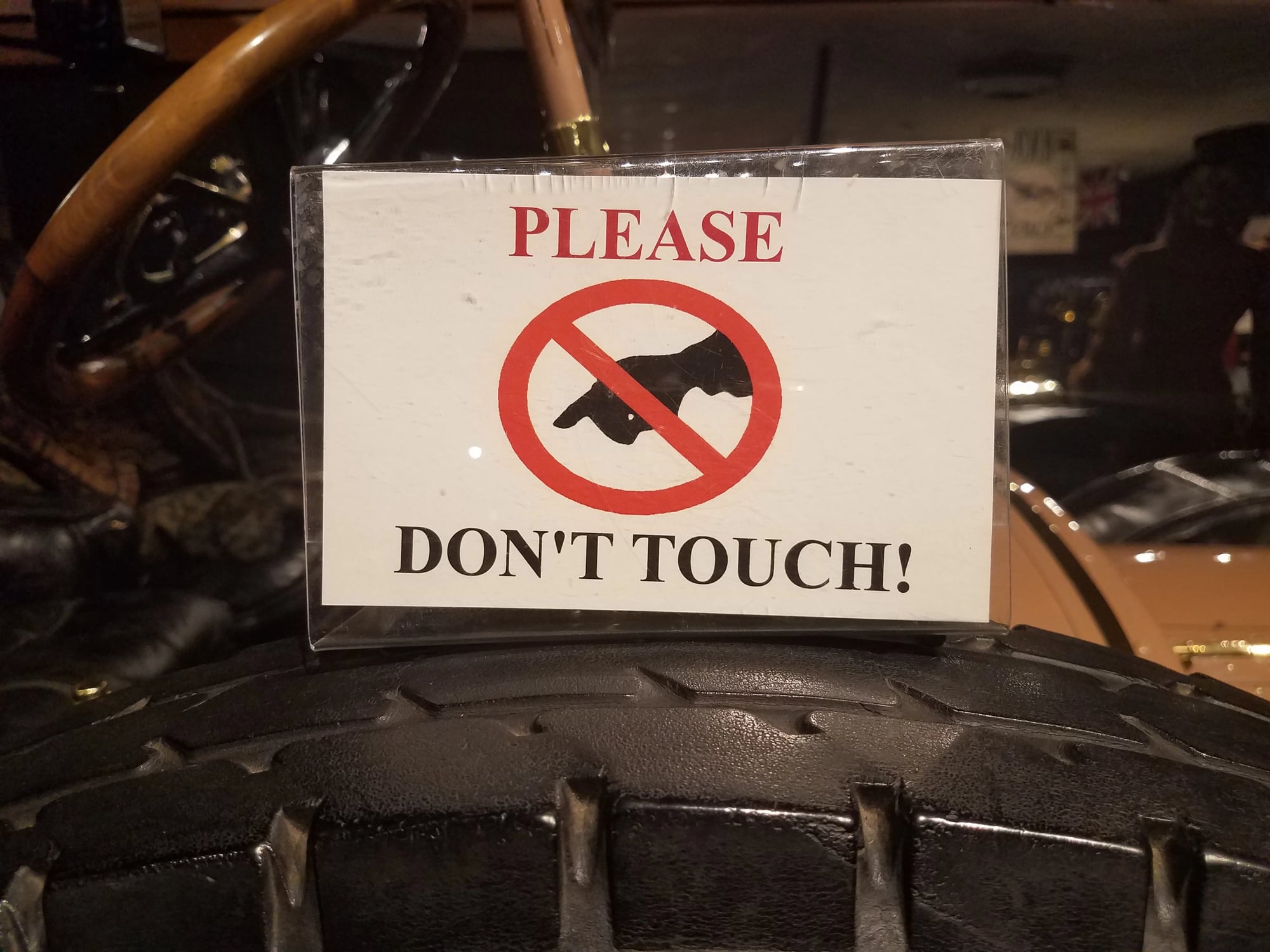
On a film set, props are sacred. That coffee cup, old book, or fancy sword isn’t just decoration — it’s part of the scene’s story.
Touching or moving a prop without permission can mess up the shot or confuse the crew. There’s even a person, the prop master, whose whole job is to guard and manage those items.
Always hit your mark

Actors have to stand in the exact right spot for the camera — that spot is called a ‘mark.’ It’s often just a small piece of tape on the floor, but missing it can throw off the focus or the lighting.
Imagine giving your best performance and realizing later that your face wasn’t even in frame. That’s why experienced actors can walk and talk naturally while still landing perfectly on their mark every time.
No eating on set unless it’s part of the scene

Food might seem harmless, but on a set full of wires, costumes, and microphones, it can be a nightmare. One spill or crumb can cause hours of cleanup or even damage expensive gear.
Actors only eat during breaks or when it’s written into the script. Even then, there’s usually someone nearby with napkins and wipes just in case.
Stay quiet between takes

When a director yells ‘cut,’ the crew doesn’t relax — they get to work. Lights are adjusted, sound gear is checked, and cameras are reset.
If people start chatting, even quietly, it slows everything down. That’s why most sets have a rule about keeping things quiet between takes.
No improvising without approval

Improvisation looks cool on screen, but it’s not always welcome. Most scenes are tightly planned so the timing, camera angles, and dialogue all line up perfectly.
If an actor suddenly changes a line, it can throw everyone off — especially the editor later on. Some directors love a little spontaneity, but others stick strictly to the script.
Wardrobe must stay consistent

Continuity might sound boring, but it’s one of the most important parts of filmmaking. If an actor’s shirt is half unbuttoned in one scene and suddenly buttoned up in the next, audiences will notice.
The costume team takes detailed photos after every take to make sure clothes, jewelry, and even wrinkles match.
Phones are a major no-go

Phones on set are a huge distraction. Not only can they mess with lighting or sound equipment, but leaks are a real problem.
Most productions ban phones altogether or make actors hand them over before filming. Staying unplugged helps everyone stay focused.
Respect the call times

Time is money on a movie set — literally. When one person’s late, hundreds of others might be waiting around.
That’s why call times are treated like law. Everyone, from extras to A-list stars, has to show up ready to go.
Keep scripts confidential

Movie scripts are top secret until the film is released. Even small leaks can ruin plot twists or spoil endings.
Scripts are often printed with the actor’s name on every page and sometimes even on special paper to prevent photocopying.
Avoid personal conversations during shooting

Filming requires full concentration. When actors start chatting mid-shoot, it can ruin a scene’s rhythm.
There’s time for fun during breaks, but once the cameras roll, focus is everything.
Respect the director’s final word

A movie set runs like a small army, and the director is the general. Their vision guides everything from tone to timing to camera movement.
Even if an actor disagrees, the director’s choice stands so the whole production stays unified.
Body doubles follow the same rules

When an actor has a double, that person is part of the character. They have to match movement, wardrobe, and reactions exactly.
Doubles follow all the same rules about marks, props, and costumes.
Always be camera-ready

Even when the camera isn’t pointed at them, actors stay in character. Background reactions help scenes feel alive.
If someone breaks character, it can ruin the shot.
No personal styling changes mid-shoot
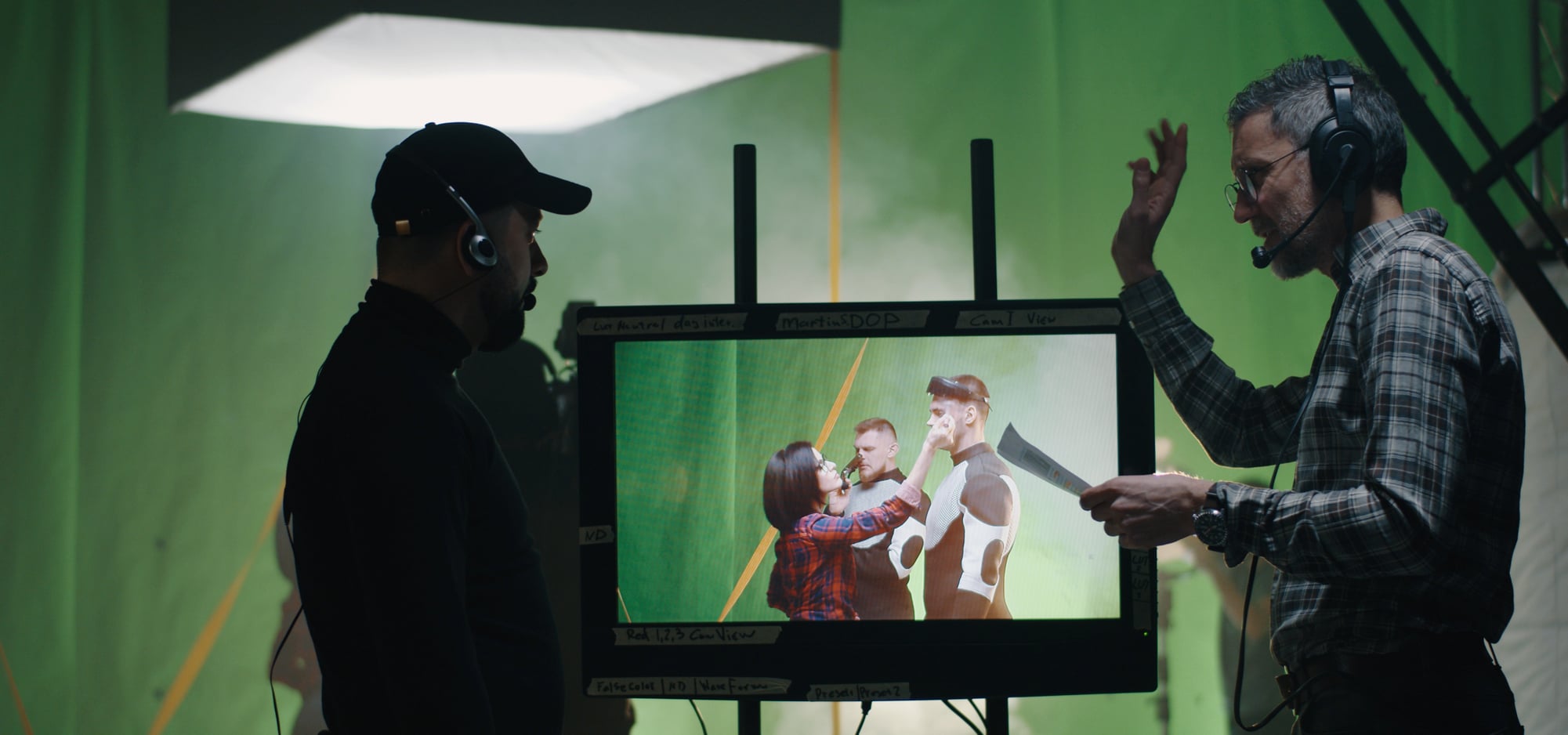
Once filming starts, actors can’t change their look without approval. Even a tiny haircut can ruin continuity.
Makeup and costume teams keep track of every detail to keep scenes consistent.
Keep energy consistent

Movies aren’t filmed in story order. Actors might jump from a happy scene to a sad one within hours.
They have to remember exactly how their character felt in each moment.
Stay out of crew business
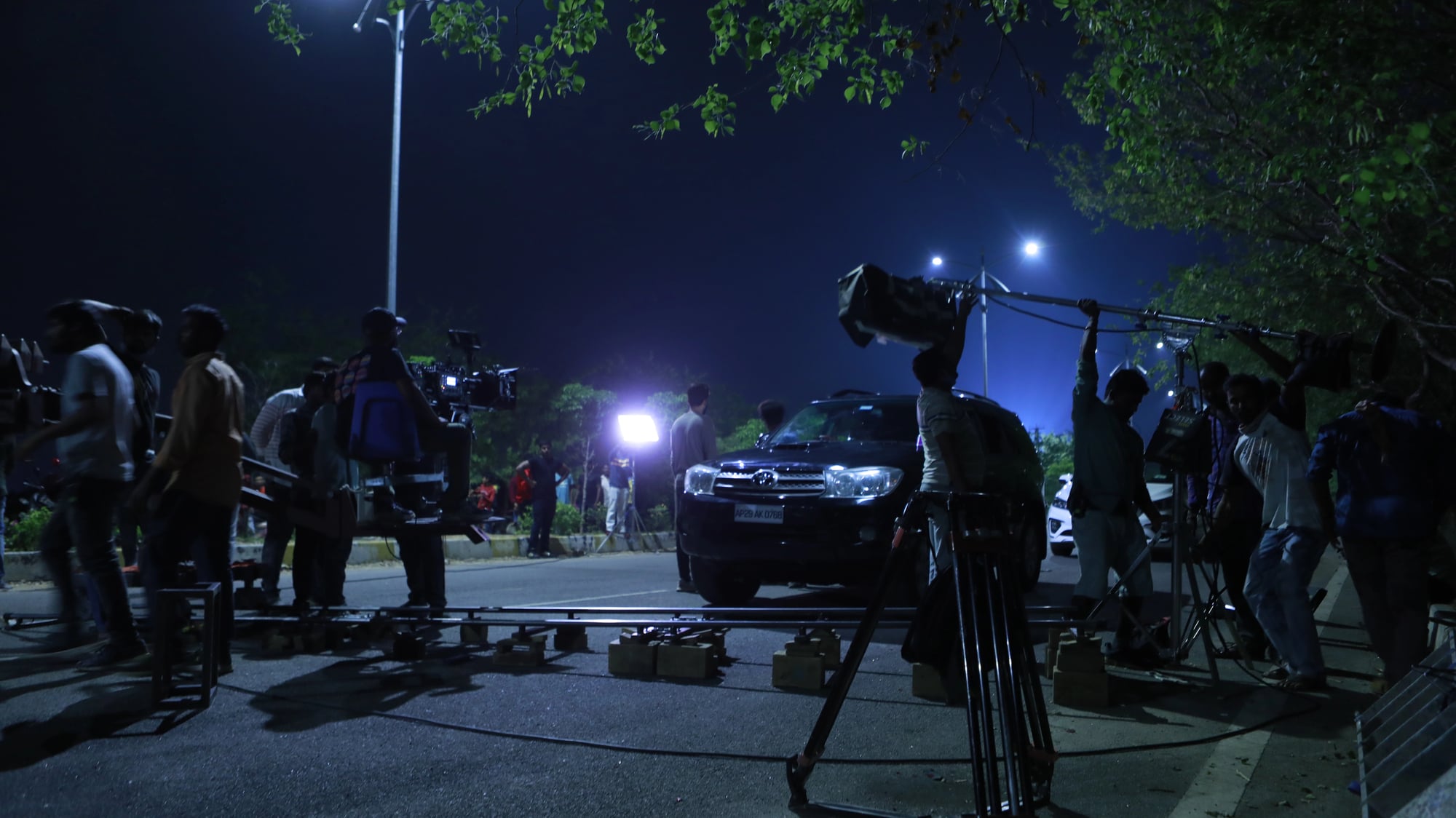
Sets are full of experts. Actors touching equipment or giving directions can slow everything down.
Respecting each person’s job keeps the production running smoothly.
Don’t touch the camera gear

Camera equipment is extremely fragile and expensive. One wrong touch can break a lens or throw off the entire shot.
Only camera crew members can handle it.
Always respect the scene partner’s space

Acting often involves close contact, so boundaries matter. Actors discuss comfort levels before shooting.
Some sets hire intimacy coordinators to ensure safety.
Scripts stay the same, but reactions stay fresh

Scenes are filmed multiple times, sometimes dozens. Actors must keep their performance authentic every single take.
Fresh reactions make a scene feel real.
The spotlight keeps moving
Behind every great movie scene is a mix of discipline, precision, and teamwork. These rules turn chaos into movie magic.
Actors follow them because every detail, big or small, helps bring the story to life.
More from Go2Tutors!

- The Romanov Crown Jewels and Their Tragic Fate
- 13 Historical Mysteries That Science Still Can’t Solve
- Famous Hoaxes That Fooled the World for Years
- 15 Child Stars with Tragic Adult Lives
- 16 Famous Jewelry Pieces in History
Like Go2Tutors’s content? Follow us on MSN.