17 Abandoned Amusement Parks and the Stories Behind Them
The cheerful music has long faded, the cotton candy stands are dust-covered relics, and nature has begun to reclaim what was once filled with laughter and excitement. Abandoned amusement parks stand as eerie monuments to bygone entertainment eras, often captured in haunting photographs that show rusted roller coasters and decaying carousels.
These once-vibrant attractions now tell different stories—of economic downturns, natural disasters, or simply changing times. Here is a list of 17 abandoned amusement parks around the world and the fascinating, sometimes heartbreaking histories behind their decline.
Six Flags New Orleans
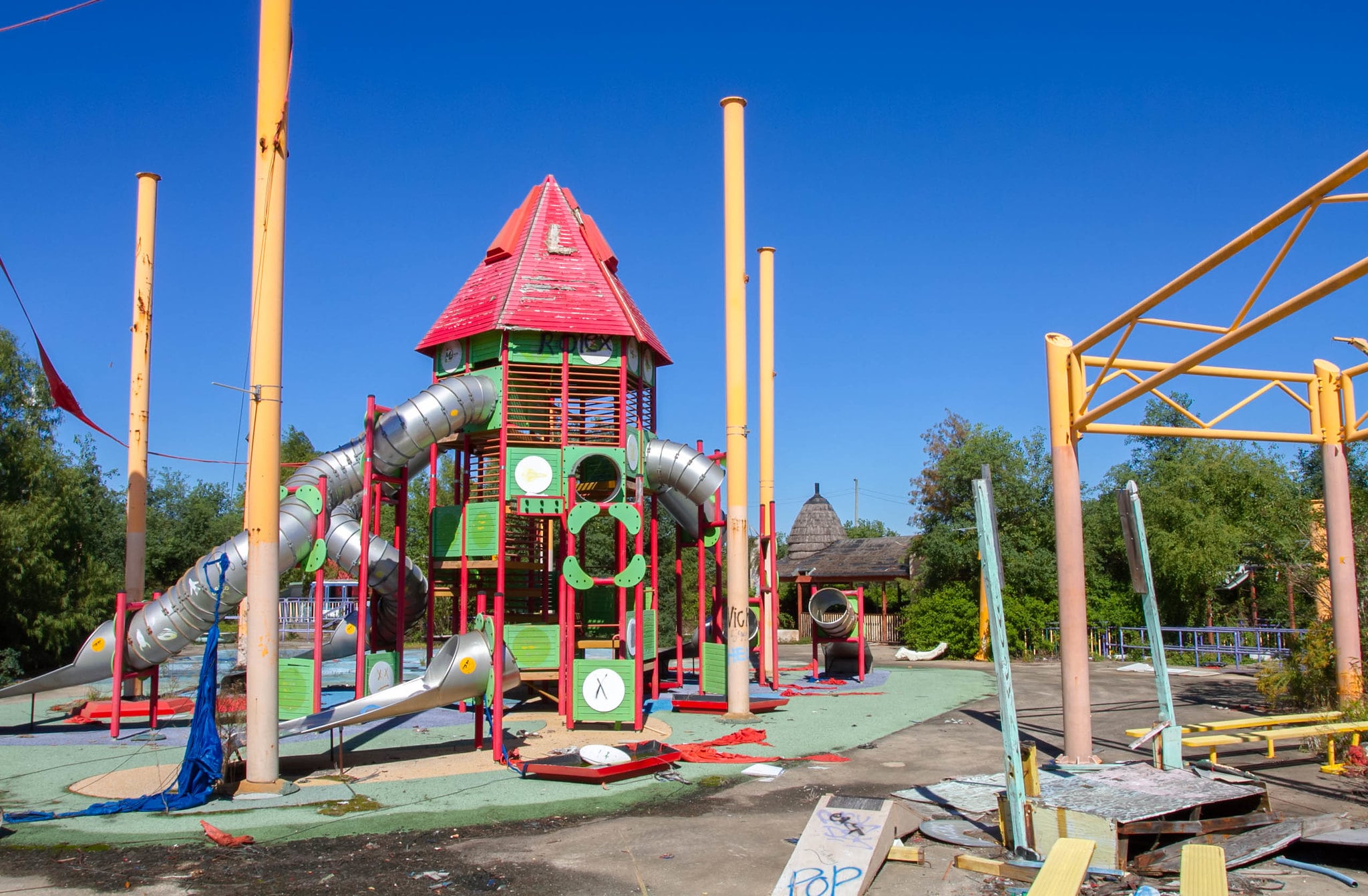
Hurricane Katrina’s devastating impact in 2005 transformed this once-thriving park into an apocalyptic landscape overnight. The entire property sat submerged under 7 feet of water for weeks, causing irreparable damage to electrical systems and ride mechanics.
Despite multiple redevelopment proposals over the years, the park remains abandoned, with alligators occasionally spotted among its decaying attractions.
Pripyat Amusement Park
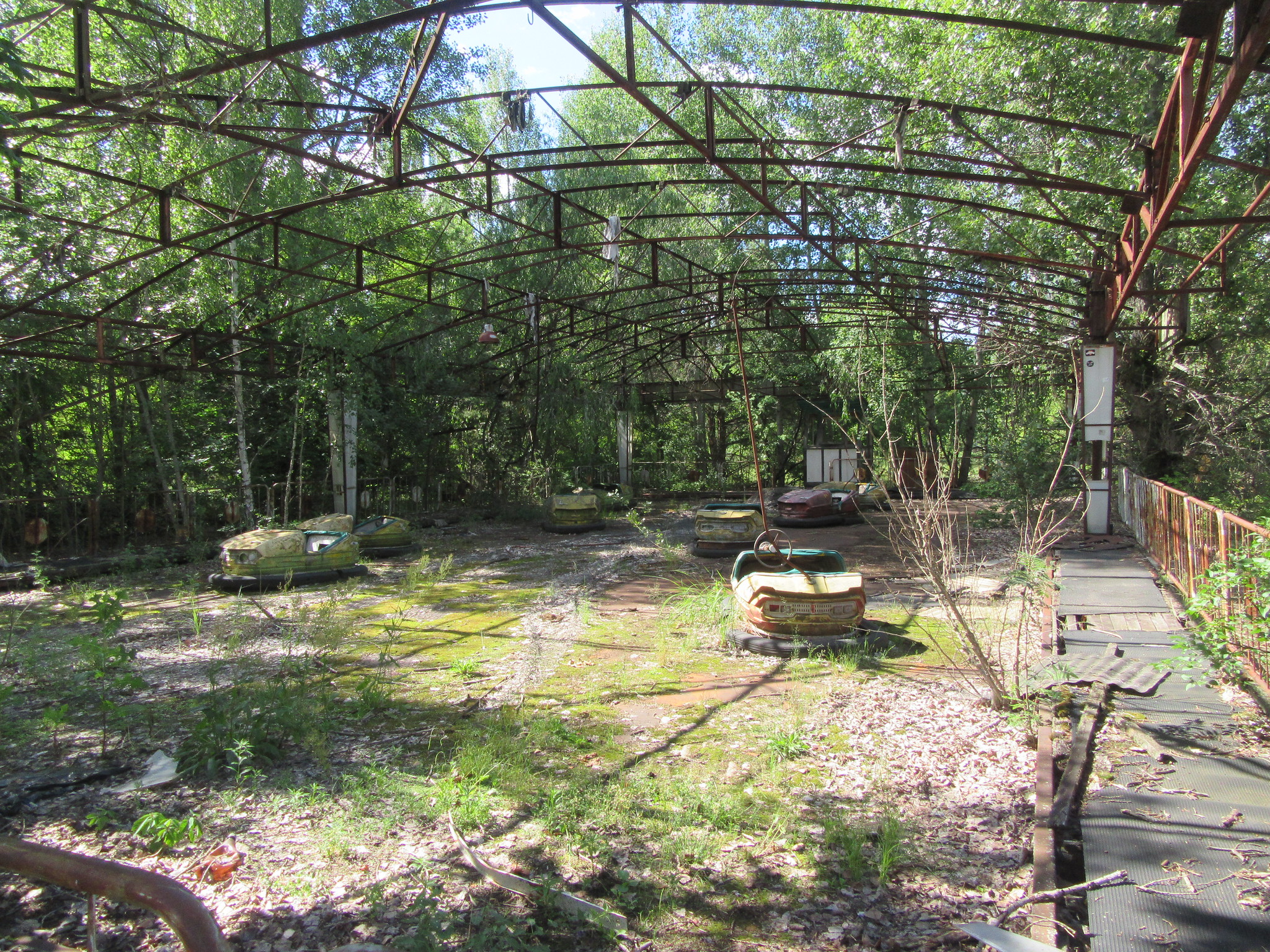
Perhaps the most haunting abandoned park in the world, Pripyat’s attractions never even officially opened to the public. Set to debut on May 1, 1986, the park’s grand opening was canceled when the Chernobyl disaster occurred just days earlier.
The rusting Ferris wheel has become an iconic symbol of the nuclear catastrophe, standing frozen in time for nearly four decades in the Ukrainian exclusion zone.
Nara Dreamland
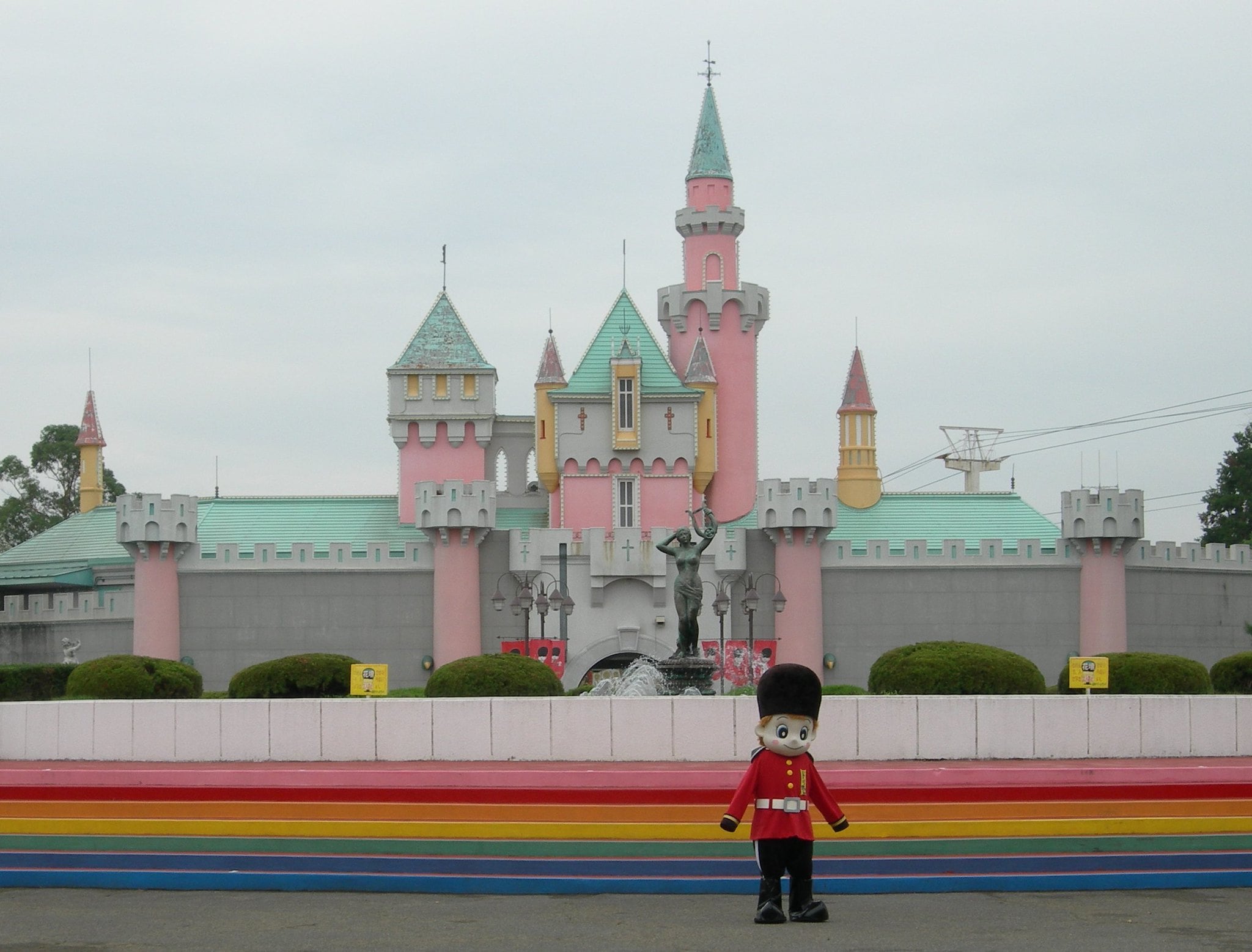
With its own Main Street and castle, this Japanese park opened in 1961 as an outright imitation of Disneyland. When Tokyo Disneyland opened in 1983, Nara Dreamland’s attendance began to decline until it closed in 2006.
Before being demolished in 2017, its wooden coaster and fantasy structures became a favorite site for urban explorers for over a decade.
Spreepark
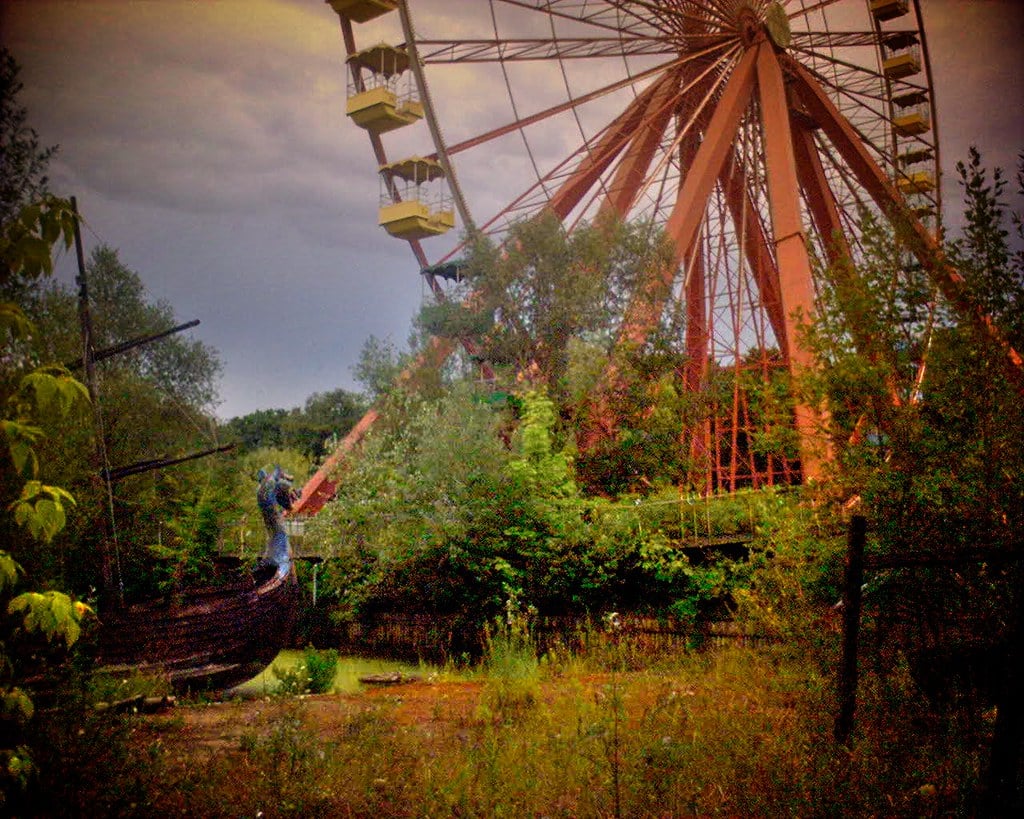
This East German amusement park in Berlin was a success until reunification, when heightened competition and poor financial management caused it to go bankrupt in 2001. When the owner tried to smuggle cocaine into South America via one of the park’s attractions, the narrative took an odd turn.
While certain areas of the park are being renovated as public space, other areas have been protected.
Joyland
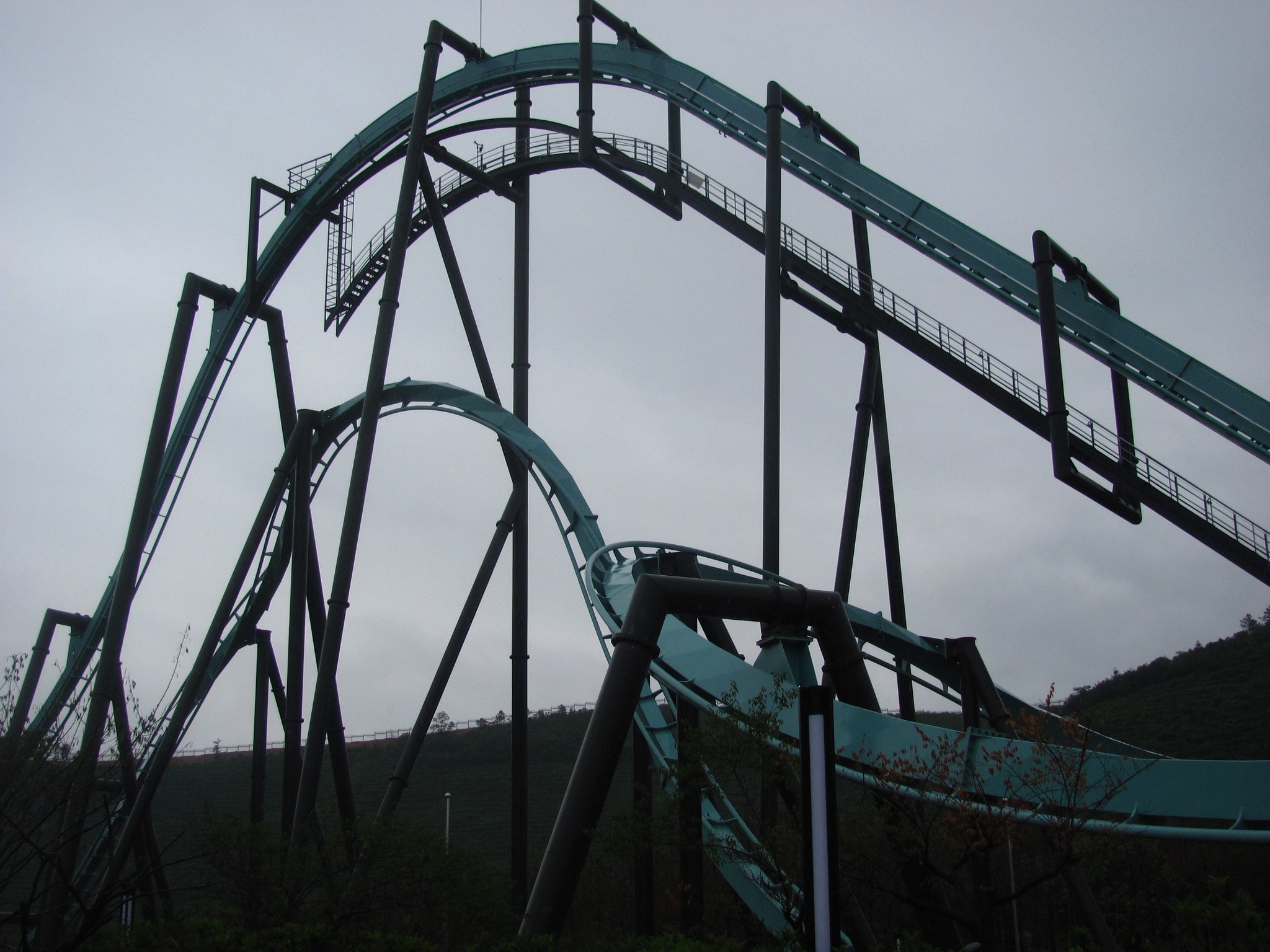
With its wooden coaster and vintage attractions, this park in Wichita, Kansas, has captivated visitors for 55 years. It was targeted by thieves and vandals after closure in 2006 because of financial difficulties, and many of its historic items were taken away.
The park’s renowned Wurlitzer organ and the horses from its handcrafted carousel were taken, leaving preservationists devastated by the loss of these priceless relics.
Gulliver’s Kingdom
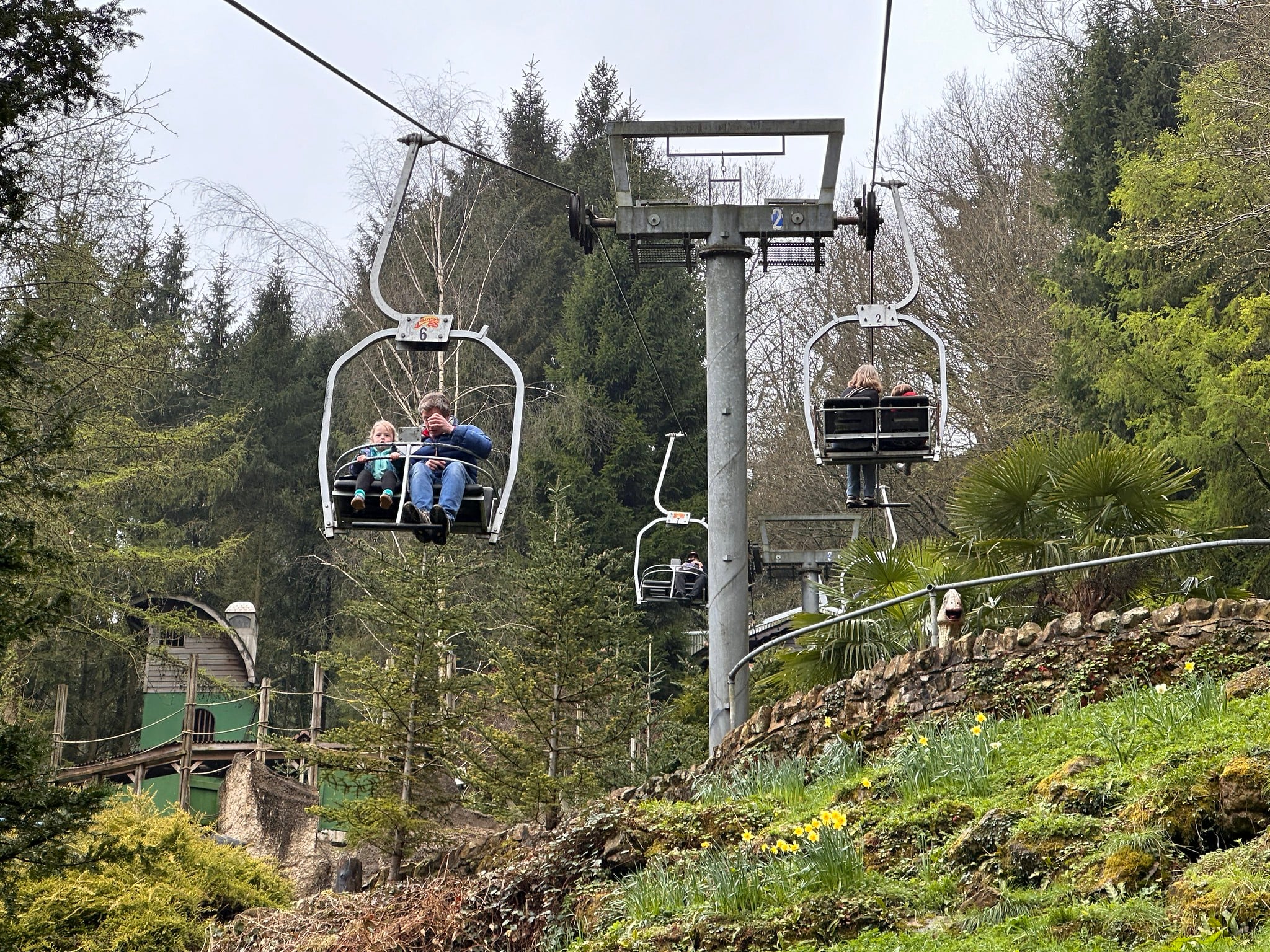
The focal point of this strange Japanese theme park was a huge figure of Gulliver from “Gulliver’s Travels,” who was restrained much like in the novel. Located close to the headquarters of Aum Shinrikyo, the cult that carried out the 1995 Tokyo subway attack, and Japan’s “suicide forest,” it was doomed from the beginning.
The park was razed soon after it closed in 2001, having only existed for four years.
Dadipark
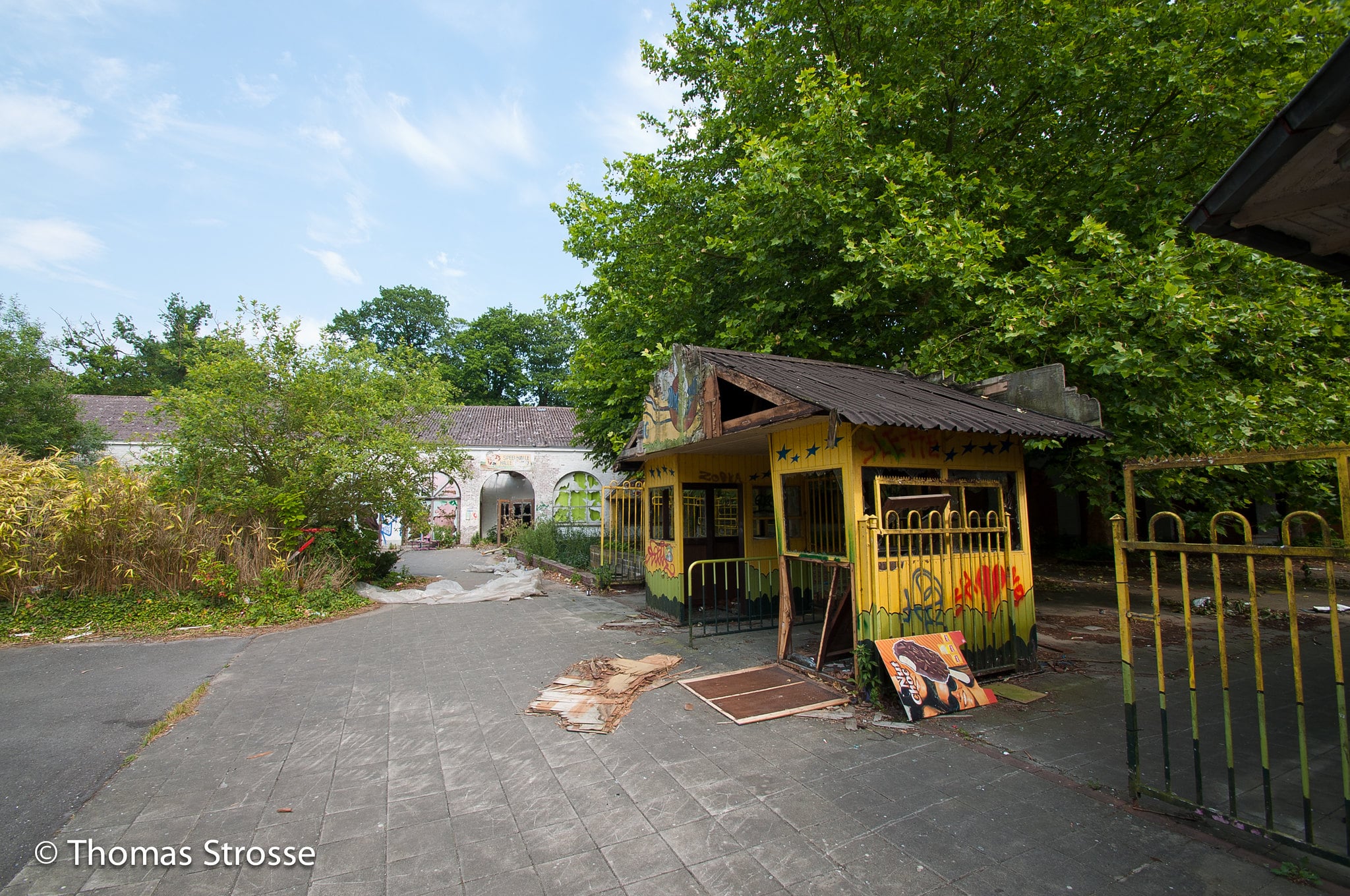
Originally opened in 1950 as a playground for children of workers at a nearby Belgian factory, Dadipark evolved into a modest amusement park known for its hands-on, minimally supervised attractions. After a serious accident in 2000 where a child lost an arm on the Nautic Jet ride, attendance plummeted.
The park closed for “renovations” in 2002 but never reopened, remaining abandoned until its eventual demolition in 2012.
Holy Land USA
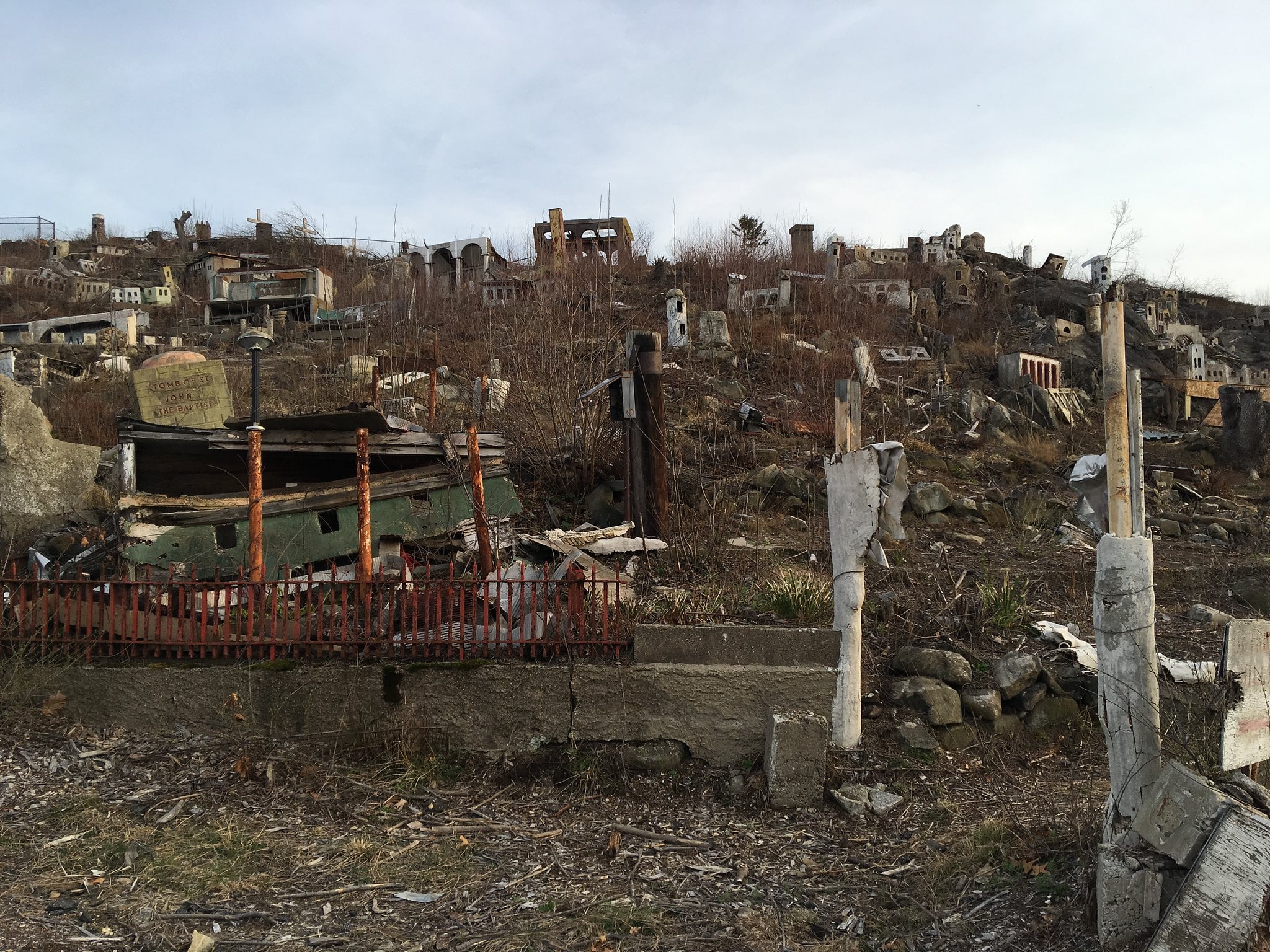
This religious theme park in Waterbury, Connecticut was the passion project of attorney John Baptist Greco, who wanted to create a miniature Jerusalem in America. After his death in 1986, the park gradually fell into disrepair despite efforts by local volunteers to maintain it.
Tragedy struck in 2010 when a murder occurred on the property, further cementing its ominous reputation before partial restoration efforts began years later.
Chippewa Lake Park
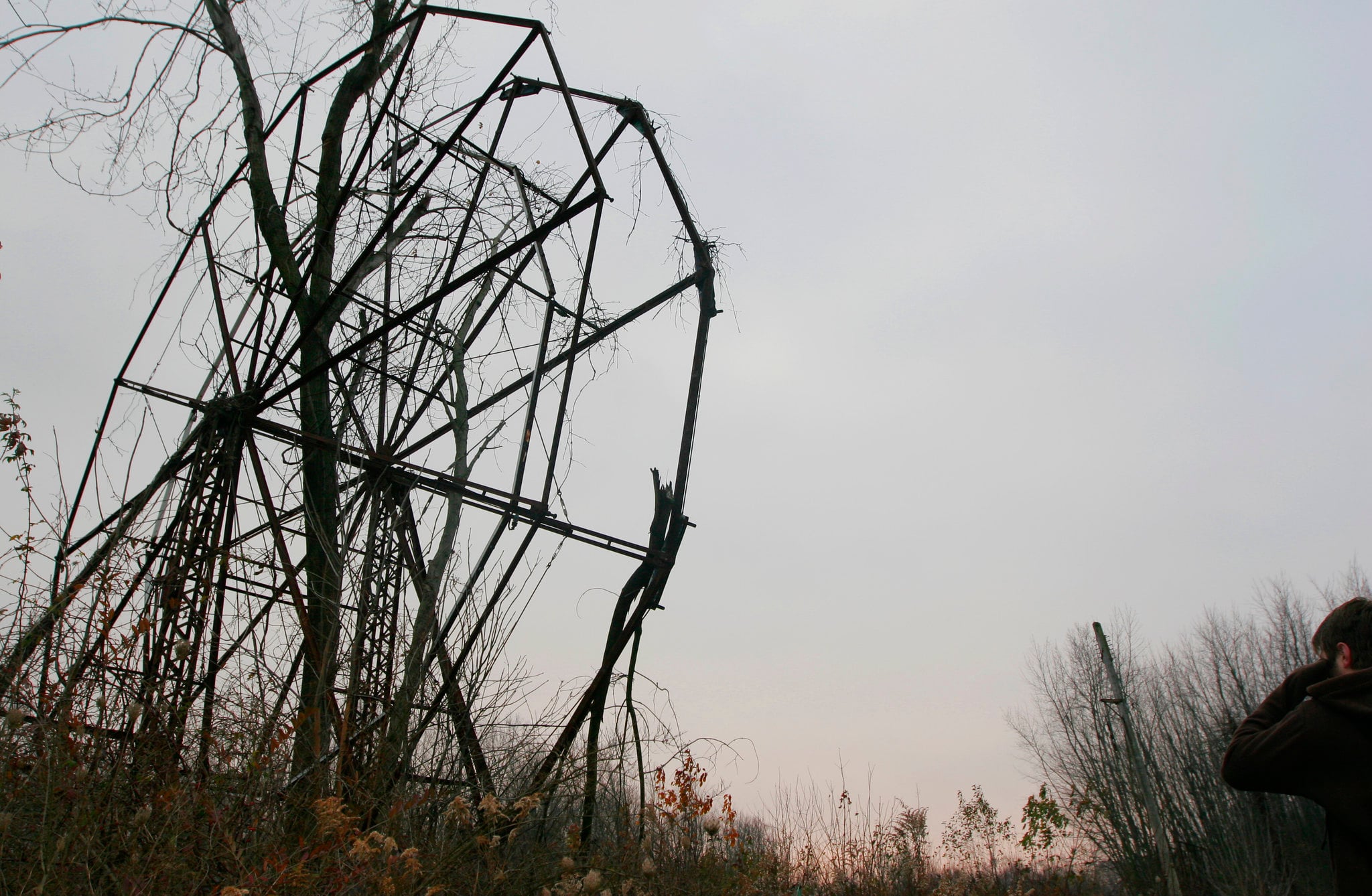
Operating for a remarkable 100 years from 1878 to 1978, this Ohio amusement park was once a premier destination in the Midwest. After its closure, nature reclaimed the grounds in spectacular fashion, with trees growing through the wooden roller coaster and vegetation enveloping the Ferris wheel.
These hauntingly beautiful scenes made it a favorite subject for photographers documenting abandoned places.
Okpo Land

This South Korean park’s history is particularly dark. After two fatal accidents on the same duck-themed ride, the owner disappeared overnight rather than face investigation or compensate victims’ families.
The park was immediately abandoned in 1999 with rides left exactly as they were on the last day of operation, creating an especially eerie atmosphere before its eventual demolition in 2011.
Lake Shawnee Amusement Park
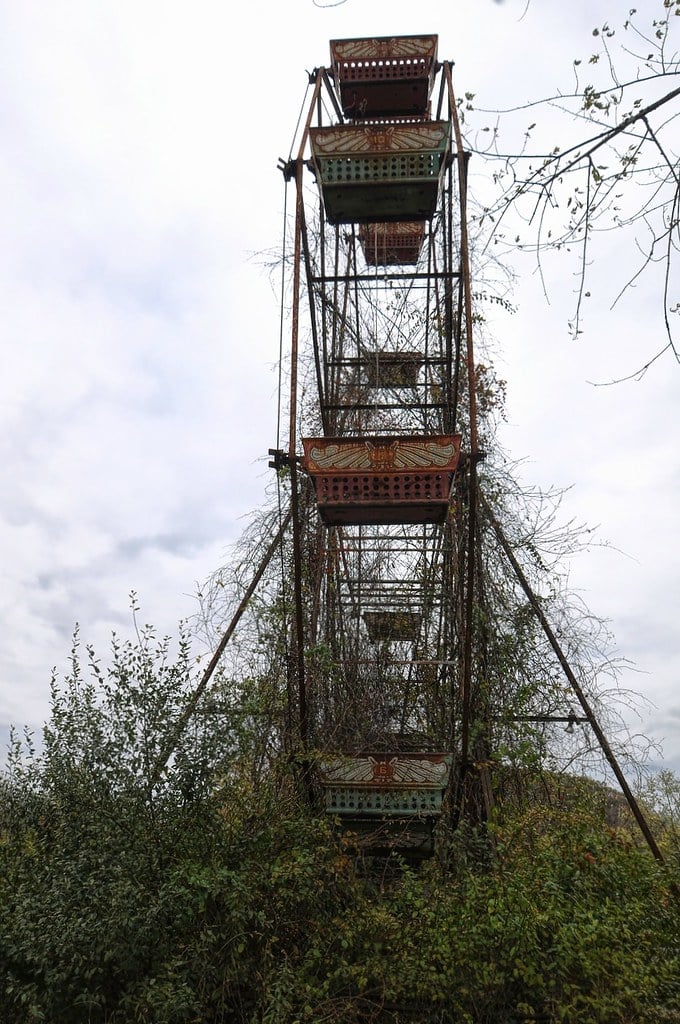
Built on a Native American burial ground in West Virginia, this ill-fated park operated from 1926 until 1966. During its operation, six visitors reportedly died in various accidents, fueling rumors that the land was cursed.
The abandoned rides and claims of paranormal activity have made it a destination for ghost hunters, with the rusting Ferris wheel and swing sets serving as creepy backdrops for Halloween events.
Williams Grove Amusement Park
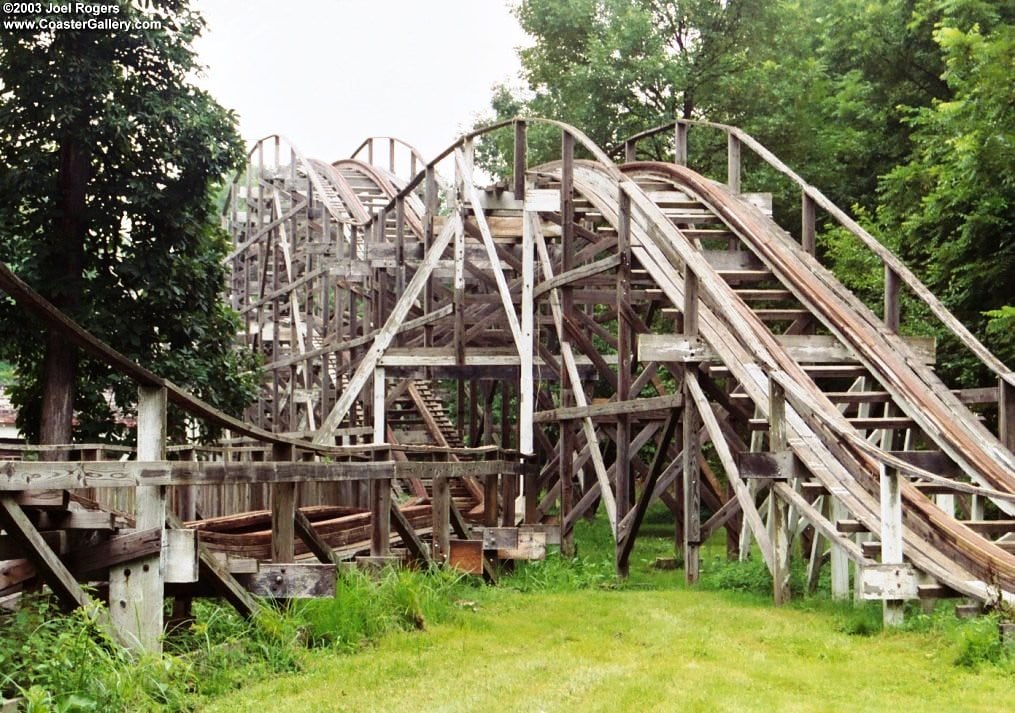
This Pennsylvania park began as a picnic area for farmers in the 1850s before gradually adding rides in the early 20th century. The park survived the Great Depression and operated until 2005 when flooding and financial struggles forced its closure.
Many of its historic wooden rides remain on the property, slowly decaying despite preservation attempts by former employees and enthusiasts.
Dunaújvárosi Vidámpark
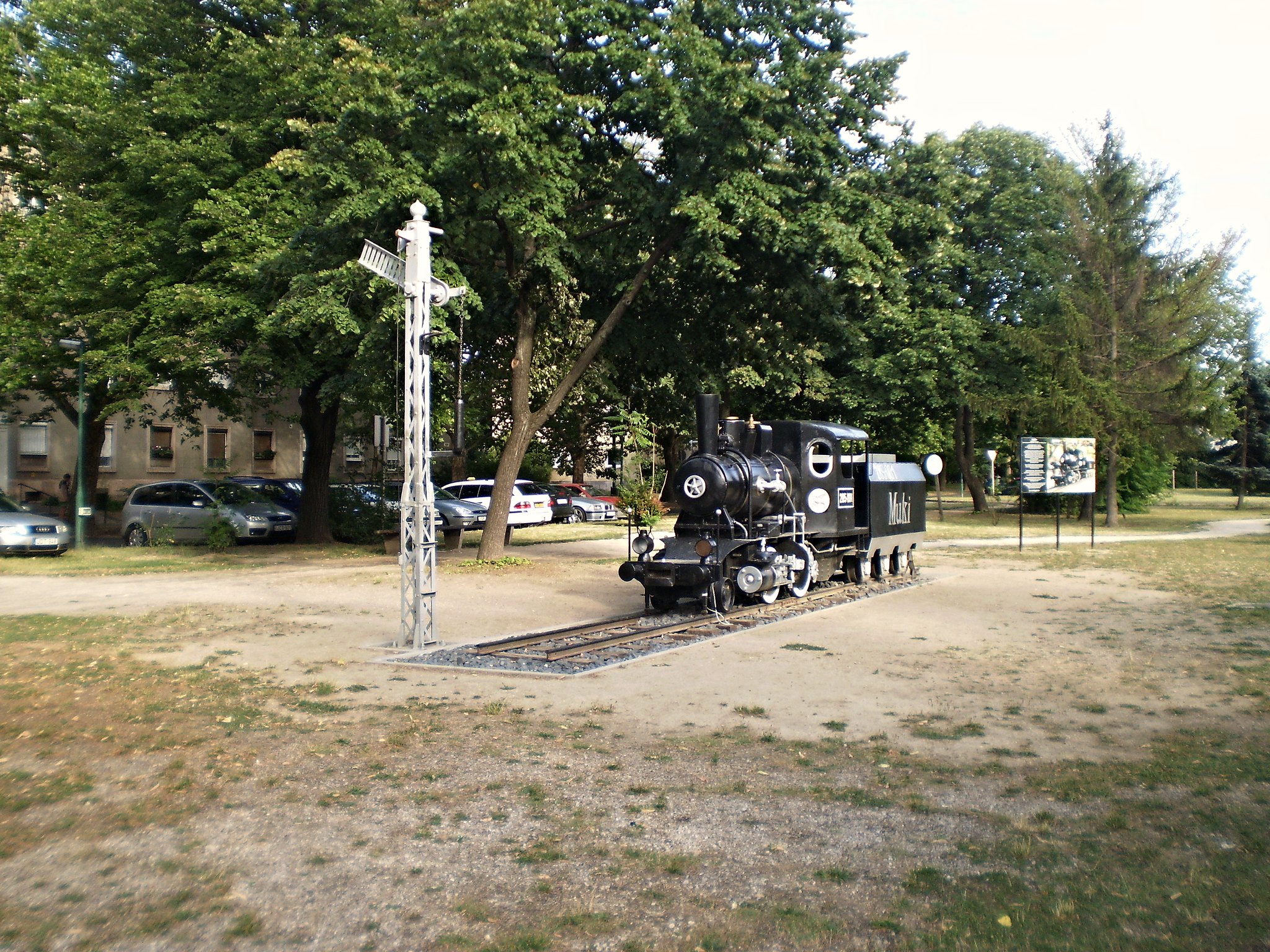
This small Hungarian amusement park served the workers of a communist-era steel factory until economic changes following the fall of communism led to its abandonment in the early 1990s. The park’s Soviet-made rides offer a fascinating glimpse into Cold War-era entertainment, with their distinctive designs and construction techniques representing a unique period in amusement park history.
Geauga Lake
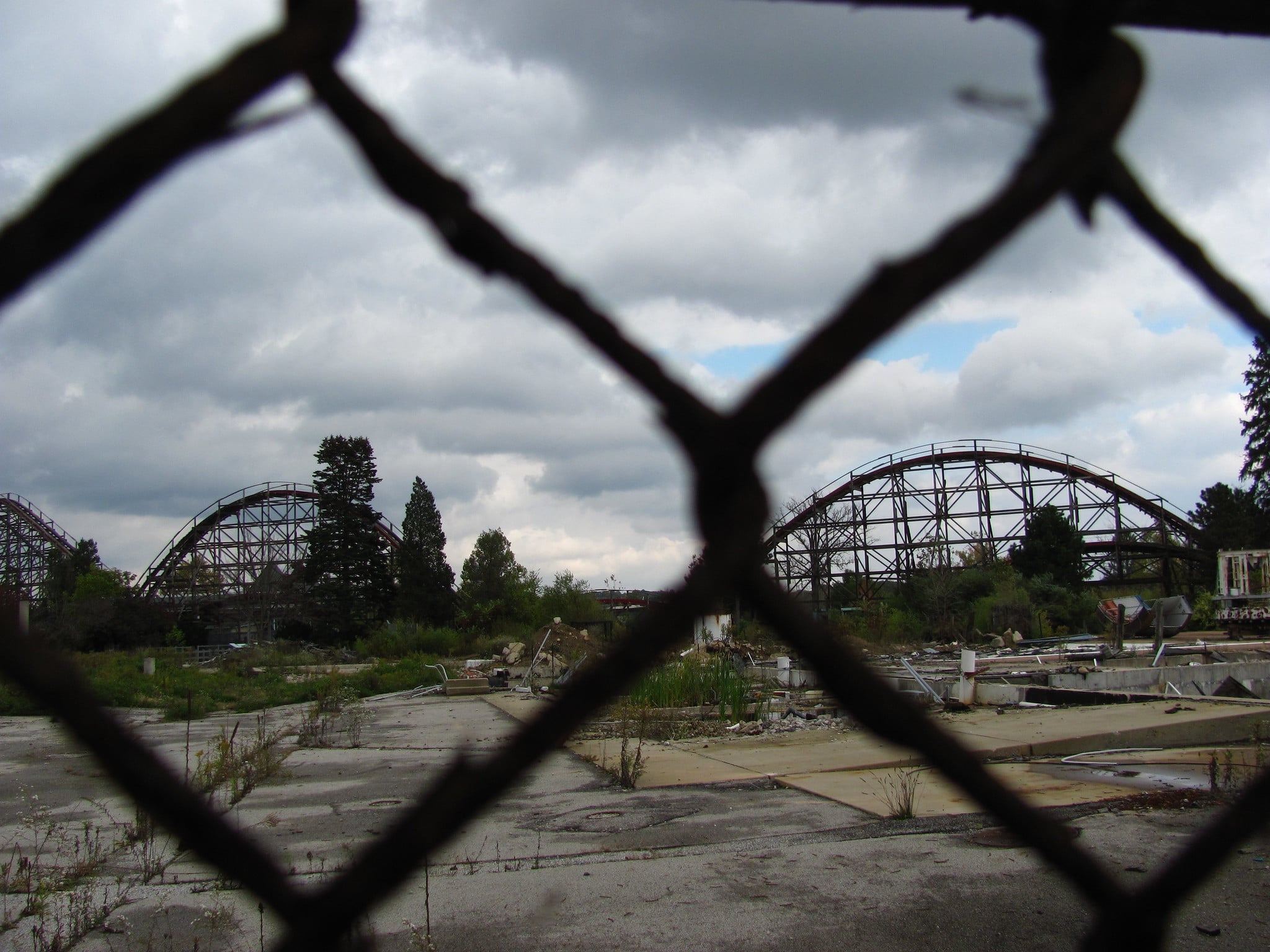
Once a major competitor to Cedar Point in Ohio, this park began in 1887 and went through numerous expansions and ownership changes. Its downfall came after Six Flags purchased it in 2000 and attempted an ambitious expansion, taking on too much debt.
Cedar Fair acquired it in 2004 but shockingly closed the park just three years later, leading to one of the most rapid and unexpected abandonments in amusement park history.
Lincoln Park
This Massachusetts amusement park operated for nearly 100 years before closing in 1987 due to declining attendance and a fatal accident on its roller coaster. The park’s centerpiece, a wooden coaster called “The Comet,” remained standing for decades afterward, becoming a landmark for passing motorists.
After years of deterioration, most structures were finally demolished in 2012, though the ghost of the park lives on in local memory.
Prerábka
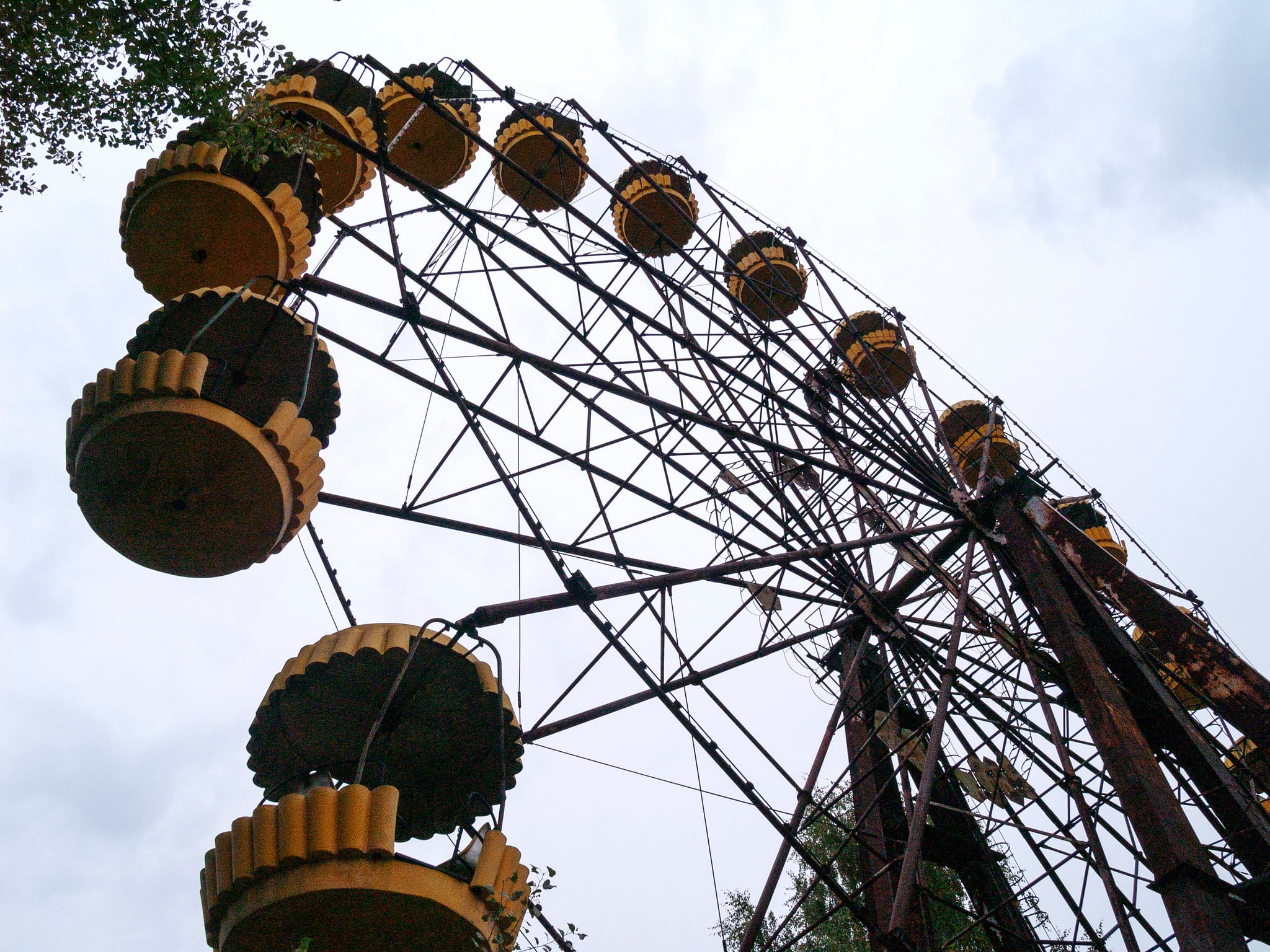
This small Slovakian amusement park was built for children living in Bratislava’s communist-era concrete apartment complexes. Its simple metal rides manufactured in Czechoslovakia represent the utilitarian approach to recreation during that period.
When the Soviet Union collapsed, the park was abandoned almost immediately, its basic attractions left to rust among the prefabricated housing blocks.
Dogpatch USA
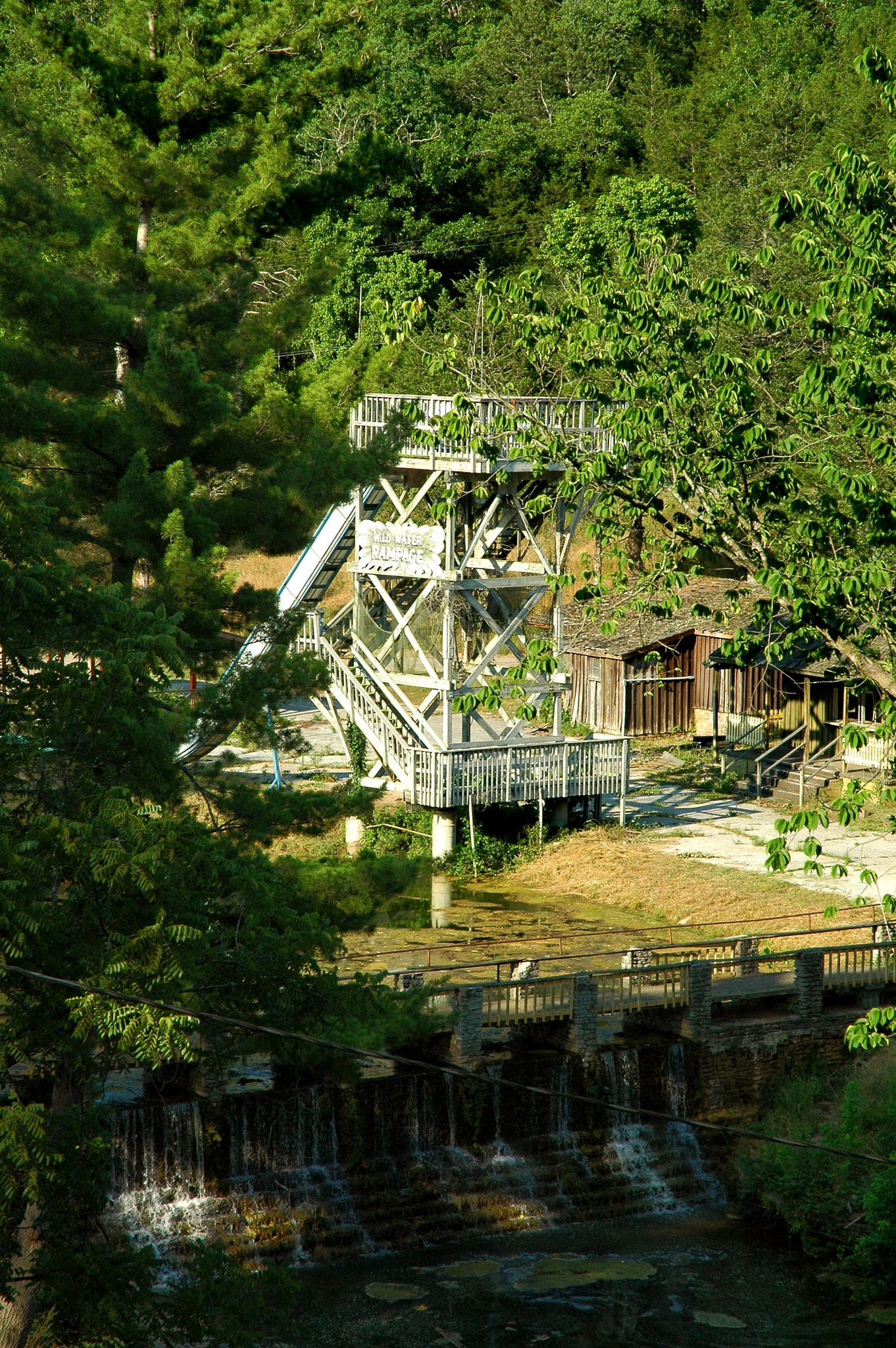
Based on Al Capp’s comic strip “Li’l Abner,” this Arkansas theme park brought the fictional hillbilly town to life when it opened in 1968. Despite initial success, changing tastes and management issues led to declining attendance throughout the 1980s.
The park closed in 1993 and remained abandoned for decades, with its rustic buildings and attractions slowly returning to the Ozark landscape that inspired the original comics.
The Enduring Allure of Abandonment
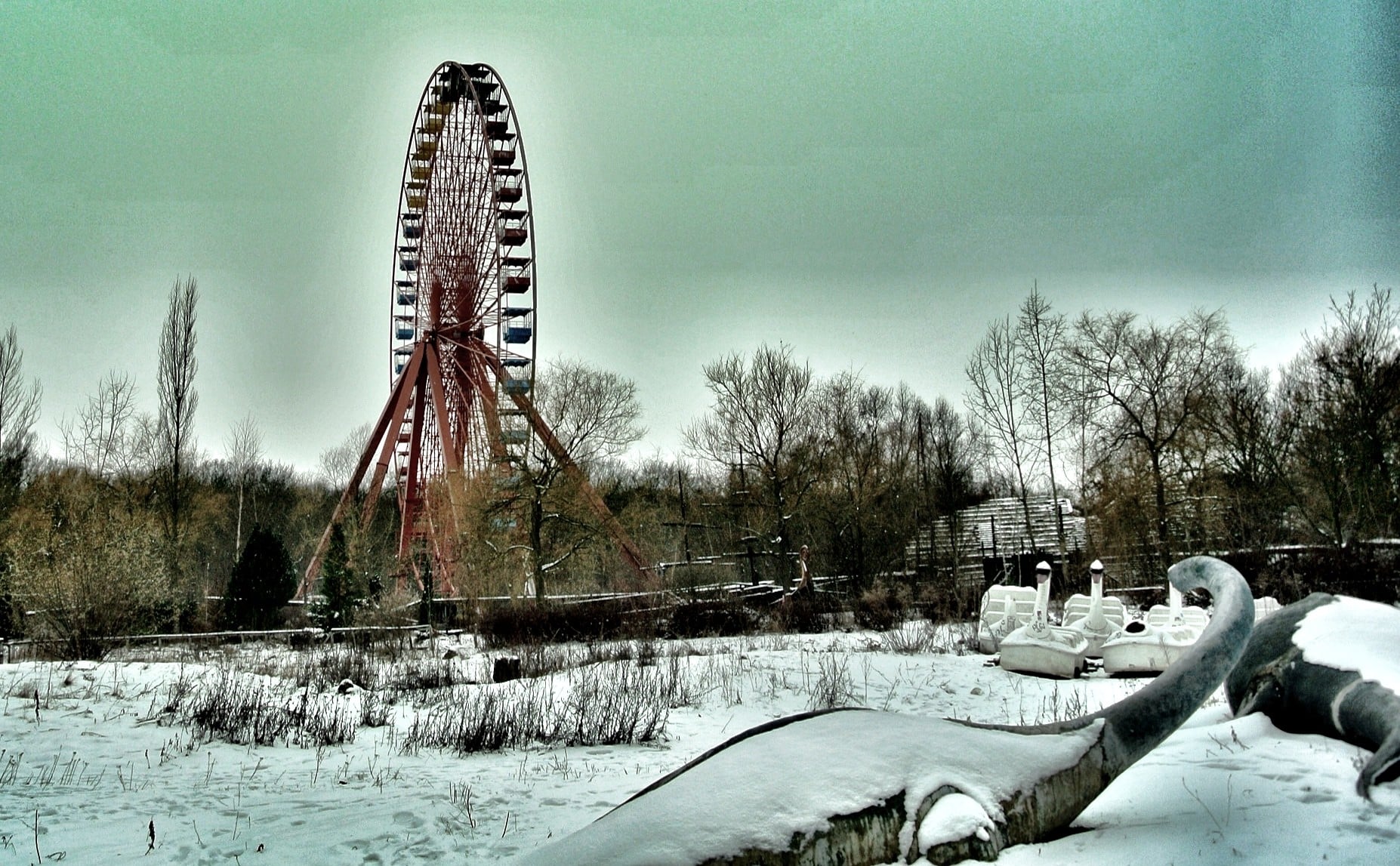
These decaying playgrounds continue to captivate our imagination, offering glimpses into different eras of entertainment while serving as poignant reminders of impermanence. Photographers, filmmakers, and urban explorers are drawn to these rusting relics not just for their eerie aesthetics, but for the stories they tell about economic forces, changing tastes, and sometimes, catastrophic events that transformed places of joy into modern ruins.
While many of these parks are now gone forever, demolished and redeveloped, their stories remain as fascinating footnotes in the history of leisure and entertainment, preserved in photographs and memories of happier times.
More from Go2Tutors!

- The Romanov Crown Jewels and Their Tragic Fate
- 13 Historical Mysteries That Science Still Can’t Solve
- Famous Hoaxes That Fooled the World for Years
- 15 Child Stars with Tragic Adult Lives
- 16 Famous Jewelry Pieces in History
Like Go2Tutors’s content? Follow us on MSN.