24 Photographs From the Civil Rights Era That Tell Stories Words Cannot
Photographs shaped how Americans understood the civil rights movement. The images that follow are among the most consequential; many were not widely circulated for decades, and some became iconic only in retrospect.
Each image carries a story that words alone cannot convey.
The Lynching Photograph by Emmett Till’s Mother
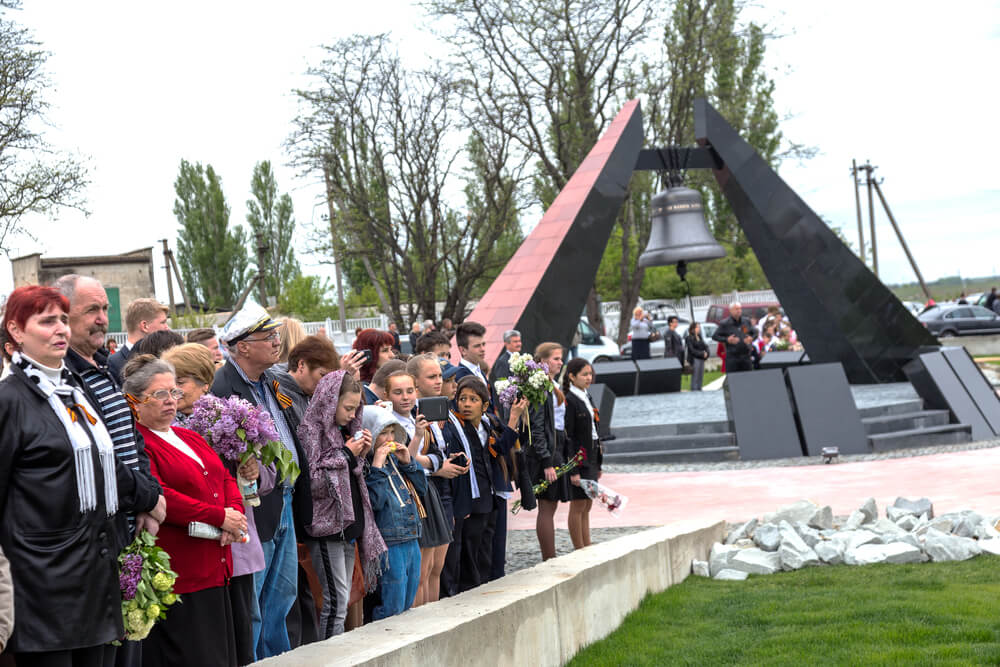
After Emmett Till’s murder in 1955, his mother, Mamie Till, insisted on an open casket at his funeral. Photographers captured the mutilated face of her fourteen-year-old son.
The images circulated in African American newspapers and became the first visual witness to white racist violence for many Americans. The photographs mobilized millions.
Gordon Parks’s “American Gothic”
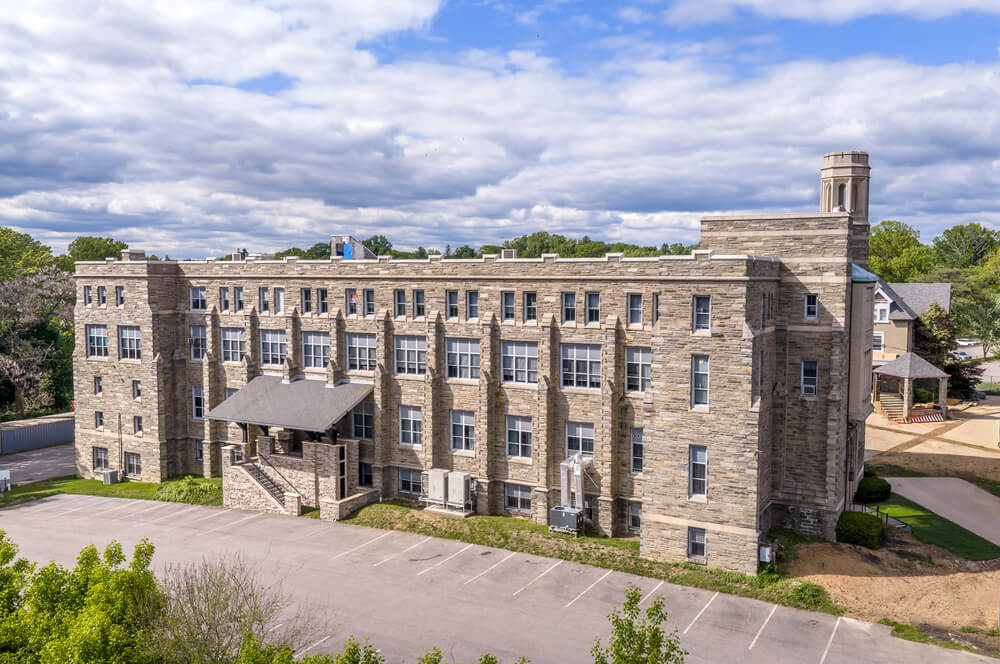
In 1950, photographer Gordon Parks created a portrait of a cleaning woman holding a mop and broom in front of the American flag. The photograph subverted the American Gothic painting by inverting the racial and gender positions.
The image became a canonical civil rights era photograph and remains one of the most reproduced images of American racism.
The Little Rock Central High Photograph
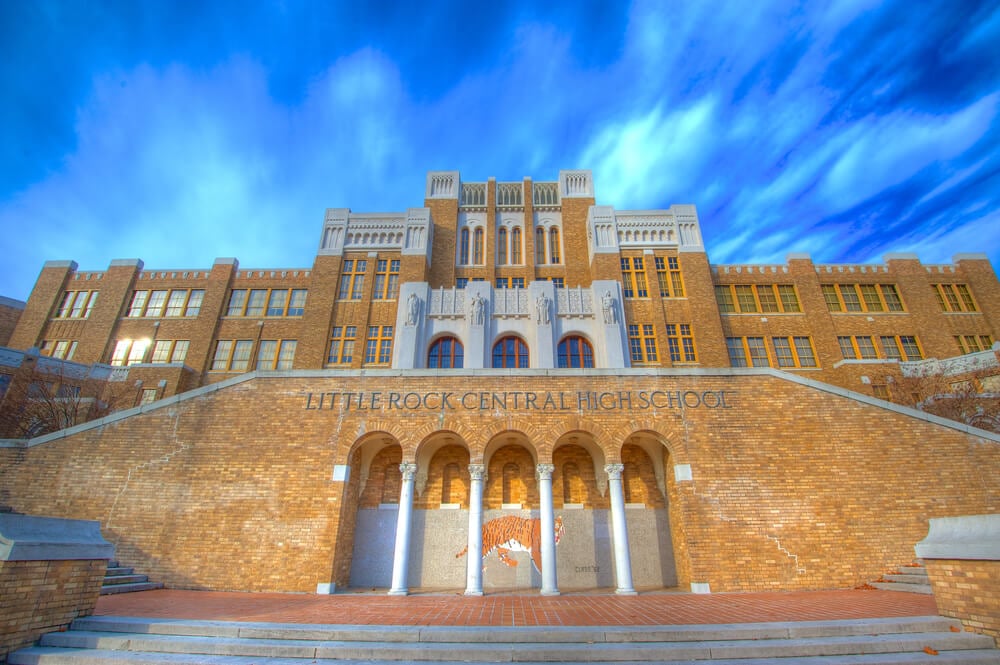
On September 4, 1957, a fifteen-year-old girl named Elizabeth Eckford walked toward Central High School in Little Rock while white mobs screamed. A photographer captured the moment of her isolation and their hatred.
The image became the visual representation of desegregation’s difficulty and white violent resistance.
The Sit-In Photograph From Greensboro
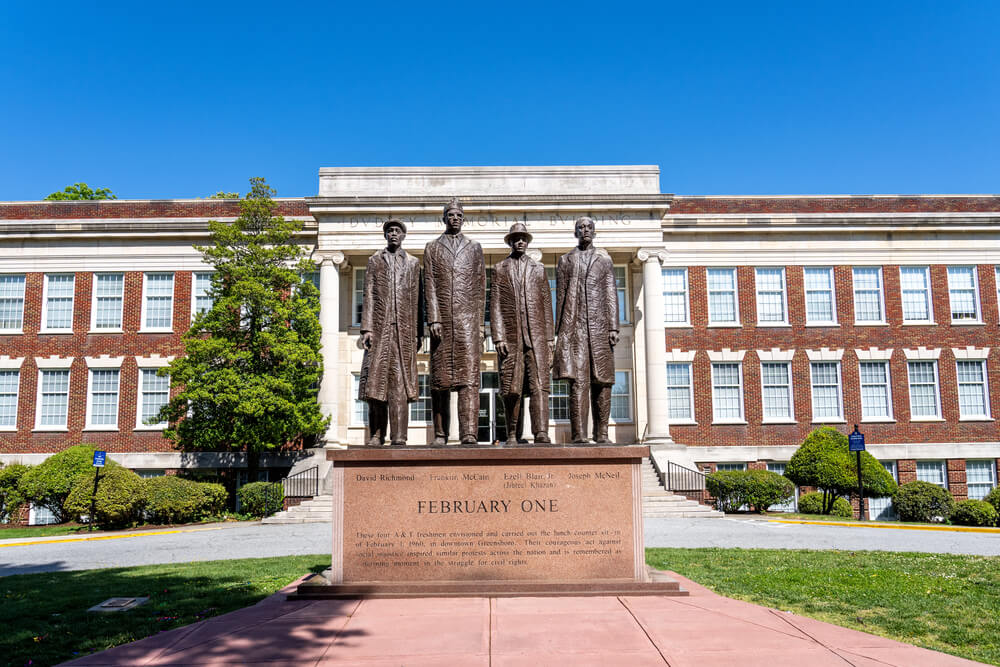
In 1960, a photographer captured the moment four Black students sat at a white-only lunch counter in Greensboro, North Carolina. The image shows them sitting peacefully while white patrons and employees stared in shock and disgust.
The photograph became the visual symbol of the sit-in movement’s dignity.
The Freedom Rider Beatings
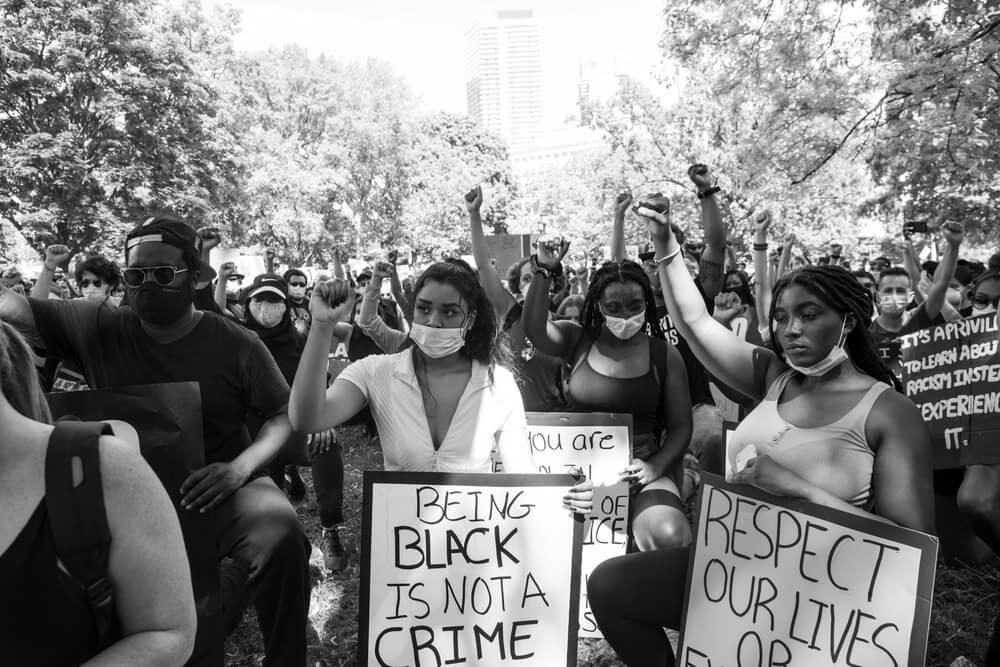
Photographs from the 1961 Freedom Rides showed interracial groups of young people boarding buses despite threats and violence. Images of mobs attacking riders appeared in newspapers nationwide.
The photographs forced white Northern audiences to confront the reality of Southern racial violence and mobilized support for federal intervention.
The Police Dog Photograph From Birmingham
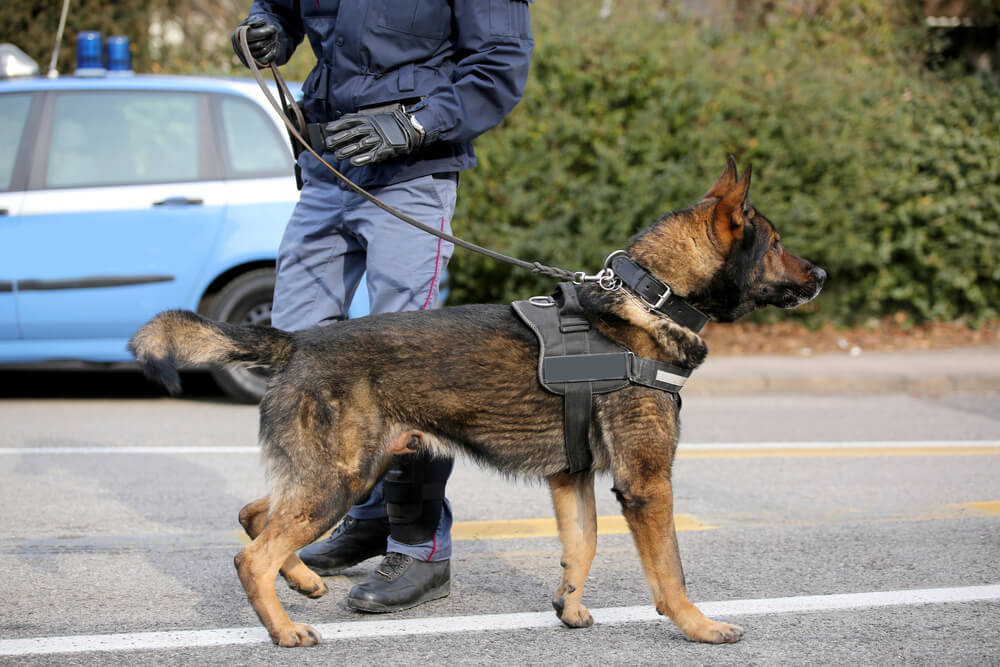
In 1963, police in Birmingham, Alabama, released dogs on child demonstrators. A photograph captured the moment a police dog lunged at a young Black boy.
The image became one of the most visceral photographs of police violence against nonviolent protesters and shifted public opinion toward civil rights legislation.
The Birmingham Water Hose Photograph
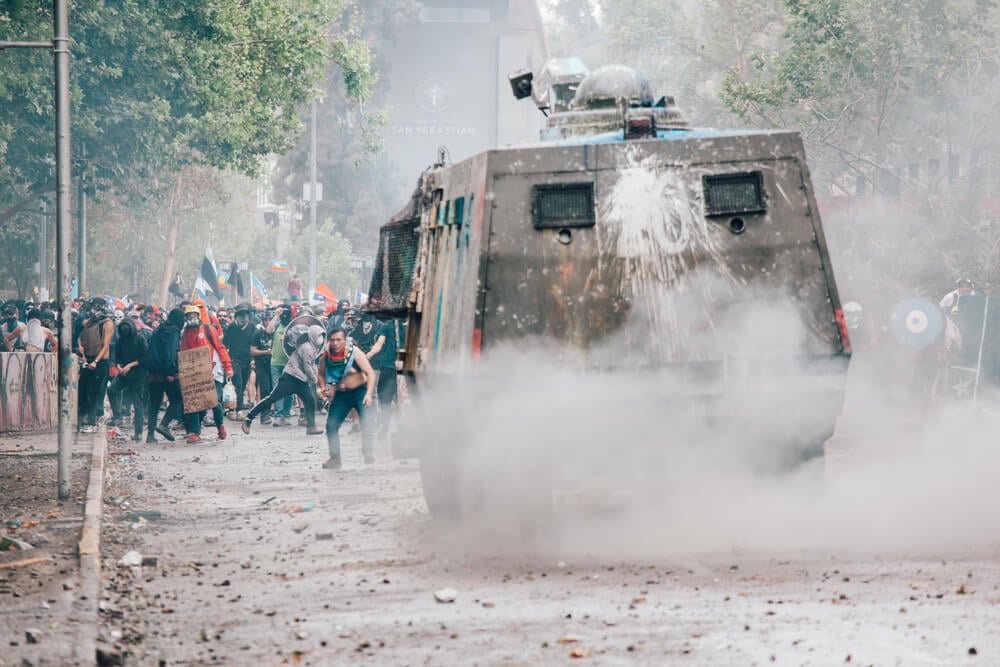
In the same 1963 Birmingham campaign, police directed high-pressure water cannons at demonstrators, including children. A photograph showed a young boy being blasted against a wall by the force of the water.
The image became the visual representation of police brutality against nonviolent protest and remained a defining civil rights photograph.
The March on Washington Aerial Photograph
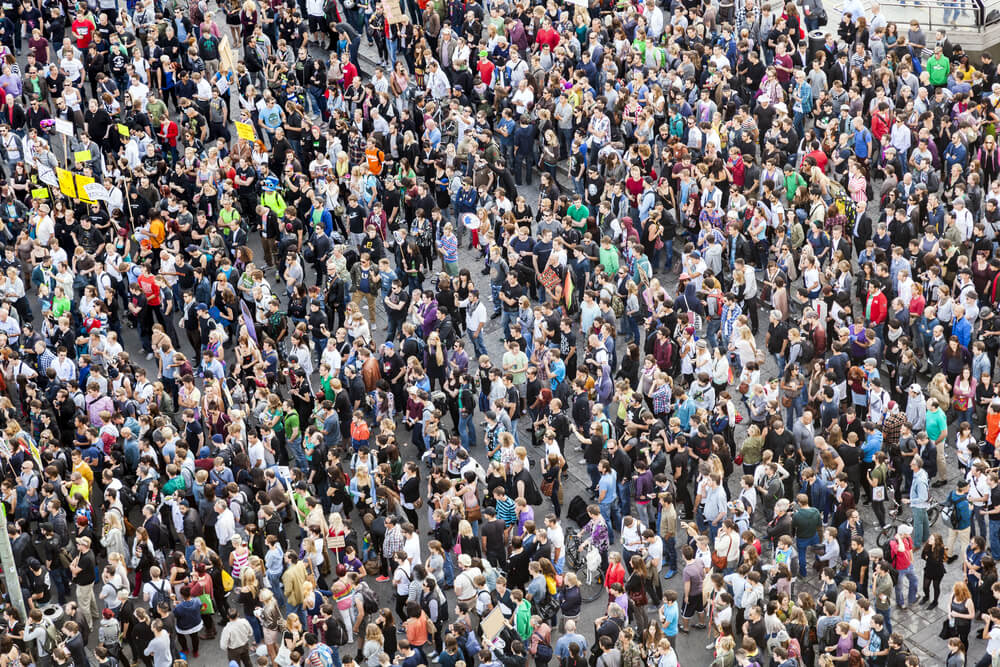
An aerial photograph captured the crowd of a quarter million at the 1963 March on Washington. The image showed the massive scale of the gathering and the breadth of civil rights support.
The photograph became the iconic representation of the movement’s power and influence.
The “I Am a Man” Placard
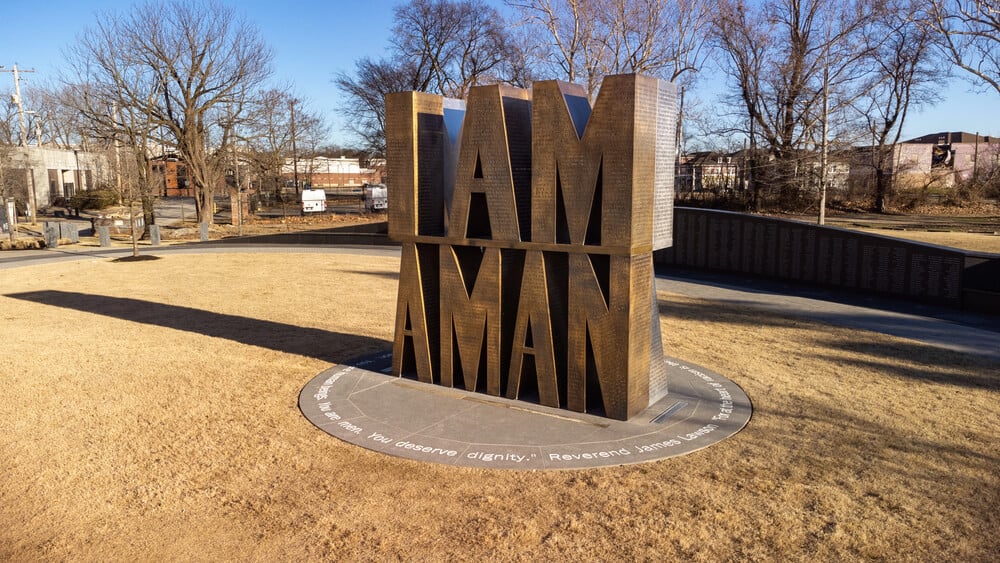
In 1968, during the Memphis sanitation workers’ strike, protesters carried simple signs reading “I Am a Man.” A photograph of the placard became a canonical civil rights image.
The simple assertion of humanity became the movement’s most powerful statement.
The Funeral Procession for James Chaney
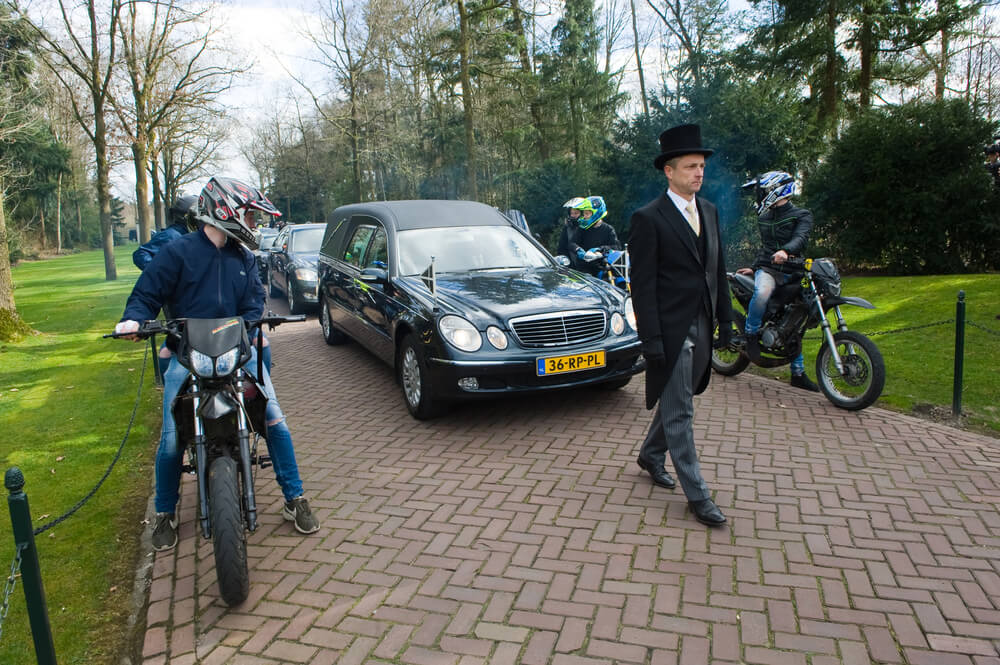
In 1964, James Chaney, a young Black civil rights worker, was murdered by the Klan while registering voters in Mississippi. Photographs of his funeral procession showed his mother’s grief and the community’s mourning.
The images made visible the human cost of civil rights activism.
The Selma March Photograph by John Herbers
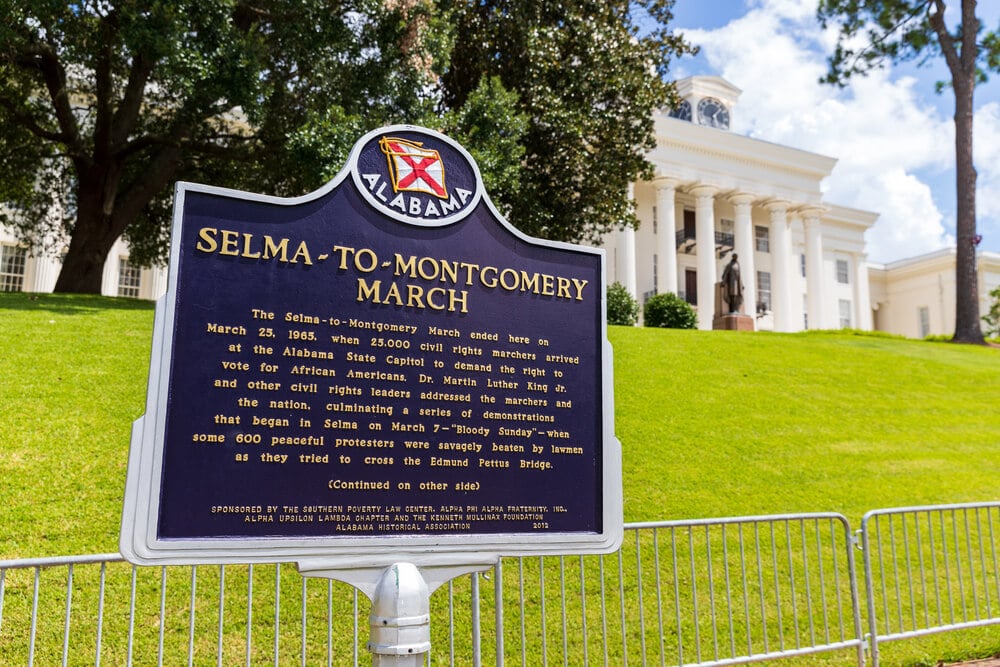
On March 7, 1965, photographer John Herbers captured the moment police beat demonstrators on the Edmund Pettus Bridge in Selma. The image showed state troopers attacking nonviolent marchers with clubs.
The photograph appeared in newspapers nationwide and shifted public opinion toward voting rights legislation.
The Arrest of Rosa Parks
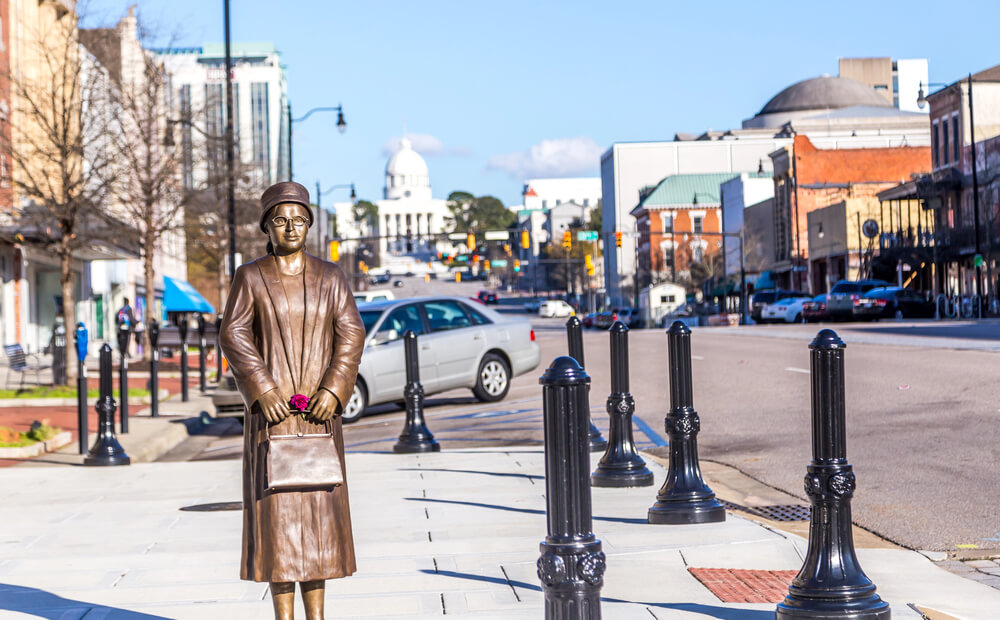
A photograph captured Rosa Parks being led away by police following her refusal to give up her seat on a Montgomery bus. The image showed her dignity despite the arrest and became the visual symbol of nonviolent civil disobedience.
The photograph inspired millions.
The Malcolm X Portrait by Gordon Parks

In 1963, photographer Gordon Parks captured Malcolm X in a three-quarter profile view, holding a rifle. The image was controversial because it showed Black militancy visually.
The photograph became the iconic representation of Black nationalism and influenced how Black Power aesthetics developed.
The White Violence Photograph From Chicago
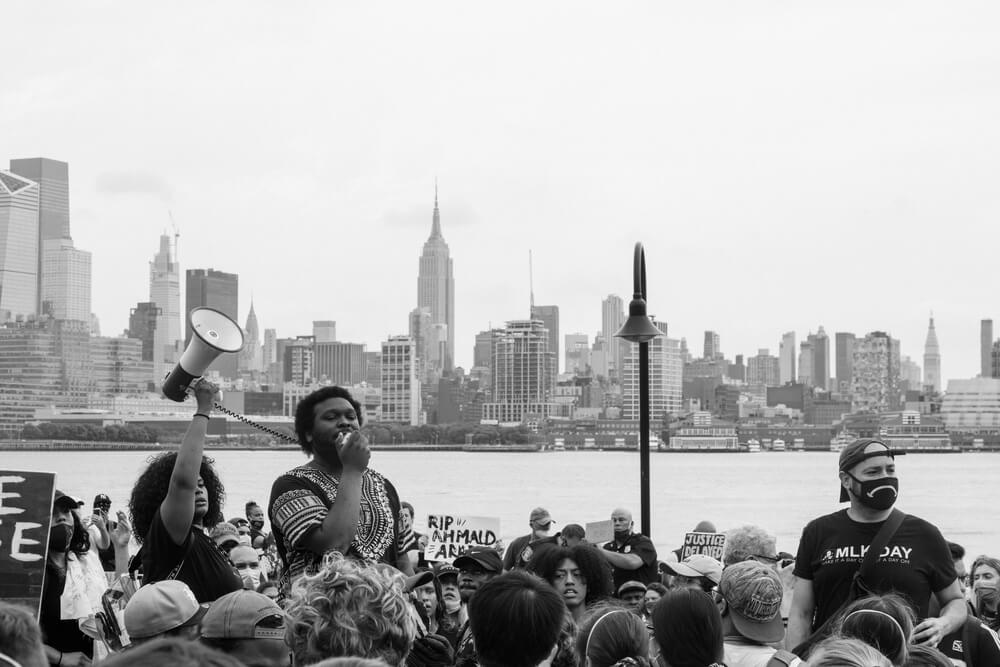
In 1966, when Martin Luther King Jr. brought his campaign to Chicago, white mobs attacked marchers. Photographs showed the ferocity of white racism outside the South.
The images challenged the narrative that racism was a Southern regional problem.
The Medgar Evers Photograph Before His Assassination
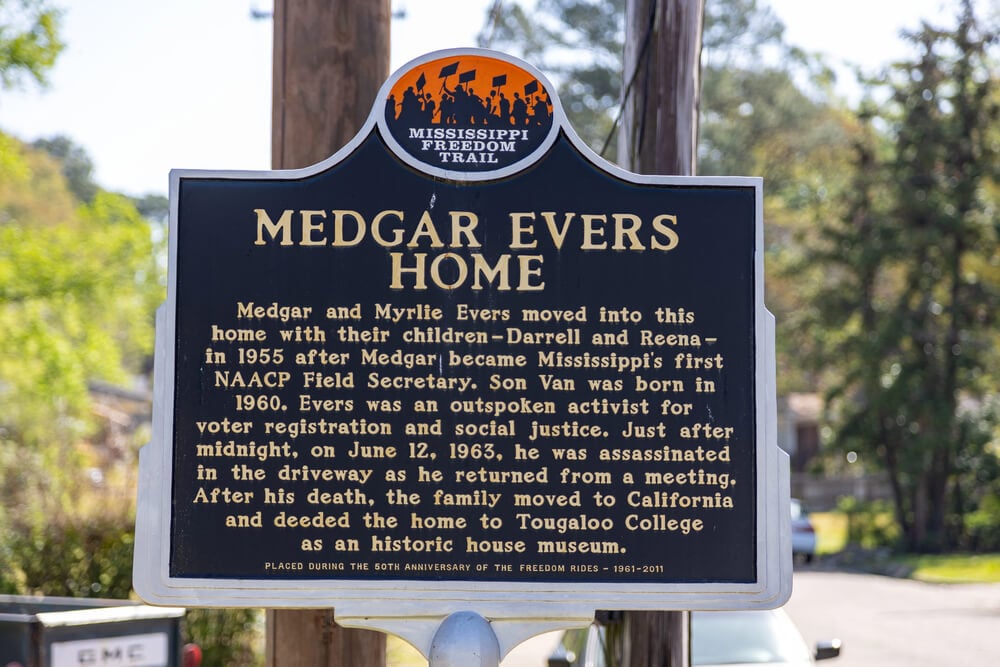
In 1963, Mississippi NAACP field secretary Medgar Evers was assassinated outside his home. Photographs of Evers from his years of activism became powerful memorials to the civil rights activists killed by racist violence.
The Police Dog at the University of Mississippi
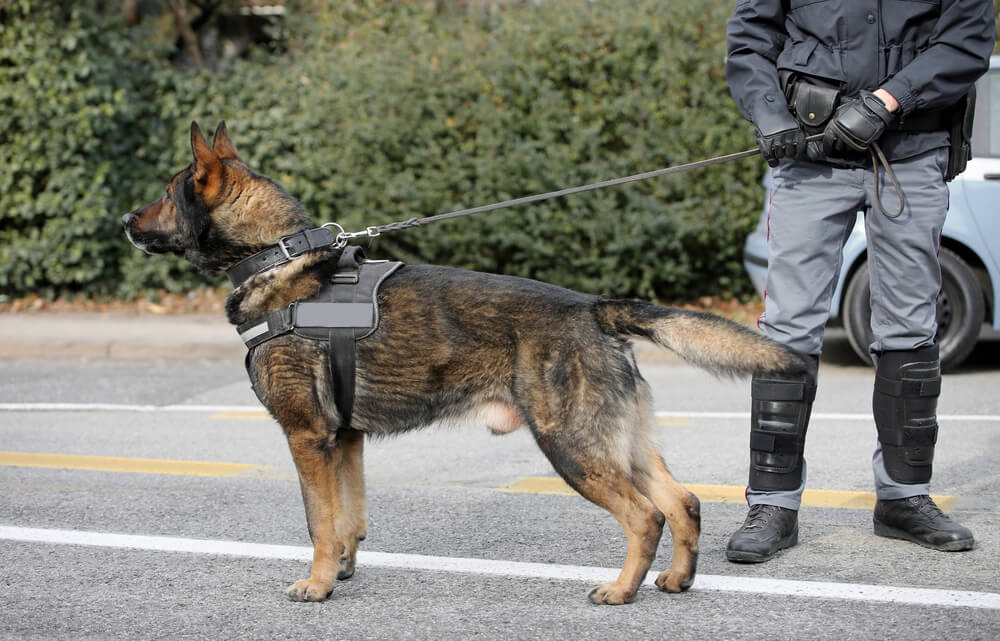
In 1962, when James Meredith, a Black student, enrolled at the University of Mississippi, riots erupted. Photographs showed police using dogs to control crowds.
The images became symbols of violent resistance to integration.
The Civil Rights March Photograph From Washington
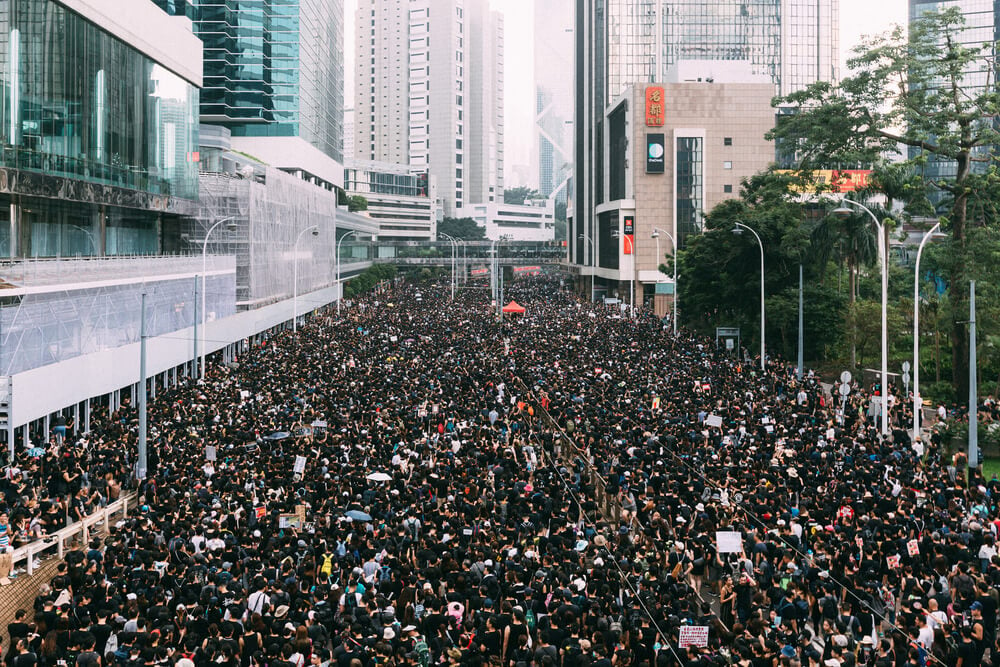
Photographs of the 1963 March on Washington captured not just the crowd but the faces of marchers—their determination, hope, and dignity. These face-level photographs became more memorable than aerial shots and allowed Americans to see the march as a human movement rather than a statistic.
The Photograph of Children Drinking From a Segregated Fountain

A simple photograph showed a white child and a Black child drinking from separate fountains marked “White” and “Colored.” The image made segregation’s absurdity visible and became an iconic representation of Jim Crow’s irrationality.
The Arrest of King Photograph From 1960
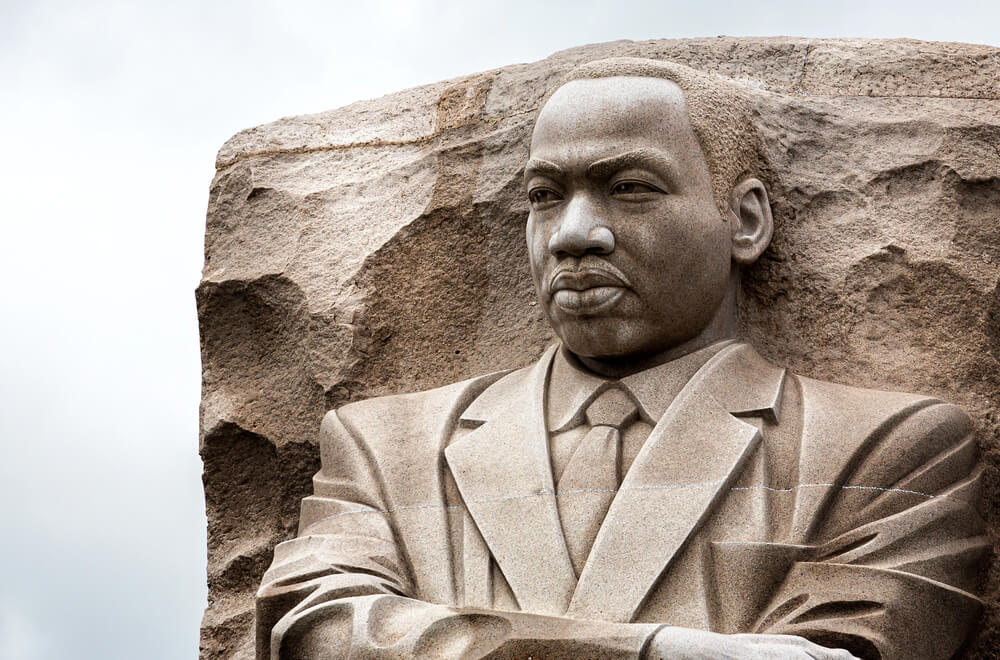
A photograph captured the moment Martin Luther King Jr. was arrested in Atlanta during a sit-in. The image showed his composure despite arrest and became a symbol of his nonviolent commitment.
The Integration of Central High Photograph
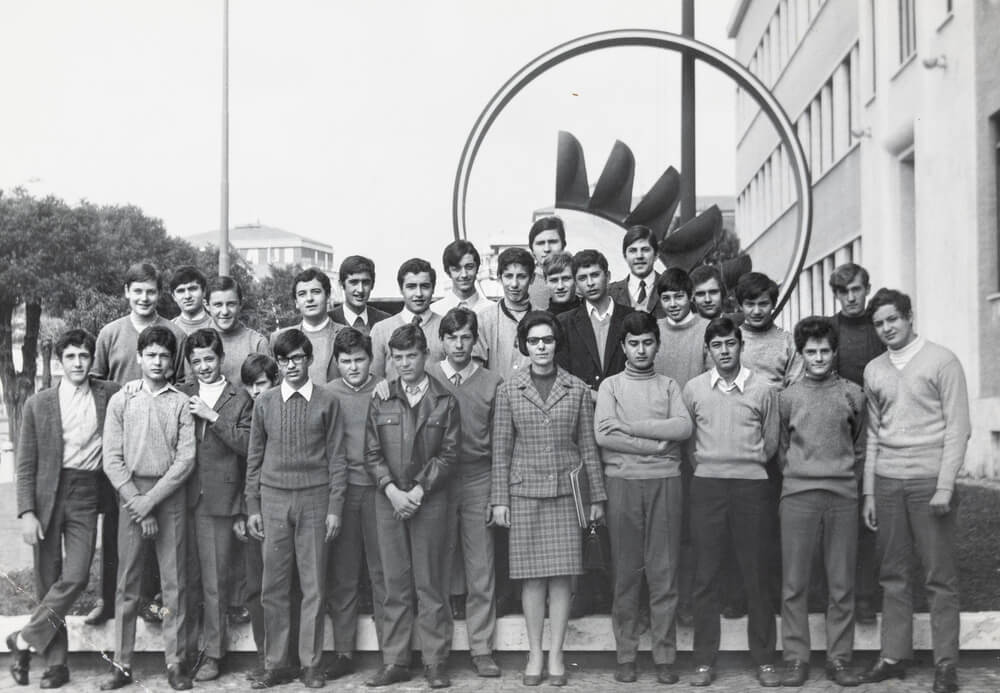
A photograph from the days following the Little Rock crisis showed Elizabeth Eckford and another Black student walking down a hallway surrounded by white students. The image demonstrated that despite fierce opposition, integration could occur.
The photograph became a symbol of change’s possibility.
The Photograph of the Voter Registration Line in Alabama
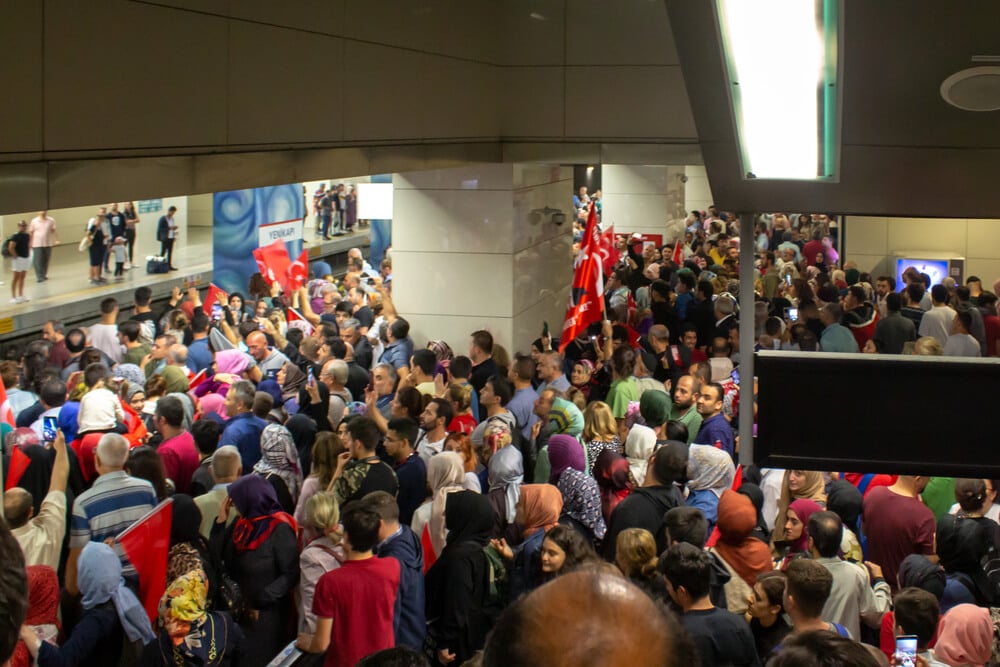
A photograph captured Black voters waiting in line to register despite intimidation. The image showed their determination and the courage required for a basic democratic act.
The photograph became a symbol of voting rights activism.
The Photograph of King’s Assassination Scene
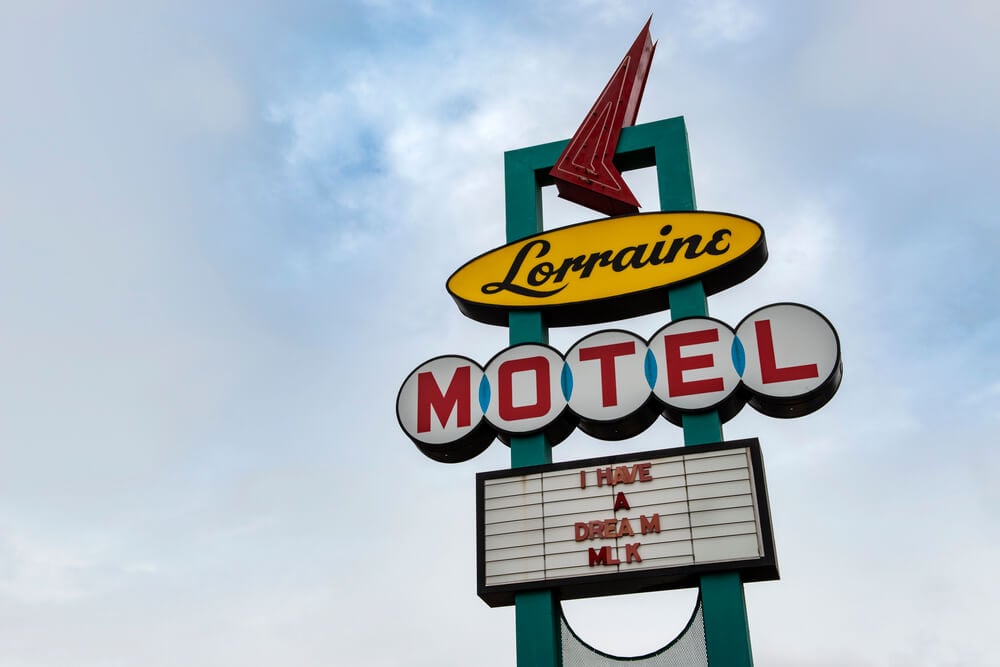
A photographer captured the Lorraine Motel balcony where Martin Luther King Jr. was assassinated in 1968. The image of the railing and the empty balcony became one of the most sorrowful civil rights photographs.
The Photograph of the Firehose Hitting Reverend Fred Shuttlesworth
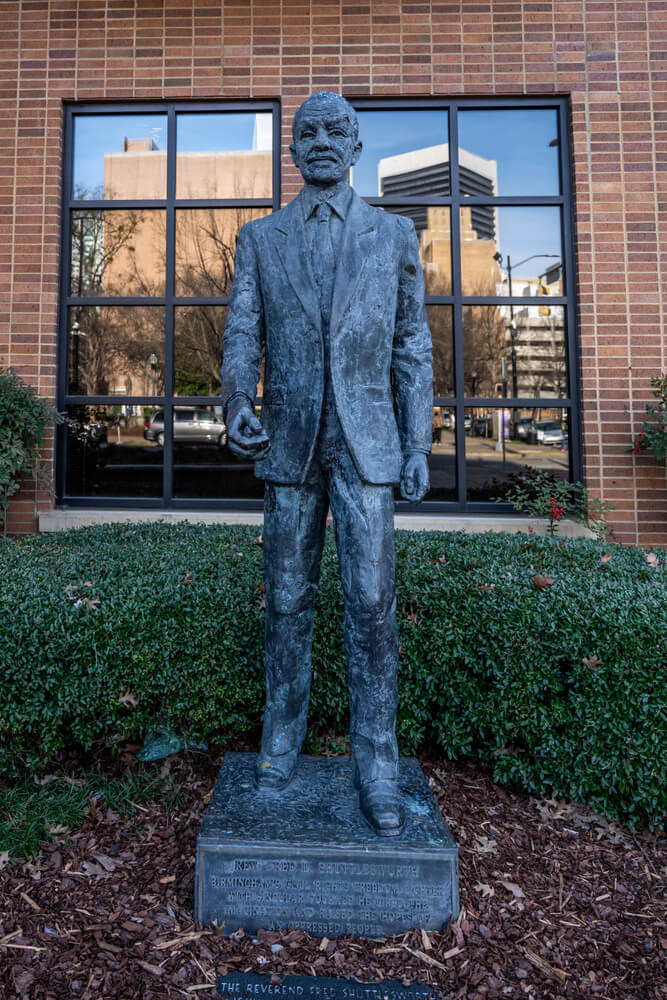
In Birmingham, photographs captured the moment a police firehose struck Reverend Fred Shuttlesworth, a prominent civil rights activist. The image showed his resilience as he was knocked down but remained determined.
The photograph became a symbol of Black resilience in the face of violence.
The Photograph of Children in a Freedom School
A photograph captured young Black children learning in a makeshift freedom school during the 1964 Mississippi Freedom Summer. The image showed the movement’s investment in education and the hope that knowledge could liberate.
The photograph became a symbol of the movement’s aspirations.
When an Image Speaks a Truth
The most powerful civil rights photographs are those that captured a single moment of injustice or resistance without editorializing. A photograph of a lunch counter sit-in, a police dog attack, or a voter registration line conveyed the movement’s moral clarity more effectively than speeches.
The photographs gave the movement a visual language that transcended regional boundaries.
More from Go2Tutors!

- The Romanov Crown Jewels and Their Tragic Fate
- 13 Historical Mysteries That Science Still Can’t Solve
- Famous Hoaxes That Fooled the World for Years
- 15 Child Stars with Tragic Adult Lives
- 16 Famous Jewelry Pieces in History
Like Go2Tutors’s content? Follow us on MSN.