28 Toys Sold at Gas Stations for Decades
For most of the twentieth century, a fill-up came with more than gasoline. Oil companies fought for loyalty with toy trucks, coin games, plastic dinosaurs and comic books, handed through a car window or stacked beside the register.
Children learned brand names from the back seat and lobbied hard for one station over another. The toys were cheap to make and remarkably effective.
Some became annual traditions that outlived the stations themselves, and others vanished after a single summer. All of them turned a chore into a small event.
The Hess Tanker Truck
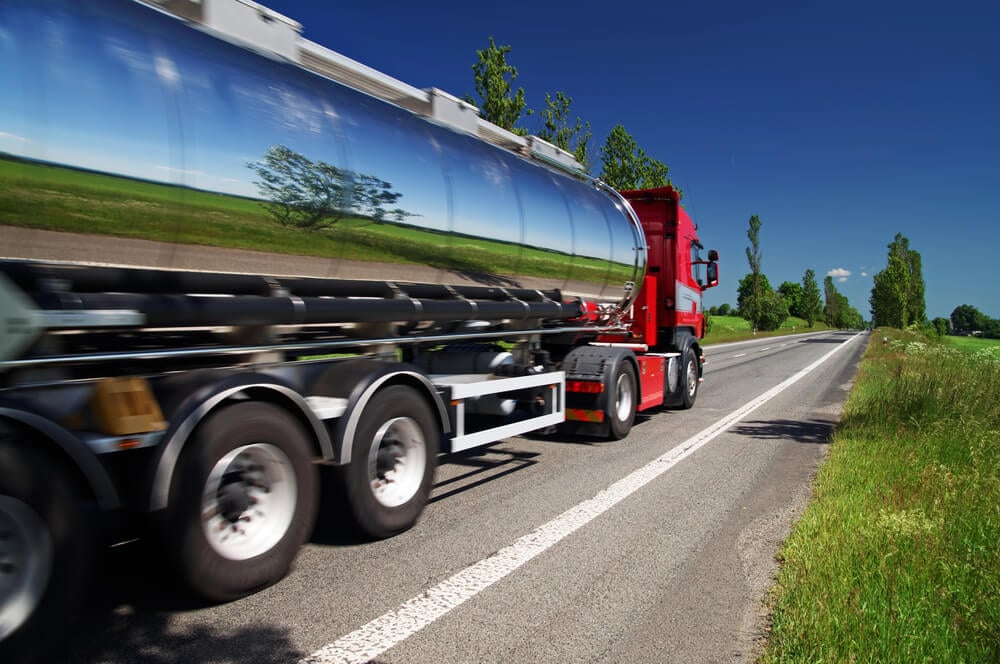
Leon Hess wanted an affordable, well-made toy for his customers’ children, and in 1964 his stations began selling a green and white tanker modeled on the company’s own delivery trucks. It came with working headlights and taillights, a tank that could be filled with water through a small funnel and drained through a hose, and batteries already in the box.
The price stayed under a dollar and a half. A new Hess truck has followed nearly every holiday season since, which makes it one of the longest-running toy lines in the country.
The Hess Voyager Tanker Ship
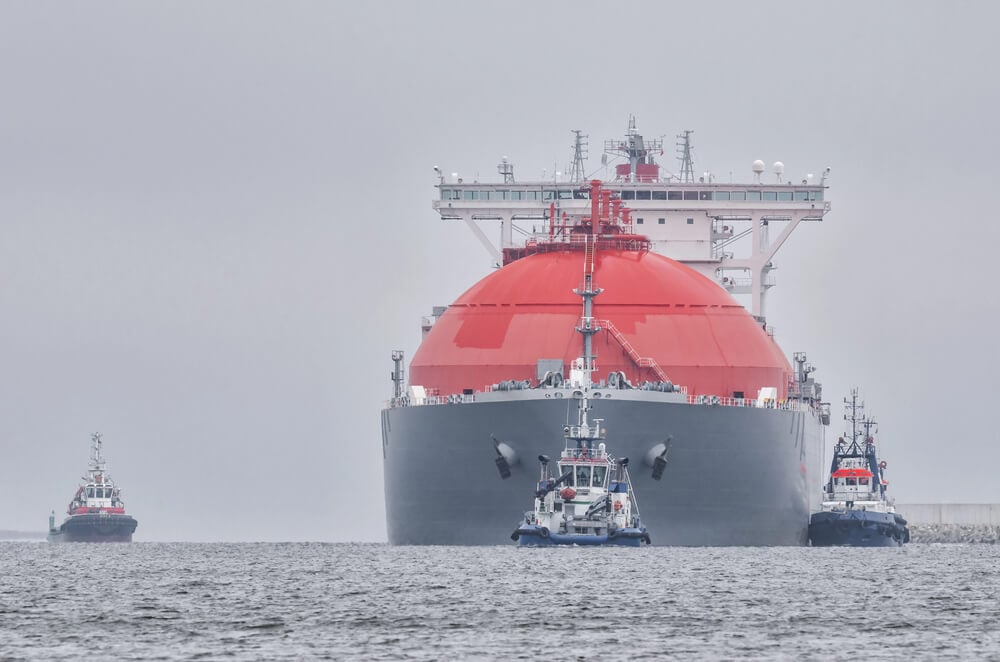
The 1966 Hess toy was not a truck at all. The company sold a model of its ocean-going oil tanker, the Hess Voyager, with a long green hull, white superstructure and lights along the deck.
It remains the only ship in the entire series, and it arrived at a time when most families owned nothing else with the Hess name on it. Surviving examples with the original box, stand and inserts are among the most sought-after pieces in the line, though condition drives the price far more than age does.
Texaco Fire Chief Hat
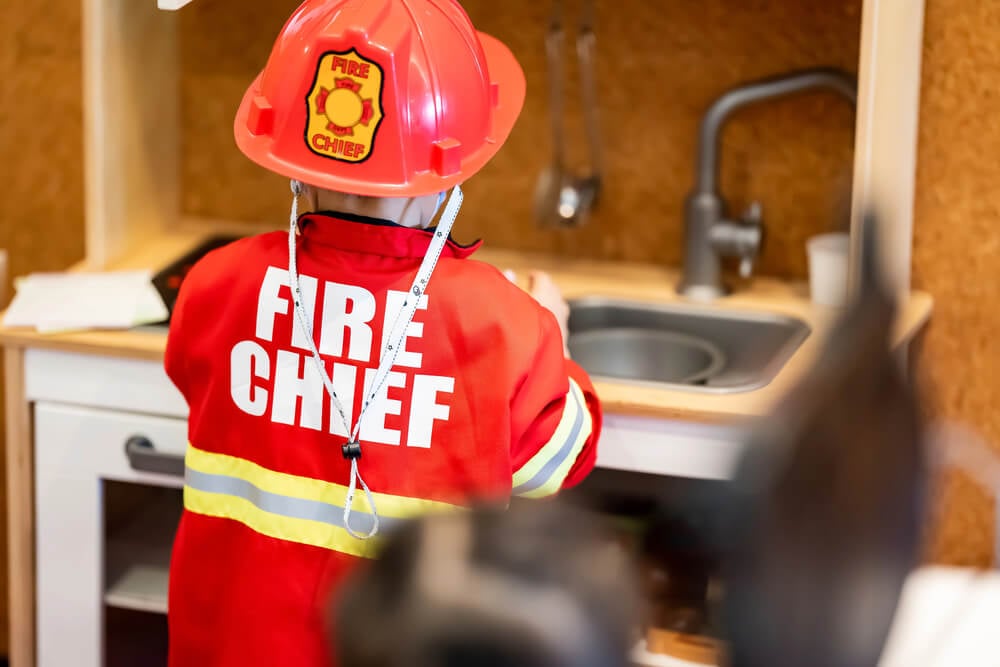
Fire Chief had been the name of Texaco’s regular gasoline since the early 1930s, and in the 1960s the company turned the brand into a toy. The bright red plastic helmet carried a battery-powered microphone and a speaker mounted on the crown, so a six-year-old could bark orders across the yard at real volume.
It sold only through Texaco dealers for a little under four dollars. Parents across several states learned exactly how loud a gasoline promotion could be, usually before eight on a Saturday morning.
Buddy L Texaco Tanker Truck
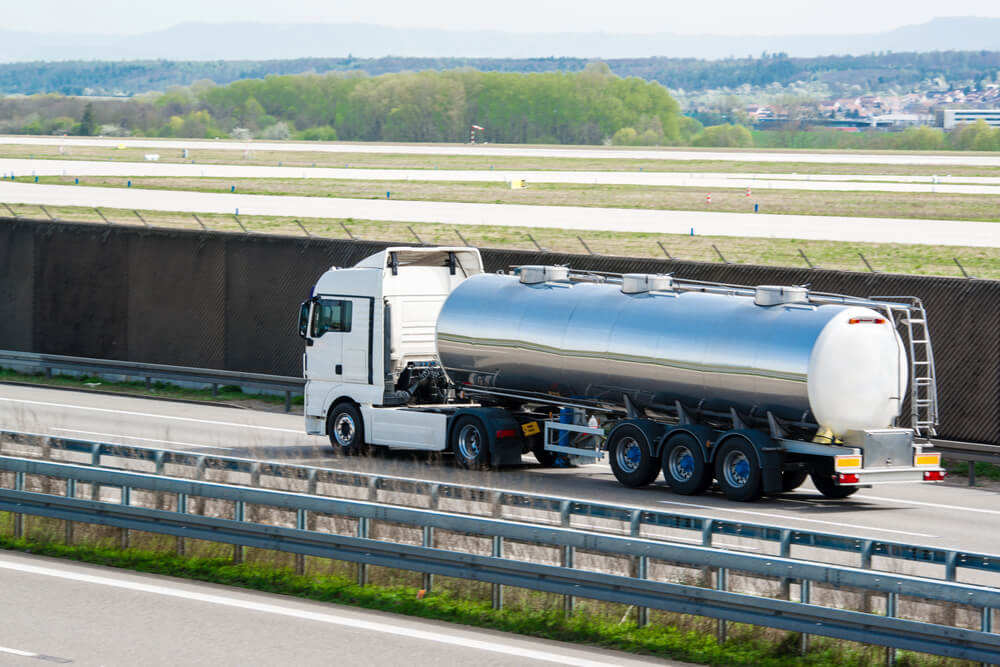
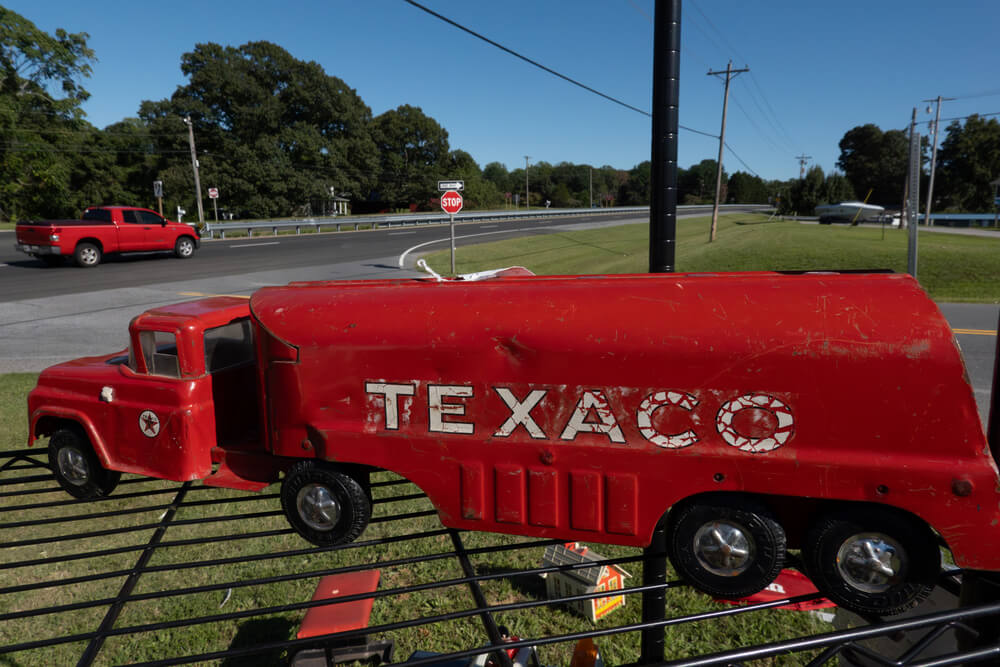
Around 1959, Texaco dealers offered a pressed-steel tanker truck made by Buddy L, painted bright red with the star logo on the doors and the company name down the tank. At roughly two feet long, it was a serious toy, heavy enough to survive years in a sandbox.
Dealers sold it for a few dollars, well under what a comparable steel truck cost in a department store. Many were played with until the paint wore through, so clean boxed examples now command real money from both toy collectors and petroliana collectors.
The Texaco Toy Tanker Ship
For the 1961 holiday season, Texaco stations sold a battery-powered model of the company tanker North Dakota. The ship measured about 27 inches long, ran on a small electric motor and actually floated, which made it the rare promotional toy that worked in a pond as well as on a shelf.
Customers could buy one for $3.98 with a fill-up of eight gallons or more. The size that made it impressive also made it fragile, and complete examples with the mast, flags and box are scarce today.
Ertl Texaco Coin Banks
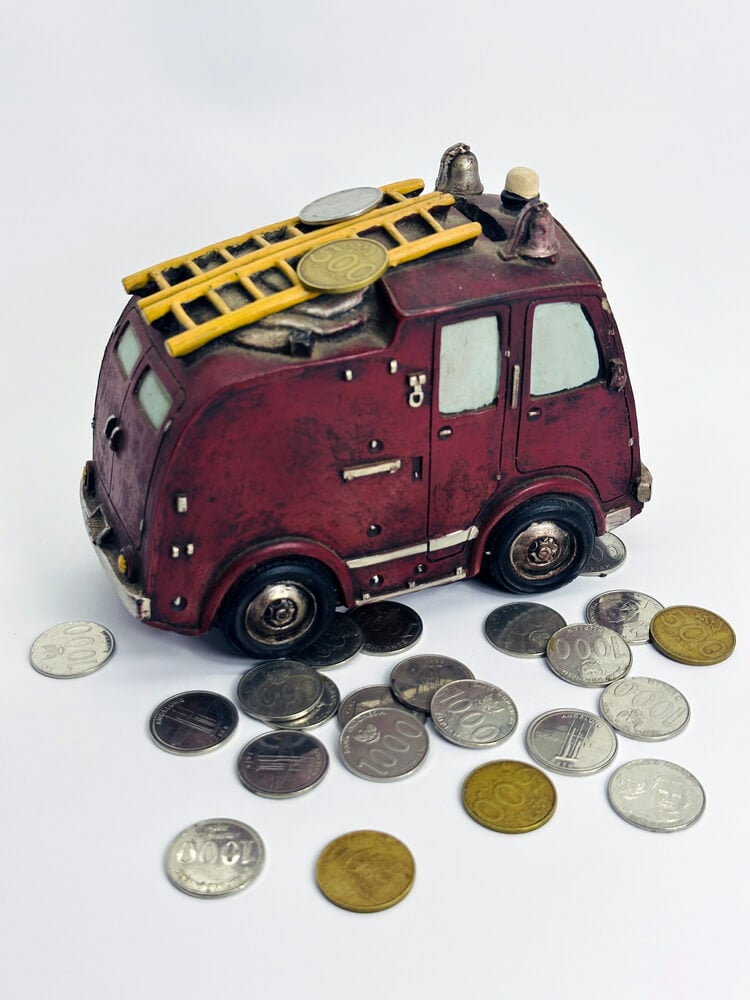
In 1984, Texaco and the Iowa toymaker Ertl launched a die-cast series that turned adults into gas station toy buyers. Each year brought a new vintage delivery vehicle in Texaco colors, numbered in sequence, with a coin slot and a locking trap underneath.
Dealers sold them at the counter, and early editions quickly traded above their retail price. The first few years remain the hardest to find in unopened condition.
Later editions were produced in far larger numbers, so many of them sell today for little more than their original cost.
Wings of Texaco Airplanes
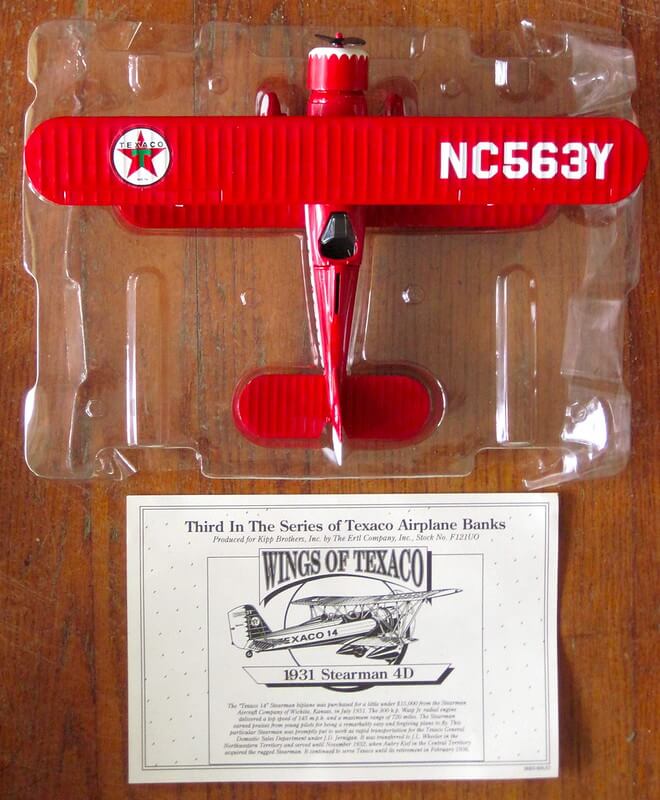
Texaco followed its truck banks with an airplane series in 1993. The die-cast models recreated aircraft the company had really flown during the golden age of aviation, when Texaco sponsored record-setting pilots such as Frank Hawks and painted its planes red and white with the star on the fuselage.
Each numbered edition doubled as a coin bank and came in a display box. The series ran for years and gave stations something to sell to fathers and grandfathers, who were often buying for themselves rather than for any child.
Sinclair Dino Banks
Sinclair adopted the brontosaurus as a mascot after its dinosaur exhibit drew huge crowds at the Chicago World’s Fair in 1933 and 1934. By the 1960s, stations were handing out small green plastic Dino banks with a coin slot in the back, and a generation of children saved pennies inside a gasoline logo.
The banks were nearly indestructible, which explains why so many still turn up at flea markets. Sinclair has reissued them more than once, and the stations that remain across the Mountain West still stock Dino merchandise.
Sinclair Dinosaur Stamp Albums
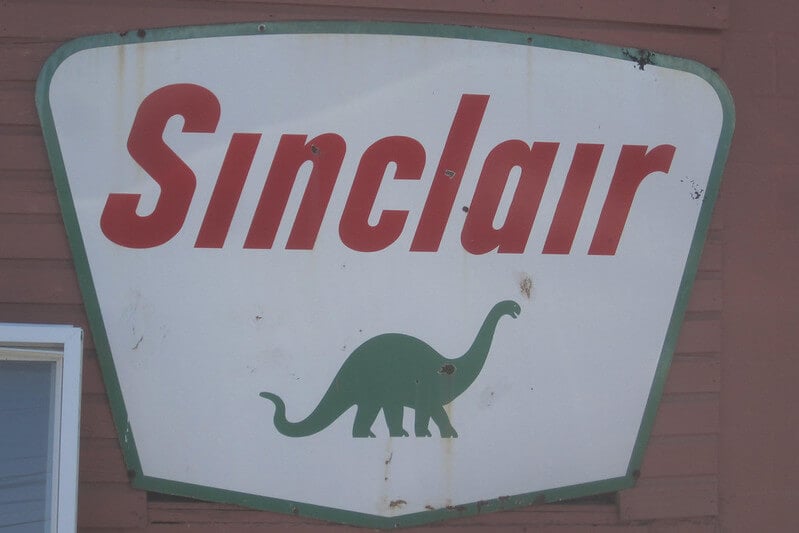
In 1935, Sinclair ran one of the most successful giveaways in gasoline history. Stations handed out a free dinosaur album, then released a new set of color stamps each week, which meant a child needed a parent to return to a Sinclair pump again and again to complete the book.
The company distributed albums by the millions and stamps by the tens of millions. The artwork drew on the paleontology of the day, and the albums doubled as a surprisingly serious science lesson in the depths of the Depression.
Inflatable Sinclair Dinosaurs
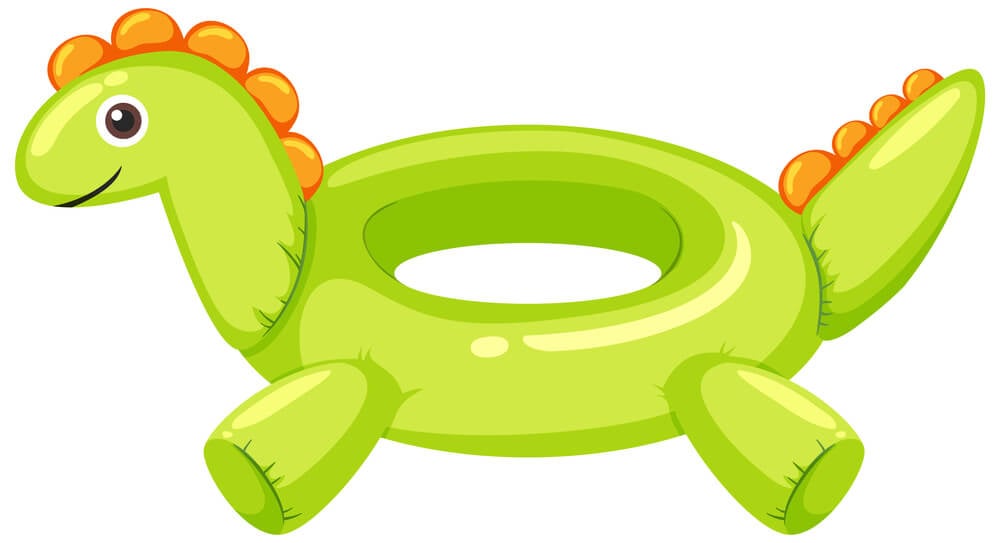
During the 1960s, Sinclair dealers offered inflatable vinyl versions of Dino that stood a few feet long once a parent had spent ten minutes blowing one up. The promotion rode the wave of Dinoland, the company’s pavilion at the 1964 New York World’s Fair, where life-size fiberglass dinosaurs drew millions of visitors.
The green inflatables floated in pools, guarded bedrooms and slowly leaked air along the seams. Few survived childhood intact, and an unused one still folded in its original package is a genuine find.
Esso Tiger Tails
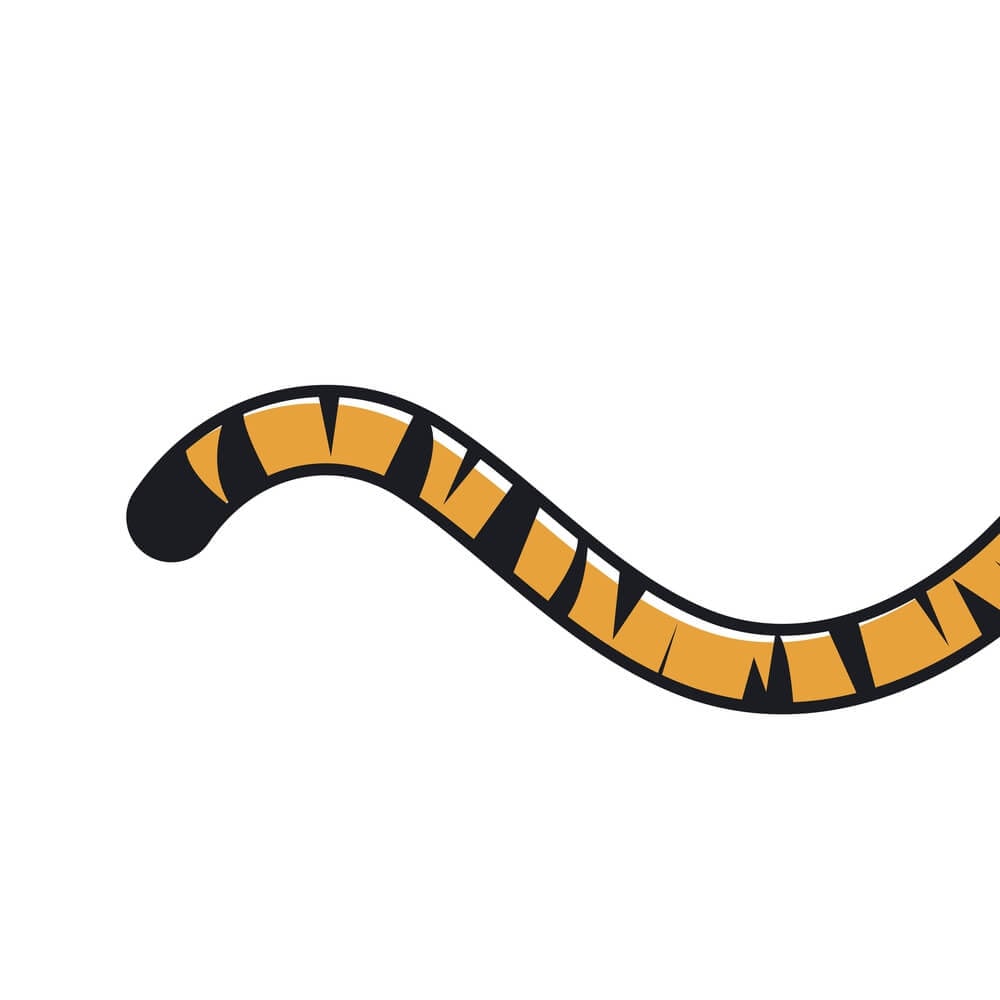
The “Put a Tiger in Your Tank” campaign swept American highways in 1964. Esso and Humble stations sold striped fake-fur tiger tails for pocket change, designed to hang from the gas cap so it looked as though a tiger had been shut inside the tank.
Millions of cars wore them within a year, and children tied extras to bicycle handlebars. Time magazine called 1964 the Year of the Tiger along Madison Avenue.
The tails faded in the sun and frayed in the wind, so bright examples are uncommon now.
Exxon Plush Tigers
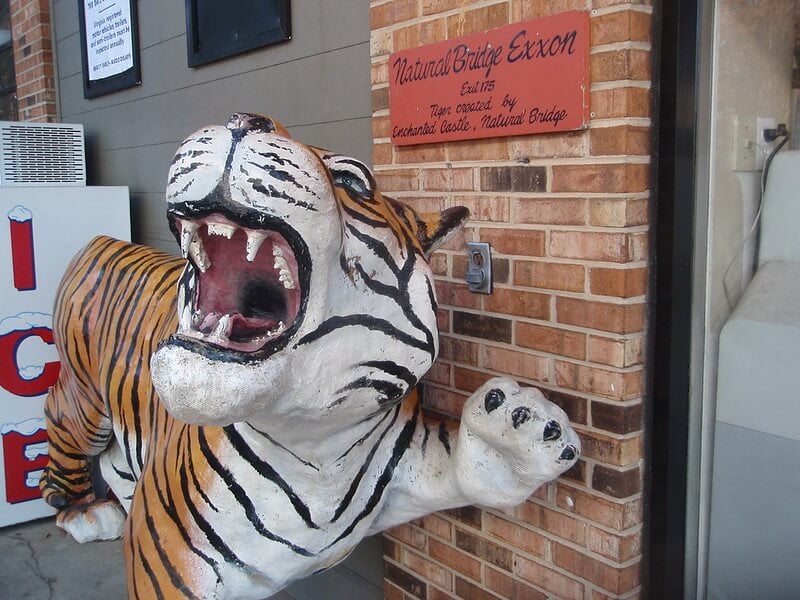
When Esso and Humble stations were rebranded as Exxon in the early 1970s, the tiger made the move too. Over the following decades, stations sold stuffed tigers in several sizes, often during the holidays and often at a discount with a fill-up.
The plush toys gave the company a friendlier face than most oil brands could manage and kept the mascot in front of a new generation. They were made in large quantities and remain inexpensive, which has made them an easy entry point for collectors of station memorabilia.
Esso Oil Drop Figures
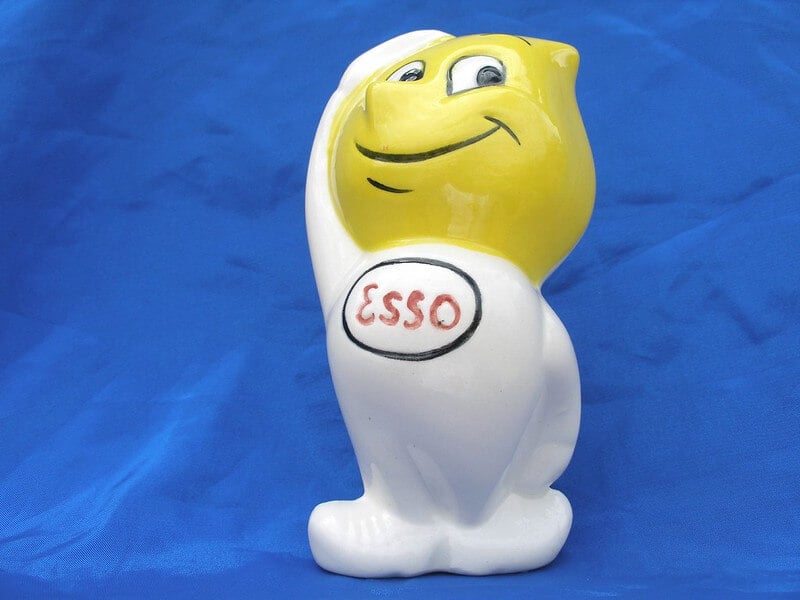
Before the tiger, Esso had the Oil Drop, a smiling character shaped like a single drop of oil. The mascot originated in European advertising and reached American stations by the late 1950s, where it appeared on maps, signs and a run of small plastic figures and coin banks.
The banks came as a boy and a girl version, with a slot in the back of the head. Station attendants handed them out during heating oil and motor oil promotions.
Undamaged pairs with clear paint on the faces draw steady interest today.
Gulf Lunar Module Models
Gulf sponsored television coverage of the Apollo missions, and in 1969 its stations gave away a punch-out cardboard model of the lunar module. The sheets were free with no purchase required, and children across the country folded tabs and fitted legs at kitchen tables while the real craft headed for the moon.
Gulf distributed the kits by the millions. Assembled models rarely lasted the summer, but unpunched sheets survive in decent numbers because so many parents tucked a spare away as a souvenir of the landing.
Gulf Funny Weekly Comics
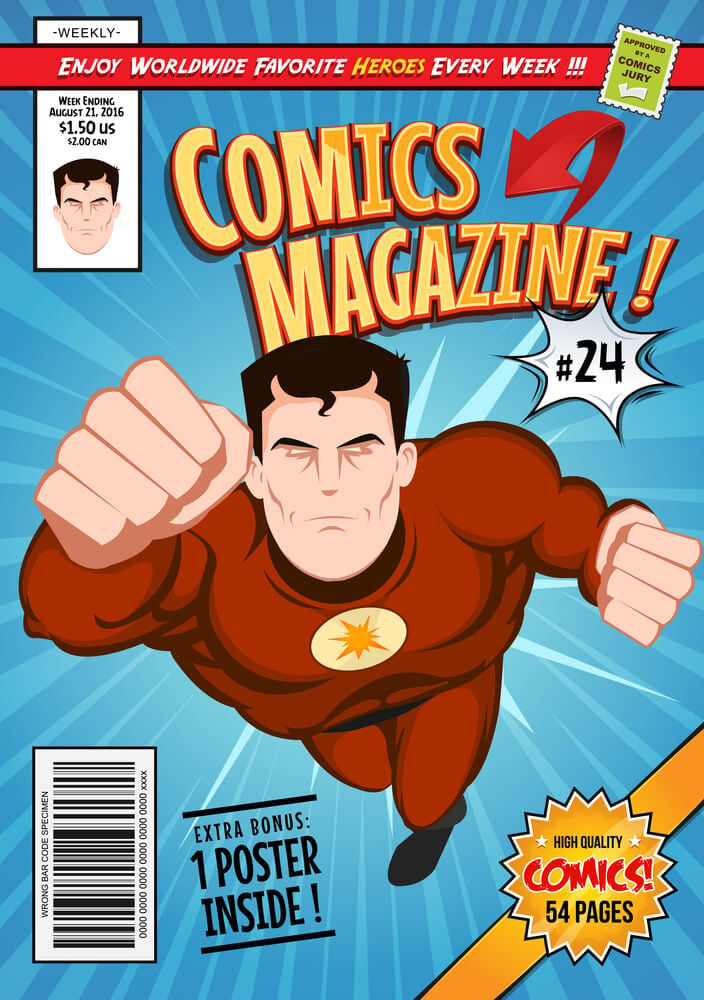
In 1933, Gulf stations began handing out a free four-page color comic tabloid called Gulf Comic Weekly, soon renamed Gulf Funny Weekly. A new issue appeared every week with original adventure and humor strips, and the only way to get one was to have a parent pull into a Gulf station.
Circulation climbed into the millions, and the giveaway ran until 1941. Historians count it among the earliest comic books with all-new material, which means a gasoline premium helped invent a medium.
ARCO Noah’s Ark Animals
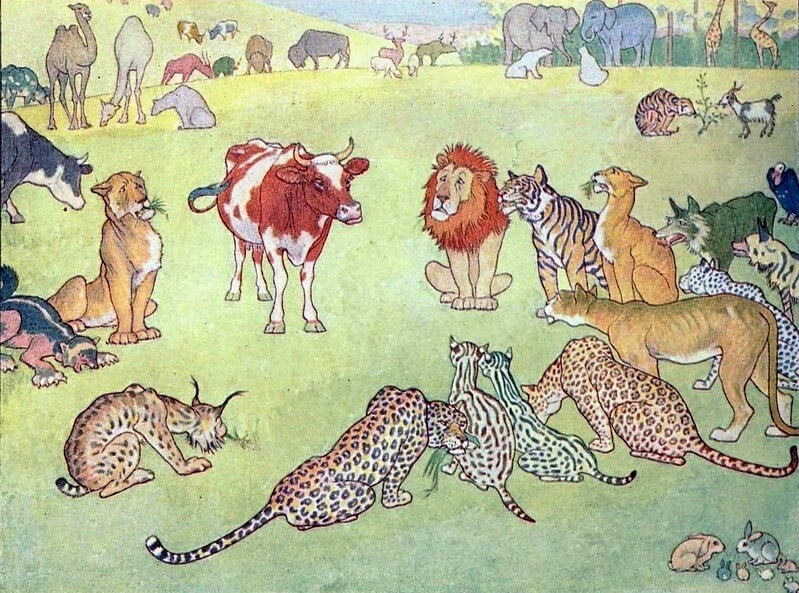
In 1971, ARCO stations ran a promotion built around a plastic Noah’s Ark. Families picked up the ark itself, then collected pairs of small plastic animals with later fill-ups, a few at a time, until the set was complete.
The structure worked exactly as intended, because no child would settle for one giraffe. The animals were simple molded figures, and the pieces scattered easily into toy boxes and sandboxes.
A complete ark with every pair accounted for takes patience to assemble today.
Shell Mr. President Coin Game
Shell stations in the late 1960s handed out sealed paper packets containing a coin stamped with the portrait of an American president. Collecting certain combinations won cash prizes, and the coins fit into a cardboard folder that doubled as a history lesson.
Most coins were aluminum, with scarcer bronze versions mixed in. Adults played for the money and children kept the coins, which still fill jars and desk drawers across the country.
A follow-up game featured the states of the union.
Shell Lego Sets
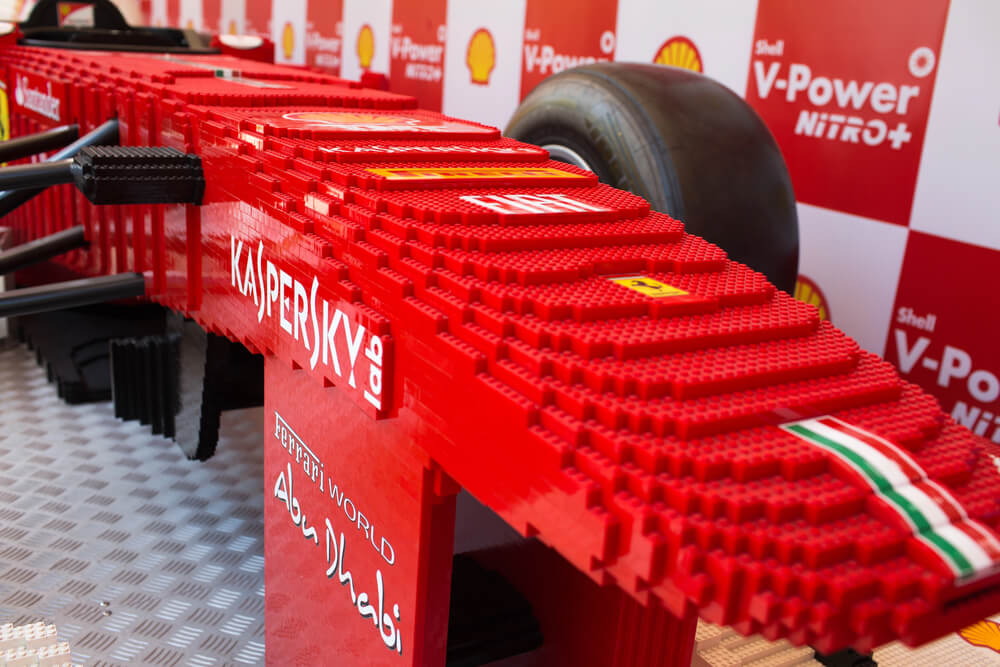
Beginning in the 1960s, Lego produced Shell-branded service stations, tanker trucks and race cars, and for years Shell stations in many countries sold small Lego sets at the counter with a fuel purchase. The partnership lasted about half a century and put the Shell logo in millions of toy boxes.
It ended after a 2014 Greenpeace campaign targeted the relationship over Arctic drilling, and Lego announced it would not renew the contract. The older Shell sets have since become a collecting category of their own.
Sunoco Antique Car Coins
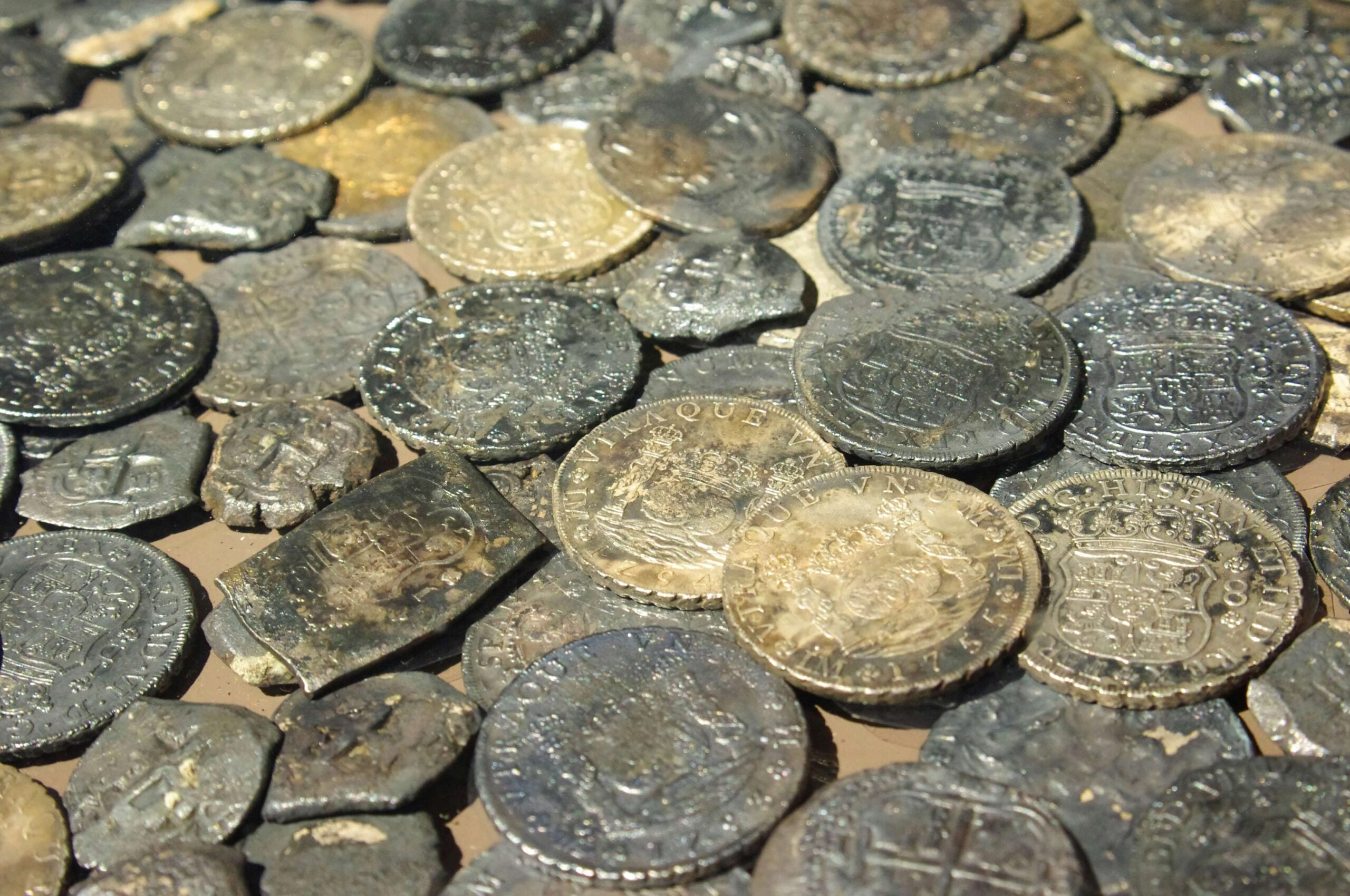
In 1968, Sunoco stations gave customers a sealed coin with each visit, each one stamped with a different antique automobile, from early steam cars to 1920s roadsters. The Franklin Mint struck the coins, mostly in aluminum with some bronze, and stations supplied a folder with a labeled slot for each one.
A second series followed in 1969. The quality of the engraving was far better than a free premium required, and complete folders still turn up at estate sales in excellent shape.
Sunoco NFL Stamp Albums
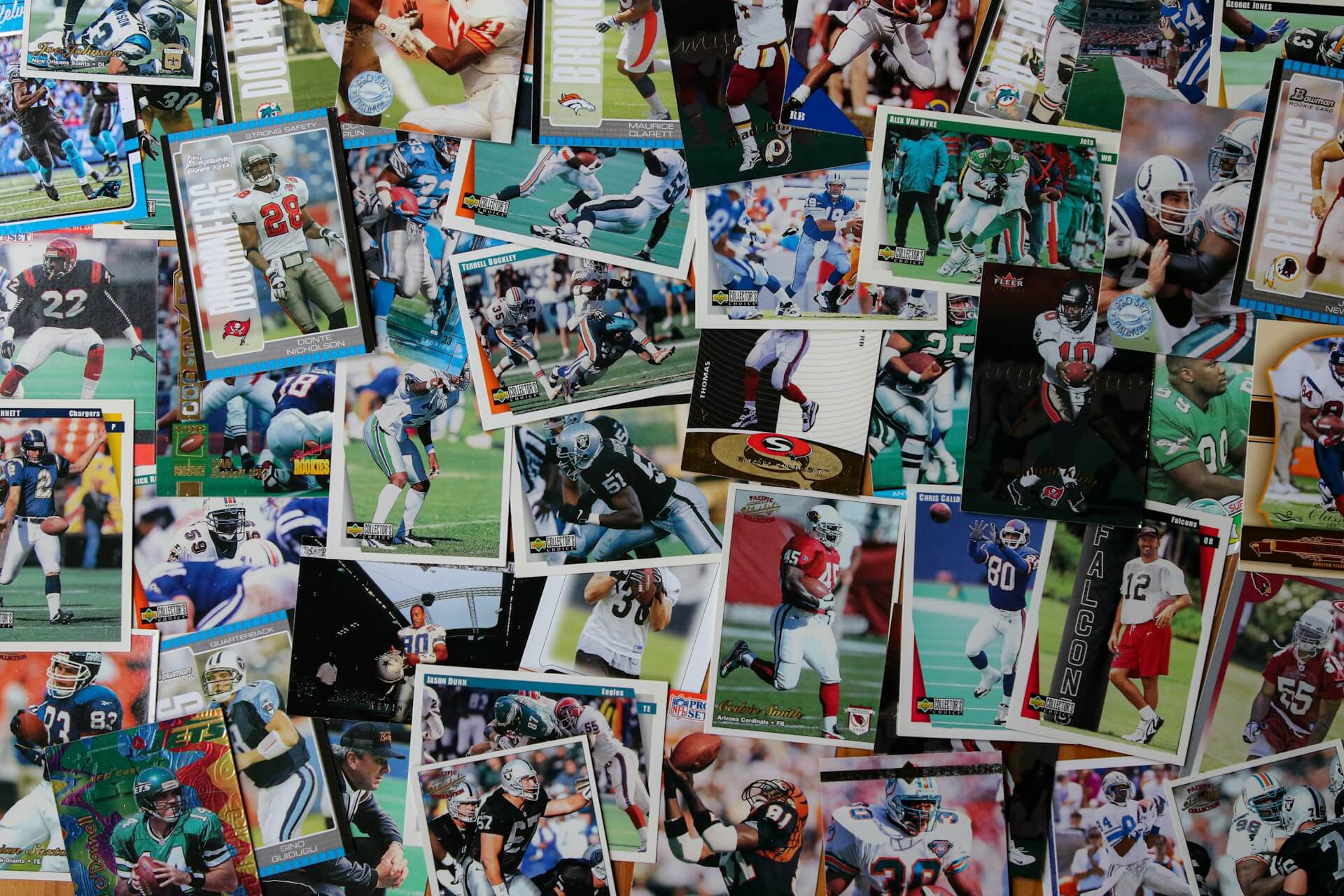
Sunoco’s 1972 NFL Action stamp promotion asked a lot of its young collectors. The set ran to more than six hundred player stamps, handed out in small sheets with each fill-up, and the album had a marked space for every player on every team.
Finishing the book required months of loyalty or a busy schoolyard trading market. Stations also sold a deluxe album for serious collectors.
Complete, neatly mounted books are scarce, since most children ran out of patience or glue long before the final roster was full.
Union 76 Antenna Toppers
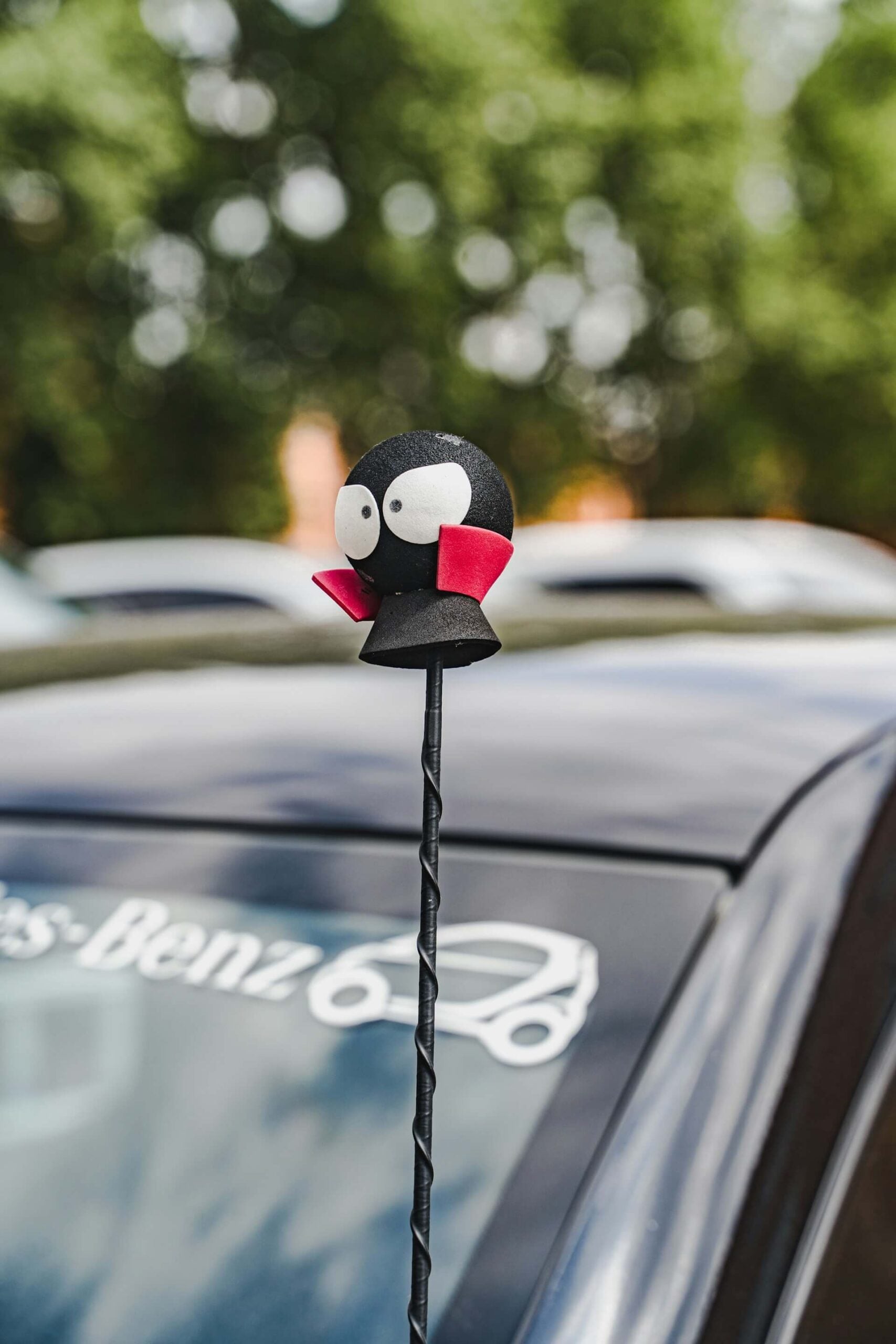
Union Oil introduced its rotating orange sphere sign at the 1962 Seattle World’s Fair, and in 1967 it began giving away a miniature foam version made to sit on top of a car antenna. The orange toppers spread across the West within months.
They helped drivers find their cars in crowded lots and gave children something to beg for at every station stop. The company has handed out tens of millions of them since, and when it moved to retire the big orange signs in the 2000s, fans organized a campaign to save them.
The Chevron Cars
Chevron’s talking cars first appeared in stop-motion television commercials made by Aardman Animations in the mid-1990s, and in 1996 the company began selling toy versions at its stations. Sam Sedan, Wendy Wagon, Tony Turbo and Freddie Four-Wheeler each had moving eyes, doors that opened and a personality printed on the box.
New characters arrived several times a year, and children tracked them with checklists. The line ran for roughly fifteen years and produced dozens of models, most of which remain affordable today.
Rival Holiday Trucks
The success of Hess did not go unnoticed. During the 1990s, Mobil, Exxon, Sunoco, Texaco, BP and other brands introduced their own annual holiday trucks, usually tankers or haulers with lights, sounds and a price just under twenty dollars.
For a few seasons, a family could drive from station to station and assemble an entire fleet. Most of the rival series ended within a decade or so as station ownership shifted and promotions budgets shrank.
Boxed examples are plentiful and inexpensive, with a few scarce early years as exceptions.
Auto Bingo Cards
The rack near the register often held a stack of Auto Bingo cards from Regal Games of Chicago. Each cardboard card showed pictures of things a child might spot from the car, such as a cow, a stop sign or a railroad crossing, and each square had a little red plastic shutter to slide closed.
The cards needed no pencils or loose pieces, which made them ideal for the back seat. Variations covered interstate travel and traffic safety, and the design has barely changed in more than half a century.
Wooly Willy
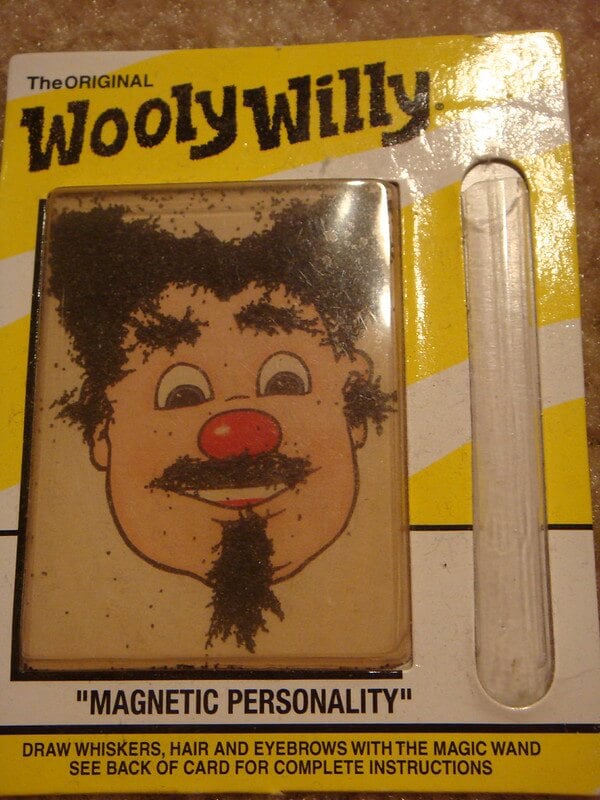
Wooly Willy came out of Smethport, Pennsylvania, in 1955, the invention of brothers Donald and James Herzog at their family’s toy company. A cartoon face sat under a clear plastic bubble filled with iron filings, and a magnetic wand let a child drag the filings into a beard, eyebrows or a towering hairdo.
It sold for 29 cents. The thin cardboard package hung perfectly from a pegboard hook, so it found a home in gas stations, variety stores and roadside gift shops, and tens of millions were sold.
Magic Slate
The Magic Slate dated to the 1920s, when an Illinois printer named R.A. Watkins developed the design. A sheet of gray plastic film lay over a dark waxed board, a wooden or plastic stylus left a line wherever it pressed, and lifting the film erased everything with a satisfying zip.
The slates were flat, light and cost well under a dollar, which made them a natural for station racks. Most carried a licensed cartoon or television character on the cardboard frame, and that artwork is what collectors look for today.
Guillow’s Balsa Gliders
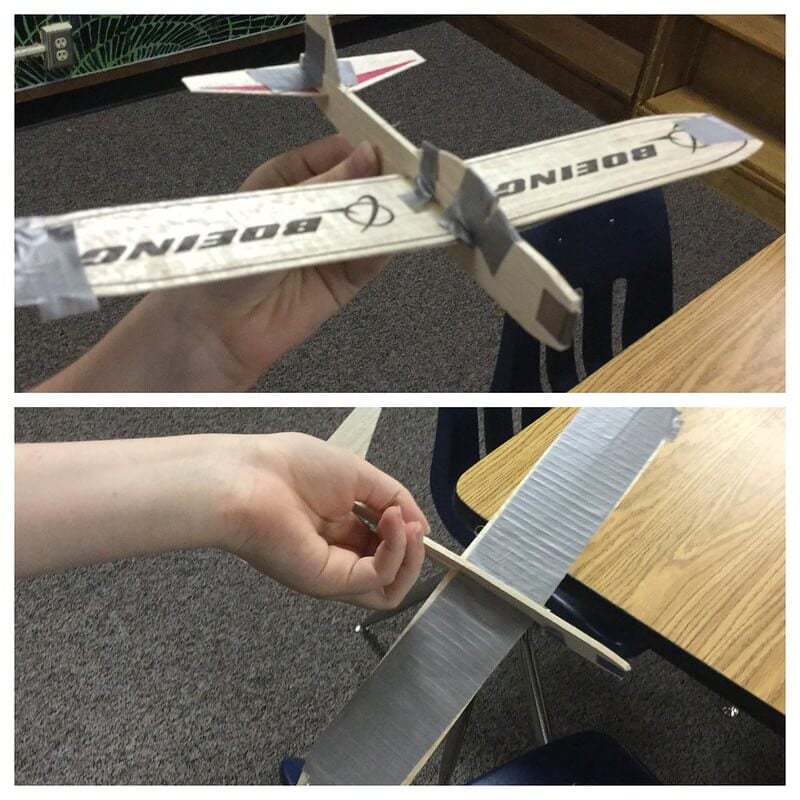
Paul K. Guillow founded his model airplane company in Wakefield, Massachusetts, in 1926, and his simple balsa gliders became a fixture of counter displays everywhere. Each one came flat in a paper sleeve, with a fuselage, a wing, a tail and a metal nose clip, and went together in under a minute.
They cost pocket change and flew remarkably well until the first hard landing snapped a wing. Many ended up on a rest stop lawn twenty minutes after purchase.
The company still makes them in Wakefield.
Loyalty by the Gallon
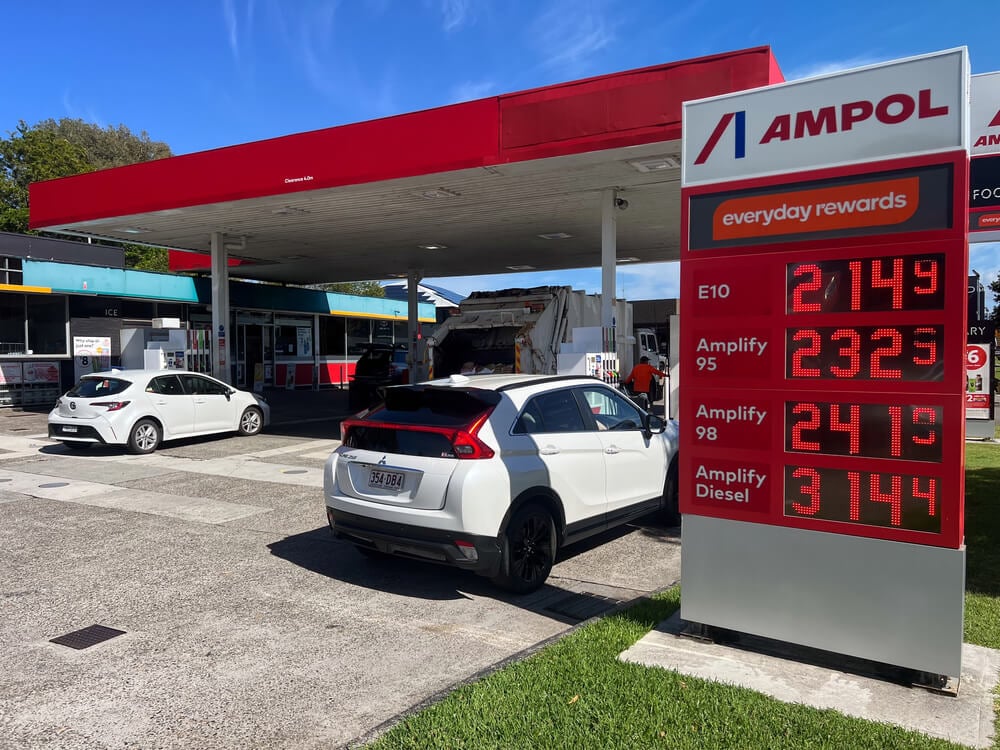
Gasoline is about as interchangeable as a product gets, and oil companies understood that early. A toy gave one corner station an edge over the identical station across the street, and it recruited the most persistent sales force available, which was children in the back seat.
The strategy worked for the better part of a century. Families planned fill-ups around the next stamp, coin or truck.
Most of those promotions ended as full-service stations gave way to convenience stores and pay-at-the-pump cards. Drivers no longer walk inside, and the counter space now belongs to snacks and lottery tickets.
The surviving toys carry logos of brands that have merged, renamed or disappeared. They remain small, durable records of a time when buying gas involved a conversation and a reason to come back.
More from Go2Tutors!

- The Romanov Crown Jewels and Their Tragic Fate
- 13 Historical Mysteries That Science Still Can’t Solve
- Famous Hoaxes That Fooled the World for Years
- 15 Child Stars with Tragic Adult Lives
- 16 Famous Jewelry Pieces in History
Like Go2Tutors’s content? Follow us on MSN.



