15 fastest tennis serves ever recorded
Tennis blends strategy, technique, and bursts of pure speed. While long rallies keep fans at the edge of their seats, it’s the thunderous serves that really turn heads.
These moments of raw power can flip the match in seconds. A few players have taken serving to the extreme—so much so that the numbers speak for themselves.
Let’s dive into the 15 fastest serves ever tracked. Some of these are almost hard to believe.
Sam Groth – 163.7 mph (263.4 km/h)
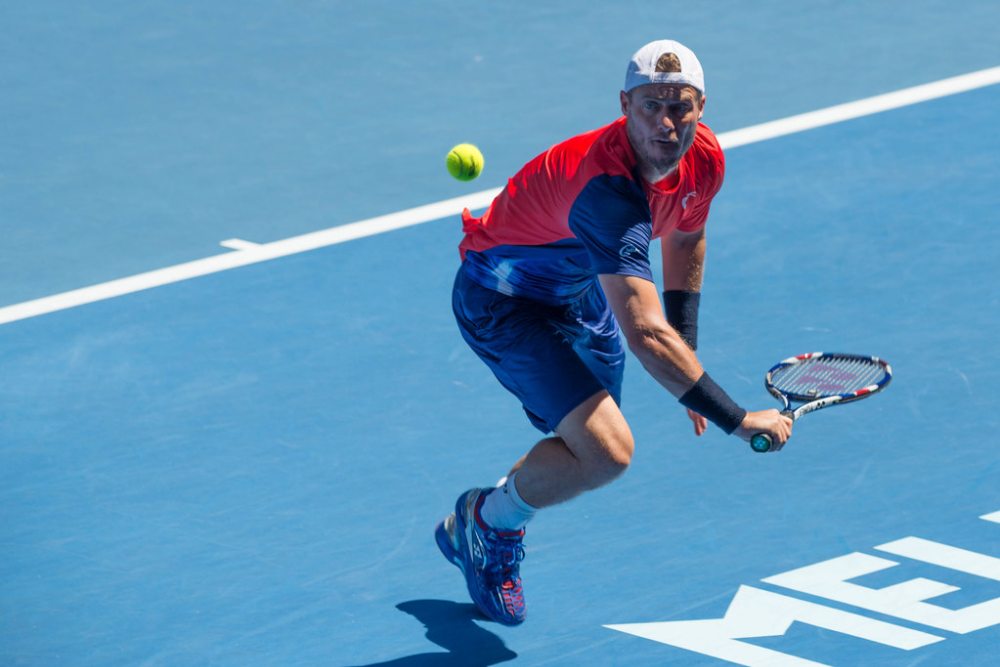
Groth delivered this thunderous serve in 2012 at a Challenger event in Busan, South Korea. Though not in an ATP-level match, the serve was officially measured and accepted.
His powerful playing style made this kind of speed possible. Very few players have come close to matching it.
For years, this record has stayed untouched at the top.
Albano Olivetti – 160.0 mph (257.5 km/h)
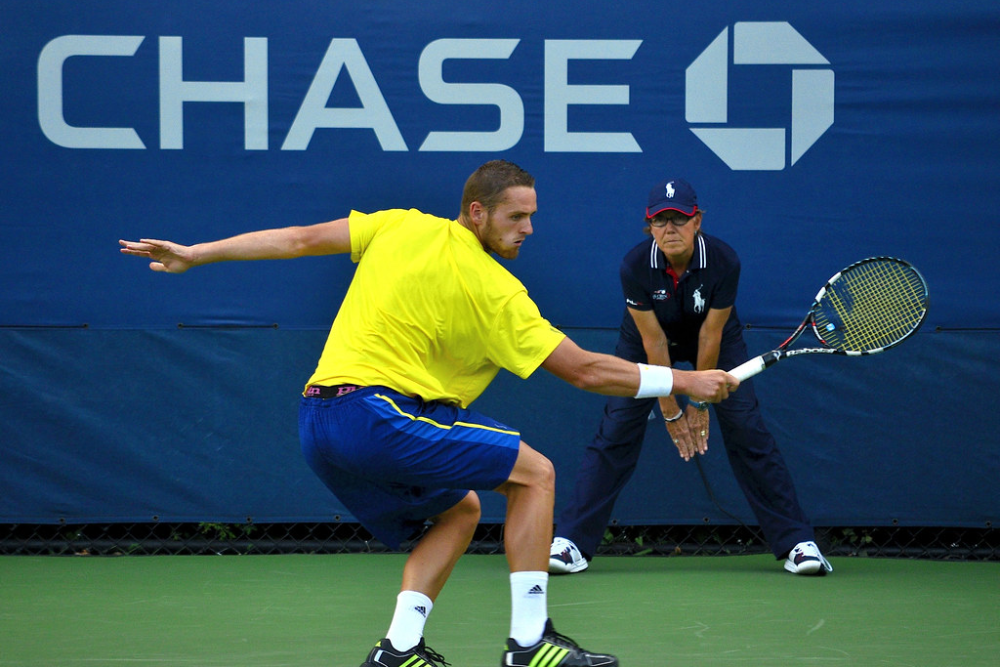
Olivetti might not be a familiar face to casual fans, but his serve is impossible to ignore. He recorded it during a tournament in Italy, surprising many with the sheer velocity.
Standing tall, he uses his build to send the tennisball down at a sharp angle. This shot helped him briefly stand out in a highly competitive field.
Even without big titles, this serve keeps his name on the list.
Like Go2Tutors’s content? Follow us on MSN.
John Isner – 157.2 mph (253.0 km/h)
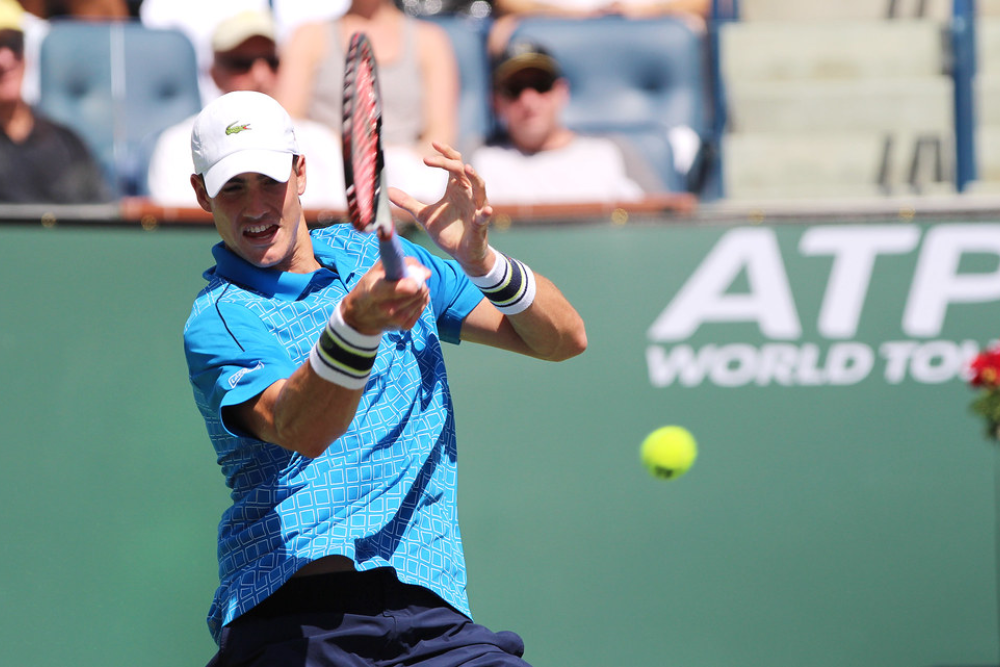
Isner, famous for his height and consistency, let this one loose in a Davis Cup battle. He’s always been among the top servers in the sport.
What makes his delivery so tough is not just speed but also how well he places the tennisball. Many players struggle to even get a racquet on it.
His service game has carried him through countless tight matches.
Ivo Karlović – 156.0 mph (251.0 km/h)

Karlović, towering and powerful, fired this off in another Davis Cup event. His serve has been feared across generations of opponents.
He often ends games quickly with just a few strokes, relying heavily on this weapon. Despite his age, his serve stayed among the best for a long time.
His name is nearly always mentioned when big serves come up.
Milos Raonic – 155.3 mph (250.0 km/h)
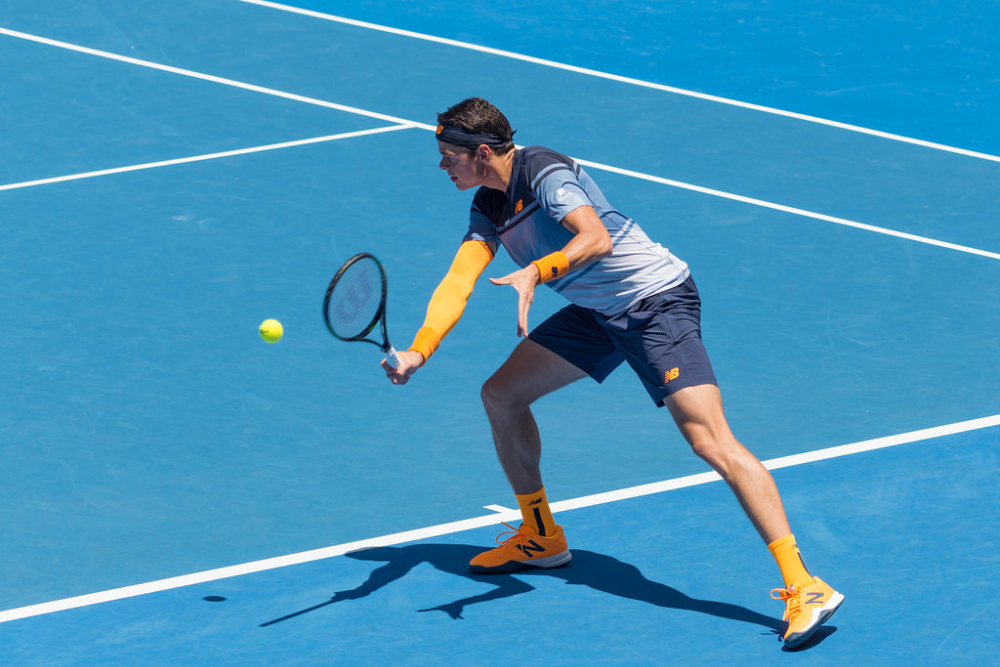
Raonic struck this serve at the Rogers Cup, sending a message to the rest of the field. His motion is smooth, and that fluidity helps generate serious speed.
This serve helped him rise through the ranks and become a Grand Slam finalist. His placement and timing made it nearly unreturnable.
Opponents often struggled just to keep the tennisball in play against him.
Like Go2Tutors’s content? Follow us on MSN.
Ryan Harrison – 152.0 mph (244.6 km/h)
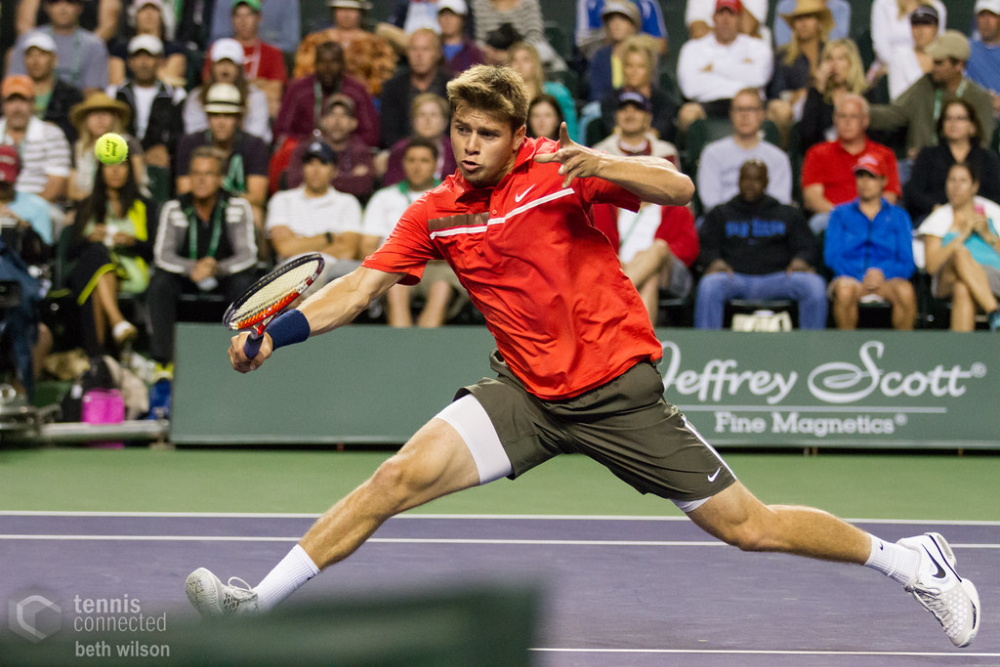
Harrison’s big serve wasn’t something most expected. He isn’t typically listed with the top power hitters.
But this effort showed he could deliver surprising pace. During the match, the serve caught everyone off guard—including his opponent.
While not a regular feature of his game, it proved what he was capable of.
Taylor Dent – 149.8 mph (241.1 km/h)
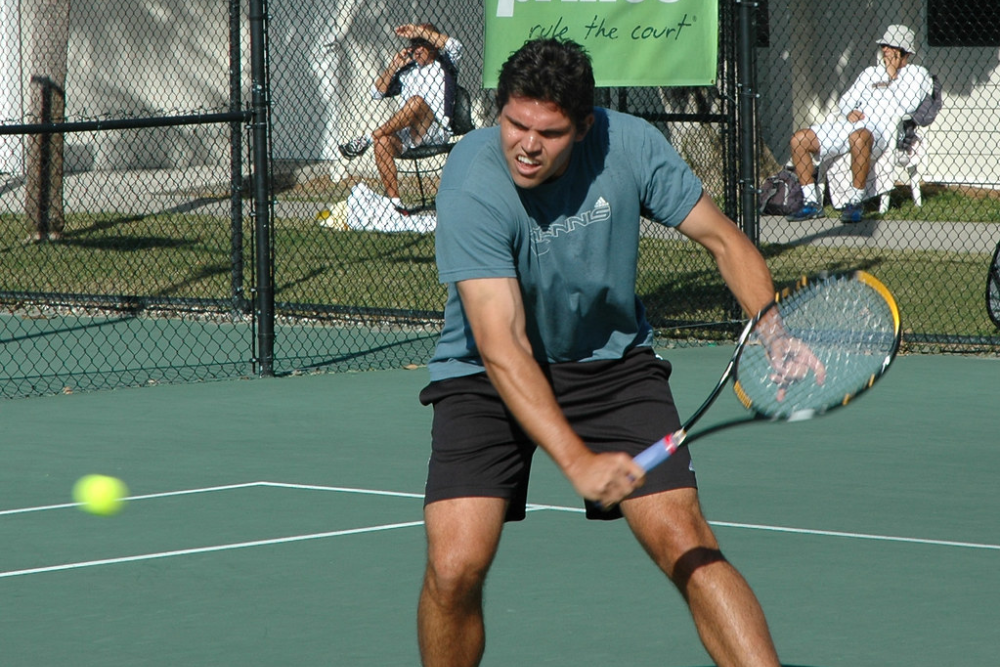
Dent played with an old-school flair, and his serve matched that energy. He recorded this one during the 2010 US Open.
Known for rushing the net, he relied on a strong first serve to set up his points. This particular shot remains a standout from his career.
It was a mix of style and strength that made him exciting to watch.
Andy Roddick – 155.0 mph (249.4 km/h)
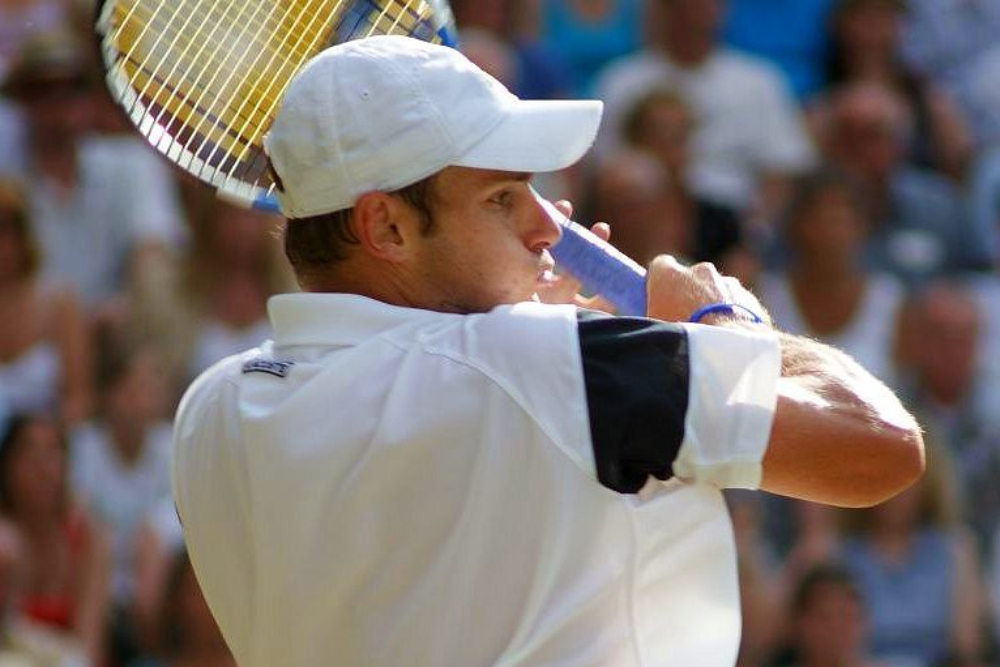
Roddick once held the top serve record for years. He landed this blistering shot in a Davis Cup showdown.
His serve was fast, compact, and tough to read—players often guessed and still missed. It helped him dominate in the early 2000s.
His win at the 2003 US Open was built on that very strength.
Like Go2Tutors’s content? Follow us on MSN.
Nick Kyrgios – 143.0 mph (230.0 km/h)
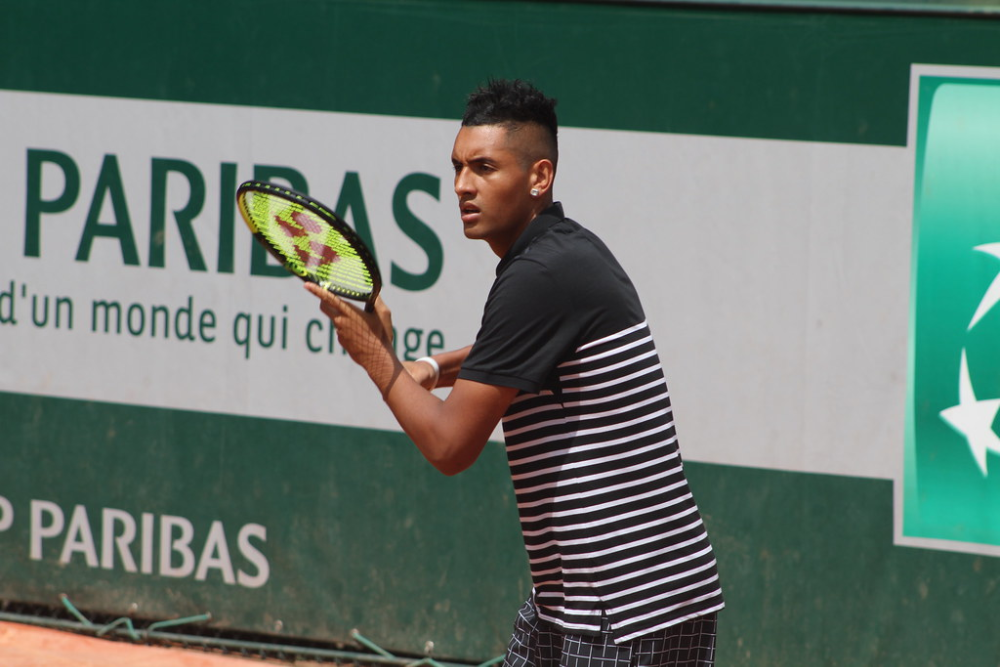
Kyrgios brings unpredictability to every match. This particular serve wasn’t just fast—it was well-timed.
He often changes speed, so when he hits one this hard, it surprises even the most experienced returners. The variation makes him dangerous, not just the speed itself.
That balance is part of what sets him apart.
Reilly Opelka – 148.0 mph (238.0 km/h)

Opelka’s height gives him a big edge, especially on the serve. He regularly clocks in fast serves, but this one was especially fierce.
Delivered during an ATP event, it showcased both strength and control. The sharp angles and downward path make his serves difficult to return cleanly.
He’s often compared to other tall servers, and this number helps explain why.
Ben Shelton – 147.0 mph (236.6 km/h)
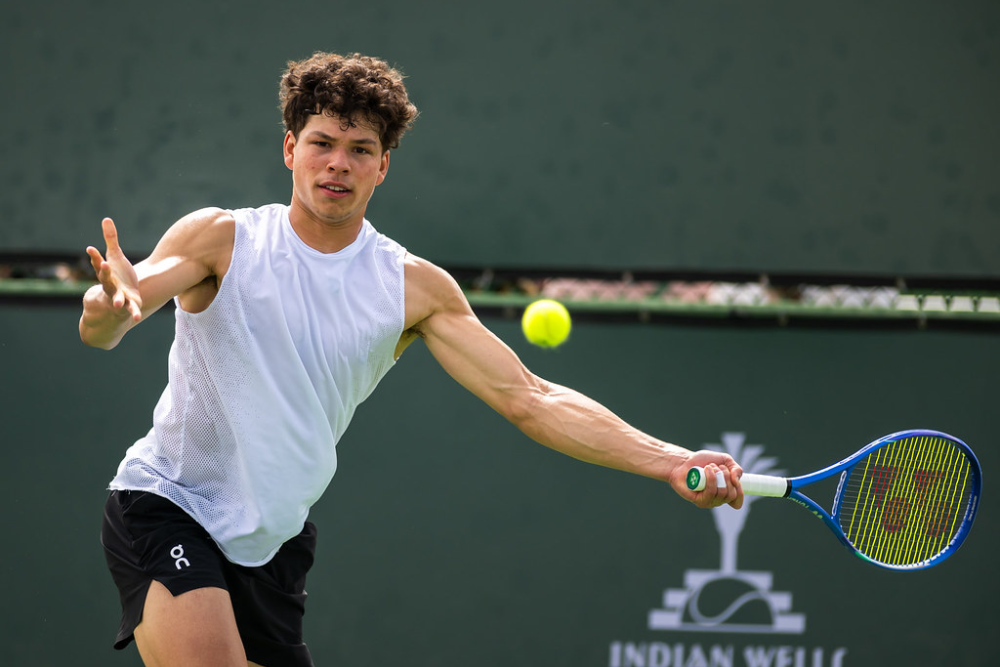
Shelton turned heads early in his career with this missile of a serve. It happened during a US Open match, and the buzz was immediate.
He plays with energy and doesn’t shy away from taking chances. Using his serve as a weapon, he forces errors quickly.
Fans see in him a rising force in American tennis.
Like Go2Tutors’s content? Follow us on MSN.
Gaël Monfils – 142.8 mph (229.8 km/h)

Monfils may be better known for his movement and creativity, but he has power too. This serve proves it.
In a Grand Slam setting, he fired it off and stunned the audience. He doesn’t rely on his serve alone, but when he chooses to go big, he can match the best. It’s just another example of his versatility.
Roger Federer – 143.0 mph (230.0 km/h)
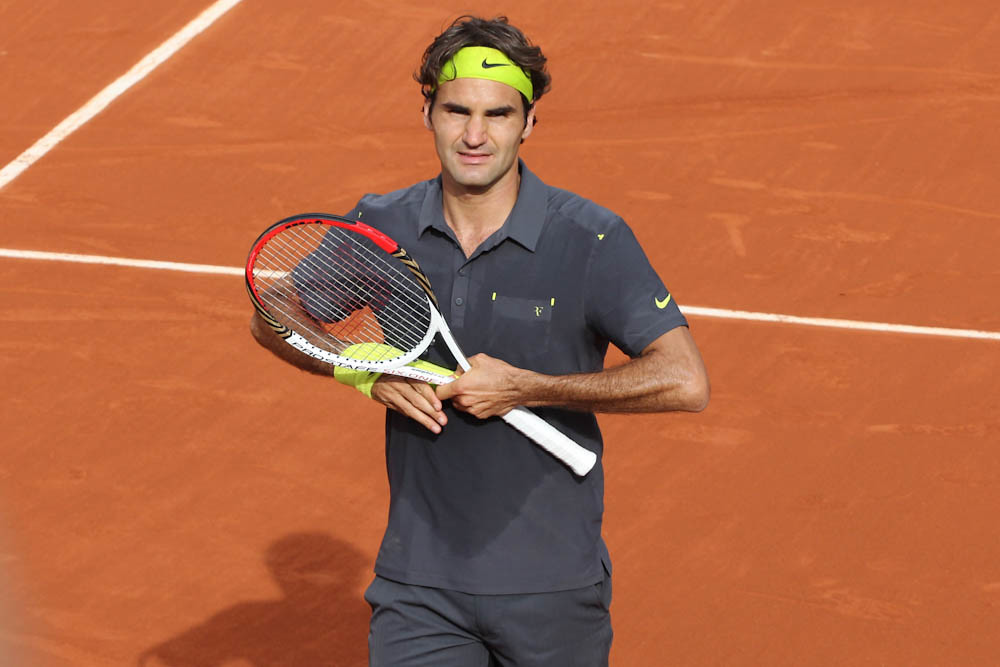
Federer is the definition of control and precision. But even he turned up the heat with this one, at Wimbledon.
His serve might not top the charts regularly, but he uses it smarter than most. Timing and disguise add to the speed, making it seem faster than it is.
This moment showed he could mix power with finesse when needed.
Kevin Anderson – 147.0 mph (236.6 km/h)

Anderson relied on his big frame to crank out this fast serve on a hardcourt. He doesn’t show much emotion, but his shots speak loud enough.
The serve came at a key moment and made an instant impact. He used his consistent service games to outlast opponents over long matches.
This one was a great example of his reliability and strength.
Like Go2Tutors’s content? Follow us on MSN.
Jo-Wilfried Tsonga – 146.0 mph (234.7 km/h)
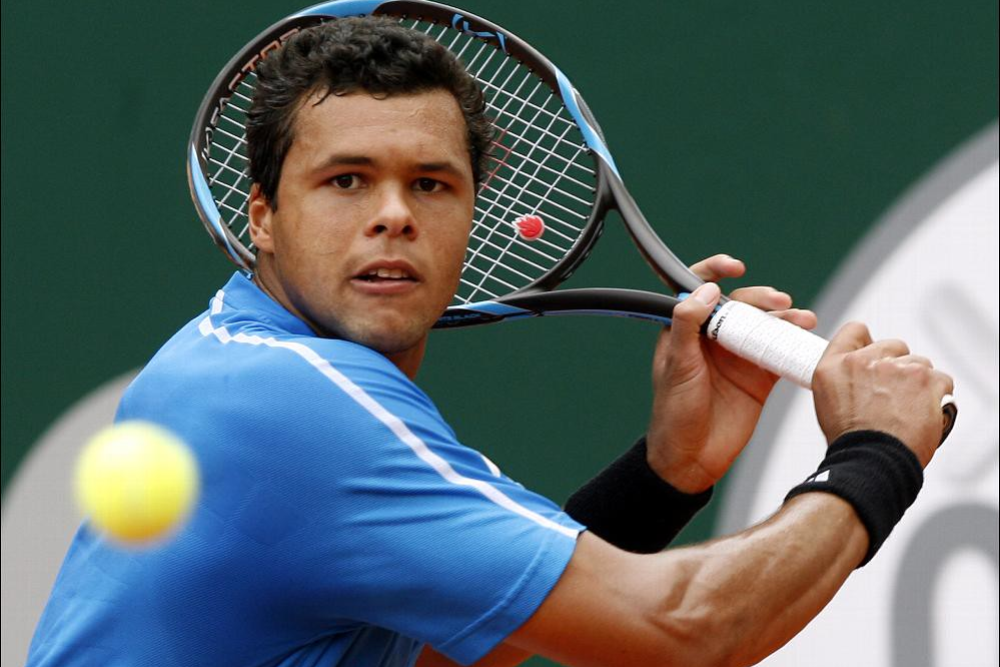
Tsonga’s energy and athleticism lit up every court he played on. This serve, recorded at the Australian Open, backed up his aggressive play.
Though he didn’t always lead in serve stats, he had the ability to turn it on. When it landed, it gave him control of the point immediately.
His mix of movement and power kept fans watching closely.
When power meets precision, history remembers
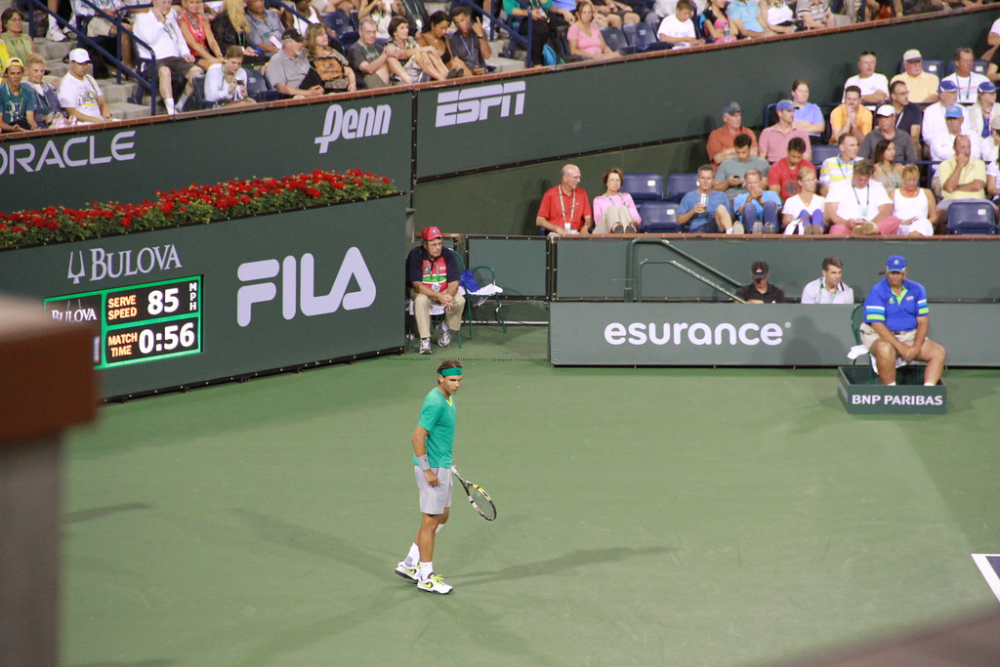
These serves didn’t just light up the radar—they shifted the direction of matches. In each case, speed met timing, and the result was unforgettable.
The game continues to evolve, with players chasing even faster serves and new records. Equipment, training, and player size all play a role.
But for now, these 15 serve speeds stand as a marker of how far a single shot can go.
More from Go2Tutors!

- 16 Historical Figures Who Were Nothing Like You Think
- 12 Things Sold in the 80s That Are Now Illegal
- 15 VHS Tapes That Could Be Worth Thousands
- 17 Historical “What Ifs” That Would Have Changed Everything
- 18 TV Shows That Vanished Without a Finale
Like Go2Tutors’s content? Follow us on MSN.